
Ring LED Headlights for Porsche: A Better Drive After Dark
Headlights are easy to forget about until they annoy you. Plenty of Porsche owners spend money on the parts they

When Grant Larson first introduced his Boxster designs & Porsche released their specifications to the consumer market in 1996, it’s no wonder it instantly became the most serious competitor among sports cars with substantial engines that don’t break the bank – despite ample contention from BMW and Mercedes.
Taking the most notable design inspiration for the first generation from the 550 Spyder, but also the 356 Cabriolet and Speedster, the Boxster has had only minor design revitalisations throughout the four generations it has been around.
Surprisingly, it took Porsche a while to bridge the middle ground between the 911 range and a more affordable coupé sports range – with several attempts made prior to the late 90s. However, they finally cracked it with the Boxster (and Cayman) – two model variants that are now an iconic part of the company and that represent Porsche ownership accessibility.
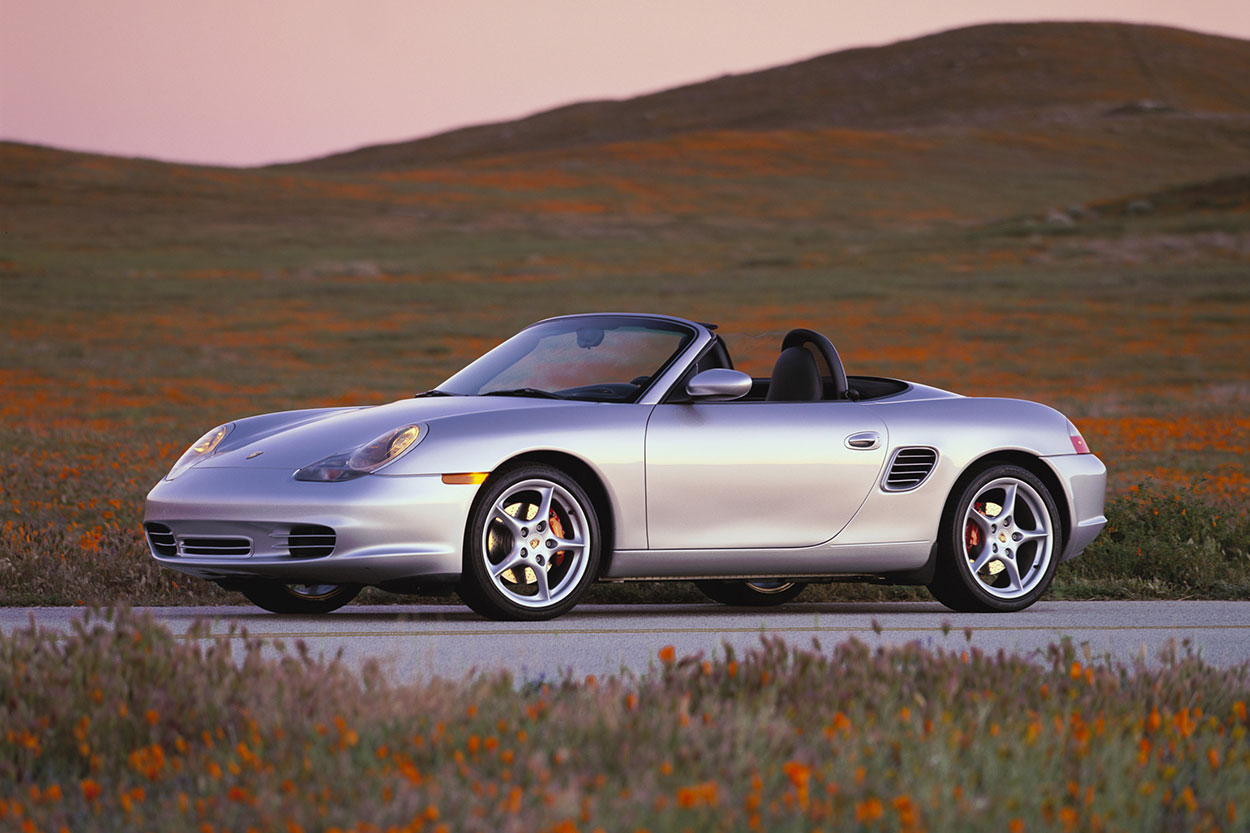
Of course, the 911, the flagship Porsche model, is both bigger and carries more functionality than its Boxster counterpart, however, the 911 is also considerably more expensive and the Boxster is a great choice for those after a luxury Porsche model that are more concerned about their budget.
Following on from our previous detailed parts blog (you can read that here) on the Porsche Boxster, we’re going to take a look at some more commonly asked questions – and, of course, give you some solutions.
The late 90s and early Noughties were a strange time for Porsche. It was the first time they delved into a successfully mainstream affordable Sports car (in the Boxster), while also creating a 911 (in the shape of the 996) that was rebelliously nonnative to previous before it.
The interesting thing about the Porsche 996 and Boxster being created at around the same time is that the two shared interchangable parts, which, subsequently means they shared similar issues upon release and for the next few years that followed.
The two main issues the Boxster and 996 faced at the start of the 2000s were IMS (intermediate shaft) bearing failures and RMS (rear main seal) issues. Contrary to popular belief, both of these issues, although certainly prelevant in both models, were not a guaranteed issue in models of this era. Despite saying this, if these issues do occur with your Boxster, that implies complete engine failure is very likely and the cost of repair will not be pretty.
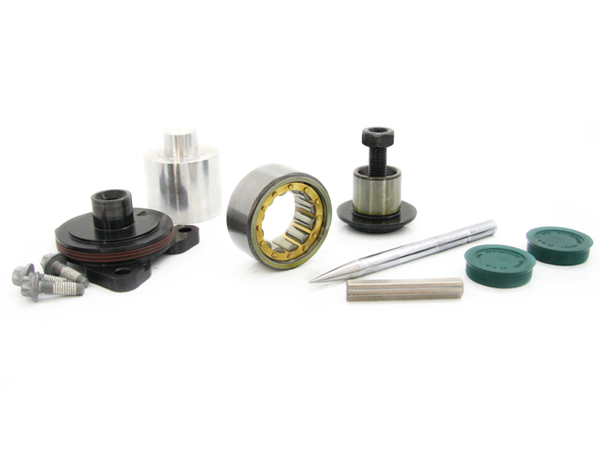
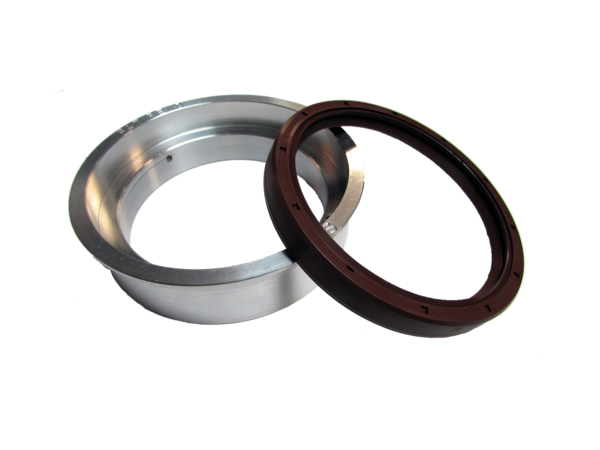
However, don’t fret. There are parts available to fix the issue. You can find the IMS Bearing upgrade kit here and an RMS replacement here.
There are two aspects of this question to tackle, firstly the 718 Cayman vs the 718 Boxster debate and secondly, the “new” aspect.
Seeing as the differences between the Cayman and the Boxster are so fractionally minimal, this question really comes down to personal preference. The Cayman, which mainly differentiates itself from the Boxster by the fact it holds a hardtop and also that it has minimal speed improvements in comparison to the Boxster.
The Cayman, perhaps somewhat easier to differentiate from the 911 than the Boxster, possesses a mid-style boxer engine in the exact way of the Boxster engine. (The Porsche Boxster 981, 987 and 986 also have a six cylinder engine, as do the majority of Caymans).
Some suggest the Boxster has better handling, while others are certain the Cayman is more dynamic on the road – but at the end of the day, it’s like choosing between the pronunciation of potato and potato; go for whichever model makes you feel childishly giddy.
In regards to if you should buy a new Boxster or Cayman, you need to consider that a few year old Porsche 911 will be at a similar price point to a brand-spanking new Boxster or Cayman.
Why consider this? Well, firstly in terms of investment, a used 911 is less of a depreciating asset than any new Boxster or Cayman. Secondly, a fractionally older 911 (such as a 2018 911 Carrera) is arguably going to give you a much better time behind the wheel than either the Boxster or the Cayman.
However, saying that, you may want to experience a taste of Porsche’s new engineering dynamism for a cut price, or you might just prefer the Boxster or Cayman, which in that case – you already have your answer.
Ultimately it comes down to menial things such as, the type of exhaust you want (for instance a particular sport exhaust may only be available on the Cayman), the interior you want (e.g. a leather interior, or maybe you want the 2005 Porsche Boxster Interior specifically) and what you think of the front bumper, rear tyres and rear wheels.
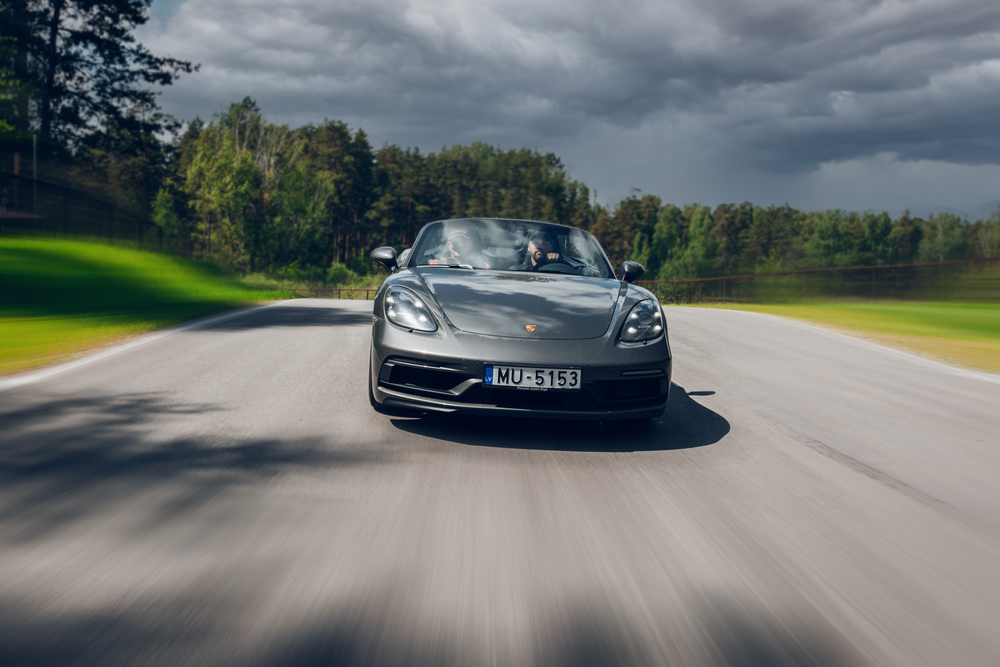
An obvious thing to do, that is relevant when buying any used car, is to thoroughly inspect the service history (and speed manual), as well as checking the mileage and usage record of the car.
On top of this, take the car for a pre-inspection at a reliable Porsche shop so they can give you the ins-and-outs of what you’re getting yourself into.
As stated before, if you’re buying an older Boxster (pre 2009), definitely enquire about the state of the RMS and IMS bearing. Aside from this, Boxsters, and many other Porsches (and cars in general) that use similar parts, can suffer from a host of issues, so inspections are typically that suited by an expert.
However, despite saying this, you may find yourself finding a “cheap” Boxster, relative to their market value, with some issues. In that case you can fix the issues yourself using tailored parts and save yourself some money, if you’re looking to start a project.
Find our list of recommended part changes here. This covers everything from Porsche Boxster body kits, Porsche Boxster engines to air intake systems and steering wheel detailing.
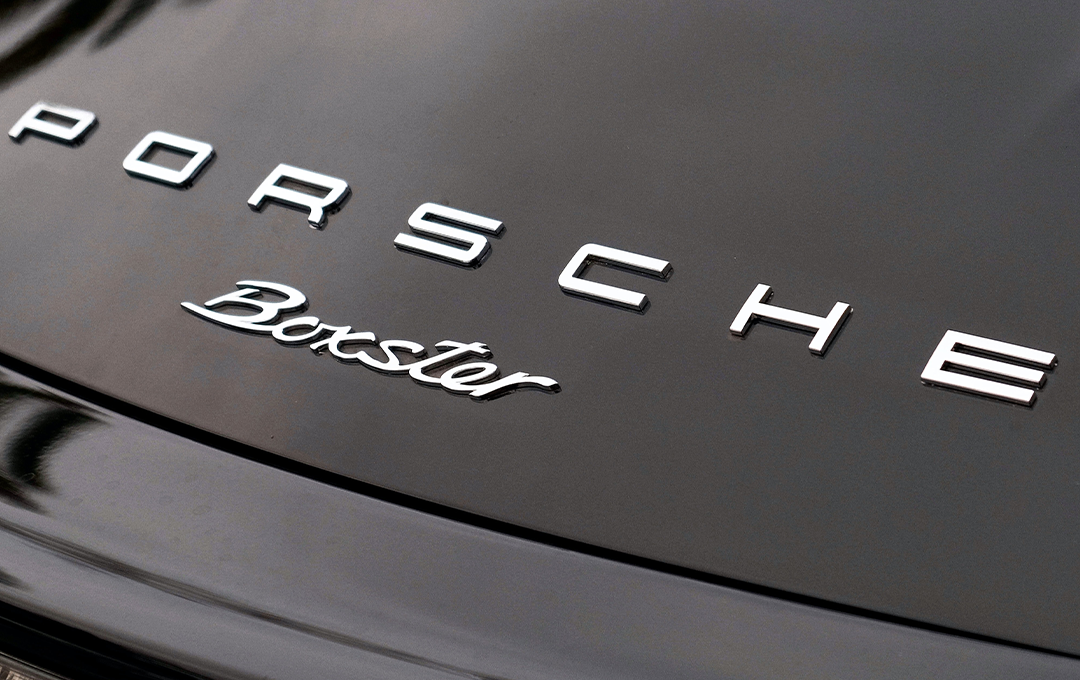
As stated before, it depends on which line/year you are referring to. Any Boxster post-2009 has the 9A1 engine (which was introduced with the 2009 instalment of the Boxster 718). The 9A1 engine is famously reliable, especially when compared to the engines that came before it.
That being said, any Boxster pre-2009 has a chance of having a faulty IMS Bearing (leading to engine failure) or problems with the RMS, this is especially true with the models that came before 2001, which are by far the most likely to experience this.
That being said, aside from the IMS Bearing and RMS issues, Boxsters are extremely reliable cars when it comes down to it. Don’t let those potential issues put you off enjoying such a fantastic Porsche experience.
As described before the IMS Bearing is an Intermediate Shaft Bearing.
In short, the IMS is something that works as a middleman in the car – transferring torque to areas of the car that need it, playing a huge role in the handling and general steering of any car.
In the case of the Boxster the Bearing helps drive the camshaft.
Porsche unintentionally neglected the proper lubrication and building of the IMS and IMS Bearing when creating the early models of the 996 and Boxster 718, which is the reason it is such a prevelant issues on those particular models.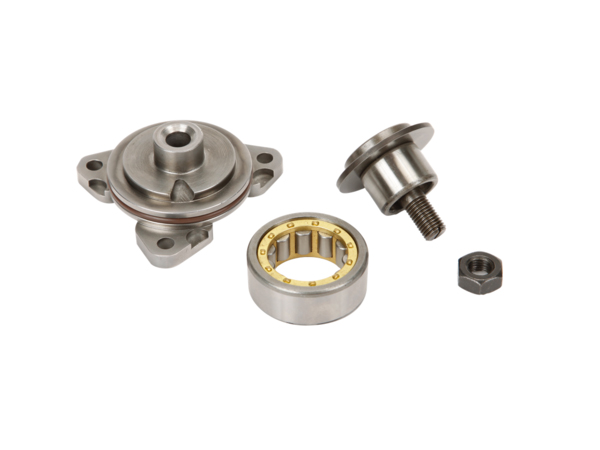
Have any queries about parts for your Boxster or need some more information about the part that’s right for you?
Don’t hesitate to contact us, visit our shop to see items on offer or enquire about our services – we’ll be happy to help with all manners of Porsche!
Headlights are easy to forget about until they annoy you. Plenty of Porsche owners spend money on the parts they
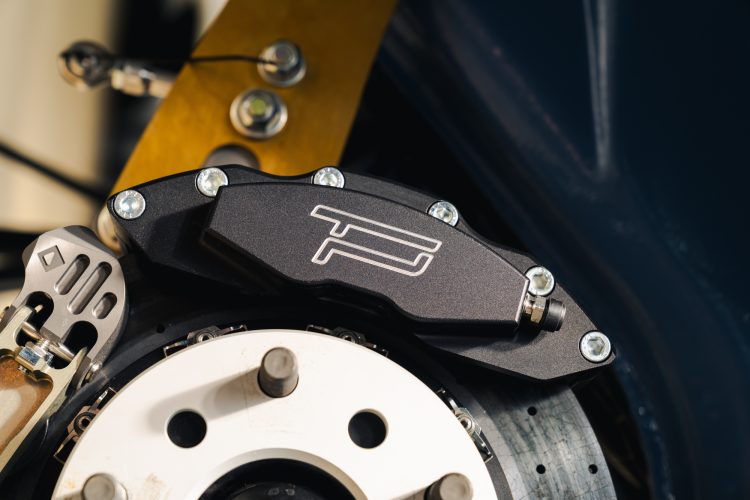
There’s a reason enthusiasts hear the name Tuthill and picture a 911 sideways in the desert. For almost 50 years,
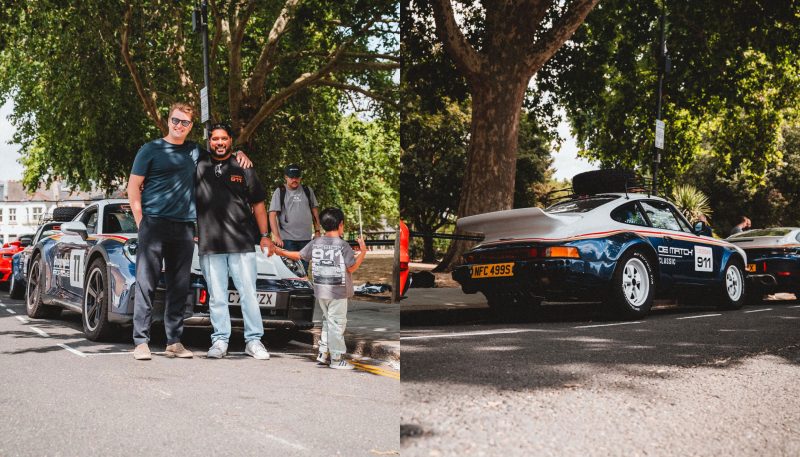
Cars On The Green brought together a brilliant mix of Porsche models, supercars, classics and performance cars for a relaxed
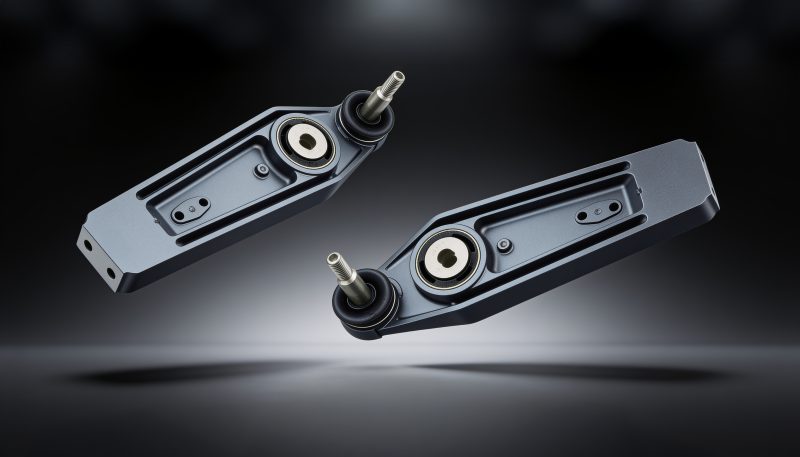
Elephant Racing is a leading name in Porsche suspension, chassis and cooling upgrades. The brand develops specialist parts for both
