
The Lounge by Design911: A First Look at Our New Event Space
The Lounge by Design911 has officially opened its doors for an exclusive soft launch at our Hutton headquarters. Bringing together

Ah, the water pump: the quiet workhorse of your Porsche’s engine bay. It may not steal the spotlight like a turbocharger or command the admiration of a meticulously tuned flat-six, but its role is anything but ordinary. Without it, your prized Stuttgart machine would overheat in no time. Whether you’re powering a Cayenne up a mountain pass, cruising in the timeless elegance of a 928, or carving apexes in a Macan, the water pump is the unsung hero, tirelessly keeping your engine cool and your performance on point.
Let’s dig into the nitty-gritty: the common issues, the fixes, the upgrades & why it’s worth paying attention to this quiet overachiever.
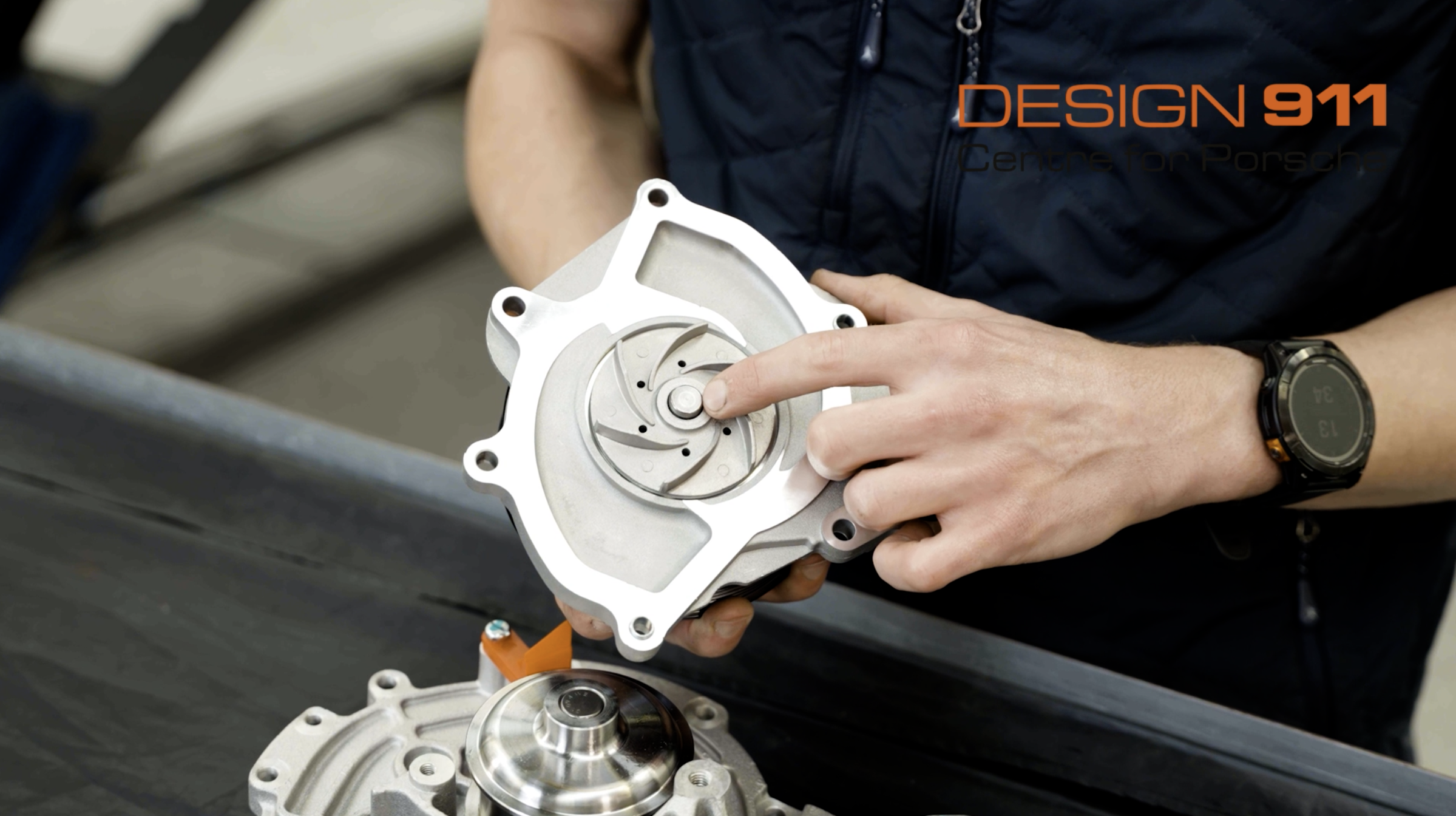
In simple terms, a water pump does exactly what it says on the tin. Its job is to circulate coolant through the engine and radiator, keeping temperatures in check. But here’s the kicker: it’s not just about pumping water. Combine it with a thermostat, and the pump works like an orchestrator, ensuring your engine operates at optimal temperatures. Cool, calm & collected.
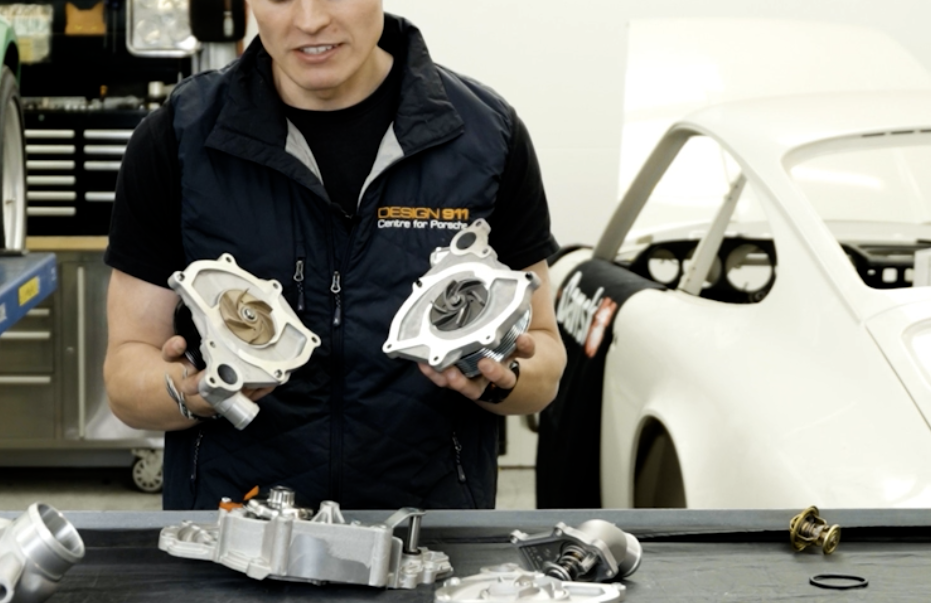
As Lawrence from Design911 points out in his tech talk, if the water pump fails, the coolant flow stops; engine temperatures rise dramatically; disaster ensues. Overheating isn’t just a minor inconvenience—it’s a bank-account-draining catastrophe.
“When an engine is running at idle, a water pump moves approximately 10,000 litres of water per hour. At high speed, this ramps up to 35,000 litres per hour.” — Lawrence, Design911
The thing about water pumps is they’re deceptively simple, yet wear and tear will eventually catch up with them. Here are the main troublemakers:
Rubber seals keep the coolant where it’s meant to be. But over time—thanks to heat cycles, age & general use—these seals degrade. The result? Coolant dribbles out, your levels drop, and your engine starts giving you the side-eye.
Spot the signs:
Inside the pump is a bearing that keeps the impeller (the bit that pushes the coolant) spinning smoothly. Bearings are tough, but even they have a finite lifespan. When they fail, the impeller starts wobbling—this can lead to vibration, leaks & worse.
Listen for:
Older Porsche models—and some aftermarket replacements—often feature plastic impellers. While their lightweight design offers certain advantages, they’re far from indestructible. Over time, plastic impellers can degrade and even break apart under stress. Even metal impellers, though more durable, aren’t immune to failure. A bearing issue, for example, can cause them to rattle and suffer significant damage.
Procrastination is never a good idea when it comes to water pumps. Design911 recommends replacing yours every 60,000 to 100,000 miles. It’s not glamorous, but it’s cheaper than a warped cylinder head or a seized engine. Prevention here really is better (and cheaper) than cure.
So, your water pump has decided to throw in the towel. What now? Luckily, Design911 has you covered with a treasure trove of options.
If it’s leaking, rattling, or overheating, it’s time for a replacement. Design911 stocks pumps for every Porsche enthusiast’s garage:
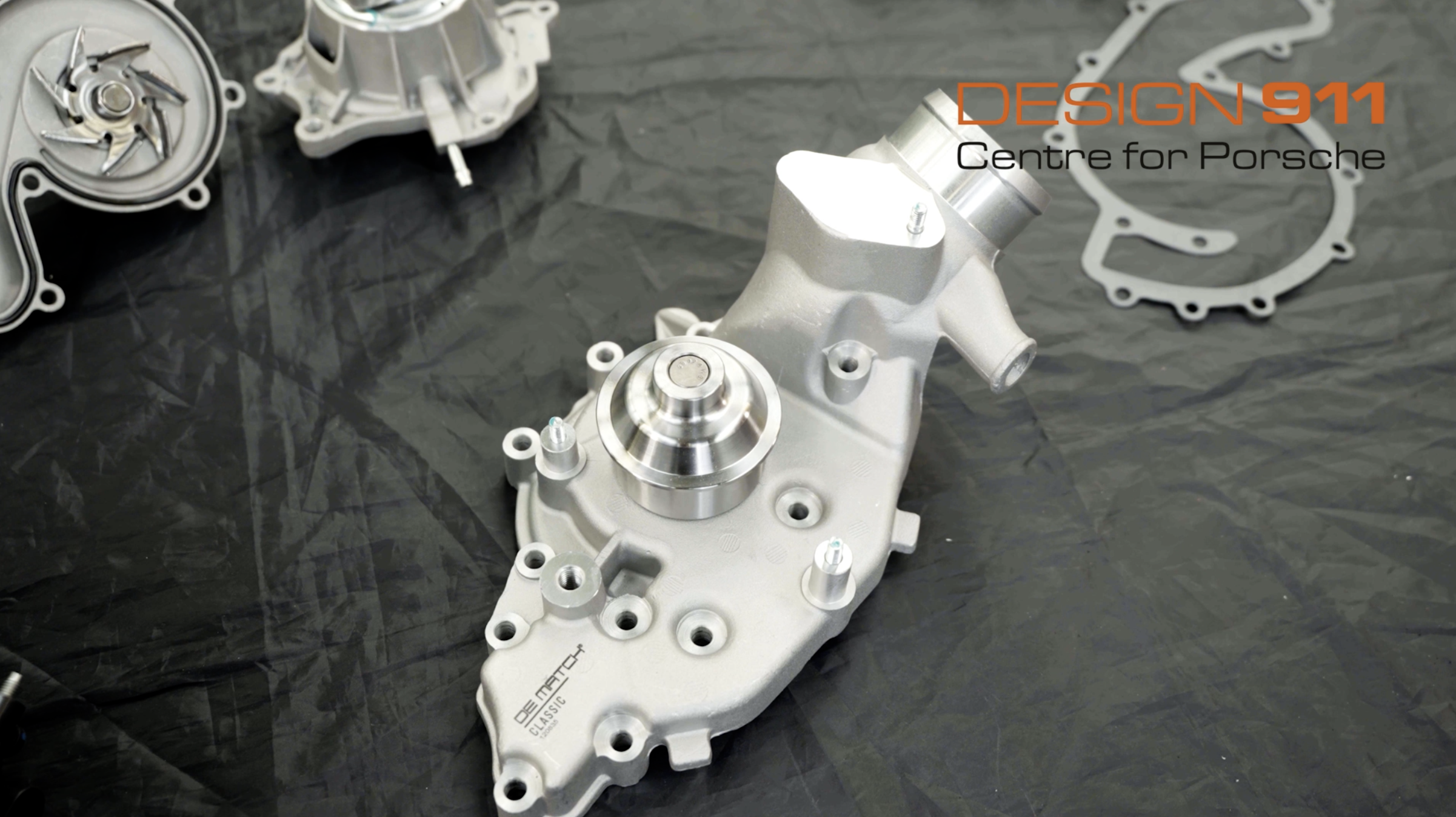
Sometimes, it’s the gasket—not the pump itself—that’s gone rogue. Design911 offers gasket sets tailored to your Porsche’s needs:
The belt drives the water pump, while the pulley keeps it spinning smoothly. Over time, belts can crack or lose tension, and pulleys can wear down. A quick inspection can save you from bigger headaches down the line.
Here’s where things get spicy: do you stick with original equipment, or go for an aftermarket option? The debate rages on forums, but here’s the gist:
“Plastic impellers, when they fail, are more forgiving. Metal impellers, though stronger, can cause damage to water galleries if they break.” — Lawrence, Design911
Ultimately, it’s down to preference: reliability vs potential longevity.
Design911 is to Porsche parts what the Nürburgring is to motorsport enthusiasts: an absolute mecca. Whether you’re after an OEM replacement, an upgraded aftermarket option, or just some sound advice, their selection & expertise are second to none.
Finding the right part is a doddle:
Need help? Their team is just an email or phone call away.
The water pump might not be the flashiest part of your Porsche, but it’s undoubtedly one of the most crucial. Ignore it, and you could be facing eye-watering repair bills; maintain it, and your car will thank you with years of reliable performance.
So, don’t wait until the temperature gauge starts climbing. Check out Design911’s range of Porsche water pumps today & keep your pride and joy running cool, calm & collected.
The Lounge by Design911 has officially opened its doors for an exclusive soft launch at our Hutton headquarters. Bringing together
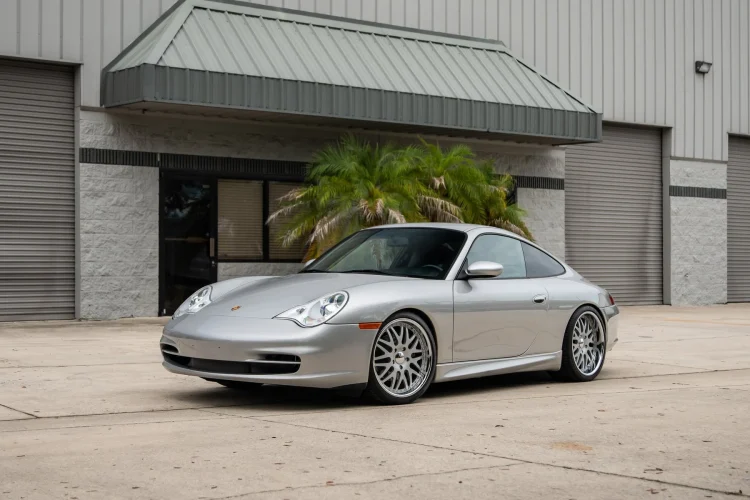
The best budget Porsches in 2026 offer three very different routes into ownership: the mid-engined 986 Boxster, the classic 944
Porsche prices have reached extraordinary levels. Following the latest Monterey Car Week auctions, a Porsche 959 Sport sold for more

TGE joins the team for Pork Life Episode 9 to share the stories behind his Porsche collection, the reality of
