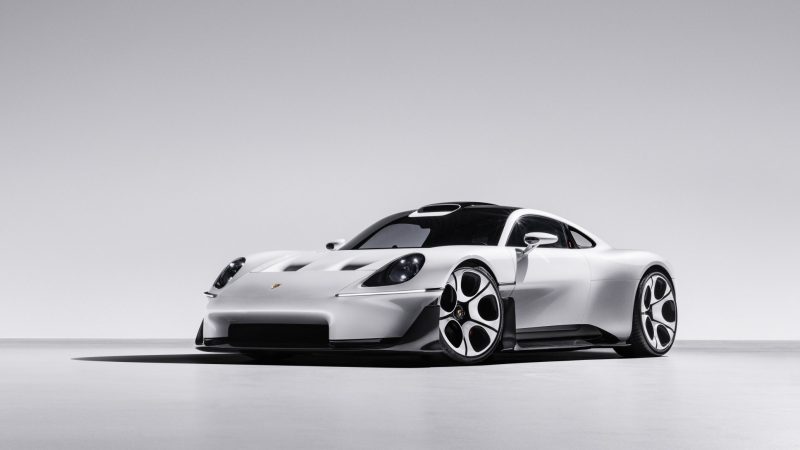
Porsche Mission S: A New Direction for Porsche Sports Cars
Porsche Mission S offers a first look at a new design direction and a planned mid-engined sports car range above

Anyone who’s spent time in an early Porsche 911 will know the feeling. You move the lever towards second, it goes somewhere near it, and you just hope it slots home cleanly. Sometimes it does. Sometimes it doesn’t.
For cars built between 1965 and 1989, this is far from unusual. Early Porsche 911 gear shift problems are so common that many owners simply accept them as part of the experience. A bit vague. A bit agricultural. Just how they were back then.
But the truth is, most of the time, it doesn’t have to be that way.
When a gear change starts to feel loose, the mind tends to jump straight to the worst possible outcome. Worn synchros. A tired gearbox. Expensive work looming.
In reality, that’s rarely what’s going on.
On early 911s — particularly those running the 915 gearbox — the gear lever isn’t directly connected to the transmission. Instead, Porsche used a system of rods, nylon bushes and couplers to transfer movement from the cabin to the gearbox at the rear of the car.
When everything was new, it worked well enough. Decades later, those same components are often worn, hardened or simply past their best. The issue isn’t usually one single part. It’s several small amounts of play adding up until the whole mechanism feels vague and imprecise.
There are three main areas worth paying attention to. None are particularly complicated, but all make a noticeable difference when refreshed.
At the bottom of the gear lever sits a nylon ball cup bush. It’s a small, inexpensive part, but it has a big influence on how the shifter feels.
Once worn, the lever no longer sits tightly in place. You start to get side-to-side movement that has nothing to do with actually selecting a gear. Removing the shifter assembly usually makes the problem obvious straight away.
Replacing this bush is often the first step towards tightening everything up again.
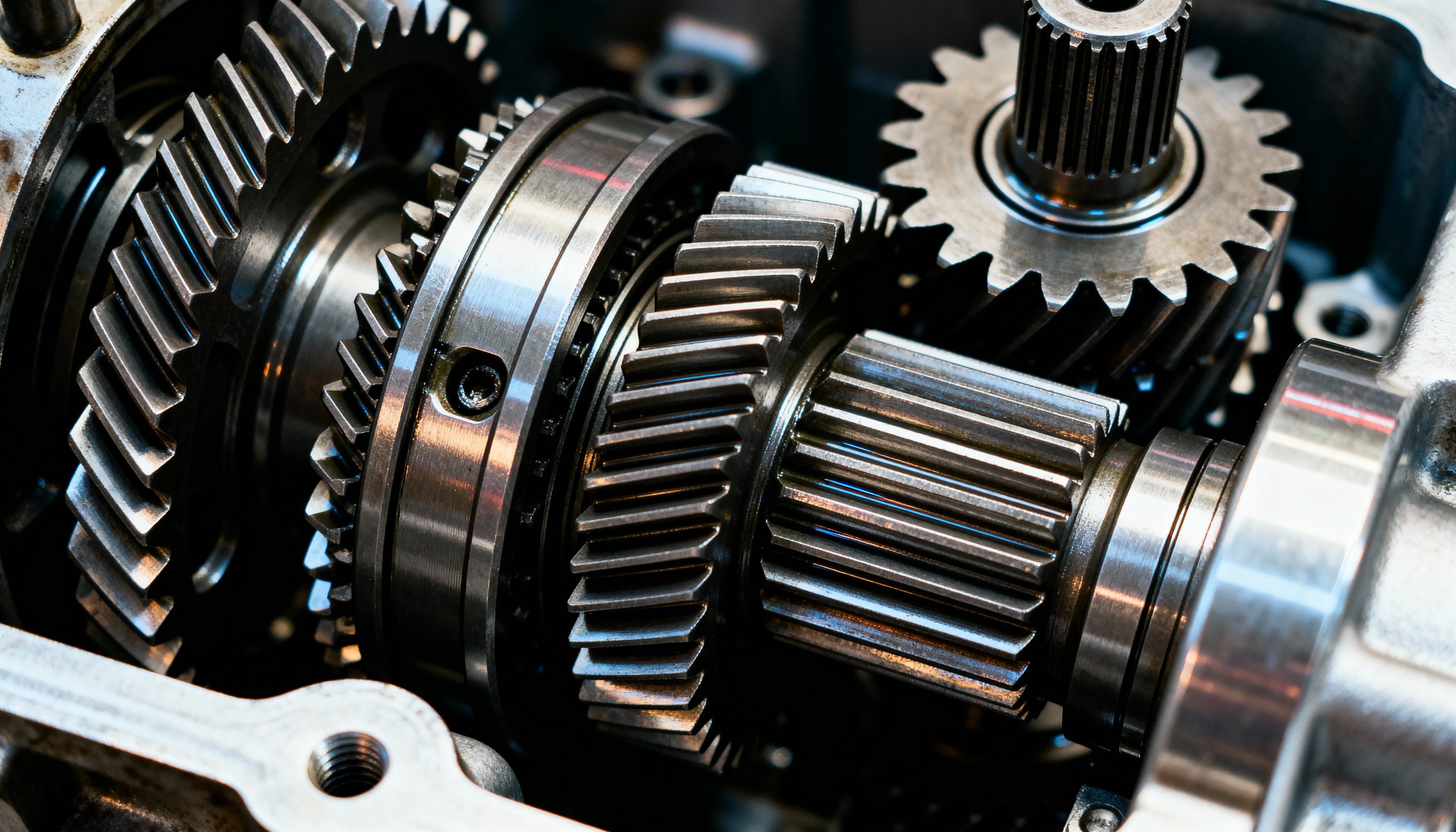
Further back in the centre tunnel, the shift rod passes through a support bracket with another nylon bush fitted.
When this bush wears, the rod is free to move around more than it should, which introduces even more play into the system. The bush itself can be pressed out and replaced, or the entire bracket can be swapped if you want to keep things simple.
Either way, it’s a worthwhile job while access is easy.
This is where most early Porsche 911 gear shift problems really come from.
What catches people out is that even a brand-new factory coupler still has movement in it. That play is part of the original design, which explains why many owners replace worn parts and feel little or no improvement afterwards.
This is exactly why a Porsche shift coupler upgrade makes such a difference. Upgraded couplers use firmer materials and tighter tolerances, removing movement that simply doesn’t need to be there. Once fitted, gear engagement feels far more deliberate and consistent.
It is possible to rebuild an original coupler using upgraded bushes, but it’s not always straightforward. It usually requires a press and there’s always a risk of damaging the original part in the process.
For many owners, fitting a complete upgraded coupler makes more sense. It removes the guesswork and delivers predictable results without unnecessary hassle.
It fixes most of it — but not quite all.
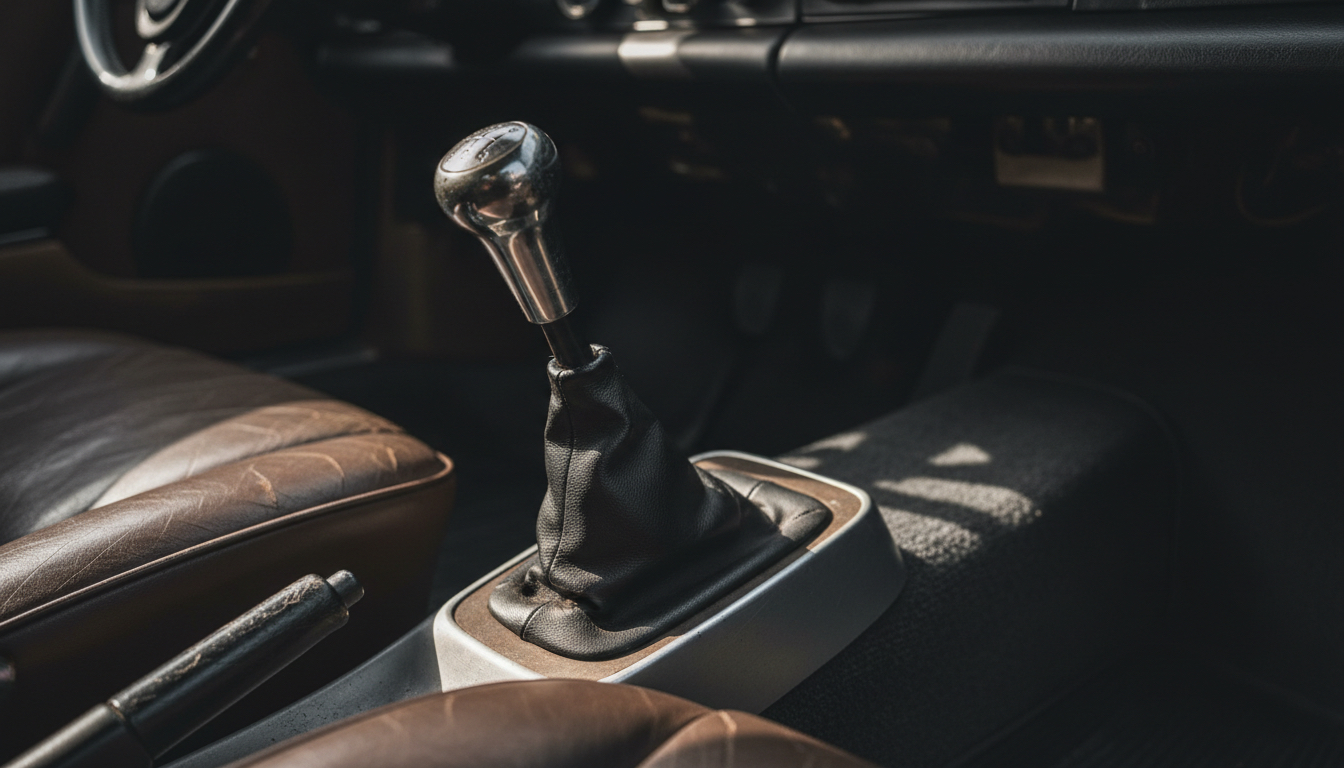
Early 911 shifters don’t naturally spring back to the centre like modern cars do. Even with fresh bushes and a tighter coupler, the lever will still sit where you leave it.
If you want a more modern feel without losing the character of the car, there is an option.
On 915 gearbox cars, a retractor spring kit can be fitted to help guide the lever back to the centre plane between shifts. It doesn’t change how the gearbox works, but it does make the shift pattern feel more intuitive, especially when driving quickly.
Once the linkage has been tightened up, that’s often when people start thinking about short shifters.
A good short shifter doesn’t make the car harder to drive. It simply reduces wasted movement. Most reduce shift travel by around 20–33 percent, which might not sound dramatic but feels very different from behind the wheel.
One solution that brings several upgrades together is the Stomski Racing Paradigm Shifter SR150.
https://www.design911.com/p/stomski-racing-paradigm-shifter-sr150-for-porsche-911/?source=doofinder
It tightens the mechanism, reduces throw and removes much of the slop associated with original setups, all without making the car feel modern or out of character. For owners who actually drive their cars, it’s a noticeable improvement.
Early Porsche 911 gear shift problems are frustrating, but they’re also very common — and usually very fixable.
Most of the time, the solution isn’t dramatic or expensive. It’s simply about addressing parts Porsche never expected to still be doing their job half a century later.
Tighten up the linkage, remove unnecessary play, and the whole car feels calmer and more confidence-inspiring to drive again. It won’t feel like a modern 911 — and honestly, that’s part of the appeal.
What causes sloppy gear shifts in early Porsche 911s?
Worn bushes, tired couplers and accumulated play in the gear linkage are the most common causes.
Do I need a gearbox rebuild to fix gear selection issues?
In most cases, no. The gearbox itself is usually fine.
Which models does this apply to?
Early Porsche 911 models built between 1965 and 1989, particularly those fitted with the 915 gearbox.
Is a Porsche shift coupler upgrade worth it?
Yes. It’s one of the most effective ways to improve shift feel.
Will a short shifter make the car harder to drive?
No. A well-designed short shifter improves accuracy without increasing effort.
Porsche Mission S offers a first look at a new design direction and a planned mid-engined sports car range above
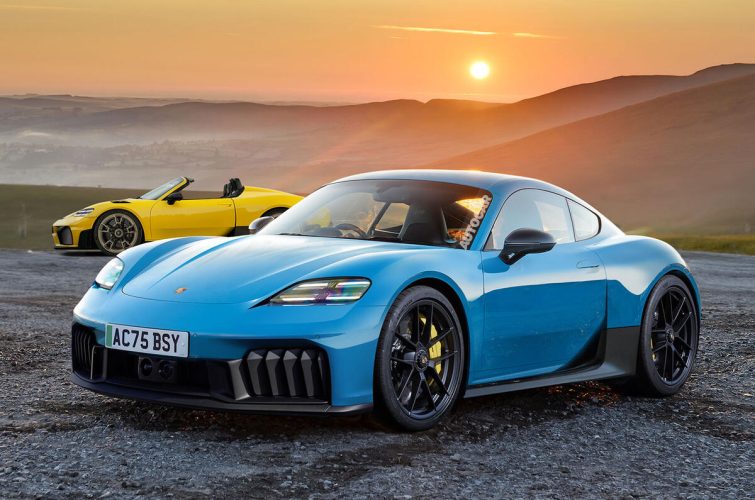
718 EV development marks a major change for Porsche’s Cayman and Boxster. These sports cars have earned their following through
The quality of a restoration is in the details. From engine studs and fasteners to the finishing touches in the
Some cars take months of searching. Mick’s took about a thousand yards. “Matt took me up the road in it.
