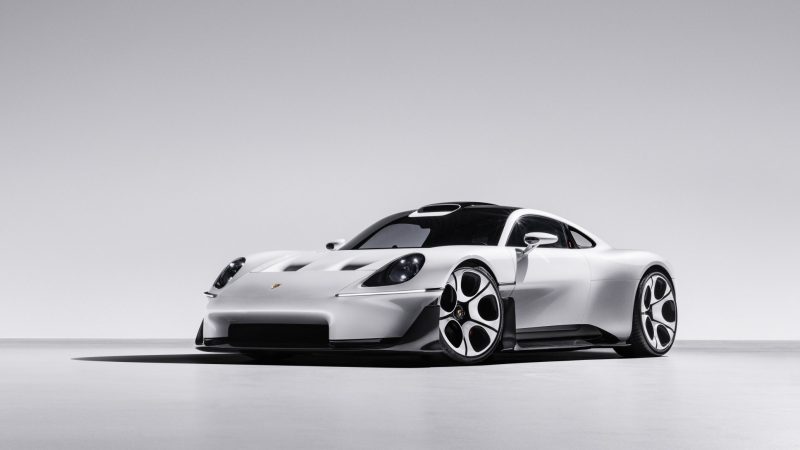
Porsche Mission S: A New Direction for Porsche Sports Cars
Porsche Mission S offers a first look at a new design direction and a planned mid-engined sports car range above

GT3 Touring vs 911 ST is a debate that pops up constantly among Porsche fans. On the surface, the two cars look pretty similar. They share the same generation of 911, they use the same naturally aspirated flat-six engine, and both are aimed squarely at people who actually enjoy driving rather than just chasing numbers.
But once you start looking at the details, the GT3 Touring vs 911 ST conversation becomes a lot more interesting.
Porsche built these cars with slightly different ideas in mind. The Touring is basically a GT3 that keeps the performance but dials down the visual drama. The 911 ST, meanwhile, is Porsche leaning heavily into lightweight engineering as a tribute to the brand’s history.
Same DNA, different personality.
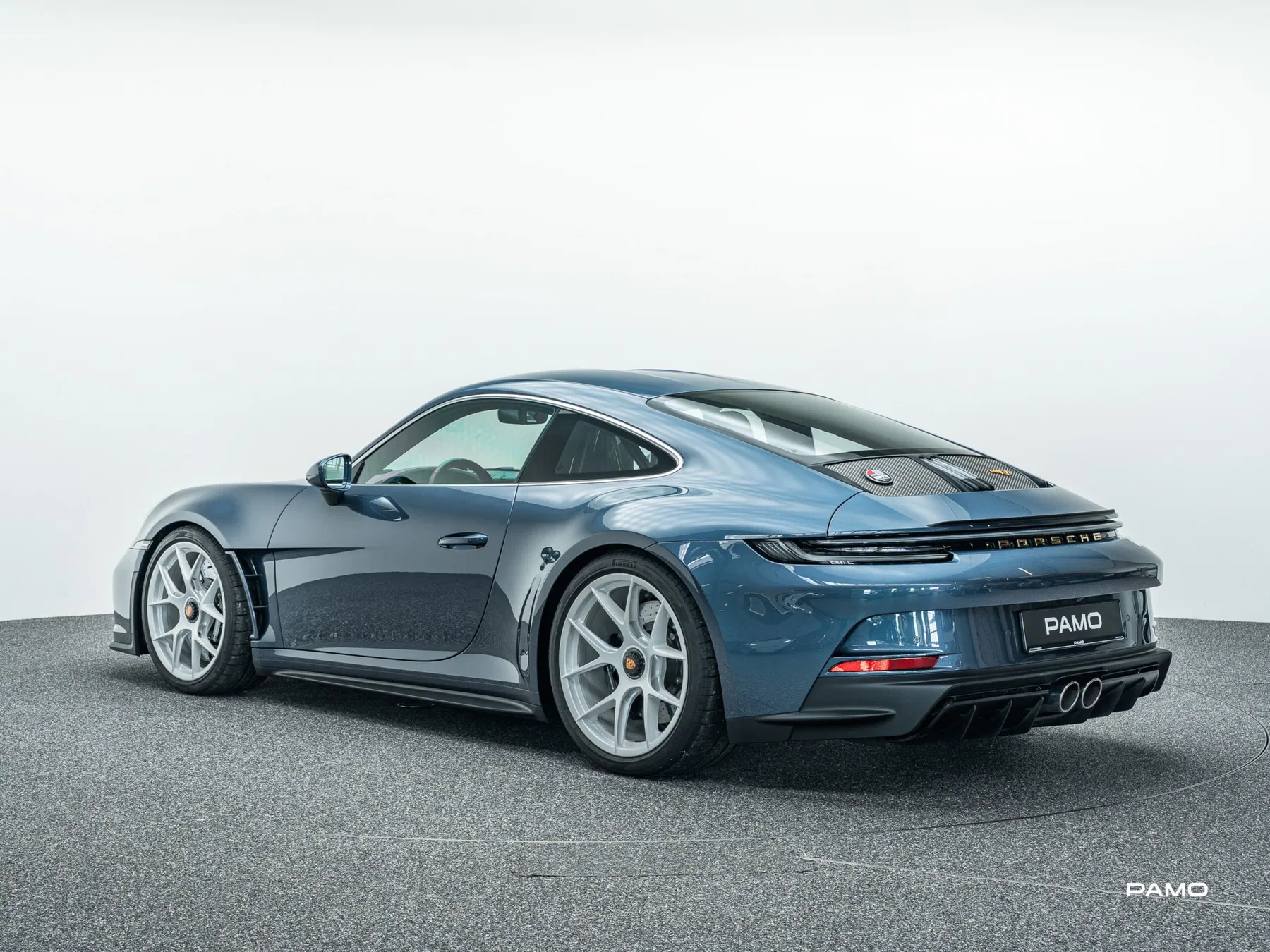
The easiest place to start any GT3 Touring vs 911 ST comparison is the engine.
Both cars use Porsche’s naturally aspirated 4.0-litre flat-six. It produces just over 500 horsepower and revs all the way up to 9,000 rpm. That last part is what makes it special.
Modern performance cars are full of turbocharged engines that make huge power but sometimes feel a bit distant. This one doesn’t. It responds instantly and builds power in a really linear way.
And the sound is something else entirely.
Below around 4,000 rpm, it’s fairly civilized. Push past 6,000 rpm, and the engine starts to wake up. By the time it’s approaching the redline it sounds like something lifted straight out of motorsport.
In terms of raw power numbers, the GT3 Touring vs 911 ST debate doesn’t really have a winner. Both cars deliver almost identical performance.
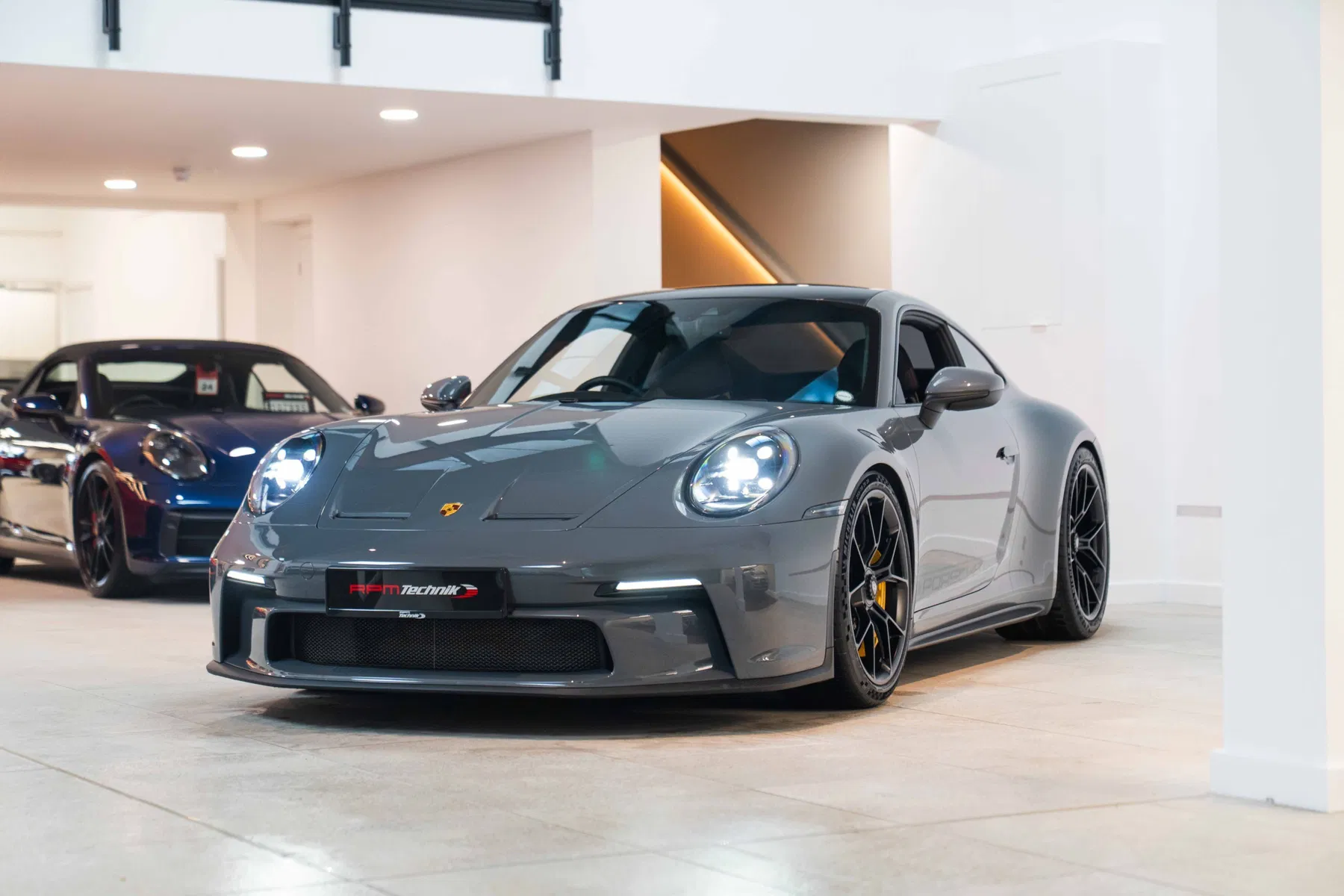
Where things start to separate in the GT3 Touring vs 911 ST comparison is weight.
Porsche went to serious lengths to make the ST lighter than the Touring. Magnesium wheels, carbon fibre body panels, thinner glass – the usual tricks you see in high-end lightweight builds.
The result is a noticeably lighter car.
That might not seem dramatic on paper, but you feel it once you start driving. Steering inputs feel sharper. The front end reacts quicker. Everything just feels a little more direct.
The GT3 Touring isn’t slow or dull by comparison – far from it. It’s still a GT3 underneath. But it feels slightly calmer and easier to live with.
That balance is actually why many enthusiasts prefer it.
For people modifying their own 911s, lightweight styling parts like a ducktail spoiler often capture some of that motorsport look.
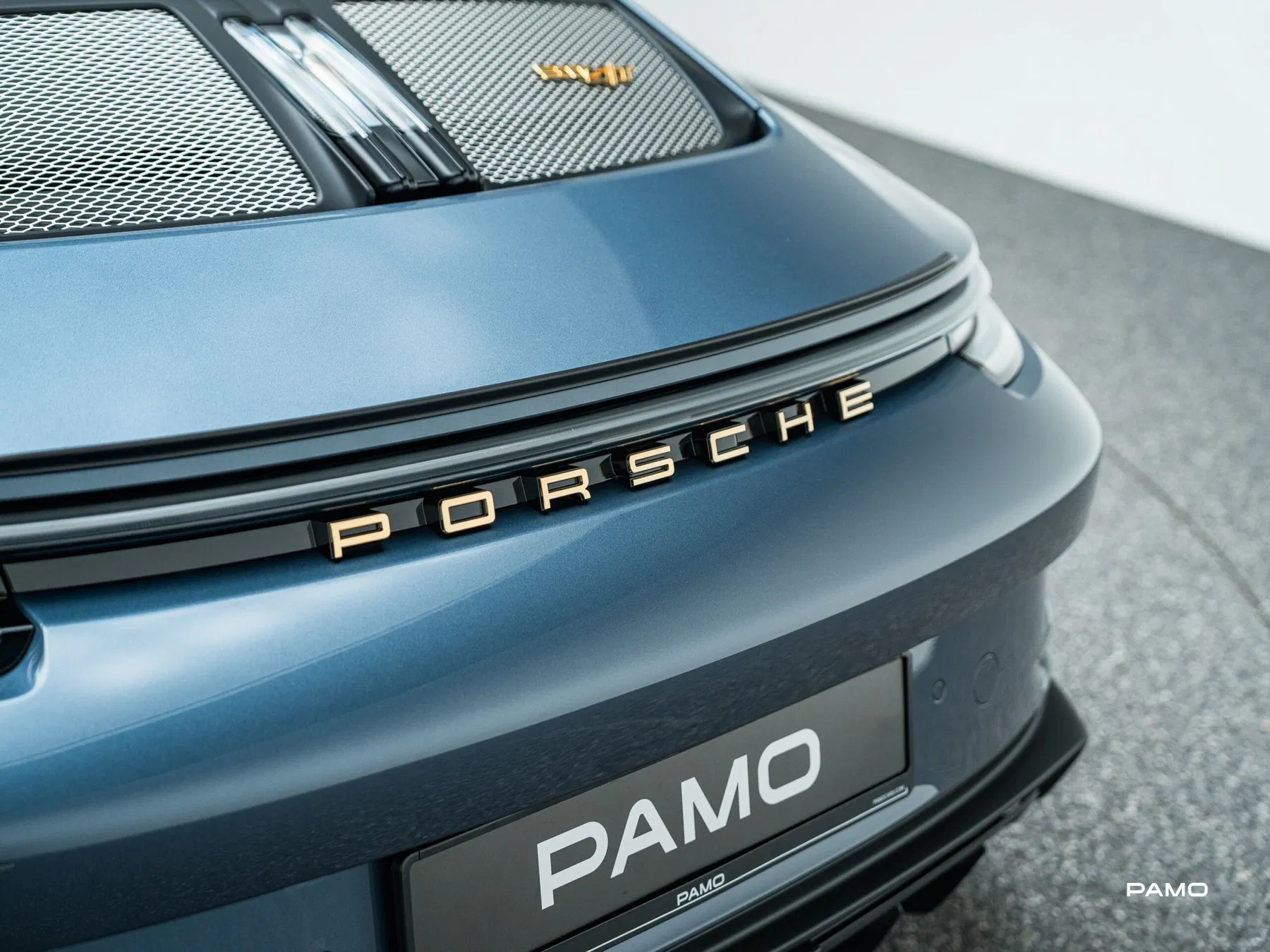
Ask Porsche owners about the GT3 Touring vs 911 ST debate, and most of the discussion ends up focusing on how the cars feel on the road.
The ST is the sharper tool. Everything about it feels immediate.
Steering is incredibly precise, the chassis reacts instantly, and the car feels eager to change direction. It’s the sort of car that constantly encourages you to push a little harder.
The Touring is more relaxed.
Not slower – just less intense. It’s still incredibly capable, but the suspension setup and overall balance make it easier to enjoy on normal roads.
If someone wanted a Porsche they could drive regularly, the Touring probably makes more sense.
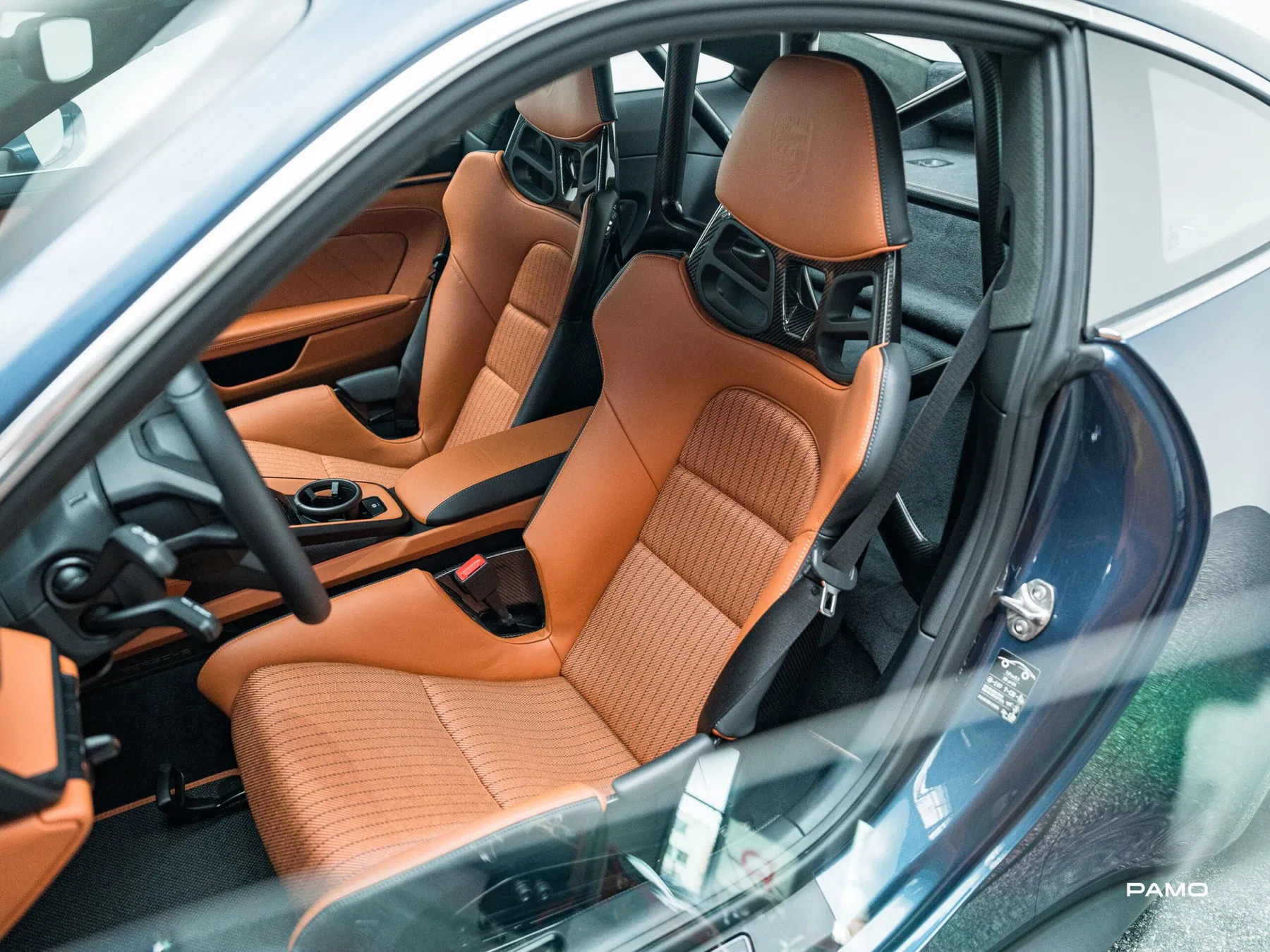
Sound is a huge part of the GT3 Touring vs 911 ST experience.
Porsche’s naturally aspirated flat-six has one of the most distinctive engine notes around. As the revs climb, the tone sharpens into something that genuinely sounds race-inspired.
It’s one of those engines that makes you hold gears longer than necessary just to hear it.
Some owners push the sound even further with exhaust upgrades designed to improve airflow and amplify the engine note.
Race headers for the 992 GT3 are one example.
https://www.design911.com/p/exhaust-race-headers-with-cat-bypass-porsche-992-gt3/
Both cars sound incredible, although the lighter construction of the ST sometimes lets more mechanical noise into the cabin.
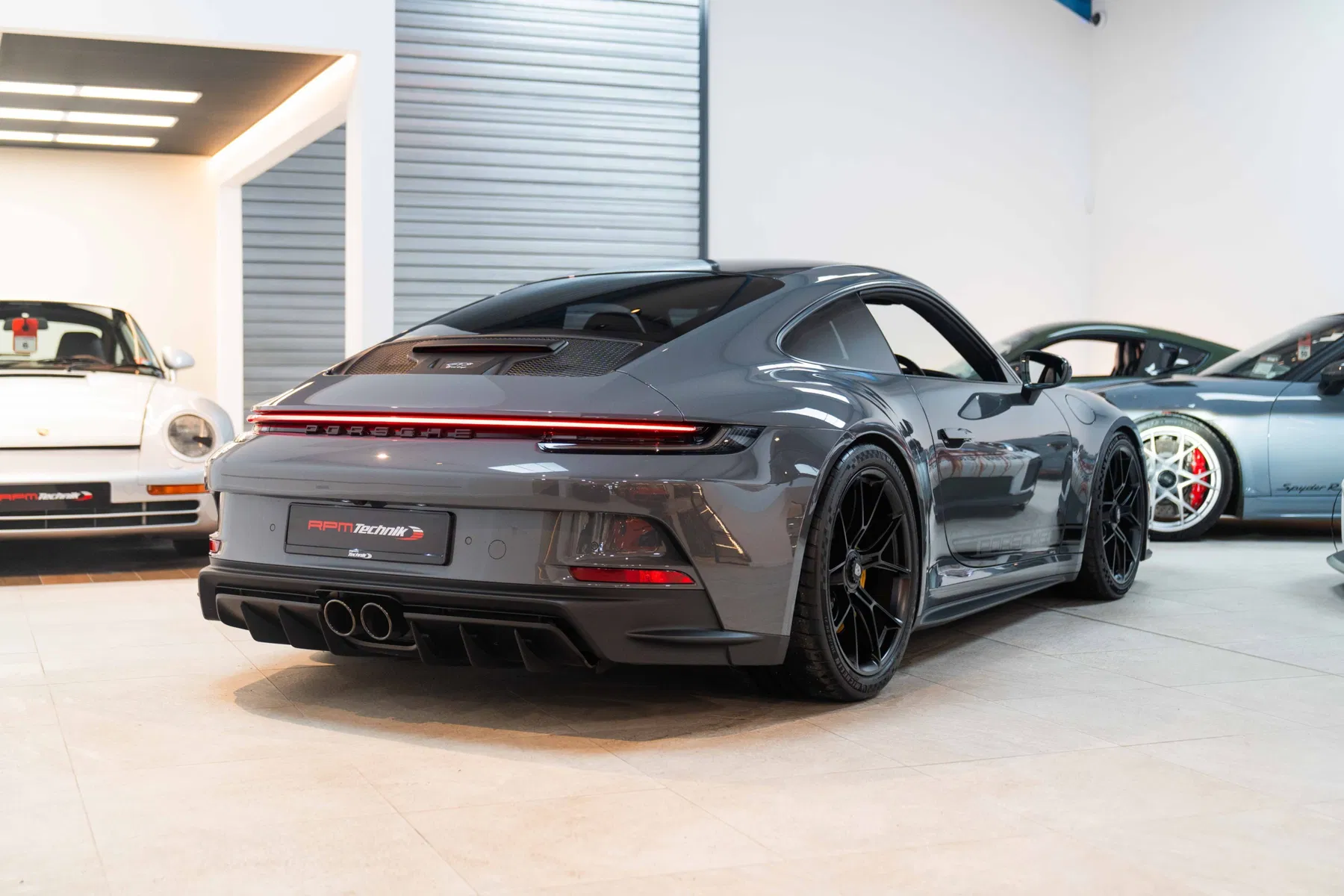
When people talk about GT3 Touring vs 911 ST, braking performance doesn’t always get much attention – but it should.
Both cars use extremely capable braking systems that can handle serious track driving.
Even so, some owners upgrade braking components for additional performance or durability.
Performance brake discs designed for the 992 GT3 are one example.
Routine maintenance items such as rear brake pads are equally important, particularly for earlier Porsche models.
https://www.design911.com/p/brake-pads-rear-porsche-9912-carrera—991-turbo_2/
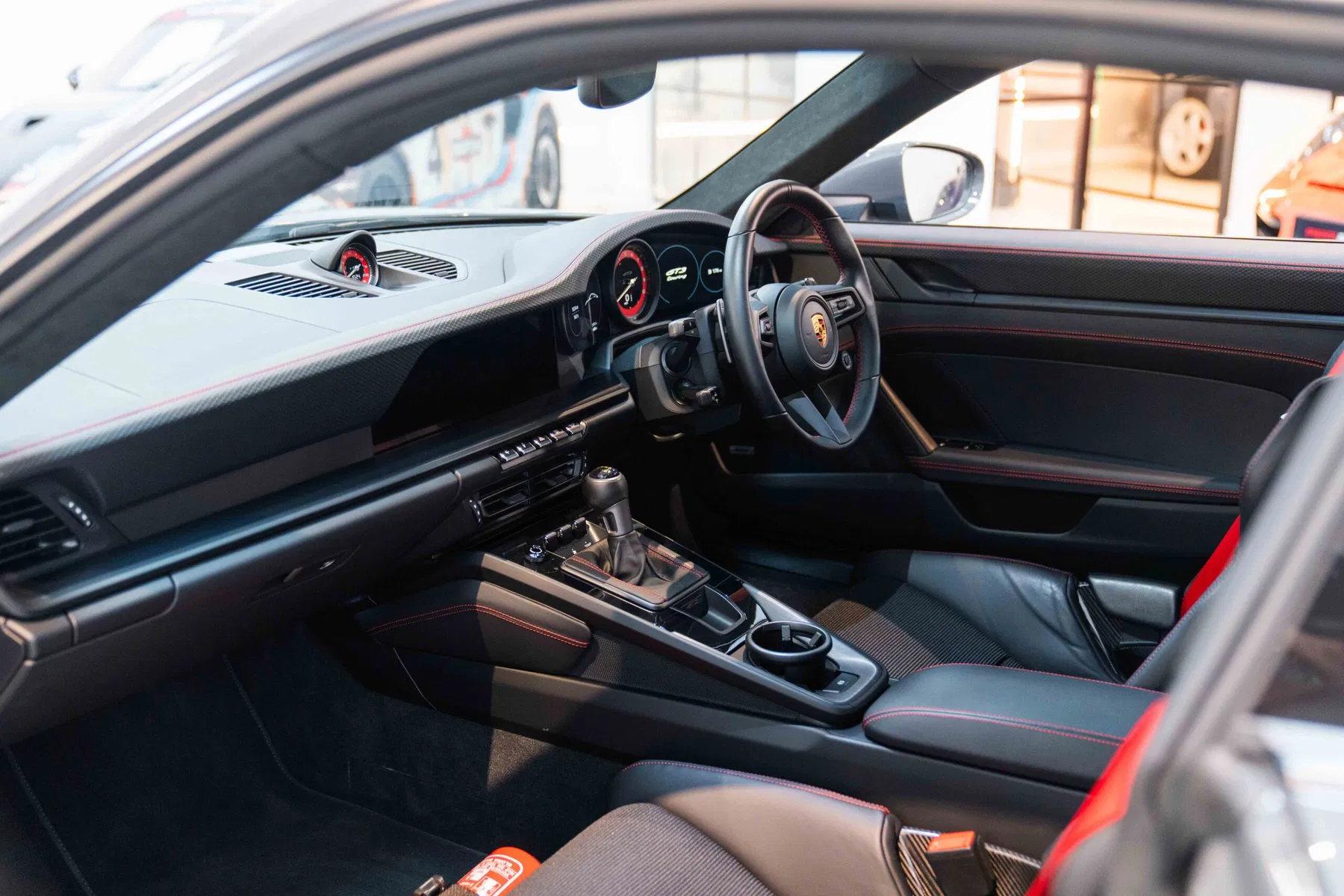
Aerodynamics play a subtle role in the GT3 Touring vs 911 ST comparison.
The Touring removes the GT3’s large rear wing, but Porsche still engineered the car carefully so it remains stable at higher speeds.
The 911 ST uses lighter aerodynamic components to achieve similar results.
Some Porsche owners also explore carbon fibre parts designed to improve airflow and cooling.
For example, dry carbon rear wing vents can help improve ventilation in the engine bay.
https://www.design911.com/p/992carbvent-rear-wing-vent-in-dry-carbon-porsche-992-turbo-s-gt3-rs/
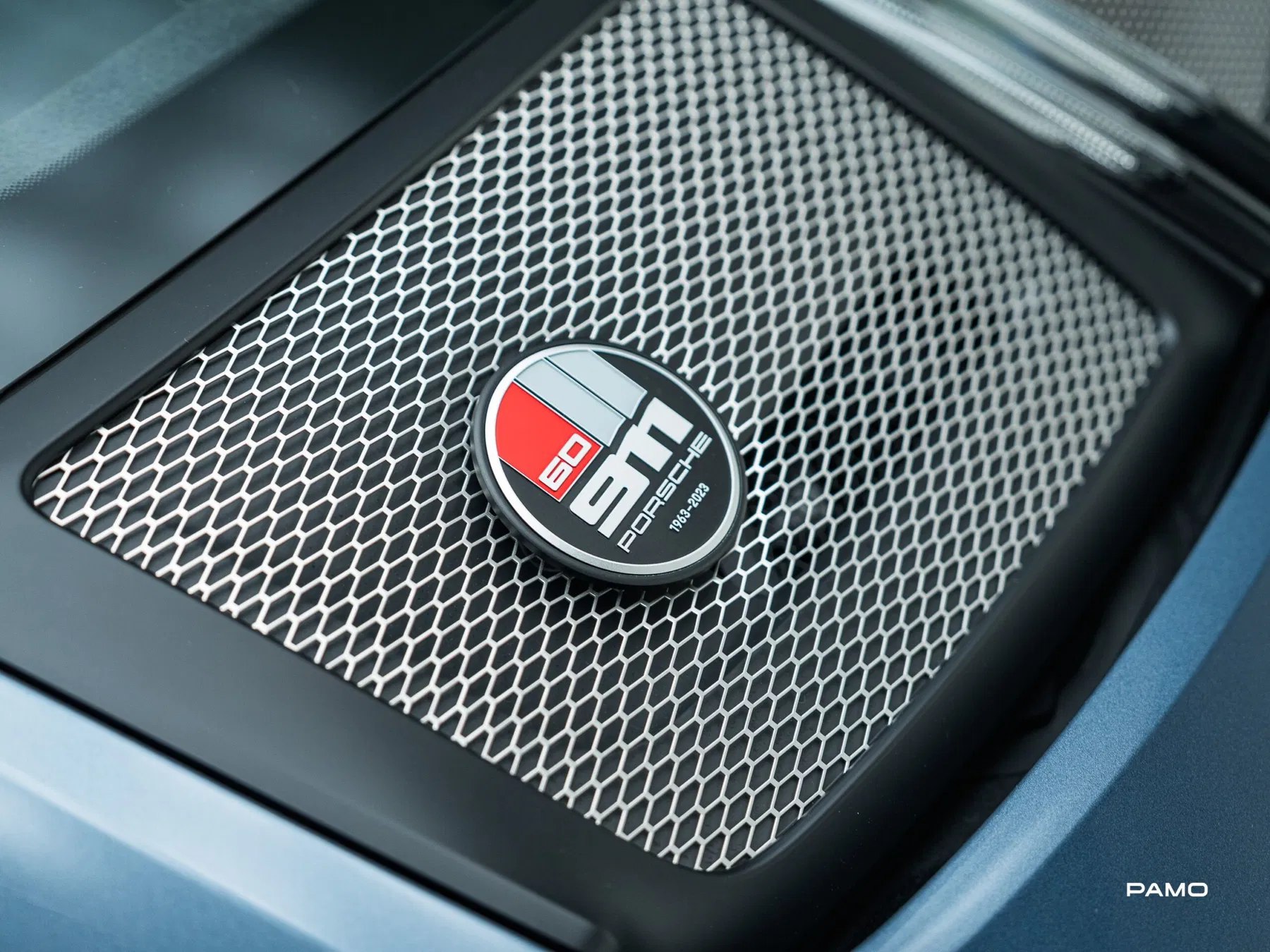
Despite their track-ready credentials, both cars are surprisingly usable.
The Touring is probably the easier one to live with day-to-day. It feels slightly more comfortable and attracts less attention thanks to its understated look.
The ST feels more special. Every drive feels like an event.
But that extra focus also makes it a bit more intense for everyday use.
Even small maintenance items can make ownership more enjoyable. Something as simple as replacing the cabin pollen filter helps keep the interior comfortable.
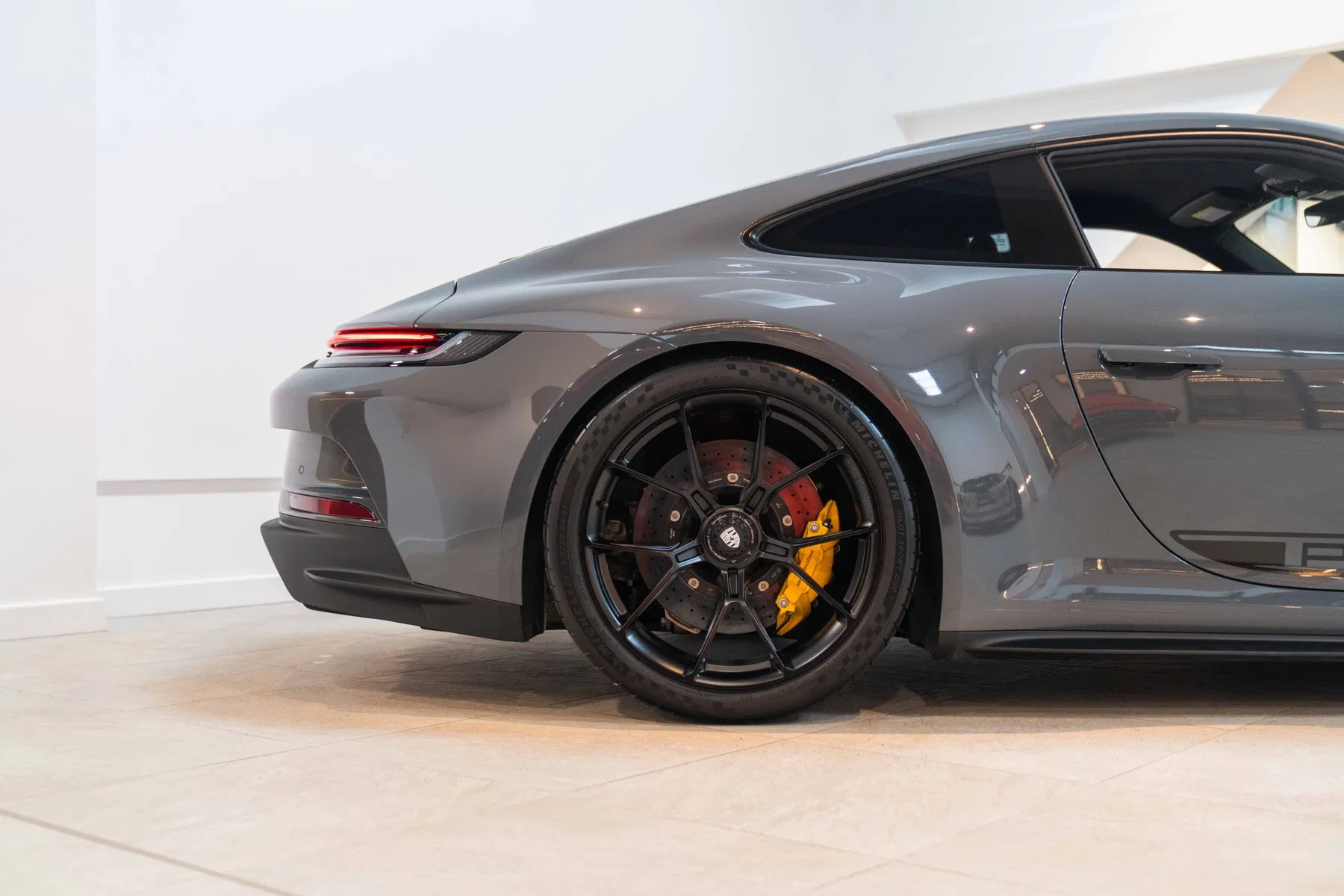
The GT3 Touring vs 911 ST comparison really comes down to personal preference.
The Touring delivers GT3 performance in a subtle package that works well on both road and track. The ST pushes harder into lightweight engineering and feels slightly more focused as a result.
Both cars represent the kind of driver-focused engineering that has always defined the Porsche 911.
Shop at Design911.
Porsche Mission S offers a first look at a new design direction and a planned mid-engined sports car range above
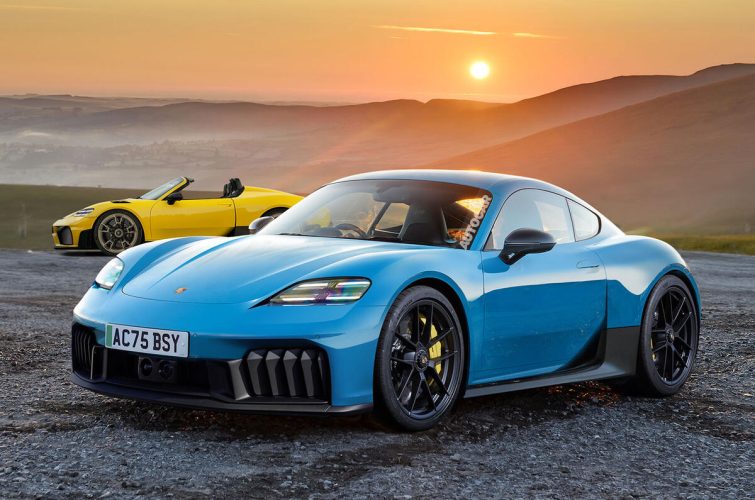
718 EV development marks a major change for Porsche’s Cayman and Boxster. These sports cars have earned their following through
The quality of a restoration is in the details. From engine studs and fasteners to the finishing touches in the
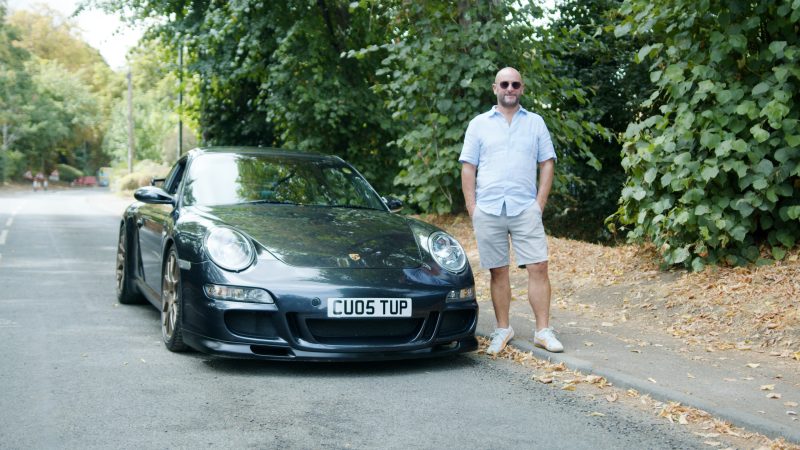
Some cars take months of searching. Mick’s took about a thousand yards. “Matt took me up the road in it.
