The Lounge by Design911: A First Look at Our New Event Space
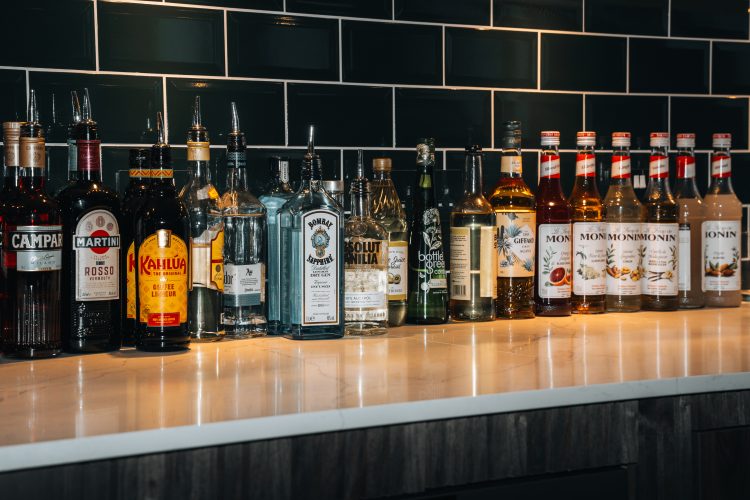
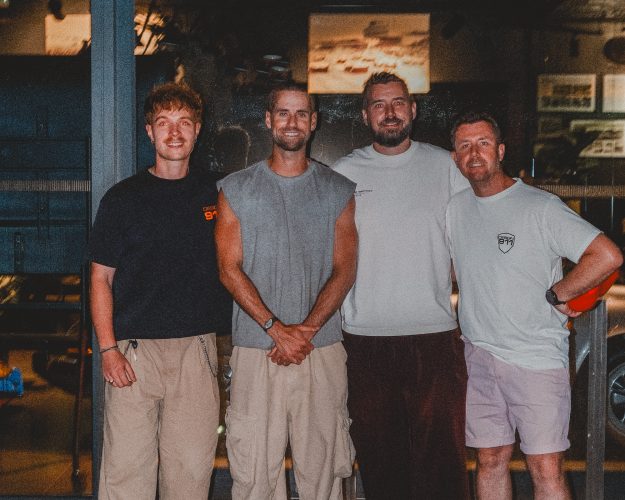
The Lounge by Design911 has officially opened its doors for an exclusive soft launch at our Hutton headquarters. Bringing together

For me, I think this has to be one of the prettiest models of Porsche there is. The owner is keeping it, until one day he retires with his wife and travels through Europe in it. Being 15 years old it only has 10,000 miles on the clock.
The 997 has a fuel consumption of 11.5 litres/100km – 25 mpg UK – 20 mpg US (Average), 0 to 100 km/h (62mph) in 4.8 seconds, a maximum top speed of 182 mph (293 km/h), a curb weight of 3142 lbs (1425 kgs), the 911 (997) Carrera S has a naturally-aspirated Boxer 6 cylinder engine, Petrol motor. This engine produces a maximum power of 355 PS (350 bhp – 261 kW) at 6600 rpm and a maximum torque of 400 Nm (295 lb.ft) at 4600 rpm. The power is transmitted to the road by the rear wheel drive (RWD) with a 6 speed Manual gearbox.
The 997, does exactly what you want when you are driving it, it has a respectable 350bhp It is fantastic on scenic routes and in the city. Porsche here have build a significantly faster 911 and thats not even the 997’s greatest achievement. This also has better handling, more predictable, more rewarding with a classic poise that essentially refutes its tail-heavy weight bias.
Porsche has built a significantly faster 911 here. But that’s not really the 997’s achievement. This is also a better handling, more predictable – yes, more rewarding – 911, with a chassis poise that essentially refutes its tail-heavy weight bias. In these circumstances, tottering on the limit, the 996 gently bobbed the nose vertically. The 997 stays flatter, biting first at the nose, then sticking resolutely at both ends, the brakes smashing into the speed and seemingly unconcerned at their continual near-abuse.
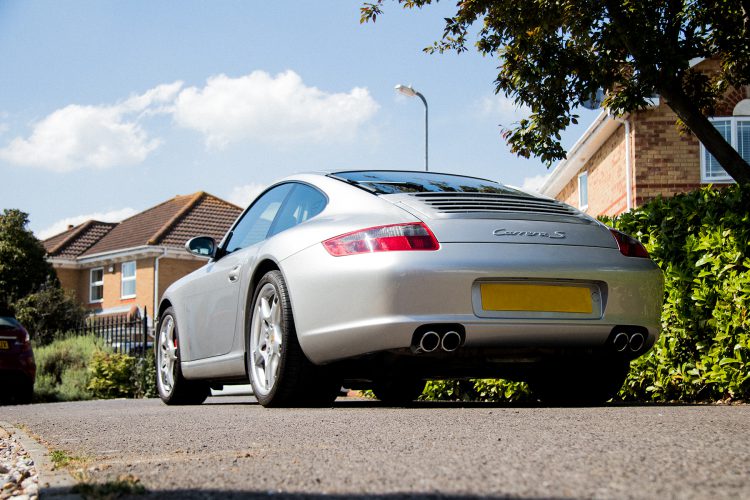
For those familiar with the 996, and all its ancestors, nothing less than a 911 recalibration is required. It’s as if everything (well, almost everything) the S does is 10 to 15 per cent better, faster. Apart from thoroughly revised styling (only the roof panel is carried over from the 996) that obviously draws its inspiration from the 993, highlights include a new interior and Porsche’s first attempt at adaptive damping in a 911.
In profile, the glass-house hovers over the bulging hipster wheelarches, so it appears slimmer, even longer, though it’s actually a tad (3mm) shorter, and more rounded, front and rear. An enormous amount of work has gone into the aerodynamics, not just in lowering the drag co-efficient – from 0.30 to 0.28 for the Carrera, 0.29 on the S – and reducing lift, but also in improving the airflow under the car, from the front radiators and around the wheelarches.
To shop parts for this car visit – www.design911.co.uk
The Lounge by Design911 has officially opened its doors for an exclusive soft launch at our Hutton headquarters. Bringing together
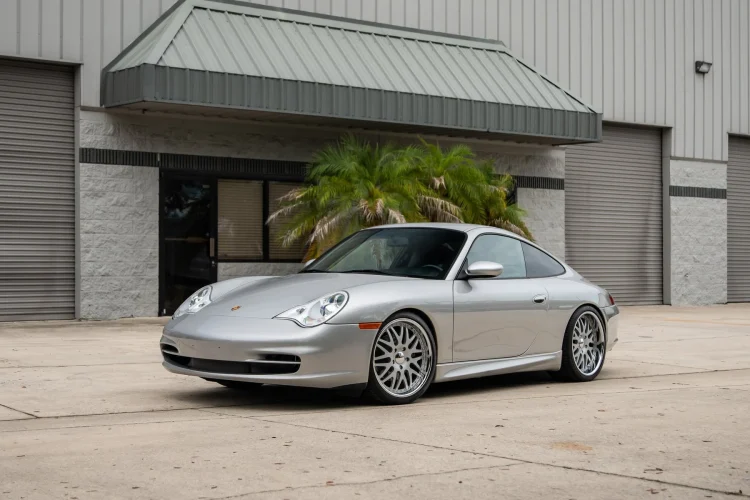
The best budget Porsches in 2026 offer three very different routes into ownership: the mid-engined 986 Boxster, the classic 944
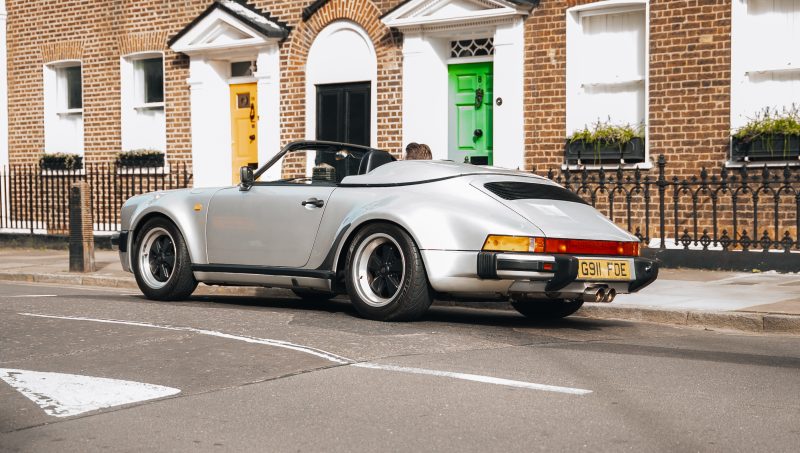
Porsche prices have reached extraordinary levels. Following the latest Monterey Car Week auctions, a Porsche 959 Sport sold for more
TGE joins the team for Pork Life Episode 9 to share the stories behind his Porsche collection, the reality of
