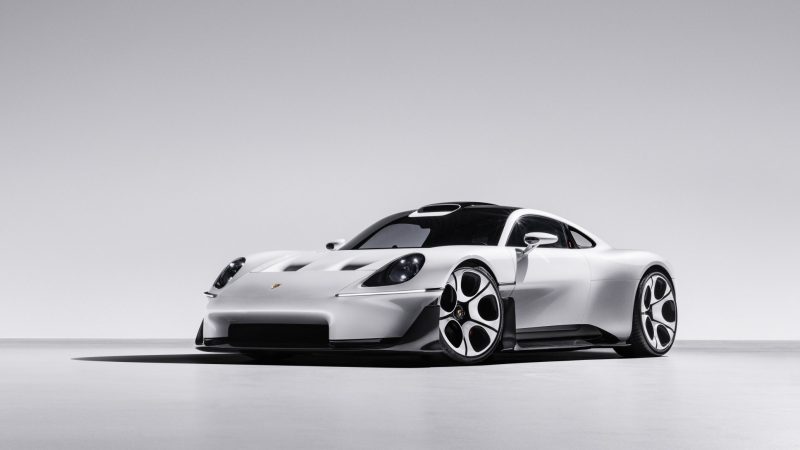
Porsche Mission S: A New Direction for Porsche Sports Cars
Porsche Mission S offers a first look at a new design direction and a planned mid-engined sports car range above

Calvi feels alive in a way that’s hard to explain. The streets are narrow, the air warm and heavy with the smell of fuel. You can hear engines before sunrise – small groups gathered around open bonnets, hands black with oil, cups of espresso balanced on wheel arches. It’s the Tour de Corse Historique, and it feels less like a race and more like a reunion of people who can’t stop driving old cars the way they were built to be driven.
Cars sit lined up along the harbour wall. A 911 SC next to an Alpine, then a Lancia with tape holding the lights in place. Nothing about it feels staged. The noise, the smell, the energy — it’s real.
The Tour de Corse started nearly seventy years ago, and it hasn’t lost its edge. The roads here aren’t forgiving. They twist endlessly — no straight sections, no run-off, just mountain on one side and drop on the other.
This year’s route starts and ends in Calvi. Over a thousand kilometres, about a third of that timed. The rally runs south through Bonifacio, across to Ajaccio, then back up to Lucciana before looping home. It’s long, rough on the cars, and even tougher on the crews. Every corner feels like a new problem to solve.
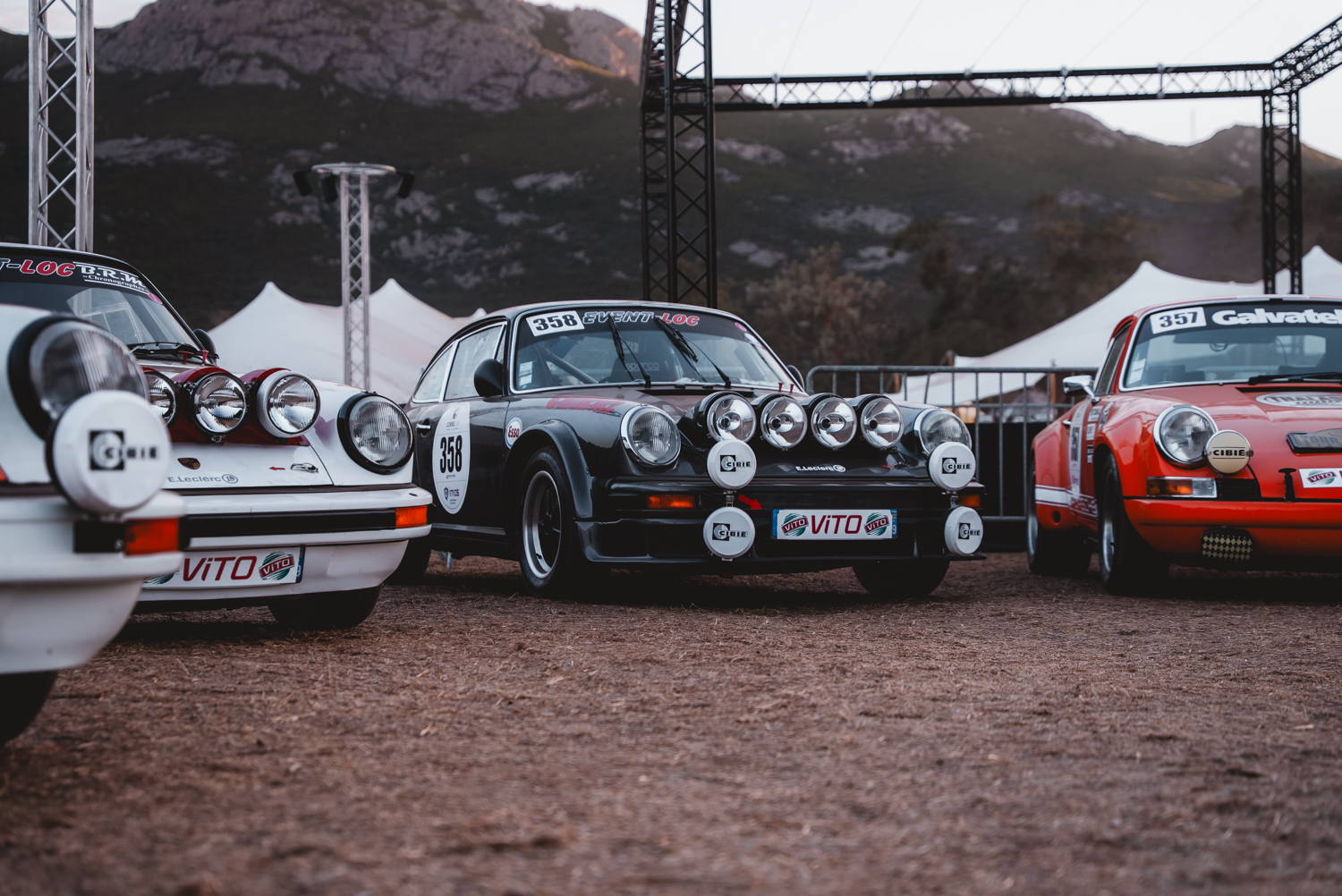
You can’t walk ten steps without seeing a Porsche. They look completely at home on these roads. The 911 was never meant to be a garage ornament — and here it proves it. You see early long-hood cars, G-series SCs, and even a few 964s. Some pristine, others running duct tape and determination.
When a flat-six echoes off the rocks, everyone turns their head. It’s a sound that cuts through conversation. No matter how many times you’ve heard it, it still gets to you.
One car that’s stood out from the start is the Triniane Racing 911 SC, number 36. You could hear it before you saw it — sharp throttle, clean shifts, no wasted movement.
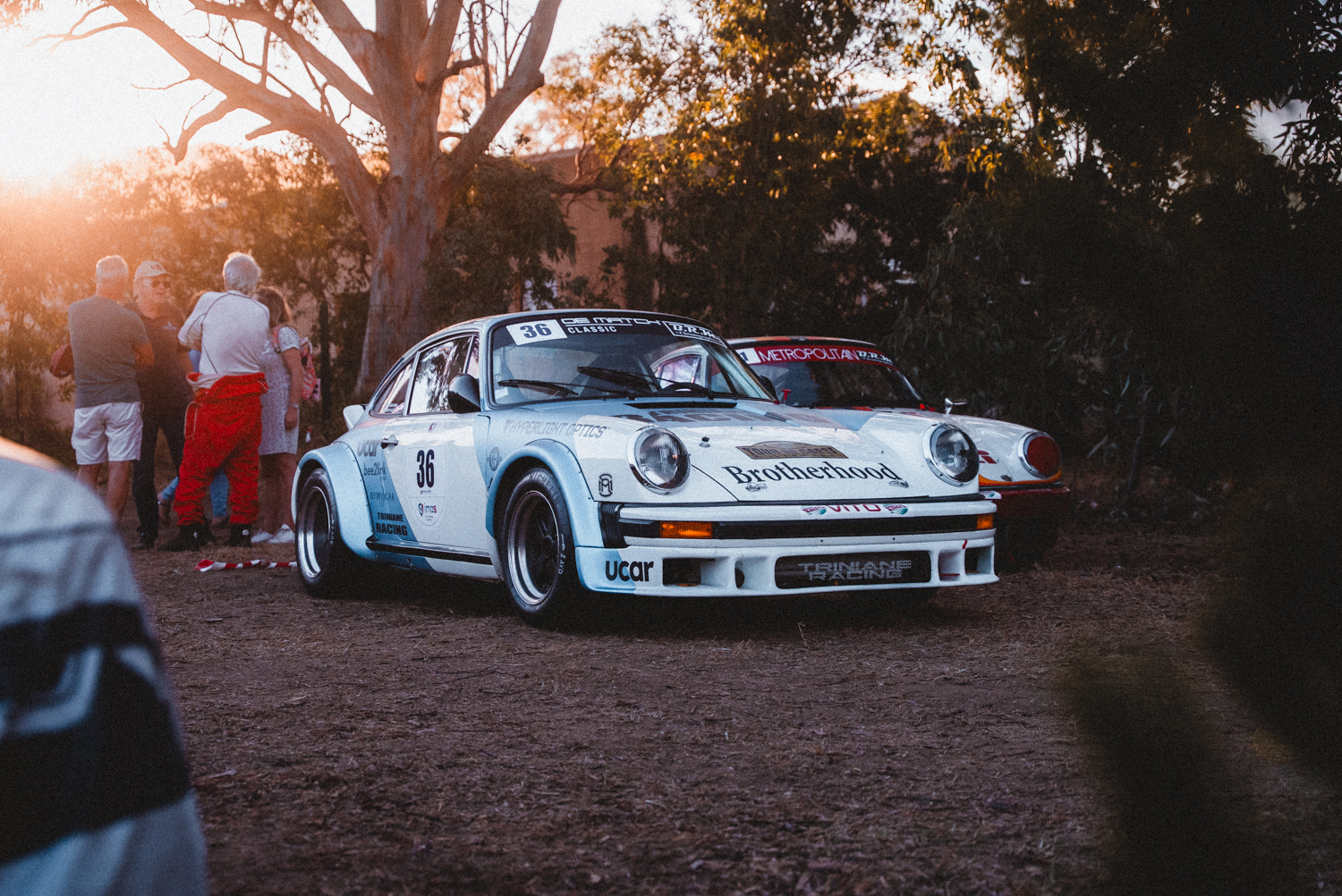
The car’s supported by OE Match, with Design911 supplying the components that keep it running faultlessly. The setup looks simple but everything about it is thought through. Suspension, brakes, drivetrain — all fitted with OE-quality parts made to cope with Corsica’s relentless roads.
It’s proof that reliability doesn’t mean compromise. Built right, maintained properly, these cars can still do what they did forty years ago.
Calvi’s port turns into a working garage. You hear the clatter of tools well into the night. Mechanics sit on the floor under headlamps; drivers walk back and forth checking notes. The locals gather around, some offering advice, others just watching.
No one’s pretending here. The atmosphere is relaxed but focused – people helping each other out when things break. It feels more like a community than a competition.
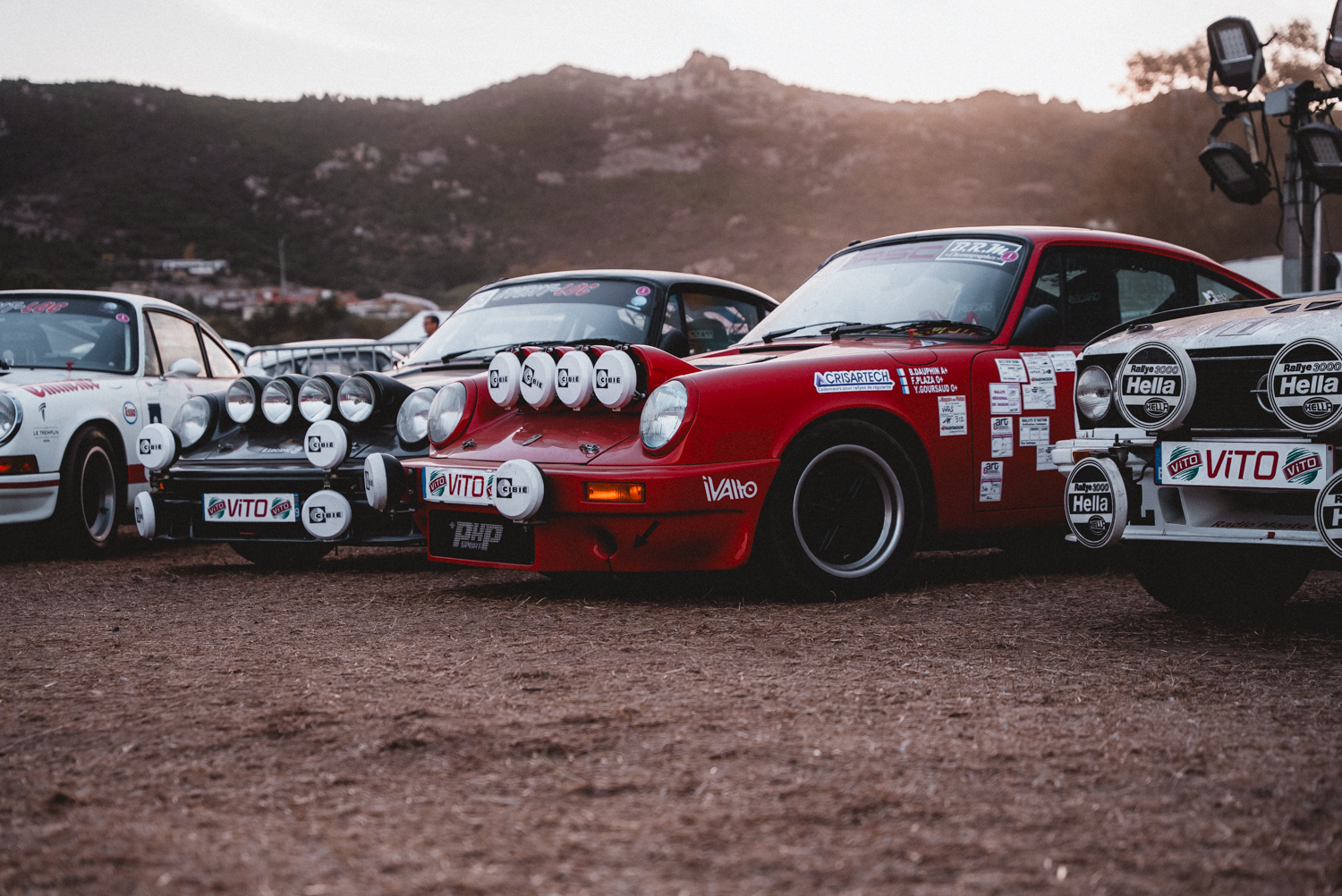
Being here puts everything into context. We spend our time helping people keep their cars running, but it’s out here on the road that it all makes sense. Design911 exists for this – for owners who actually drive their cars. From classic restorations to competition builds, the goal is the same: keep Porsches alive, in motion, and used as intended.
Explore Porsche Classic Parts
Performance & Motorsport Upgrades
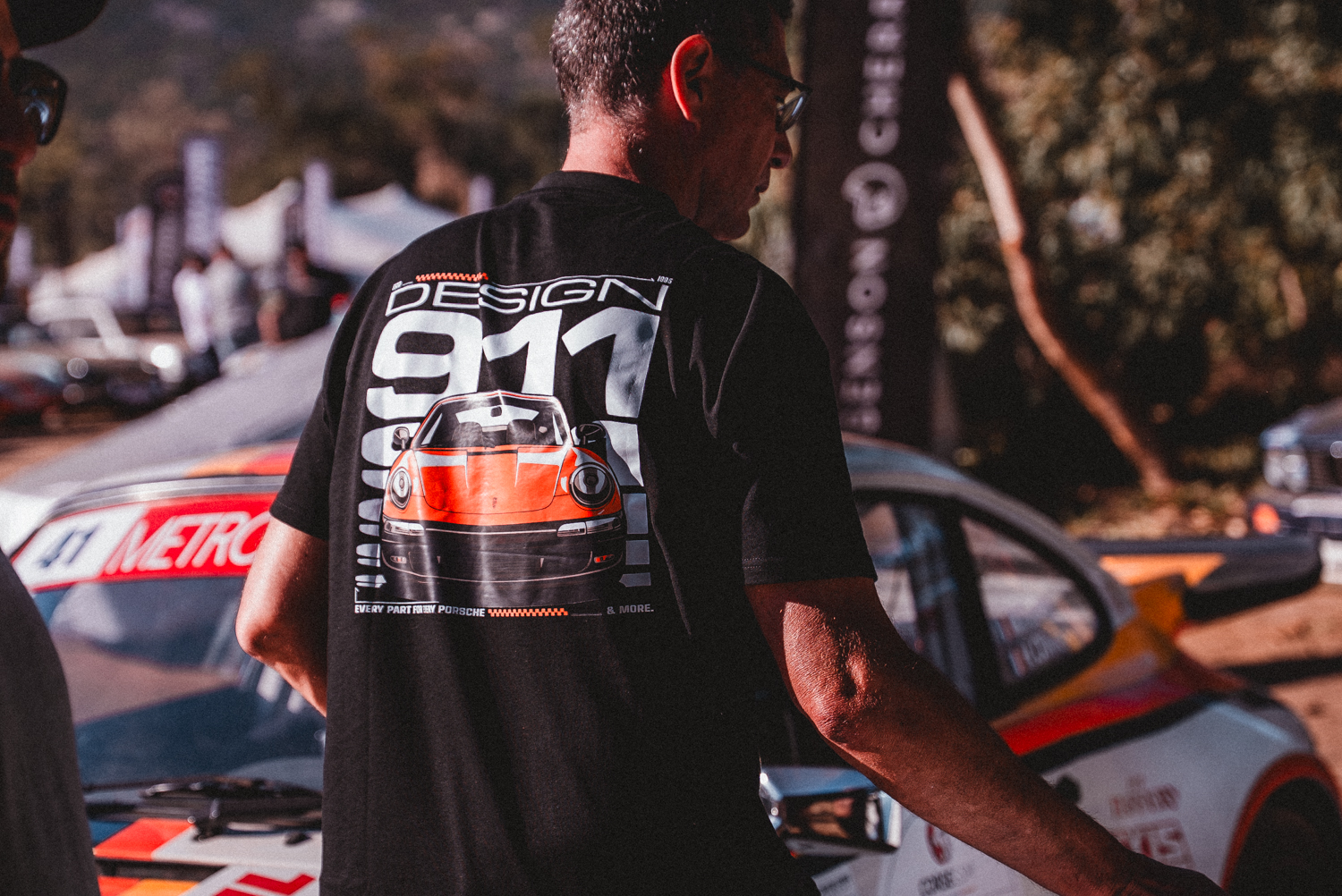
There’s nothing polished about the Tour de Corse Historique. It’s long days, heat, noise, and exhaustion — and that’s why it matters. It strips things back to the reason people fell in love with these cars in the first place.
Watching a 911 SC carve through the Corsican hills at full pace tells its own story. It’s mechanical, emotional, and unmistakably human. You can’t fake that.
By evening, Calvi softens again. The crowds drift off, the noise fades. Only a few mechanics stay behind, wiping down cars under dim lights. Somewhere in the distance you can still hear a flat-six cooling.
Tomorrow it all starts again — more miles, more corners, more stories added to a history that never stops growing.
The Tour de Corse Historique isn’t nostalgia. It’s proof that some things still belong on the road.
Porsche Mission S offers a first look at a new design direction and a planned mid-engined sports car range above
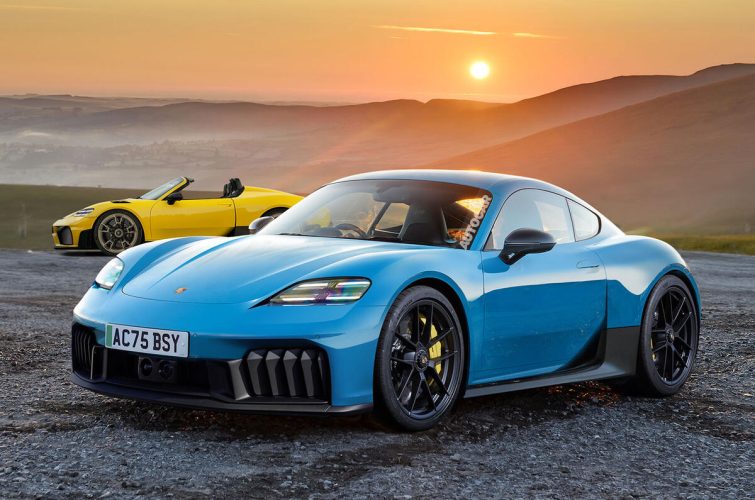
718 EV development marks a major change for Porsche’s Cayman and Boxster. These sports cars have earned their following through
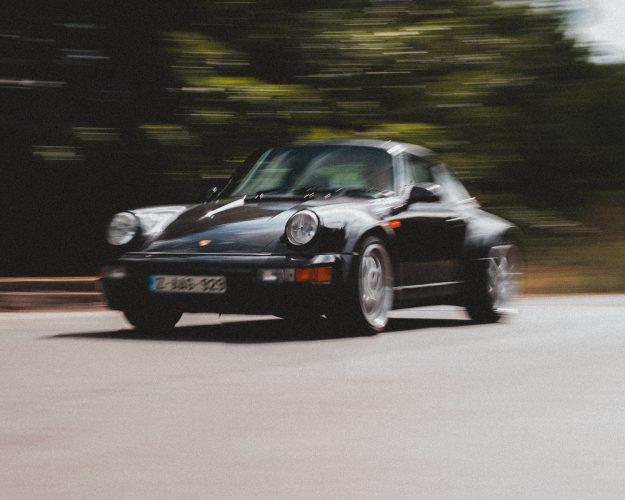
The quality of a restoration is in the details. From engine studs and fasteners to the finishing touches in the
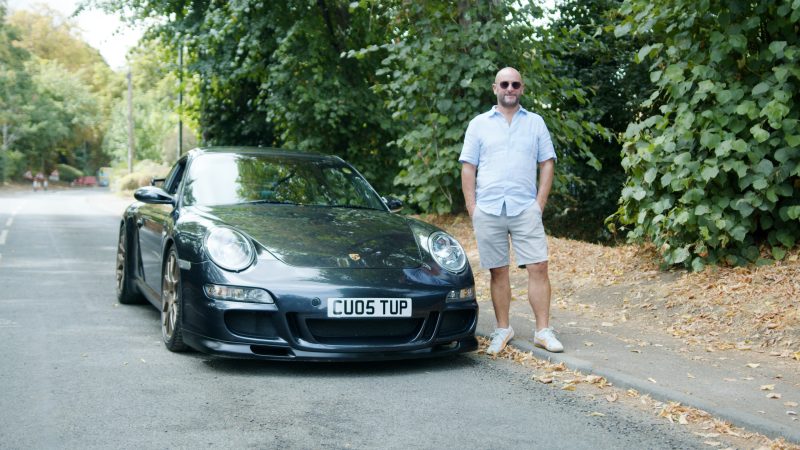
Some cars take months of searching. Mick’s took about a thousand yards. “Matt took me up the road in it.
