





Enter your VAT number here and click Verify:
Your details have been verified. VAT number registered to:
,
.
Your order will now be zero rated for VAT purposes. We reserve the right to verify these details after your order request has been made and reinstate VAT if required.
Your VAT details were not recognised or were invalid. Your VAT number must be matched to your Billing Country as specified above. This is currently specified as . You do not need to enter the country code part of your VAT number as this has already been selected in your billing address details above.
The VAT number checking service is currently offline. Please supply your VAT details within the comments or special instructions field below and we will apply a VAT discount after placing your order request.
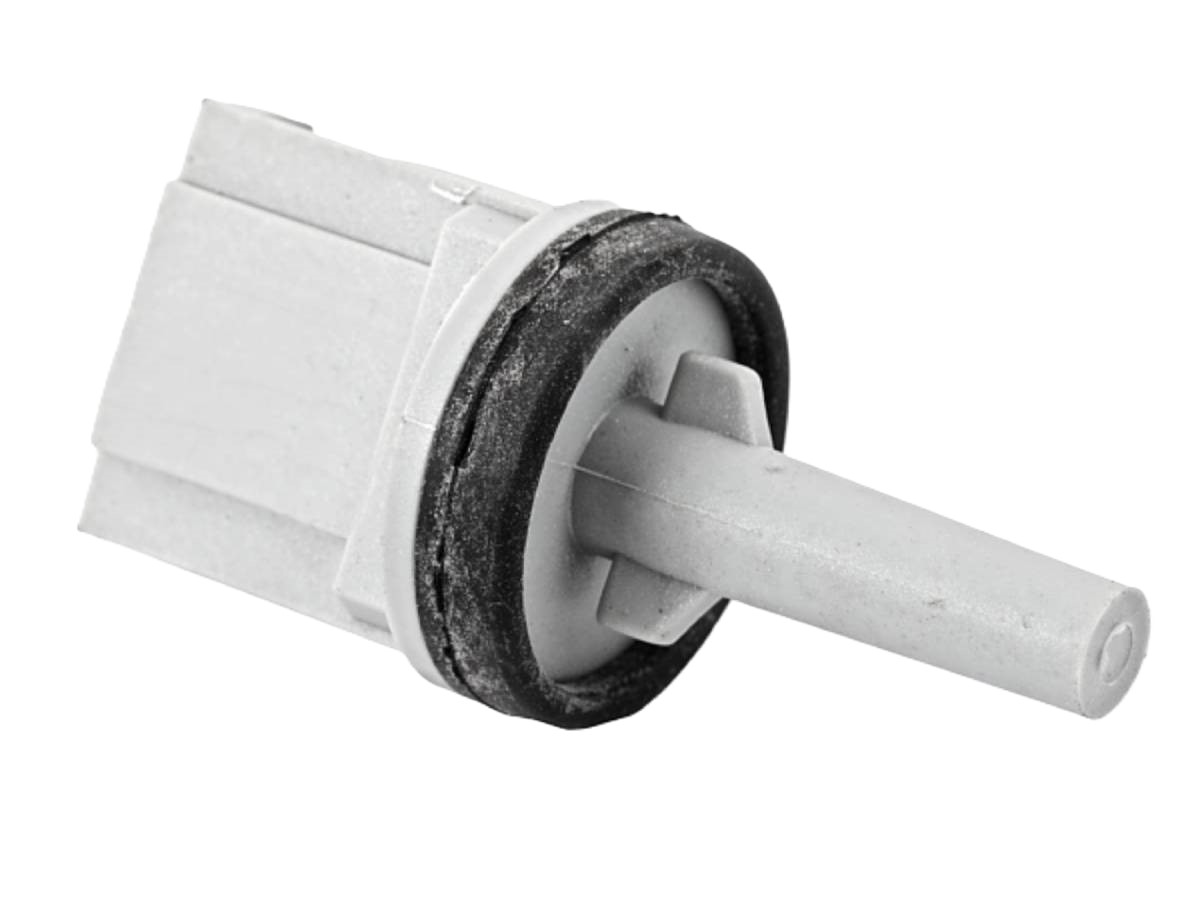
 Porsche

A/C Evaporator Temperature Sensor.
The Porsche A/C Evaporator Temperature Sensor 99657392500 is a genuine replacement temperature sensor for the vehicle's heating, ventilation and air-conditioning system.
Fits:
- Porsche Boxster 986 2.5L 1997-99
- Porsche Boxster 986 2.7L 1999-02
- Porsche Boxster S 986 3.2L 1999-02
- Porsche Boxster 986 2.7L 2003-04
- Porsche Boxster S 986 3.2L 2003-04
- Porsche 996 C2 3.4L 1997-08/01
- Porsche 996 C4 3.4L 1997-08/01
- Porsche 996 C2 3.6L 09/01-2005
- Porsche 996 C4 3.6L 09/01-2005
- Porsche 996 C4S 3.6L 09/01-2005
- Porsche 996 TURBO 2000-05
- Porsche 996 GT2 2001-05
- Porsche 996 GT3 MKI 1999-02
- Porsche 996 GT3 MKII 2003>>
- Porsche 996 GT3 RS 2003-04
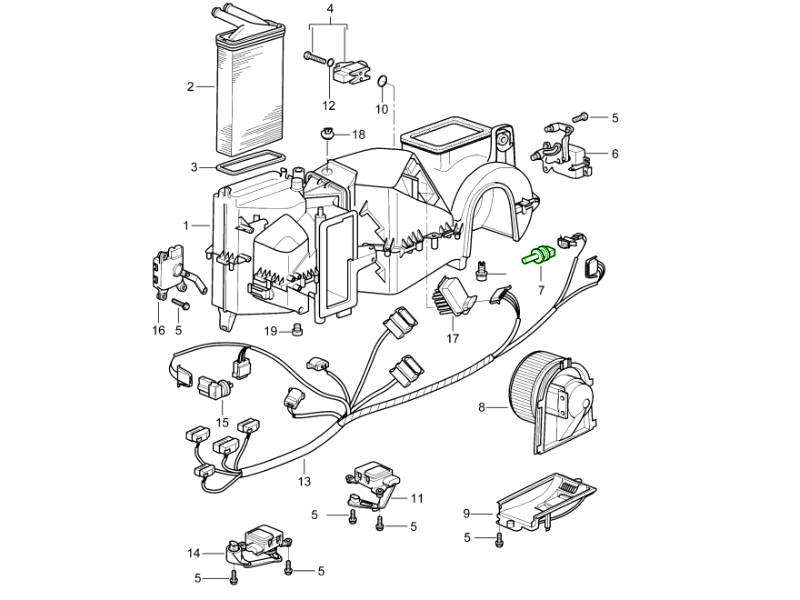
Diagram Ref No 7
Installed within the air-conditioning housing, the sensor monitors temperature around the evaporator and intake-air area and sends this information to the climate-control electronics. The system uses the temperature signal to regulate air-conditioning operation and maintain consistent cabin cooling.
A correctly functioning sensor helps the HVAC system react accurately to temperature changes, prevent excessive evaporator cooling and deliver the selected cabin temperature.
What This Product Does:
The evaporator is the part of the air-conditioning system that absorbs heat from air entering the cabin. As refrigerant passes through it, the evaporator becomes cold and cools the airflow passing across it.
The temperature sensor continuously reports temperature information to the climate-control system so that cooling can be regulated correctly.
Its functions include:
- Monitoring temperature within the A/C evaporator housing
- Sending temperature data to the climate-control module
- Helping regulate compressor and cooling operation
- Supporting consistent cabin temperature control
- Helping prevent the evaporator becoming excessively cold
- Reducing the risk of evaporator icing
- Helping the HVAC system respond correctly to driver temperature settings
- Supporting efficient overall air-conditioning operation
Symptoms Of Wear Or Failure:
Temperature sensors can fail electrically or begin providing inaccurate readings with age.
Common symptoms of a faulty A/C evaporator temperature sensor may include:
- Air-conditioning cooling intermittently
- Cabin temperature not matching the selected setting
- A/C becoming cold and then unexpectedly warming
- Compressor cycling too frequently
- Compressor failing to operate when cooling is requested
- Evaporator icing or freezing
- Reduced airflow caused by ice forming on the evaporator
- Air-conditioning switching off prematurely
- Inconsistent vent temperatures
- Poor or erratic automatic climate-control operation
- HVAC fault codes relating to temperature sensing
- Temperature readings that appear implausible during diagnostic testing
Similar symptoms can also be caused by low refrigerant, a faulty expansion valve, compressor problems or other HVAC sensors, so diagnostic testing is recommended before replacement.
Why Replacement Matters:
- The climate-control system relies on accurate temperature information to regulate the air-conditioning system correctly.
- If the evaporator temperature sensor reports an incorrect value, the control system may believe the evaporator is warmer or colder than it actually is. This can cause the compressor to cycle incorrectly, reduce cooling performance or allow the evaporator to become excessively cold.
- An evaporator that becomes too cold can begin to ice over. As ice builds up on the evaporator surface, airflow through the ventilation system can be restricted and cabin cooling performance may deteriorate.
- Conversely, if the sensor incorrectly reports a temperature that is too low, the system may reduce or stop compressor operation too early, resulting in weak or inconsistent cooling.
- Replacing a faulty temperature sensor restores accurate temperature feedback to the HVAC control system and helps return the air-conditioning system to stable and predictable operation.
Related reference numbers
Related, superseded, cross reference or alternative numbers for comparison.
99657392500
The product you are viewing cross references to these numbers
- Porsche Boxster 986 2.5L 1997-99
- Porsche Boxster 986 2.7L 1999-02
- Porsche Boxster S 986 3.2L 1999-02
- Porsche Boxster 986 2.7L 2003-04
- Porsche Boxster S 986 3.2L 2003-04
- Porsche 996 C2 3.4L 1997-08/01
- Porsche 996 C4 3.4L 1997-08/01
- Porsche 996 C2 3.6L 09/01-2005
- Porsche 996 C4 3.6L 09/01-2005
- Porsche 996 C4S 3.6L 09/01-2005
- Porsche 996 TURBO 2000-05
- Porsche 996 GT2 2001-05
- Porsche 996 GT3 MKI 1999-02
- Porsche 996 GT3 MKII 2003>>
- Porsche 996 GT3 RS 2003-04
 Shop Securely
 12 Month Warranty
 Worldwide Delivery

Fits:
Porsche 924 1979-85
Porsche 924S 1986-88
Porsche 944 1982-85
* Please check and match the part number of your relay in your car before ordering.
Related reference numbers
Related, superseded, cross reference or alternative numbers for comparison.
94461511303
The product you are viewing cross references to these numbers
- Porsche 924 2.0L 1980-85
- Porsche 924 Turbo 2.0L 1979-81
- Porsche 924 Turbo 2.0L 1982-84
- Porsche 924 Carrera GT 2.0L 1981
- Porsche 924 Carrera GTS 2.0L 1982
- Porsche 924S 2.5L 1986-87
- Porsche 924S 2.5L 1988
- Porsche 944 2.5L 8V 1982-87
Shop Securely
12 Month Warranty
Worldwide Delivery


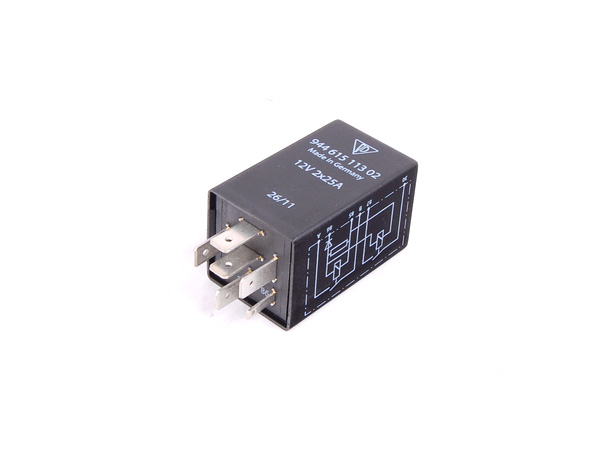
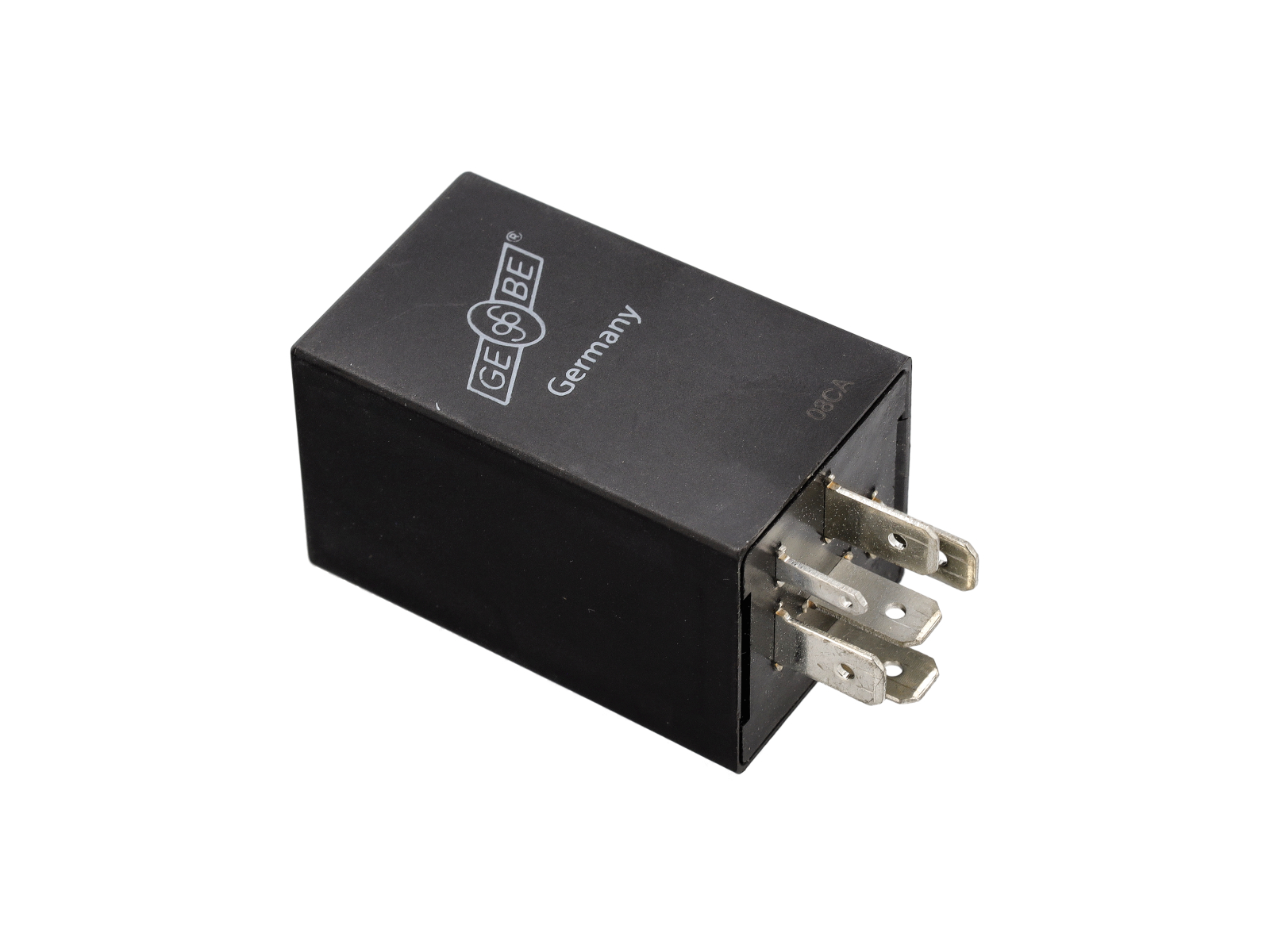
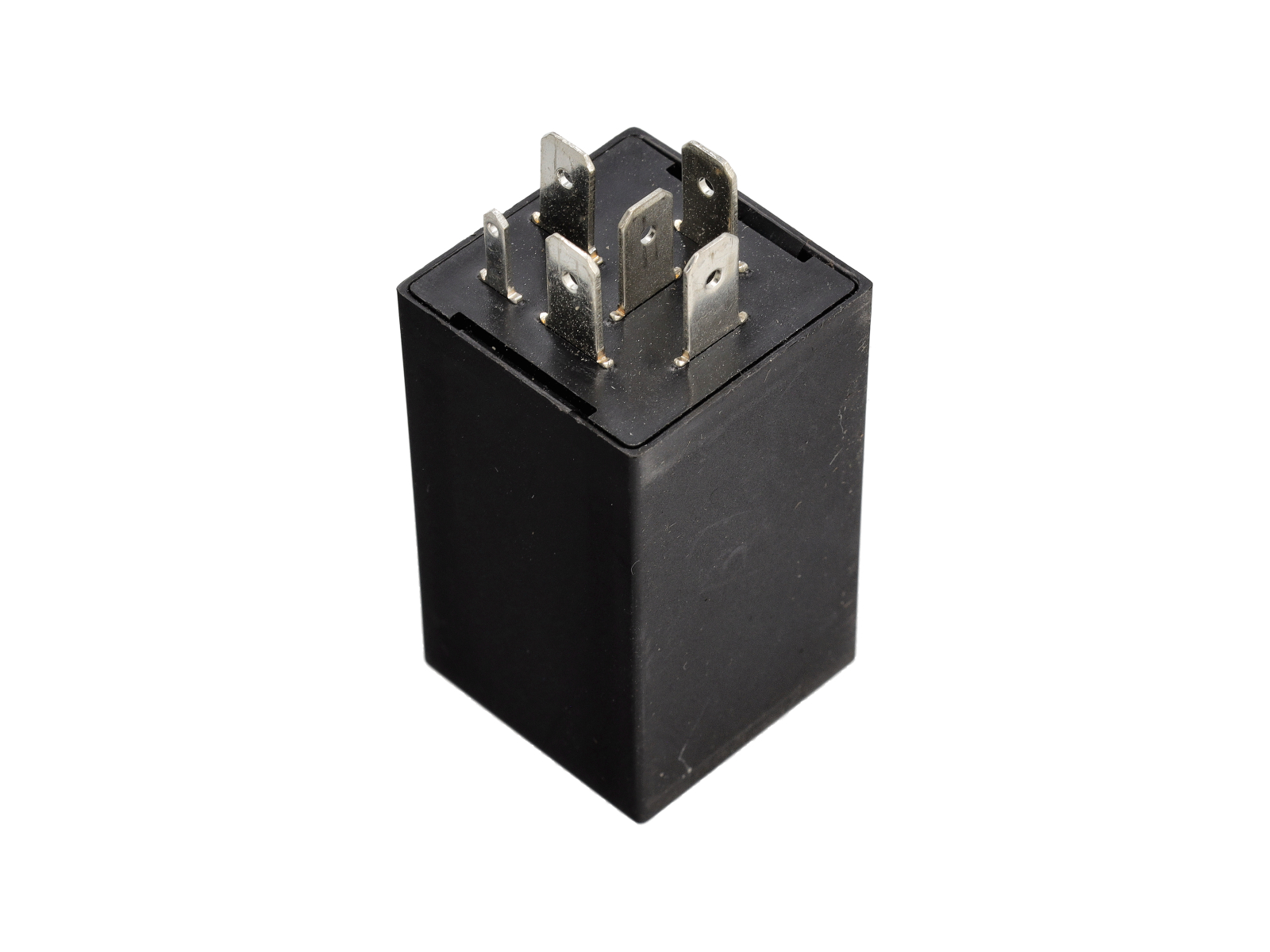
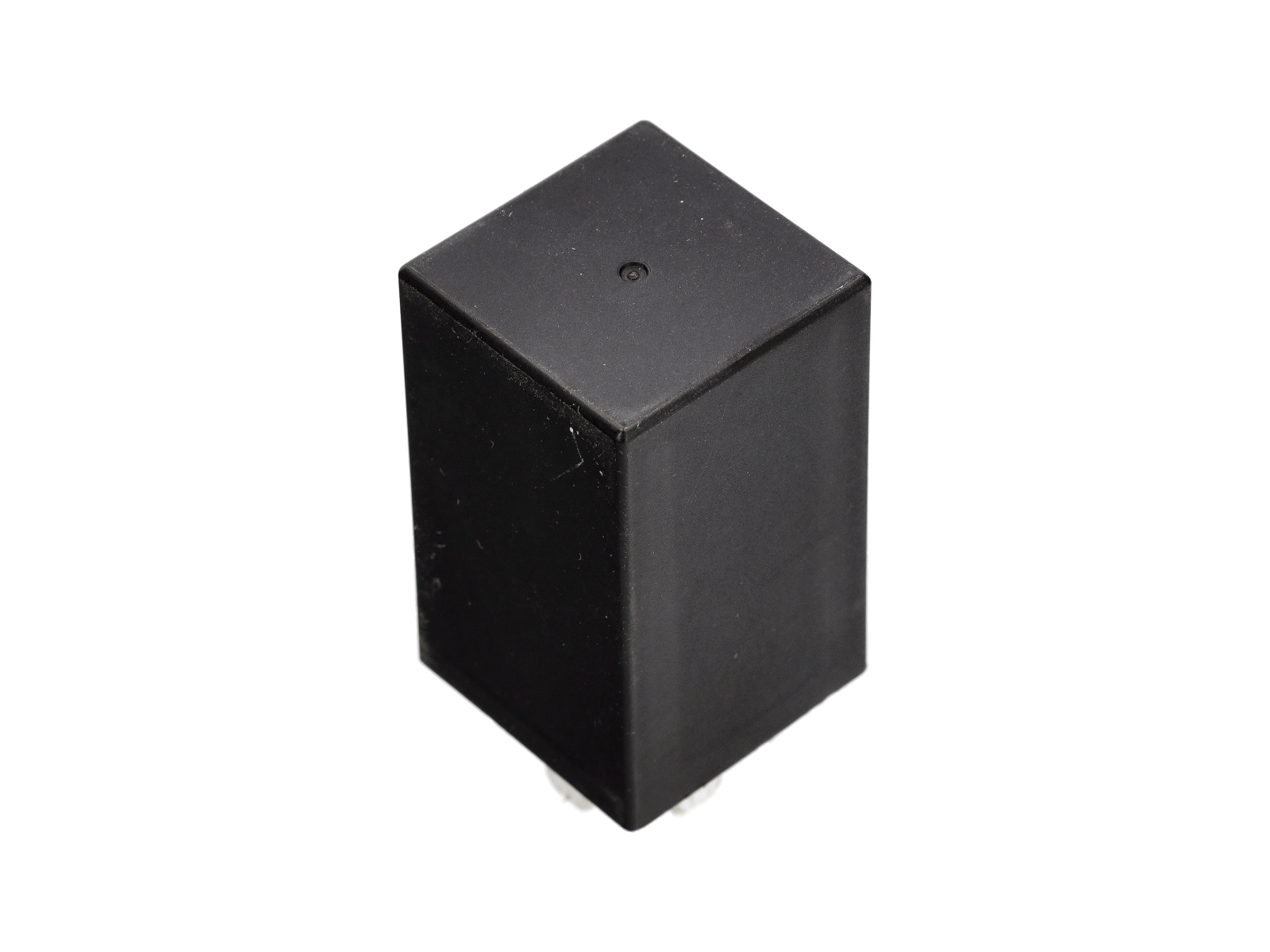
The air-conditioning fan relay is used in the cooling and climate-control system of Porsche 924, 924S, and 944 models. This relay controls power delivery to the A/C condenser fan, ensuring the fan switches on at the correct time to support refrigerant cooling and maintain proper system pressure.
Fits:
Porsche 924 1979 - 1985
Porsche 924S 1986 - 1988
Porsche 944 1982 - 1985
* Please check and match the part number of your relay in your car before ordering.
This A/C fan relay:
• Supplies power to the A/C condenser fan whenever system pressure or temperature demands additional cooling
• Ensures stable switching performance for consistent fan operation
• Helps maintain proper refrigerant pressure and improves overall A/C cooling efficiency
• Replaces failing relays that cause intermittent or non-working condenser fans
A faulty A/C fan relay can lead to:
• Weak or non-functioning air-conditioning
• A/C system overheating or high system pressure
• Poor cabin cooling performance
• Erratic or noisy fan operation
• Potential stress or damage to A/C components (compressor, hoses, pressure switch)
Replacing the relay restores proper climate control performance and ensures the A/C system operates safely and efficiently.
Related reference numbers
Related, superseded, cross reference or alternative numbers for comparison.
94461511303
The product you are viewing cross references to these numbers
- Porsche 924 2.0L 1980-85
- Porsche 924 Turbo 2.0L 1979-81
- Porsche 924 Turbo 2.0L 1982-84
- Porsche 924 Carrera GT 2.0L 1981
- Porsche 924 Carrera GTS 2.0L 1982
- Porsche 924S 2.5L 1986-87
- Porsche 924S 2.5L 1988
- Porsche 944 2.5L 8V 1982-87
Shop Securely
12 Month Warranty
Worldwide Delivery


Monday-Friday: 8.30am - 5.30pm (GMT)
Saturday: Closed
Sunday: Closed