





Enter your VAT number here and click Verify:
Your details have been verified. VAT number registered to:
,
.
Your order will now be zero rated for VAT purposes. We reserve the right to verify these details after your order request has been made and reinstate VAT if required.
Your VAT details were not recognised or were invalid. Your VAT number must be matched to your Billing Country as specified above. This is currently specified as . You do not need to enter the country code part of your VAT number as this has already been selected in your billing address details above.
The VAT number checking service is currently offline. Please supply your VAT details within the comments or special instructions field below and we will apply a VAT discount after placing your order request.
 BorgWarner
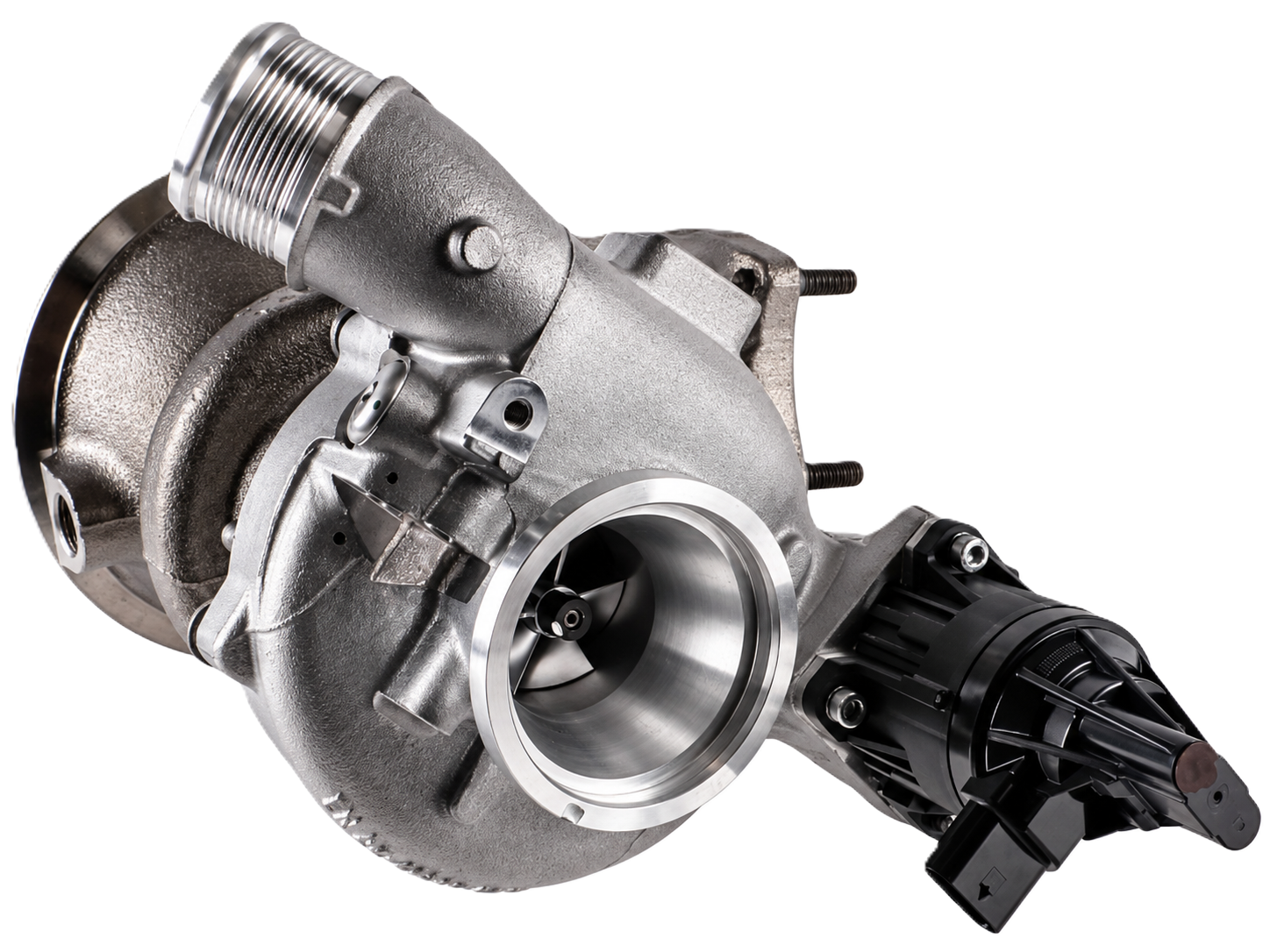
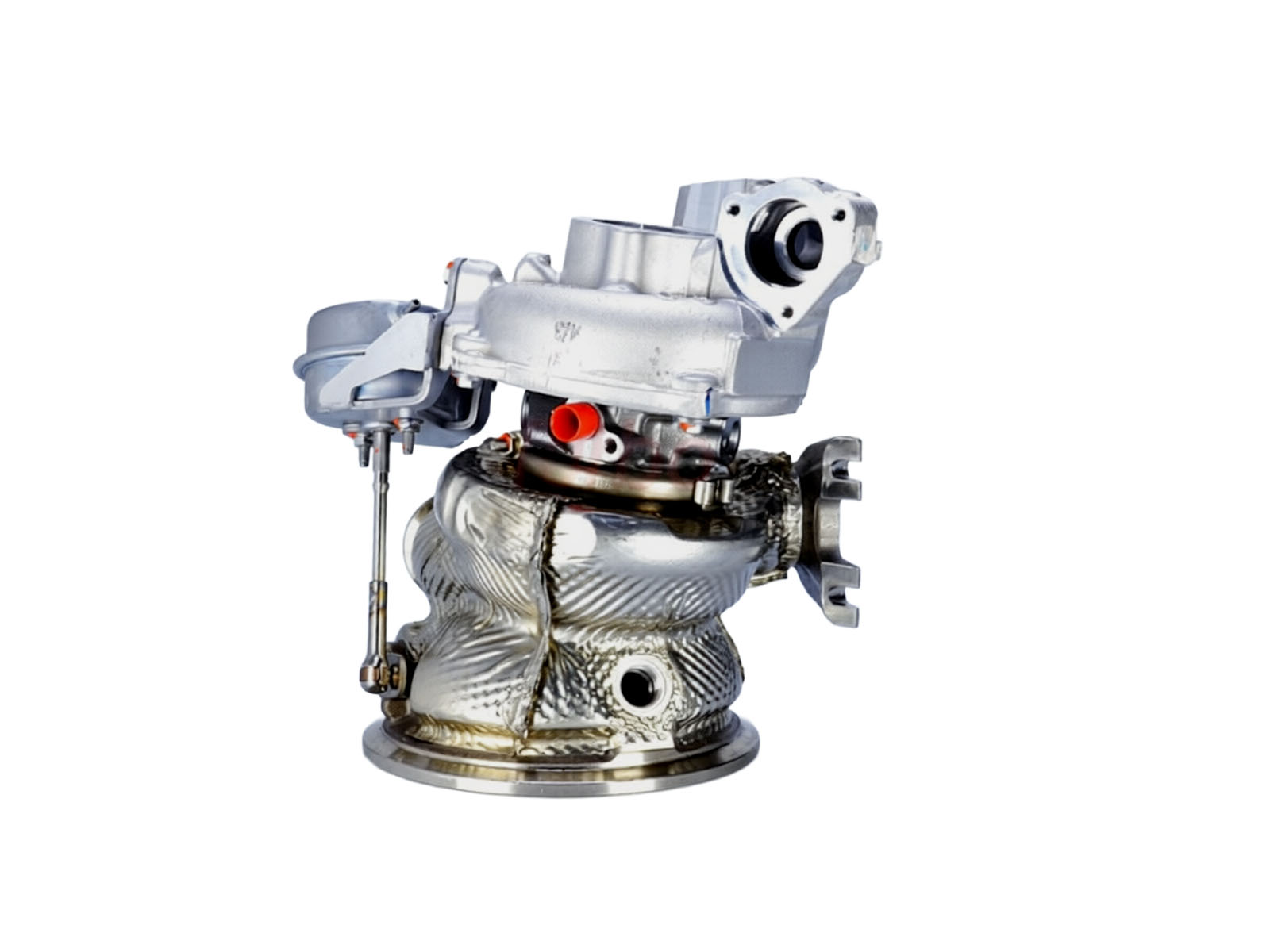
The BorgWarner Turbocharger is a replacement forced-induction component for compatible Porsche applications, designed to restore correct boost pressure, airflow and engine performance when the existing turbocharger has become worn or damaged.
Fits:
- Porsche 992.1 Carrera 2 3.0L 2019-24
- Porsche 992.1 Carrera 4 3.0L 2019-24
- Porsche 992.1 Carrera 2 Cabriolet 3.0L 2019-24
- Porsche 992.1 Carrera 4 Cabriolet 3.0L 2019-24
- Porsche 992.1 Targa 4 3.0L 2020-24
- Porsche 992.2 Carrera 2 3.0L 2024>>
Diagram Ref No 1 And 2
A turbocharger uses energy from the engine's exhaust gases to drive a turbine connected to a compressor wheel. The compressor increases the pressure and quantity of air supplied to the engine, allowing the engine-management system to deliver the intended levels of power, torque and response.
Turbochargers operate at extremely high rotational speeds and temperatures and depend on clean lubrication, correct cooling, unrestricted intake and exhaust flow, and properly functioning boost-control systems. Bearing wear, oil-supply problems, foreign-object damage, excessive temperatures or control faults can eventually cause turbocharger deterioration or complete failure.
Replacing a confirmed faulty turbocharger helps restore correct boost pressure and engine performance while reducing the risk of further damage to associated intake, exhaust and engine components.
What This Product Does:
The turbocharger increases the amount of air supplied to the engine by using energy that would otherwise leave through the exhaust.
Exhaust gases spin the turbine wheel. A shaft connects this turbine to a compressor wheel on the intake side.
As the compressor rotates, it compresses incoming air and supplies it to the engine under pressure.
This helps:
- Generate the required boost pressure
- Increase available intake airflow
- Increase engine power and torque
- Improve acceleration and engine response
- Make effective use of exhaust-gas energy
The turbocharger works together with the intake, intercooling, exhaust, lubrication, cooling and electronic engine-management systems.
Symptoms Of Wear Or Failure:
Common symptoms associated with turbocharger deterioration can include:
- Loss of engine power
- Reduced boost pressure
- Slow boost response
- Poor acceleration
- Inconsistent power delivery
- Engine-management warning light
- Underboost or overboost fault codes
- Limp or reduced-power mode
- Increased engine oil consumption
- Blue or grey exhaust smoke
- Excessive oil in intake pipework
- Whining or siren-like noises
- Grinding or scraping noises
- Excessive turbocharger shaft play
- Damaged compressor or turbine blades
- Abnormal boost fluctuations
These symptoms can also be caused by faults elsewhere in the engine or boost system. Proper diagnosis should therefore be carried out before replacing the turbocharger.
Why Replacement Matters:
Replacing a confirmed worn or damaged turbocharger helps restore the intended operation of the forced-induction system.
A correctly functioning replacement can help:
- Restore boost pressure
- Restore engine power
- Restore torque
- Improve acceleration
- Restore throttle response
- Correct turbocharger-related mechanical noise
- Address oil leakage caused by internal turbo wear
- Restore reliable forced-induction operation
- Support correct engine-management operation
- Reduce the risk of secondary component damage
A severely damaged turbocharger should not remain in service.
Related reference numbers
Related, superseded, cross reference or alternative numbers for comparison.
0PB14570
The product you are viewing cross references to these numbers
- Porsche 992.1 Carrera 2 3.0L 2019-24
- Porsche 992.1 Carrera 4 3.0L 2019-24
- Porsche 992.1 Carrera 2 Cabriolet 3.0L 2019-24
- Porsche 992.1 Carrera 4 Cabriolet 3.0L 2019-24
- Porsche 992.1 Targa 4 3.0L 2020-24
- Porsche 992.2 Carrera 2 3.0L 2024>>
- Porsche 992.2 Carrera 2S 3.0L 2024>>
- Porsche 992.2 Carrera T 3.0L 2024>>
- Porsche 992.2 Carrera 4S 3.0L 2024>>
 Shop Securely
 12 Month Warranty
 Worldwide Delivery


Introducing our TTE5XX Turbocharger for the Porsche Panamera (971) / Cayenne (9YA) 3.0L V8 Turbo for the ultimate blend of power, response, and Plug&play ease of fitment. Our first upgrade step utilizing the original turbochargers for greater flow and power. TTE5XX Performance turbochargers can makeover 500PS with the right software and supporting hardware.
Equilibrium
Precisely balancing our turbochargers is a key critical factor to become a TTE upgrade unit as longevity and performance are paramount. Good balance improves acoustics also. Subsequent great care is taken with all TTE turbochargers to achieving our balance standards. Firstly parts are balanced at slow speeds up to 2800RPM in multiple planes using our single parts machine, then components are assembled and then the CHRA are dynamically balanced, but this time depending on application at up to 250,000 RPM in multiple planes using our in house VSR machine to acquire the ultimate equilibrium, to a standard far higher than OEM. Each turbocharger is supplied with serial numbered balance test result document.
Product Highlights:
&Bull; Original BWTS turbocharger
&Bull; TTE Billet Milled compressor 7+7 BLADE
&Bull; TTE 9 Blade High-Flow Low Mass Turbine
&Bull; Plug and Play installation
&Bull; 7pad thrust bearing
&Bull; 500+PS Capable
&Bull; Proven TheTurboEngineers quality
&Bull; Single parts finely balanced then components assembled and core high-speed VSR balanced
&Bull; Supplied with a balance test result document
&Bull; Made in Germany
- Porsche 9YA Cayenne V6 3.0L Petrol (340Hp) 2018-23
Shop Securely
12 Month Warranty
Worldwide Delivery



Fits:
Porsche 971 Panamera 2.9L / 3.0L V6 2017>>
Porsche 9YA Cayenne 2.9L/3.0L V6 2018>>
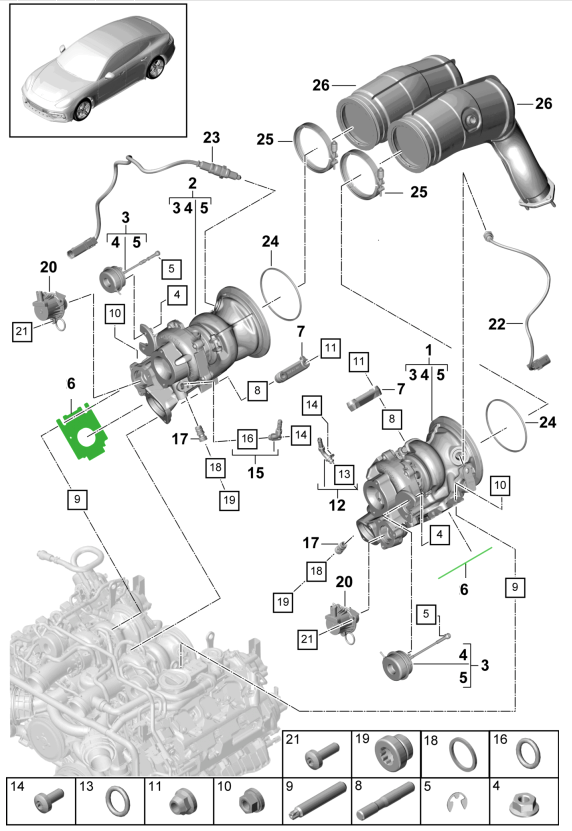
Click 'Zoom in' for large parts diagram.
Diagram ref no 6
Related reference numbers
Related, superseded, cross reference or alternative numbers for comparison.
9A725303910
The product you are viewing cross references to these numbers
- Porsche 9YA Cayenne V6 3.0L Petrol (340Hp) 2018-23
- Porsche 9YA Cayenne Coupe V6 3.0L Petrol (340Hp) 2019-23
- Porsche 9YA Cayenne S V6 2.9L Petrol (440Hp) 2018-23
- Porsche 9YA Cayenne Coupe S V6 2.9L Petrol (440Hp) 2019-23
- Porsche 971.1 Panamera V6 3.0L 2WD (330 Hp) 2017-20
- Porsche 971.1 Panamera 4 V6 3.0L 4WD (330 Hp) 2017-20
- Porsche 971.1 Panamera 4 V6 3.0L 4WD Executive 2017-20
- Porsche 971.1 Panamera 4 3.0L Turbocharged V6 Sport Turismo 2017-20
- Porsche 971.1 Panamera 4S V6 3.0L 4WD (440 Hp) 2017-20
- Porsche 971.1 Panamera 4S V6 3.0L 4WD Executive 2017-20
- Porsche 971.1 Panamera 4S 2.9L Twin-Turbo V6 Sport Turismo 2017-20
- Porsche 971.1 Panamera 4 E-Hybrid V6 2.9L 4WD 2017-20
- Porsche 971.1 Panamera 4 E-Hybrid V6 2.9L 4WD Executive 2017-20
- Porsche 971.1 Panamera 4 E-Hybrid 2.9L Twin-Turbo V6 Sport Turismo 2017-20
Shop Securely
12 Month Warranty
Worldwide Delivery


Fits:
Porsche 971 Panamera 2.9L / 3.0L V6 2017>>
Porsche 9YA Cayenne 2.9L/3.0L V6 2018>>
Diagram ref no 6
Related reference numbers
Related, superseded, cross reference or alternative numbers for comparison.
9A725303910
The product you are viewing cross references to these numbers
- Porsche 9YA Cayenne V6 3.0L Petrol (340Hp) 2018-23
- Porsche 9YA Cayenne Coupe V6 3.0L Petrol (340Hp) 2019-23
- Porsche 9YA Cayenne S V6 2.9L Petrol (440Hp) 2018-23
- Porsche 9YA Cayenne Coupe S V6 2.9L Petrol (440Hp) 2019-23
- Porsche 971.1 Panamera V6 3.0L 2WD (330 Hp) 2017-20
- Porsche 971.1 Panamera 4 V6 3.0L 4WD (330 Hp) 2017-20
- Porsche 971.1 Panamera 4 V6 3.0L 4WD Executive 2017-20
- Porsche 971.1 Panamera 4 3.0L Turbocharged V6 Sport Turismo 2017-20
- Porsche 971.1 Panamera 4S V6 3.0L 4WD (440 Hp) 2017-20
- Porsche 971.1 Panamera 4S V6 3.0L 4WD Executive 2017-20
- Porsche 971.1 Panamera 4S 2.9L Twin-Turbo V6 Sport Turismo 2017-20
- Porsche 971.1 Panamera 4 E-Hybrid V6 2.9L 4WD 2017-20
- Porsche 971.1 Panamera 4 E-Hybrid V6 2.9L 4WD Executive 2017-20
- Porsche 971.1 Panamera 4 E-Hybrid 2.9L Twin-Turbo V6 Sport Turismo 2017-20
Shop Securely
12 Month Warranty
Worldwide Delivery

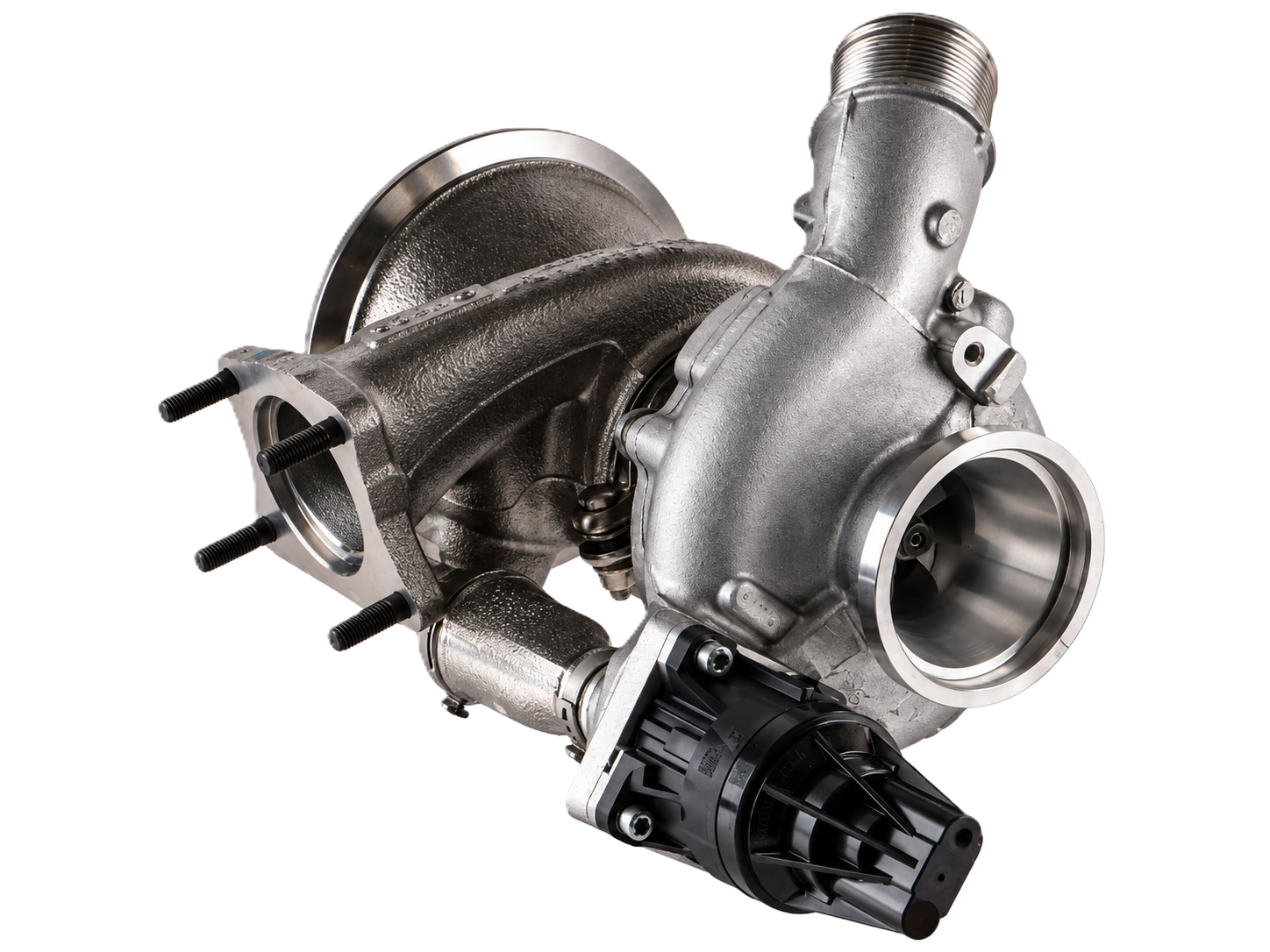
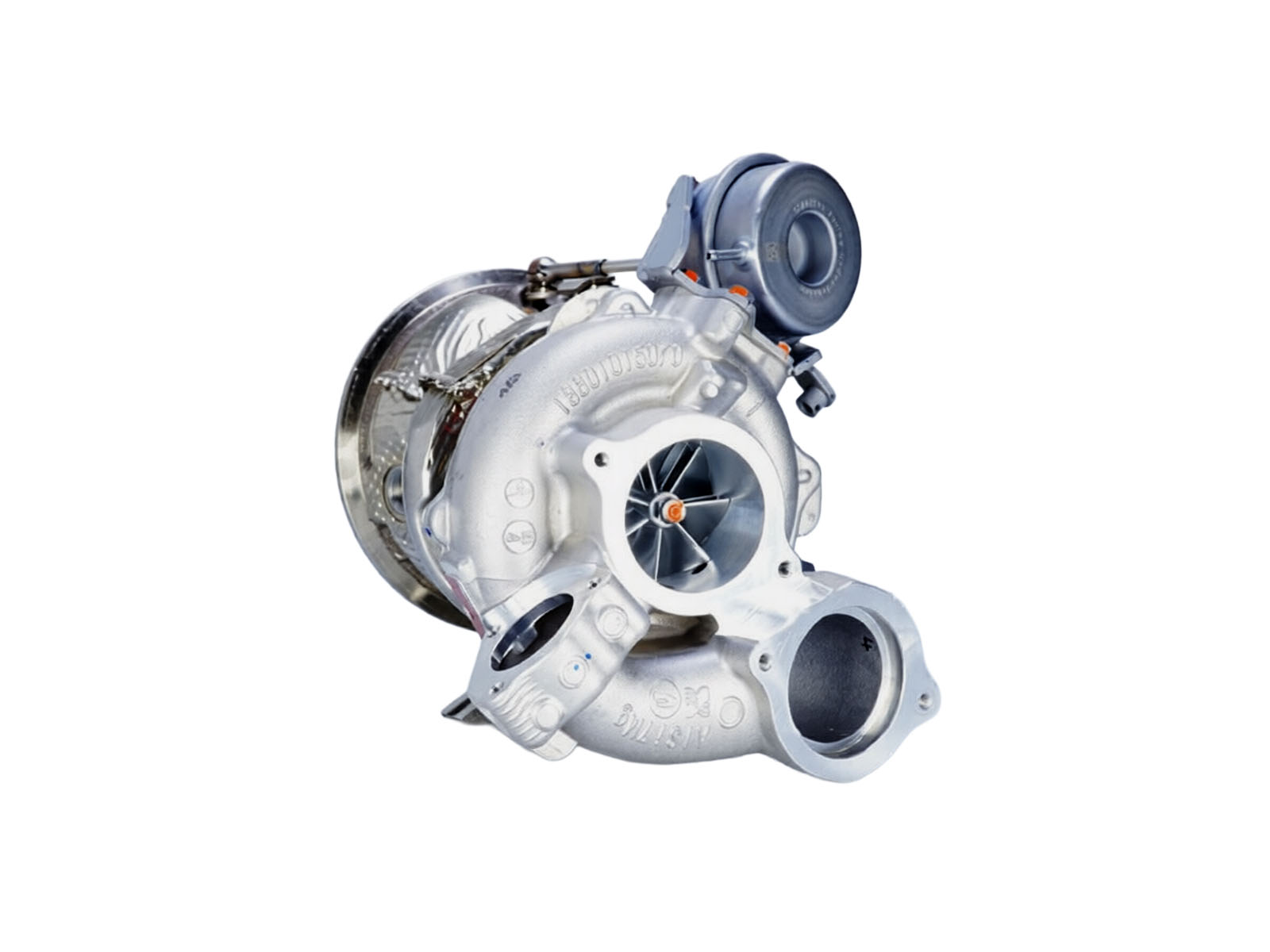
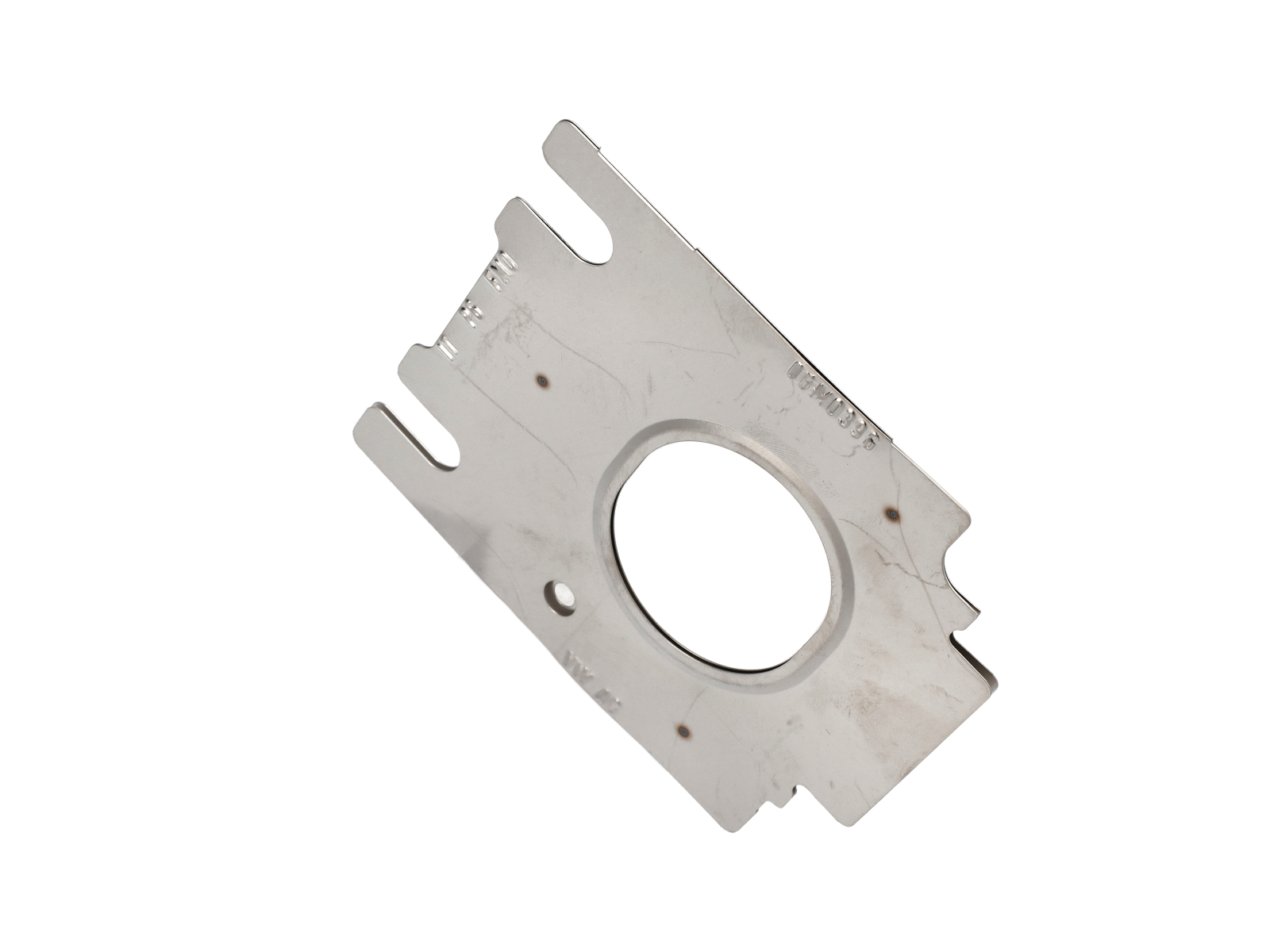
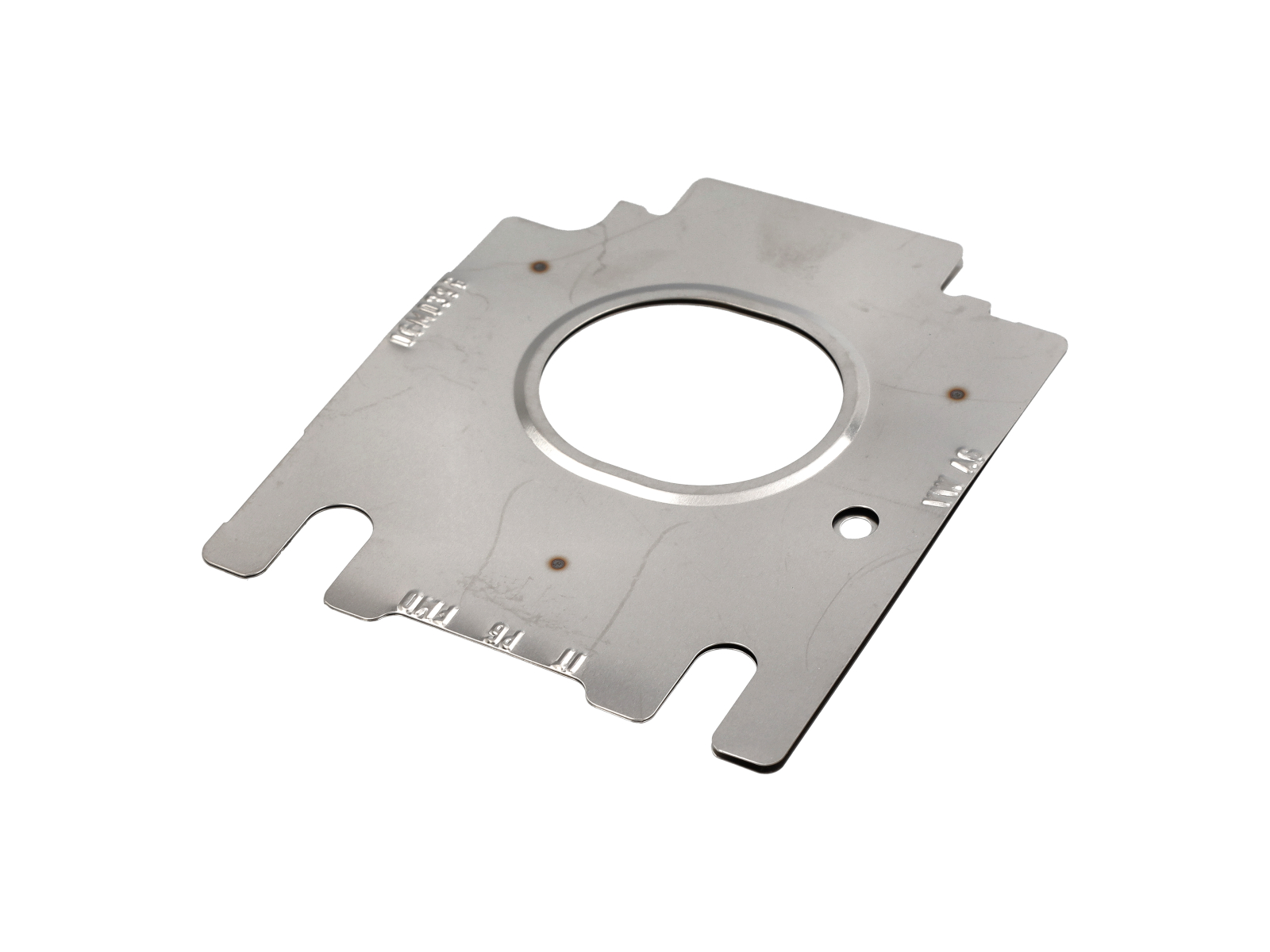
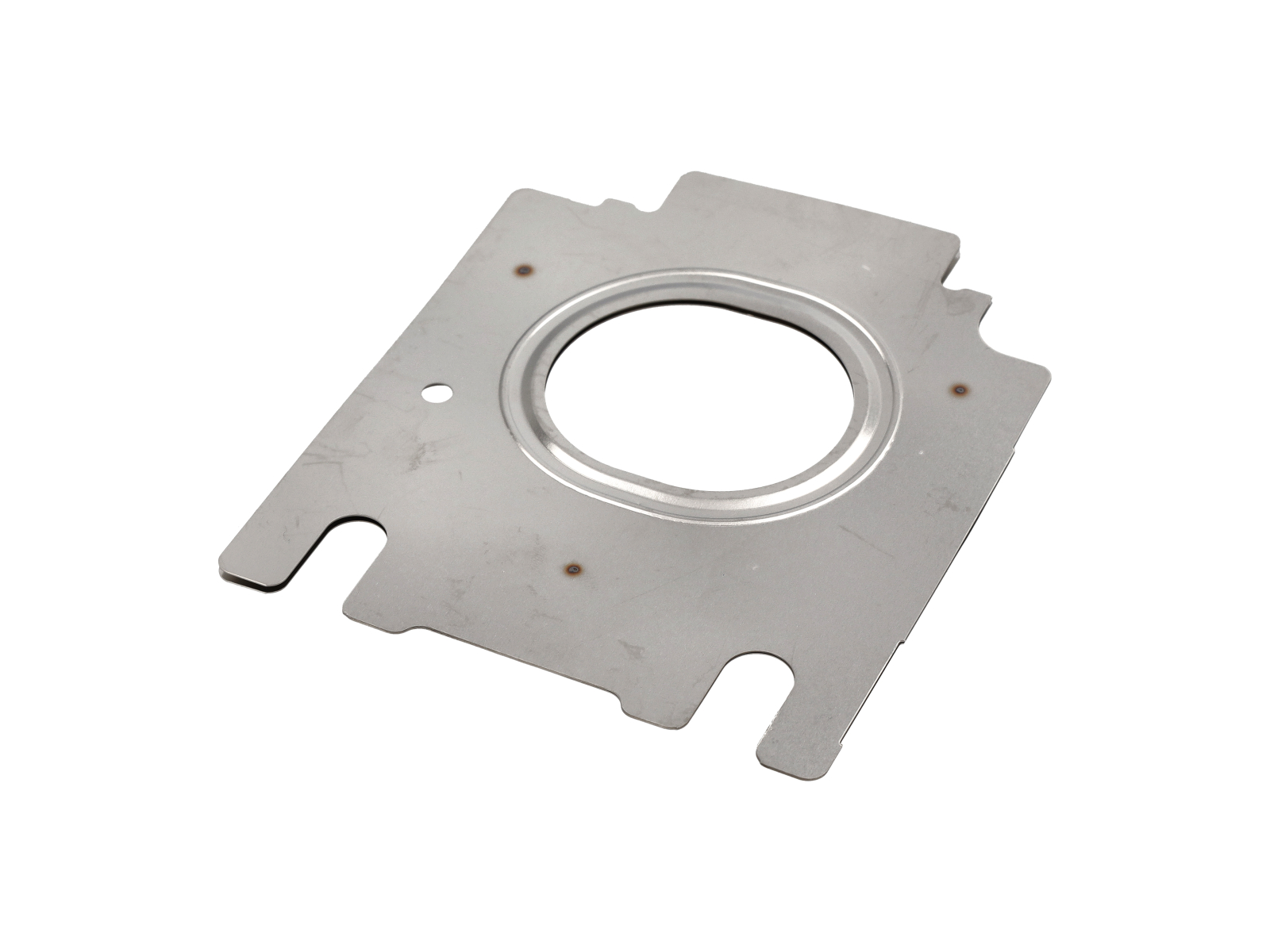

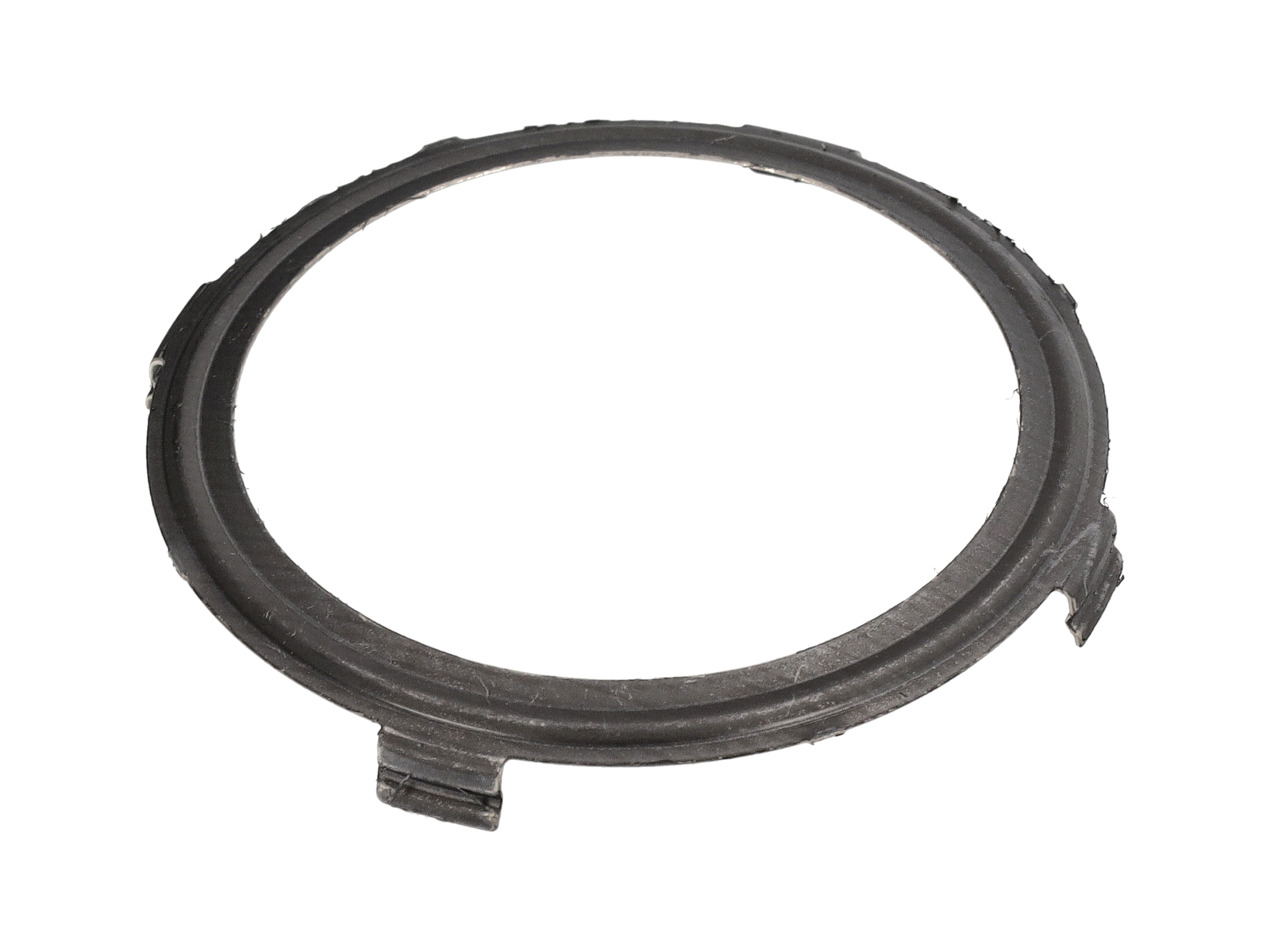
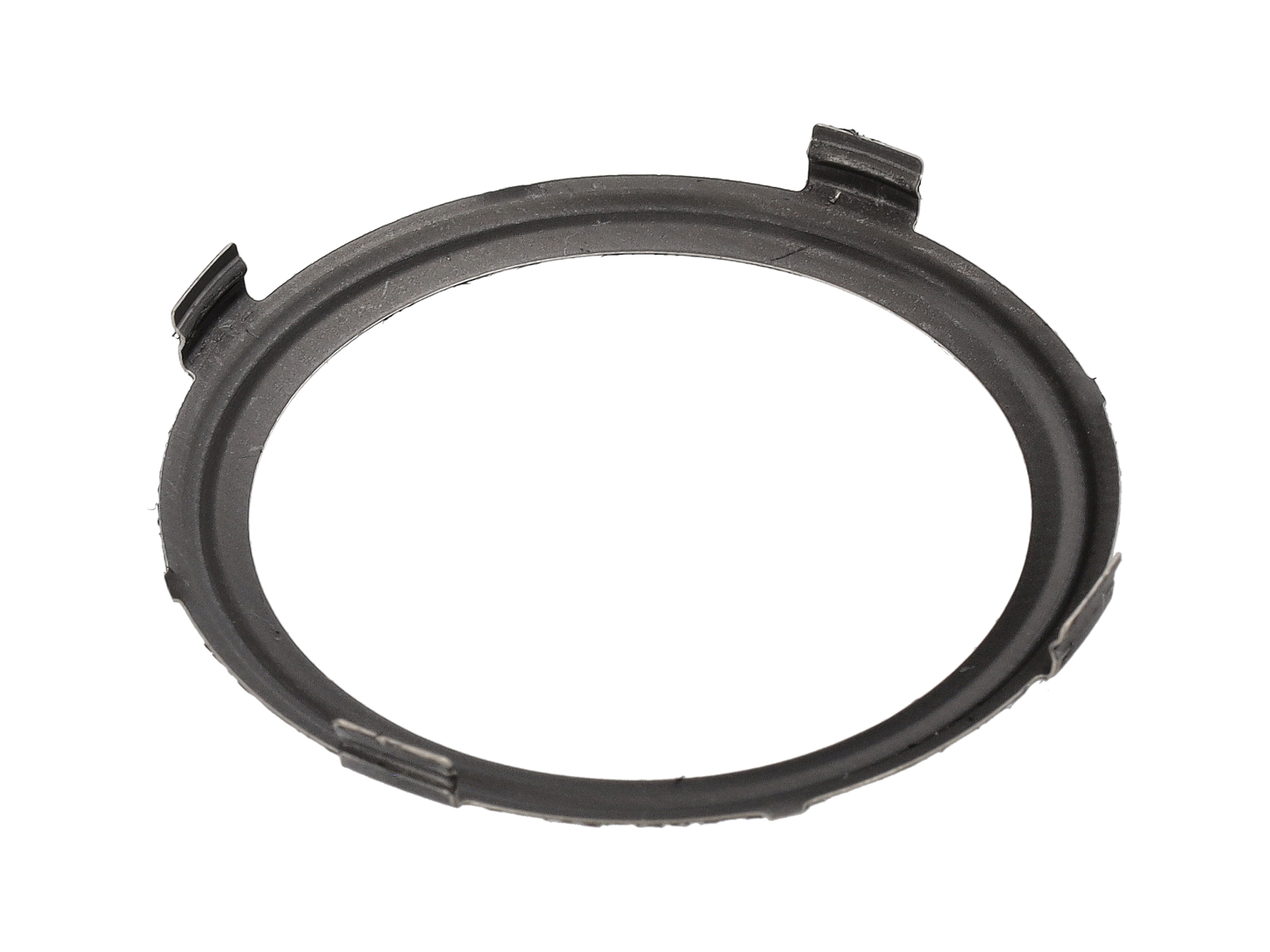
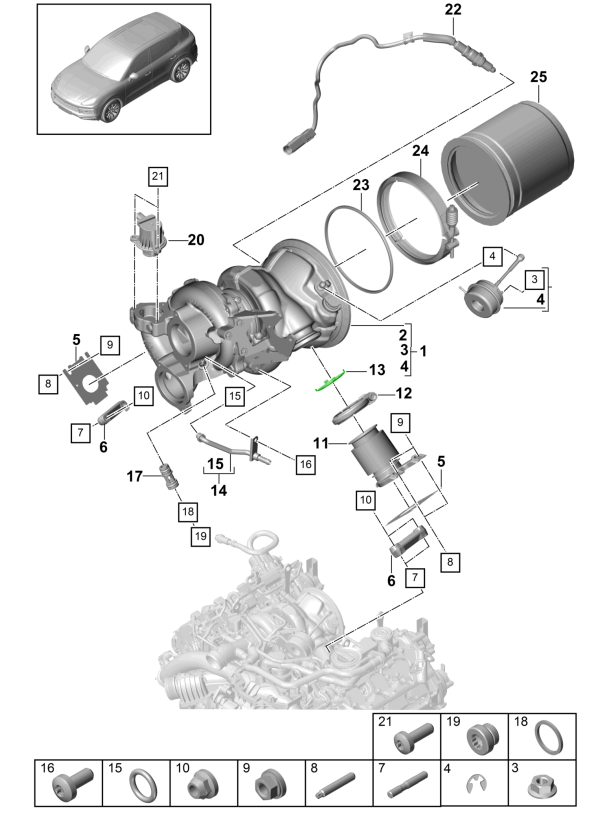
Fits:
Porsche 9YA Cayenne 3.0L 05/2017>>
Porsche 971 Panamera 3.0L 05/2016 - 12/2020
Porsche 971 Panamera 4.0L TDI CR 05/2016 - 12/2020
Porsche 95B.2 Macan 3.0L 2019 - 2021
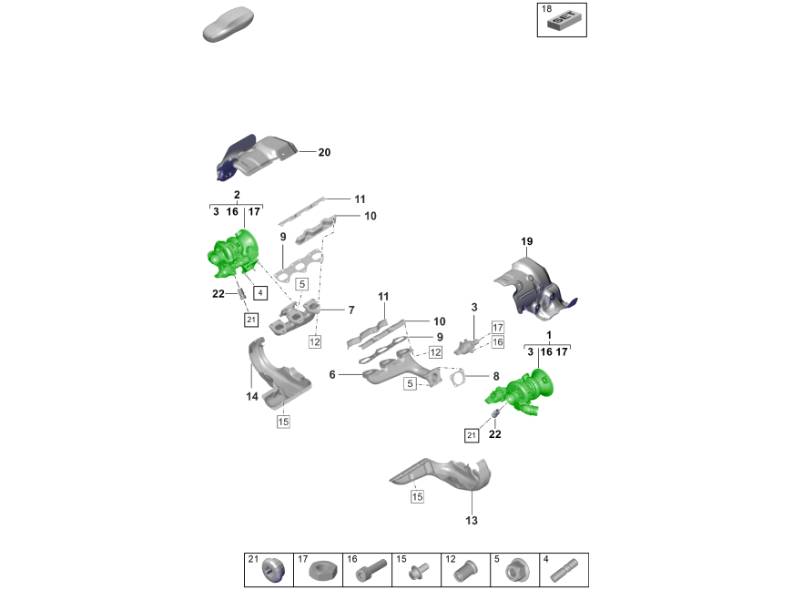
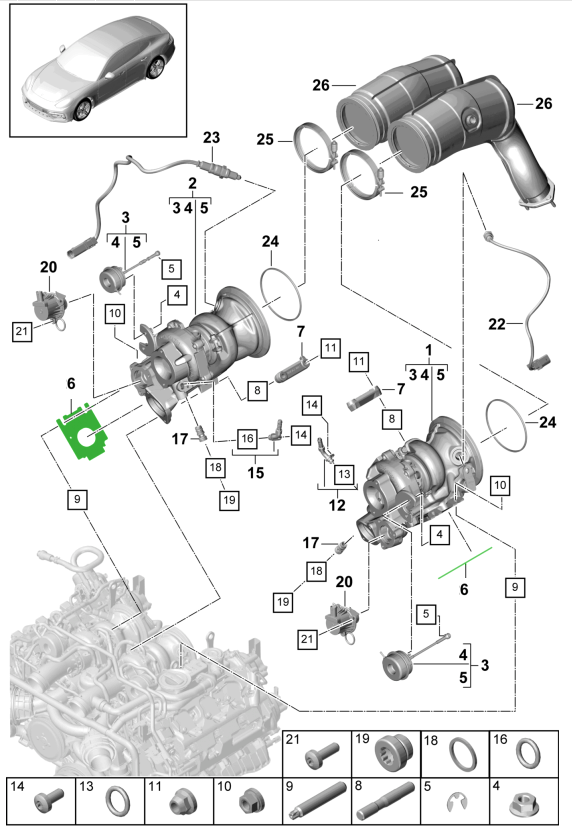
Click 'Zoom in' for large parts diagram.
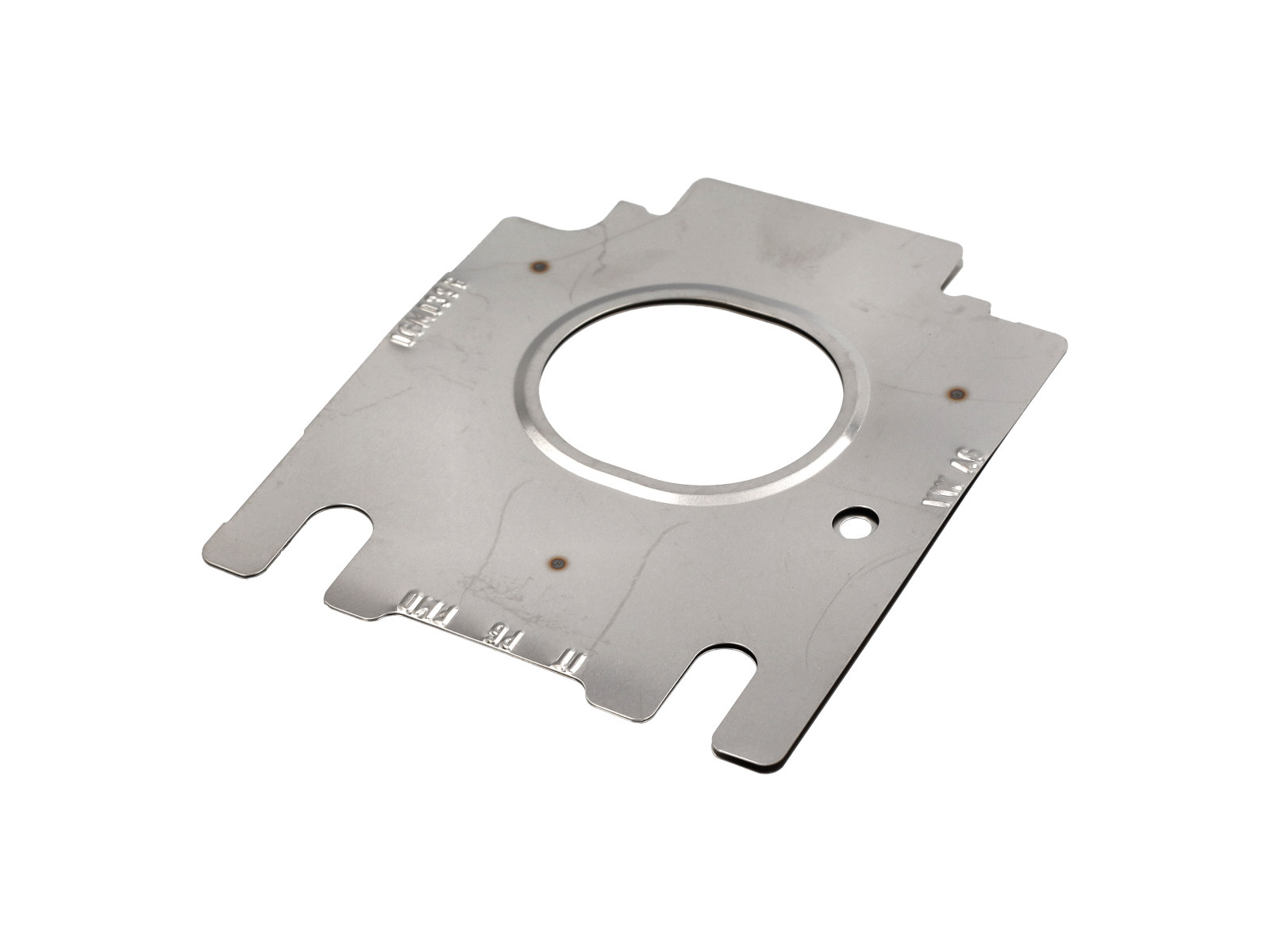
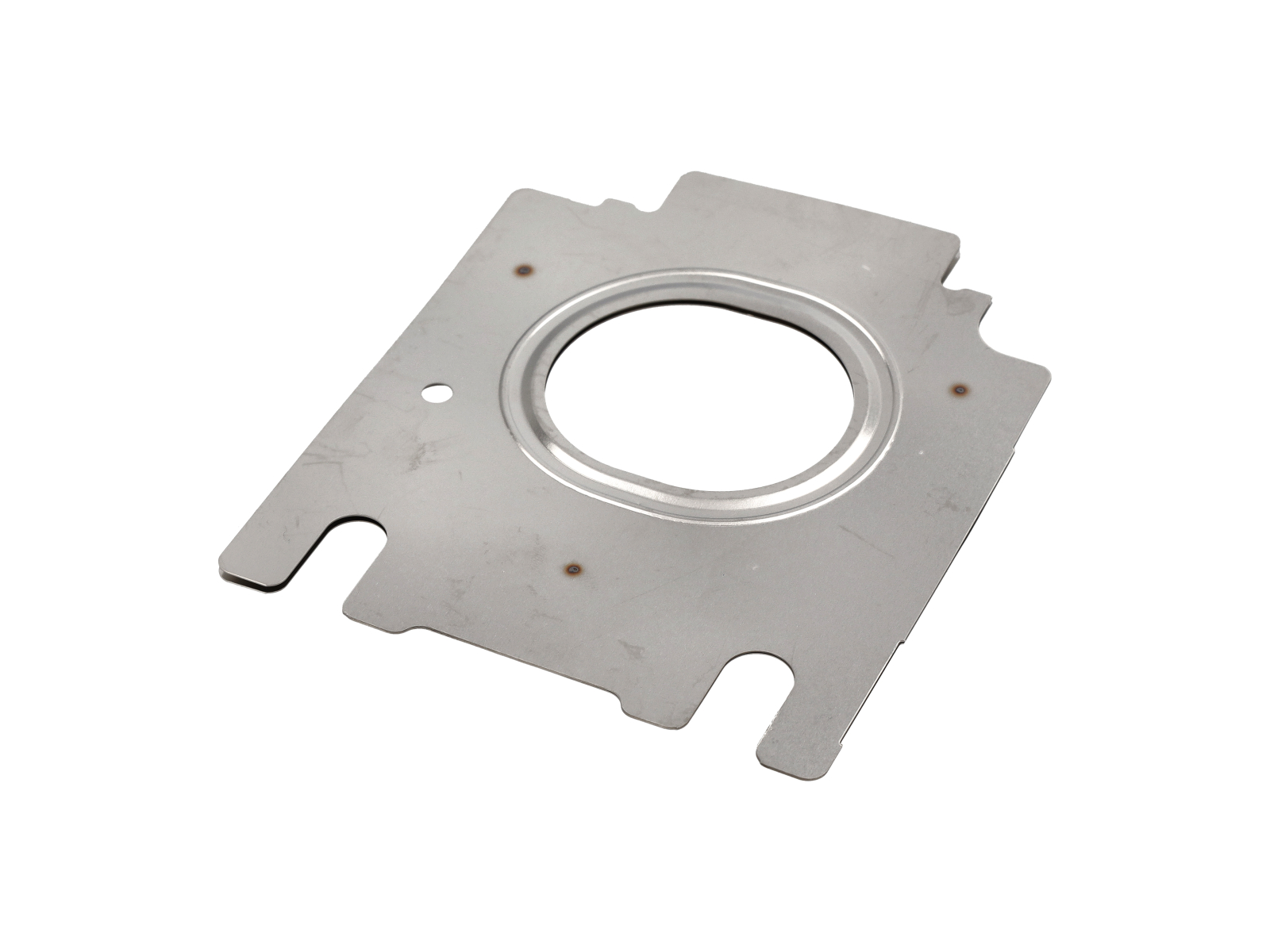
Diagram ref no 13
Related reference numbers
Related, superseded, cross reference or alternative numbers for comparison.
9A725323210
The product you are viewing cross references to these numbers
- Porsche 9YA Cayenne V6 3.0L Petrol (340Hp) 2018-23
- Porsche 9YA Cayenne Coupe V6 3.0L Petrol (340Hp) 2019-23
- Porsche 971.1 Panamera V6 3.0L 2WD (330 Hp) 2017-20
- Porsche 971.1 Panamera 4 V6 3.0L 4WD (330 Hp) 2017-20
- Porsche 971.1 Panamera 4 V6 3.0L 4WD Executive 2017-20
- Porsche 971.1 Panamera 4 3.0L Turbocharged V6 Sport Turismo 2017-20
- Porsche 971.1 Panamera 4S V6 3.0L 4WD (440 Hp) 2017-20
- Porsche 971.1 Panamera 4S V6 3.0L 4WD Executive 2017-20
- Porsche 971.1 Panamera 4S Diesel V8 4.0L 4WD (422 Hp) 2017-18
- Porsche 971.1 Panamera 4S Diesel 4.0L Twin-Turbo V8 Sport Turismo 2017-18
- Porsche 95B.2 Macan S Petrol 3.0L V6 (354Bhp) 2019-21
Shop Securely
12 Month Warranty
Worldwide Delivery


Monday-Friday: 8.30am - 5.30pm (GMT)
Saturday: Closed
Sunday: Closed