




Enter your VAT number here and click Verify:
Your details have been verified. VAT number registered to:
,
.
Your order will now be zero rated for VAT purposes. We reserve the right to verify these details after your order request has been made and reinstate VAT if required.
Your VAT details were not recognised or were invalid. Your VAT number must be matched to your Billing Country as specified above. This is currently specified as . You do not need to enter the country code part of your VAT number as this has already been selected in your billing address details above.
The VAT number checking service is currently offline. Please supply your VAT details within the comments or special instructions field below and we will apply a VAT discount after placing your order request.

- Accessories
- Brakes
- Chassis / Bodywork
- Clothing & Gifts
- Electrical & Relays
- Engine Cooling
- Engine Electrical
- Engine Rebuild Parts
- Engine Tuning
- Exhausts
- Exterior Styling / Spoilers
- Gearbox / Transmission
- Heating / Air Conditioning
- Hydraulics
- Incar / Multimedia
- Interior & Accessories
- Lighting
- Mats & Carpets
- Motorsport and Off-Road
- Parts for Other Cars
- Pedal Cluster
- Rubber Seals
- Seats & Seat Belts
- Service Parts
- Special Offer Parts
- Steering Parts
- Suspension & Axle
- Suspension Upgrades
- Tyres
- Wheel Accessories
- Wheels
 OE Match
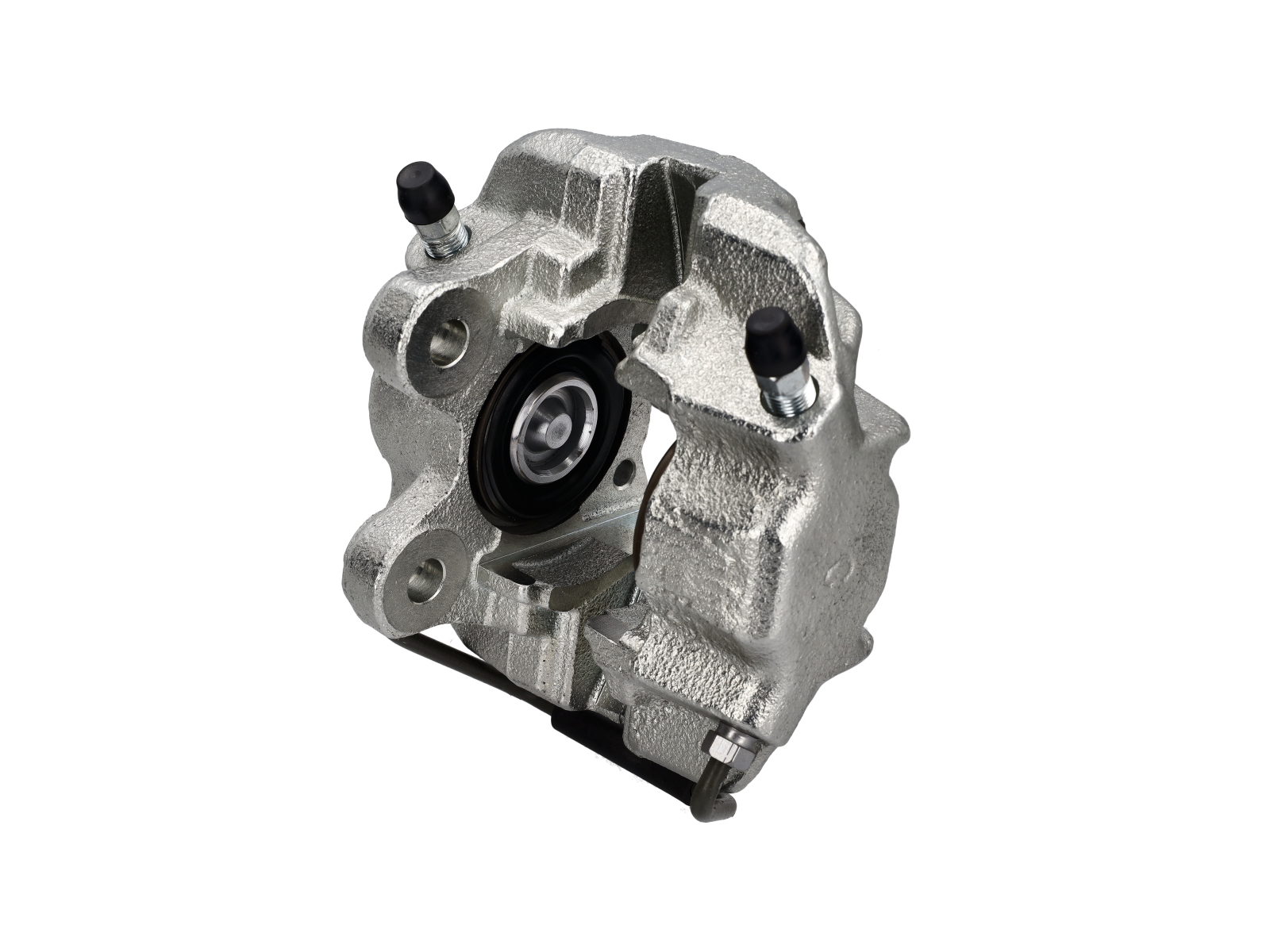
The OE Match Rear Brake Caliper is a replacement hydraulic braking component for classic Porsche 356 C, 911 and 912 models.
Fits:
- Porsche 911 1965-1968 2.0L / 912 SWB (F)
- Porsche 356C 1963-65
Mounted at the rear wheel, the brake caliper converts hydraulic pressure from the braking system into mechanical clamping force, pressing the brake pads against the brake disc to slow or stop the vehicle.
These OE Match calipers are designed as replacements for worn, seized, leaking or heavily corroded original units and are particularly suitable for brake-system restoration or refurbishment on classic Porsche models.
What This Product Does:
The rear brake caliper is a fundamental part of the vehicle's disc braking system.
When the driver presses the brake pedal, hydraulic pressure generated by the master cylinder travels through the brake lines to the caliper. The caliper piston then moves outward, forcing the brake pads against the rotating brake disc.
The friction generated between the pads and disc reduces wheel speed and helps bring the vehicle to a controlled stop.
Its main functions include:
- Converting hydraulic pressure into braking force
- Pressing the brake pads against the rear brake discs
- Providing controlled rear-wheel braking
- Helping maintain balanced braking between left and right sides
- Allowing the brake pads to release correctly when pedal pressure is removed
- Supporting stable and predictable braking performance
- Maintaining proper brake pad positioning
Correct operation of both rear calipers is important for balanced braking and predictable vehicle behaviour.
Symptoms Of Wear Or Failure:
Brake calipers operate in a demanding environment and are exposed to moisture, dirt, road contamination, heat and repeated hydraulic pressure.
Common signs of a worn or failing rear brake caliper include:
- Brake fluid leaking from the caliper
- Wetness around the piston or hydraulic connection
- Seized or sticking brake piston
- Brake dragging after the pedal is released
- Vehicle pulling to one side under braking
- Uneven braking performance
- One rear wheel becoming noticeably hotter than the other
- Burning smell from an overheating brake
- Excessive brake dust on one wheel
- Uneven or accelerated brake pad wear
- Reduced braking efficiency
- Soft or inconsistent brake pedal feel
- Corrosion around the caliper body
- Damaged or deteriorated piston seals
- Brake pads wearing more heavily on one side
- Wheel becoming difficult to rotate when the brake should be released
A sticking piston can cause the brake pad to remain in contact with the disc, creating excessive heat and rapid wear.
Why Replacement Matters:
Brake calipers are safety-critical components and must apply and release braking force correctly.
A seized caliper can cause the brake to remain partially applied even when the pedal is released. This generates excessive heat and can quickly damage the brake pads and disc while increasing rolling resistance.
A caliper that is seized in the opposite direction may fail to apply sufficient braking force, reducing braking effectiveness on that wheel.
Brake fluid leaks are particularly serious because loss of hydraulic fluid can reduce system pressure and significantly compromise braking performance.
Replacing a worn or damaged caliper helps restore:
- Reliable hydraulic operation
- Balanced rear braking
- Correct brake-pad movement
- Consistent pedal response
- Proper brake release
- Reduced risk of overheating
- Even brake pad and disc wear
- Predictable vehicle braking behaviour
Because braking performance should remain balanced across the axle, the condition of the caliper on the opposite side should also be checked when one caliper has failed.
Related reference numbers
Related, superseded, cross reference or alternative numbers for comparison.
90135296
The product you are viewing cross references to these numbers
- Porsche 911 1965-1968 2.0L / 912 SWB (F)
- Porsche 356C 1963-65
 Shop Securely
 12 Month Warranty
 Worldwide Delivery



Genuine Porsche brake caliper bleed valves supplied as a pack of two for selected Porsche 911, 928, 944, 968, Boxster, Cayman, Cayenne and Carrera GT applications. These valves are used in front and rear brake caliper installations, subject to the vehicle and caliper specification.
Fits:
- Porsche 911 & 912 1965–1989
- Porsche 964 911 1989–1994
- Porsche 993 911 1994–1998
- Porsche 996 911 1997–2005
- Porsche 997.1 911 2005–2008
- Porsche 997.2 911 2009–2012
- Porsche Boxster 986 / 987 / 981 1997–2016
- Porsche Cayman 987C / 981C 2005–2016
- Porsche 928 1978–1995
- Porsche 944 1982–1991
- Porsche 968 1992–1995
- Porsche Carrera GT 2003–2006
- Porsche Cayenne 955 / 957 2003–2010
What This Product Does
A bleed valve provides a controlled outlet for releasing trapped air and old hydraulic fluid during brake system bleeding. Once the procedure is complete, the valve is tightened to seal the hydraulic circuit.
Functions
- Provides an outlet during brake fluid bleeding
- Allows trapped air to be removed from the caliper
- Seals the bleed passage when correctly tightened
- Supports routine brake fluid and caliper servicing
Technical Details
- Manufacturer: Genuine Porsche
- Primary part number: 93035191900
- Supplied quantity: Pack of 2
- Position: Suitable for applicable front and rear installations
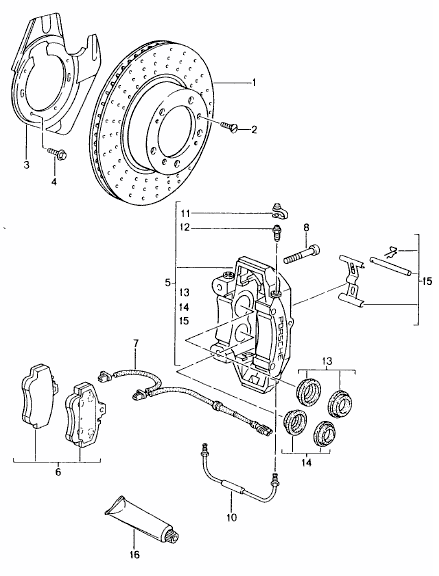
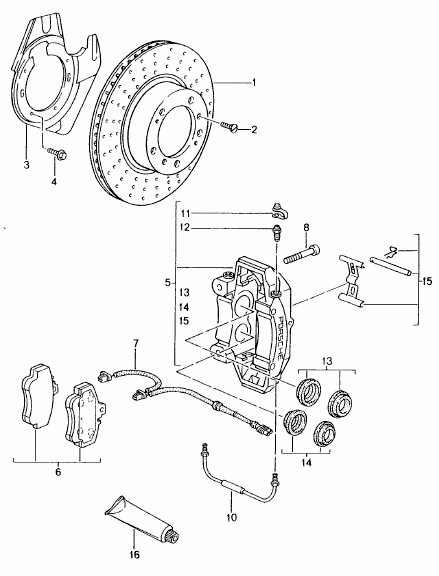
- Also identified as a ventilation valve in Porsche parts diagrams
- Diagram Ref: No 11 & 12
Symptoms of Fault
- Brake fluid seepage around the bleed valve
- A seized or corroded valve that cannot be opened
- Rounded or damaged tool flats
- A blocked bleed passage preventing correct fluid flow
- Air remaining in the hydraulic circuit after attempted bleeding
- Damage to the valve seat or threads
Why Replacement Matters
A damaged, corroded or blocked valve can prevent the caliper from being bled correctly or may fail to seal against fluid loss. Replacing the affected valve restores access to the bleed passage and supports correct hydraulic system servicing. Inspect the caliper threads and sealing seat before installation, and have brake work completed by a suitably qualified technician.
Check fitment for your specific vehicle (model, year, engine) before ordering.
OE Reference
- 93035191900
- 91735551700
- 93035191700
- 93035191901
- 93035551700
- 96562490101
FAQs
- What is included?
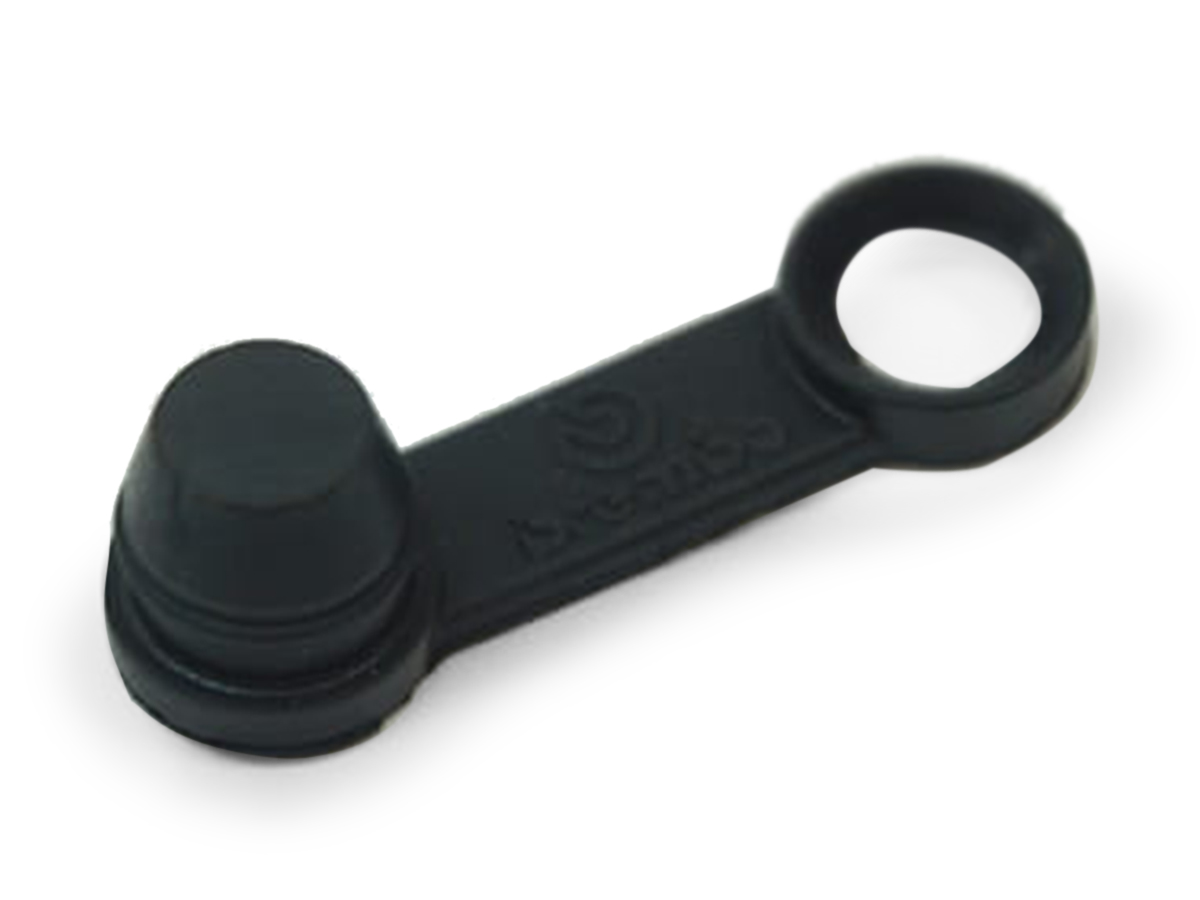
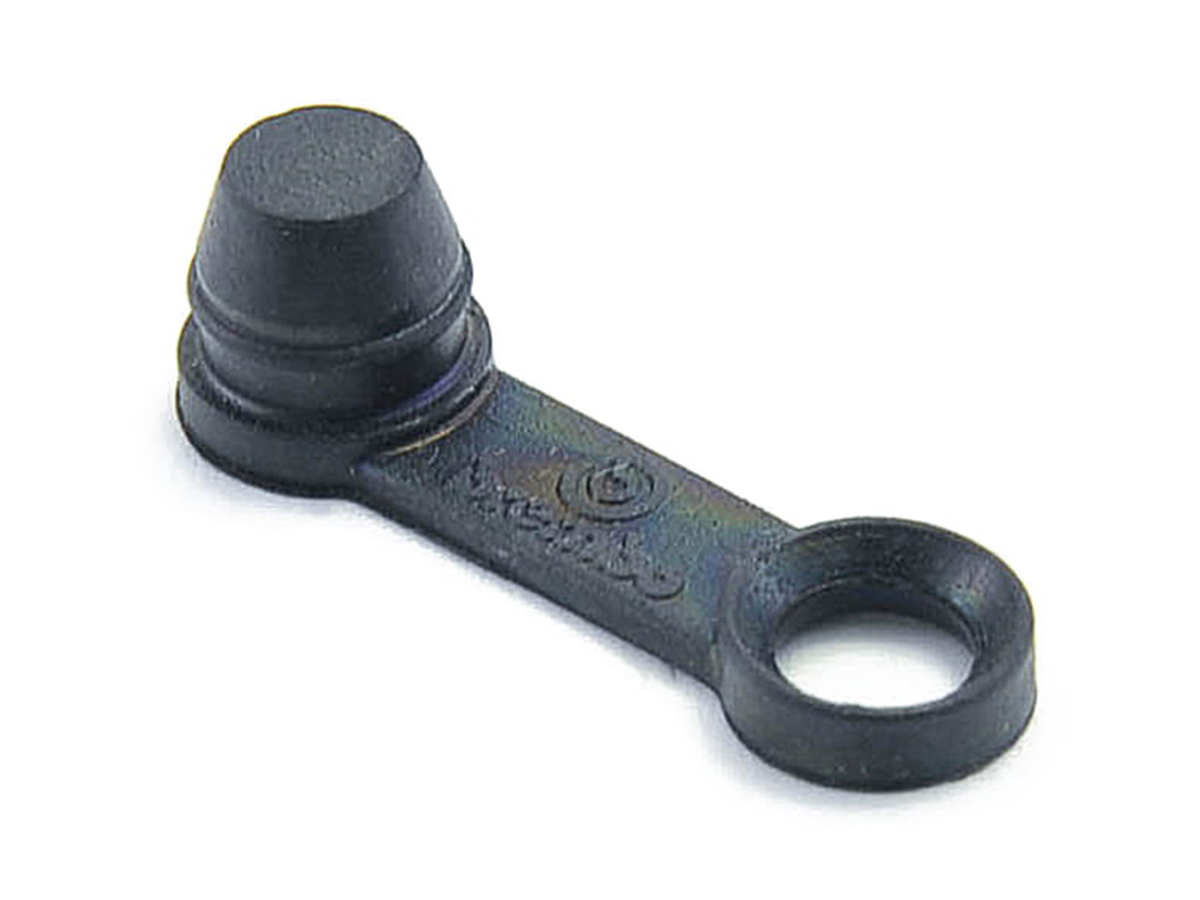
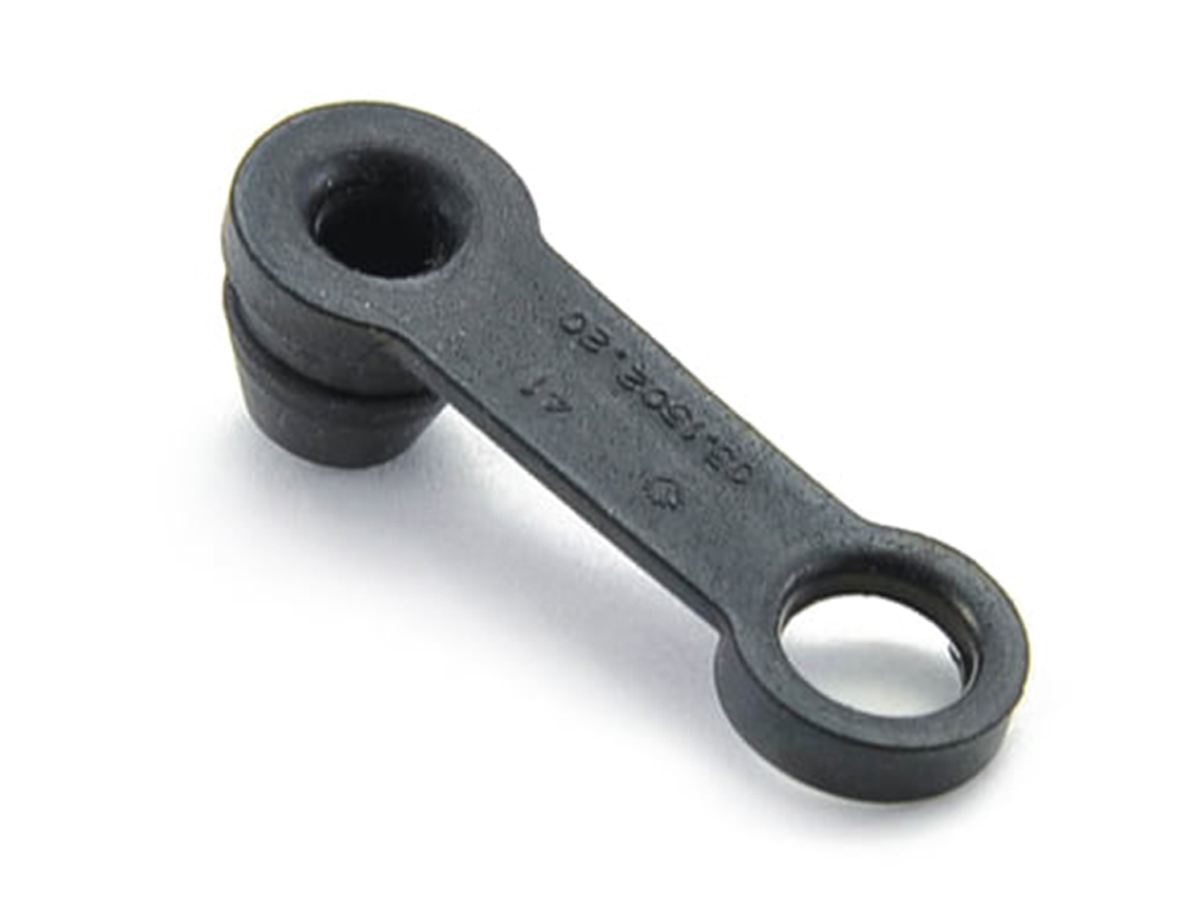
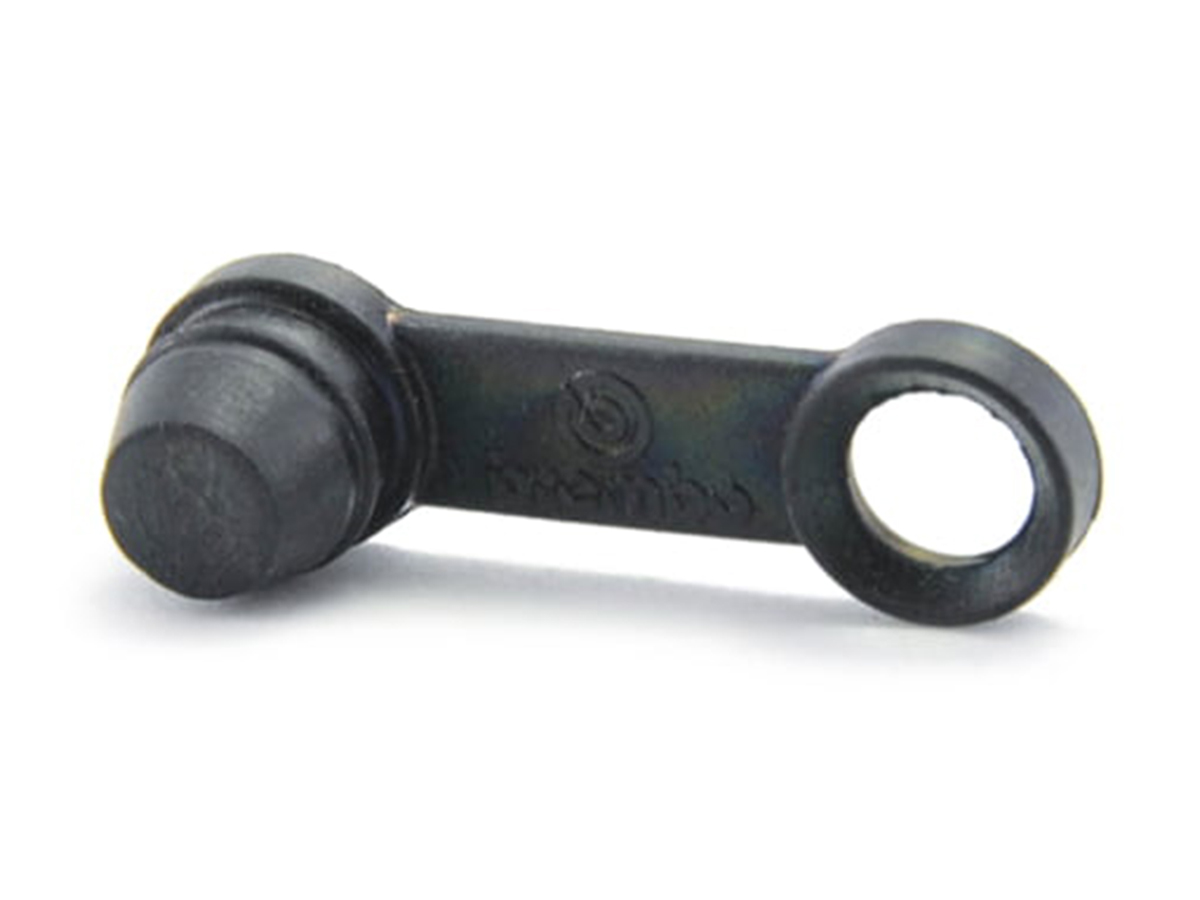
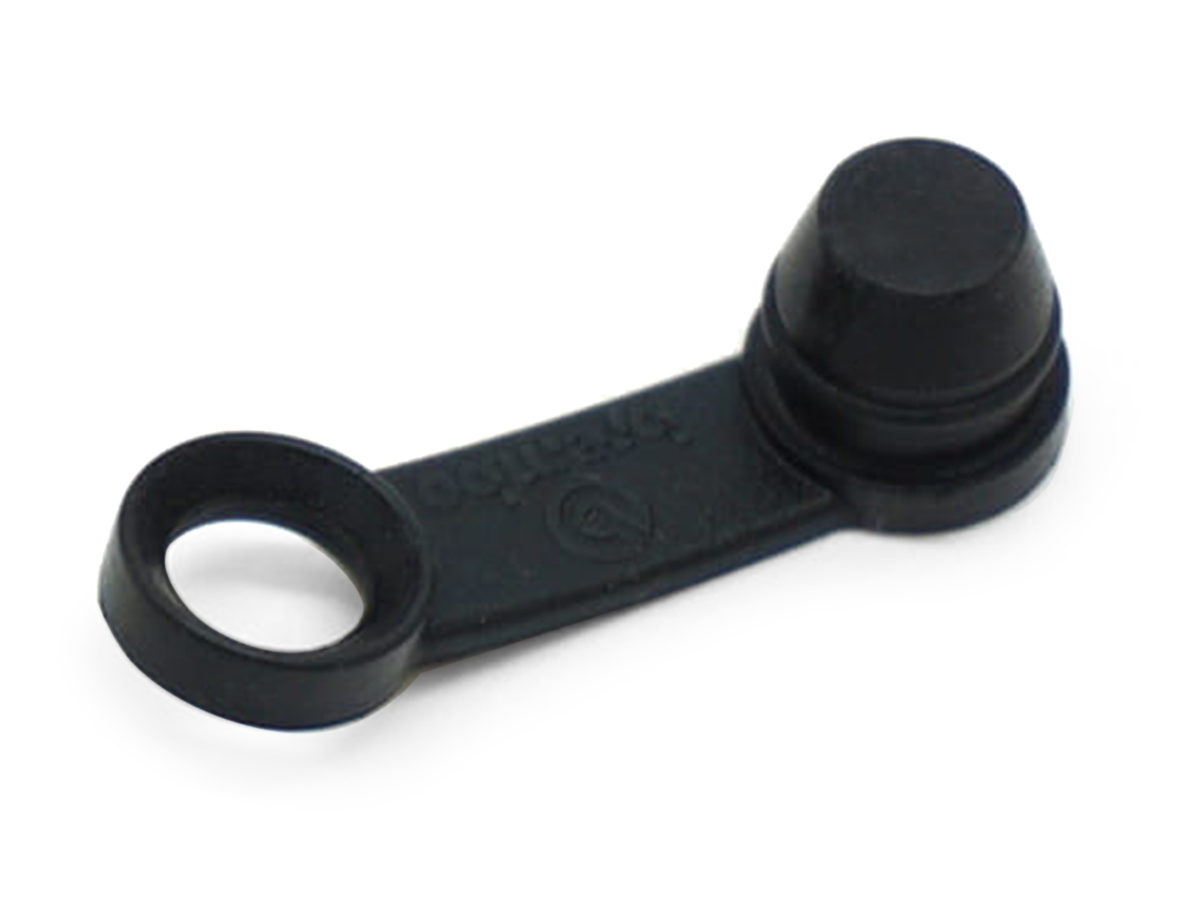
A pack containing two brake caliper bleed valves with cover caps. - Can these valves be used at the front or rear?
They are listed for applicable front and rear caliper installations. Confirm the part number against the specific vehicle and caliper. - How many valves are required?
The required quantity depends on the caliper and axle assembly. Some Porsche diagrams specify four valves for a complete axle assembly, while this product contains two. - When should a bleed valve be replaced?
Replacement is appropriate when the valve is seized, leaking, blocked, physically damaged or unable to seal correctly.
Related reference numbers
Related, superseded, cross reference or alternative numbers for comparison.
93035191900
The product you are viewing cross references to these numbers
- Porsche Boxster 986 2.5L 1997-99
- Porsche Boxster 986 2.7L 1999-02
- Porsche Boxster S 986 3.2L 1999-02
- Porsche Boxster 986 2.7L 2003-04
- Porsche Boxster S 986 3.2L 2003-04
- Porsche Boxster 987 2.7L 2005-08/08
- Porsche Boxster 987 S 3.2/3.4L 2005-08/08
- Porsche 911 1975-1977 3.0L Turbo (930)
- Porsche 911 1978-1989 3.3L Turbo (930)
- Porsche 964 (911) C2 1989-93
- Porsche 964 (911) C4 1989-93
- Porsche 964 (911) RS 3.6L 1991-93
- Porsche 964 (911) RS 3.8L 1991-93
- Porsche 964 (911) TURBO 3.3L 1991-93
- Porsche 964 (911) TURBO 3.6L 1991-93
- Porsche 993 (911) C2 1994-97
- Porsche 993 (911) C4 1994-97
- Porsche 993 (911) RS 1994-97
- Porsche 993 (911) C2S 1994-97
- Porsche 993 (911) C4S 1994-97
- Porsche 993 (911) TURBO 1994-96
- Porsche 993 (911) GT2 1994-97
- Porsche 993 (911) TURBO S 1994-97
- Porsche 996 C2 3.4L 1997-08/01
- Porsche 996 C4 3.4L 1997-08/01
- Porsche 996 C2 3.6L 09/01-2005
- Porsche 996 C4 3.6L 09/01-2005
- Porsche 996 C4S 3.6L 09/01-2005
- Porsche 996 TURBO 2000-05
- Porsche 996 GT2 2001-05
- Porsche 996 GT3 MKI 1999-02
- Porsche 996 GT3 MKII 2003>>
- Porsche 996 GT3 RS 2003-04
- Porsche 997 MK1 Carrera 2 3.6L 2005-08
- Porsche 997 MK1 Carrera 2S 3.8L 2005-08
- Porsche 997 MK1 Carrera 4 3.6L 2005-08
- Porsche 997 MK1 Carrera 4S 3.8L 2005-08
- Porsche 997 MK1 TURBO 2007-09
- Porsche 997 MK1 GT3 / GT3 RS 2007-09
- Porsche 997 MK1 GT2 2007-09
- Porsche 997 MKII Carrera C2 3.6L 2009-12
- Porsche 997 MKII Carrera C4 3.6L 2009-12
- Porsche 997 MKII Carrera C2S 3.8L 2009-12
- Porsche 997 MKII Carrera C4S 3.8L 2009-12
- Porsche Cayman 2.7L 987C 2006-08
- Porsche Cayman S 3.4L 987C 2005-08
- Porsche Carrera GT 2003-06
- Porsche 955 Cayenne 3.2L V6 2003-06
- Porsche 955 Cayenne S 4.5L V8 2003-06
- Porsche 955 Cayenne Turbo 4.5L 2003-06
- Porsche 955 Cayenne Turbo S 4.5L 2006>>
- Porsche 957 Cayenne 3.6L 2007-10
- Porsche 957 Cayenne S / GTS 4.8L 2007-10
- Porsche 957 Cayenne Turbo / Turbo S 4.8L 2007-10
- Porsche 944 Turbo 2.5L 8V 1985-88
- Porsche 944 Turbo 2.5L 8V 1989-91
- Porsche 944 Turbo S 2.5L 8V 1988
- Porsche 968 3.0L 1992-94
- Porsche 968 Sport 3.0L 1994-95
- Porsche 968 CS 3.0L 1993-95
- Porsche 968 Turbo S 3.0L 1993-94
- Porsche 928 4.5L 1978-82
- Porsche 928S 4.7L 1981-83
- Porsche 928S2 4.7L 1984-86
- Porsche 928S4 5.0L 1987-92
- Porsche 928GT 5.0L 1989-91
- Porsche 928GTS 5.4L 1992-95
Shop Securely
12 Month Warranty
Worldwide Delivery

Fits: front & rear
Fits:
Porsche Various models
This product supersedes Porsche's old part numbers:
- 93035192700
Click 'Zoom in' for large parts diagram.
Diagram ref no 11
- Porsche Boxster 986 2.5L 1997-99
- Porsche Boxster 986 2.7L 1999-02
- Porsche Boxster S 986 3.2L 1999-02
- Porsche Boxster 986 2.7L 2003-04
- Porsche Boxster S 986 3.2L 2003-04
- Porsche Boxster 987 2.7L 2005-08/08
- Porsche Boxster 987 S 3.2/3.4L 2005-08/08
- Porsche 911 1974-1977 2.7L / 1976-77 3.0 Carrera
- Porsche 911 1978-1983 3.0L / SC
- Porsche 911 1984-1986 3.2L
- Porsche 911 1987-1989 3.2L G50
- Porsche 911 1975-1977 3.0L Turbo (930)
- Porsche 911 1978-1989 3.3L Turbo (930)
- Porsche 964 (911) C2 1989-93
- Porsche 964 (911) C4 1989-93
- Porsche 964 (911) RS 3.6L 1991-93
- Porsche 964 (911) RS 3.8L 1991-93
- Porsche 964 (911) TURBO 3.3L 1991-93
- Porsche 964 (911) TURBO 3.6L 1991-93
- Porsche 993 (911) C2 1994-97
- Porsche 993 (911) C4 1994-97
- Porsche 993 (911) RS 1994-97
- Porsche 993 (911) C2S 1994-97
- Porsche 993 (911) C4S 1994-97
- Porsche 993 (911) TURBO 1994-96
- Porsche 993 (911) GT2 1994-97
- Porsche 993 (911) TURBO S 1994-97
- Porsche 996 C2 3.4L 1997-08/01
- Porsche 996 C4 3.4L 1997-08/01
- Porsche 996 C2 3.6L 09/01-2005
- Porsche 996 C4 3.6L 09/01-2005
- Porsche 996 C4S 3.6L 09/01-2005
- Porsche 996 TURBO 2000-05
- Porsche 996 GT2 2001-05
- Porsche 996 GT3 MKI 1999-02
- Porsche 996 GT3 MKII 2003>>
- Porsche 996 GT3 RS 2003-04
- Porsche 997 MK1 Carrera 2 3.6L 2005-08
- Porsche 997 MK1 Carrera 2S 3.8L 2005-08
- Porsche 997 MK1 Carrera 4 3.6L 2005-08
- Porsche 997 MK1 Carrera 4S 3.8L 2005-08
- Porsche 997 MK1 TURBO 2007-09
- Porsche 997 MK1 GT3 / GT3 RS 2007-09
- Porsche 997 MK1 GT2 2007-09
- Porsche 997 MKII Carrera C2 3.6L 2009-12
- Porsche 997 MKII Carrera C4 3.6L 2009-12
- Porsche 997 MKII Carrera C2S 3.8L 2009-12
- Porsche 997 MKII Carrera C4S 3.8L 2009-12
- Porsche Cayman 2.7L 987C 2006-08
- Porsche Cayman S 3.4L 987C 2005-08
- Porsche Carrera GT 2003-06
- Porsche 955 Cayenne 3.2L V6 2003-06
- Porsche 955 Cayenne S 4.5L V8 2003-06
- Porsche 955 Cayenne Turbo 4.5L 2003-06
- Porsche 955 Cayenne Turbo S 4.5L 2006>>
- Porsche 957 Cayenne 3.6L 2007-10
- Porsche 957 Cayenne S / GTS 4.8L 2007-10
- Porsche 957 Cayenne Turbo / Turbo S 4.8L 2007-10
- Porsche 944 Turbo 2.5L 8V 1985-88
- Porsche 944 Turbo 2.5L 8V 1989-91
- Porsche 944 Turbo S 2.5L 8V 1988
- Porsche 968 3.0L 1992-94
- Porsche 968 Sport 3.0L 1994-95
- Porsche 968 CS 3.0L 1993-95
- Porsche 968 Turbo S 3.0L 1993-94
- Porsche 928 4.5L 1978-82
- Porsche 928S 4.7L 1981-83
- Porsche 928S2 4.7L 1984-86
- Porsche 928S4 5.0L 1987-92
- Porsche 928GT 5.0L 1989-91
- Porsche 928GTS 5.4L 1992-95
Shop Securely
12 Month Warranty
Worldwide Delivery

Related reference numbers
Related, superseded, cross reference or alternative numbers for comparison.
00004330511
The product you are viewing cross references to these numbers
 Shop Securely
12 Month Warranty
Worldwide Delivery
Shop Securely
12 Month Warranty
Worldwide Delivery

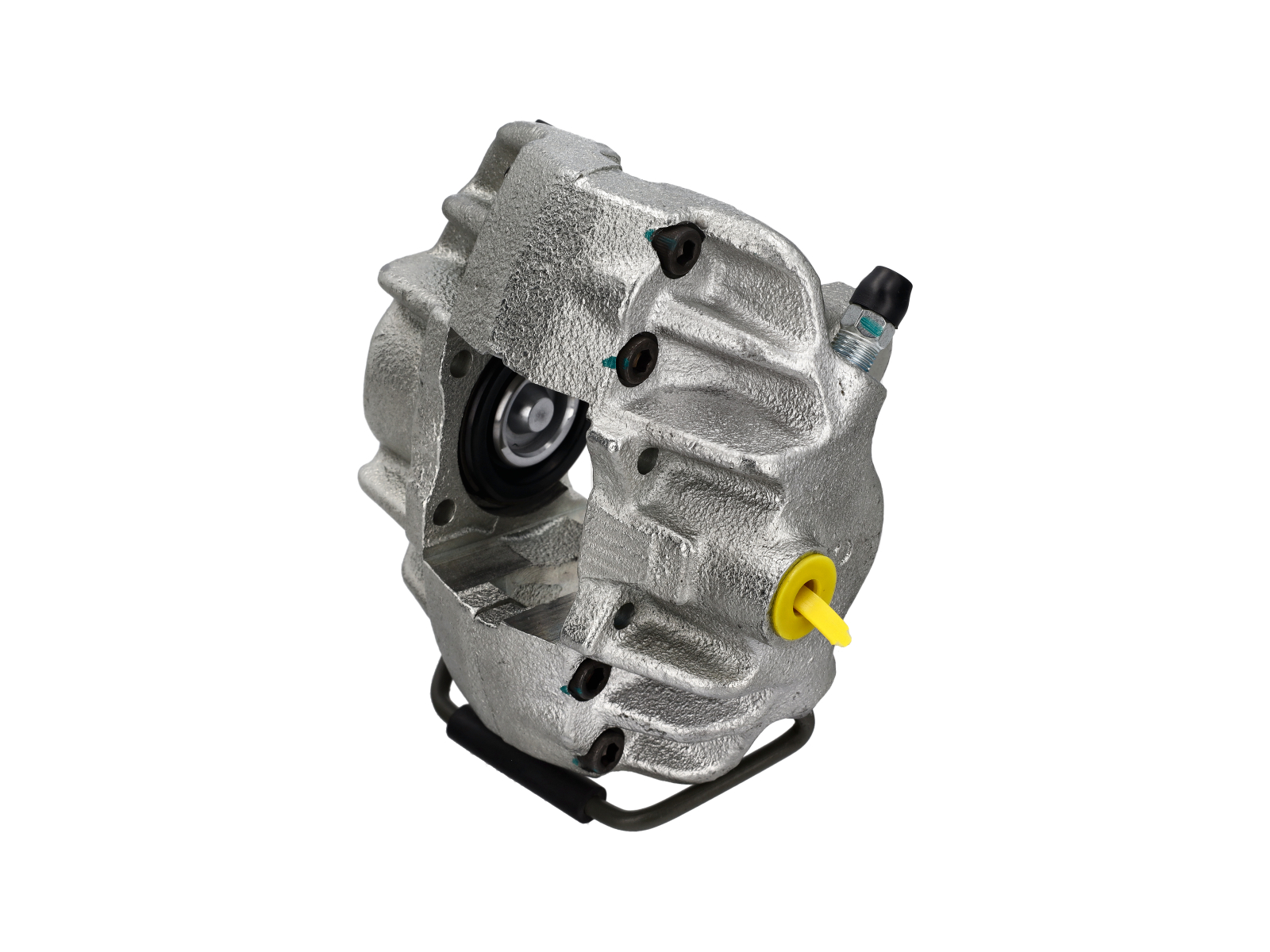
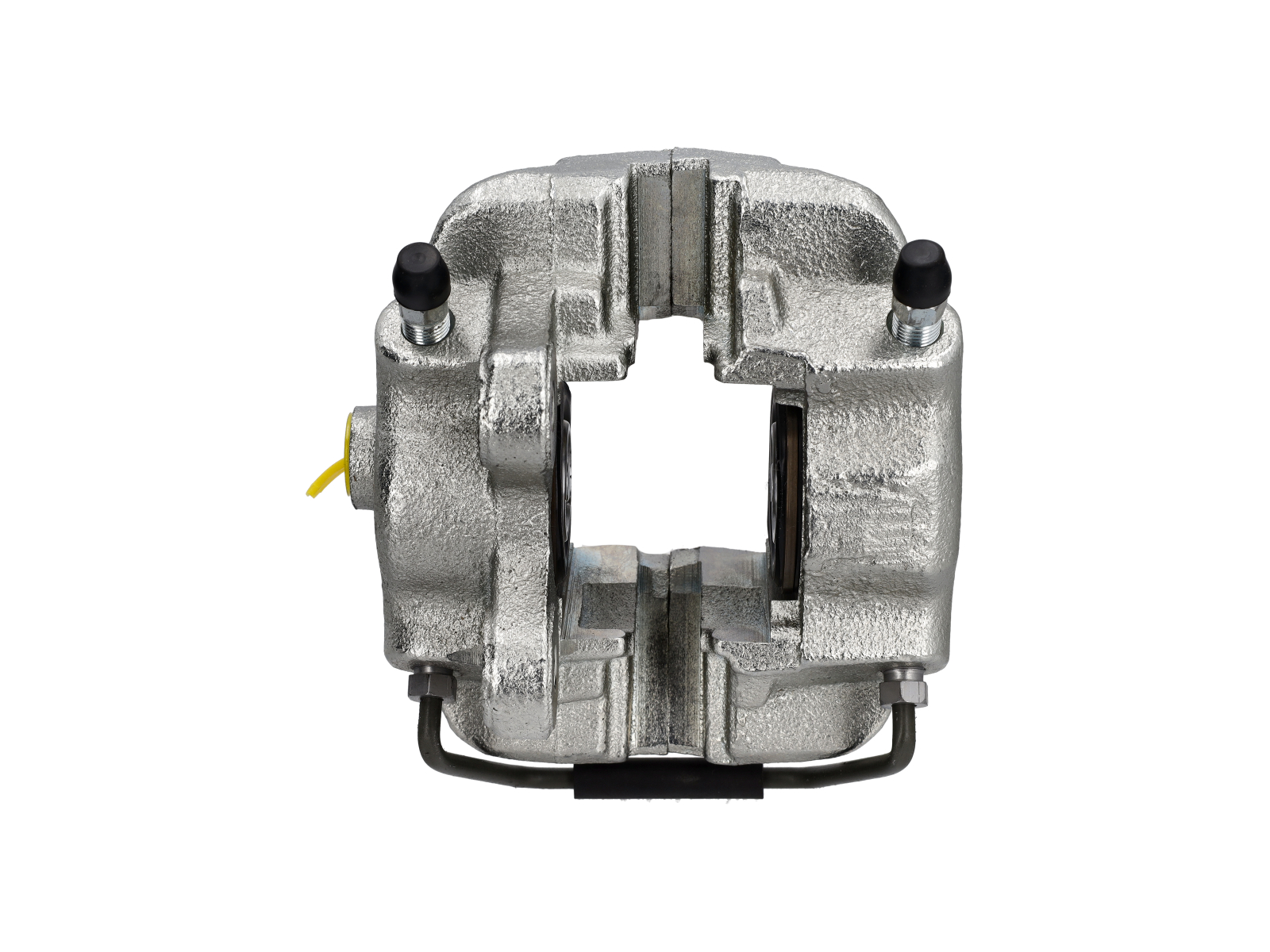
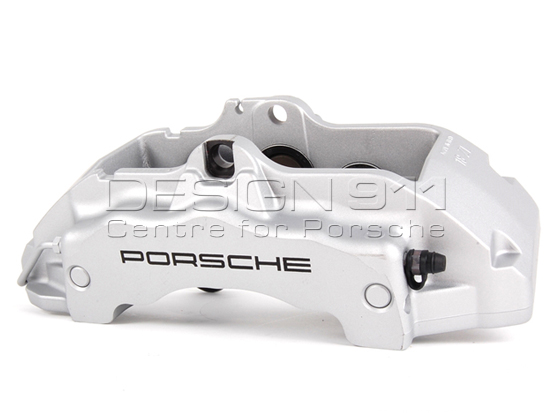

Porsche 955 Cayenne S V8 4.5L 2003-06
Porsche 957 Cayenne S V8 4.8L 2007-10
For cars with 18" disc and SILVER calipers
*option code: I1LL
Related reference numbers
Related, superseded, cross reference or alternative numbers for comparison.
95535142
The product you are viewing cross references to these numbers
- Porsche 955 Cayenne S 4.5L V8 2003-06
- Porsche 957 Cayenne S / GTS 4.8L 2007-10
Shop Securely
12 Month Warranty
Worldwide Delivery


Monday-Friday: 8.30am - 5.30pm (GMT)
Saturday: Closed
Sunday: Closed