





Enter your VAT number here and click Verify:
Your details have been verified. VAT number registered to:
,
.
Your order will now be zero rated for VAT purposes. We reserve the right to verify these details after your order request has been made and reinstate VAT if required.
Your VAT details were not recognised or were invalid. Your VAT number must be matched to your Billing Country as specified above. This is currently specified as . You do not need to enter the country code part of your VAT number as this has already been selected in your billing address details above.
The VAT number checking service is currently offline. Please supply your VAT details within the comments or special instructions field below and we will apply a VAT discount after placing your order request.

- Accessories
- Brakes
- Chassis / Bodywork
- Clothing & Gifts
- Electrical & Relays
- Engine Cooling
- Engine Electrical
- Engine Rebuild Parts
- Engine Tuning
- Exhausts
- Exterior Styling / Spoilers
- Gearbox / Transmission
- Heating / Air Conditioning
- Hydraulics
- Incar / Multimedia
- Interior & Accessories
- Lighting
- Mats & Carpets
- Motorsport and Off-Road
- Parts for Other Cars
- Pedal Cluster
- Rubber Seals
- Seats & Seat Belts
- Service Parts
- Special Offer Parts
- Steering Parts
- Suspension & Axle
- Suspension Upgrades
- Tyres
- Wheel Accessories
- Wheels
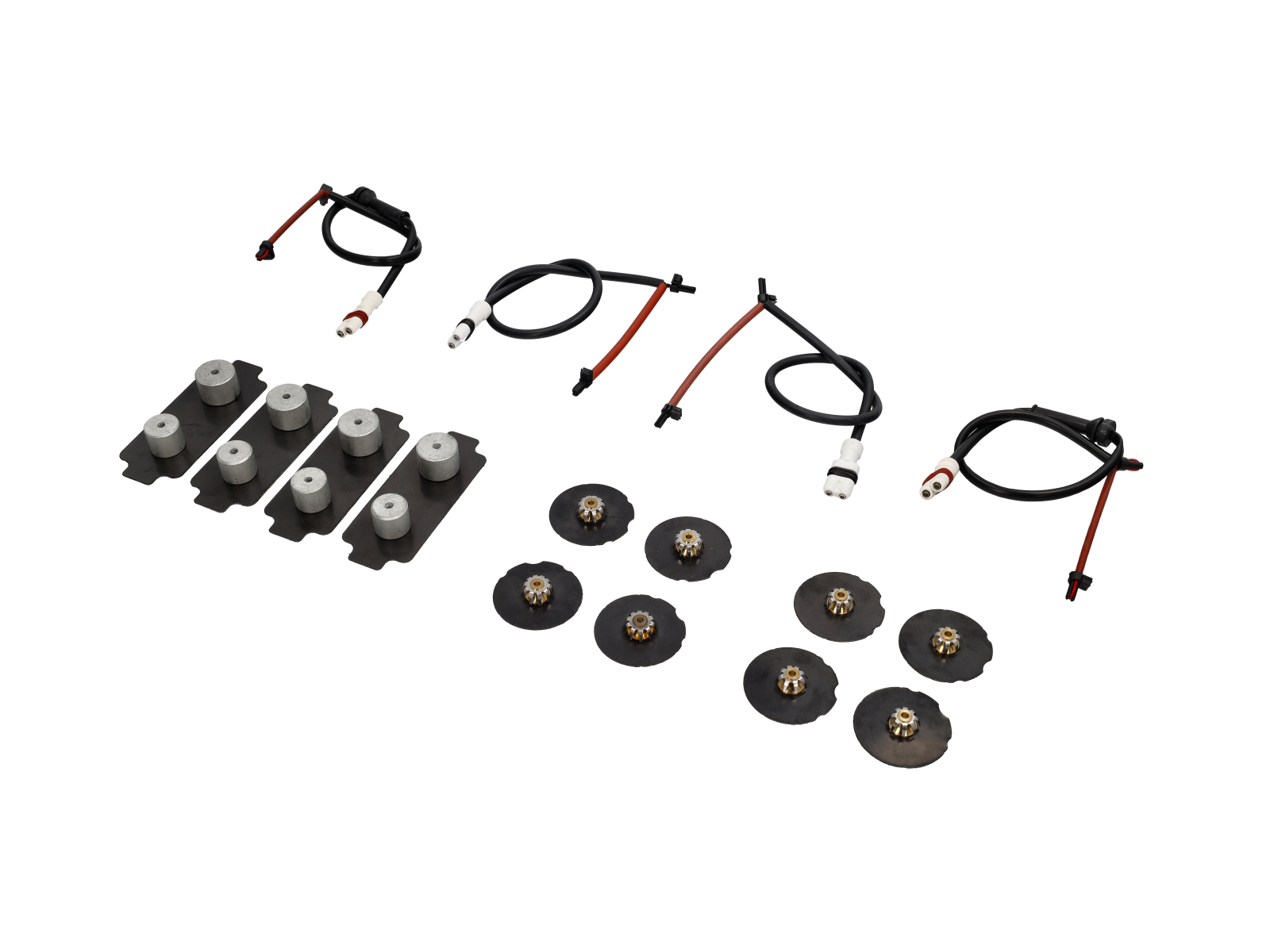
 Kits
Kits
Complete set of replacement brake shims and wire sensors, 16 PARTS
Fits:
Porsche 986 Boxster S
Related reference numbers
Related, superseded, cross reference or alternative numbers for comparison.
BRAKEPADAC986S.FR.OEM
The product you are viewing cross references to these numbers
- Porsche Boxster S 986 3.2L 1999-02
- Porsche Boxster S 986 3.2L 2003-04


Rear Brake Pad Wear Sensor
Sold each
Maintain the safety, reliability and performance of your
Porsche braking system with this OE Match Rear Brake Pad Wear Sensor. Designed specifically for Porsche 987.1 and 987.2 Boxster and
Cayman models, this sensor forms an essential part of the factory brake wear
monitoring system, providing an early warning when rear brake pads approach
their minimum service thickness.
Porsche 987.1 Boxster 2.7L 2005 - 2008
Porsche 987.1 Boxster S 2005 - 2008 with Ceramic brakes (PCCB)
Porsche 987.2 Boxster 2.9L 2009 - 2012
Porsche 987.2 Boxster S >>2009
Porsche 987.2 Boxster S 2009 - 2012 with Ceramic brakes (PCCB)
Porsche 987.2 Boxster Spyder 2009 - 2012
Porsche 987C.1 Cayman 2.7L 2006 - 2008
Porsche 987C.1 Cayman S 2006 - 2008 with Ceramic brakes (PCCB)
Porsche 987C.2 Cayman 2.9L 2009 - 2012
Porsche 987C.2 Cayman S >>2009
Porsche 987C.2 Cayman R >>2009
Porsche 987C.2 Cayman S 2009 - 2012 with Ceramic brakes (PCCB)
Mounted within the rear brake pad assembly, the sensor
continuously monitors brake pad wear and alerts the driver via the dashboard
warning system when replacement is required. This helps prevent excessive brake
pad wear, protects expensive brake discs and ensures the braking system
continues to perform as Porsche intended.
Whether used on a daily-driven Boxster, a Cayman road car or a track-focused build, maintaining the brake wear monitoring system helps ensure optimum braking performance and safety.
What Does a Brake Pad Wear Sensor Do?
The brake pad wear sensor is designed to monitor the remaining thickness of the brake pad friction material.
As the brake pad wears down, the sensor eventually contacts the brake disc and completes an electrical circuit that activates the brake wear warning light on the dashboard.
A properly functioning sensor helps:
- Monitor brake pad condition
- Provide early brake wear warnings
- Prevent excessive brake pad wear
- Protect brake discs from damage
- Improve maintenance planning
- Support safe braking performance
- Maintain factory brake monitoring functionality
The sensor provides valuable advance warning before braking performance is compromised.
Why Do Brake Pad Wear Sensors Fail?
Brake wear sensors operate in a demanding environment exposed to constant heat cycles, moisture, brake dust and vibration.
Common causes of failure include:
- Normal brake pad wear
- Sensor activation once wear limits are reached
- Damaged wiring
- Corrosion within electrical connectors
- Heat-related deterioration
- Physical damage during brake servicing
- Water ingress Age-related degradation
As the sensor is considered a service component, replacement is generally recommended whenever new brake pads are fitted.
When Should a Brake Pad Wear Sensor Be Replaced?
The sensor should be replaced whenever it has been activated, damaged or when new brake pads are installed.
Common symptoms include:
- Brake wear warning light illuminated
- Intermittent brake warning messages
- Damaged or broken sensor wiring
- False brake wear warnings
- Corroded sensor connectors
- Sensor damage during brake servicing
- Rear brake pad replacement due to wear
Replacing the sensor during routine brake maintenance helps ensure continued reliability of the brake monitoring system.
Why Replacement Matters
A functioning brake wear sensor helps maintain braking safety while protecting other brake system components.
Benefits include:
- Accurate brake pad monitoring
- Reliable warning light operation
- Improved braking safety
- Protection of brake discs
- Reduced maintenance costs
- Better service planning
- Improved braking system reliability
- Long-term brake component protection
For Porsche Boxster and Cayman owners, maintaining the brake wear monitoring system helps preserve both performance and peace of mind.
Related reference numbers
Related, superseded, cross reference or alternative numbers for comparison.
98761267602
The product you are viewing cross references to these numbers
- Porsche Boxster 987 2.7L 2005-08/08
- Porsche Boxster 987 S 3.2/3.4L 2005-08/08
- Porsche Boxster 987 MKII 2.9L 2009-12
- Porsche Boxster S 987 MKII 3.4L 2009-12
- Porsche Cayman 2.7L 987C 2006-08
- Porsche Cayman S 3.4L 987C 2005-08
- Porsche Cayman 2.9L 987C MKII 2009-12
- Porsche Cayman S / R 3.4L 987C MKII 2009-12
 Shop Securely
 12 Month Warranty
 Worldwide Delivery

Front Brake Pad Wear Sensors - Sold each
Maintain the safety and performance of your Porsche braking
system with these OE Match Front Brake Pad Wear Sensors. Designed for Porsche 997 Carrera, Porsche 987 Boxster S and
Porsche 987 Cayman S models, these sensors form a critical part of the factory
brake wear monitoring system, providing an early warning when front brake pads
approach their minimum service thickness.

Fits:
- Porsche Boxster 987 S 3.2/3.4L 2005-08/08
- Porsche Boxster 987 MKII 2.9L 2009-12
- Porsche Boxster S 987 MKII 3.4L 2009-12
- Porsche 997 MK1 Carrera 2 3.6L 2005-08
- Porsche Cayman S 3.4L 987C 2005-08
- Porsche Cayman 2.9L 987C MKII 2009-12
- Porsche Cayman S / R 3.4L 987C MKII 2009-12
Mounted directly within the front brake pad assembly, the sensors continuously monitor brake pad wear and trigger the dashboard brake warning light when replacement is required. This allows owners to schedule brake maintenance before braking performance is affected or expensive brake disc damage occurs.
For high-performance Porsche sports cars, maintaining a fully operational brake wear monitoring system is essential for preserving braking efficiency, safety and long-term reliability.
What Do Brake Pad Wear Sensors Do?
Brake pad wear sensors monitor the remaining thickness of the brake pad friction material throughout its service life.
As the brake pads wear down, the sensor eventually contacts the brake disc and completes an electrical circuit that activates the brake wear warning light on the dashboard.
A properly functioning sensor helps:
- Monitor brake pad condition
- Provide early brake wear warnings
- Prevent excessive brake pad wear
- Protect brake discs from damage
- Improve maintenance planning
- Support safe braking performance
- Maintain factory brake monitoring functionality
The sensors act as a valuable preventative maintenance feature, helping avoid unnecessary brake system damage.
Why Do Brake Pad Wear Sensors Fail?
Brake wear sensors are exposed to significant heat, vibration, moisture and road contamination during normal use.
Common causes of failure include:
- Normal brake pad wear
- Sensor activation after reaching wear limits
- Damaged wiring
- Corrosion within connectors
- Heat-related deterioration
- Physical damage during brake servicing
- Water ingress Age-related material fatigue
Because the sensor is designed to work alongside the brake pads, replacement is normally recommended whenever new brake pads are installed.
When Should Brake Pad Wear Sensors Be Replaced?
Brake wear sensors should be replaced whenever they have been activated, damaged or during brake pad replacement.
Common symptoms include:
- Brake wear warning light illuminated
- Intermittent brake warning messages
- Damaged or broken sensor wiring
- False brake wear warnings
- Corroded electrical connections
- Sensor damage during brake servicing
- Front brake pad replacement due to wear
Replacing the sensors during routine brake maintenance ensures the warning system remains fully operational.
Why Replacement Matters
A functioning brake wear monitoring system helps maintain both safety and braking performance.
Benefits include:
- Accurate brake pad monitoring
- Reliable warning light operation
- Improved braking safety
- Protection of brake discs
- Reduced maintenance costs
- Better service planning
- Improved braking system reliability
- Long-term component protection
For Porsche owners, replacing worn brake wear sensors helps maintain factory braking standards and driving confidence.
Related reference numbers
Related, superseded, cross reference or alternative numbers for comparison.
99761275
The product you are viewing cross references to these numbers
- Porsche Boxster 987 S 3.2/3.4L 2005-08/08
- Porsche Boxster 987 MKII 2.9L 2009-12
- Porsche Boxster S 987 MKII 3.4L 2009-12
- Porsche 997 MK1 Carrera 2 3.6L 2005-08
- Porsche Cayman S 3.4L 987C 2005-08
- Porsche Cayman 2.9L 987C MKII 2009-12
- Porsche Cayman S / R 3.4L 987C MKII 2009-12
Shop Securely
12 Month Warranty
Worldwide Delivery



Porsche 997 C2 MKI 2005>> Front Caliper
Porsche 987 Boxster S 2004-08 Front Caliper
Porsche 987C Cayman S 2004-08 Front Caliper
Porsche 987 Boxster / Boxster S MKII 2009>> Front Caliper
Porsche 987C Cayman / Cayman S MKII 2009>> Front Caliper
Price shown is for each wire sensor.
Please select below Left or Right
Related reference numbers
Related, superseded, cross reference or alternative numbers for comparison.
99761275
The product you are viewing cross references to these numbers
- Porsche Boxster 987 S 3.2/3.4L 2005-08/08
- Porsche Boxster 987 MKII 2.9L 2009-12
- Porsche Boxster S 987 MKII 3.4L 2009-12
- Porsche 997 MK1 Carrera 2 3.6L 2005-08
- Porsche Cayman S 3.4L 987C 2005-08
- Porsche Cayman 2.9L 987C MKII 2009-12
- Porsche Cayman S / R 3.4L 987C MKII 2009-12
Shop Securely
12 Month Warranty
Worldwide Delivery

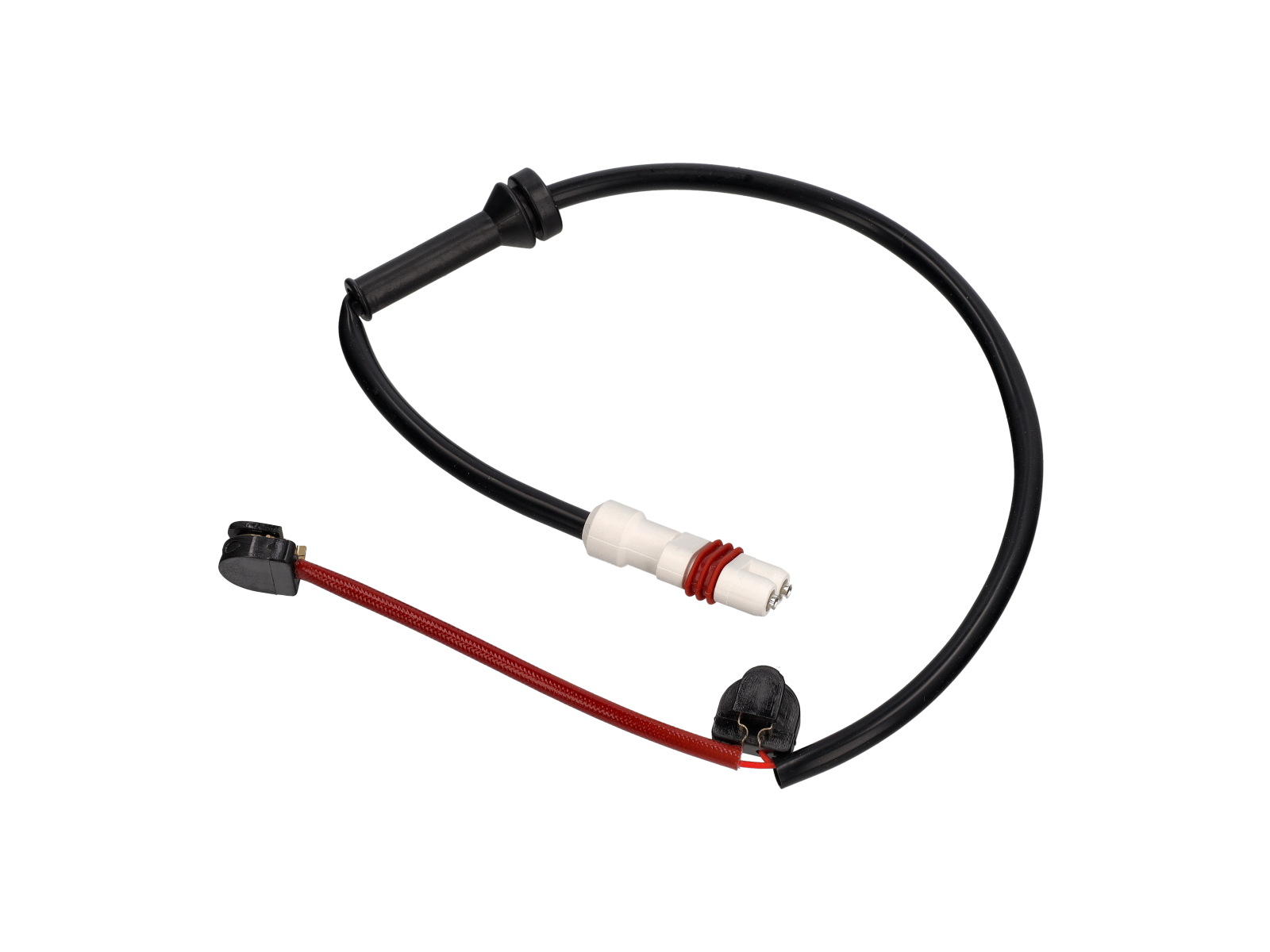
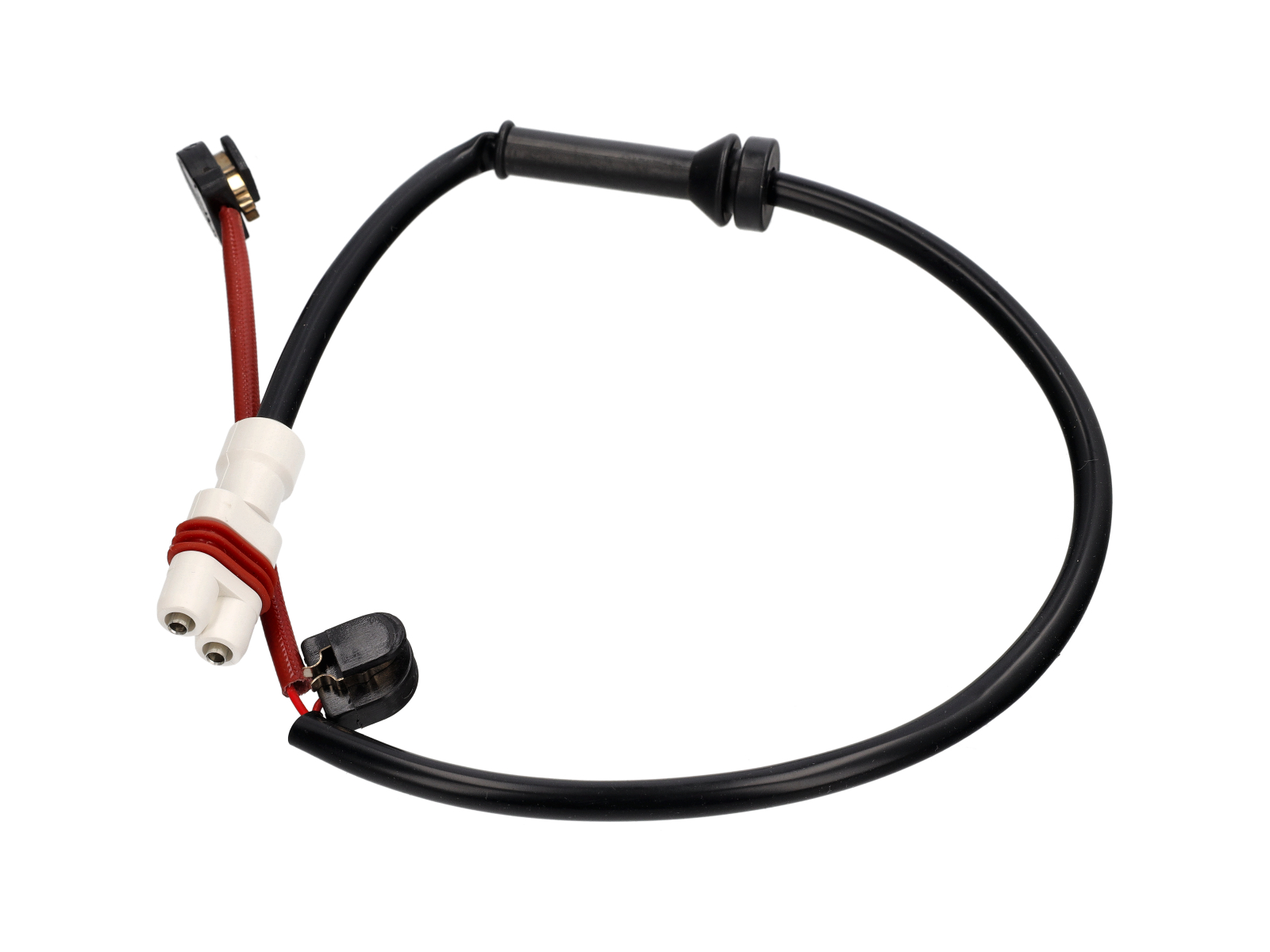
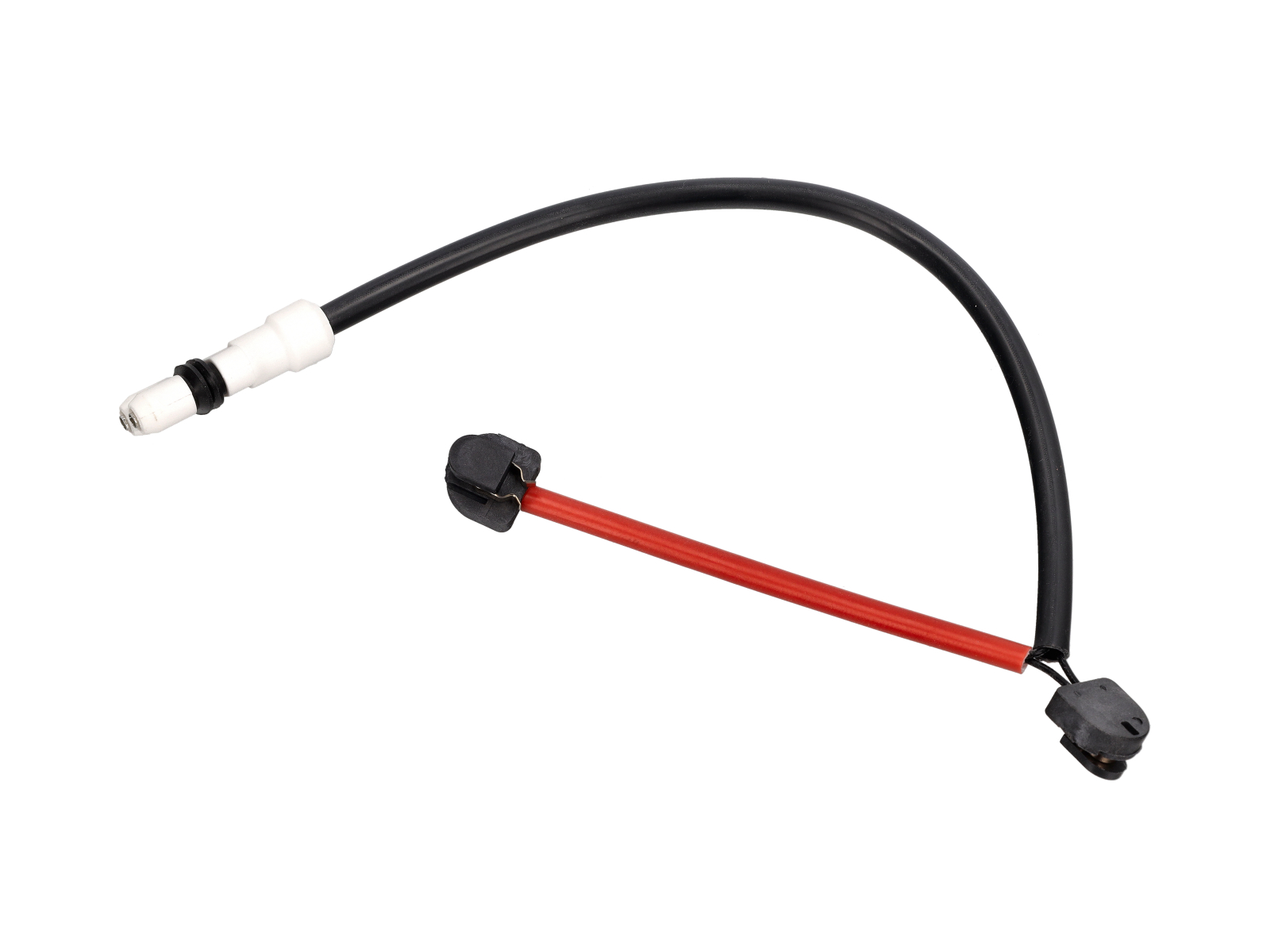
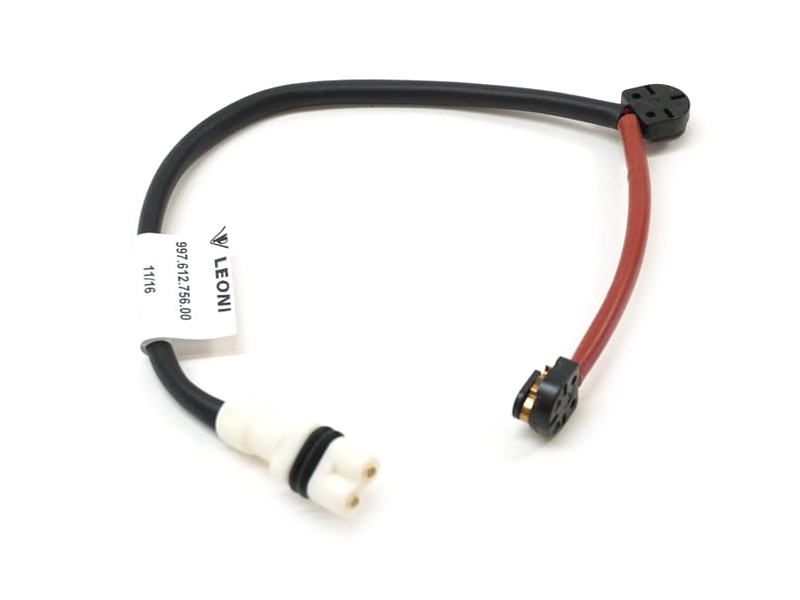
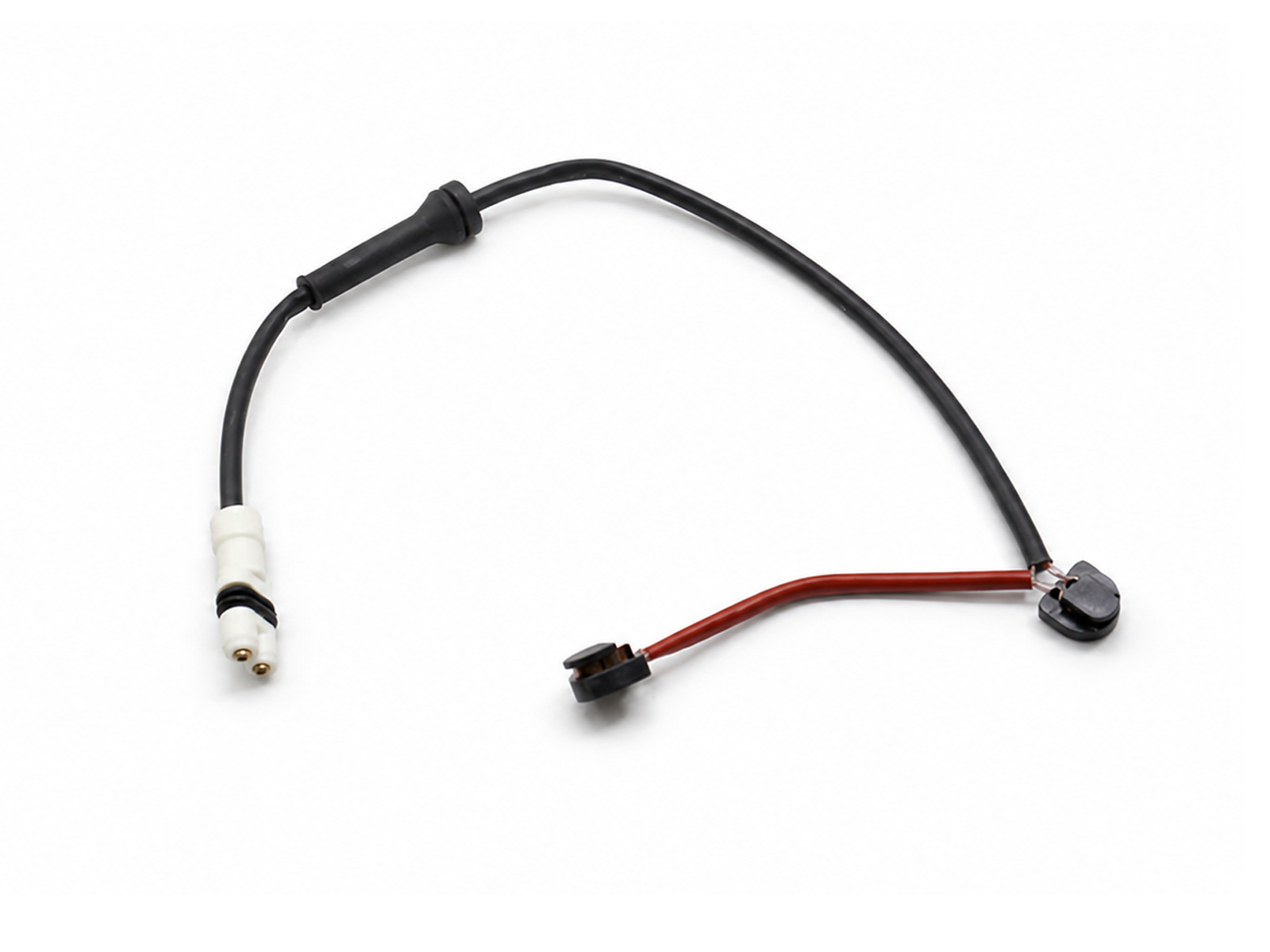
The Genuine Porsche brake pad wear sensor is an OE sender wire / wear indicator for selected Porsche 987 Boxster and 987 Cayman rear brake applications. It monitors brake pad wear and activates the warning system when the pads reach their service limit. Ideal for brake pad replacement, warning light repair or restoring accurate brake wear monitoring with Genuine Porsche parts.
Sold individually, There are 2 per axle.
Porsche 987.1 Boxster 2.7L 2005 - 2008
Porsche 987.1 Boxster S 2005 - 2008 with Ceramic brakes (PCCB)
Porsche 987.2 Boxster 2.9L 2009 - 2012
Porsche 987.2 Boxster S >>2009
Porsche 987.2 Boxster S 2009 - 2012 with Ceramic brakes (PCCB)
Porsche 987.2 Boxster Spyder 2009 - 2012
Porsche 987C.1 Cayman 2.7L 2006 - 2008
Porsche 987C.1 Cayman S 2006 - 2008 with Ceramic brakes (PCCB)
Porsche 987C.2 Cayman 2.9L 2009 - 2012
Porsche 987C.2 Cayman S >>2009
Porsche 987C.2 Cayman R >>2009
Porsche 987C.2 Cayman S 2009 - 2012 with Ceramic brakes (PCCB)
This original Porsche brake pad wear sensor, also known as a sender wire or pad wear indicator, forms part of the brake monitoring system and helps alert the driver when the brake pads have reached their service limit.
What This Part Does / Functions
• Monitors brake pad wear
• Activates the brake pad warning system when the pads reach their wear limit
• Helps alert the driver before the brake pads become excessively worn
• Supports safe and timely brake maintenance
• Connects into the vehicle’s brake wear monitoring circuit
• Replaces a worn, damaged, broken or previously triggered sensor
• Provides correct OE Porsche fitment and connector style
• Helps restore correct brake pad warning system operation after brake service.
Why Replace This Part?
Brake pad wear sensors are exposed to heat, brake dust, water, road debris and vibration. In many cases, the sensor is designed to wear with the brake pad and should be replaced whenever new brake pads are fitted. A damaged or worn sensor may trigger a warning light, fail to alert the driver when the pads are worn, or break during brake pad replacement.
Replacing it with a Genuine Porsche OE brake pad wear sensor helps maintain accurate brake wear monitoring and correct factory fitment.
Common Symptoms of a Faulty Brake Pad Wear Sensor
• Brake pad warning light illuminated
• Warning light remains on after pad replacement
• Broken or brittle sensor wire
• Sensor worn through by brake pad contact
• Corroded or damaged connector
• False brake wear warning
• No warning despite worn brake pads
• Sensor damaged during brake service.
When to Replace This Part
• When replacing rear brake pads
• If the brake pad warning light is active
• If the sensor has contacted the brake disc
• If the sensor wire is damaged, cut, brittle or broken
• If the connector is corroded or no longer clips securely
• During rear brake caliper or brake disc service
• During brake system restoration
• When fitting new pads and restoring correct brake wear monitoring
Where It Fits on the Car
This sensor fits into the brake pad wear sensor slot on the relevant brake pad and connects to the vehicle’s brake wear warning wiring. It is commonly used at the rear caliper position on selected Porsche 987 Boxster and 987 Cayman models.
Correct routing is important to prevent the wire from rubbing against the wheel, brake disc or suspension components.
Related reference numbers
Related, superseded, cross reference or alternative numbers for comparison.
98761267602
The product you are viewing cross references to these numbers
- Porsche Boxster 987 2.7L 2005-08/08
- Porsche Boxster 987 S 3.2/3.4L 2005-08/08
- Porsche Boxster 987 MKII 2.9L 2009-12
- Porsche Boxster S 987 MKII 3.4L 2009-12
- Porsche Cayman 2.7L 987C 2006-08
- Porsche Cayman S 3.4L 987C 2005-08
- Porsche Cayman 2.9L 987C MKII 2009-12
- Porsche Cayman S / R 3.4L 987C MKII 2009-12
Shop Securely
12 Month Warranty
Worldwide Delivery


Monday-Friday: 8.30am - 5.30pm (GMT)
Saturday: Closed
Sunday: Closed