





Enter your VAT number here and click Verify:
Your details have been verified. VAT number registered to:
,
.
Your order will now be zero rated for VAT purposes. We reserve the right to verify these details after your order request has been made and reinstate VAT if required.
Your VAT details were not recognised or were invalid. Your VAT number must be matched to your Billing Country as specified above. This is currently specified as . You do not need to enter the country code part of your VAT number as this has already been selected in your billing address details above.
The VAT number checking service is currently offline. Please supply your VAT details within the comments or special instructions field below and we will apply a VAT discount after placing your order request.

- Accessories
- Brakes
- Chassis / Bodywork
- Clothing & Gifts
- Electrical & Relays
- Engine Cooling
- Engine Electrical
- Engine Rebuild Parts
- Engine Tuning
- Exhausts
- Exterior Styling / Spoilers
- Gearbox / Transmission
- Heating / Air Conditioning
- Hydraulics
- Incar / Multimedia
- Interior & Accessories
- Lighting
- Mats & Carpets
- Motorsport and Off-Road
- Parts for Other Cars
- Pedal Cluster
- Rubber Seals
- Seats & Seat Belts
- Service Parts
- Special Offer Parts
- Steering Parts
- Suspension & Axle
- Suspension Upgrades
- Tyres
- Wheel Accessories
- Wheels
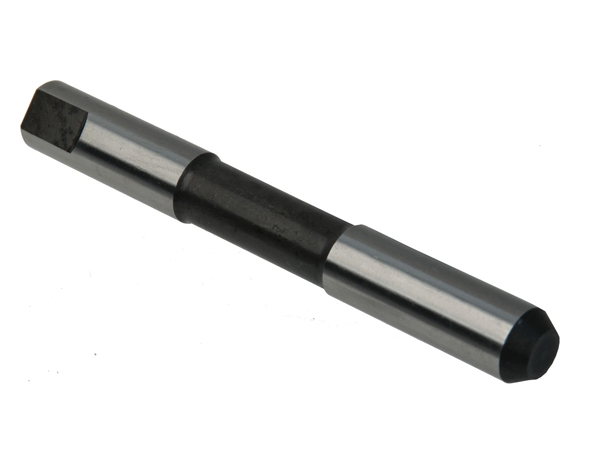
 OE Match
The OE Match Clutch Fork Shaft is a replacement pivot shaft for the clutch release fork on selected Porsche 924, 944 and 968 models.
Fits:- Porsche 924 Turbo 2.0L 1979-81
- Porsche 924 Turbo 2.0L 1982-84
- Porsche 924S 2.5L 1986-87
- Porsche 924S 2.5L 1988
- Porsche 944 2.5L 8V 1982-87
- Porsche 944 2.7L 8V 1988-89
- Porsche 944S 2.5L 16V 1987-88
- Porsche 944S2 3.0L 16V 1989-91
- Porsche 944 Turbo 2.5L 8V 1985-88
- Porsche 944 Turbo 2.5L 8V 1989-91
- Porsche 944 Turbo S 2.5L 8V 1988
- Porsche 968 3.0L 1992-94
- Porsche 968 Sport 3.0L 1994-95
- Porsche 968 CS 3.0L 1993-95
- Porsche 968 Turbo S 3.0L 1993-94
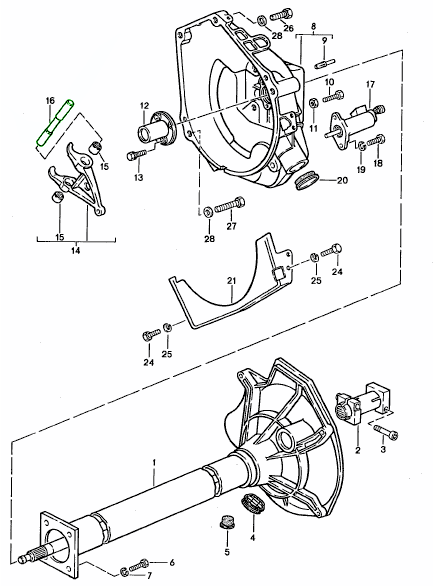
Diagram Ref No 16
Located within the clutch bellhousing, the shaft supports the clutch release fork and provides the pivot point around which the fork moves when the clutch pedal is operated.
Correct movement of the clutch fork is essential for transferring force from the clutch slave cylinder to the release bearing and pressure plate. A worn, corroded or damaged shaft can interfere with smooth fork movement and contribute to poor clutch operation.
This OE Match replacement is suitable for clutch repairs, gearbox removal work or complete clutch-system refurbishment.
What This Product Does:
The clutch fork forms part of the mechanism that disengages the clutch when the driver presses the clutch pedal.
Hydraulic pressure from the clutch slave cylinder moves the release fork. The fork pivots around the clutch fork shaft and pushes the release bearing against the pressure plate, allowing the engine and transmission to temporarily disengage.
The clutch fork shaft therefore helps:
- Provide a secure pivot point for the clutch release fork
- Maintain correct fork alignment
- Allow smooth clutch release movement
- Transfer clutch actuation force efficiently
- Support correct release bearing operation
- Help maintain consistent clutch pedal action
- Prevent excessive unwanted movement within the release mechanism
Although relatively simple, the shaft is an important part of the clutch actuation system.
Symptoms Of Wear Or Failure:
The clutch fork shaft is subjected to repeated movement and mechanical loading whenever the clutch is operated.
Common signs of wear or deterioration may include:
- Stiff or heavy clutch pedal
- Rough or notchy clutch operation
- Clutch pedal movement feeling inconsistent
- Difficulty disengaging the clutch fully
- Difficulty selecting gears
- Clutch dragging when the pedal is fully depressed
- Creaking or squeaking from the bellhousing area
- Excessive play in the clutch release fork
- Visible scoring or wear on the shaft
- Corrosion or pitting on the shaft surface
- Shaft binding within the fork or bearing surfaces
- Uneven or restricted release fork movement
- Wear discovered during clutch or gearbox removal
Similar symptoms can also be caused by the clutch release fork, release bearing, slave cylinder, pressure plate or related pivot components, so the complete clutch release mechanism should be inspected.
Why Replacement Matters:
The clutch fork must pivot smoothly and remain correctly aligned for the clutch to disengage properly.
If the fork shaft becomes worn, corroded or damaged, the release fork may develop excessive play or become difficult to move. This can affect the amount and smoothness of clutch release travel.
Poor fork movement can contribute to:
- Incomplete clutch disengagement
- Difficult gear selection
- Increased clutch pedal effort
- Accelerated wear of the release bearing
- Uneven loading of the clutch release mechanism
- Additional stress on the slave cylinder and fork
Replacing a worn shaft helps restore a smooth, stable pivot point and allows the clutch release mechanism to operate as intended.
Because access normally requires substantial clutch or transmission disassembly, it is sensible to inspect the shaft whenever the gearbox is removed for clutch replacement.
Related reference numbers
Related, superseded, cross reference or alternative numbers for comparison.
95111613300
The product you are viewing cross references to these numbers
- Porsche 924 Turbo 2.0L 1979-81
- Porsche 924 Turbo 2.0L 1982-84
- Porsche 924S 2.5L 1986-87
- Porsche 924S 2.5L 1988
- Porsche 944 2.5L 8V 1982-87
- Porsche 944 2.7L 8V 1988-89
- Porsche 944S 2.5L 16V 1987-88
- Porsche 944S2 3.0L 16V 1989-91
- Porsche 944 Turbo 2.5L 8V 1985-88
- Porsche 944 Turbo 2.5L 8V 1989-91
- Porsche 944 Turbo S 2.5L 8V 1988
- Porsche 968 3.0L 1992-94
- Porsche 968 Sport 3.0L 1994-95
- Porsche 968 CS 3.0L 1993-95
- Porsche 968 Turbo S 3.0L 1993-94
 Shop Securely
 12 Month Warranty
 Worldwide Delivery



Fits:
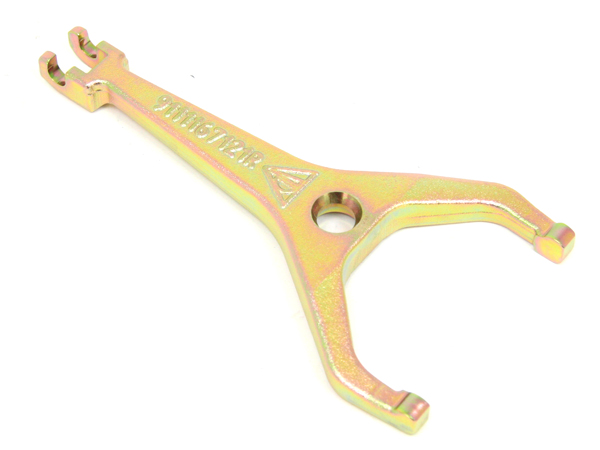
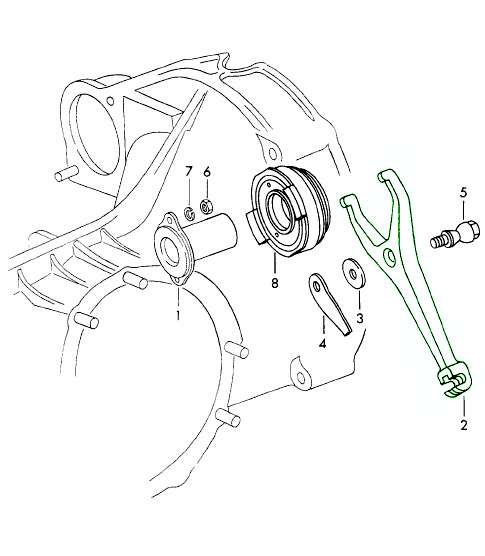
Porsche 911 (901 Gearbox) 1970-71
Click 'Zoom in' to see the diagram.
Diagram Ref No 2.
Related reference numbers
Related, superseded, cross reference or alternative numbers for comparison.
91111671201
The product you are viewing cross references to these numbers
- Porsche 911 1968-1973 2.2L / 2.4L / 2.7L RS LWB (F)
Shop Securely
12 Month Warranty
Worldwide Delivery

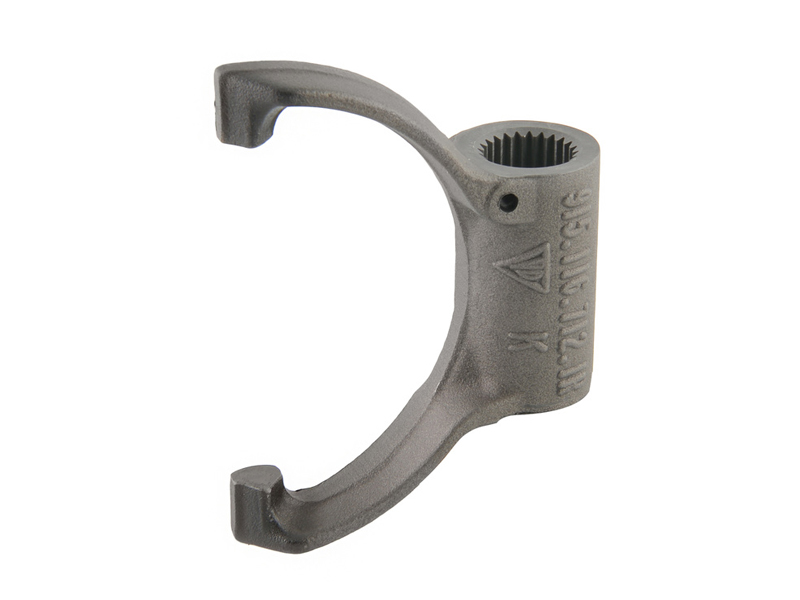
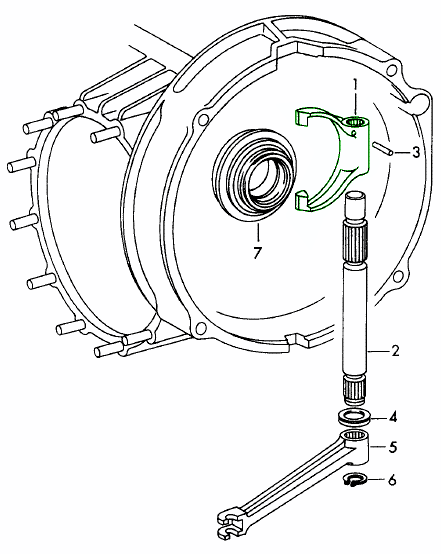
Fits:
Porsche 911 (915 Gearbox) 1972-86 (not Turbo)
Click 'Zoom in' to see the diagram.
Diagram ref no 1.
Related reference numbers
Related, superseded, cross reference or alternative numbers for comparison.
91511671203
The product you are viewing cross references to these numbers
- Porsche 911 1968-1973 2.2L / 2.4L / 2.7L RS LWB (F)
- Porsche 911 1974-1977 2.7L / 1976-77 3.0 Carrera
- Porsche 911 1978-1983 3.0L / SC
- Porsche 911 1984-1986 3.2L
Shop Securely
12 Month Warranty
Worldwide Delivery

Fits:
Porsche 911 (930) Turbo 3.0L 1975-77
Porsche 911 (930) Turbo 3.3L 1978-89
Click 'Zoom in' to see the diagram.
Diagram Ref No 1.
Related reference numbers
Related, superseded, cross reference or alternative numbers for comparison.
93011671202
The product you are viewing cross references to these numbers
- Porsche 911 1975-1977 3.0L Turbo (930)
- Porsche 911 1978-1989 3.3L Turbo (930)
Shop Securely
12 Month Warranty
Worldwide Delivery

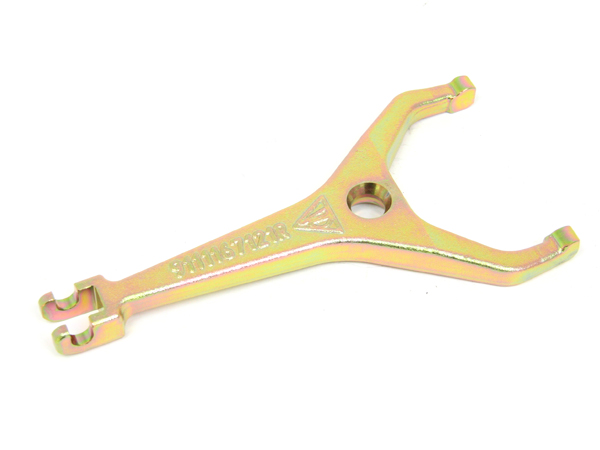
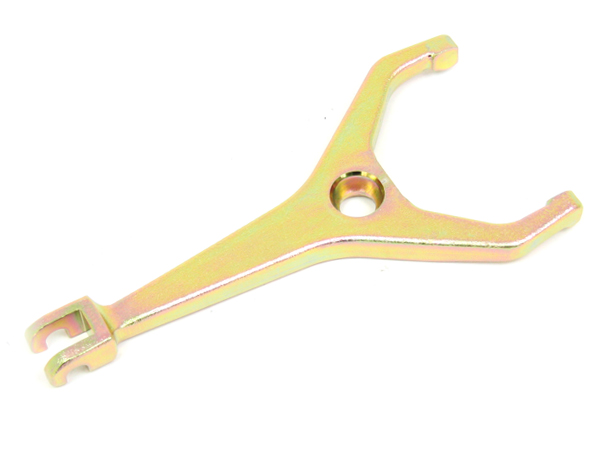
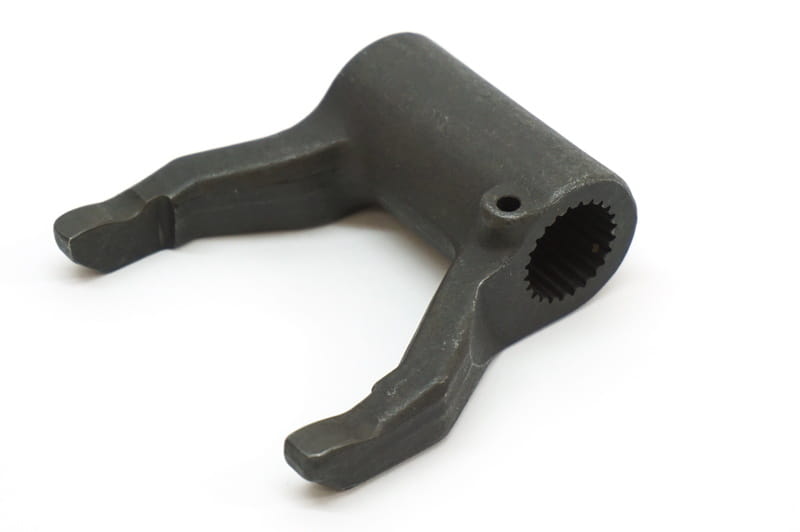
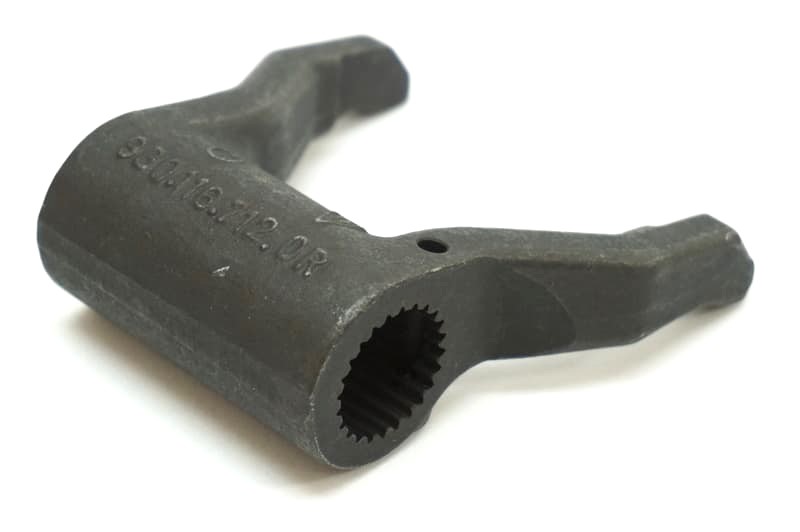
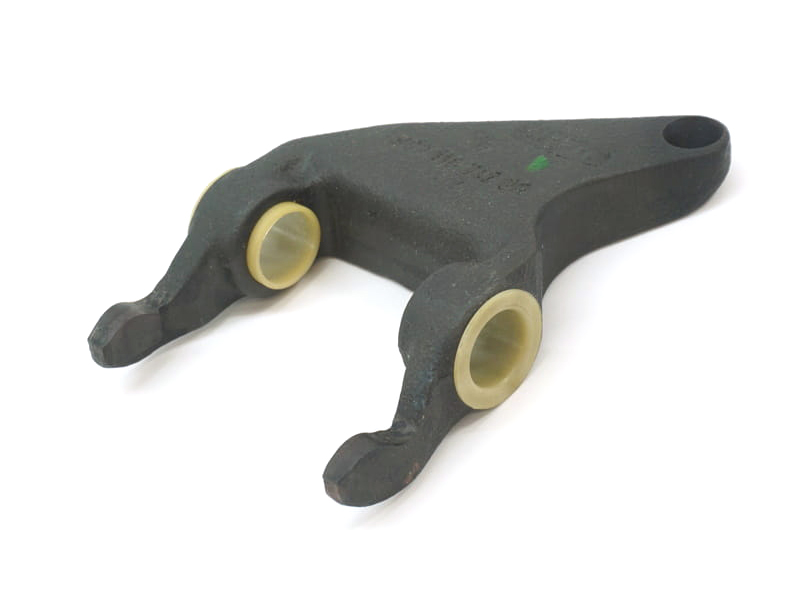
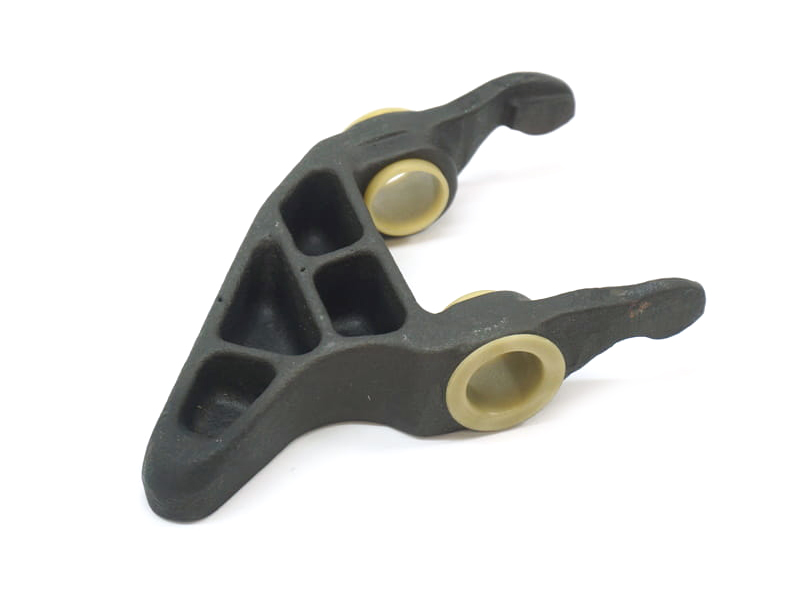
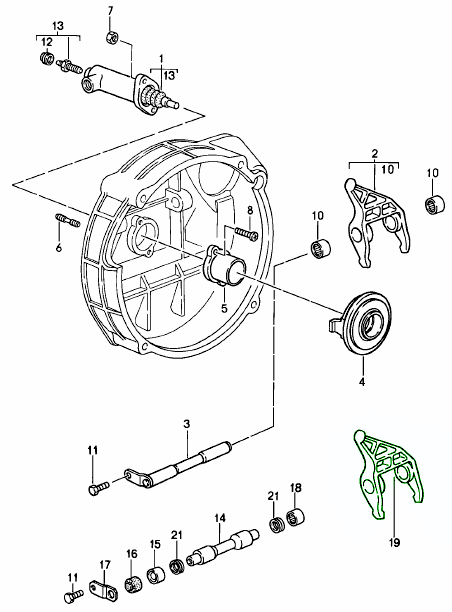
Fits:
Porsche 911 1987-89
Porsche 964 1989-94 all models
Porsche 993 1994-98 all models
Porsche 996 GT2, GT3
Porsche 997 GT2 2005>>
Porsche 997 MKII GT2RS 2010>>
Porsche 997 GT3 2007-10
Porsche 997 GT3 RS 2010>>
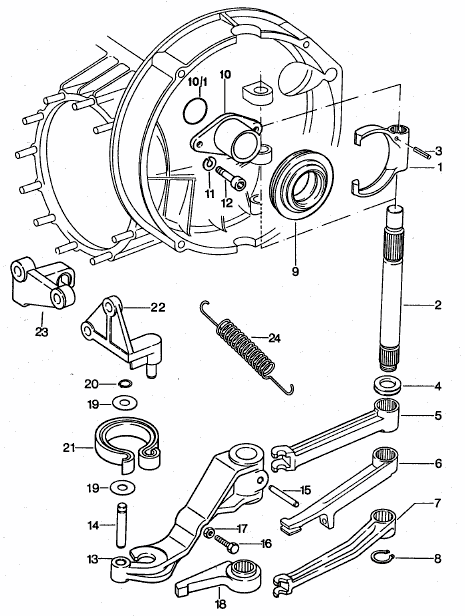
Click 'Zoom in' to see the diagram.
Diagram Ref No 19.
Related reference numbers
Related, superseded, cross reference or alternative numbers for comparison.
99711608690
The product you are viewing cross references to these numbers
- Porsche 911 1987-1989 3.2L G50
- Porsche 964 (911) C2 1989-93
- Porsche 964 (911) C4 1989-93
- Porsche 964 (911) RS 3.6L 1991-93
- Porsche 964 (911) RS 3.8L 1991-93
- Porsche 964 (911) TURBO 3.3L 1991-93
- Porsche 964 (911) TURBO 3.6L 1991-93
- Porsche 993 (911) C2 1994-97
- Porsche 993 (911) C4 1994-97
- Porsche 993 (911) RS 1994-97
- Porsche 993 (911) C2S 1994-97
- Porsche 993 (911) C4S 1994-97
- Porsche 993 (911) TURBO 1994-96
- Porsche 993 (911) GT2 1994-97
- Porsche 993 (911) TURBO S 1994-97
- Porsche 996 GT2 2001-05
- Porsche 996 GT3 MKI 1999-02
- Porsche 996 GT3 MKII 2003>>
- Porsche 996 GT3 RS 2003-04
- Porsche 997 MK1 GT3 / GT3 RS 2007-09
- Porsche 997 MK1 GT2 2007-09
- Porsche 997 MKII GT3 / GT3 RS 2010-11
- Porsche 997 MKII GT2 RS 2011-13
Shop Securely
12 Month Warranty
Worldwide Delivery


Monday-Friday: 8.30am - 5.30pm (GMT)
Saturday: Closed
Sunday: Closed