





Enter your VAT number here and click Verify:
Your details have been verified. VAT number registered to:
,
.
Your order will now be zero rated for VAT purposes. We reserve the right to verify these details after your order request has been made and reinstate VAT if required.
Your VAT details were not recognised or were invalid. Your VAT number must be matched to your Billing Country as specified above. This is currently specified as . You do not need to enter the country code part of your VAT number as this has already been selected in your billing address details above.
The VAT number checking service is currently offline. Please supply your VAT details within the comments or special instructions field below and we will apply a VAT discount after placing your order request.

Your Vehicle // Porsche // Panamera 971 MK2 (2021-2023) // Any

 OE Match
Engine Cylinder Head Exhaust Valve
sold each – 4 required per car
OE Match engine cylinder head exhaust valve for selected
Porsche 356 1600 engines. This valve is suitable for engine repairs, cylinder
head refurbishment and complete engine rebuilds.
Fits:
- 356 Cabriolet/Speedster, A 1600 616/1
- 356 Cabriolet/Speedster, A 1600 S 616.15
- 356 Cabriolet/Speedster, B 1600 Super 75 616.15
- 356 Cabriolet/Speedster, C 1600 616.15
- 356 Coupe, A 1600 Super 616.15
- 356 Coupe, B 1600 Super 75 616.15
- 356 Coupe, C 1600 616.15
Diagram ref no 11
The exhaust valve controls the flow of burnt combustion gases from the cylinder into the exhaust system. Because it operates directly in the combustion chamber, it is subjected to extremely high temperatures and repeated mechanical loading every time the engine runs.
What Does the Exhaust Valve Do?
During the engine's exhaust stroke, the exhaust valve opens to allow burnt gases to leave the combustion chamber. It then closes against the valve seat to seal the cylinder for the next combustion cycle.
Correct sealing is essential for maintaining cylinder compression, efficient combustion and smooth engine performance.
Why Do Exhaust Valves Fail?
Exhaust valves operate in a particularly demanding environment because hot combustion gases pass directly across the valve head and seat.
Over time, deterioration can result from:
- Valve face or seat wear
- Excessive heat
- Burning or pitting of the valve face
- Carbon deposits
- Valve stem or guide wear
- Incorrect valve clearances
- Poor valve seating
- Corrosion during long periods of storage
A valve that no longer seals correctly can cause loss of compression and poor engine performance.
When Should It Be Replaced?
Replacement should be considered if inspection identifies a burnt, cracked, bent, excessively worn or badly pitted valve.
Possible symptoms of valve or cylinder head problems
include:
- Low cylinder compression
- Misfiring or uneven running
- Reduced engine performance
- Poor combustion
- Excessive valve train noise
- Failed compression or leak-down testing
The condition of the exhaust valves should always be assessed during a cylinder head overhaul or major engine rebuild.
Checks During Replacement
When replacing an exhaust valve, also inspect:
- Exhaust valve seat
- Valve guide
- Valve spring
- Valve collets and retainers
- Rocker arm and adjuster
- Cylinder head condition
- Remaining inlet and exhaust valves
Valve guide clearance and valve seat condition should be checked carefully before fitting a new valve.
Related reference numbers
Related, superseded, cross reference or alternative numbers for comparison.
61610540550
The product you are viewing cross references to these numbers
- Porsche 356A 1955-59
- Porsche 356B 1959-63
- Porsche 356C 1963-65
 Shop Securely
 12 Month Warranty
 Worldwide Delivery

Fits:
Porsche 986 Boxster(24 per car)
Porsche 987.1 Boxster(24 per car)
Porsche 987.2 Boxster(24 per car)
Porsche 981 Boxster (24 per car)
Porsche 982 Boxster 2.0L / 2.5L (16 per car)
Porsche 987C.1 Cayman(24 per car)
Porsche 987C.2 Cayman(24 per car)
Porsche 981C Cayman (24 per car)
Porsche 982C Cayman 2.0L / 2.5L (16 per car)
Porsche 996 1998-05
Porsche 997.1 2005-08
Porsche 997.2 2009-12
Porsche 991.1 2012-16 (24 per car)
Porsche 991.2 2017-19 (24 per car)
Porsche 992.1 2019>> (24 per car)
Porsche Cayenne 955 2003-06 3.2L V6 (24 per car)
Porsche Cayenne 955 2003-06 4.5L V8 (32 per car)
Porsche Cayenne 957 2007-10 3.6L V6 (24 per car)
Porsche Cayenne 957 2007-10 4.8L V8 (32 per car)
Porsche Cayenne 92A 2011-18 3.6L V6 (24 per car)
Porsche Cayenne 92A Turbo / Turbo S 2011-18 4.8L V8 (32 per car)
Porsche Cayenne 9YA 2018>> 2.9l / 3.0L V6 (12 per car)
Porsche Cayenne 9YA Turbo / Turbo S 2011-18 4.8L V8 (32 per car)
Porsche Macan MKI 2.0L V4 (16 per car)
Porsche Macan MKI S 3.0L V6 (24 per car)
Porsche Macan MKI Turbo 3.6L V6 (24 per car)
Porsche Macan MKII 2.0L V4 (16 per car)
Porsche Macan MKII 2.9L / 3.0L V6 (12 per car)
Porsche Panamera 970 3.0L V6 Diesel (24 per car)
Porsche Panamera 970 3.6L V6 (24 per car)
Porsche Panamera 970 4.8L V8 (32 per car)
Porsche Panamera 971 2.9L / 3.0L V6 (12 per car)
Porsche Panamera 971 4.0L V8 Diesel (32 per car)
Porsche Carrera GT V10 (40 per car)
Click 'Zoom in' for large parts diagram.
Diagram ref no 10
Related reference numbers
Related, superseded, cross reference or alternative numbers for comparison.
95510567500
The product you are viewing cross references to these numbers
- Porsche Boxster 986 2.5L 1997-99
- Porsche Boxster 986 2.7L 1999-02
- Porsche Boxster S 986 3.2L 1999-02
- Porsche Boxster 986 2.7L 2003-04
- Porsche Boxster S 986 3.2L 2003-04
- Porsche Boxster 987 2.7L 2005-08/08
- Porsche Boxster 987 S 3.2/3.4L 2005-08/08
- Porsche Boxster 987 MKII 2.9L 2009-12
- Porsche Boxster S 987 MKII 3.4L 2009-12
- Porsche Boxster 981 2.7L 2012-16
- Porsche Boxster 981 S / GTS 3.4L 2012-16
- Porsche Boxster 981 Spyder 3.8L 2016
- Porsche Boxster 718 2.0L Manual (300 Bhp) 2017>>
- Porsche Boxster 718 2.0L PDK (300 Bhp) 2017>>
- Porsche Boxster S 718 2.5L Manual (350 Bhp) 05/2017>>
- Porsche Boxster S 718 2.5L PDK (350 Bhp) 05/2017>>
- Porsche Boxster T 718 2.0L Manual (300 Bhp) 01/2019>>
- Porsche Boxster T 718 2.0L PDK (300 Bhp) 01/2019>>
- Porsche Boxster GTS 718 2.5L Manual (365 Bhp) 05/2017>>
- Porsche Boxster GTS 718 2.5L PDK (365 Bhp) 05/2017>>
- Porsche 996 C2 3.4L 1997-08/01
- Porsche 996 C4 3.4L 1997-08/01
- Porsche 996 C2 3.6L 09/01-2005
- Porsche 996 C4 3.6L 09/01-2005
- Porsche 996 C4S 3.6L 09/01-2005
- Porsche 996 TURBO 2000-05
- Porsche 996 GT2 2001-05
- Porsche 996 GT3 MKI 1999-02
- Porsche 996 GT3 MKII 2003>>
- Porsche 996 GT3 RS 2003-04
- Porsche 997 MK1 Carrera 2 3.6L 2005-08
- Porsche 997 MK1 Carrera 2S 3.8L 2005-08
- Porsche 997 MK1 Carrera 4 3.6L 2005-08
- Porsche 997 MK1 Carrera 4S 3.8L 2005-08
- Porsche 997 MK1 TURBO 2007-09
- Porsche 997 MK1 GT3 / GT3 RS 2007-09
- Porsche 997 MKII Carrera C2 3.6L 2009-12
- Porsche 997 MKII Carrera C4 3.6L 2009-12
- Porsche 997 MKII Carrera C2S 3.8L 2009-12
- Porsche 997 MKII Carrera C4S 3.8L 2009-12
- Porsche 997 MKII GT3 / GT3 RS 2010-11
- Porsche 997 MKII Turbo 3.6L / 3.8L 2010-13
- Porsche 997 MKII GT2 RS 3.6L 2011-13
- Porsche 991.1 Carrera C2 3.4L (350 Bhp) 2012-16
- Porsche 991.1 Carrera C2S / GTS 3.8L (400/430 Bhp) 2012-16
- Porsche 991.1 Carrera C4 3.4L (350 Bhp) 2012-16
- Porsche 991.1 Carrera C4S / GTS 3.8L (400/430 Bhp) 2012-16
- Porsche 991.1 Turbo 3.8L (520 Bhp) 2014-16
- Porsche 991.1 Turbo S 3.8L (560 Bhp) 2014-16
- Porsche 991.1 R 4.0L (500 Bhp) 2016
- Porsche 991.1 GT3 3.8L (475 Bhp) 2014-16
- Porsche 991.1 GT3 RS 4.0L (500 Bhp) 2015-16
- Porsche 991.2 Carrera 2 3.0L (370 Bhp) 2016-19
- Porsche 991.2 Carrera 2S / GTS 3.0L (420/450 Bhp) 2016-19
- Porsche 991.2 Carrera 4 3.0L (370 Bhp) 2016-19
- Porsche 991.2 Carrera 4S / GTS 3.0L (420/450 Bhp) 2016-19
- Porsche 991.2 Cabriolet 2 3.0L (370 Bhp) 2016-19
- Porsche 991.2 Cabriolet 2S / GTS 3.0L (420/450 Bhp) 2016-19
- Porsche 991.2 Cabriolet 4 3.0L (370 Bhp) 2016-19
- Porsche 991.2 Cabriolet 4S / GTS 3.0L (420/450 Bhp) 2016-19
- Porsche 991.2 Targa 4 3.0L (370 Bhp) 2016-19
- Porsche 991.2 Targa 4S / GTS 3.0L (420/450 Bhp) 2016-19
- Porsche 991.2 Turbo Coupe 3.8L (540 Bhp) 2016-19
- Porsche 991.2 Turbo S Coupe 3.8L (580 Bhp) 2016-19
- Porsche 991.2 Turbo Cabriolet 3.8L (540 Bhp) 2016-19
- Porsche 991.2 Turbo S Cabriolet 3.8L (580 Bhp) 2016-19
- Porsche 991.2 Speedster 4.0L (510Bhp) 2019
- Porsche 991.2 GT3 4.0L (500 Bhp) / GT3 RS 4.0L (520 Bhp) 2017-19
- Porsche 992.1 Carrera 2 3.0L 2019-24
- Porsche 992.1 Carrera 4 3.0L 2019-24
- Porsche 992.1 Carrera 2 Cabriolet 3.0L 2019-24
- Porsche 992.1 Carrera 4 Cabriolet 3.0L 2019-24
- Porsche 992.1 Carrera 2S / GTS 3.0L 2019-24
- Porsche 992.1 Carrera 4S / GTS 3.0L 2019-24
- Porsche 992.1 Carrera 2S / GTS Cabriolet 3.0L 2019-24
- Porsche 992.1 Carrera 4S / GTS Cabriolet 3.0L 2019-24
- Porsche 992.1 Targa 4 3.0L 2020-24
- Porsche 992.1 Targa 4S / GTS 3.0L 2020-24
- Porsche 992.1 Speedster 4.0L 2019-24
- Porsche 992.1 Turbo 3.8L 2020-24
- Porsche 992.1 Turbo S 3.8L 2020-24
- Porsche 992.1 Turbo Cabriolet 3.8L 2020-24
- Porsche 992.1 Turbo S Cabriolet 3.8L 2020-24
- Porsche 992.1 GT3 4.0L / 992 S/T 4.0L 2021-24
- Porsche Cayman 2.7L 987C 2006-08
- Porsche Cayman S 3.4L 987C 2005-08
- Porsche Cayman 2.9L 987C MKII 2009-12
- Porsche Cayman S / R 3.4L 987C MKII 2009-12
- Porsche Cayman 2.7L 981 2013-16
- Porsche Cayman S / GTS 3.4L 981 2013-16
- Porsche Cayman GT4 3.8L 2015-16
- Porsche Cayman 718 2.0L Manual (300 Bhp)
- Porsche Cayman 718 2.0L PDK (300 Bhp)
- Porsche Cayman S 718 2.5L Manual (350 Bhp)
- Porsche Cayman S 718 2.5L PDK (350 Bhp)
- Porsche Cayman T 718 2.0L Manual (300 Bhp)
- Porsche Cayman T 718 2.0L PDK (300 Bhp)
- Porsche Cayman GTS 718 2.5L Manual (365 Bhp)
- Porsche Cayman GTS 718 2.5L PDK (365 Bhp)
- Porsche Carrera GT 2003-06
- Porsche 955 Cayenne 3.2L V6 2003-06
- Porsche 955 Cayenne S 4.5L V8 2003-06
- Porsche 955 Cayenne Turbo 4.5L 2003-06
- Porsche 955 Cayenne Turbo S 4.5L 2006>>
- Porsche 957 Cayenne 3.6L 2007-10
- Porsche 957 Cayenne S / GTS 4.8L 2007-10
- Porsche 957 Cayenne Turbo / Turbo S 4.8L 2007-10
- Porsche 958 Cayenne S V6 3.6L (400Hp) Petrol 2010-17
- Porsche 958 Cayenne S V8 4.8L Petrol (400Hp) 2010-17
- Porsche 958 Cayenne GTS V8 4.8L Petrol (400Hp) 2010-17
- Porsche 958 Cayenne Turbo V8 4.8L Petrol (500Hp) 2010-17
- Porsche 958 Cayenne Turbo S V8 4.8L Petrol (550Hp) 2010-17
- Porsche 9YA Cayenne V6 3.0L Petrol (340Hp) 2018-23
- Porsche 9YA Cayenne Coupe V6 3.0L Petrol (340Hp) 2019-23
- Porsche 9YA Cayenne S V6 2.9L Petrol (440Hp) 2018-23
- Porsche 9YA Cayenne Coupe S V6 2.9L Petrol (440Hp) 2019-23
- Porsche 9YA Cayenne Turbo V8 4.0L Petrol (550Hp) 2020-23
- Porsche 9YA Cayenne Coupe Turbo V8 4.0L Petrol (550Hp) 2019-23
- Porsche 970.1 Panamera V6 3.6L 2WD 2009-13
- Porsche 970.1 Panamera 4 V6 3.6L 4WD 2009-13
- Porsche 970.1 Panamera S V8 4.8L 2009-13
- Porsche 970.1 Panamera 4S V8 4.8L 2009-13
- Porsche 970.1 Panamera GTS V8 4.8L 2011-13
- Porsche 970.1 Panamera Turbo V8 4.8L 2009-13
- Porsche 970.1 Panamera Turbo S V8 4.8L 2009-13
- Porsche 970.1 Panamera Diesel V6 3.0L 2011-13
- Porsche 970.2 Panamera V6 3.6L 2WD (310Hp) 2014-16
- Porsche 970.2 Panamera 4 V6 3.6L 4WD (310Hp) 2014-16
- Porsche 970.2 Panamera S V6 Turbo 3.0L 2WD (420Hp) 2014-16
- Porsche 970.2 Panamera S V6 Turbo 3.0L 2WD Executive 2014-16
- Porsche 970.2 Panamera 4S V6 Turbo 3.0L 4WD (420Hp) 2014-16
- Porsche 970.2 Panamera 4S V6 Turbo 3.0L 4WD Executive 2014-16
- Porsche 970.2 Panamera GTS V8 4.8L 4WD (440Hp) 2014-16
- Porsche 970.2 Panamera Turbo V8 4.8L (520Hp) 2014-16
- Porsche 970.2 Panamera Turbo V8 Executive 2014-16
- Porsche 970.2 Panamera Turbo S V8 4.8L 2014-16
- Porsche 970.2 Panamera Diesel V6 3.0L (250Hp) 2014-16
- Porsche 971.1 Panamera V6 3.0L 2WD (330 Hp) 2017-20
- Porsche 971.1 Panamera 4 V6 3.0L 4WD (330 Hp) 2017-20
- Porsche 971.1 Panamera 4 V6 3.0L 4WD Executive 2017-20
- Porsche 971.1 Panamera 4 3.0L Turbocharged V6 Sport Turismo 2017-20
- Porsche 971.1 Panamera 4S V6 3.0L 4WD (440 Hp) 2017-20
- Porsche 971.1 Panamera 4S V6 3.0L 4WD Executive 2017-20
- Porsche 971.1 Panamera 4S 2.9L Twin-Turbo V6 Sport Turismo 2017-20
- Porsche 971.1 Panamera 4S Diesel V8 4.0L 4WD (422 Hp) 2017-18
- Porsche 971.1 Panamera 4S Diesel 4.0L Twin-Turbo V8 Sport Turismo 2017-18
- Porsche 971.2 Panamera 2.9L V6 2021-23
- Porsche 971.2 Panamera 4 2.9L V6 2021-23
- Porsche 971.2 Panamera 4 Sport Turismo 2.9L V6 2021-23
- Porsche 971.2 Panamera 4S 2.9L V6 2021-23
- Porsche 971.2 Panamera 4S Sport Turismo 2.9L V6 2021-23
- Porsche 95B.1 Macan Petrol 2.0L (237Bhp) 2014-18
- Porsche 95B.1 Macan S Petrol 3.0L V6 (340Bhp) 2014-18
- Porsche 95B.1 Macan S Diesel 3.0L V6 (258Bhp) 2014-18
- Porsche 95B.1 Macan GTS Petrol 3.0L V6 (360Bhp) 2014-18
- Porsche 95B.1 Macan Turbo 3.6L V6 (400Bhp) 2014-18
- Porsche 95B.2 Macan Petrol 2.0L (245Bhp) 2019-21
- Porsche 95B.2 Macan S Petrol 3.0L V6 (354Bhp) 2019-21
- Porsche 95B.2 Macan GTS Petrol 2.9L V6 (380Bhp) 2019-21
- Porsche 95B.2 Macan Turbo 2.9L V6 (440Bhp) 2019-21
Shop Securely
12 Month Warranty
Worldwide Delivery

Sold each
Fits:
Porsche 957 Cayenne Diesel - 2007 to 2010 (inlet and exhaust 24 required)
Porsche 958 Cayenne Diesel 3.0ltr - 2010 to 2017 (inlet and exhaust 24 required)
Porsche 958 Cayenne S Hybrid 3.0ltr - 2010 to 2017 (inlet 12 required)
Porsche 958 Cayenne S Diesel 4.2ltr - 2017 to 2018 (inlet and exhaust 32 required)
Porsche 9YA Cayenne turbo / GTS V8 4.0ltr 2018 to 2023 (inlet 16 required)
Porsche 970.2 Panamera S E-Hybrid - 2014 to 2016 (inlet 12 required)
Porsche 970.2 Panamera Diesel - 2014 to 2016 (inlet 12 required)
Porsche 971.1 Panamera turbo 4.0ltr - 2017 to 2020 (inlet 16 required)
Porsche 971.1 Panamera turbo S E-Hybrid 4.0ltr - 2017 to 2020 (inlet 16 required)
Porsche 971.2 Panamera V8 4.0ltr - 2021 to 2023 (inlet 16 required)
Porsche 95B Macan Diesel - 2014 to 2018 (inlet 12 required)
Diagram ref no 12
Related reference numbers
Related, superseded, cross reference or alternative numbers for comparison.
95510511510
The product you are viewing cross references to these numbers
- Porsche 957 Cayenne 3.0L Diesel 2007-10
- Porsche 958 Cayenne V6 3.0L Diesel (245Hp) 2010-17
- Porsche 958 Cayenne S V6 3.0L Hybrid (380Hp) 2010-17
- Porsche 958 Cayenne S V8 4.2L Diesel (382Hp) 2010-17
- Porsche 9YA Cayenne GTS V8 4.0L Petrol (460Hp) 2020-23
- Porsche 9YA Cayenne Coupe GTS V8 4.0L Petrol (460Hp) 2021-23
- Porsche 9YA Cayenne Turbo V8 4.0L Petrol (550Hp) 2020-23
- Porsche 9YA Cayenne Coupe Turbo V8 4.0L Petrol (550Hp) 2019-23
- Porsche 9YA Cayenne Turbo S E-Hybrid V8 4.0L (550Hp) 2019-23
- Porsche 9YA Cayenne Coupe Turbo S E-Hybrid V8 4.0L (550Hp) 2020-23
- Porsche 9YA Cayenne Coupe Turbo GT V8 4.0L (640Hp) 2021-23
- Porsche 970.2 Panamera Diesel V6 3.0L (250Hp) 2014-16
- Porsche 970.2 Panamera S E-Hybrid V6 3.0L (416Hp) 2014-16
- Porsche 971.1 Panamera Turbo V8 4.0L 4WD (550 Hp) 2017-20
- Porsche 971.1 Panamera Turbo V8 4.0L 4WD Executive 2017-20
- Porsche 971.1 Panamera Turbo 4.0L Twin-Turbo V8 Sport Turismo 2017-20
- Porsche 971.1 Panamera Turbo S E-Hybrid V8 4.0L 4WD 2017-20
- Porsche 971.1 Panamera Turbo S E-Hybrid V8 4.0L 4WD Executive 2017-20
- Porsche 971.2 Panamera GTS 4.0L V8 2021-23
- Porsche 971.2 Panamera GTS Sport Turismo 4.0L V8 2021-23
- Porsche 971.2 Panamera Turbo S 4.0L V8 2021-23
- Porsche 971.2 Panamera Turbo S Sport Turismo 4.0L V8 2021-23
- Porsche 971.2 Panamera Turbo S E-Hybrid 4.0L V8 2021-23
- Porsche 971.2 Panamera Turbo S E-Hybrid Sport Turismo 4.0L V8 2021-23
- Porsche 95B.1 Macan S Diesel 3.0L V6 (258Bhp) 2014-18
Shop Securely
12 Month Warranty
Worldwide Delivery

Set of 16 valve stem seals
Fits:
Porsche 9YA Cayenne turbo / GTS V8 4.0ltr 2018 to 2023 (inlet 16 required)
Porsche 971.1 Panamera turbo 4.0ltr - 2017 to 2020 (inlet 16 required)
Porsche 971.1 Panamera turbo S E-Hybrid 4.0ltr - 2017 to 2020 (inlet 16 required)
Porsche 971.2 Panamera V8 4.0ltr - 2021 to 2023 (inlet 16 required)
Diagram ref no 12
Related reference numbers
Related, superseded, cross reference or alternative numbers for comparison.
95510511510KIT1
The product you are viewing cross references to these numbers

- Porsche 9YA Cayenne GTS V8 4.0L Petrol (460Hp) 2020-23
- Porsche 9YA Cayenne Coupe GTS V8 4.0L Petrol (460Hp) 2021-23
- Porsche 9YA Cayenne Turbo V8 4.0L Petrol (550Hp) 2020-23
- Porsche 9YA Cayenne Coupe Turbo V8 4.0L Petrol (550Hp) 2019-23
- Porsche 9YA Cayenne Turbo S E-Hybrid V8 4.0L (550Hp) 2019-23
- Porsche 9YA Cayenne Coupe Turbo S E-Hybrid V8 4.0L (550Hp) 2020-23
- Porsche 9YA Cayenne Coupe Turbo GT V8 4.0L (640Hp) 2021-23
- Porsche 971.1 Panamera Turbo V8 4.0L 4WD (550 Hp) 2017-20
- Porsche 971.1 Panamera Turbo V8 4.0L 4WD Executive 2017-20
- Porsche 971.1 Panamera Turbo 4.0L Twin-Turbo V8 Sport Turismo 2017-20
- Porsche 971.1 Panamera Turbo S E-Hybrid V8 4.0L 4WD 2017-20
- Porsche 971.1 Panamera Turbo S E-Hybrid V8 4.0L 4WD Executive 2017-20
- Porsche 971.2 Panamera GTS 4.0L V8 2021-23
- Porsche 971.2 Panamera GTS Sport Turismo 4.0L V8 2021-23
- Porsche 971.2 Panamera Turbo S 4.0L V8 2021-23
- Porsche 971.2 Panamera Turbo S Sport Turismo 4.0L V8 2021-23
- Porsche 971.2 Panamera Turbo S E-Hybrid 4.0L V8 2021-23
- Porsche 971.2 Panamera Turbo S E-Hybrid Sport Turismo 4.0L V8 2021-23


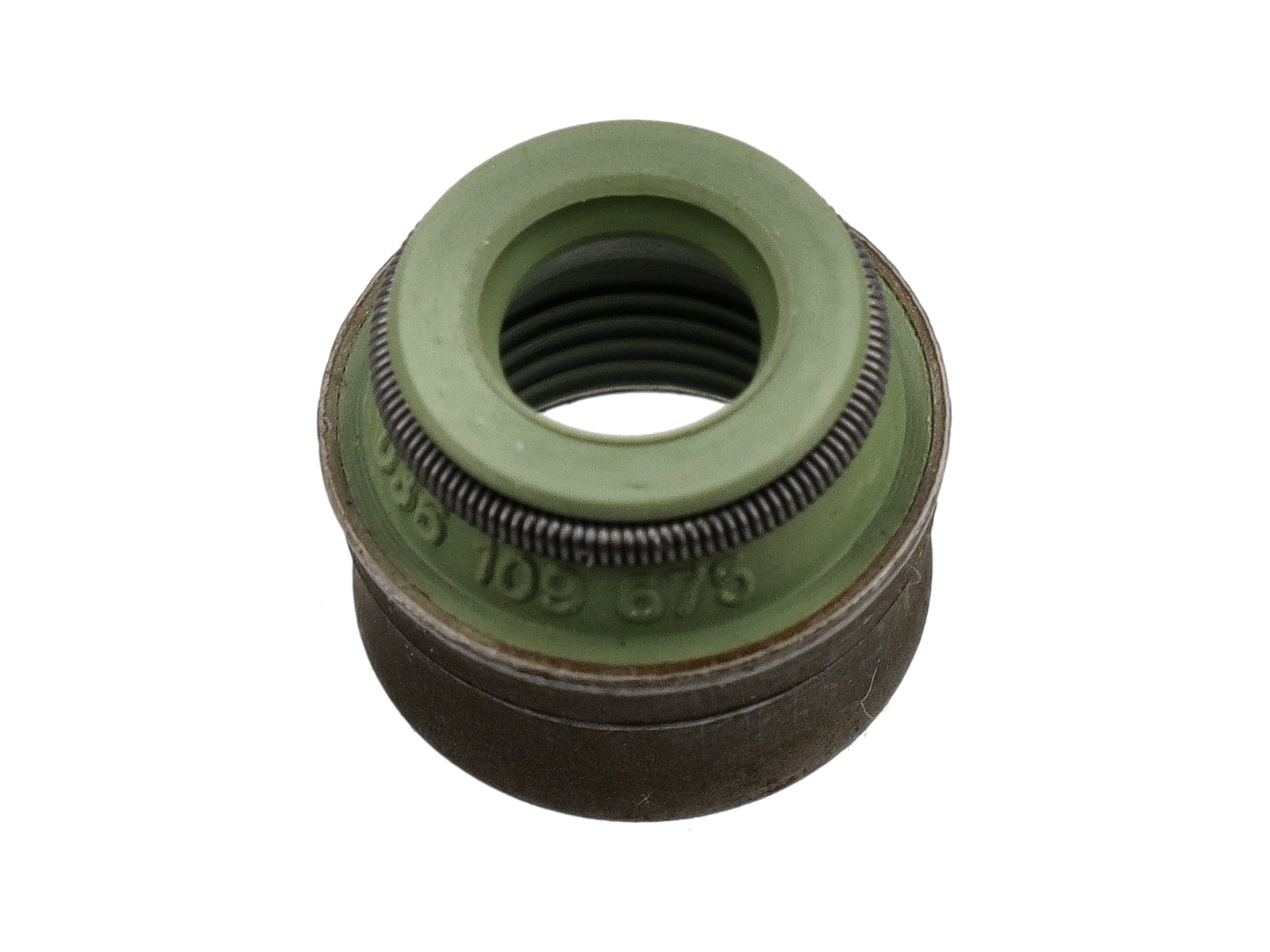
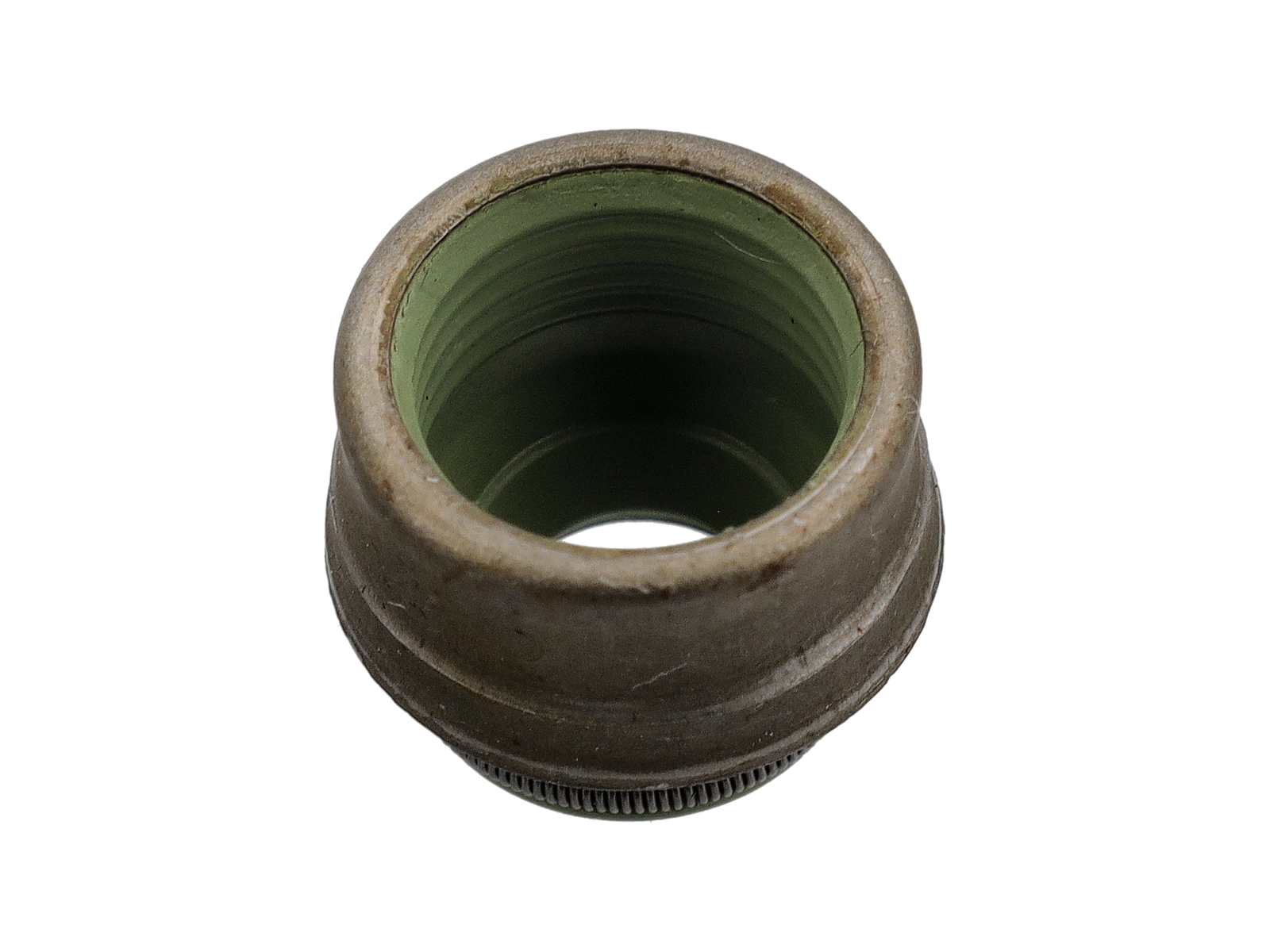


Sold Individually!
Fits:
Porsche 957 Cayenne Diesel 2007>>2010 (Inlet And Exhaust x24 Required)
Porsche 958 Cayenne Diesel 3.0L 2010>>2017 (Inlet And Exhaust x24 Required)
Porsche 958 Cayenne S Hybrid 3.0L 2010>>2017 (Inlet x12 Required)
Porsche 958 Cayenne S Diesel 4.2L 2017>>2018 (Inlet And Exhaust x32 Required)
Porsche 9YA Cayenne Turbo / GTS V8 4.0L 2018>>2023 (Inlet x16 Required)
Porsche 970.2 Panamera S E-Hybrid 2014>>2016 (Inlet x12 Required)
Porsche 970.2 Panamera Diesel 2014>>2016 (Inlet x12 Required)
Porsche 971.1 Panamera Turbo 4.0L 2017>>2020 (Inlet x16 Required)
Porsche 971.1 Panamera Turbo S E-Hybrid 4.0L 2017>>2020 (Inlet x16 Required)
Porsche 971.2 Panamera V8 4.0L 2021>>2023 (Inlet x16 Required)
Porsche 95B Macan Diesel 2014>>2018 (Inlet x12 Required)
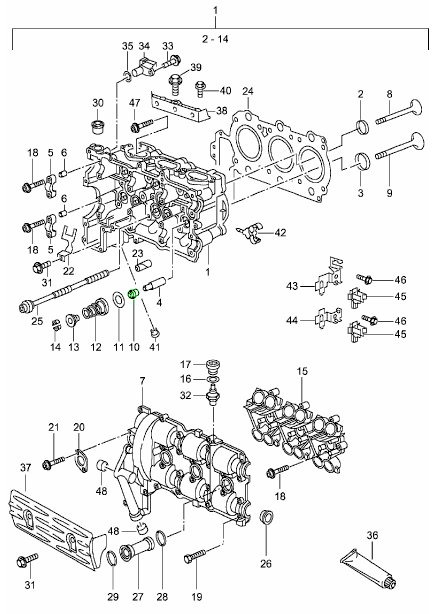
Diagram Ref No 12
Related reference numbers
Related, superseded, cross reference or alternative numbers for comparison.
95510511510
The product you are viewing cross references to these numbers
- Porsche 957 Cayenne 3.0L Diesel 2007-10
- Porsche 958 Cayenne V6 3.0L Diesel (245Hp) 2010-17
- Porsche 958 Cayenne S V6 3.0L Hybrid (380Hp) 2010-17
- Porsche 958 Cayenne S V8 4.2L Diesel (382Hp) 2010-17
- Porsche 9YA Cayenne GTS V8 4.0L Petrol (460Hp) 2020-23
- Porsche 9YA Cayenne Coupe GTS V8 4.0L Petrol (460Hp) 2021-23
- Porsche 9YA Cayenne Turbo V8 4.0L Petrol (550Hp) 2020-23
- Porsche 9YA Cayenne Coupe Turbo V8 4.0L Petrol (550Hp) 2019-23
- Porsche 9YA Cayenne Turbo S E-Hybrid V8 4.0L (550Hp) 2019-23
- Porsche 9YA Cayenne Coupe Turbo S E-Hybrid V8 4.0L (550Hp) 2020-23
- Porsche 9YA Cayenne Coupe Turbo GT V8 4.0L (640Hp) 2021-23
- Porsche 970.2 Panamera Diesel V6 3.0L (250Hp) 2014-16
- Porsche 970.2 Panamera S E-Hybrid V6 3.0L (416Hp) 2014-16
- Porsche 971.1 Panamera Turbo V8 4.0L 4WD (550 Hp) 2017-20
- Porsche 971.1 Panamera Turbo V8 4.0L 4WD Executive 2017-20
- Porsche 971.1 Panamera Turbo 4.0L Twin-Turbo V8 Sport Turismo 2017-20
- Porsche 971.1 Panamera Turbo S E-Hybrid V8 4.0L 4WD 2017-20
- Porsche 971.1 Panamera Turbo S E-Hybrid V8 4.0L 4WD Executive 2017-20
- Porsche 971.2 Panamera GTS 4.0L V8 2021-23
- Porsche 971.2 Panamera GTS Sport Turismo 4.0L V8 2021-23
- Porsche 971.2 Panamera Turbo S 4.0L V8 2021-23
- Porsche 971.2 Panamera Turbo S Sport Turismo 4.0L V8 2021-23
- Porsche 971.2 Panamera Turbo S E-Hybrid 4.0L V8 2021-23
- Porsche 971.2 Panamera Turbo S E-Hybrid Sport Turismo 4.0L V8 2021-23
- Porsche 95B.1 Macan S Diesel 3.0L V6 (258Bhp) 2014-18
Shop Securely
12 Month Warranty
Worldwide Delivery


Monday-Friday: 8.30am - 5.30pm (GMT)
Saturday: Closed
Sunday: Closed