





Enter your VAT number here and click Verify:
Your details have been verified. VAT number registered to:
,
.
Your order will now be zero rated for VAT purposes. We reserve the right to verify these details after your order request has been made and reinstate VAT if required.
Your VAT details were not recognised or were invalid. Your VAT number must be matched to your Billing Country as specified above. This is currently specified as . You do not need to enter the country code part of your VAT number as this has already been selected in your billing address details above.
The VAT number checking service is currently offline. Please supply your VAT details within the comments or special instructions field below and we will apply a VAT discount after placing your order request.
 NRF
NRF
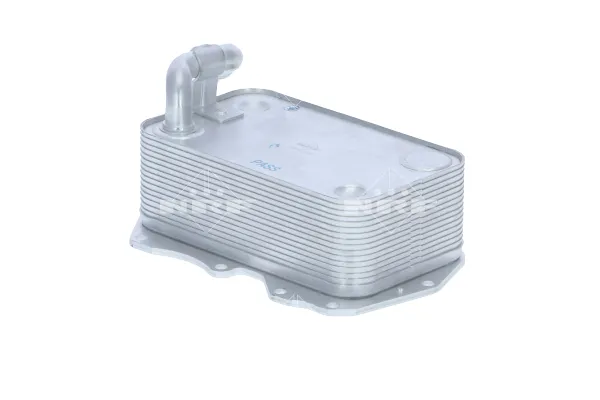
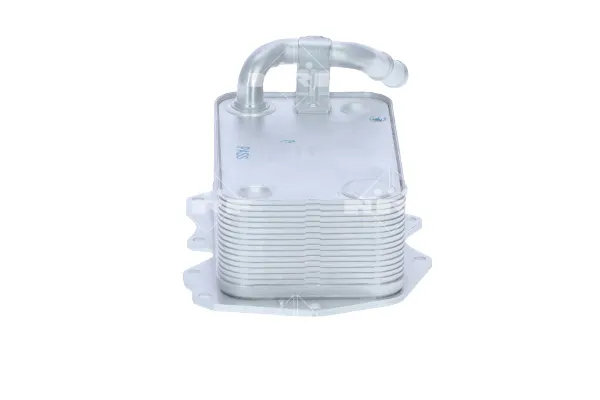
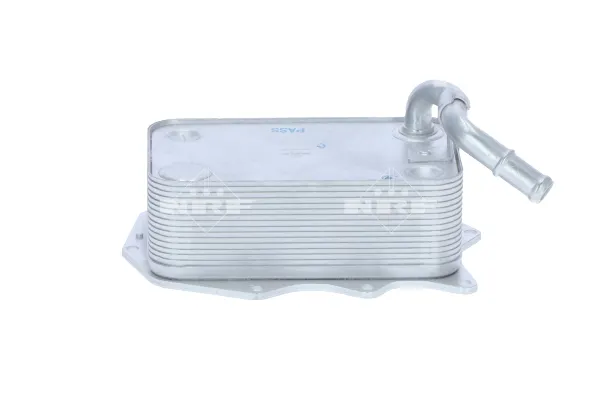
Engine oil heat exchanger by NRF for the Porsche 958 Cayenne 92A 4.2L Diesel. This oil cooler forms part of the engine oil filter and console assembly.
Fits
- 958 Cayenne S V8 4.2L Diesel (382Hp) 2010–17
Check fitment for your specific vehicle (model, year, engine) before ordering.
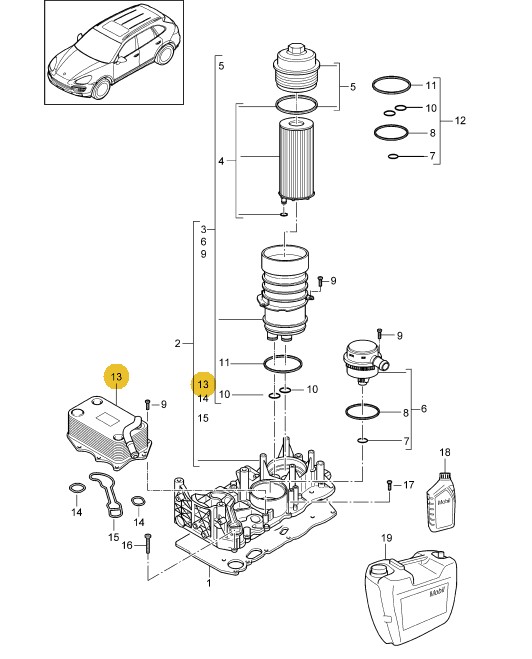
Diagram: 104-085, item 12
What This Product Does
The heat exchanger transfers heat away from the engine oil to help manage its temperature. Oil temperature control supports the lubrication system by limiting excessive heat within the circulating oil.
Functions
- Transfers excess heat from engine oil.
- Helps regulate oil operating temperature.
- Supports lubrication through oil temperature management.
Technical Details
- Brand: NRF.
- Supplied reference: 95810727130.
- Component identified in the assembly diagram: oil cooler.
- Engine/model identifiers: CUDB, CUDC.
- Assembly context: oil filter, console and oil cooler.
Symptoms of Fault
- Oil seepage or dampness near the cooler and its seals.
- Oil temperatures that remain unusually high.
- Coolant loss without an obvious external source.
- An oily layer or sludge in the coolant reservoir.
- Milky contamination in the oil, where an internal fault permits fluid mixing.
- Unstable engine temperatures.
These signs can have other causes. Inspect the cooler, seals and connected components before deciding which part requires replacement.
Why Replacement Matters
A leaking or internally restricted heat exchanger can compromise oil temperature control. Where internal damage allows oil and coolant to mix, the underlying fault needs repair before contaminated systems are cleaned. Inspect surrounding seals and connections during the work rather than assuming every leak originates in the cooler itself.
FAQs
Does oil in the coolant prove that the head gasket has failed?
No. A heat exchanger fault is another possible source, so diagnosis should establish where the contamination begins.
Will flushing resolve a defective cooler?
Flushing removes residue but does not repair a leak or damaged internal passage. Address the cause before cleaning the affected circuits.
Should nearby seals and hoses be inspected?
Yes. Check for seepage, deterioration and contamination-related damage, and renew affected components as required.
How is a suspected fault confirmed?
Visual examination, appropriate pressure testing and checks for fluid contamination help distinguish cooler faults from problems elsewhere in the engine or cooling system.
Related reference numbers
Related, superseded, cross reference or alternative numbers for comparison.
95810727130
The product you are viewing cross references to these numbers
- Porsche 958 Cayenne S V8 4.2L Diesel (382Hp) 2010-17

 Shop Securely
 12 Month Warranty
 Worldwide Delivery


Monday-Friday: 8.30am - 5.30pm (GMT)
Saturday: Closed
Sunday: Closed