





Enter your VAT number here and click Verify:
Your details have been verified. VAT number registered to:
,
.
Your order will now be zero rated for VAT purposes. We reserve the right to verify these details after your order request has been made and reinstate VAT if required.
Your VAT details were not recognised or were invalid. Your VAT number must be matched to your Billing Country as specified above. This is currently specified as . You do not need to enter the country code part of your VAT number as this has already been selected in your billing address details above.
The VAT number checking service is currently offline. Please supply your VAT details within the comments or special instructions field below and we will apply a VAT discount after placing your order request.

- Accessories
- Brakes
- Chassis / Bodywork
- Clothing & Gifts
- Electrical & Relays
- Engine Cooling
- Engine Electrical
- Engine Rebuild Parts
- Engine Tuning
- Exhausts
- Exterior Styling / Spoilers
- Gearbox / Transmission
- Heating / Air Conditioning
- Hydraulics
- Incar / Multimedia
- Interior & Accessories
- Lighting
- Mats & Carpets
- Motorsport and Off-Road
- Parts for Other Cars
- Pedal Cluster
- Rubber Seals
- Seats & Seat Belts
- Service Parts
- Special Offer Parts
- Steering Parts
- Suspension & Axle
- Suspension Upgrades
- Tyres
- Wheel Accessories
- Wheels
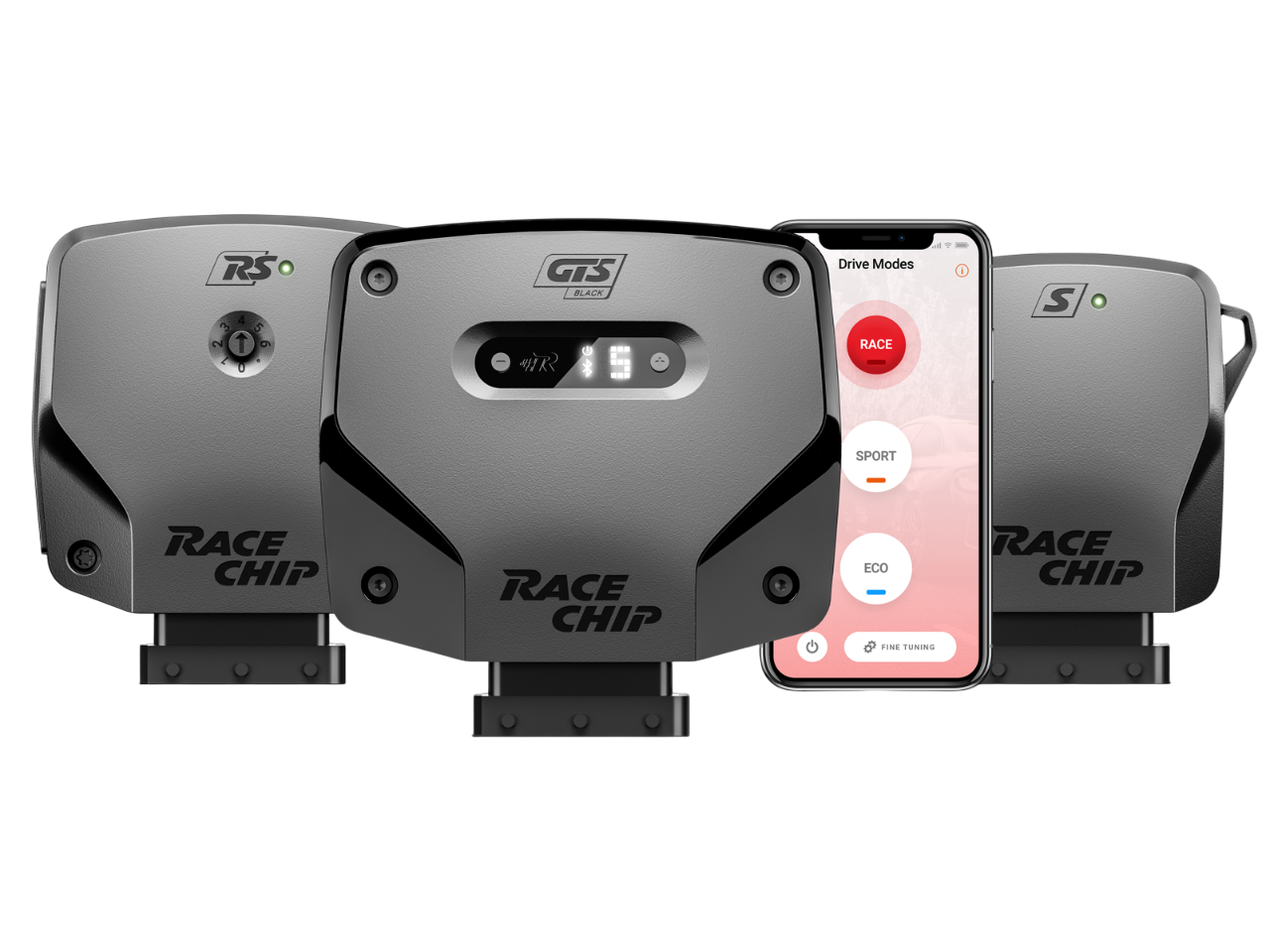
 RaceChip
Engine performance tuning chip
Please check engine code and power rating before ordering
Fits:
Porsche 95B.1 Macan 2.0ltr - 2014 to 2018
For engine code CYNB, CYPA, DLHB (252hp 185kw)
Compare our products
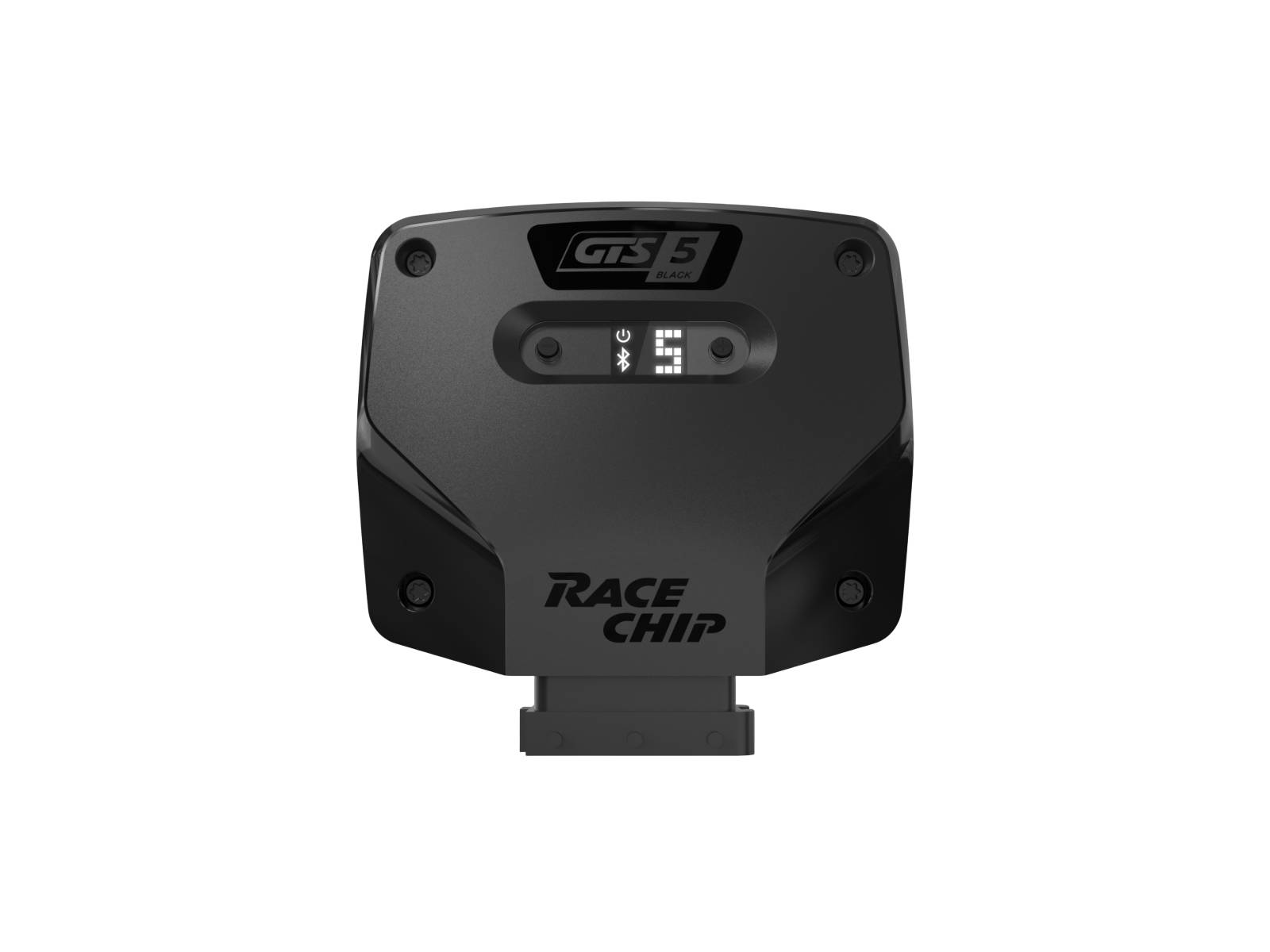
RaceChip GTS 5 Black with app control - 67hp / 99 Nm of torque increase over standard
- 7 fine tuning maps - The GTS Black is supplied with the correct map for your engine. 7 fine tuning mappings allow you to choose a map that suits your mood (selected by Digital User Interface)
- Up to 20% mpg increase - Increases the torque available and efficiency therefore a higher gear can be selected and fuel is used more efficiently. As a result MPG can be increased buy up to 20%
- 2 year engine warranty (up to £8000) - Major engine components covered, valid for vehicles that maintain the balance of existing factory warranty with mileage up to 60,000 miles
- 1 x re-programming if you change your car - up to 24 months after purchase
- Bluetooth App control - see below
- Smart warm up features - Checks warm-up process based on oil and water temperature and activates the tuning function only when the engine is warm - say goodbye to the old fashioned timer approach
- Smart engine health check - Cutting edge diagnostic feature designed to provide real-time insights into your vehicles vital signs. Think of it as a comprehensive health report for your engine.
Bluetooth App contents
3 performance mods (Race, Sport and Eco)
Individual tuning maps -
Advanced service features
Adjustable warm-up timer
Automatic updates
Integration with XLR chip
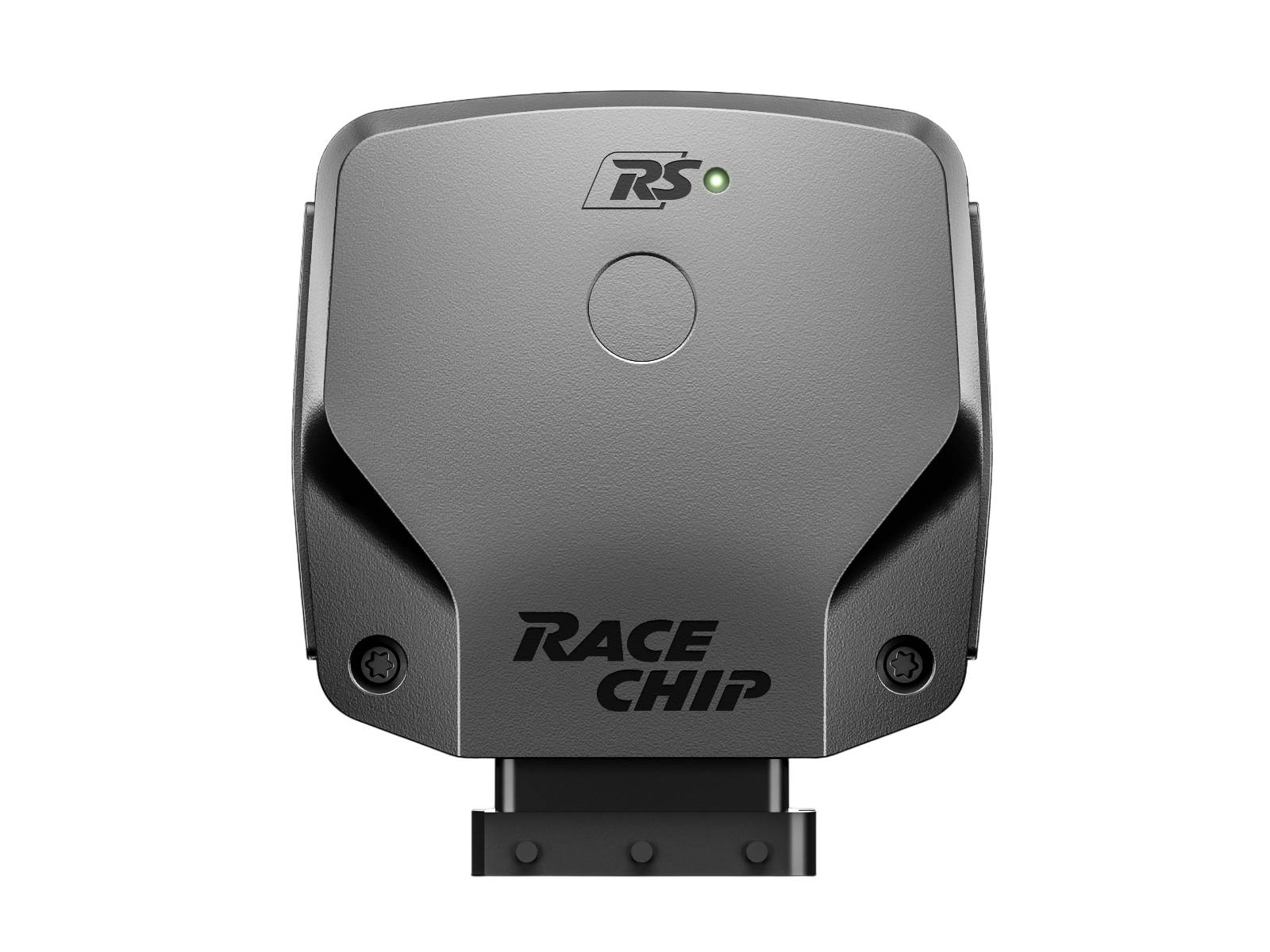
RaceChip RS - 56hp / 83 Nm of torque increase over standard
- 6 fine tuning maps - The RS is supplied with the correct map for your engine. 6 fine tuning mappings allow you to choose a map that suits your mood
- Up to 20% mpg increase - Increases the torque available and efficiency therefore a higher gear can be selected and fuel is used more efficiently. As a result MPG can be increased buy up to 20%
- 1 year engine warranty (up to £2400)
RaceChip S - 44hp / 66 Nm of torque increase over standard
- 5 fine tuning maps - The S is supplied with the correct map for your engine. 5 fine tuning mappings allow you to choose a map that suits your mood
- Up to 15% mpg increase - Increases the torque available and efficiency therefore a higher gear can be selected and fuel is used more efficiently. As a result MPG can be increased buy up to 15%
Take your car to the next level
If you are not just driving your car to get from A to B and long, winding roads make your heart leap, we are glad you found us. We will help you to unlock your engine’s maximum performance and make sure that you will never want to get out of your car again.
- Up to 30% more HP and torque - RaceChip performance optimisation unlocks up to 30 % more power.
- Engine warranty included - Thanks to our comprehensive engine warranty you and your car are protected.
- Up to 20% more MPG - The significant increase in torque enables earlier shifts which leads to less consumption.
- Simple Plug & Play installation - In most cases you can do the installation yourself within 15 minutes.
- Porsche 95B.1 Macan Petrol 2.0L (237Bhp) 2014-18
 Shop Securely
 12 Month Warranty
 Worldwide Delivery


The normally aspirated 996 Carrera is a great street car that has more to give. The RWD Carrera 2 and the AWD Carrera 4 are great platforms to increase power on the 3.4L or 3.6L motor. From 2000 - 2005 the 996 Carrera used a drive by wire system which allows Softronic to fine tune the overall performance of your vehicle. Softronic is able to gain 20 horsepower to the crank and 13ft/lbs of torque.
3.4L Stock Power - 300HP and 258ft/lbs
Tuned Power - 322HP and 271ft/lbs
3.6L Stock Power - 320HP and 273ft/lbs
Tuned Power - 340HP and 286ft/lbs
Softronic flashes the 996 Carrera through the OBDII port of the car. With their Flasher Client software, they are reading a full 1mb of the file to completely tune the ECU. Other companies claim to be able to do this, but are only read 128kb and making global changes. The ECU flash will alter your fuel and timing maps to give you a very linear increase over stock. For those worried about check engine lights, there are none! For those running a high flow cat or straight pipe exhaust systems, Softronic raises the O2 levels which will remove the possibility of having a CEL from this type of exhaust. Once the car is flashed, the low end torque and throttle response will be much improved. The mid-range of the RPM band will feel stronger as well. The overall improvement of drivability makes the 996 Carrera even more fun then it was originally. Since warranty is always a concern, Softronic also provides you with your original file. With this original file you can flash your car back to stock at any point. If you go to the dealer, there will be nothing visible through the Porsche PIWIS system. Softronic can program your vehicle no matter what country you are from or what octane you use. We have different maps for those running 91 octane or 93 octane and higher. We have tested this software in many competition venues with nothing but positive results.
What are the benefits/functions of going with Softronic compared to the competition?
Softronic does not require the removal of your ECU from the car. There is no down time at all.
Your car can be flashed at your convenience from the comfort of your own garage.
Softronic reflashing is done via a Client Cable that is connected to the OBDII port. The customer simply plugs the cable into the car and reads the file with a laptop per the instructions with the cable. Once the file is downloaded, it is emailed to the Softronic secure server where the file is tuned and then emailed back to the client. The client simply uploads the file and they are done. Total process is about 1 hour.
Reflashing is done according to the vehicles octane level of pump gas and modifications are taken into account (Intake, Headers, Exhaust) to enhance power gains.
Price includes Tuned file and Software with Cable
For more information CLICK HERE
PLEASE NOTE: Please note that you will be emailed the instructions by Softronic shortly after placing the order with us.
- Porsche 996 C2 3.4L 1997-08/01
- Porsche 996 C4 3.4L 1997-08/01
- Porsche 996 C2 3.6L 09/01-2005
- Porsche 996 C4 3.6L 09/01-2005
- Porsche 996 C4S 3.6L 09/01-2005
Shop Securely
12 Month Warranty
Worldwide Delivery

The GT3 is the ultimate track car. With a high revving motor, tuned suspension, and a package that can take you for the fastest lap ever, what else do you need? Softronic focuses on cleaning up the cars power curve. With some additional programming to adjust the cars timing and air fuel mixtures, Softronic is able to gain 30 horsepower to the crank and 22ft/lbs of torque.
Stock Power - 360HP and 273ft/lbs
Tuned Power - 390HP and 295ft/lbs
Softronic flashes the 996 GT3 through the OBDII port of the car. With their Flasher Client software, they are reading a full 1mb of the file to completely tune the ECU. Other companies claim to be able to do this, but are only read 128kb and making global changes. The ECU flash will alter your fuel and timing maps to give you a very linear increase over stock. For those worried about check engine lights, there are none! For those running a high flow cat or straight pipe exhaust systems, Softronic raises the O2 levels which will remove the possibility of having a CEL from this type of exhaust. Once the car is flashed, the low end torque and throttle response will be much improved. The mid-range of the RPM band will feel stronger as well. The overall improvement of drivability makes the 996 GT3 even more fun then it was originally. Since warranty is always a concern, Softronic also provides you with your original file. With this original file you can flash your car back to stock at any point. If you go to the dealer, there will be nothing visible through the Porsche PIWIS system. Softronic can program your vehicle no matter what country you are from or what octane you use. We have different maps for those running 91 octane or 93 octane and higher. We have tested this software in many competition venues with nothing but positive results.
What are the benefits/functions of going with Softronic compared to the competition?
Softronic does not require the removal of your ECU from the car. There is no down time at all.
Your car can be flashed at your convenience from the comfort of your own garage.
Softronic reflashing is done via a Client Cable that is connected to the OBDII port. The customer simply plugs the cable into the car and reads the file with a laptop per the instructions with the cable. Once the file is downloaded, it is emailed to the Softronic secure server where the file is tuned and then emailed back to the client. The client simply uploads the file and they are done. Total process is about 1 hour.
Reflashing is done according to the vehicles octane level of pump gas and modifications are taken into account (Intake, Headers, Exhaust) to enhance power gains.
Price includes Tuned file and Software with Cable
For more information CLICK HERE
PLEASE NOTE: Please note that you will be emailed the instructions by Softronic shortly after placing the order with us.
- Porsche 996 GT3 MKI 1999-02
- Porsche 996 GT3 MKII 2003>>
- Porsche 996 GT3 RS 2003-04
Shop Securely
12 Month Warranty
Worldwide Delivery

The 996 Turbo is one of the most popular enthusiast and tuner vehicles of its time. With the ability to reach double its stock horsepower and over 200mph on the stock engine, speed junkies are all over the 996 Turbo. Softronic is one of the original engine tuners of this beast. The K16 turbos offer alot more in gains then any other vehicle. It is the best horsepower per dollar to flash your 996 Turbo. The car comes factory making only .6 � .7bar of boost. Once flashed, the car will make a consistant 1.0bar of boost gaining you about 80HP and 90ft/lbs of torque.
Stock Power - 415HP and 413ft/lbs
Tuned Power - 495HP and 503ft/lbs
Softronic flashes all the Porsche 996 cars through the OBDII port. With their Flasher Client software, they are reading a full 1mb of the file to completely tune the ECU. Other companies claim to be able to do this, but are only read 128kb and making global changes. The ECU flash will alter your boost, fuel, and timing maps to give you a very linear increase over stock. Softronic tunes using the factory knock and oxygen sensors to ensure you get the best map the first time. Basic bolt on modifications like Diverter Valves, Exhaust, and Intake do not require the re-reflash of the ECU, they only bring out further performance of the vehicle. For those worried about check engine lights, there are none! For those running a high flow cat exhaust systems or straight pipes, Softronic raises the O2 levels which will eliminate any CEL�s. Once the car is flashed, the turbos will come on much quicker and the car will pull harder to redline. The overall improvement of drivability makes the 996 Turbo even more fun then it was originally. Since warranty is always a concern, Softronic also provides you with your original file. With this original file you can flash your car back to stock at any point. If you go to the dealer, there will be nothing visible through the Porsche PIWIS system. Softronic can program your vehicle no matter what country you are from or what octane you use. We have different maps for those running 91 octane or 93 octane and higher.
What are the benefits/functions of going with Softronic compared to the competition?
Softronic does not require the removal of your ECU from the car. There is no down time at all.
Your car can be flashed at your convenience from the comfort of your own garage.
Softronic reflashing is done via a Client Cable that is connected to the OBDII port. The customer simply plugs the cable into the car and reads the file with a laptop per the instructions with the cable. Once the file is downloaded, it is emailed to the Softronic secure server where the file is tuned and then emailed back to the client. The client simply uploads the file and they are done. Total process is about 1 hour.
Reflashing is done according to the vehicles octane level of pump gas and modifications are taken into account (Intake, Headers, Exhaust) to enhance power gains.
Price includes Tuned file and Software with Cable
For more information CLICK HERE
PLEASE NOTE: Please note that you will be emailed the instructions by Softronic shortly after placing the order with us.
- Porsche 996 TURBO 2000-05
Shop Securely
12 Month Warranty
Worldwide Delivery

.jpg)
.jpg)
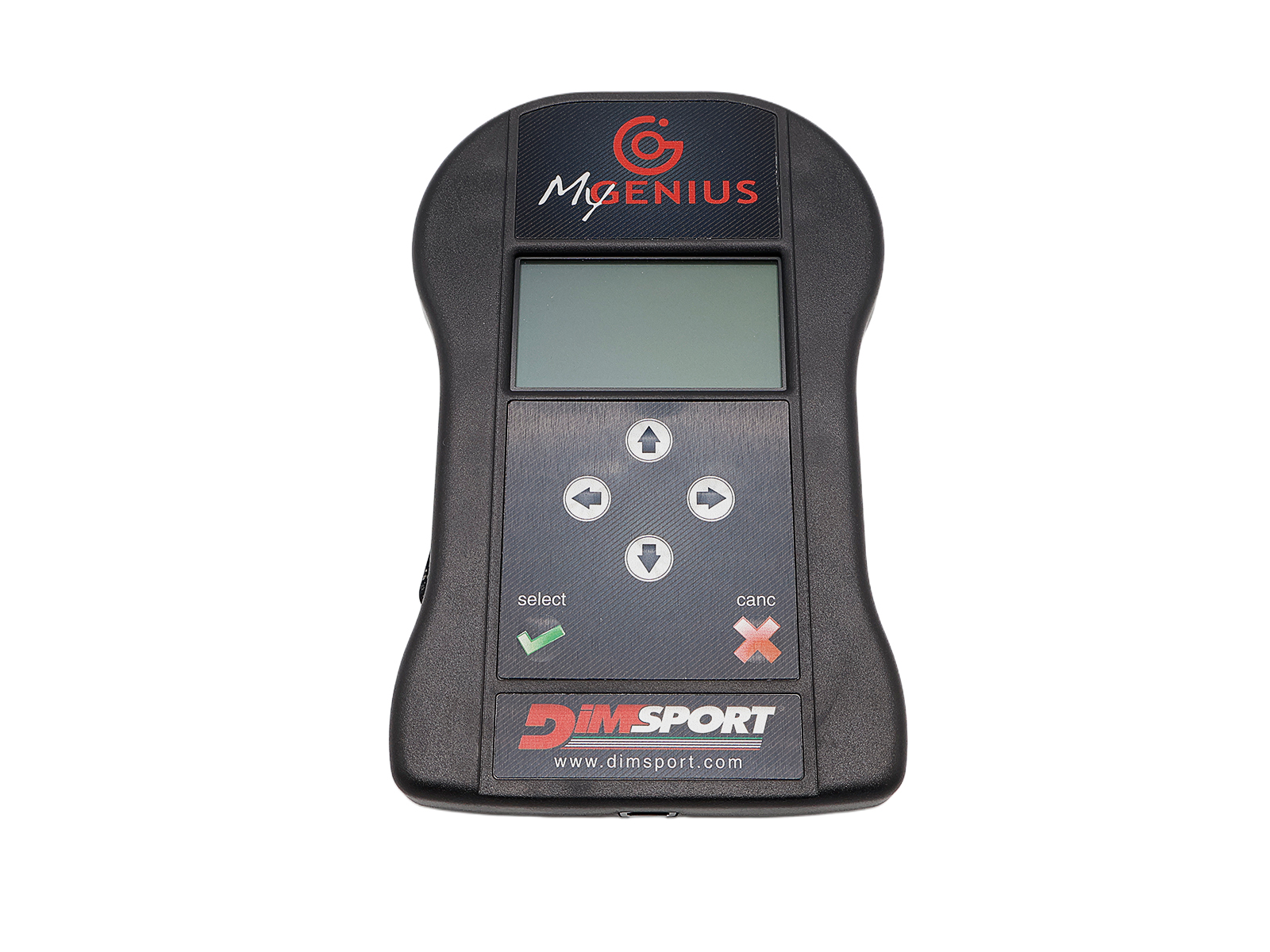
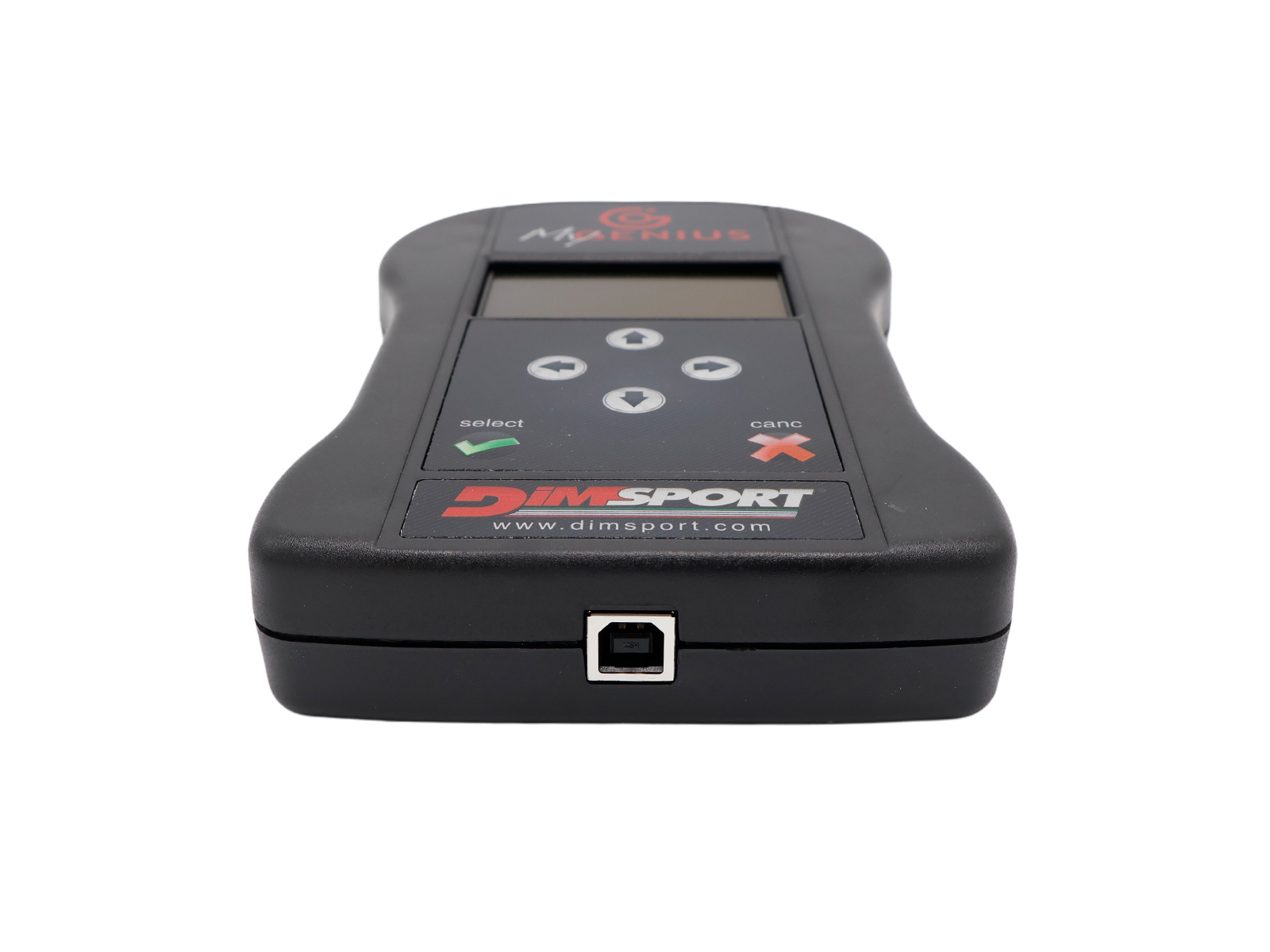
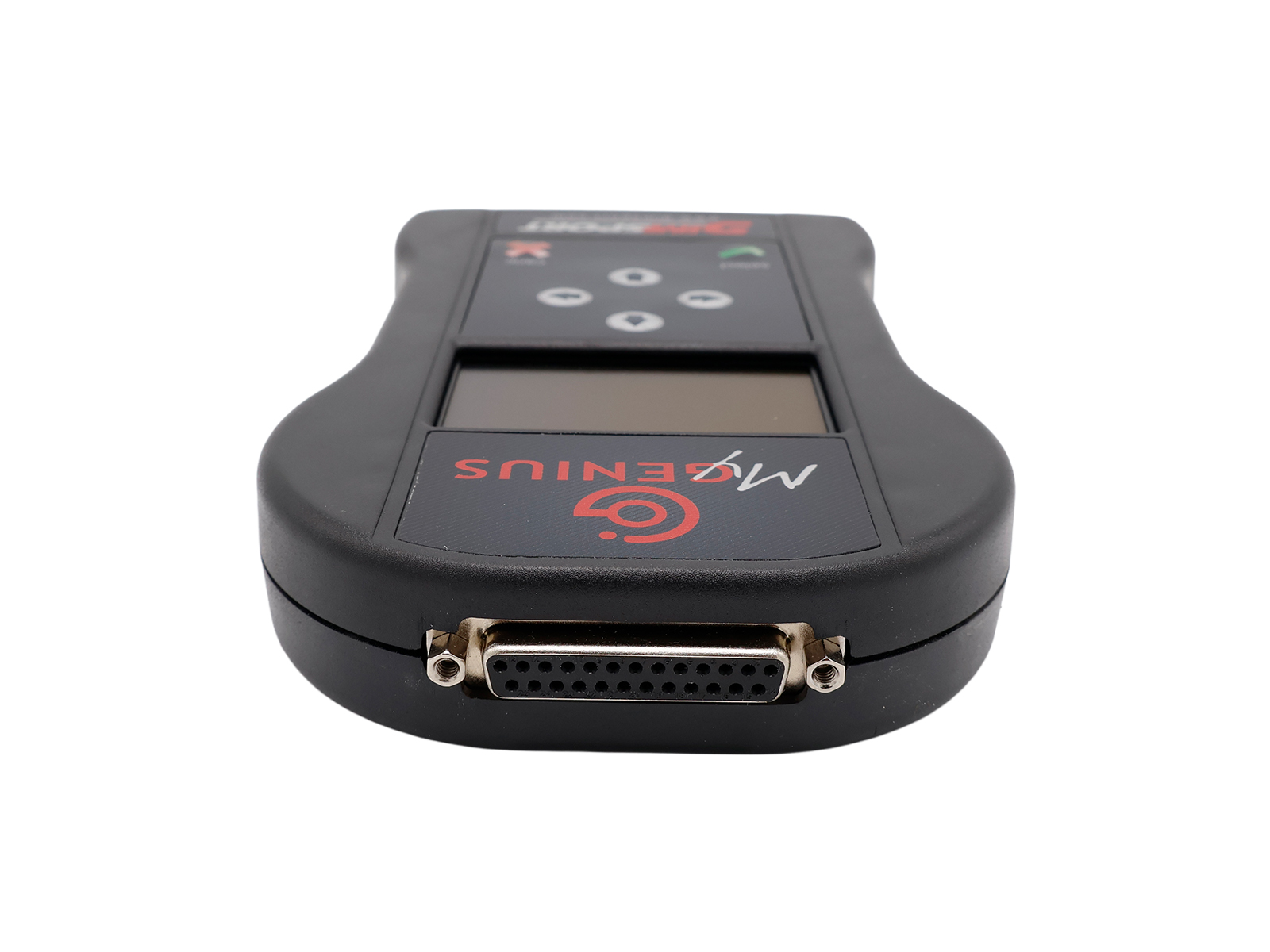
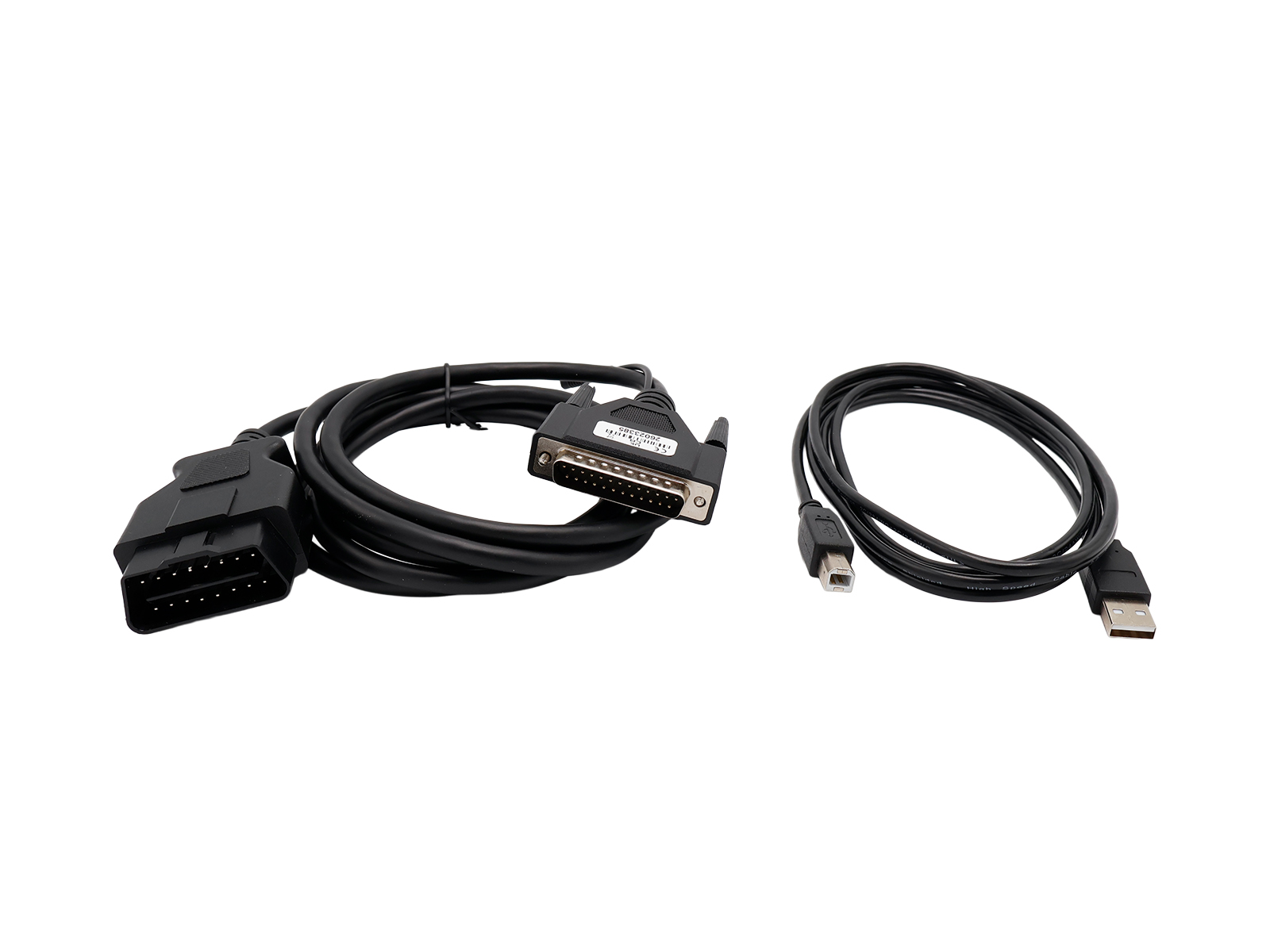
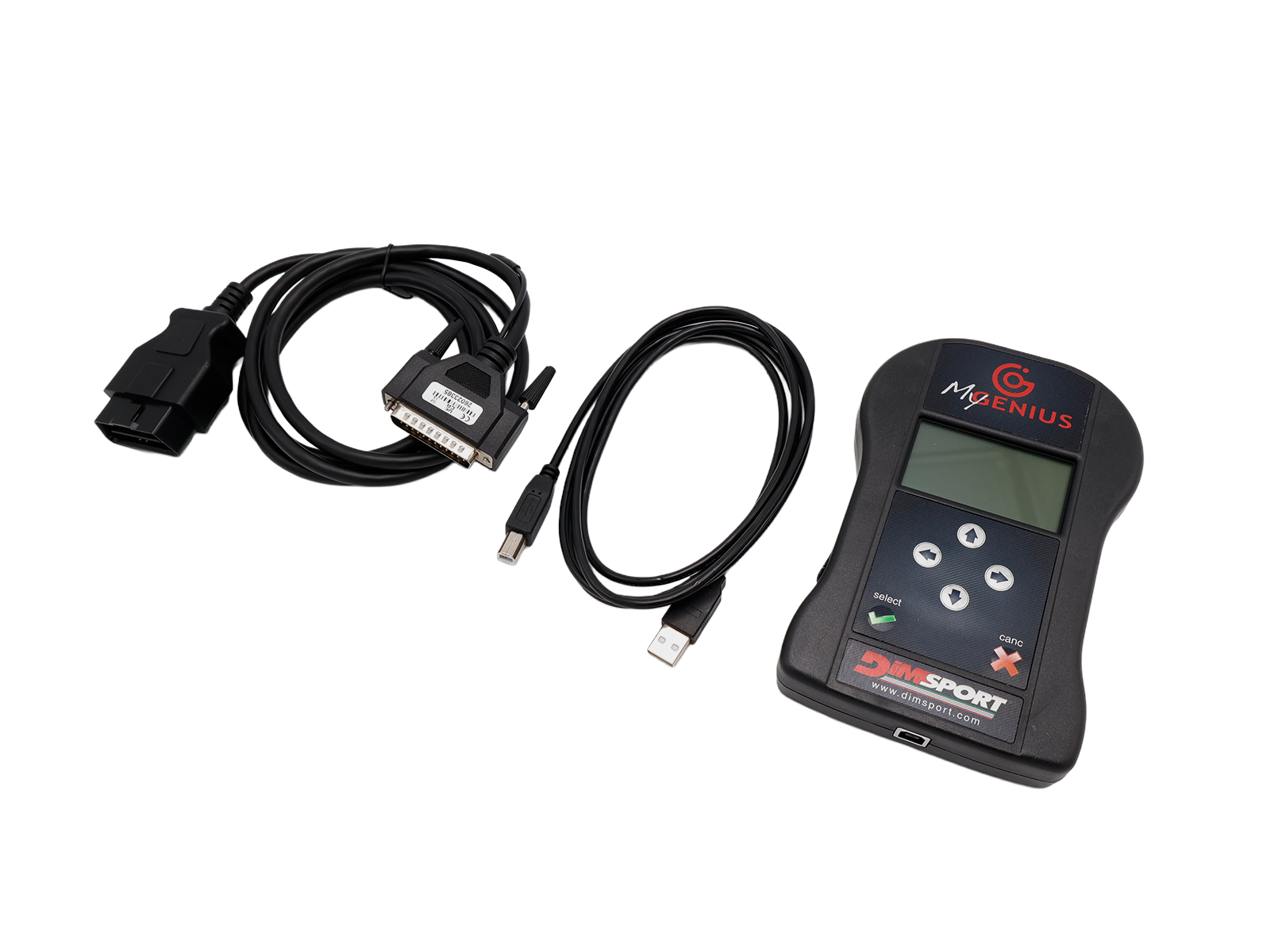
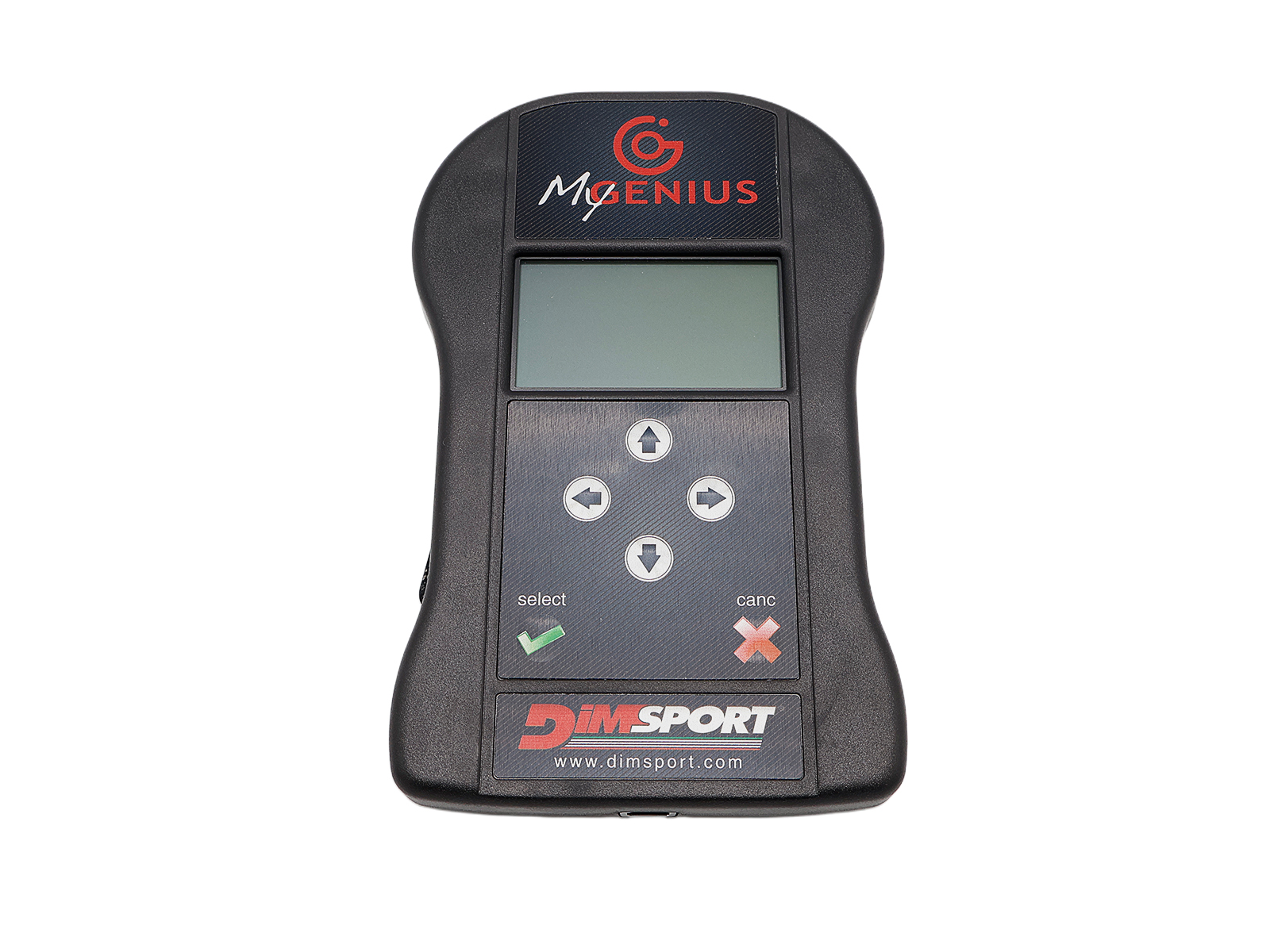
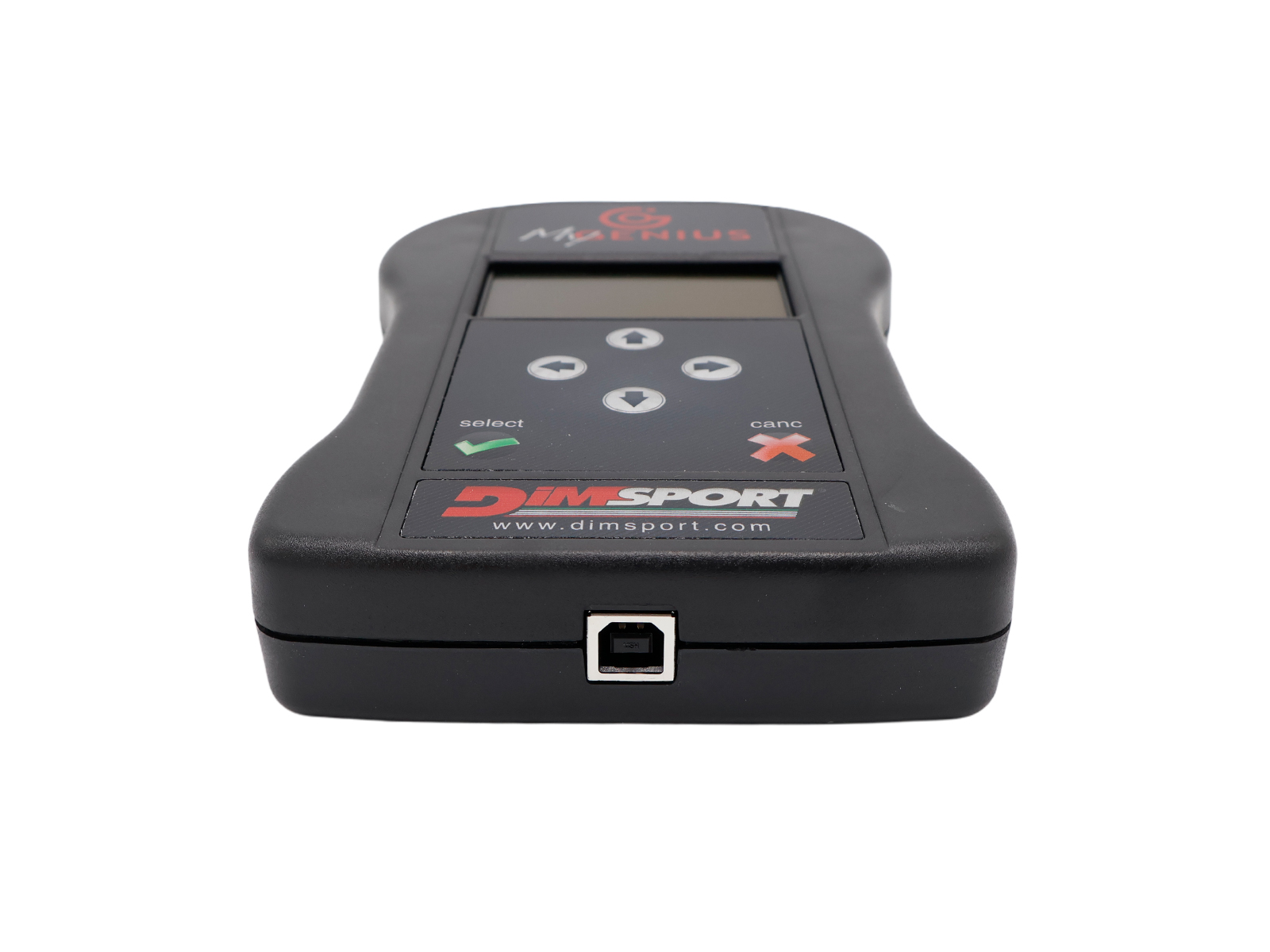
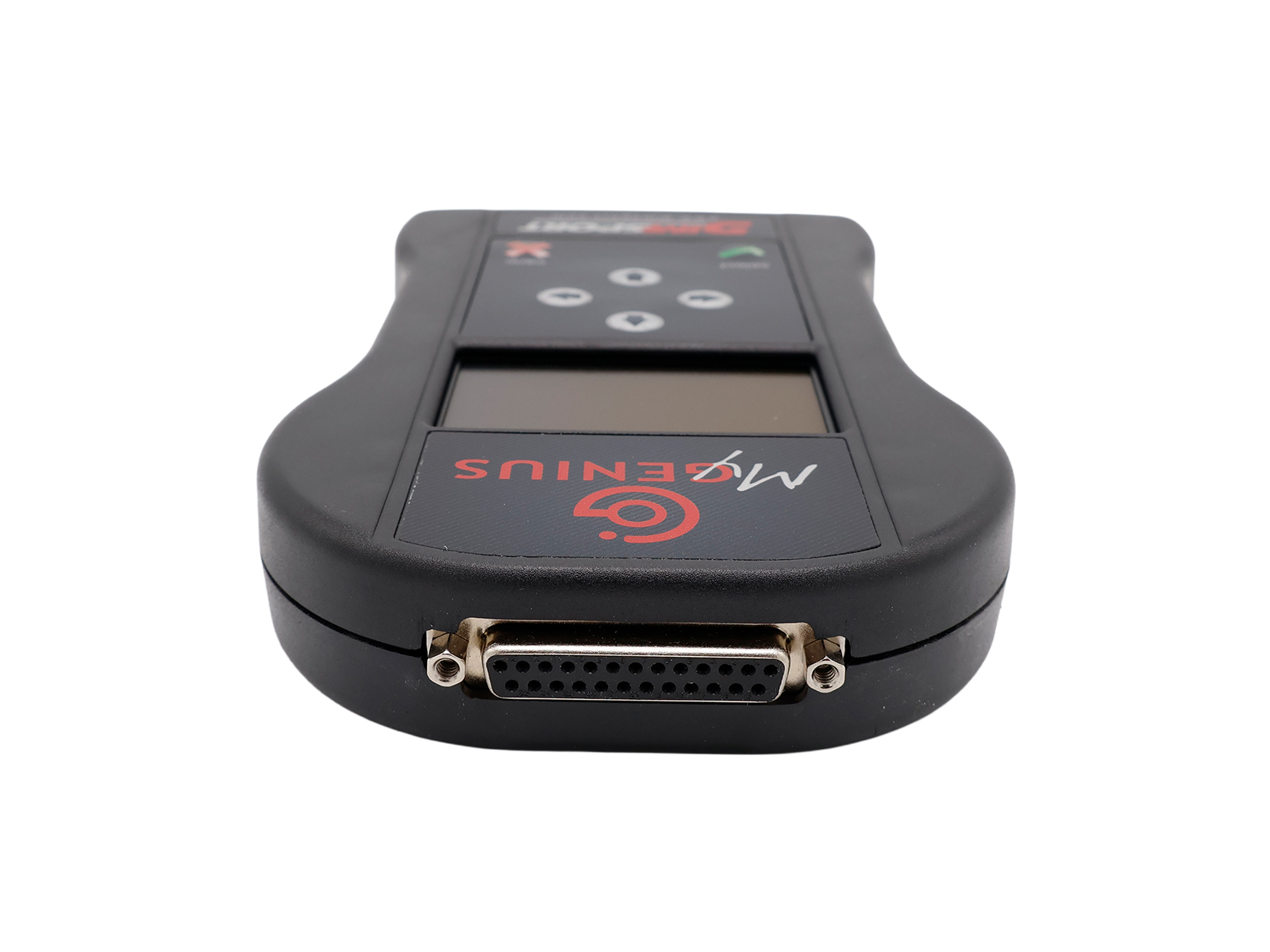
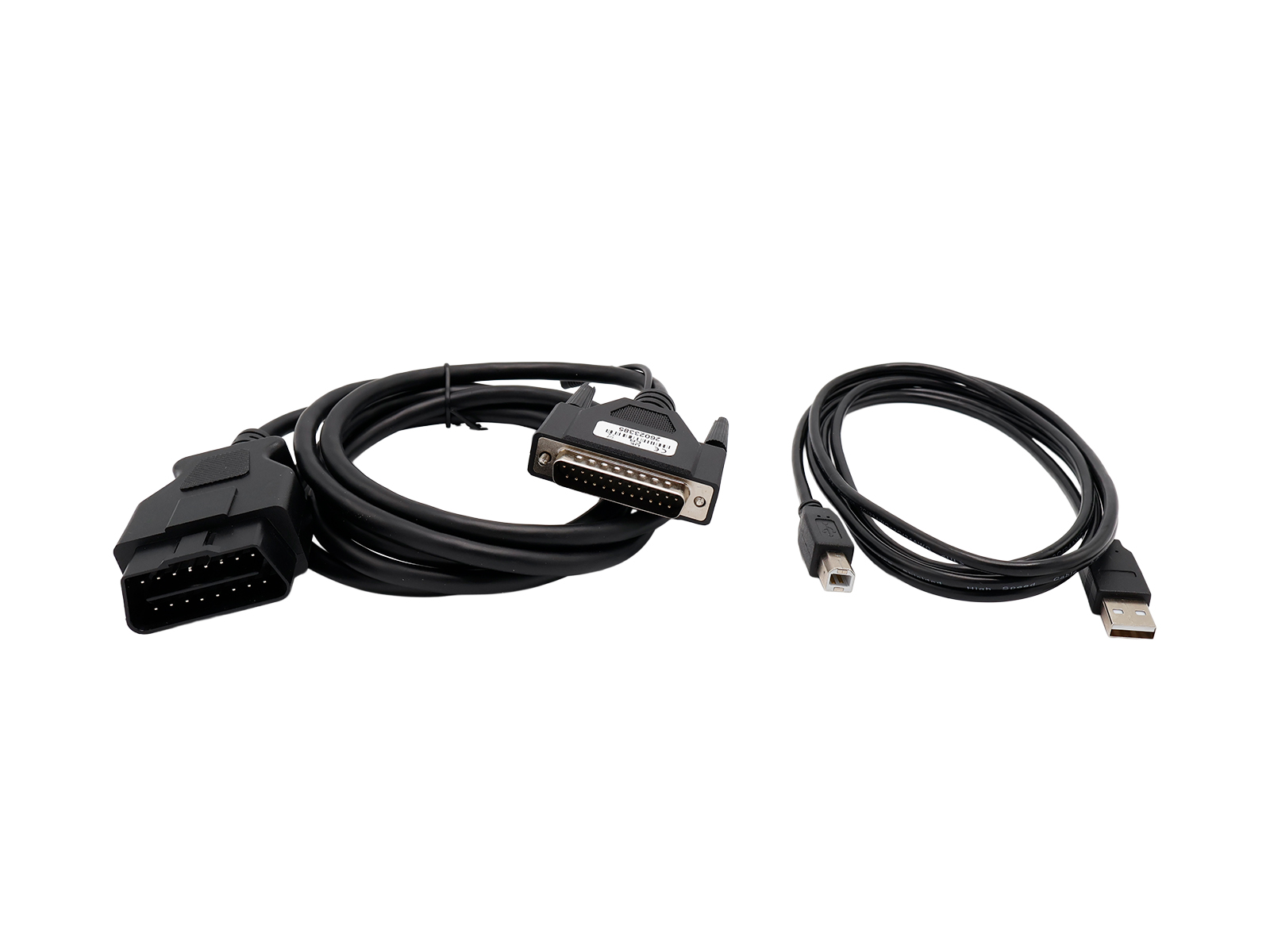
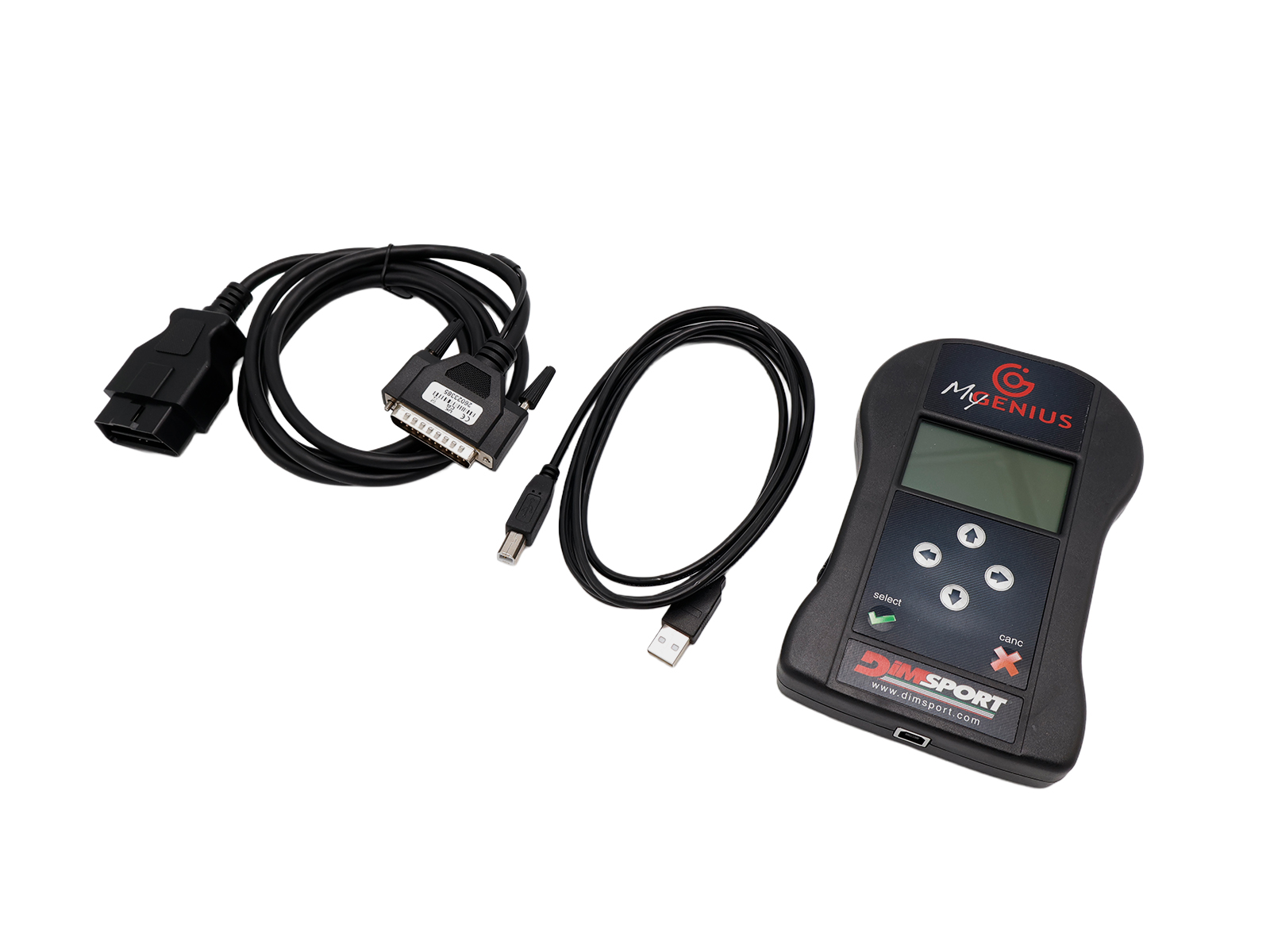
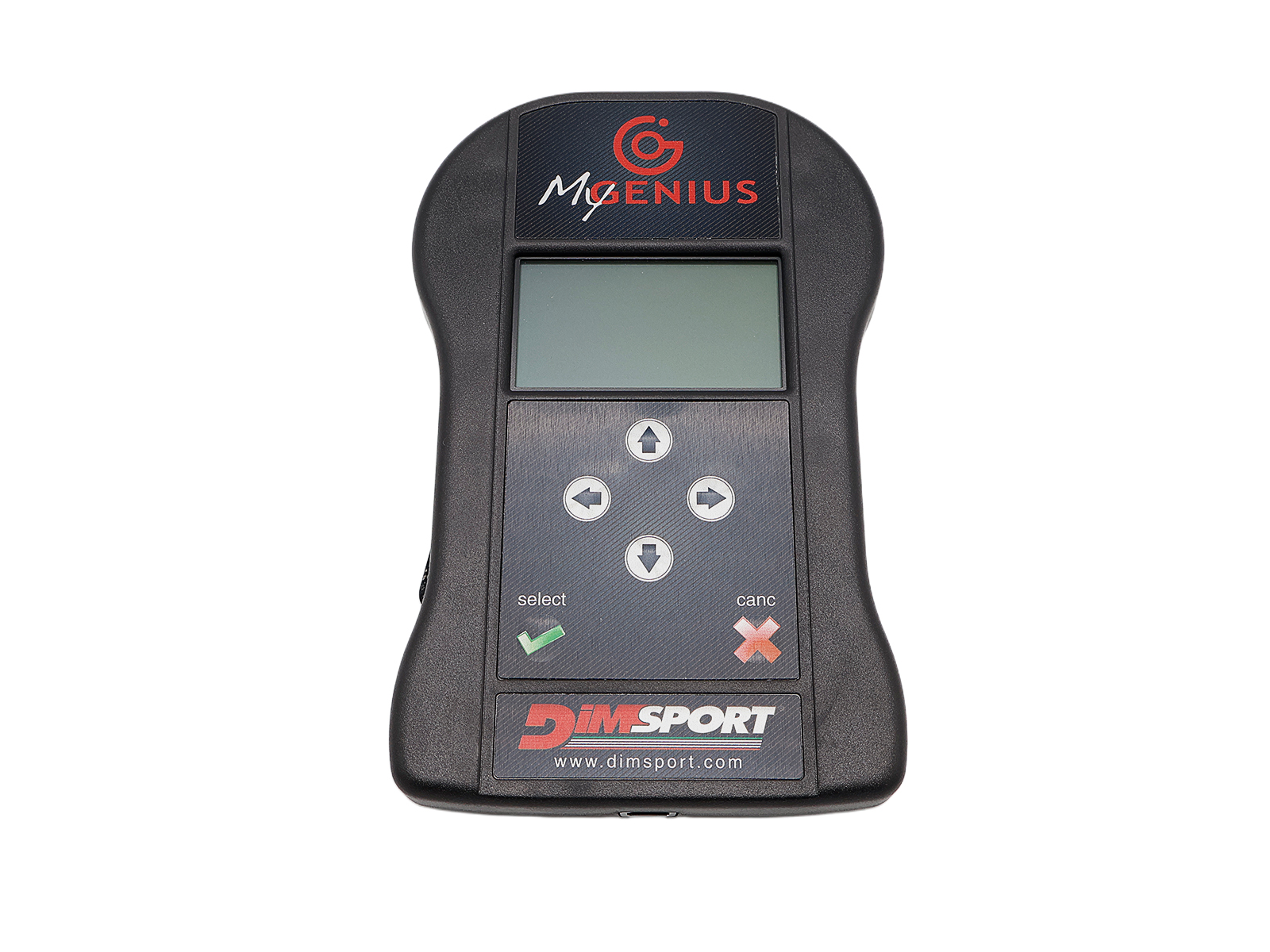
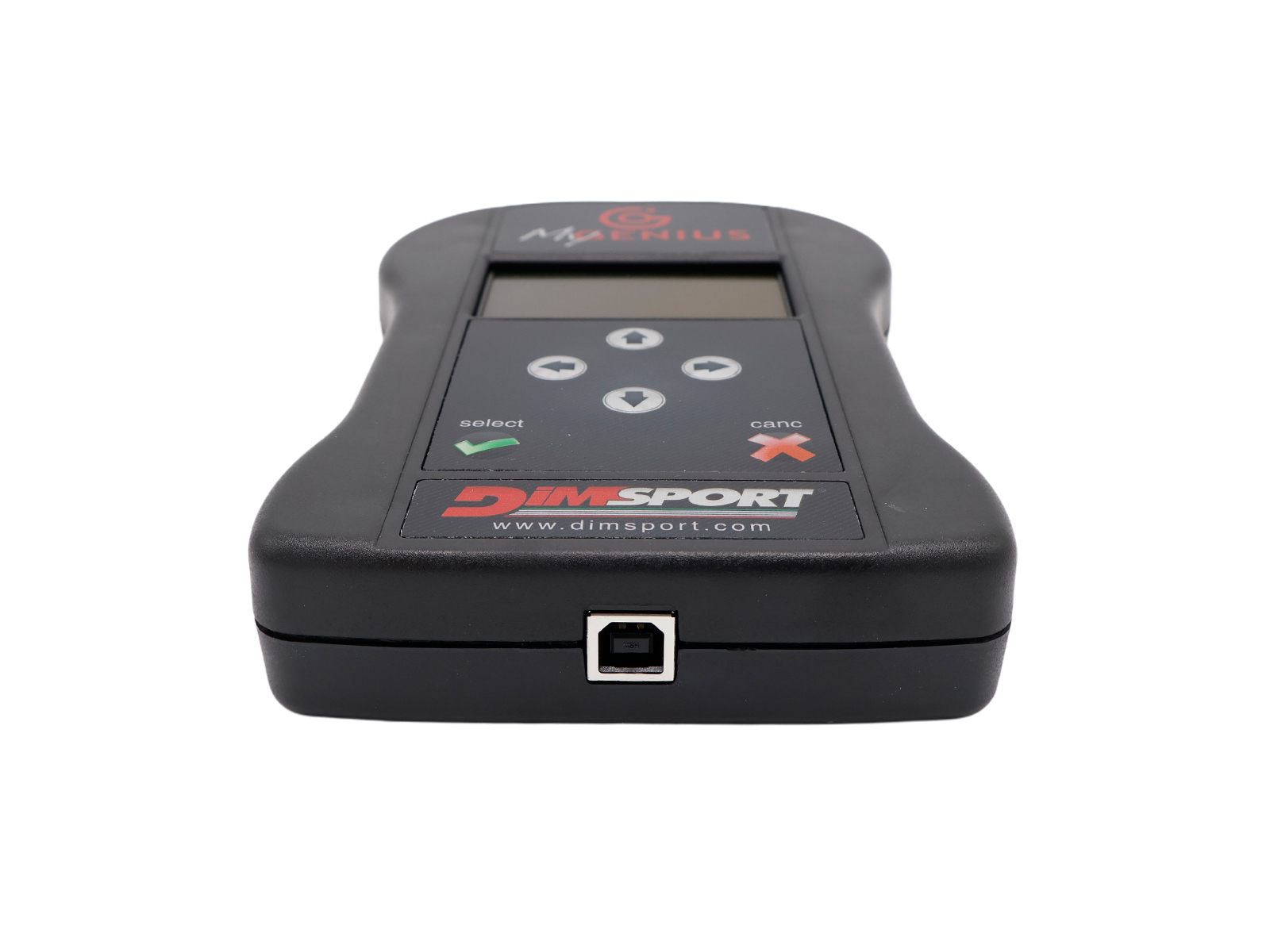
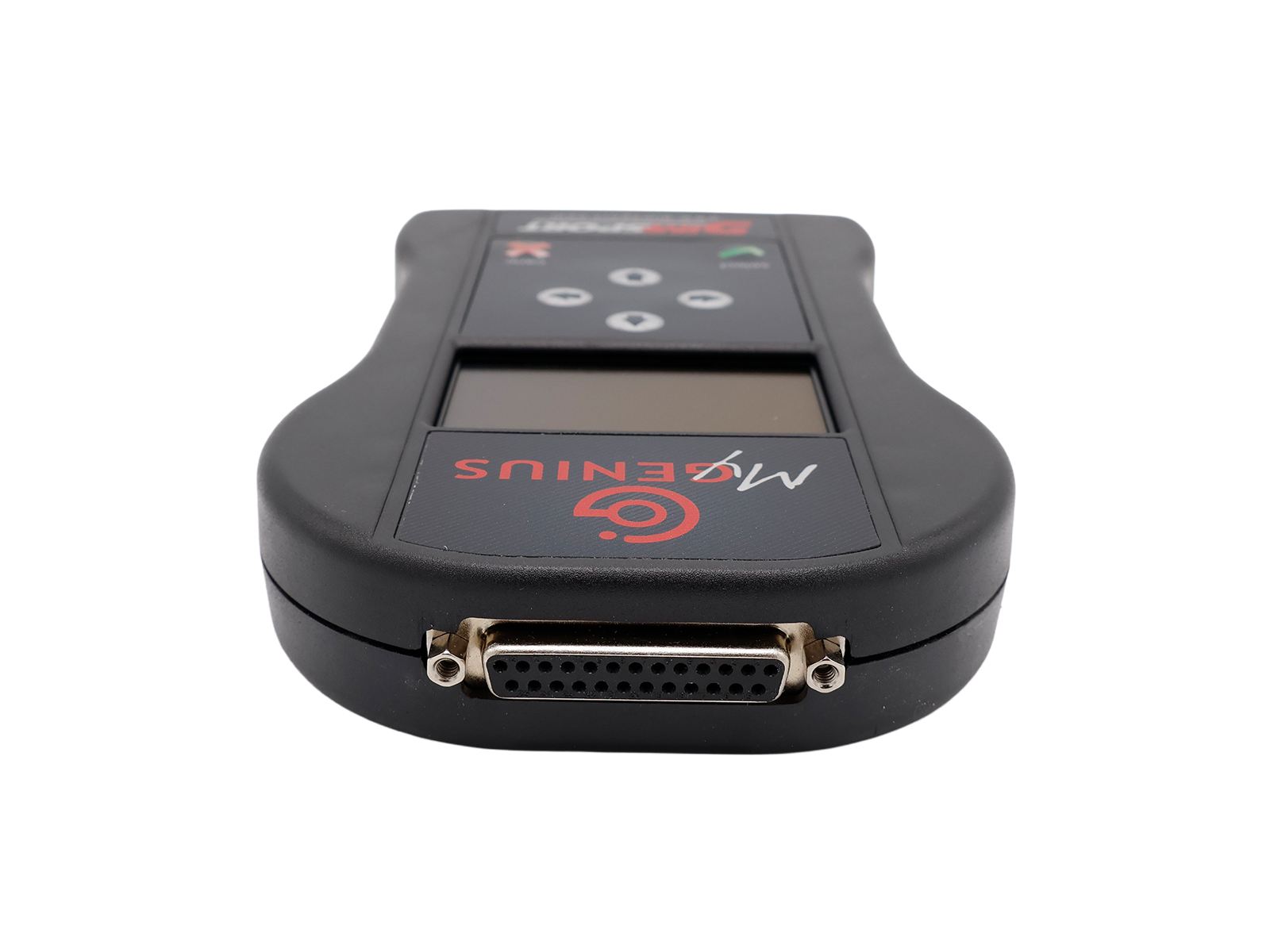
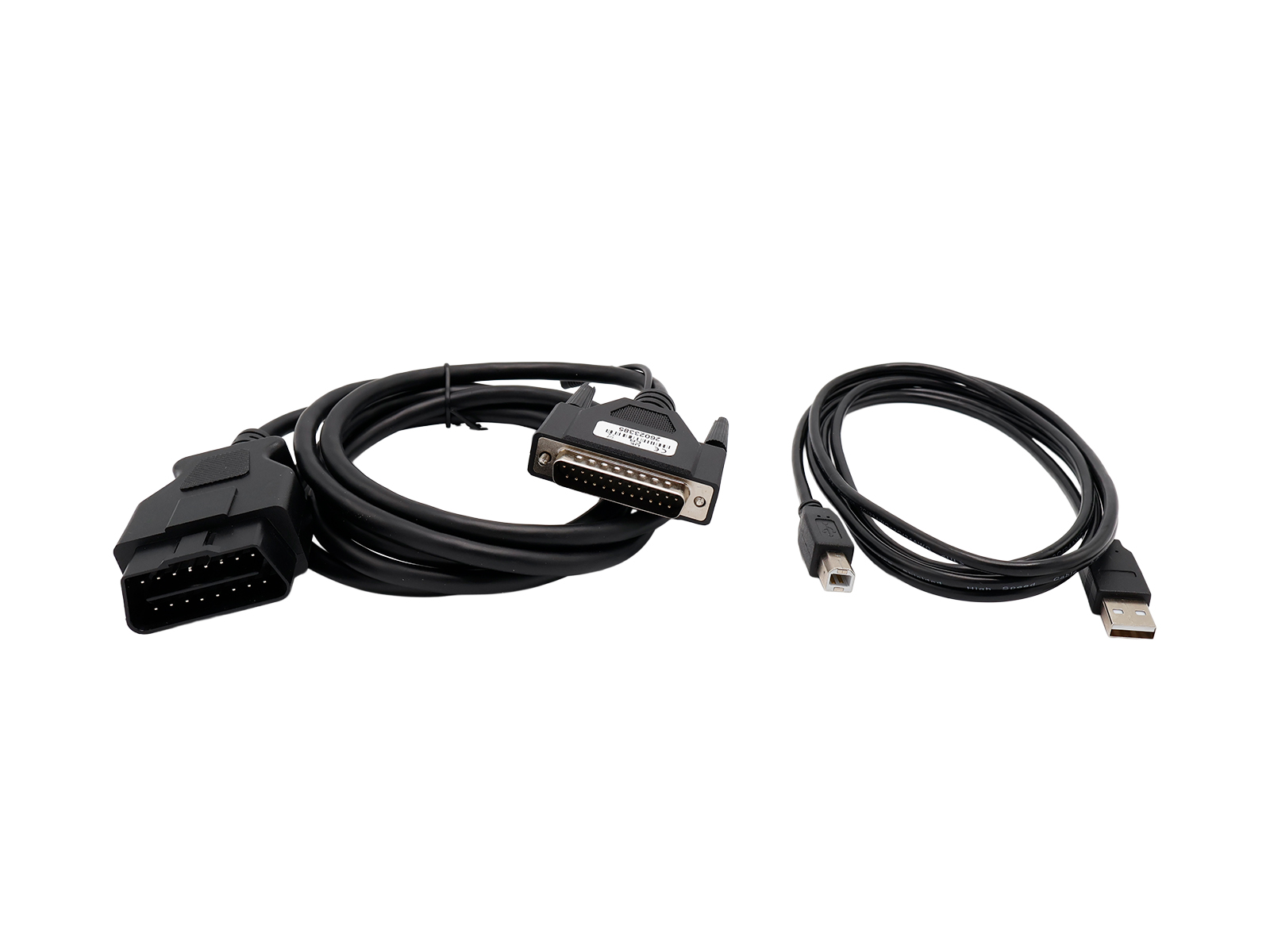
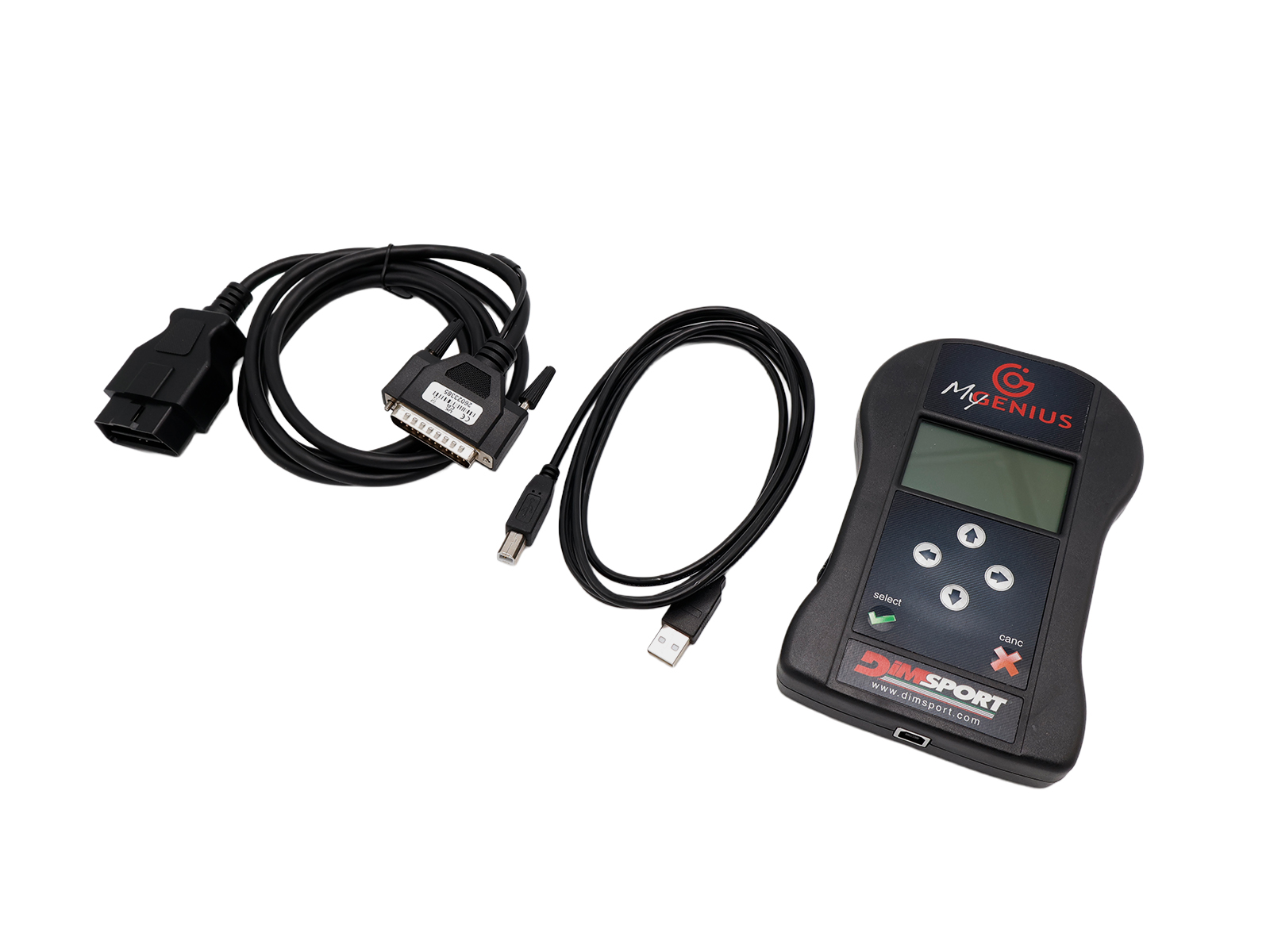
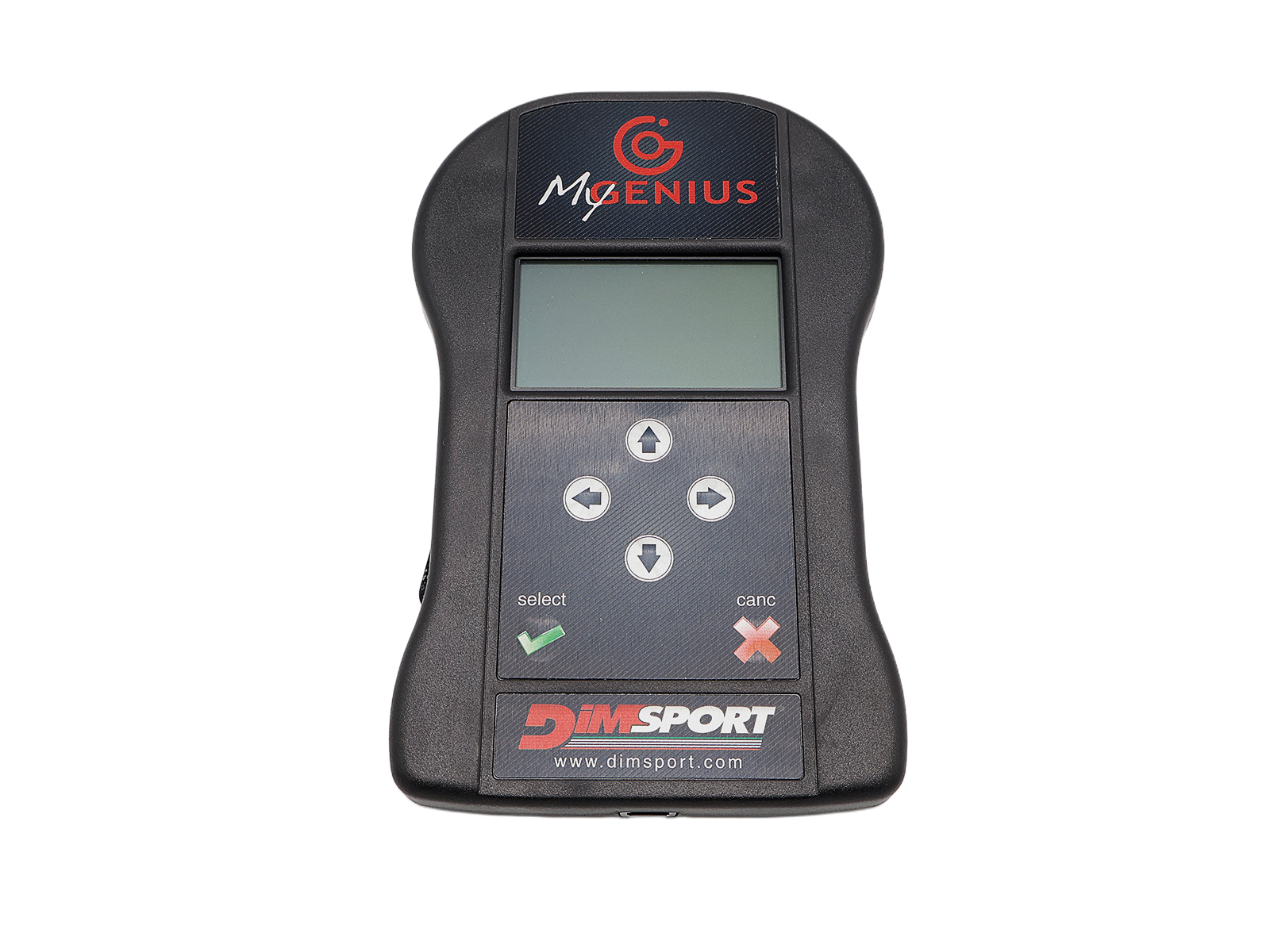
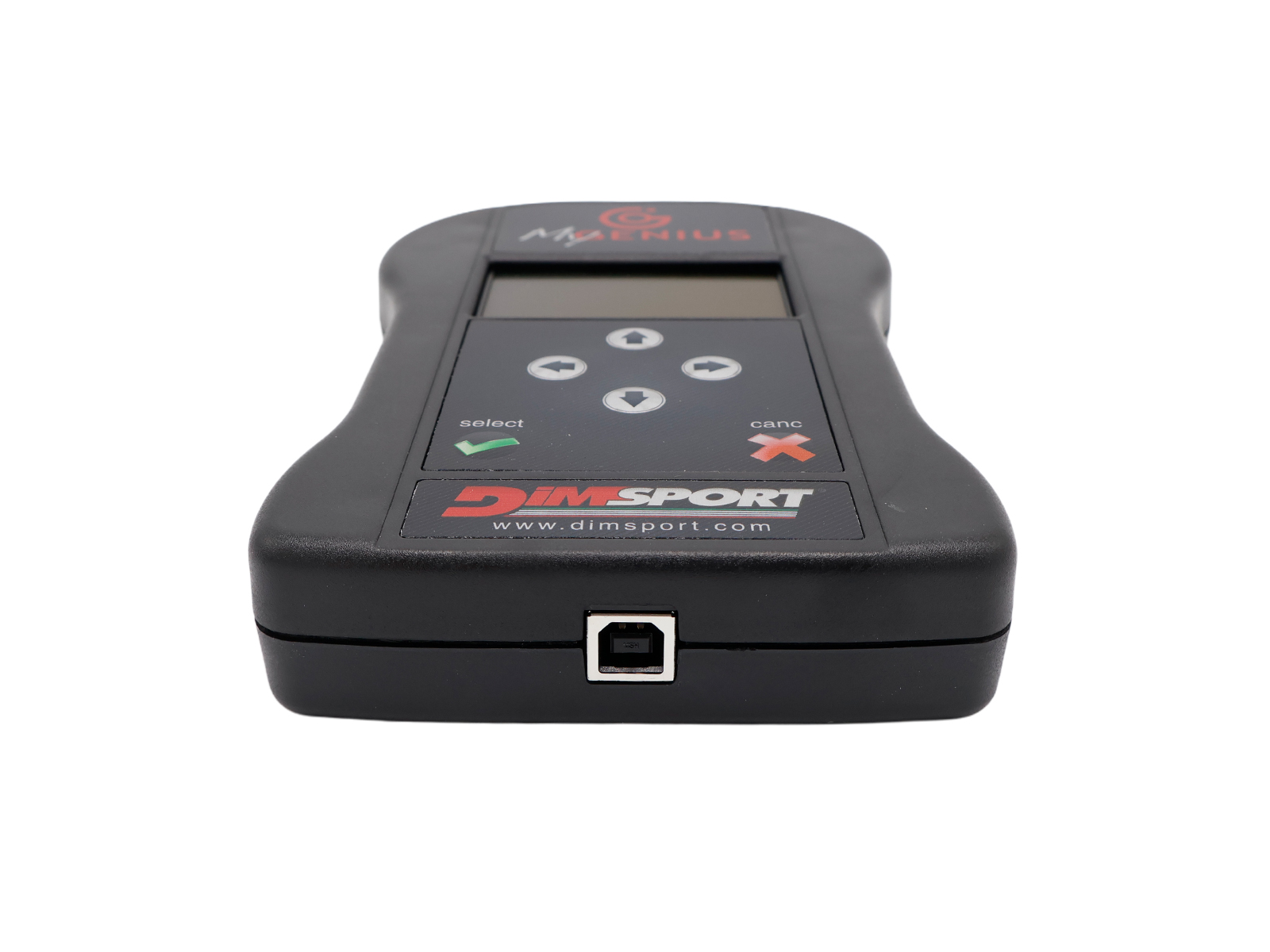
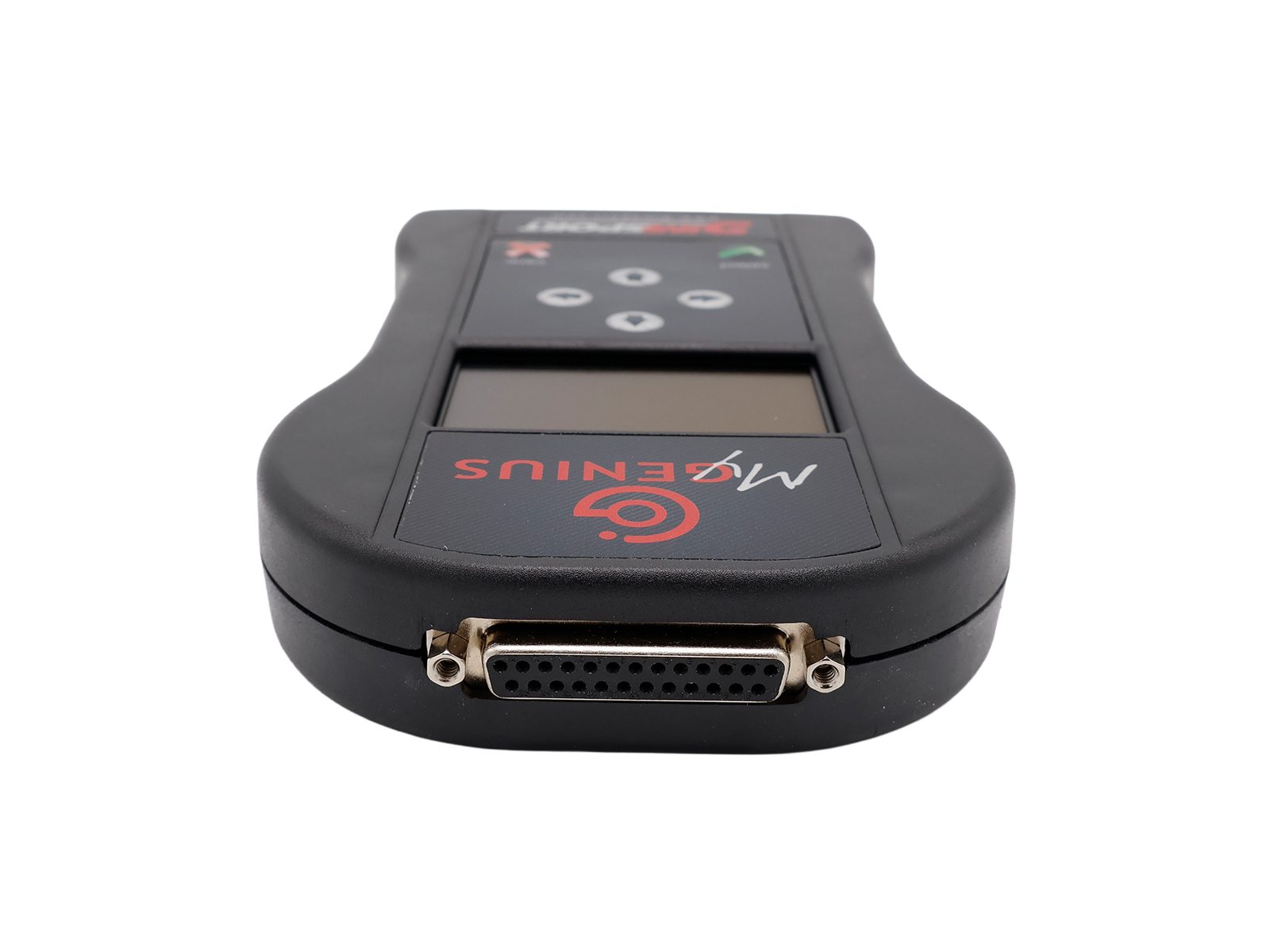
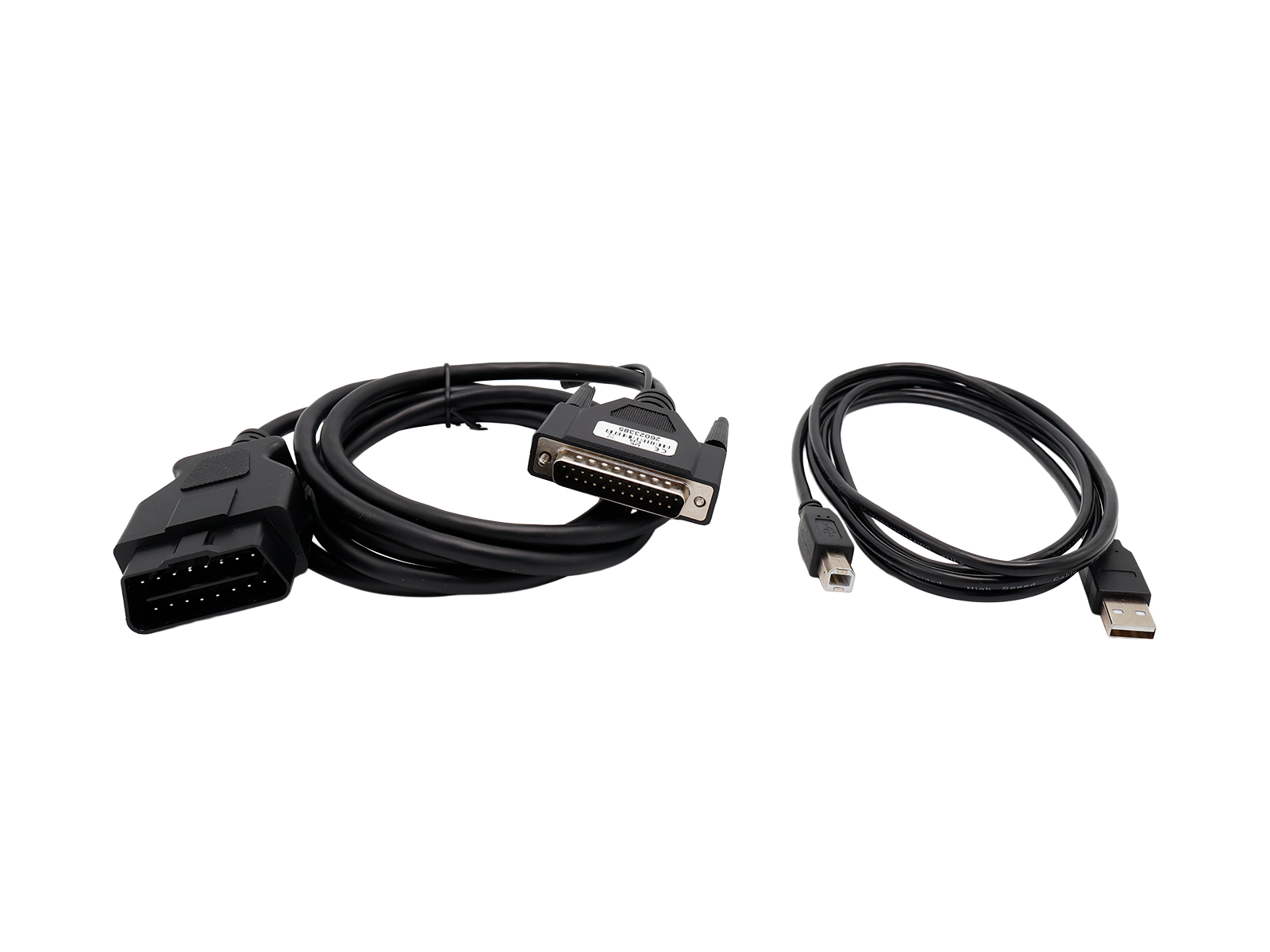
The 996 X50 package is an upgrade from the standard 996 Turbo to include the bigger K24 turbos and GT2 intercoolers and now works with the Turbo S Model. This car is making 450hp at the crank from the factory. Much like the GT2, these bigger turbos still have more to give. Softronic can flash the stock ECU to gain another 40 horsepower and 50ft/lbs of torque to the crank.
Stock Power - 450HP and 457ft/lbs
Tuned Power - 490HP and 507ft/lbs
Softronic flashes all the Porsche 996 cars through the OBDII port. With their Flasher Client software, they are reading a full 1mb of the file to completely tune the ECU. Other companies claim to be able to do this, but are only read 128kb and making global changes. The ECU flash will alter your boost, fuel, and timing maps to give you a very linear increase over stock. The stock 996 Turbo X50 makes about .8 - .9 bar of boost. Once flashed, the car will pull harder in all gears at 1.1 - 1.2 bar of boost. Softronic tunes using the factory knock and oxygen sensors to ensure you get the best map the first time. Basic bolt on modifications like Diverter Valves, Exhaust, and Intake do not require the re-reflash of the ECU, they only bring out further performance of the vehicle. For those worried about check engine lights, there are none! For those running a high flow cat exhaust systems or straight pipes, Softronic raises the O2 levels which will eliminate any CEL's. Once the car is flashed, the turbos will come on much quicker and the car will pull harder to redline. The overall improvement of drivability makes the 996 Turbo X50 even more fun then it was originally. Since warranty is always a concern, Softronic also provides you with your original file. With this original file you can flash your car back to stock at any point. If you go to the dealer, there will be nothing visible through the Porsche PIWIS system. Softronic can program your vehicle no matter what country you are from or what octane you use. We have different maps for those running 91 octane or 93 octane and higher.
What are the benefits/functions of going with Softronic compared to the competition?
Softronic does not require the removal of your ECU from the car. There is no down time at all.
Your car can be flashed at your convenience from the comfort of your own garage.
Softronic reflashing is done via a Client Cable that is connected to the OBDII port. The customer simply plugs the cable into the car and reads the file with a laptop per the instructions with the cable. Once the file is downloaded, it is emailed to the Softronic secure server where the file is tuned and then emailed back to the client. The client simply uploads the file and they are done. Total process is about 1 hour.
Reflashing is done according to the vehicles octane level of pump gas and modifications are taken into account (Intake, Headers, Exhaust) to enhance power gains.
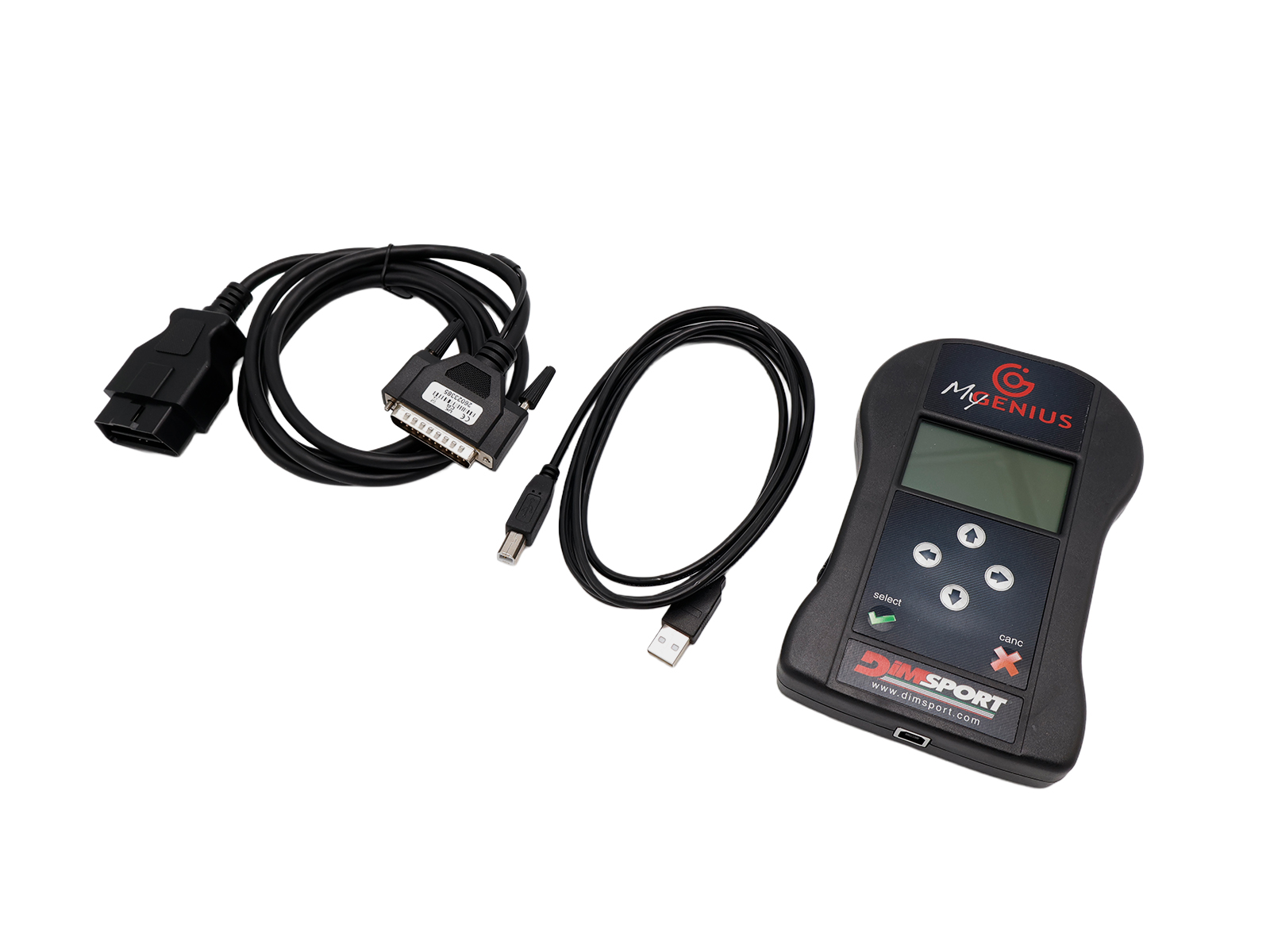
Price includes Tuned file and Software with Cable
For more information CLICK HERE
PLEASE NOTE: Please note that you will be emailed the instructions by Softronic shortly after placing the order with us.
- Porsche 996 TURBO 2000-05
Shop Securely
12 Month Warranty
Worldwide Delivery


Monday-Friday: 8.30am - 5.30pm (GMT)
Saturday: Closed
Sunday: Closed