





Enter your VAT number here and click Verify:
Your details have been verified. VAT number registered to:
,
.
Your order will now be zero rated for VAT purposes. We reserve the right to verify these details after your order request has been made and reinstate VAT if required.
Your VAT details were not recognised or were invalid. Your VAT number must be matched to your Billing Country as specified above. This is currently specified as . You do not need to enter the country code part of your VAT number as this has already been selected in your billing address details above.
The VAT number checking service is currently offline. Please supply your VAT details within the comments or special instructions field below and we will apply a VAT discount after placing your order request.
 OE Match
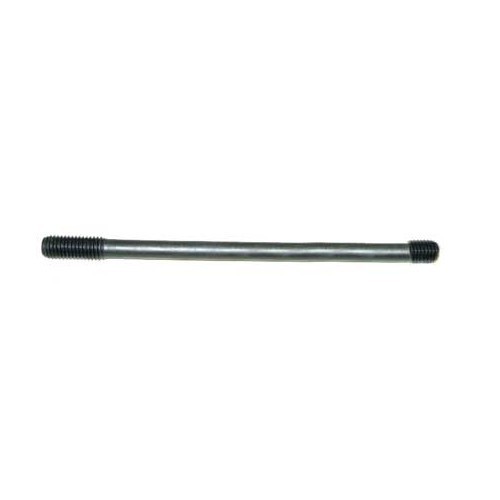
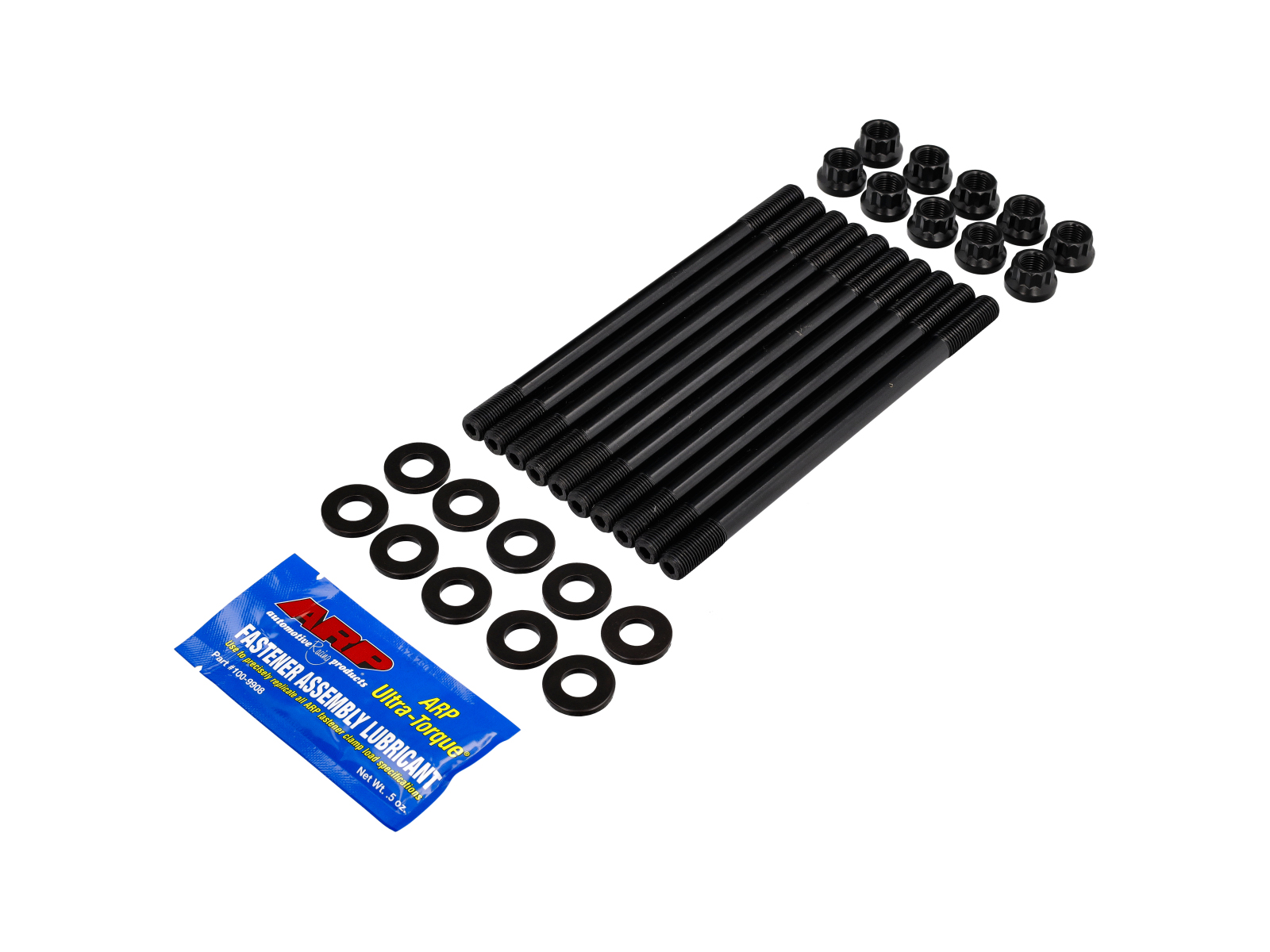
Upper Head / Barrel Stud – Sold Each
12 required except 2.7 Carrera RS where 24 are required (upper and lower)
The Porsche Upper Head / Barrel Stud is a critical engine
fastening component used in Porsche 911 models produced from 1973 to 1989. This
stud forms part of the cylinder head retention system that secures the engine
cylinders (barrels) and cylinder heads firmly to the crankcase, maintaining the
precise clamping force required for reliable engine operation.
Fits:
- Porsche 911 1973 2.7L RS LWB (F)
- Porsche 911 1974-1977 2.7L / 1976-77 3.0 Carrera
- Porsche 911 1978-1983 3.0L / SC
- Porsche 911 1984-1986 3.2L
- Porsche 911 1987-1989 3.2L G50
- Porsche 911 1975-1977 3.0L Turbo (930)
- Porsche 911 1978-1989 3.3L Turbo (930)
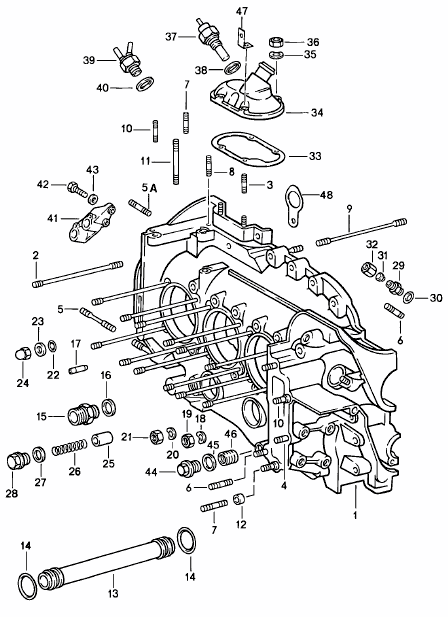
Diagram Ref No 2
Porsche's air-cooled flat-six engines rely on these studs to withstand enormous combustion pressures and continuous thermal expansion cycles. Without adequate clamping force, cylinder sealing can be compromised, leading to compression loss, oil leaks, exhaust gas leakage, and costly engine damage.
For most Porsche 911 models within this period, 12 upper head studs are required. The notable exception is the legendary Porsche 2.7 Carrera RS, which requires a complete set of 24 studs.
Whether you're carrying out a top-end rebuild, complete engine overhaul, or concours restoration, replacing ageing head studs is an important step in maintaining long-term engine reliability.
What Does the Upper Head / Barrel Stud Do?
The upper head stud provides the clamping force that secures the cylinder head and cylinder barrel assembly to the engine crankcase.
Its primary functions include:
- Securing the cylinder heads to the engine case
- Maintaining correct cylinder sealing pressure
- Preserving combustion chamber integrity
- Preventing movement between cylinders and heads
- Supporting stable engine compression
- Maintaining long-term engine reliability
The stud is constantly under tension and plays a crucial role in preserving the structural integrity of the entire engine assembly.
Why Does the Head Stud Fail?
Head studs operate under extreme conditions, being subjected to continuous heat cycles, combustion forces, vibration, and material expansion and contraction.
Common causes of failure include:
- Metal fatigue
- Corrosion and oxidation
- Age-related material degradation
- Thermal cycling stress
- Engine overheating
- Improper torque procedures during previous rebuilds
- High-mileage wear Long-term mechanical loading
Even on well-maintained engines, decades of operation can weaken original studs and reduce their ability to maintain the required clamping force.
Common Symptoms of a Failing Head Stud
A damaged or broken head stud can result in:
- Compression leaks
- Exhaust gas leakage between the cylinder and head
- Ticking noises from the cylinder heads
- Oil seepage around the cylinder base
- Reduced engine performance
- Uneven cylinder sealing
- Failed leak-down test results
- Visible broken studs during valve cover inspection
In some cases, a broken head stud may go unnoticed until routine valve adjustment or engine rebuild work is carried out.
When Should You Replace Head Studs?
Head studs should always be inspected during major engine work and replaced whenever wear, corrosion, or damage is identified.
Replacement is highly recommended:
- During top-end rebuilds
- During complete engine overhauls
- When one or more studs have broken
- During cylinder head refurbishment
- On high-mileage engines
- During preventative restoration projects
- When upgrading engine performance
- Whenever the cylinder heads are removed
Because replacing head studs requires significant engine disassembly, many Porsche specialists recommend replacement while access is available.
Related reference numbers
Related, superseded, cross reference or alternative numbers for comparison.
91110117200
The product you are viewing cross references to these numbers
- Porsche 911 1974-1977 2.7L / 1976-77 3.0 Carrera
- Porsche 911 1978-1983 3.0L / SC
- Porsche 911 1984-1986 3.2L
- Porsche 911 1987-1989 3.2L G50
- Porsche 911 1975-1977 3.0L Turbo (930)
- Porsche 911 1978-1989 3.3L Turbo (930)
 Shop Securely
 12 Month Warranty
 Worldwide Delivery



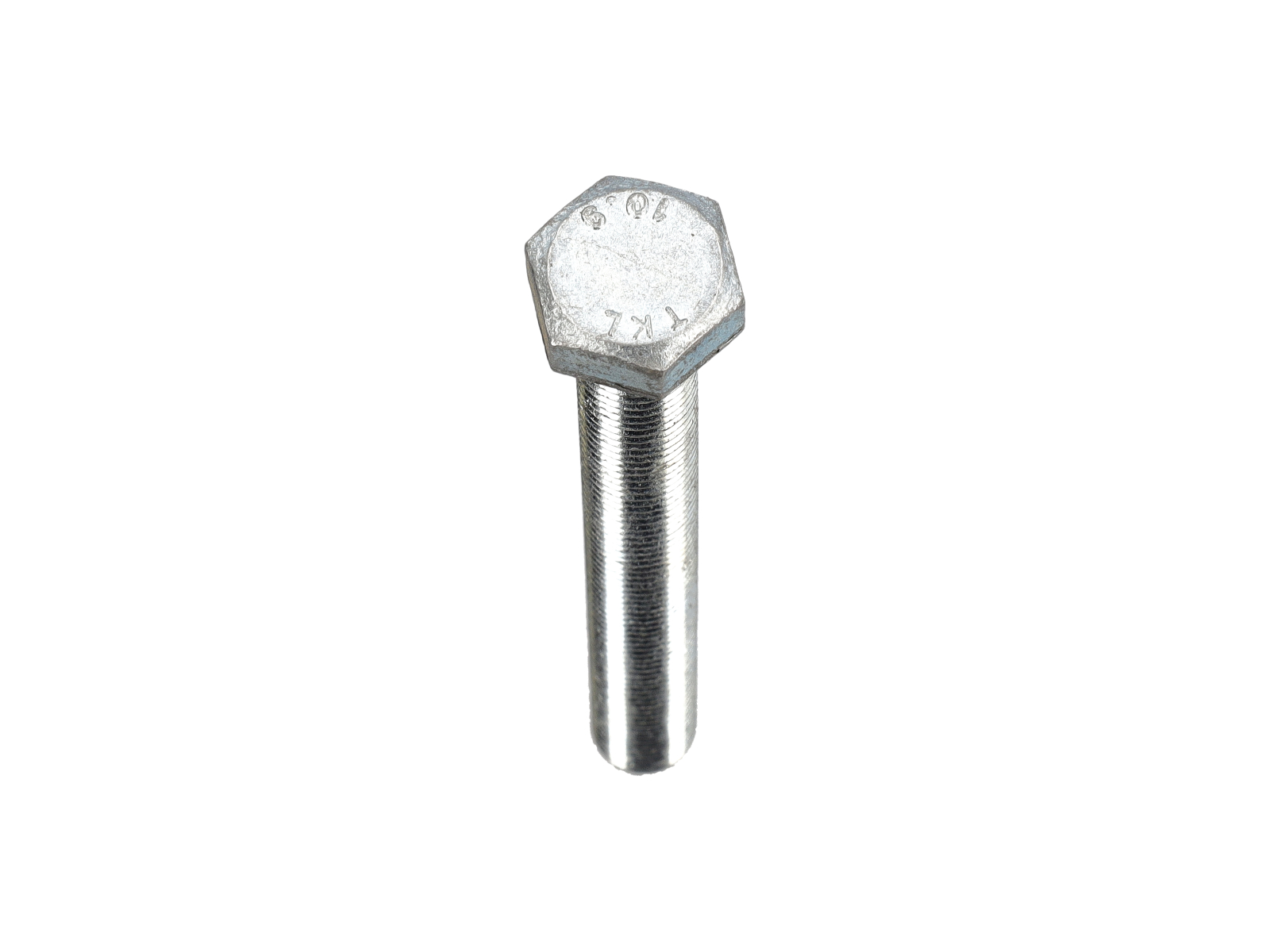
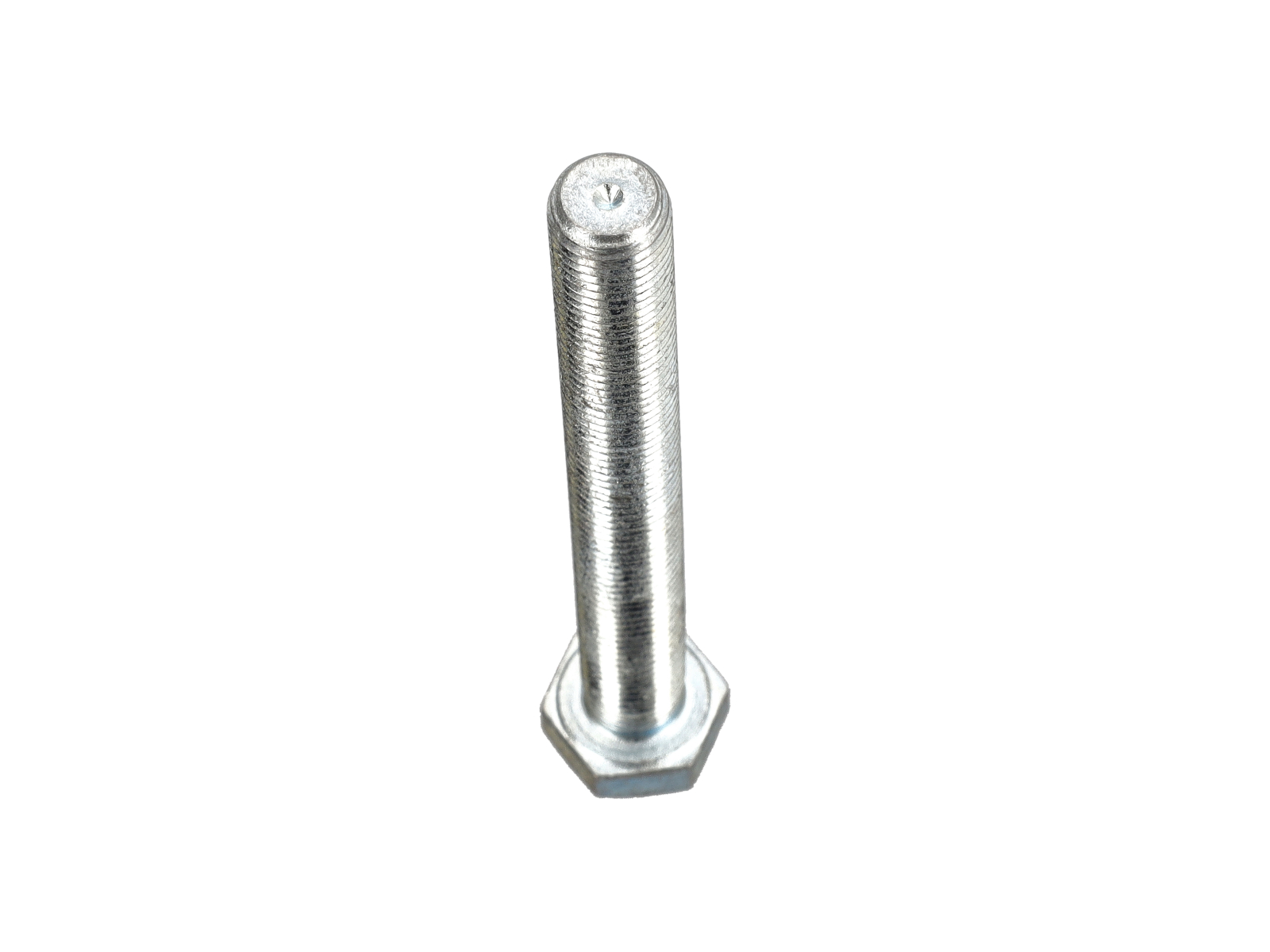
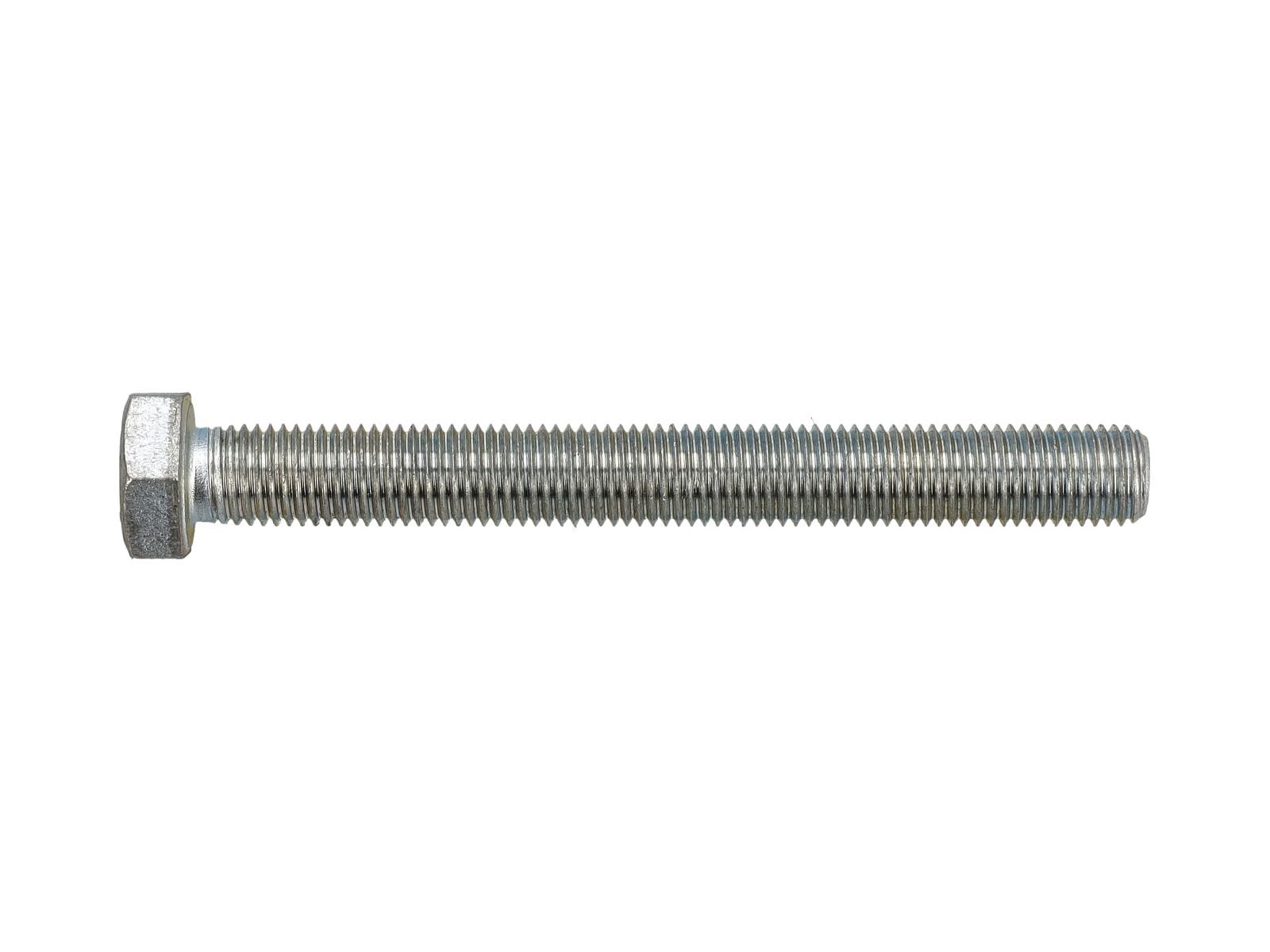
Require 10 per engine. Price is for each.
Fits
Porsche 924S 1986-88
Porsche 944
Related reference numbers
Related, superseded, cross reference or alternative numbers for comparison.
94410119700
The product you are viewing cross references to these numbers
- Porsche 924S 2.5L 1986-87
- Porsche 924S 2.5L 1988
- Porsche 944 2.5L 8V 1982-87
- Porsche 944S 2.5L 16V 1987-88
- Porsche 944 Turbo 2.5L 8V 1985-88
- Porsche 944 Turbo 2.5L 8V 1989-91
- Porsche 944 Turbo S 2.5L 8V 1988
Shop Securely
12 Month Warranty
Worldwide Delivery


Fits
Porsche 924S 2.5L 1986-88
Porsche 944 2.5L M44.52
Related reference numbers
Related, superseded, cross reference or alternative numbers for comparison.
94410119700
The product you are viewing cross references to these numbers
- Porsche 924S 2.5L 1986-87
- Porsche 924S 2.5L 1988
- Porsche 944 2.5L 8V 1982-87
- Porsche 944S 2.5L 16V 1987-88
- Porsche 944 Turbo 2.5L 8V 1985-88
- Porsche 944 Turbo 2.5L 8V 1989-91
- Porsche 944 Turbo S 2.5L 8V 1988
Shop Securely
12 Month Warranty
Worldwide Delivery


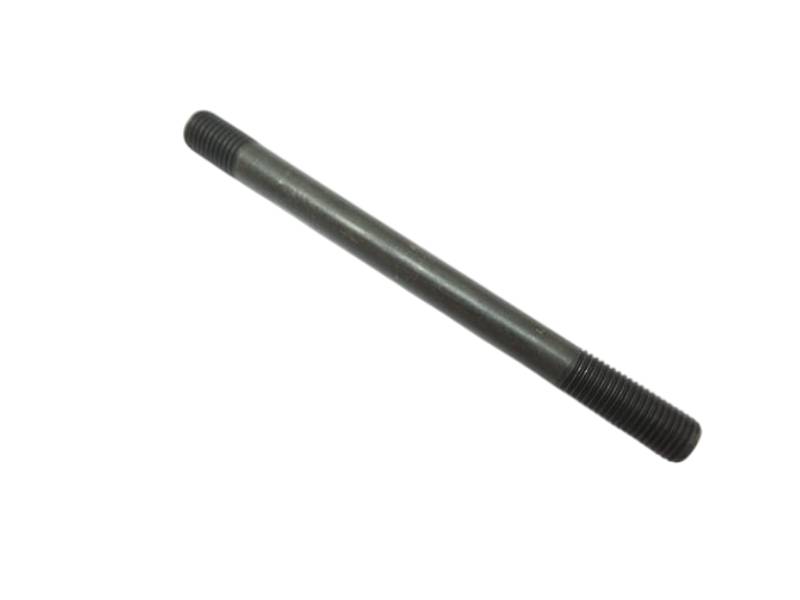
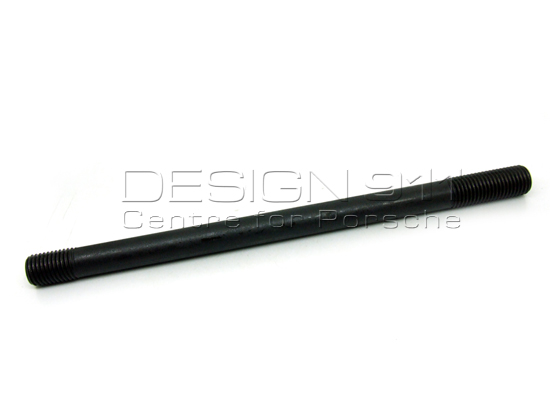
This Item is an Original Porsche Part found by using our original Porsche Part Number Search. If you are ordering parts via this method it is your responsibility to make sure that you enter and purchase the correct products for your vehicle. Please only use the searched product if you are sure of the part numbers as parts cannot be returned if ordered incorrectly.
Related reference numbers
Related, superseded, cross reference or alternative numbers for comparison.
90008214201L
The product you are viewing cross references to these numbers
Shop Securely
12 Month Warranty
Worldwide Delivery


Monday-Friday: 8.30am - 5.30pm (GMT)
Saturday: Closed
Sunday: Closed