




Enter your VAT number here and click Verify:
Your details have been verified. VAT number registered to:
,
.
Your order will now be zero rated for VAT purposes. We reserve the right to verify these details after your order request has been made and reinstate VAT if required.
Your VAT details were not recognised or were invalid. Your VAT number must be matched to your Billing Country as specified above. This is currently specified as . You do not need to enter the country code part of your VAT number as this has already been selected in your billing address details above.
The VAT number checking service is currently offline. Please supply your VAT details within the comments or special instructions field below and we will apply a VAT discount after placing your order request.

- Accessories
- Brakes
- Chassis / Bodywork
- Clothing & Gifts
- Electrical & Relays
- Engine Cooling
- Engine Electrical
- Engine Rebuild Parts
- Engine Tuning
- Exhausts
- Exterior Styling / Spoilers
- Gearbox / Transmission
- Heating / Air Conditioning
- Hydraulics
- Incar / Multimedia
- Interior & Accessories
- Lighting
- Mats & Carpets
- Motorsport and Off-Road
- Parts for Other Cars
- Pedal Cluster
- Rubber Seals
- Seats & Seat Belts
- Service Parts
- Special Offer Parts
- Steering Parts
- Suspension & Axle
- Suspension Upgrades
- Tyres
- Wheel Accessories
- Wheels
 OE Match
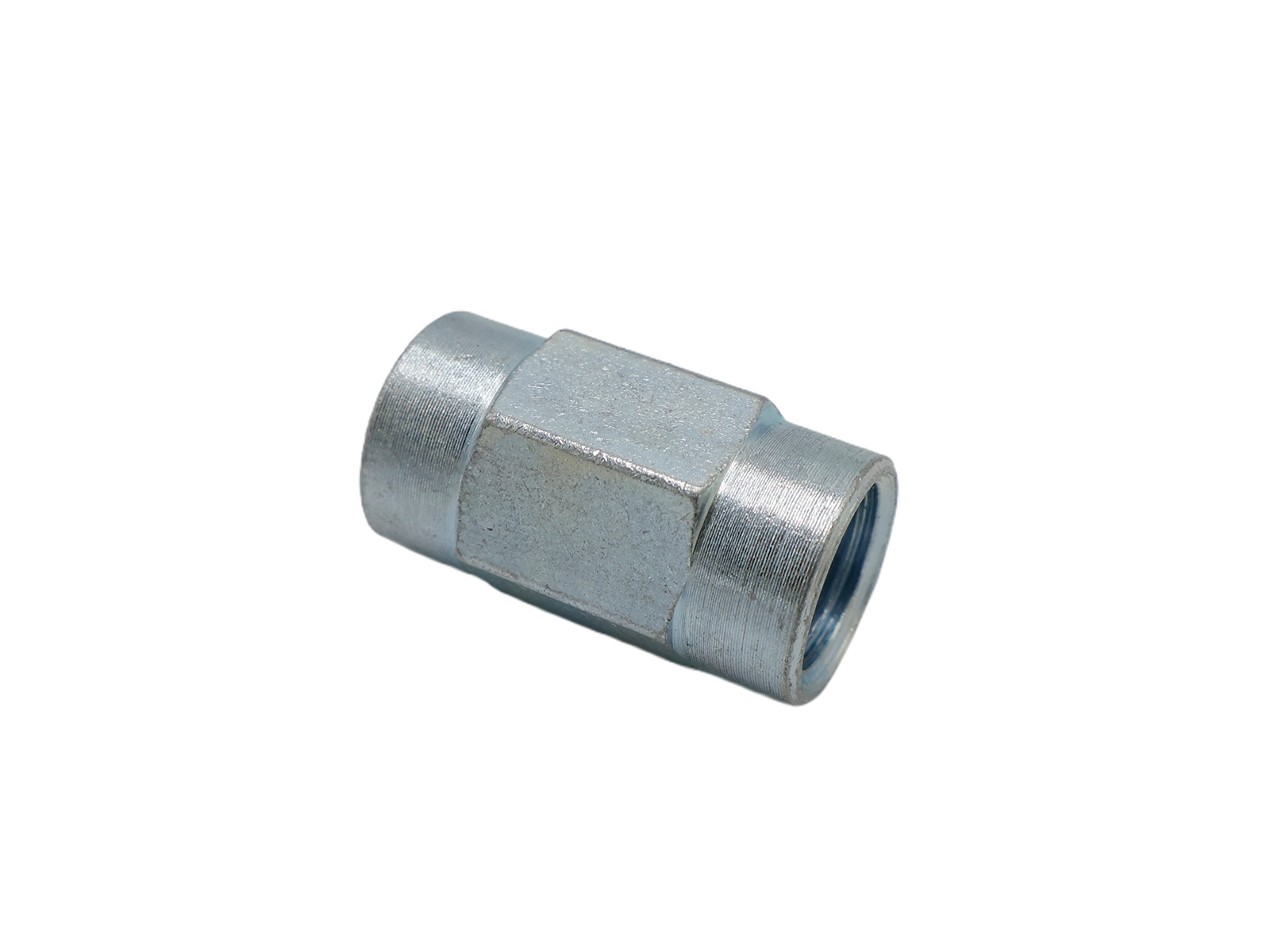
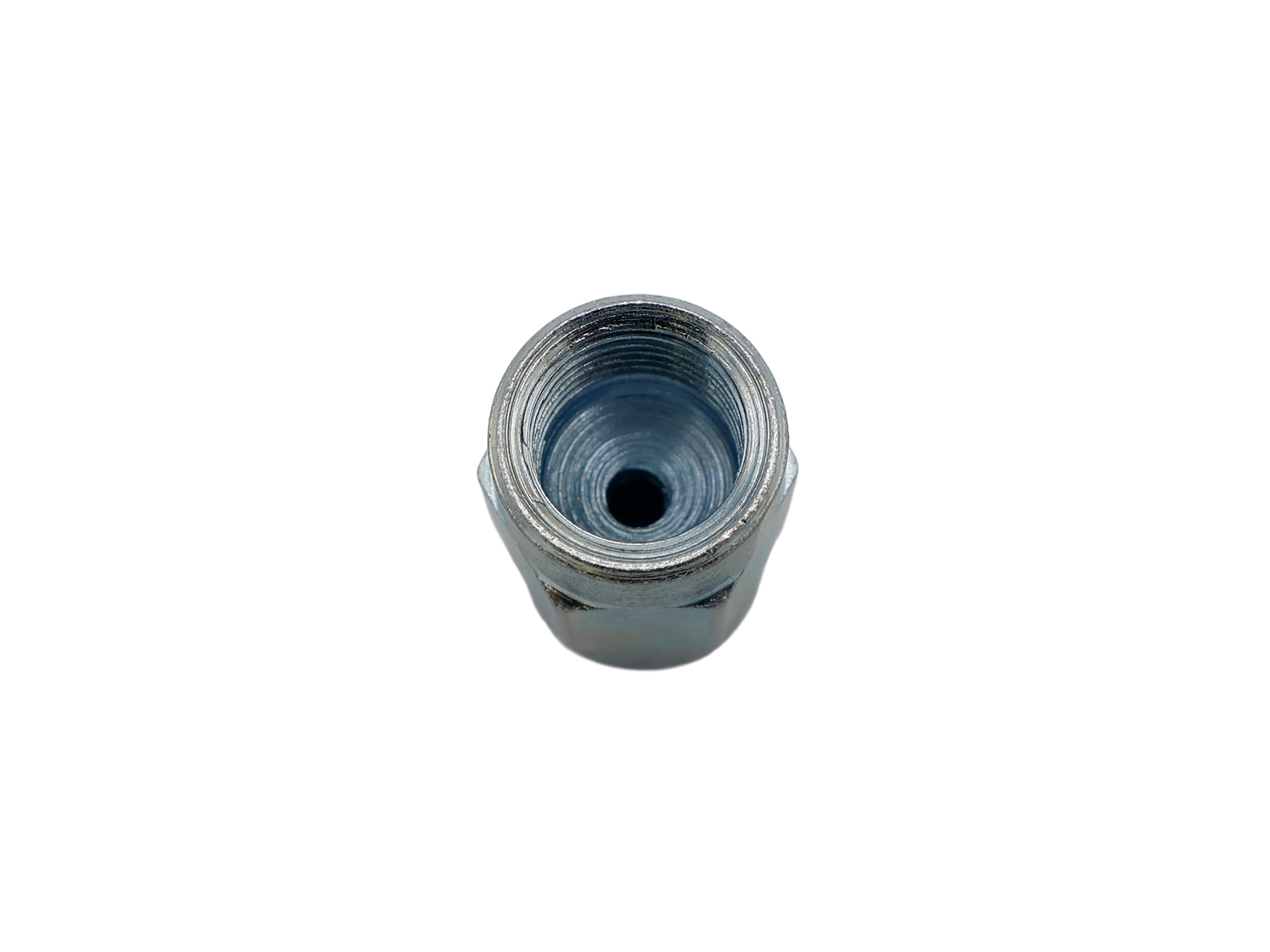
Brake Hose / Line Connection Piece
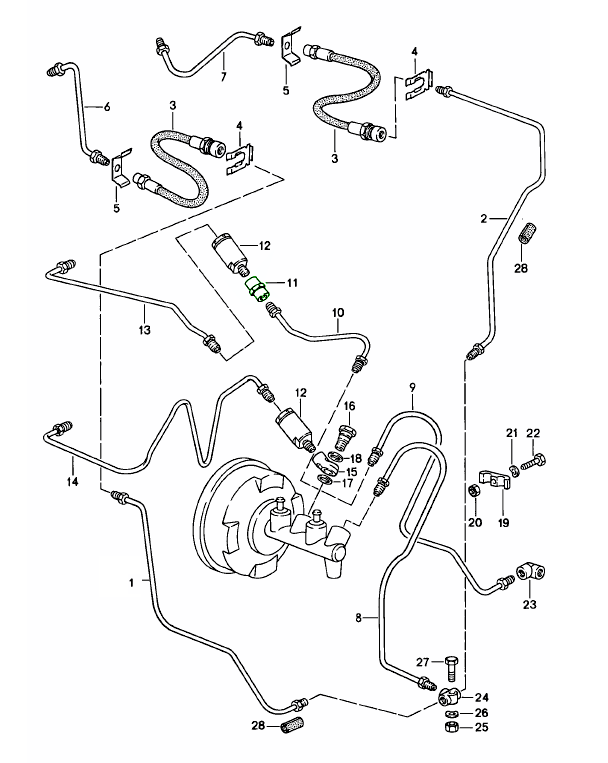
The brake line connector is used within the hydraulic brake
line system, providing the intermediate connection required between the
appropriate brake hose and brake line components.
Fits:
- Porsche 911 1965-1968 2.0L / 912 SWB (F)
- Porsche 911 1968-1973 2.2L / 2.4L / 2.7L RS LWB (F)
- Porsche 911 1974-1977 2.7L / 1976-77 3.0 Carrera
- Porsche 911 1978-1983 3.0L / SC
- Porsche 911 1984-1986 3.2L
- Porsche 911 1987-1989 3.2L G50
- Porsche 911 1975-1977 3.0L Turbo (930)
- Porsche 911 1978-1989 3.3L Turbo (930)
- Porsche 356A 1955-59
- Porsche 356B 1959-63
- Porsche 356C 1963-65
- Porsche 914 (1970-1976)
Diagram ref no 11
Although small, this connection piece forms an important part of the hydraulic braking system. A secure, correctly sealed connection helps maintain brake fluid pressure between the rigid brake pipe and associated hydraulic components.
What Does the Brake Hose / Line Connection Piece Do?
The connection piece provides a secure joining point within the vehicle's hydraulic brake circuit.
When the brake pedal is pressed, hydraulic pressure generated by the master cylinder must travel through the brake pipes and flexible hoses to the brake calipers or wheel cylinders. Every connection within this system must remain securely sealed to prevent loss of brake fluid and hydraulic pressure.
Why Is It Important?
The braking system relies on a closed hydraulic circuit. Even a relatively small leak at a brake line connection can result in fluid loss and reduced braking effectiveness.
A correctly fitted connection piece helps:
- Provide a secure brake hose/line connection
- Maintain the integrity of the hydraulic brake circuit
- Prevent brake fluid leakage at the joint
- Maintain correct factory brake line routing
- Provide the correct connection when replacing brake pipes or hoses
- Restore the original brake system during a classic Porsche restoration
Because it forms part of a safety-critical hydraulic system, the fitting and surrounding brake lines should always be inspected carefully during brake servicing.
Why Does It Fail?
Metal brake fittings can deteriorate after decades of service, particularly on classic Porsche models exposed to moisture, road dirt and road salt.
Common problems include:
- External corrosion
- Damaged or rounded threads
- Seized brake pipe fittings
- Damage during removal of old brake hoses or pipes
- Distorted sealing surfaces
- Previous overtightening
- Cross-threading
- Contamination around the connection
- General deterioration associated with age
Older fittings can also become extremely difficult to separate from the brake pipe after many years in position. Attempting to force a seized connection may damage the fitting or adjoining brake line.
When Should It Be Replaced?
Replacement should be considered if the connection piece is corroded, damaged, seized or no longer provides a reliable hydraulic connection.
It is also sensible to inspect and, where necessary, replace
the fitting when installing:
- New brake hoses
- Replacement rigid brake pipes
- New brake calipers
- Refurbished brake calipers
- A replacement master cylinder
- A completely restored braking system
Any evidence of brake fluid leakage around the connection requires immediate investigation.
Checks and Diagnosis
Before replacing the connection piece, inspect the surrounding braking system carefully.
Check the rigid brake pipe for corrosion or damage and inspect the flexible hose for cracking, swelling, abrasion or deterioration. Check the threads and sealing surfaces of all mating components and look for signs of brake fluid leakage.
If the brake pedal feels unusually soft or requires excessive travel, the complete hydraulic system should be checked rather than assuming the connection piece itself is responsible.
After opening the hydraulic circuit, the brake system must be correctly bled and checked for leaks before the vehicle is returned to use.
Related reference numbers
Related, superseded, cross reference or alternative numbers for comparison.
91435566100
The product you are viewing cross references to these numbers
- Porsche 911 1965-1968 2.0L / 912 SWB (F)
- Porsche 911 1968-1973 2.2L / 2.4L / 2.7L RS LWB (F)
- Porsche 911 1974-1977 2.7L / 1976-77 3.0 Carrera
- Porsche 911 1978-1983 3.0L / SC
- Porsche 911 1984-1986 3.2L
- Porsche 911 1987-1989 3.2L G50
- Porsche 911 1975-1977 3.0L Turbo (930)
- Porsche 911 1978-1989 3.3L Turbo (930)
- Porsche 356A 1955-59
- Porsche 356B 1959-63
- Porsche 356C 1963-65
- Porsche 914 (1970-1976)
 Shop Securely
 12 Month Warranty
 Worldwide Delivery



Fits:
Porsche 955 Cayenne 2003-06
Porsche 957 Cayenne 2007-10
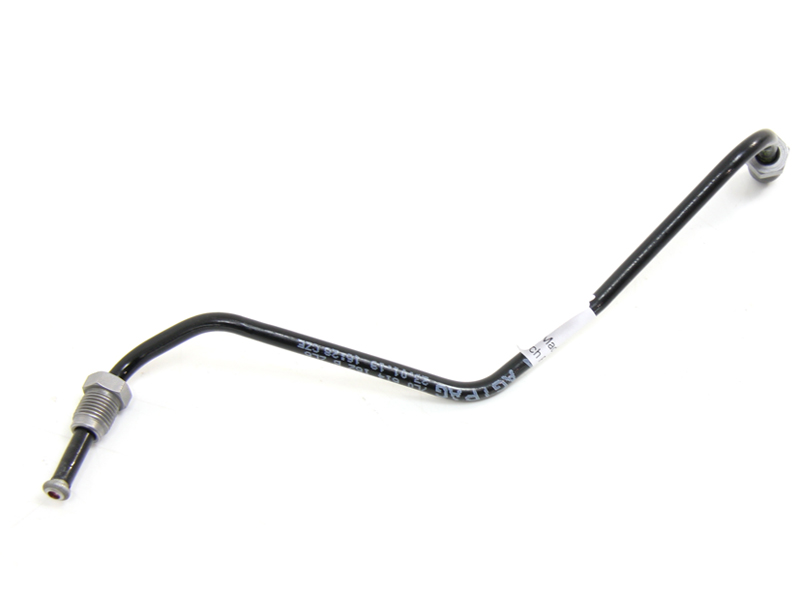
Click 'Zoom in' for large parts diagram.
Diagram ref no 1
Related reference numbers
Related, superseded, cross reference or alternative numbers for comparison.
95535558201
The product you are viewing cross references to these numbers
- Porsche 955 Cayenne 3.2L V6 2003-06
- Porsche 955 Cayenne S 4.5L V8 2003-06
- Porsche 955 Cayenne Turbo 4.5L 2003-06
- Porsche 955 Cayenne Turbo S 4.5L 2006>>
- Porsche 957 Cayenne 3.0L Diesel 2007-10
- Porsche 957 Cayenne 3.6L 2007-10
- Porsche 957 Cayenne S / GTS 4.8L 2007-10
- Porsche 957 Cayenne Turbo / Turbo S 4.8L 2007-10
Shop Securely
12 Month Warranty
Worldwide Delivery

Fits:
Porsche 955 Cayenne 2003-06
Porsche 957 Cayenne 2007-10
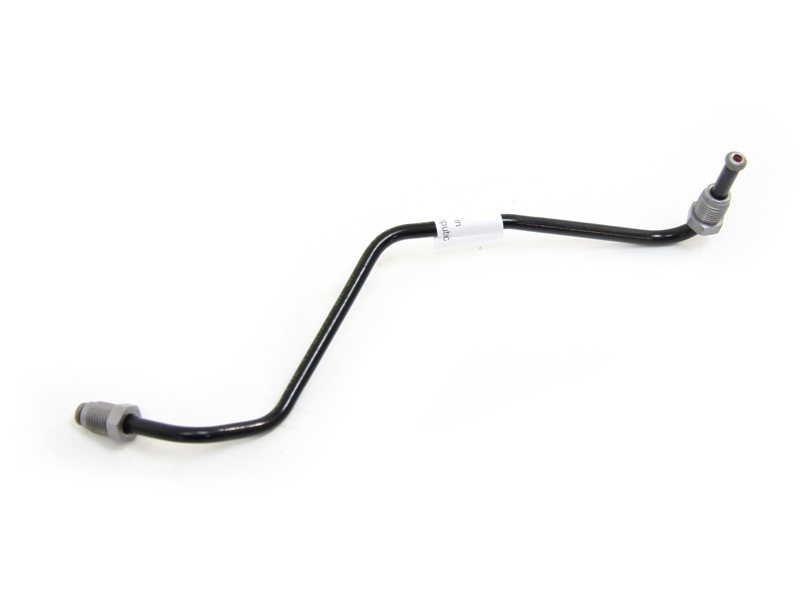
Click 'Zoom in' for large parts diagram.
Diagram ref no 1
Related reference numbers
Related, superseded, cross reference or alternative numbers for comparison.
95535558101
The product you are viewing cross references to these numbers
- Porsche 955 Cayenne 3.2L V6 2003-06
- Porsche 955 Cayenne S 4.5L V8 2003-06
- Porsche 955 Cayenne Turbo 4.5L 2003-06
- Porsche 955 Cayenne Turbo S 4.5L 2006>>
- Porsche 957 Cayenne 3.0L Diesel 2007-10
- Porsche 957 Cayenne 3.6L 2007-10
- Porsche 957 Cayenne S / GTS 4.8L 2007-10
- Porsche 957 Cayenne Turbo / Turbo S 4.8L 2007-10
Shop Securely
12 Month Warranty
Worldwide Delivery

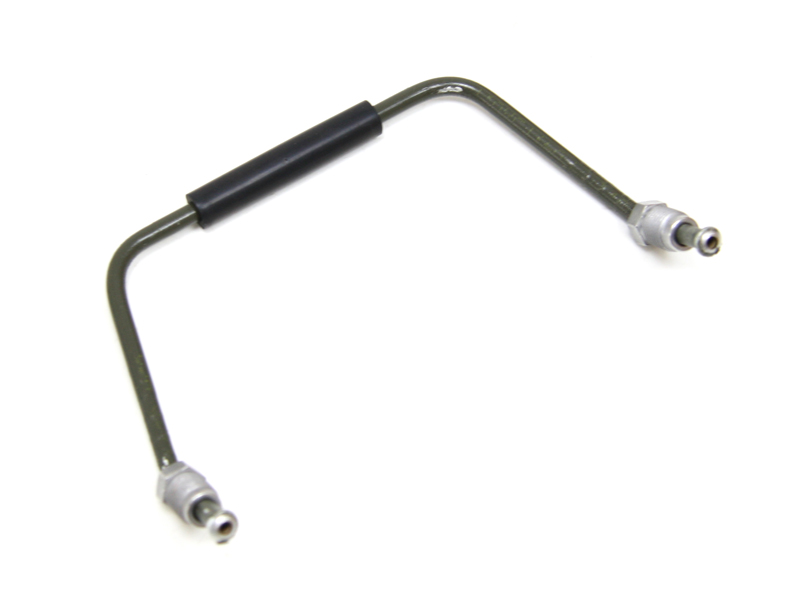
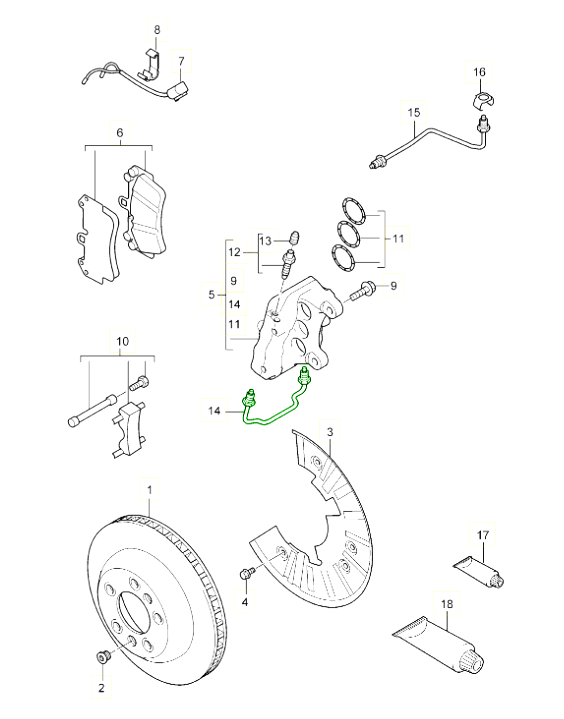
Fits:
Porsche 955 Cayenne 2004>>
For cars with front brake disc diameter 19", brake caliper painted Green (option code 1LK)
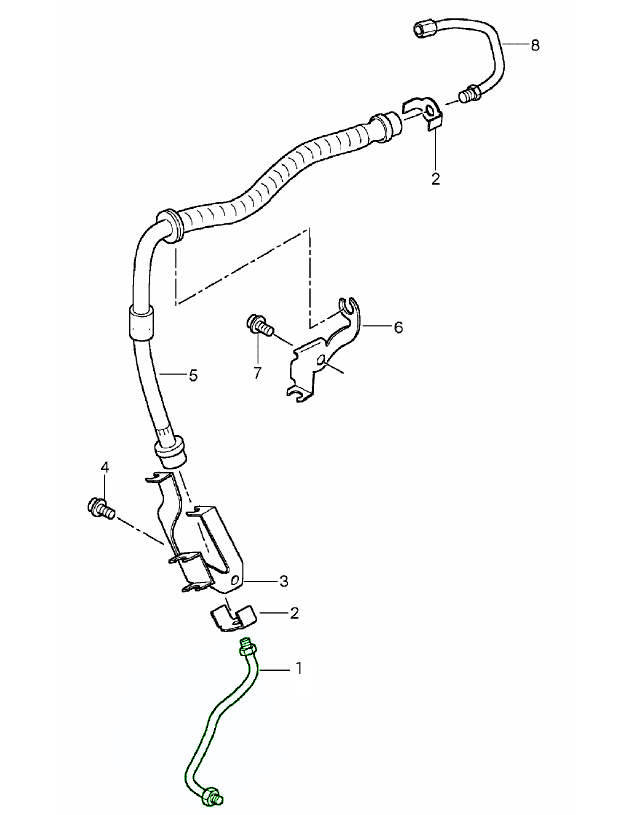
Click 'Zoom in' for large parts diagram.
Diagram ref no 14
Related reference numbers
Related, superseded, cross reference or alternative numbers for comparison.
95535196100
The product you are viewing cross references to these numbers
- Porsche 955 Cayenne 3.2L V6 2003-06
- Porsche 955 Cayenne S 4.5L V8 2003-06
- Porsche 955 Cayenne Turbo 4.5L 2003-06
- Porsche 955 Cayenne Turbo S 4.5L 2006>>
Shop Securely
12 Month Warranty
Worldwide Delivery

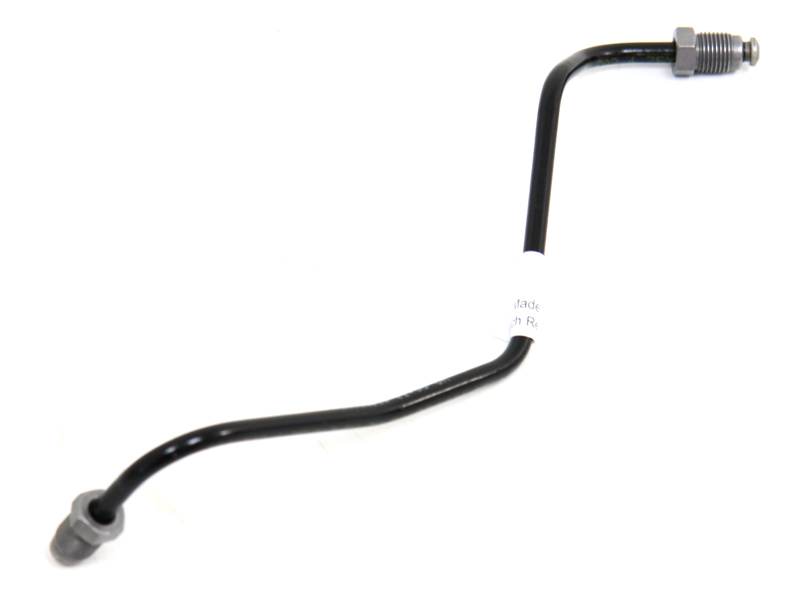
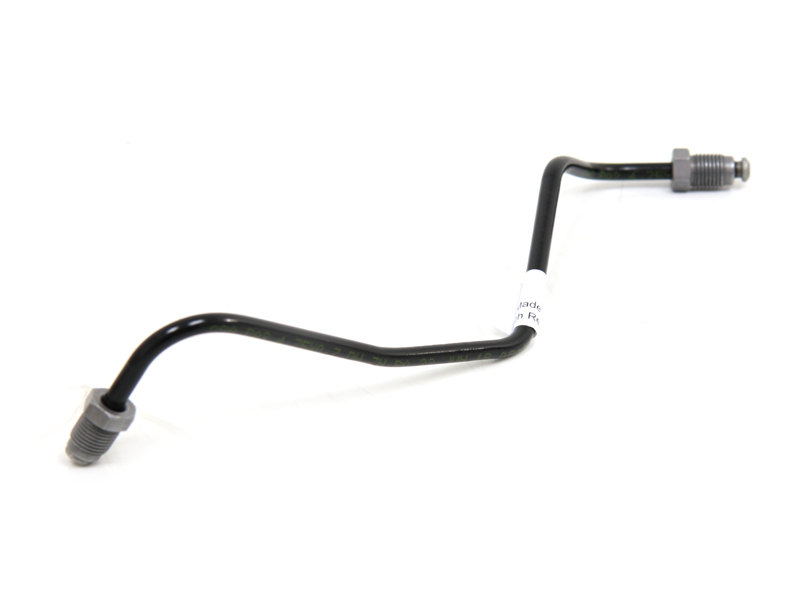
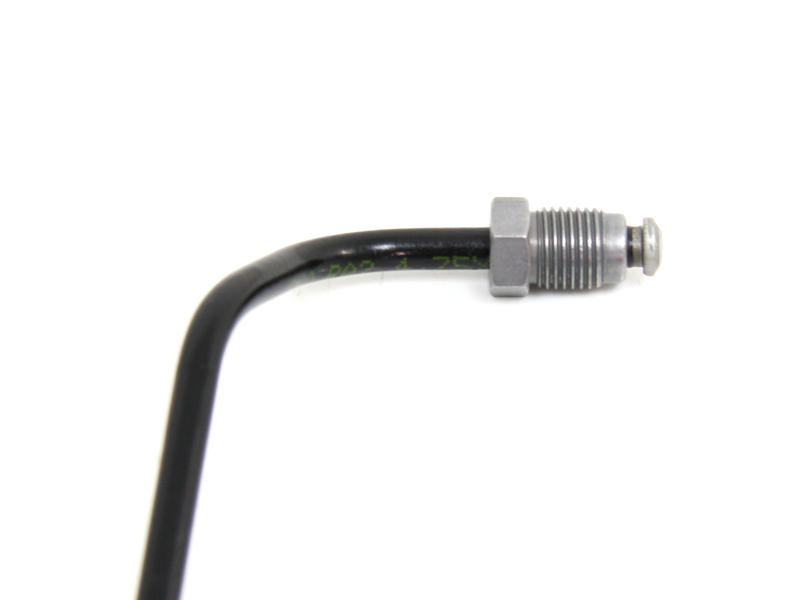
Fits:

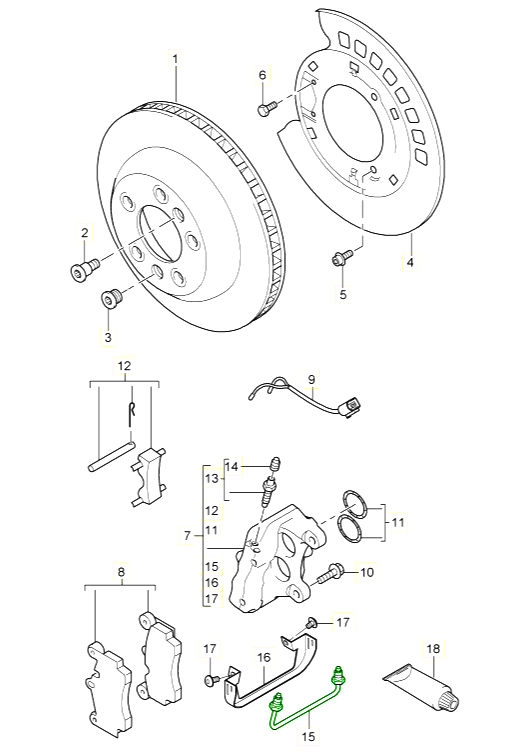
Porsche 955 Cayenne 2003-06
Cars with rear disc diameter 17 inches, brake caliper painted BLACK (option code 1KW) / SILVER (option code: 1KY) / RED (option code: 1KZ)
Porsche 957 Cayenne 2007-10
Cars with rear disc diameter 17 inches, brake caliper painted BLACK (option code: 1KW) / SILVER (option code: 1KY)
Porsche 957 Cayenne GTS 2007-10
Cars with rear disc diameter 17 inches, brake caliper painted RED (option code: 1KZ)
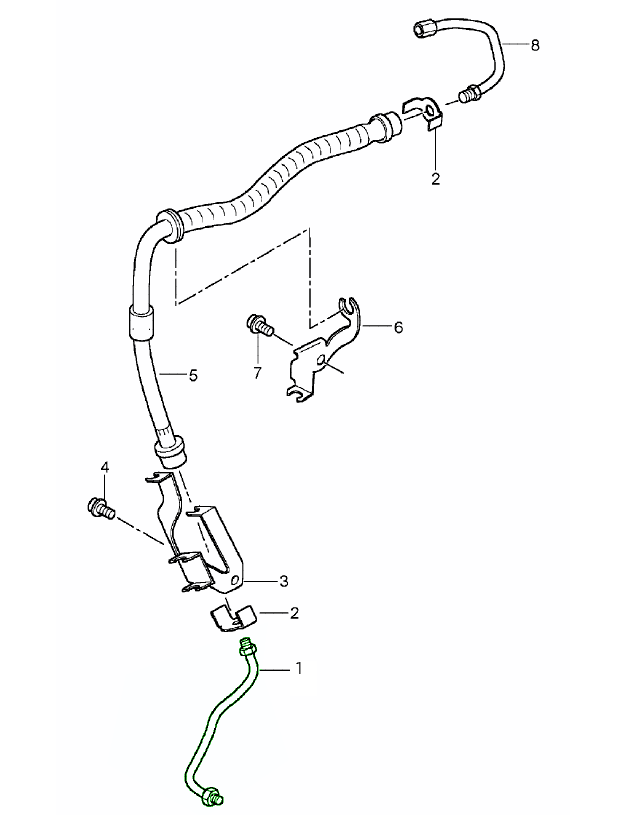
Click 'Zoom in' for large parts diagram.
Diagram ref no 15
Related reference numbers
Related, superseded, cross reference or alternative numbers for comparison.
95535296120
The product you are viewing cross references to these numbers
- Porsche 955 Cayenne 3.2L V6 2003-06
- Porsche 955 Cayenne S 4.5L V8 2003-06
- Porsche 955 Cayenne Turbo 4.5L 2003-06
- Porsche 955 Cayenne Turbo S 4.5L 2006>>
- Porsche 957 Cayenne 3.0L Diesel 2007-10
- Porsche 957 Cayenne 3.6L 2007-10
- Porsche 957 Cayenne S / GTS 4.8L 2007-10
- Porsche 957 Cayenne Turbo / Turbo S 4.8L 2007-10
Shop Securely
12 Month Warranty
Worldwide Delivery


Monday-Friday: 8.30am - 5.30pm (GMT)
Saturday: Closed
Sunday: Closed