



Product Information
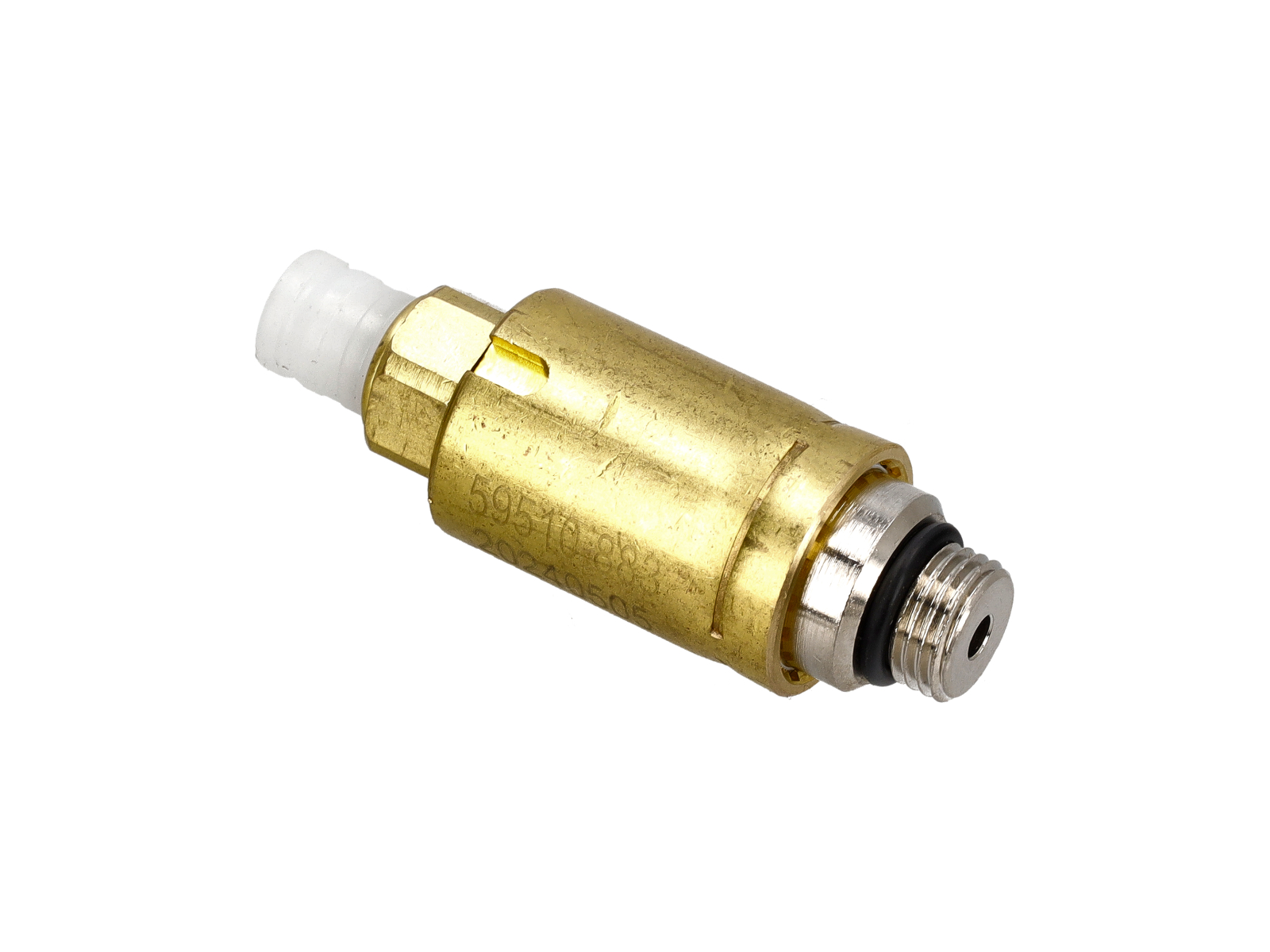
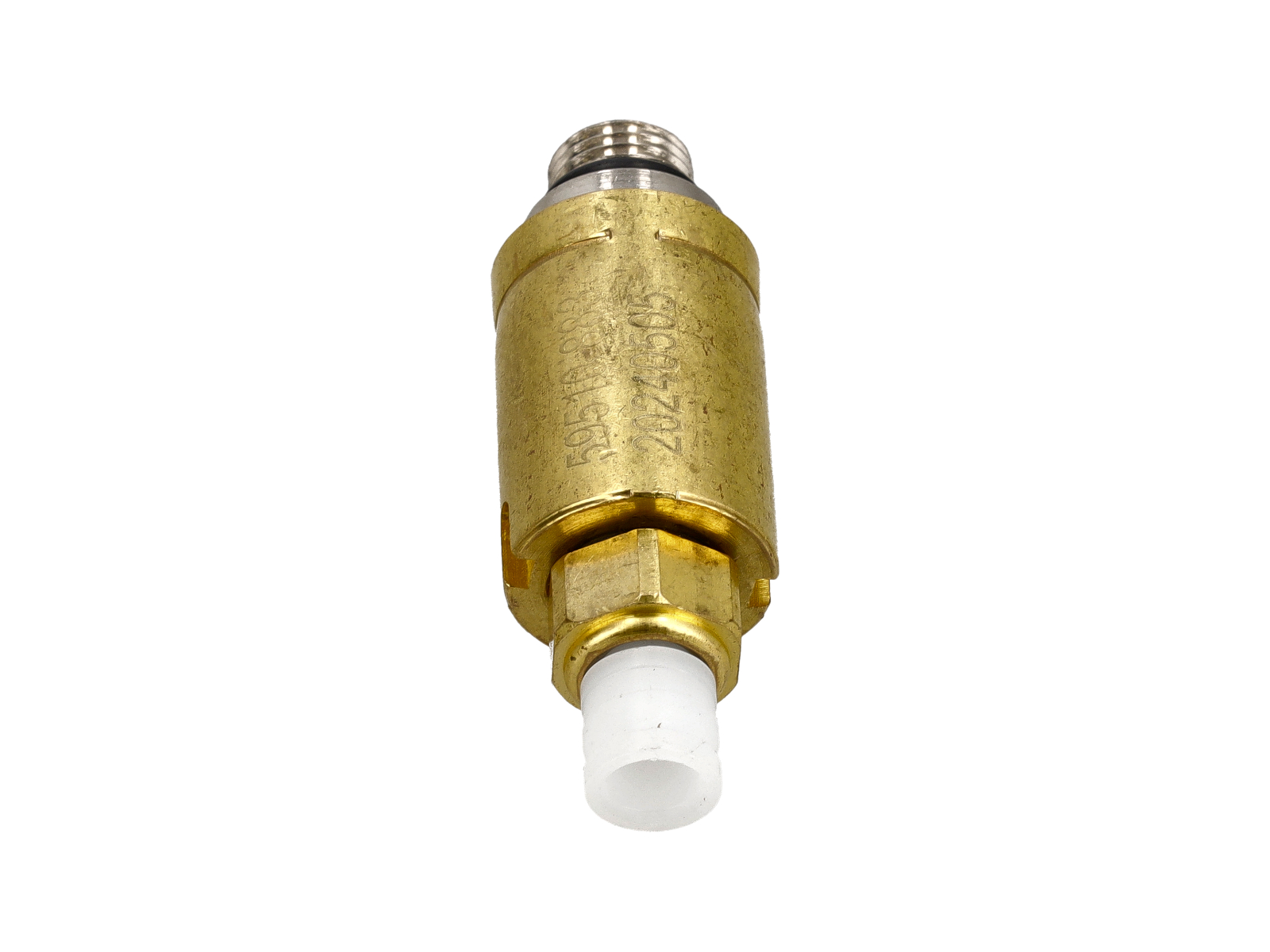
Air Suspension Control Mechanism with Support
Restore correct operation of your Porsche Cayenne air
suspension with this OE Match Air Suspension Control Mechanism with Support. The control mechanism forms part of the air suspension
system responsible for managing the distribution of compressed air to the
suspension. Working alongside the compressor, air springs, pressure system and
electronic controls, it helps the vehicle maintain and adjust its required ride
height.
Fits:
- Porsche 958 Cayenne V6 3.6L Petrol (300Hp) 2010-17
-
Porsche 958 Cayenne V6 3.0L Diesel (245Hp) 2010-17
-
Porsche 958 Cayenne S V6 3.0L Hybrid (380Hp) 2010-17
-
Porsche 958 Cayenne S V8 4.8L Petrol (400Hp) 2010-17
-
Porsche 958 Cayenne S V8 4.2L Diesel (382Hp) 2010-17
-
Porsche 958 Cayenne GTS V8 4.8L Petrol (400Hp) 2010-17
-
Porsche 958 Cayenne Turbo V8 4.8L Petrol (500Hp) 2010-17
-
Porsche 958 Cayenne Turbo S V8 4.8L Petrol (550Hp) 2010-17
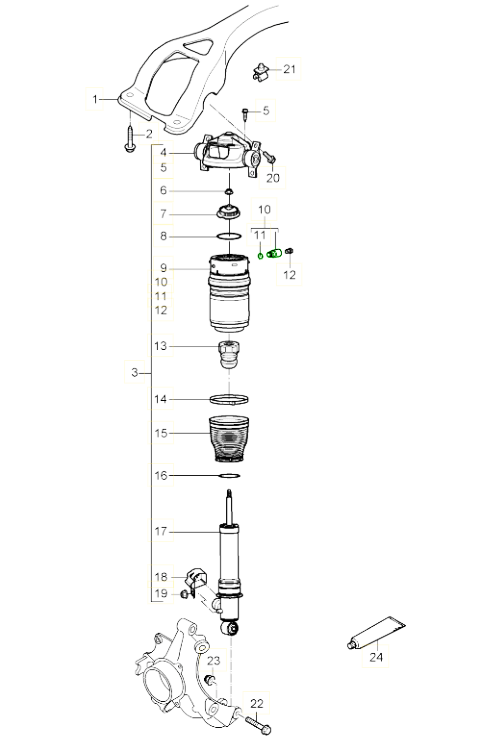
Diagram ref no 4
When the control mechanism develops a fault, the suspension
may become slow to adjust, sit unevenly or fail to maintain the selected ride
height.
What Does the Air Suspension Control Mechanism Do?
The Porsche Cayenne air suspension uses compressed air
rather than conventional steel springs to support the vehicle and alter its
ride height.
The control mechanism manages the flow of compressed air
within the system, allowing air to be directed to or released from the
appropriate suspension circuits as required.
This allows the air suspension system to:
- Raise
and lower the vehicle
- Maintain
the required ride height
- Compensate
for changes in vehicle load
- Control
air distribution within the suspension
- Maintain
balanced suspension operation
- Respond
to commands from the air suspension control system
The supplied support provides the correct mounting
arrangement for the control mechanism.
Why Do Air Suspension Control Mechanisms Fail?
Air suspension components operate under pressure and are
exposed to moisture, road contamination, vibration and repeated operating
cycles.
Over time, internal valves and seals can deteriorate or
become contaminated, preventing the mechanism from controlling airflow
correctly.
Common causes of failure include:
- Internal
valve wear
- Deteriorated
seals
- Moisture
entering the air suspension system
- Dirt
and contamination
- Internal
air leakage
- Corrosion
- Repeated
pressure cycles
- Age
and mileage
- Electrical
faults within the control mechanism
A failing air suspension compressor or leaking air spring
can also place additional demand on other parts of the system, so the complete
air suspension should be checked when diagnosing a fault.
Symptoms of a Faulty Air Suspension Control Mechanism
Problems with the control mechanism can produce a number of
different suspension symptoms, including:
- Vehicle
sitting unevenly
- One
or more corners at the incorrect height
- Suspension
slow to raise or lower
- Vehicle
failing to reach the selected ride height
- Suspension
dropping after the vehicle is parked
- Air
suspension warning messages
- Excessive
compressor operation
- Inconsistent
ride height adjustment
These symptoms can also be caused by leaking air springs,
damaged air lines, height sensors, compressor problems or other system faults.
Correct diagnosis is therefore recommended before replacing the control
mechanism.
When Should It Be Replaced?
Replacement should be considered when the control mechanism
has been diagnosed as faulty or when physical deterioration prevents reliable
operation.
This may include situations where:
- Internal
valves are sticking or leaking
- The
mechanism cannot correctly distribute air
- The
vehicle repeatedly develops uneven ride height
- Diagnostic
testing identifies a control mechanism fault
- Corrosion
or physical damage is present
- Air
suspension operation has become unreliable
- The
unit has been damaged during previous suspension repairs
Unlike conventional service items, the air suspension
control mechanism does not have a fixed replacement interval. It should
normally be replaced when testing confirms failure or deterioration.
Check the Complete Air Suspension System
Air suspension faults can have several possible causes, so
replacing individual components without diagnosis can result in unnecessary
repairs.
When investigating a Porsche 958 Cayenne air suspension
problem, it is worthwhile checking:
- Air
suspension compressor
- Air
springs
- Air
lines and connections
- Ride
height sensors
- Pressure
system
- Electrical
connectors and wiring
- Associated
suspension control components
Air leaks are particularly important to identify because a
leaking system can cause the compressor to operate more frequently, potentially
shortening its service life.
Porsche 958 Cayenne Air Suspension Control & Repair
Components
The air suspension system fitted to the Porsche 958 Cayenne
combines adjustable ride height with automatic load compensation and controlled
suspension operation.
Unlike a conventional steel spring suspension, the system
relies on several interconnected pneumatic and electronic components. The
compressor generates compressed air, while the control system distributes it to
the air springs according to the required vehicle height and operating
conditions.
As these vehicles age, air leaks, worn valves, compressor
problems and sensor faults can cause incorrect ride height or air suspension
warning messages.
Correct diagnosis is particularly important. A Cayenne
sitting low on one corner, for example, does not automatically mean the air
spring itself has failed. The problem may also be associated with air
distribution, pipework, sensors or another part of the control system.
Replacing a faulty air suspension control mechanism with the
correct OE Match component helps restore controlled air distribution and
reliable ride height operation.
Related reference numbersRelated, superseded, cross reference or alternative numbers for comparison.
958698014A 83609004
95835890300
958698014A
The product you are viewing cross references to these numbers