







Enter your VAT number here and click Verify:
Your details have been verified. VAT number registered to:
,
.
Your order will now be zero rated for VAT purposes. We reserve the right to verify these details after your order request has been made and reinstate VAT if required.
Your VAT details were not recognised or were invalid. Your VAT number must be matched to your Billing Country as specified above. This is currently specified as . You do not need to enter the country code part of your VAT number as this has already been selected in your billing address details above.
The VAT number checking service is currently offline. Please supply your VAT details within the comments or special instructions field below and we will apply a VAT discount after placing your order request.

Your Vehicle // Porsche // 997 (911) MK2 2009-2012 // 997 MKII Carrera C2 3.6L 2009-12

- Accessories
- Brakes
- Chassis / Bodywork
- Clothing & Gifts
- Electrical & Relays
- Engine Cooling
- Engine Electrical
- Engine Rebuild Parts
- Engine Tuning
- Exhausts
- Exterior Styling / Spoilers
- Gearbox / Transmission
- Heating / Air Conditioning
- Hydraulics
- Incar / Multimedia
- Interior & Accessories
- Lighting
- Mats & Carpets
- Motorsport and Off-Road
- Parts for Other Cars
- Pedal Cluster
- Rubber Seals
- Seats & Seat Belts
- Service Parts
- Special Offer Parts
- Steering Parts
- Suspension & Axle
- Suspension Upgrades
- Tyres
- Wheel Accessories
- Wheels
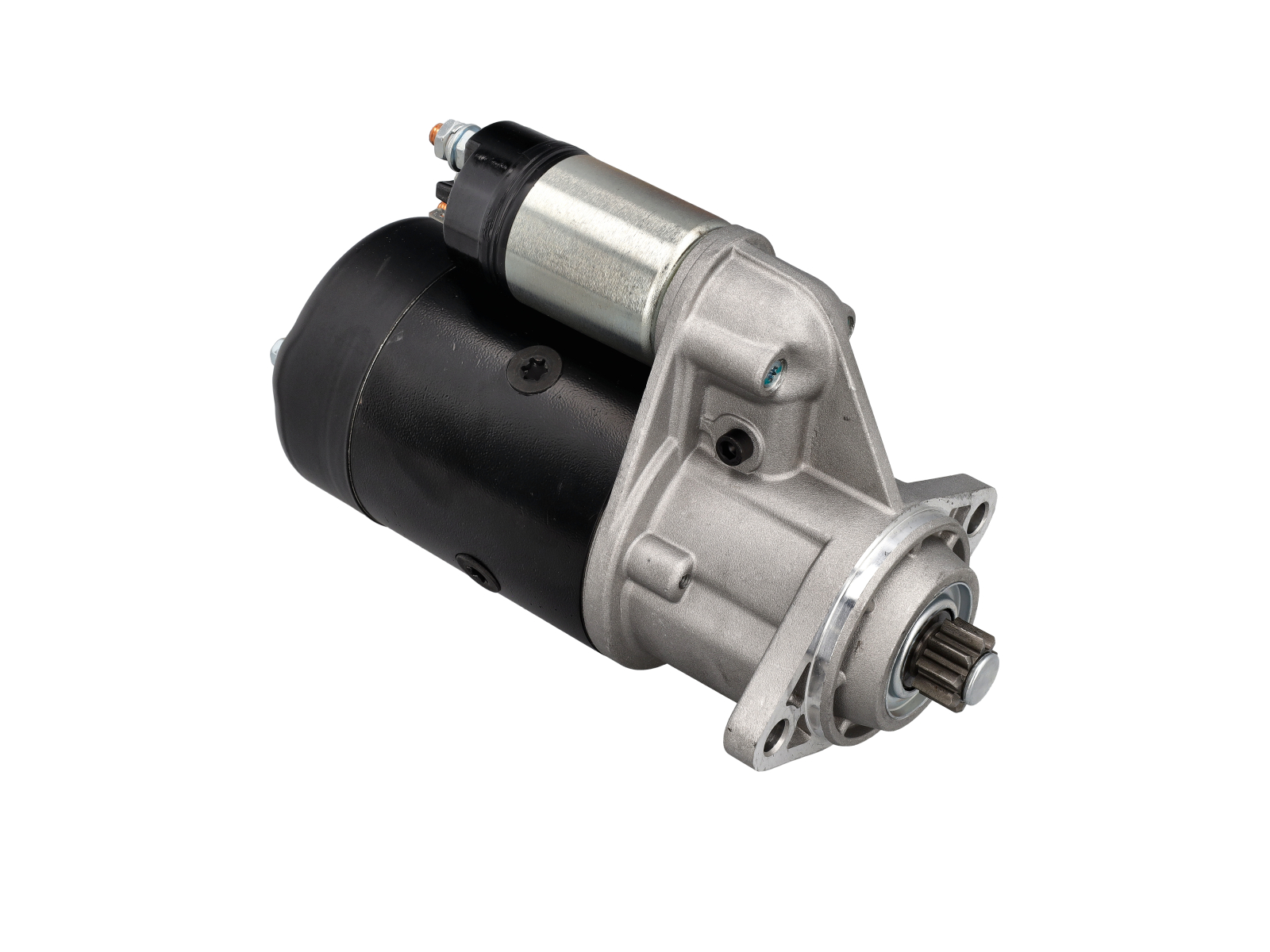
 OE Match
Fits:
Porsche 911 Carrera RS 2.7ltr - 1973
Porsche 911 2.7ltr - 1974 to 1977
Porsche 911 SC 3.0ltr - 1978 to 1983
Porsche 911 turbo 3.0ltr - 1975 to 1977
Voltage: 12 V
Power output: 1.5 KW
Teeth: 9
Related reference numbers
Related, superseded, cross reference or alternative numbers for comparison.
91160410103
The product you are viewing cross references to these numbers
- Porsche 911 1968-1973 2.2L / 2.4L / 2.7L RS LWB (F)
- Porsche 911 1974-1977 2.7L / 1976-77 3.0 Carrera
- Porsche 911 1978-1983 3.0L / SC
- Porsche 911 1975-1977 3.0L Turbo (930)
 Shop Securely
 12 Month Warranty
 Worldwide Delivery



Service exchange part, Anti-clockwise rotation, Flange Ø: 76 mm, with reduction gear, Voltage: 12 V, Starter Output: 1,7 kW, Teeth Quant.: 10
Fits:
Porsche 964 C2, C4 1989-94 Manual
Porsche 993 C2, C4, C2S, C4S 1994-98
Porsche 996 Turbo
Porsche 997 Turbo
Porsche 996 GT3
Porsche 997 GT3
Reconditioned starter motors are sold on a exchange basis, A surchange of £99.00 will be held and then refunded when the old one is returned
- The surcharge for this reconditioned part will be refunded when the exchange unit is received and approved by us and the relevant manufacturer.
- Please note, surcharge refunds often take an average of 6 to 8 weeks to be approved by the manufacturer.
- Acceptance of the exchange part is at the manufacturer's discretion, based on the part being fit for reconditioning.
- All surcharges and exchanges are subject to our terms and conditions.
PLEASE NOTE:
Related reference numbers
Related, superseded, cross reference or alternative numbers for comparison.
99660410701
The product you are viewing cross references to these numbers
- Porsche 964 (911) C2 1989-93
- Porsche 964 (911) C4 1989-93
- Porsche 964 (911) TURBO 3.3L 1991-93
- Porsche 964 (911) TURBO 3.6L 1991-93
- Porsche 993 (911) C2 1994-97
- Porsche 993 (911) C4 1994-97
- Porsche 993 (911) C2S 1994-97
- Porsche 993 (911) C4S 1994-97
- Porsche 993 (911) TURBO 1994-96
- Porsche 993 (911) TURBO S 1994-97
- Porsche 996 TURBO 2000-05
- Porsche 996 GT3 MKI 1999-02
- Porsche 996 GT3 MKII 2003>>
- Porsche 996 GT3 RS 2003-04
- Porsche 997 MK1 TURBO 2007-09
- Porsche 997 MK1 GT3 / GT3 RS 2007-09
- Porsche 997 MKII Carrera C2 3.6L 2009-12
- Porsche 997 MKII Carrera C4 3.6L 2009-12
- Porsche 997 MKII Carrera C2S 3.8L 2009-12
- Porsche 997 MKII Carrera C4S 3.8L 2009-12
- Porsche 997 MKII Turbo 3.6L / 3.8L 2010-13
Shop Securely
12 Month Warranty
Worldwide Delivery


Fits:
Porsche 987.2 Boxster 2009-12
Porsche 987C.2 Cayman 2009-12
Porsche 997.2 2009-12
Porsche 997.2 Turbo 2010-13
Related reference numbers
Related, superseded, cross reference or alternative numbers for comparison.
9A160410300
The product you are viewing cross references to these numbers
- Porsche Boxster 987 MKII 2.9L 2009-12
- Porsche Boxster S 987 MKII 3.4L 2009-12
- Porsche 997 MKII Carrera C2 3.6L 2009-12
- Porsche 997 MKII Carrera C4 3.6L 2009-12
- Porsche 997 MKII Carrera C2S 3.8L 2009-12
- Porsche 997 MKII Carrera C4S 3.8L 2009-12
- Porsche 997 MKII Turbo 3.6L / 3.8L 2010-13
- Porsche Cayman 2.9L 987C MKII 2009-12
- Porsche Cayman S / R 3.4L 987C MKII 2009-12
Shop Securely
12 Month Warranty
Worldwide Delivery


NEW, Anti-clockwise rotation, Flange Ø: 76 mm, with reduction gear, Voltage: 12 V, Starter Output: 1,7 kW, Teeth Quant.: 10
Fits:
Porsche 964 C2, C4 1989-94 Manual
Porsche 993 C2, C4, C2S, C4S 1994-98
Porsche 996 Turbo
Porsche 997 Turbo
Porsche 996 GT3
Porsche 997 GT3
Related reference numbers
Related, superseded, cross reference or alternative numbers for comparison.
99660410701
The product you are viewing cross references to these numbers
- Porsche 964 (911) C2 1989-93
- Porsche 964 (911) C4 1989-93
- Porsche 964 (911) TURBO 3.3L 1991-93
- Porsche 964 (911) TURBO 3.6L 1991-93
- Porsche 993 (911) C2 1994-97
- Porsche 993 (911) C4 1994-97
- Porsche 993 (911) C2S 1994-97
- Porsche 993 (911) C4S 1994-97
- Porsche 993 (911) TURBO 1994-96
- Porsche 993 (911) TURBO S 1994-97
- Porsche 996 TURBO 2000-05
- Porsche 996 GT3 MKI 1999-02
- Porsche 996 GT3 MKII 2003>>
- Porsche 996 GT3 RS 2003-04
- Porsche 997 MK1 TURBO 2007-09
- Porsche 997 MK1 GT3 / GT3 RS 2007-09
- Porsche 997 MKII Carrera C2 3.6L 2009-12
- Porsche 997 MKII Carrera C4 3.6L 2009-12
- Porsche 997 MKII Carrera C2S 3.8L 2009-12
- Porsche 997 MKII Carrera C4S 3.8L 2009-12
- Porsche 997 MKII Turbo 3.6L / 3.8L 2010-13
Shop Securely
12 Month Warranty
Worldwide Delivery

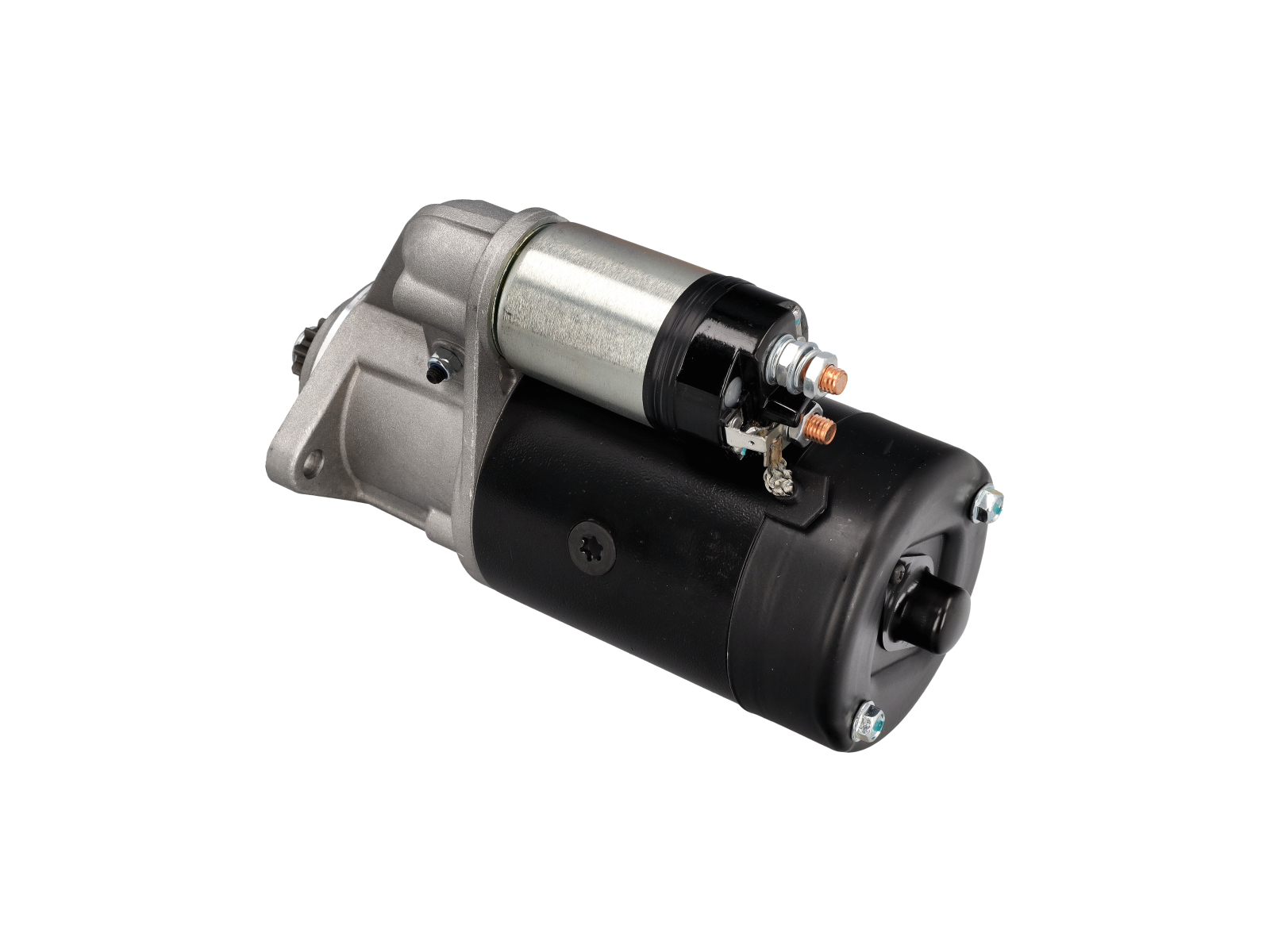
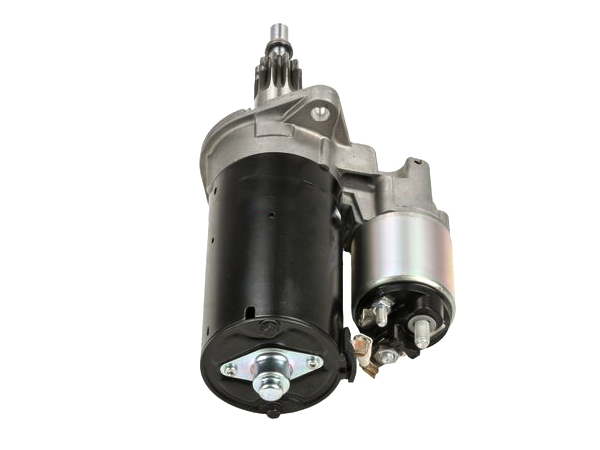
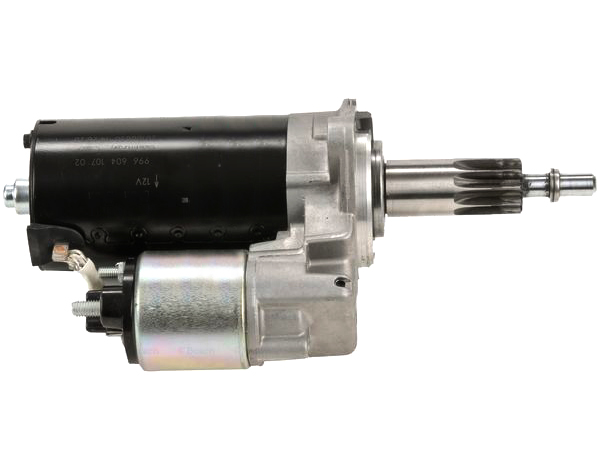
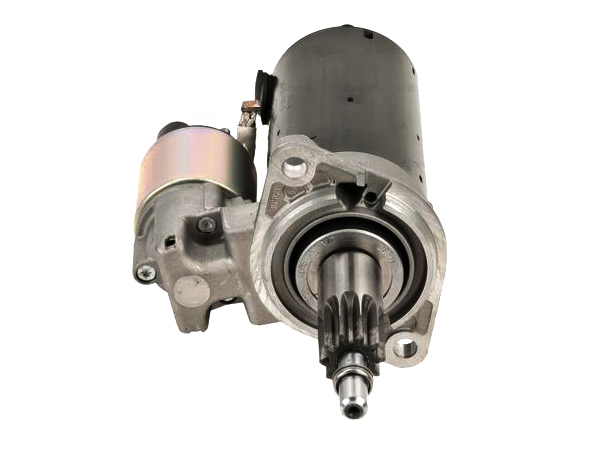
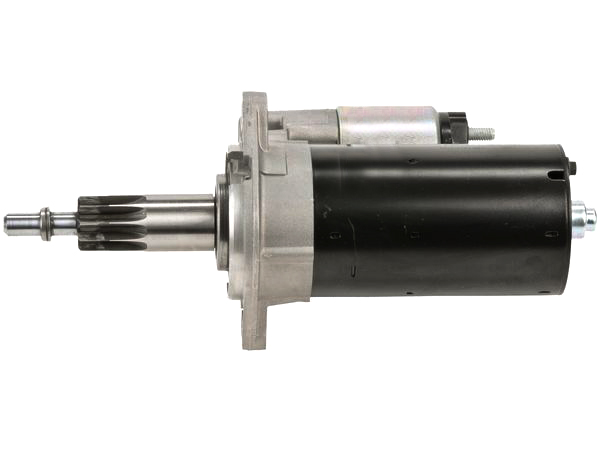

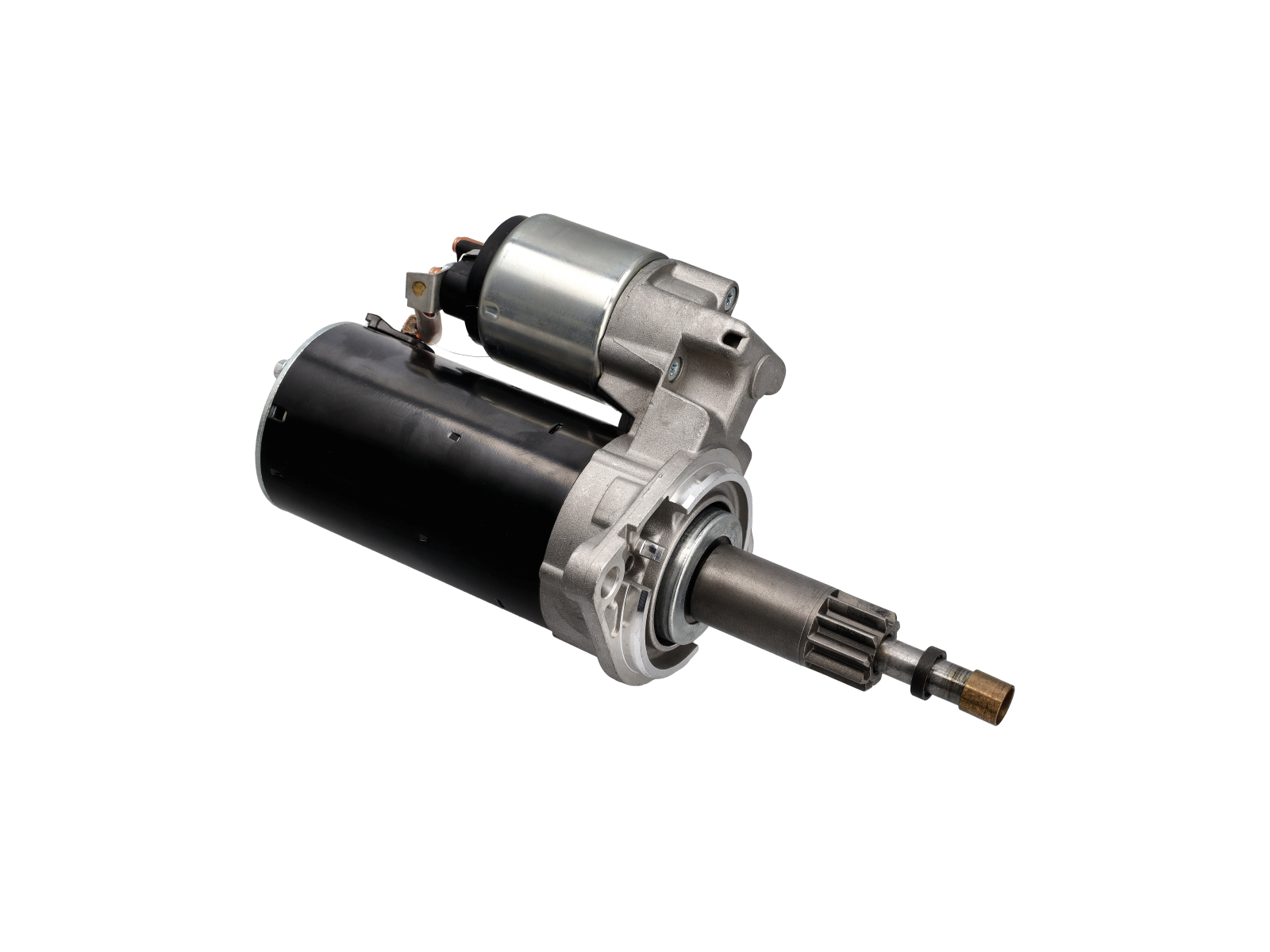
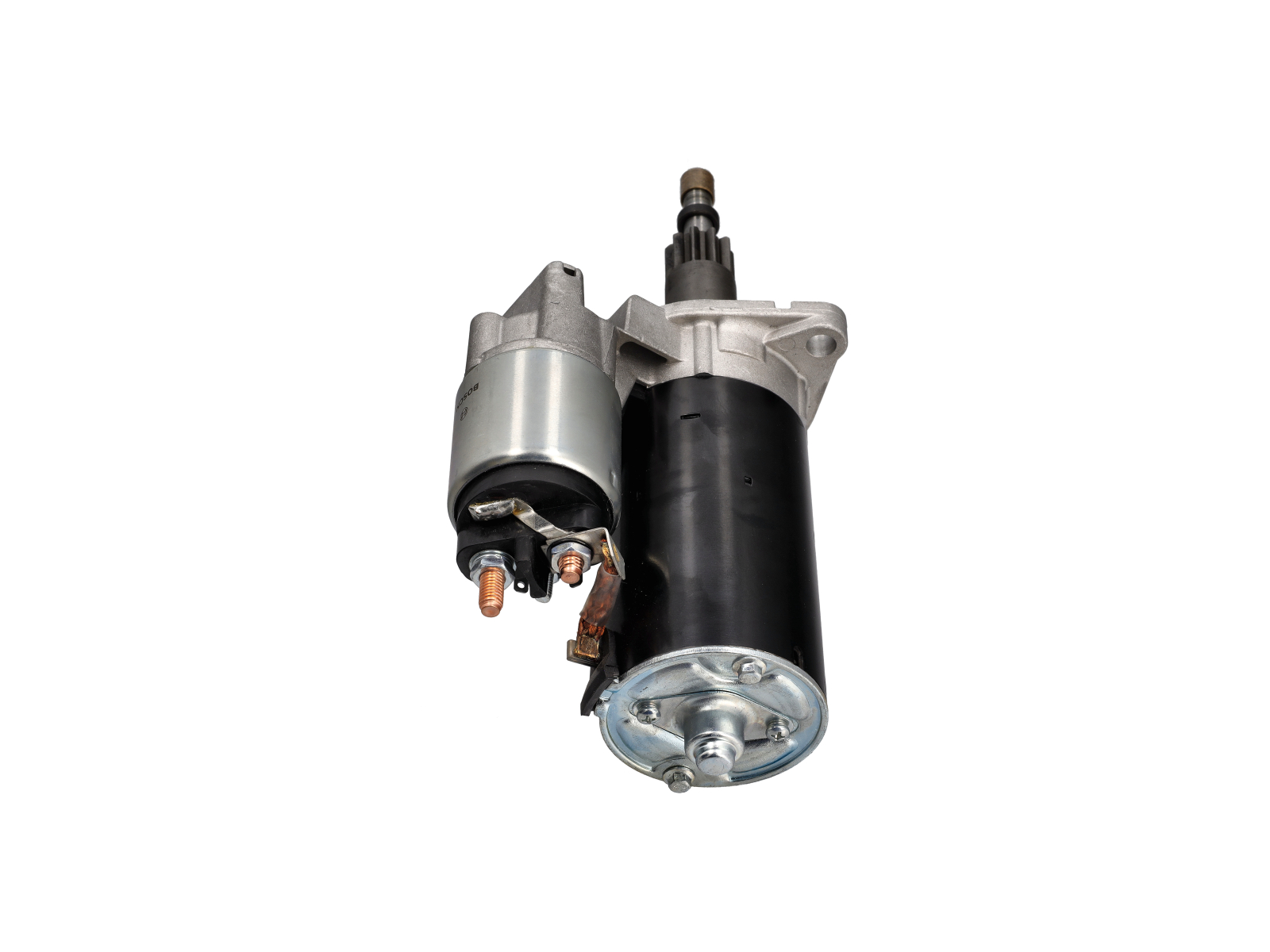
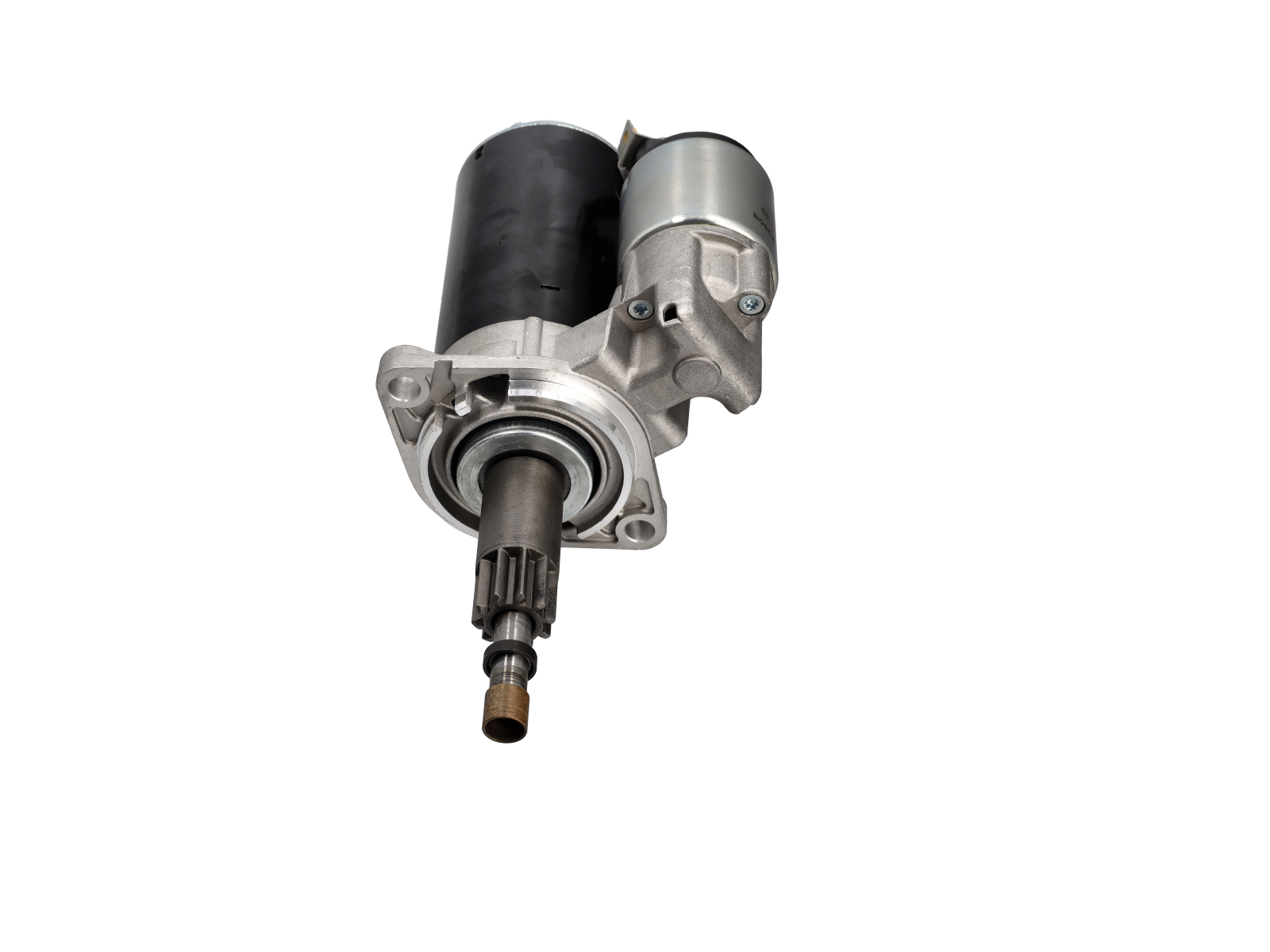
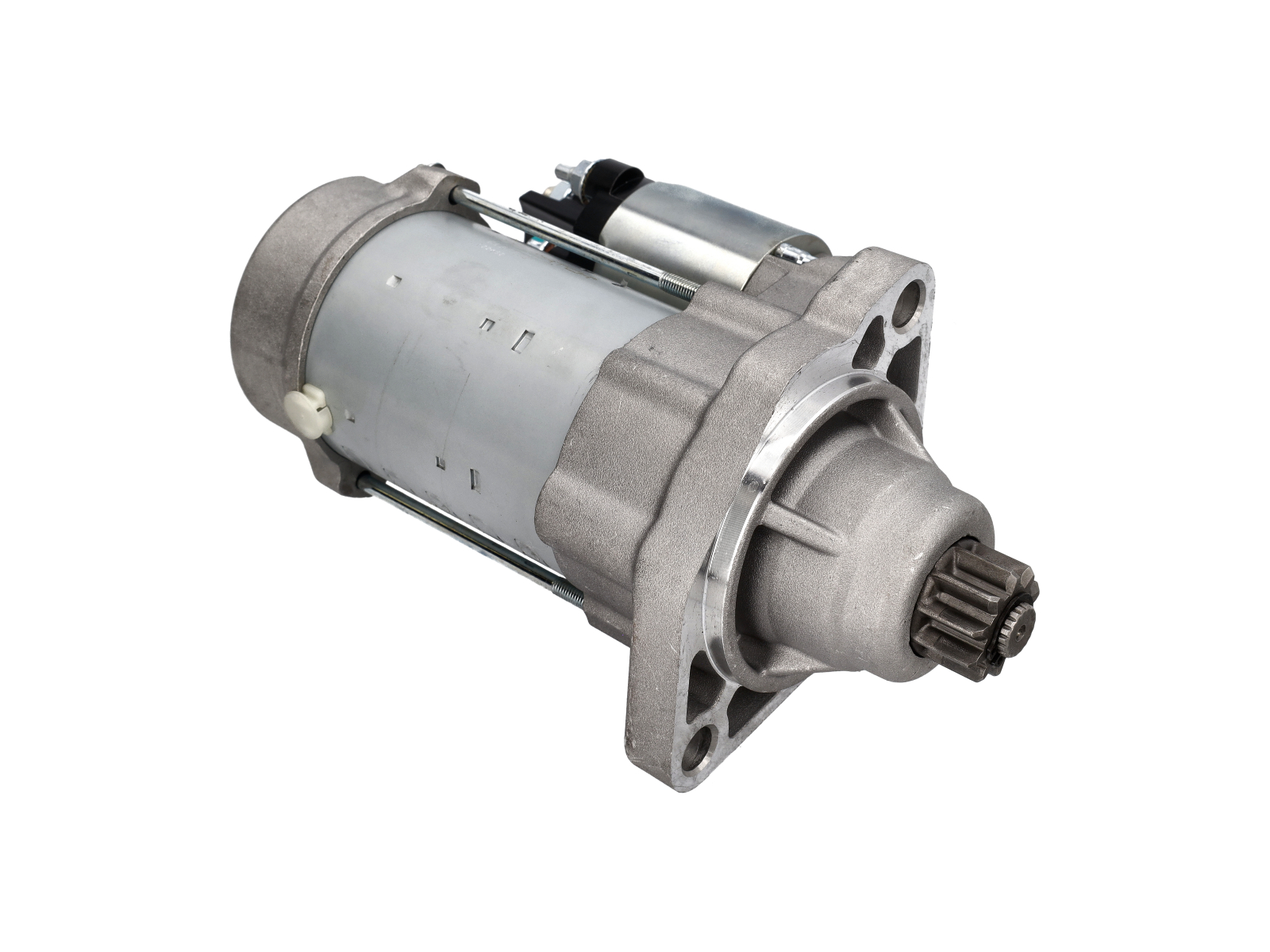
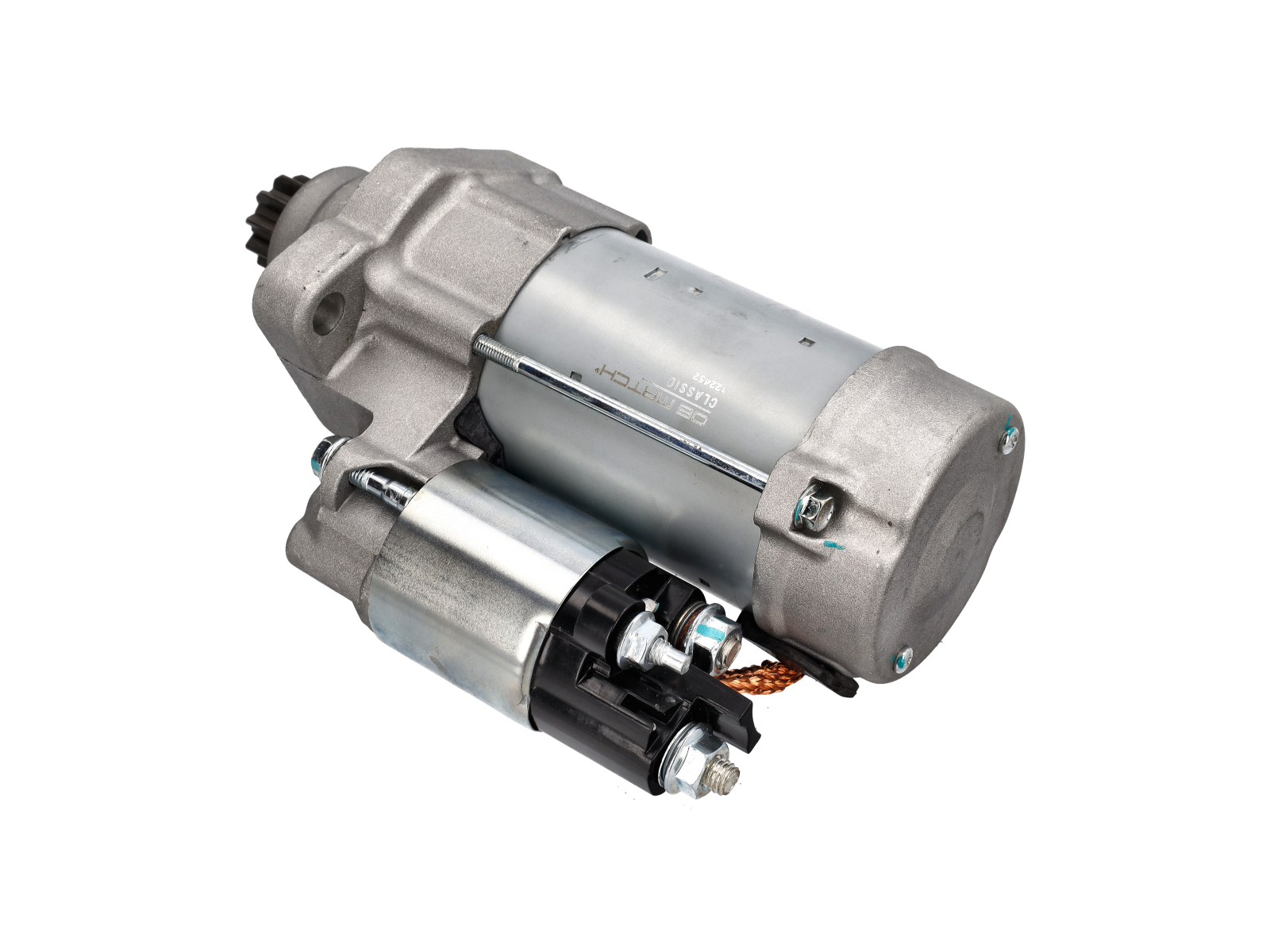
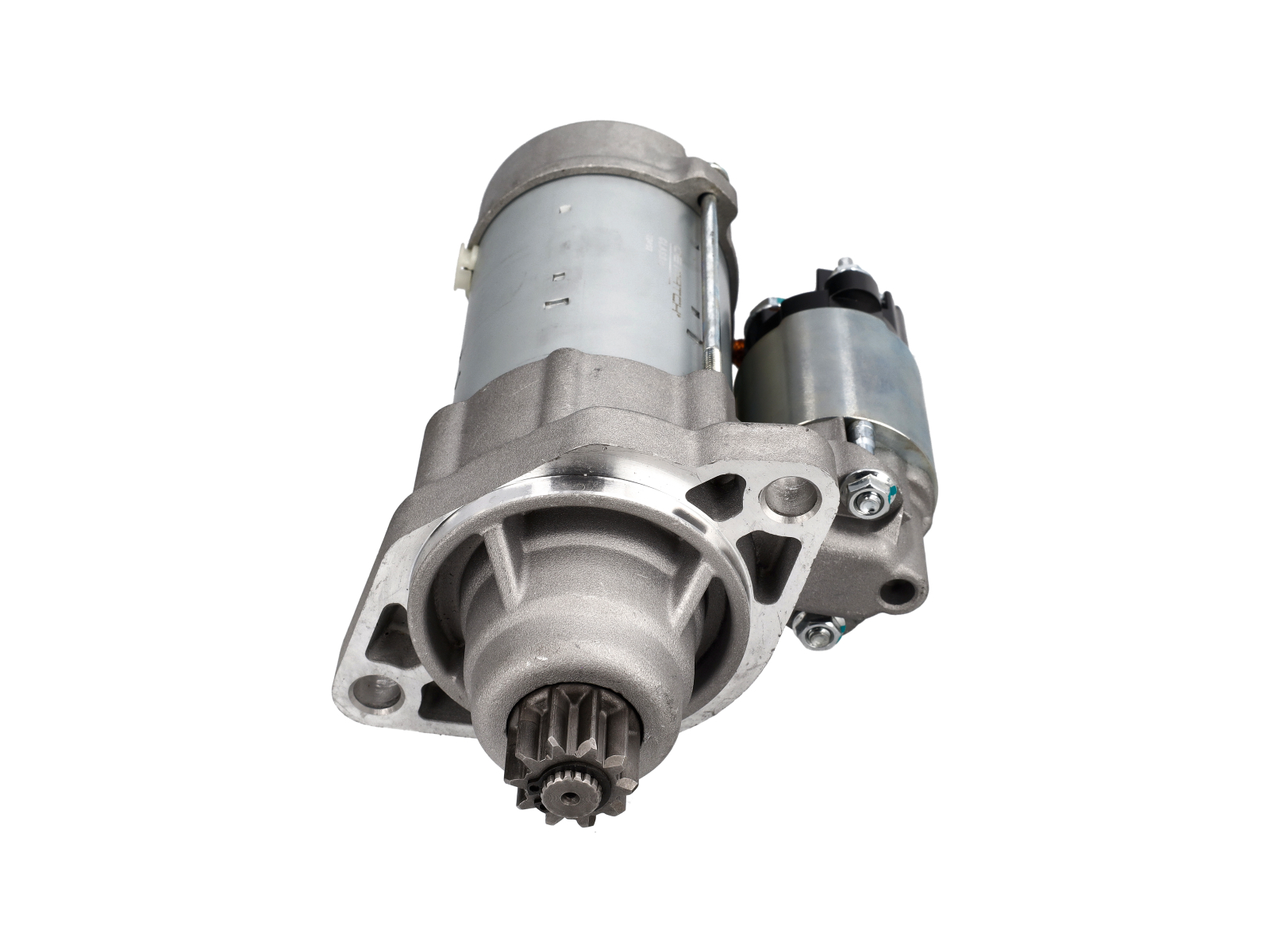
Starter Motor
Restore fast and reliable engine starting with this OE Match Starter Motor.
The starter motor is an essential part of the vehicle's
starting system. When the ignition is activated, it uses electrical power from
the battery to turn the engine over until combustion begins and the engine can
run independently.
Fits:
- Porsche Boxster 987 MKII 2.9L 2009-12
- Porsche Boxster S 987 MKII 3.4L 2009-12
- Porsche 997 MKII Carrera C2 3.6L 2009-12
- Porsche 997 MKII Carrera C4 3.6L 2009-12
- Porsche 997 MKII Carrera C2S 3.8L 2009-12
- Porsche 997 MKII Carrera C4S 3.8L 2009-12
- Porsche 997 MKII Turbo 2010-13
- Porsche Cayman 2.9L 987C MKII 2009-12
- Porsche Cayman S / R 3.4L 987C MKII 2009-12
A worn starter motor can result in increasingly slow or intermittent cranking and may eventually leave the vehicle unable to start. This OE Match unit provides a replacement solution for a worn, unreliable or failed original starter.
What Does a Starter Motor Do?
The starter motor converts electrical energy from the vehicle's battery into mechanical rotation.
When the vehicle is started, the starter motor engages with the engine's flywheel or drive plate and rotates the crankshaft. This creates the initial engine movement required for the combustion process to begin. Once the engine starts, the starter disengages.
A correctly functioning starter motor provides:
- Strong and consistent engine cranking
- Reliable cold and hot starting
- Correct engagement with the engine
- Efficient use of battery power
- Fast engine start-up
Why Do Starter Motors Fail?
Starter motors are powerful electrical components that experience substantial loads every time the engine is started. Internal components gradually wear, while engine-bay heat and repeated heat cycles can accelerate deterioration.
Common causes of starter motor failure include:
- Worn internal brushes
- Solenoid deterioration
- Worn bearings or bushes
- Wear to the starter drive mechanism
- Electrical connection problems
- Internal electrical faults
- Heat-related deterioration
- Age and high mileage
- Repeated starting cycles
A weak battery or poor electrical connection can produce symptoms similar to a failing starter, so the battery, terminals and main electrical connections should also be checked before replacement.
When Should a Starter Motor Be Replaced?
Replacement should be considered if:
- The engine cranks noticeably slower than normal
- Starting becomes intermittent
- A clicking sound is heard but the engine does not crank
- The starter occasionally fails to engage
- Grinding or unusual noises occur during starting
- Starting becomes particularly difficult when the engine is hot
- The starter motor has been diagnosed with an internal electrical or mechanical fault
- The starter no longer operates
Starter motors do not normally have a fixed replacement interval. They should generally be replaced when testing confirms deterioration or failure.
A healthy starter motor is essential for dependable operation. As these vehicles age, starter motors can develop internal wear that results in slower cranking, intermittent operation or complete starting failure.
Starting problems should be diagnosed carefully because similar symptoms can also result from a weak battery, poor battery terminals, damaged cables or other electrical faults.
Once a starter motor has been identified as the cause, replacing the worn unit restores the mechanical cranking action required to start the engine reliably.
When replacing a Porsche starter motor, it is also worthwhile checking the battery condition, main power cables, earth connections and associated starting-system wiring.
Related reference numbers
Related, superseded, cross reference or alternative numbers for comparison.
9A160410300
The product you are viewing cross references to these numbers
- Porsche Boxster 987 MKII 2.9L 2009-12
- Porsche Boxster S 987 MKII 3.4L 2009-12
- Porsche 997 MKII Carrera C2 3.6L 2009-12
- Porsche 997 MKII Carrera C4 3.6L 2009-12
- Porsche 997 MKII Carrera C2S 3.8L 2009-12
- Porsche 997 MKII Carrera C4S 3.8L 2009-12
- Porsche 997 MKII Turbo 3.6L / 3.8L 2010-13
- Porsche Cayman 2.9L 987C MKII 2009-12
- Porsche Cayman S / R 3.4L 987C MKII 2009-12
Shop Securely
12 Month Warranty
Worldwide Delivery


Monday-Friday: 8.30am - 5.30pm (GMT)
Saturday: Closed
Sunday: Closed