




Enter your VAT number here and click Verify:
Your details have been verified. VAT number registered to:
,
.
Your order will now be zero rated for VAT purposes. We reserve the right to verify these details after your order request has been made and reinstate VAT if required.
Your VAT details were not recognised or were invalid. Your VAT number must be matched to your Billing Country as specified above. This is currently specified as . You do not need to enter the country code part of your VAT number as this has already been selected in your billing address details above.
The VAT number checking service is currently offline. Please supply your VAT details within the comments or special instructions field below and we will apply a VAT discount after placing your order request.
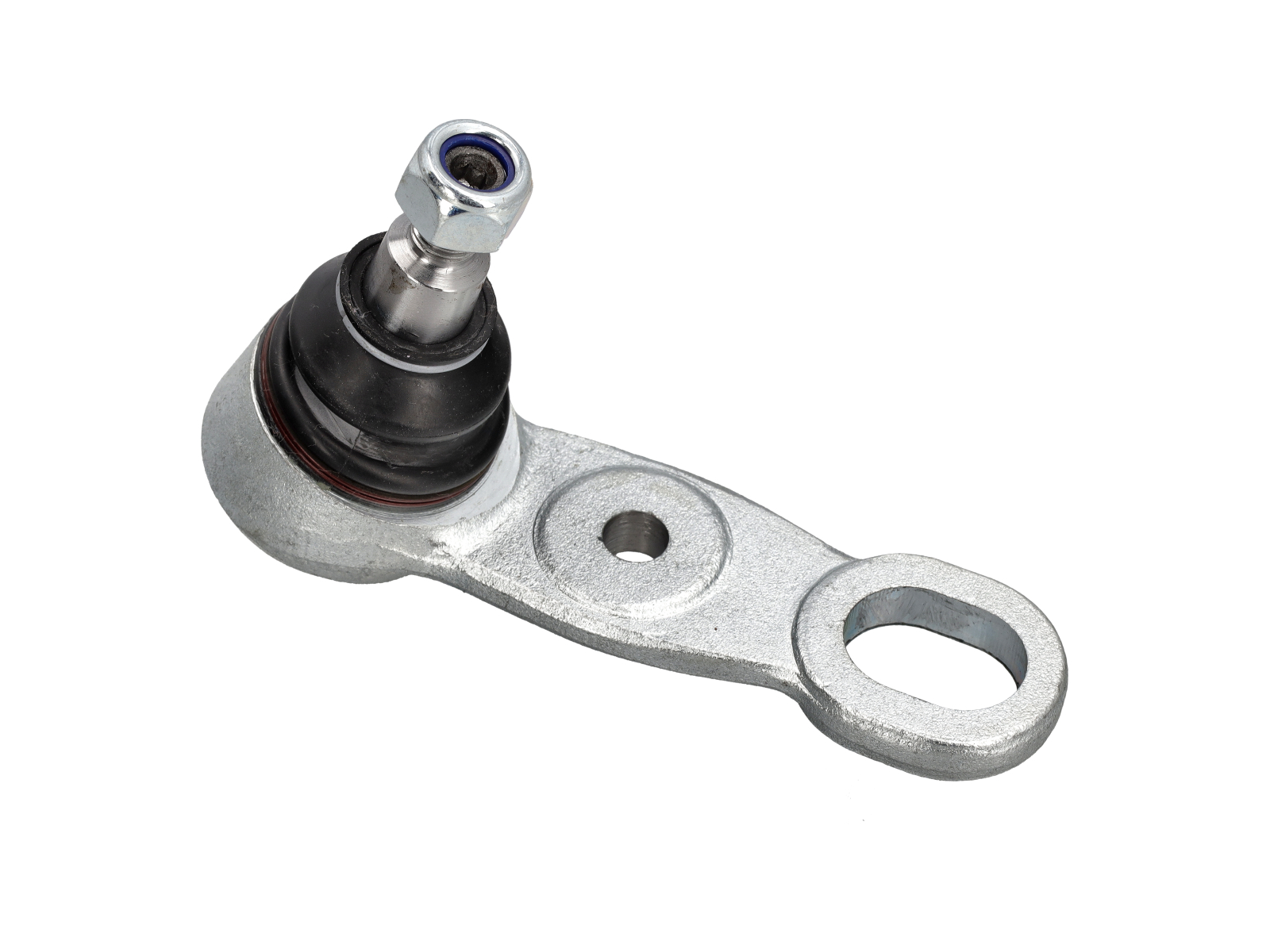
 OE Match
Front Lower Wishbone Ball Joint – fits Left or Right hand Side
Sold each - 2 required per car
Restore the precise steering response and confident handling
your Porsche was engineered to deliver with this OE Match Front Lower
Wishbone Ball Joint. Manufactured to OE
specifications, this premium replacement component provides accurate fitment,
exceptional durability and smooth articulation, making it an ideal solution for
suspension restoration, preventative maintenance or repairing worn front suspension
components.
Fits:
- Porsche 964 (911) C2 1989-93
- Porsche 964 (911) C4 1989-93
- Porsche 964 (911) RS 3.6L 1991-93
- Porsche 964 (911) RS 3.8L 1991-93
- Porsche 964 (911) TURBO 3.3L 1991-93
- Porsche 964 (911) TURBO 3.6L 1991-93
The lower ball joint is a critical pivot point within the front suspension system, connecting the lower wishbone to the wheel carrier while allowing controlled steering and suspension movement. It is subjected to constant loads from braking, cornering, acceleration and uneven road surfaces, making it one of the hardest-working components in the suspension.
As wear develops over time, steering precision and suspension geometry can deteriorate, resulting in poor handling, tyre wear and unwanted suspension noise. Replacing the lower ball joint restores the integrity of the suspension system and helps maintain the driving characteristics expected from a Porsche.
What Does the Lower Wishbone Ball Joint Do?
The lower wishbone ball joint allows the steering and suspension to move together while maintaining accurate wheel control.
Its primary functions include:
- Connecting the lower wishbone to the wheel carrier.
- Allowing smooth steering articulation.
- Supporting suspension movement.
- Maintaining correct wheel geometry.
- Carrying vertical and lateral suspension loads.
- Helping absorb road shocks.
- Contributing to stable braking and cornering performance.
A correctly functioning ball joint is essential for accurate steering, predictable handling and safe suspension operation.
Why Replace the Lower Ball Joint?
Ball joints are wear items that are continually subjected to movement and high mechanical loads.
Common reasons for replacement include:
- Internal bearing wear.
- Split or damaged dust boots.
- Grease contamination.
- Moisture ingress causing corrosion.
- Excessive suspension movement.
- High vehicle mileage.
- Age-related deterioration.
- Damage caused by potholes or kerb impacts.
Replacing worn ball joints restores suspension performance while preventing unnecessary wear to surrounding steering and suspension components.
Symptoms of a Worn Ball Joint
Common warning signs include:
- Knocking or clunking noises from the front suspension.
- Excessive steering play.
- Wandering at speed.
- Uneven tyre wear.
- Vibration through the steering wheel.
- Poor wheel alignment.
- Squeaking during suspension movement.
- Excessive movement detected during inspection.
Ignoring worn ball joints can affect handling, braking stability and overall driving safety.
Benefits
- Restores steering precision.
- Improves suspension stability.
- Maintains correct suspension geometry.
- Reduces suspension noise.
- Helps minimise uneven tyre wear.
- Enhances braking and cornering confidence.
- Long-lasting durability.
- Excellent value alternative to original equipment.
Installation Recommendations
When replacing the lower ball joint, it is recommended to
inspect associated suspension and steering components, including:
- Lower wishbones.
- Suspension bushes.
- Track rod ends.
- Steering rack components.
- Shock absorbers and top mounts.
- Anti-roll bar links and bushes.
- Wheel bearings.
- Suspension mounting hardware.
Once installation is complete, a professional four-wheel alignment should be carried out to restore the correct suspension geometry and maximise tyre life, handling performance and steering accuracy.
Related reference numbers
Related, superseded, cross reference or alternative numbers for comparison.
96434104913
The product you are viewing cross references to these numbers

- Porsche 964 (911) C2 1989-93
- Porsche 964 (911) C4 1989-93
- Porsche 964 (911) RS 3.6L 1991-93
- Porsche 964 (911) RS 3.8L 1991-93
- Porsche 964 (911) TURBO 3.3L 1991-93
- Porsche 964 (911) TURBO 3.6L 1991-93
 Shop Securely
 12 Month Warranty
 Worldwide Delivery

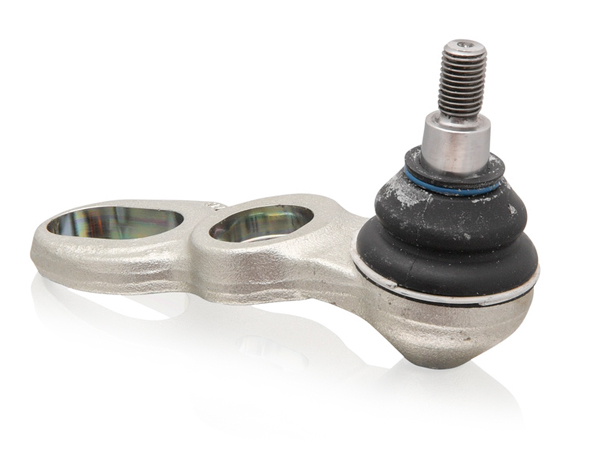
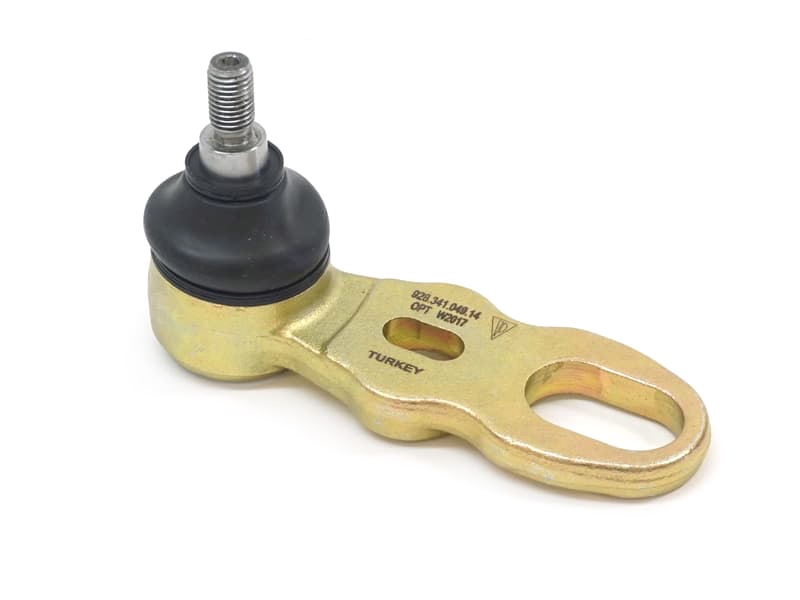
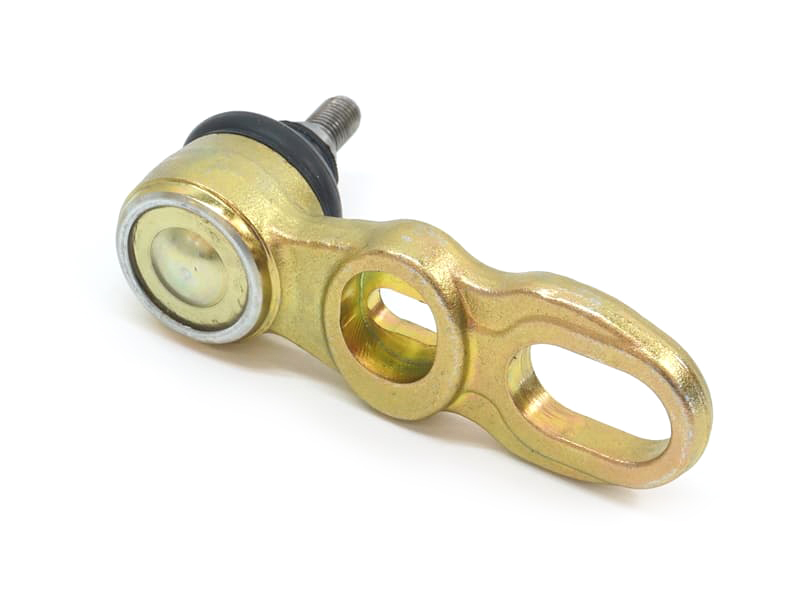
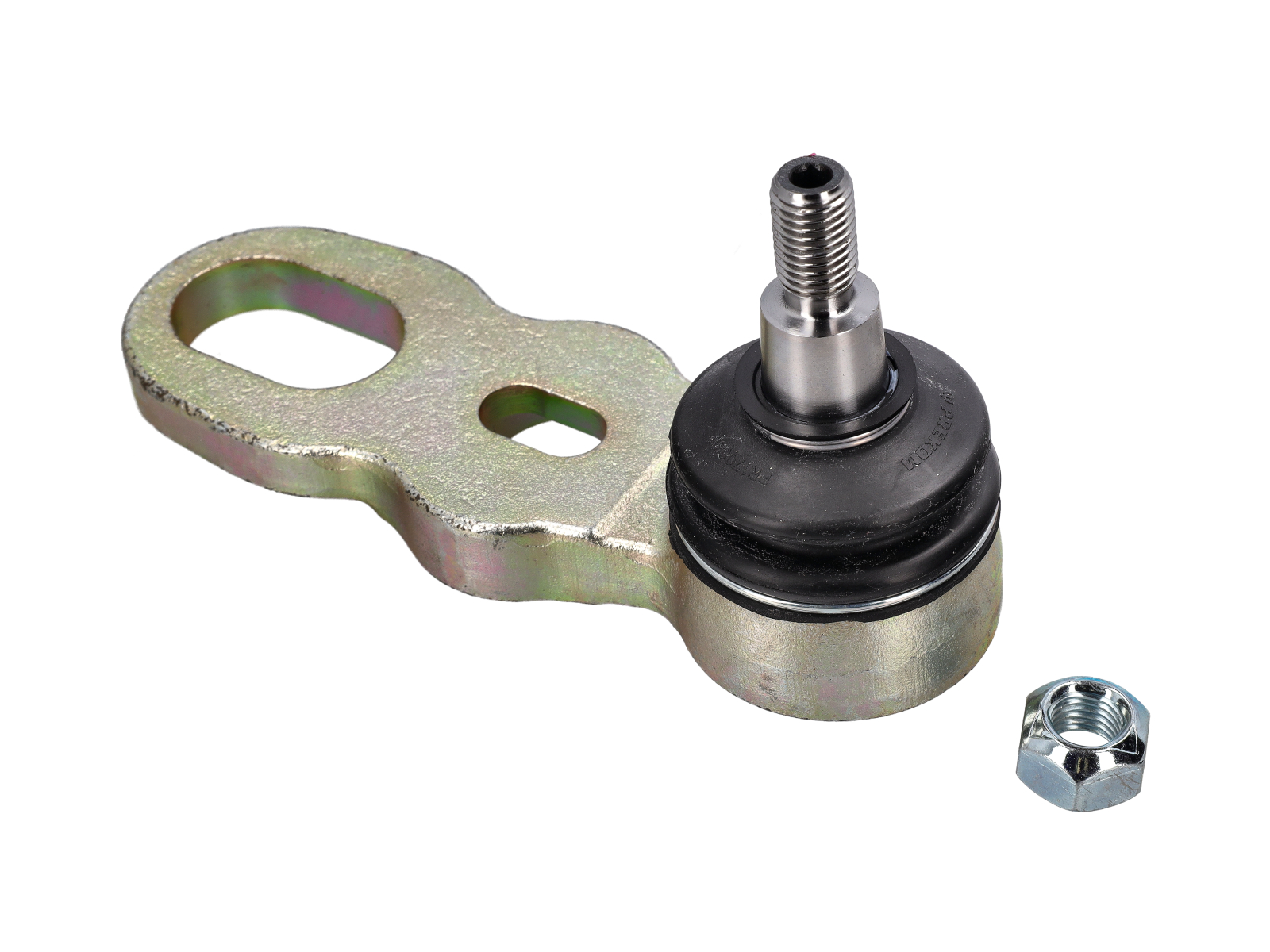
The OE Match Front Lower Wishbone Ball Joint is a high-quality replacement suspension component designed to connect the front lower wishbone (control arm) to the steering knuckle. This critical joint allows the suspension and steering systems to move independently while maintaining precise wheel control and alignment.
Fits:
- Porsche 928 4.5L 1978-82
- Porsche 928S 4.7L 1981-83
- Porsche 928S2 4.7L 1984-86
Manufactured to OE specifications for fit, strength and durability, the ball joint features a precision-engineered bearing assembly housed within a robust casing to withstand the constant loads, impacts and articulation encountered during normal driving. It is an essential component for maintaining steering accuracy, suspension performance and overall vehicle safety.
What This Product Does:
- Connects the front lower wishbone to the steering knuckle.
- Allows controlled suspension movement while maintaining steering control.
- Supports correct wheel alignment and suspension geometry.
- Enables smooth articulation during cornering and suspension travel.
- Helps maintain precise steering response and vehicle stability.
- Contributes to safe handling and predictable road behaviour.
Symptoms Of Wear Or Failure:
- Clunking, knocking or rattling noises from the front suspension.
- Excessive play in the steering.
- Wandering or unstable vehicle handling.
- Uneven or accelerated tyre wear.
- Steering vibration or shimmy.
- Poor wheel alignment that repeatedly goes out of specification.
- Visible damage or splitting of the protective dust boot.
- Excessive movement detected during suspension inspection.
Why Replacement Matters:
- Ball joints are subjected to constant suspension movement, steering loads, road impacts, vibration and environmental exposure. Over time, internal wear can develop within the joint, while damaged dust boots may allow dirt, water and contaminants to enter, accelerating deterioration.
- A worn ball joint can negatively affect steering precision, suspension performance and tyre wear. As wear increases, vehicle handling may become less predictable and stability may be compromised. In severe cases, complete ball joint failure can result in loss of wheel control, creating a significant safety risk.
- Replacing a worn front lower wishbone ball joint helps restore steering accuracy, maintain correct suspension geometry and improve overall vehicle safety. An OE Match replacement provides factory-style fitment, dependable durability and reliable long-term performance, making it an essential part of suspension maintenance and restoration.
Related reference numbers
Related, superseded, cross reference or alternative numbers for comparison.
92834104914
The product you are viewing cross references to these numbers
- Porsche 928 4.5L 1978-82
- Porsche 928S 4.7L 1981-83
- Porsche 928S2 4.7L 1984-86
Shop Securely
12 Month Warranty
Worldwide Delivery



Fits:
Porsche 928 1986-95
Other OE Reference numbers:
- 92834104908 / 92834104909
Related reference numbers
Related, superseded, cross reference or alternative numbers for comparison.
92834104909
The product you are viewing cross references to these numbers
- Porsche 928S2 4.7L 1984-86
- Porsche 928S4 5.0L 1987-92
- Porsche 928GT 5.0L 1989-91
- Porsche 928GTS 5.4L 1992-95
Shop Securely
12 Month Warranty
Worldwide Delivery

Fits:
Porsche 928 1978-85
Price is for each.
Related reference numbers
Related, superseded, cross reference or alternative numbers for comparison.
92834104914
The product you are viewing cross references to these numbers
- Porsche 928 4.5L 1978-82
- Porsche 928S 4.7L 1981-83
- Porsche 928S2 4.7L 1984-86
Shop Securely
12 Month Warranty
Worldwide Delivery


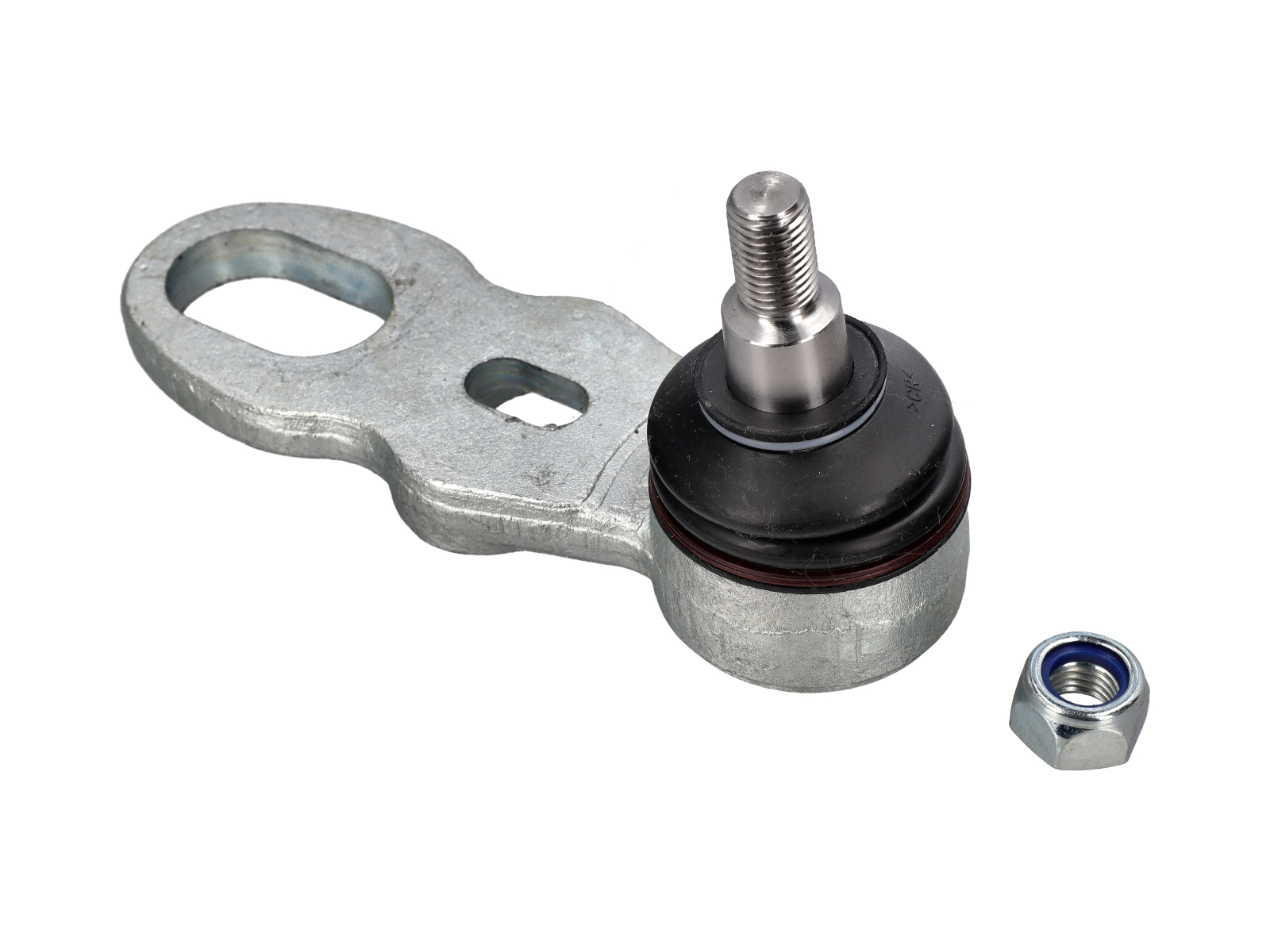
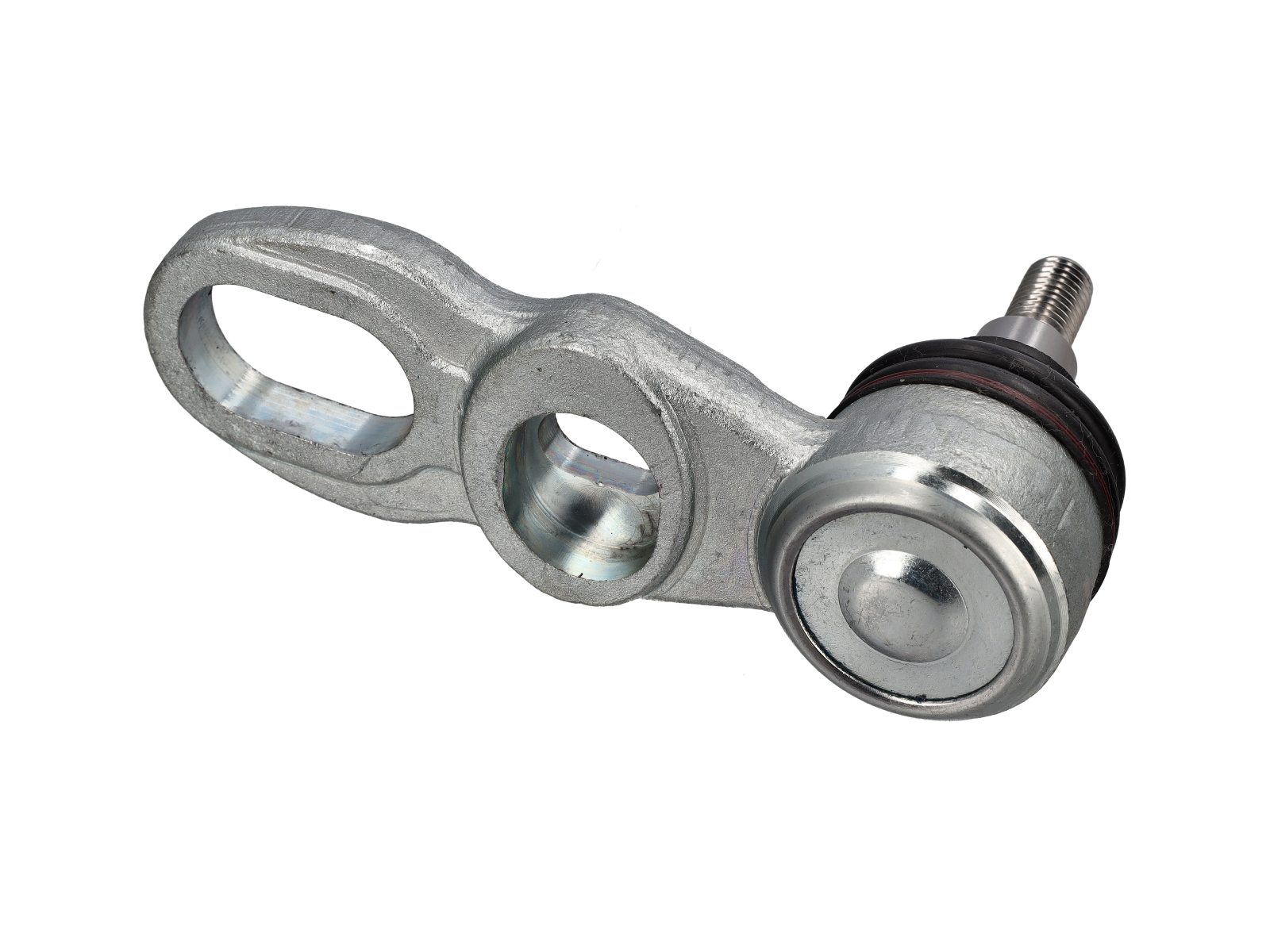
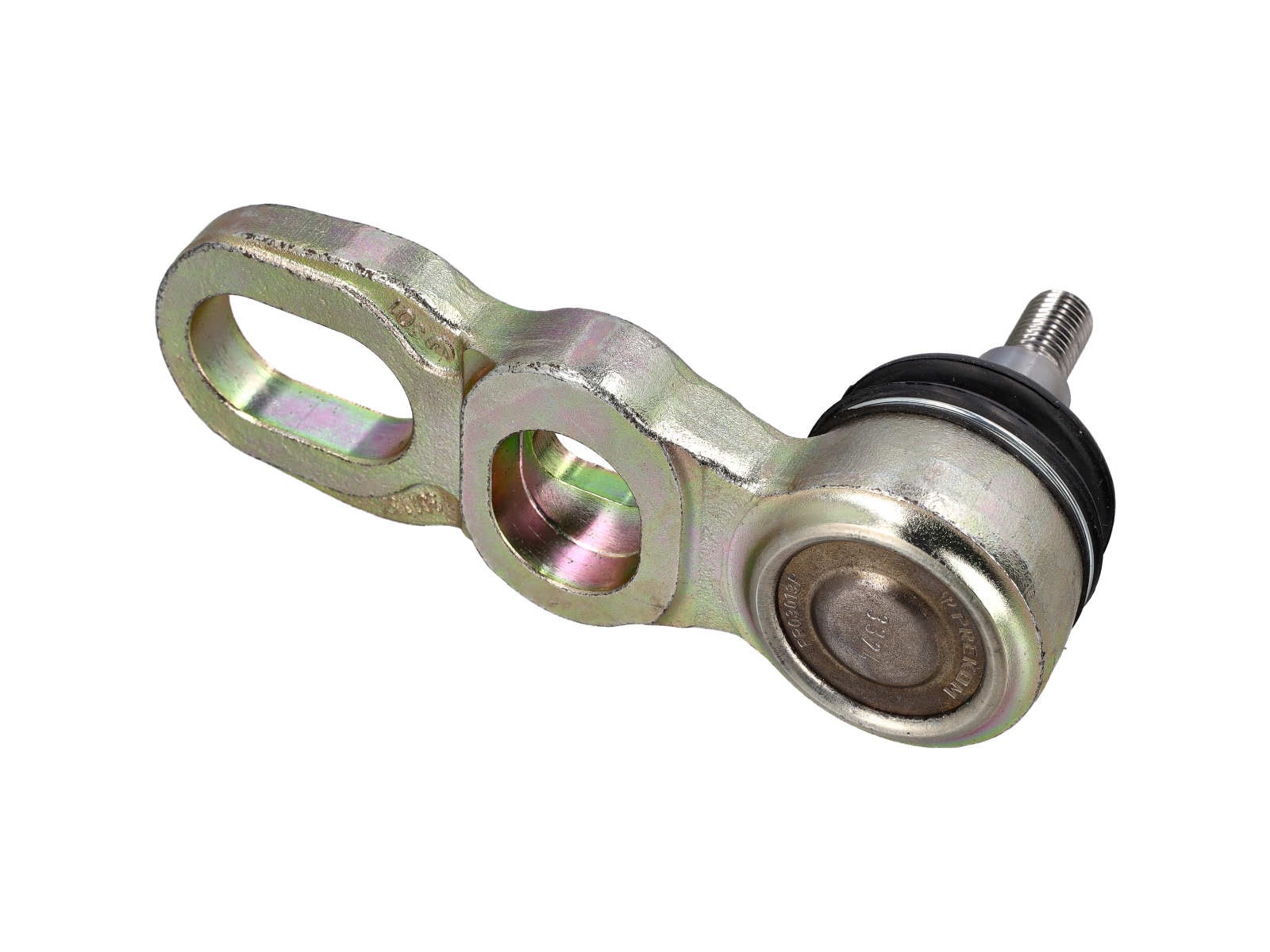
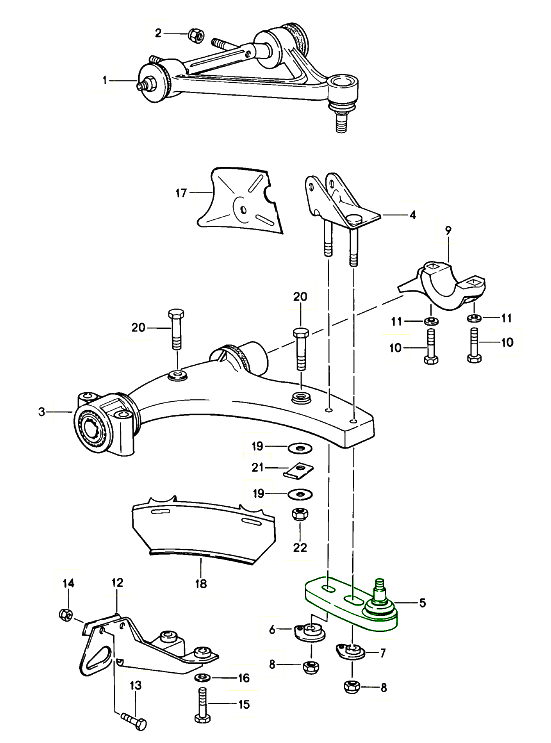
Price is for each.
Fits:
Porsche 928 1978-85
Diagram ref no 5
Related reference numbers
Related, superseded, cross reference or alternative numbers for comparison.
92834104914
The product you are viewing cross references to these numbers
- Porsche 928 4.5L 1978-82
- Porsche 928S 4.7L 1981-83
- Porsche 928S2 4.7L 1984-86
Shop Securely
12 Month Warranty
Worldwide Delivery


Monday-Friday: 8.30am - 5.30pm (GMT)
Saturday: Closed
Sunday: Closed