





Enter your VAT number here and click Verify:
Your details have been verified. VAT number registered to:
,
.
Your order will now be zero rated for VAT purposes. We reserve the right to verify these details after your order request has been made and reinstate VAT if required.
Your VAT details were not recognised or were invalid. Your VAT number must be matched to your Billing Country as specified above. This is currently specified as . You do not need to enter the country code part of your VAT number as this has already been selected in your billing address details above.
The VAT number checking service is currently offline. Please supply your VAT details within the comments or special instructions field below and we will apply a VAT discount after placing your order request.

Your Vehicle // Porsche // 356 (1950-1965) // 356A 1955-59

- Accessories
- Brakes
- Chassis / Bodywork
- Clothing & Gifts
- Electrical & Relays
- Engine Cooling
- Engine Electrical
- Engine Rebuild Parts
- Engine Tuning
- Exhausts
- Exterior Styling / Spoilers
- Gearbox / Transmission
- Heating / Air Conditioning
- Hydraulics
- Incar / Multimedia
- Interior & Accessories
- Lighting
- Mats & Carpets
- Motorsport and Off-Road
- Parts for Other Cars
- Pedal Cluster
- Rubber Seals
- Seats & Seat Belts
- Service Parts
- Special Offer Parts
- Steering Parts
- Suspension & Axle
- Suspension Upgrades
- Tyres
- Wheel Accessories
- Wheels
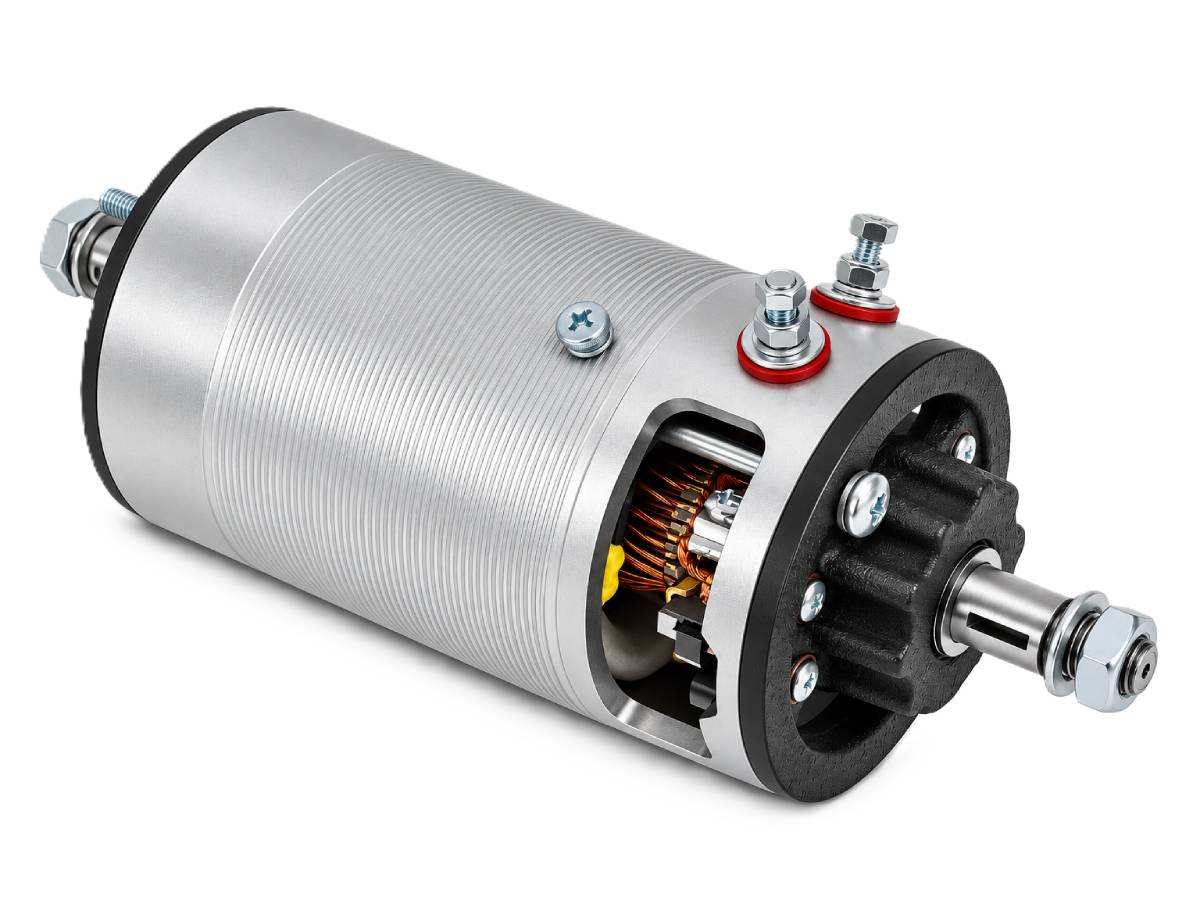
Standard Alternator / Genarator


The OE MATCH Alternator / Generator is a replacement charging-system component associated with Porsche original equipment reference 61660310101, used on selected classic Porsche 356 models.
Fits:
- Porsche 356 1950-55
- Porsche 356A 1955-59
The original Porsche component is a 6-volt DC generator, commonly known as a dynamo. It is responsible for producing electrical power while the engine is running, helping recharge the vehicle's battery and supply electricity to the ignition, lighting and other electrical systems.
The OE MATCH product is offered as an aftermarket alternative associated with this original reference. Its exact internal design and electrical specification must be confirmed to establish whether it is a conventional replacement dynamo or a modern alternator-style conversion.
The Porsche 356 uses an engine-driven charging system to maintain battery charge and provide electrical power during normal operation. The generator is driven by the engine through a belt and pulley arrangement, converting mechanical rotation into electrical energy.
A correctly functioning charging unit is essential for maintaining dependable engine starting, consistent lighting output and reliable operation of the vehicle's electrical equipment.
Unlike modern vehicles, many early Porsche 356 models retain their original 6-volt electrical systems. Correct voltage, polarity and regulator compatibility are therefore particularly important when selecting replacement charging components.
Over time, the original generator may deteriorate through brush wear, bearing wear, internal electrical faults, commutator damage or prolonged exposure to heat and vibration.
A failing charging unit may struggle to maintain battery voltage, causing dim lighting, repeated battery discharge, charging warning lights or starting difficulties.
Replacing a defective generator with a correctly specified OE MATCH component helps restore reliable electrical generation, maintain battery charge and preserve the functionality of the vehicle's original charging system.
Ideal for classic Porsche maintenance, electrical repairs, charging-system refurbishment and restoration projects, this OE MATCH replacement is intended for applications corresponding to Porsche reference 61660310101.
What This Product Does:
The alternator or generator is a vital part of the vehicle's electrical charging system.
Its primary function is to convert mechanical energy from the running engine into electrical energy.
On the original Porsche 356 charging system, an engine-driven DC generator produces electrical output that is controlled by a separate voltage regulator.
This supplies power to the vehicle's electrical equipment and helps replenish the battery after starting.
When functioning correctly, the charging system maintains the electrical energy needed for the ignition system, lighting, instruments and other factory electrical components.
Its main functions include:
- Generating electrical power: Converts engine-driven rotation into electricity.
- Charging the battery: Replenishes electrical energy used during engine starting.
- Supporting the ignition system: Helps maintain the electrical supply required for normal engine operation.
- Powering vehicle lighting: Supplies electricity for headlights, sidelights, indicators and other lighting circuits.
- Supporting electrical accessories: Helps operate the horn, instruments and other applicable equipment.
- Maintaining charging-system operation: Works with the appropriate voltage regulator to control battery charging.
- Reducing battery discharge: Provides electrical power while the engine is running instead of relying solely on stored battery energy.
- Supporting reliable starting: Helps ensure the battery remains adequately charged for subsequent starts.
- Maintaining electrical system stability: Supports consistent operation of vehicle electrical components when correctly regulated.
- Preserving the original charging arrangement: Provides the charging function required by compatible classic Porsche vehicles.
Symptoms Of Wear Or Failure:
The original Porsche 356 charging system is subjected to mechanical rotation, electrical loading, engine vibration and repeated temperature changes.
On classic vehicles, age-related deterioration of the generator, wiring, battery or voltage regulator can cause charging problems.
Common symptoms of a worn or defective alternator or generator include:
- Battery warning light illuminated: The charging warning lamp may remain lit while the engine is running.
- Battery repeatedly going flat: Insufficient charging output may prevent the battery from maintaining its charge.
- Difficulty starting: A poorly charged battery may struggle to turn the engine through the starter motor.
- Dim headlights: Inadequate electrical output may cause weak lighting, particularly when additional electrical loads are operating.
- Flickering lights: Unstable charging output or poor electrical connections may cause brightness to fluctuate.
- Reduced electrical performance: The horn, indicators or other components may operate weakly when system voltage is low.
- Unusual bearing noises: Worn generator bearings may produce rumbling, grinding or whining sounds.
- Excessive mechanical vibration: Worn bearings, damaged mountings or pulley problems may cause abnormal movement.
- Worn generator brushes: Excessive brush wear may interrupt electrical contact within the original DC generator.
- Damaged commutator: Scoring, contamination or deterioration of the commutator can affect charging output.
- Burning electrical smell: Internal overheating or damaged electrical connections may produce an unusual odour.
- Corroded electrical terminals: Poor connections can increase electrical resistance and reduce charging efficiency.
- Damaged drive belt: A loose, slipping or broken belt may prevent the generator from rotating correctly.
- Intermittent charging: The generator may charge inconsistently because of internal wear or connection faults.
- Overcharging battery: An incorrectly functioning voltage regulator may allow excessive charging voltage.
- Visible damage: Cracked housings, worn pulleys or damaged electrical connections may indicate mechanical deterioration.
Why Replacement Matters:
Replacing a defective charging unit is important for maintaining reliable electrical power and preventing repeated battery discharge.
A worn generator may produce insufficient current to support the vehicle's electrical equipment, particularly when the headlights and other accessories are in use.
If the battery is not replenished while driving, its available charge will gradually decrease.
This may eventually cause starting difficulties or leave the vehicle unable to operate its electrical systems reliably.
Mechanical deterioration can also cause bearing noise, pulley problems or damage to the generator's internal components.
Installing a correctly specified OE MATCH replacement helps to:
- Restore electrical generation: Replace a defective charging unit that no longer produces sufficient power.
- Maintain battery charge: Support proper battery replenishment while the engine is running.
- Improve starting reliability: Help maintain sufficient stored electrical energy for engine starting.
- Restore lighting performance: Address dim or unstable lights caused by a confirmed charging fault.
- Support ignition reliability: Maintain the electrical supply needed for normal engine operation.
- Reduce repeated battery discharge: Restore the charging function where generator failure has been confirmed.
- Eliminate mechanical noise: Address bearing-related noises caused by a worn charging unit.
- Support voltage stability: Maintain the intended charging output when combined with the correct regulator.
- Prevent further electrical problems: Replace a failing unit before complete charging failure occurs.
- Support classic Porsche restoration: Provide a replacement charging component during electrical system refurbishment.
- Maintain correct electrical compatibility: Preserve the intended 6V system where the appropriate replacement specification is supplied.
- Provide an OE MATCH alternative: Offer an aftermarket replacement option associated with the original Porsche reference.
Replacement is particularly recommended when electrical testing confirms insufficient output, damaged internal components, excessive bearing wear or mechanical failure.
If the existing generator is repairable, refurbishment may also be an appropriate option, depending on its condition and the vehicle's originality requirements.
Related reference numbers
Related, superseded, cross reference or alternative numbers for comparison.
61660310101
The product you are viewing cross references to these numbers
- Porsche 356 1950-55
- Porsche 356A 1955-59
 Shop Securely
 12 Month Warranty
 Worldwide Delivery


Fits:
Porsche 356
Porsche 912
Fits for Bosch generator number 0101 206 116 or 0101 206 117 or Porsche number 616 603 102 01 or all 356 6V generator. This rebuild kit is usable with 0190 350 068 Bosch voltage regulator.
Generator rebuilt kit 12V 30A 90 mm 356/912. With this kit you can rebuild your 912 generator. This is for the 90 mm generator. This kit can also be used to transfer your 6V 356 generator in to 12V. Set includes 2 bearings, 1 set brushes, 2 field coils and 1 armature. There Are 2 types of Bosch 90 mm generator. The difference is in the field coil holder. These field coils are for the short field coil holder. You can easy shorten the field coil holder with a few millimeters to fit these short field coils. Parts are also separate available.
Related reference numbers
Related, superseded, cross reference or alternative numbers for comparison.
0101206116RK
The product you are viewing cross references to these numbers
- Porsche 911 1965-1968 2.0L / 912 SWB (F)
- Porsche 356 1950-55
- Porsche 356A 1955-59
- Porsche 356B 1959-63
- Porsche 356C 1963-65
Shop Securely
12 Month Warranty
Worldwide Delivery

Fits:
Porsche 356
Porsche 912
Fits for Bosch Generator number 0101 206 116 or 0101 206 117 or Porsche number 616 603 102 01 or all 356 6V generator. This rebuild kit is usable with 0190 350 068 Bosch voltage regulator.
Generator rebuilt kit 12V 30A 90 mm 356/912. With this kit you can rebuild your 912 generator. This is for the 90 mm generator. This kit can also be used to transfer your 6V 356 generator in to 12V. Set includes 2 bearings, 1 set brushes, 2 field coils and 1 armature. There Are 2 types of Bosch 90 mm generator. The difference is in the field coil holder. These field coils are for the short field coil holder. You can easy shorten the field coil holder with a few millimeters to fit these short field coils. Parts are also separate available.
Related reference numbers
Related, superseded, cross reference or alternative numbers for comparison.
0101206116RK
The product you are viewing cross references to these numbers
- Porsche 911 1965-1968 2.0L / 912 SWB (F)
- Porsche 356 1950-55
- Porsche 356A 1955-59
- Porsche 356B 1959-63
- Porsche 356C 1963-65
Shop Securely
12 Month Warranty
Worldwide Delivery

The OE MATCH Generator Wire Lead Rubber Boot is a replacement protective cover designed for the generator electrical connections on classic Porsche 356 and 912 models. This rubber boot helps insulate and protect the generator wire terminals from moisture, dirt, oil contamination and accidental electrical contact.
Sold Each.
x Required Per Car.
- Porsche 356 1950-65
- Porsche 912 1965-69
Diagram Ref No 4
Designed to provide an OE-style fit and appearance, it is ideal for routine maintenance, electrical system repairs and classic Porsche restoration projects.
What This Product Does:
- The generator wire lead rubber boot covers the electrical terminal connections on the generator, helping protect them from environmental exposure and reducing the risk of accidental short circuits.
- It also helps maintain the original appearance of the engine bay while providing an additional layer of protection against dirt, moisture and everyday engine vibration.
Symptoms Of Wear Or Failure:
Over time, exposure to engine heat, oil and age can cause the original rubber boots to deteriorate. Common signs include:
- Cracked or split rubber: Age-related deterioration leaves electrical terminals exposed.
- Hard or brittle material: Loss of flexibility prevents the boot from fitting securely.
- Loose or missing boots: Electrical connections become vulnerable to contamination and accidental contact.
- Oil and dirt contamination: Damaged protective boots allow contaminants to accumulate around the generator terminals.
- Visible electrical corrosion: Moisture exposure may contribute to corrosion around terminal connections.
Why Replacement Matters:
- Replacing worn or damaged generator wire lead rubber boots is a simple but important step in maintaining the reliability and safety of your classic Porsche's electrical system.
- A correctly fitted replacement boot helps protect exposed generator terminals, reduces the risk of accidental short circuits and limits contamination that could contribute to poor electrical connections.
- Replacement also helps preserve the original engine bay appearance, making it particularly beneficial during restoration and preventative maintenance.
Related reference numbers
Related, superseded, cross reference or alternative numbers for comparison.
61610938100
The product you are viewing cross references to these numbers
- Porsche 911 1965-1968 2.0L / 912 SWB (F)
- Porsche 356 1950-55
- Porsche 356A 1955-59
- Porsche 356B 1959-63
- Porsche 356C 1963-65
Shop Securely
12 Month Warranty
Worldwide Delivery

Standard Output Alternators – Reliable Power Generation for Porsche Vehicles
Standard output alternators are a vital component in your Porsche’s electrical and charging system. They generate the electricity required to power essential systems such as lighting, ignition, infotainment, and battery charging. A dependable alternator ensures your vehicle maintains optimal voltage output, supporting both performance and everyday drivability.
At Design911, we offer a complete range of genuine and manufacturer-quality standard output alternators for Porsche models including 911, Boxster, Cayman, Cayenne, Macan, Panamera and transaxle models. Each alternator is precision-engineered for efficient charging, quiet operation, and long-term durability, delivering the performance your Porsche deserves.
What Do Standard Output Alternators Do?
Alternators play a crucial role in your Porsche’s electrical
system. Their main functions include:
- Generating
electrical power to run engine and vehicle electronics.
- Charging
the battery while the engine is running.
- Regulating
voltage output for consistent electrical performance.
- Powering accessories such as headlights, fans, and infotainment systems.
Standard output alternators provide reliable current for road use, ensuring steady voltage supply without overloading your vehicle’s electrical components.
Why Do Alternators Fail?
Alternators operate under high mechanical and electrical
loads, so over time they can wear or fail due to age, heat, and vibration.
Common causes include:
- Worn
bearings or brushes reducing output efficiency.
- Faulty
voltage regulators causing under- or overcharging.
- Corrosion
or oxidation in internal electrical connections.
- Loose
or slipping drive belts affecting alternator speed.
- Exposure to moisture, oil, or debris damaging internal components.
Symptoms of alternator failure include dimming headlights, electrical malfunctions, dead batteries, or dashboard battery warning lights.
Why Replace a Faulty
Alternator?
A failing alternator can cause serious electrical problems,
leaving you with a drained battery or stranded vehicle. Replacing a weak or
damaged alternator restores proper charging function, ensuring smooth
performance and reliability.
Benefits of replacement include:
- Consistent battery charging and voltage stability.
- Improved performance of all vehicle electronics.
- Prevention of battery drain and starting issues.
- Quiet, efficient, manufacturer-quality alternator operation.
Each alternator in this range is made using high-grade materials and precision-balanced components, ensuring dependable performance, low noise, and strong output for both standard and high-demand driving conditions.
1. What are the signs of a failing alternator in a
Porsche?
Common signs of a bad alternator include dimming
headlights, battery warning lights on the dashboard, slow or
failed engine starts, and unusual whining noises from the engine
bay. You might also notice intermittent electrical issues or a drained
battery, which often indicates the alternator is no longer charging
efficiently.
2. How long should a Porsche alternator last?
A well-maintained alternator in most Porsche models
typically lasts between 60,000 and 100,000 miles, depending on driving
conditions and electrical demand. Regular maintenance of belts and battery
connections helps extend alternator lifespan. If your vehicle is frequently
driven in stop-start traffic or harsh environments, periodic inspections are
recommended.
3. Can I drive my Porsche with a failing alternator?
Driving with a failing alternator is not recommended.
Once the alternator stops generating power, your Porsche will rely solely on
the battery — which can drain quickly. This can lead to engine stalling,
loss of power steering, or total electrical failure. To prevent further
damage, it’s best to replace the alternator as soon as symptoms appear.
4. What causes alternator failure in Porsche vehicles?
Alternator failure can be caused by worn bearings or
brushes, corrosion in electrical connections, a damaged voltage
regulator, or contaminants like oil or moisture entering the
alternator housing. Over time, high temperatures and belt tension can
also reduce efficiency or cause internal damage. Regular servicing helps
identify these issues early.




Monday-Friday: 8.30am - 5.30pm (GMT)
Saturday: Closed
Sunday: Closed