





Enter your VAT number here and click Verify:
Your details have been verified. VAT number registered to:
,
.
Your order will now be zero rated for VAT purposes. We reserve the right to verify these details after your order request has been made and reinstate VAT if required.
Your VAT details were not recognised or were invalid. Your VAT number must be matched to your Billing Country as specified above. This is currently specified as . You do not need to enter the country code part of your VAT number as this has already been selected in your billing address details above.
The VAT number checking service is currently offline. Please supply your VAT details within the comments or special instructions field below and we will apply a VAT discount after placing your order request.

- Accessories
- Brakes
- Chassis / Bodywork
- Clothing & Gifts
- Electrical & Relays
- Engine Cooling
- Engine Electrical
- Engine Rebuild Parts
- Engine Tuning
- Exhausts
- Exterior Styling / Spoilers
- Gearbox / Transmission
- Heating / Air Conditioning
- Hydraulics
- Incar / Multimedia
- Interior & Accessories
- Lighting
- Mats & Carpets
- Motorsport and Off-Road
- Parts for Other Cars
- Pedal Cluster
- Rubber Seals
- Seats & Seat Belts
- Service Parts
- Special Offer Parts
- Steering Parts
- Suspension & Axle
- Suspension Upgrades
- Tyres
- Wheel Accessories
- Wheels
Crankshafts

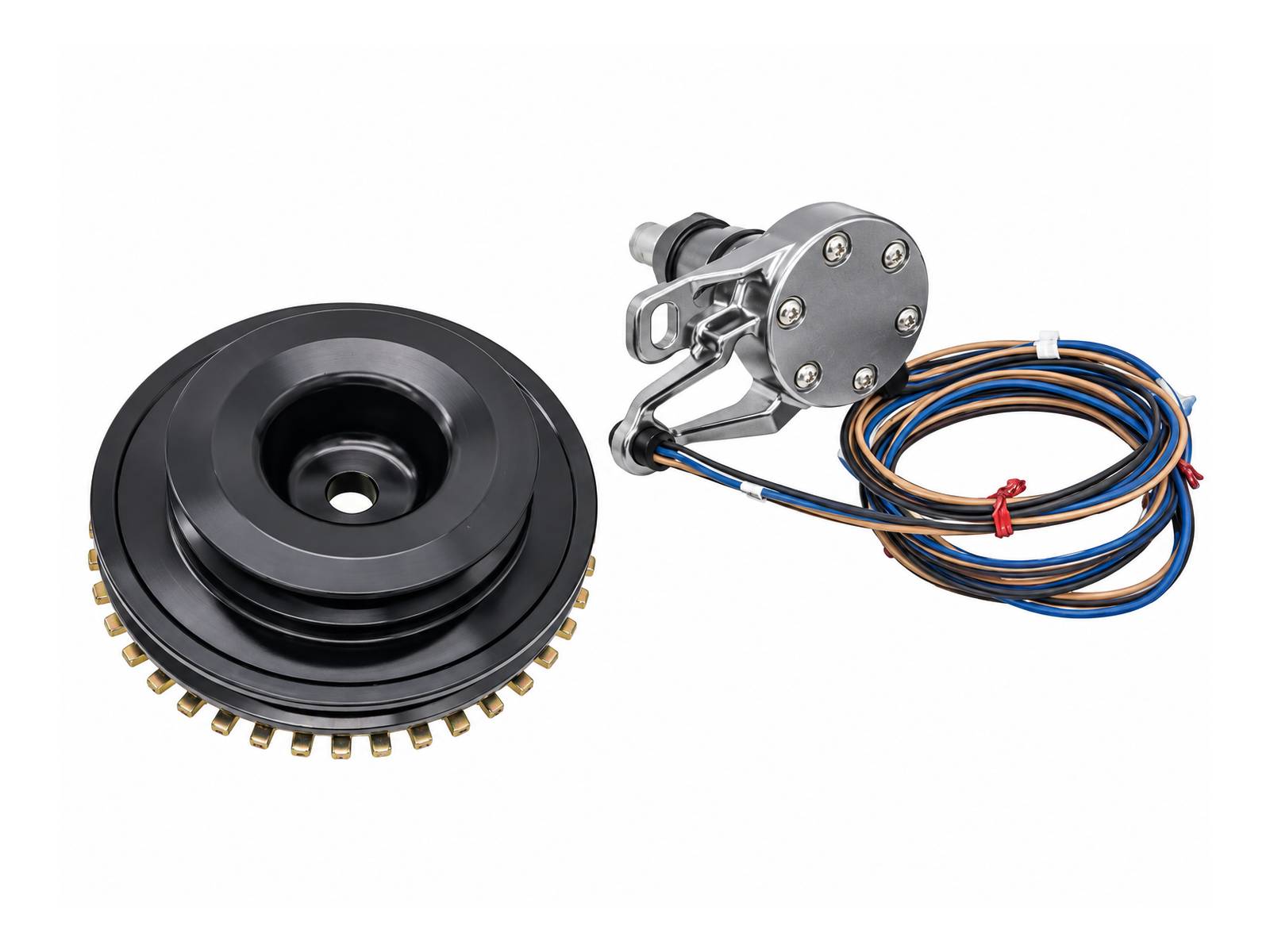
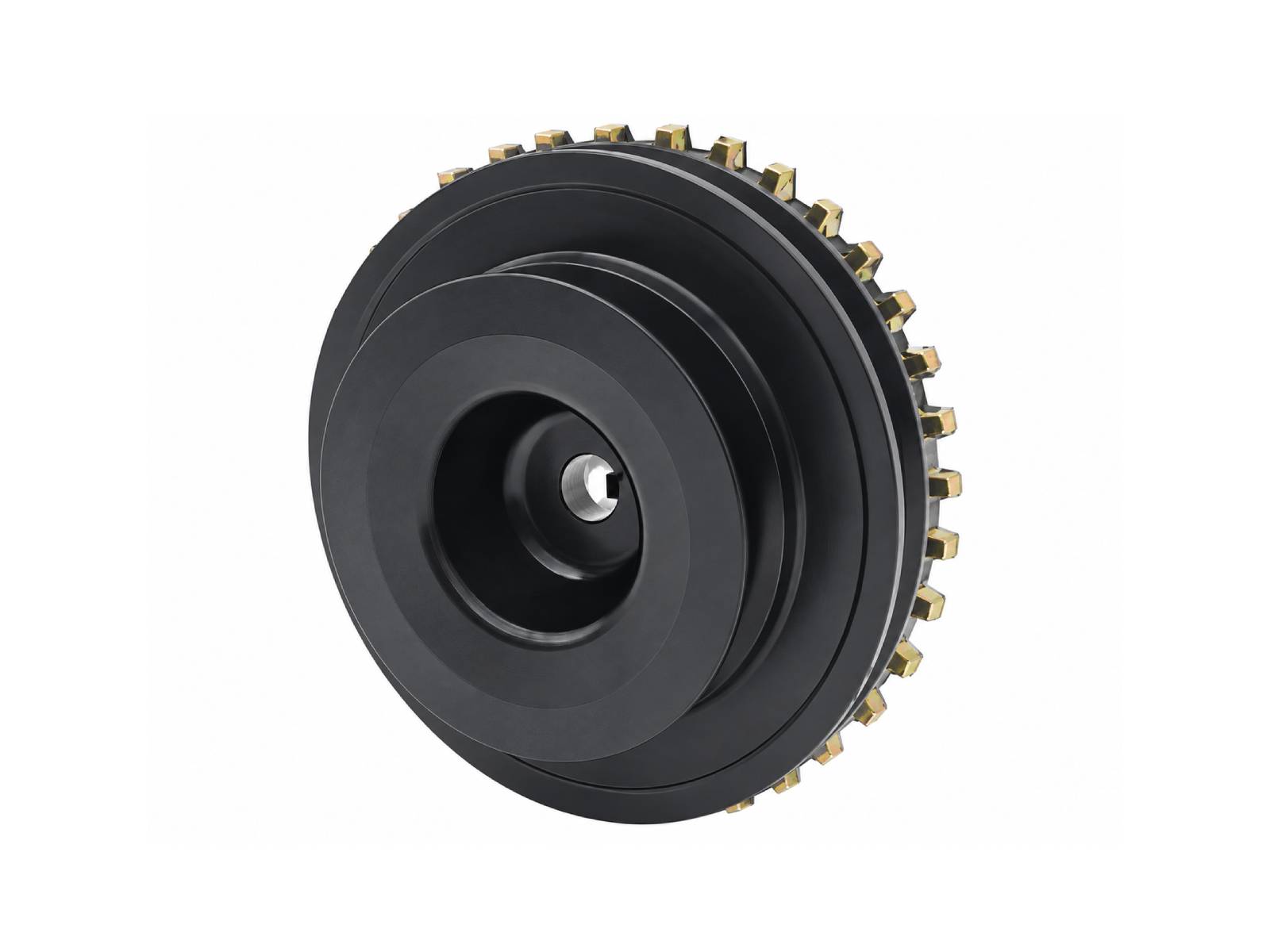
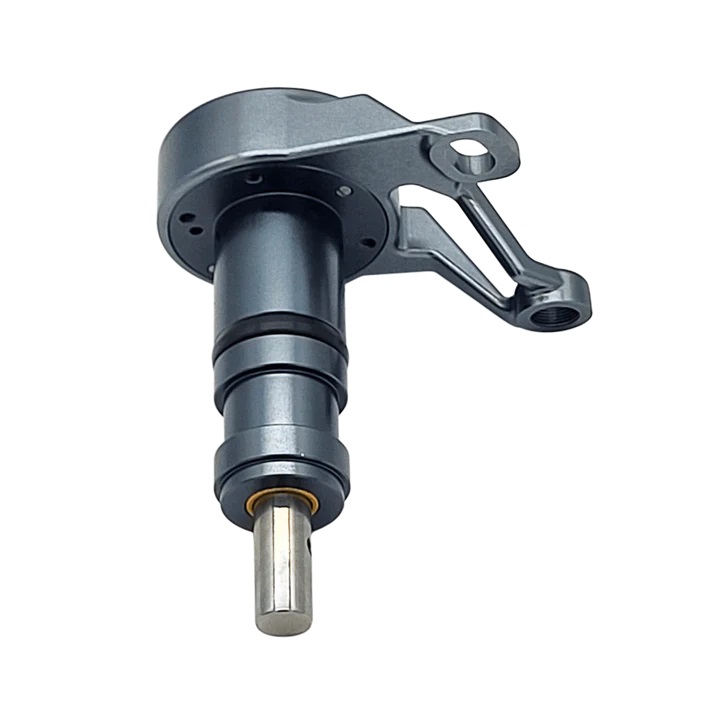
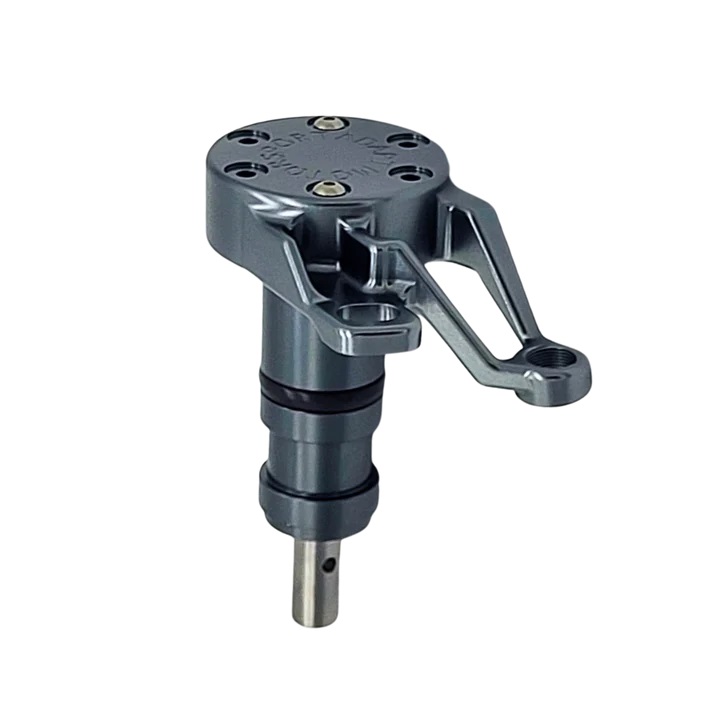
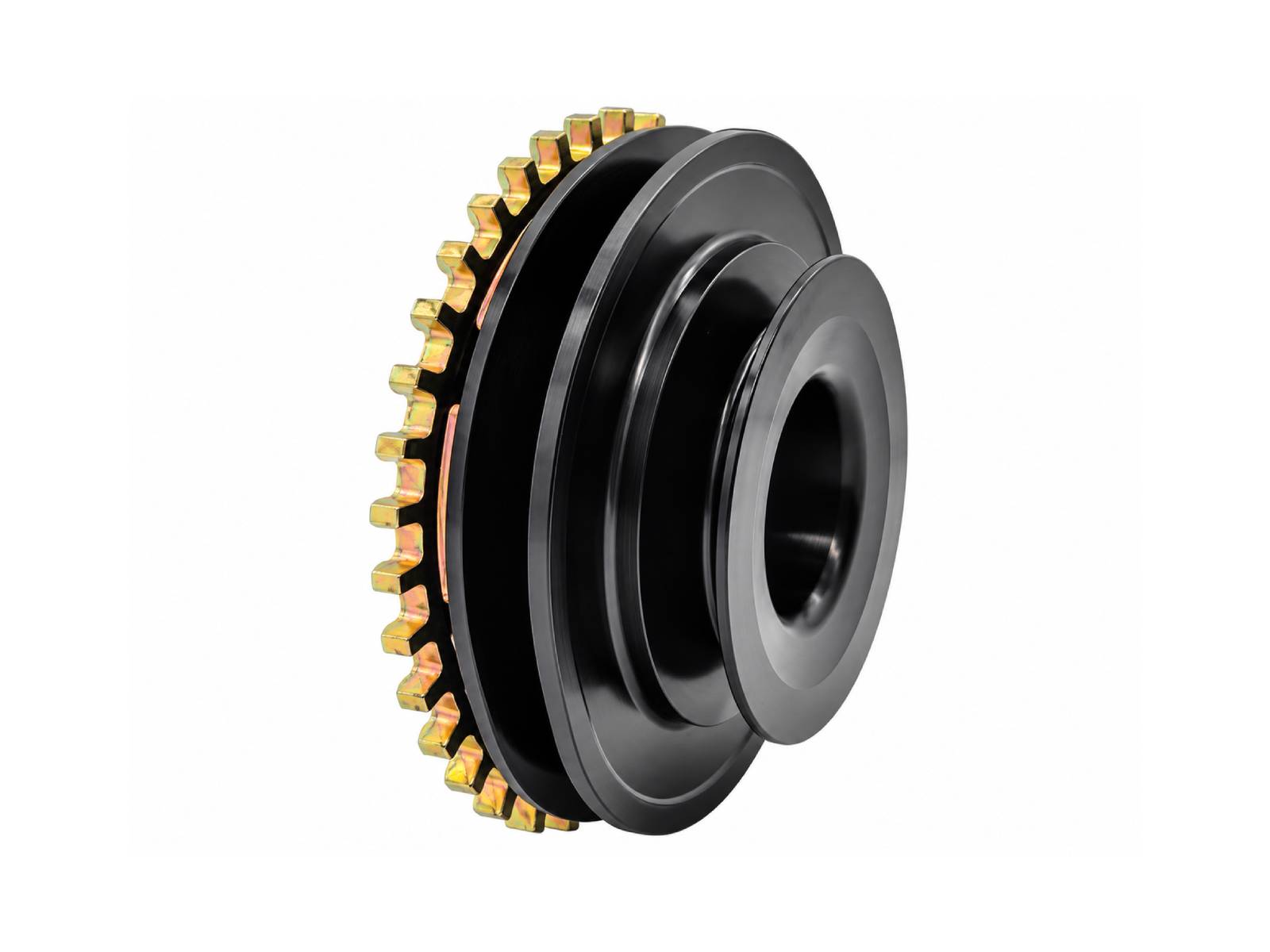
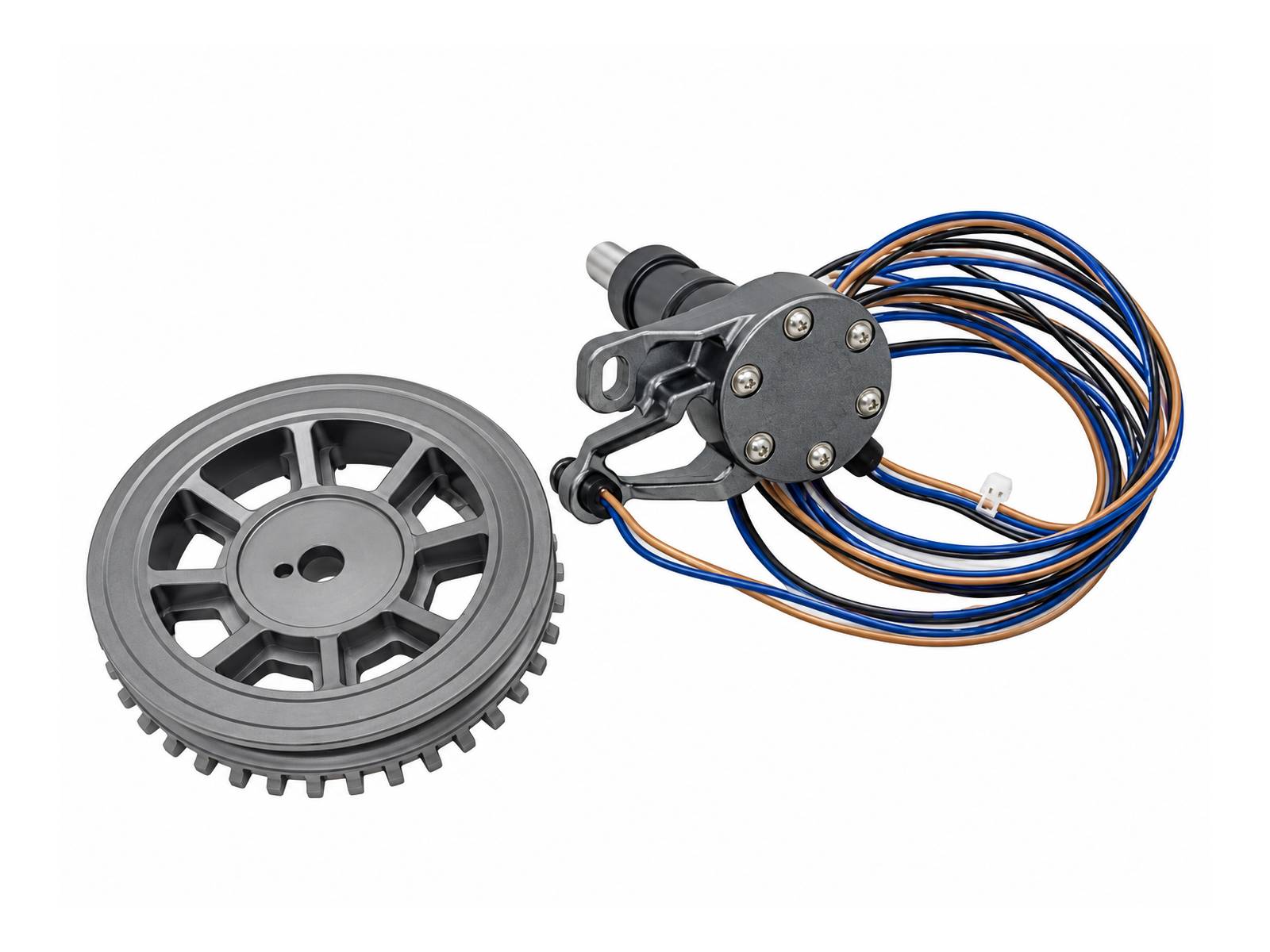
Adapt Motorsport Sync 2 ignition reference and synchronisation sensor kit for early Porsche 911 2.7 and 3.0 engines equipped with a piston-style air-conditioning compressor. It combines a dual-sensor module with a 127/90mm crankshaft pulley and 36-1 trigger disc.
Fits:
- Porsche 911 1974-1977 2.7L / 1976-77 3.0 Carrera
- Porsche 911 1978-1983 3.0L / SC
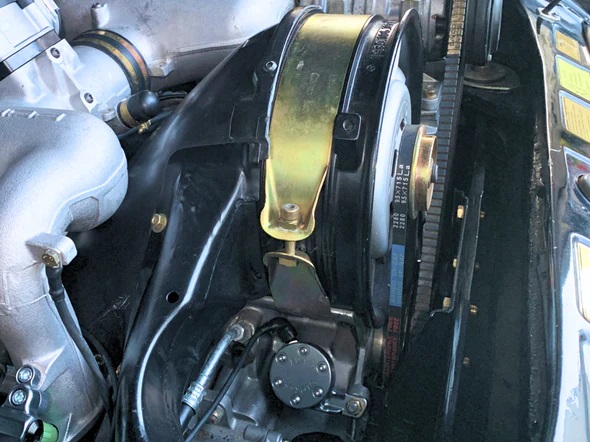
Visually confirm the crankshaft pulley and air-conditioning compressor arrangement fitted to the engine. Check fitment for your specific vehicle, model, year and engine before ordering.
What This Product Does
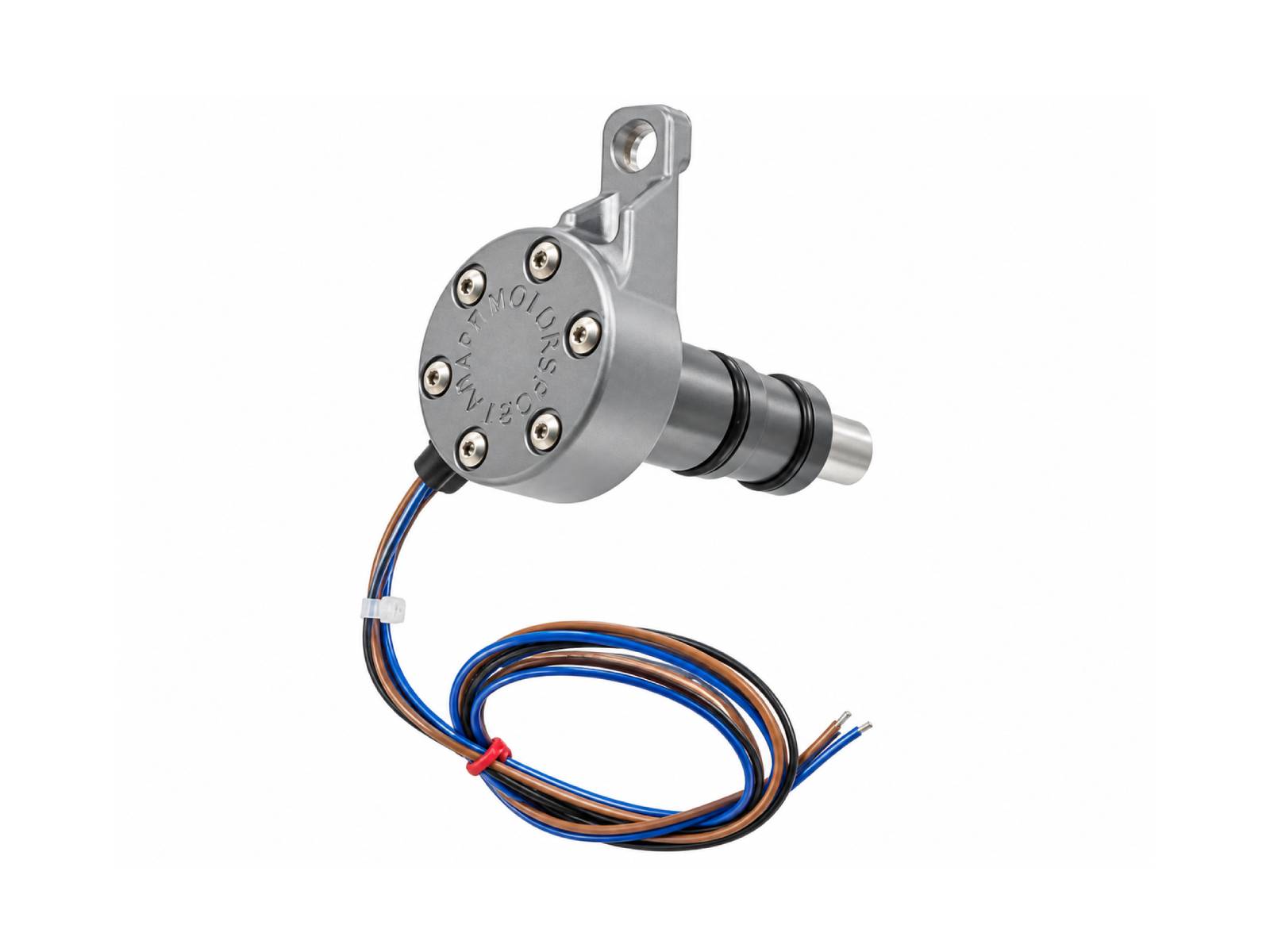
The crank sensor monitors the teeth of the 36-1 trigger disc, enabling a compatible ECU to determine crankshaft speed and position from the pulse sequence and missing-tooth reference. The second Hall-effect sensor is housed in the distributor-location module and reads a single reference tooth at half engine speed.
This reference signal occurs once during each complete four-stroke cycle, allowing the ECU to identify whether the engine is on its compression or exhaust stroke. Combining both signals supplies the position data required for sequential fuel injection and ECU-managed ignition.
Functions
- Measures crankshaft position and rotational speed
- Provides one engine-cycle synchronisation pulse per 720 degrees
- Enables sequential injection and ignition strategies with a suitable ECU
- Installs in the original distributor mounting position
- Provides digital Hall-effect sensor outputs
Technical Details
- Sync 2 module with two ZF digital Hall-effect sensors
- 127/90mm air-conditioning crankshaft pulley for parallel-end crankshafts
- 36-1 crank trigger disc
- Recommended sensor supply voltage: 8V
- Supported sensor operating supply: 5–12V
- Machined aluminium housing with an anodised finish, maintenance-free bronze bush and sealed roller bearing
Kit Contents
- Main dual-sensor body assembly
- Two ZF Hall-effect sensors
- 127/90mm crankshaft pulley and trigger disc
- Wiring, terminals and connectors for connection to the engine wiring loom
Installation Requirements
The assembly occupies the original distributor location and uses the factory distributor gear removed from the existing unit. Installation involves connecting the sensors to a compatible engine control unit, setting the correct sensor gap at the crank trigger and configuring the reference position in the ECU software.
As the original distributor is removed, the engine requires coil-on-plug ignition or another per-cylinder coil and ignition-lead arrangement in which the ECU controls each ignition event.
Why Replacement Matters
Sequential engine management needs reliable information for engine speed, crank position and the current four-stroke cycle. This kit supplies both crank and cycle-reference signals without using the original distributor to route the ignition spark, supporting conversion to compatible electronic fuel-injection and ignition control.
Important Installation Notes
- The 127/90mm pulley is intended for early piston-style air-conditioning compressor installations and is not the correct version for 1984 onwards 3.2 engines.
- On magnesium 2.7 engine cases, a small boss near the crank pulley must be trimmed or die-ground to provide clearance for the trigger disc.
- The system does not fit Porsche 964 or 993 3.6 engine cases; these require the separate 964/993 sensor solution.
- Confirm ECU compatibility, sensor supply voltage, distributor gear suitability and available pulley clearance before installation.
FAQs
- Does the kit generate both crank and cycle-reference signals?
Yes. One sensor reads the 36-1 crank trigger, while the second provides a synchronisation pulse once every two crankshaft revolutions. - Can the standard distributor ignition system remain in use?
No. The sensor module installs in the distributor position, so ignition must be controlled by the ECU using coil-on-plug or another individually controlled per-cylinder arrangement. - Is this pulley suitable for a 1984 onwards Carrera 3.2?
No. Later 3.2 installations use a larger air-conditioning pulley diameter and require the 127/133mm version. - Does installation on a 2.7 magnesium case require modification?
Yes. Adapt Motorsport specifies that a small crankcase boss must be reduced to create trigger-disc clearance.
Related reference numbers
Related, superseded, cross reference or alternative numbers for comparison.
AMS9050053KIT.1
The product you are viewing cross references to these numbers

- Porsche 911 1974-1977 2.7L / 1976-77 3.0 Carrera
- Porsche 911 1978-1983 3.0L / SC

Ignition ref/sync sensor kit by Adapt Motorsport for classic Porsche engines. This Sync 2 version combines two Hall effect sensors with a 127mm crank pulley and 36-1 trigger disc for sequential fuel injection and ignition control.
Fits:
- Porsche 911 1974-1977 2.7L / 1976-77 3.0 Carrera
- Porsche 911 1978-1983 3.0L / SC
- Porsche 911 1984-1986 3.2L
- Porsche 911 1987-1989 3.2L G50
Check fitment for your specific vehicle, engine casing, distributor gear and engine-management system before ordering.
What This Product Does
The crank-mounted sensor reads the teeth and missing-tooth reference on the 36-1 trigger disc, allowing the ECU to calculate crankshaft position and engine speed. A second sensor within the distributor-location module generates one reference pulse every 720 degrees, identifying the engine cycle so the ECU can distinguish between the compression and exhaust strokes.
Together, these signals provide the engine-position information required by a suitable aftermarket ECU to operate sequential fuel injection and ECU-controlled ignition.
Functions
- Measures crankshaft position and rotational speed.
- Provides a once-per-engine-cycle synchronisation signal.
- Supports sequential injection and ignition strategies.
- Replaces the original distributor body at its mounting location.
- Supplies digital Hall effect signals to a compatible ECU.
Technical Details
- Sync 2 dual-sensor body assembly.
- Two ZF digital Hall effect sensors.
- 127mm crank pulley for parallel-end crankshafts.
- 36-1 crank trigger disc.
- Recommended sensor supply: 8V; operating range stated by the manufacturer as 5–12V.
- Machined aluminium housing with anodised finish, maintenance-free bronze bush and sealed roller bearing.
Kit Contents
- Main two-sensor body assembly.
- Two ZF Hall effect sensors.
- 127mm crank pulley and 36-1 trigger disc.
- Wiring, terminals and connectors for integration with the vehicle wiring loom.
Installation Requirements
The module mounts in the original distributor location and reuses the factory distributor gear. Installation requires wiring to a compatible ECU, adjustment of the sensor air gap and configuration of the reference position within the ECU software.
Because this kit replaces the distributor, the engine must use coil-on-plug ignition or another arrangement with an individually controlled ignition lead for each cylinder. The ECU must control the ignition events.
Why Replacement Matters
A modern sequential engine-management system requires accurate crankshaft speed, crank position and engine-cycle information. This combined trigger and synchronisation arrangement supplies both signals without relying on the original distributor to distribute the ignition spark.
Important Notes
- This kit is not compatible with Porsche 964 or 993 3.6L engine cases; Adapt Motorsport offers a separate sensor solution for those engines.
- On 2.7L magnesium engine cases, a small boss near the crank pulley must be trimmed or die-ground to provide trigger-disc clearance.
- Confirm ECU compatibility, sensor supply voltage, distributor gear suitability and pulley clearance before installation.
FAQs
- Does the kit provide both crank and engine-cycle signals?
Yes. One sensor reads the 36-1 crank trigger while the internal reference sensor produces one pulse every two crankshaft revolutions. - Can the original distributor ignition arrangement be retained?
No. The module occupies the distributor location, so ECU-controlled coil-on-plug or an individual ignition lead and coil arrangement is required. - Does it fit Porsche 964 or 993 3.6L cases?
No. Those engine cases require the separate 964/993 sensor product. - Is modification required on a 2.7L engine?
The manufacturer states that magnesium 2.7L cases require a small crankcase boss to be trimmed for trigger-disc clearance.
Related reference numbers
Related, superseded, cross reference or alternative numbers for comparison.
AMS9050053KIT
The product you are viewing cross references to these numbers
- Porsche 911 1974-1977 2.7L / 1976-77 3.0 Carrera
- Porsche 911 1978-1983 3.0L / SC
- Porsche 911 1984-1986 3.2L
- Porsche 911 1987-1989 3.2L G50

Dual crankshaft and camshaft position sensor for electronic fuel injection upgrade. Porsche 911 1974 to 1989
Dual sensor kit with pulley is the complete engine position monitoring kit
Fits:
- Porsche 911 1974-1977 2.7L / 1976-77 3.0 Carrera
- Porsche 911 1978-1983 3.0L / SC
- Porsche 911 1984-1986 3.2L
- Porsche 911 1987-1989 3.2L G50
The dual sensor unit, no pulley is for people who might be upgrading from another crank sensor kit, and have a trigger installed. So long as the trigger wheel diameter is between 127mm and 132mm in diameter, then our kit can most likely be used with the existing trigger wheel.
Dual sensor
Trigger every 720 degrees (compression stroke)
36 tooth trigger wheel
Dual sensor – This unit has the same sensor as the in the body as the single sensor, but a second sensor that points at the trigger disc mounted to the Adapt Motorsport crank pulley. As standard, this is a 36-1 pulley, meaning that it has 36 teeth, minus 1 missing tooth. This allows the ECU to know what the crankshaft position is at all times and in combination with the internal sensor, whether it is on the compression or exhaust stroke in its 720 degree cycle. This system provides a complete engine position sensing kit. If you have an existing 36t trigger disc, it is possible to use our sensor kit on this, provided that the teeth are designed for a hall sensor, and not a magnetic sensor, and the outside diameter of the teeth is between 127 and
130mm. Please contact us for clarification
Why do you need this system and what are crankshaft/camshaft position sensors?
When converting classic Porsches to modern electronic fuel injection, the engine control unit (ECU) needs to know exactly where the crankshaft and camshafts are in there 4 stroke cycle and how fast they are spinning. This allows the ECU to correctly time each spark and fuel injector opening time and duration. The first sensor is pointed at the crankshaft pulley and measures a pulse for every tooth. There is one missing tooth and from this the ECU can work out what the crankshaft position is relative to this missing tooth. The time between pulses gives the engine speed and rate of change.
But there is a problem, the engine spins two complete revolutions to complete its 4 stroke cycle. So whilst with this one sensor, the ECU knows where it is relative to top dead centre (TDC), it does not know if it is on the compression or exhaust stroke. This is where the second reference sensor comes in. This sensor is installed in the body our module, and measures a single tooth. As this is installed in the distributor hole, this is geared to run at half engine speed, so will produce a pulse once every 720 degrees. With these two sensors, the ECU knows the exact position the engine is in its 4 stroke cycle. And now, we can run accurate sequential injection and ignition.
Our kit uses high speed digital hall effect sensors for a digital output to the engine control unit, these are best run at 8V, most modern ECU's have an 8V output dedicated for crankshaft sensors.
Machined aluminium housing and anodised finish, complete with maintenance free bronze bush and sealed for life roller bearing. These sensors are quite adjustable so are often able to be used with existing crank pully and trigger wheel setups from other quality vendors.
Sync 2 Kit Includes:
Main body assembly
ZF Hall effect sensors x 2
Wiring and connectors, with pins and connectors for connecting to your wiring loom.
For use with other crank trigger systems.
(We can not guarantee that that this system will fit every crank/trigger system, however it can be easily modified to suit most systems)
This replacement kit fits to the OEM distributor location using your own factory distributor gear. Simply remove the factory distributor gear from your install the gear, wire to your ECU, fine tune the sensor air gap to the crank trigger disc, setup the reference position in the ECU and you have all the sensing you need for the latest sequential fuel and ignition systems. This kit works on the 2.7lre, 3.0ltr and with the turbo distributor gears.
Please Note
2.7 engines may need to trim some of the crank case near the crank pulley to prevent interference.
Related reference numbers
Related, superseded, cross reference or alternative numbers for comparison.
93060250052
The product you are viewing cross references to these numbers
- Porsche 911 1974-1977 2.7L / 1976-77 3.0 Carrera
- Porsche 911 1978-1983 3.0L / SC
- Porsche 911 1984-1986 3.2L
- Porsche 911 1987-1989 3.2L G50
 Shop Securely
 12 Month Warranty
 Worldwide Delivery
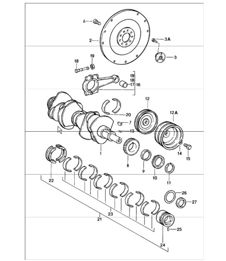
Porsche Performance Crankshafts - High-Strength Engine Bottom-End Upgrades
Crankshafts are the core rotating components of the engine, converting the linear motion of the pistons into usable rotational power. In high-performance or tuned Porsche engines, upgraded crankshafts are essential for handling increased cylinder pressures, higher RPM, and sustained load without compromising reliability.
Available from Design911, Porsche performance crankshafts are engineered using high-strength materials and precision machining to deliver exceptional durability, balance, and dimensional accuracy for performance builds, engine rebuilds, and motorsport applications.
What Do Crankshafts Do?
Crankshafts transform piston movement into rotational energy that drives the drivetrain.
Core Functions:
- Convert combustion force into rotational motion.
- Maintain smooth, balanced engine operation.
- Support high RPM and power output.
- Transfer torque to the flywheel and gearbox.
- Form the foundation of the engine’s rotating assembly.
A strong, precisely balanced crankshaft is critical for engine performance and longevity.
Why Do Crankshafts Fail?
Standard crankshafts are designed for factory power levels
and operating conditions. Failures can occur when engines are pushed beyond
these limits due to:
- Increased cylinder pressures from tuning or forced induction.
- Metal fatigue from sustained high-RPM operation.
- Insufficient lubrication or oil starvation.
- Bearing failure causing crankshaft damage.
- Poor balance leading to vibration and stress fractures.
Crankshaft failure often results in catastrophic engine damage.
Why Upgrade to a Performance Crankshaft?
Performance crankshafts are designed to handle extreme loads and engine speeds safely.
Upgrade Benefits:
- High-strength forged or billet construction.
- Improved resistance to fatigue and torsional stress.
- Precision balancing for smooth high-RPM operation.
- Suitable for turbocharged, supercharged, and race engines.
- Essential upgrade for high-output engine builds.
Upgrading the crankshaft provides a robust foundation for reliable high-performance engines.
Highlights
- Porsche performance crankshaft upgrades
- High-strength construction for extreme power levels
- Designed for tuned and motorsport engines
- Precision balanced for smooth operation
- Essential component for high-performance engine builds
-
 Pulleys
-
Engine / Gearbox Mounts
-
Oil Flow / Sump
-
Engine Rods and Bolts
-
Radiators
-
Air Filters
-
Air Induction Kits
-
Camshaft Covers
-
Performance Plenum
-
Electronic Fuel Injection Throttle Kits
-
Electronic Throttle Booster
-
IRIDIUM POWER Spark Plugs
-
IRIDIUM RACING Spark Plugs
-
Fuel rails / regulators
-
Clutches / Flywheels
-
ECU Reader / Fault Finder
-
Exhaust Packages
-
Fuel Additives
-
Wössner Forged Piston Kit
-
Wössner Steel Connecting Rods
-
CP Carrillo Pistons
-
CP Carrillo Connecting Rods
-
Capricorn Engine parts
-
Valve springs
-
Distributors


.jpg)


Monday-Friday: 8.30am - 5.30pm (GMT)
Saturday: Closed
Sunday: Closed