







Enter your VAT number here and click Verify:
Your details have been verified. VAT number registered to:
,
.
Your order will now be zero rated for VAT purposes. We reserve the right to verify these details after your order request has been made and reinstate VAT if required.
Your VAT details were not recognised or were invalid. Your VAT number must be matched to your Billing Country as specified above. This is currently specified as . You do not need to enter the country code part of your VAT number as this has already been selected in your billing address details above.
The VAT number checking service is currently offline. Please supply your VAT details within the comments or special instructions field below and we will apply a VAT discount after placing your order request.

Your Vehicle // Porsche // 911 & 912 (1965-1989) // 911 1984-1986 3.2L

- Accessories
- Brakes
- Chassis / Bodywork
- Clothing & Gifts
- Electrical & Relays
- Engine Cooling
- Engine Electrical
- Engine Rebuild Parts
- Engine Tuning
- Exhausts
- Exterior Styling / Spoilers
- Gearbox / Transmission
- Heating / Air Conditioning
- Hydraulics
- Incar / Multimedia
- Interior & Accessories
- Lighting
- Mats & Carpets
- Motorsport and Off-Road
- Parts for Other Cars
- Pedal Cluster
- Rubber Seals
- Seats & Seat Belts
- Service Parts
- Special Offer Parts
- Steering Parts
- Suspension & Axle
- Suspension Upgrades
- Tyres
- Wheel Accessories
- Wheels
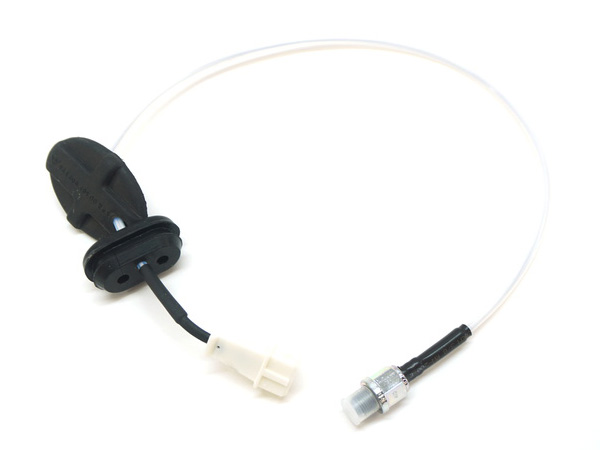
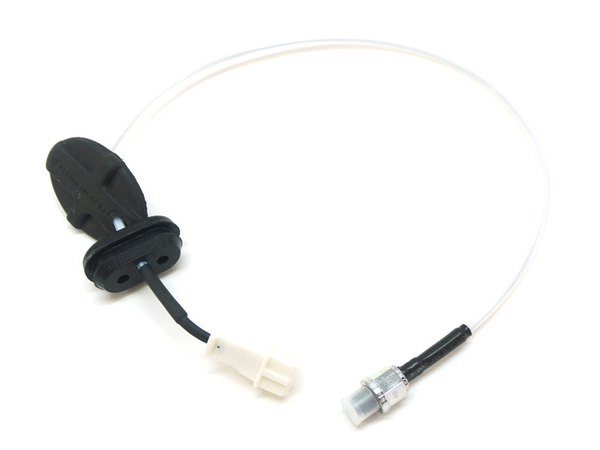
Temperature Sensor



Fits:
Porsche 911 1984-89
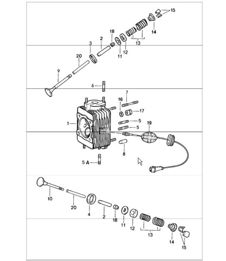
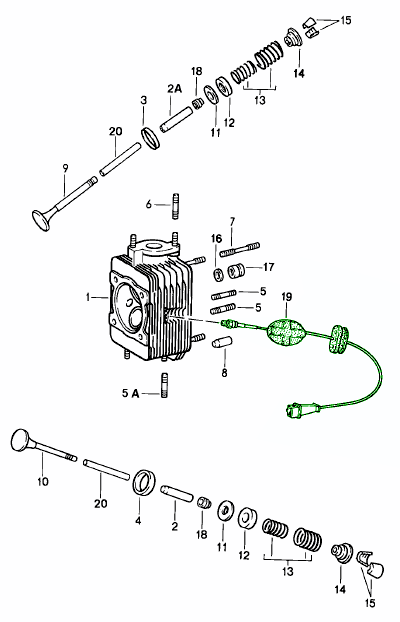
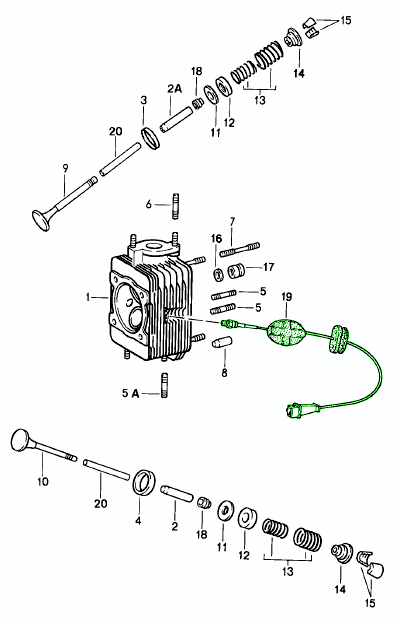
Diagram Ref No 19
Related reference numbers
Related, superseded, cross reference or alternative numbers for comparison.
93060691500
The product you are viewing cross references to these numbers
- Porsche 911 1984-1986 3.2L
- Porsche 911 1987-1989 3.2L G50
 Shop Securely
 12 Month Warranty
 Worldwide Delivery


OE Match cylinder head temperature sensor for Porsche 911 3.2L models from 1984–89. The sensor fits to the cylinder head and provides temperature information for engine management.
Fits
- Porsche 911 1984-89
- 911 1984–1986 3.2L
- 911 1987–1989 3.2L G50
Diagram Ref No 19
What This Product Does
The sensor measures cylinder-head temperature, giving the engine management system information about the engine's thermal condition. Temperature input helps the control system determine appropriate fuelling during starting, warm-up and normal running. This component measures cylinder-head temperature rather than engine oil temperature.
Functions
- Measures temperature at the cylinder head.
- Provides an electrical temperature signal to engine management.
- Supports temperature-dependent fuelling adjustments.
Technical Details
- Brand: OE Match.
- Supplied part reference: 93060691500.
- Installation position: cylinder head.
- 1984–86 diagram applications: engine codes 930.20/21/26.
- 1987–89 diagram applications: engine codes 930.20/25/26.
Symptoms of Fault
- Difficulty starting with a cold or hot engine.
- Uneven idle or irregular running.
- Higher fuel consumption associated with incorrect temperature input.
- Intermittent operation linked to heat, vibration or a damaged electrical connection.
These symptoms can also originate elsewhere. Inspect the connector, wiring and earth connections, and test the sensor before deciding that replacement is required.
Why Replacement Matters
A defective sensor can give engine management an inaccurate indication of temperature, affecting temperature-dependent fuelling. Replacing a confirmed faulty component addresses that signal fault; it will not correct damaged wiring or unrelated ignition and fuel-system problems. OE Match develops replacement components around Porsche applications, using original references and vehicle specifications to assess suitability.
FAQs
Could the wiring produce similar symptoms?
Yes. Loose terminals, corrosion and damaged wiring can interrupt or distort the signal, so inspect these before replacing the sensor.
How should a suspected fault be checked?
Measure the sensor's electrical response using the appropriate workshop procedure and compare the results with the specified values for the vehicle.
Is replacement necessary simply because the sensor is old?
Age alone does not confirm failure. Base replacement on inspection, symptoms and electrical testing.
Check fitment for your specific vehicle (model, year, engine) before ordering.
Related reference numbers
Related, superseded, cross reference or alternative numbers for comparison.
93060691500
The product you are viewing cross references to these numbers
- Porsche 911 1984-1986 3.2L
- Porsche 911 1987-1989 3.2L G50
Shop Securely
12 Month Warranty
Worldwide Delivery
Temperature Sensors – Accurate Engine Monitoring for
Porsche Performance
Temperature sensors play a critical role in your
Porsche’s engine and cooling system by constantly monitoring temperatures such
as coolant, oil, intake air, and exhaust gases. These sensors send real-time
data to the engine control unit (ECU), helping to regulate performance,
emissions, and fuel efficiency.
At Design911, we stock a comprehensive selection of genuine and high-quality temperature sensors for various Porsche models such as 911, Boxster, Cayman, Cayenne, Macan, and Panamera models. Each sensor is designed for precision, reliability, and longevity — ensuring accurate readings and smooth engine operation in all driving conditions.
What Do Temperature Sensors Do?
Temperature sensors are vital to maintaining your Porsche’s
performance, safety, and efficiency. Their main functions include:
- Monitoring
coolant and engine temperature to prevent overheating.
- Feeding
data to the ECU to adjust fuel mixture and ignition timing.
- Controlling
fan activation and emission systems.
- Ensuring optimal engine performance under all loads and climates.
Accurate sensor readings are essential for protecting your engine, maximising power, and improving fuel economy.
Why Do Temperature Sensors Fail?
Constant exposure to heat, vibration, and contaminants can
cause temperature sensors to degrade or fail. Common causes include:
- Thermal
fatigue leading to inaccurate readings.
- Corrosion
or oxidation on connectors.
- Coolant
or oil contamination damaging sensor elements.
- Wiring
faults or loose electrical connections.
- Age-related wear causing signal irregularities.
Symptoms of a failing temperature sensor include fluctuating temperature gauge readings, poor fuel economy, rough idle, overheating, or an illuminated check engine light.
Why Replace Faulty Temperature Sensors?
Replacing a faulty temperature sensor is essential for accurate engine management and protection. A malfunctioning sensor can cause incorrect fueling, overheating, and even engine damage.
Benefits of replacement include:
- Accurate temperature readings and ECU adjustments.
- Enhanced fuel efficiency and performance.
- Prevention of overheating and engine damage.
- Reliable operation with manufacturer-quality precision.
All sensors in our range are made using high-grade materials and advanced sensing elements to provide reliable data, quick response times, and long service life in even the most demanding conditions.
-
 Air Mass/Flow Sensors
-
Alternator / Generator
-
Batteries & Chargers
-
Distributor
-
Distributor Cap
-
Rotor Arms / Point Sets
-
Relays / Fuses
-
Ignition Coil
-
Ignition Control Units
-
Ignition Lead Sets
-
Ignition Lead High Performance
-
Injectors
-
Starter Motors
-
Fuel Pressure Regulator
-
Idle Control Valve
-
Fuel Pump
-
Speed / Reference / Knock Sensors
-
Wiring Harness / Cables
-
Throttle Body




Monday-Friday: 8.30am - 5.30pm (GMT)
Saturday: Closed
Sunday: Closed