





Enter your VAT number here and click Verify:
Your details have been verified. VAT number registered to:
,
.
Your order will now be zero rated for VAT purposes. We reserve the right to verify these details after your order request has been made and reinstate VAT if required.
Your VAT details were not recognised or were invalid. Your VAT number must be matched to your Billing Country as specified above. This is currently specified as . You do not need to enter the country code part of your VAT number as this has already been selected in your billing address details above.
The VAT number checking service is currently offline. Please supply your VAT details within the comments or special instructions field below and we will apply a VAT discount after placing your order request.

Your Vehicle // Porsche // 911 & 912 (1965-1989) // 911 1987-1989 3.2L G50

- Accessories
- Brakes
- Chassis / Bodywork
- Clothing & Gifts
- Electrical & Relays
- Engine Cooling
- Engine Electrical
- Engine Rebuild Parts
- Engine Tuning
- Exhausts
- Exterior Styling / Spoilers
- Gearbox / Transmission
- Heating / Air Conditioning
- Hydraulics
- Incar / Multimedia
- Interior & Accessories
- Lighting
- Mats & Carpets
- Motorsport and Off-Road
- Parts for Other Cars
- Pedal Cluster
- Rubber Seals
- Seats & Seat Belts
- Service Parts
- Special Offer Parts
- Steering Parts
- Suspension & Axle
- Suspension Upgrades
- Tyres
- Wheel Accessories
- Wheels
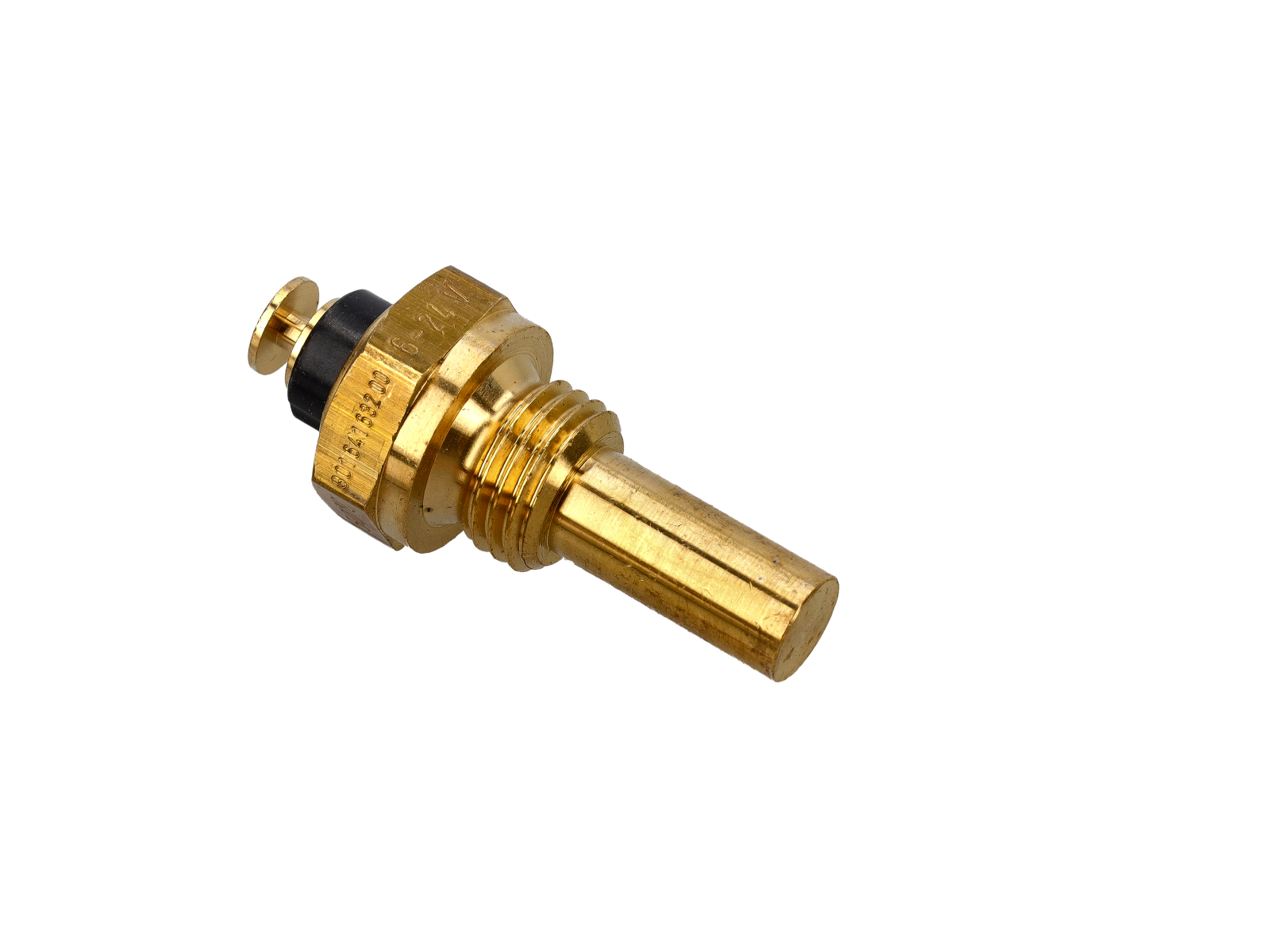
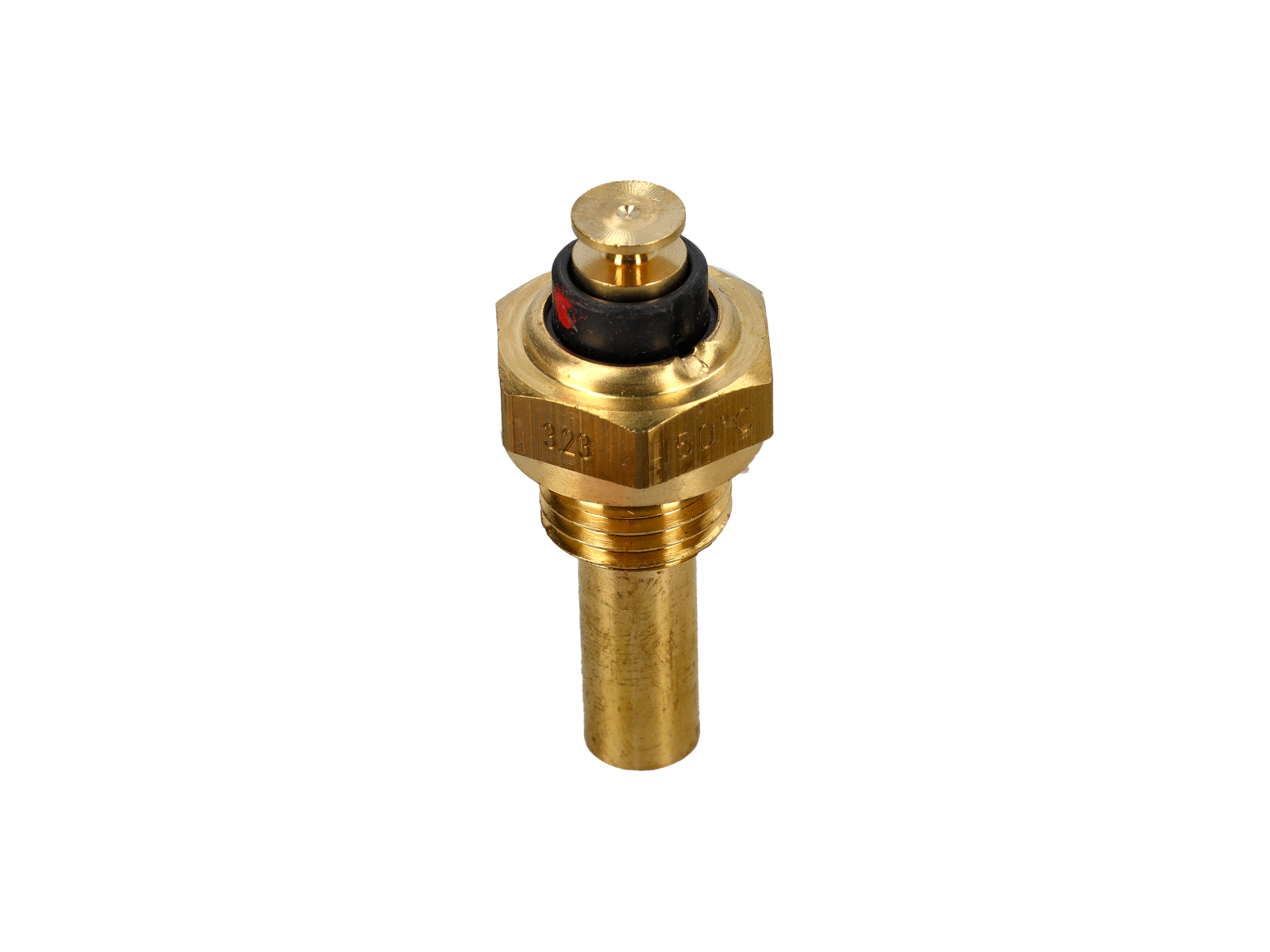
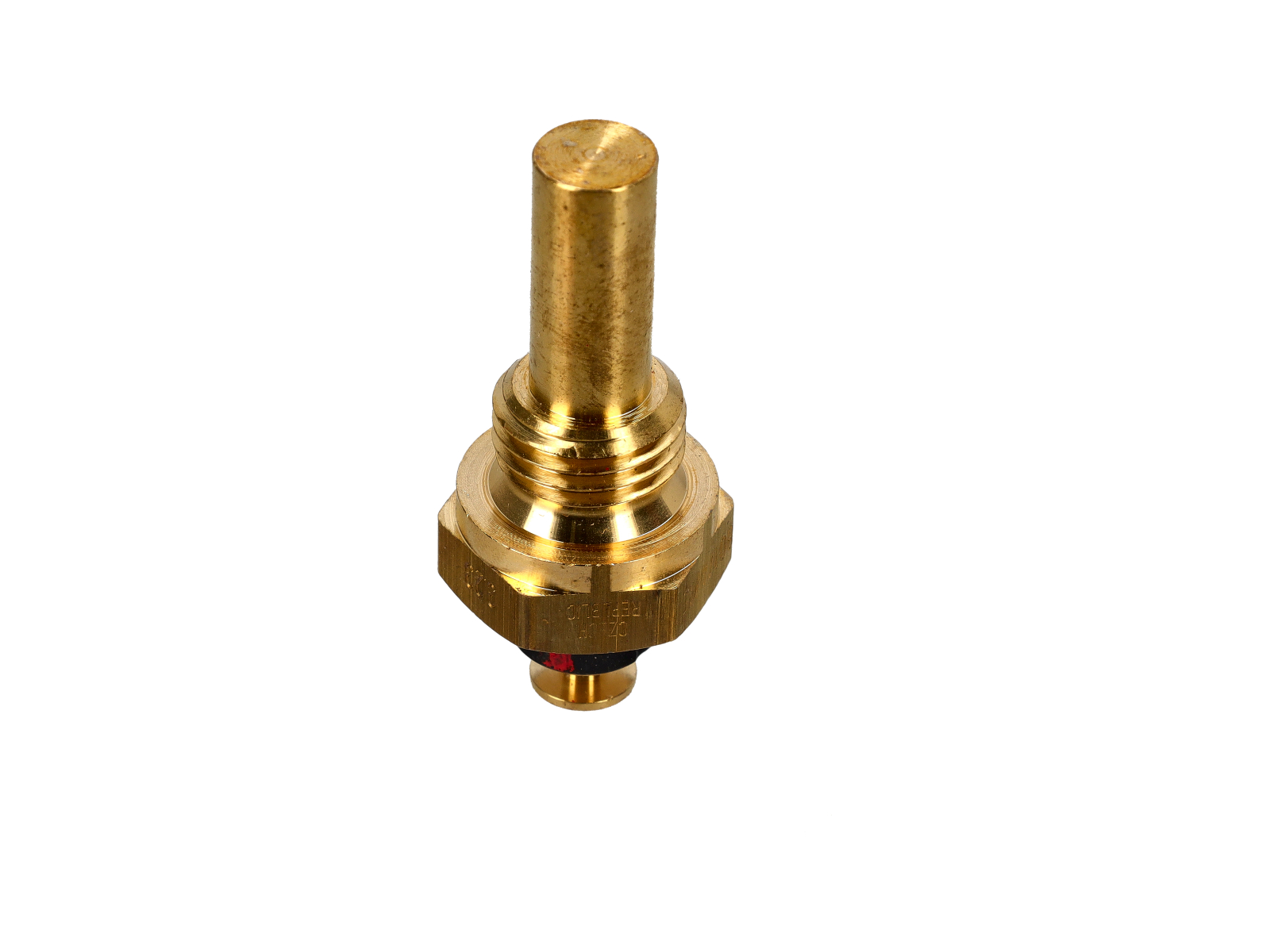
Oil Temperature Sensor


Fits:
Porsche 911 1984-89
Diagram Ref No 19
Related reference numbers
Related, superseded, cross reference or alternative numbers for comparison.
93060691500
The product you are viewing cross references to these numbers
- Porsche 911 1984-1986 3.2L
- Porsche 911 1987-1989 3.2L G50
 Shop Securely
 12 Month Warranty
 Worldwide Delivery


OE Match cylinder head temperature sensor for Porsche 911 3.2L models from 1984–89. The sensor fits to the cylinder head and provides temperature information for engine management.
Fits
- Porsche 911 1984-89
- 911 1984–1986 3.2L
- 911 1987–1989 3.2L G50
Diagram Ref No 19
What This Product Does
The sensor measures cylinder-head temperature, giving the engine management system information about the engine's thermal condition. Temperature input helps the control system determine appropriate fuelling during starting, warm-up and normal running. This component measures cylinder-head temperature rather than engine oil temperature.
Functions
- Measures temperature at the cylinder head.
- Provides an electrical temperature signal to engine management.
- Supports temperature-dependent fuelling adjustments.
Technical Details
- Brand: OE Match.
- Supplied part reference: 93060691500.
- Installation position: cylinder head.
- 1984–86 diagram applications: engine codes 930.20/21/26.
- 1987–89 diagram applications: engine codes 930.20/25/26.
Symptoms of Fault
- Difficulty starting with a cold or hot engine.
- Uneven idle or irregular running.
- Higher fuel consumption associated with incorrect temperature input.
- Intermittent operation linked to heat, vibration or a damaged electrical connection.
These symptoms can also originate elsewhere. Inspect the connector, wiring and earth connections, and test the sensor before deciding that replacement is required.
Why Replacement Matters
A defective sensor can give engine management an inaccurate indication of temperature, affecting temperature-dependent fuelling. Replacing a confirmed faulty component addresses that signal fault; it will not correct damaged wiring or unrelated ignition and fuel-system problems. OE Match develops replacement components around Porsche applications, using original references and vehicle specifications to assess suitability.
FAQs
Could the wiring produce similar symptoms?
Yes. Loose terminals, corrosion and damaged wiring can interrupt or distort the signal, so inspect these before replacing the sensor.
How should a suspected fault be checked?
Measure the sensor's electrical response using the appropriate workshop procedure and compare the results with the specified values for the vehicle.
Is replacement necessary simply because the sensor is old?
Age alone does not confirm failure. Base replacement on inspection, symptoms and electrical testing.
Check fitment for your specific vehicle (model, year, engine) before ordering.
Related reference numbers
Related, superseded, cross reference or alternative numbers for comparison.
93060691500
The product you are viewing cross references to these numbers
- Porsche 911 1984-1986 3.2L
- Porsche 911 1987-1989 3.2L G50
Shop Securely
12 Month Warranty
Worldwide Delivery

Fits:
Porsche 911 /912 1969-76
Porsche 911 SC SPM 1978-83
Porsche 911 Turbo 3.0L 1975-77
Diagram Ref No 28
Related reference numbers
Related, superseded, cross reference or alternative numbers for comparison.
90164163200
The product you are viewing cross references to these numbers
- Porsche 911 1965-1968 2.0L / 912 SWB (F)
- Porsche 911 1968-1973 2.2L / 2.4L / 2.7L RS LWB (F)
- Porsche 911 1974-1977 2.7L / 1976-77 3.0 Carrera
- Porsche 911 1978-1983 3.0L / SC
- Porsche 911 1984-1986 3.2L
- Porsche 911 1987-1989 3.2L G50
- Porsche 911 1975-1977 3.0L Turbo (930)
Shop Securely
12 Month Warranty
Worldwide Delivery

Oil Temperature Sensors – Accurate Monitoring for Porsche Engine Protection
The oil temperature sensor plays a crucial role in your Porsche’s engine management system. It constantly monitors the temperature of your engine oil, transmitting this information to the ECU and dashboard to regulate cooling, lubrication, and performance. Maintaining the correct oil temperature is vital to prevent overheating, reduce friction, and ensure your Porsche performs at its best under every driving condition.
At Design911, we supply a wide selection of oil temperature sensors designed to deliver fast, accurate readings for classic and modern Porsche engines. Built using high-quality, heat-resistant materials and advanced electronic components, these sensors guarantee durability, reliability, and compatibility across multiple Porsche models.
Whether you’re restoring a vintage air-cooled 911 or maintaining a high-performance 992 GT3, our temperature sensors ensure dependable performance and protection for your engine.
What Do Oil Temperature Sensors Do?
Oil temperature sensors (sometimes called temperature senders) measure the oil’s heat level and provide data to control systems and gauges.
Core Functions:
- Monitor
engine oil temperature in real time.
- Send
data to the ECU for precise engine management.
- Adjust
cooling and lubrication for optimal efficiency.
- Warn
the driver of overheating before engine damage occurs.
- Help maintain consistent oil viscosity and pressure.
Accurate temperature readings are essential to preserve
performance and longevity — especially in high-output Porsche engines.
Why Do Oil Temperature Sensors
Fail?
Continuous exposure to high temperatures, oil pressure, and engine vibration can cause temperature sensors to degrade or malfunction over time.
Common Causes of Failure Include:
- Thermal
fatigue damaging sensor elements.
- Oil
contamination or sludge buildup on the sensor tip.
- Electrical
connector corrosion or wiring faults.
- Seal
degradation, causing leaks or inaccurate readings.
- Sensor short circuits from prolonged overheating.
Symptoms of failure include inaccurate temperature readings, warning light activation, or fluctuating gauge readings — all signs the sensor needs inspection or replacement.
Why Replace Temperature Sensors?
A failing oil temperature sensor can cause incorrect engine management adjustments, leading to overheating, oil degradation, or reduced performance. Replacing it with a high-quality, precision-engineered sensor restores accurate readings and ensures reliable operation.
Key Benefits:
- Restores precise oil temperature monitoring.
- Prevents overheating and engine wear.
- Improves ECU control and fuel efficiency.
- Constructed from heat- and corrosion-resistant materials.
- Direct-fit
compatibility for various Porsche models.
- Ideal for servicing, rebuilds, or performance upgrades.
A properly functioning temperature sensor is essential for maintaining your Porsche’s engine health, ensuring optimal lubrication and temperature regulation.
Highlights:
- Precision-built oil temperature sensors for Porsche models.
- Accurate, real-time monitoring for engine protection.
- Durable, heat-resistant design for long life.
- Improves performance and reliability under load.
- Compatible with Porsche 911, Cayman, Boxster, and more.
- Perfect for restoration, maintenance, or high-performance applications.
-
 Filler Neck Parts
-
Oil Tank & Parts
-
Oil Level Senders
-
Oil Pressure Senders / Switches
-
Oil Pressure Relief Valve
-
Oil Pipes & Hoses
-
Breather Pipes
-
Camshaft Lines
-
Oil Separators & Vent lines
-
Oil Pumps & Gaskets
-
Oil Coolers / Radiators / Heat Exchangers
-
Oil Sump
-
Oil Thermostat
-
Oil Filter Housing
-
Oil Cooler Fan & Housing
-
Oil Level Dipstick
-
Elephant racing systems




Monday-Friday: 8.30am - 5.30pm (GMT)
Saturday: Closed
Sunday: Closed