





Enter your VAT number here and click Verify:
Your details have been verified. VAT number registered to:
,
.
Your order will now be zero rated for VAT purposes. We reserve the right to verify these details after your order request has been made and reinstate VAT if required.
Your VAT details were not recognised or were invalid. Your VAT number must be matched to your Billing Country as specified above. This is currently specified as . You do not need to enter the country code part of your VAT number as this has already been selected in your billing address details above.
The VAT number checking service is currently offline. Please supply your VAT details within the comments or special instructions field below and we will apply a VAT discount after placing your order request.

- Accessories
- Brakes
- Chassis / Bodywork
- Clothing & Gifts
- Electrical & Relays
- Engine Cooling
- Engine Electrical
- Engine Rebuild Parts
- Engine Tuning
- Exhausts
- Exterior Styling / Spoilers
- Gearbox / Transmission
- Heating / Air Conditioning
- Hydraulics
- Incar / Multimedia
- Interior & Accessories
- Lighting
- Mats & Carpets
- Motorsport and Off-Road
- Parts for Other Cars
- Pedal Cluster
- Rubber Seals
- Seats & Seat Belts
- Service Parts
- Special Offer Parts
- Steering Parts
- Suspension & Axle
- Suspension Upgrades
- Tyres
- Wheel Accessories
- Wheels
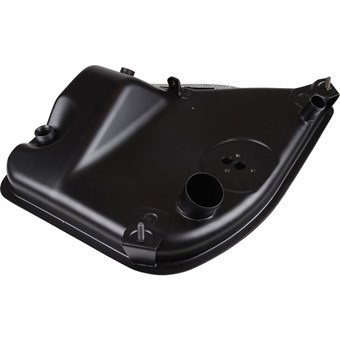
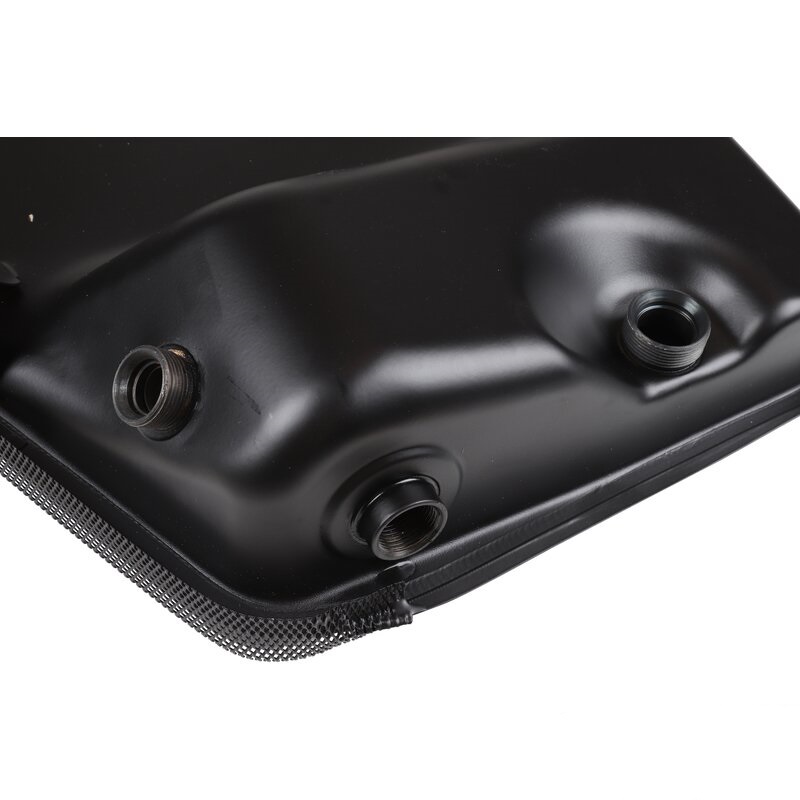
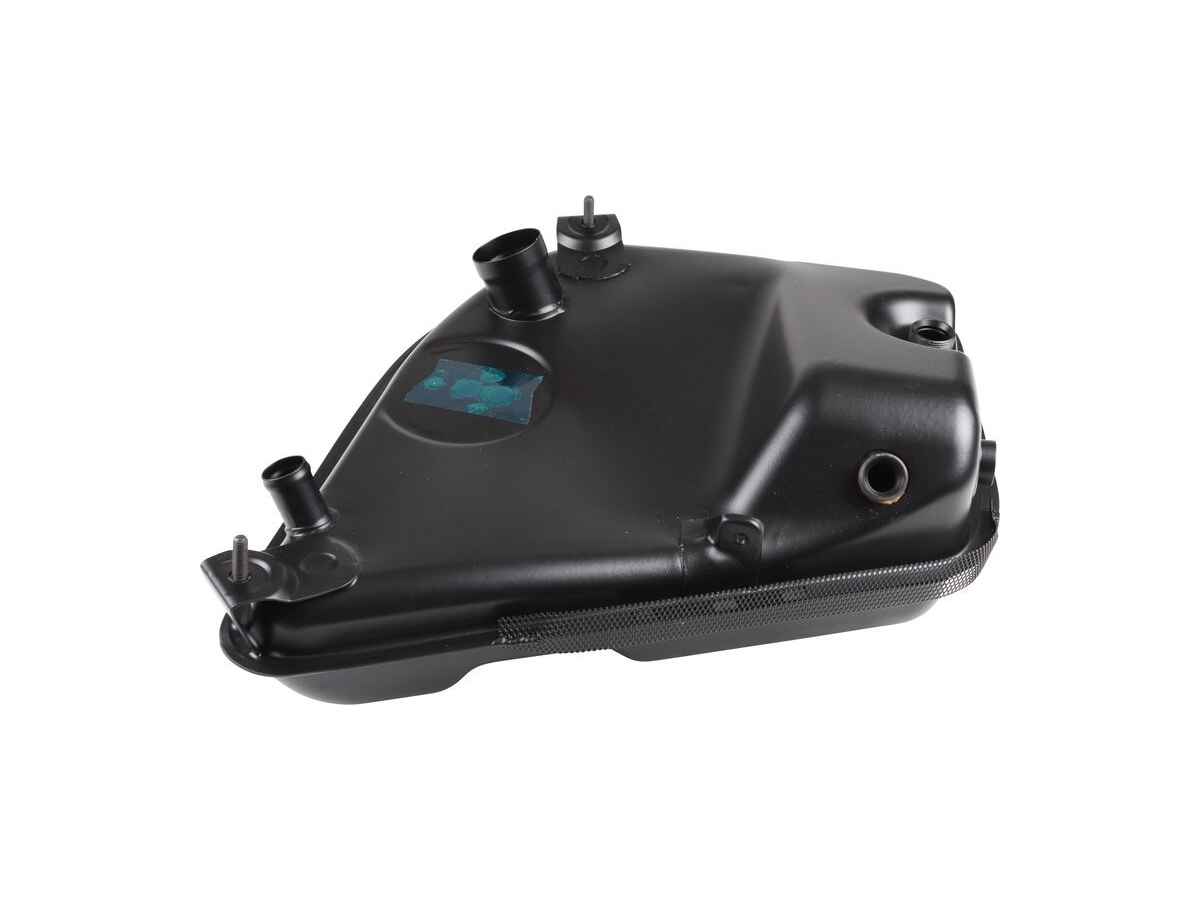
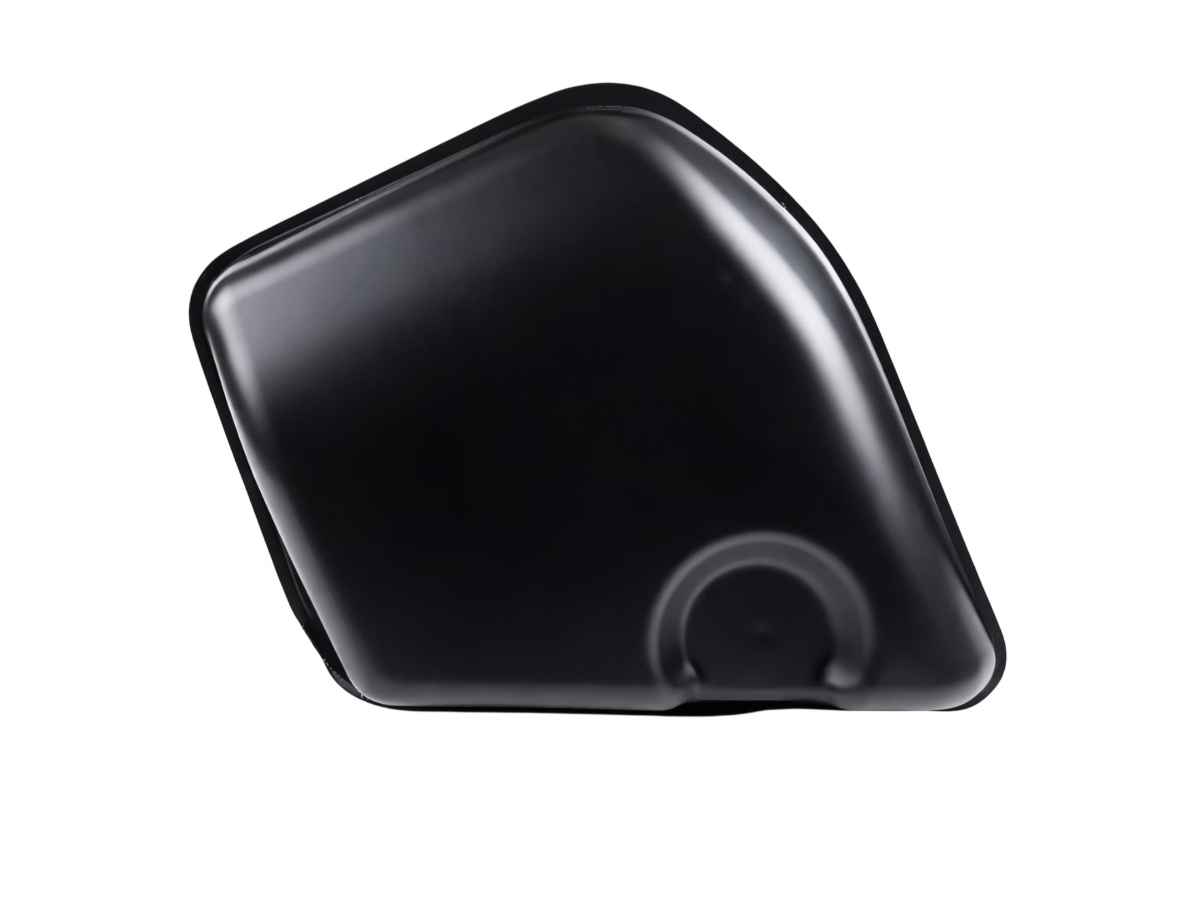
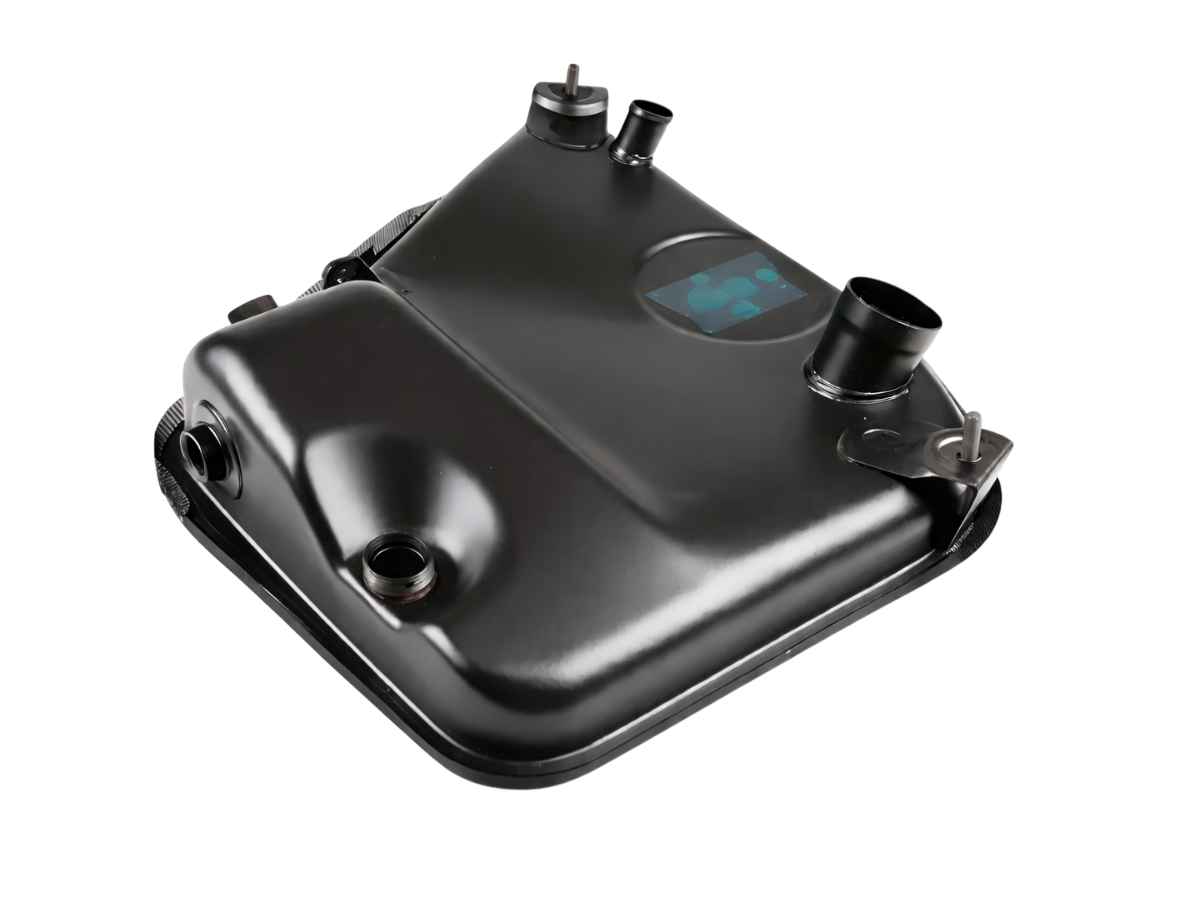
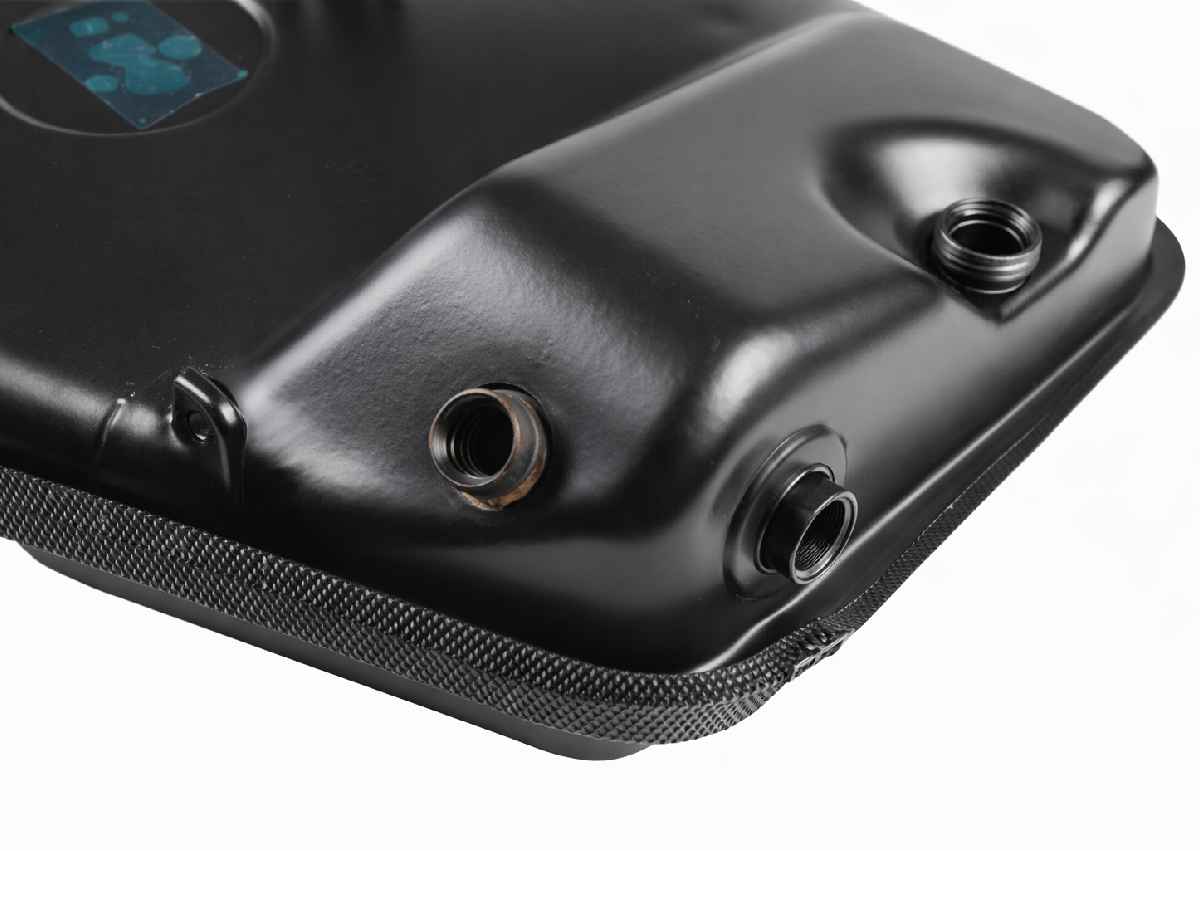
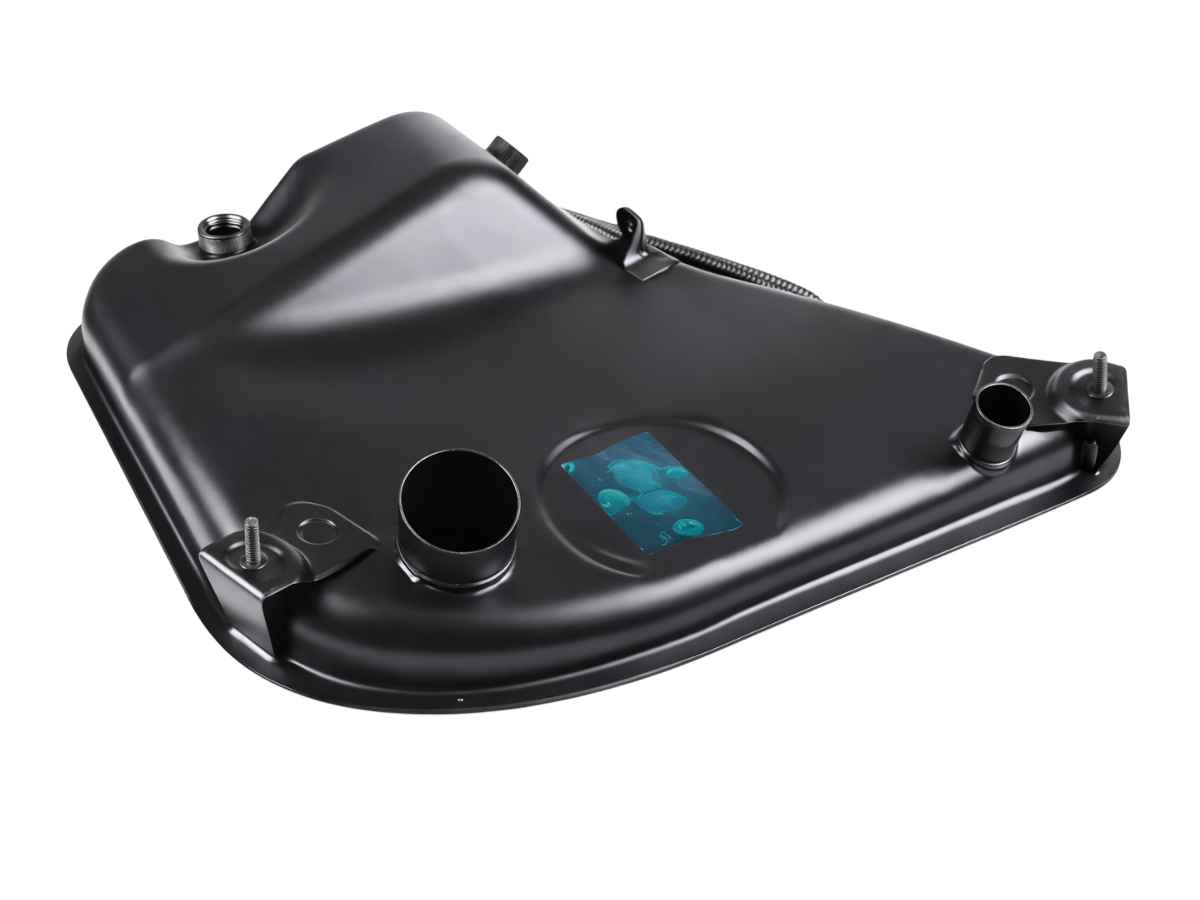
Oil Tank


* Type where oil is filled from the inside of the engine bay
Fits:
Porsche 911 1965-71
NOT for Sportomatic models
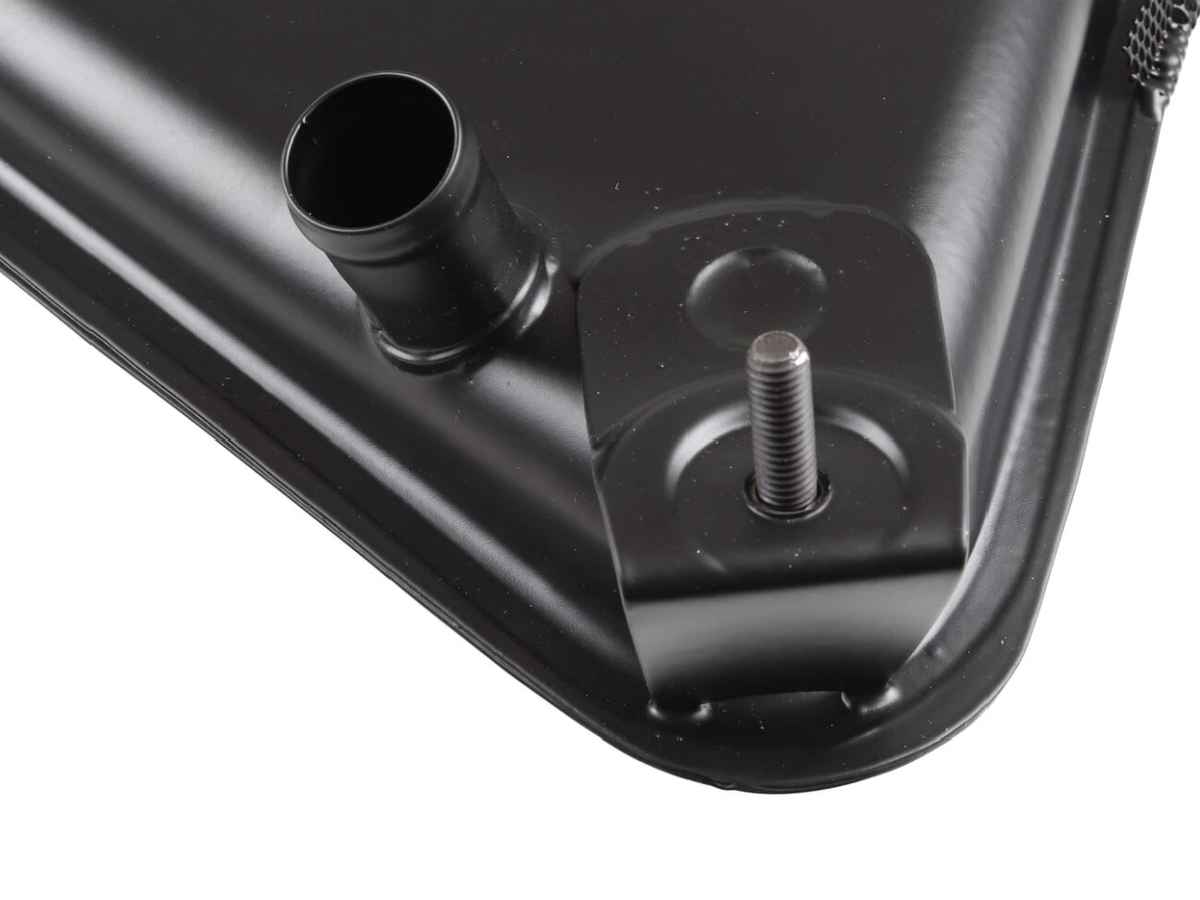
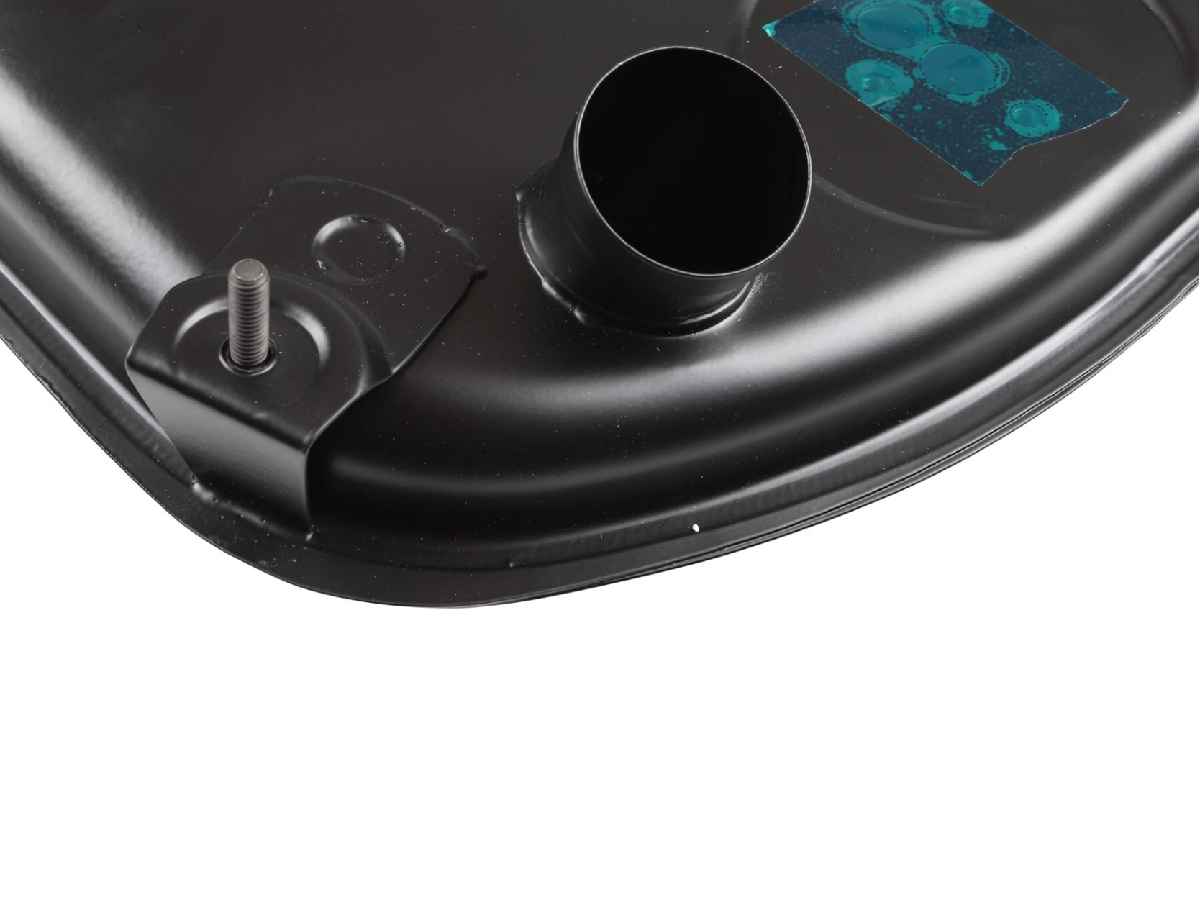
Note: You might need to retrofit the level sender as this tank is reverse stud pattern. M5 Stud fastening nuts may be required #90007609101 and washers #90002500330 - you will require 5 of each number
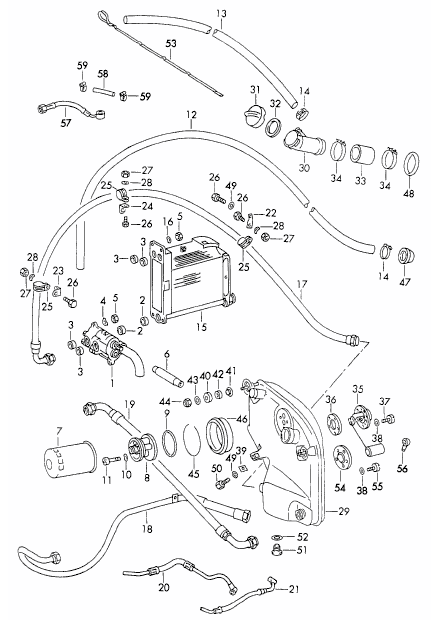
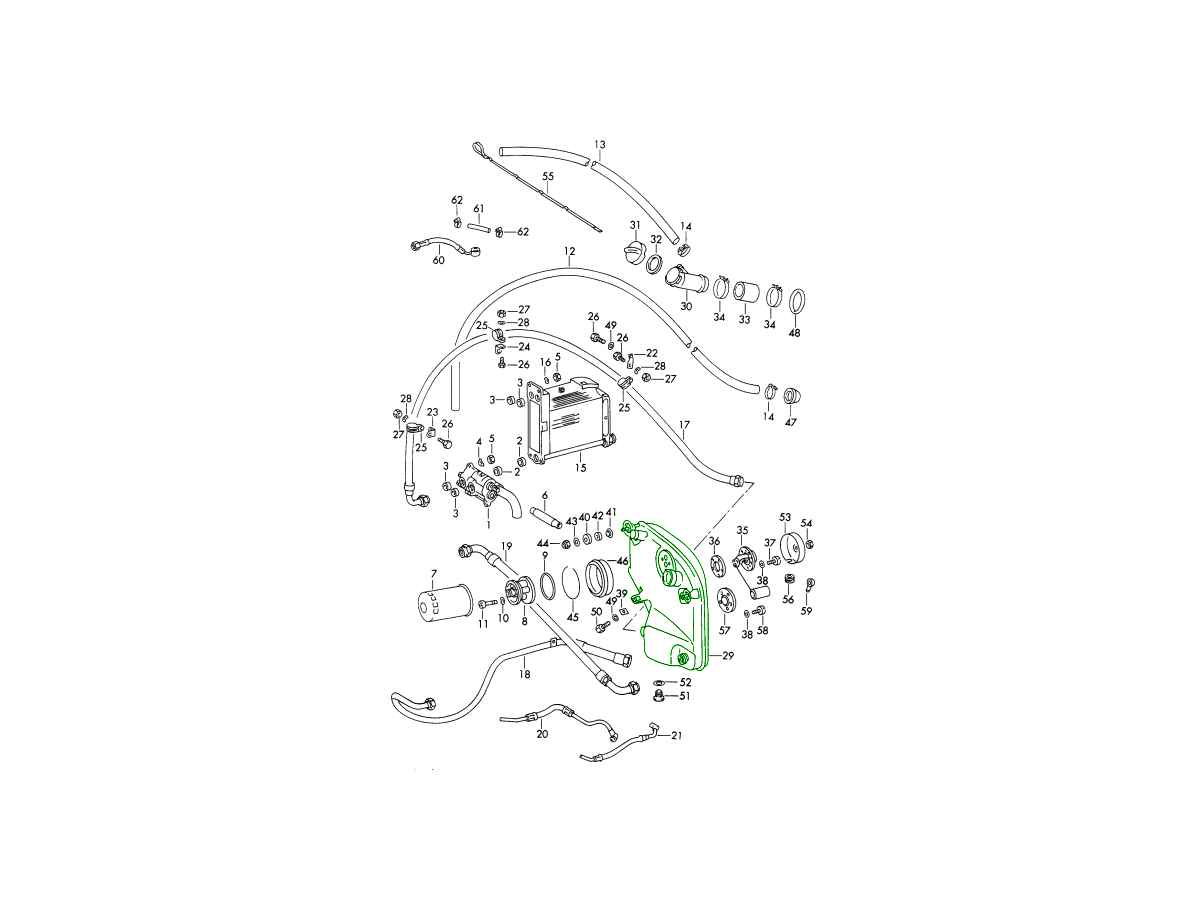
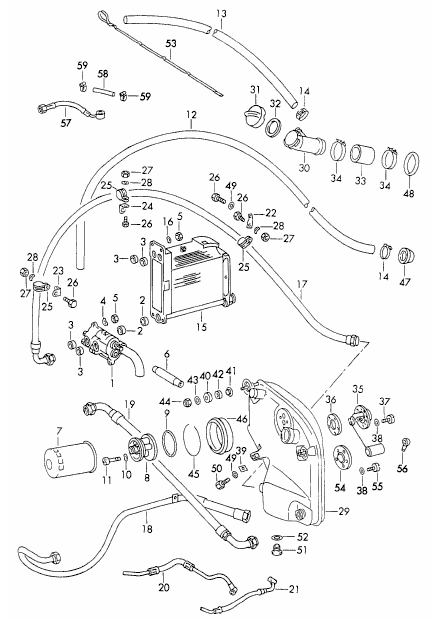
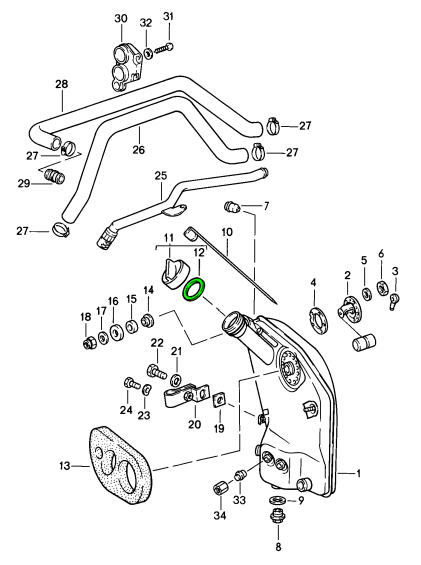
Click 'Zoom in' for large parts diagram.
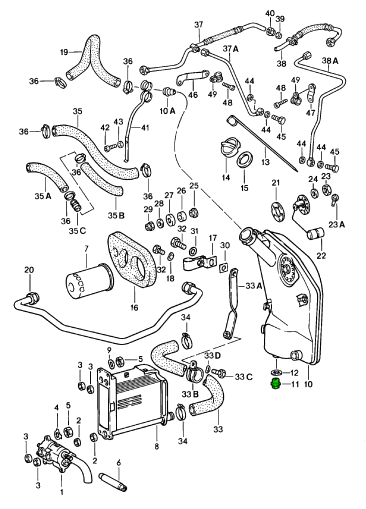
Diagram Ref No 29.
Related reference numbers
Related, superseded, cross reference or alternative numbers for comparison.
91110700169
The product you are viewing cross references to these numbers
- Porsche 911 1965-1968 2.0L / 912 SWB (F)
- Porsche 911 1968-1973 2.2L / 2.4L / 2.7L RS LWB (F)
 Shop Securely
 12 Month Warranty
 Worldwide Delivery

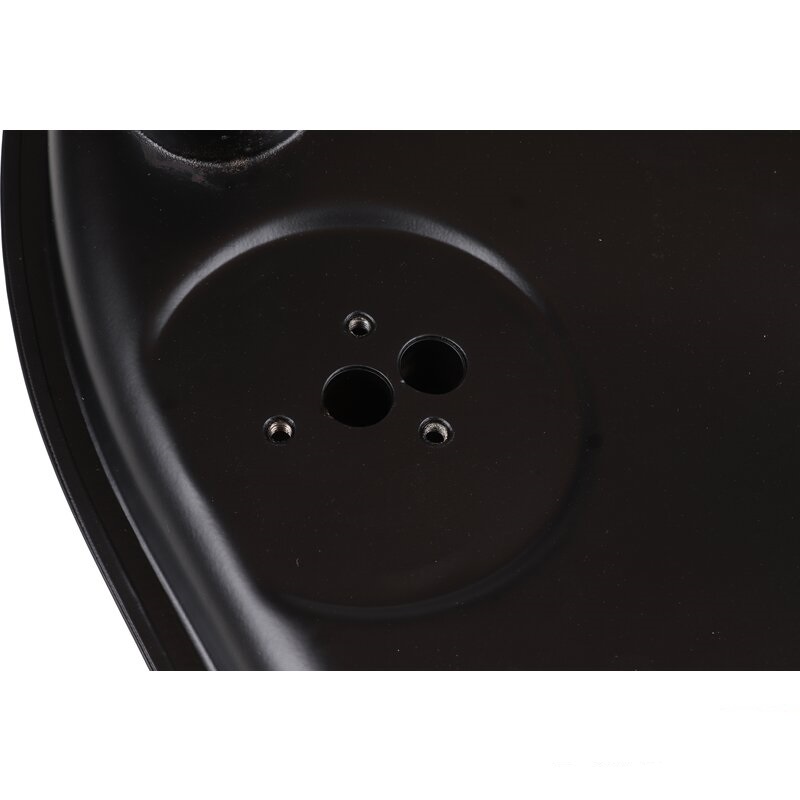
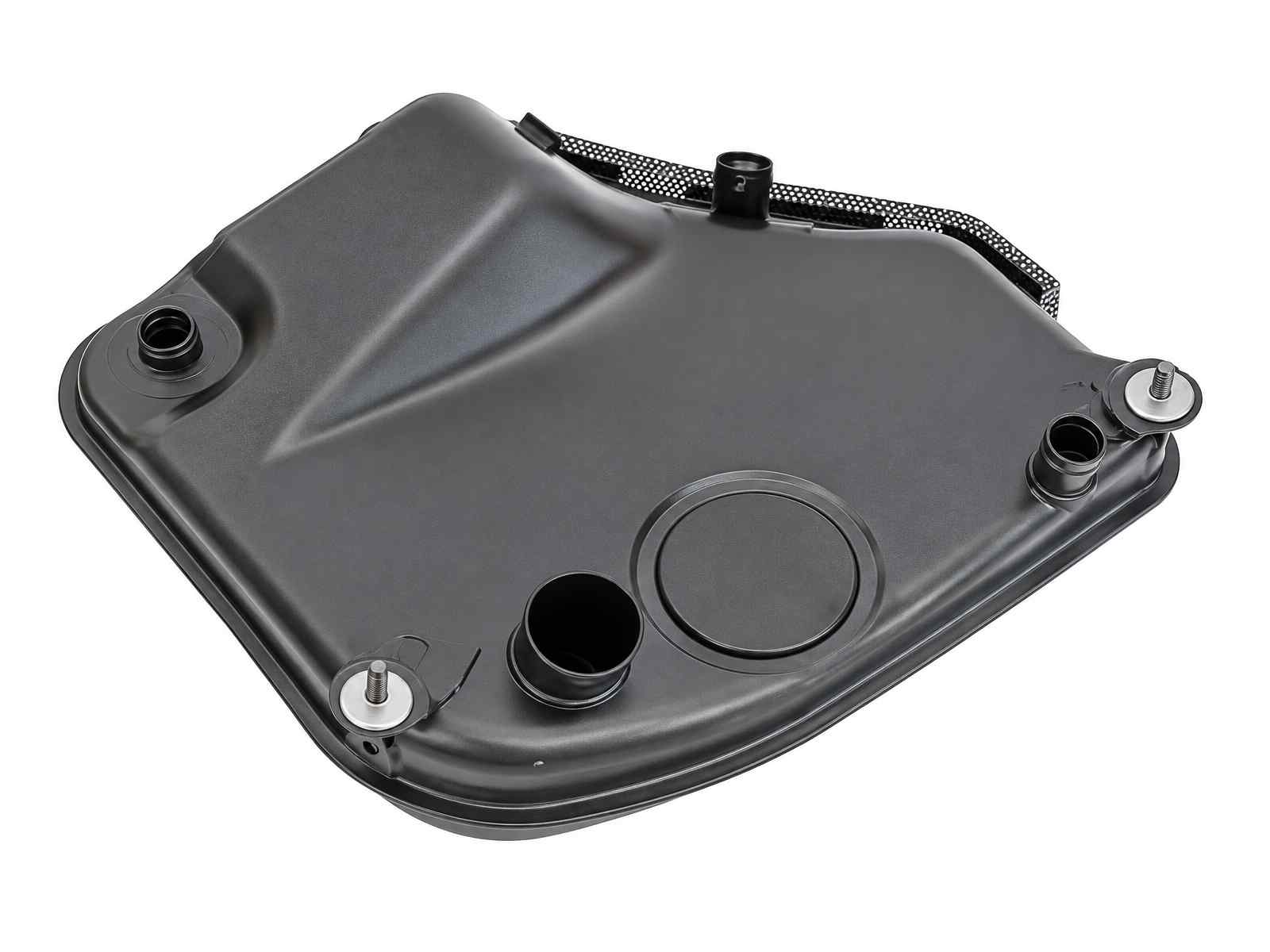
Porsche 911 2.0ltr–2.2ltr Oil Tank – WITHOUT OIL LEVEL SENDER HOLE
This oil tank is designed for early Porsche 911 2.0ltr and 2.2ltr models built between June 1967 and July 1971. It is manufactured without
the oil level sender hole, making it correct for specific early F-model
applications and restoration projects where originality is essential.
Fits:
Porsche 911 06/1967 - 1968 2.0L
Porsche 911 1968- 07/1971 2.2L
Diagram Ref No 29
The oil tank is a critical component of the classic Porsche 911 dry sump lubrication system. Unlike conventional engines, early 911 models store oil in a separate external tank rather than in a sump beneath the crankshaft. This design ensures consistent oil pressure, improved cooling and reliable lubrication under high cornering loads.
What This Oil Tank Does
In the dry sump system, oil is scavenged from the engine and stored in the external oil tank. From there, it is fed back into the engine under pressure.
The oil tank:
• Stores engine oil outside the crankcase
• Supports stable oil pressure during driving
• Assists with oil cooling
• Separates air from oil before recirculation
• Maintains proper lubrication under hard acceleration and cornering
A properly functioning oil tank is essential for engine longevity in early air-cooled Porsche 911 models.
Why Oil Tanks Fail
After decades of use, original Porsche 911 oil tanks commonly suffer from:
Internal corrosion
Moisture accumulation inside the tank can lead to rust formation, particularly
in vehicles that have been stored for long periods.
External rust and seam deterioration
Road debris and trapped dirt around mounting points can cause corrosion on the
outside of the tank.
Contamination build-up
Sludge and debris can accumulate internally, affecting oil quality and flow.
Previous repairs or modifications
Older tanks may have been welded, patched or modified incorrectly, compromising
reliability.
A failing oil tank can lead to oil leaks, contamination, pressure issues and ultimately engine damage.
Why You May Need a Replacement Oil Tank
Restoration Accuracy
If you are restoring a 1967–1971 Porsche 911 2.0 or 2.2, using the correct oil
tank without an oil level sender hole ensures factory-correct configuration.
Corrosion Replacement
If your original tank shows signs of rust inside or out, replacement is the
safest solution to protect your engine.
Engine Rebuild Projects
When rebuilding an early air-cooled 911 engine, replacing the oil tank
eliminates the risk of old contamination entering a fresh engine build.
Leak Prevention
Old seam welds and fittings can begin to seep over time. A new oil tank
restores system integrity.
Related reference numbers
Related, superseded, cross reference or alternative numbers for comparison.
91110700116
The product you are viewing cross references to these numbers
- Porsche 911 1965-1968 2.0L / 912 SWB (F)
- Porsche 911 1968-1973 2.2L / 2.4L / 2.7L RS LWB (F)
Shop Securely
12 Month Warranty
Worldwide Delivery


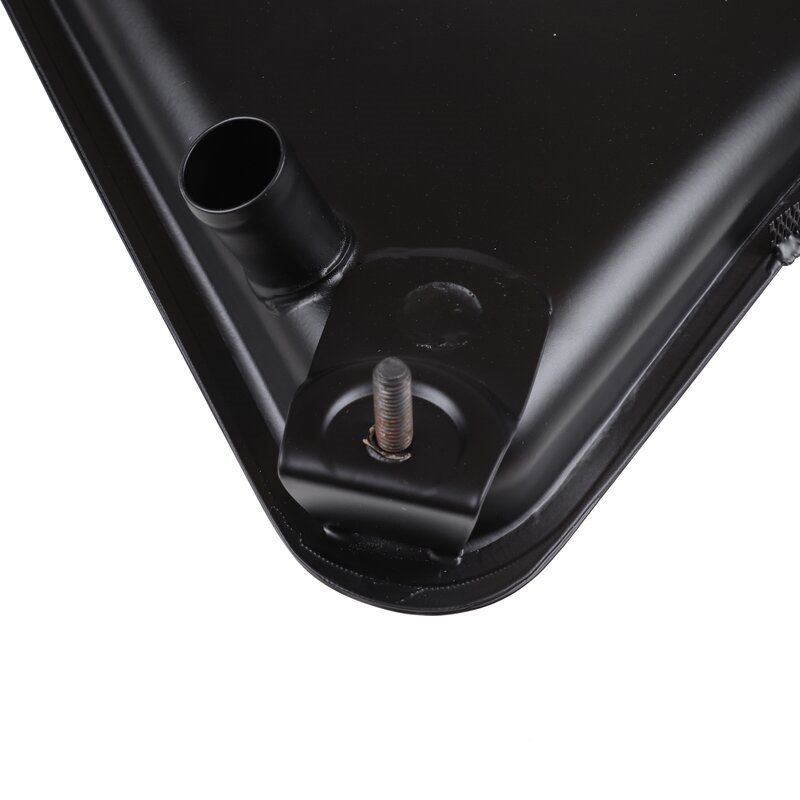
Stainless Steel Engine Oil Tank
Restore an essential part of your early Porsche 911's
dry-sump lubrication system with this OE Match Stainless Steel Engine Oil Tank. This oil tank is ideal for replacing an original tank
suffering from corrosion, leaks, contamination or previous repairs.
Fits:
- Porsche 911 1965-1968 2.0L / 912 SWB (F)
- Porsche 911 1968-1971 2.2L LWB (F)
This early-style tank uses the original arrangement where the engine oil is filled from inside the engine bay and is suitable for non-Sportomatic models.
What Does the Oil Tank Do?
The classic air-cooled Porsche 911 uses a dry-sump lubrication system. Rather than storing the majority of its engine oil in a conventional sump underneath the engine, the oil is held in a separate external reservoir.
Oil is scavenged from the engine and returned to the tank before being circulated through the lubrication system again.
The oil tank performs several important functions:
- Stores the engine's main oil supply
- Provides a consistent supply of oil to the engine
- Helps separate air from returning engine oil
- Helps reduce oil aeration and foaming
- Supports reliable lubrication during cornering, acceleration and braking
- Forms an essential part of the engine's oil circulation system
- Contributes to effective oil and engine temperature management
A clean, structurally sound and leak-free oil tank is therefore essential to the reliability and longevity of the air-cooled flat-six engine.
Why Choose a Stainless Steel Replacement?
Corrosion is one of the biggest problems affecting original early Porsche 911 oil tanks.
Stainless steel provides increased resistance to corrosion compared with conventional mild-steel construction, making it an excellent choice for classic Porsche restorations and cars intended for continued long-term use.
It provides the opportunity to replace a decades-old reservoir while retaining the correct function of the original dry-sump lubrication system.
Why Do Oil Tanks Fail?
Original Porsche 911 oil tanks from this period are now more than 50 years old. Even tanks that appear serviceable externally can suffer deterioration internally.
Common causes of failure include:
- Internal corrosion caused by moisture
- External rust and corrosion
- Deterioration around seams and welded joints
- Corrosion around mounting points
- Oil leaks from weakened areas
- Damage around hose and pipe connections
- Internal sludge and contamination
- Physical damage
- Previous welding or poor-quality repairs
- General deterioration caused by age
Internal corrosion is particularly important because rust and contamination can potentially enter the engine's lubrication system.
When Should the Oil Tank Be Replaced?
Replacement should be considered whenever the existing tank can no longer provide a clean, secure and leak-free reservoir for the engine oil.
- Typical warning signs include:
- Visible oil leaks
- Significant external corrosion
- Suspected internal rust
- Corrosion around seams or mounting points
- Damaged pipe or hose connections
- Persistent internal contamination or sludge
- Previous repairs of questionable quality
- Physical damage or deformation
- During a complete vehicle restoration
- During an engine rebuild where contamination of the new engine must be avoided
Replacing a questionable oil tank during an engine rebuild is particularly worthwhile, as it prevents old contamination or corrosion debris from being introduced into a freshly rebuilt engine.
Related reference numbers
Related, superseded, cross reference or alternative numbers for comparison.
91110700169
The product you are viewing cross references to these numbers
- Porsche 911 1965-1968 2.0L / 912 SWB (F)
- Porsche 911 1968-1973 2.2L / 2.4L / 2.7L RS LWB (F)
Shop Securely
12 Month Warranty
Worldwide Delivery

Fits:
Porsche 356 B-T6 / C
Porsche 911 1965-86
Porsche 914 1970-76
Porsche 993 1994-98
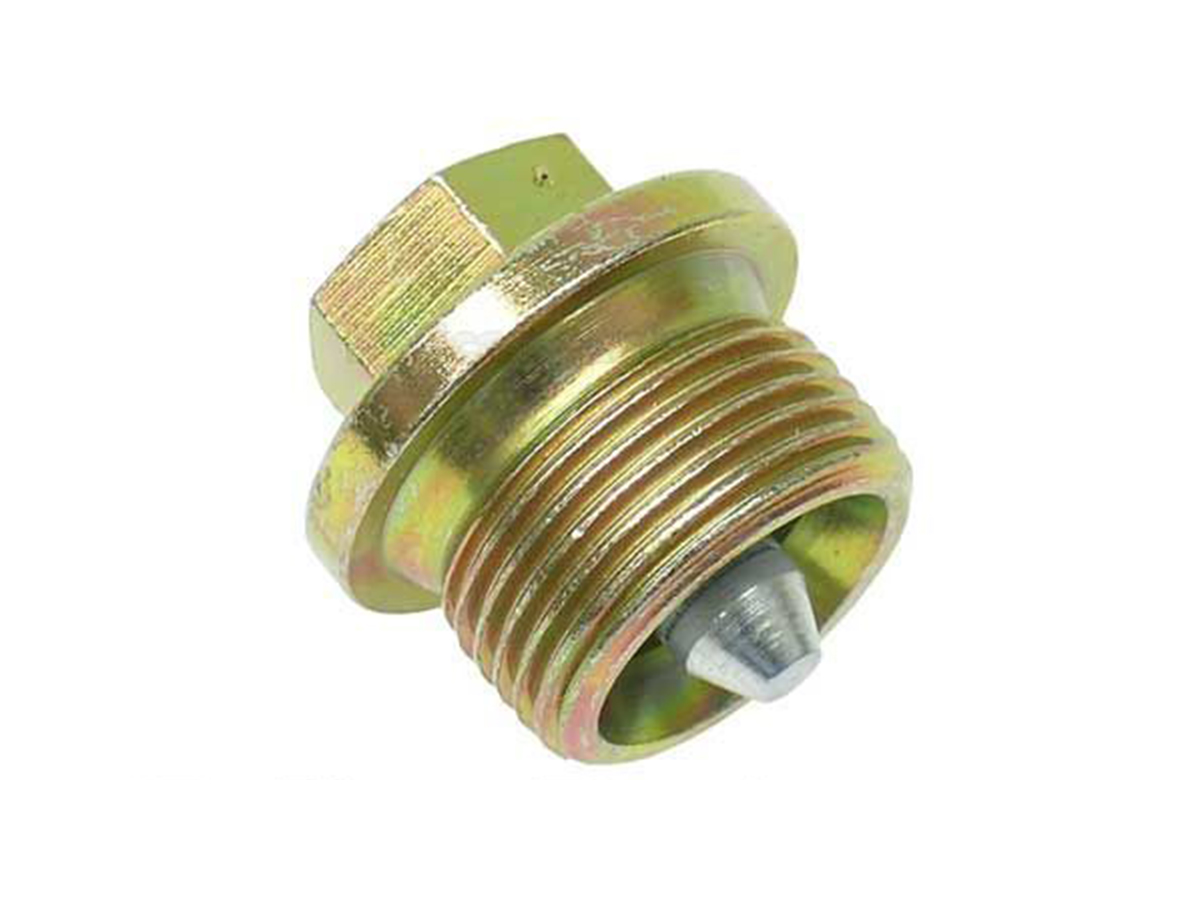
Diagram ref no 12
Related reference numbers
Related, superseded, cross reference or alternative numbers for comparison.
93010727201
The product you are viewing cross references to these numbers
- Porsche 911 1965-1968 2.0L / 912 SWB (F)
- Porsche 911 1968-1973 2.2L / 2.4L / 2.7L RS LWB (F)
- Porsche 911 1974-1977 2.7L / 1976-77 3.0 Carrera
- Porsche 911 1978-1983 3.0L / SC
- Porsche 911 1984-1986 3.2L
- Porsche 911 1975-1977 3.0L Turbo (930)
- Porsche 911 1978-1989 3.3L Turbo (930)
- Porsche 993 (911) C2 1994-97
- Porsche 993 (911) C4 1994-97
- Porsche 993 (911) RS 1994-97
- Porsche 993 (911) C2S 1994-97
- Porsche 993 (911) C4S 1994-97
- Porsche 356B 1959-63
- Porsche 356C 1963-65
- Porsche 914 (1970-1976)
Shop Securely
12 Month Warranty
Worldwide Delivery



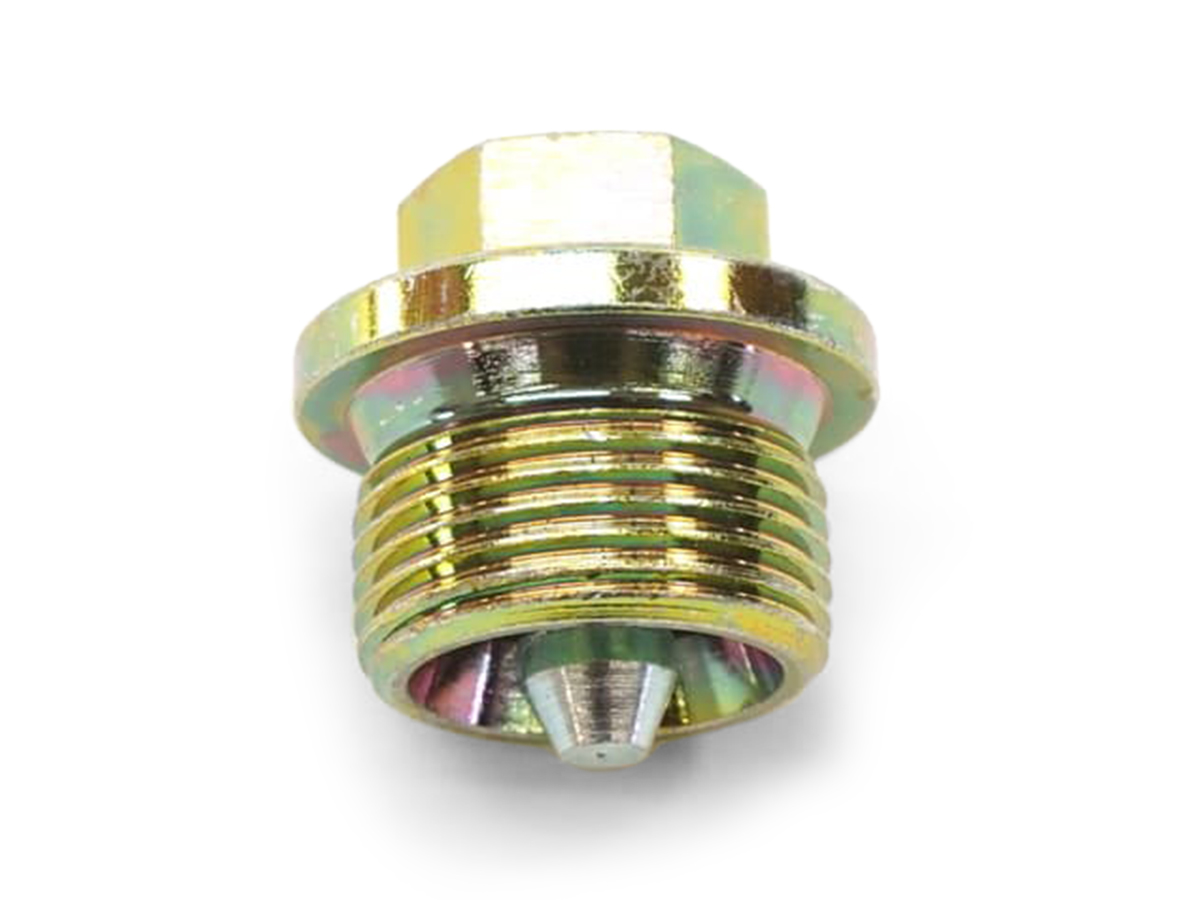
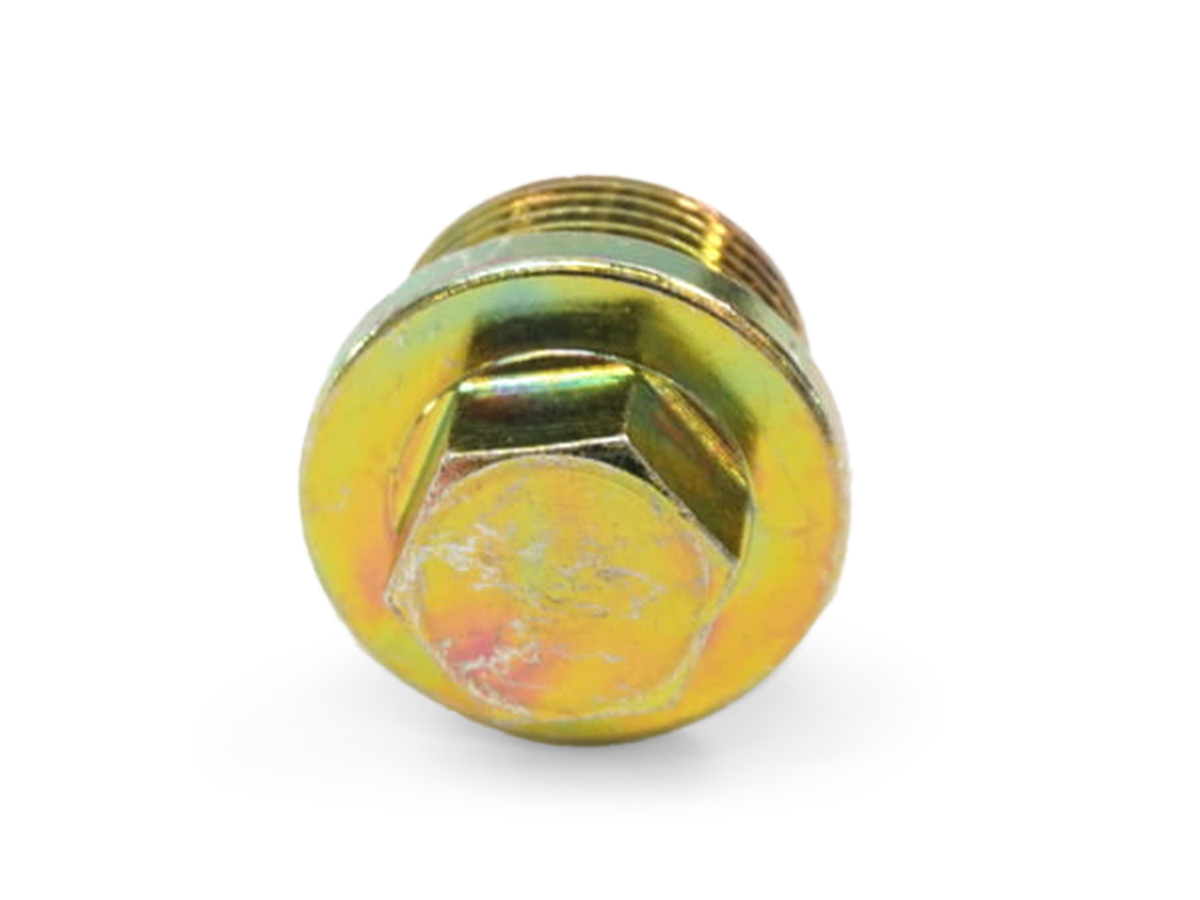
Fits:
Porsche 911 1965-89
Click 'Zoom in' for large parts diagram.
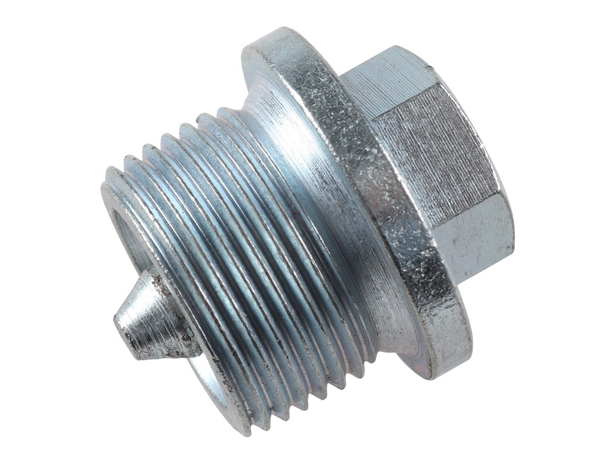
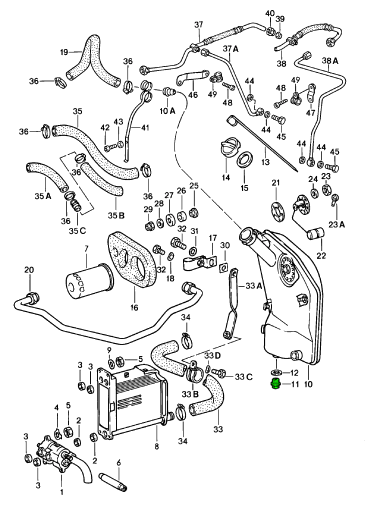
Diagram ref no 11.
Related reference numbers
Related, superseded, cross reference or alternative numbers for comparison.
91110717603
The product you are viewing cross references to these numbers
- Porsche 911 1965-1968 2.0L / 912 SWB (F)
- Porsche 911 1968-1973 2.2L / 2.4L / 2.7L RS LWB (F)
- Porsche 911 1974-1977 2.7L / 1976-77 3.0 Carrera
- Porsche 911 1978-1983 3.0L / SC
- Porsche 911 1984-1986 3.2L
- Porsche 911 1987-1989 3.2L G50
- Porsche 911 1975-1977 3.0L Turbo (930)
- Porsche 911 1978-1989 3.3L Turbo (930)
- Porsche 928 4.5L 1978-82
Shop Securely
12 Month Warranty
Worldwide Delivery

Fits:
Porsche 911 1965-89
Click 'Zoom in' for large parts diagram.
Diagram ref no 11.
Related reference numbers
Related, superseded, cross reference or alternative numbers for comparison.
91110717603
The product you are viewing cross references to these numbers
- Porsche 911 1965-1968 2.0L / 912 SWB (F)
- Porsche 911 1968-1973 2.2L / 2.4L / 2.7L RS LWB (F)
- Porsche 911 1974-1977 2.7L / 1976-77 3.0 Carrera
- Porsche 911 1978-1983 3.0L / SC
- Porsche 911 1984-1986 3.2L
- Porsche 911 1987-1989 3.2L G50
- Porsche 911 1975-1977 3.0L Turbo (930)
- Porsche 911 1978-1989 3.3L Turbo (930)
- Porsche 928 4.5L 1978-82
Shop Securely
12 Month Warranty
Worldwide Delivery
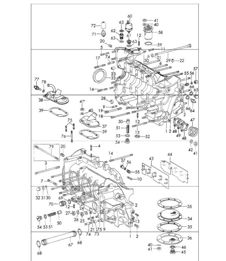
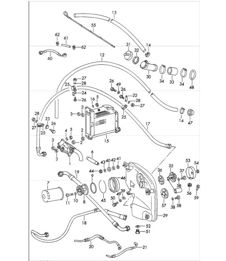
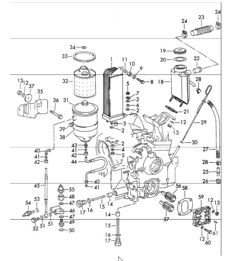
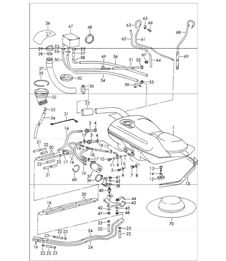
Engine Oil Tanks – Reliable Lubrication and Temperature Control for Porsche Engines
Engine oil tanks are a vital component in Porsche’s high-performance lubrication systems, especially in models equipped with dry-sump or performance-oriented engines. These tanks store, circulate, and cool engine oil, ensuring the correct oil pressure and temperature are maintained under all driving conditions - from everyday use to track performance.
At Design911, we supply a wide range of genuine and high-quality engine oil tanks for Porsche models including 911, Boxster, Cayman, Cayenne, Macan, and Panamera. Each tank is designed to match the factory’s engineering precision, providing exceptional oil flow, pressure control, and durability to keep your Porsche performing at its best.
What Do Engine Oil Tanks Do?
The engine oil tank forms the heart of your Porsche’s
lubrication system, performing several key roles:
- Stores
and circulates engine oil to maintain a continuous supply under all
conditions.
- Separates
air and oil to prevent foaming and maintain oil pressure.
- Assists
in temperature regulation, allowing excess heat to dissipate
efficiently.
- Ensures optimal lubrication for engine components, reducing friction and wear.
In Porsche’s dry-sump systems, the oil tank is particularly important — allowing the engine to sit lower for better handling while ensuring consistent oil delivery even under high G-forces.
Why Do Engine Oil Tanks Fail?
While designed for long-term reliability, engine oil tanks
can deteriorate or fail over time due to mechanical stress, corrosion, or
contamination. Common causes include:
- Cracks
or leaks from vibration or impact damage.
- Corrosion
caused by moisture, condensation, or old oil residue.
- Blocked
breather systems leading to pressure imbalance.
- Internal
contamination from sludge or metal debris.
- Deteriorated seals or fittings causing oil leaks or pressure loss.
Signs of failure may include visible oil leaks, fluctuating oil pressure readings, or an oil smell around the engine bay.
Why Replace a Faulty Engine Oil Tank?
A damaged or leaking oil tank can cause oil loss, low pressure, or poor cooling — all of which risk severe engine damage. Replacing a faulty tank ensures consistent oil supply, stable pressure, and optimal engine protection.
Benefits of replacement include:
- Restored oil circulation and pressure stability.
- Prevention of leaks and oil starvation.
- Improved lubrication and temperature management.
- Manufacturer-quality materials for long-lasting reliability.
All tanks in this range are built to meet or exceed original engineering standards, using high-grade alloys or reinforced composites to deliver durability, corrosion resistance, and a precise factory fit.


.jpg)


Monday-Friday: 8.30am - 5.30pm (GMT)
Saturday: Closed
Sunday: Closed