





Enter your VAT number here and click Verify:
Your details have been verified. VAT number registered to:
,
.
Your order will now be zero rated for VAT purposes. We reserve the right to verify these details after your order request has been made and reinstate VAT if required.
Your VAT details were not recognised or were invalid. Your VAT number must be matched to your Billing Country as specified above. This is currently specified as . You do not need to enter the country code part of your VAT number as this has already been selected in your billing address details above.
The VAT number checking service is currently offline. Please supply your VAT details within the comments or special instructions field below and we will apply a VAT discount after placing your order request.

- Accessories
- Brakes
- Chassis / Bodywork
- Clothing & Gifts
- Electrical & Relays
- Engine Cooling
- Engine Electrical
- Engine Rebuild Parts
- Engine Tuning
- Exhausts
- Exterior Styling / Spoilers
- Gearbox / Transmission
- Heating / Air Conditioning
- Hydraulics
- Incar / Multimedia
- Interior & Accessories
- Lighting
- Mats & Carpets
- Motorsport and Off-Road
- Parts for Other Cars
- Pedal Cluster
- Rubber Seals
- Seats & Seat Belts
- Service Parts
- Special Offer Parts
- Steering Parts
- Suspension & Axle
- Suspension Upgrades
- Tyres
- Wheel Accessories
- Wheels
Gaskets



Fits:
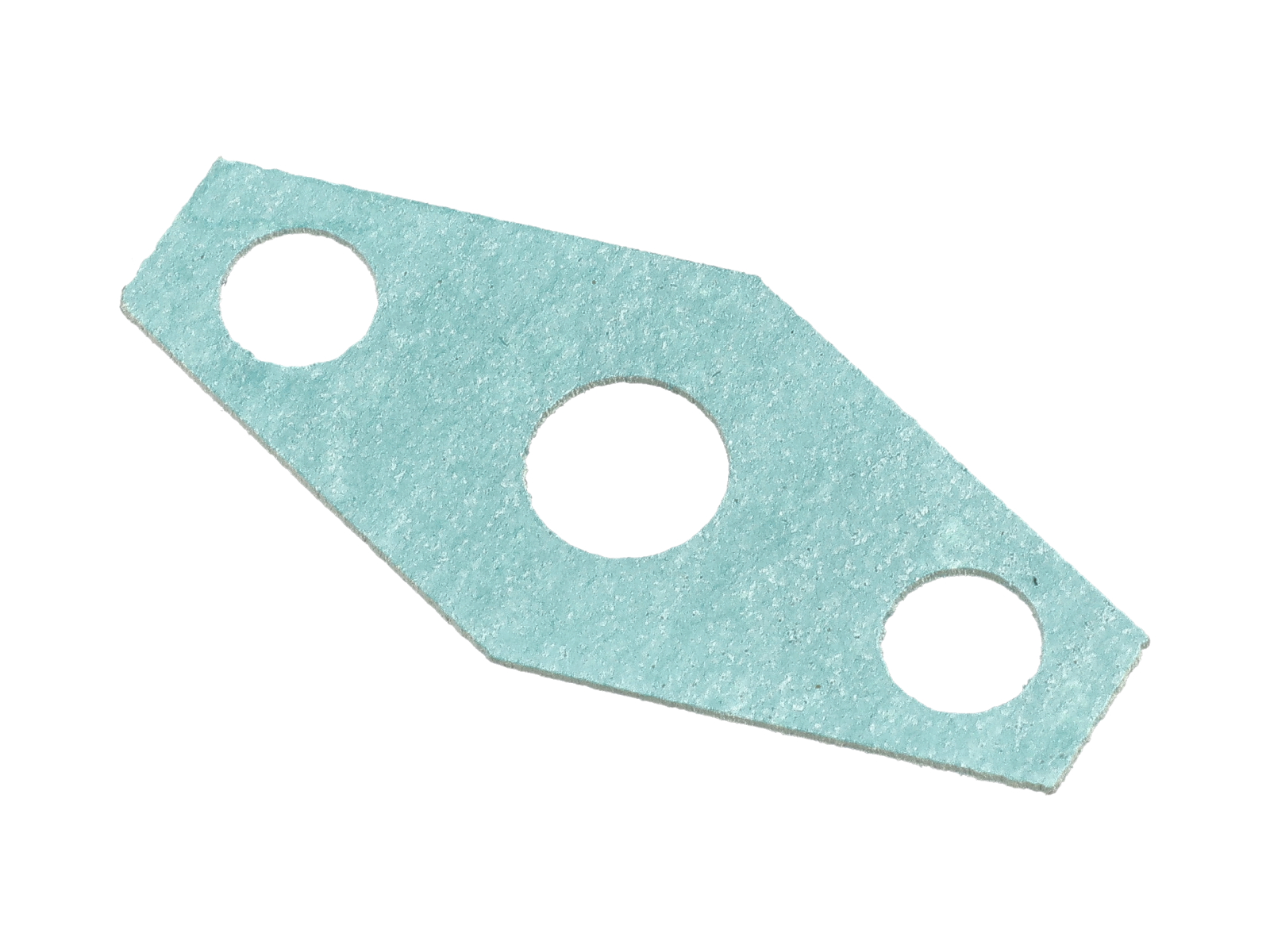
Porsche 924 2.0L 1976-85 - Excludes Turbo/GT
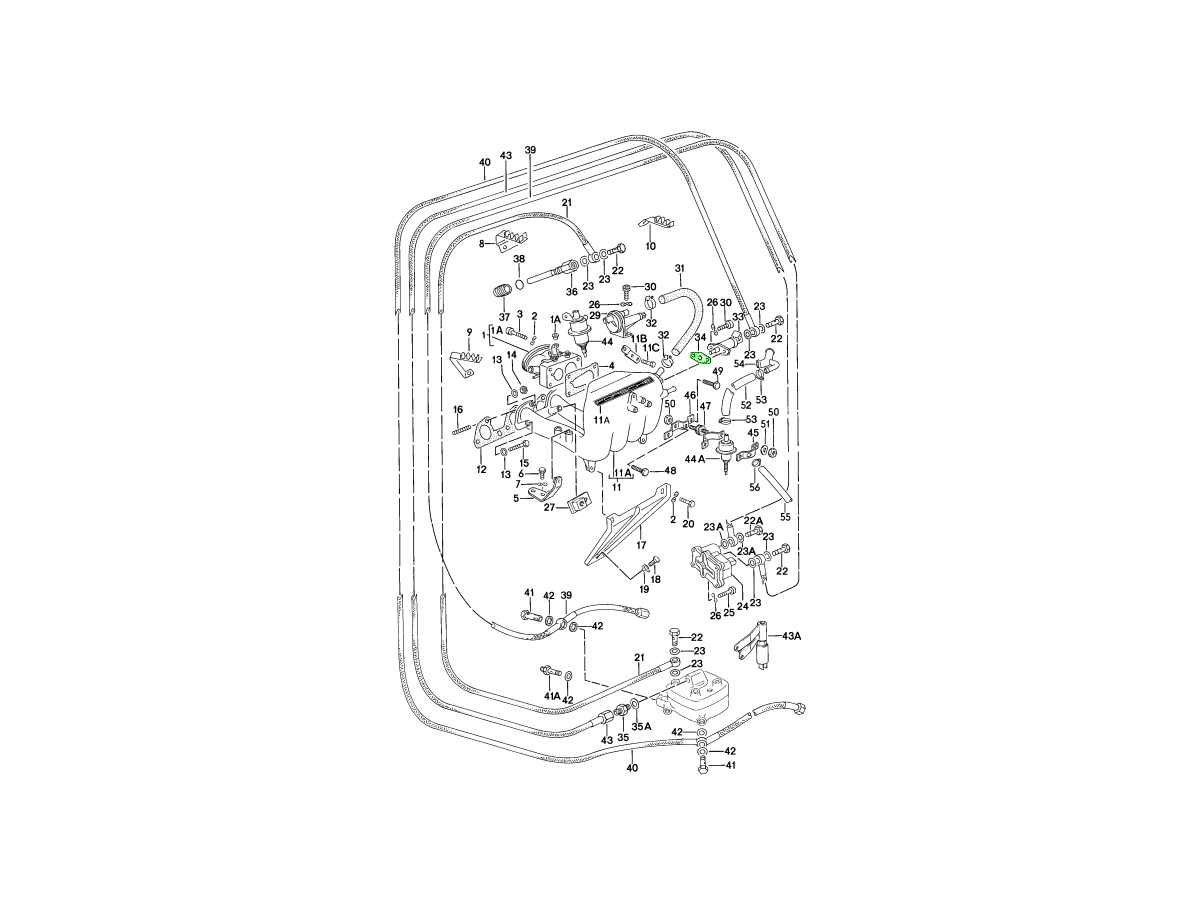
Diagram ref. 34.
Related reference numbers
Related, superseded, cross reference or alternative numbers for comparison.
050906179
The product you are viewing cross references to these numbers
- Porsche 924 2.0L 1976-79
- Porsche 924 2.0L 1980-85
 Shop Securely
 12 Month Warranty
 Worldwide Delivery

Fits:
Porsche 924 2.0L 1976-85 - Excludes Turbo/GT
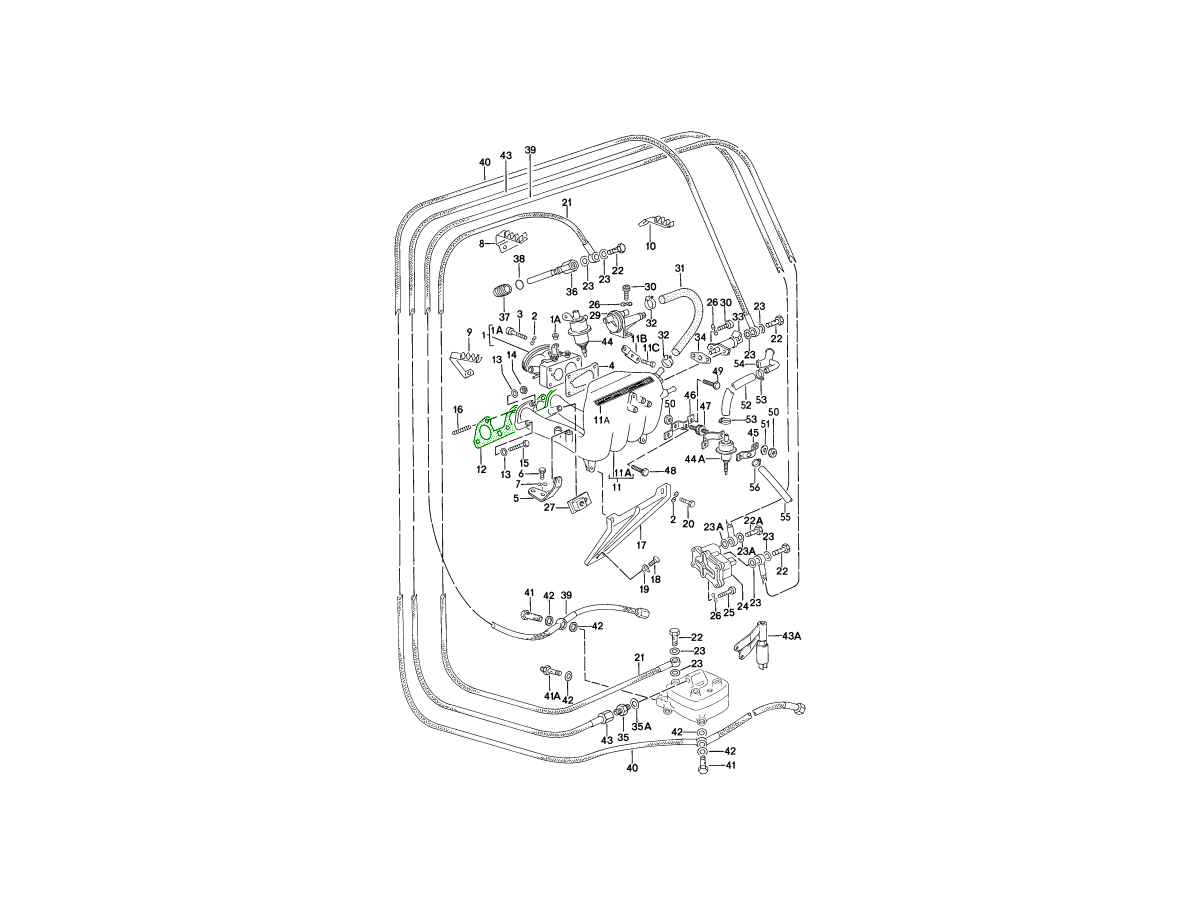
Diagram ref. 12.
Related reference numbers
Related, superseded, cross reference or alternative numbers for comparison.
477133227
The product you are viewing cross references to these numbers
- Porsche 924 2.0L 1976-79
- Porsche 924 2.0L 1980-85
Shop Securely
12 Month Warranty
Worldwide Delivery

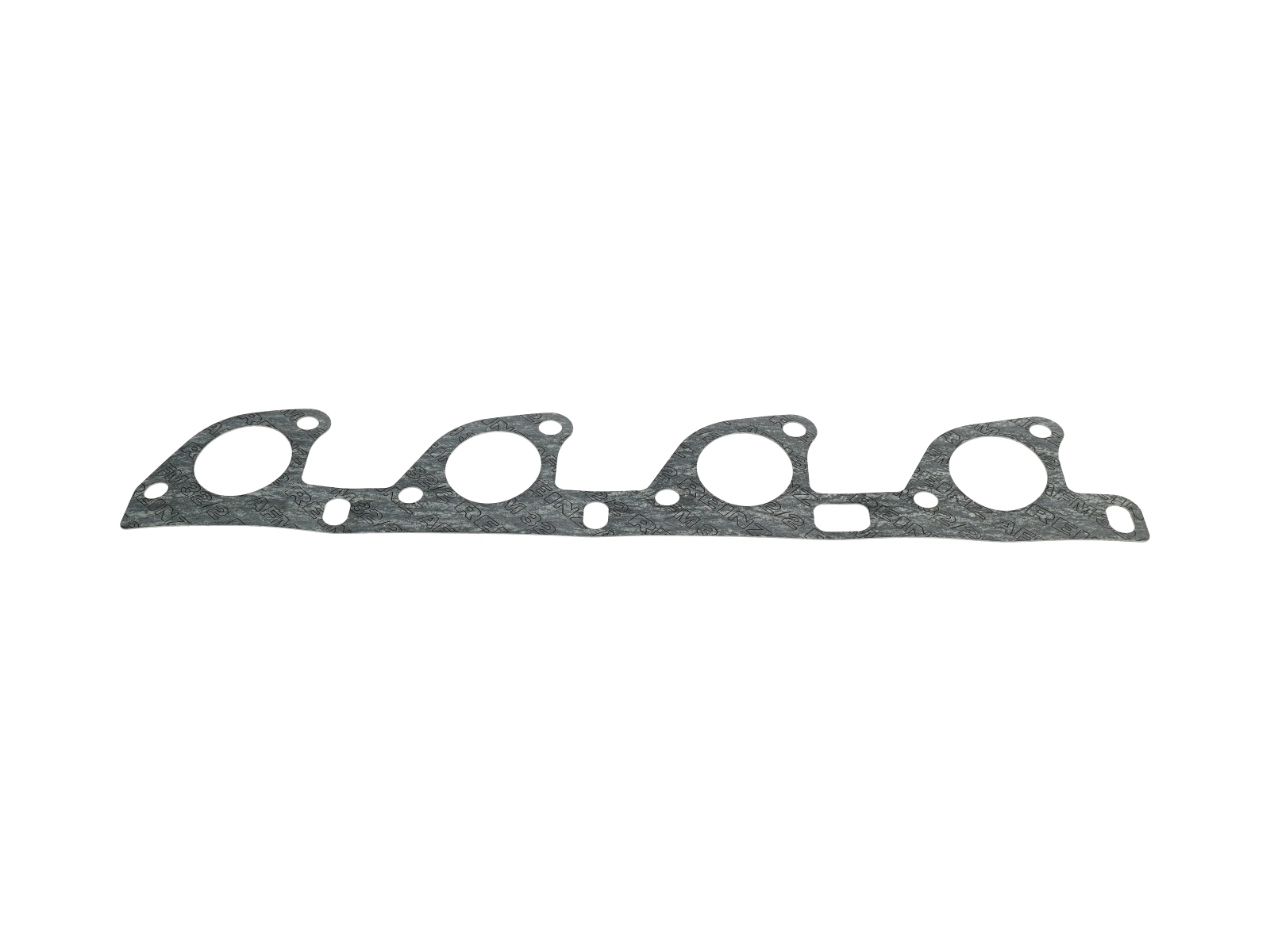
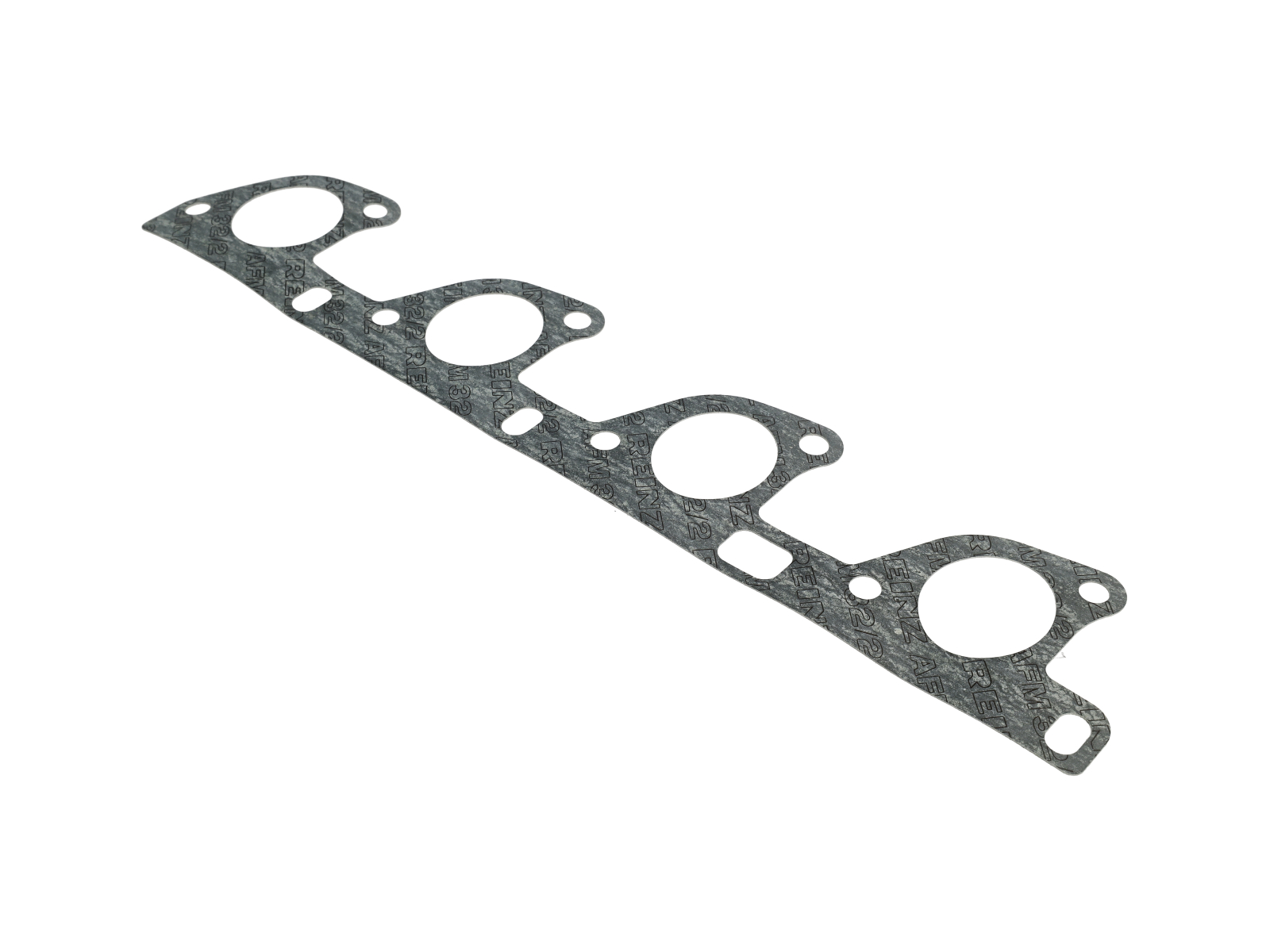
The Victor Reinz Intake Manifold Gasket is a replacement engine sealing component designed to create a secure, airtight seal between the intake manifold and its mating surface on compatible Porsche applications.
Fits:
- Porsche 924 2.0L 1976-79
- Porsche 924 2.0L 1980-85
Diagram Ref No 12
The intake manifold is responsible for distributing incoming air to the engine. Its connections must remain correctly sealed to prevent unwanted air from entering the intake system. A worn, hardened or damaged gasket can create an intake or vacuum leak, potentially causing poor idle quality, hesitation and inconsistent engine performance.
Replacing a deteriorated intake manifold gasket helps restore intake-system integrity and ensures that incoming air follows the intended path into the engine.
What This Product Does:
The intake manifold gasket seals the joint between the intake manifold and the corresponding engine mating surface.
During operation, the engine creates vacuum as it draws air into the cylinders. Any leak at the manifold joint can allow additional air to enter through an unintended path.
A correctly sealing intake manifold gasket helps:
- Maintain an airtight intake system
- Prevent vacuum and intake air leaks
- Prevent unwanted air entering at the manifold joint
- Support stable engine idle
- Maintain consistent throttle response
- Support correct air/fuel mixture
- Maintain efficient engine operation
- Ensure reliable intake air distribution
Although relatively simple, the gasket is essential to maintaining the integrity of the engine's intake system.
Symptoms Of Wear Or Failure:
A leaking intake manifold gasket can produce several drivability symptoms.
Possible signs include:
- Rough or unstable idle
- Fluctuating or hunting idle
- Higher than normal idle speed
- Engine hesitation
- Poor throttle response
- Reduced or inconsistent engine performance
- Difficult starting
- Engine misfires
- Lean-running symptoms
- Increased fuel consumption
- Hissing or sucking noise around the intake manifold
- Engine warning light on vehicles with applicable diagnostics
- Air/fuel mixture or lean-condition fault codes where applicable
Symptoms can vary depending on the size and location of the leak.
Why Replacement Matters:
A failed intake manifold gasket can compromise the sealed intake path required for correct engine operation.
Replacing a leaking or deteriorated gasket helps:
- Restore an airtight intake manifold connection
- Prevent unwanted intake air and vacuum leakage
- Improve idle stability
- Support smooth engine operation
- Maintain consistent throttle response
- Support correct air/fuel mixture control
- Reduce lean-running problems caused by intake leaks
- Restore intake-system integrity
- Reduce the risk of recurring drivability problems
Ignoring an intake leak may result in progressively poorer engine operation and can make diagnosis or tuning more difficult.
Related reference numbers
Related, superseded, cross reference or alternative numbers for comparison.
477133227
The product you are viewing cross references to these numbers
- Porsche 924 2.0L 1976-79
- Porsche 924 2.0L 1980-85
Shop Securely
12 Month Warranty
Worldwide Delivery

Fits:
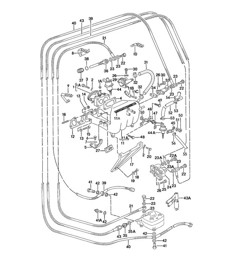
Porsche 924 / 924 Turbo / 924 GT 1976-85 K-Jetronic
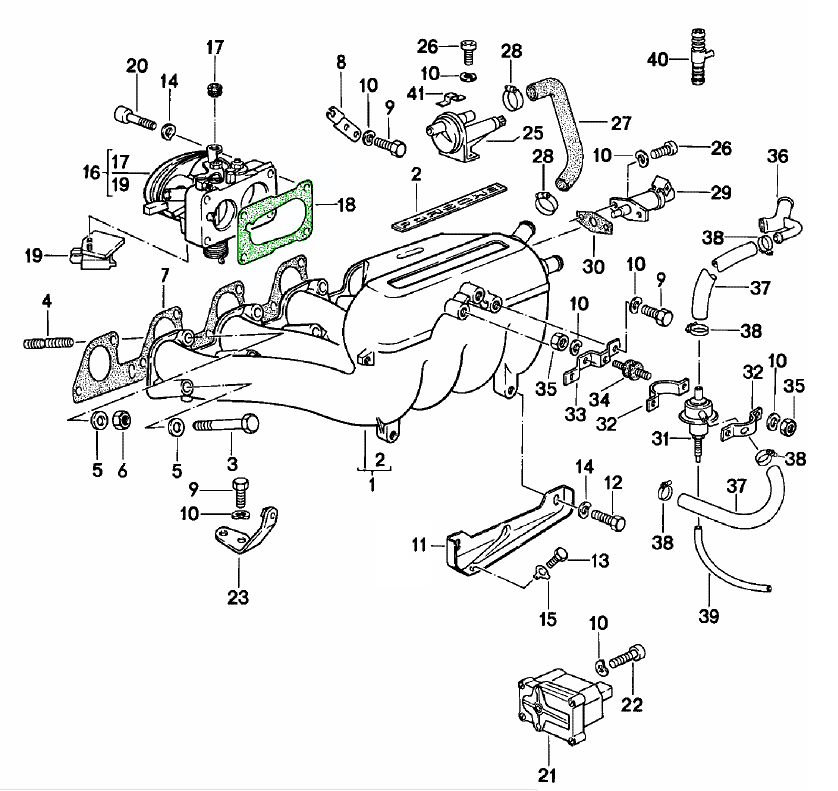
Click 'Zoom in' for large parts diagram.
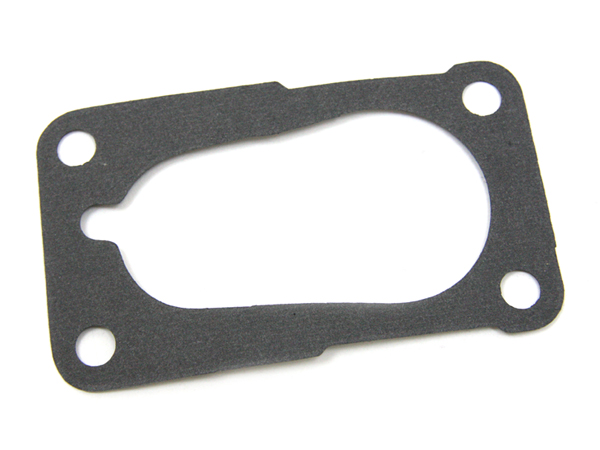
Diagram ref no 18
Related reference numbers
Related, superseded, cross reference or alternative numbers for comparison.
049133073B
The product you are viewing cross references to these numbers
- Porsche 924 2.0L 1976-79
- Porsche 924 2.0L 1980-85
- Porsche 924 Turbo 2.0L 1979-81
- Porsche 924 Turbo 2.0L 1982-84
- Porsche 924 Carrera GT 2.0L 1981
Shop Securely
12 Month Warranty
Worldwide Delivery

Air Inlet Engine Gaskets – Precision Sealing for Optimal Porsche Performance
Air inlet engine gaskets are crucial sealing components within your Porsche’s intake system. They ensure an airtight connection between the intake manifold, throttle body, and other air passages, preventing unmetered air from entering the engine. By maintaining proper air pressure and flow, these gaskets help your Porsche deliver smooth performance, efficient combustion, and consistent power output.
At Design911, we supply a complete selection of genuine and high-quality air inlet gaskets for various Porsche models, including 911, Boxster, Cayman, Cayenne, Macan, and Panamera models. Each gasket is designed for precise fitment, high heat resistance, and superior durability — ensuring reliable performance and long-lasting sealing under all driving conditions.
What Do Air Inlet Engine Gaskets Do?
Air inlet gaskets serve as a critical barrier that ensures
only properly metered air enters your Porsche’s engine. Their functions
include:
- Sealing
joints between intake components to prevent air leaks.
- Maintaining
correct air-fuel ratios for efficient combustion.
- Preventing
contamination from oil, dust, and debris.
- Ensuring stable engine idle and performance by regulating airflow integrity.
A high-quality gasket keeps your Porsche’s intake system perfectly balanced, contributing to smooth throttle response, better fuel efficiency, and reliable power delivery.
Why Do Air Inlet Engine Gaskets Fail?
Exposure to extreme heat, pressure, and vibration gradually
wears down air inlet gaskets. Over time, they can lose elasticity and sealing
capability. Common causes of failure include:
- Thermal
expansion and contraction causing cracks or deformation.
- Material
fatigue from continuous heat cycling.
- Oil
or coolant contamination degrading gasket integrity.
- Improper
installation or over-torquing during servicing.
- Age-related wear and drying of gasket material.
Symptoms of a failing air inlet gasket include rough idle, vacuum leaks, hissing noises, poor fuel economy, or a check engine light related to air-fuel imbalance.
Why Replace a Faulty Air Inlet Engine Gasket?
A worn or leaking air inlet gasket can allow unmetered air into the engine, disrupting combustion and reducing performance. Replacing it restores proper air sealing, improving efficiency and reliability while preventing potential damage to intake components.
Benefits of replacement include:
- Restored airtight sealing for optimal engine performance.
- Smoother idle and improved throttle response.
- Enhanced fuel efficiency and reduced emissions.
- Long-term reliability with manufacturer-quality materials.
All gaskets from Design911 are made from premium-grade composites or multi-layer materials, designed to withstand heat, pressure, and chemical exposure — ensuring consistent sealing and performance for every Porsche model.




Monday-Friday: 8.30am - 5.30pm (GMT)
Saturday: Closed
Sunday: Closed