





Enter your VAT number here and click Verify:
Your details have been verified. VAT number registered to:
,
.
Your order will now be zero rated for VAT purposes. We reserve the right to verify these details after your order request has been made and reinstate VAT if required.
Your VAT details were not recognised or were invalid. Your VAT number must be matched to your Billing Country as specified above. This is currently specified as . You do not need to enter the country code part of your VAT number as this has already been selected in your billing address details above.
The VAT number checking service is currently offline. Please supply your VAT details within the comments or special instructions field below and we will apply a VAT discount after placing your order request.
Pulleys


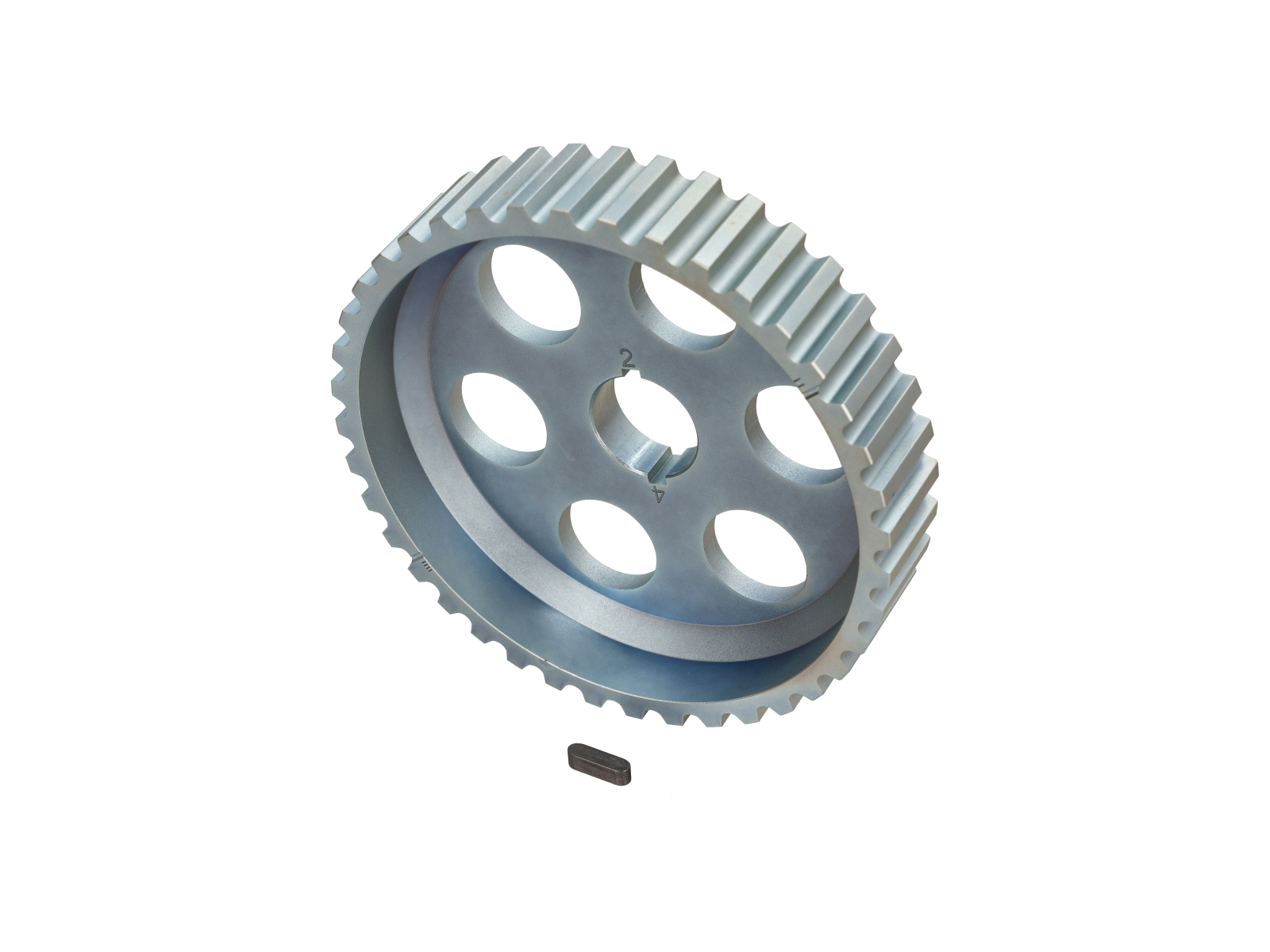
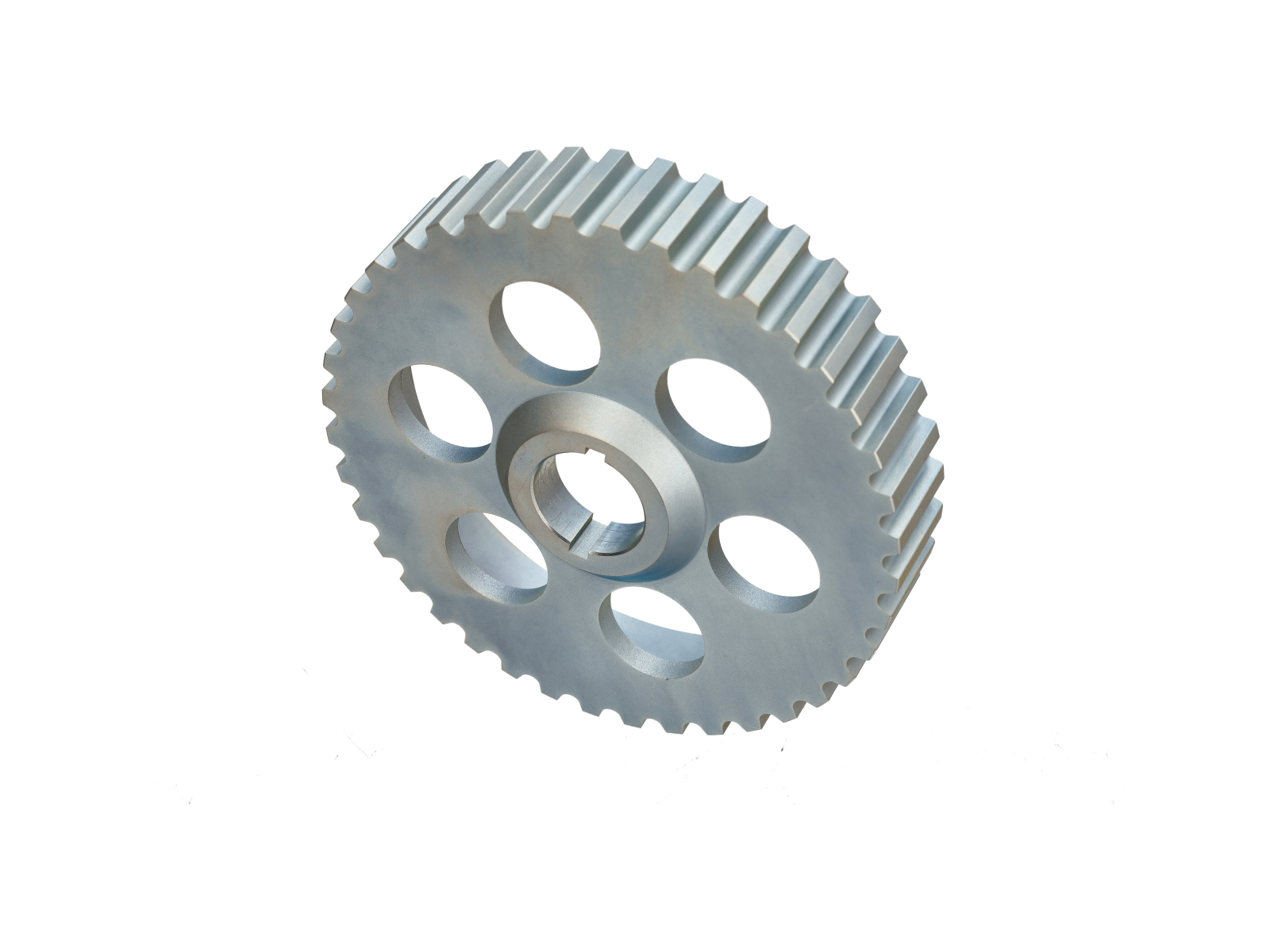
944 2-in-1 Performance Cam Wheel (+2° / +4°)
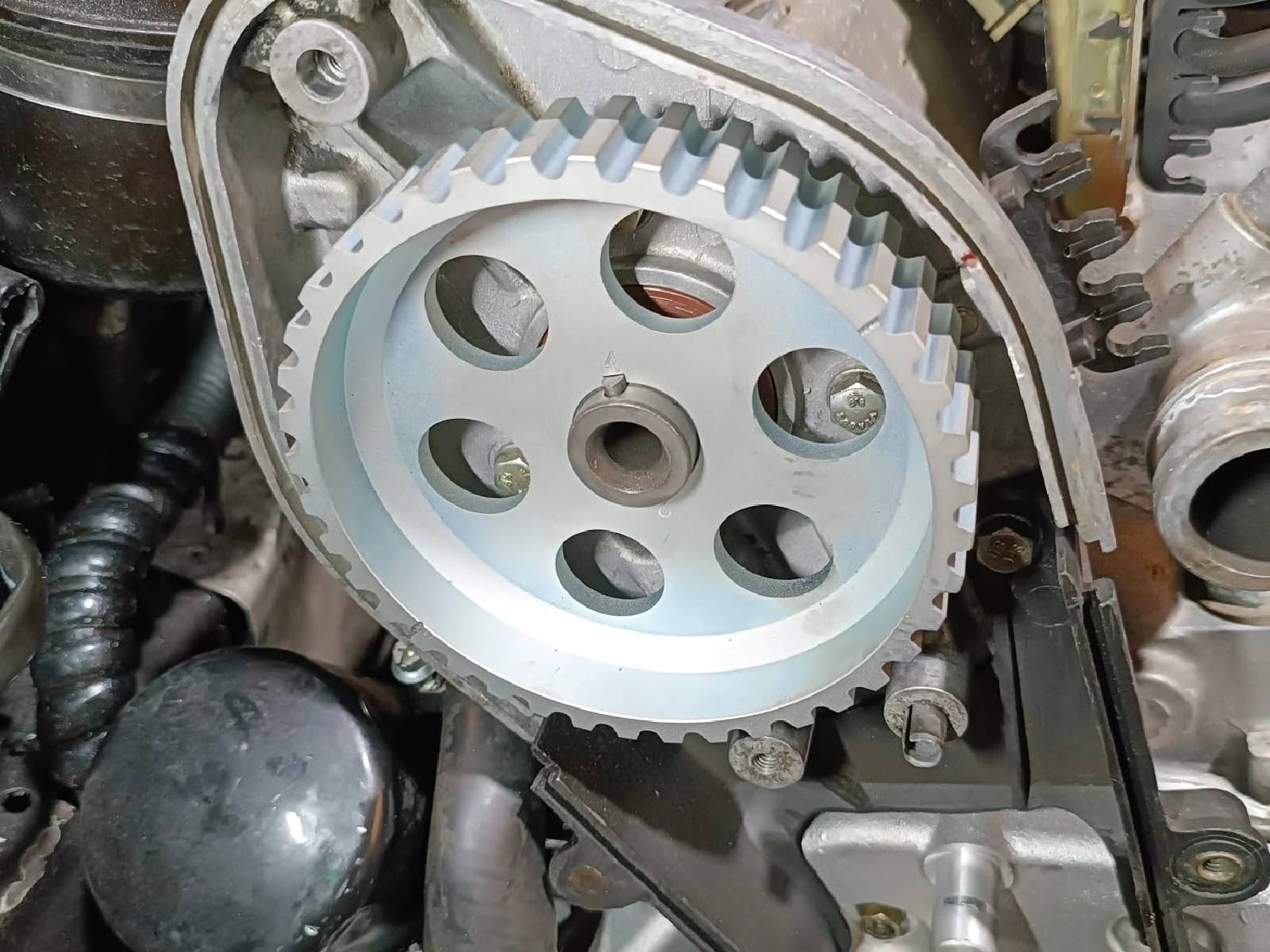
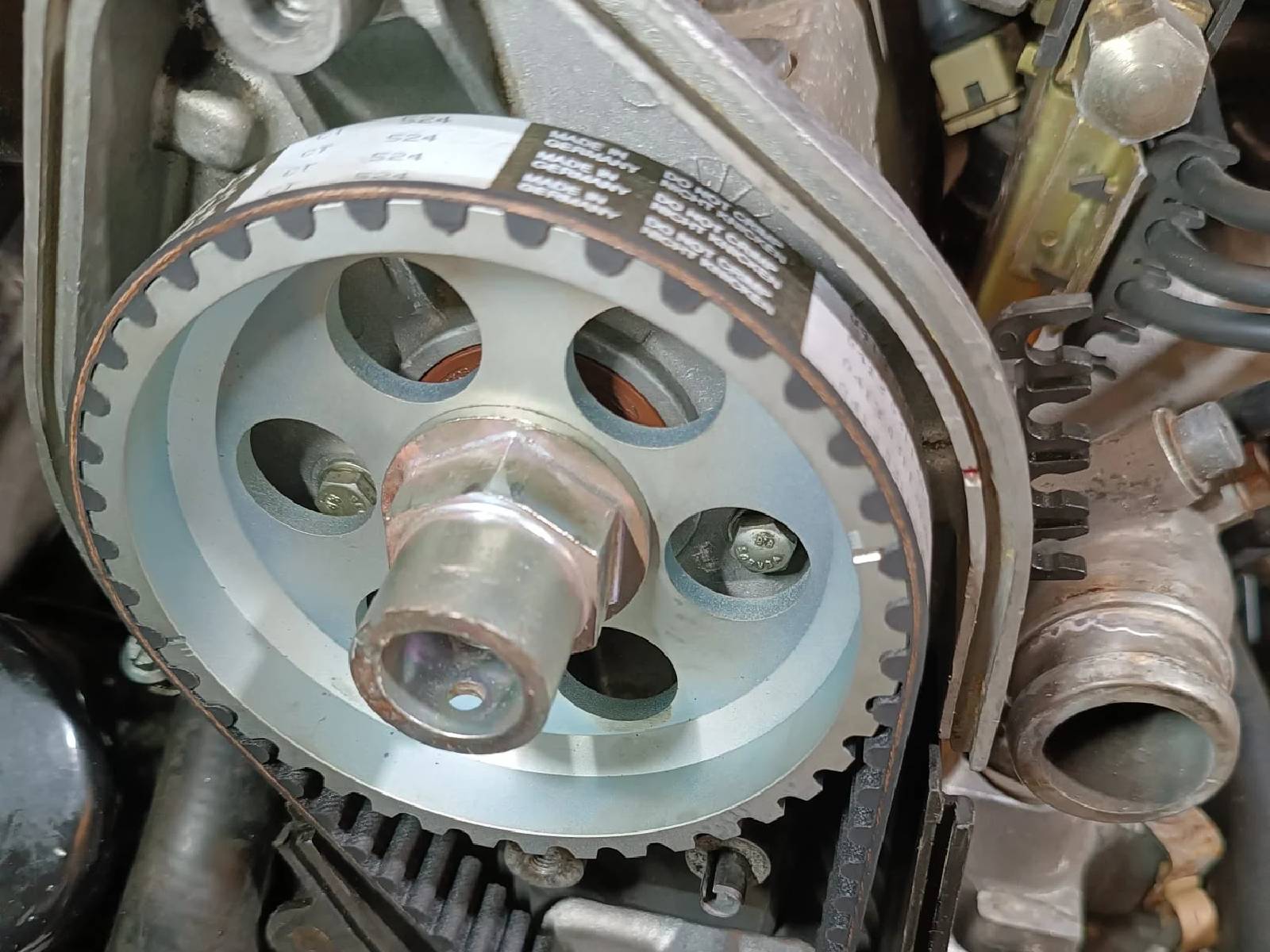
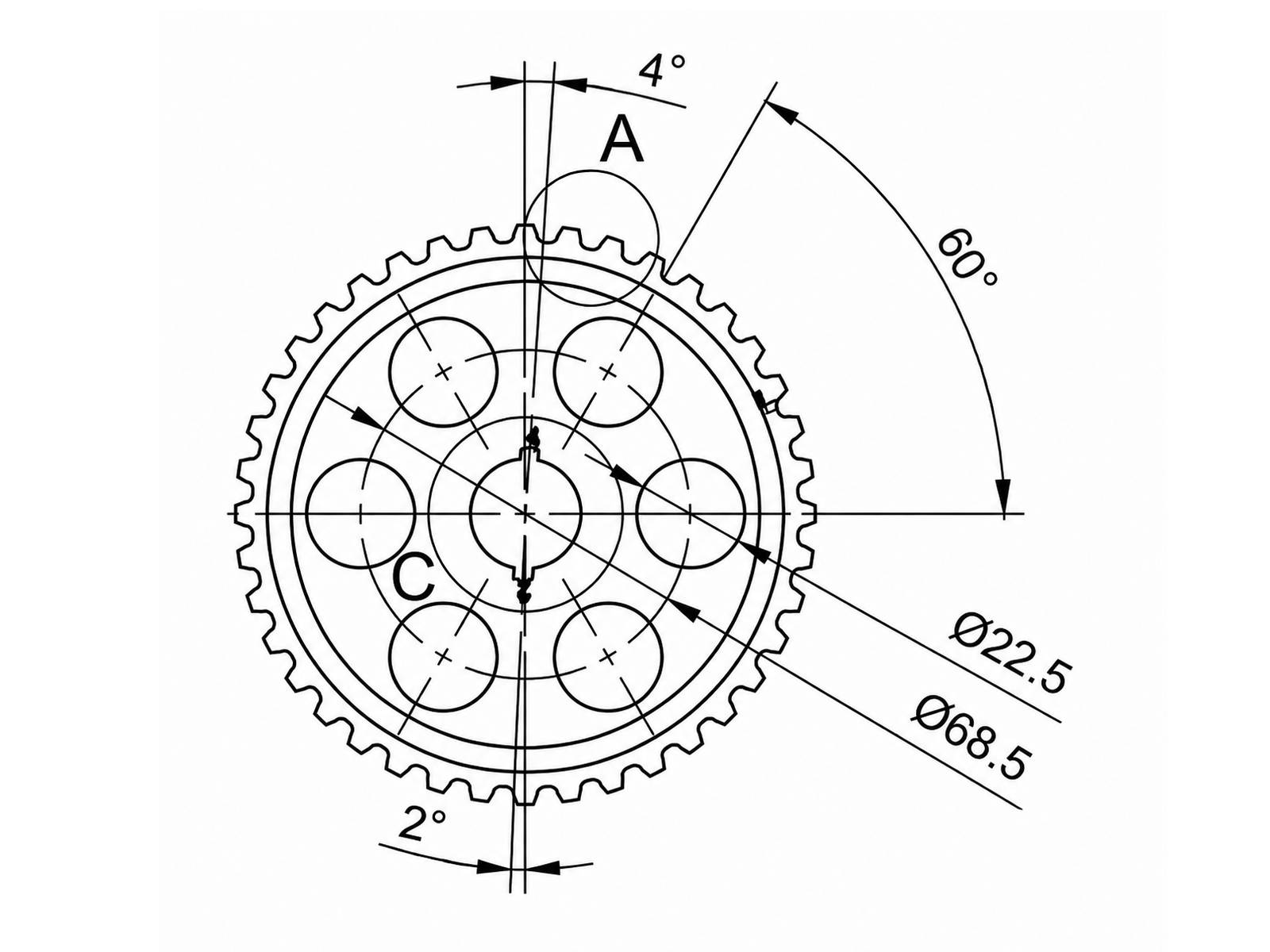
Unlock additional performance from your Porsche 944 engine with this innovative 2-in-1 Performance Cam Wheel, engineered to optimise camshaft timing and deliver measurable improvements in both torque and horsepower. Featuring two pre-set timing advance positions (+2° and +4°) within a single camshaft sprocket, this clever design allows owners to tailor engine characteristics for either road or track use without the complexity or expense of a fully adjustable cam gear.
Fits:
- Porsche 924S 2.5L 1986-87
- Porsche 924S 2.5L 1988
- Porsche 944 2.5L 8V 1982-87
- Porsche 944 2.7L 8V 1988-89
- Porsche 944 Turbo 2.5L 8V 1985-88
- Porsche 944 Turbo 2.5L 8V 1989-91
- Porsche 944 Turbo S 2.5L 8V 1988
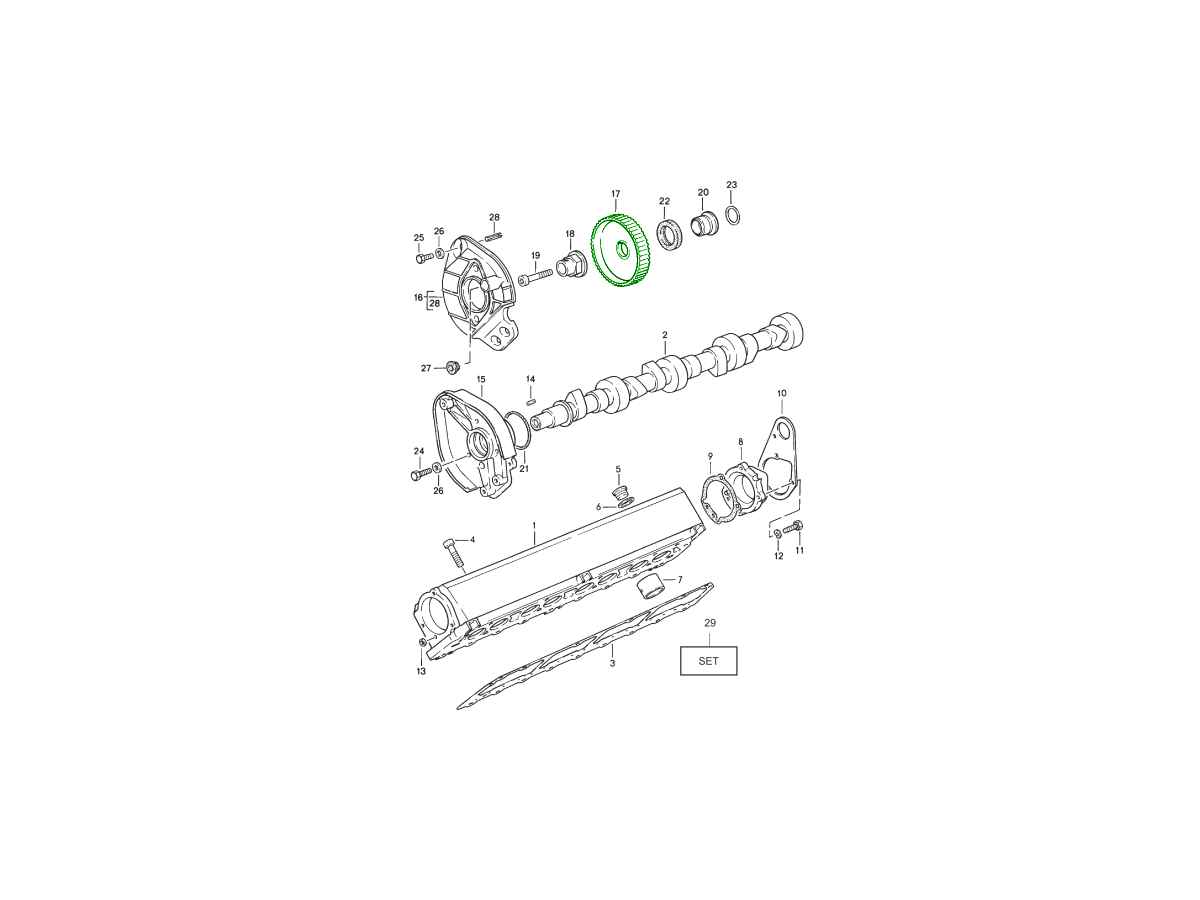
Diagram Ref No 17
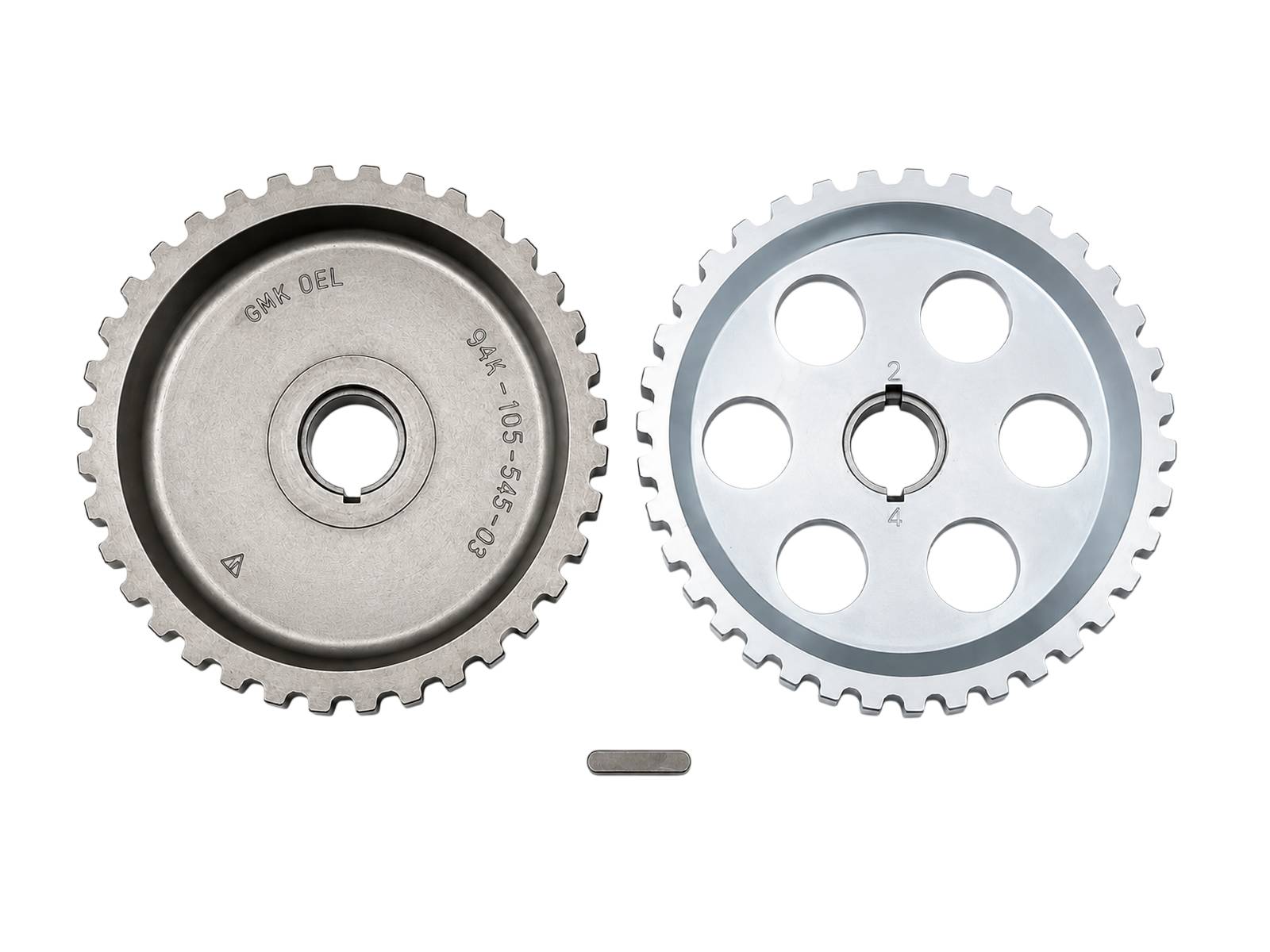
By simply rotating the cam wheel 180 degrees during installation, you can select either the +2° or +4° timing position, making this a cost-effective performance upgrade that offers greater flexibility than a standard replacement camshaft wheel.
Even better, the price is lower than many genuine replacement camshaft sprockets while delivering real-world performance gains proven on the rolling road.
Why Adjust Camshaft Timing?
The camshaft and crankshaft work together through the timing belt to control valve opening and closing events. While Porsche factory timing settings provide a good balance for production vehicles, they are often no longer optimal after years of service or engine rebuilding.
Several factors can alter the original camshaft timing:
Cylinder Head Resurfacing
During engine rebuilds, cylinder heads are often skimmed to restore flatness. Many Porsche 944 engines have had this procedure performed multiple times throughout their lives.
Each resurfacing operation slightly alters the relationship between the crankshaft and camshaft, affecting valve timing and engine efficiency.
Hydraulic Tappet Wear
Over time, natural wear and operational changes within the hydraulic tappets can influence valve timing characteristics, reducing engine responsiveness and performance.
Manufacturing Tolerances
Even when new, production tolerances can result in small variations in camshaft timing from engine to engine.
This performance cam wheel compensates for these variables by subtly repositioning the camshaft relative to the crankshaft, advancing intake valve opening events to improve cylinder filling and increase engine output.
Dyno-Proven Performance Gains
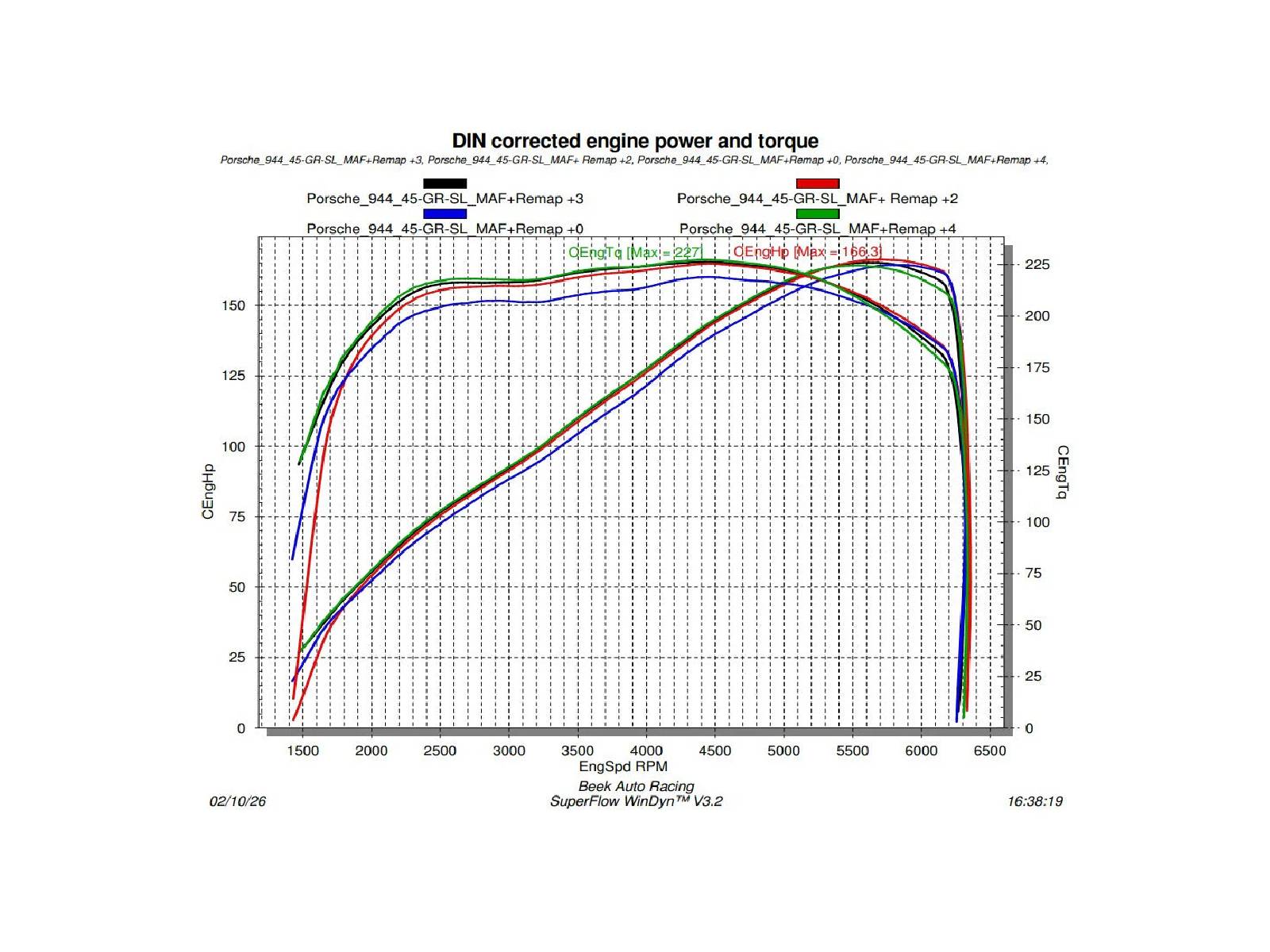
Extensive rolling road testing has demonstrated clear performance improvements over the original factory camshaft timing.
+4° Setting
The +4° position provides the greatest torque increase in the lower and mid-range rev band.
Benefits include:
- Up to 10 Nm increase in torque
- Improved acceleration
- Stronger mid-range response
- Enhanced road driving characteristics
- Improved flexibility during everyday driving
Peak gains are achieved up to approximately 5000 RPM.
+2° Setting
The +2° position also produces a significant torque increase but is optimised for higher engine speeds.
Benefits include:
- Improved upper RPM performance
- Increased peak horsepower
- Strong high-rev power delivery
- Enhanced track performance
- Improved top-end engine response
Above approximately 5000 RPM, the +2° setting delivers the strongest horsepower gains.
Which Setting Should You Choose?
+4° Position – Ideal for Road Cars
The +4° setting is recommended for:
- Fast road use
- Daily driving
- Touring
- Improved drivability
- Enhanced low and mid-range torque
This setting delivers a more responsive engine where it is used most often on the road.
+2° Position – Ideal for Track Use
The +2° setting is recommended for:
- Motorsport applications
- Track days Competition use
- High RPM operation
- Maximum peak horsepower
Drivers seeking ultimate top-end performance will benefit most from this configuration.
Simple Installation
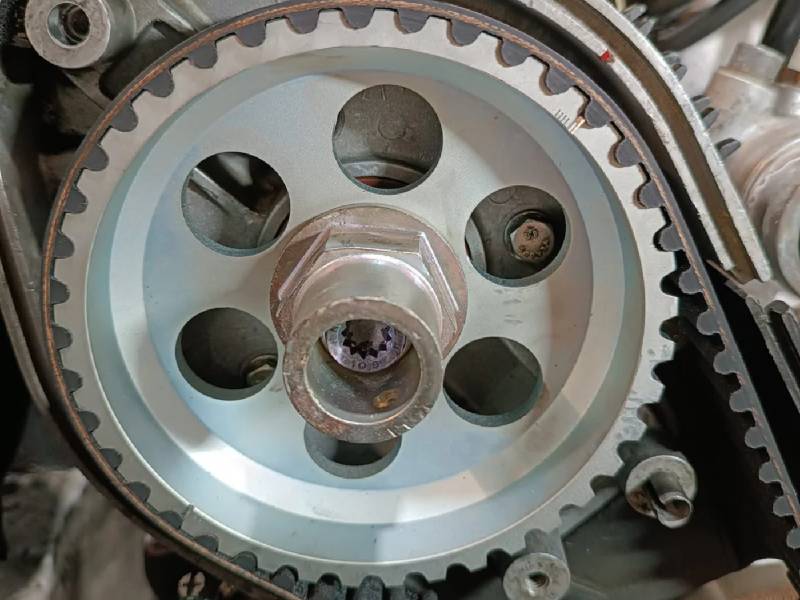
Unlike many performance camshaft timing solutions, this cam wheel retains the original timing reference marks on both sides.
This allows:
- Straightforward installation
- Accurate timing belt alignment
- Easy selection of either timing position
- Factory-style installation procedures
The wheel is designed to fit directly in place of the original component.
Corrosion-Resistant Construction
Manufactured from steel and galvanised for corrosion protection, the cam wheel is built for long-term reliability and durability.
The kit also includes a new locating wedge to ensure accurate positioning and installation.
Package Contents
Supplied complete with:
- 1 x Galvanised Steel Performance Cam Wheel
- 1 x New Camshaft Locating Wedge
Installation Information
Approximate installation time: 1 hour Timing belt removal required Timing belt re-tensioning required after installation Ideal upgrade when replacing the timing belt Suitable to combine with routine maintenance work
Professional installation is recommended if you are unfamiliar with Porsche timing belt procedures.
Related reference numbers
Related, superseded, cross reference or alternative numbers for comparison.
9441055451T
The product you are viewing cross references to these numbers
- Porsche 924S 2.5L 1986-87
- Porsche 924S 2.5L 1988
- Porsche 944 2.5L 8V 1982-87
- Porsche 944 2.7L 8V 1988-89
- Porsche 944 Turbo 2.5L 8V 1985-88
- Porsche 944 Turbo 2.5L 8V 1989-91
- Porsche 944 Turbo S 2.5L 8V 1988
 Shop Securely
 12 Month Warranty
 Worldwide Delivery
Porsche Performance Pulleys - Engine Efficiency & Response Upgrades
Engine Pulleys play a vital role in driving auxiliary components such as the alternator, power steering pump, water pump, and air conditioning system. In performance applications, upgraded pulleys can improve engine efficiency, reduce rotational mass, and enhance throttle response—delivering noticeable gains in drivability.
Available from Design911, Porsche performance pulleys are precision-engineered to improve reliability and optimise engine operation, making them an ideal upgrade for tuned, rebuilt, or track-driven vehicles.
What Do Engine Pulleys Do?
Engine pulleys transfer rotational power from the crankshaft to essential engine accessories.
Core Functions:
- Drive auxiliary systems reliably and efficiently.
- Maintain correct belt alignment and tension.
- Regulate accessory speed relative to engine RPM.
- Support consistent engine cooling and charging.
- Contribute to smooth engine operation.
Proper pulley function is essential for overall engine reliability.
Why Do Engine Pulleys Fail?
Standard pulleys can degrade over time or under increased
engine loads. Common failure causes include:
Failed pulleys can cause belt loss, overheating, or loss of charging and power steering.
Why Upgrade to Performance Pulleys?
Performance pulleys are designed to improve durability and efficiency.
Upgrade Benefits:
- Reduced rotational mass for improved throttle response.
- Stronger materials for improved longevity.
- Improved belt alignment and stability at high RPM.
- Enhanced reliability for tuned and track engines.
- Supports efficient operation of auxiliary systems.
Upgrading pulleys improves engine responsiveness while reducing the risk of pulley-related failures.
Highlights
- Porsche performance engine pulleys
- Improved efficiency and throttle response
- Designed for tuned and high-RPM engines
- Durable construction for long-term reliability
- Essential upgrade during engine rebuilds
-
 Engine / Gearbox Mounts
-
Oil Flow / Sump
-
Engine Rods and Bolts
-
Radiators
-
Air Filters
-
Air Induction Kits
-
Electronic Throttle Booster
-
IRIDIUM POWER Spark Plugs
-
IRIDIUM RACING Spark Plugs
-
Fuel rails / regulators
-
Clutches / Flywheels
-
ECU Reader / Fault Finder
-
Fuel Additives
-
Wössner Forged Piston Kit
-
Wössner Steel Connecting Rods
-
CP Carrillo Connecting Rods




Monday-Friday: 8.30am - 5.30pm (GMT)
Saturday: Closed
Sunday: Closed