





Enter your VAT number here and click Verify:
Your details have been verified. VAT number registered to:
,
.
Your order will now be zero rated for VAT purposes. We reserve the right to verify these details after your order request has been made and reinstate VAT if required.
Your VAT details were not recognised or were invalid. Your VAT number must be matched to your Billing Country as specified above. This is currently specified as . You do not need to enter the country code part of your VAT number as this has already been selected in your billing address details above.
The VAT number checking service is currently offline. Please supply your VAT details within the comments or special instructions field below and we will apply a VAT discount after placing your order request.

- Accessories
- Brakes
- Chassis / Bodywork
- Clothing & Gifts
- Electrical & Relays
- Engine Cooling
- Engine Electrical
- Engine Rebuild Parts
- Engine Tuning
- Exhausts
- Exterior Styling / Spoilers
- Gearbox / Transmission
- Heating / Air Conditioning
- Hydraulics
- Incar / Multimedia
- Interior & Accessories
- Lighting
- Mats & Carpets
- Motorsport and Off-Road
- Parts for Other Cars
- Pedal Cluster
- Rubber Seals
- Seats & Seat Belts
- Service Parts
- Special Offer Parts
- Steering Parts
- Suspension & Axle
- Suspension Upgrades
- Tyres
- Wheel Accessories
- Wheels
TEXTAR Brakes
- Porsche 992.1 Carrera 2 3.0L 2019-24
- Porsche 992.1 Carrera 4 3.0L 2019-24
- Porsche 992.1 Carrera 2 Cabriolet 3.0L 2019-24
- Porsche 992.1 Carrera 4 Cabriolet 3.0L 2019-24
- Porsche 992.1 Carrera 2S / GTS 3.0L 2019-24
- Porsche 992.1 Carrera 4S / GTS 3.0L 2019-24
- Porsche 992.1 Carrera 2S / GTS Cabriolet 3.0L 2019-24
- Porsche 992.1 Carrera 4S / GTS Cabriolet 3.0L 2019-24
- Porsche 992.1 Targa 4 3.0L 2020-24
- Porsche 992.1 Targa 4S / GTS 3.0L 2020-24
- Porsche 992.1 Speedster 4.0L 2019-24
- Porsche 992.1 Turbo 3.8L 2020-24
- Porsche 992.1 Turbo S 3.8L 2020-24
- Porsche 992.1 Turbo Cabriolet 3.8L 2020-24
- Porsche 992.1 Turbo S Cabriolet 3.8L 2020-24
- Porsche 992.1 GT3 4.0L / 992 S/T 4.0L 2021-24
- Porsche 992.1 GT3 RS 4.0L 2022-24
- Porsche 992.1 (911) Sport Classic 3.8L 2023
- Porsche 992.1 (911) Dakar 3.0L 2023-24
- Porsche 992.1 GT3 CUP 4.0L 2021-24

Front Brake Disc & Brake Pad Package
Refresh the braking performance of your Porsche with this
complete Front Brake Disc & Brake Pad Package. Bringing together quality replacement
components from trusted manufacturers, this kit provides everything required to
carry out a complete front brake service in one convenient package.
Fits:
- Porsche 992.1 Carrera 2S 3.0L 2019-24
- Porsche 992.1 Carrera 4S 3.0L 2019-24
- Porsche 992.1 Carrera 2S Cabriolet 3.0L 2019-24
- Porsche 992.1 Carrera 4S Cabriolet 3.0L 2019-24
- Porsche 992.1 Targa 4S 3.0L 2020-24
The package includes:
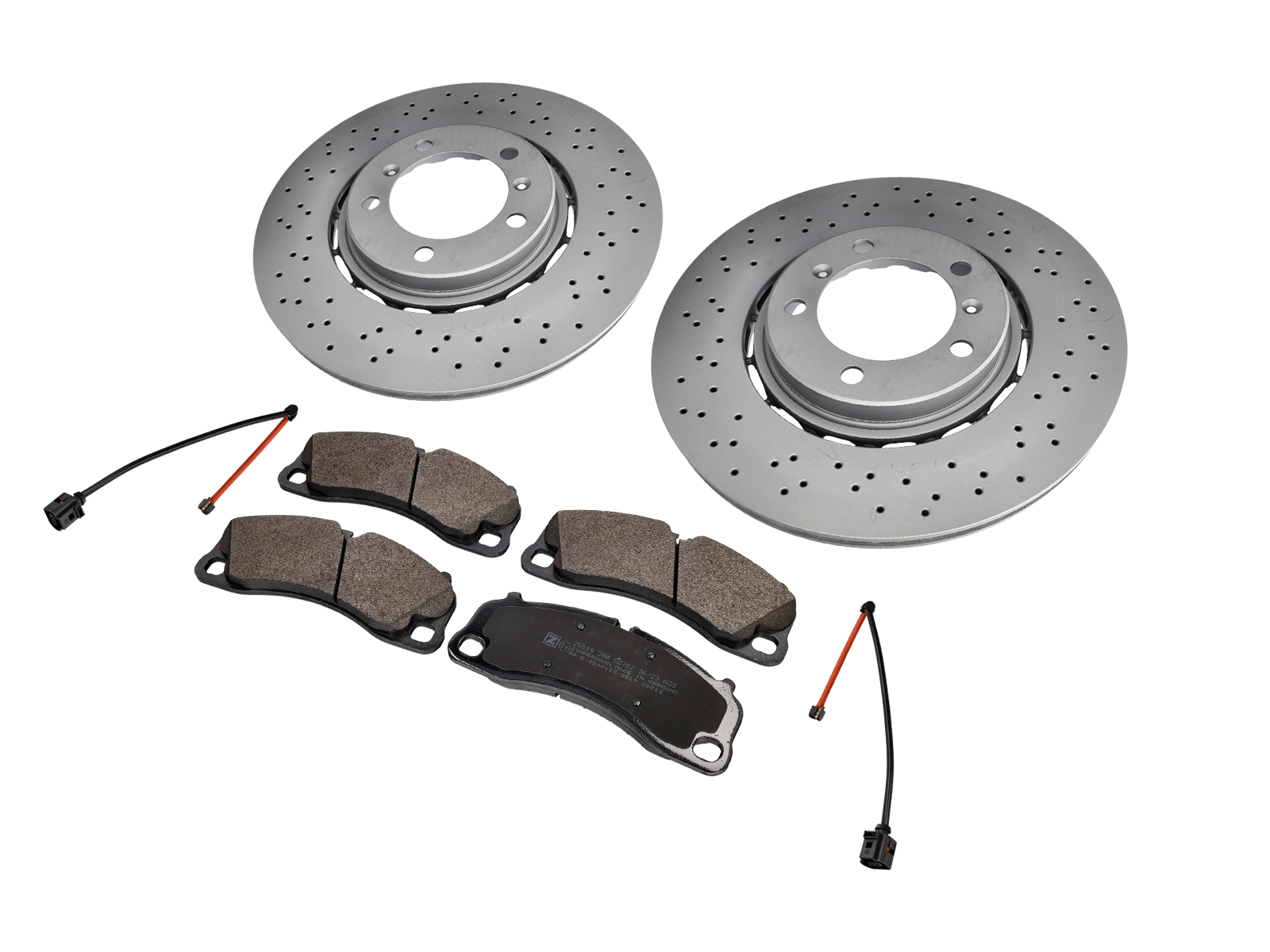
- 2 x ABS 350x34mm Front Brake Discs (left and right)
- 1 x Set of Textar Front Brake Pads
- 2 x Brake Pad Wear Warning Wires
The ABS brake discs are manufactured to OE specifications, offering excellent dimensional accuracy, consistent braking performance and reliable heat dissipation. Combined with Textar front brake pads, an original equipment supplier to many European vehicle manufacturers, this package delivers excellent pedal feel, quiet operation and dependable stopping performance for everyday and enthusiastic road driving.
Replacing all major wear items together helps restore your Porsche's braking system to optimum condition while ensuring every component works together as intended.
What Does This Brake Package Do?
Your Porsche's front brakes generate the majority of its stopping power, allowing the vehicle to decelerate safely and efficiently.
Each component has an important role:
- Brake
discs provide the friction surface for the brake pads.
- Brake
pads create the braking force by gripping the rotating discs.
- Brake wear warning wires monitor pad thickness and alert the driver when replacement is required.
When fitted together, these components deliver responsive braking, excellent control and consistent performance in all driving conditions.
Why Do Brake Components Wear?
Brake discs and pads are designed to wear gradually throughout their service life.
Wear is accelerated by factors such as:
Frequent
braking
As brake pads lose friction material, the discs also wear with continued use. Eventually both components reach their service limits and should be renewed to maintain safe braking performance.
Why Replace the Complete Kit?
Replacing all front brake wear components at the same time provides a number of important advantages.
These include:
- Restores balanced braking performance
- Ensures new pads bed correctly onto new discs
- Eliminates worn brake wear sensors
- Promotes even wear across the braking system
- Reduces brake noise and vibration
- Improves pedal feel
- Avoids unnecessary repeat labour
Installing a complete brake package is the most effective way to maintain braking efficiency while protecting your investment.
When Should This Kit Be Replaced?
Replacement is recommended when:
- Brake pad wear warnings are displayed
- Pads have reached their minimum thickness
- Brake discs measure below the specified wear limit
- Disc surfaces are heavily scored or heat affected
- Brake vibration or pulsing develops
- Braking performance begins to deteriorate
- Routine servicing identifies excessive wear
Replacing discs, pads and sensors together ensures maximum braking performance and reliability.
Porsche 992 Carrera S Brake Disc & Pad Packages
A complete front brake service is one of the most important maintenance procedures for preserving the performance and safety of your Porsche. Replacing discs, pads and wear sensors together ensures every braking component starts with a fresh contact surface, promoting even wear, improved braking consistency and long-term reliability.
This package combines OE-quality ABS brake discs with Textar brake pads, offering an excellent balance of durability, refinement and dependable stopping power. Whether your Porsche is used as a daily driver, grand tourer or weekend performance car, this package provides everything required for a professional-quality front brake overhaul.
Benefits of This Brake Package
- Complete front brake maintenance solution
- OE-quality ABS brake discs
- Premium Textar brake pads
- New brake wear warning wires included
- Excellent braking control
- Progressive pedal feel
- Reliable everyday performance
- Cost-effective alternative to purchasing components separately
Related reference numbers
Related, superseded, cross reference or alternative numbers for comparison.
BRAKEKIT992S.1.F.TEX
The product you are viewing cross references to these numbers



- Porsche 992.1 Carrera 2S / GTS 3.0L 2019-24
- Porsche 992.1 Carrera 4S / GTS 3.0L 2019-24
- Porsche 992.1 Carrera 2S / GTS Cabriolet 3.0L 2019-24
- Porsche 992.1 Carrera 4S / GTS Cabriolet 3.0L 2019-24
- Porsche 992.1 Targa 4S / GTS 3.0L 2020-24
Front Brake Disc & Brake Pad Package
Ensure your Porsche continues to deliver precise, confidence-inspiring braking with this complete Front Brake Disc & Brake Pad Package. By combining premium-quality braking components into one convenient kit, you can complete a full front brake service using perfectly matched parts.
Fits:
- Porsche 992.1 Carrera 2S 3.0L 2019-24
- Porsche 992.1 Carrera 4S 3.0L 2019-24
- Porsche 992.1 Carrera 2S Cabriolet 3.0L 2019-24
- Porsche 992.1 Carrera 4S Cabriolet 3.0L 2019-24
- Porsche 992.1 Targa 4S 3.0L 2020-24
The package includes:
- 2 x SHW 350x34mm Front Brake Discs
- 1 x Set of Textar Front Brake Pads
- 2 x Brake Pad Wear Warning Wires
Manufactured to original equipment standards, SHW brake discs are renowned for their exceptional machining quality, thermal stability and long service life. Combined with Textar brake pads, an OE supplier to numerous European vehicle manufacturers, this kit provides smooth, progressive braking performance, excellent pedal feel and dependable stopping power for everyday driving and spirited road use.
Installing all major wear components together restores the braking system to peak operating condition while ensuring maximum compatibility between every part.
What Does a Complete Brake Kit Do?
Your Porsche's front braking system is responsible for delivering the majority of the vehicle's stopping power.
Each component has a vital role:
- SHW
brake discs provide a durable, precision-machined friction surface.
- Textar
brake pads generate the braking force by clamping onto the discs.
- Brake wear warning wires monitor pad thickness and activate the dashboard warning when replacement becomes necessary.
Together, these components ensure responsive braking, excellent control and consistent performance in all driving conditions.
Why Do Brake Components Wear Out?
Braking creates friction, and friction naturally wears both the brake pads and discs over time.
Factors that accelerate wear include:
- Frequent braking Urban stop-start driving
- Fast road driving
- High braking temperatures
- Vehicle weight General mileage
As the brake pads become thinner and the discs gradually wear, braking performance reduces and replacement becomes necessary to maintain safety.
Why Replace Discs, Pads and Sensors Together?
Replacing the complete front brake assembly offers significant advantages over replacing individual components.
Benefits include:
- Restores original braking efficiency
- Allows new pads to bed correctly on new discs
- Reduces the risk of brake vibration and noise
- Ensures accurate brake wear monitoring
- Promotes even wear across all braking components
- Extends the lifespan of the new parts
- Reduces future labour costs
A complete brake service provides the best combination of safety, reliability and long-term value.
When Should This Kit Be Replaced?
A complete brake replacement is recommended when:
- Brake pads reach their wear limit
- The brake wear warning light is illuminated
- Brake discs fall below the minimum service thickness
- Disc faces become heavily scored or heat cracked
- Brake judder develops
- Pedal feel becomes inconsistent
- Scheduled servicing identifies excessive brake wear
Replacing the complete package ensures your Porsche continues to deliver the braking performance expected from a 911 Carrera S.
Porsche 992 Carrera S Front Brake Service Packages
Regular brake maintenance is essential to preserve the performance, refinement and safety of your Porsche. Replacing discs, pads and wear sensors together ensures every component works as a matched system, providing optimum braking balance, improved pedal feel and even wear throughout the service life of the new components.
This package combines SHW original equipment-quality brake discs with Textar brake pads, creating an excellent balance of durability, braking performance and refinement. Whether you're carrying out scheduled maintenance or replacing worn braking components, this complete kit offers a convenient and cost-effective solution.
Designed for drivers who expect factory-quality performance from every journey, this package helps keep your Porsche braking exactly as it should.
Benefits of This Brake Package
- Complete front brake replacement solution
- Premium SHW brake discs OE-quality
- Textar brake pads
- New brake wear warning wires included
- Excellent braking consistency
- Smooth pedal feel
- Long-lasting braking performance
- Great value compared with purchasing components separately
Related reference numbers
Related, superseded, cross reference or alternative numbers for comparison.
BRAKEKIT992S.F.SHW
The product you are viewing cross references to these numbers

- Porsche 992.1 Carrera 2S / GTS 3.0L 2019-24
- Porsche 992.1 Carrera 4S / GTS 3.0L 2019-24
- Porsche 992.1 Carrera 2S / GTS Cabriolet 3.0L 2019-24
- Porsche 992.1 Carrera 4S / GTS Cabriolet 3.0L 2019-24
- Porsche 992.1 Targa 4S / GTS 3.0L 2020-24
Front Brake Disc & Brake Pad Package
Give your Porsche's braking system the attention it deserves with this complete Front Brake Disc & Brake Pad Package. By combining premium braking components into one convenient package, this kit makes it easy to restore braking performance, safety and driving confidence in a single installation.
Fits:
- Porsche 992.1 Carrera 2S 3.0L 2019-24
- Porsche 992.1 Carrera 4S 3.0L 2019-24
- Porsche 992.1 Carrera 2S Cabriolet 3.0L 2019-24
- Porsche 992.1 Carrera 4S Cabriolet 3.0L 2019-24
- Porsche 992.1 Targa 4S 3.0L 2020-24
The package includes:
- 2 x Zimmermann Formula Z 350x34mm Front Brake Discs
- 1 x Set of Textar Front Brake Pads
- 2 x Brake Pad Wear Warning Wires
Zimmermann Formula Z brake discs are precision manufactured for exceptional dimensional accuracy, thermal stability and long-lasting durability. Paired with Textar front brake pads, one of Europe's leading OE friction material manufacturers, this package delivers smooth, progressive braking with excellent pedal feel and dependable stopping performance.
Replacing every major front brake wear component together ensures the braking system performs as a perfectly matched assembly from the very first drive.
What Is Included in a Complete Front Brake Service?
The front braking system performs the majority of the vehicle's braking, making regular maintenance essential.
This package includes three key wear components:
- Brake
discs, which provide the rotating friction surface.
- Brake
pads, which clamp against the discs to slow the vehicle.
- Brake wear warning wires, which detect when the brake pads have reached their service limit.
Together, these parts restore the braking system to peak operating condition, ensuring safe, consistent performance.
Why Do Brake Discs and Pads Wear?
Every time the brake pedal is pressed, friction gradually removes material from both the brake pads and brake discs.
Several factors influence wear, including:
- Driving style
- Frequent urban driving
- High-speed motorway use
- Repeated heavy braking
- Heat generated during braking
- Overall vehicle mileage
As the discs become thinner and the pad material wears away, braking efficiency gradually reduces and replacement becomes necessary.
Why Install a Complete Brake Package?
Changing discs, pads and wear sensors at the same time provides a number of important benefits.
These include:
- Optimum braking performance from new components
- Correct bedding-in between pads and discs
- Even wear across the braking system
- Improved pedal feel and modulation
- Reduced brake noise and vibration
- Accurate operation of the brake wear warning system
- Lower long-term maintenance costs
Replacing the complete assembly helps maximise component lifespan while restoring factory braking characteristics.
When Should This Kit Be Replaced?
A complete front brake service should be carried out when:
- Brake pads have reached their minimum wear limit
- The brake wear warning light appears
- Brake discs measure below the manufacturer's minimum thickness
- Disc surfaces become scored or heat damaged
- Brake vibration or pulsation develops
- Stopping performance begins to deteriorate
- Routine servicing identifies excessive wear
Replacing all wear components together ensures reliable braking performance and helps maintain the safety of your Porsche.
Porsche 992 Carrera S Front Brake Service Packages
Keeping your Porsche's braking system in peak condition is essential for maintaining its performance, refinement and safety. Replacing discs and pads individually can result in uneven wear and reduced braking efficiency, whereas installing a complete service package ensures every component begins its working life together.
This package combines the proven engineering of Zimmermann Formula Z brake discs with the OE-quality friction materials developed by Textar, creating a balanced braking solution that delivers dependable stopping power, smooth operation and excellent durability.
Ideal for scheduled servicing or a complete front brake overhaul, this package provides everything required to restore confident braking and maintain the high standards expected of a Porsche 992.
Benefits of This Brake Package
- Complete front brake service in one package
- Zimmermann Formula Z premium brake discs
- OE-quality Textar brake pads
- New brake wear warning wires included
- Smooth, predictable braking response
- Excellent resistance to heat and wear
- Reduced brake noise
- Outstanding value and convenience
Related reference numbers
Related, superseded, cross reference or alternative numbers for comparison.
BRAKEKIT992S.F.TEX
The product you are viewing cross references to these numbers


- Porsche 992.1 Carrera 2S / GTS 3.0L 2019-24
- Porsche 992.1 Carrera 4S / GTS 3.0L 2019-24
- Porsche 992.1 Carrera 2S / GTS Cabriolet 3.0L 2019-24
- Porsche 992.1 Carrera 4S / GTS Cabriolet 3.0L 2019-24
- Porsche 992.1 Targa 4S / GTS 3.0L 2020-24

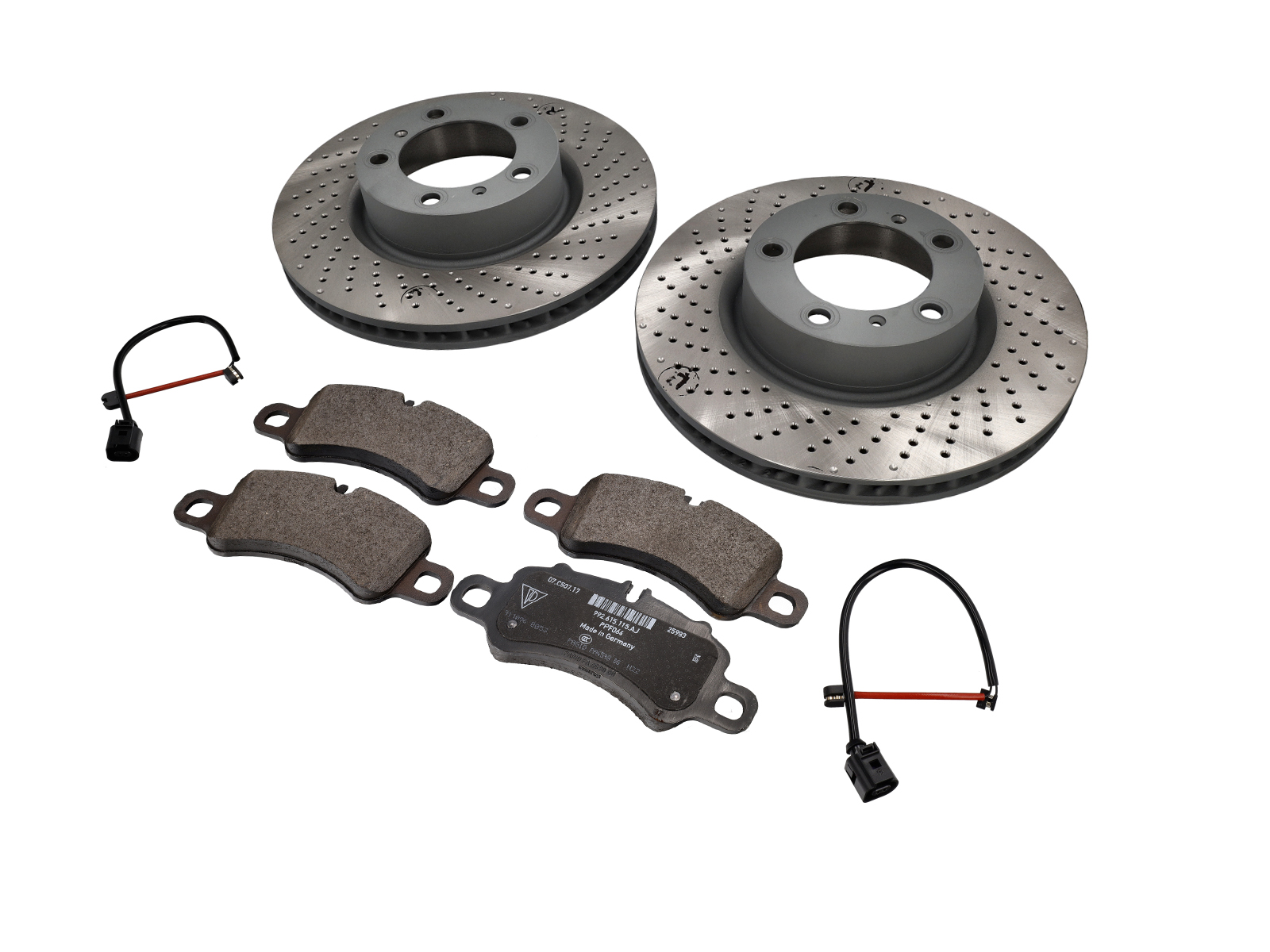
Refresh the front braking system of your Porsche 911 (992 generation) equipped with the standard steel-rotor (Comfort Equipment) brakes.

Fits:
- Porsche 992.1 Carrera 2 3.0L 2019-24
- Porsche 992.1 Carrera 4 3.0L 2019-24
- Porsche 992.1 Carrera 2 Cabriolet 3.0L 2019-24
- Porsche 992.1 Carrera 4 Cabriolet 3.0L 2019-24
- Porsche 992.1 Targa 4 3.0L 2020-24
A8C - Comfort Equipment
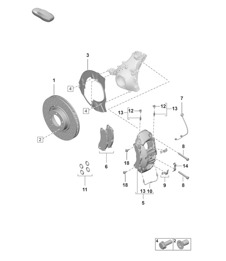
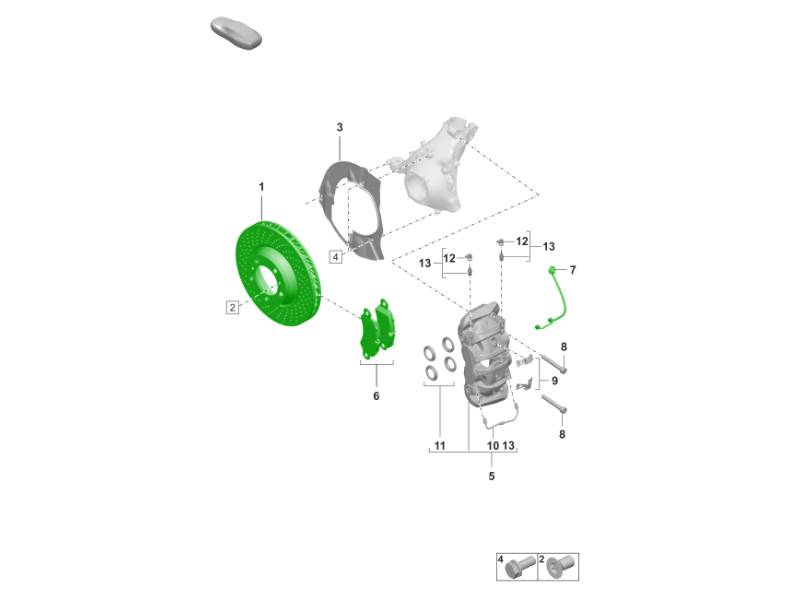
Diagram Ref No 1, 6, 7
What The Components Do:
- Brake Pads: Provide the friction material that the calipers clamp onto the rotors when braking. They wear down over time and determine the initial braking force and pedal feel.
- Brake Discs / Rotors: These are the surfaces the pads contact; they absorb and dissipate the kinetic energy from braking. Proper rotor thickness, flatness and condition are critical for safe, consistent braking.
- Wear Sensor: Detects the remaining pad thickness and alerts the driver (via dashboard indicator) when the pads reach their wear limit. Ensures that the brake pads are replaced before excessive wear causes rotor damage or reduced braking capacity.
- Brake pedal feels “soft” or you notice longer stopping distances or less “bite”.
- Squealing or grinding noises coming from front brakes (indicative of worn pads or damaged rotors).
- Vibrations or pulsing through the brake pedal or steering wheel under braking (often rotor warp or surface irregularity).
- Pad wear warning light illuminated (for cars fitted with wear sensors).
- Visual inspection shows pad thickness low, rotor surface badly scored or groove depth exceeded, or rotor minimum thickness below specification.
Why Replacement Matters:
- Brake Balance & Stability: The front brakes on a 911 handle a large portion of the braking load; mismatched or worn components can upset handling or stability under braking.
- Component Protection: If pads wear too thin (without sensor warning), the metal backing plate may contact the rotor, causing rotor damage, grooves, vibration or cracking. Fresh pads + rotors + sensor mean you’re protecting all components.
- Maintenance Efficiency: Replacing pads and rotors together ensures both surfaces are “fresh” and bedded together. It prevents the “new pad on old rotor” scenario which can cause uneven wear or noise.
- Sensor Functionality: The wear sensor ensures you are alerted when pads reach their limit. If the sensor is old or missing, you lose a safety layer.
Related reference numbers
Related, superseded, cross reference or alternative numbers for comparison.
BRAKEKIT992.1.F.TEX
The product you are viewing cross references to these numbers
- Porsche 992.1 Carrera 2 3.0L 2019-24
- Porsche 992.1 Carrera 4 3.0L 2019-24
- Porsche 992.1 Carrera 2 Cabriolet 3.0L 2019-24
- Porsche 992.1 Carrera 4 Cabriolet 3.0L 2019-24
- Porsche 992.1 Targa 4 3.0L 2020-24

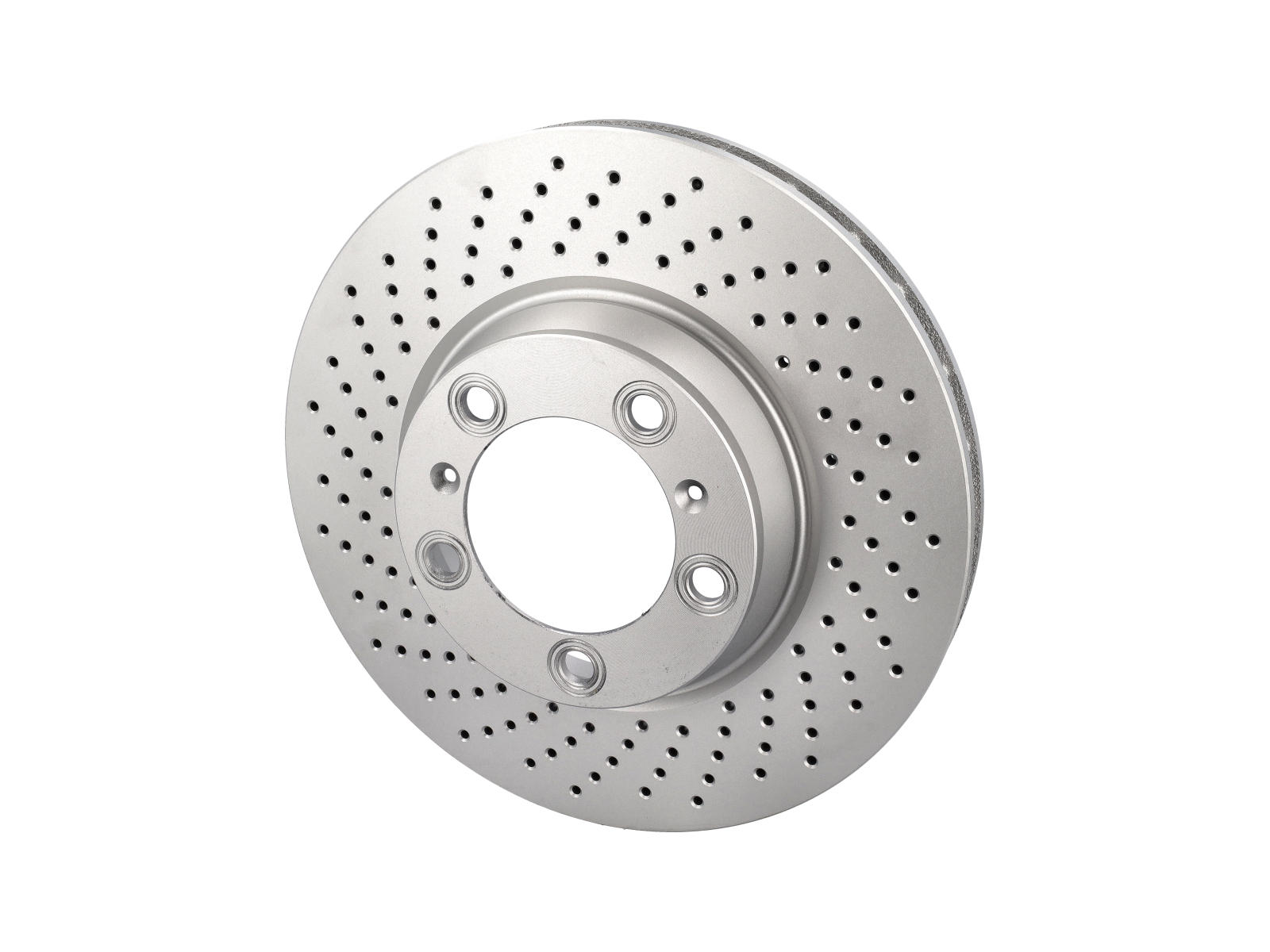
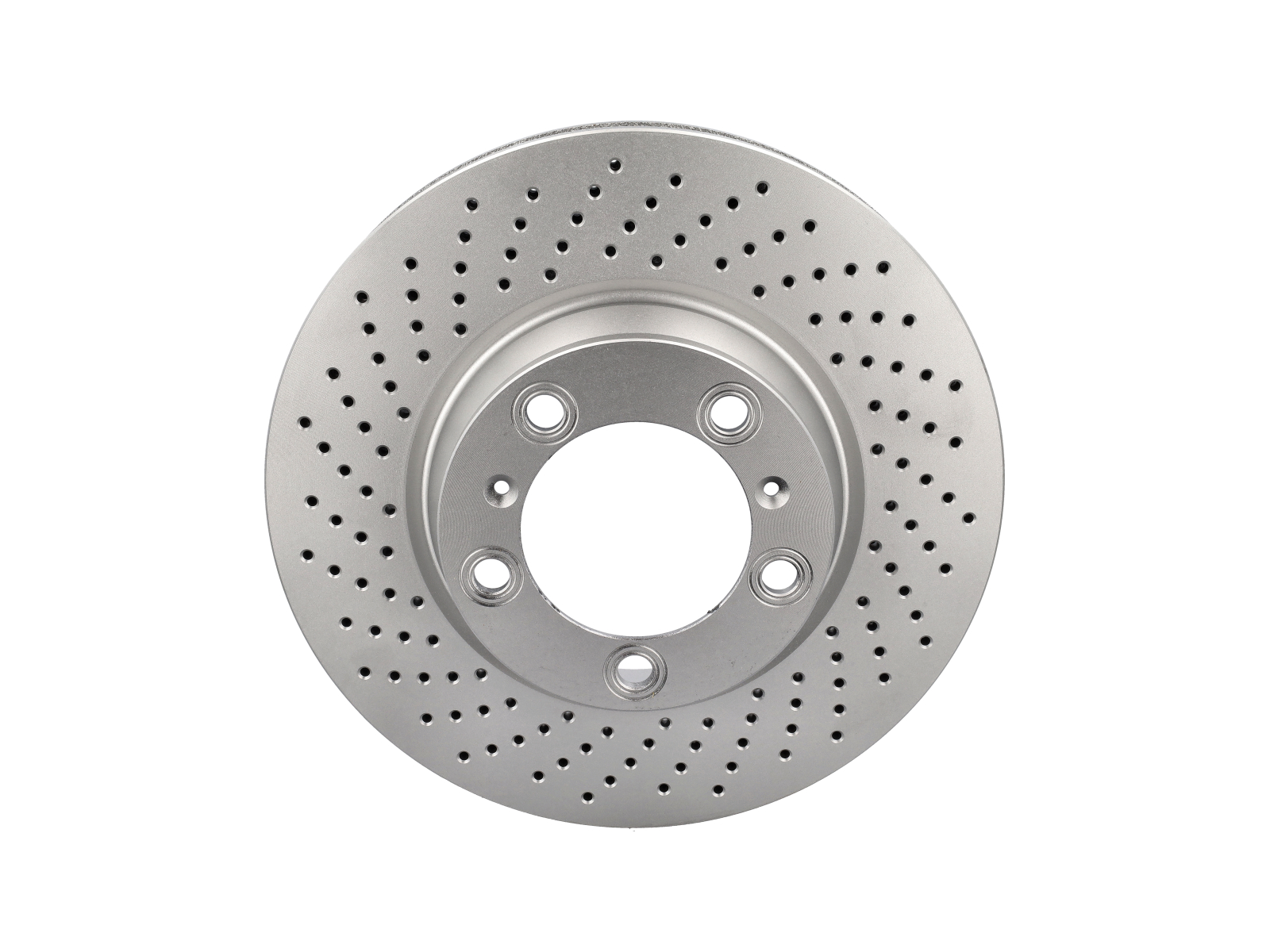
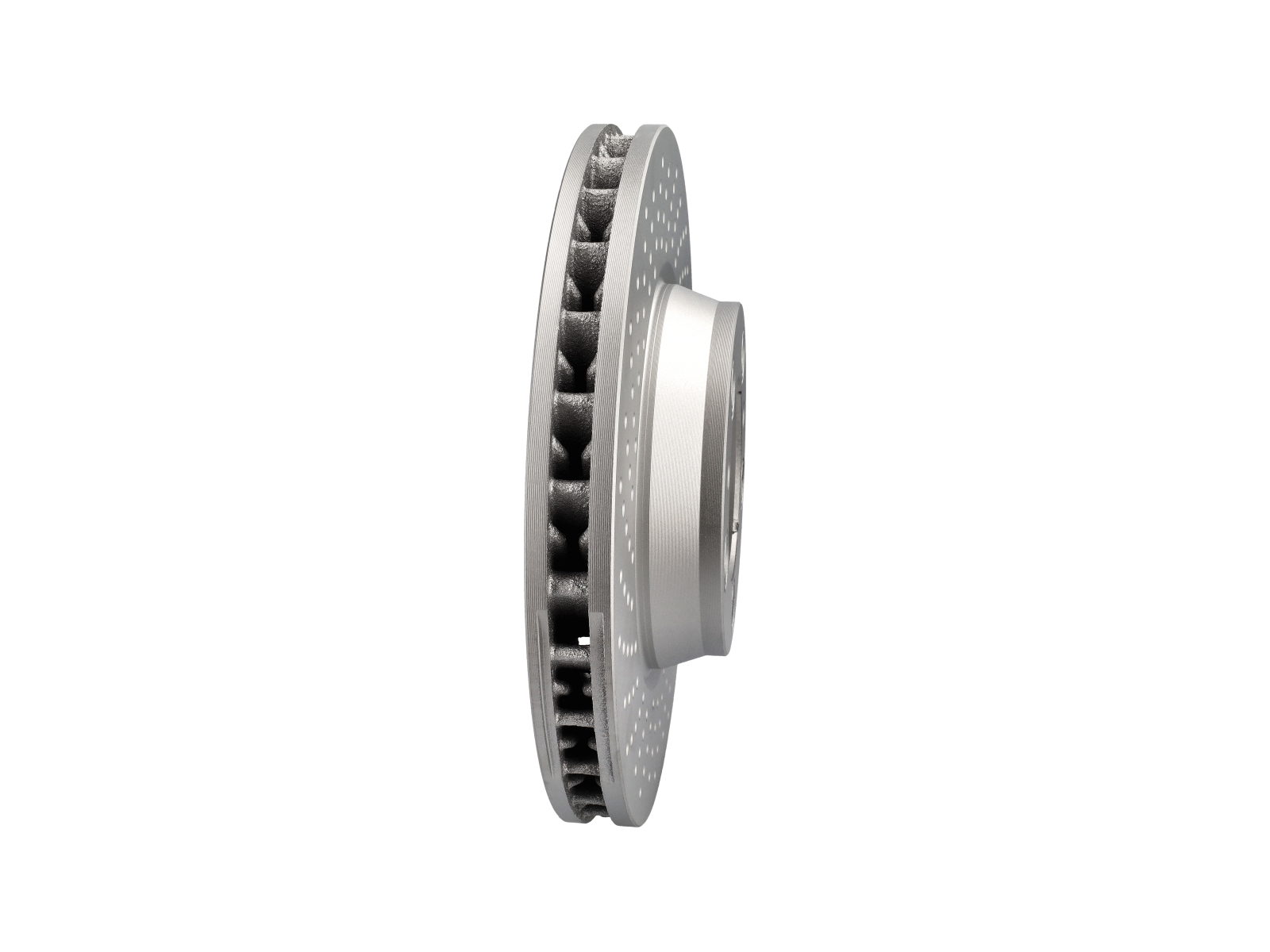
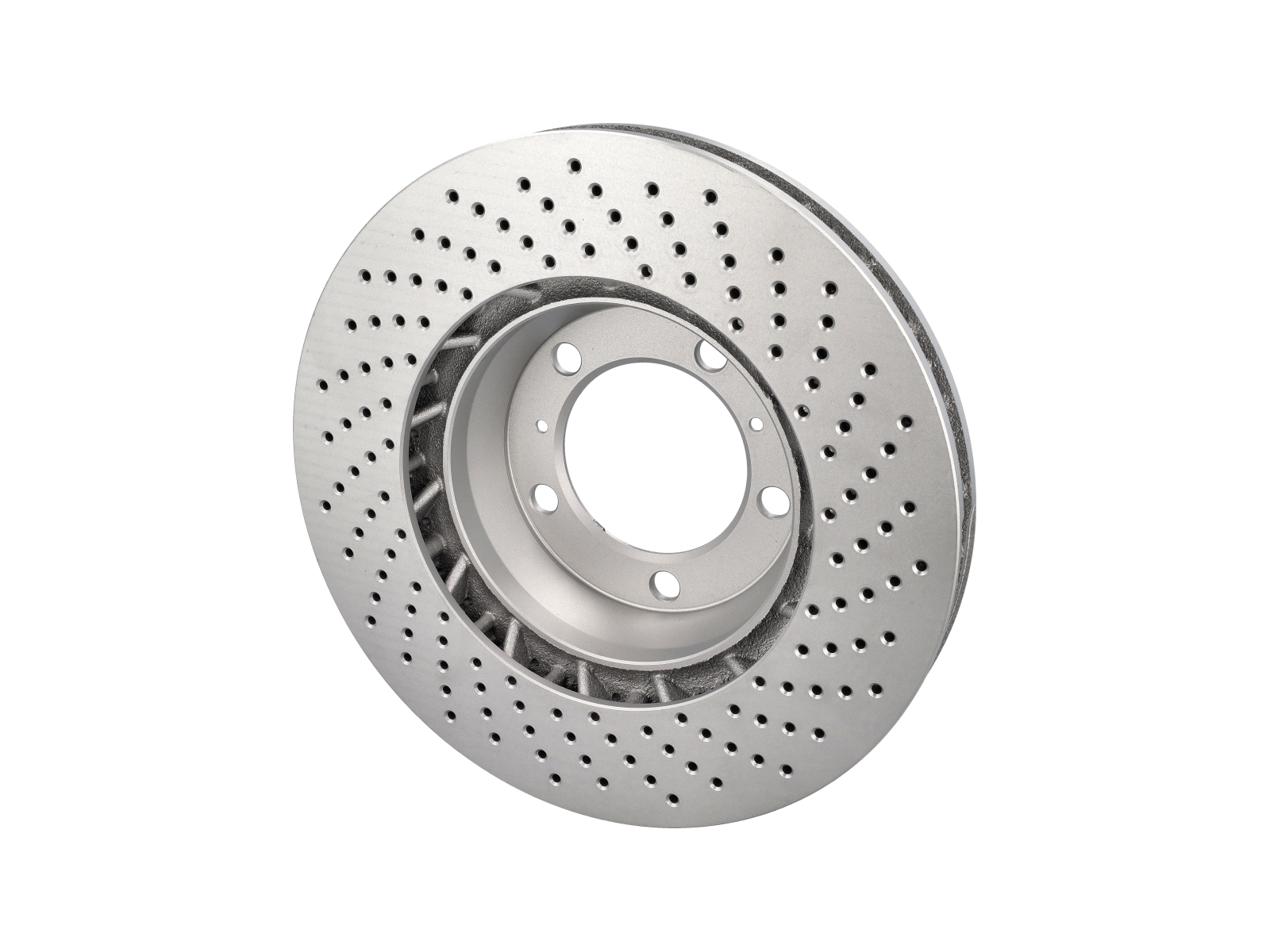
Front brake disc, ventilated, 330x34 mm.
Porsche 996 Turbo 2001-05 FRONT
Porsche 996 C4S 2001-05 FRONT
Porsche 997 C4S FRONT
Porsche 997 C2S FRONT
Porsche 997 MKII C4S FRONT
Porsche 997 MKII C2S FRONT
Porsche 991.2 3.0L Non S models FRONT
Porsche 992.1 C2 / C4 Non S models FRONT
Porsche 718 Cayman S / GTS 2.5L 2017>> FRONT
Porsche 718 Boxster S / GTS 2.5L 2017>> FRONT
Brake disc rotors are price each
Find out about Textar product verification here
Characteristics of High Carbon textar PRO+:
Increased strength thanks to the greater proportion of carbon in the product
Optimised brake reaction: Brake judder is minimised due to reduced disc distortion
More even heat distribution due to better thermal conductivity
Higher thermal load capacity
Benefits:
Reduction in braking noise (less susceptible to screeching)
Corrosion protection
Improved visual appearance of the brake discs, e.g. when used with alloy wheels
Reduced assembly time: No removal of protective oil necessary
Time saving thanks to assembly aid, in future fixing screws included
Related reference numbers
Related, superseded, cross reference or alternative numbers for comparison.
9963514
The product you are viewing cross references to these numbers
- Porsche Boxster S 718 2.5L Manual (350 Bhp) 05/2017>>
- Porsche Boxster S 718 2.5L PDK (350 Bhp) 05/2017>>
- Porsche Boxster GTS 718 2.5L Manual (365 Bhp) 05/2017>>
- Porsche Boxster GTS 718 2.5L PDK (365 Bhp) 05/2017>>
- Porsche 996 C4S 3.6L 09/01-2005
- Porsche 996 TURBO 2000-05
- Porsche 997 MK1 Carrera 2S 3.8L 2005-08
- Porsche 997 MK1 Carrera 4S 3.8L 2005-08
- Porsche 997 MKII Carrera C2S 3.8L 2009-12
- Porsche 997 MKII Carrera C4S 3.8L 2009-12
- Porsche 991.2 Carrera 2 3.0L (370 Bhp) 2016-19
- Porsche 991.2 Carrera 4 3.0L (370 Bhp) 2016-19
- Porsche 991.2 Cabriolet 2 3.0L (370 Bhp) 2016-19
- Porsche 991.2 Cabriolet 4 3.0L (370 Bhp) 2016-19
- Porsche 991.2 Targa 4 3.0L (370 Bhp) 2016-19
- Porsche 992.1 Carrera 2 3.0L 2019-24
- Porsche 992.1 Carrera 4 3.0L 2019-24
- Porsche 992.1 Carrera 2 Cabriolet 3.0L 2019-24
- Porsche 992.1 Carrera 4 Cabriolet 3.0L 2019-24
- Porsche 992.1 Targa 4 3.0L 2020-24
- Porsche Cayman S 718 2.5L Manual (350 Bhp)
- Porsche Cayman S 718 2.5L PDK (350 Bhp)
- Porsche Cayman GTS 718 2.5L Manual (365 Bhp)
- Porsche Cayman GTS 718 2.5L PDK (365 Bhp)
 Shop Securely
 12 Month Warranty
 Worldwide Delivery

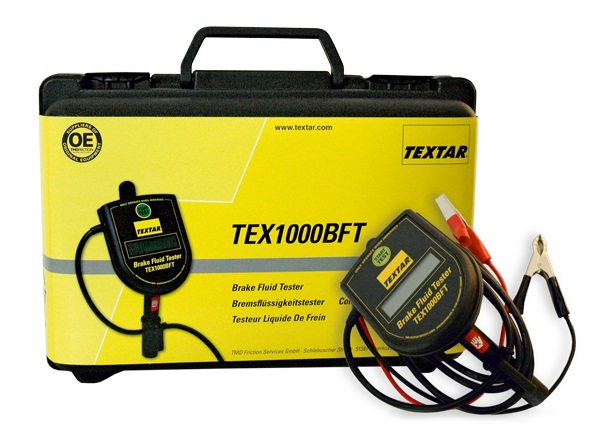
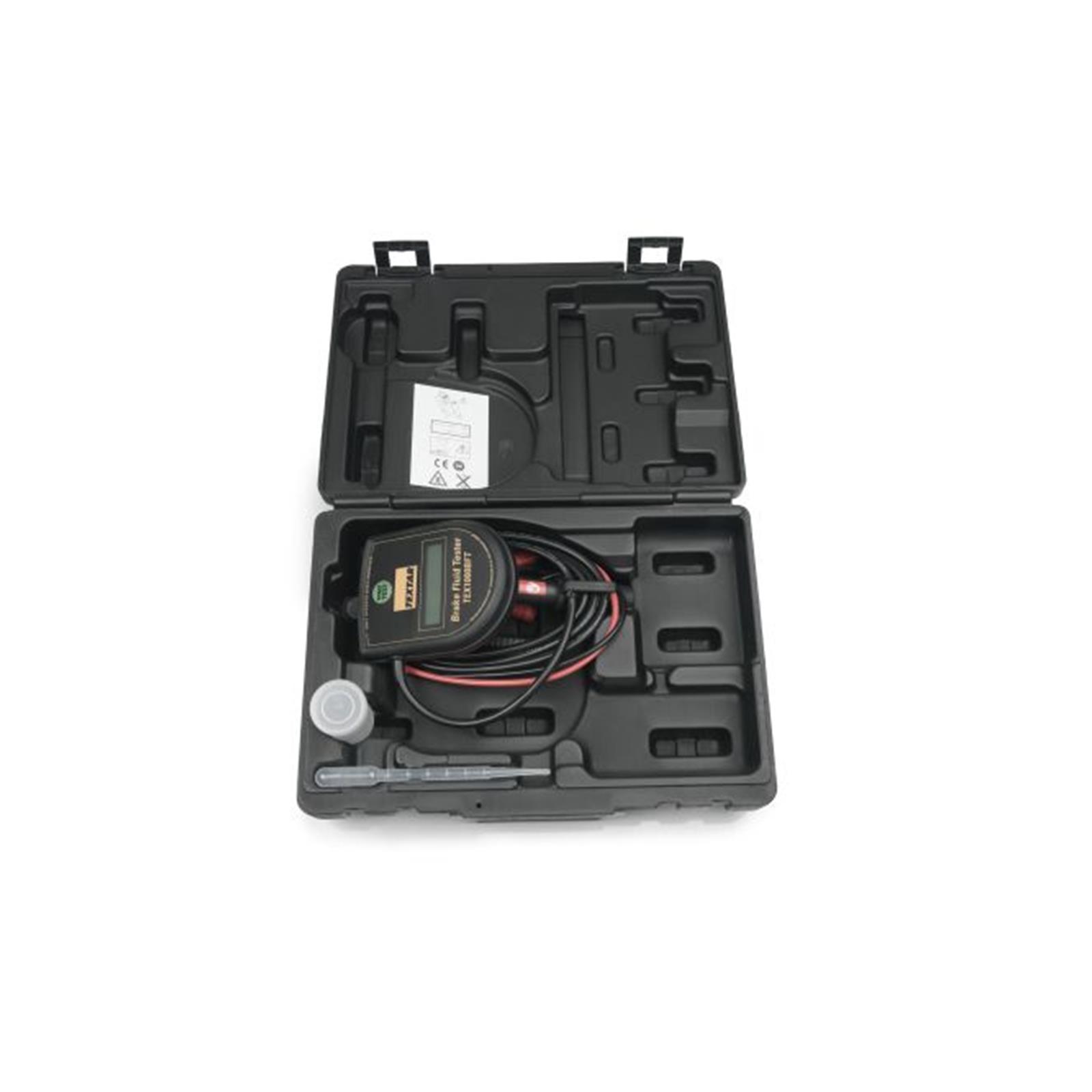
Boiling point brake fluid testing is the only test method approved by brake & brake fluid manufacturers
- Increase service revenue & road safety
- Accurate, reliable & repeatable results
- Operates off the vehicles own 12 volt battery
- Measures up to 320°, suitable for use on all grades of brake fluid including racing fluids
- Multilanguage: English, German, French, Spanish, Italian
Find out about Textar product verification here
Shop Securely
12 Month Warranty
Worldwide Delivery

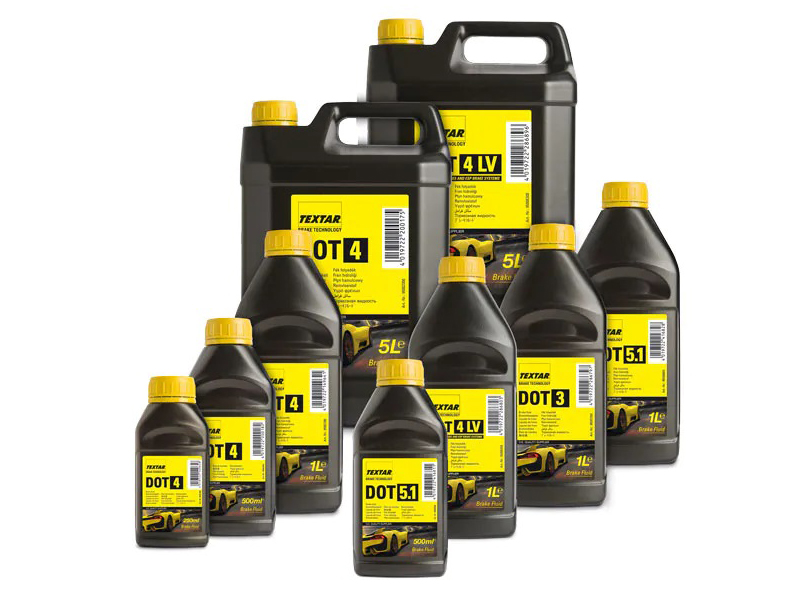
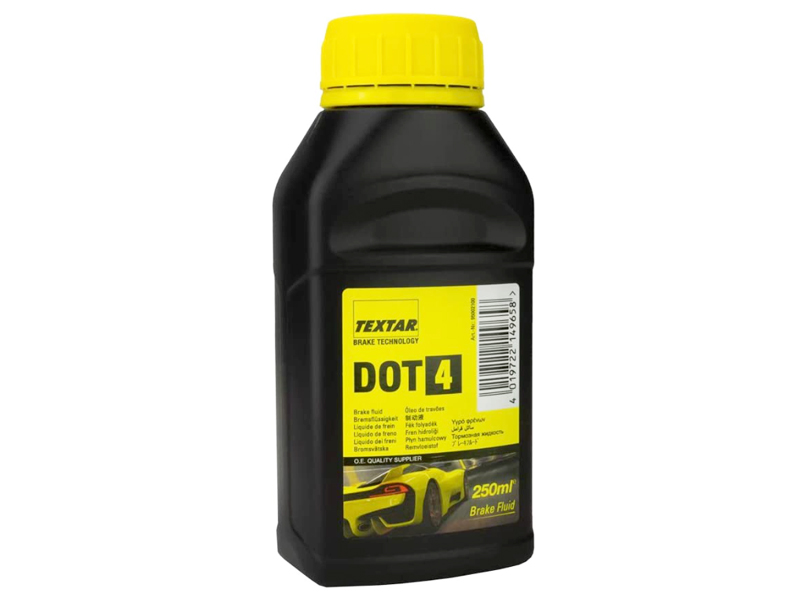
Brake fluid is one of the most important fluids in a car as without it, stopping the vehicle safely would be impossible. The Brake fluid transmits the force exerted by the driver on the brake pedal onto the wheel brake.
To ensure perfect operation of the brakes, the brake fluid must be changed regularly during inspection or maintenance and tested with the correct brake fluid tester.
Brake fluid should be changed every two years.
The higher the DOT class, the higher the boiling temperature and wet boiling point. Higher DOT classes tend to allow longer maintenance intervals. The DOT standards are based on the American FMVSS-116 standard of the Department of Transportation (DOT).
Boiling Point and Viscosity
Dry Boiling Point - describes the property of the sealed new brake fluid. In this state, the brake fluid is almost anhydrous (substance containing no water). The dry boiling point is usually between 240 and 280°C.
Wet Boiling Point - determines the property of the brake fluid at the end of its life cycle, at a water content of 3.5% the fluid should be replaced. This defined wet boiling point must not be undercut.
Viscosity - describes the flow rate of the brake fluid. The lower the viscosity, the faster the brake fluid flows through the brake system, and the faster the brake signals are transmitted.
Important Notes
• Brake fluid is poisonous and a hazardous waste.
• Be careful when changing. The fluid weakens paints and plastics.
• It must not come into contact with eyes or skin. Always rinse spilled liquid with water.
• Do not pour the liquid into drinking water or mix with used oil.
• The colour of the brake fluid reveals nothing about its quality.
• Brake fluid should be stored in its original packaging and in a dry, cool and well-ventilated place.
Find out about Textar product verification here
PLEASE NOTE:
Due to its size, weight or fragility, this item requires additional protective packaging to make sure it reaches you undamaged. A small packing surcharge is applied to cover these specialist materials and the extra care taken preparing your order for transit.
Shop Securely
12 Month Warranty
Worldwide Delivery

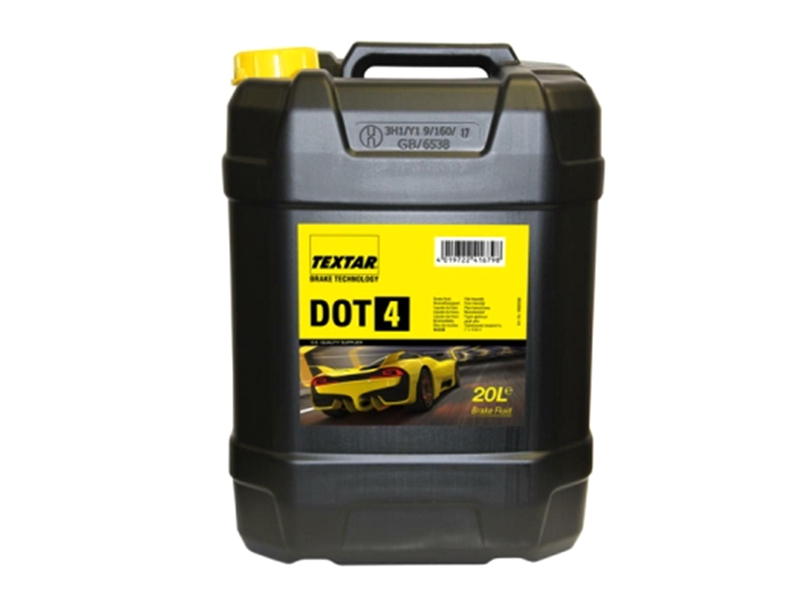
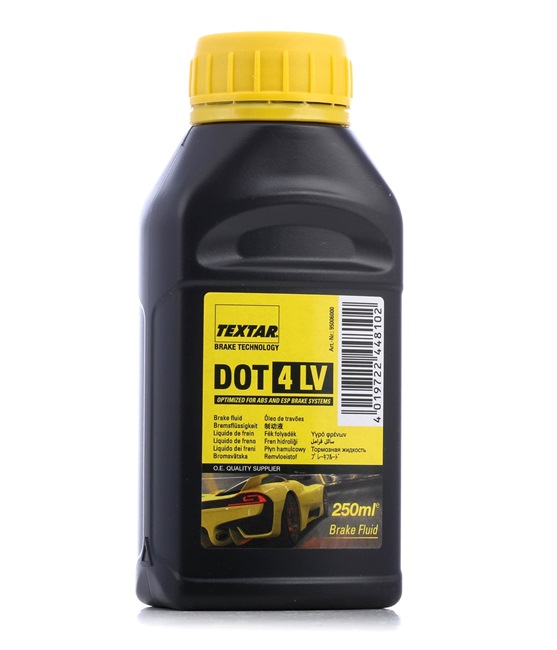
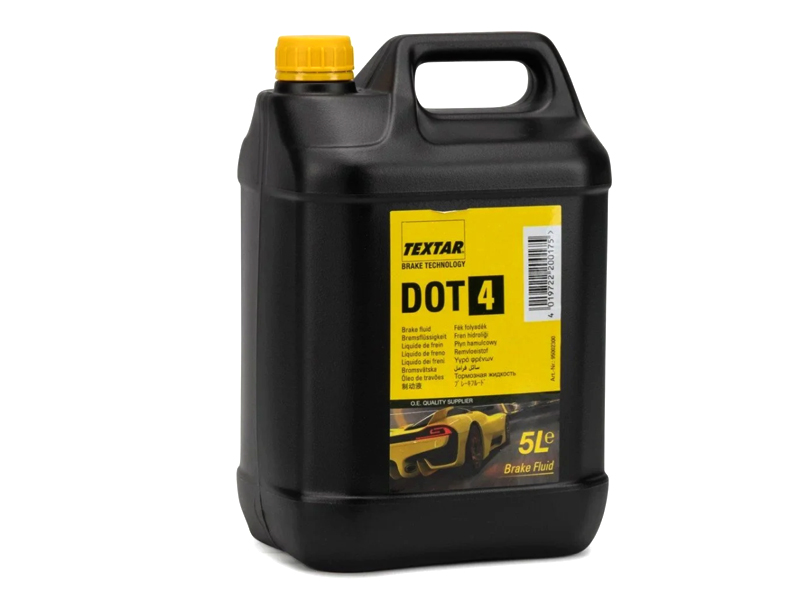
Brake fluid DOT 4 LV (Low Viscosity) Textar.
Textar DOT 4 LV (Low Viscosity) is especially recommended for use in hydraulic brake and clutch systems of vehicles fitted with ESP, ABS and ASR with a high boiling point and outstanding performance at very low temperatures.
DOT 4 LV (Low Viscosity)
Dry Boiling Point ≥ 260° C
Wet Boiling Point ≥ 165° C
Viscosity at -40C < 750 mm2 /s
Brake fluid is one of the most important fluids in a car as without it, stopping the vehicle safely would be impossible. The Brake fluid transmits the force exerted by the driver on the brake pedal onto the wheel brake.
To ensure perfect operation of the brakes, the brake fluid must be changed regularly during inspection or maintenance and tested with the correct brake fluid tester.
Brake fluid should be changed every two years.
The higher the DOT class, the higher the boiling temperature and wet boiling point. Higher DOT classes tend to allow longer maintenance intervals. The DOT standards are based on the American FMVSS-116 standard of the Department of Transportation (DOT).
Boiling Point and Viscosity
Dry Boiling Point - describes the property of the sealed new brake fluid. In this state, the brake fluid is almost anhydrous (substance containing no water). The dry boiling point is usually between 240 and 280°C.
Wet Boiling Point - determines the property of the brake fluid at the end of its life cycle, at a water content of 3.5% the fluid should be replaced. This defined wet boiling point must not be undercut. <
Viscosity - describes the flow rate of the brake fluid. The lower the viscosity, the faster the brake fluid flows through the brake system, and the faster the brake signals are transmitted.
Important Notes
• Brake fluid is poisonous and a hazardous waste.
• Be careful when changing. The fluid weakens paints and plastics.
• It must not come into contact with eyes or skin. Always rinse spilled liquid with water.
• Do not pour the liquid into drinking water or mix with used oil.
• The colour of the brake fluid reveals nothing about its quality.
• Brake fluid should be stored in its original packaging and in a dry, cool and well-ventilated place.
Find out about Textar product verification here
Related reference numbers
Related, superseded, cross reference or alternative numbers for comparison.
95006
The product you are viewing cross references to these numbers
Shop Securely
12 Month Warranty
Worldwide Delivery
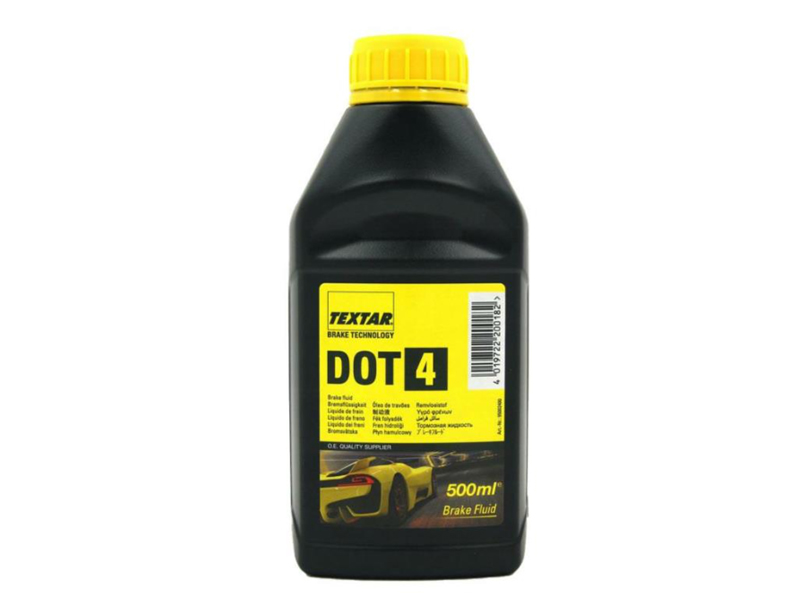
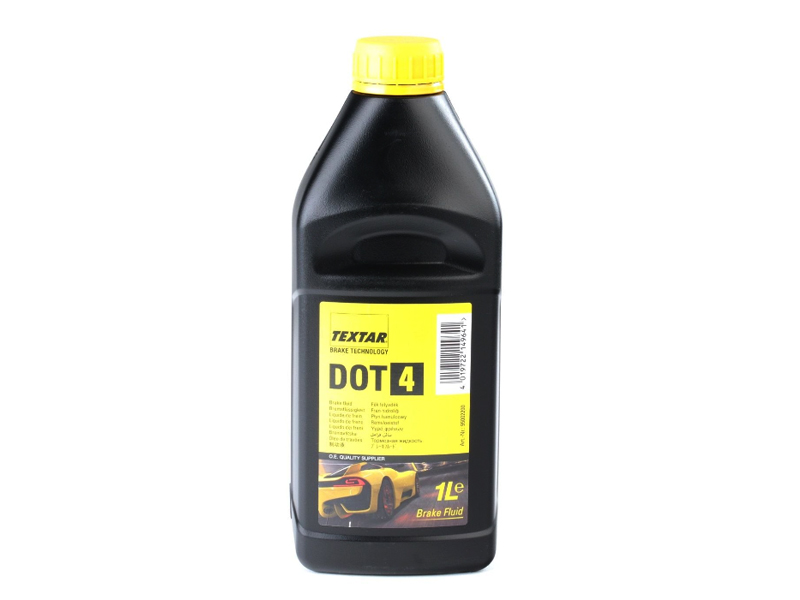
Brake fluid is one of the most important fluids in a car as without it, stopping the vehicle safely would be impossible. The Brake fluid transmits the force exerted by the driver on the brake pedal onto the wheel brake.
To ensure perfect operation of the brakes, the brake fluid must be changed regularly during inspection or maintenance and tested with the correct brake fluid tester.
Brake fluid should be changed every two years.
The higher the DOT class, the higher the boiling temperature and wet boiling point. Higher DOT classes tend to allow longer maintenance intervals. The DOT standards are based on the American FMVSS-116 standard of the Department of Transportation (DOT).
Boiling Point and Viscosity
Dry Boiling Point - describes the property of the sealed new brake fluid. In this state, the brake fluid is almost anhydrous (substance containing no water). The dry boiling point is usually between 240 and 280°C.
Wet Boiling Point - determines the property of the brake fluid at the end of its life cycle, at a water content of 3.5% the fluid should be replaced. This defined wet boiling point must not be undercut.
Viscosity - describes the flow rate of the brake fluid. The lower the viscosity, the faster the brake fluid flows through the brake system, and the faster the brake signals are transmitted.
Important Notes
• Brake fluid is poisonous and a hazardous waste.
• Be careful when changing. The fluid weakens paints and plastics.
• It must not come into contact with eyes or skin. Always rinse spilled liquid with water.
• Do not pour the liquid into drinking water or mix with used oil.
• The colour of the brake fluid reveals nothing about its quality.
• Brake fluid should be stored in its original packaging and in a dry, cool and well-ventilated place.
Find out about Textar product verification here
Related reference numbers
Related, superseded, cross reference or alternative numbers for comparison.
95002
The product you are viewing cross references to these numbers
Shop Securely
12 Month Warranty
Worldwide Delivery

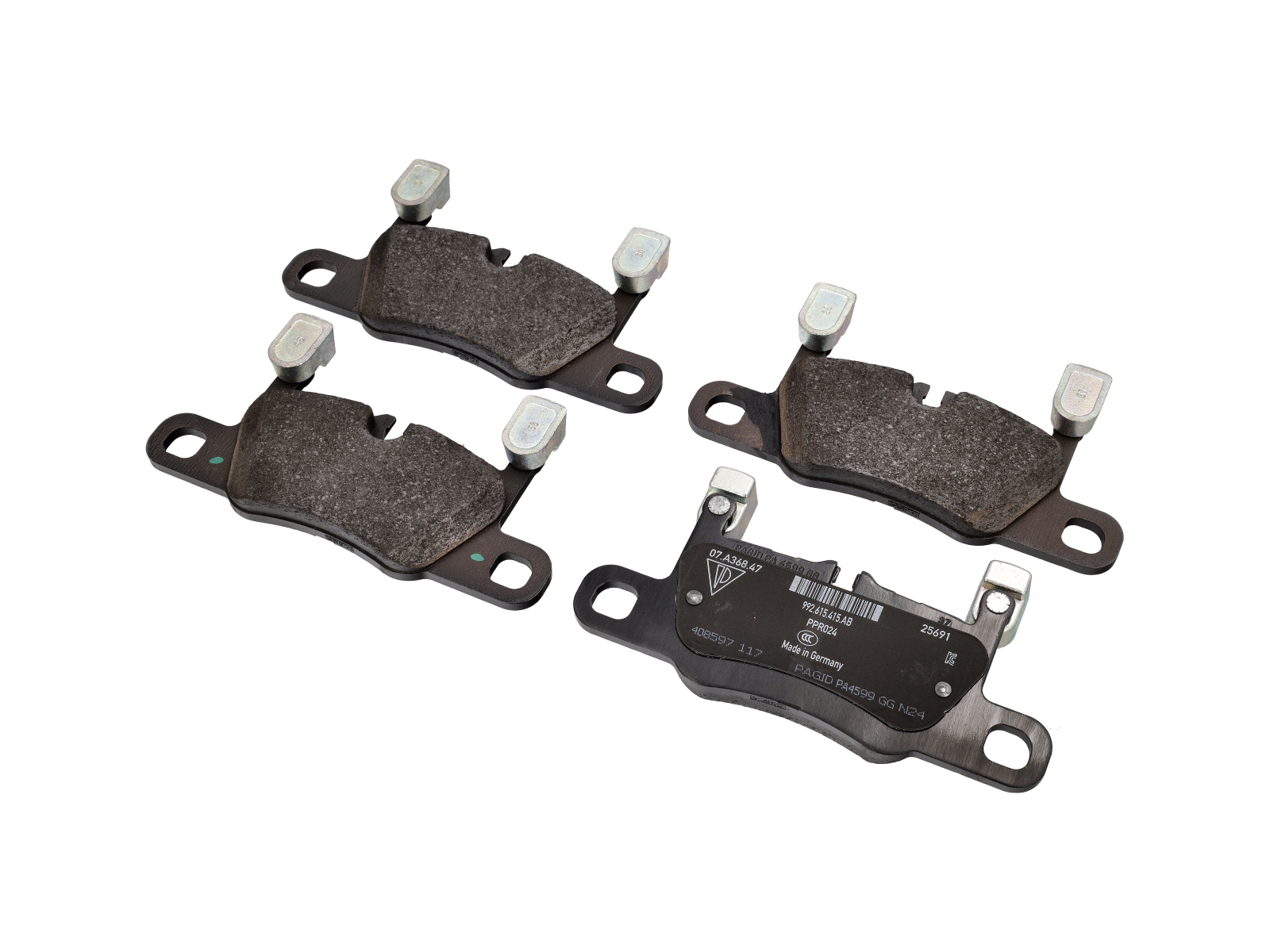
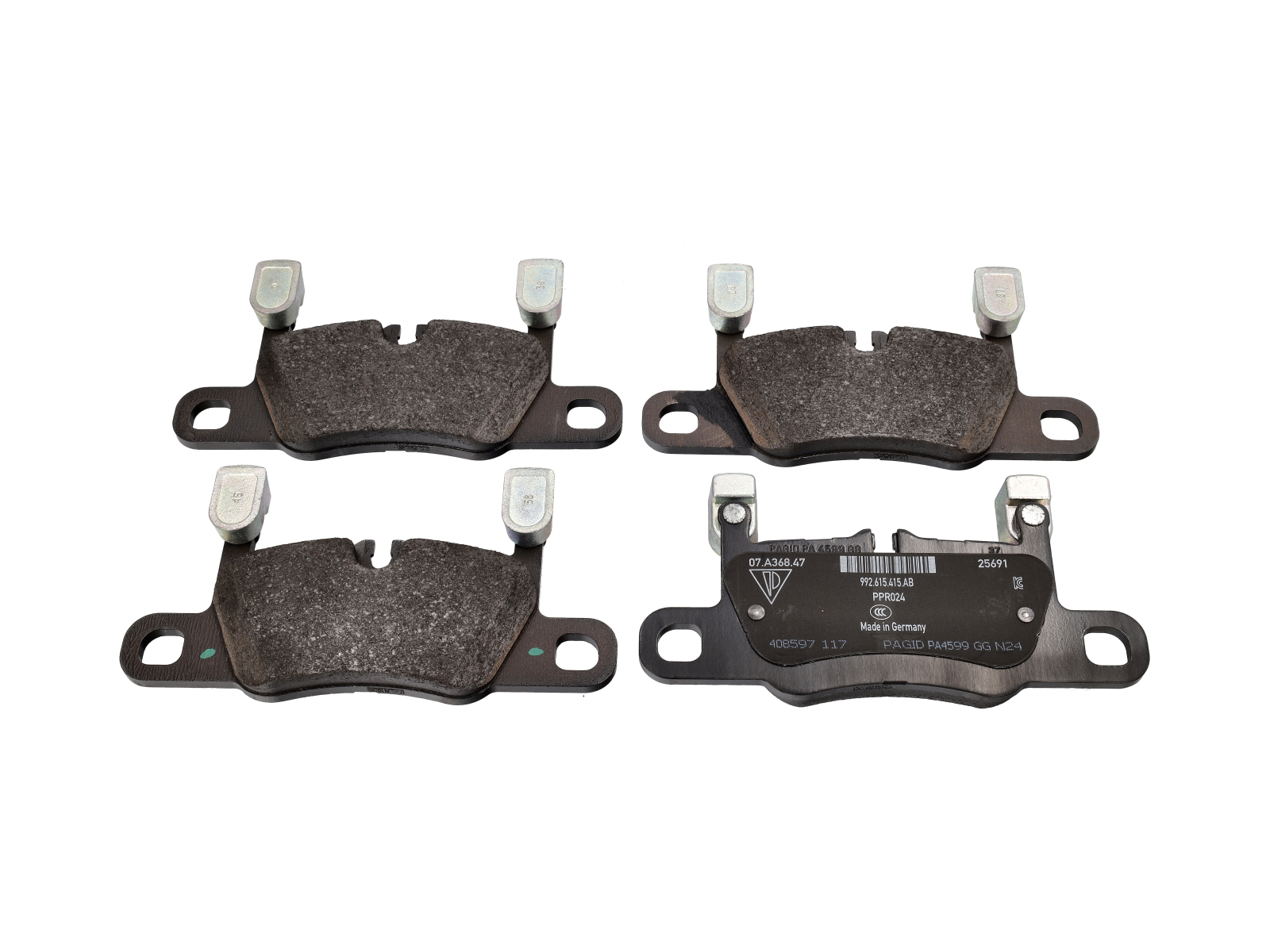
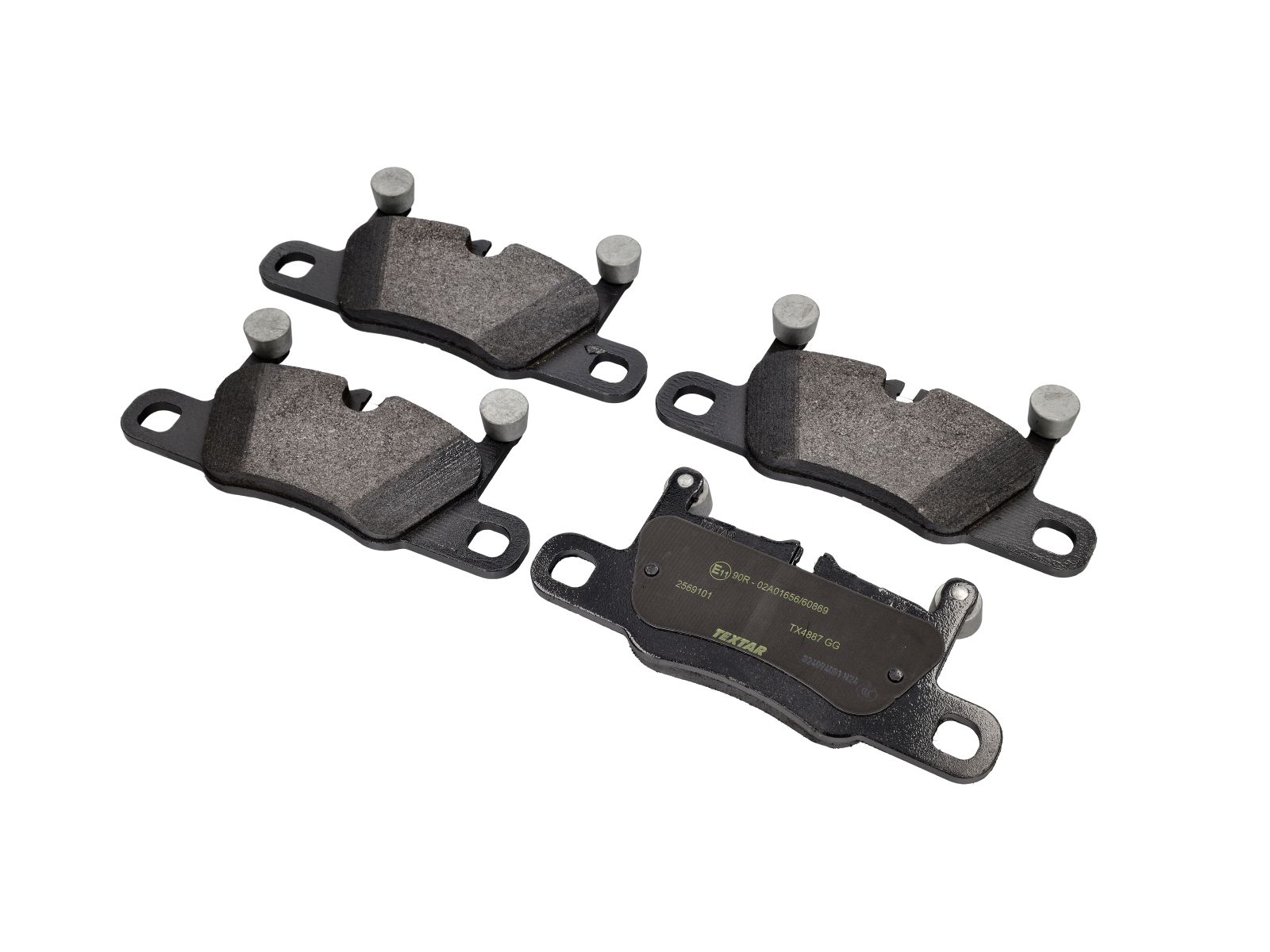
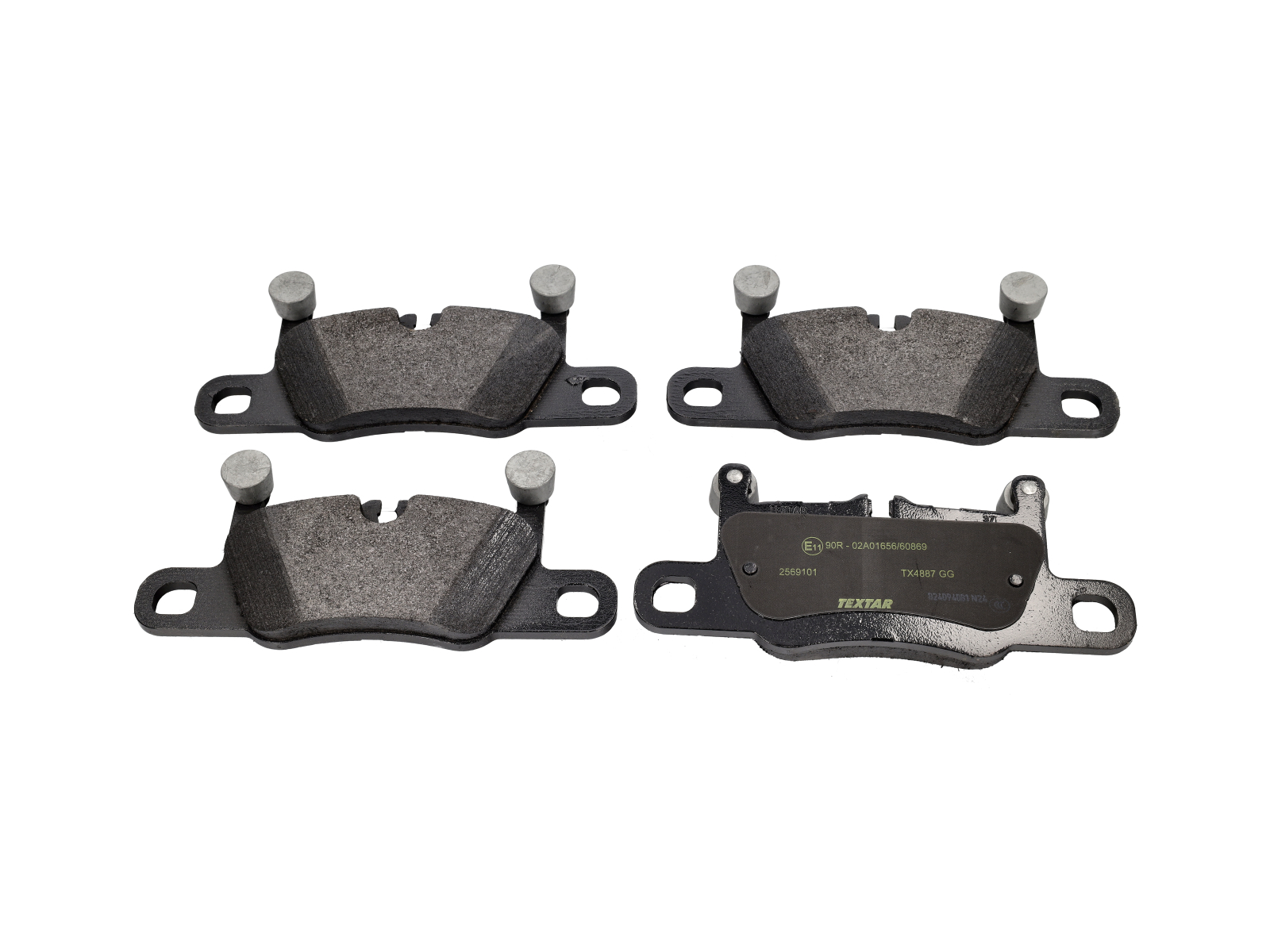
Sold as a set for the rear axle.

Porsche 992.1 Carrera 2 / 4 2019-24 - Excludes C2S/C4S/GTS and models with ceramic brakes (PCCB).
Dimensions:
Width: 188mm
Height: 82mm
Thickness: 16mm
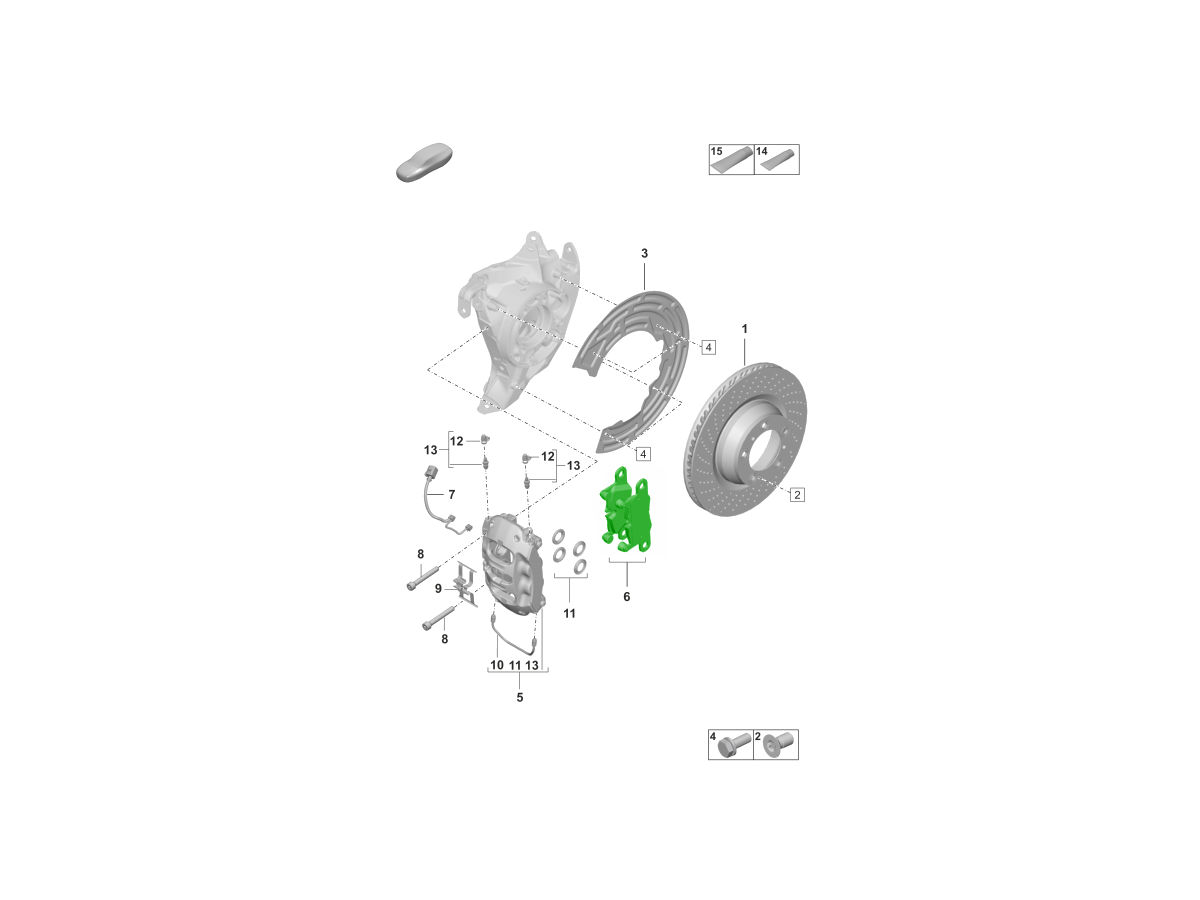
Diagram ref. 6.
Related reference numbers
Related, superseded, cross reference or alternative numbers for comparison.
992698451GTEX
The product you are viewing cross references to these numbers
- Porsche 992.1 Carrera 2 3.0L 2019-24
- Porsche 992.1 Carrera 4 3.0L 2019-24
- Porsche 992.1 Carrera 2 Cabriolet 3.0L 2019-24
- Porsche 992.1 Carrera 4 Cabriolet 3.0L 2019-24
Shop Securely
12 Month Warranty
Worldwide Delivery

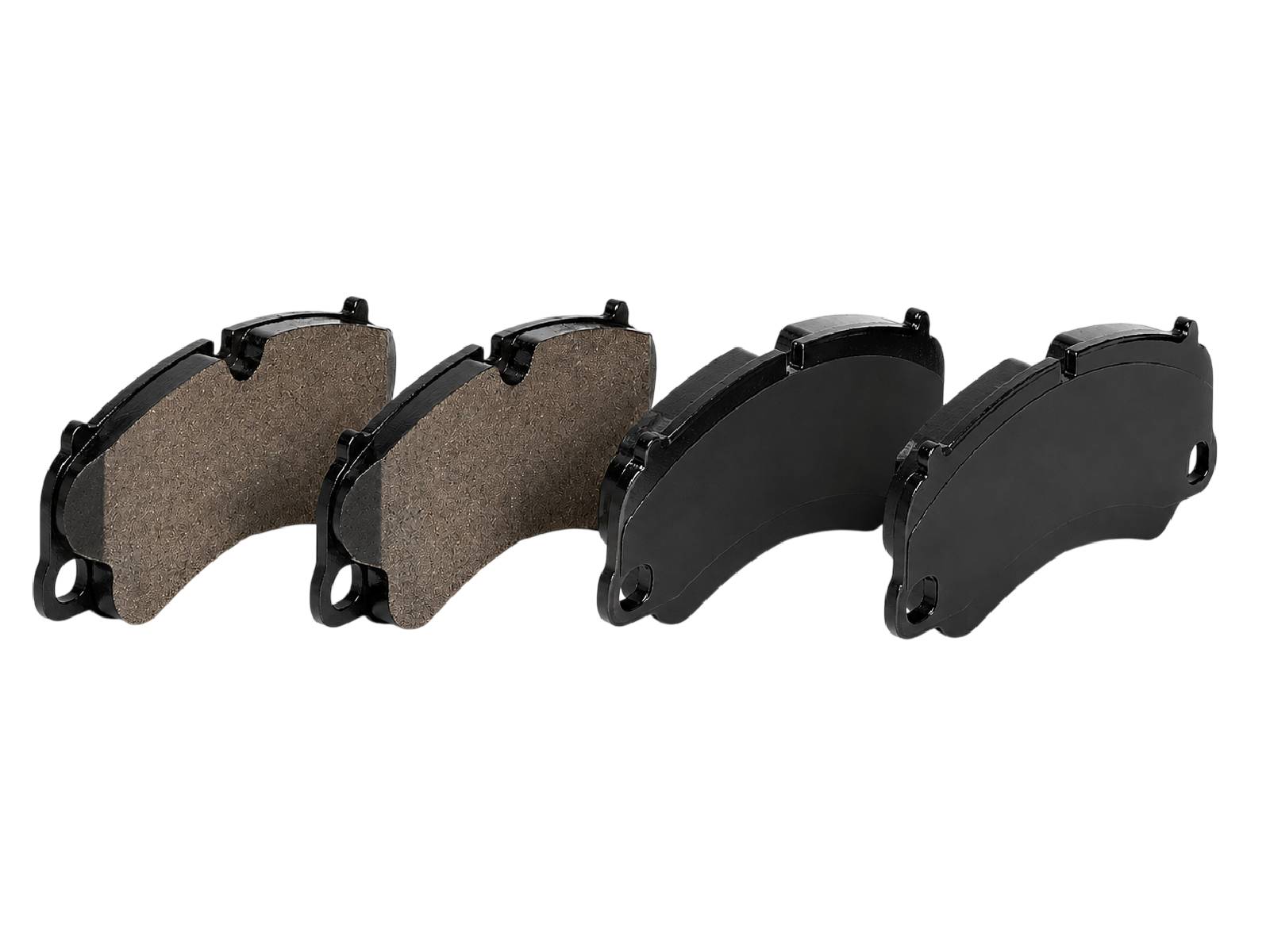
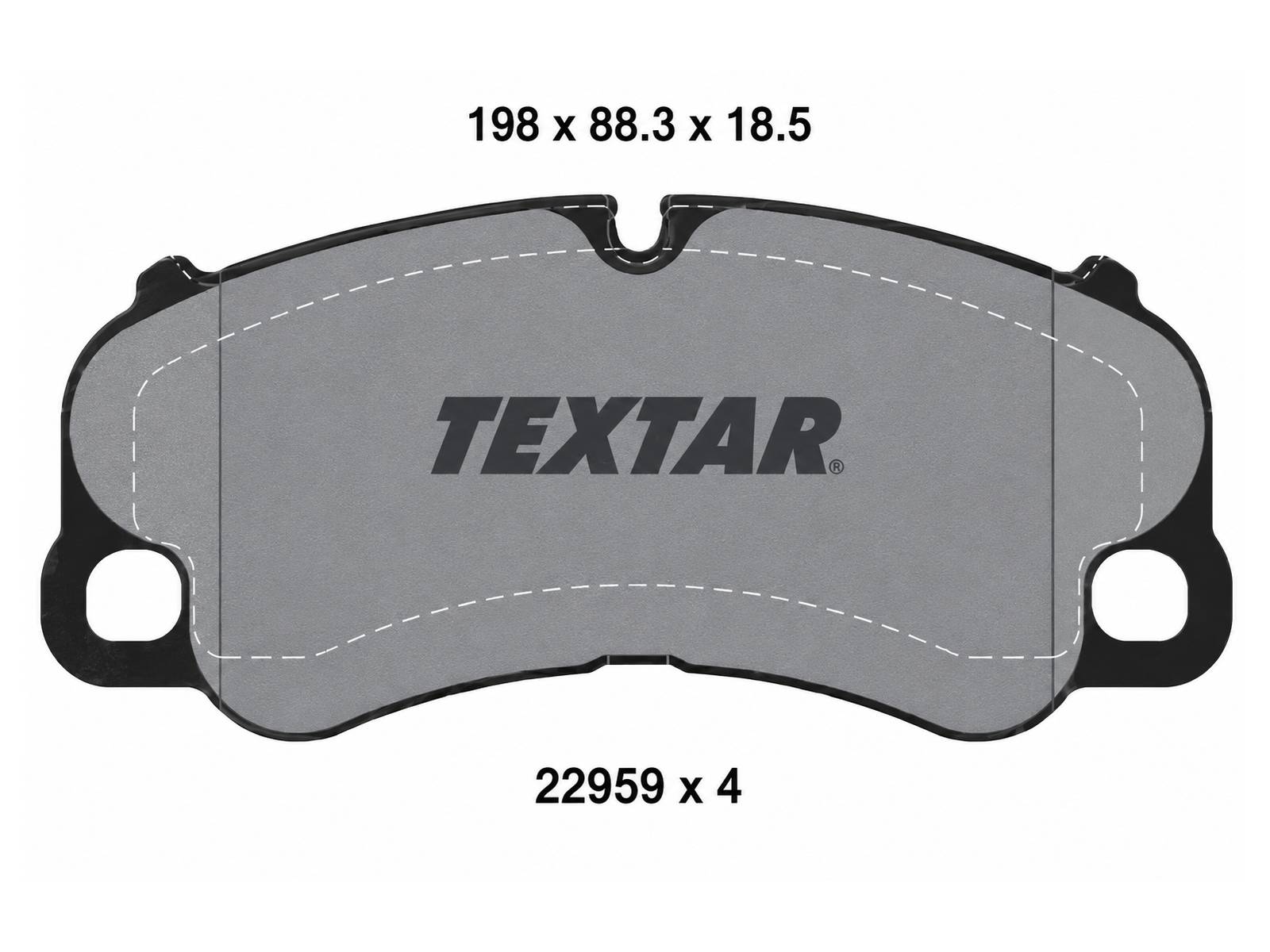
Front Brake Pads
Restore the original braking performance of your Porsche with these Textar Front Brake Pads. These premium brake pads are manufactured to OE standards, delivering the braking characteristics Porsche drivers expect.
Fits:
- Porsche 992.1 Carrera GTS 3.0L 2019-24
- Porsche 992.1 Carrera GTS 3.0L 2019-24
- Porsche 992.1 Carrera GTS Cabriolet 3.0L 2019-24
- Porsche 992.1 Carrera GTS Cabriolet 3.0L 2019-24
- Porsche 992.1 Targa GTS 3.0L 2020-24
- Porsche 992.2 Carrera 2 GTS 3.6L 2024>>
- Porsche 992.2 Carrera 4 GTS 3.6L 2024>>
As one of the world's leading original equipment friction material manufacturers, Textar has supplied braking components to vehicle manufacturers for decades. Engineered using advanced friction compounds, these pads provide excellent stopping power, low noise, consistent pedal feel and reliable performance across a wide range of driving conditions.
Ideal for everyday road use and enthusiastic driving, Textar brake pads offer an excellent balance of braking performance, comfort and durability.
What Do Front Brake Pads Do?
Front brake pads generate the friction needed to slow and stop the vehicle by pressing against the brake discs when the brake pedal is applied.
Their key functions include:
- Delivering controlled stopping power
- Providing consistent pedal feel
- Maintaining safe stopping distances
- Supporting ABS, PSM and stability control systems
- Converting vehicle speed into heat through friction
As a wear item, brake pads are one of the most important safety components on your Porsche.
Why Do Brake Pads Wear Out?
Brake pads are designed to wear progressively during normal use as the friction material is consumed.
Factors affecting wear include:
- Frequent heavy braking
- Spirited driving
- High-speed motorway use
- Stop-start traffic
- Heat build-up
- Brake disc condition
As the friction material wears thinner, braking efficiency gradually decreases and replacement becomes necessary.
When Should They Be Replaced?
Brake pads should be replaced if:
- The friction material reaches the minimum thickness
- The brake wear warning activates
- Braking performance begins to reduce
- Squealing or grinding noises develop
- Uneven pad wear is evident
- New brake discs are being fitted where recommended
Regular inspection ensures optimum braking performance while helping to prevent unnecessary brake disc wear.
Key Features
- Advanced low-noise friction material
- Consistent pedal feel
- Excellent wear characteristics
- Precision manufactured for perfect fitment
- Ideal for road and performance driving
Textar Porsche Brake Pads & Braking Components
Textar is recognised worldwide as one of the leading manufacturers of original equipment braking components, supplying premium friction materials engineered for exceptional safety, comfort and durability. Designed to meet stringent OE standards, Textar brake pads provide excellent stopping performance while minimising noise and ensuring smooth, progressive braking.
Whether replacing worn original pads or carrying out routine brake servicing, Textar brake pads help maintain the braking performance your Porsche was designed to deliver.
Benefits of Textar Front Brake Pads
- OE-quality braking performance
- Smooth, progressive pedal feel
- Low brake noise
- Excellent thermal stability
- Long service life
- Precision OE-style fitment
Related reference numbers
Related, superseded, cross reference or alternative numbers for comparison.
992698151STEX
The product you are viewing cross references to these numbers
- Porsche 992.1 Carrera 2S / GTS 3.0L 2019-24
- Porsche 992.1 Carrera 4S / GTS 3.0L 2019-24
- Porsche 992.1 Carrera 2S / GTS Cabriolet 3.0L 2019-24
- Porsche 992.1 Carrera 4S / GTS Cabriolet 3.0L 2019-24
- Porsche 992.1 Targa 4S / GTS 3.0L 2020-24
- Porsche 992.2 Carrera 2 GTS / Spirit 70 3.6L 2024>>
- Porsche 992.2 Carrera 4 GTS 3.6L 2024>>
Shop Securely
12 Month Warranty
Worldwide Delivery

- Porsche 991.1 Carrera C2S / GTS 3.8L (400/430 Bhp) 2012-16
- Porsche 991.1 Carrera C4S / GTS 3.8L (400/430 Bhp) 2012-16
- Porsche 991.2 Carrera 2 3.0L (370 Bhp) 2016-19
- Porsche 991.2 Carrera 2S / GTS 3.0L (420/450 Bhp) 2016-19
- Porsche 991.2 Carrera 4 3.0L (370 Bhp) 2016-19
- Porsche 991.2 Carrera 4S / GTS 3.0L (420/450 Bhp) 2016-19
- Porsche 991.2 Cabriolet 2 3.0L (370 Bhp) 2016-19
- Porsche 991.2 Cabriolet 2S / GTS 3.0L (420/450 Bhp) 2016-19
- Porsche 991.2 Cabriolet 4 3.0L (370 Bhp) 2016-19
- Porsche 991.2 Cabriolet 4S / GTS 3.0L (420/450 Bhp) 2016-19
- Porsche 991.2 Targa 4 3.0L (370 Bhp) 2016-19
- Porsche 991.2 Targa 4S / GTS 3.0L (420/450 Bhp) 2016-19
- Porsche 992.1 Carrera 2S / GTS 3.0L 2019-24
- Porsche 992.1 Carrera 4S / GTS 3.0L 2019-24
- Porsche 992.1 Carrera 2S / GTS Cabriolet 3.0L 2019-24
- Porsche 992.1 Carrera 4S / GTS Cabriolet 3.0L 2019-24
- Porsche 992.2 Carrera 2 3.0L 2024>>
- Porsche 992.2 Carrera 2 3.0L Cabriolet 2024>>
Sold as set of 4 pads for one axle.
Find out about Textar product verification here
Related reference numbers
Related, superseded, cross reference or alternative numbers for comparison.
99135294904TEX
The product you are viewing cross references to these numbers
- Porsche 991.1 Carrera C2S / GTS 3.8L (400/430 Bhp) 2012-16
- Porsche 991.1 Carrera C4S / GTS 3.8L (400/430 Bhp) 2012-16
- Porsche 991.2 Carrera 2 3.0L (370 Bhp) 2016-19
- Porsche 991.2 Carrera 2S / GTS 3.0L (420/450 Bhp) 2016-19
- Porsche 991.2 Carrera 4 3.0L (370 Bhp) 2016-19
- Porsche 991.2 Carrera 4S / GTS 3.0L (420/450 Bhp) 2016-19
- Porsche 991.2 Cabriolet 2 3.0L (370 Bhp) 2016-19
- Porsche 991.2 Cabriolet 2S / GTS 3.0L (420/450 Bhp) 2016-19
- Porsche 991.2 Cabriolet 4 3.0L (370 Bhp) 2016-19
- Porsche 991.2 Cabriolet 4S / GTS 3.0L (420/450 Bhp) 2016-19
- Porsche 991.2 Targa 4 3.0L (370 Bhp) 2016-19
- Porsche 991.2 Targa 4S / GTS 3.0L (420/450 Bhp) 2016-19
- Porsche 992.1 Carrera 2S / GTS 3.0L 2019-24
- Porsche 992.1 Carrera 4S / GTS 3.0L 2019-24
- Porsche 992.1 Carrera 2S / GTS Cabriolet 3.0L 2019-24
- Porsche 992.1 Carrera 4S / GTS Cabriolet 3.0L 2019-24
- Porsche 992.2 Carrera 2 3.0L 2024>>
- Porsche 992.2 Carrera 2S 3.0L 2024>>
- Porsche 992.2 Carrera T 3.0L 2024>>
- Porsche 992.2 Carrera 4S 3.0L 2024>>
- Porsche 992.2 Carrera 2 3.0L Cabriolet 2024>>
Shop Securely
12 Month Warranty
Worldwide Delivery


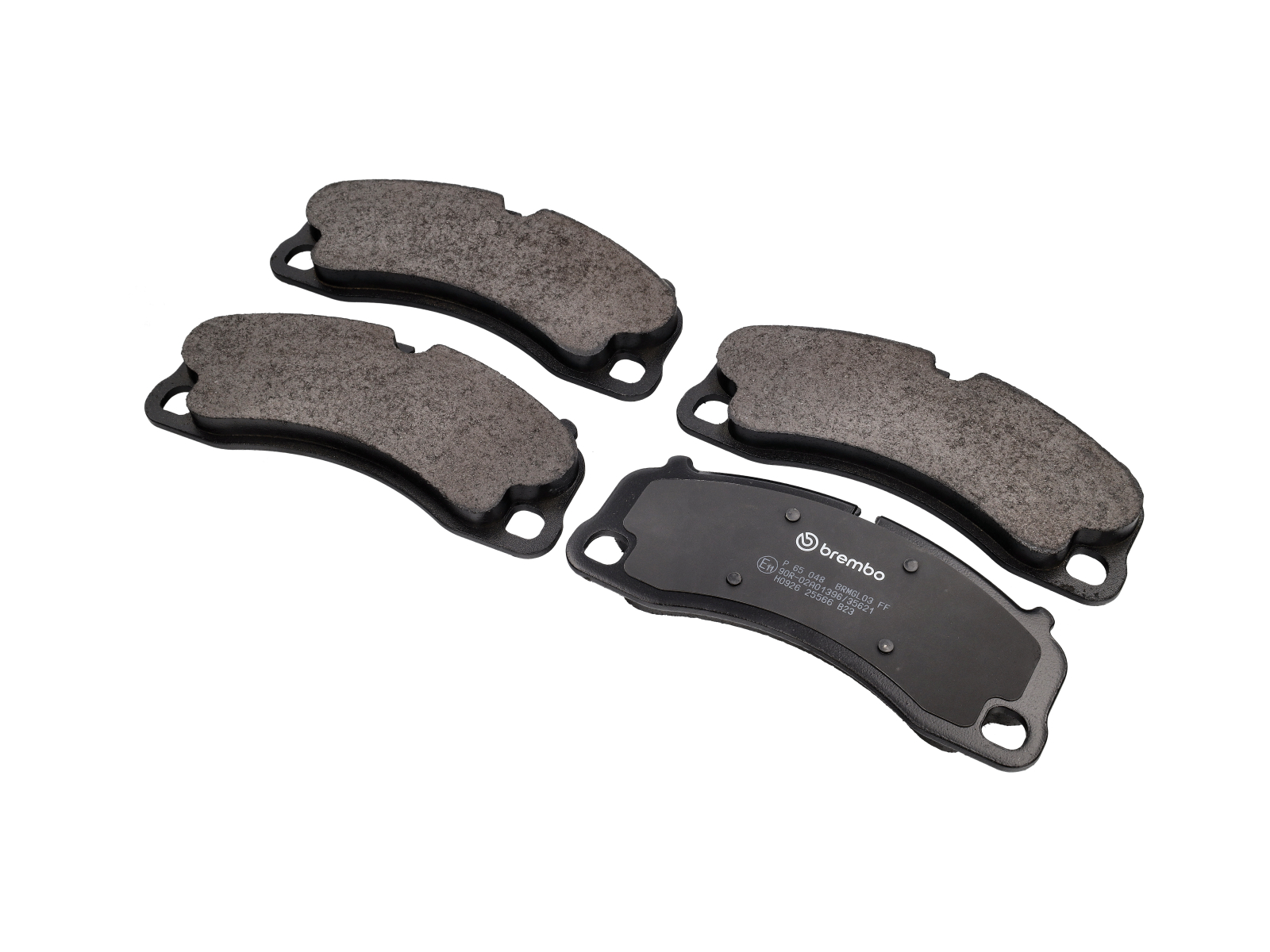
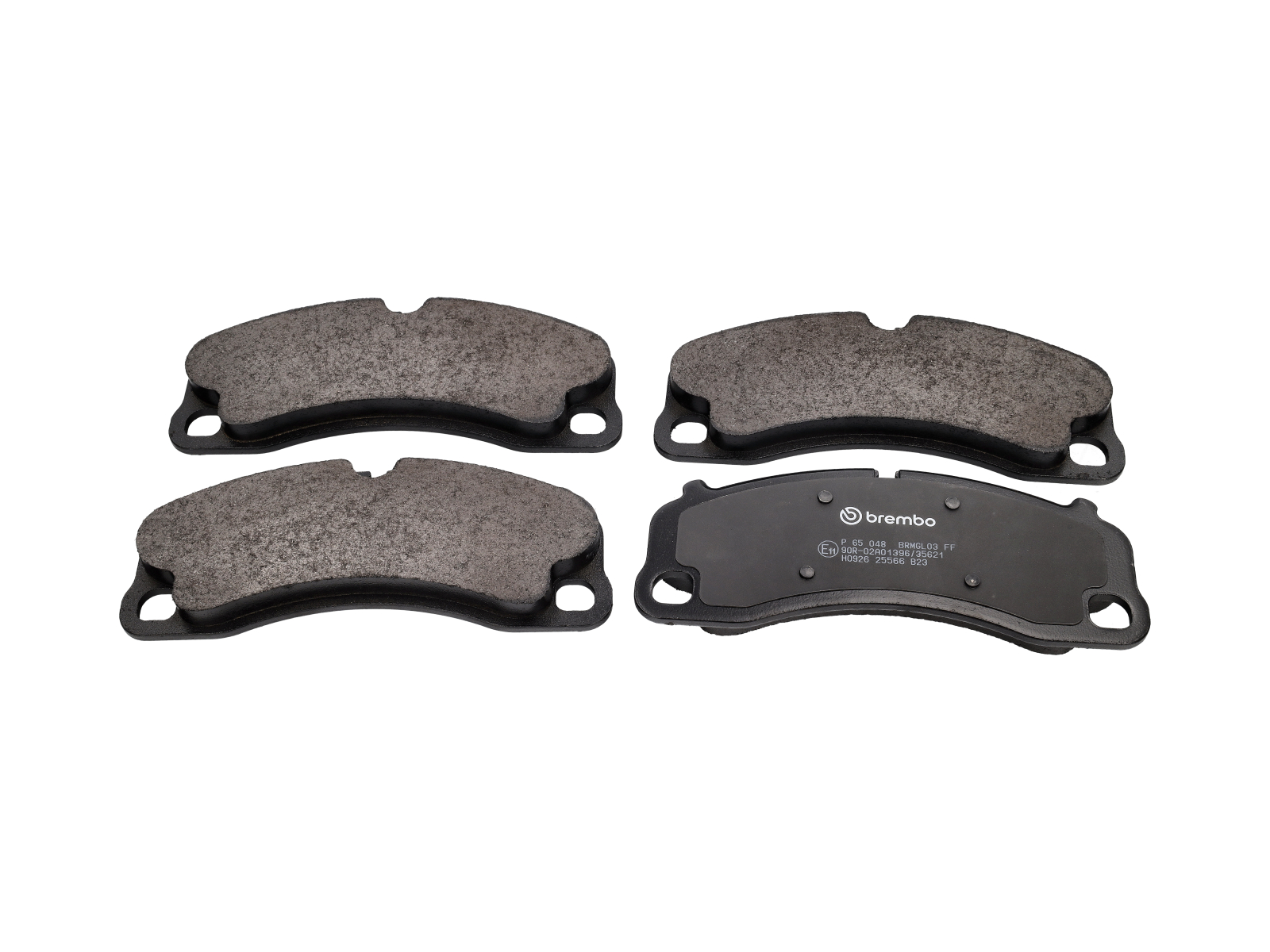
Brembo Front Brake Pads (without creamic brake disc PCCB) - Sold as set of 4 pads for one axle.
Maintain the exceptional stopping power and driver
confidence your Porsche was engineered to deliver with the Brembo Front Brake Pad Set. These
premium OE-quality brake pads deliver outstanding braking performance,
excellent pedal feel and exceptional durability for both fast road and
high-performance driving.
Fits:
- Porsche Boxster Spyder / Spyder RS 718 4.0L 01/2019>>
- Porsche 991.1 GT3 3.8L (475 Bhp) 2014-16
- Porsche 991.1 GT3 RS 4.0L (500 Bhp) 2015-16
- Porsche 991.2 GT3 4.0L (500 Bhp) / GT3 RS 4.0L (520 Bhp) 2017-19
- Porsche 992.1 GT3 4.0L / 992 S/T 4.0L 2021-24
- Porsche 992.1 GT3 RS 4.0L 2022-24
- Porsche 992.2 GT3 2025>>
- Porsche Cayman GT4 3.8L 2015-16
- Porsche Cayman GT4 718 4.0L / GT4 RS 718 4.0L
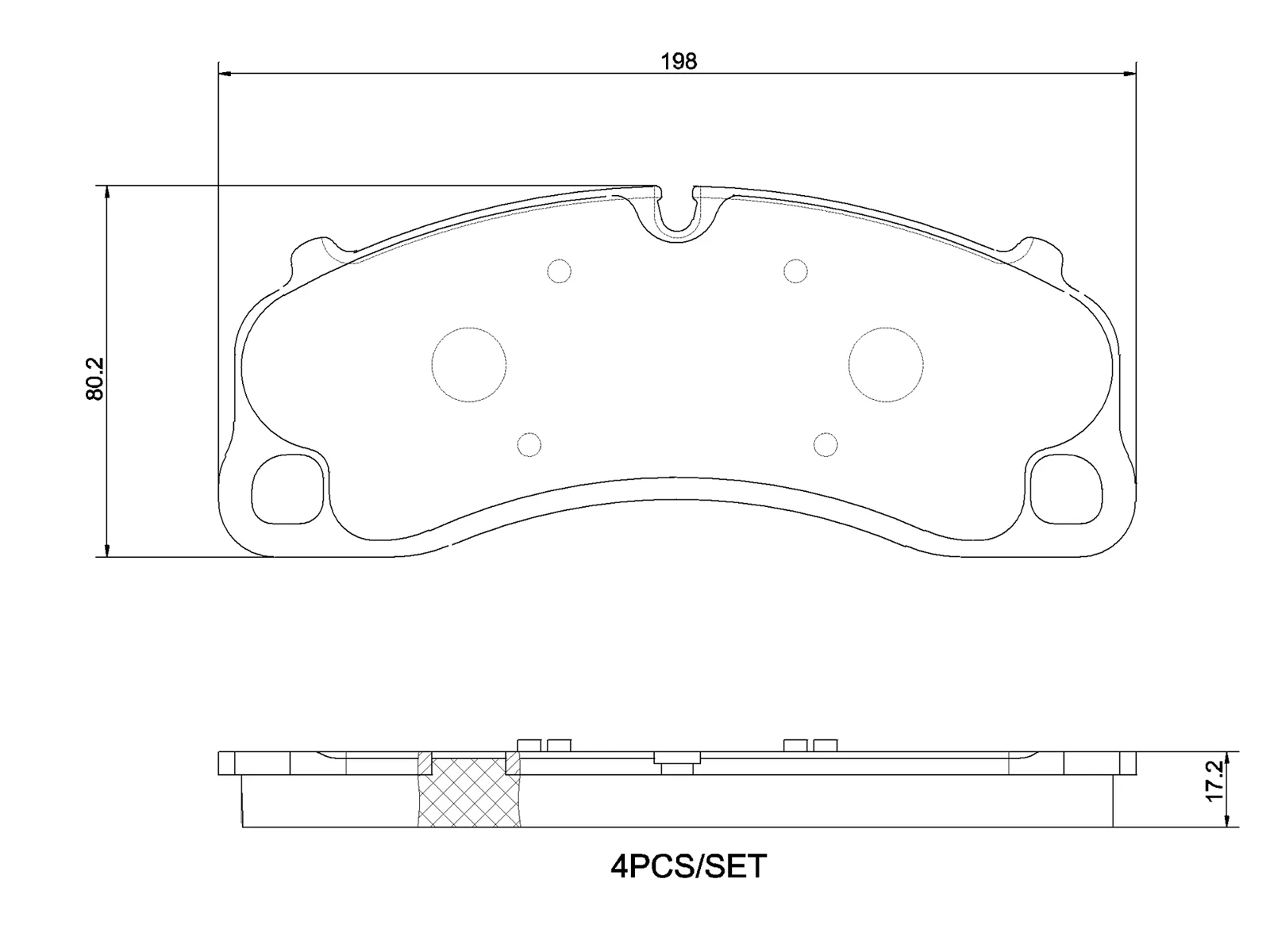
Technical specifications - Width: 198mm / Thickness: 18mm / Height: 80mm
As one of Porsche's leading original equipment braking suppliers, Brembo manufactures brake pads using advanced friction materials that provide consistent braking performance, excellent resistance to brake fade and precise compatibility with OE brake discs and Porsche's sophisticated braking systems.
What Do the Front Brake Pads Do?
Front brake pads are the primary friction component within the braking system. When the brake pedal is applied, hydraulic pressure forces the pads against the front brake discs, converting kinetic energy into heat and slowing the vehicle quickly, safely and consistently.
Their primary functions include:
Providing
the majority of the vehicle's braking force.
Delivering
strong, progressive stopping performance.
Maintaining
vehicle stability during heavy braking.
Supporting
Porsche ABS, PSM and electronic brake force distribution systems.
Providing
precise pedal feel and driver feedback.
Delivering
reliable braking performance in both road and performance driving
conditions.
Because the front brakes absorb most of the braking load, maintaining high-quality brake pads is essential for safety, performance and driver confidence.
Why Do Front Brake Pads Wear Out?
Brake pads are designed as consumable service items and
naturally wear through regular use. Common causes include:
- Continuous friction against the brake discs.
- High temperatures generated during braking.
- Spirited road driving.
- Track day use.
- Repeated heavy braking.
- Natural wear of the friction material.
- High vehicle mileage.
- Brake disc wear affecting pad contact.
High-performance Porsche GT and Spyder models often experience faster brake pad wear due to their increased braking capability and enthusiastic driving styles.
When Should the Front Brake Pads Be Replaced?
Replacement is recommended whenever:
- The brake pad wear warning light is illuminated.
- Friction material reaches the manufacturer's minimum thickness.
- Braking performance becomes less responsive.
- Squealing or grinding noises develop.
- Uneven brake pad wear is observed.
- Front brake discs are being replaced.
- During scheduled brake servicing.
- Before track events if pad thickness is approaching the wear limit.
For optimum braking performance, Porsche specialists recommend replacing the brake pad wear sensors whenever new brake pads are installed and inspecting the brake discs for wear, cracking or excessive heat damage.
Brembo Quality You Can Trust
The Brembo Front Brake Pad Set offers:
- Genuine Brembo premium friction material.
- OE-quality replacement performance.
- Exceptional stopping power.
- Excellent resistance to brake fade.
- Progressive and responsive pedal feel.
- Low brake noise.
- Reduced brake dust formulation.
- Precision-engineered fitment.
- Long service life.
Related reference numbers
Related, superseded, cross reference or alternative numbers for comparison.
99135194784BRE
The product you are viewing cross references to these numbers
- Porsche Boxster 981 Spyder 3.8L 2016
- Porsche Boxster Spyder / Spyder RS 718 4.0L 01/2019>>
- Porsche 991.1 GT3 3.8L (475 Bhp) 2014-16
- Porsche 991.1 GT3 RS 4.0L (500 Bhp) 2015-16
- Porsche 991.2 Speedster 4.0L (510Bhp) 2019
- Porsche 991.2 GT3 4.0L (500 Bhp) / GT3 RS 4.0L (520 Bhp) 2017-19
- Porsche 992.1 GT3 4.0L / 992 S/T 4.0L 2021-24
- Porsche 992.1 GT3 RS 4.0L 2022-24
- Porsche 992.2 GT3 / Touring / S/C 2025>>
- Porsche Cayman GT4 3.8L 2015-16
- Porsche Cayman GT4 718 4.0L / GT4 RS 718 4.0L
Shop Securely
12 Month Warranty
Worldwide Delivery

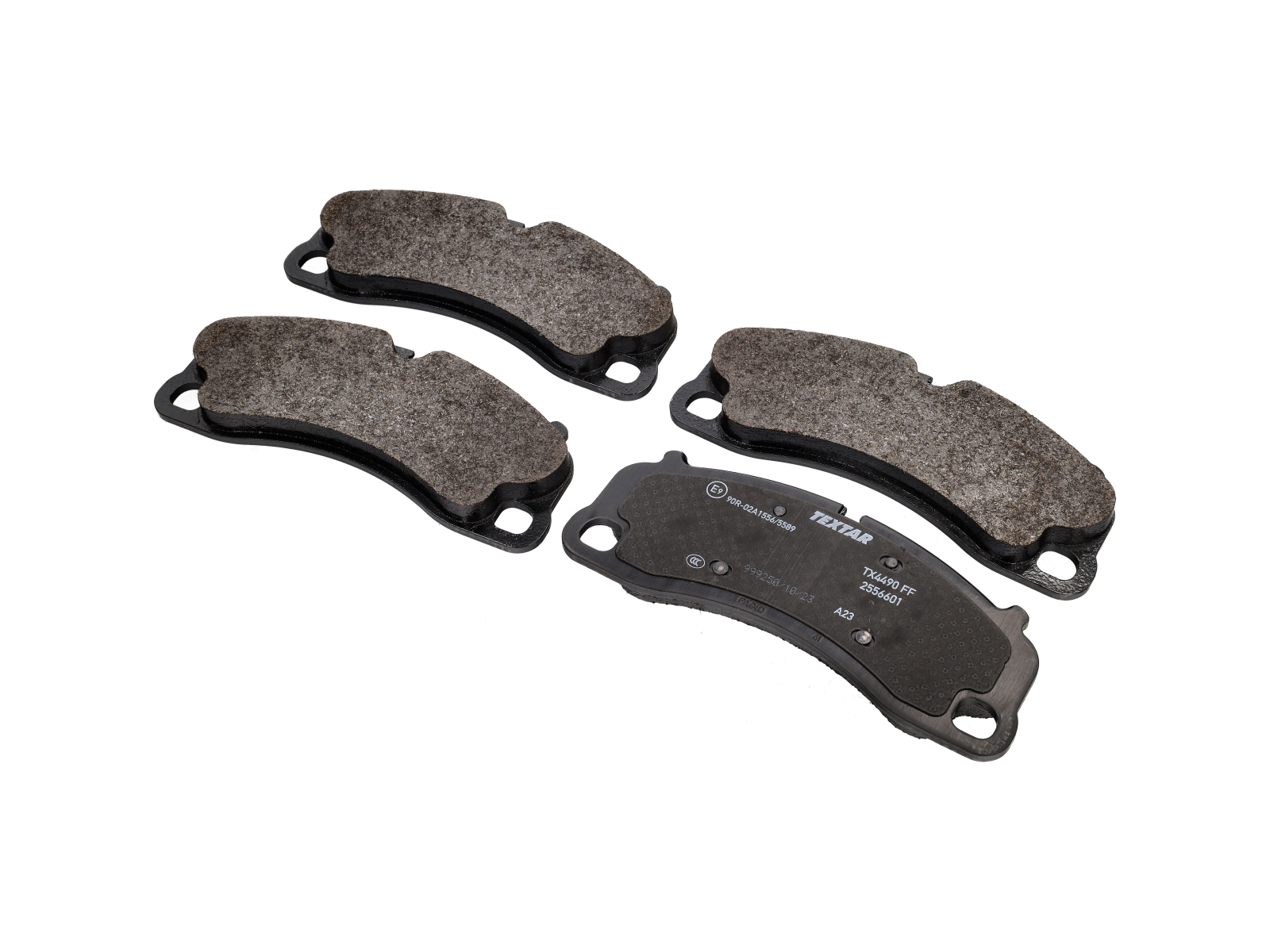
Textar Front Brake Pads (without creamic brake disc PCCB) - Sold as set of 4 pads for one axle.
Maintain the exceptional stopping power of your Porsche with
the Textar Front Brake Pads. Manufactured by Textar, one of the world's leading original
equipment brake component suppliers, these premium front brake pads deliver
outstanding braking performance, exceptional pedal feel and long-lasting
durability for both road and high-performance driving.
Fits:
- Porsche Boxster Spyder / Spyder RS 718 4.0L 01/2019>>
- Porsche 991.1 GT3 3.8L (475 Bhp) 2014-16
- Porsche 991.1 GT3 RS 4.0L (500 Bhp) 2015-16
- Porsche 991.2 GT3 4.0L (500 Bhp) / GT3 RS 4.0L (520 Bhp) 2017-19
- Porsche 992.1 GT3 4.0L / 992 S/T 4.0L 2021-24
- Porsche 992.1 GT3 RS 4.0L 2022-24
- Porsche 992.2 GT3 2025>>
- Porsche Cayman GT4 3.8L 2015-16
- Porsche Cayman GT4 718 4.0L / GT4 RS 718 4.0L
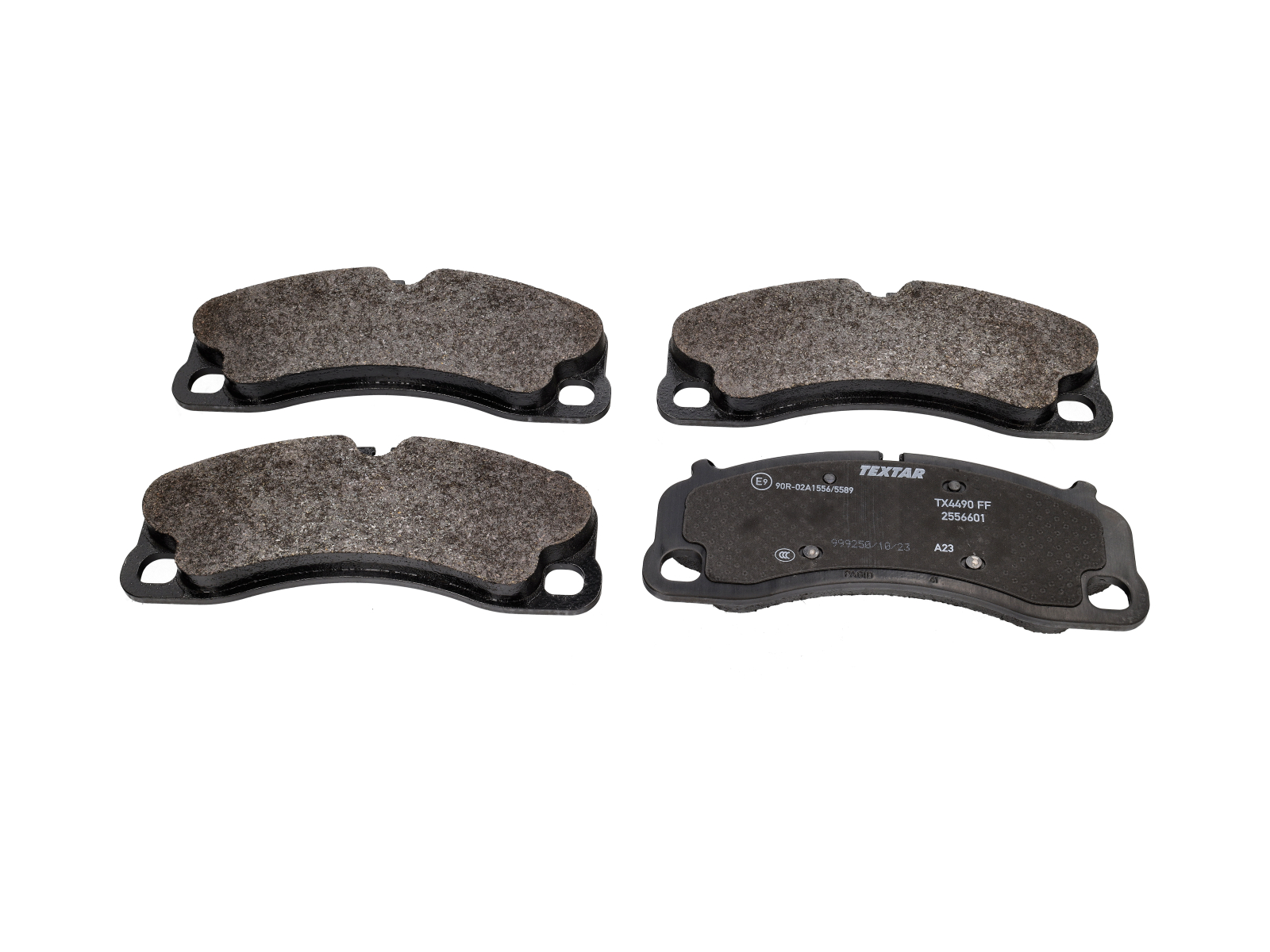
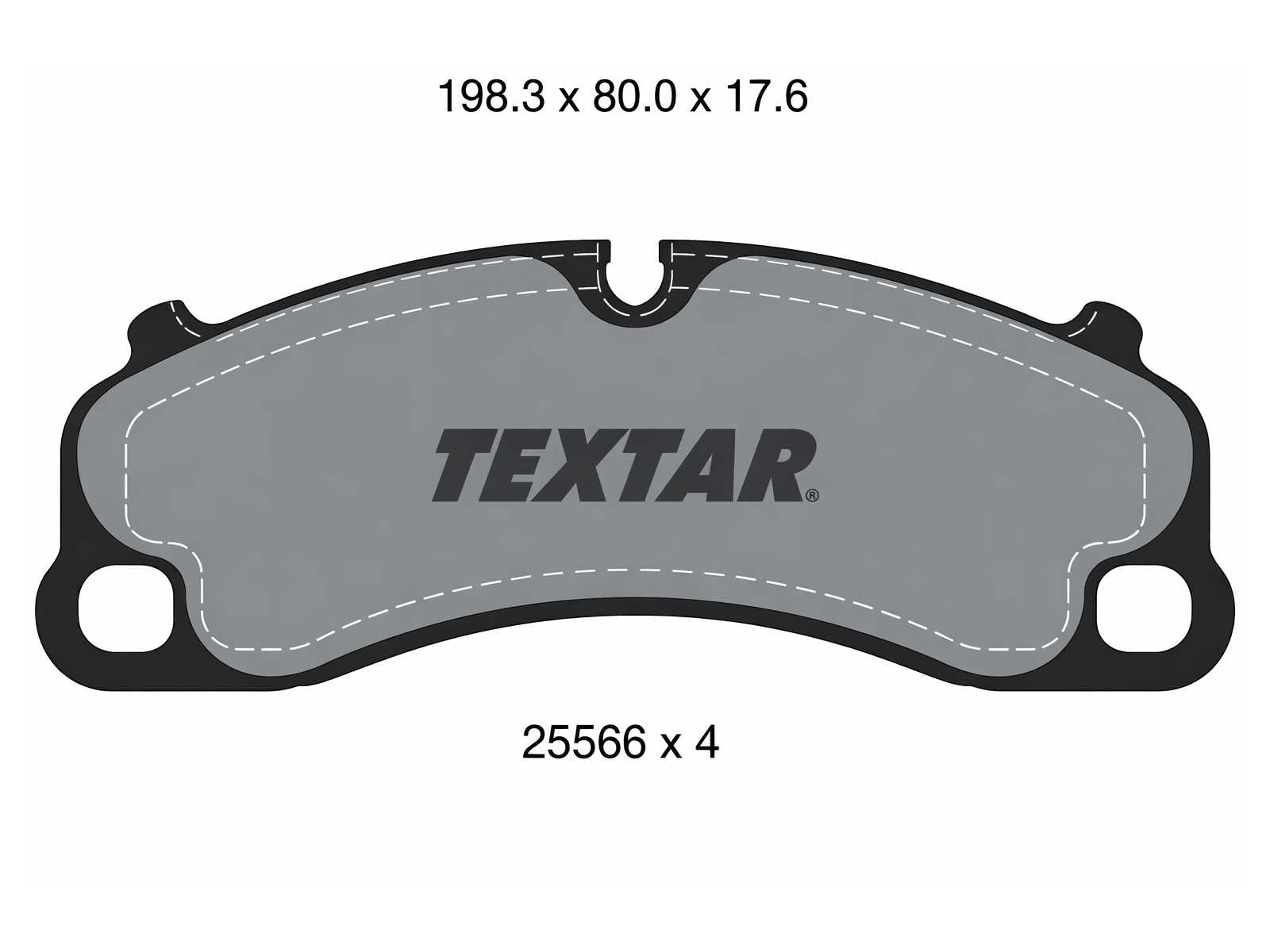
Technical specifications - Width: 198.3mm / Height: 80mm / Thickness: 17.6mm
Designed to meet original equipment specifications, these brake pads work seamlessly with OE brake discs and Porsche's advanced ABS, Porsche Stability Management (PSM) and electronic braking systems. They provide consistent stopping power, low brake noise and controlled brake dust generation, making them the ideal replacement for worn factory brake pads.
What Do the Front Brake Pads Do?
Front brake pads are the primary friction component within the braking system. When hydraulic pressure is applied, the pads clamp onto the front brake discs, converting kinetic energy into heat and slowing the vehicle safely and efficiently.
Their primary functions include:
- Providing the majority of the vehicle's braking force.
- Delivering powerful and progressive stopping performance.
- Maintaining stable braking under heavy deceleration.
- Supporting Porsche ABS and PSM systems.
- Providing excellent pedal feel and driver confidence.
- Ensuring consistent braking performance in everyday and high-performance driving.
Because the front brakes handle most of the braking load, maintaining high-quality brake pads is essential for safety and performance.
Why Do Front Brake Pads Wear Out?
Brake pads are designed as consumable service components and
naturally wear through use. Common causes include:
- Continuous friction against the brake discs.
- High operating temperatures. Fast road driving.
- Track day use.
- Repeated heavy braking.
- Natural wear of the friction material.
- High vehicle mileage.
- Brake disc wear affecting pad contact.
Performance-focused Porsche models such as the GT3, GT4 and Spyder often experience increased brake pad wear due to their exceptional braking capabilities.
When Should the Front Brake Pads Be Replaced?
Replacement is recommended whenever:
The
brake pad wear warning light is illuminated.
The
friction material reaches the manufacturer's minimum thickness.
For optimum braking performance, Porsche specialists recommend replacing the brake pad wear sensors whenever new brake pads are installed and inspecting the brake discs for wear, cracking or excessive heat checking.
Textar OE Quality You Can Trust
The Textar Front Brake Pad Set offers:
- Genuine Textar OE-quality friction material.
- Direct replacement for original equipment brake pads.
- Outstanding stopping performance.
- Excellent resistance to brake fade.
- Progressive and responsive pedal feel.
- Low brake noise.
- Controlled brake dust generation.
- Precision-engineered fitment.
- Long service life.
Find out about Textar product verification here
Related reference numbers
Related, superseded, cross reference or alternative numbers for comparison.
99135194784TEX
The product you are viewing cross references to these numbers
- Porsche Boxster Spyder / Spyder RS 718 4.0L 01/2019>>
- Porsche 991.1 GT3 3.8L (475 Bhp) 2014-16
- Porsche 991.1 GT3 RS 4.0L (500 Bhp) 2015-16
- Porsche 991.2 GT3 4.0L (500 Bhp) / GT3 RS 4.0L (520 Bhp) 2017-19
- Porsche 992.1 GT3 4.0L / 992 S/T 4.0L 2021-24
- Porsche 992.1 GT3 RS 4.0L 2022-24
- Porsche 992.2 GT3 / Touring / S/C 2025>>
- Porsche Cayman GT4 3.8L 2015-16
- Porsche Cayman GT4 718 4.0L / GT4 RS 718 4.0L
Shop Securely
12 Month Warranty
Worldwide Delivery

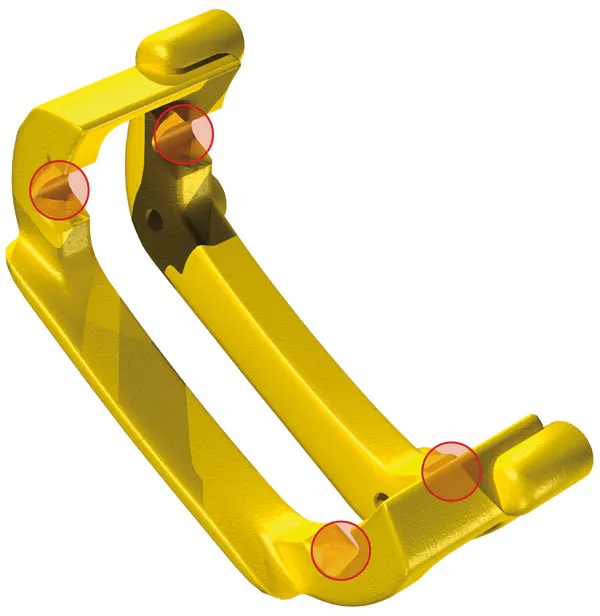
For brake systems and is highly temperature-resistant (up to 1,000°C).
Available in 75ml tube and 5ml sachet
The advantages of Cera Tec:
• Non-conductive and contains no solids
• Suitable for ABS
• Facilitates brake installation
• Reduces brake squealing
• Protects against scoring and corrosion
• Free of copper and acids
• Pressure-resistant / high viscosity
Cera Tec is also suitable for lubricating:• Disc- and drum-brake systems
• Compressors
• Centralised lubrication systems
• Axle bearings
• Chains
• Seat rails
• Sunroof tracks
• Battery terminals
Application:
Apply a thin layer of Cera Tec on the marked sections
Find out about Textar product verification here
Shop Securely
12 Month Warranty
Worldwide Delivery

Hydra tec lubricant for maintenance work and protection Textar
Available in 75ml Tube or 5ml Sachet
The Advantages of Hydra Tec:
- Facilitates the installation of hydraulic brake components
- Tested compatibility with commercially available braking fluids (DOT3, DOT4, DOT4LV, DOT5.1)
- Free of mineral oils and compatible with EPDM rubber
- In addition, running surfaces are protected against corrosion
Hydra Tec is suitable for lubricating:
- Cylinder running surfaces
- Pistons
- Sealing elements
Application:
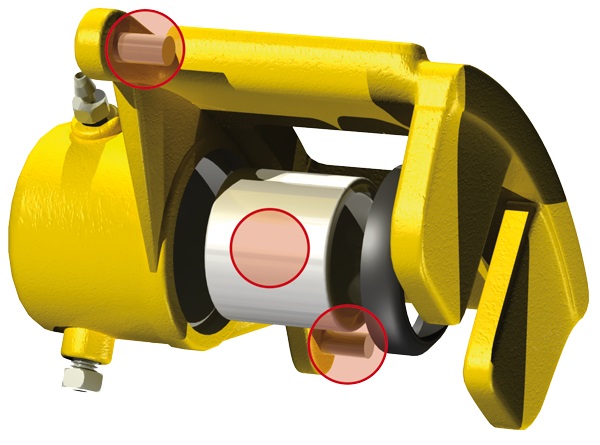
Apply a thin layer of Hydra Tec on the marked sections.
Note:
Hydra Tec should be applied thinly and evenly.
Never use mineral oils or greases as substitutes.
Do not apply the product on friction surfaces of brake pads or brake discs.
Find out about Textar product verification here
Shop Securely
12 Month Warranty
Worldwide Delivery
-

Disc brake / Front axle - 17" black - (PR:A8C+1LS) 992.1 Carrera 2019 - 2024 602-000
-
Disc brake / Front axle - 17" red/black - (PR:A8F+1LR, 1LS, -E0W) 992.1 Carrera 2019 - 2024 602-005
-
Disc brake / Front axle - 17" red/black - (PR:1LR, 1LS, E0W) 992.1 Carrera 2019 - 2024 602-020
-
Disc brakes / Rear axle - 17" black - (PR:A8C+2EB) 992.1 Carrera 2019 - 2024 603-000
-
Brake master cylinder / Brake servo - PR:L0L, L0R - 992.1 Carrera 2019 - 2024 604-000



Textar Brakes - Precision Braking Components for Performance, Control & Reliability
Textar brakes are globally recognised for delivering consistent braking performance, refined pedal feel, and dependable stopping power across a wide range of road and performance applications. As a trusted original-specification supplier to many premium vehicle manufacturers, Textar brake pads and discs are engineered to provide optimal friction characteristics, low noise, and predictable response in everyday driving and demanding conditions alike.
At Design911, our range of Textar braking components includes brake pads, discs, and wear-related service parts designed to meet stringent quality and performance standards. Whether for daily road use, spirited driving, or high-mileage applications, Textar brakes deliver a balanced combination of durability, comfort, and braking confidence.
What Do Textar Brakes Do?
Textar brake components convert kinetic energy into controlled stopping force, ensuring safe and stable deceleration.
Core Functions:
Textar brakes are designed to perform reliably from cold starts through repeated braking cycles.
Why Do Brake Components Wear or Fail?
Brakes are wear items and naturally degrade through normal use.
Common Causes of Wear or Failure Include:
- Friction
material wear from repeated braking.
- Heat
build-up causing glazing or reduced effectiveness.
- Brake
dust accumulation affecting performance and cleanliness.
- Disc
wear or warping due to thermal stress.
- Age-related degradation of materials and coatings.
As braking components wear, stopping distances increase and pedal feel deteriorates—making timely replacement essential for safety.
Why Replace with Textar Brakes?
Replacing worn braking components with Textar parts restores braking performance to original design standards, ensuring safety, comfort, and reliability.
Key Benefits:
- Consistent braking performance and pedal feel.
- Low noise and vibration characteristics.
- Controlled brake dust output.
- High-quality friction materials for long service life.
- Engineered to meet original technical specifications.
- Ideal for road, touring, and performance-oriented driving.
Textar brakes provide a dependable solution for drivers seeking quality, longevity, and confidence under braking.
-
 Brake Pads & Disc Package
-
Brake Disc Standard
-
Brake Pads Standard
-
SPORTS Brake Disc
-
Brembo Standard brakes
-
Brembo Racing brakes
-
PAGID Racing Brakes
-
Manthey Racing Brake Pads
-
Zimmermann Brakes
-
Performance Friction Brakes
-
Giro Slotted Brake Disc
-
SHW Performance Brakes
-
EBC Brakes
-
Surface Transforms Ceramic Brakes
-
Replacement for Ceramic Disc
-
Brake Pad Wear Sensors
-
Brake Pad Anti-vibration shims
-
Caliper Bolts / Disc Screws
-
Pin Kit and Guide Plates
-
Performance Brake Hoses
-
Standard Brake Hoses
-
Caliper and Brake Lines
-
Brake Calipers
-
Brake Caliper Upgrades
-
Handbrake Shoes
-
Handbrake Cables
-
Electric parking brake
-
ABS | Speed Sensors
-
Caliper Seals |Pistons
-
Brake Servo | Booster
-
Brake Master Cylinder
-
Brake Fluid Reservoir
-
Brake Fluid
-
Titanium Brake Pad Shields
-
DesignTek Brake Kits


.jpg)
.jpg)
.jpg)


.jpg)


Monday-Friday: 8.30am - 5.30pm (GMT)
Saturday: Closed
Sunday: Closed