







Enter your VAT number here and click Verify:
Your details have been verified. VAT number registered to:
,
.
Your order will now be zero rated for VAT purposes. We reserve the right to verify these details after your order request has been made and reinstate VAT if required.
Your VAT details were not recognised or were invalid. Your VAT number must be matched to your Billing Country as specified above. This is currently specified as . You do not need to enter the country code part of your VAT number as this has already been selected in your billing address details above.
The VAT number checking service is currently offline. Please supply your VAT details within the comments or special instructions field below and we will apply a VAT discount after placing your order request.

Your Vehicle // Porsche // 993 (911) (1994-1998) // 993 (911) RS 1994-97

- Accessories
- Brakes
- Chassis / Bodywork
- Clothing & Gifts
- Electrical & Relays
- Engine Cooling
- Engine Electrical
- Engine Rebuild Parts
- Engine Tuning
- Exhausts
- Exterior Styling / Spoilers
- Gearbox / Transmission
- Heating / Air Conditioning
- Hydraulics
- Incar / Multimedia
- Interior & Accessories
- Lighting
- Mats & Carpets
- Motorsport and Off-Road
- Parts for Other Cars
- Pedal Cluster
- Rubber Seals
- Seats & Seat Belts
- Service Parts
- Special Offer Parts
- Steering Parts
- Suspension & Axle
- Suspension Upgrades
- Tyres
- Wheel Accessories
- Wheels
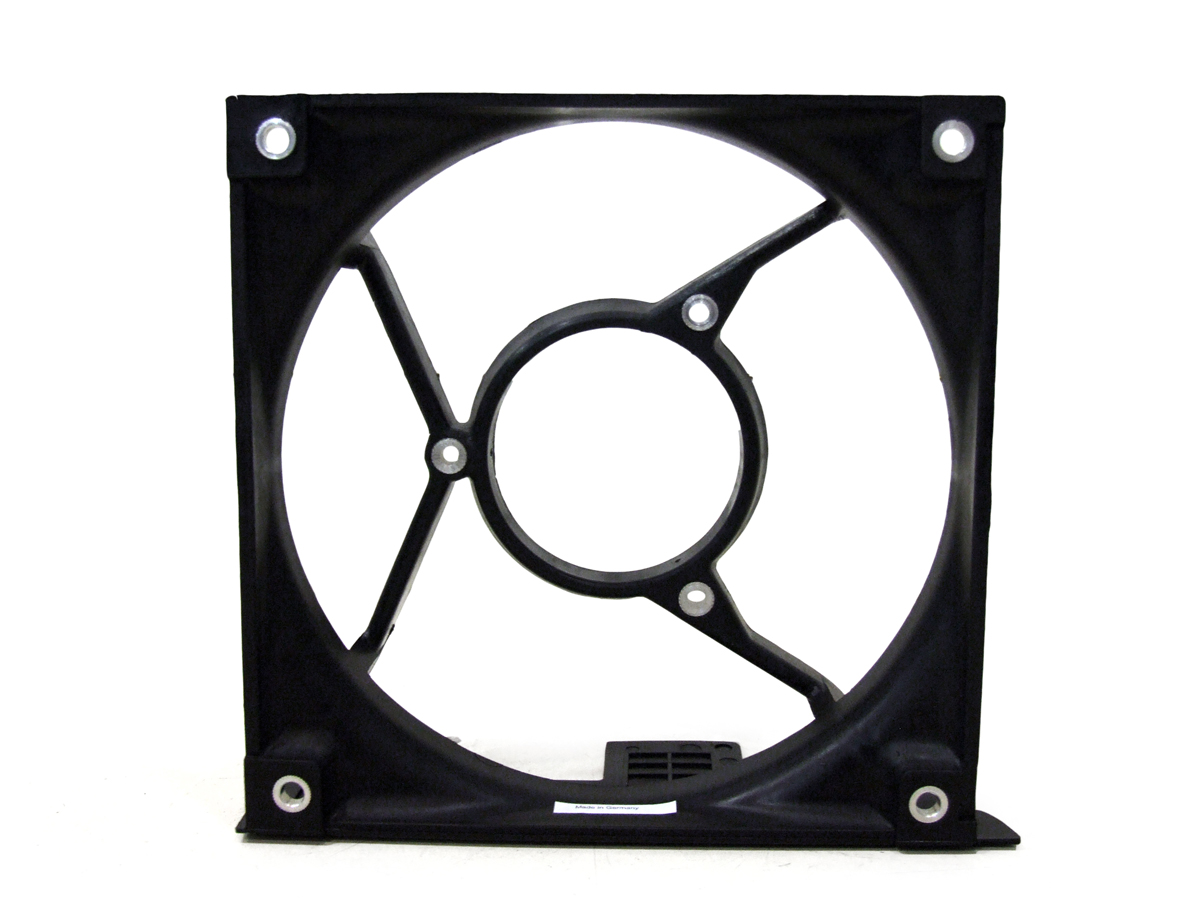
Oil Cooler Fan & Housing



Fits:
Porsche 964 1989-94
Porsche 993 1995-98
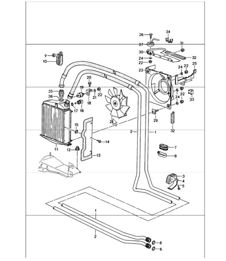
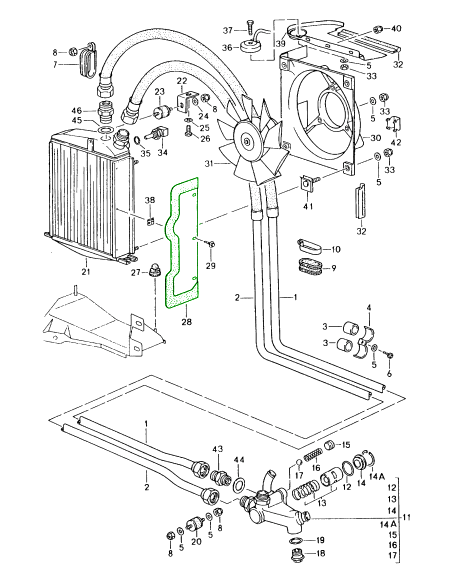
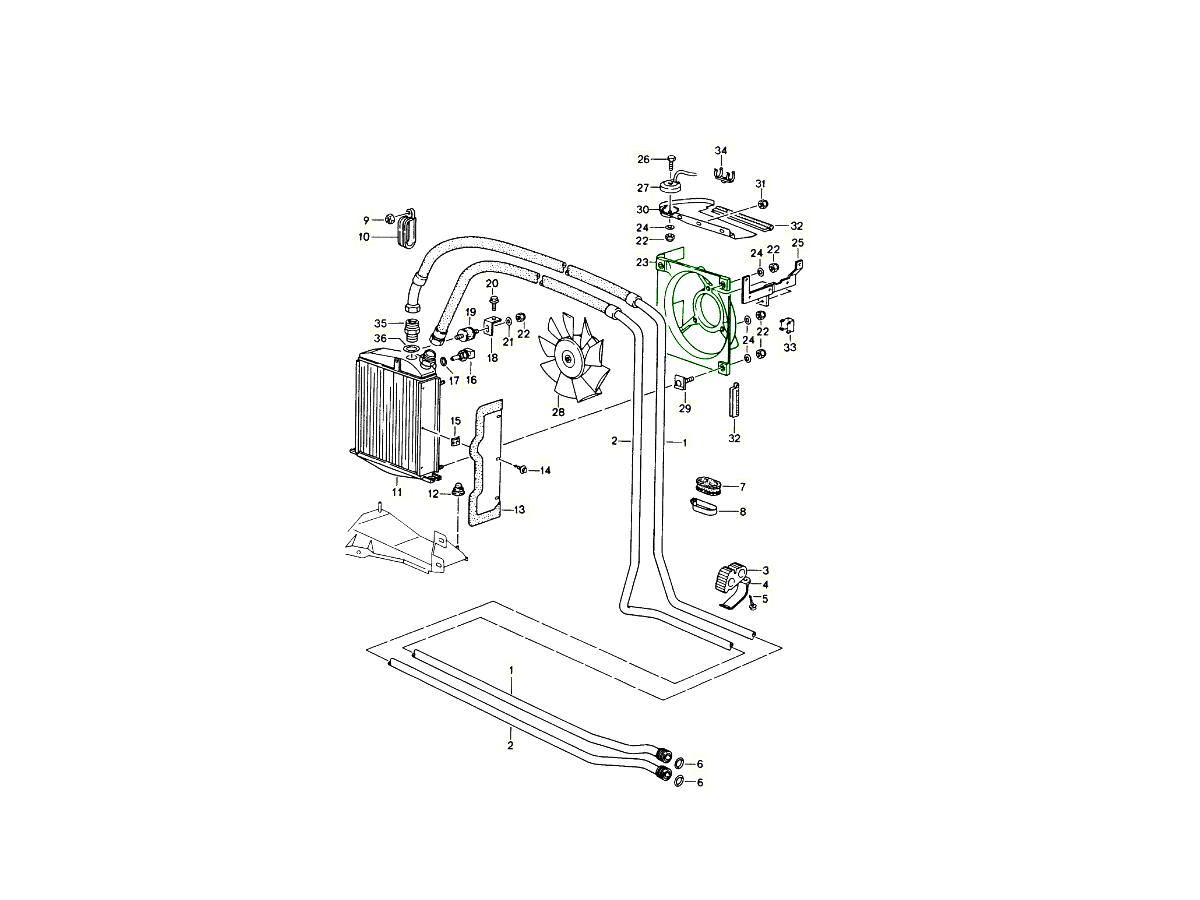
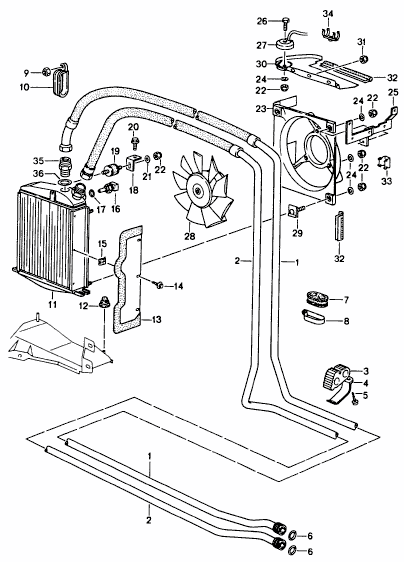
Click 'Zoom in' for large parts diagram.
Diagram ref no 28
Related reference numbers
Related, superseded, cross reference or alternative numbers for comparison.
96420722302
The product you are viewing cross references to these numbers
- Porsche 964 (911) C2 1989-93
- Porsche 964 (911) C4 1989-93
- Porsche 964 (911) RS 3.6L 1991-93
- Porsche 964 (911) RS 3.8L 1991-93
- Porsche 964 (911) TURBO 3.3L 1991-93
- Porsche 964 (911) TURBO 3.6L 1991-93
- Porsche 993 (911) C2 1994-97
- Porsche 993 (911) C4 1994-97
- Porsche 993 (911) RS 1994-97
- Porsche 993 (911) C2S 1994-97
- Porsche 993 (911) C4S 1994-97
- Porsche 993 (911) TURBO 1994-96
- Porsche 993 (911) GT2 1994-97
- Porsche 993 (911) TURBO S 1994-97
 Shop Securely
 12 Month Warranty
 Worldwide Delivery


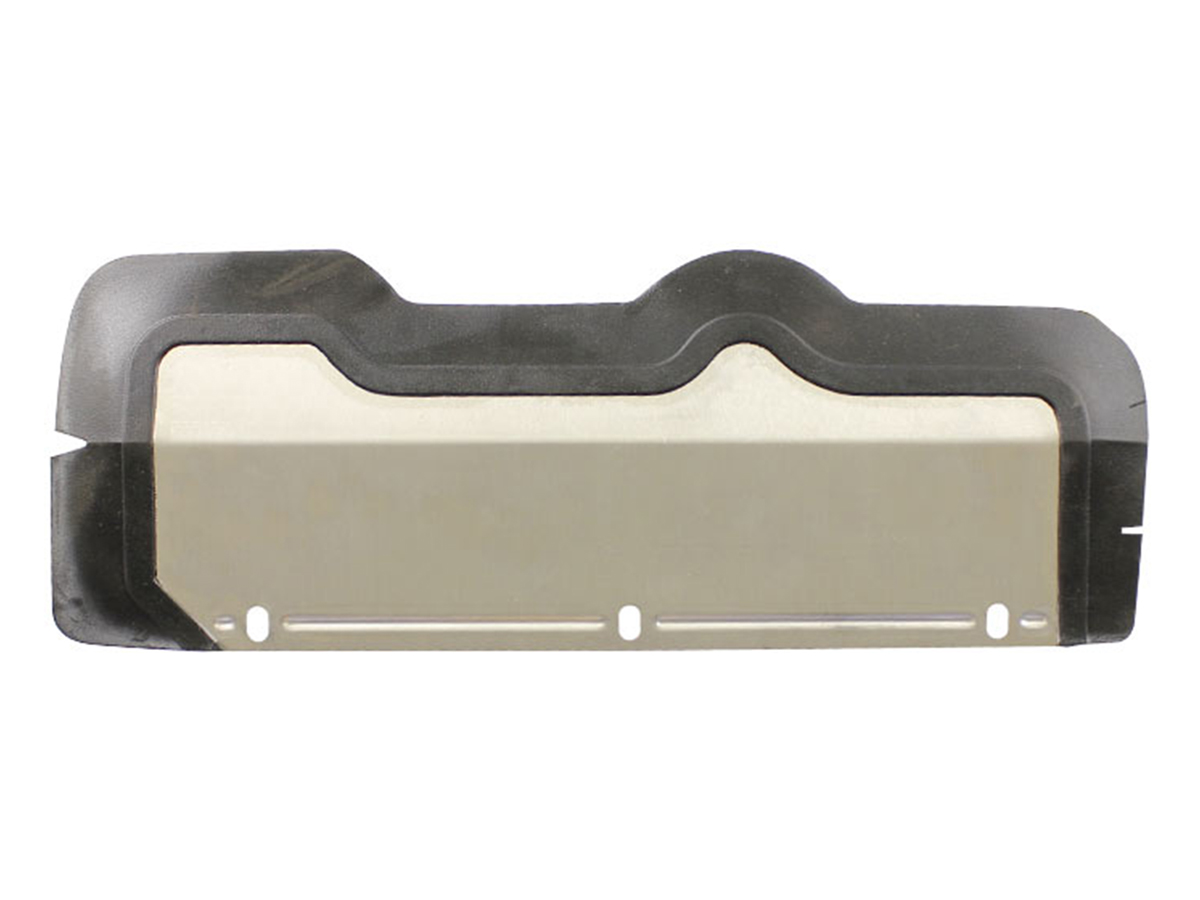
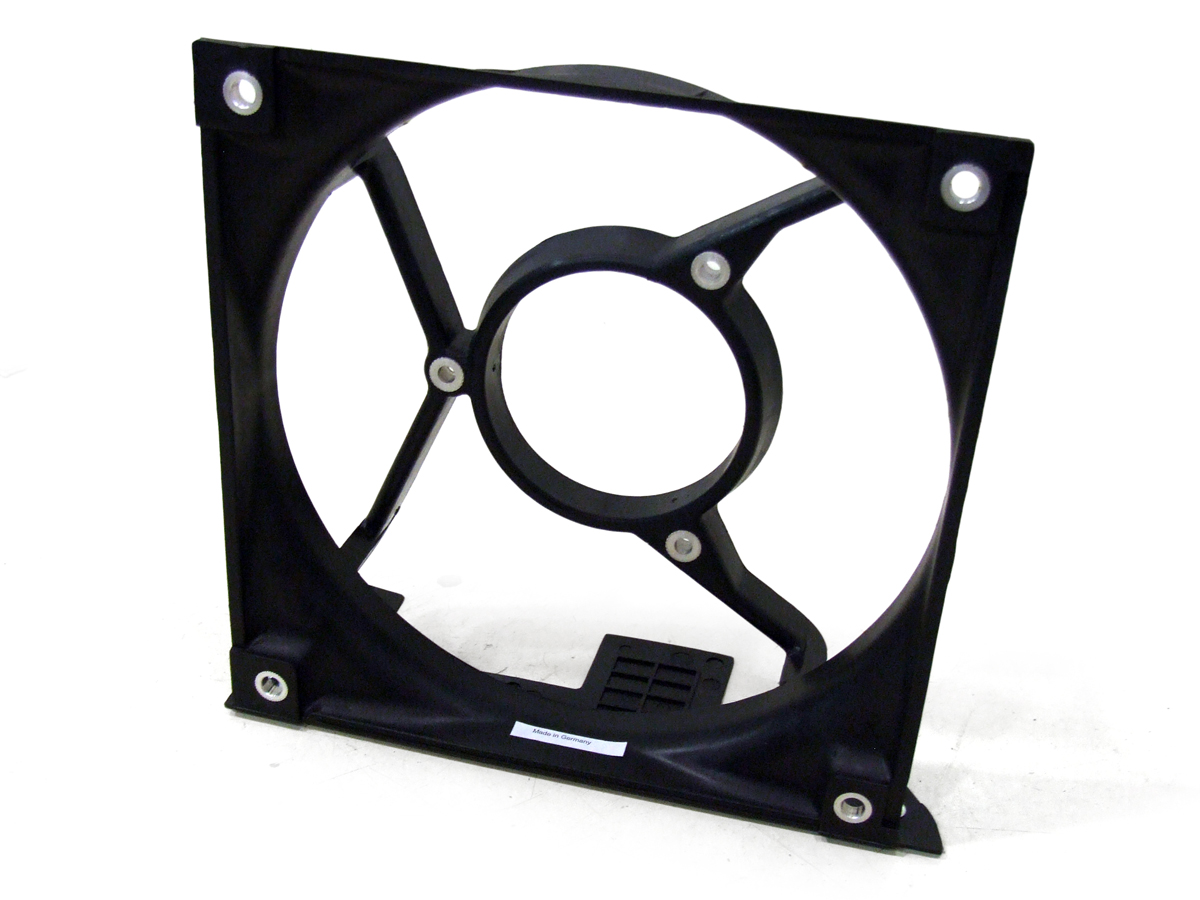
This OE Match oil cooler cowling is an air-guide cowl, it forms part of the oil cooler airflow assembly.
Fits
Porsche 993 1994-96
Check fitment for your specific vehicle (model, year, engine) before ordering.
Diagram ref no: 23
What This Product Does
The cowling guides air through the oil cooler assembly, helping the airflow reach the cooler rather than escape around it. It is an airflow-management component, distinct from the oil cooler itself and the electrical parts that operate the fan.
Functions
- Directs cooling air across the oil cooler.
- Contains airflow within the cooler assembly.
- Maintains the intended air path around the cooling components.
Technical Details
- Brand: OE Match.
- Part reference: 99362404100.
- Component identification: air-guide cowl.
- Assembly context: oil cooler lines, Porsche 993 1994–98.
Symptoms of Fault
- Cracks, distortion or other visible damage to the cowling.
- Loose or damaged mounting points.
- Rattling or vibration around the cooler housing.
- Obstructed airflow caused by damage or accumulated debris.
- Oil temperature climbing more noticeably during slow-moving traffic.
These signs warrant inspection but do not establish that the cowling is the cause. Fan operation, electrical connections and surrounding components should also be checked.
Why Replacement Matters
A broken or poorly secured cowl can disrupt the intended airflow path. Replacing damaged cowling addresses the housing itself; it does not resolve a failed fan motor, electrical fault or leaking cooler. Inspect nearby fixings and mounting components during the repair so that the replacement can be secured correctly.
FAQs
Should the fan wiring also be inspected?
Yes. Ageing connectors or damaged wiring can explain intermittent fan operation independently of the cowling.
Can removing debris help?
Clearing accumulated debris can improve the air path, but cleaning will not repair cracks or broken mounting points.
Does a stationary fan mean the cowling needs replacement?
No. Check the fan's power supply and control components separately, and assess the cowling for physical damage.
Related reference numbers
Related, superseded, cross reference or alternative numbers for comparison.
99362404100
The product you are viewing cross references to these numbers
- Porsche 993 (911) C2 1994-97
- Porsche 993 (911) C4 1994-97
- Porsche 993 (911) RS 1994-97
- Porsche 993 (911) C2S 1994-97
- Porsche 993 (911) C4S 1994-97
- Porsche 993 (911) TURBO 1994-96
- Porsche 993 (911) GT2 1994-97
- Porsche 993 (911) TURBO S 1994-97
Shop Securely
12 Month Warranty
Worldwide Delivery

Fits:
Porsche 993 1994-96
Click picture for large parts diagram.
Diagram Ref No 23.
Related reference numbers
Related, superseded, cross reference or alternative numbers for comparison.
99362404100
The product you are viewing cross references to these numbers
- Porsche 993 (911) C2 1994-97
- Porsche 993 (911) C4 1994-97
- Porsche 993 (911) RS 1994-97
- Porsche 993 (911) C2S 1994-97
- Porsche 993 (911) C4S 1994-97
- Porsche 993 (911) TURBO 1994-96
- Porsche 993 (911) GT2 1994-97
- Porsche 993 (911) TURBO S 1994-97
Shop Securely
12 Month Warranty
Worldwide Delivery
High-Quality Oil Cooler Fans & Housings for Efficient Engine Temperature Control
Oil cooler fans and housings play a vital role in maintaining stable oil temperatures, especially in performance engines or vehicles driven in hot climates. The oil cooler fan increases airflow across the cooler core, while the housing directs and contains the airflow for maximum cooling efficiency. Together, they help protect the engine’s lubrication system, reduce heat stress and prevent oil degradation during demanding driving conditions.
Whether you’re restoring a classic model, upgrading a performance build or replacing worn components, a reliable oil cooler fan and housing are essential for long-term engine protection.
What Oil Cooler Fans & Housings Do
These components work together to manage oil temperature by:
- Increasing
airflow over the oil cooler to disperse heat quickly
- Maintaining
consistent oil temperature under load
- Protecting
engine internals from overheating and lubrication breakdown
- Enhancing
overall cooling efficiency during heavy driving or hot weather
- Supporting track use, towing and high-performance applications
The fan housing (or shroud) ensures directed airflow, preventing turbulence and maximising cooling effectiveness.
Why Oil Cooler Fans & Housings Commonly Fail
Given the intense temperatures and airflow demands, oil
cooler fans and their housings can deteriorate over time.
Typical causes of
failure include:
- Heat
fatigue leading to cracked housings or weakened plastic
- Fan
motor wear from continuous high-speed operation
- Electrical
issues such as failing relays, damaged connectors or burnt wiring
- Debris
impact damage from stones or road contaminants
- Corrosion
or brittleness caused by heat cycles and oil exposure
- Vibration stress causing mounting points to loosen or break
When these components fail, airflow efficiency drops, allowing oil temperatures to rise and placing unnecessary strain on the engine.
Why You Should Replace Worn Oil Cooler Fans & Housings
A compromised oil cooler fan or housing reduces cooling
performance, increasing the risk of overheating, oil breakdown and engine wear.
Replacing these components with high-quality, precision-engineered
alternatives designed to meet original performance standards ensures:
- Restored airflow and optimal cooling
- Stable oil temperatures under demanding driving conditions
- Improved oil longevity and engine durability
- Reduced risk of overheating or lubrication failure
- Quieter, more reliable fan operation
Upgrading or replacing these parts is a cost-effective way to protect high-value engine components.




Monday-Friday: 8.30am - 5.30pm (GMT)
Saturday: Closed
Sunday: Closed