



Enter your VAT number here and click Verify:
Your details have been verified. VAT number registered to:
,
.
Your order will now be zero rated for VAT purposes. We reserve the right to verify these details after your order request has been made and reinstate VAT if required.
Your VAT details were not recognised or were invalid. Your VAT number must be matched to your Billing Country as specified above. This is currently specified as . You do not need to enter the country code part of your VAT number as this has already been selected in your billing address details above.
The VAT number checking service is currently offline. Please supply your VAT details within the comments or special instructions field below and we will apply a VAT discount after placing your order request.
Coolant Hoses - Radiator Section


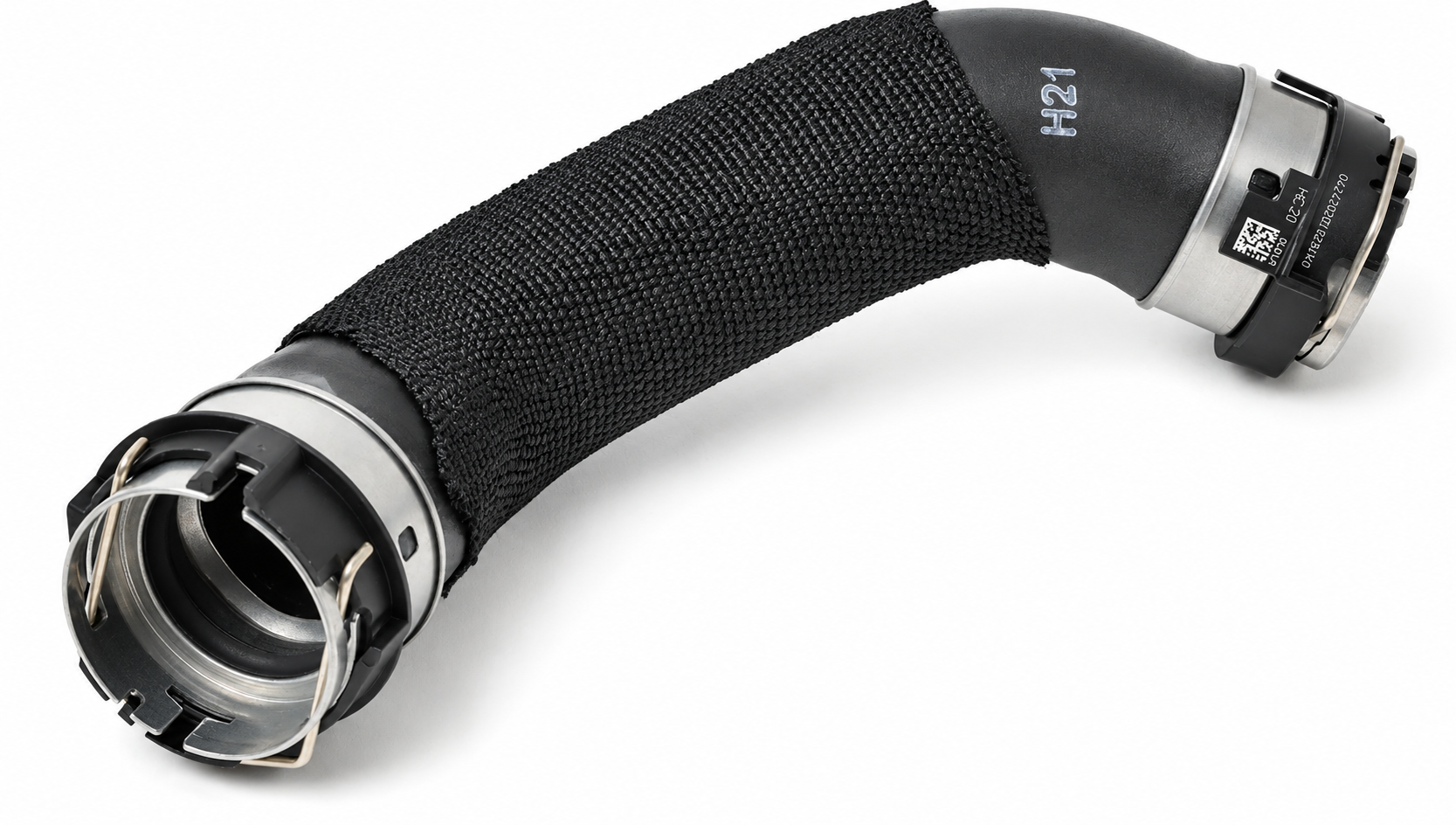
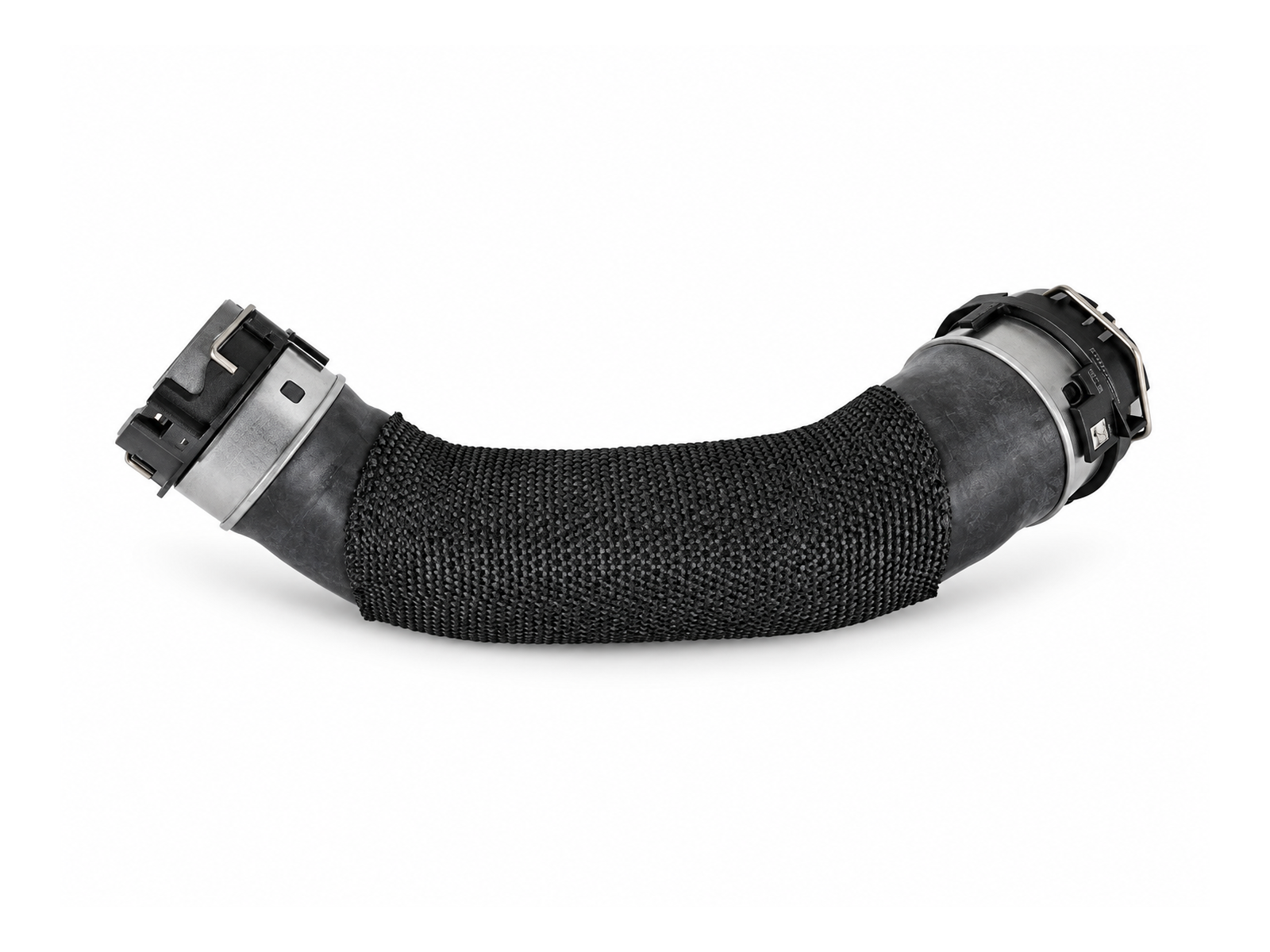
Radiator coolant hoses
These original Porsche coolant hoses form part of the radiator cooling circuit, helping route coolant between the radiator and related cooling system pipework to maintain correct engine temperature control.
Fits:
Porsche 992.1 GT3 2021 - 2025 (PR:A8G)
Porsche 992.2 GT3 2025 >>
Porsche 992.1 GT3 CUP 4.0L Model 2021
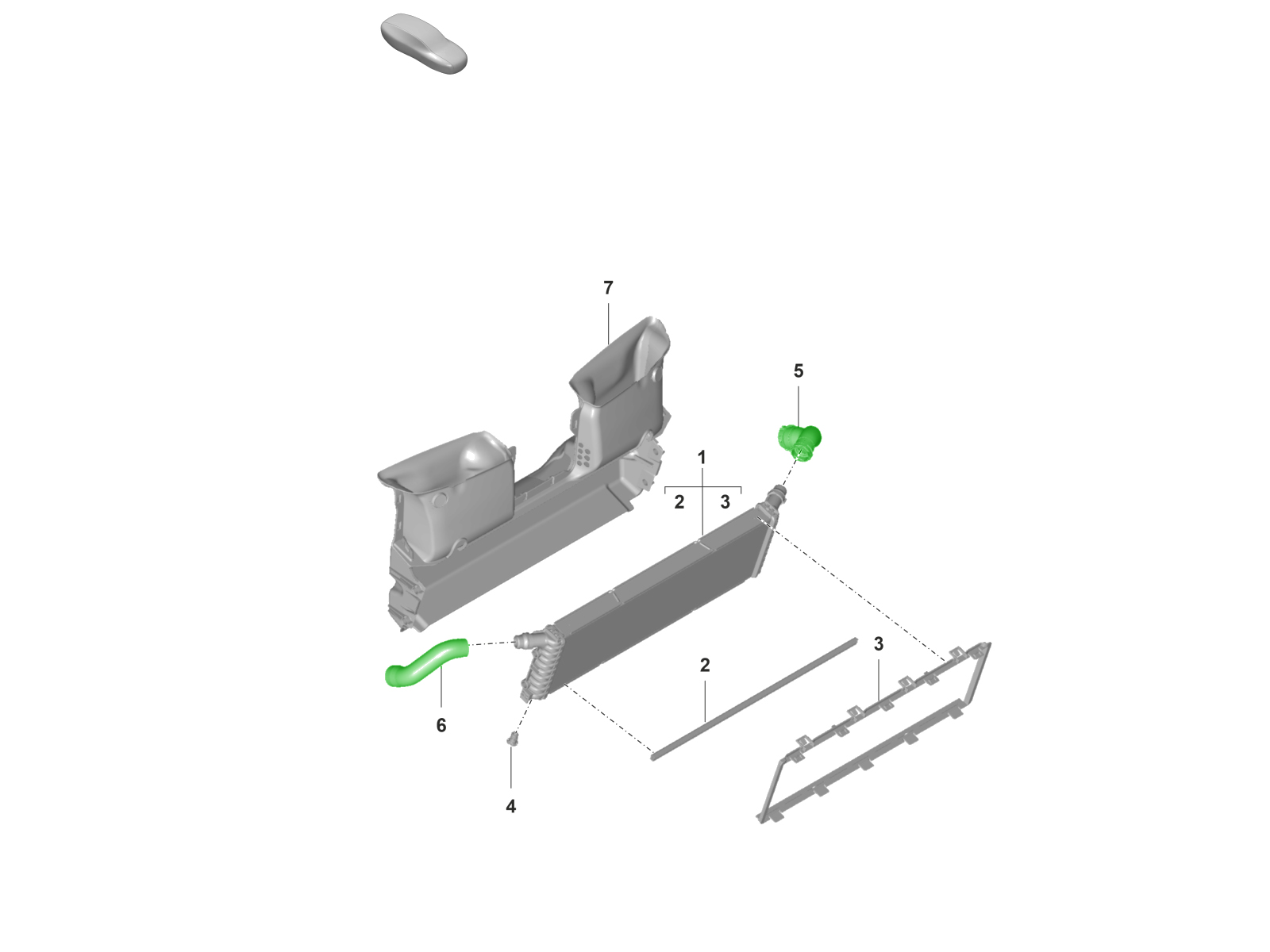
Diagram: 105-250, item 5 (Left) / 6 (Right)
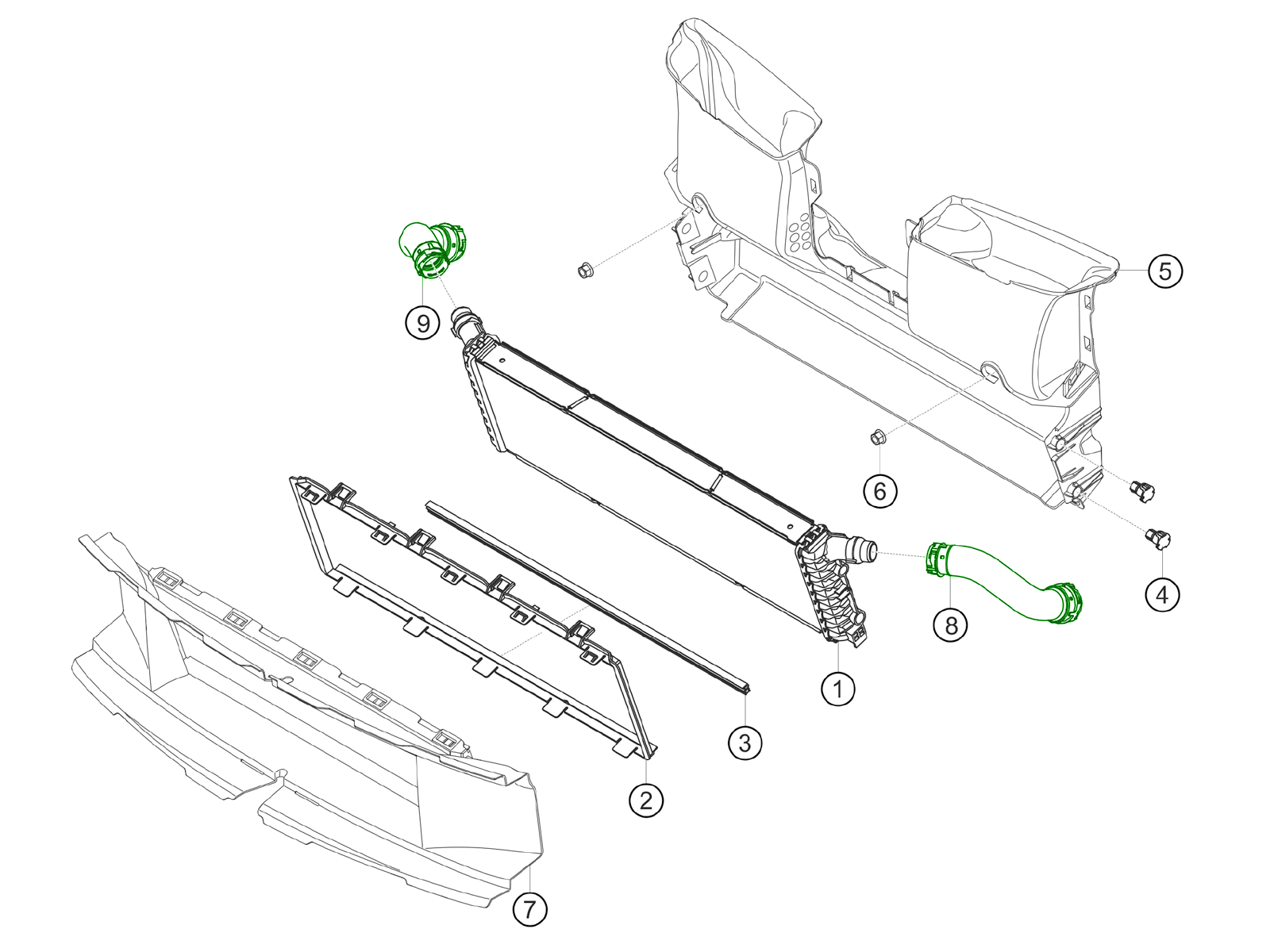
Diagram: 1.1-18, item 8 (Left) / 9 (Right)
These hoses are used in the radiator / cooling system section on selected Porsche 992 GT3 and 992.1 GT3 Cup models.
What This Part Does / Functions:
• Routes coolant through the radiator cooling circuit
• Helps maintain correct coolant flow between cooling system components
• Supports engine temperature control during road or track use
• Helps maintain cooling system pressure and sealing
• Replaces a cracked, swollen, leaking or heat-damaged original hose
• Provides correct Genuine Porsche hose shape, material and connection fitment
• Supports reliable cooling system performance
• Helps preserve factory Porsche GT3 / Motorsport cooling layout.
Why Replace This Part?
Radiator coolant hoses are exposed to heat cycles, coolant pressure, vibration, track use, road debris and age-related rubber deterioration. Over time, a coolant hose can harden, swell, split, crack or leak. A failing hose may cause coolant loss, low coolant warnings, pressure loss or overheating risk.
Replacing damaged hoses with Genuine Porsche radiator coolant hoses helps restore correct factory coolant routing and reliable cooling system sealing.
When to Replace This Part
• If the original hose is cracked, swollen, leaking or damaged
• During radiator replacement or cooling system service
• When replacing related coolant pipes, clamps or radiators
• If coolant loss is traced to this hose
• After front-end, radiator duct or bumper repair
• During track car preparation or post-event inspection
• During preventative cooling system maintenance
• When restoring the cooling system with Genuine Porsche parts.
Where It Fits on the Car
These hoses fit in the radiator / cooling system area of the Porsche 992 GT3 and 992.1 GT3 Cup. They are associated with the radiator coolant hose routing and cooling system pipework.
Correct side and hose position should be confirmed before ordering, as 9GT121629 and 9GT121630 are paired cooling hose references.
Related reference numbers
Related, superseded, cross reference or alternative numbers for comparison.
9GT1216
The product you are viewing cross references to these numbers
- Porsche 992.1 GT3 4.0L / 992 S/T 4.0L 2021-24
- Porsche 992.1 GT3 CUP 4.0L 2021-24
- Porsche 992.2 GT3 / Touring / S/C 2025>>
 Shop Securely
 12 Month Warranty
 Worldwide Delivery
Radiator Section Coolant Hoses – Mid & Rear-Engine Porsche Models
Radiator section coolant hoses are essential for managing engine temperature in mid and rear-engine Porsche models. These hoses circulate coolant between the engine and the radiator, ensuring consistent temperature control and preventing overheating under high-performance conditions.
At Design911, we stock a full range of genuine and manufacturer-quality radiator section coolant hoses specifically designed for mid- and rear-engine Porsche models such as the 911, Boxster, and Cayman. Each hose is built to factory specifications for perfect fitment, superior pressure tolerance, and reliable cooling system performance — ensuring your Porsche operates safely and efficiently on road or track.
What Do Radiator Section Coolant Hoses Do?
In Porsche’s mid- and rear-engine designs, coolant must
travel a greater distance between the engine (located at the rear or middle)
and the radiator (at the front). The radiator section hoses form part of
this vital network, helping to:
- Transport
coolant efficiently from the engine to the front radiator.
- Maintain
optimal engine operating temperature for performance and longevity.
- Regulate
coolant flow through the entire system under varying loads.
- Ensure consistent pressure and leak-free circulation.
These hoses are engineered to handle high thermal and mechanical stress, ensuring reliability even in extreme driving conditions.
Why Do Radiator Coolant Hoses Fail?
Due to their exposure to heat, pressure, and constant
coolant flow, radiator section hoses can wear out over time. Common causes of
failure include:
- Material
fatigue from heat cycles and pressure changes.
- Cracks
or splits in aging rubber or plastic connectors.
- Corrosion
or leaks around hose clamps and fittings.
- Swelling
or softening from prolonged coolant exposure.
- Abrasion damage from rubbing against engine or chassis parts.
Symptoms of a failing coolant hose may include coolant leaks under the car, overheating, fluctuating temperature readings, or a low coolant warning light.
Why Replace Faulty Radiator Section Hoses?
A worn or leaking hose can cause coolant loss, overheating, and potential engine damage. Replacing aging hoses is an essential part of preventative maintenance — especially in mid- and rear-engine Porsche models, where efficient cooling is critical.
Benefits of replacement include:
- Restored, leak-free coolant circulation.
- Improved temperature control and system pressure.
- Prevention of costly overheating and engine damage.
- Manufacturer-quality materials for long-term reliability.
All replacement hoses in this range are constructed using reinforced, high-performance rubber compounds and precision-moulded fittings, ensuring durability, flexibility, and perfect compatibility with Porsche cooling systems.




Monday-Friday: 8.30am - 5.30pm (GMT)
Saturday: Closed
Sunday: Closed