The Lounge by Design911: A First Look at Our New Event Space
The Lounge by Design911 has officially opened its doors for an exclusive soft launch at our Hutton headquarters. Bringing together

MLR Porsche isn’t the loudest name in the room, and that feels deliberate. It’s the sort of workshop you tend to hear about through owners rather than adverts — usually after asking who built a particular car, or why it feels different on the road. Spend a bit of time there and it becomes obvious that nothing is rushed. Cars don’t move through just to hit numbers. Some stay for weeks, others for months, and that usually means decisions are being made that don’t have obvious or easy answers.
MLR is a family-run Porsche specialist based in the UK, but the cars leaving the workshop don’t stay local for long. Europe, the United States, Singapore — they turn up all over the place. That doesn’t happen by accident. It happens when owners trust the people doing the work and are happy to hand over control for the long term.
Porsche isn’t one of several brands MLR works on. It’s the only one.
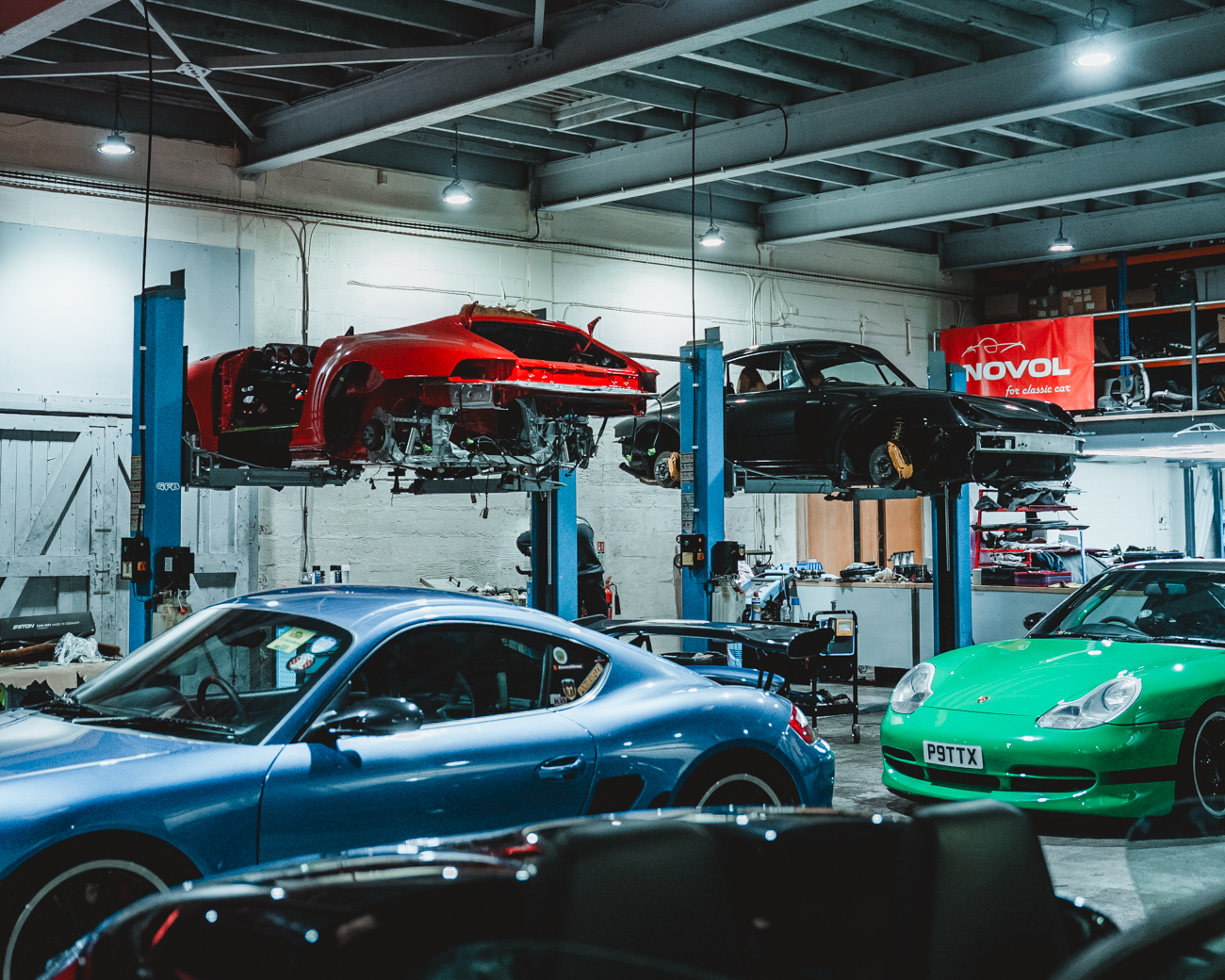
MLR didn’t start with a neatly defined business plan. It grew out of time spent around Porsches from an early age — weekends at shows, time in workshops, track days, and the unglamorous jobs that go with learning how cars actually work. That kind of background leaves a mark. You learn quickly what matters and what doesn’t, and you develop a sense for how these cars are meant to feel rather than how they’re meant to look.
From the outset, the decision was made to focus purely on Porsche. Not because other marques lack appeal, but because Porsche offers enough depth on its own. Air-cooled and water-cooled, road cars and track cars, entry-level models and high-end variants — there’s more than enough variety if you’re prepared to learn them properly.
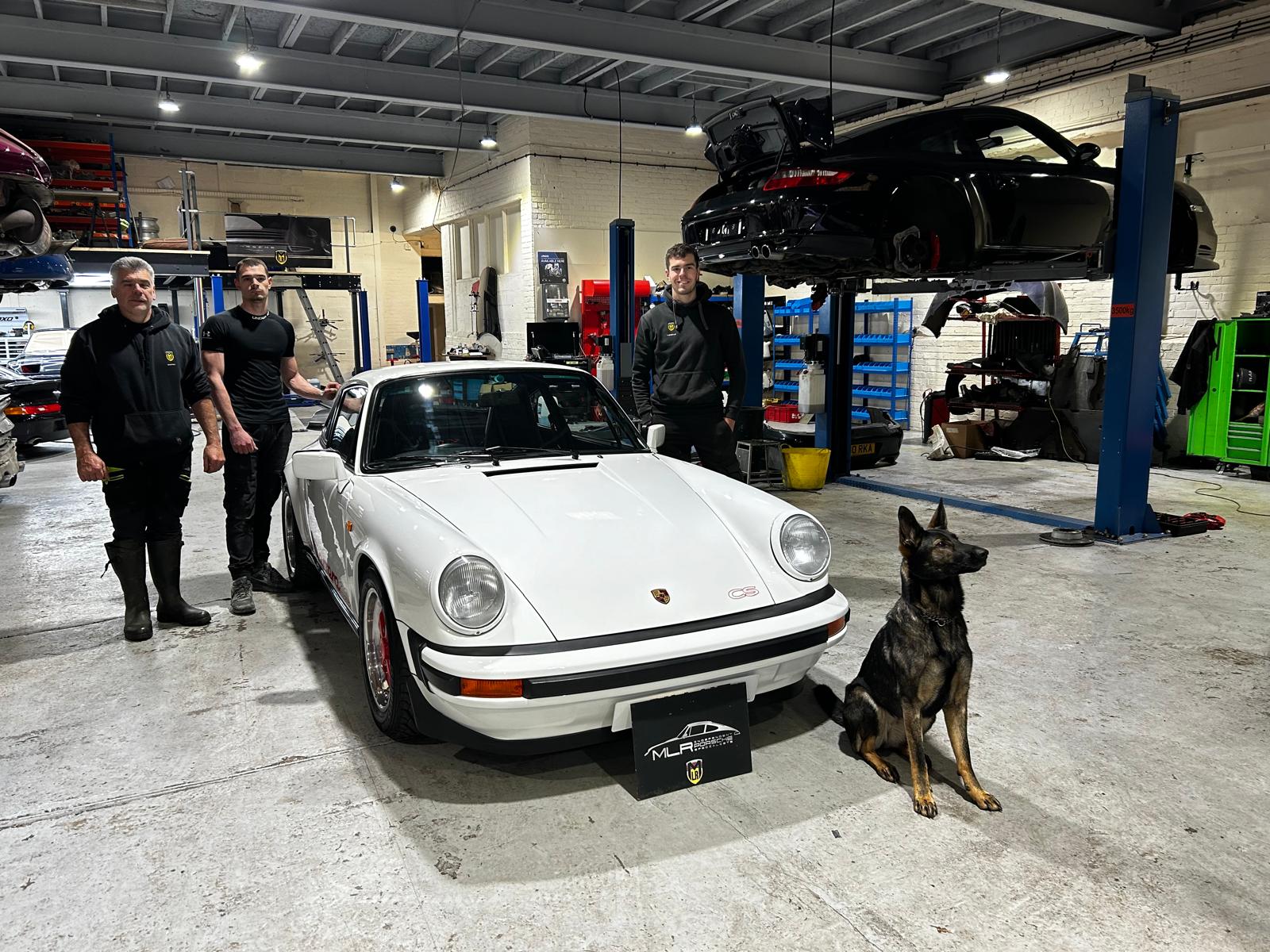
On the surface, MLR looks like a busy Porsche service workshop. Cars come in daily for maintenance, diagnostics, suspension work, brake upgrades and routine servicing. That work keeps the place moving and always has.
What isn’t immediately obvious is how much of the specialist work is handled in-house. Engines are built on site. Gearboxes are rebuilt there too. Fabrication, interior work, bodywork and paint all happen under the same roof.
That setup didn’t happen overnight. Earlier on, more work was outsourced, as it is at many specialists. Over time, it became clear that relying on outside suppliers often introduced delays or inconsistent standards. Bringing more processes in-house wasn’t about scale or growth. It was about control.
MLR’s custom builds are what most people notice first, but they aren’t built to chase trends or online attention. There’s very little here that exists purely for visual impact.
One build that often comes up in conversation is a heavily reworked 987 Cayman. It pulls components from several Porsche models, including a 997 GT3-inspired front end, substantial brake upgrades and a fully built 3.7-litre engine using lightweight internals. Inside, parts are chosen for how they fit and function rather than for novelty.
The result feels cohesive rather than experimental. Everything looks and drives as though it belongs there.
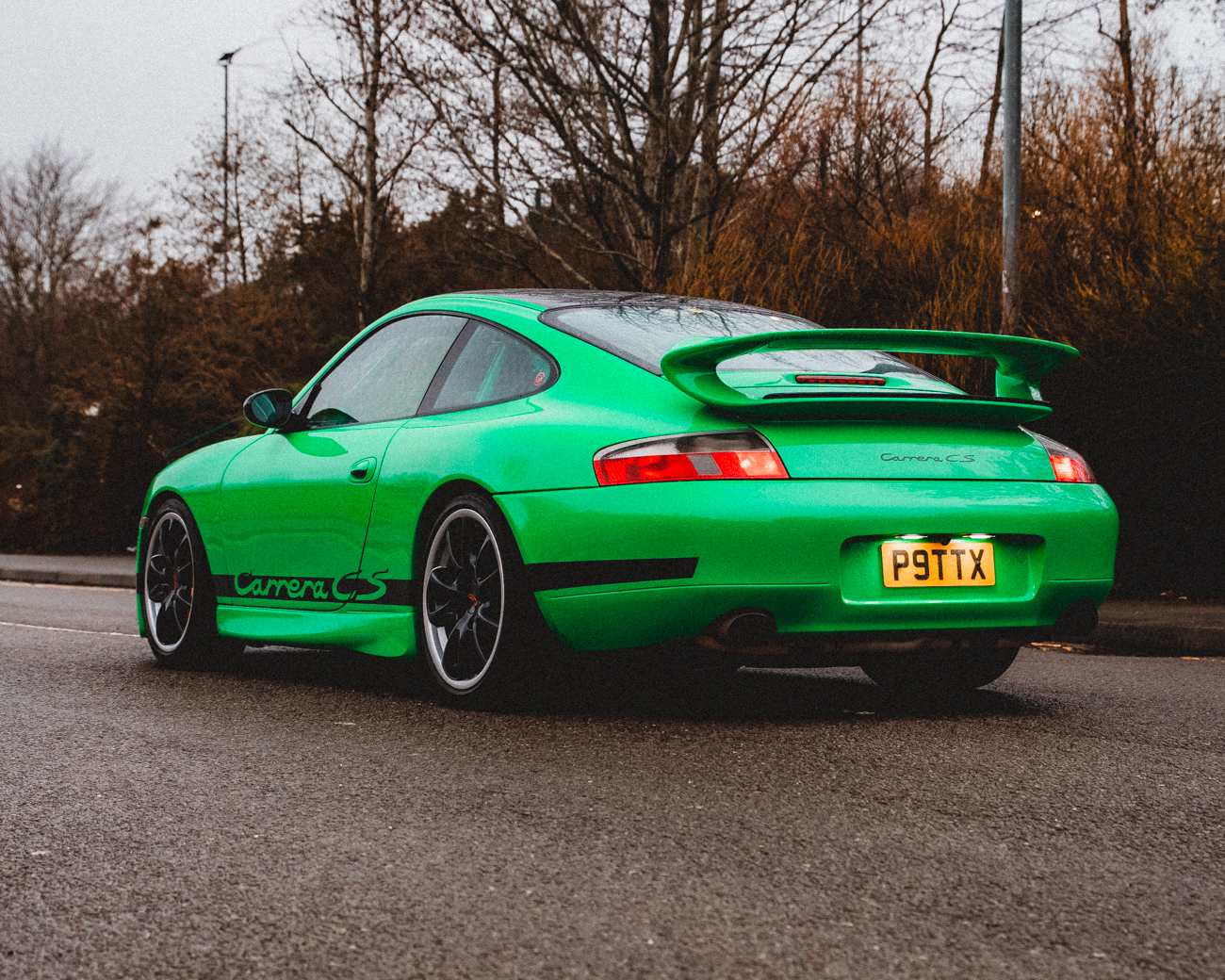
The 996-generation 911 is a platform MLR returns to regularly, and not because it’s fashionable. It’s practical. It’s lighter than what followed, simpler in key areas, and still modern enough to be used without constant compromise.
There’s also less pressure around the 996. Owners are more willing to make changes and actually drive the cars once they’re finished. That changes how a build develops.
Most 996 projects at MLR start stripped back to the shell. Cars are acid dipped, e-coated and seam welded before being painted inside and out. Engines and gearboxes are rebuilt in-house. Capacity increases are common, but reliability remains the priority. The goal isn’t headline numbers. It’s usability.
The finished cars aren’t subtle, but they don’t feel forced either. They make sense on the road, which is ultimately what matters.
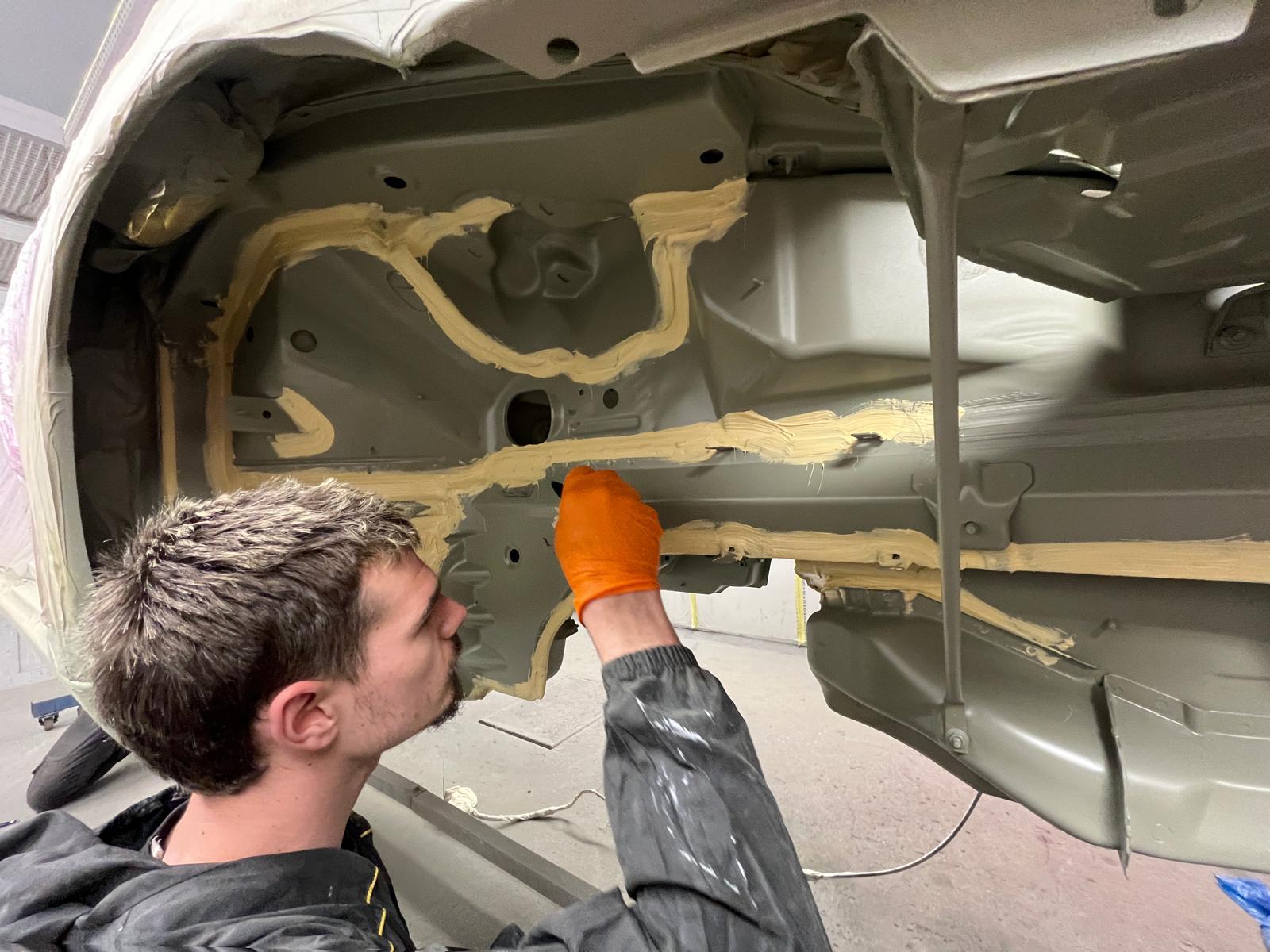
Rather than pushing a single formula, MLR works around a few broad build philosophies.
ST-style builds are aimed at long-distance usability, balancing lightweight construction with sensible interior choices.
Club Sport builds are more focused. Roll cages, bucket seats and fewer concessions to comfort. They’re honest cars, built with a clear purpose.
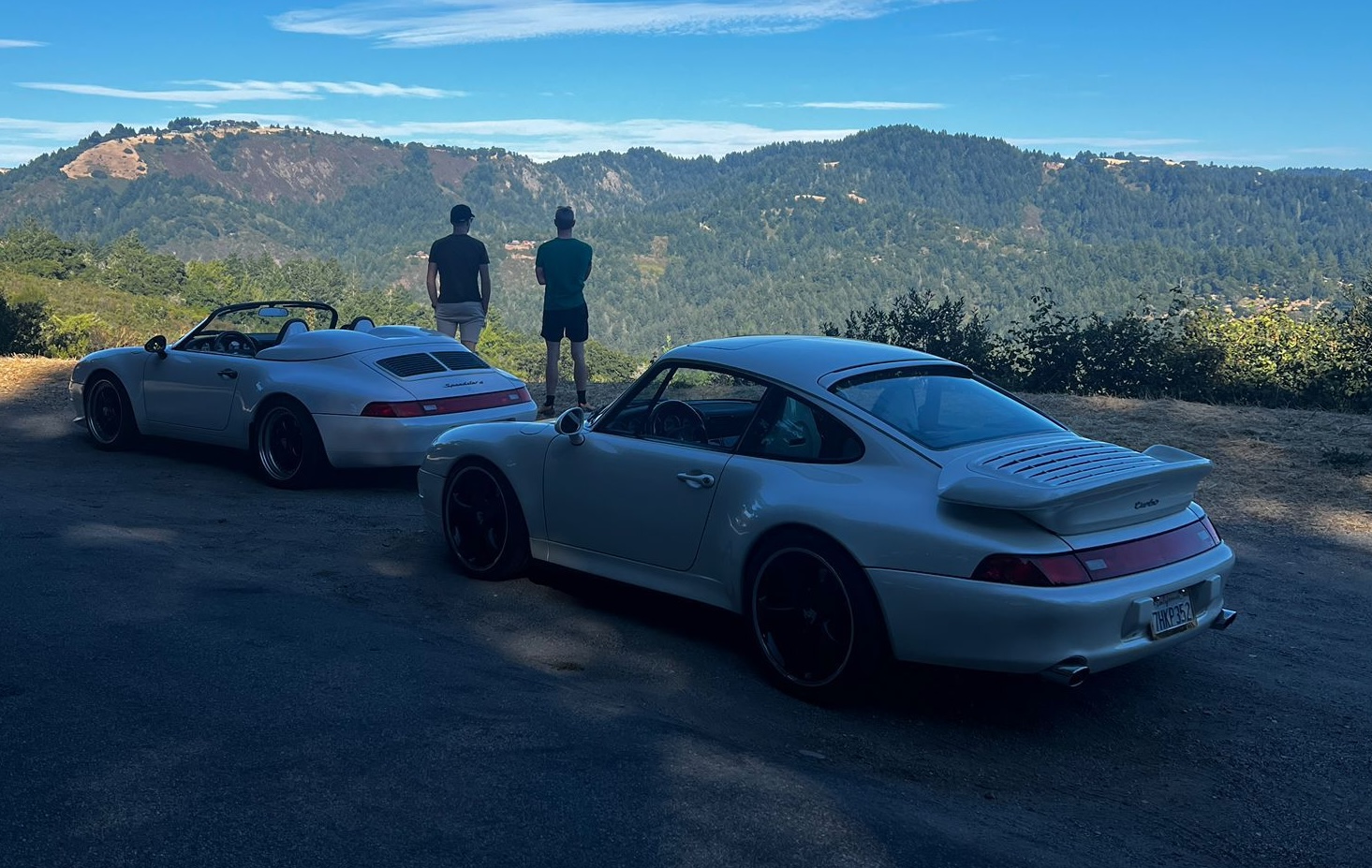
Carrera RS-style builds go further still. These often start life as four-wheel-drive cars before being converted to rear-wheel drive, paired with RS-inspired suspension and cooling upgrades. In many ways, they represent the cars Porsche never officially built.
Parts availability plays a bigger role in build quality than many people realise. Delays slow projects down, but worse than that, they force compromises.
MLR works closely with Design911, a specialist Porsche parts supplier known for holding stock that isn’t always available through main dealers. That includes OEM components as well as performance parts used across both servicing and builds.
Fast access to the correct parts reduces downtime and helps keep projects moving as planned. In a workshop building cars to this level, that reliability matters.
MLR works on both air-cooled and water-cooled Porsches, including 964 and 993-based builds. There’s no strong stance either way.
Air-cooled cars have obvious appeal, but they also bring higher entry costs and more expensive maintenance. Water-cooled cars, particularly the 996, offer greater flexibility and are often easier to live with.
Most of the time, the decision comes down to how the owner intends to use the car.
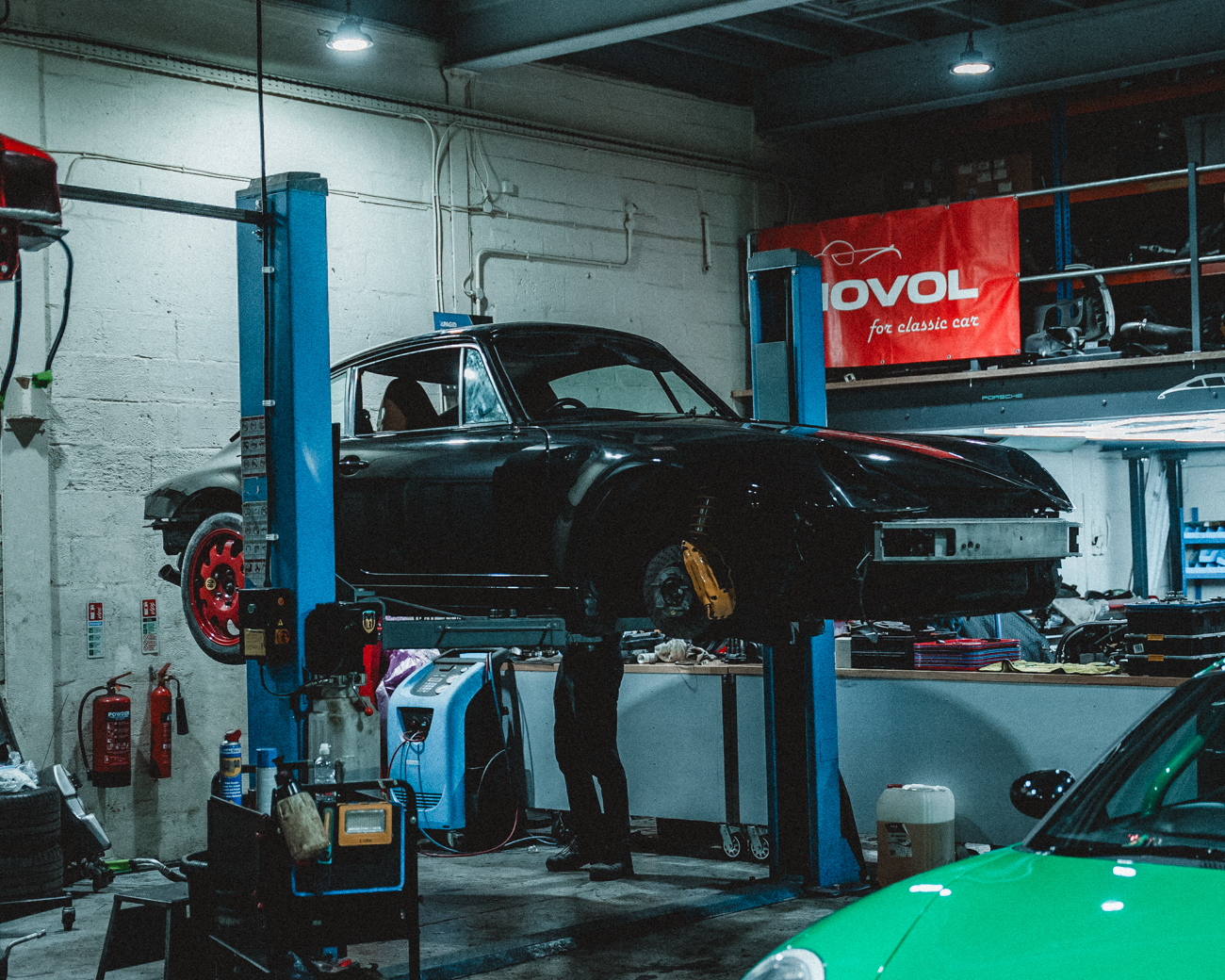
One of the clearer indicators of build quality is mileage. MLR-built cars tend to accumulate it.
Some remain in the UK. Others are exported. In many cases, MLR continues to look after the cars long after delivery, travelling overseas to carry out maintenance and updates. That ongoing involvement says a lot about how the cars are expected to be used.
MLR is currently planning a move to a larger, purpose-designed facility. The aim isn’t to change what they do, but to support it properly. The cars leaving the workshop have evolved over the years. The space they’re built in is next.
More information is available at http://mlrporsche.com/
Porsche parts used in servicing and builds can be found at https://www.design911.co.uk/
The Lounge by Design911 has officially opened its doors for an exclusive soft launch at our Hutton headquarters. Bringing together
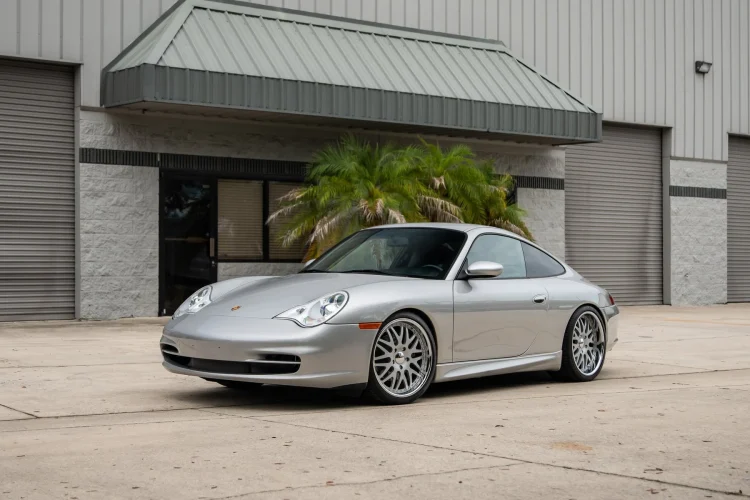
The best budget Porsches in 2026 offer three very different routes into ownership: the mid-engined 986 Boxster, the classic 944
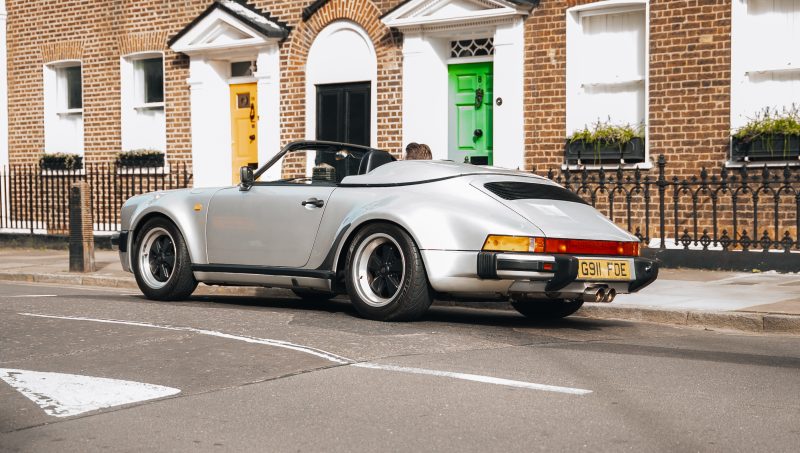
Porsche prices have reached extraordinary levels. Following the latest Monterey Car Week auctions, a Porsche 959 Sport sold for more
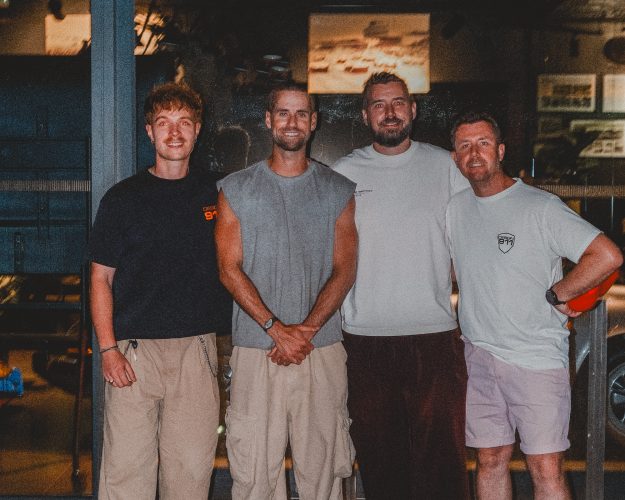
TGE joins the team for Pork Life Episode 9 to share the stories behind his Porsche collection, the reality of
