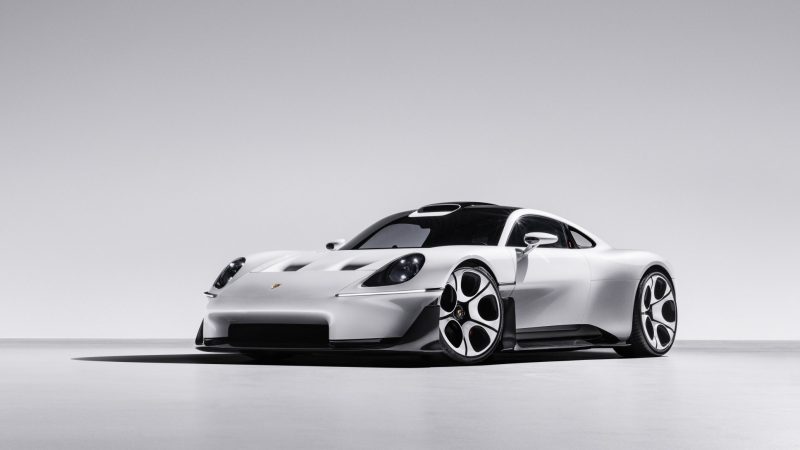
Porsche Mission S: A New Direction for Porsche Sports Cars
Porsche Mission S offers a first look at a new design direction and a planned mid-engined sports car range above

Manual v PDK GT3 is one of those Porsche arguments that never really ends. It comes up at track days, in workshops, and in comment sections for a reason: both gearboxes are excellent, but they deliver the GT3 experience in very different ways.
Some drivers swear the GT3 only makes sense with three pedals. Others won’t consider anything other than PDK because of how well it performs. Neither side is wrong. The real answer depends on how you drive your GT3 and what you expect from it long term.
This isn’t about crowning a winner. It’s about understanding what actually changes when you choose manual or PDK, and what that means for ownership, maintenance, and parts down the line.
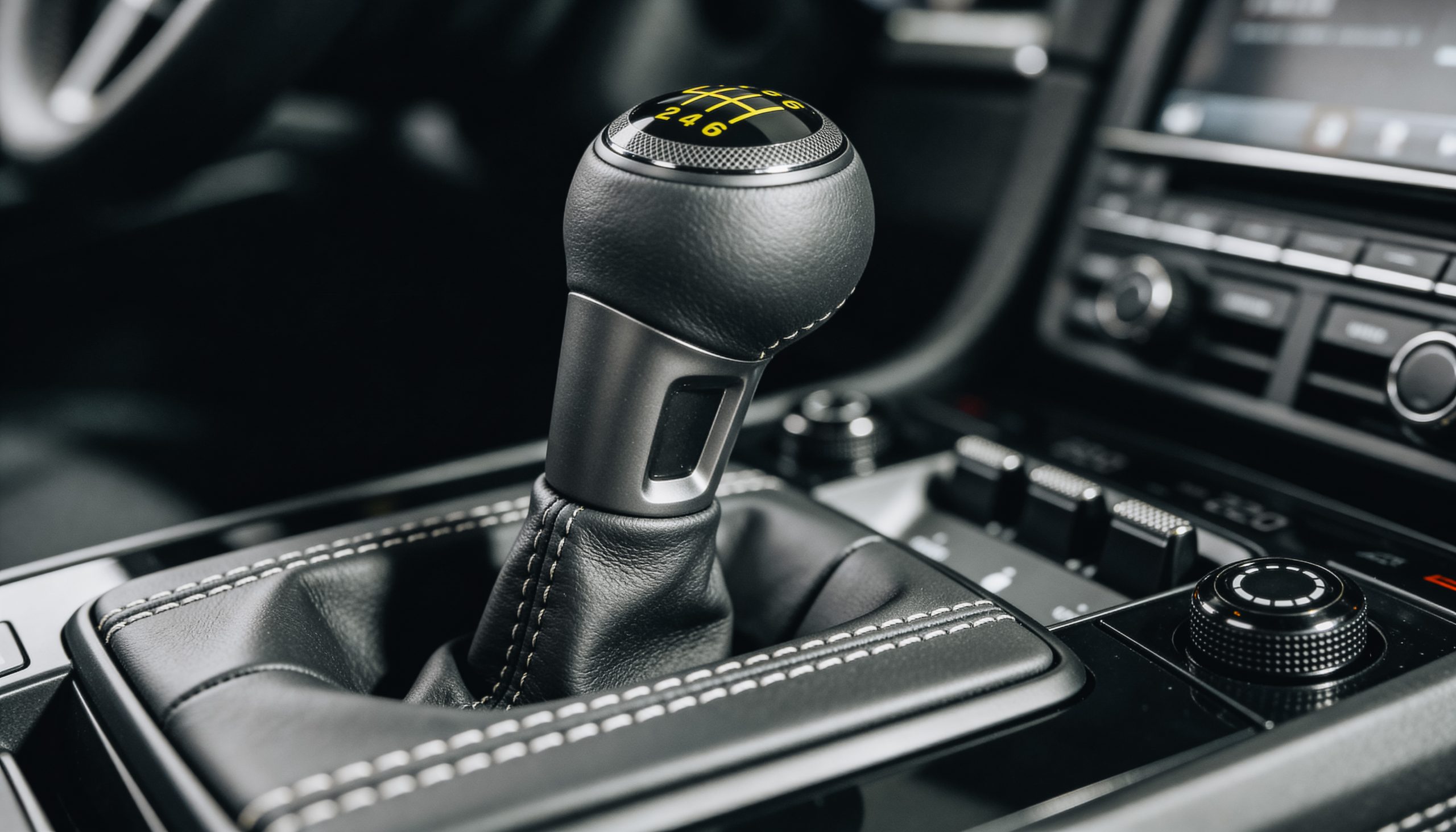
At its core, the Manual v PDK GT3 question is about involvement versus efficiency. A manual GT3 asks more of the driver. You’re responsible for every shift, every downchange, and every mistake. When it all comes together, it feels fantastic. When it doesn’t, you know about it immediately.
PDK works differently. It removes that layer of responsibility and replaces it with speed and accuracy. The gearbox always seems to know what gear you want next, and it delivers it instantly. There’s no pause, no interruption in power, and no second-guessing.
That difference alone shapes how the car feels every time you drive it.
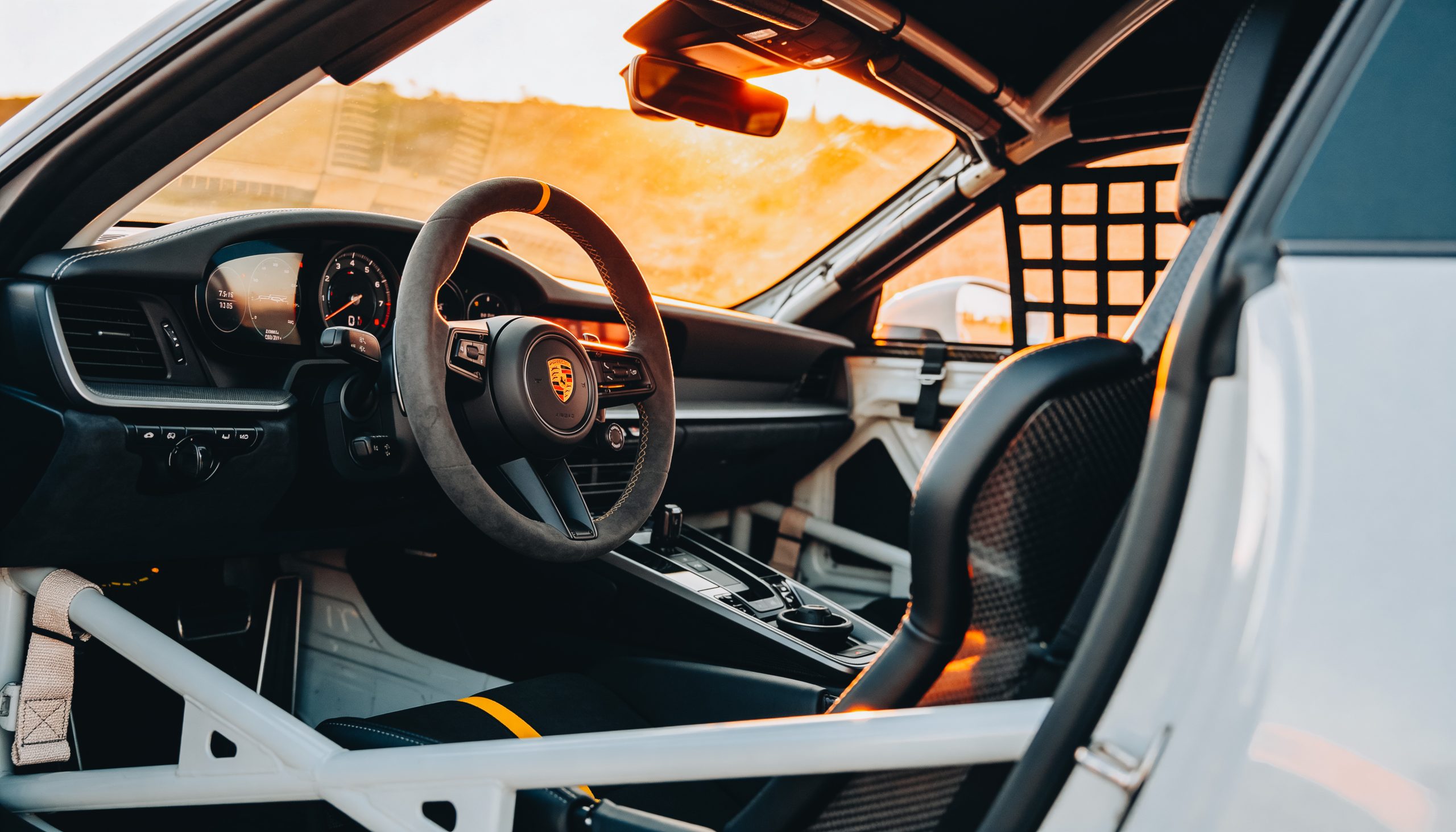
Driving a manual GT3 is as much about feel as it is about speed. The clutch weight, the bite point, and the way the gear lever moves all matter. When everything is healthy, the car feels tight and mechanical in the best possible way.
Over time, though, clutch components wear. That’s unavoidable, especially on cars that are driven hard. Many owners end up refreshing the entire clutch system to bring the car back to how it felt when new. A common solution for 997 GT3 models is a full Sachs clutch kit like this one:
https://www.design911.com/p/porsche-997-sachs-clutch-kit-99711691303-3000951020-99711691301-99711691303-99711691304-99711691305/
As the clutch wears, individual parts such as the friction plate can also affect how smoothly the gearbox operates. GT3 and RS models use specific components, including this clutch centre friction plate:
https://www.design911.com/p/clutch-centre-friction-plate-porsche–993-rs—996-gt3-rs—997-gt3-rs/
These aren’t upgrades in the traditional sense. They’re simply what keep a manual GT3 feeling right.
PDK doesn’t really ask anything of the driver when it comes to gear changes. That’s the point. You can concentrate on braking later, carrying more speed, and being smoother through corners. On track, this makes a noticeable difference, and it’s why PDK GT3s consistently post quicker lap times.
From a wear point of view, PDK avoids the traditional clutch pedal setup, but it still relies on the rest of the drivetrain being in good condition. Mounts, driveshafts, and seals all play a part in how cleanly the gearbox operates.
For example, worn gearbox mount bushes can introduce unwanted movement, which affects how the drivetrain feels under load. Replacements for 997 models are available here:
https://www.design911.com/p/gearbox-mount-bush-porsche-997-1-c2-c2s-c4-c4s-2005-08/
Driveshafts also take a lot of stress, particularly on performance-focused cars:
https://www.design911.com/p/driveshaft-front-porsche-997-c4-997-c4s-turbo-gt2rs-99734903800-99734903801-99734903802-99734903803/
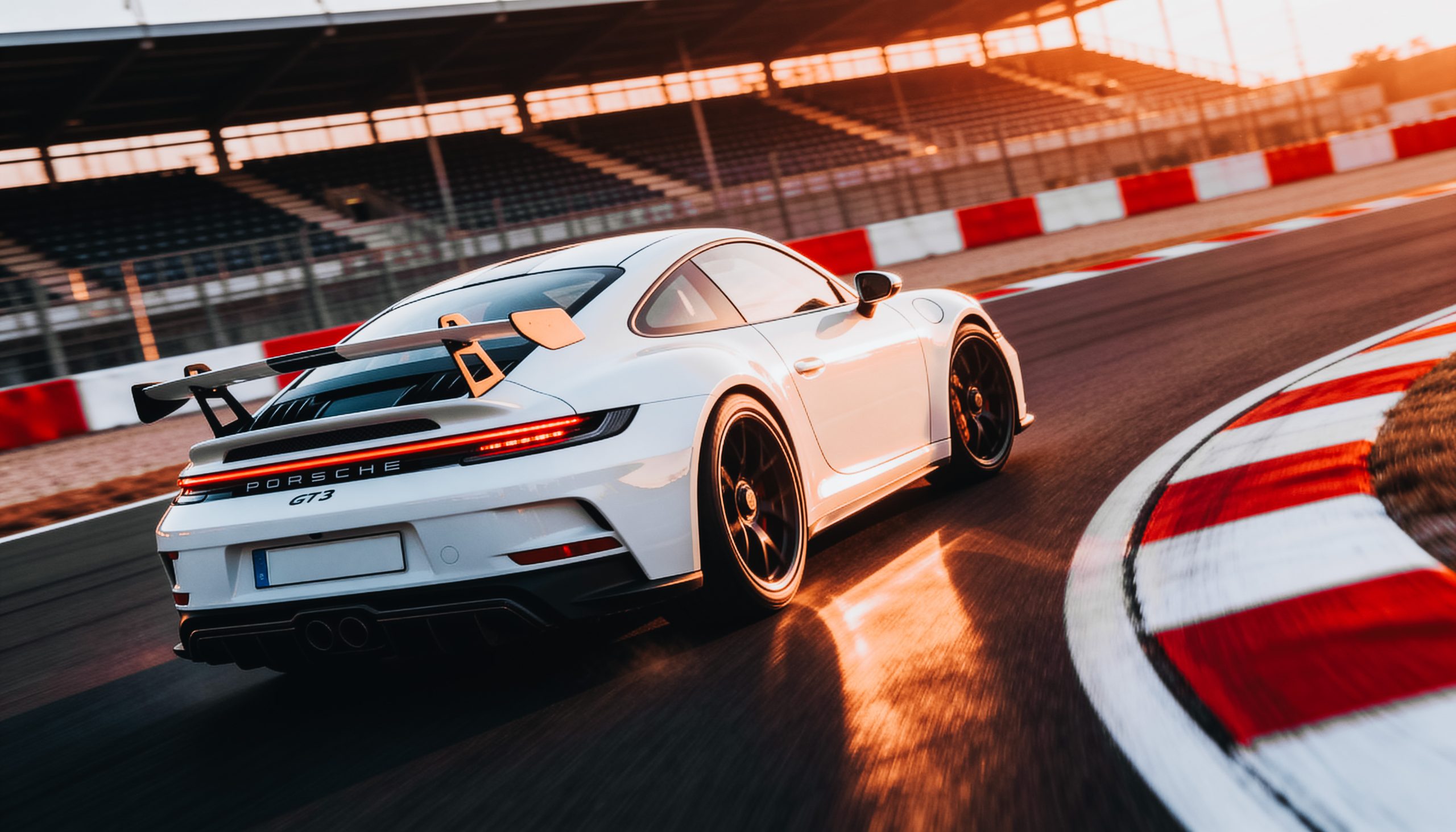
If lap times are your priority, Manual v PDK GT3 isn’t much of a debate. PDK is faster. The shifts are immediate and consistent, and there’s no risk of a missed gear when pushing hard.
That said, plenty of drivers still prefer manual GT3s on circuit. The appeal is the challenge. Getting everything right feels earned. In those situations, clutch-related parts like pressure plates become important, especially once heat and wear start to build:
https://www.design911.com/p/clutch-pressure-plate-porsche-996-turbo-gt3—997-turbo-gt3_2_2/
Flywheels are another component that can subtly change how the car behaves, particularly in high-revving GT engines:
https://www.design911.com/p/clutch-flywheel-porsche-964rs—993rs—996-gt3/
Manual v PDK GT3 also plays into resale value. Manual GT3s are becoming harder to find, and that rarity has made them more desirable to some buyers. PDK cars, meanwhile, appeal to a wider audience and are often easier to live with day to day.
Regardless of gearbox choice, small preventative items are often overlooked but make a big difference over time. Main shaft seals help prevent leaks and protect the gearbox:
https://www.design911.com/p/porsche-911-main-shaft-seal-99911332641-99911332640/
Clutch release bearings are another example. When they wear, the symptoms are usually felt immediately:
https://www.design911.com/p/porsche-911-964-993-996-997-clutch-release-bearing-sachs-3151000464/
There isn’t a single answer to the Manual v PDK GT3 question. Manual gearboxes reward involvement and skill. PDK delivers performance with remarkable consistency. Both suit the GT3 in their own way.
What matters most is keeping the car properly maintained with the correct parts. Whether you run a manual or PDK GT3, Design911 supplies a comprehensive range of Porsche drivetrain, clutch, and gearbox components to support long-term ownership. You can view the full range at Design911.
In the end, Manual v PDK GT3 isn’t really about choosing sides. It’s about choosing the version of the GT3 that fits how you drive and what you enjoy most when the road – or track – opens up.
Porsche Mission S offers a first look at a new design direction and a planned mid-engined sports car range above
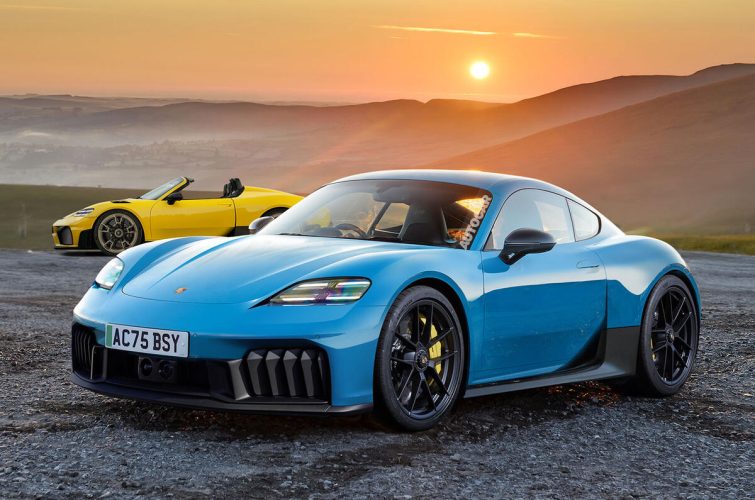
718 EV development marks a major change for Porsche’s Cayman and Boxster. These sports cars have earned their following through
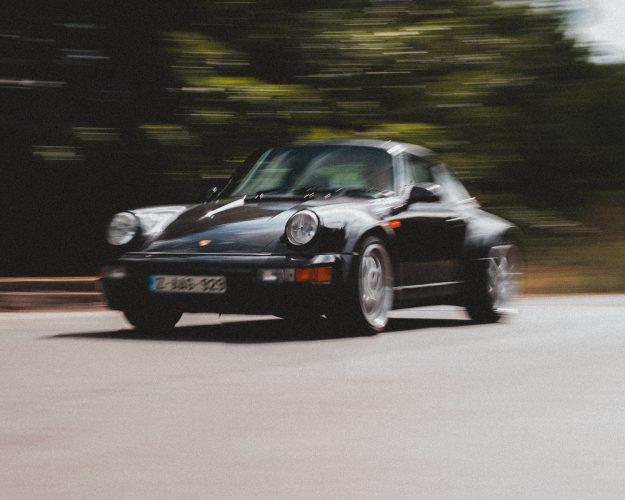
The quality of a restoration is in the details. From engine studs and fasteners to the finishing touches in the
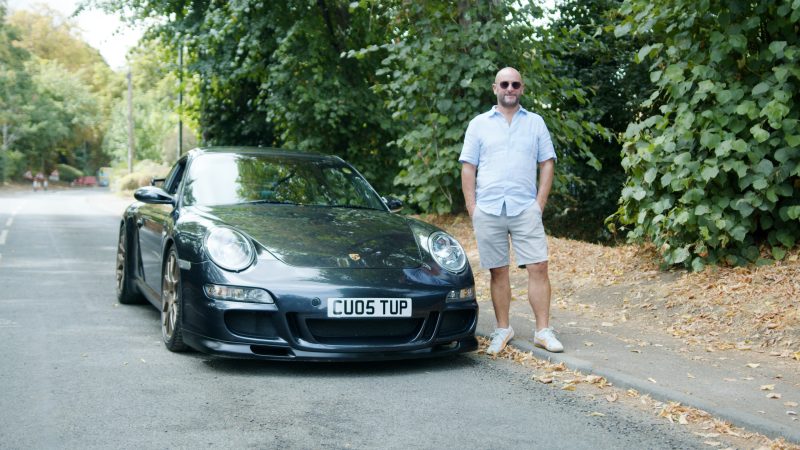
Some cars take months of searching. Mick’s took about a thousand yards. “Matt took me up the road in it.
