The Lounge by Design911: A First Look at Our New Event Space
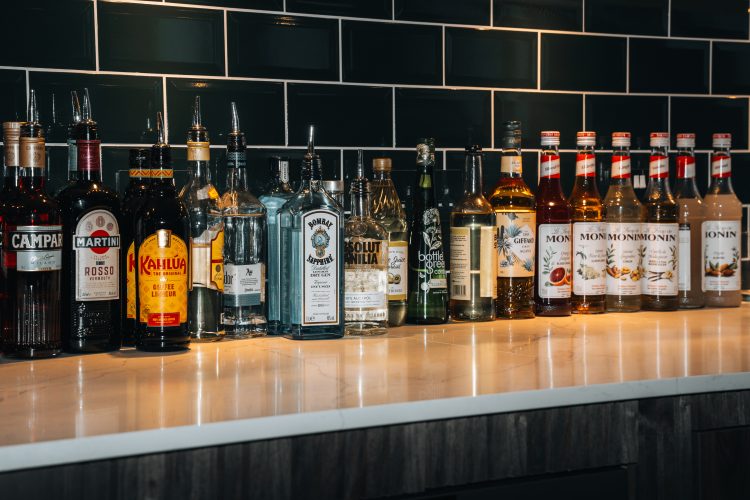
The Lounge by Design911 has officially opened its doors for an exclusive soft launch at our Hutton headquarters. Bringing together

The Porsche 356 is where it all began. This is the genesis of one of the greatest names in motoring; the blueprint for every Porsche that followed. It wasn’t just a car; it was a statement: light, agile, and dripping in engineering brilliance. Over its 17-year production run, the 356 became a legend, and more than half a century later, it’s still revered as the icon that kick-started Porsche’s rise to greatness.
The 356’s story begins in the rubble of post-war Europe. Ferry Porsche, the son of Ferdinand Porsche—the man behind the Volkswagen Beetle—had an idea: create a small sports car that combined practicality, performance, and fun. The result was the Porsche 356/1, a prototype assembled in Gmünd, Austria, in 1948. It borrowed heavily from the VW Beetle parts bin—engine, suspension, gearbox—but the magic lay in its lightweight aluminium body, rear-mounted engine, and inherent simplicity.
With just 40 horsepower from its 1.1-litre flat-four engine, the first 356 didn’t set the world on fire with sheer speed; but it didn’t need to. It was agile, responsive, and had that intangible Porsche quality: driving joy. The rest, as they say, is history.
By the end of 1948, the 356/2 arrived, taking the prototype concept and refining it further. This second iteration introduced a steel chassis and marked the beginning of Porsche’s journey from small-scale craftsmanship to a full-fledged automotive manufacturer.
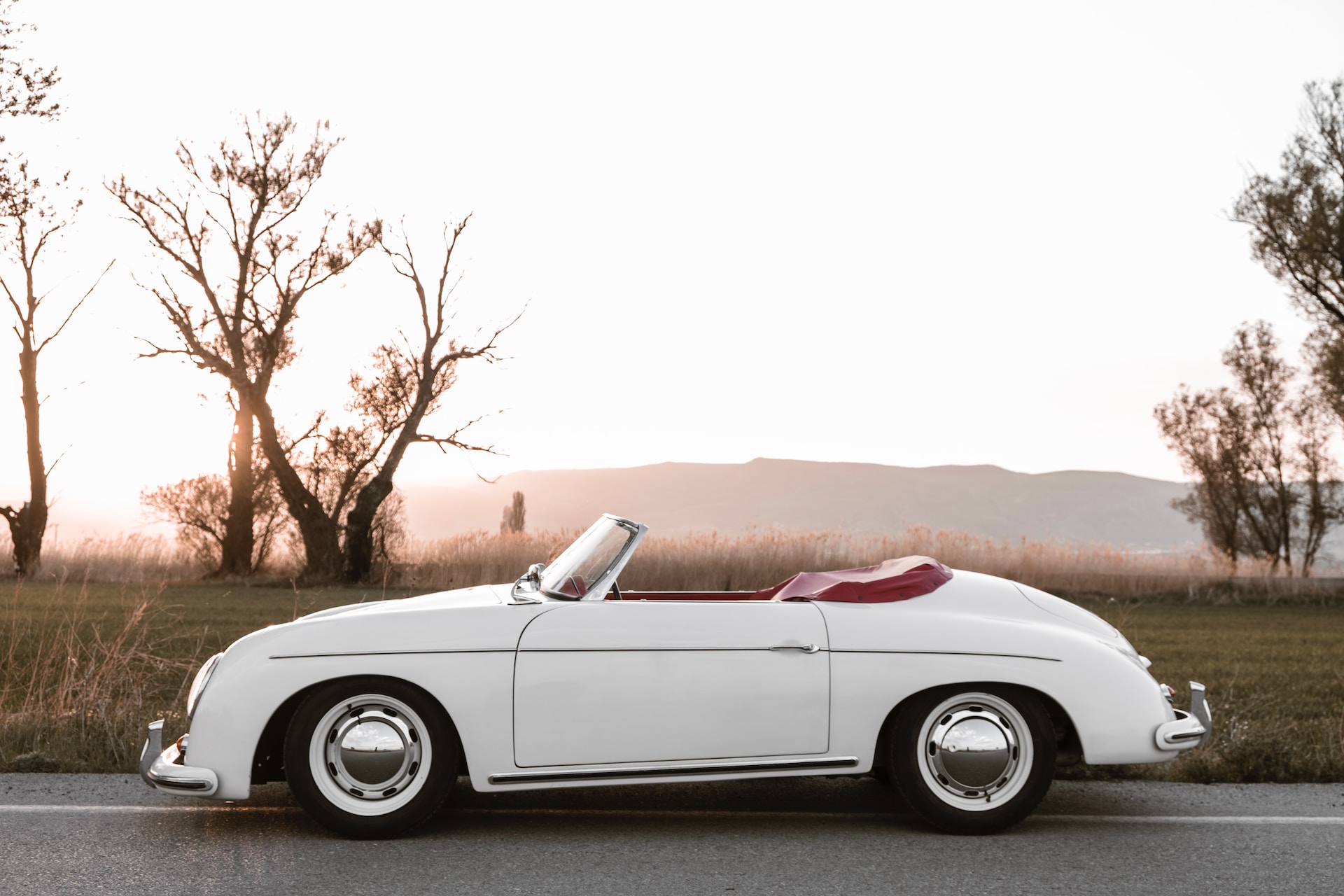
In 1950, Porsche moved production to Zuffenhausen, Germany, a move that would define its future. The early “Pre-A” models of the 356 retained many of the VW-derived components, but this was no Beetle knockoff. Porsche was building something special: a car that combined functionality with a sharp focus on driving pleasure. These early cars were distinctive—split or bent windshields, minimalist interiors, and a purity of design that would become Porsche’s hallmark.
Mass production didn’t mean compromise. Porsche leaned into innovation, continuously refining the 356 to deliver ever-greater performance, reliability, and style. The emphasis was on lightweight construction, efficient aerodynamics, and engines tuned for punchy performance. By the mid-1950s, Porsche was developing proprietary engines, elevating the 356 from a clever sports car to a world-class machine.
The Porsche 356 evolved significantly over its 17-year production run. Each iteration built on the strengths of its predecessor, delivering improvements in design, performance, and practicality.
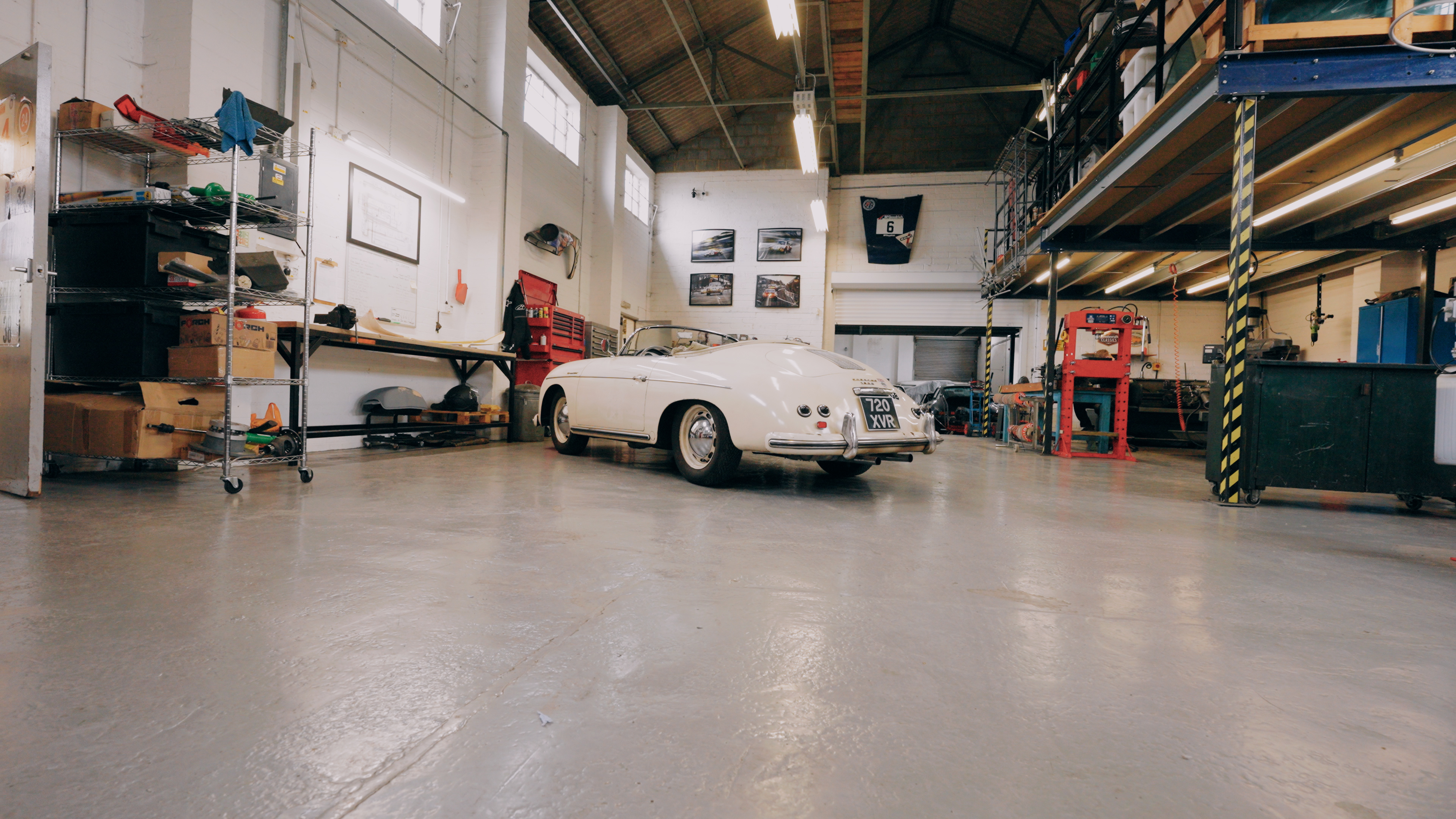
We’ve been right alongside Lawrence Todd on his 356 B build – better known as “Trouble”—supplying everything from body panels to engine components. Watching this iconic machine come together piece by piece over the past few months has been nothing short of extraordinary; every step has been a testament to craftsmanship, passion, and a shared love for the Porsche legacy. Watch below or read here.
The 356 wasn’t just a road car—it was a racer. Its lightweight construction and nimble handling made it a natural contender in motorsport, where it quickly established Porsche’s reputation as a serious competitor.
The 356 earned class victories at Le Mans, the Mille Miglia, and the Carrera Panamericana—proving that Porsche could punch well above its weight. These successes were more than just trophies; they were proof of concept for Porsche’s engineering philosophy, setting the stage for a dynasty of race-winning machines.
Why does the 356 endure? Because it’s more than a car; it’s a piece of history. It’s the starting point for everything Porsche has achieved since. Its design remains as captivating today as it was in the 1950s: smooth, flowing lines; perfect proportions; a shape that whispers “speed” even when standing still.
For collectors, the 356 represents the holy grail: an investment, an experience, and a legacy. For enthusiasts, it’s the purest expression of Porsche’s ethos: simplicity, precision, and the joy of driving.
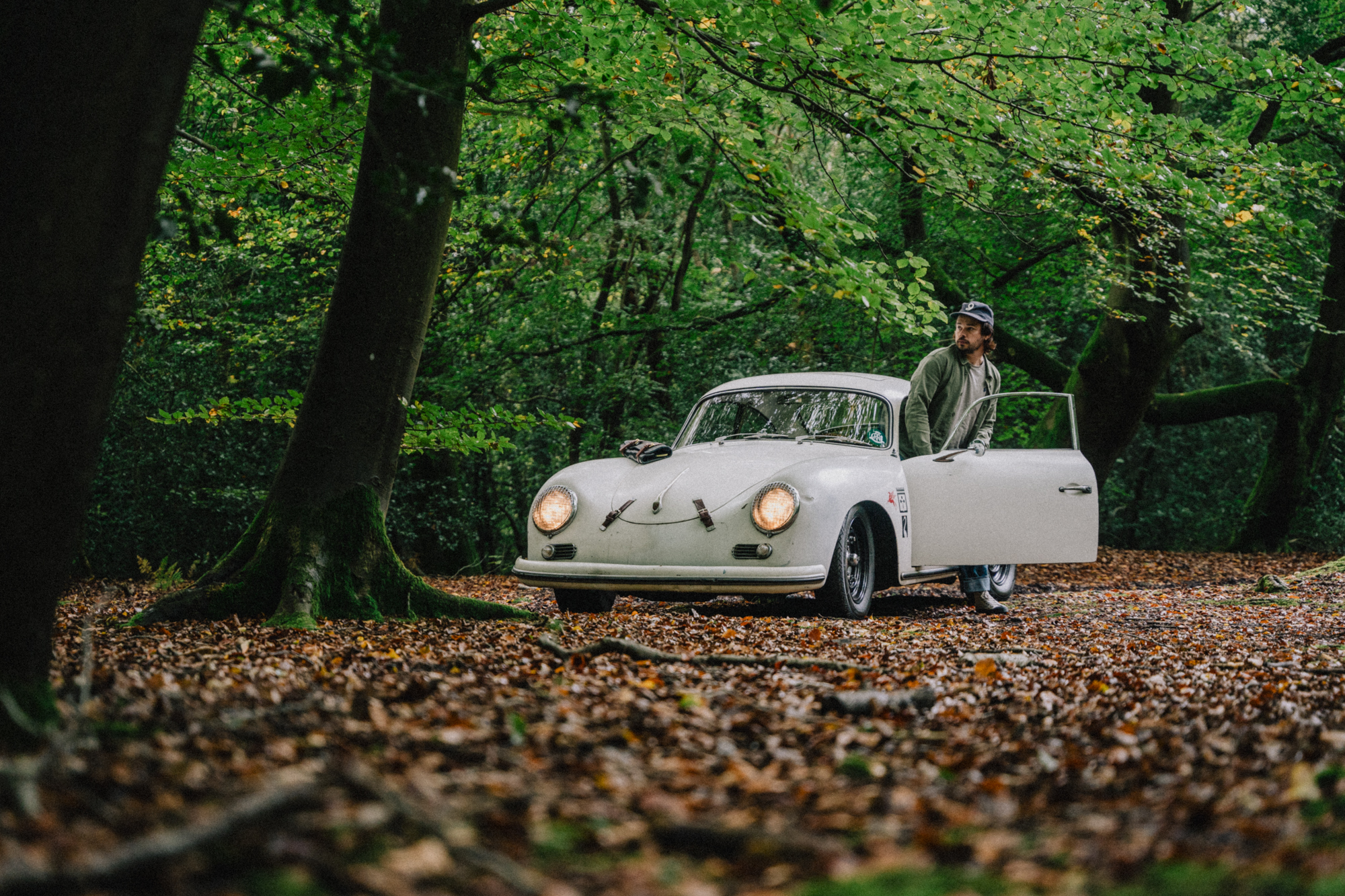
Owning a 356 isn’t just about the thrill of driving; it’s about preserving a piece of history. These cars are mechanical works of art, and restoring one requires care, passion, and—crucially—access to high-quality parts. That’s where Design911 comes in.
Design911 is the go-to destination for Porsche enthusiasts, offering a comprehensive range of parts for every stage of a 356 restoration. Whether you’re rebuilding a barn find or maintaining a concours-level example, they’ve got you covered. Here are just a few of the essentials:
Design911’s parts are meticulously selected to ensure they meet Porsche’s exacting standards, helping you preserve the legacy of the 356.
The Porsche 356 isn’t just the car that started it all; it’s the car that showed the world what Porsche was capable of. It’s a reminder of how great design, engineering brilliance, and a passion for driving can combine to create something truly special.
Want to know what it’s really like to live with a 356? Watch PJ’s story below or read here and see why this car continues to inspire generations of enthusiasts.
For all your Porsche 356 restoration and maintenance needs, visit Design911; because when it comes to preserving a legend, only the best will do.
The Lounge by Design911 has officially opened its doors for an exclusive soft launch at our Hutton headquarters. Bringing together
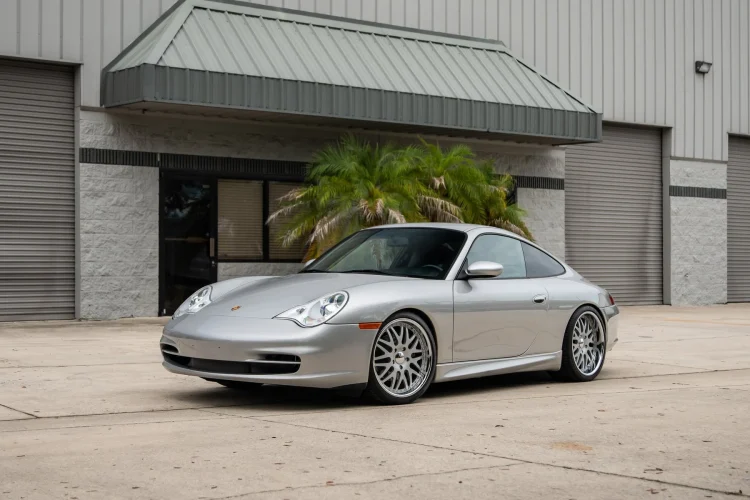
The best budget Porsches in 2026 offer three very different routes into ownership: the mid-engined 986 Boxster, the classic 944
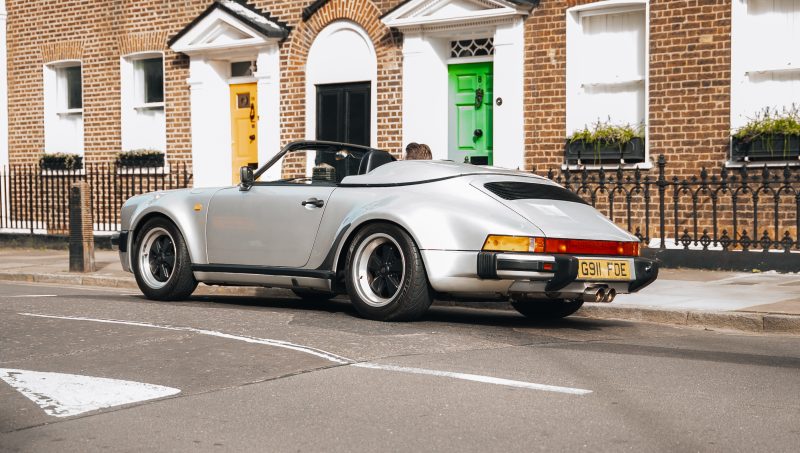
Porsche prices have reached extraordinary levels. Following the latest Monterey Car Week auctions, a Porsche 959 Sport sold for more
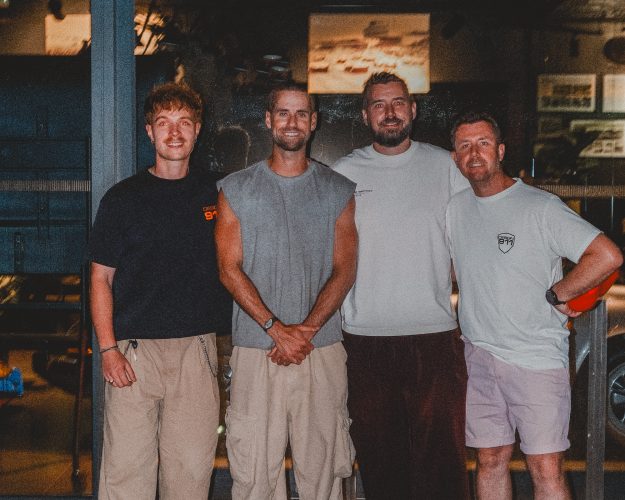
TGE joins the team for Pork Life Episode 9 to share the stories behind his Porsche collection, the reality of
