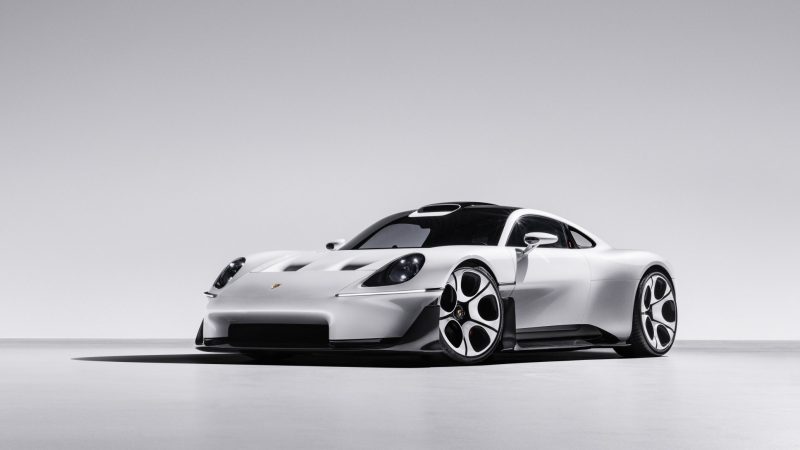
Porsche Mission S: A New Direction for Porsche Sports Cars
Porsche Mission S offers a first look at a new design direction and a planned mid-engined sports car range above

Porsche didn’t build these cars to compete with each other. That’s something people often forget in the GT3 vs. GT3 RS conversation.
The GT3 was designed to be usable. Fast, yes – extremely fast – but also predictable and confidence-inspiring. It’s the car you can drive to the track, spend the day pushing hard, and then drive home again without feeling worn out.
The GT3 RS takes a different approach. It doesn’t try to be friendly. It’s lighter, stiffer, louder, and far more focused. Comfort isn’t the priority here – feedback is. Everything about the RS is designed to reward commitment and punish lazy driving.
That difference in intent is why the GT3 vs. GT3 RS choice matters more than many people expect.
Depending on the generation, the GT3 and GT3 RS often share very similar engines. Some cases, they’re mechanically identical. Even so, they don’t feel the same when driven hard.
The GT3 delivers its performance smoothly. Speed builds in a controlled, predictable way, and you always feel like you’ve got time to react.
The GT3 RS feels sharper and more immediate. It responds instantly to inputs, which is fantastic on track but far less forgiving if something isn’t quite right. That’s where maintenance becomes especially important.
Braking is a good example. Both cars rely heavily on their braking systems, particularly under track conditions. Using proven components such as Brembo standard brakes for Porsche helps maintain consistent braking performance, even when temperatures rise.
Pairing these with quality front brake pads for Porsche GT models isn’t about upgrading for the sake of it. It’s about reliability, consistency, and confidence, lap after lap.
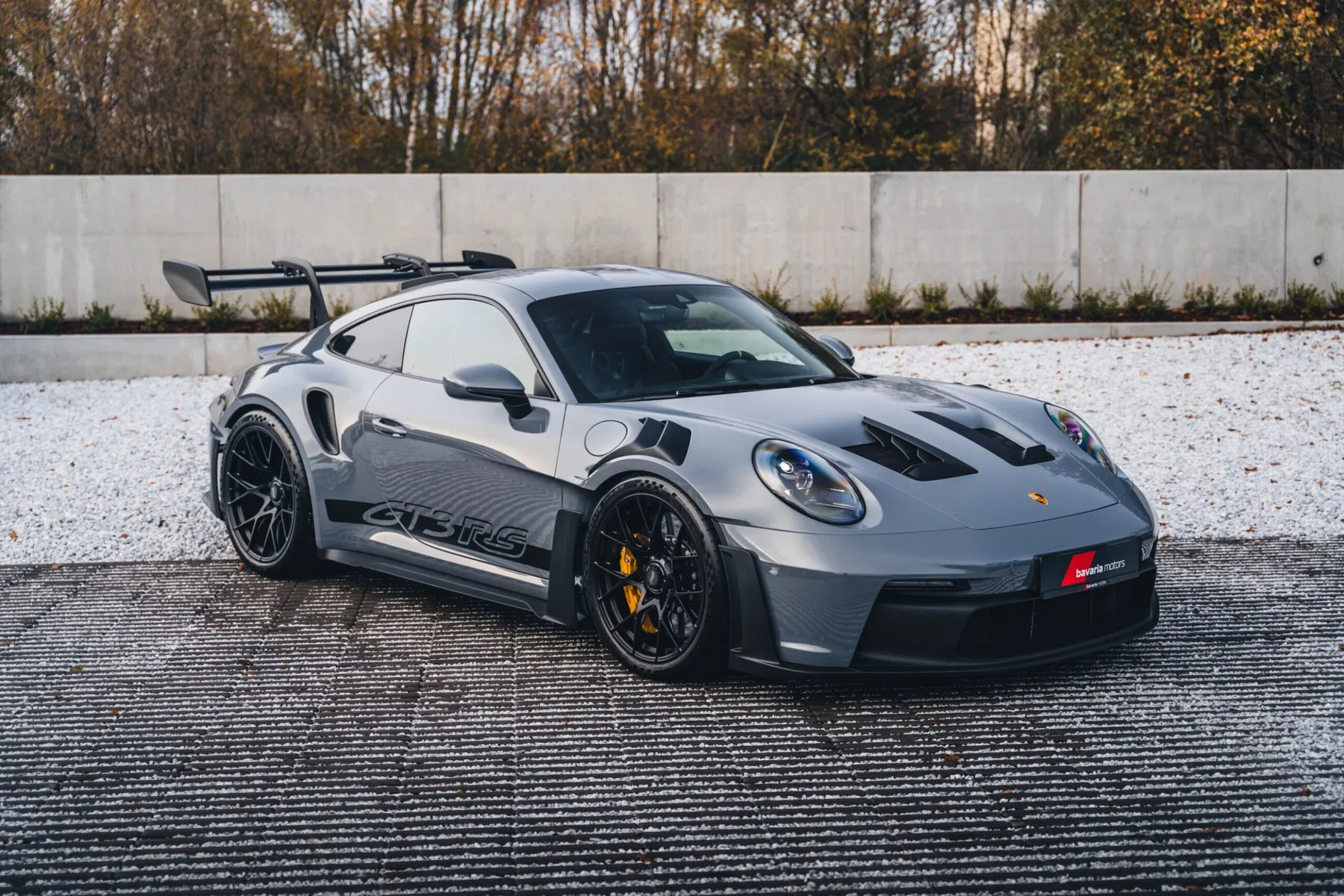
Weight is where the GT3 vs. GT3 RS difference really starts to show.
The GT3 RS sheds kilos wherever possible. Carbon fibre panels, lighter glass, and stripped-back interiors all add up. The result is a car that changes direction faster, brakes harder, and feels more alive.
There is a trade-off, though.
Lighter cars place more stress on suspension components. Over time, that wear becomes obvious, especially on RS models that see regular track use. Dampers lose control, and the car can start to feel nervous.
Refreshing the suspension with parts like Bilstein B6 front shock absorbers can completely transform how the car feels, restoring the stability and confidence Porsche originally intended.
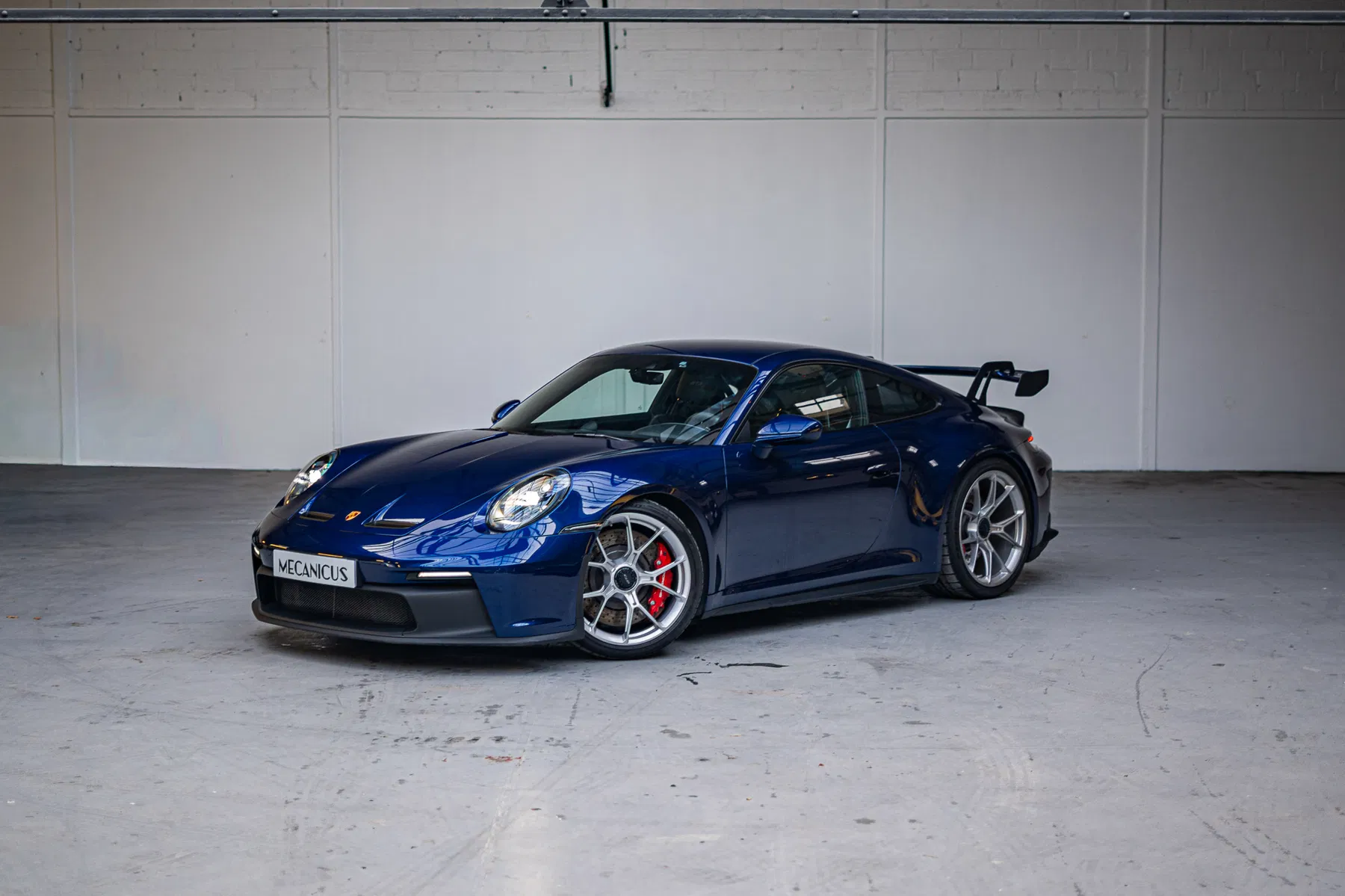 Handling – Forgiving vs Focused
This is where many owners make their decision in the GT3 vs. GT3 RS debate.
The GT3 is incredibly capable but forgiving. It flatters the driver, allowing for small mistakes without punishment. On the road, it deals with bumps and poor surfaces far better than you might expect from a track-focused car.
The GT3 RS doesn’t flatter anyone.
It tells you exactly what’s happening at all times. If the alignment is off, you feel it. If the tyres are tired, you feel it. If suspension components are worn, you really feel it. That’s why parts like front lower control arms are often replaced sooner on RS models.
The payoff is precision. When everything is right, the RS feels incredible. But it demands attention.
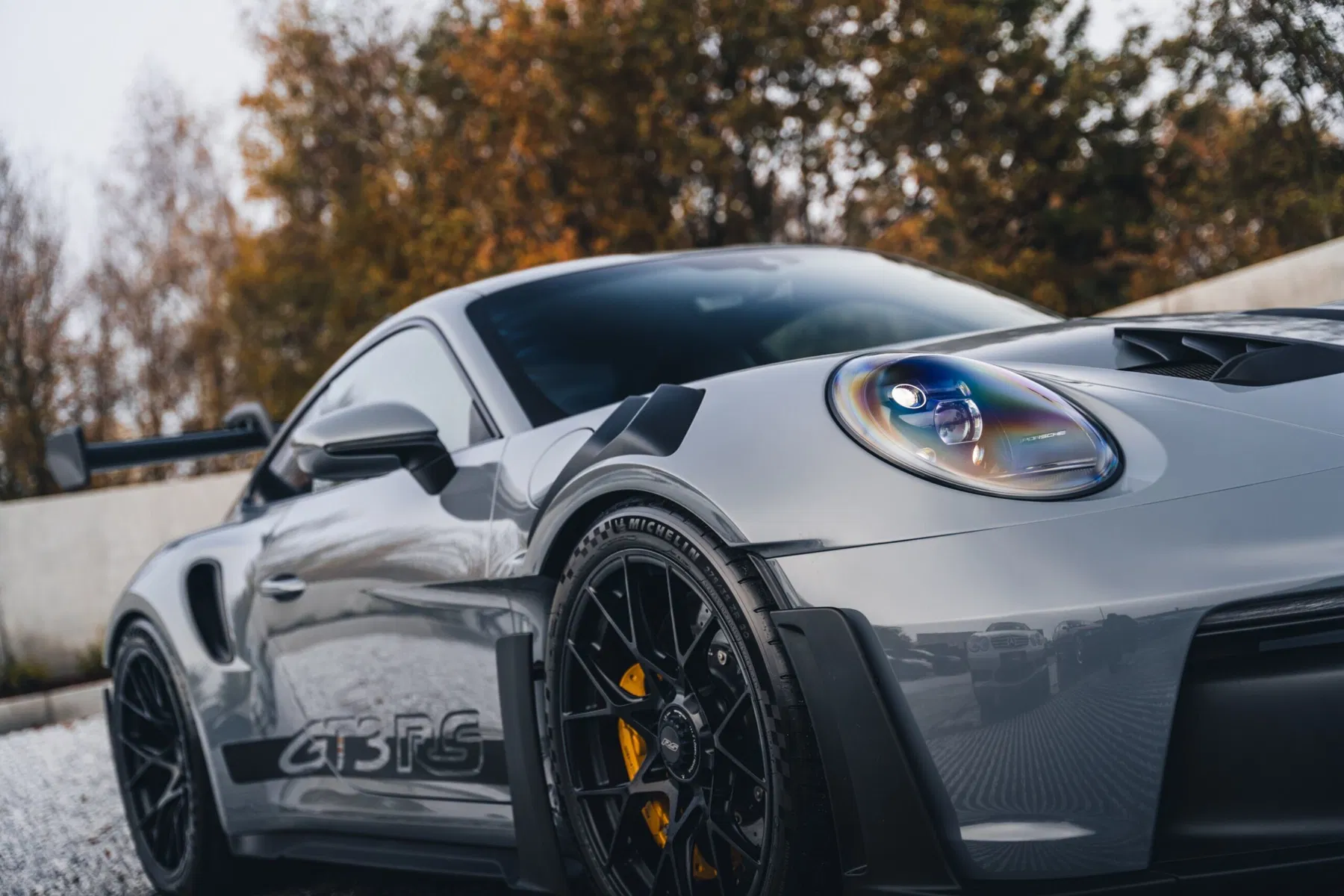
Visually, the GT3 vs. GT3 RS difference is obvious. Bigger wings, more aggressive splitters, and a far more purposeful stance.
These aerodynamic changes improve stability at speed, but they also mean the car spends more time at high RPM and under sustained load. That’s where engine management becomes critical.
Components such as the air mass flow sensor for Porsche models play a crucial role in keeping the engine running cleanly and efficiently. When sensors begin to fail, performance drops – often before any warning lights appear.
Sound is subjective, but it matters. A lot.
The GT3 sounds aggressive without being overwhelming. It suits long drives and doesn’t become tiring. The GT3 RS, by comparison, is raw, mechanical, and loud. It feels closer to a race car, especially at higher revs.
Many owners choose to enhance this further with upgrades such as stainless steel tail pipes for Porsche 997 GT3 and GT3 RS or DesignTek stainless steel and titanium tail pipes. It’s a simple way to improve both sound and appearance without compromising quality.
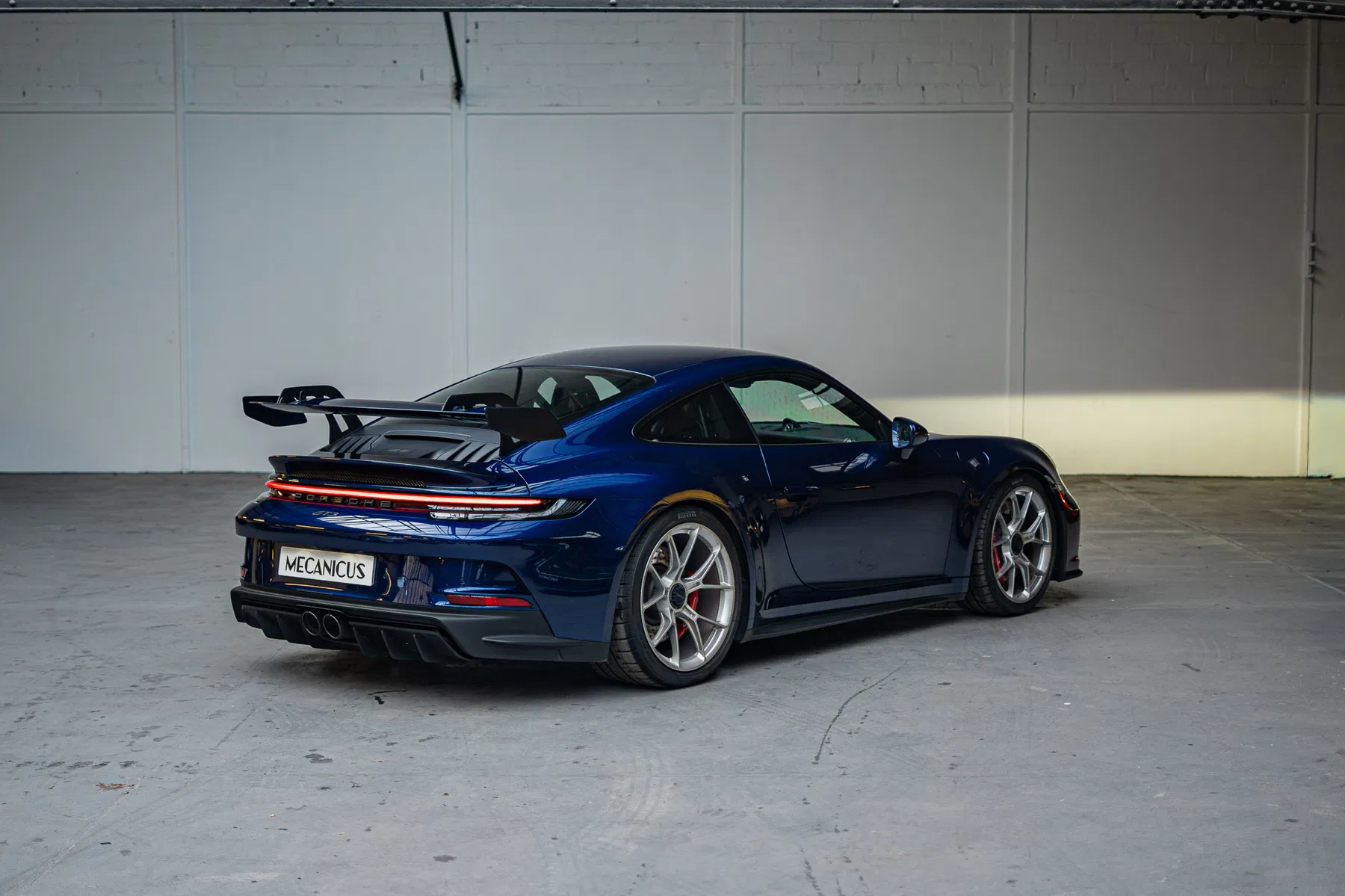
Ownership is where the GT3 vs. GT3 RS decision really starts to matter.
The GT3 is easier to live with. Consumables last longer, road driving is more comfortable, and maintenance, while still important, is less demanding.
The GT3 RS is more intense. Tyres, brakes, and suspension components wear faster, and servicing becomes more frequent. That’s the price you pay for sharper performance. Using trusted parts from Design911 helps keep both cars reliable and performing as they should.
There isn’t a wrong answer in the GT3 vs. GT3 RS debate.
The GT3 makes sense for drivers who want a usable performance car that still delivers on track. The GT3 RS is for those who want the purest, most focused 911 experience possible.
Both are brilliant. Both demand respect. And both deserve the right parts to keep them performing at their best.
Porsche Mission S offers a first look at a new design direction and a planned mid-engined sports car range above
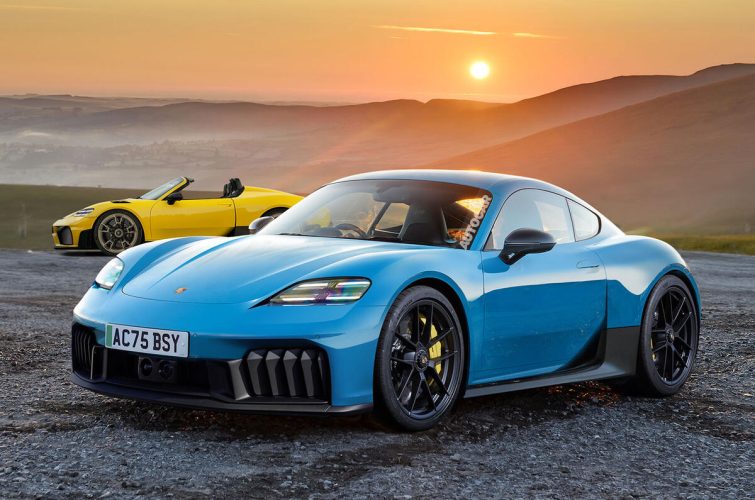
718 EV development marks a major change for Porsche’s Cayman and Boxster. These sports cars have earned their following through
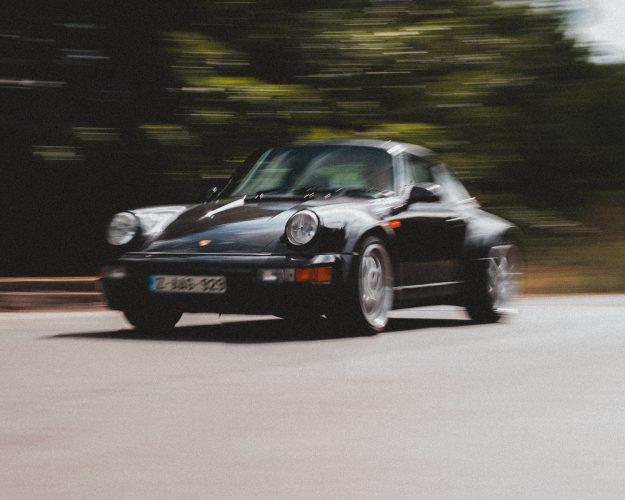
The quality of a restoration is in the details. From engine studs and fasteners to the finishing touches in the
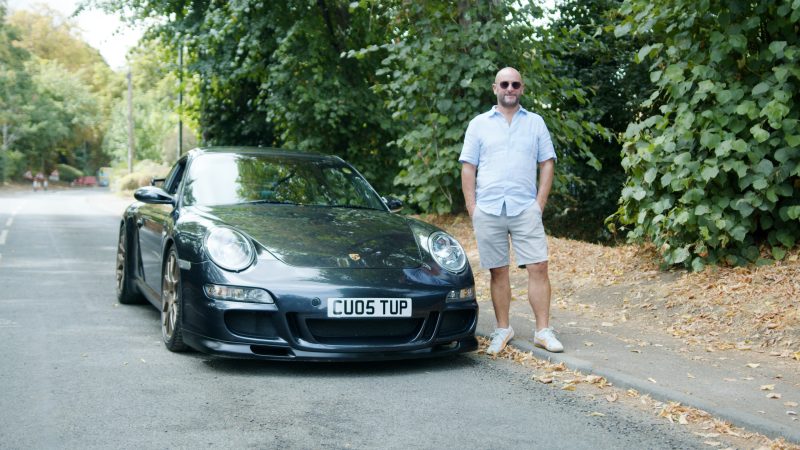
Some cars take months of searching. Mick’s took about a thousand yards. “Matt took me up the road in it.
