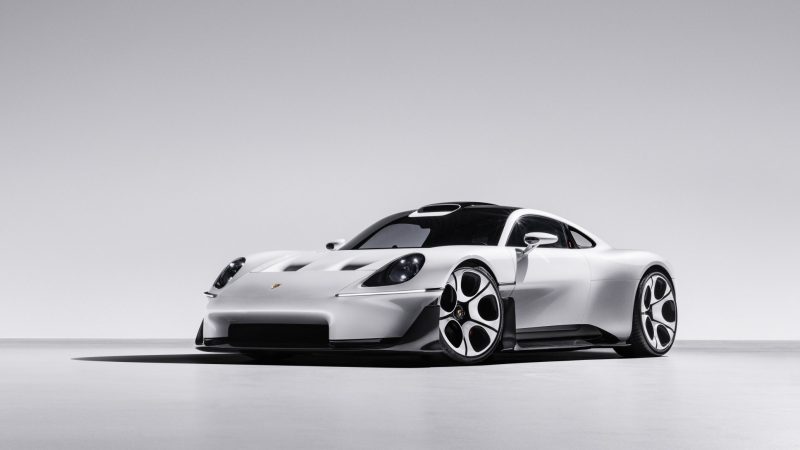
Porsche Mission S: A New Direction for Porsche Sports Cars
Porsche Mission S offers a first look at a new design direction and a planned mid-engined sports car range above

If you’re thinking about dipping your toes into the world of classic Porsche ownership, the 912 might just be one of the best-kept secrets out there. Often overshadowed by its six-cylinder sibling, the early 911, the 912 has spent years living in the background. But not anymore. In this Porsche 912 buyers guide, we’ll walk you through everything you need to know before buying one — from what makes the model so special, to common issues, what to check when viewing a car, and the parts and upgrades you’ll want to know about after purchase.
The Porsche 912 was introduced in 1965, as a more affordable alternative to the all-new 911. Porsche knew the 911’s price tag might alienate some of its loyal 356 customers, so they combined the new 911 body with the more familiar four-cylinder engine from the 356 SC. The result? A lighter, better-balanced car with simpler mechanicals, impressive fuel economy, and a lower price point.
Production of the original run lasted until 1969, with a brief comeback in 1976 as the 912E, sold exclusively in North America. While early 912s are often grouped in with the long-bonnet 911 era, the 912E used the later G-series chassis and featured a 2.0L fuel-injected engine borrowed from Volkswagen.
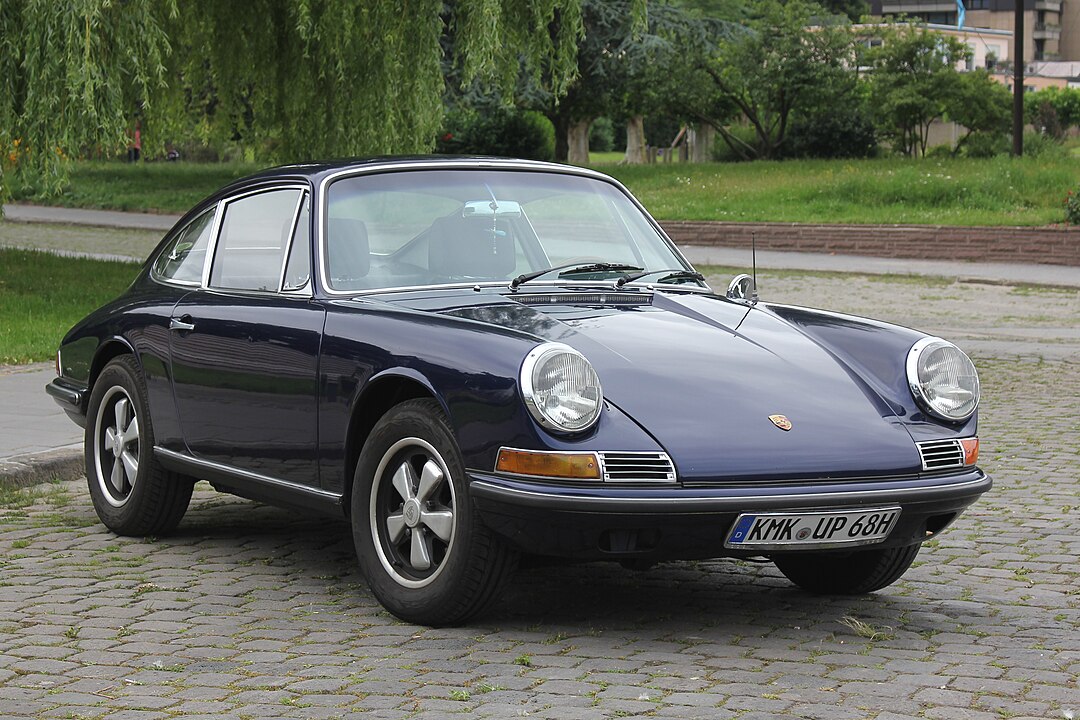
The 912 used to be referred to as the “poor man’s 911.” But that reputation is now outdated. With early 911 values skyrocketing and the classic car scene leaning more towards usability, simplicity, and charm over brute horsepower, the 912 is starting to get the love it’s always deserved.
Here’s why enthusiasts are turning to the 912:
Classic 911 styling — the same iconic silhouette, narrow body, and air-cooled charm
Lightweight, well-balanced handling
Lower running and maintenance costs
Great parts availability
Strong community support
If you want a classic Porsche that’s easy to live with and genuinely fun to drive, the 912 might just be your best bet.
There are two main types of Porsche 912, and both have their pros and cons:
1.6L flat-four engine (Type 616/36)
4-speed or optional 5-speed 901 gearbox
Carburettor-fed, typically using Solex or Weber setups
Available in coupe or Targa format
SWB (Short Wheelbase) until 1968, LWB from 1969
Classic “long bonnet” styling
2.0L VW-derived Type 4 engine
Bosch L-Jetronic fuel injection
5-speed gearbox
U.S. market only (approx. 2,000 built)
Galvanised body, more refined interior
Shares body with the 911 G-Series
Both are collectible, but early cars offer more of that vintage 1960s character, while the 912E is better suited to regular driving, with improved reliability and safety.
Like any 50+ year-old car, a 912 needs careful inspection — especially if you want to avoid costly restoration work later down the line.
The 912 shares its platform with the early 911, which means it’s vulnerable to the same rust-prone areas. These include:
Front suspension pan (under the battery tray)
Inner and outer sills
Floorpans
Rear seat wells and parcel shelf
Torsion bar mounting points
Headlamp bowls
Windscreen and rear screen corners
If you’re restoring a car, we offer a range of body repair panels to help bring it back to life properly. But bear in mind, rust repairs can quickly get expensive — always buy the cleanest shell you can find.
The 1.6L flat-four (Type 616/36) is a reliable unit if it’s been well cared for, but after decades on the road, many have been rebuilt — some better than others.
Keep an eye out for:
Oil leaks around the crankcase or pushrod tubes
Smoking on startup (valve stem seals or rings)
Misfiring or flat spots (could be ignition or carb-related)
Noisy valve train or signs of poor compression
If you’re planning preventative maintenance or a refresh, we stock a wide range of engine parts for the 912 including gaskets, carbs, ignition systems and more.
The 901 gearbox (with its dog-leg first) is period-correct, but it’s not the slickest ‘box by modern standards. You’re looking for:
Crunching in second or third (worn synchros)
Excessive play in the shifter
Leaks around the rear of the gearbox
A noisy or heavy clutch
Many owners choose to refurbish the linkages and clutch setup — which can make a huge difference to driveability. We offer gearbox and clutch components for all Porsche 912 models.
A well-sorted 912 should feel nimble and precise. But if it’s been sitting for a few years, the suspension may be past its best.
Look for:
Sagging rear ride height
Excessive body roll
Clunky or noisy shocks
Cracked or perished bushings
Suspension refresh kits and classic KONI dampers are popular upgrades that can transform the car’s handling.
The braking system is simple but effective. Make sure:
The car brakes in a straight line
The pedal isn’t soft or spongy
Calipers aren’t seized or leaking
Discs aren’t excessively worn
We supply brake upgrades and replacements to keep your 912 stopping safely and confidently.
The 912’s wiring is basic, but can become brittle over time. Check:
All lights, indicators and wipers
The charging system (alternator and regulator)
Any signs of melted or modified wiring
Fuse box condition
We stock complete electrical components and upgrades, including conversion kits for 12V systems if your car hasn’t already been updated.
A tidy interior can massively affect value. Common issues include:
Cracked dash top
Torn seat covers
Sagging headliner
Broken gauges or switches
The good news is, we offer a full range of Porsche 912 interior parts — from original-style carpets to replacement dashboard trims and seat kits.
The 912E is a unique car in its own right. With only around 2,000 units made, it’s far rarer than the original 912. Built on the later G-Series platform, the 912E came with a VW Type 4 engine and Bosch L-Jetronic injection. While it lacks some of the early car’s vintage feel, it offers better everyday reliability, a galvanised body, and slightly more comfort.
We carry a wide range of G-Series compatible components for owners looking to restore or enhance a 912E.
Once you’ve got a solid base car, many owners choose to subtly modernise their 912 for reliability and performance. Some popular upgrades include:
If you’re after inspiration, look no further than Alex’s Porsche 912, affectionately nicknamed The Dirty Lemon. This well-worn, character-filled build proves that a 912 doesn’t need to be concours-perfect to be fun. From its unmistakable patina to the love poured into keeping it on the road, it’s a brilliant example of how personal these cars can become.
Read the full story: Meet the Dirty Lemon: Alex’s Porsche 912
If you want a classic Porsche that’s stylish, lightweight, and rewarding to drive, the 912 delivers all of that in spades. With rising values, strong community support, and excellent parts availability, now’s a great time to get involved — before prices climb even further.
At Design 911, we stock everything you need to restore, maintain or upgrade your Porsche 912. Explore our full range of Porsche 912 parts and bring your classic back to its best. Shop parts here.
Porsche Mission S offers a first look at a new design direction and a planned mid-engined sports car range above
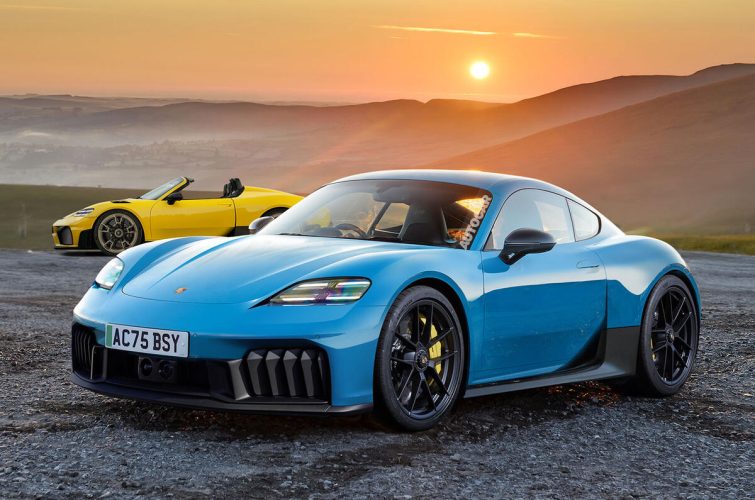
718 EV development marks a major change for Porsche’s Cayman and Boxster. These sports cars have earned their following through
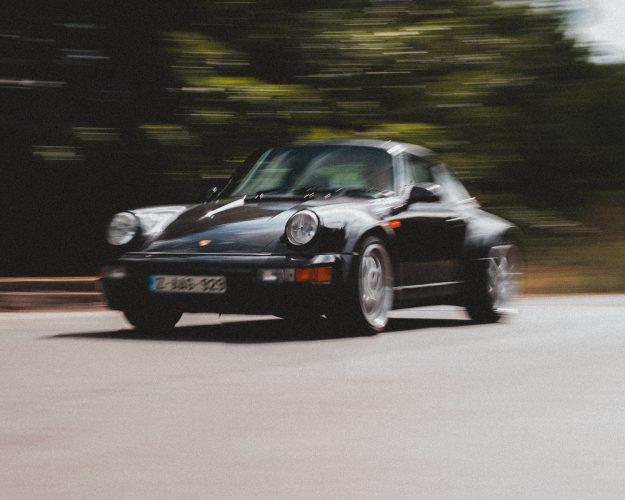
The quality of a restoration is in the details. From engine studs and fasteners to the finishing touches in the
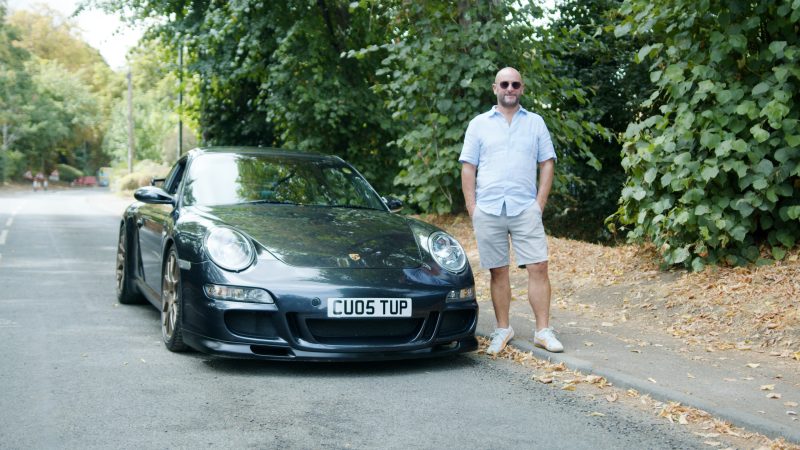
Some cars take months of searching. Mick’s took about a thousand yards. “Matt took me up the road in it.
