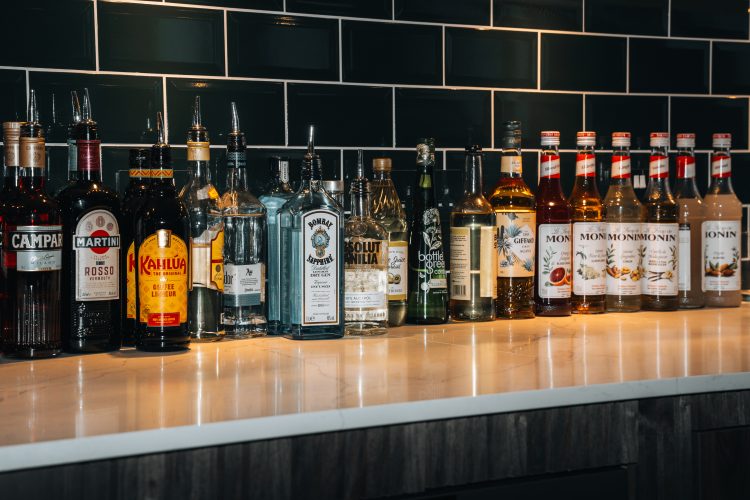
The Lounge by Design911: A First Look at Our New Event Space
The Lounge by Design911 has officially opened its doors for an exclusive soft launch at our Hutton headquarters. Bringing together

There will be fans of every generation of 911. Some love the raw experience of the air cooled 911s, with some loving the raw performance of the water-cooled models. One of the most notable water cooled 911 was the 991, a car that evolved the name.
The covers were pulled off the car in 2011, with 2 launch models, the C2 and the C2S. These 2 models made 345 HP and 395 Hp, respectively. In 2012 Porsche added more models to the 911 line up, the C4 and the C4S, the perfect all weather 911s. Both 2- and 4-wheel drive 911s also came in a Cabriolet form.
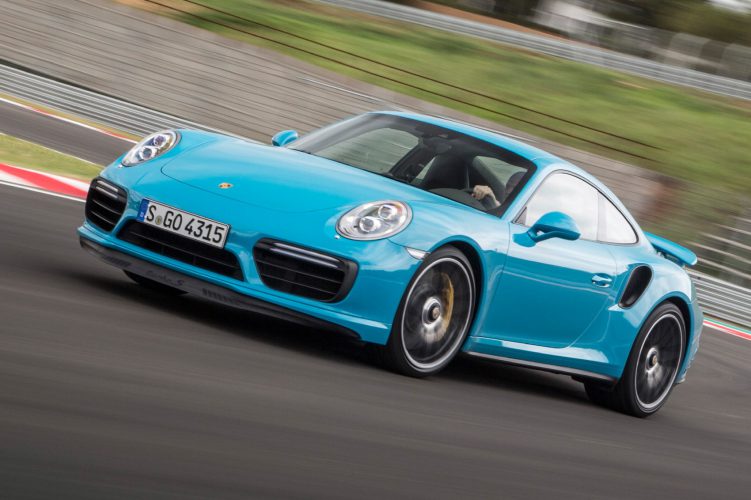
A year after the introduction of C4 911, Porsche released the 991.1 turbo, the 6th turbo in the range. The car was powered by a twin turbocharged 3.8 flat 6. This engine made 513 HP and 620NM of torque. Porsche stepped up this figure for the S model, which made 552 HP and 700 NM of torque. One of the most notable features of the Turbo was that it is the first Turbo to be offered as automatic only. The car had the lightning fast PDK transmission which helped it reach 60 in 3.1 seconds, however many owners have got 2.6 seconds out of their cars.
The 991 also bought back the classic Targa roof design. For the 3 generations, Porsche had stopped the manufacturing of the classic T-bar design, and in its place was a glass roof that slid under the rear glass which left a large opening in the roof. But in 2014 Porsche reverted this design trend, as the classic T bar was back, which made fans around the world ecstatic
As per tradition, the 991 also saw the introduction of 2 GT cars. First off in 2013 we saw the 991.1 GT3. This car sent shockwaves through the Porsche space, as it was a step away from the recipe we came to love in the GT3. The manual transmission was gone, along with the mezger engine. We also saw an introduction of rear wheel steer, something that made the car much nimbler. But the car did not launch without issues, as 2 cars caught fire. This led to Porsche halting the production of the GT3 so the issue could be fixed. The remedy was later applied to all 785 cars through a recall. The base GT3 was then followed by the RS model in 2015. The fenders were fitted with louvers to help take heat away from the brakes, and on the rear fenders we also saw a large intake vent, which cooled the engine. And the roof was made from magnesium, a first for a GT car. The 3.8 from the regular car was gone, and in its place was a 4.0 making 493 HP. The 991.1 RS was one of the best-selling GT cars ever, as GT cars had finally reached the attention of people who would have never normally bought a 911. We also saw the introduction of the 911R, a car that was loved by everyone that drove it. The cars underpinnings were based on GT3RS. The car had no rear spoiler along with a 6-speed manual transmission, making this true driver’s car. It was limited to 991 units, and because of this rarity prices quickly skyrocketed, with some cars being offered for over 1 million USD.
The .2 of the 991 was introduced in 2016, which saw a new front a rear bumper, as well as an up-to-date cabin. We saw the introduction of the C2 and the C2S, with the 4 models joining the range in 2015. We then had the Targa models in 2016 and following this was the GTS model line. The GTS featured all the performance options that would be found in a normal 911 but wrapped up in one package. The car also got special wheels and a special interior. It was also offered in every 911 bodystyle, Coupe, convertible, and Targa. The Carrera T was also introduced, it offered the power train out of the base C2. But it had shorter ratios, along with all the performance goodies from the GTS models, making this 911 one of the most special.
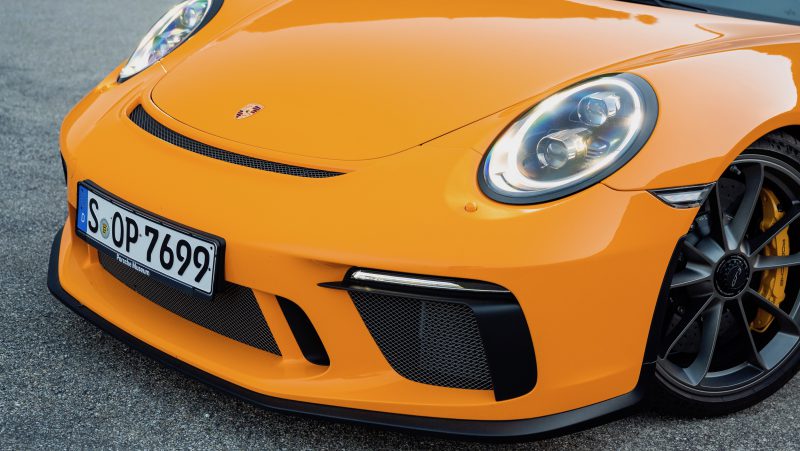
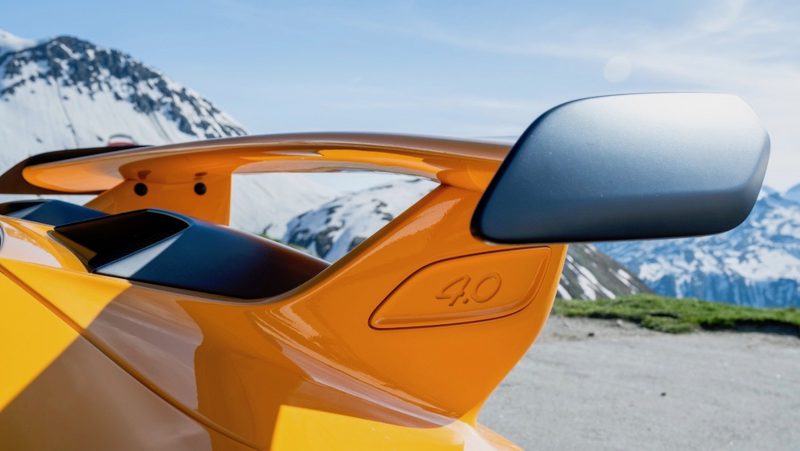
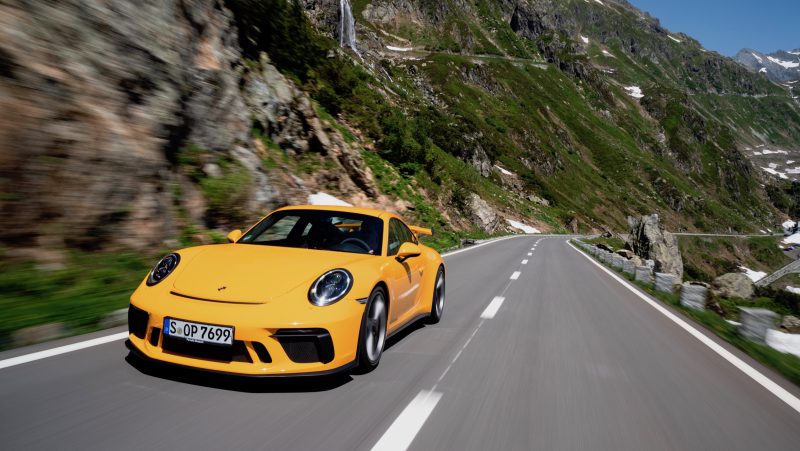
The GT3 received significant upgrades, as it got an all-new 4.0 Litre engine, as well as a new front and rear bumper, aero upgrades, and an optional manual transmission. The .2 also saw the introduction of the GT3 touring, a car that featured no rear wing and a manual transmission, making it a true driver 911.
The .2 also saw the GT2RS, one of the craziest 911s ever offered, powered by a 3.8 Litre flat 6, the car made 700Hp, an output that was sent to the rear wheels. And It also set a lap time of 6:47 at the ring, making it the fastest Porsche road car to ever go around the track. And just like the GT2, the .2 generation also saw the re-introduction of the Speedster name. The 997 Speedster was powered by the same engine seen in GTS models, and because of this it had a PDK transmission. The 991 Speedster could not be more different. The car had the 6 speed that was seen in the GT3, along with suspension and the Flat 6 that could rev to 9k. It had some slight tweaks however, it had new throttle bodies, along with a new fuel injection system, this was to comply with new emission regulations that came in during the production of the Speedster and the .2 GT3RS.
The Lounge by Design911 has officially opened its doors for an exclusive soft launch at our Hutton headquarters. Bringing together
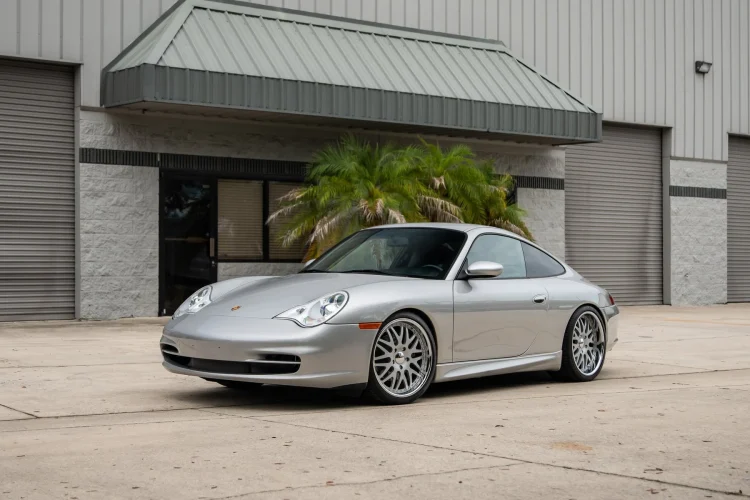
The best budget Porsches in 2026 offer three very different routes into ownership: the mid-engined 986 Boxster, the classic 944
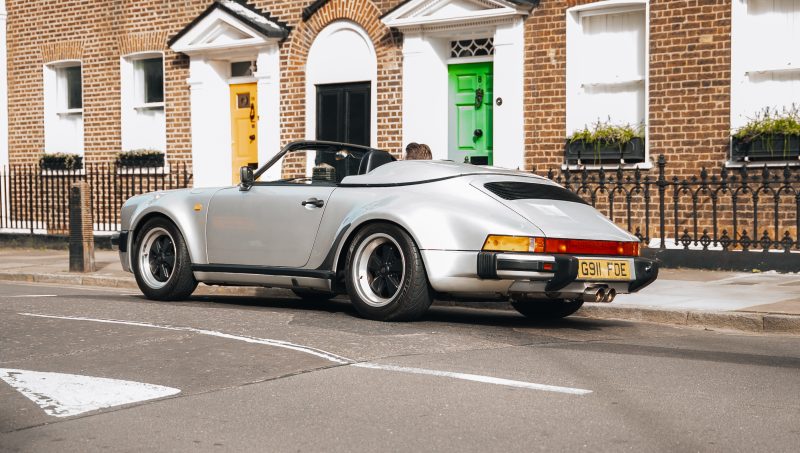
Porsche prices have reached extraordinary levels. Following the latest Monterey Car Week auctions, a Porsche 959 Sport sold for more
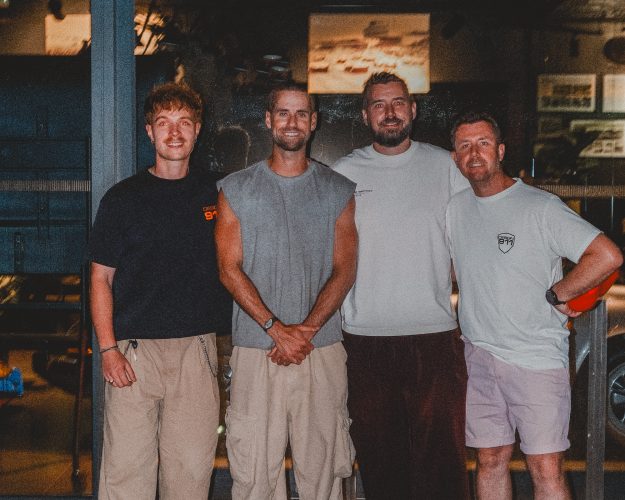
TGE joins the team for Pork Life Episode 9 to share the stories behind his Porsche collection, the reality of
