





Enter your VAT number here and click Verify:
Your details have been verified. VAT number registered to:
,
.
Your order will now be zero rated for VAT purposes. We reserve the right to verify these details after your order request has been made and reinstate VAT if required.
Your VAT details were not recognised or were invalid. Your VAT number must be matched to your Billing Country as specified above. This is currently specified as . You do not need to enter the country code part of your VAT number as this has already been selected in your billing address details above.
The VAT number checking service is currently offline. Please supply your VAT details within the comments or special instructions field below and we will apply a VAT discount after placing your order request.

- Accessories
- Brakes
- Chassis / Bodywork
- Clothing & Gifts
- Electrical & Relays
- Engine Cooling
- Engine Electrical
- Engine Rebuild Parts
- Engine Tuning
- Exhausts
- Exterior Styling / Spoilers
- Gearbox / Transmission
- Heating / Air Conditioning
- Hydraulics
- Incar / Multimedia
- Interior & Accessories
- Lighting
- Mats & Carpets
- Motorsport and Off-Road
- Parts for Other Cars
- Pedal Cluster
- Rubber Seals
- Seats & Seat Belts
- Service Parts
- Special Offer Parts
- Steering Parts
- Suspension & Axle
- Suspension Upgrades
- Tyres
- Wheel Accessories
- Wheels
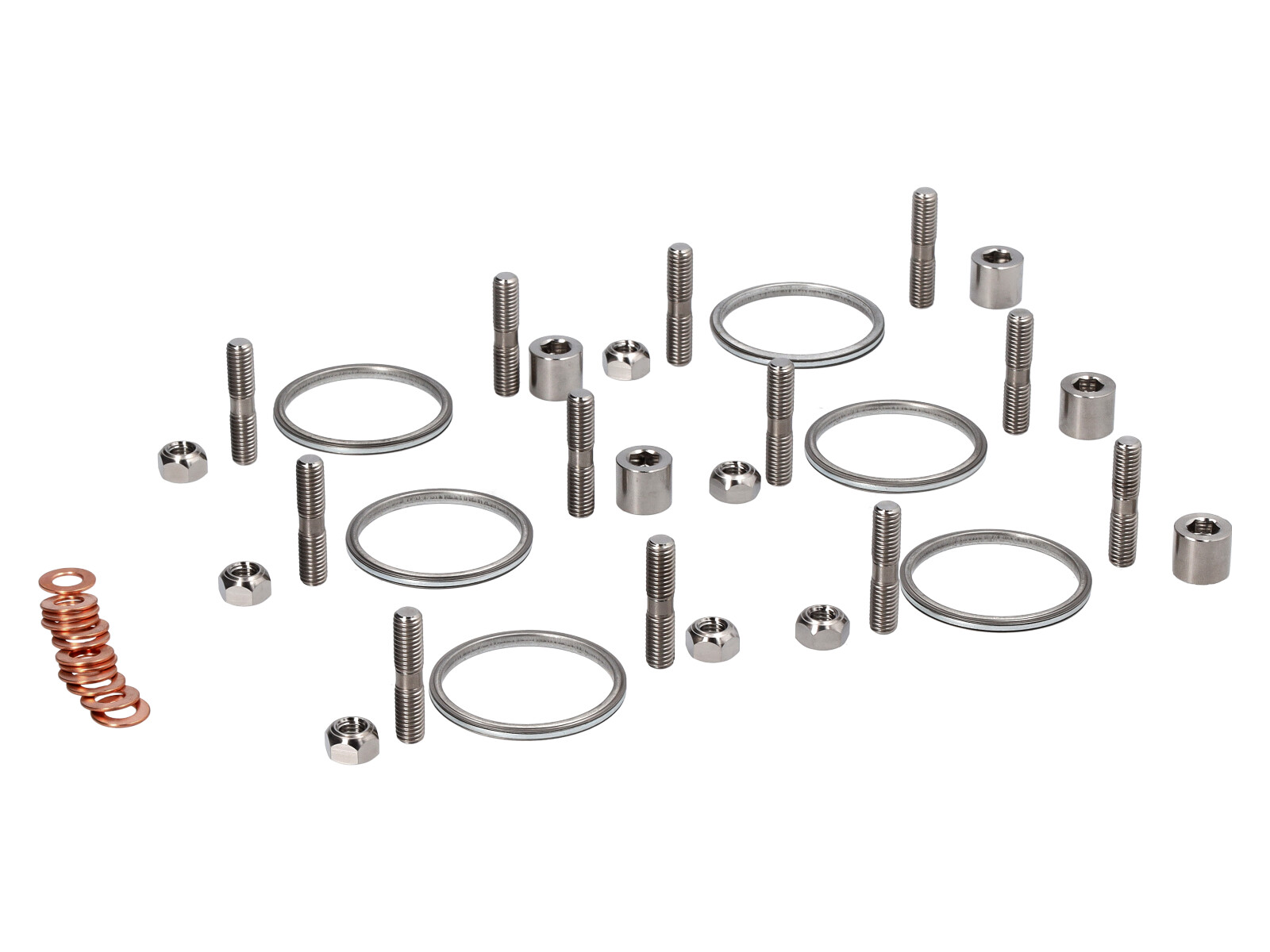
 Rohler
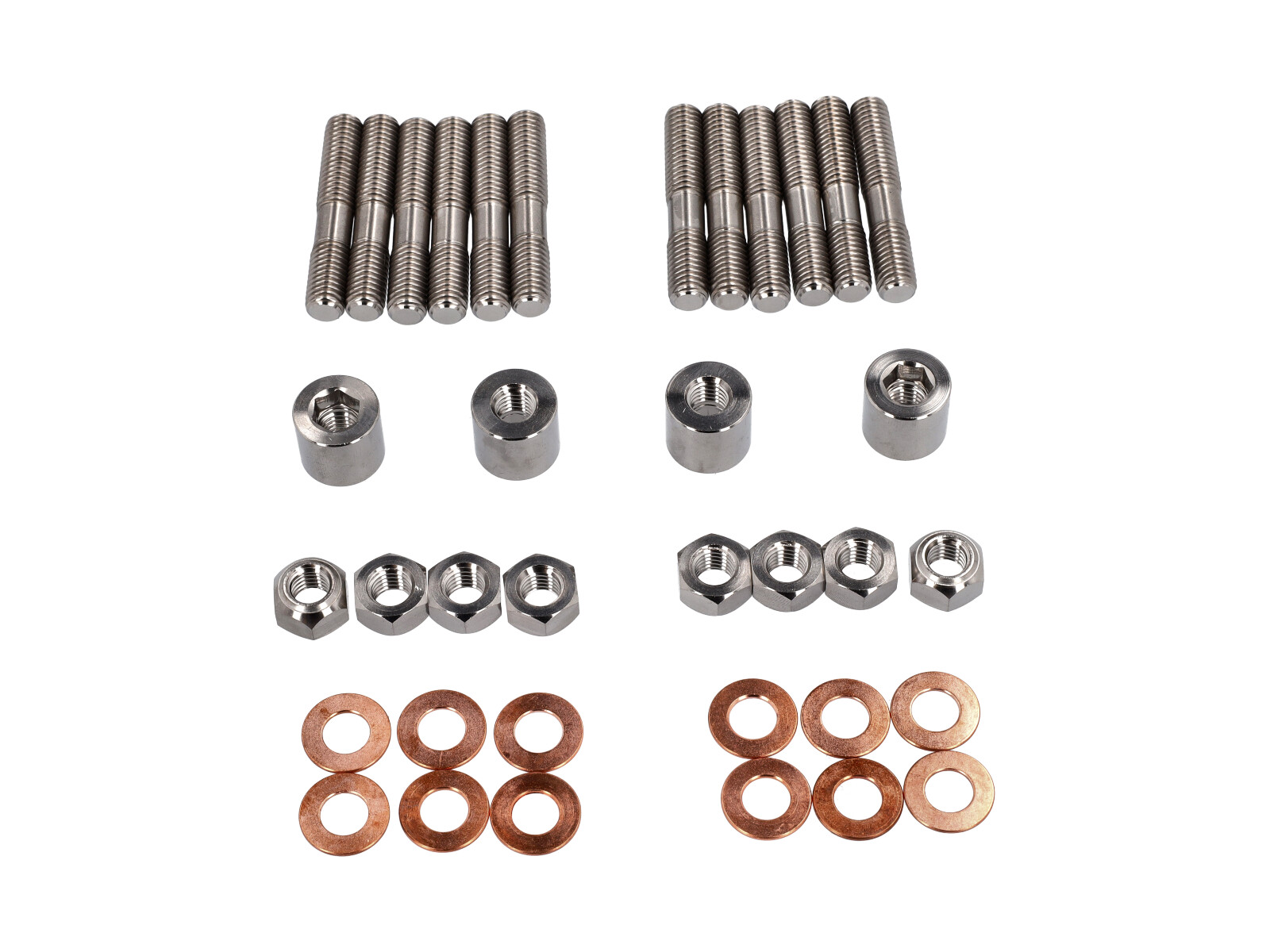
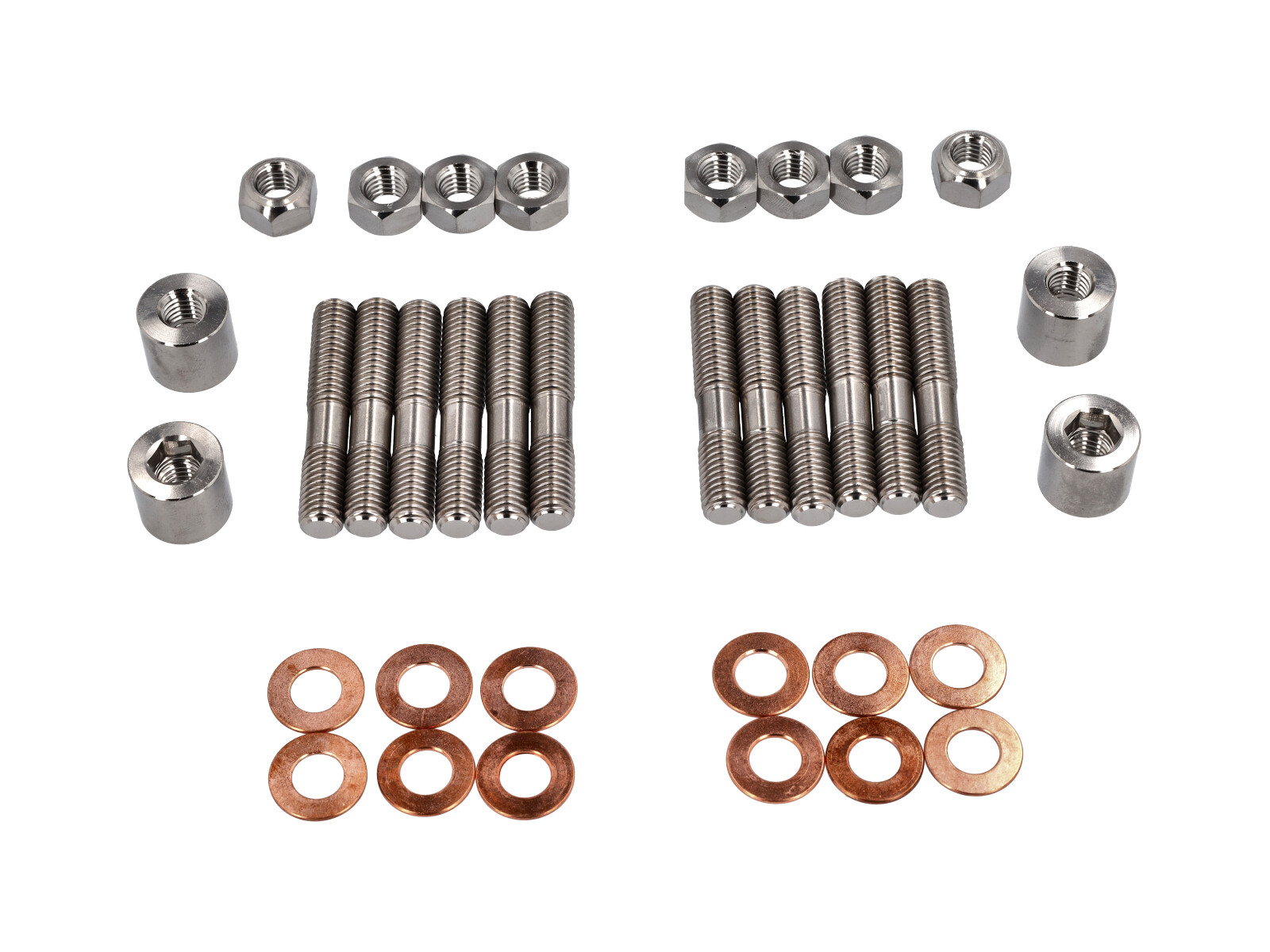
Exhaust heat exchanger fitting kit. Includes studs and nuts made out of titanium.
These titanium components are resistant to rust and corrosion, which can be a common issue with traditional steel studs and nuts. This corrosion resistance ensures that the studs and nuts maintain their integrity, allowing for easy removal and installation when necessary. They are the perfect upgrade for Porsche enthusiasts who demand the ease of access to vehicle's exhaust system.Fits:
Porsche 993


- Porsche 993 (911) C2 1994-97
- Porsche 993 (911) C4 1994-97
- Porsche 993 (911) C2S 1994-97
- Porsche 993 (911) C4S 1994-97


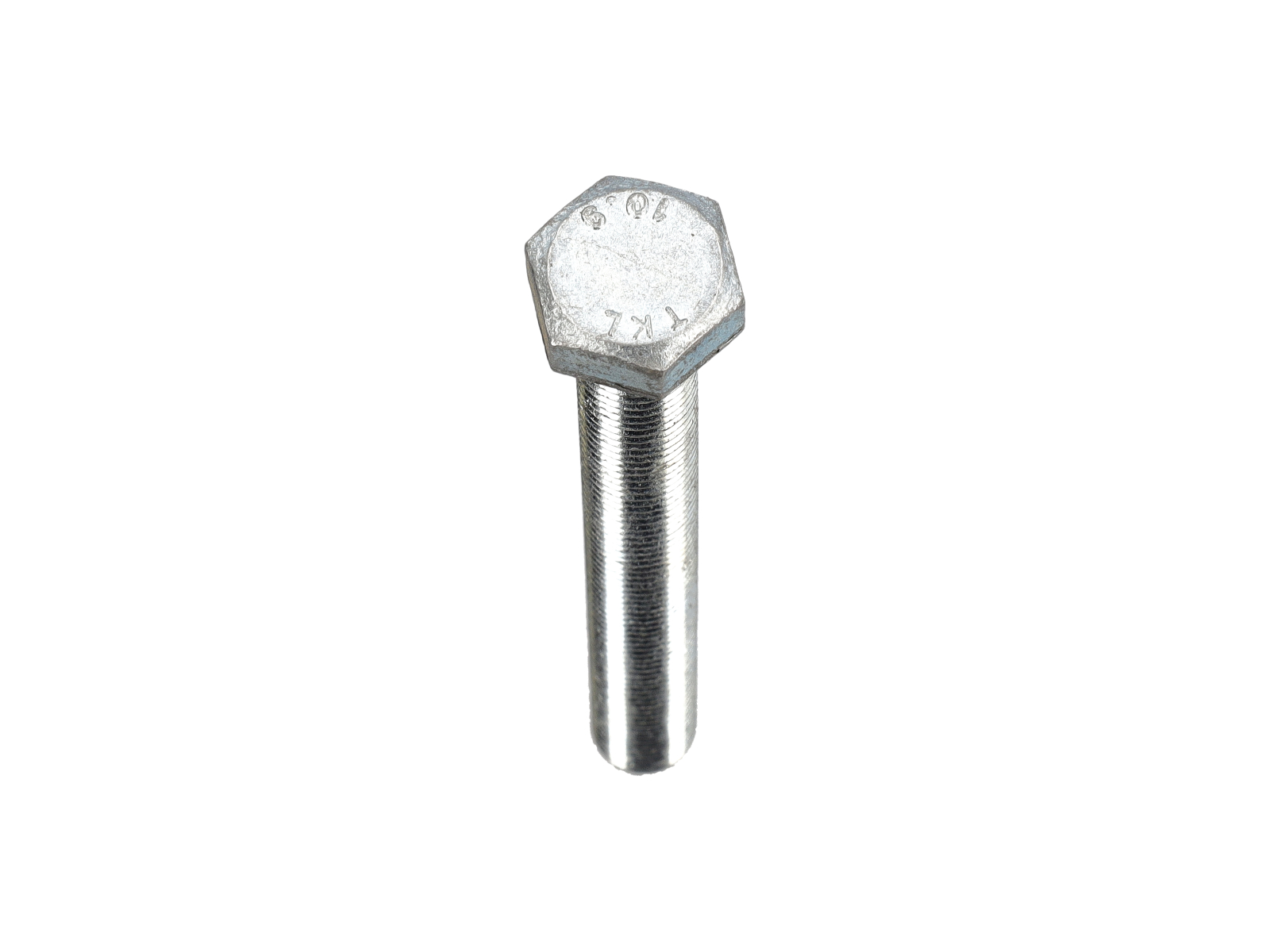
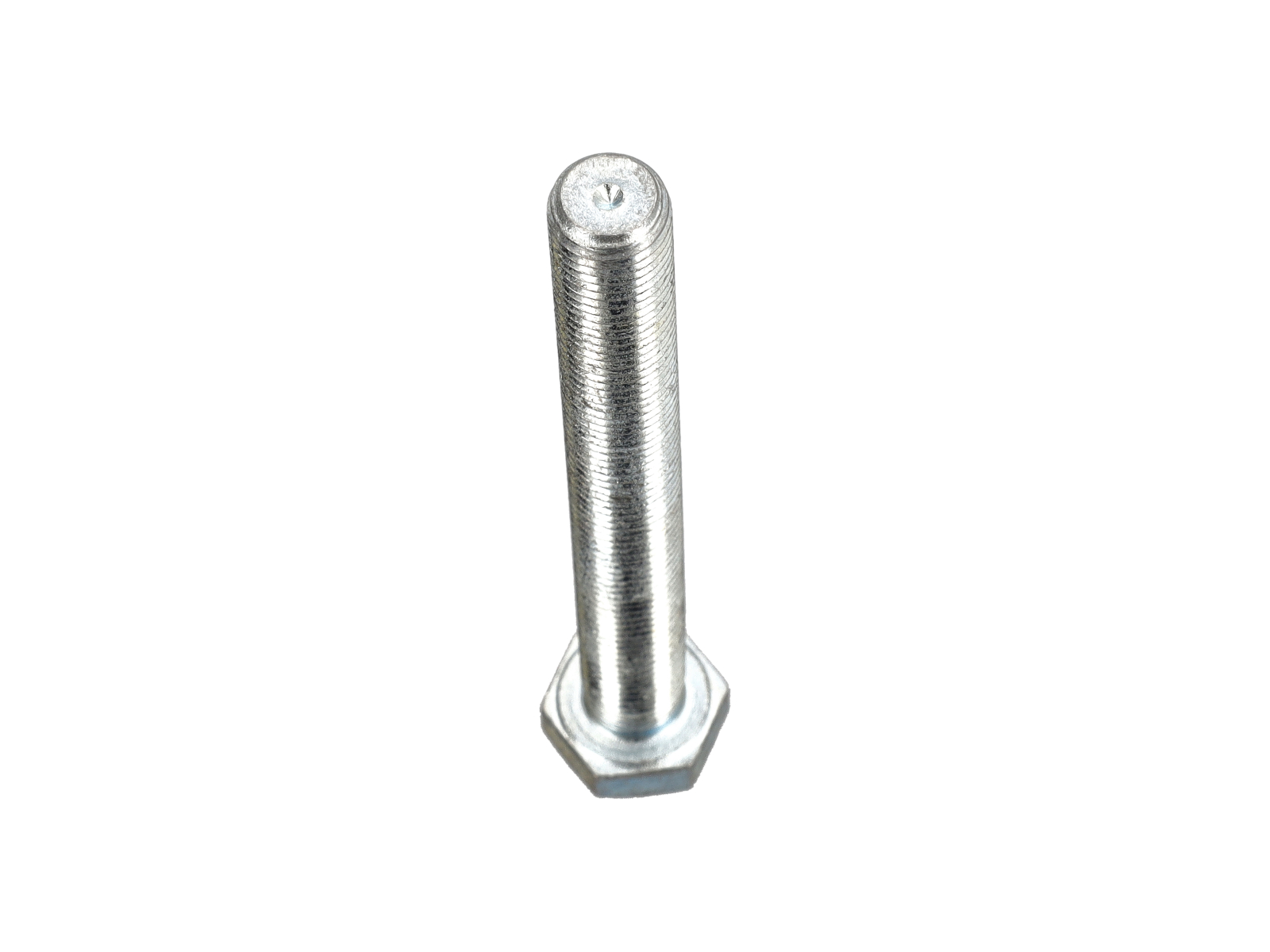
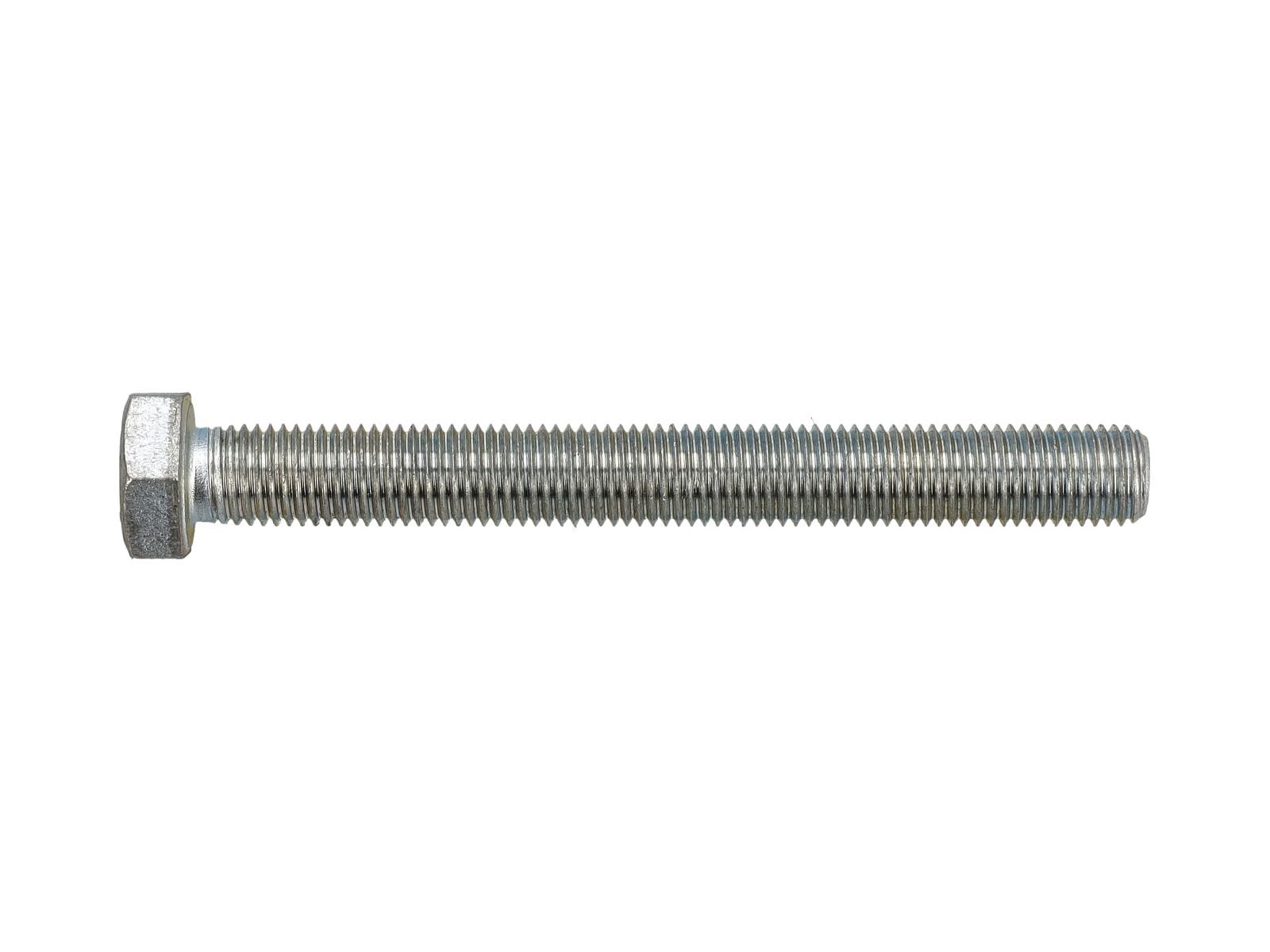
This Item is an Original Porsche Part found by using our original Porsche Part Number Search. If you are ordering parts via this method it is your responsibility to make sure that you enter and purchase the correct products for your vehicle. Please only use the searched product if you are sure of the part numbers as parts cannot be returned if ordered incorrectly.
Related reference numbers
Related, superseded, cross reference or alternative numbers for comparison.
90008214201L
The product you are viewing cross references to these numbers
 Shop Securely
 12 Month Warranty
 Worldwide Delivery


Monday-Friday: 8.30am - 5.30pm (GMT)
Saturday: Closed
Sunday: Closed