





Enter your VAT number here and click Verify:
Your details have been verified. VAT number registered to:
,
.
Your order will now be zero rated for VAT purposes. We reserve the right to verify these details after your order request has been made and reinstate VAT if required.
Your VAT details were not recognised or were invalid. Your VAT number must be matched to your Billing Country as specified above. This is currently specified as . You do not need to enter the country code part of your VAT number as this has already been selected in your billing address details above.
The VAT number checking service is currently offline. Please supply your VAT details within the comments or special instructions field below and we will apply a VAT discount after placing your order request.

Your Vehicle // Porsche // 911 & 912 (1965-1989) // 911 1987-1989 3.2L G50

- Accessories
- Brakes
- Chassis / Bodywork
- Clothing & Gifts
- Electrical & Relays
- Engine Cooling
- Engine Electrical
- Engine Rebuild Parts
- Engine Tuning
- Exhausts
- Exterior Styling / Spoilers
- Gearbox / Transmission
- Heating / Air Conditioning
- Hydraulics
- Incar / Multimedia
- Interior & Accessories
- Lighting
- Mats & Carpets
- Motorsport and Off-Road
- Parts for Other Cars
- Pedal Cluster
- Rubber Seals
- Seats & Seat Belts
- Service Parts
- Special Offer Parts
- Steering Parts
- Suspension & Axle
- Suspension Upgrades
- Tyres
- Wheel Accessories
- Wheels
Engine Valves / Guides / Springs


Sold each - 2 required per engine valve
Fits:
Porsche 356C / SC - 1963 to 1965
Porsche 911 - 1965 to 1989
Porsche 964 - 1989 to 1994
Porsche 944 - 1982 to 1991
Porsche 928 - 1978 to 1986
Click 'Zoom in' for large parts diagram.
Diagram ref no 16
Related reference numbers
Related, superseded, cross reference or alternative numbers for comparison.
90110541700
The product you are viewing cross references to these numbers
- Porsche 911 1965-1968 2.0L / 912 SWB (F)
- Porsche 911 1968-1973 2.2L / 2.4L / 2.7L RS LWB (F)
- Porsche 911 1974-1977 2.7L / 1976-77 3.0 Carrera
- Porsche 911 1978-1983 3.0L / SC
- Porsche 911 1984-1986 3.2L
- Porsche 911 1987-1989 3.2L G50
- Porsche 911 1975-1977 3.0L Turbo (930)
- Porsche 911 1978-1989 3.3L Turbo (930)
- Porsche 964 (911) C2 1989-93
- Porsche 964 (911) C4 1989-93
- Porsche 964 (911) RS 3.6L 1991-93
- Porsche 964 (911) RS 3.8L 1991-93
- Porsche 964 (911) TURBO 3.3L 1991-93
- Porsche 964 (911) TURBO 3.6L 1991-93
- Porsche 924S 2.5L 1986-87
- Porsche 924S 2.5L 1988
- Porsche 944 2.5L 8V 1982-87
- Porsche 944 2.7L 8V 1988-89
- Porsche 944S 2.5L 16V 1987-88
- Porsche 944S2 3.0L 16V 1989-91
- Porsche 944 Turbo 2.5L 8V 1985-88
- Porsche 944 Turbo 2.5L 8V 1989-91
- Porsche 944 Turbo S 2.5L 8V 1988
- Porsche 928 4.5L 1978-82
- Porsche 928S 4.7L 1981-83
- Porsche 928S2 4.7L 1984-86
- Porsche 356C 1963-65
 Shop Securely
 12 Month Warranty
 Worldwide Delivery

The TRW Valve Cotter Half is a replacement valve-spring retaining collet for selected classic Porsche engines.
Sold Each.
x2 Required Per Engine Valve.
- Porsche 356C / SC - 1963 to 1965
- Porsche 911 - 1965 to 1989
- Porsche 964 - 1989 to 1994
- Porsche 944 - 1982 to 1991
- Porsche 928 - 1978 to 1986
Diagram Ref No 16
Also known as a valve keeper, valve collet or valve lock, this small but critical component fits into the machined groove near the top of the valve stem and locks into the valve spring retainer.
Each valve requires two cotter halves. When installed together, the two halves form a tapered locking arrangement that secures the valve spring and spring retainer to the valve stem.
What This Product Does:
The valve cotter forms part of the cylinder-head valvetrain.
Its job is to mechanically lock the valve spring retainer to the valve stem.
The assembly typically consists of:
- Engine valve
- Valve spring
- Spring retainer
- Two valve cotter halves
When the valve spring is compressed during assembly, the two cotter halves are installed around the valve-stem groove.
As the spring compressor is released, the spring retainer presses against the tapered outside surface of the cotters and locks them securely into position.
This allows the spring to remain attached to the valve while the engine operates at high speed.
Symptoms Of Wear Or Failure:
Valve cotters usually do not produce gradual external symptoms in the same way as a bearing or seal.
Problems are most commonly discovered during cylinder-head inspection or after another valvetrain fault develops.
Possible warning signs include:
- Unusual valvetrain ticking
- Metallic noise from the cylinder head
- Valve spring retainer sitting incorrectly
- Visible cotter movement
- Uneven cotter seating
- Damaged valve-stem groove
- Cracked or chipped cotter
- Wear marks around the locking surfaces
- Spring retainer sitting at an abnormal angle
- Valve clearance changing unexpectedly
- Misfire following valvetrain damage
- Loss of compression
- Serious mechanical noise after a cotter releases
A correctly installed cotter should remain securely locked and should not visibly move relative to the spring retainer.
Why Replacement Matters:
A damaged valve cotter should never be ignored.
If the cotter loses its grip on the valve stem, the spring retainer can release.
This can allow the valve to drop into the cylinder.
Potential consequences include:
- Valve-to-piston contact
- Bent valve
- Damaged piston
- Broken valve guide
- Cylinder-head damage
- Combustion-chamber damage
- Severe engine failure
Because the possible consequences are so serious, questionable cotters should be replaced during cylinder-head service rather than reused.
Related reference numbers
Related, superseded, cross reference or alternative numbers for comparison.
90110541700
The product you are viewing cross references to these numbers
- Porsche 911 1965-1968 2.0L / 912 SWB (F)
- Porsche 911 1968-1973 2.2L / 2.4L / 2.7L RS LWB (F)
- Porsche 911 1974-1977 2.7L / 1976-77 3.0 Carrera
- Porsche 911 1978-1983 3.0L / SC
- Porsche 911 1984-1986 3.2L
- Porsche 911 1987-1989 3.2L G50
- Porsche 911 1975-1977 3.0L Turbo (930)
- Porsche 911 1978-1989 3.3L Turbo (930)
- Porsche 964 (911) C2 1989-93
- Porsche 964 (911) C4 1989-93
- Porsche 964 (911) RS 3.6L 1991-93
- Porsche 964 (911) RS 3.8L 1991-93
- Porsche 964 (911) TURBO 3.3L 1991-93
- Porsche 964 (911) TURBO 3.6L 1991-93
- Porsche 924S 2.5L 1986-87
- Porsche 924S 2.5L 1988
- Porsche 944 2.5L 8V 1982-87
- Porsche 944 2.7L 8V 1988-89
- Porsche 944S 2.5L 16V 1987-88
- Porsche 944S2 3.0L 16V 1989-91
- Porsche 944 Turbo 2.5L 8V 1985-88
- Porsche 944 Turbo 2.5L 8V 1989-91
- Porsche 944 Turbo S 2.5L 8V 1988
- Porsche 928 4.5L 1978-82
- Porsche 928S 4.7L 1981-83
- Porsche 928S2 4.7L 1984-86
- Porsche 356C 1963-65
Shop Securely
12 Month Warranty
Worldwide Delivery


This is the standard valve guide used in early air-cooled Porsche 911/930 cylinder heads. It’s a plain (non-hydraulic) guide that locates the valve stem in the head; when worn it causes oil burning, loss of compression and poor valve seating — so they’re commonly replaced whenever heads are rebuilt
- Fits:
- Porsche 911 1965-1968 2.0L / 912 SWB (F)
- Porsche 911 1968-1973 2.2L / 2.4L / 2.7L RS LWB (F)
- Porsche 911 1974-1977 2.7L / 1976-77 3.0 Carrera
- Porsche 911 1978-1983 3.0L / SC
- Porsche 911 1984-1986 3.2L
- Porsche 911 1987-1989 3.2L G50
- Porsche 911 1975-1977 3.0L Turbo (930)
- Porsche 911 1978-1989 3.3L Turbo (930)
Diagram Ref No 2 and 2A.
What the part is (technical data / dimensions)
Application:
Porsche 911 / 930 from about 1965–1989 (varies slightly by model and year; early cars both intake & exhaust, later years sometimes exhaust only).
Standard size (typical OE): ID ≈ 9.00 mm, OD ≈ 13.06 mm, length ≈ 51.2 mm.
Why these guides should be replaced
- Valve guides are a wearing item. Replace them when any of the following occur or when you rebuild the engine head.
- Excessive valve stem play — worn guide ID internal diameter lets the valve rock and misalign with the seat , poor sealing, reduced compression and power.
- Oil consumption / smoking — worn guides allow oil to wick down the stem into the combustion chamber, causing blue/grey smoke and fouled plugs.
- Hard starting, rough idle, misfire — poor sealing / valve timing irregularities from misaligned valves.
- Valve wobble that leads to premature valve stem wear or valve seat damage — once stems or seats are damaged you need deeper surgery.
- If a guide is cracked, broken, or has excessive ovality — must be replaced.
- Whenever you remove and refinish seats / replace springs / do a full head rebuild — replacing guides at that time is cheap insurance and ensures correct alignment.
Inner diameter 9,00 mm
Outer diameter 13,06 mm
Total Length 51,20 mm
Related reference numbers
Related, superseded, cross reference or alternative numbers for comparison.
93010432100
The product you are viewing cross references to these numbers
- Porsche 911 1965-1968 2.0L / 912 SWB (F)
- Porsche 911 1968-1973 2.2L / 2.4L / 2.7L RS LWB (F)
- Porsche 911 1974-1977 2.7L / 1976-77 3.0 Carrera
- Porsche 911 1978-1983 3.0L / SC
- Porsche 911 1984-1986 3.2L
- Porsche 911 1987-1989 3.2L G50
- Porsche 911 1975-1977 3.0L Turbo (930)
- Porsche 911 1978-1989 3.3L Turbo (930)
Shop Securely
12 Month Warranty
Worldwide Delivery

12 per engine
Fits:
Porsche 911 1965-89
Inner diameter 9,00 mm
Outer diameter 13,05 mm
Total Length 51,00 mm
Click 'Zoom in' for large parts diagram.
Diagram Ref No 2 and 2A.
Related reference numbers
Related, superseded, cross reference or alternative numbers for comparison.
93010432100
The product you are viewing cross references to these numbers
- Porsche 911 1965-1968 2.0L / 912 SWB (F)
- Porsche 911 1968-1973 2.2L / 2.4L / 2.7L RS LWB (F)
- Porsche 911 1974-1977 2.7L / 1976-77 3.0 Carrera
- Porsche 911 1978-1983 3.0L / SC
- Porsche 911 1984-1986 3.2L
- Porsche 911 1987-1989 3.2L G50
- Porsche 911 1975-1977 3.0L Turbo (930)
- Porsche 911 1978-1989 3.3L Turbo (930)
Shop Securely
12 Month Warranty
Worldwide Delivery


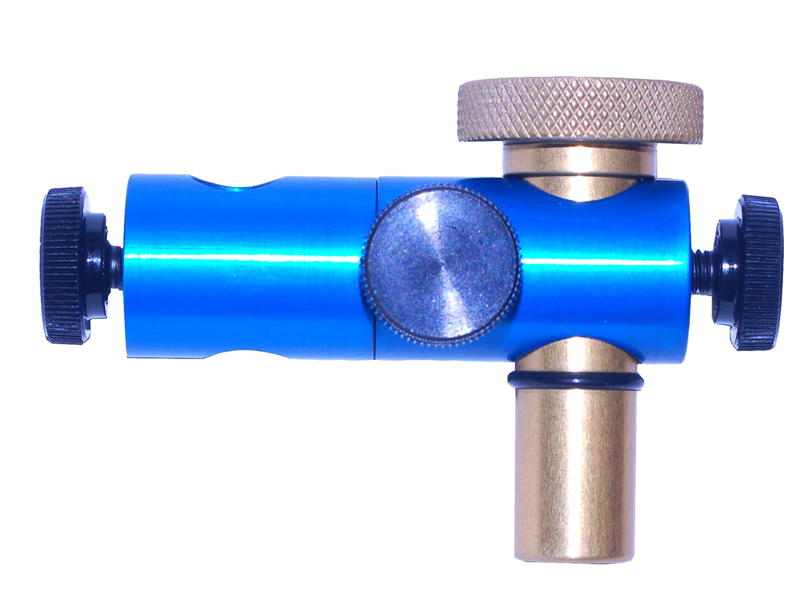
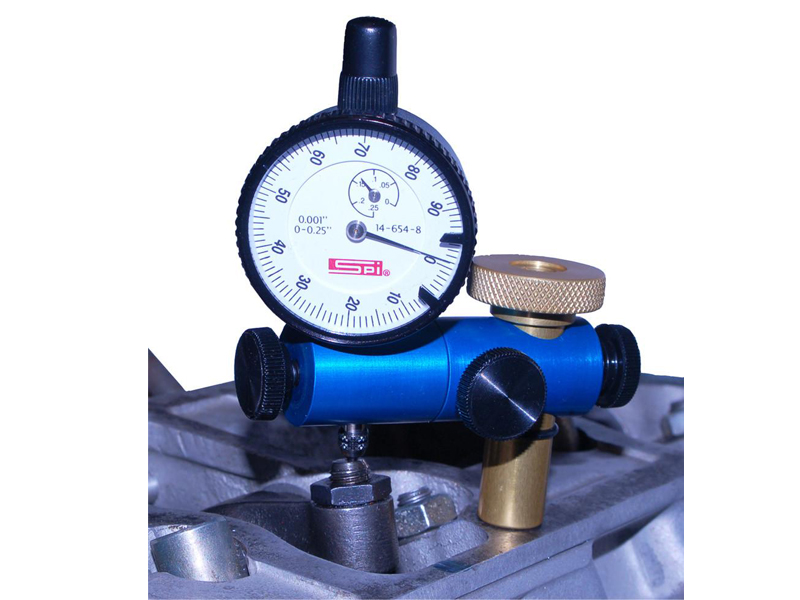
The established method of setting valve lash with a feeler gauge often provides for a "close enough" result and rarely provides for accurate, consistent, and easy to obtain precision. STOMSKI RACING's new version of an old-standby takes the "feel" out of setting valves and provides absolute precision, speed, ease of use, and consistency. By conveniently mounting a travel indicator over the adjuster of the rocker arm, STOMSKI RACING's 911 Valve Lash Adjuster allows you to quickly and accurately set and confirm the actual valve lash without settling for "close enough" or wondering whether your feel is consistent while trying to contort a feeler gauge into the far reaches of the 911 engine.
The SR097 is precision machined from 6061 aluminum and anodized for years of service on all 911 engines including 964s and 993s. Also available are a range of dial indicators including metric, digital, and compact travel indicators for use in restricted areas (pictured).
PLEASE NOTE: this tool does not come with the gauge
- Porsche 911 1965-1968 2.0L / 912 SWB (F)
- Porsche 911 1968-1973 2.2L / 2.4L / 2.7L RS LWB (F)
- Porsche 911 1974-1977 2.7L / 1976-77 3.0 Carrera
- Porsche 911 1978-1983 3.0L / SC
- Porsche 911 1984-1986 3.2L
- Porsche 911 1987-1989 3.2L G50
- Porsche 911 1975-1977 3.0L Turbo (930)
- Porsche 911 1978-1989 3.3L Turbo (930)
- Porsche 964 (911) C2 1989-93
- Porsche 964 (911) C4 1989-93
- Porsche 964 (911) RS 3.6L 1991-93
- Porsche 964 (911) RS 3.8L 1991-93
- Porsche 964 (911) TURBO 3.3L 1991-93
- Porsche 964 (911) TURBO 3.6L 1991-93
- Porsche 993 (911) C2 1994-97
- Porsche 993 (911) C4 1994-97
- Porsche 993 (911) RS 1994-97
- Porsche 993 (911) C2S 1994-97
- Porsche 993 (911) C4S 1994-97
- Porsche 993 (911) TURBO 1994-96
- Porsche 993 (911) GT2 1994-97
- Porsche 993 (911) TURBO S 1994-97
Shop Securely
12 Month Warranty
Worldwide Delivery


Fits:
Porsche 911 - 1965 to 1989
Porsche 964 - 1989 to 1994
Product Description
Valve lash adjustments on the air-cooled 911 engine can be a frustrating and time consuming experience, even for the seasoned Porsche mechanic.
Working in close, cramped quarters can make valve adjustments an unpleasant procedure.
Finally, there is a simpler, faster and more exacting way to adjust valve lash on all air-cooled Porsche 911 engines! From the professional mechanic to the owner/enthusiast, this easy-to-use device is made to last for many years and will prove to be a valuable addition to your 911 toolbox.
• Repeatable 0.1 mm (.004 in) lash clearance settings on every valve
• Saves time and provides more accurate over traditional feeler gauge methods
• Aluminum and steel construction
• Zinc plated finish provides corrosion protection
• Laser engraved markings
• Durable box with foam insert for safe storage
- Porsche 911 1965-1968 2.0L / 912 SWB (F)
- Porsche 911 1968-1973 2.2L / 2.4L / 2.7L RS LWB (F)
- Porsche 911 1974-1977 2.7L / 1976-77 3.0 Carrera
- Porsche 911 1978-1983 3.0L / SC
- Porsche 911 1984-1986 3.2L
- Porsche 911 1987-1989 3.2L G50
- Porsche 911 1975-1977 3.0L Turbo (930)
- Porsche 911 1978-1989 3.3L Turbo (930)
- Porsche 964 (911) C2 1989-93
- Porsche 964 (911) C4 1989-93
- Porsche 964 (911) RS 3.6L 1991-93
- Porsche 964 (911) RS 3.8L 1991-93
- Porsche 964 (911) TURBO 3.3L 1991-93
- Porsche 964 (911) TURBO 3.6L 1991-93
- Porsche 992.1 Turbo S 3.8L 2020-24
- Porsche 992.1 Turbo Cabriolet 3.8L 2020-24
- Porsche 992.1 Turbo S Cabriolet 3.8L 2020-24
Shop Securely
12 Month Warranty
Worldwide Delivery


Fits:
Porsche 911 - 1965 to 1989
Porsche 964 - 1989 to 1994
Porsche 993 - 1994 to 1998
Our Valve Springs are designed and manufactured to specifically fit the envelope of a Porsche application not a spring from another use.
It operates a higher natural frequency than the original spring for racing and at the very least minimizes damage from over rev in track day situations.
Please note
993 - must use 8mm Ti retainers and Aasco Seats
Related reference numbers
Related, superseded, cross reference or alternative numbers for comparison.
HP109
The product you are viewing cross references to these numbers
- Porsche 911 1965-1968 2.0L / 912 SWB (F)
- Porsche 911 1968-1973 2.2L / 2.4L / 2.7L RS LWB (F)
- Porsche 911 1974-1977 2.7L / 1976-77 3.0 Carrera
- Porsche 911 1978-1983 3.0L / SC
- Porsche 911 1984-1986 3.2L
- Porsche 911 1987-1989 3.2L G50
- Porsche 911 1975-1977 3.0L Turbo (930)
- Porsche 911 1978-1989 3.3L Turbo (930)
- Porsche 964 (911) C2 1989-93
- Porsche 964 (911) C4 1989-93
- Porsche 964 (911) RS 3.6L 1991-93
- Porsche 964 (911) RS 3.8L 1991-93
- Porsche 964 (911) TURBO 3.3L 1991-93
- Porsche 964 (911) TURBO 3.6L 1991-93
- Porsche 993 (911) C2 1994-97
- Porsche 993 (911) C4 1994-97
- Porsche 993 (911) RS 1994-97
- Porsche 993 (911) C2S 1994-97
- Porsche 993 (911) C4S 1994-97
- Porsche 993 (911) TURBO 1994-96
- Porsche 993 (911) GT2 1994-97
- Porsche 993 (911) TURBO S 1994-97
Shop Securely
12 Month Warranty
Worldwide Delivery

Fits:
Porsche 911 - 1965 to 1989
Porsche 964 - 1989 to 1994
9mm Porsche 911 titanium valve spring retainers for 9mm valves.
Can be used to directly replace OE retainers but we recommend using in conjunction with Aasco HP109 valve springs and HPSS spring seats.
Set of 12
Related reference numbers
Related, superseded, cross reference or alternative numbers for comparison.
HP10T9
The product you are viewing cross references to these numbers
- Porsche 911 1965-1968 2.0L / 912 SWB (F)
- Porsche 911 1968-1973 2.2L / 2.4L / 2.7L RS LWB (F)
- Porsche 911 1974-1977 2.7L / 1976-77 3.0 Carrera
- Porsche 911 1978-1983 3.0L / SC
- Porsche 911 1984-1986 3.2L
- Porsche 911 1987-1989 3.2L G50
- Porsche 911 1975-1977 3.0L Turbo (930)
- Porsche 911 1978-1989 3.3L Turbo (930)
- Porsche 964 (911) C2 1989-93
- Porsche 964 (911) C4 1989-93
- Porsche 964 (911) RS 3.6L 1991-93
- Porsche 964 (911) RS 3.8L 1991-93
- Porsche 964 (911) TURBO 3.3L 1991-93
- Porsche 964 (911) TURBO 3.6L 1991-93
Shop Securely
12 Month Warranty
Worldwide Delivery

Sold each - 12 per car
Fits:
Porsche 911 - 1965 to 1989
Porsche 911 turbo - 1975 to 1989
Porsche 964 - 1989 to 1994
Porsche 914/6 - 1970 to 1976
Click 'Zoom in' for large parts diagram.
Diagram ref no 14
Related reference numbers
Related, superseded, cross reference or alternative numbers for comparison.
90110542104
The product you are viewing cross references to these numbers
- Porsche 911 1965-1968 2.0L / 912 SWB (F)
- Porsche 911 1968-1973 2.2L / 2.4L / 2.7L RS LWB (F)
- Porsche 911 1974-1977 2.7L / 1976-77 3.0 Carrera
- Porsche 911 1978-1983 3.0L / SC
- Porsche 911 1984-1986 3.2L
- Porsche 911 1987-1989 3.2L G50
- Porsche 911 1975-1977 3.0L Turbo (930)
- Porsche 911 1978-1989 3.3L Turbo (930)
- Porsche 964 (911) C2 1989-93
- Porsche 964 (911) C4 1989-93
- Porsche 964 (911) RS 3.6L 1991-93
- Porsche 964 (911) RS 3.8L 1991-93
- Porsche 964 (911) TURBO 3.3L 1991-93
- Porsche 964 (911) TURBO 3.6L 1991-93
- Porsche 914 (1970-1976)
Shop Securely
12 Month Warranty
Worldwide Delivery

Fits:
Porsche 911 - 1965 to 1989
Porsche 964 - 1989 to 1994
Porsche 993 - 1994 to 1998
Our Steel Spring Seats pocket the inner spring of our Aasco High Performance Valve Springs.
Our Valve Springs are designed and manufactured to specifically fit the envelope of a Porsche application not a spring from another use.
It operates a higher natural frequency than the original spring for racing and at the very least minimizes damage from over rev in track day situations.
Please note
993 - must use 8mm Ti retainers and Aasco Seats
Related reference numbers
Related, superseded, cross reference or alternative numbers for comparison.
HPSS
The product you are viewing cross references to these numbers
- Porsche 911 1965-1968 2.0L / 912 SWB (F)
- Porsche 911 1968-1973 2.2L / 2.4L / 2.7L RS LWB (F)
- Porsche 911 1974-1977 2.7L / 1976-77 3.0 Carrera
- Porsche 911 1978-1983 3.0L / SC
- Porsche 911 1984-1986 3.2L
- Porsche 911 1987-1989 3.2L G50
- Porsche 911 1975-1977 3.0L Turbo (930)
- Porsche 911 1978-1989 3.3L Turbo (930)
- Porsche 964 (911) C2 1989-93
- Porsche 964 (911) C4 1989-93
- Porsche 964 (911) RS 3.6L 1991-93
- Porsche 964 (911) RS 3.8L 1991-93
- Porsche 964 (911) TURBO 3.3L 1991-93
- Porsche 964 (911) TURBO 3.6L 1991-93
- Porsche 993 (911) C2 1994-97
- Porsche 993 (911) C4 1994-97
- Porsche 993 (911) RS 1994-97
- Porsche 993 (911) C2S 1994-97
- Porsche 993 (911) C4S 1994-97
- Porsche 993 (911) TURBO 1994-96
- Porsche 993 (911) GT2 1994-97
- Porsche 993 (911) TURBO S 1994-97
Shop Securely
12 Month Warranty
Worldwide Delivery

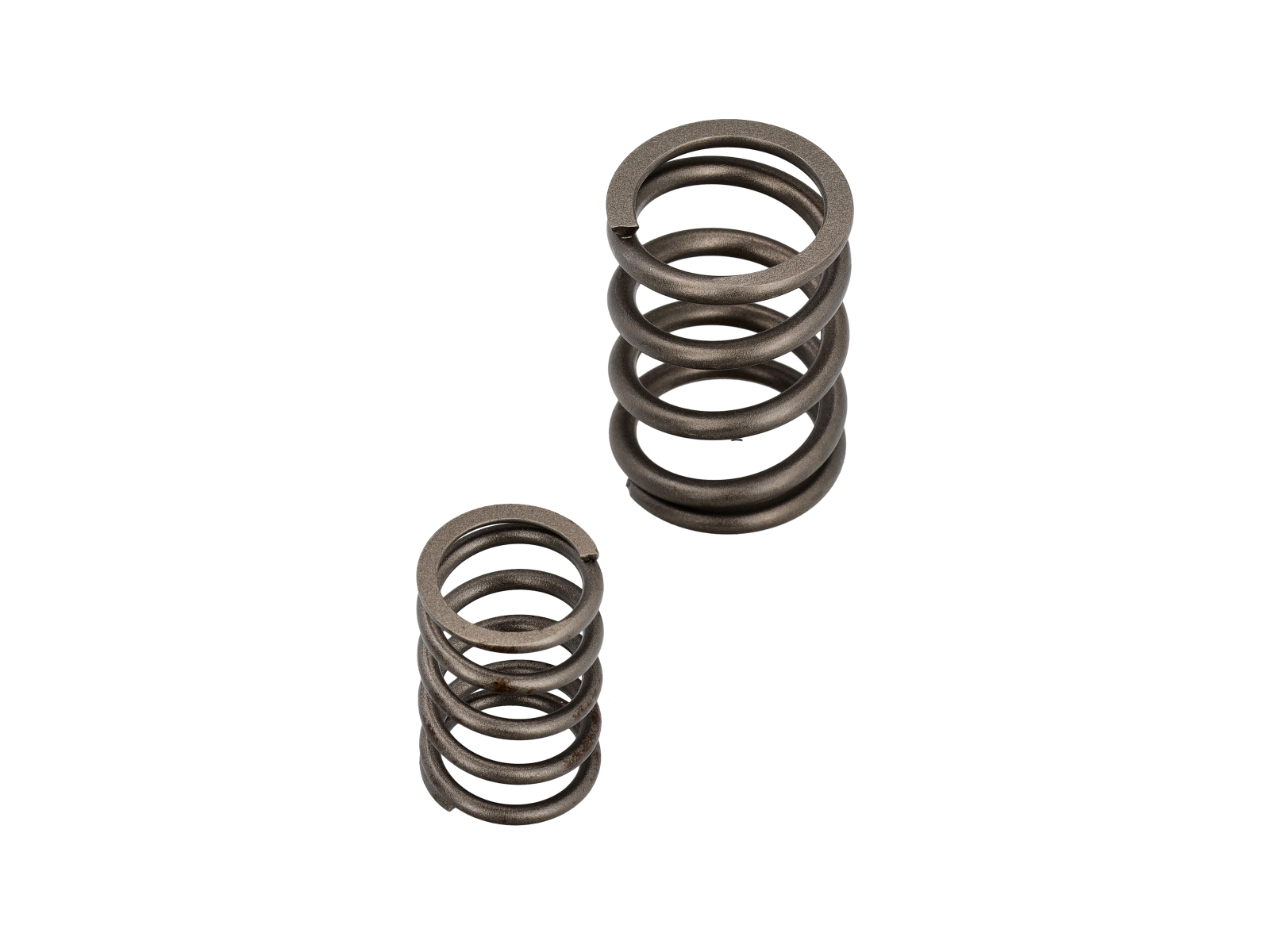
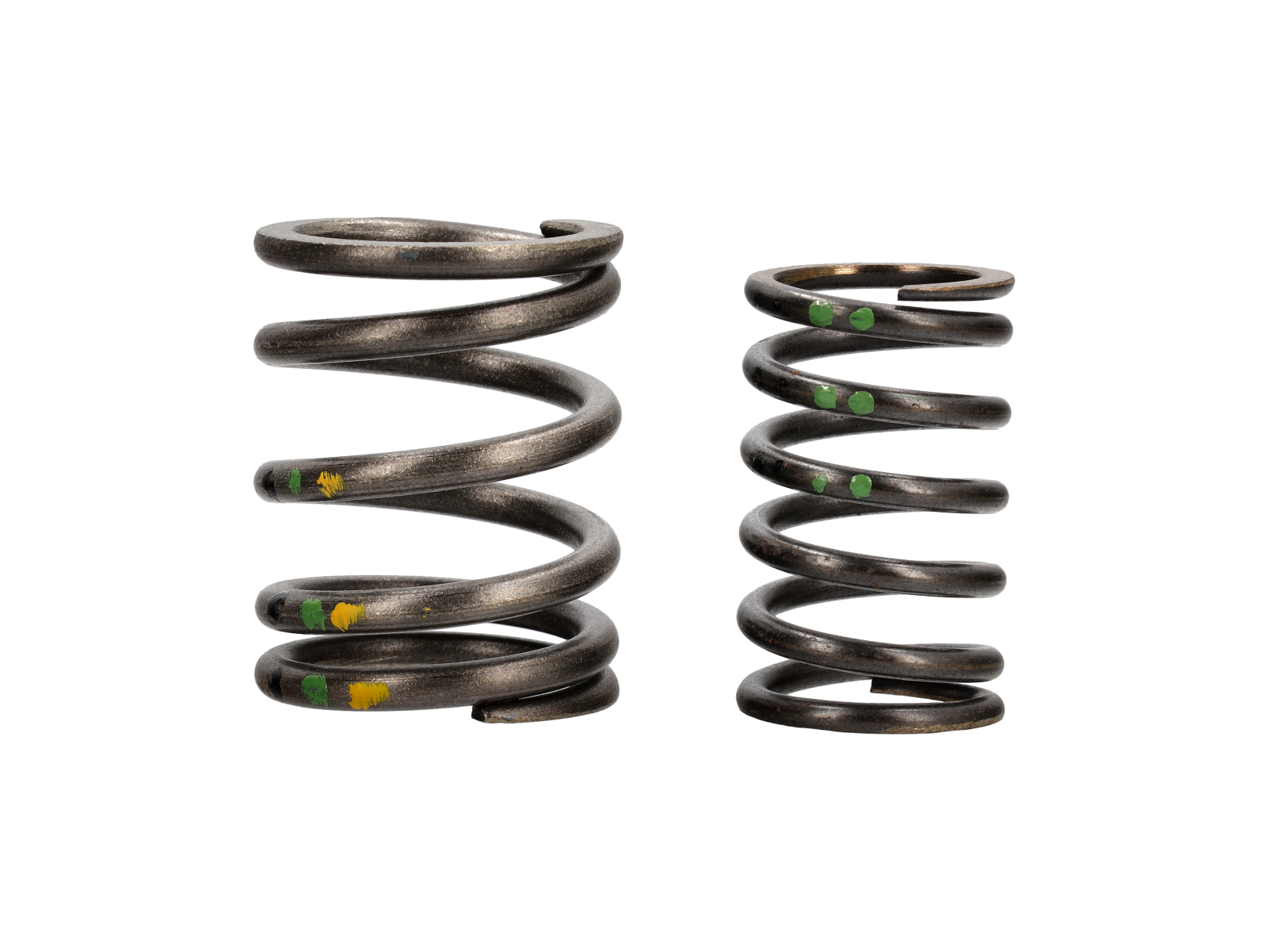
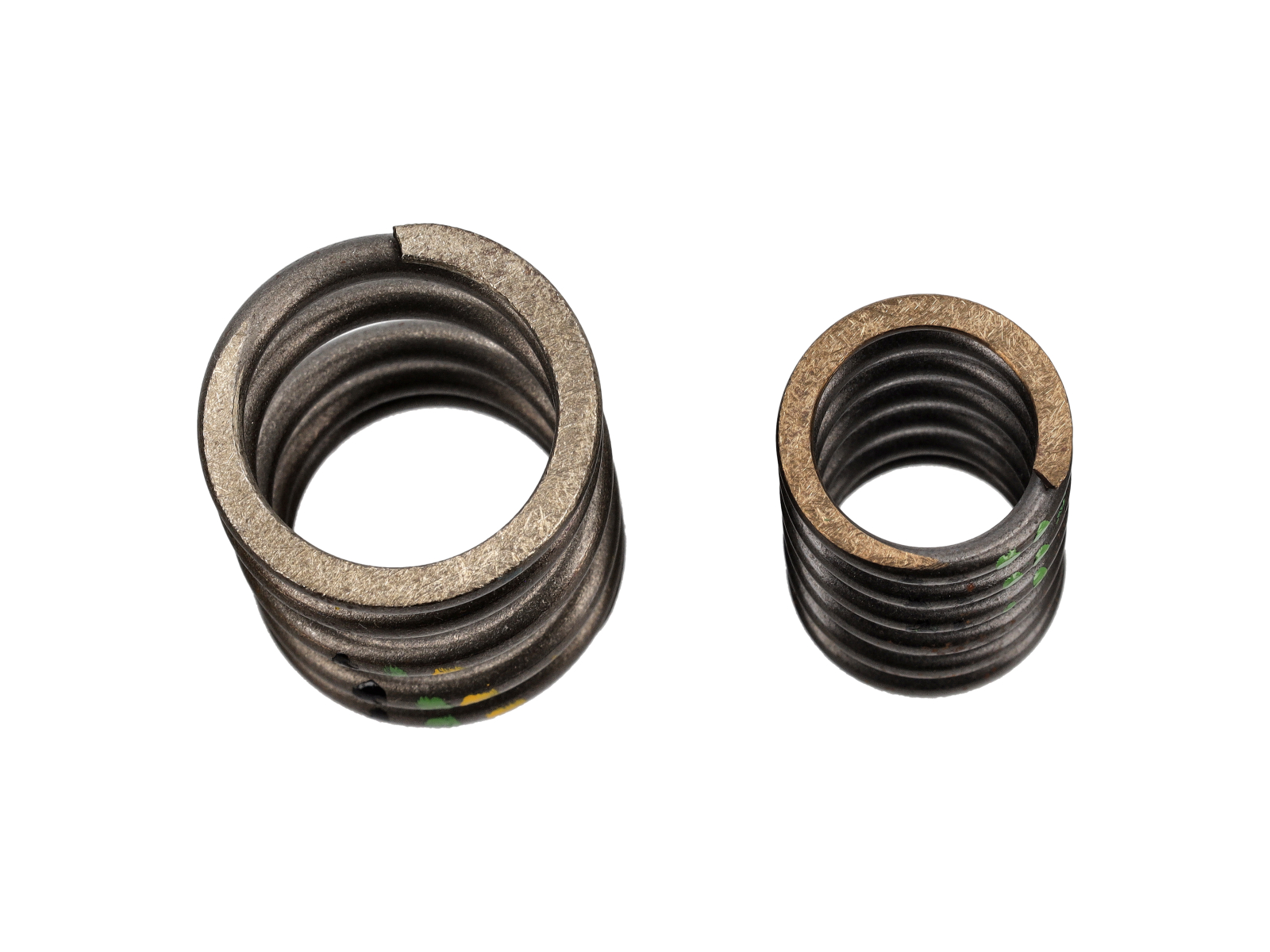
This spring pair fits all 911's from 1965 to 1994.
Fits:
Porsche 911 1965-89
Porsche 964 1989-94
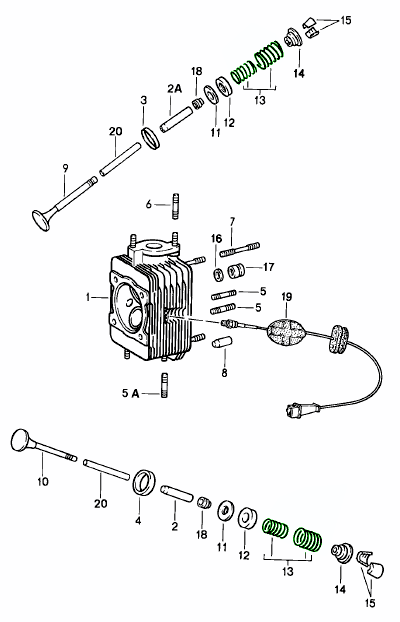
Click 'Zoom in' for large parts diagram.
Diagram Ref No 13.
Related reference numbers
Related, superseded, cross reference or alternative numbers for comparison.
90110590151
The product you are viewing cross references to these numbers
- Porsche 911 1965-1968 2.0L / 912 SWB (F)
- Porsche 911 1968-1973 2.2L / 2.4L / 2.7L RS LWB (F)
- Porsche 911 1974-1977 2.7L / 1976-77 3.0 Carrera
- Porsche 911 1978-1983 3.0L / SC
- Porsche 911 1984-1986 3.2L
- Porsche 911 1987-1989 3.2L G50
- Porsche 911 1975-1977 3.0L Turbo (930)
- Porsche 911 1978-1989 3.3L Turbo (930)
- Porsche 964 (911) C2 1989-93
- Porsche 964 (911) C4 1989-93
- Porsche 964 (911) RS 3.6L 1991-93
- Porsche 964 (911) RS 3.8L 1991-93
- Porsche 964 (911) TURBO 3.3L 1991-93
- Porsche 964 (911) TURBO 3.6L 1991-93
Shop Securely
12 Month Warranty
Worldwide Delivery

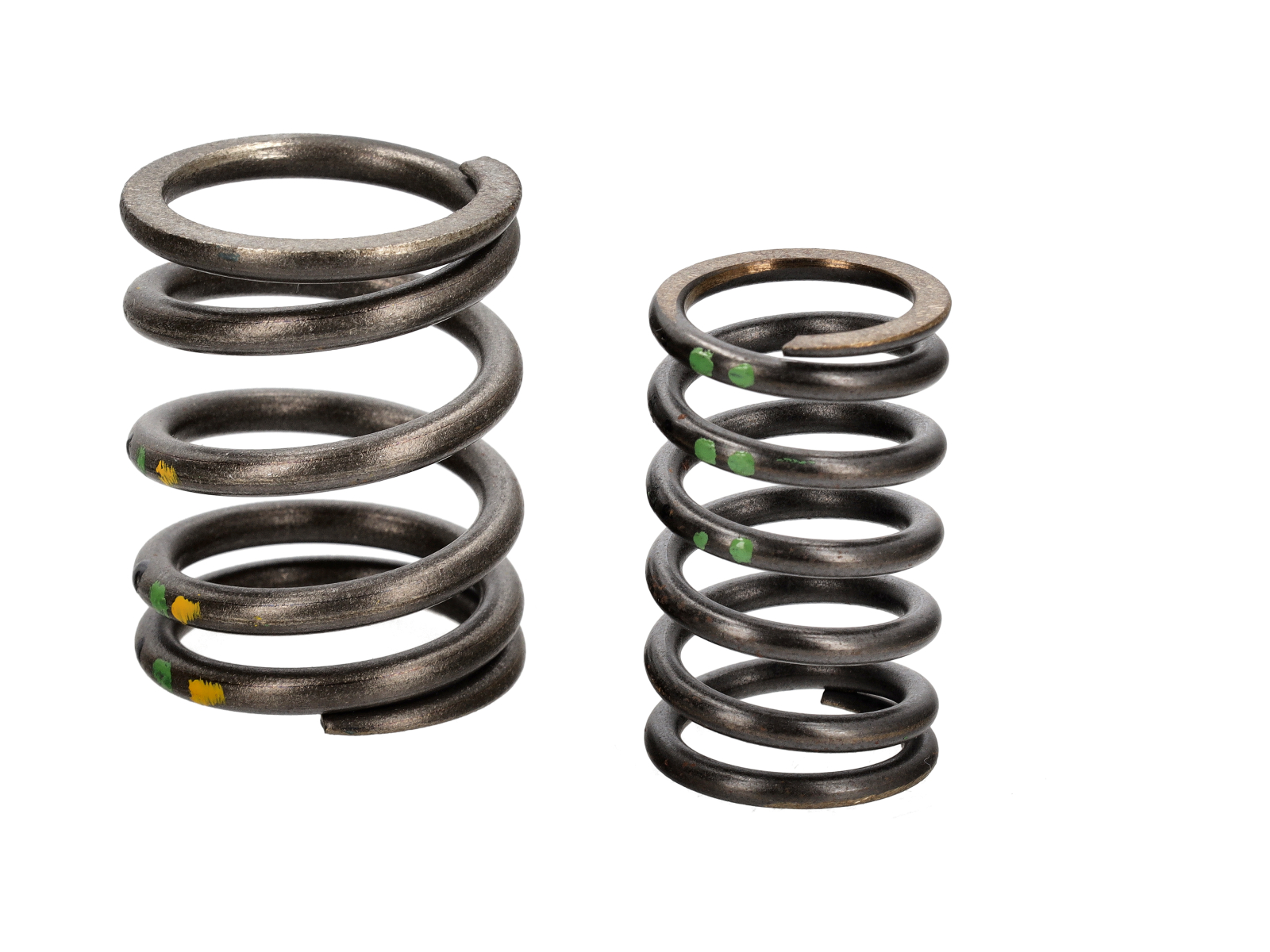
Valve Spring
Sold each
The Porsche Valve Spring is a critical component
of the valve train system fitted to numerous Porsche 911 and Porsche 964 models
from 1965 to 1994. Designed to maintain precise valve operation throughout the
engine's RPM range, the valve spring ensures that intake and exhaust valves
close correctly after being opened by the camshaft.
Fits:
- Porsche 911 1965-1968 2.0L / 912 SWB (F)
- Porsche 911 1968-1973 2.2L / 2.4L / 2.7L RS LWB (F)
- Porsche 911 1974-1977 2.7L / 1976-77 3.0 Carrera
- Porsche 911 1978-1983 3.0L / SC
- Porsche 911 1984-1986 3.2L
- Porsche 911 1987-1989 3.2L G50
- Porsche 911 1975-1977 3.0L Turbo (930)
- Porsche 911 1978-1989 3.3L Turbo (930)
- Porsche 964 (911) C2 1989-93
- Porsche 964 (911) C4 1989-93
- Porsche 964 (911) RS 3.6L 1991-93
- Porsche 964 (911) RS 3.8L 1991-93
- Porsche 964 (911) TURBO 3.3L 1991-93
- Porsche 964 (911) TURBO 3.6L 1991-93
Diagram Ref No 13
In Porsche's legendary air-cooled flat-six engines, accurate valve control is essential for maintaining combustion efficiency, engine performance, reliability, and long-term durability. The valve spring works continuously under extreme mechanical stress, cycling thousands of times per minute to keep the valve train operating correctly.
Whether you're rebuilding a classic Porsche engine, restoring a 911, or carrying out a cylinder head overhaul, replacing worn valve springs helps maintain factory performance and reduces the risk of costly engine damage.
What Does the Valve Spring Do?
The valve spring is responsible for returning the intake and exhaust valves to their closed position after each opening cycle generated by the camshaft.
Its key functions include:
- Maintaining correct valve timing operation
- Ensuring valves close fully and consistently
- Keeping the valve train under proper tension
- Preventing valve float at higher engine speeds
- Supporting engine compression and combustion efficiency
- Protecting the valve train from instability and excessive wear
Without adequate spring tension, valves may not close correctly, leading to poor performance and potential engine damage.
Why Does the Valve Spring Fail?
Valve springs are constantly subjected to compression, heat, vibration, and high engine speeds. Over time, these factors can lead to material fatigue and a gradual loss of spring tension.
Common causes of valve spring failure include:
- Metal fatigue from repeated cycling
- High mileage wear
- Prolonged exposure to engine heat
- Over-revving the engine
- Corrosion or contamination
- Performance modifications increasing valve train loads
- Age-related weakening of spring material
- Improper engine assembly or valve train geometry
As spring pressure decreases, valve control becomes less precise, particularly at higher RPM.
Common Symptoms of Worn Valve Springs
A weakened or damaged valve spring may cause:
- Loss of engine performance
- Valve float at higher RPM
- Rough idle
- Engine misfires
- Increased valve train noise
- Reduced power output Inconsistent compression readings
- Premature wear of valves, guides, and camshaft components
In severe cases, a broken valve spring can result in valve-to-piston contact and major engine damage.
When Should You Replace Valve Springs?
Valve springs should be inspected whenever the cylinder heads are removed and replaced if any signs of fatigue or wear are detected.
Replacement is strongly recommended:
- During complete engine rebuilds
- During cylinder head refurbishment
- On high-mileage engines
- When installing performance camshafts
- If valve float is present
- When spring tension falls below specification
- During preventative maintenance on restoration projects
- Whenever a spring shows signs of corrosion or damage
Many experienced Porsche engine builders replace all valve springs during rebuilds to ensure consistent valve train performance and long-term reliability.
Related reference numbers
Related, superseded, cross reference or alternative numbers for comparison.
90110590151
The product you are viewing cross references to these numbers
- Porsche 911 1965-1968 2.0L / 912 SWB (F)
- Porsche 911 1968-1973 2.2L / 2.4L / 2.7L RS LWB (F)
- Porsche 911 1974-1977 2.7L / 1976-77 3.0 Carrera
- Porsche 911 1978-1983 3.0L / SC
- Porsche 911 1984-1986 3.2L
- Porsche 911 1987-1989 3.2L G50
- Porsche 911 1975-1977 3.0L Turbo (930)
- Porsche 911 1978-1989 3.3L Turbo (930)
- Porsche 964 (911) C2 1989-93
- Porsche 964 (911) C4 1989-93
- Porsche 964 (911) RS 3.6L 1991-93
- Porsche 964 (911) RS 3.8L 1991-93
- Porsche 964 (911) TURBO 3.3L 1991-93
- Porsche 964 (911) TURBO 3.6L 1991-93
Shop Securely
12 Month Warranty
Worldwide Delivery

OE Match valve stem seals control oil flow between the valve stems and guides. They are replacement sealing components for cylinder-head repairs and engine rebuilding work.
Supplied each.
Fits
- Porsche 911 1968-89 (12 Per Engine)
- Porsche 924S (8 Per Engine)
- Porsche 944 (8 Per Engine)
- Porsche 944 2.7L (8 Per Engine)
- Porsche 964 3.6L (12 Per Engine)
- Porsche 964 Turbo (12 Per Engine)
- Porsche 928 (16 Per Engine)
Check fitment for your specific vehicle (model, year, engine) before ordering.
Diagram ref no 19
What Is This Part?
A valve stem seal is a small sealing component fitted around a valve stem at the valve guide in the cylinder head. It meters the oil reaching the sliding stem-to-guide contact, allowing lubrication while restricting excess oil from passing into the engine's gas passages. The seal works alongside the valve and guide, so their condition matters to successful sealing. During cylinder-head work, the seals should be assessed together with valve-stem and guide wear rather than treated as an isolated cure for oil consumption.
What Does This Part Do?
- Meters lubricating oil: Controls the amount of oil reaching the valve stem and guide contact.
- Restricts excess oil: Helps limit oil passing down the valve guide towards the inlet or exhaust passage.
- Seals around a moving stem: Maintains its sealing contact as the valve opens and closes.
Why Replace This Part?
A damaged sealing lip or a seal that no longer seats correctly can allow too much oil past the valve guide. Replacement is appropriate when inspection identifies deterioration, damage or leakage at this point, including damage sustained during dismantling or installation.
Worn guides can allow excessive sideways valve movement and prevent a replacement seal from controlling oil correctly. Check guide clearance and valve-stem condition during repairs; fitting seals alone will not correct mechanical wear in those components.
When to Replace This Part?
- Visible damage: Replace a seal with a torn lip, cracking or other deterioration found during inspection.
- Poor seating: Investigate seals that are displaced or no longer retained correctly on the guide.
- Oil consumption or blue exhaust smoke: Inspect the seals and guides as possible causes, while checking other sources of oil burning.
- Valve-guide repairs: Assess the seals when valves or guides are removed and renew those damaged or unsuitable for refitting.
- Installation damage: Replace any seal whose lip has been cut or distorted while passing over the valve-stem grooves.
Where Is This Part Fitted?
Location: In the cylinder head, around the valve stem at the upper end of the valve guide, within the valve-spring area.
FAQs
- Can I replace only the valve stem seals?
Yes, if inspection confirms the seals are responsible and the valves and guides remain serviceable. Excessive guide clearance needs separate attention. - Does exhaust smoke always mean these seals need replacing?
No. Smoke and oil consumption can have several causes. Confirm the source before deciding on seal replacement or more extensive engine work. - What matters during installation?
Follow the engine-specific procedure, protect the sealing lip from the valve-stem grooves and use the appropriate fitting tool to seat the seal without damage.
Product Summary
- Product: Valve stem seals.
- Brand: OE Match.
- Supply: Each.
- Purpose: Controls oil flow at the valve stem and guide.
- Repair context: Cylinder-head sealing repairs and engine rebuilding.
Related reference numbers
Related, superseded, cross reference or alternative numbers for comparison.
96410411107
The product you are viewing cross references to these numbers
- Porsche 911 1965-1968 2.0L / 912 SWB (F)
- Porsche 911 1968-1973 2.2L / 2.4L / 2.7L RS LWB (F)
- Porsche 911 1974-1977 2.7L / 1976-77 3.0 Carrera
- Porsche 911 1978-1983 3.0L / SC
- Porsche 911 1984-1986 3.2L
- Porsche 911 1987-1989 3.2L G50
- Porsche 911 1975-1977 3.0L Turbo (930)
- Porsche 911 1978-1989 3.3L Turbo (930)
- Porsche 964 (911) C2 1989-93
- Porsche 964 (911) C4 1989-93
- Porsche 964 (911) RS 3.6L 1991-93
- Porsche 964 (911) RS 3.8L 1991-93
- Porsche 964 (911) TURBO 3.3L 1991-93
- Porsche 964 (911) TURBO 3.6L 1991-93
- Porsche 924S 2.5L 1986-87
- Porsche 924S 2.5L 1988
- Porsche 944 2.5L 8V 1982-87
- Porsche 944 2.7L 8V 1988-89
- Porsche 944S 2.5L 16V 1987-88
- Porsche 944S2 3.0L 16V 1989-91
- Porsche 944 Turbo 2.5L 8V 1985-88
- Porsche 944 Turbo 2.5L 8V 1989-91
- Porsche 944 Turbo S 2.5L 8V 1988
- Porsche 928 4.5L 1978-82
- Porsche 928S 4.7L 1981-83
- Porsche 928S2 4.7L 1984-86
Shop Securely
12 Month Warranty
Worldwide Delivery

Fits:
Porsche 911 1968-89 (12 Per Engine)
Porsche 924S (8 Per Engine)
Porsche 944 (8 Per Engine)
Porsche 944 2.7L (8 Per Engine)
Porsche 964 3.6L (12 Per Engine)
Porsche 964 Turbo (12 Per Engine)
Porsche 928 (16 Per Engine)
Click 'Zoom in' for large parts diagram.
Diagram Ref No 19.
Related reference numbers
Related, superseded, cross reference or alternative numbers for comparison.
96410411107
The product you are viewing cross references to these numbers
- Porsche 911 1965-1968 2.0L / 912 SWB (F)
- Porsche 911 1968-1973 2.2L / 2.4L / 2.7L RS LWB (F)
- Porsche 911 1974-1977 2.7L / 1976-77 3.0 Carrera
- Porsche 911 1978-1983 3.0L / SC
- Porsche 911 1984-1986 3.2L
- Porsche 911 1987-1989 3.2L G50
- Porsche 911 1975-1977 3.0L Turbo (930)
- Porsche 911 1978-1989 3.3L Turbo (930)
- Porsche 964 (911) C2 1989-93
- Porsche 964 (911) C4 1989-93
- Porsche 964 (911) RS 3.6L 1991-93
- Porsche 964 (911) RS 3.8L 1991-93
- Porsche 964 (911) TURBO 3.3L 1991-93
- Porsche 964 (911) TURBO 3.6L 1991-93
- Porsche 924S 2.5L 1986-87
- Porsche 924S 2.5L 1988
- Porsche 944 2.5L 8V 1982-87
- Porsche 944 2.7L 8V 1988-89
- Porsche 944S 2.5L 16V 1987-88
- Porsche 944S2 3.0L 16V 1989-91
- Porsche 944 Turbo 2.5L 8V 1985-88
- Porsche 944 Turbo 2.5L 8V 1989-91
- Porsche 944 Turbo S 2.5L 8V 1988
- Porsche 928 4.5L 1978-82
- Porsche 928S 4.7L 1981-83
- Porsche 928S2 4.7L 1984-86
Shop Securely
12 Month Warranty
Worldwide Delivery

Engine Valves, Valve Guides & Valve Springs – Precision, Performance & Reliability for Porsche Engines
The valves, guides, and springs form the heart of your Porsche’s cylinder head, precisely managing airflow and combustion efficiency. Intake (inlet) valves allow the correct air-fuel mixture into the combustion chamber, while exhaust valves release spent gases. Working together with guides and springs, they ensure perfect timing, compression, and power delivery.
At Design911, we offer a comprehensive range of precision-engineered inlet and exhaust valves, valve guides, and valve springs designed for performance, durability, and exact fitment across Porsche models. Each component is manufactured from heat-resistant, high-grade steel or titanium, ensuring reliable operation under extreme conditions.
Whether rebuilding a classic air-cooled flat-six or maintaining a modern turbocharged engine, our high-quality valve components deliver the precision, strength, and sealing performance your Porsche demands.
What Do Valves, Guides & Springs Do?
These components work in harmony to control the critical air and exhaust flow that determines your engine’s power, efficiency, and longevity.
Core Functions:
- Inlet
Valves: Regulate air-fuel intake into the combustion chamber.
- Exhaust
Valves: Release burnt gases efficiently during the exhaust stroke.
- Valve
Guides: Maintain valve alignment and prevent side wear.
- Valve Springs: Control valve movement, ensuring precise timing and closing pressure.
Together, they keep your Porsche engine breathing freely, running smoothly, and performing as designed — lap after lap, mile after mile.
Why Do Valves, Guides & Springs Fail?
Valves and related components endure extreme heat, pressure, and friction. Over time, these conditions can lead to wear, deformation, or loss of tension, affecting airflow, compression, and overall engine performance.
Common Causes of Failure Include:
- Valve
seat wear or pitting, leading to compression loss.
- Burnt
or bent valves caused by overheating or timing issues.
- Worn
valve guides, increasing oil consumption and exhaust smoke.
- Weak
or fatigued valve springs, resulting in valve float at high RPMs.
- Corrosion and carbon build-up from poor fuel quality or short trips.
When these issues develop, symptoms may include misfires, poor performance, oil burning, or rough idling — clear indicators that replacement or overhaul is required.
Why Replace with Precision-Engineered Valve Components?
Replacing worn valves, guides, and springs ensures your Porsche engine maintains proper compression, valve timing, and airflow — all essential to reliable power delivery and fuel efficiency.
Key Benefits:
- Restores correct airflow and combustion efficiency.
- Improves engine compression and throttle response.
- Prevents oil leakage and smoke caused by worn guides.
- Eliminates valve float and restores high-RPM stability.
- Crafted
from premium heat-resistant alloys for durability and longevity.
- Perfect fitment across classic and modern Porsche engines.
Precision-engineered components bring your engine back to its optimal condition, preserving both performance and refinement.
Highlights:
- Comprehensive range of inlet and exhaust valves, valve guides, and springs.
- Precision-manufactured from high-tensile, heat-treated materials.
- Restores compression, power, and valve timing accuracy.
- Improves reliability and reduces wear in high-performance engines.
- Designed for rebuilds, restorations, and performance upgrades.
- Compatible with air-cooled and water-cooled Porsche models.
-
 Intermediate shaft (IMS)
-
Oil System Parts
-
Fuel System Parts
-
Gaskets & Sets
-
Radial Seal / RMS / Camshaft / Balance shaft
-
Belts / Tensioners / Rollers
-
Chains & Tensioners
-
Timing covers and gaskets
-
Engine Bearings / Shells
-
Rocker Arms & Tappets
-
Engine Bolts / Studs
-
Engine Mounts
-
Piston Rings
-
Engine Cylinders / Liners / Pistons
-
Connecting Rod
-
Cylinder Head / Camshaft Carrier
-
Camshaft covers / Gaskets
-
Camshafts
-
Camshaft gears / sprockets and fixings
-
Crankcase Parts
-
Crankshaft & Parts
-
Engine Tinware
-
Turbo Chargers / Intercoolers & Parts
-
Air Intake & Injection
-
Carburetors & Parts
-
PMO Carburetors
-
Vacuum Pump
-
Engine Rebuild Kit
-
Used Engines
-
Direct-to-Head Throttle Bodies
-
Jenvey Throttle Bodies
-
Specialist Tools






Monday-Friday: 8.30am - 5.30pm (GMT)
Saturday: Closed
Sunday: Closed