







Enter your VAT number here and click Verify:
Your details have been verified. VAT number registered to:
,
.
Your order will now be zero rated for VAT purposes. We reserve the right to verify these details after your order request has been made and reinstate VAT if required.
Your VAT details were not recognised or were invalid. Your VAT number must be matched to your Billing Country as specified above. This is currently specified as . You do not need to enter the country code part of your VAT number as this has already been selected in your billing address details above.
The VAT number checking service is currently offline. Please supply your VAT details within the comments or special instructions field below and we will apply a VAT discount after placing your order request.

Your Vehicle // Porsche // 911 & 912 (1965-1989) // 911 1975-1977 3.0L Turbo (930)

- Accessories
- Brakes
- Chassis / Bodywork
- Clothing & Gifts
- Electrical & Relays
- Engine Cooling
- Engine Electrical
- Engine Rebuild Parts
- Engine Tuning
- Exhausts
- Exterior Styling / Spoilers
- Gearbox / Transmission
- Heating / Air Conditioning
- Hydraulics
- Incar / Multimedia
- Interior & Accessories
- Lighting
- Mats & Carpets
- Motorsport and Off-Road
- Parts for Other Cars
- Pedal Cluster
- Rubber Seals
- Seats & Seat Belts
- Service Parts
- Special Offer Parts
- Steering Parts
- Suspension & Axle
- Suspension Upgrades
- Tyres
- Wheel Accessories
- Wheels
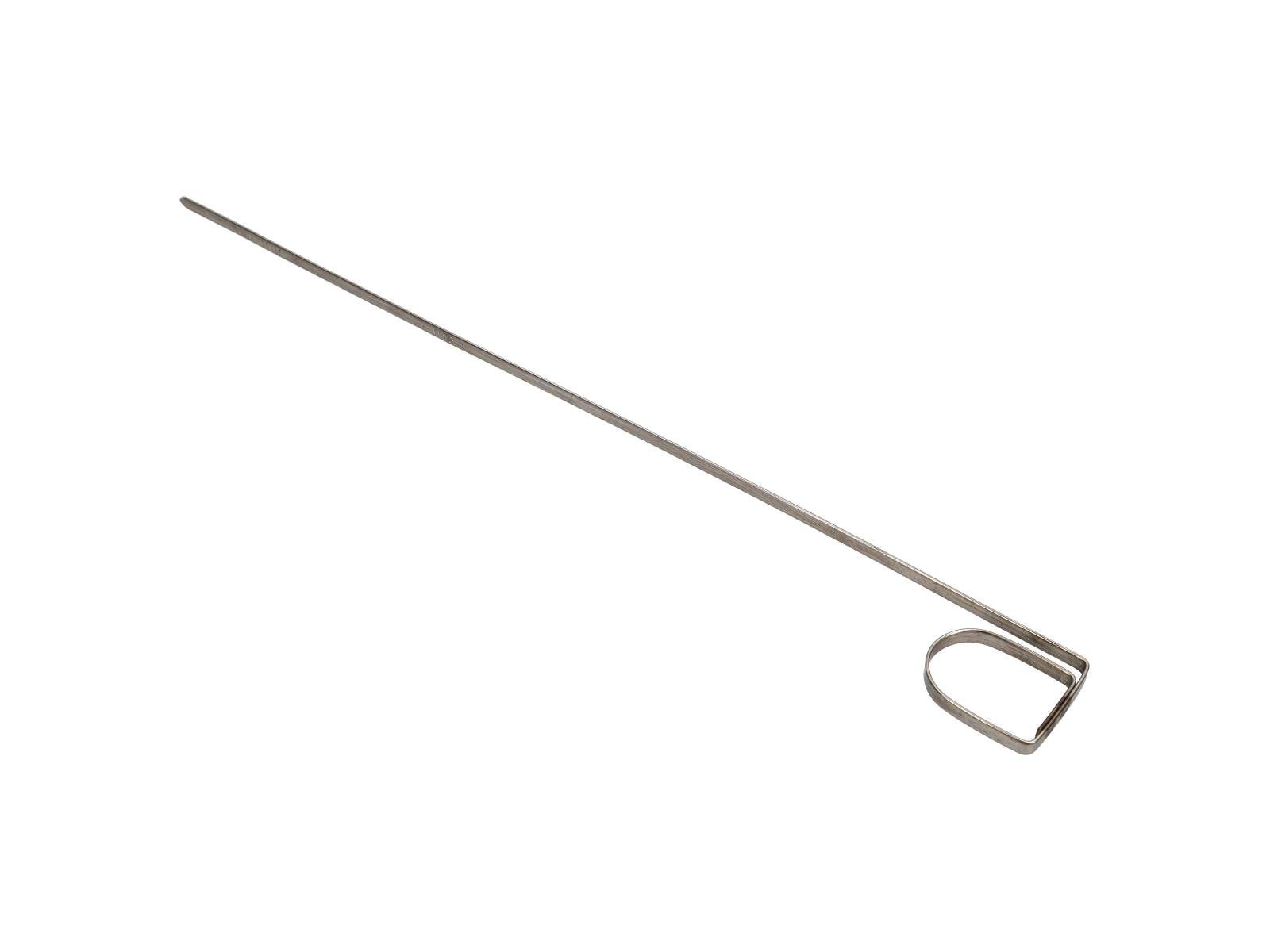
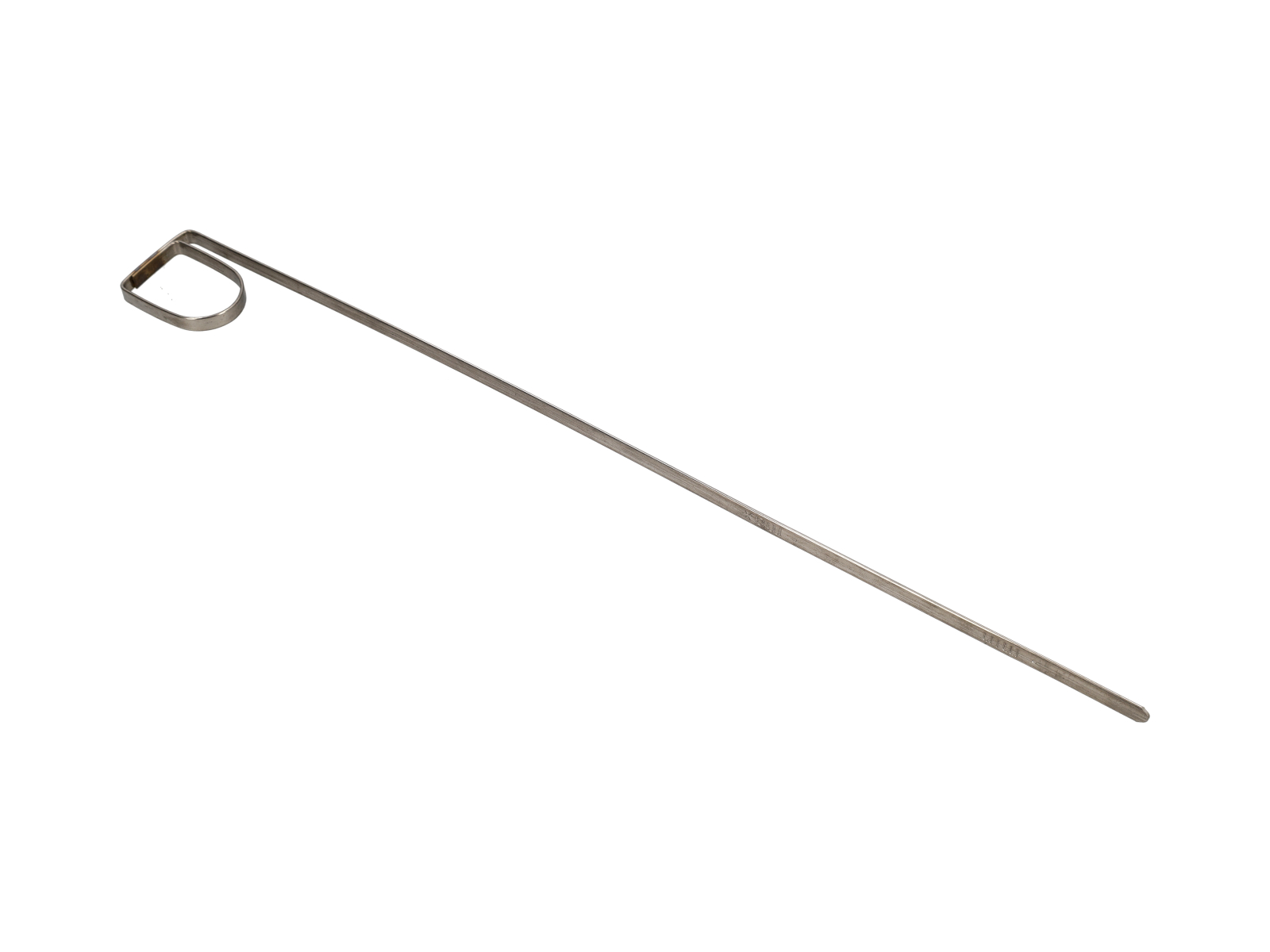
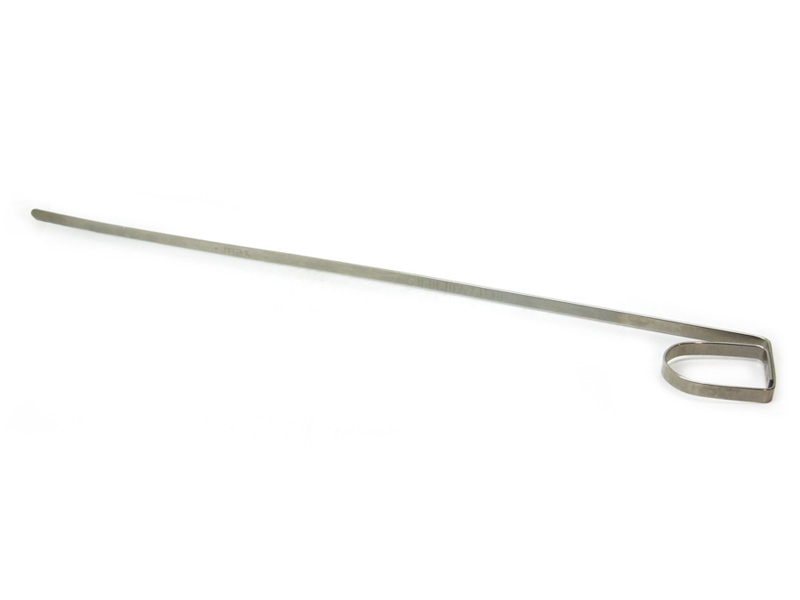
Oil Level Dipstick


This OE Match oil level dipstick provides a manual way to check the oil level, it supports routine oil checks, servicing and replacement of a missing or damaged dipstick.
Fits
- Porsche 911 1974–80
- Porsche 911 (930) Turbo 1975-77
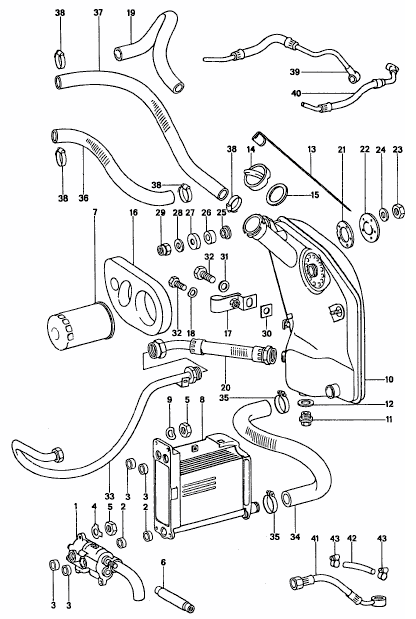
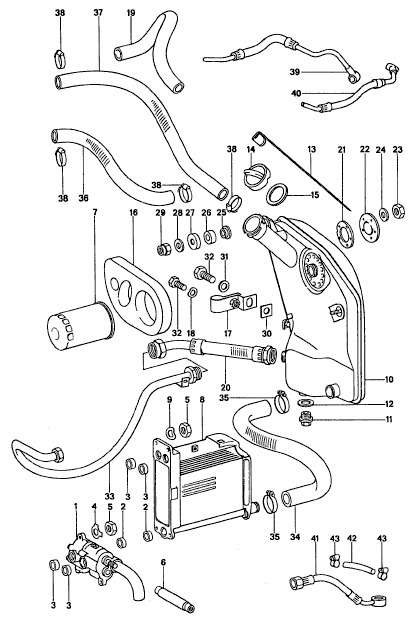
Diagram ref no 13
Check fitment for your specific vehicle (model, year, engine) before ordering.
What Is This Part?
The oil level dipstick is a removable measuring component used to read the oil level in the lubrication system. Oil left on its measuring section is compared with the level markings to assess whether topping up is needed. A readable, undamaged dipstick of the correct specification is important because the reading depends on its relationship with the intended tank and seating position. It is a checking tool, rather than a component that controls oil pressure or circulation.
What Does This Part Do?
- Shows the oil level: Provides a visible oil trace that can be compared with the measuring marks.
- Guides topping up: Helps establish whether more oil is needed when used according to the vehicle’s checking procedure.
- Supports routine monitoring: Allows repeated checks when keeping a record of oil use between services.
- Assists initial inspection: Makes it possible to examine the oil film, although appearance alone cannot establish oil condition or diagnose an engine fault.
Why Replace This Part?
A missing dipstick prevents the intended manual level check, while damage or unreadable markings can make the result difficult to interpret. A bent measuring section or damaged handle may also interfere with insertion, removal or consistent seating. Replacement is appropriate when inspection confirms that the existing dipstick can no longer be used reliably.
Checking the application is equally important: an incorrect dipstick can give a misleading indication even if it appears to fit. Inconsistent readings should first prompt a check of the measuring procedure and seating position, rather than an assumption that the dipstick has failed. Oil leaks, smoke or oil-pressure concerns require separate investigation.
When to Replace This Part?
- Missing component: The original dipstick has been lost or is absent.
- Physical damage: The measuring section is bent, cracked or otherwise damaged.
- Unreadable markings: Wear or corrosion prevents a clear comparison with the oil film.
- Damaged handle: The handle is loose or damaged enough to affect normal use.
- Poor insertion or seating: Inspect the dipstick and its receiving area if it catches, will not seat correctly or is difficult to remove.
- Incorrect application: The fitted dipstick is confirmed to be unsuitable for the vehicle’s oil-system arrangement.
FAQs
- When should I check the oil? Follow the handbook procedure for your exact model. Vehicle position, oil temperature and whether the engine is running can affect the reading.
- Why do readings vary? Different checking conditions, incomplete insertion or oil smearing can make comparisons difficult. Repeat the check using the same correct procedure before adding oil.
- Can the wrong dipstick lead to overfilling? Yes. An unsuitable measuring length or marking position can misrepresent the level, so confirm the application rather than relying on appearance alone.
Product Summary
- Product: Oil level dipstick.
- Brand: OE Match.
- Purpose: Manual oil level measurement for routine checks and servicing.
- Fitment restriction: The SC application ends at 1980 for this dipstick.
Related reference numbers
Related, superseded, cross reference or alternative numbers for comparison.
93010773100
The product you are viewing cross references to these numbers
- Porsche 911 1974-1977 2.7L / 1976-77 3.0 Carrera
- Porsche 911 1975-1977 3.0L Turbo (930)
 Shop Securely
 12 Month Warranty
 Worldwide Delivery



Fits:
Porsche 911 1974-80
Porsche 911 (930) Turbo 1975-77
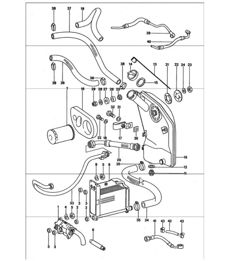
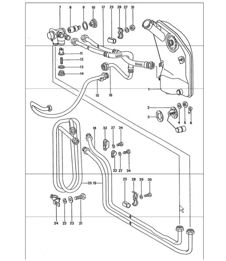
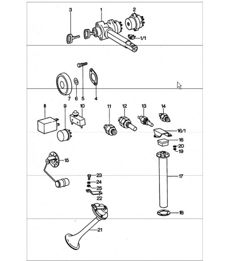
Click 'Zoom in' for large parts diagram.
Diagram ref no 13
Related reference numbers
Related, superseded, cross reference or alternative numbers for comparison.
93010773100
The product you are viewing cross references to these numbers
- Porsche 911 1974-1977 2.7L / 1976-77 3.0 Carrera
- Porsche 911 1978-1983 3.0L / SC
- Porsche 911 1975-1977 3.0L Turbo (930)
Shop Securely
12 Month Warranty
Worldwide Delivery
Accurate Oil Level Dipsticks for Reliable Engine Protection
The oil level dipstick is one of the most essential tools within an engine’s lubrication system. Designed to provide an accurate reading of the engine’s oil level, the dipstick helps drivers and technicians maintain proper oil quantity—ensuring the engine is fully lubricated and protected from wear. A clear, reliable oil reading is vital for preventing overheating, friction damage and premature engine failure.
Whether performing routine checks, servicing your vehicle or restoring a classic model, a correctly functioning dipstick is crucial for engine longevity and reliability.
What Oil Level Dipsticks Do
Oil dipsticks serve several important purposes within the
oil system:
- Provide
accurate oil level readings to prevent underfilling or overfilling
- Help
monitor oil condition, such as colour and contamination
- Assist in diagnosing leaks or excessive oil consumption
- Ensure correct lubrication during high-performance or high-temperature driving
- Support regular maintenance routines by offering quick, easy inspection
A high-quality dipstick is essential for both everyday users and performance-focused drivers.
Why Oil Level Dipsticks Commonly Fail
Although simple in design, dipsticks are exposed to constant
heat cycles, oil contact and mechanical handling. Over time, they may fail due
to:
- Cracked, bent or warped dipstick blades
- Faded
or worn measurement markings causing inaccurate readings
- Broken or loose dipstick handles or seals
- Corrosion
from moisture or long-term oil exposure
- Dipstick tubes becoming blocked or damaged
- Improper removal, force or misalignment during checks
A faulty dipstick can lead to misleading oil readings, which may result in running the engine with too little or too much oil—and both can cause major engine damage.
Why You Should Replace a Worn or Damaged Oil Dipstick
Replacing a worn dipstick with a high-quality,
precision-made alternative built to match original performance standards
ensures you always have reliable, accurate oil level information. Accurate
readings prevent lubrication issues and protect the engine during everyday
driving as well as spirited or high-load conditions.
Benefits of replacing your dipstick include:
- Restored accuracy in oil level measurement
- Prevention of engine wear caused by low lubrication
- Better monitoring of oil condition and consumption
- Improved sealing to keep contaminants out of the dipstick tube
- Long-lasting durability under constant heat and oil exposure
This small, inexpensive component plays a major role in maintaining engine health.
-
 Filler Neck Parts
-
Oil Tank & Parts
-
Oil Level Senders
-
Oil Pressure Senders / Switches
-
Oil Pressure Relief Valve
-
Oil Pipes & Hoses
-
Breather Pipes
-
Camshaft Lines
-
Oil Pumps & Gaskets
-
Oil Coolers / Radiators / Heat Exchangers
-
Oil Sump
-
Oil Thermostat
-
Oil Filter Housing
-
Oil Temperature Sensor
-
Elephant racing systems




Monday-Friday: 8.30am - 5.30pm (GMT)
Saturday: Closed
Sunday: Closed