





Enter your VAT number here and click Verify:
Your details have been verified. VAT number registered to:
,
.
Your order will now be zero rated for VAT purposes. We reserve the right to verify these details after your order request has been made and reinstate VAT if required.
Your VAT details were not recognised or were invalid. Your VAT number must be matched to your Billing Country as specified above. This is currently specified as . You do not need to enter the country code part of your VAT number as this has already been selected in your billing address details above.
The VAT number checking service is currently offline. Please supply your VAT details within the comments or special instructions field below and we will apply a VAT discount after placing your order request.

- Accessories
- Brakes
- Chassis / Bodywork
- Clothing & Gifts
- Electrical & Relays
- Engine Cooling
- Engine Electrical
- Engine Rebuild Parts
- Engine Tuning
- Exhausts
- Exterior Styling / Spoilers
- Gearbox / Transmission
- Heating / Air Conditioning
- Hydraulics
- Incar / Multimedia
- Interior & Accessories
- Lighting
- Mats & Carpets
- Motorsport and Off-Road
- Parts for Other Cars
- Pedal Cluster
- Rubber Seals
- Seats & Seat Belts
- Service Parts
- Special Offer Parts
- Steering Parts
- Suspension & Axle
- Suspension Upgrades
- Tyres
- Wheel Accessories
- Wheels
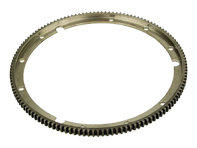
Clutch Ring Gear


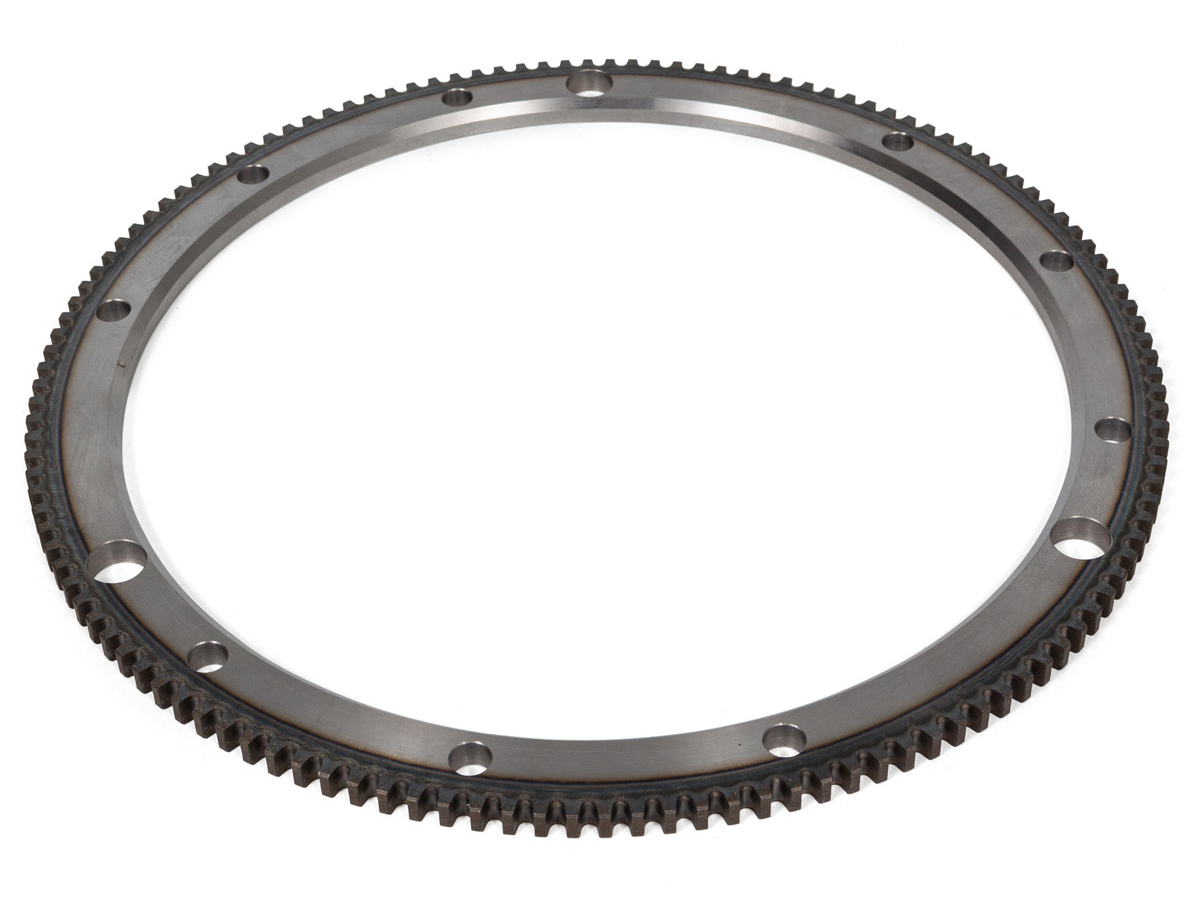
Flywheel Ring Gear
Restore dependable engine starting performance with this OE
Match Flywheel Ring Gear, designed for Porsche 911 models produced between 1970 and 1986. The flywheel
ring gear is a critical component of the engine starting system, providing the
engagement surface for the starter motor and allowing the engine to crank
reliably every time the ignition is activated.
Fits:
- Porsche 911 1968-1973 2.2L / 2.4L / 2.7L RS LWB (F)
- Porsche 911 1974-1977 2.7L / 1976-77 3.0 Carrera
- Porsche 911 1978-1983 3.0L / SC
- Porsche 911 1984-1986 3.2L
- Porsche 911 1975-1977 3.0L Turbo (930)
Manufactured to OE specifications, this replacement ring gear delivers the correct tooth profile, fitment and durability required for classic air-cooled Porsche applications. Whether you're rebuilding an engine, replacing a worn flywheel component or restoring a classic 911, fitting a new flywheel ring gear helps ensure smooth starter operation and long-term reliability.
What Does the Flywheel Ring Gear Do?
The flywheel ring gear is a hardened steel gear mounted around the outer circumference of the flywheel. Its primary purpose is to engage with the starter motor pinion gear during engine start-up.
When the ignition key is turned, the starter motor extends its pinion gear into the teeth of the flywheel ring gear. The starter then rotates the flywheel, turning the engine over until combustion begins and the engine starts.
The flywheel ring gear plays a vital role by:
- Providing a durable engagement surface for the starter motor.
- Allowing the engine to crank during start-up.
- Ensuring smooth and reliable starter operation.
- Transferring rotational force from the starter motor to the crankshaft.
- Supporting consistent engine starting performance.
Without a properly functioning ring gear, starter engagement can become unreliable or impossible.
Why Do Flywheel Ring Gears Fail?
Although manufactured from hardened steel, flywheel ring gears experience repeated mechanical loading every time the vehicle is started. Over decades of service, wear and damage can occur.
Common causes of failure include:
- Tooth wear caused by repeated starter engagement.
- Damaged or chipped gear teeth.
- Starter motor misalignment.
- Worn starter pinion gears damaging the ring gear.
- Excessive heat generated during clutch or flywheel issues.
- Corrosion caused by moisture contamination.
- General wear associated with high mileage and age.
On classic Porsche 911 models, decades of repeated engine starts can eventually lead to worn sections of the ring gear, particularly in the areas where the engine most commonly stops after shutdown.
When Should the Flywheel Ring Gear Be Replaced?
The flywheel ring gear should be inspected whenever the
engine, clutch or flywheel assembly is removed. Replacement is recommended if
you observe:
Chipped,
broken or heavily worn teeth.
Replacing a worn ring gear while the transmission or engine is already removed can prevent future starting problems and reduce labour costs.
Related reference numbers
Related, superseded, cross reference or alternative numbers for comparison.
91111623904
The product you are viewing cross references to these numbers
- Porsche 911 1968-1973 2.2L / 2.4L / 2.7L RS LWB (F)
- Porsche 911 1974-1977 2.7L / 1976-77 3.0 Carrera
- Porsche 911 1978-1983 3.0L / SC
- Porsche 911 1984-1986 3.2L
- Porsche 911 1975-1977 3.0L Turbo (930)
 Shop Securely
 12 Month Warranty
 Worldwide Delivery



Fits:
Porsche 930 3.0L Turbo 1975-77
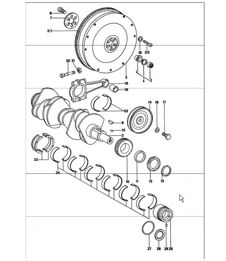
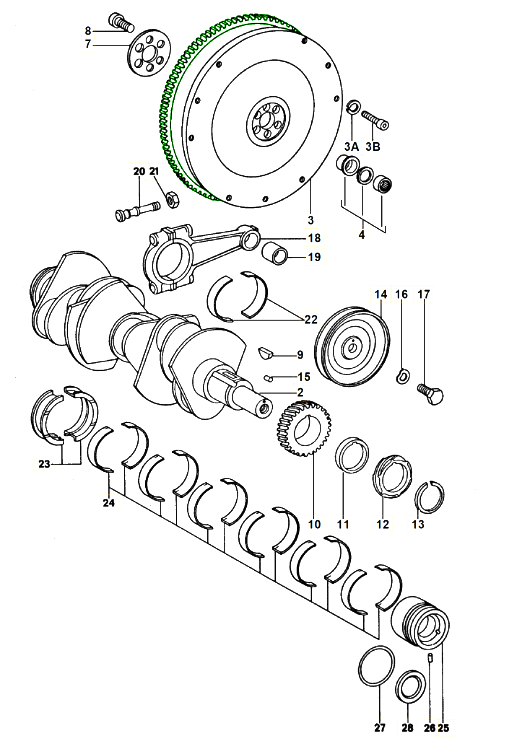
Click 'Zoom in' for large parts diagram.
Fits to nr 3 on diagram.
Related reference numbers
Related, superseded, cross reference or alternative numbers for comparison.
93011623004
The product you are viewing cross references to these numbers
- Porsche 911 1975-1977 3.0L Turbo (930)
Shop Securely
12 Month Warranty
Worldwide Delivery

Fits:
Porsche 930 3.0L Turbo 1975-77
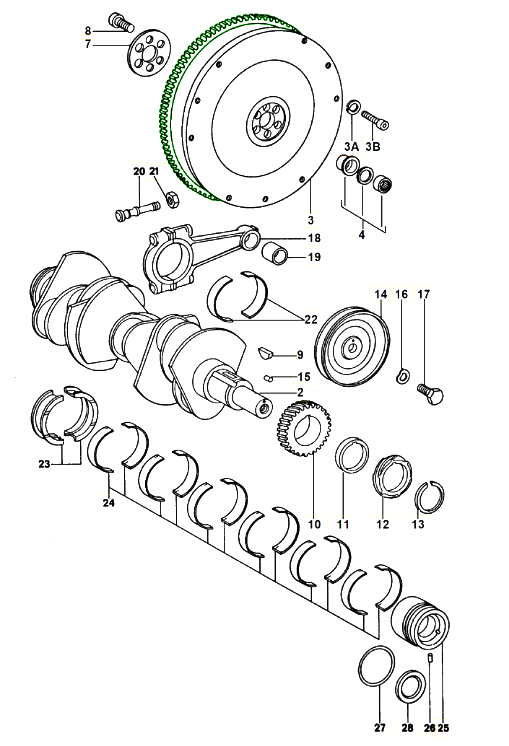
Click 'Zoom in' for large parts diagram.
Fits to nr 3 on diagram.
Related reference numbers
Related, superseded, cross reference or alternative numbers for comparison.
93011623004
The product you are viewing cross references to these numbers
- Porsche 911 1975-1977 3.0L Turbo (930)
Shop Securely
12 Month Warranty
Worldwide Delivery
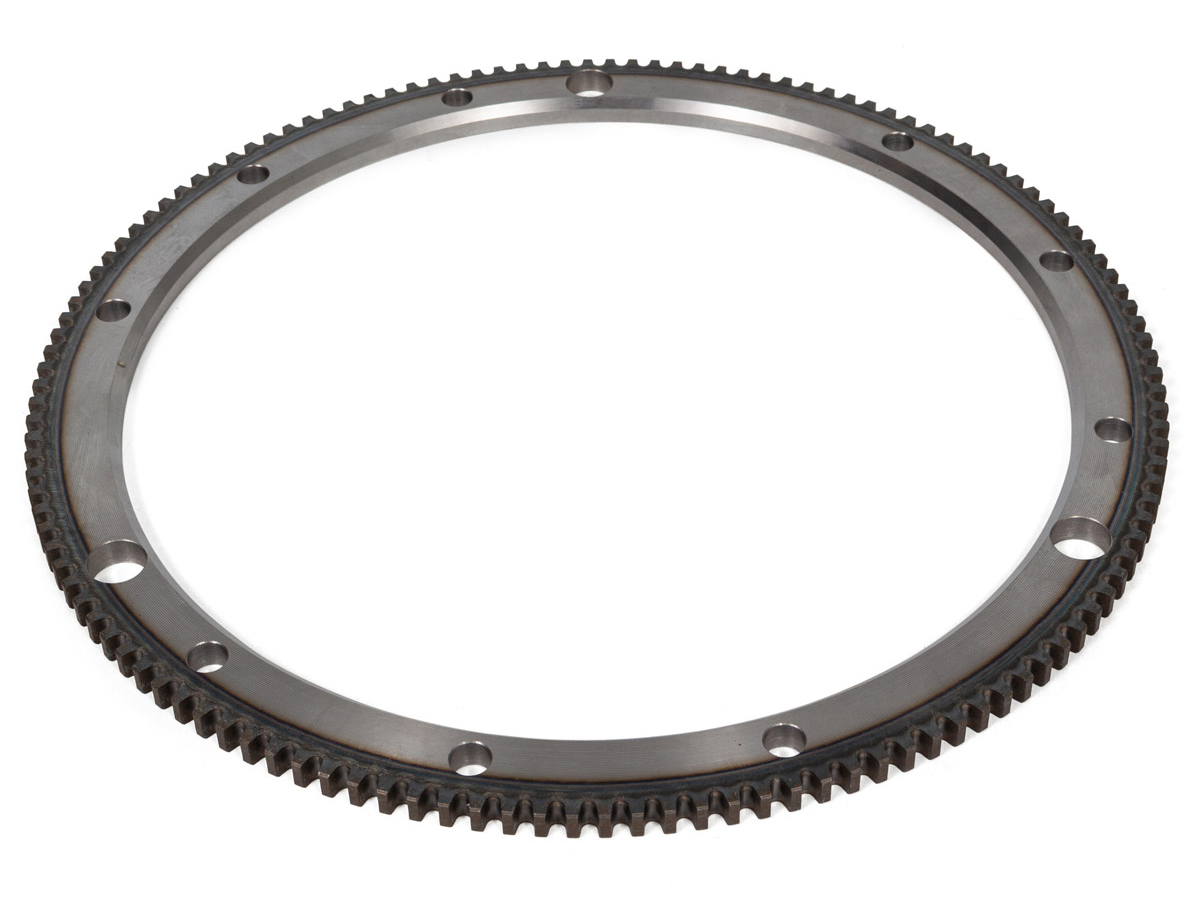
Porsche Ring Gears | Precision-Engineered for Reliable Engine Starts
The ring gear is a crucial component of your Porsche’s flywheel assembly. It provides the toothed surface that engages with the starter motor pinion to crank the engine during startup. A precisely machined and properly fitted ring gear ensures smooth, reliable engine starts and efficient power transfer between the starter and flywheel.
At Design911, we supply high-quality ring gears designed to meet or exceed the original design standards. Manufactured from hardened steel and heat-treated for superior durability, each ring gear is engineered for perfect alignment, smooth engagement, and long-lasting performance under the most demanding conditions.
Whether you’re replacing a worn or damaged gear or rebuilding a flywheel assembly, our Porsche ring gears guarantee accuracy, reliability, and consistent performance across all Porsche models.
What Do Ring Gears Do?
The ring gear forms an integral part of the flywheel or flexplate and works directly with the starter motor to initiate engine rotation.
Core Functions:
- Provides a precision-toothed surface for the starter motor pinion.
- Enables smooth and consistent engine cranking.
- Maintains correct rotational balance in the flywheel assembly.
- Ensures long-term reliability of the starting system.
Without a properly functioning ring gear, the starter motor may struggle to engage, producing grinding noises or failing to turn the engine over — leading to hard starting or complete failure to start.
Why Do Ring Gears Fail or Wear
Out?
Ring gears operate under high rotational speeds and repeated
impact stress from the starter motor, making them prone to wear and fatigue
over time.
Common Causes of Failure Include:
- Worn or chipped teeth from repeated starter engagement.
- Misalignment between the starter pinion and ring gear.
- Heat damage or warping caused by excessive friction.
- Corrosion from oil leaks or moisture exposure.
- Manufacturing stress or improper installation leading to cracks.
Once the teeth become worn or damaged, the starter motor can no longer engage properly — resulting in grinding noises, intermittent starting, or complete engine start failure.
Why Replace Your Porsche Ring Gear?
Replacing a damaged or worn ring gear ensures smooth, reliable engine starts and prevents costly damage to the starter motor and flywheel. A new, precision-machined ring gear restores proper alignment and engagement, guaranteeing dependable performance with every start.
Key Benefits:
- Restores reliable engine starting and power transfer.
- Prevents starter motor slippage or grinding noise.
- Reduces vibration and wear on the flywheel assembly.
- Engineered from hardened, heat-treated steel for longevity.
- Ensures perfect fitment and balance for Porsche engines.
- Suitable for standard maintenance or performance rebuilds.
It’s strongly recommended to replace the ring gear during clutch or flywheel servicing to ensure full compatibility and long-term reliability.
Highlights
- Precision-engineered Porsche ring gears for reliable starting.
- Manufactured from high-strength, heat-treated steel.
- Designed for exact fitment and rotational balance.
- Ideal for Porsche 911, Cayman, Boxster, and classic models.
- Prevents starter motor damage and engagement issues.
- Suitable for restoration, maintenance, and performance rebuilds.
-
 Clutch Kits
-
Clutch Kits - High Performance
-
Clutch Friction Plate
-
Clutch Pressure Plate
-
Clutch Release Bearings
-
Clutch Cables & Parts
-
Clutch Guide Tube
-
Clutch Forks & Levers
-
Clutch Bolts
-
Gearbox Parts
-
Driveshafts & Parts
-
Gasket Sets / Gaskets / Seals / Lock Nuts
-
Gearbox Mounts
-
Gearshift Control Parts
-
Flywheel / Torque
-
CV Joints Kits
-
CV Boots and Kits
-
Cardan Shaft / Prop Shaft
-
Transmission Parts
-
Gearbox / Differential Oil
-
Gearbox Sump / Oil Pan
-
Transmissions / Gearboxes
-
Rear Differential
-
Sportomatic
-
Sensors
-
Transmission Cooling
-
Motor Sport Parts




Monday-Friday: 8.30am - 5.30pm (GMT)
Saturday: Closed
Sunday: Closed