Your Air-Cooled Porsche Deserves the Best Parts
The quality of a restoration is in the details. From engine studs and fasteners to the finishing touches in the

Porsche brakes rank in the category of ‘high-performance,’ and for good reason. Since they are designed to be used under performance conditions, you could experience Porsche brake squeal for various reasons that we explore here.
While it may be annoying, it is no cause for concern unless you feel you are losing stopping power or the noise persists.
Some vehicles roll off the factory floor with squealing brakes, often attributed to slight variations in harmonic frequencies. Suffice it to say that when these issues happen, manufacturers are made aware and often offer solutions.
When it comes to Porsche, customers can expect thoroughly tested brakes designed to perform under pressure.
For Porsche drivers, squealing could be as a result of factors such as:
So, what do you do if driving your Porsche like the engineers in Stuttgart meant for you to do doesn’t make the noise go away?
Well, then you may have a problem. We call it brake glazing, which often happens when there is a buildup of material on the brakes, causing them to have a glossy finish. Much like the sounds of sneakers hitting and twisting on a basketball court, the glossy finish is what creates friction that leads to the high-pitched squeal. This buildup reduces the effectiveness of your brakes, making it essential to address the glazing before it affects performance.
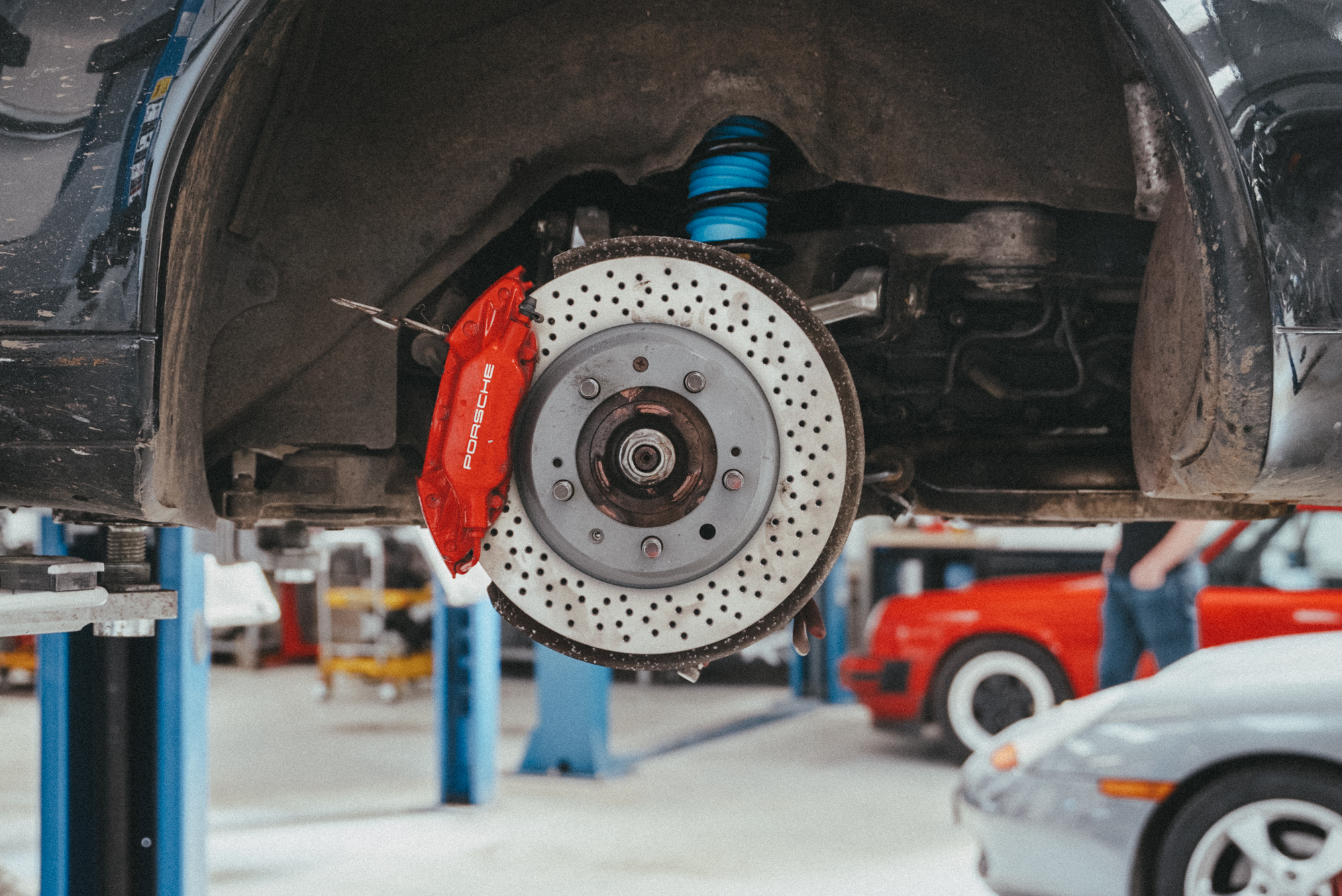
Let’s start by discussing the fix most commonly applied to high-performance Porsche brakes: deglazing!
How you deglaze Porsche brakes is a reiteration of how the high-performance brakes are meant to be used. First, find a road void of traffic, people, or cars. Then, identify a stretch of road where you can get up to 25 mph to 30mph.
Accelerate your Porsche to about 30-35mph and push the brake pedal hard. If you are in a car with ABS, it should help with the process.
NOTE: Do not try to do this in the rain or poor weather conditions. If you are unsure how to do this, consider asking a Porsche expert to do it for you.
The process should reintroduce roughness back to the rotors and make the brakes catch better without noise and irradicate that Porsche brake squeal.
Thanks to keen enthusiasts, mechanics, and advancements in brake lubrication, we call to attention previous advice that often recommended applying copper-based grease to the back of the brake pads to reduce squeal.
This practice is now considered outdated and potentially harmful. Why?
According to renowned brake manufacturers like TMD Friction and Ferodo, copper grease can react with steel and aluminum, causing corrosion and sticking at higher temperatures. It could also affect your ABS sensors, making them unreliable and introducing an avoidable element of risk to your driving.
Ceramic- and silicon-based lubricants designed for brake systems are recommended by most experts for high-performance cars.
A brake squeal can also be a suspension alignment issue. If you drive on poorly maintained roads, hitting potholes, or scraping your wheels against curbs, your suspension components, especially the bushes, could become stressed.
The misalignment of wheels often amplifies the sound generated during braking, making the sound more noticeable. In such cases, a proper suspension realignment and potential suspension replacement (if worn or damaged) may be required to resolve the issues.
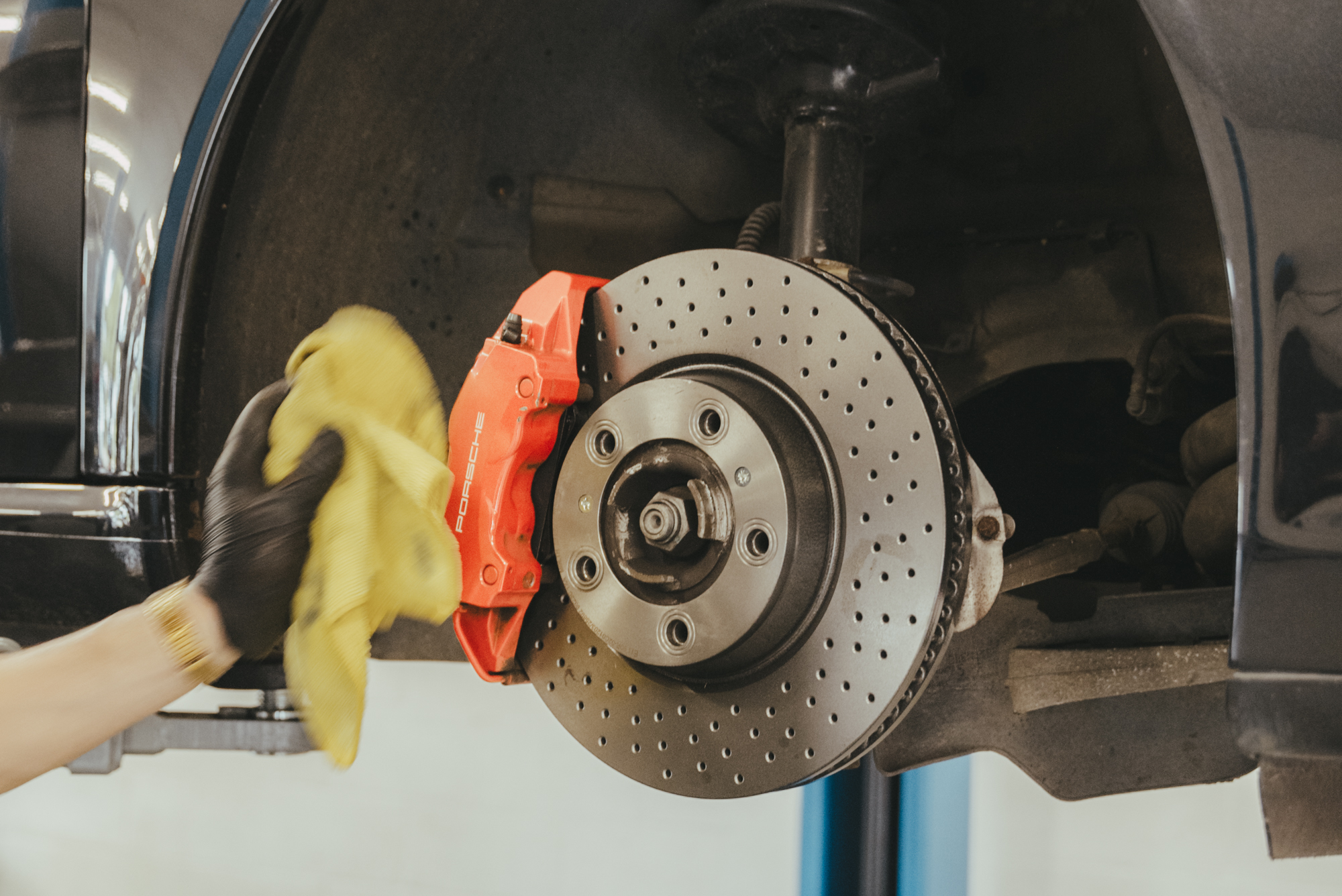
Rust and debris on brake components can cause squealing. To fix this, use a brake cleaner designed to remove grease, rust, and dirt from the callipers, rotors, and pads.
Mechanical parts, and especially brakes, will wear out over time if they don’t glide over each other or interact smoothly. Special brake lubricant can help keep the calliper pins, pad contact points, and other moving parts less noisy. Invest in high-quality lubricant designed for the job.
If the rotors are bent or have an uneven surface, they dig into other components and cause squealing. Depending on the damage, the problem can be fixed by resurfacing or replacing the rotors.
Long-time Porsche enthusiasts and experts will tell you that Porsche brakes benefit from proper use. Do not ride the brakes or start depressing the pedal long before you should to avoid squeaking.
If you’re looking for parts and products to help prevent brake squeal in your Porsche, here are some highly recommended options available on Design911:
These shims reduce vibration between the brake pad and calliper piston, effectively minimising or eliminating the sound.
This is a powerful, high-temperature-resistant lubricant without metals or acids. It reduces brake squealing, facilitates brake installation, and protects against scouring and corrosion. You should also know that it is suitable for use in ABS systems and other high-stress applications.
The Textar brake cleaner spray cleans gear, clutch, and brake components. It removes dirt, grease, and oil, ensuring longevity and optimal performance. It is safe for use on glass and metal surfaces.
Textar also produces high-quality brake components, providing premium braking solutions that ensure performance, comfort, and safety in various driving conditions.
This is a lubricant specifically designed for hydraulic brake components. It assists in the installation of hydraulic components, protects against corrosion, and is compatible with various brake fluids. It contains no mineral oils and is safe for use with EPDM rubber.
If you know anything about performance vehicles, you are no stranger to Brembo, the most renowned supplier of high-performance braking systems. They are featured on racing vehicles or powerful consumer models that require incredible stopping power.
They are renowned for their visibility and quality, offering a wide range of products, including brake pads, discs, and complete brake kits.
By understanding the cause of brake squeal and using the right products, you can have a smooth, noise-free, and confident experience. Some of the well-known examples of brake squeal for other car brands that have been reported on include:
At Design911, we can help you find the right parts for your Porsche. Reach out today to learn more about what we have in our catalog.
The quality of a restoration is in the details. From engine studs and fasteners to the finishing touches in the
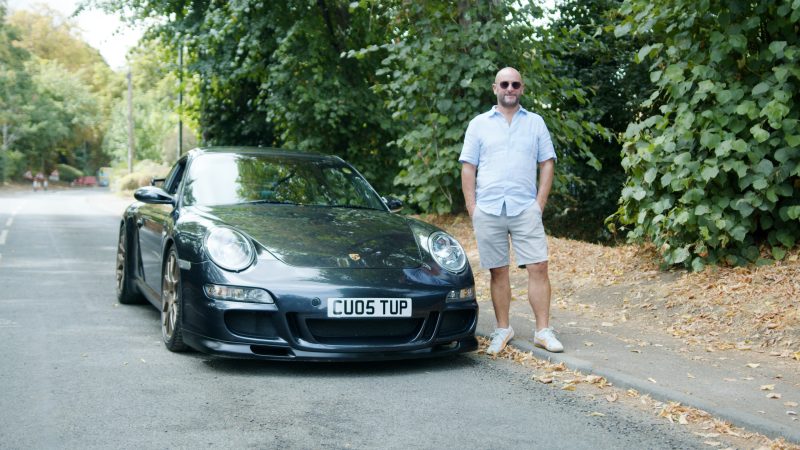
Some cars take months of searching. Mick’s took about a thousand yards. “Matt took me up the road in it.

Trade trip highlights included London brewery visits, a tour of Design911 HQ and a party at The Lounge by Design911.

The Lounge by Design911 has officially opened its doors for an exclusive soft launch at our Hutton headquarters. Bringing together
