





Enter your VAT number here and click Verify:
Your details have been verified. VAT number registered to:
,
.
Your order will now be zero rated for VAT purposes. We reserve the right to verify these details after your order request has been made and reinstate VAT if required.
Your VAT details were not recognised or were invalid. Your VAT number must be matched to your Billing Country as specified above. This is currently specified as . You do not need to enter the country code part of your VAT number as this has already been selected in your billing address details above.
The VAT number checking service is currently offline. Please supply your VAT details within the comments or special instructions field below and we will apply a VAT discount after placing your order request.
Exhaust gas turbocharger. Part number supersedes to PAB145873B Genuine Porsche part 95512302500
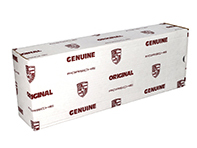
• This part is brand new and unused.
• Please verify that it is 100% suitable for your specific vehicle before purchase to ensure compatibility.
Before purchasing thoroughly check part to confirm compatibility.
- We are unable to provide fitting details for this product at this time. Please contact us for further information.


Fits:
Porsche Cayenne (955) 3.0 TDI 02/09-09/10
Related reference numbers
Related, superseded, cross reference or alternative numbers for comparison.
PAB145873B
The product you are viewing cross references to these numbers
- Porsche 957 Cayenne 3.0L Diesel 2007-10
 Shop Securely
 12 Month Warranty
 Worldwide Delivery

Fits:
Porsche Cayenne (92A) 3.0 TDI 06/2010 - 05/2011
Porsche Cayenne (9PA) 3.0 TDI 02/2009 - 09/2010
Related reference numbers
Related, superseded, cross reference or alternative numbers for comparison.
PAB145873B
The product you are viewing cross references to these numbers
- Porsche 957 Cayenne 3.0L Diesel 2007-10
- Porsche 958 Cayenne V6 3.0L Diesel (245Hp) 2010-17
Shop Securely
12 Month Warranty
Worldwide Delivery

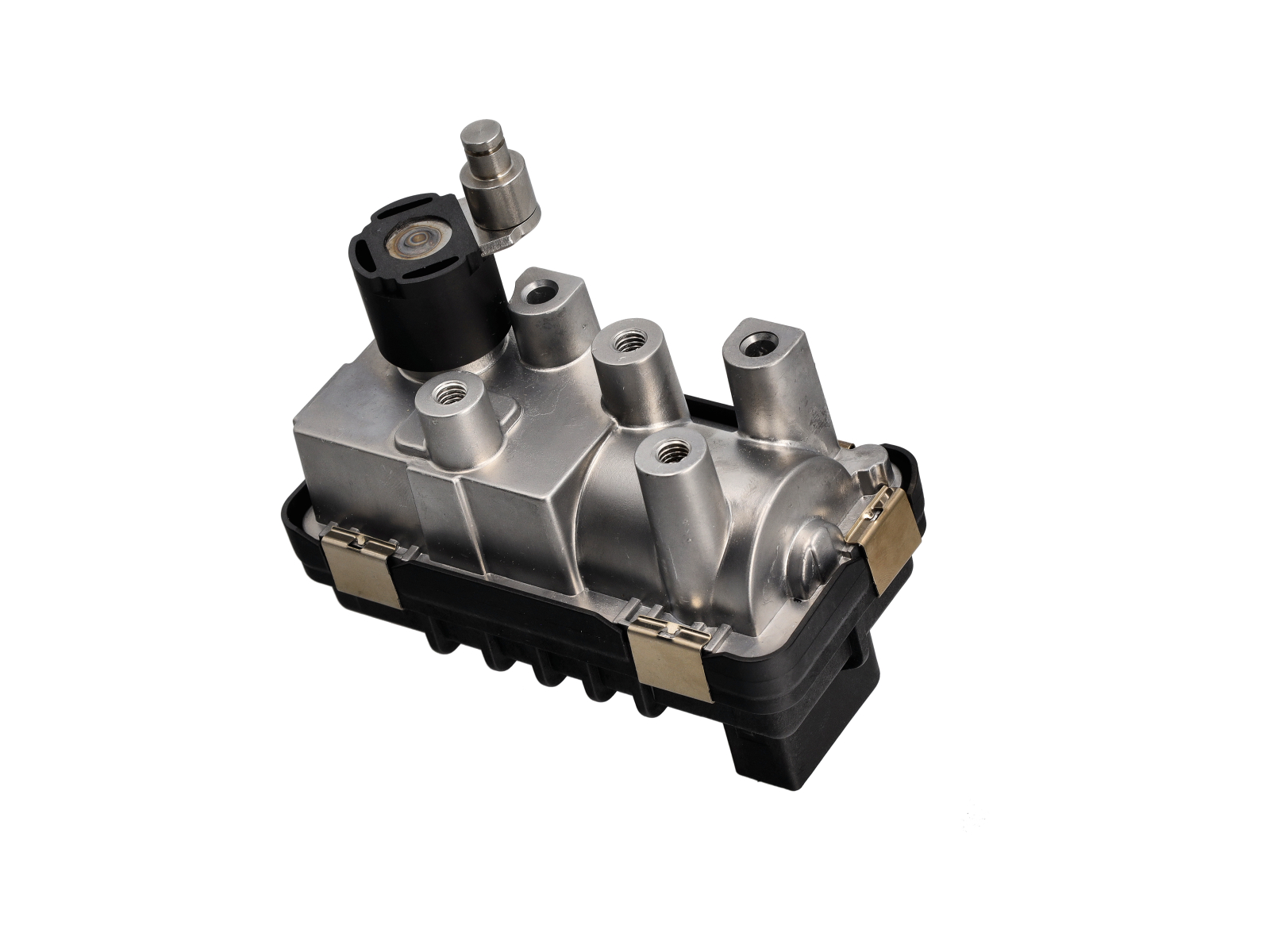
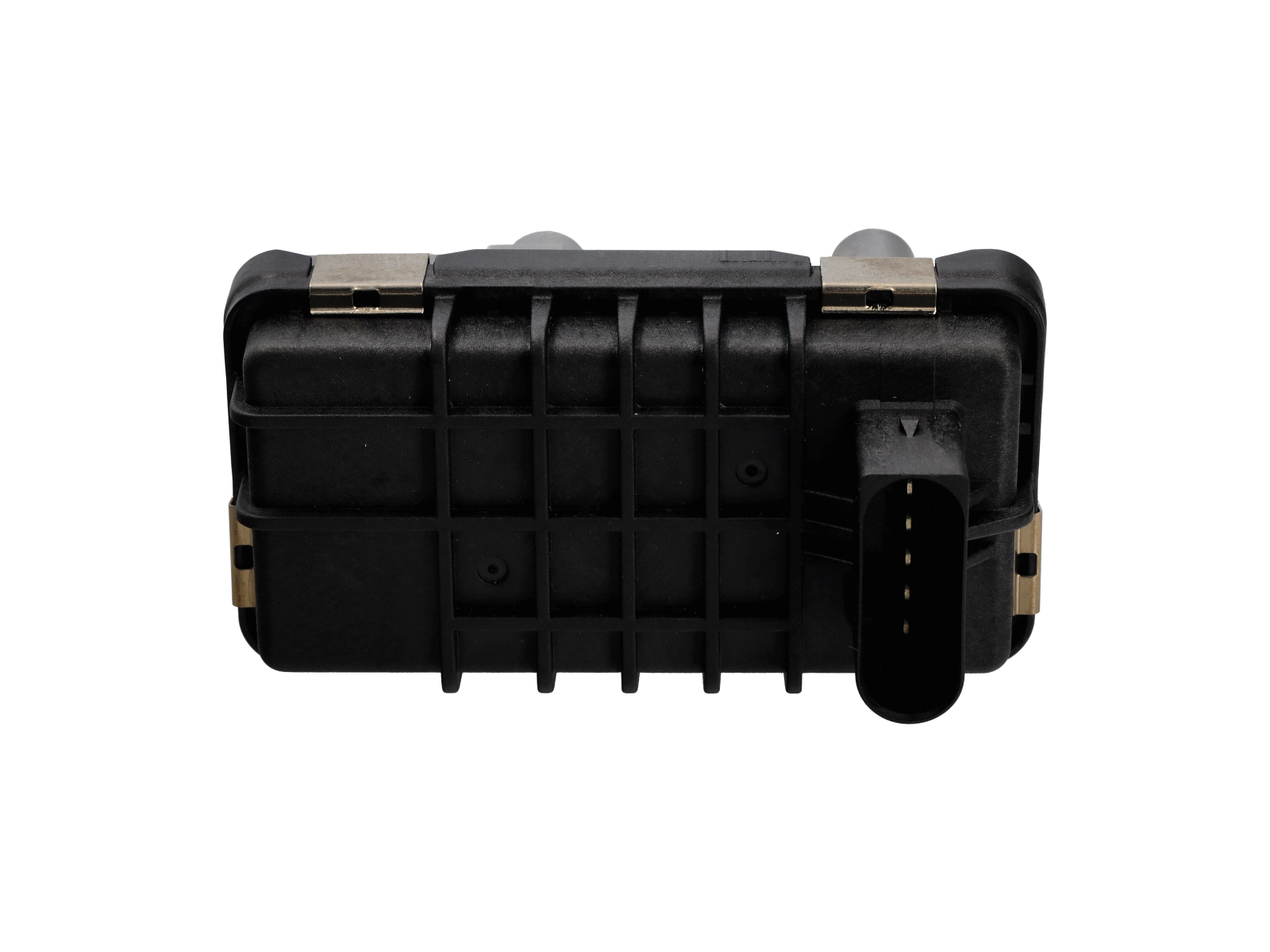
Diesel Turbocharger Actuator
This turbocharger actuator is designed for the Porsche
Cayenne 3.0ltr diesel engine fitted to the 957 and 958 generation models. The
actuator plays a critical role in controlling turbo boost pressure by
regulating the turbocharger’s variable geometry system.
Fits:
Porsche 957 Cayenne 3.0L Diesel 2007-10
Porsche 958 Cayenne V6 3.0L Diesel (245Hp) 2010-17
Fits to diagram ref no 5 Diagram ref no 1
Modern turbo diesel engines rely on precise boost control to deliver efficient performance, strong torque and optimal fuel economy. A failing turbo actuator can significantly affect engine performance and trigger warning lights or limp mode.
What the Turbocharger Actuator Does
The turbo actuator controls the position of the turbocharger vanes or wastegate mechanism. It adjusts the amount of exhaust gas flowing through the turbocharger to regulate boost pressure.
This allows the engine to:
• Deliver strong acceleration and torque
• Maintain efficient combustion and fuel economy
• Prevent excessive boost pressure that could damage engine components
• Provide smooth power delivery across the rev range
The actuator communicates with the engine control unit to constantly adjust turbo boost depending on engine load and driving conditions.
Why Turbo Actuators Fail
Turbo actuators operate in extremely harsh conditions near the turbocharger where high heat and constant movement are present. Over time this can cause internal components to wear or fail.
Common causes of failure include:
Electrical motor or sensor failure
The actuator contains electronic components that can fail due to heat exposure.
Carbon buildup in the turbo mechanism
Soot deposits can restrict the movement of turbo vanes, causing excessive
strain on the actuator.
Internal gear wear
Mechanical wear inside the actuator can cause inaccurate positioning of the
turbo vanes.
Heat damage
Prolonged exposure to turbocharger heat can degrade actuator components.
Symptoms of a Faulty Turbo Actuator
• Loss of engine power or poor acceleration
• Turbo boost errors or warning lights
• Engine entering limp mode
• Inconsistent turbo performance
• Fault codes relating to boost pressure control
• Increased fuel consumption
Replacing a faulty turbo actuator restores proper boost regulation and helps return the engine to its intended performance levels.
Why You May Need to Replace the Turbo Actuator
Restore Turbo Performance
A new actuator allows the turbocharger to operate correctly and deliver the
expected engine power.
Prevent Engine Management Faults
Replacing a failing actuator can resolve boost control fault codes and warning
lights.
Improve Fuel Efficiency
Proper turbo boost control helps the engine run efficiently and maintain
optimal fuel consumption.
Avoid Further Turbocharger Damage
A malfunctioning actuator can place strain on the turbocharger mechanism if
left unresolved.
Related reference numbers
Related, superseded, cross reference or alternative numbers for comparison.
PAB145873B
The product you are viewing cross references to these numbers
- Porsche 957 Cayenne 3.0L Diesel 2007-10
- Porsche 958 Cayenne V6 3.0L Diesel (245Hp) 2010-17
Shop Securely
12 Month Warranty
Worldwide Delivery


The Genuine Porsche Turbocharger PAB145873B is a replacement forced-induction component designed for compatible Porsche applications. The turbocharger plays a critical role in generating the boost pressure and increased airflow required for the engine to deliver its intended power, torque, acceleration and response.
Fits:
- Porsche 957 Cayenne 3.0L Diesel 2009-10
- Porsche 958 Cayenne V6 3.0L Diesel (245Hp) 2010-11
Diagram Ref No 1
A turbocharger uses energy from the engine's exhaust gases to drive a turbine wheel. This turbine is connected by a shaft to a compressor wheel on the intake side. As the compressor rotates, it draws in and compresses fresh air before supplying it to the engine under pressure.
Because turbochargers operate at extremely high rotational speeds and temperatures, correct lubrication, cooling, intake airflow, exhaust flow and boost control are essential for reliable operation.
What This Product Does:
The turbocharger increases the pressure and quantity of air supplied to the engine.
Exhaust gases leaving the engine spin the turbine wheel. A shaft connects this turbine to the compressor wheel, which draws in and compresses fresh intake air.
This pressurised airflow helps the engine to:
- Generate the required boost pressure
- Receive increased intake airflow
- Produce the intended power and torque
- Deliver strong acceleration
- Maintain correct throttle response
- Provide consistent forced-induction performance
- Make effective use of exhaust-gas energy
The turbocharger works together with the engine-management, intake, intercooling, exhaust, lubrication, cooling and boost-control systems.
Symptoms Of Wear Or Failure:
A worn, damaged or malfunctioning turbocharger can produce a range of mechanical, performance and engine-management symptoms.
Common warning signs include:
- Loss of engine power
- Reduced boost pressure
- Slow or delayed boost response
- Poor acceleration
- Inconsistent power delivery
- Engine-management warning light
- Underboost or overboost fault codes
- Limp or reduced-power mode
- Increased engine oil consumption
- Blue or grey exhaust smoke
- Excessive oil in intake or boost pipework
- Unusual whining or siren-like noises
- Grinding or scraping noises
- Excessive turbocharger shaft play
- Damaged compressor or turbine components
- Abnormal boost fluctuations
These symptoms do not automatically confirm turbocharger failure. Intake leaks, intercooler faults, sensors, actuators and other boost-control problems can produce similar symptoms, so correct diagnosis is important before replacement.
Why Replacement Matters:
A correctly functioning turbocharger is essential for maintaining the intended performance and operation of a turbocharged Porsche engine.
Replacing a confirmed worn or damaged turbocharger helps:
- Restore correct boost pressure
- Restore engine power
- Restore torque
- Improve acceleration
- Restore throttle response
- Reduce abnormal turbocharger noise
- Address oil leakage caused by internal turbo wear
- Restore reliable forced-induction operation
- Support correct engine-management operation
- Reduce the risk of secondary component damage
A turbocharger showing severe mechanical deterioration should not remain in service.
Related reference numbers
Related, superseded, cross reference or alternative numbers for comparison.
PAB145873B
The product you are viewing cross references to these numbers
- Porsche 957 Cayenne 3.0L Diesel 2007-10
- Porsche 958 Cayenne V6 3.0L Diesel (245Hp) 2010-17
Shop Securely
12 Month Warranty
Worldwide Delivery

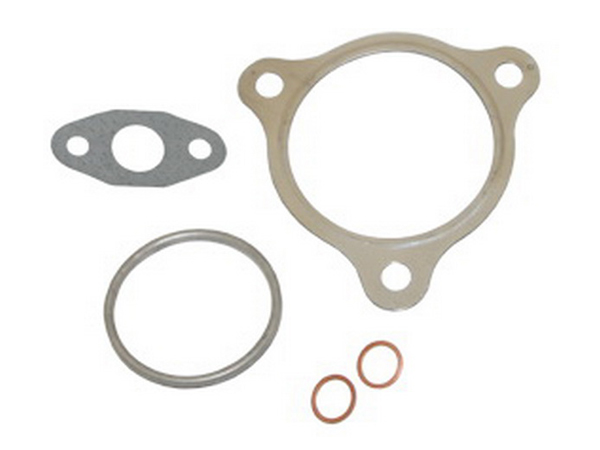
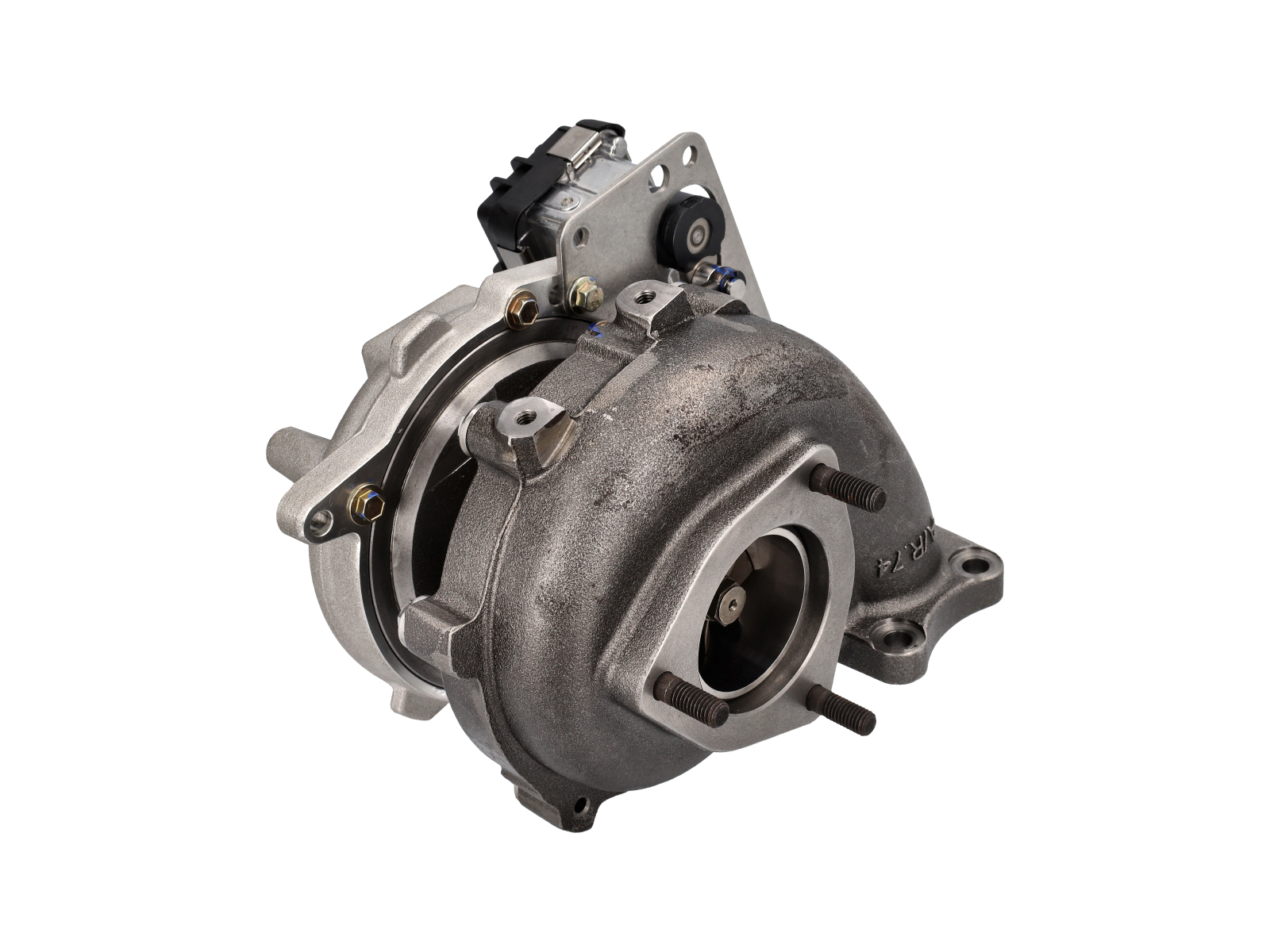
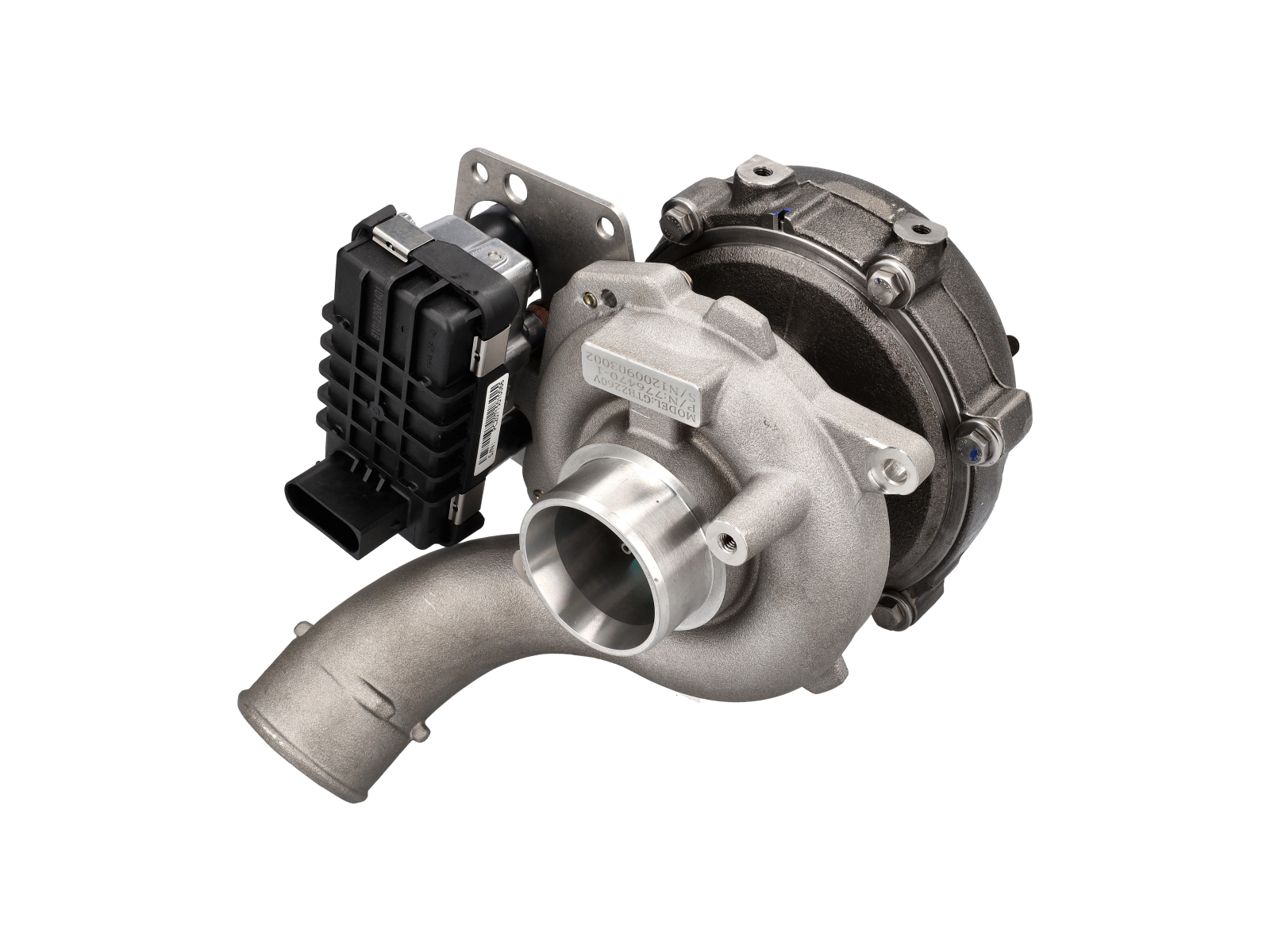
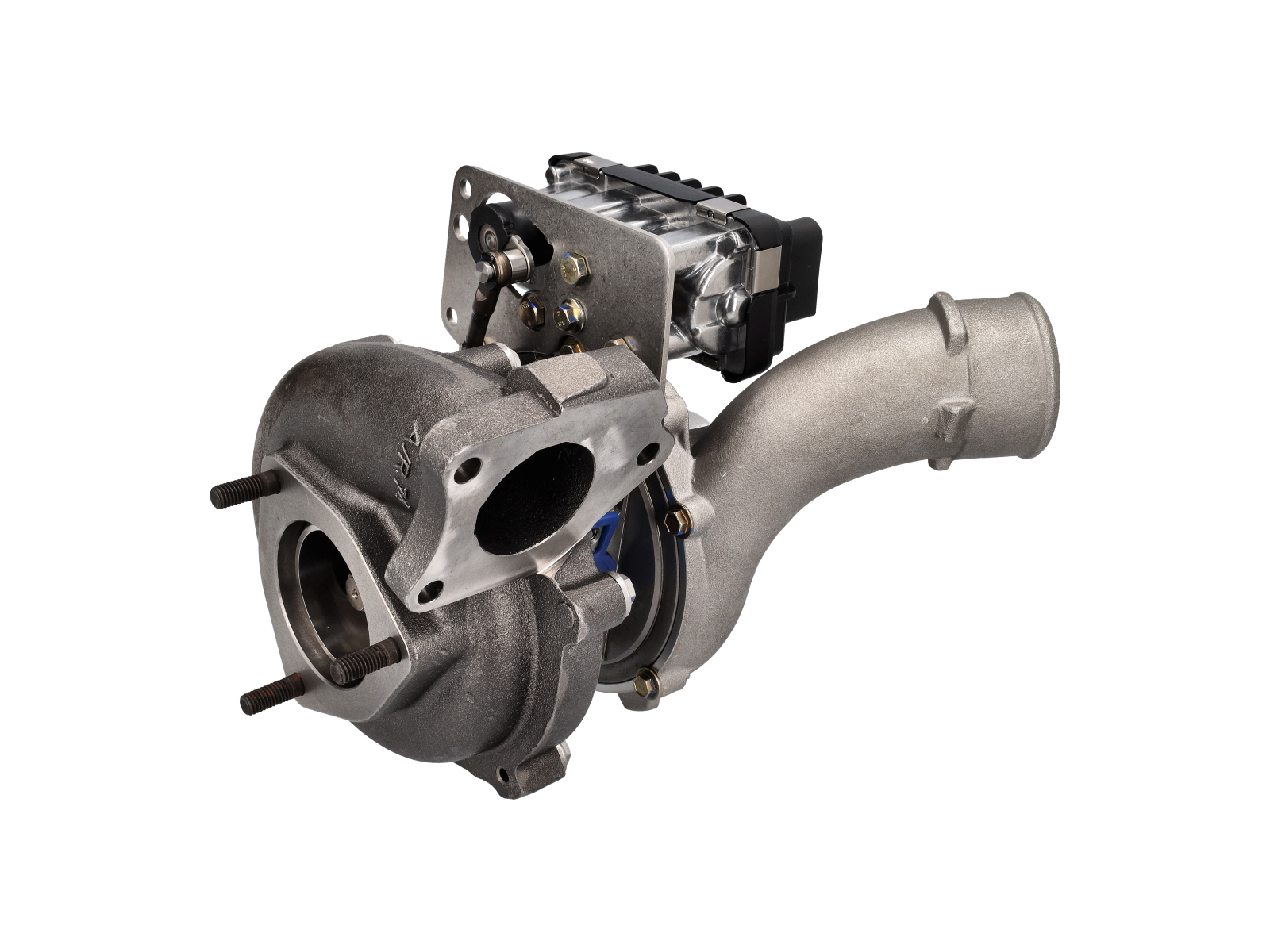
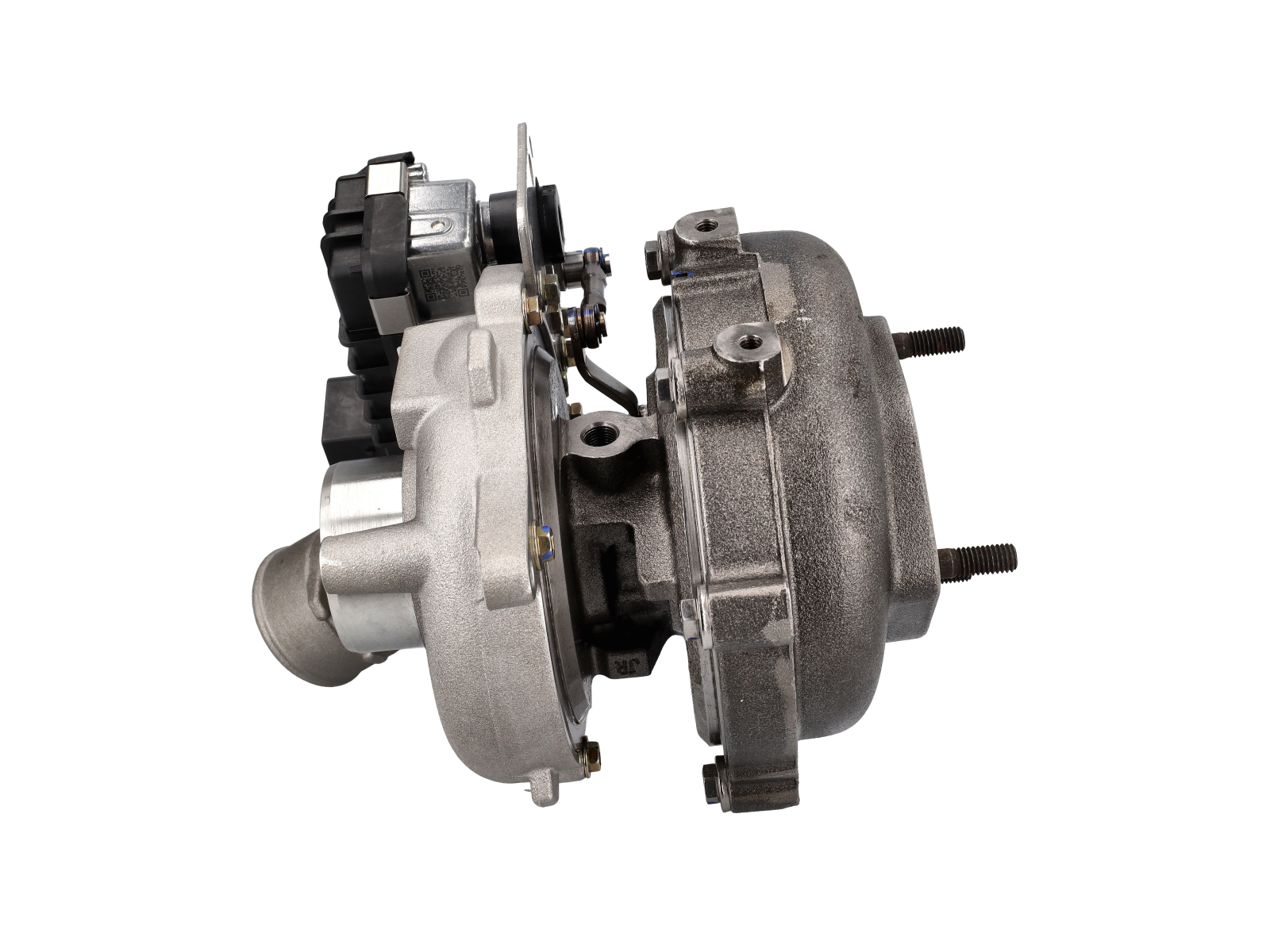
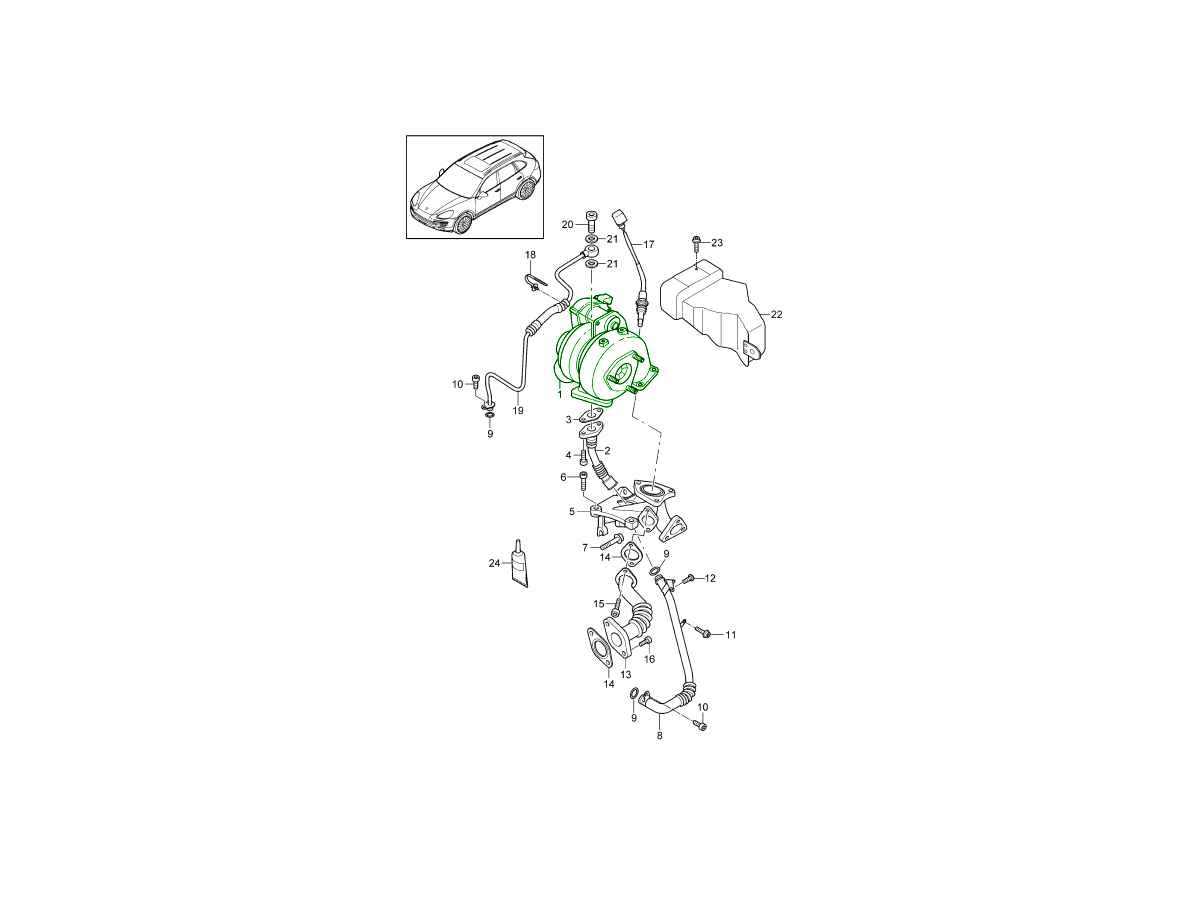
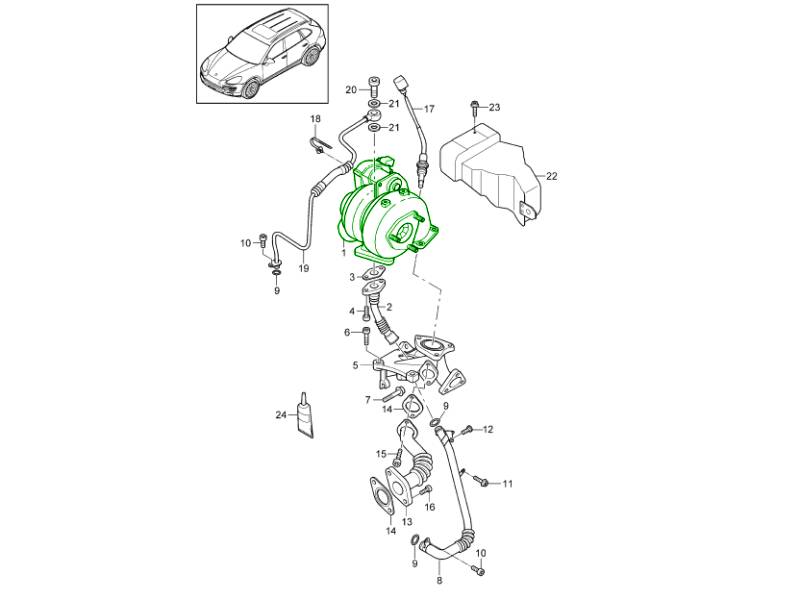
The Garrett Turbocharger is a replacement forced-induction component for compatible Porsche applications. It is designed to replace a worn, damaged or failed turbocharger and help restore the boost pressure and airflow required for correct engine power, torque and response.
Fits:
- Porsche 957 Cayenne 3.0L Diesel 2009-10
- Porsche 958 Cayenne V6 3.0L Diesel (245Hp) 2010-11
Diagram Ref No 1
A turbocharger uses energy from the engine's exhaust gases to drive a turbine wheel. This turbine is connected by a shaft to a compressor wheel on the intake side. As the compressor rotates, it draws in and compresses fresh air before supplying it to the engine under pressure.
Because turbochargers operate at extremely high rotational speeds and temperatures, correct lubrication, cooling, intake airflow, exhaust flow and boost control are essential for reliable operation.
What This Product Does:
The turbocharger increases the pressure and quantity of air supplied to the engine.
Exhaust gases leaving the engine spin the turbine wheel. A shaft connects this turbine to the compressor wheel, which draws in and compresses fresh intake air.
This pressurised airflow helps the engine to:
- Generate the required boost pressure
- Receive increased intake airflow
- Produce the intended power and torque
- Deliver strong acceleration
- Maintain correct throttle response
- Provide consistent forced-induction performance
- Make effective use of exhaust-gas energy
The turbocharger works together with the engine-management, intake, intercooling, exhaust, lubrication, cooling and boost-control systems.
Symptoms Of Wear Or Failure:
A worn, damaged or malfunctioning turbocharger can produce a range of mechanical, performance and engine-management symptoms.
Common warning signs include:
- Loss of engine power
- Reduced boost pressure
- Slow or delayed boost response
- Poor acceleration
- Inconsistent power delivery
- Engine-management warning light
- Underboost or overboost fault codes
- Limp or reduced-power mode
- Increased engine oil consumption
- Blue or grey exhaust smoke
- Excessive oil in intake or boost pipework
- Unusual whining or siren-like noises
- Grinding or scraping noises
- Excessive turbocharger shaft play
- Damaged compressor or turbine components
- Abnormal boost fluctuations
These symptoms do not automatically confirm turbocharger failure. Intake leaks, intercooler faults, sensors, actuators and other boost-control problems can produce similar symptoms, so correct diagnosis is important before replacement.
Why Replacement Matters:
A correctly functioning turbocharger is essential for maintaining the intended performance and operation of a turbocharged Porsche engine.
Replacing a confirmed worn or damaged turbocharger helps:
- Restore correct boost pressure
- Restore engine power
- Restore torque
- Improve acceleration
- Restore throttle response
- Reduce abnormal turbocharger noise
- Address oil leakage caused by internal turbo wear
- Restore reliable forced-induction operation
- Support correct engine-management operation
- Reduce the risk of secondary component damage
A turbocharger showing severe mechanical deterioration should not remain in service.
Related reference numbers
Related, superseded, cross reference or alternative numbers for comparison.
PAB145873B
The product you are viewing cross references to these numbers
- Porsche 957 Cayenne 3.0L Diesel 2007-10
- Porsche 958 Cayenne V6 3.0L Diesel (245Hp) 2010-17
Shop Securely
12 Month Warranty
Worldwide Delivery
The Garrett Remanufactured Turbocharger is a professionally remanufactured replacement turbocharger for compatible Porsche applications. It provides a replacement solution for a worn, damaged or failed turbocharger, helping restore the boost pressure and airflow required for correct engine power, torque, acceleration and response.
Fits:
- Porsche 957 Cayenne 3.0L Diesel 2009-10
- Porsche 958 Cayenne V6 3.0L Diesel (245Hp) 2010-11
Diagram Ref No 1
Unlike a basic used turbocharger, a remanufactured unit has undergone a rebuilding and reconditioning process intended to return the assembly to a serviceable specification. Exact remanufacturing procedures and supplied components can vary, so any product-specific warranty, testing or exchange/core requirements should be checked separately.
What This Product Does:
The turbocharger uses energy from the engine's exhaust gases to increase the quantity and pressure of air entering the engine.
Exhaust gases spin a turbine wheel inside the turbocharger. This turbine is connected by a shaft to a compressor wheel on the intake side. As the compressor rotates, it draws in and compresses fresh air before supplying it to the engine under boost pressure.
Correct turbocharger operation helps:
- Generate the required boost pressure
- Increase intake airflow
- Produce the intended engine power and torque
- Maintain strong acceleration
- Support correct throttle response
- Deliver consistent forced-induction performance
- Make effective use of exhaust-gas energy
The turbocharger operates as part of a larger system involving the engine management, lubrication, cooling, intake, intercooler, exhaust and boost-control components.
What Does Remanufactured Mean:
A remanufactured turbocharger is not simply a turbocharger removed from another vehicle and resold as used.
The unit has undergone a remanufacturing process in which it is dismantled, inspected and reconditioned as required before being returned to service.
This makes a remanufactured Garrett turbocharger a practical replacement option when the original unit has reached the end of its usable service life.
The exact components renewed and testing procedures applied depend on the remanufacturing specification for the individual product.
Symptoms Of Wear Or Failure:
Turbocharger deterioration can cause a combination of performance, mechanical and engine-management symptoms.
Common warning signs include:
- Loss of engine power
- Reduced boost pressure
- Delayed boost response
- Poor acceleration
- Inconsistent power delivery
- Engine-management warning light
- Underboost fault codes
- Overboost fault codes
- Limp or reduced-power mode
- Increased engine oil consumption
- Blue or grey exhaust smoke
- Excessive oil in boost or intake pipework
- Unusual whining or siren-like noise
- Grinding or scraping sounds
- Excessive turbocharger shaft play
- Compressor or turbine damage
- Abnormal or fluctuating boost pressure
These symptoms do not always mean the turbocharger itself has failed. Intake leaks, intercooler leaks, sensors, actuators, exhaust restrictions and boost-control faults can produce similar problems.
Accurate diagnosis is therefore important before replacing the turbocharger.
Why Replacement Matters:
A correctly operating turbocharger is essential for maintaining the intended performance of a turbocharged Porsche engine.
Replacing a confirmed worn, damaged or failed turbocharger helps:
- Restore correct boost pressure
- Restore engine power
- Restore engine torque
- Improve acceleration
- Restore throttle response
- Reduce abnormal turbocharger noise
- Address turbo-related oil leakage
- Restore consistent forced-induction operation
- Support correct engine-management operation
- Reduce the risk of further damage to connected components
A turbocharger with severe bearing, shaft, compressor or turbine damage should not remain in service.
Related reference numbers
Related, superseded, cross reference or alternative numbers for comparison.
PAB145873B
The product you are viewing cross references to these numbers
- Porsche 957 Cayenne 3.0L Diesel 2007-10
- Porsche 958 Cayenne V6 3.0L Diesel (245Hp) 2010-17
Shop Securely
12 Month Warranty
Worldwide Delivery


Monday-Friday: 8.30am - 5.30pm (GMT)
Saturday: Closed
Sunday: Closed