





Enter your VAT number here and click Verify:
Your details have been verified. VAT number registered to:
,
.
Your order will now be zero rated for VAT purposes. We reserve the right to verify these details after your order request has been made and reinstate VAT if required.
Your VAT details were not recognised or were invalid. Your VAT number must be matched to your Billing Country as specified above. This is currently specified as . You do not need to enter the country code part of your VAT number as this has already been selected in your billing address details above.
The VAT number checking service is currently offline. Please supply your VAT details within the comments or special instructions field below and we will apply a VAT discount after placing your order request.
joint flange Genuine Porsche part PCG42102001
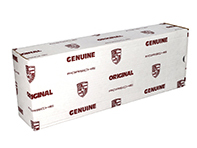
• This part is brand new and unused.
• Please verify that it is 100% suitable for your specific vehicle before purchase to ensure compatibility.
Before purchasing thoroughly check part to confirm compatibility.
- We are unable to provide fitting details for this product at this time. Please contact us for further information.

Upgraded Cardan Driveshaft Flex Disc (Guibo)
Restore smooth, vibration-free power delivery with this OE
Match Upgraded Cardan Driveshaft Flex Disc (Guibo).
Fits:
- Porsche 996 C4 3.4L 1997-08/01
- Porsche 996 C4 3.6L 09/01-2005
- Porsche 996 C4S 3.6L 09/01-2005
- Porsche 996 TURBO 2000-05
- Porsche 996 GT2 2001-05
- Porsche 997 MK1 Carrera 2 3.6L 2005-08
- Porsche 997 MK1 Carrera 2S 3.8L 2005-08
- Porsche 997 MK1 Carrera 4 3.6L 2005-08
- Porsche 997 MK1 Carrera 4S 3.8L 2005-08
- Porsche 997 MK1 TURBO 2007-09
- Porsche 997 MKII Turbo 2010-13
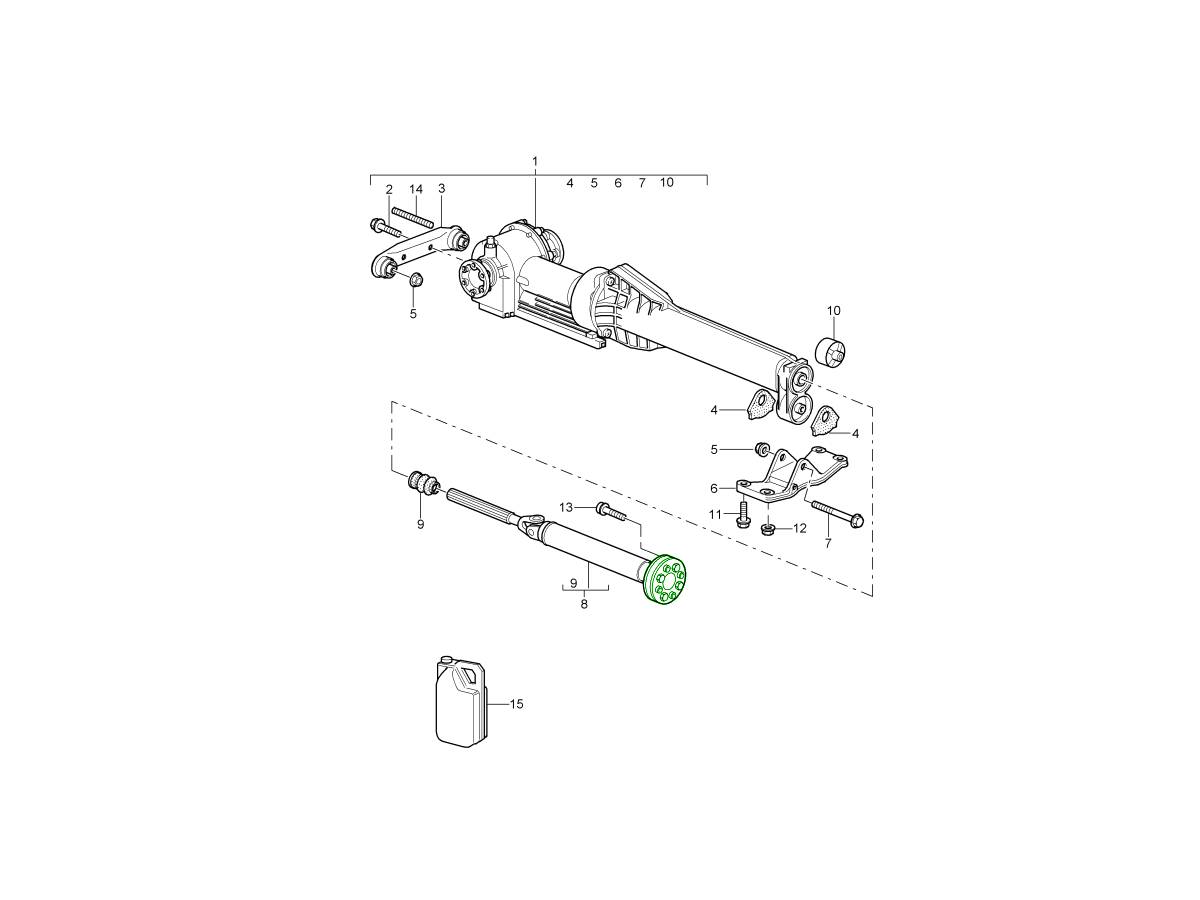
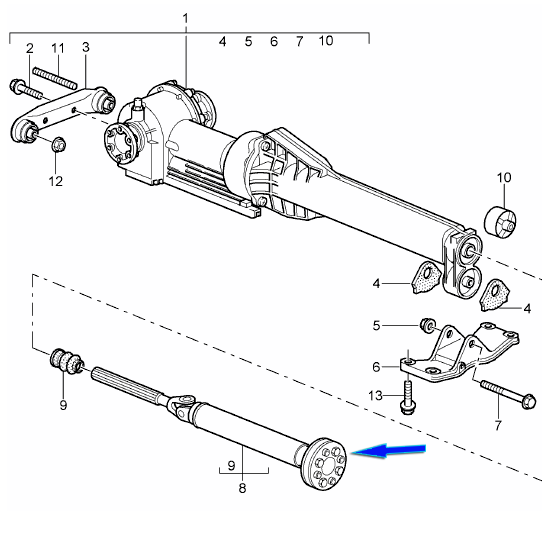
Fits to No 8 on the diagram
This direct-fit upgraded replacement eliminates the need to purchase an expensive complete propshaft assembly. Instead, simply replace the worn rear flex disc with this high-quality OE Match component, restoring the smooth driveline performance your Porsche was designed to deliver while saving hundreds over replacing the complete shaft.
Manufactured using a durable reinforced rubber body with precision-engineered steel bushings, this upgraded flex disc effectively absorbs drivetrain shock and vibration while transmitting engine torque smoothly through the AWD driveline.
What Does the Flex Disc (Guibo) Do?
The flex disc, also known as the guibo, connects the rear section of the cardan driveshaft to the drivetrain while allowing controlled flexibility during operation.
Its primary functions include:
- Transmitting engine torque from the gearbox to the driveshaft.
- Absorbing driveline shock loads. Reducing drivetrain vibration.
- Minimising transmission noise.
- Compensating for slight driveline movement.
- Protecting the transmission, differential and propshaft from excessive stress.
- Delivering smooth power transfer through the AWD system.
Without a correctly functioning flex disc, excessive vibration and driveline shock can rapidly accelerate wear of surrounding components.
Why Do Flex Discs Fail?
The flex disc operates under constant torsional load and is exposed to significant heat and drivetrain movement. Over time, the rubber element naturally deteriorates.
Common causes include:
- Age-related rubber degradation.
- Repeated torque loading.
- Heat from the transmission and exhaust system.
- Oil contamination. High mileage.
- Aggressive driving.
- Hard launches.
- General material fatigue.
Eventually the rubber develops cracks, loses flexibility and allows excessive movement within the driveline.
Symptoms of a Worn Flex Disc
A failing flex disc commonly causes:
- Clunking noises when accelerating or changing gear.
- Driveline vibration.
- Knocking during take-off.
- Excessive drivetrain movement.
- Jerky power delivery.
- Visible cracks in the rubber coupling.
- Deteriorated rubber around the metal bushes.
Replacing the flex disc before complete failure helps prevent damage to the propshaft, differential and transmission.
When Should the Flex Disc Be Replaced?
Replacement is recommended whenever:
- Cracks appear in the rubber body.
- Driveline vibration develops.
- Clunking noises occur during acceleration or gear changes.
- The propshaft is removed for servicing.
- During clutch or transmission work.
- High mileage vehicles are undergoing preventative maintenance.
- Excessive movement is detected during inspection.
Replacing a worn flex disc restores smooth drivetrain operation and protects expensive AWD transmission components.
Why Choose This Upgraded OE Match Flex Disc?
Unlike replacing the complete propshaft assembly, this upgraded OE Match flex disc provides a cost-effective repair while maintaining OE fitment and performance.
Benefits include:
- Direct-fit replacement.
- Upgraded reinforced construction.
- High-strength rubber compound.
- Precision steel bushings.
- Excellent vibration isolation.
- Smooth torque transmission.
- Significant cost saving over complete driveshaft replacement.
- OE-quality fit and reliability.
Related reference numbers
Related, superseded, cross reference or alternative numbers for comparison.
99642101000
The product you are viewing cross references to these numbers
- Porsche 996 C4 3.4L 1997-08/01
- Porsche 996 C4 3.6L 09/01-2005
- Porsche 996 C4S 3.6L 09/01-2005
- Porsche 996 TURBO 2000-05
- Porsche 996 GT2 2001-05
- Porsche 997 MK1 Carrera 2 3.6L 2005-08
- Porsche 997 MK1 Carrera 2S 3.8L 2005-08
- Porsche 997 MK1 Carrera 4 3.6L 2005-08
- Porsche 997 MK1 Carrera 4S 3.8L 2005-08
- Porsche 997 MK1 TURBO 2007-09
- Porsche 997 MKII Turbo 2010-13
 Shop Securely
 12 Month Warranty
 Worldwide Delivery


Fits:
Porsche 996 C4
Porsche 996 C4S
Porsche 996 TT
Fits to No 8 on the diagram.
Related reference numbers
Related, superseded, cross reference or alternative numbers for comparison.
PCG42102001
The product you are viewing cross references to these numbers
- Porsche 996 C4 3.4L 1997-08/01
- Porsche 996 C4 3.6L 09/01-2005
- Porsche 996 C4S 3.6L 09/01-2005
- Porsche 996 TURBO 2000-05
- Porsche 996 GT2 2001-05
Shop Securely
12 Month Warranty
Worldwide Delivery
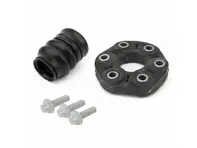
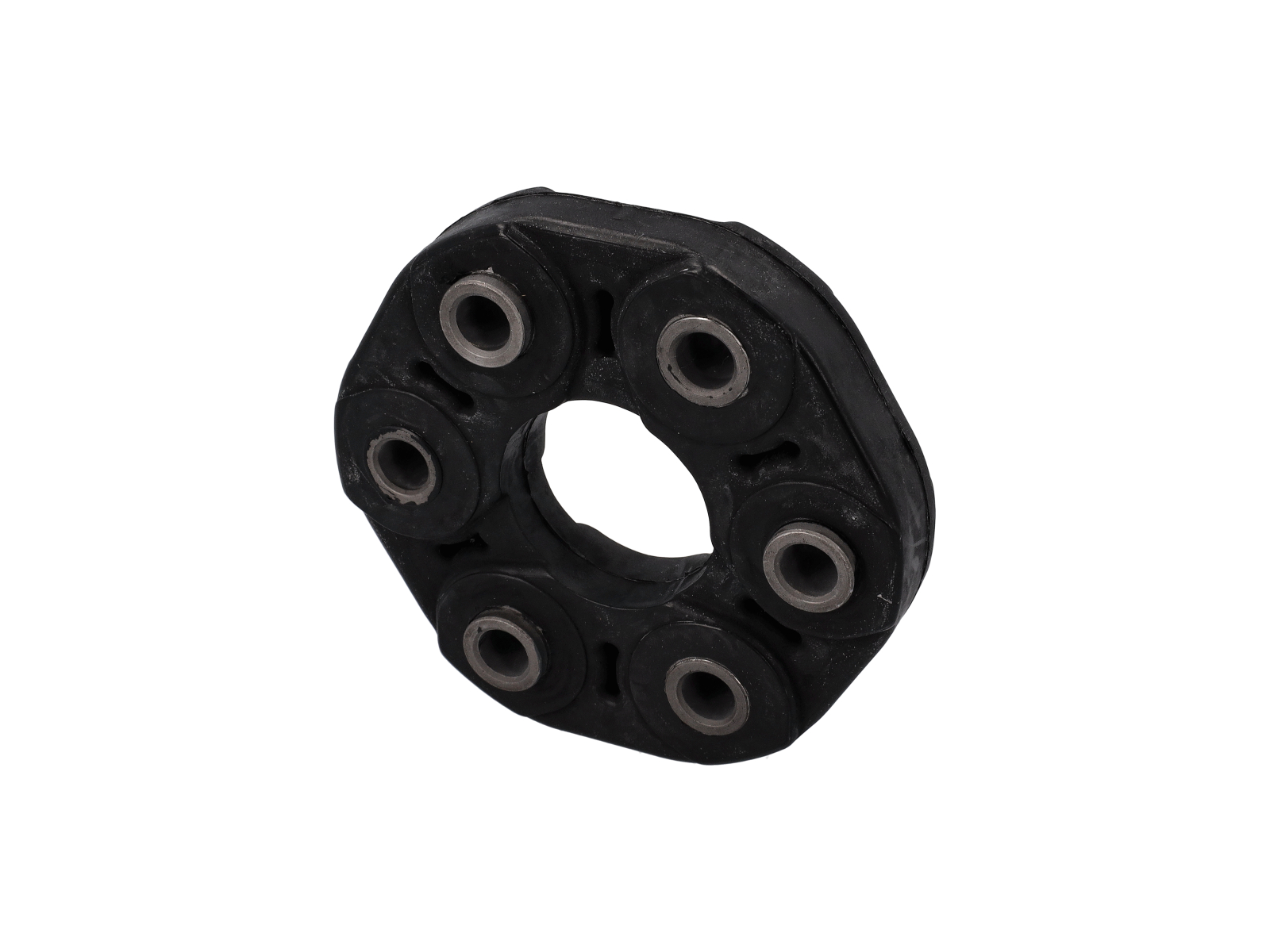
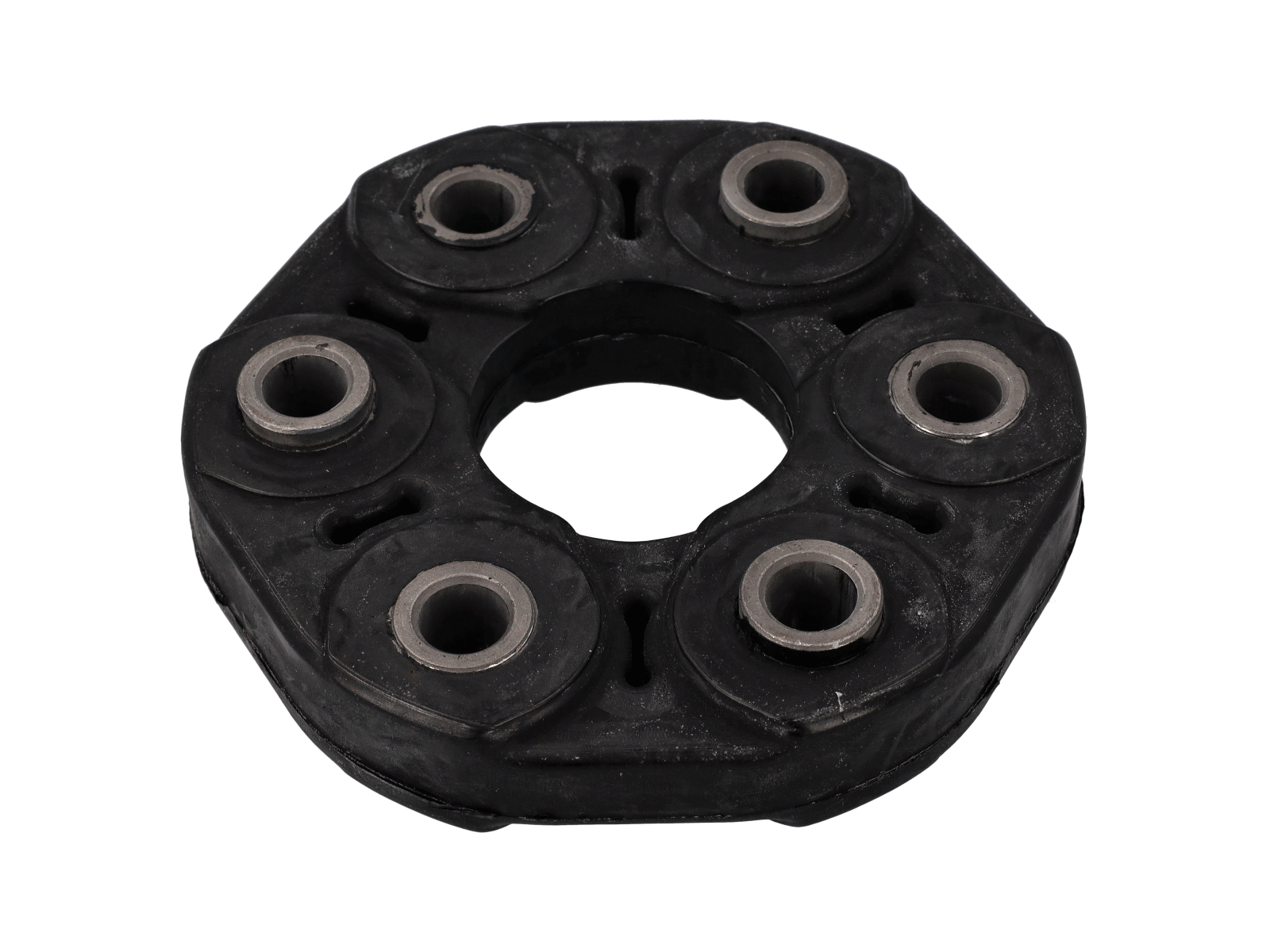
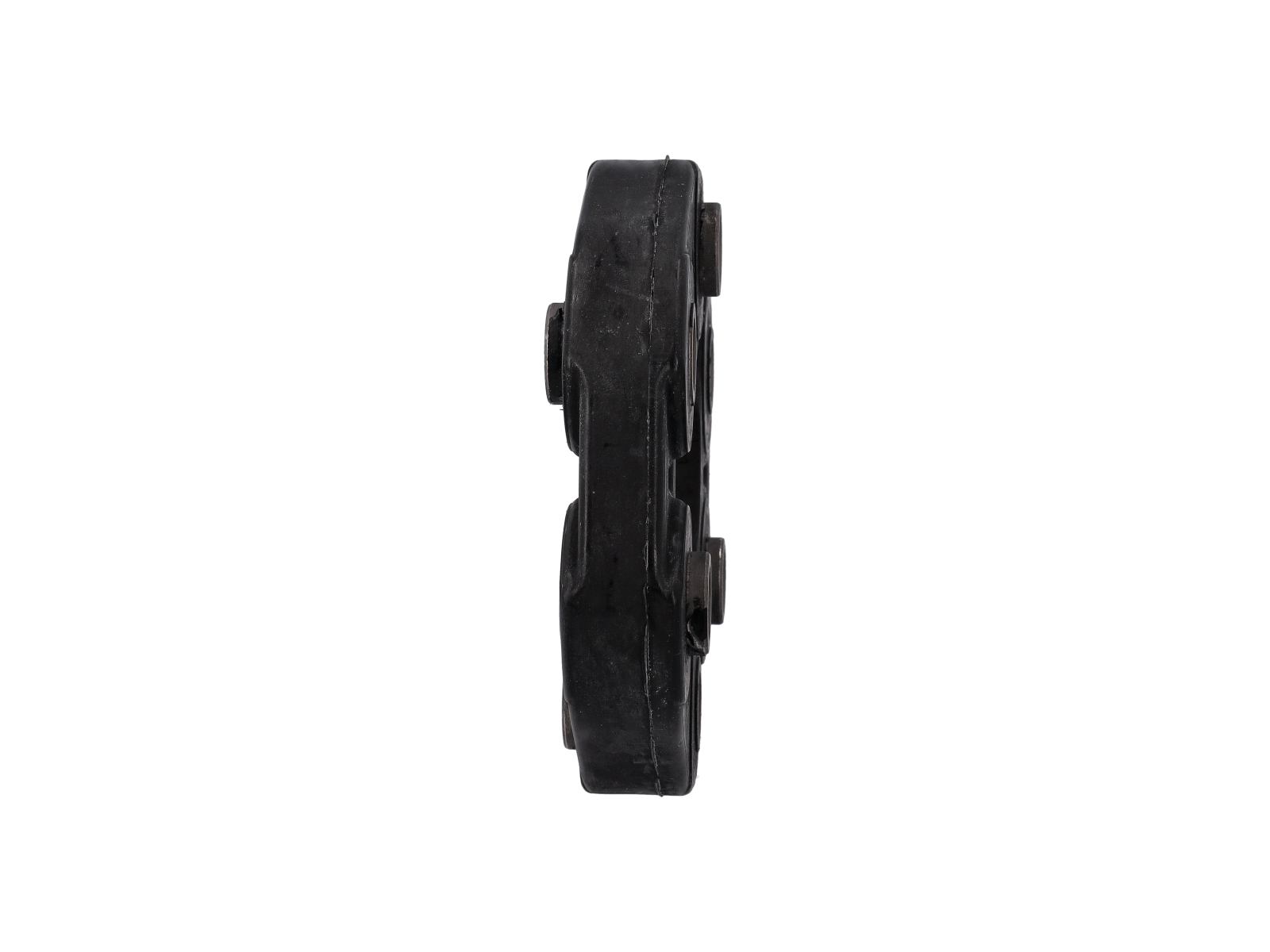
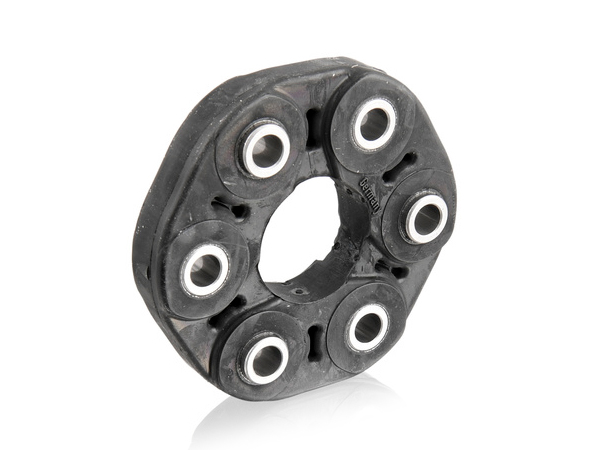
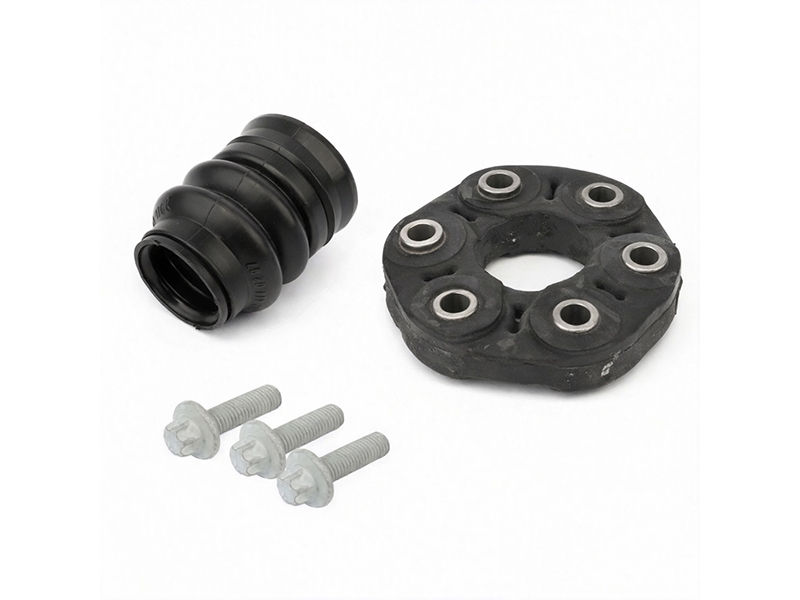
Direct-fit upgraded replacement for the rear flex disc (guibo) on AWD Porsche 996 Carrera 4, 4S and Turbo models. OEM cross-reference PCG42102001. Rubber body with metal bushings to isolate driveline vibration while transmitting torque smoothly. Perfect when your original guibo shows age, cracking, or causes driveline vibration/clunks.
Compatible for:
- · Porsche 996 C4 3.4L 1997-08/01
- · Porsche 996 C4 3.6L 09/01-2005
- · Porsche 996 C4S 3.6L 09/01-2005
- · Porsche 996 TURBO 2000-05
- · Porsche 996 GT2 2001-05
- · Porsche 997 MK1 Carrera 2 3.6L 2005-08
- · Porsche 997 MK1 Carrera 2S 3.8L 2005-08
- · Porsche 997 MK1 Carrera 4 3.6L 2005-08
- · Porsche 997 MK1 Carrera 4S 3.8L 2005-08
- · Porsche 997 MK1 TURBO 2007-09
- · Porsche 997 MKII Turbo 2010-13
Why you should replace the flex disc
- Worn rubber = vibration & driveline shock. The flex disc isolates rotational forces, as the rubber hardens, cracks or tears, it transmits vibration and can produce shuddering at idle/low speeds or a clunk during acceleration. Owners commonly report these symptoms before a failure.
- Prevents secondary damage. A failed flex disc can allow excessive play between the driveshaft and transmission flange, stressing flange bolts, the driveshaft and the transmission output — leading to far more expensive repairs.
- Affordable, quick fix vs replacing the whole shaft. Replacing this single part is significantly cheaper than replacing the full cardan/driveshaft assembly and restores NVH and drivability.
Common issues / failure signs
- Noticeable vibration through the car (often at certain speeds or under acceleration).
- Clunking or knocking from the center/rear when accelerating from low speed or shifting — typically caused by lost rubber compliance or torn bores.
- Visible cracking, chunks missing, or separation of the rubber around the bolt bores (inspect visually with the car safely supported). Micro-cracks can quickly grow into failure.
- Corroded or stretched mounting hardware — always inspect/replace bolts and washers when servicing the guibo.
Fits to No 8 , 9, 13 on the diagram.
Related reference numbers
Related, superseded, cross reference or alternative numbers for comparison.
99642101000
The product you are viewing cross references to these numbers


- Porsche 996 C4 3.4L 1997-08/01
- Porsche 996 C4 3.6L 09/01-2005
- Porsche 996 C4S 3.6L 09/01-2005
- Porsche 996 TURBO 2000-05
- Porsche 996 GT2 2001-05
- Porsche 997 MK1 Carrera 2 3.6L 2005-08
- Porsche 997 MK1 Carrera 2S 3.8L 2005-08
- Porsche 997 MK1 Carrera 4 3.6L 2005-08
- Porsche 997 MK1 Carrera 4S 3.8L 2005-08
- Porsche 997 MK1 TURBO 2007-09
- Porsche 997 MKII Turbo 2010-13


Monday-Friday: 8.30am - 5.30pm (GMT)
Saturday: Closed
Sunday: Closed