





Enter your VAT number here and click Verify:
Your details have been verified. VAT number registered to:
,
.
Your order will now be zero rated for VAT purposes. We reserve the right to verify these details after your order request has been made and reinstate VAT if required.
Your VAT details were not recognised or were invalid. Your VAT number must be matched to your Billing Country as specified above. This is currently specified as . You do not need to enter the country code part of your VAT number as this has already been selected in your billing address details above.
The VAT number checking service is currently offline. Please supply your VAT details within the comments or special instructions field below and we will apply a VAT discount after placing your order request.

- Accessories
- Brakes
- Chassis / Bodywork
- Clothing & Gifts
- Electrical & Relays
- Engine Cooling
- Engine Electrical
- Engine Rebuild Parts
- Engine Tuning
- Exhausts
- Exterior Styling / Spoilers
- Gearbox / Transmission
- Heating / Air Conditioning
- Hydraulics
- Incar / Multimedia
- Interior & Accessories
- Lighting
- Mats & Carpets
- Motorsport and Off-Road
- Parts for Other Cars
- Pedal Cluster
- Rubber Seals
- Seats & Seat Belts
- Service Parts
- Special Offer Parts
- Steering Parts
- Suspension & Axle
- Suspension Upgrades
- Tyres
- Wheel Accessories
- Wheels
Direct-to-Head Throttle Bodies

Accessories Kit for Roller Barrel ITB Upgrade
The Rennen by JSR Roller Barrel ITB Accessories Kit is the complete engine
management and sensor package designed to support a professional Roller Barrel
Individual Throttle Body (ITB) conversion. This comprehensive kit contains all
of the critical sensors, brackets, vacuum components and trigger wheel hardware
required to allow a modern standalone ECU to accurately monitor and control
your Porsche engine.
Fits:
- Porsche 911 1974-1977 2.7L / 1976-77 3.0 Carrera
- Porsche 911 1978-1983 3.0L / SC
- Porsche 911 1984-1986 3.2L
- Porsche 911 1987-1989 3.2L G50
While the Roller Barrel Throttle Bodies provide the airflow and throttle response benefits of the conversion, the accessories kit provides the information the ECU needs to operate the engine correctly. Without these supporting components, the ECU cannot accurately determine engine position, throttle opening, manifold pressure or cylinder synchronisation.
This kit has been specifically developed to complement the Rennen by JSR Roller Barrel ITB system and provides a convenient, matched solution for builders seeking maximum performance, drivability and reliability.
What's Included?
The kit includes:
- 1 x MAP Sensor
- 1 x Throttle Position Sensor (TPS)
- 1 x Crankshaft Position Sensor (CPS)
- 1 x Camshaft Position Sensor (CMP)
- 1 x Camshaft Position Sensor Mounting Bracket
- 1 x Crankshaft Position Sensor Mounting Bracket
- 1 x Crankshaft Position Trigger Wheel
- 1 x Vacuum Manifold
- 1 x Vacuum Manifold Tubing & Fittings Kit
Together these components provide the ECU with the information required to deliver precise fuel and ignition control.
What Does Each Component Do?
MAP Sensor
The Manifold Absolute Pressure (MAP) Sensor measures intake
vacuum and engine load. This allows the ECU to calculate fuel delivery
requirements and optimise ignition timing.
Benefits include:
- Accurate load sensing
- Improved fuel mapping
- Better drivability
- Enhanced engine efficiency
Throttle Position Sensor (TPS)
The TPS measures throttle opening angle and tells the ECU
how much driver demand is being applied.
Benefits include:
- Instant throttle response
- Improved acceleration enrichment
- Precise throttle mapping
- Enhanced drivability
Crankshaft Position Sensor (CPS)
The CPS monitors crankshaft speed and position, providing
the ECU with its primary engine timing reference.
Benefits include:
- Accurate ignition timing
- Reliable engine synchronisation
- Stable engine operation
- Improved performance
Camshaft Position Sensor (CMP)
The Camshaft Position Sensor identifies which cylinder is on
its firing cycle, allowing sequential fuel injection and advanced ignition
strategies.
Benefits include:
- Sequential fuel injection
- Improved cold starts
- Enhanced engine efficiency
- More accurate ECU control
Sensor Mounting Brackets
The dedicated sensor brackets provide precise positioning
for both the crankshaft and camshaft sensors, ensuring accurate and reliable
signal generation.
Benefits include:
- Correct sensor alignment
- Reliable signal quality
- Professional installation
- Long-term durability
Crankshaft Position Trigger Wheel
The trigger wheel provides the reference teeth required by
the crankshaft sensor to determine engine speed and position.
Benefits include:
- Accurate RPM monitoring
- Reliable ECU synchronisation
- Precision ignition control
- Essential EFI functionality
Vacuum Manifold & Fittings Kit
The vacuum manifold combines vacuum signals from each
throttle body into a stable source for the MAP sensor and other vacuum-operated
systems.
Benefits include:
- Stable vacuum signal
- Improved ECU load calculations
- Enhanced tuning accuracy
- Complete installation solution
Why Are These Components Required?
Roller Barrel Throttle Bodies significantly increase airflow
and throttle response, but they require modern engine management to fully
exploit their potential.
The ECU relies on these sensors and supporting components
to:
- Control fuel injection
- Calculate engine load
- Monitor engine position
- Control ignition timing
- Support idle stability
- Deliver smooth drivability
- Maximise performance
Without these inputs, the ECU cannot operate correctly.
Why Are Roller Barrel ITB Upgrades So Popular?
Rennen by JSR Roller Barrel Throttle Bodies are one of the most advanced induction upgrades available for Porsche engines.
Benefits include:
- Exceptional throttle response
- Increased airflow capacity
- Improved engine breathing
- Greater power potential
- Enhanced torque delivery
- Distinctive induction sound
- Motorsport-inspired engineering
- Stunning engine bay presentation
When paired with the correct engine management components, they deliver a driving experience unlike any conventional intake system.

- Porsche 911 1968-1973 2.2L / 2.4L / 2.7L RS LWB (F)
- Porsche 911 1974-1977 2.7L / 1976-77 3.0 Carrera
- Porsche 911 1978-1983 3.0L / SC
- Porsche 911 1984-1986 3.2L
- Porsche 911 1987-1989 3.2L G50

Rennen Camshaft Position Sensor for Rennen by JSR Individual Barrel Throttle Body Upgrades
The Rennen Camshaft Position Sensor (CMP Sensor) is a critical engine management component designed specifically for use with Rennen by JSR Individual Barrel Throttle Body (ITB) upgrades. Working alongside the Crankshaft Position Sensor, the camshaft sensor provides the ECU with precise information regarding camshaft position and engine cycle synchronisation, allowing modern engine management systems to control fuel injection and ignition timing with maximum accuracy.
Fits:
- Porsche 911 1974-1977 2.7L / 1976-77 3.0 Carrera
- Porsche 911 1978-1983 3.0L / SC
- Porsche 911 1984-1986 3.2L
- Porsche 911 1987-1989 3.2L G50
When upgrading a Porsche engine to Rennen by JSR Barrel ITBs and standalone engine management, accurate engine position data becomes essential. While the crankshaft sensor identifies engine speed and crank position, the camshaft position sensor tells the ECU exactly which cylinder is on its firing cycle. This information allows advanced ECU strategies such as sequential fuel injection and cylinder-specific ignition mapping.
For high-performance road, track and motorsport Porsche engines, the camshaft position sensor is a key component in unlocking the full potential of an Individual Throttle Body conversion.
What Does a Camshaft Position Sensor Do?
The camshaft position sensor continuously monitors the position of the camshaft and transmits this information to the ECU.
The ECU uses this data to determine:
- Cylinder identification
- Camshaft position
- Engine cycle synchronisation
- Sequential fuel injection timing
- Ignition event timing
- Engine start-up strategy
- Advanced engine management functions
A properly functioning camshaft sensor helps provide:
- Accurate fuel delivery
- Improved ignition control
- Faster engine starting
- Enhanced throttle response
- Stable idle quality
- Improved drivability
- Greater tuning precision
The sensor enables the ECU to know exactly where the engine is within its operating cycle.
Why Is a Camshaft Position Sensor Essential for ITB Conversions?
Rennen by JSR Barrel Throttle Body systems are designed to maximise engine performance and responsiveness. To fully exploit these benefits, modern programmable engine management systems require highly accurate engine position information.
The camshaft position sensor allows:
- Sequential fuel injection operation
- Cylinder-specific ignition timing
- Improved cold-start performance
- Enhanced fuel economy
- Smoother idle characteristics
- More precise tuning control
- Improved emissions control where applicable
Without a camshaft position sensor, many ECUs are forced to operate in less sophisticated batch-fire fuel injection modes, reducing the overall refinement and efficiency of the engine.
Why Are Barrel ITB Upgrades So Popular?
Rennen by JSR Barrel Throttle Bodies are engineered to deliver exceptional airflow and a truly engaging driving experience.
Benefits include:
- Instant throttle response
- Increased airflow capacity
- Improved engine breathing
- Enhanced power and torque potential
- Motorsport-inspired induction sound
- Greater tuning flexibility
- Improved driver engagement
- Stunning engine bay appearance
When combined with accurate crankshaft and camshaft position monitoring, the system delivers professional-level engine management performance.
Why Choose the Rennen Camshaft Position Sensor?
Developed specifically for Rennen by JSR ITB applications, this sensor provides the accuracy and reliability required for advanced ECU calibration.
Benefits include:
- Accurate camshaft position measurement
- Supports sequential fuel injection
- Enables advanced ECU functionality
- Improves engine synchronisation
- Enhances drivability
- Supports high-performance tuning
- Suitable for road and motorsport applications
- Reliable long-term operation
- Porsche 911 1974-1977 2.7L / 1976-77 3.0 Carrera
- Porsche 911 1978-1983 3.0L / SC
- Porsche 911 1984-1986 3.2L
- Porsche 911 1987-1989 3.2L G50
 Shop Securely
 12 Month Warranty
 Worldwide Delivery

Rennen ITG Classic Mesh Air Filter Set for Rennen by JSR Individual Barrel Throttle Body Upgrades
The Rennen ITG Classic Mesh Air Filter Set is a bespoke six-piece filtration package designed specifically for Rennen by JSR Individual Barrel Throttle Body systems. Each filter is engineered to fit directly onto the Rennen velocity stacks, combining classic motorsport styling with practical engine protection.
Fits:
- Porsche 911 1974-1977 2.7L / 1976-77 3.0 Carrera
- Porsche 911 1978-1983 3.0L / SC
- Porsche 911 1984-1986 3.2L
- Porsche 911 1987-1989 3.2L G50
- Porsche 964 (911) C2 1989-93
- Porsche 964 (911) C4 1989-93
- Porsche 964 (911) RS 3.6L 1991-93
- Porsche 964 (911) RS 3.8L 1991-93
These filters use a mesh and foam construction to help protect the engine from dust, debris and airborne contaminants while allowing the ITB system to retain its free-flowing induction characteristics. The result is a period-inspired appearance with the essential filtration needed for road, fast-road and performance use.
Designed to complement the visual appeal of exposed velocity stacks, this filter set is ideal for Porsche owners who want the classic race-engine look while still helping protect valuable internal engine components.
What Do Classic Mesh Air Filters Do?
The air filters sit directly over the velocity stacks and filter incoming air before it enters the throttle bodies and combustion chambers.
They help provide:
- Protection from dust and debris
- Reduced risk of engine contamination
- Improved engine longevity
- Cleaner intake airflow
- Protection for cylinders, rings and valves
- Classic motorsport-inspired appearance
- Practical filtration for ITB conversions
Without suitable filtration, exposed velocity stacks can allow harmful particles to enter the engine.
Why Are Air Filters Needed with Barrel Throttle Bodies?
Rennen by JSR Barrel Throttle Bodies are designed for maximum airflow and instant throttle response. However, the open intake design means air is drawn directly into each throttle body.
Adding the correct filter set helps:
- Protect expensive engine internals
- Reduce premature engine wear
- Maintain reliable performance
- Support consistent tuning
- Preserve the benefits of velocity stacks
- Improve long-term durability
- Make the conversion more practical for road use
For any road-driven ITB-equipped Porsche, air filtration should be considered an essential part of the upgrade.
Why Choose the Rennen ITG Classic Mesh Filter Set?
This filter set is developed to fit Rennen velocity stacks correctly, offering a clean installation and authentic performance appearance.
Benefits include:
- Bespoke fit for Rennen velocity stacks
- Set of 6 individual filters
- Mesh and foam construction
- Classic exposed-stack styling
- Practical filtration protection
- Lightweight and compact design
- Ideal for Porsche ITB conversions
- Suitable for performance road and motorsport-style builds
Why Are Barrel ITB Upgrades So Popular?
Rennen by JSR Individual Barrel Throttle Bodies are one of the most desirable upgrades for naturally aspirated Porsche engines.
Benefits include:
- Instant throttle response
- Improved airflow efficiency
- Enhanced engine breathing
- Stronger performance potential
- Distinctive induction sound
- Greater tuning flexibility
- Motorsport-inspired engine bay appearance
- More engaging driving experience
The Classic Mesh Air Filter Set allows owners to enjoy the look and sound of velocity stacks while adding important engine protection.
- Porsche 911 1974-1977 2.7L / 1976-77 3.0 Carrera
- Porsche 911 1978-1983 3.0L / SC
- Porsche 911 1984-1986 3.2L
- Porsche 911 1987-1989 3.2L G50
- Porsche 964 (911) C2 1989-93
- Porsche 964 (911) C4 1989-93
- Porsche 964 (911) RS 3.6L 1991-93
- Porsche 964 (911) RS 3.8L 1991-93
Shop Securely
12 Month Warranty
Worldwide Delivery

Rennen Crankshaft Position Sensor (CPS) for Rennen by JSR Individual Barrel Throttle Body Upgrades
The Rennen Crankshaft Position Sensor (CPS) is one of the most important components within a modern engine management system and an essential part of any Rennen by JSR Individual Barrel Throttle Body (ITB) conversion. The sensor continuously monitors crankshaft position and engine speed, providing the ECU with the precise information required to control ignition timing, fuel injection events and overall engine operation.
Fits:
- Porsche 911 1974-1977 2.7L / 1976-77 3.0 Carrera
- Porsche 911 1978-1983 3.0L / SC
- Porsche 911 1984-1986 3.2L
- Porsche 911 1987-1989 3.2L G50
When upgrading a Porsche engine to Individual Barrel Throttle Bodies and standalone engine management, accurate engine position data becomes critical. The ECU relies on the Crankshaft Position Sensor as its primary reference point for engine synchronisation. Without a reliable crankshaft signal, the ECU cannot accurately determine engine speed or crankshaft position, making precise ignition and fuel control impossible.
Whether you're building a fast road Porsche, a high-performance air-cooled engine or a dedicated motorsport application, the CPS provides the foundation for accurate ECU calibration and maximum engine performance.
What Does a Crankshaft Position Sensor Do?
The Crankshaft Position Sensor monitors the exact rotational position and speed of the engine crankshaft.
The sensor transmits this information directly to the ECU,
allowing it to determine:
- Engine speed (RPM)
- Crankshaft position
- Ignition timing events
- Fuel injection timing
- Engine synchronisation
- Rev limiting functions
- Starting and idle control strategies
A properly functioning CPS helps provide:
- Accurate ignition timing
- Precise fuel delivery
- Reliable engine starting
- Smooth idle operation
- Stable engine performance
- Improved drivability
- Consistent ECU operation
The crankshaft sensor effectively serves as the heartbeat of the engine management system.
Why Is a CPS Essential for ITB Conversions?
Rennen by JSR Barrel Throttle Body conversions are typically paired with modern programmable engine management systems to unlock their full performance potential.
For the ECU to operate correctly, it must know the precise position of the crankshaft at all times. The CPS provides this information continuously and with extreme accuracy.
This allows:
- Sequential fuel injection control
- Accurate ignition timing maps
- Stable idle quality
- Improved throttle response
- Faster ECU processing
- Enhanced tuning accuracy
- Reliable high-RPM operation
Without a crankshaft position signal, the ECU simply cannot determine when to fire injectors or ignition coils.
Why Are Barrel ITB Upgrades So Popular?
Rennen by JSR Barrel Throttle Bodies are engineered to maximise airflow while delivering an authentic motorsport driving experience.
Benefits include:
- Instant throttle response
- Increased airflow efficiency
- Improved engine breathing
- Enhanced power and torque potential
- Exceptional induction sound Increased driver engagement
- Modern EFI compatibility
- Stunning engine bay appearance
When combined with accurate crankshaft position monitoring, standalone engine management and professional calibration, the result is a highly responsive and exceptionally capable Porsche engine.
Why Choose the Rennen CPS?
Developed specifically for Rennen by JSR ITB applications, the sensor delivers the accuracy and reliability required for professional engine management installations.
Benefits include:
- Precise crankshaft position measurement
- Accurate engine speed monitoring
- Supports standalone ECU systems
- Essential for EFI conversions
- Improves ignition timing accuracy
- Supports sequential fuel injection
- Suitable for road and motorsport applications
- Reliable long-term performance
- Porsche 911 1974-1977 2.7L / 1976-77 3.0 Carrera
- Porsche 911 1978-1983 3.0L / SC
- Porsche 911 1984-1986 3.2L
- Porsche 911 1987-1989 3.2L G50
Shop Securely
12 Month Warranty
Worldwide Delivery

Drive By Wire Actuator Assembly for Individual Throttle Body (ITB) Systems
The Rennen by JSR Drive By Wire (DBW) Actuator Assembly is a precision-engineered component designed specifically for use with Rennen by JSR Individual Throttle Body (ITB) conversions. This advanced actuator assembly replaces traditional mechanical throttle linkage systems with modern electronic throttle control, delivering precise throttle operation, improved drivability and seamless integration with modern engine management systems.
Fits:
- Porsche 911 1974-1977 2.7L / 1976-77 3.0 Carrera
- Porsche 911 1978-1983 3.0L / SC
- Porsche 911 1984-1986 3.2L
- Porsche 911 1987-1989 3.2L G50
- Porsche 964 (911) C2 1989-93
- Porsche 964 (911) C4 1989-93
- Porsche 964 (911) RS 3.6L 1991-93
- Porsche 964 (911) RS 3.8L 1991-93
As performance engine builds continue to embrace electronic fuel injection and advanced ECU technology, drive-by-wire systems have become increasingly popular due to their ability to provide highly accurate throttle control, programmable throttle mapping and enhanced engine management capabilities.
For Porsche enthusiasts upgrading to a Rennen by JSR ITB system, the DBW actuator assembly provides a professional solution that combines modern control technology with the exhilarating throttle response and induction characteristics of individual throttle bodies.
What Does a Drive By Wire Actuator Assembly Do?
A Drive By Wire actuator electronically controls throttle opening based on driver input from the accelerator pedal rather than using a traditional cable-operated throttle linkage.
The actuator receives commands from the ECU and precisely controls throttle position to optimise engine response and performance.
Key functions include:
- Electronic throttle control
- Precise throttle positioning
- ECU integration
- Programmable throttle mapping
- Improved throttle response
- Enhanced engine management functionality
- Consistent throttle operation
This technology allows greater flexibility in engine calibration while improving overall drivability.
Why Is an ITB Upgrade So Appealing?
Individual Throttle Body systems remain one of the most desirable naturally aspirated performance upgrades available for Porsche engines.
Unlike conventional intake systems, each cylinder receives airflow through its own dedicated throttle body, reducing intake restrictions and dramatically improving responsiveness.
Benefits of a Rennen by JSR ITB upgrade include:
- Instant throttle response
- Improved airflow efficiency
- Enhanced engine breathing
- Increased performance potential
- Greater tuning flexibility
- Improved driver engagement
- Distinctive induction sound
- Motorsport-inspired driving experience
The combination of ITBs and Drive By Wire technology delivers modern engine control while retaining the raw character and responsiveness enthusiasts seek.
Why Install a Drive By Wire Actuator?
Modern electronic throttle control provides significant advantages over traditional cable-operated systems.
Benefits include:
- More accurate throttle control
- Smooth throttle transitions
- Customisable throttle maps
- Improved ECU integration
- Enhanced drivability
- Simplified installation in EFI conversions
- Compatibility with advanced engine management features
- Improved reliability and consistency
For performance builds, a DBW actuator can unlock advanced tuning strategies that are difficult to achieve with conventional throttle linkages.
- Porsche 911 1974-1977 2.7L / 1976-77 3.0 Carrera
- Porsche 911 1978-1983 3.0L / SC
- Porsche 911 1984-1986 3.2L
- Porsche 911 1987-1989 3.2L G50
- Porsche 964 (911) C2 1989-93
- Porsche 964 (911) C4 1989-93
- Porsche 964 (911) RS 3.6L 1991-93
- Porsche 964 (911) RS 3.8L 1991-93
Shop Securely
12 Month Warranty
Worldwide Delivery

Rennen ITG Air Filter Assembly - Normal for Rennen by JSR Individual Barrel Throttle Body Upgrades
The Rennen ITG Air Filter Assembly - Normal is a complete induction filtration package designed specifically for use with Rennen by JSR Individual Barrel Throttle Body (ITB) systems. The kit includes premium ITG foam air filters together with the required mounting and securing hardware for installation directly onto the Rennen velocity stacks.
Fits:
- Porsche 911 1974-1977 2.7L / 1976-77 3.0 Carrera
- Porsche 911 1978-1983 3.0L / SC
- Porsche 911 1984-1986 3.2L
- Porsche 911 1987-1989 3.2L G50
- Porsche 964 (911) C2 1989-93
- Porsche 964 (911) C4 1989-93
- Porsche 964 (911) RS 3.6L 1991-93
- Porsche 964 (911) RS 3.8L 1991-93
While Individual Throttle Bodies dramatically improve airflow, throttle response and engine performance, they also require effective filtration to protect the engine from dust, dirt and airborne contaminants. The Rennen ITG Air Filter Assembly provides this protection while maintaining the unrestricted airflow characteristics that make Barrel ITB conversions so desirable.
Designed to integrate seamlessly with the Rennen by JSR induction system, this filter assembly offers an excellent balance between airflow, filtration efficiency and engine protection, making it ideal for fast road, touring and occasional track use.
What Does the ITG Air Filter Assembly Do?
The ITG Air Filter Assembly protects the engine by filtering incoming air before it enters the throttle bodies and combustion chambers.
Its primary functions include:
- Preventing dirt ingestion
- Protecting cylinders and piston rings
- Protecting valves and valve seats
- Maintaining clean airflow
- Supporting engine longevity
- Preserving performance
- Reducing engine wear
The filters allow the engine to breathe freely while preventing harmful contaminants from entering the intake system.
Why Are Air Filters Essential on ITB Systems?
Individual Throttle Bodies are designed to maximise airflow and engine response. Without air filters, debris and contaminants can be drawn directly into the engine.
Proper filtration helps:
- Protect expensive engine components
- Prevent premature cylinder wear
- Maintain engine reliability
- Reduce intake contamination
- Support consistent tuning
- Preserve airflow characteristics
- Improve long-term performance
For road-driven vehicles, filtration should always be considered an essential part of any ITB installation.
Why Choose ITG Foam Filters?
ITG filters are widely recognised throughout motorsport and performance automotive applications for their excellent combination of airflow and filtration efficiency.
Benefits include:
- High airflow capacity
- Excellent filtration performance
- Lightweight construction
- Washable and reusable design
- Motorsport-proven technology
- Long service life
- Consistent airflow characteristics
- Ideal for high-performance engines
The foam filter construction allows superior airflow while maintaining effective protection against airborne contaminants.
Why Are Barrel ITB Upgrades So Popular?
Rennen by JSR Barrel Throttle Bodies provide one of the most exciting induction upgrades available for Porsche engines.
Benefits include:
- Instant throttle response
- Improved airflow efficiency
- Enhanced engine breathing
- Increased power potential
- Exceptional induction sound
- Improved driver engagement
- Greater tuning flexibility
- Stunning engine bay appearance
The addition of the ITG Air Filter Assembly ensures these performance gains can be enjoyed while maintaining essential engine protection.
Why Choose the Rennen ITG Air Filter Assembly?
This kit has been developed specifically to work with Rennen by JSR Barrel ITB systems and velocity stacks.
Benefits include:
- Complete filtration solution
- Includes ITG foam filters
- Includes mounting and securing hardware
- Direct fitment to velocity stacks
- Maintains unrestricted airflow
- Protects engine internals
- Suitable for road and track applications
- Professional installation finish
- Porsche 911 1974-1977 2.7L / 1976-77 3.0 Carrera
- Porsche 911 1978-1983 3.0L / SC
- Porsche 911 1984-1986 3.2L
- Porsche 911 1987-1989 3.2L G50
- Porsche 964 (911) C2 1989-93
- Porsche 964 (911) C4 1989-93
- Porsche 964 (911) RS 3.6L 1991-93
- Porsche 964 (911) RS 3.8L 1991-93
Shop Securely
12 Month Warranty
Worldwide Delivery
.jpg?width=200&height=150&format=webp&quality=65&iv=rendition-2 "ITG Foam Air Filter Set Rally for Rennen ITB Upgrade. Porsche 911 / 964")
Rennen ITG Air Filter Assembly - Rally for Rennen by JSR Individual Barrel Throttle Body Upgrades
The Rennen ITG Air Filter Assembly - Rally is the ultimate filtration solution for Rennen by JSR Individual Barrel Throttle Body (ITB) conversions. Designed for demanding road, rally, touring and motorsport applications, this upgraded filtration package combines premium ITG foam filters with enhanced sealing technology and dedicated mounting hardware to provide superior engine protection in dusty and challenging operating environments.
Fits:
- Porsche 911 1974-1977 2.7L / 1976-77 3.0 Carrera
- Porsche 911 1978-1983 3.0L / SC
- Porsche 911 1984-1986 3.2L
- Porsche 911 1987-1989 3.2L G50
- Porsche 964 (911) C2 1989-93
- Porsche 964 (911) C4 1989-93
- Porsche 964 (911) RS 3.6L 1991-93
- Porsche 964 (911) RS 3.8L 1991-93
Like the standard ITG Air Filter Assembly, the Rally version includes high-performance ITG foam filters and all the required hardware for secure installation onto the velocity stacks. However, the Rally specification takes protection one step further with a more robust construction and improved sealing against airborne dust and contaminants.
For owners operating their Porsche in rally, endurance, touring or harsh road conditions, the Rally Air Filter Assembly provides additional peace of mind without compromising the airflow and throttle response benefits of the Rennen by JSR Barrel ITB system.
What Does the Rally ITG Air Filter Assembly Do?
The Rally Air Filter Assembly filters incoming air before it enters the throttle bodies and combustion chambers.
Its primary functions include:
- Preventing dust ingestion
- Protecting cylinders and piston rings
- Protecting valves and valve seats
- Reducing intake contamination
- Supporting engine longevity
- Maintaining airflow efficiency
- Preserving engine performance
The enhanced sealing design provides an additional layer of protection in environments where airborne dust and debris are more prevalent.
Why Are Air Filters Essential on ITB Systems?
Individual Throttle Bodies significantly increase airflow potential and engine responsiveness. However, without effective filtration, harmful particles can enter the engine and cause accelerated wear.
Proper air filtration helps:
- Protect expensive engine components
- Reduce internal engine wear
- Maintain tuning consistency
- Protect piston rings and cylinder bores
- Improve long-term reliability
- Preserve engine performance
- Reduce maintenance costs
For road and motorsport applications alike, high-quality air filtration should always be considered an essential part of any ITB installation.
Why Choose the Rally Version?
The Rally Air Filter Assembly has been developed for environments where maximum engine protection is required.
Compared to the standard filter assembly, the Rally version
offers:
- Improved sealing against dust ingress
- More robust filter mounting arrangement
- Enhanced durability
- Greater protection in harsh environments
- Improved filtration security during prolonged use
- Ideal for rally, touring and endurance applications
- Additional confidence for high-value performance engines
This makes it the preferred option for owners seeking maximum engine protection without sacrificing performance.
Why Choose ITG Foam Filters?
ITG filters are widely respected throughout motorsport and performance automotive applications for their ability to combine high airflow with exceptional filtration efficiency.
Benefits include:
- High airflow capacity
- Excellent filtration performance
- Washable and reusable design
- Lightweight construction
- Motorsport-proven technology
- Long service life
- Consistent airflow characteristics
- Suitable for high-performance engines
The foam construction provides outstanding protection while supporting the airflow demands of Individual Throttle Body systems.
Why Are Barrel ITB Upgrades So Popular?
Rennen by JSR Barrel Throttle Bodies provide one of the most exciting induction upgrades available for Porsche engines.
Benefits include:
- Instant throttle response
- Improved airflow efficiency
- Increased engine breathing capacity
- Greater power potential
- Enhanced torque delivery
- Exceptional induction sound
- Motorsport-inspired driving experience
- Stunning engine bay presentation
The Rally Air Filter Assembly ensures these benefits can be enjoyed while providing enhanced protection for valuable performance engines.
Why Choose the Rennen ITG Rally Air Filter Assembly?
Developed specifically for Rennen by JSR Barrel ITB systems, this filtration package offers the ideal balance between airflow, protection and durability.
Benefits include:
- Enhanced dust sealing
- Premium ITG filtration technology
- Complete installation solution
- Includes mounting and securing hardware
- Maintains unrestricted airflow
- Protects engine internals
- Suitable for road, rally and motorsport use
- Professional installation finish
- Porsche 911 1974-1977 2.7L / 1976-77 3.0 Carrera
- Porsche 911 1978-1983 3.0L / SC
- Porsche 911 1984-1986 3.2L
- Porsche 911 1987-1989 3.2L G50
- Porsche 964 (911) C2 1989-93
- Porsche 964 (911) C4 1989-93
- Porsche 964 (911) RS 3.6L 1991-93
- Porsche 964 (911) RS 3.8L 1991-93
Shop Securely
12 Month Warranty
Worldwide Delivery

Rennen MAP Sensor for Rennen by JSR Individual Barrel Throttle Body Upgrades
The Rennen MAP Sensor is a critical engine management component designed specifically for use with Rennen by JSR Individual Barrel Throttle Body (ITB) upgrades. Working alongside the Rennen Vacuum Manifold system, the MAP (Manifold Absolute Pressure) Sensor provides the engine control unit (ECU) with accurate engine load data, allowing precise fuel and ignition calculations throughout the entire rev range.
Fits:
- Porsche 911 1974-1977 2.7L / 1976-77 3.0 Carrera
- Porsche 911 1978-1983 3.0L / SC
- Porsche 911 1984-1986 3.2L
- Porsche 911 1987-1989 3.2L G50
- Porsche 964 (911) C2 1989-93
- Porsche 964 (911) C4 1989-93
- Porsche 964 (911) RS 3.6L 1991-93
- Porsche 964 (911) RS 3.8L 1991-93
When converting a Porsche engine to Individual Barrel Throttle Bodies, the original intake and airflow characteristics change significantly. Unlike conventional plenum intake systems, individual throttle bodies generate multiple pulsing vacuum signals which must be stabilised and measured correctly. The Rennen MAP Sensor, combined with the Rennen Vacuum Manifold, delivers the accurate load signal required for modern ECU calibration and reliable engine operation.
Whether you are building a fast road Porsche, a track-focused machine or a competition engine, the MAP sensor is one of the most important components in ensuring your ITB conversion performs exactly as intended.
What Does a MAP Sensor Do?
MAP stands for Manifold Absolute Pressure.
The sensor continuously measures the vacuum and pressure levels within the intake system and sends this information to the ECU. The ECU then uses this data to calculate engine load and make real-time adjustments to fuel delivery and ignition timing.
A properly functioning MAP sensor helps provide:
- Accurate engine load measurement
- Precise fuel mapping
- Optimised ignition timing
- Stable idle quality
- Improved throttle response
- Enhanced drivability
- Reliable cold starting
- Consistent engine performance
Without a stable and accurate MAP signal, modern engine management systems cannot correctly determine engine operating conditions.
Why Is a MAP Sensor Essential for ITB Conversions?
Individual Throttle Body systems dramatically improve airflow and throttle response, but they also create unique tuning challenges.
Unlike a traditional intake manifold, each throttle body generates its own vacuum pulse. The Rennen Vacuum Manifold combines these signals into a smooth vacuum source which the MAP sensor can accurately measure.
This allows:
- Standalone ECUs to calculate engine load correctly
- More accurate fuel delivery
- Improved ignition control
- Stable idle operation
- Better low-speed drivability
- Enhanced throttle transitions
- Improved tuning consistency
The result is an ITB-equipped Porsche that not only sounds incredible but also drives smoothly and predictably.
Why Are Barrel ITB Upgrades So Popular?
Rennen by JSR Barrel Throttle Bodies are engineered to maximise airflow while delivering a motorsport-inspired driving experience.
Benefits include:
- Instant throttle response
- Improved engine breathing
- Increased power potential
- Enhanced torque delivery
- Exceptional induction sound
- Improved driver engagement
- Modern EFI compatibility
- Stunning engine bay appearance
When paired with a properly calibrated ECU and accurate MAP sensor data, the system delivers both performance and drivability.
Why Choose the Rennen MAP Sensor?
Developed specifically for Rennen by JSR ITB applications, this sensor provides the accuracy and reliability required for professional-level engine management calibration.
Benefits include:
- Accurate vacuum and pressure measurement
- Compatible with Rennen Vacuum Manifold systems
- Supports standalone ECU installations
- Essential for ITB engine management
- Improves tuning accuracy
- Enhances drivability
- Suitable for road and motorsport applications
- Reliable long-term performance
- Porsche 911 1974-1977 2.7L / 1976-77 3.0 Carrera
- Porsche 911 1978-1983 3.0L / SC
- Porsche 911 1984-1986 3.2L
- Porsche 911 1987-1989 3.2L G50
- Porsche 964 (911) C2 1989-93
- Porsche 964 (911) C4 1989-93
- Porsche 964 (911) RS 3.6L 1991-93
- Porsche 964 (911) RS 3.8L 1991-93
Shop Securely
12 Month Warranty
Worldwide Delivery


Please note each set is made to order allow 6 - 8 weeks
Related reference numbers
Related, superseded, cross reference or alternative numbers for comparison.
102-102-00241-01
The product you are viewing cross references to these numbers
- Porsche 911 1968-1973 2.2L / 2.4L / 2.7L RS LWB (F)
- Porsche 911 1974-1977 2.7L / 1976-77 3.0 Carrera
- Porsche 911 1978-1983 3.0L / SC
- Porsche 911 1984-1986 3.2L
- Porsche 911 1987-1989 3.2L G50
- Porsche 964 (911) C2 1989-93
- Porsche 964 (911) C4 1989-93
- Porsche 964 (911) RS 3.6L 1991-93
- Porsche 964 (911) RS 3.8L 1991-93
- Porsche 993 (911) C2 1994-97
- Porsche 993 (911) C4 1994-97
- Porsche 993 (911) RS 1994-97
- Porsche 993 (911) C2S 1994-97
- Porsche 993 (911) C4S 1994-97
Shop Securely
12 Month Warranty
Worldwide Delivery

Cam Position Sensor Mounting Bracket for ITB Conversions
The Rennen Cam Position Sensor Mounting Bracket is a precision-engineered component designed specifically for Porsche 911 and Porsche 964 Individual Throttle Body (ITB) conversions. Developed to provide a secure and accurate mounting location for a cam position sensor, this bracket enables modern engine management systems to utilise camshaft position data for improved ignition timing, fuel delivery and overall engine control.
Fits:
- Porsche 911 1974-1977 2.7L / 1976-77 3.0 Carrera
- Porsche 911 1978-1983 3.0L / SC
- Porsche 911 1984-1986 3.2L
- Porsche 911 1987-1989 3.2L G50
- Porsche 964 (911) C2 1989-93
- Porsche 964 (911) C4 1989-93
- Porsche 964 (911) RS 3.6L 1991-93
- Porsche 964 (911) RS 3.8L 1991-93
As Porsche enthusiasts increasingly move towards advanced EFI and standalone ECU systems, accurate engine position monitoring becomes critical. The cam position sensor mounting bracket provides the stability and precision required to ensure reliable sensor operation in both high-performance road and motorsport applications.
Designed to integrate seamlessly with Rennen by JSR ITB systems, this bracket helps unlock the full potential of modern engine management while preserving the character of the classic air-cooled Porsche engine.
What Does a Cam Position Sensor Mounting Bracket Do?
The mounting bracket securely positions the camshaft position sensor relative to the engine's camshaft trigger reference point.
This allows the ECU to accurately determine camshaft
position and synchronise critical engine functions, including:
- Sequential fuel injection
- Sequential ignition control
- Accurate engine timing calculation
- Cylinder identification
- Advanced ECU tuning strategies
- Improved engine management precision
Without a stable and accurately positioned sensor mount, the ECU may struggle to maintain consistent timing and engine synchronisation.
Why Is a Cam Position Sensor Important?
Modern engine management systems rely on precise engine position information to optimise performance.
Cam position data helps provide:
- Improved ignition accuracy
- More precise fuel delivery
- Enhanced engine response
- Improved idle stability
- Better cold-start performance
- Greater tuning flexibility
- Optimised engine efficiency
- Support for advanced ECU functionality
For high-performance Porsche engine builds, accurate camshaft position monitoring is often essential for extracting maximum performance and drivability.
Why Is an ITB Upgrade So Appealing?
Individual Throttle Body systems are widely regarded as one of the most desirable naturally aspirated performance upgrades available for Porsche engines.
Unlike conventional intake systems, ITBs provide each cylinder with its own dedicated throttle body, dramatically improving airflow characteristics and throttle response.
Benefits of a Rennen by JSR ITB conversion include:
- Instant throttle response
- Improved engine breathing
- Increased airflow efficiency
- Enhanced induction sound
- Greater tuning flexibility
- Improved driver engagement
- Increased performance potential
- Motorsport-inspired engine character
When combined with modern EFI and engine management systems, ITBs deliver a unique driving experience that blends classic Porsche character with modern performance technology.
Why Choose the Rennen by JSR Cam Sensor Bracket?
A precision-engineered sensor mounting solution is critical for accurate ECU operation.
Benefits include:
- Secure sensor mounting
- Accurate sensor positioning
- Improved ECU signal reliability
- Enhanced engine management performance
- Greater tuning accuracy
- Improved engine synchronisation
- Reliable operation in road and motorsport environments
- Professional-quality installation
- Porsche 911 1974-1977 2.7L / 1976-77 3.0 Carrera
- Porsche 911 1978-1983 3.0L / SC
- Porsche 911 1984-1986 3.2L
- Porsche 911 1987-1989 3.2L G50
- Porsche 964 (911) C2 1989-93
- Porsche 964 (911) C4 1989-93
- Porsche 964 (911) RS 3.6L 1991-93
- Porsche 964 (911) RS 3.8L 1991-93
Shop Securely
12 Month Warranty
Worldwide Delivery

Crankshaft Position Sensor Mounting Bracket for ITB Conversions
The Rennen Crankshaft Position Sensor Mounting Bracket is a precision-engineered component developed specifically for Porsche 911 and Porsche 964 Individual Throttle Body (ITB) conversions. Designed to provide accurate and stable mounting of the crankshaft position sensor, this bracket enables modern engine management systems to monitor crankshaft position and engine speed with exceptional precision.
Fits:
- Porsche 911 1974-1977 2.7L / 1976-77 3.0 Carrera
- Porsche 911 1978-1983 3.0L / SC
- Porsche 911 1984-1986 3.2L
- Porsche 911 1987-1989 3.2L G50
- Porsche 964 (911) C2 1989-93
- Porsche 964 (911) C4 1989-93
- Porsche 964 (911) RS 3.6L 1991-93
- Porsche 964 (911) RS 3.8L 1991-93
As Porsche performance builds increasingly adopt standalone ECUs and modern EFI systems, accurate crankshaft position data has become essential for reliable ignition timing, fuel delivery and engine synchronisation. The Rennen by JSR mounting bracket ensures the crankshaft sensor remains securely positioned in relation to the trigger wheel, providing a clean and consistent signal under all operating conditions.
Whether building a fast-road Porsche, a high-performance air-cooled engine or a dedicated motorsport application, this bracket forms a critical part of a professional EFI and ITB conversion.
What Does a Crankshaft Position Sensor Mounting Bracket Do?
The crankshaft position sensor mounting bracket securely locates the crankshaft sensor in the correct position relative to the trigger wheel mounted on the engine.
This allows the ECU to accurately monitor:
- Crankshaft position Engine speed (RPM)
- Ignition timing reference
- Fuel injection timing
- Engine synchronisation
- Advanced ECU control functions
A stable and accurately positioned sensor is critical for reliable engine operation and precise ECU calibration.
Why Is a Crankshaft Position Sensor Important?
The crankshaft position sensor is one of the most important inputs used by a modern engine management system.
Without an accurate crankshaft signal, the ECU cannot reliably control ignition or fuel delivery.
Benefits of accurate crankshaft position monitoring include:
- Precise ignition timing
- Accurate fuel injection control
- Stable engine operation
- Improved starting performance
- Enhanced throttle response
- Greater tuning flexibility
- Improved engine efficiency
- Reliable high-RPM performance
For performance-oriented Porsche engine builds, accurate crankshaft data forms the foundation of effective ECU control and engine tuning.
Why Is an ITB Upgrade So Appealing?
Individual Throttle Body systems are widely regarded as one of the most exciting naturally aspirated performance upgrades available for Porsche engines.
By providing each cylinder with its own dedicated throttle body, airflow restrictions are reduced and throttle response is dramatically improved.
Benefits of a Rennen by JSR ITB conversion include:
- Immediate throttle response
- Improved airflow efficiency
- Enhanced engine breathing
- Increased performance potential
- Greater tuning flexibility
- Distinctive induction sound
- Motorsport-inspired engine character
- Increased driver engagement
When paired with modern EFI and engine management systems, ITBs offer a unique blend of classic Porsche character and modern performance technology.
Why Choose the Rennen by JSR Crank Sensor Bracket?
A precision-engineered crankshaft sensor mounting solution is essential for reliable ECU operation.
Benefits include:
- Accurate sensor positioning
- Stable trigger wheel alignment
- Consistent ECU signal quality
- Improved ignition timing accuracy
- Enhanced engine management reliability
- Professional EFI conversion installation
- Suitable for road and motorsport applications
- Supports advanced engine tuning strategies
- Porsche 911 1974-1977 2.7L / 1976-77 3.0 Carrera
- Porsche 911 1978-1983 3.0L / SC
- Porsche 911 1984-1986 3.2L
- Porsche 911 1987-1989 3.2L G50
- Porsche 964 (911) C2 1989-93
- Porsche 964 (911) C4 1989-93
- Porsche 964 (911) RS 3.6L 1991-93
- Porsche 964 (911) RS 3.8L 1991-93
Shop Securely
12 Month Warranty
Worldwide Delivery

Rennen ITBs for Air-Cooled Porsche 911 - Advanced Roller Barrel Individual Throttle Bodies
The Rennen ITBs by JSR represent the next generation of
individual throttle body technology for air-cooled Porsche 911 engines.
Designed and engineered specifically to extract optimal performance from
classic Porsche flat-six engines, these innovative roller barrel throttle
bodies deliver exceptional airflow, sharper throttle response, and improved
engine efficiency compared to conventional butterfly valve throttle body
systems.
Fits:
- Porsche 911 1974-1977 2.7L / 1976-77 3.0 Carrera
- Porsche 911 1978-1983 3.0L / SC
- Porsche 911 1984-1986 3.2L
- Porsche 911 1987-1989 3.2L G50
Developed through extensive research, flow simulation analysis and real-world testing, the Rennen ITB system provides a premium induction solution for performance-focused Porsche enthusiasts, restorers, track-day drivers and motorsport applications.
Whether you are building a high-performance Porsche 911 engine or converting a classic air-cooled Porsche to modern EFI, Rennen ITBs by JSR offer a significant advancement in intake technology.
Why Choose Rennen Roller Barrel ITBs?
Unlike traditional individual throttle bodies that utilise a butterfly valve positioned directly in the airflow path, the Rennen ITB system features a precision-engineered tapered roller barrel design.
This innovative approach provides several key advantages:
Unrestricted Airflow
The roller barrel design eliminates the butterfly valve obstruction found in conventional throttle bodies. With no throttle plate disrupting airflow, air moves more efficiently into the engine, improving volumetric efficiency and overall performance.
Increased Air Velocity
Because there is no butterfly valve occupying space within the throttle bore, the throttle body diameter can be optimised to maintain higher air velocity. Higher intake air speed promotes superior cylinder filling and enhanced engine response throughout the rev range.
Superior Fuel Atomisation
At partial throttle openings, airflow passes directly over the fuel injector. This promotes exceptional atomisation of the air-fuel mixture, improving combustion efficiency, drivability and throttle progression.
Instant Throttle Response
The short distance between the roller barrel and the inlet valve creates a highly responsive induction system, delivering immediate engine response and a direct connection between driver input and engine output.
The ITB kit comes with the ITBs mounted on intake
manifolds and with fuel rails made for the EV6 injector type.
Advanced Flow Simulation & Development
Extensive computational fluid dynamics (CFD) analysis and development testing have been carried out to optimise every aspect of the Rennen ITB design.
Flow simulation data demonstrates:
- Direct airflow over the fuel injector during part-throttle operation.
- Significantly reduced turbulence around the injector area compared to traditional butterfly throttle bodies.
- Up to 20% less airflow restriction at full throttle when compared with conventional ITB systems.
- Improved airflow consistency across all cylinders for enhanced engine balance and performance.
The result is a highly efficient induction system capable of supporting both fast road and high-performance motorsport applications.
Premium Motorsport-Grade Construction
Every Rennen ITB by JSR system is manufactured to the highest standards using precision CNC machining and premium materials.
Precision CNC Machined
All components are machined from high-grade 6082-T6 aluminium to ensure exceptional dimensional accuracy and durability.
Perfect Airflow Distribution
Tight manufacturing tolerances ensure evenly distributed airflow across all throttle bodies, promoting balanced cylinder performance and simplified engine tuning.
Easy Synchronisation
The robust design incorporates minimal joints and connections, allowing straightforward throttle synchronisation and reducing the need for ongoing adjustment.
Long-Term Reliability
Throttle barrels are mounted within sealed ball bearings for smooth operation, durability and long service life under demanding conditions.
Premium Sealing Technology
All sealing surfaces utilise Viton O-rings to prevent false air entry and maintain optimal engine performance.
Quality Components Throughout
Only premium bearings, rod ends and stainless-steel fasteners are used throughout the assembly, ensuring reliability and durability in both road and track environments.
Hard Anodised Finish - Available in Gun Metal or Black Finish
All aluminium components receive a hard anodised gunmetal
grey finish, providing corrosion resistance and an attractive
motorsport inspired appearance.
Specification
Fuel Rails machined for EV6 injector type
2 bolt inlet manifold to cylinder head mounting
48mm velocity stack ID
120mm velocity stack length
The Ultimate Porsche Individual Throttle Body Upgrade
For enthusiasts seeking the ultimate air-cooled Porsche induction system, Rennen ITBs by JSR combine cutting-edge engineering, advanced airflow technology and premium construction quality. The innovative roller barrel design delivers exceptional throttle response, improved airflow efficiency, enhanced fuel atomisation and proven performance gains.
Upgrade your Porsche 911 with one of the most advanced individual throttle body systems available and experience a new level of engine responsiveness, drivability and performance- Porsche 911 1974-1977 2.7L / 1976-77 3.0 Carrera
- Porsche 911 1978-1983 3.0L / SC
- Porsche 911 1984-1986 3.2L
- Porsche 911 1987-1989 3.2L G50
Shop Securely
12 Month Warranty
Worldwide Delivery
Rennen ITBs for Air-Cooled Porsche 911 - Advanced Roller Barrel Individual Throttle Bodies
The Rennen ITBs by JSR represent the next generation of
individual throttle body technology for air-cooled Porsche 911 engines.
Designed and engineered specifically to extract optimal performance from
classic Porsche flat-six engines, these innovative roller barrel throttle
bodies deliver exceptional airflow, sharper throttle response, and improved
engine efficiency compared to conventional butterfly valve throttle body
systems.
Fits:
- Porsche 911 1974-1977 2.7L / 1976-77 3.0 Carrera
- Porsche 911 1978-1983 3.0L / SC
Developed through extensive research, flow simulation analysis and real-world testing, the Rennen ITB system provides a premium induction solution for performance-focused Porsche enthusiasts, restorers, track-day drivers and motorsport applications.
Whether you are building a high-performance Porsche 911 engine or converting a classic air-cooled Porsche to modern EFI, Rennen ITBs by JSR offer a significant advancement in intake technology.
Why Choose Rennen Roller Barrel ITBs?
Unlike traditional individual throttle bodies that utilise a butterfly valve positioned directly in the airflow path, the Rennen ITB system features a precision-engineered tapered roller barrel design.
This innovative approach provides several key advantages:
Unrestricted Airflow
The roller barrel design eliminates the butterfly valve obstruction found in conventional throttle bodies. With no throttle plate disrupting airflow, air moves more efficiently into the engine, improving volumetric efficiency and overall performance.
Increased Air Velocity
Because there is no butterfly valve occupying space within the throttle bore, the throttle body diameter can be optimised to maintain higher air velocity. Higher intake air speed promotes superior cylinder filling and enhanced engine response throughout the rev range.
Superior Fuel Atomisation
At partial throttle openings, airflow passes directly over the fuel injector. This promotes exceptional atomisation of the air-fuel mixture, improving combustion efficiency, drivability and throttle progression.
Instant Throttle Response
The short distance between the roller barrel and the inlet valve creates a highly responsive induction system, delivering immediate engine response and a direct connection between driver input and engine output.
The ITB kit comes with the ITBs mounted on intake manifolds and with fuel rails made for the EV6 injector type.
Advanced Flow Simulation & Development
Extensive computational fluid dynamics (CFD) analysis and development testing have been carried out to optimise every aspect of the Rennen ITB design.
Flow simulation data demonstrates:
- Direct airflow over the fuel injector during part-throttle operation.
- Significantly reduced turbulence around the injector area compared to traditional butterfly throttle bodies.
- Up to 20% less airflow restriction at full throttle when compared with conventional ITB systems.
- Improved airflow consistency across all cylinders for enhanced engine balance and performance.
The result is a highly efficient induction system capable of supporting both fast road and high-performance motorsport applications.
Premium Motorsport-Grade Construction
Every Rennen ITB by JSR system is manufactured to the highest standards using precision CNC machining and premium materials.
Precision CNC Machined
All components are machined from high-grade 6082-T6 aluminium to ensure exceptional dimensional accuracy and durability.
Perfect Airflow Distribution
Tight manufacturing tolerances ensure evenly distributed airflow across all throttle bodies, promoting balanced cylinder performance and simplified engine tuning.
Easy Synchronisation
The robust design incorporates minimal joints and connections, allowing straightforward throttle synchronisation and reducing the need for ongoing adjustment.
Long-Term Reliability
Throttle barrels are mounted within sealed ball bearings for smooth operation, durability and long service life under demanding conditions.
Premium Sealing Technology
All sealing surfaces utilise Viton O-rings to prevent false air entry and maintain optimal engine performance.
Quality Components Throughout
Only premium bearings, rod ends and stainless-steel fasteners are used throughout the assembly, ensuring reliability and durability in both road and track environments.
Hard Anodised Finish - Available in Gun Metal or Black Finish
All aluminium components receive a hard anodised gunmetal
grey finish, providing corrosion resistance and an attractive
motorsport inspired appearance.
Specification
Fuel Rails machined for EV6 injector type
2 bolt inlet manifold to cylinder head mounting
45mm velocity stack ID
120mm velocity stack length
The Ultimate Porsche Individual Throttle Body Upgrade
For enthusiasts seeking the ultimate air-cooled Porsche induction system, Rennen ITBs by JSR combine cutting-edge engineering, advanced airflow technology and premium construction quality. The innovative roller barrel design delivers exceptional throttle response, improved airflow efficiency, enhanced fuel atomisation and proven performance gains.
Upgrade your Porsche 911 with one of the most advanced individual throttle body systems available and experience a new level of engine responsiveness, drivability and performance- Porsche 911 1974-1977 2.7L / 1976-77 3.0 Carrera
- Porsche 911 1978-1983 3.0L / SC
Shop Securely
12 Month Warranty
Worldwide Delivery
.jpg?width=200&height=150&format=webp&quality=65&iv=rendition-2 "Roller Barrel ITB Upgrade Set for 2 Stud Manifold. Porsche 911 3.0ltr")
Individual Roller Barrel Throttle Bodies (ITB) Upgrade for Modified 3.0ltr Engine with ITG Normal Air Filter Set
Unlock the full performance potential of your modified air-cooled flat-six with the Rennen by JSR Individual Roller Barrel Throttle Body (ITB) Upgrade, engineered specifically for a modified Porsche 911 3.0ltr engine featuring 41mm inlet ports. Combining advanced roller barrel induction technology with stunning motorsport-inspired aesthetics, this complete system is designed for enthusiasts seeking the ultimate throttle response, induction sound and driver engagement.
Fits:
- Porsche 911 1968-1973 2.2L / 2.4L / 2.7L RS LWB (F)
- Porsche 911 1974-1977 2.7L / 1976-77 3.0 Carrera
- Porsche 911 1978-1983 3.0L / SC
Finished in premium gunmetal, this package includes beautifully machined silver velocity stacks, ITG foam air filters and a precision-engineered mechanical throttle linkage system. The result is a visually striking induction setup that delivers both exceptional performance and a period-correct motorsport appearance.
Whether installed on a modified road-going Porsche, fast-road build, restomod or dedicated competition engine, the Rennen by JSR Roller Barrel ITB system transforms the way the engine responds and feels throughout the rev range.
What Makes Roller Barrel Throttle Bodies Different?
Unlike conventional butterfly throttle bodies, Roller Barrel Throttle Bodies utilise a rotating cylindrical barrel to control airflow. This design creates a smoother and less restrictive airflow path when compared to traditional throttle plates.
Advantages of Roller Barrel technology include:
- Reduced airflow restriction
- Improved airflow efficiency
- Faster throttle response
- Enhanced cylinder filling
- Reduced turbulence
- Increased performance potential
- Motorsport-derived induction technology
This design has been used in high-level racing applications for decades and is widely regarded as one of the most effective naturally aspirated induction systems available.
Why Upgrade to Individual Roller Barrel Throttle Bodies?
Individual throttle bodies provide each cylinder with its own dedicated airflow path, allowing the engine to breathe more efficiently and respond immediately to throttle inputs.
Benefits include:
- Instant throttle response
- Sharper engine acceleration
- Improved airflow distribution
- Increased induction efficiency
- Enhanced engine character
- Greater tuning flexibility
- Improved performance potential
- Exceptional induction sound
For modified Porsche 911 3.0 engines with 41mm intake ports, the combination of optimised port sizing and individual roller barrel throttle bodies helps maximise the effectiveness of other engine modifications.
Motorsport Appearance with Premium Components
The Rennen by JSR package has been designed to look every bit as impressive as it performs.
Included within the system are:
- Gunmetal-finished roller barrel throttle bodies
- Precision-machined silver velocity stacks with ID of 45mm and height of 120mm
- ITG filters - Rennen normal version
- Mechanical throttle linkage assembly
The result is a visually stunning engine bay inspired by the legendary Porsche racing engines of the 1960s, 1970s and 1980s.
Mechanical Throttle Linkage for Pure Analogue Feel
A precision mechanical throttle linkage provides a direct connection between the accelerator pedal and the throttle bodies.
Benefits include:
- Immediate throttle actuation
- Exceptional pedal feel
- Accurate throttle modulation
- Direct driver feedback
- Enhanced engine response
- Traditional analogue driving experience
For enthusiasts who value mechanical connection and involvement, the linkage system delivers the authentic feel that makes air-cooled Porsche driving so rewarding.
- Porsche 911 1968-1973 2.2L / 2.4L / 2.7L RS LWB (F)
- Porsche 911 1974-1977 2.7L / 1976-77 3.0 Carrera
- Porsche 911 1978-1983 3.0L / SC
Shop Securely
12 Month Warranty
Worldwide Delivery
.jpg?width=200&height=150&format=webp&quality=65&iv=rendition-2 "Roller Barrel ITB Upgrade Set for 2 Stud Manifold. Porsche 911 3.0ltr")
Individual Roller Barrel Throttle Bodies (ITB) Upgrade for Modified 3.0ltr Engine
Unlock the full performance potential of your modified
air-cooled flat-six with the Rennen by JSR Individual Roller Barrel Throttle
Body (ITB) Upgrade, engineered specifically for a modified Porsche 911 3.0ltr engine featuring 41mm inlet ports. Combining advanced roller barrel induction
technology with stunning motorsport-inspired aesthetics, this complete system
is designed for enthusiasts seeking the ultimate throttle response, induction
sound and driver engagement.
Fits:
- Porsche 911 1968-1973 2.2L / 2.4L / 2.7L RS LWB (F)
- Porsche 911 1974-1977 2.7L / 1976-77 3.0 Carrera
- Porsche 911 1978-1983 3.0L / SC
Finished in premium gunmetal, this package includes beautifully machined silver velocity stacks, classic mesh air filters and a precision-engineered mechanical throttle linkage system. The result is a visually striking induction setup that delivers both exceptional performance and a period-correct motorsport appearance.
Whether installed on a modified road-going Porsche, fast-road build, restomod or dedicated competition engine, the Rennen by JSR Roller Barrel ITB system transforms the way the engine responds and feels throughout the rev range.
What Makes Roller Barrel Throttle Bodies Different?
Unlike conventional butterfly throttle bodies, Roller Barrel Throttle Bodies utilise a rotating cylindrical barrel to control airflow. This design creates a smoother and less restrictive airflow path when compared to traditional throttle plates.
Advantages of Roller Barrel technology include:
- Reduced airflow restriction
- Improved airflow efficiency
- Faster throttle response
- Enhanced cylinder filling
- Reduced turbulence
- Increased performance potential
- Motorsport-derived induction technology
This design has been used in high-level racing applications for decades and is widely regarded as one of the most effective naturally aspirated induction systems available.
Why Upgrade to Individual Roller Barrel Throttle Bodies?
Individual throttle bodies provide each cylinder with its own dedicated airflow path, allowing the engine to breathe more efficiently and respond immediately to throttle inputs.
Benefits include:
- Instant throttle response
- Sharper engine acceleration
- Improved airflow distribution
- Increased induction efficiency
- Enhanced engine character
- Greater tuning flexibility
- Improved performance potential
- Exceptional induction sound
For modified Porsche 911 3.0 engines with 41mm intake ports, the combination of optimised port sizing and individual roller barrel throttle bodies helps maximise the effectiveness of other engine modifications.
Motorsport Appearance with Premium Components
The Rennen by JSR package has been designed to look every bit as impressive as it performs.
Included within the system are:
- Gunmetal-finished roller barrel throttle bodies
- Precision-machined silver velocity stacks with ID of 45mm and height of 120mm
- Classic motorsport-style mesh air filters
- Mechanical throttle linkage assembly
The result is a visually stunning engine bay inspired by the legendary Porsche racing engines of the 1960s, 1970s and 1980s.
Mechanical Throttle Linkage for Pure Analogue Feel
A precision mechanical throttle linkage provides a direct connection between the accelerator pedal and the throttle bodies.
Benefits include:
- Immediate throttle actuation
- Exceptional pedal feel
- Accurate throttle modulation
- Direct driver feedback
- Enhanced engine response
- Traditional analogue driving experience
For enthusiasts who value mechanical connection and involvement, the linkage system delivers the authentic feel that makes air-cooled Porsche driving so rewarding.
- Porsche 911 1968-1973 2.2L / 2.4L / 2.7L RS LWB (F)
- Porsche 911 1974-1977 2.7L / 1976-77 3.0 Carrera
- Porsche 911 1978-1983 3.0L / SC
Shop Securely
12 Month Warranty
Worldwide Delivery

Mechanical Throttle Linkage Assembly for Individual Throttle Body (ITB) Systems
The Rennen Mechanical Throttle Linkage Assembly is a precision-engineered solution designed specifically for Rennen Individual Throttle Body (ITB) conversions. Available in two configurations, one for the traditional solid accelerator rod system found in classic Porsche 911 models and another for the accelerator cable system used on Porsche 964 models, this assembly provides smooth, accurate and reliable throttle operation.
Fits:
- Porsche 911 1974-1977 2.7L / 1976-77 3.0 Carrera
- Porsche 911 1978-1983 3.0L / SC
- Porsche 911 1984-1986 3.2L
- Porsche 911 1987-1989 3.2L G50
- Porsche 964 (911) C2 1989-93
- Porsche 964 (911) C4 1989-93
- Porsche 964 (911) RS 3.6L 1991-93
- Porsche 964 (911) RS 3.8L 1991-93
As one of the most critical components in an ITB installation, the throttle linkage transfers driver input directly to the throttle bodies, ensuring precise synchronisation and immediate engine response. Designed to integrate seamlessly with Rennen by JSR ITB systems, the linkage assembly delivers the direct mechanical feel Porsche enthusiasts expect while maintaining excellent throttle control and drivability.
Whether you're building a high-performance road car, a track-focused machine or a fully restored air-cooled Porsche, a properly engineered throttle linkage is essential for unlocking the full potential of an ITB conversion.
What Does a Mechanical Throttle Linkage Do?
The throttle linkage connects the accelerator pedal mechanism to the individual throttle bodies, translating driver input into precise throttle movement.
Its primary functions include:
- Controlling throttle opening and closing
- Synchronising multiple throttle bodies
- Delivering accurate throttle response
- Providing smooth pedal feel
- Maintaining consistent throttle operation
- Supporting reliable engine performance
The assembly is available in two versions:
Porsche 911 Solid Accelerator Rod Version
Designed for classic Porsche 911 models that utilise the factory mechanical rod linkage system. This version integrates with the original accelerator rod arrangement while providing accurate control of the ITB system.
Porsche 964 Accelerator Cable Version
Designed for Porsche 964 models equipped with a throttle cable system. This version provides a clean and reliable connection between the accelerator cable and the individual throttle body assembly.
Why Is an ITB Upgrade So Appealing?
Individual Throttle Body systems are widely considered one of the most rewarding naturally aspirated performance upgrades available for Porsche engines.
Unlike conventional intake systems that use a shared plenum, ITBs provide each cylinder with its own dedicated throttle body, allowing the engine to breathe more efficiently and respond instantly to throttle inputs.
Benefits of a Rennen by JSR ITB conversion include:
- Immediate throttle response
- Improved airflow efficiency
- Enhanced engine breathing
- Increased performance potential
- Greater tuning flexibility
- Distinctive induction sound
- Improved driver engagement
- Motorsport-inspired driving characteristics
For many Porsche enthusiasts, the combination of razor-sharp throttle response and an unmistakable induction note makes ITBs one of the most desirable engine upgrades available.
Why a Quality Throttle Linkage Matters
Even the best throttle bodies cannot perform correctly without a precise and reliable linkage system.
A high-quality linkage assembly helps:
- Deliver accurate throttle control
- Maintain throttle body synchronisation
- Improve pedal feel
- Eliminate unwanted play or movement
- Support consistent engine tuning
- Improve overall drivability
- Maximise ITB performance benefits
A properly engineered linkage transforms the driving experience by creating a direct connection between the driver and the engine.
- Porsche 911 1974-1977 2.7L / 1976-77 3.0 Carrera
- Porsche 911 1978-1983 3.0L / SC
- Porsche 911 1984-1986 3.2L
- Porsche 911 1987-1989 3.2L G50
- Porsche 964 (911) C2 1989-93
- Porsche 964 (911) C4 1989-93
- Porsche 964 (911) RS 3.6L 1991-93
- Porsche 964 (911) RS 3.8L 1991-93
Shop Securely
12 Month Warranty
Worldwide Delivery
Direct-to-Head Throttle Bodies – Ultimate Airflow, Precision Response & Motorsport-Level Performance
Direct-to-head throttle bodies (ITBs) are one of the most effective performance upgrades available for naturally aspirated and high-revving Porsche engines. By mounting the throttle body directly to the cylinder head—eliminating long intake runners and restrictive manifolds—these systems deliver exceptional throttle response, increased airflow, and improved cylinder-to-cylinder distribution. The result is sharper power delivery, improved mid-range torque, enhanced high-RPM breathing and motorsport-grade drivability.
Ideal for performance rebuilds, custom tuning projects, classic Porsche upgrades, or engines converted to standalone engine management, direct-to-head throttle bodies offer the crisp response and induction noise that enthusiasts and engine builders seek.
What Direct-to-Head Throttle Bodies Do
Direct-to-head throttle body systems deliver a range of
performance advantages:
- Improve
throttle response by reducing intake tract volume
- Increase
airflow velocity for better cylinder filling
- Enhance
high-RPM performance with individual, unrestricted throttle passages
- Support
precise air-fuel tuning for standalone ECU systems
- Provide
equal air distribution to all cylinders
- Allow
fine adjustment of idle and synchronization for optimal smoothness
- Enable
aggressive camshaft profiles thanks to freer airflow
- Deliver iconic ITB induction sound for enthusiast-grade driving engagement
These systems transform the engine’s character, making it more responsive, tunable and performance-oriented.
Why Throttle Bodies Fail Over Time
Throttle bodies in both stock and performance engines are
exposed to constant movement, fuel vapour, heat and air contaminants. Common
reasons for failure include:
- Worn
throttle shafts causing air leaks or inconsistent idle
- Carbon
buildup affecting plate movement or airflow
- Cracked
housings due to heat cycling or age
- Vacuum
leaks at mounting points or seals
- Damaged
linkage systems leading to uneven throttle opening
- Bearing
wear in performance or high-mileage applications
- Electronic actuator failures in electronically-controlled units
Symptoms include rough idle, hesitation, uneven cylinder behaviour, poor throttle response or tuning difficulty.
Why You Should Replace or Upgrade to Direct-to-Head Throttle Bodies
Upgrading to precision-machined, performance-engineered direct-to-head throttle bodies provides immediate improvements in responsiveness, tuning capability and engine performance.
Key benefits:
- Sharper and more immediate throttle response
- Increased horsepower and torque through improved breathing
- Smoother airflow and better cylinder balancing
- More efficient combustion and improved drivability
- Greater compatibility with performance cams and standalone
- ECUs Enhanced durability with motorsport-grade materials
- Reduced intake restriction and improved volumetric efficiency
- Future-proofing for tuned or rebuilt Porsche engines
These systems are ideal for anyone seeking motorsport behaviour on the road or track.
-
 Intermediate shaft (IMS)
-
Oil System Parts
-
Fuel System Parts
-
Gaskets & Sets
-
Radial Seal / RMS / Camshaft / Balance shaft
-
Belts / Tensioners / Rollers
-
Chains & Tensioners
-
Timing covers and gaskets
-
Engine Bearings / Shells
-
Engine Valves / Guides / Springs
-
Rocker Arms & Tappets
-
Engine Bolts / Studs
-
Engine Mounts
-
Piston Rings
-
Engine Cylinders / Liners / Pistons
-
Connecting Rod
-
Cylinder Head / Camshaft Carrier
-
Camshaft covers / Gaskets
-
Camshafts
-
Camshaft gears / sprockets and fixings
-
Crankcase Parts
-
Crankshaft & Parts
-
Engine Tinware
-
Turbo Chargers / Intercoolers & Parts
-
Air Intake & Injection
-
Carburetors & Parts
-
PMO Carburetors
-
Engine Rebuild Kit
-
Used Engines
-
Jenvey Throttle Bodies
-
Cylinder Liner
-
Specialist Tools


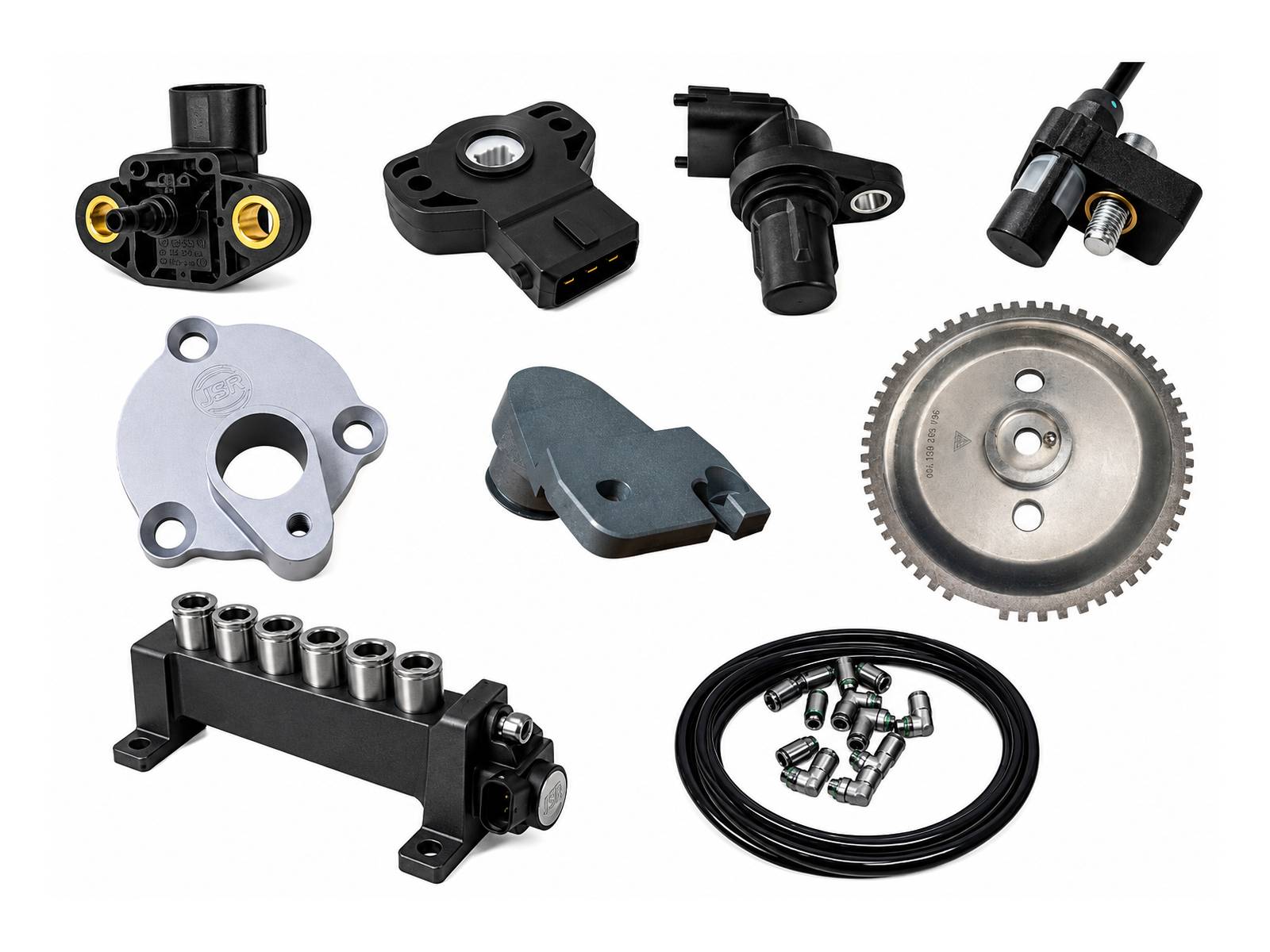
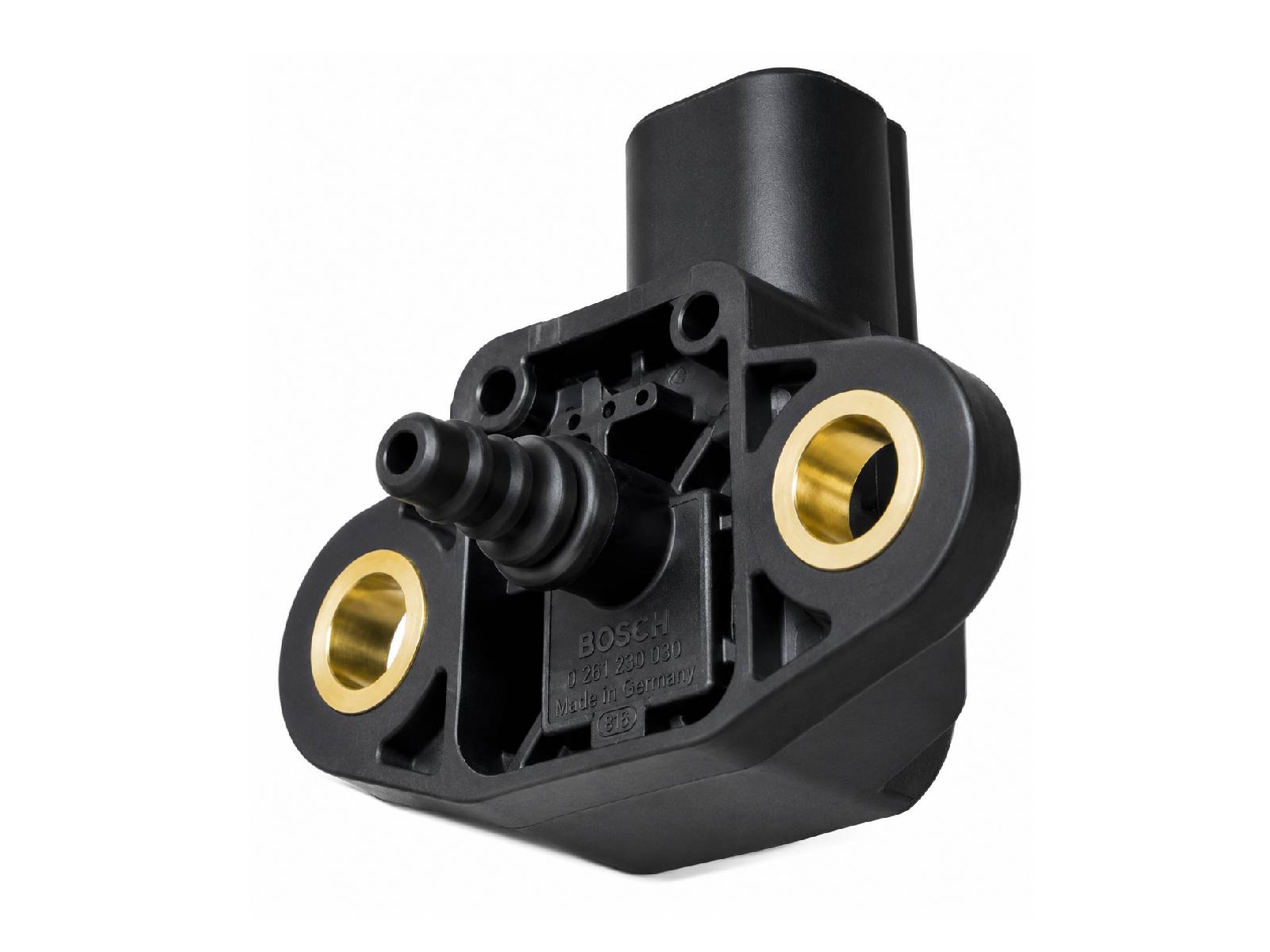
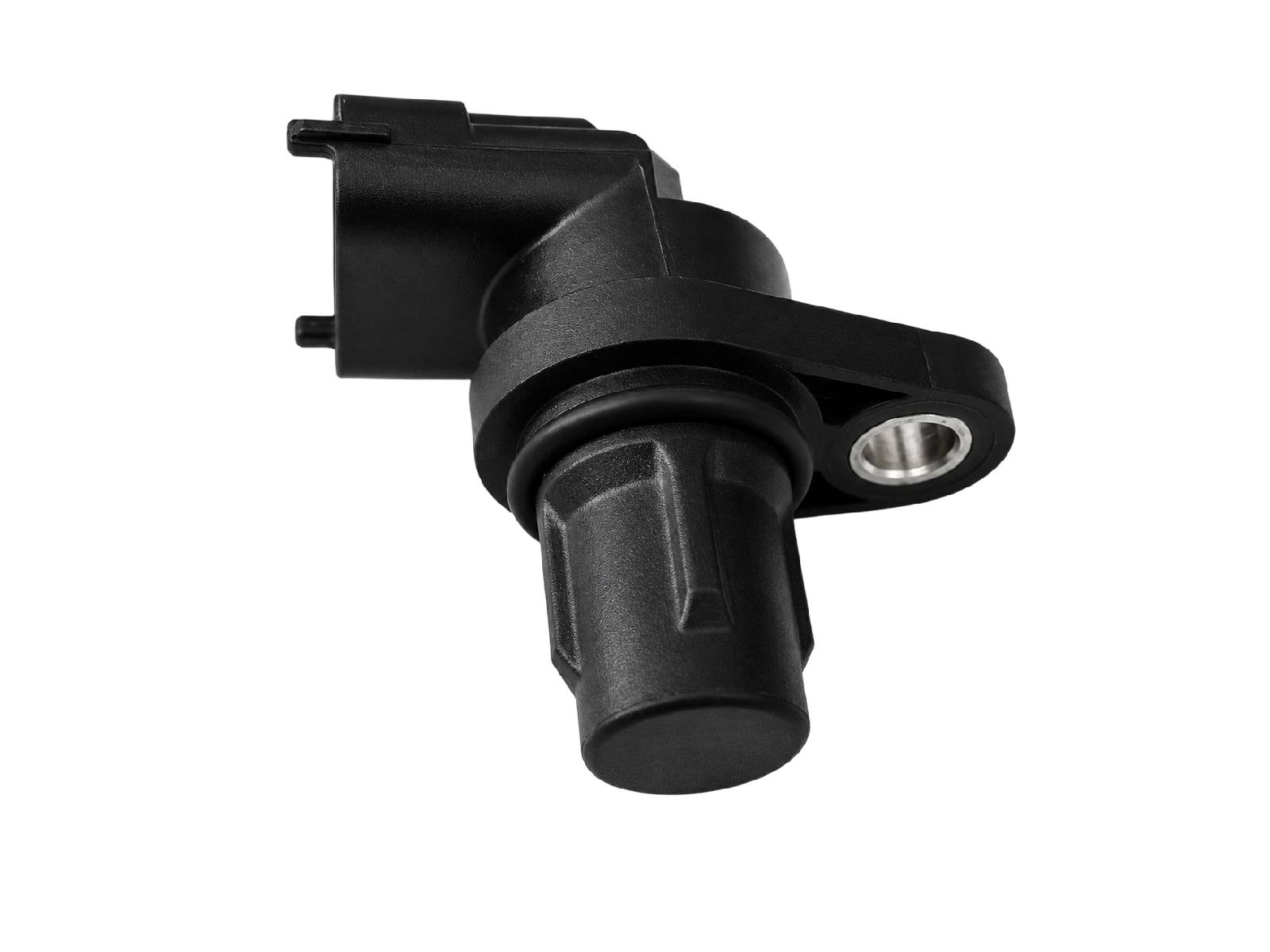
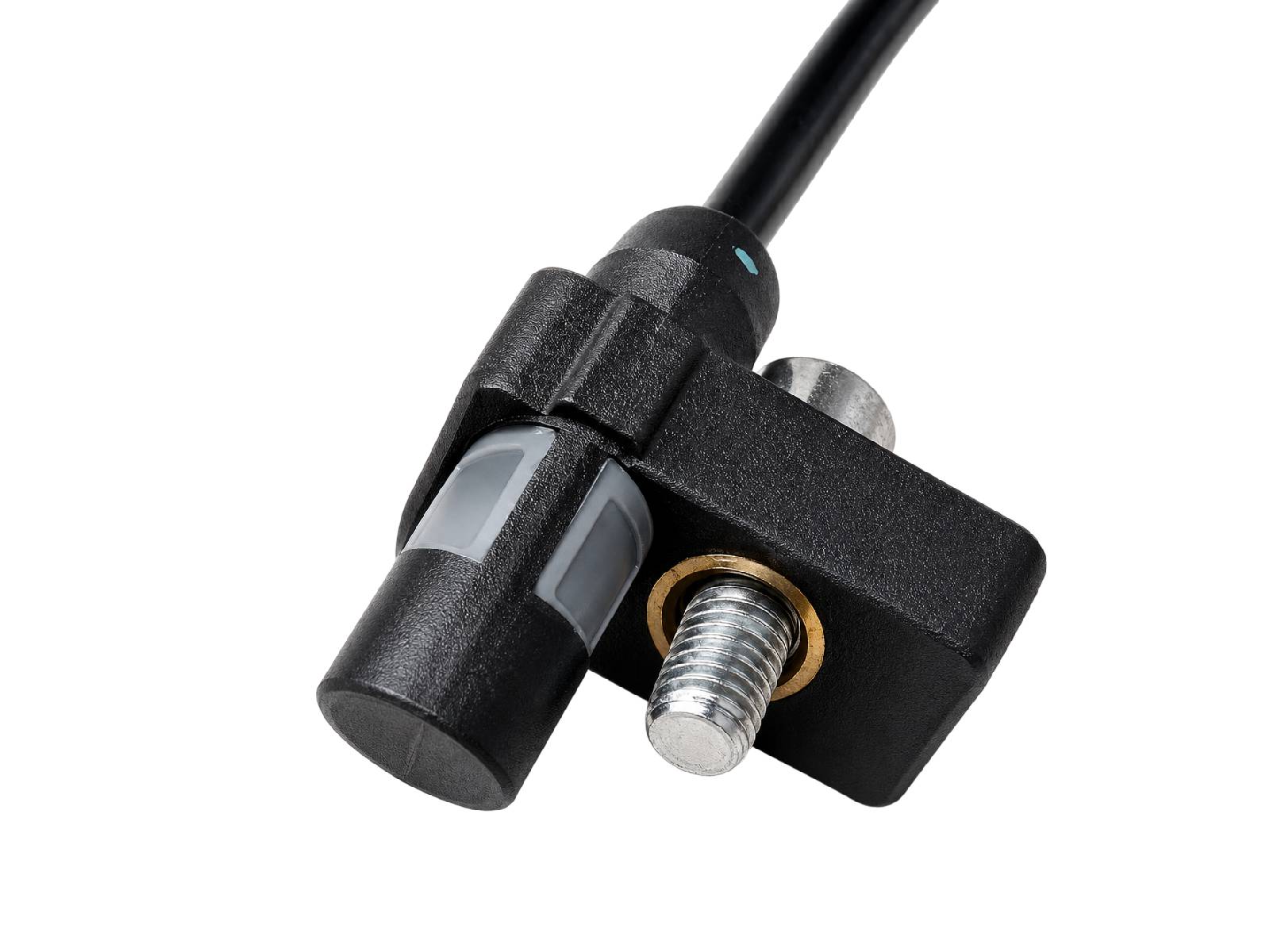
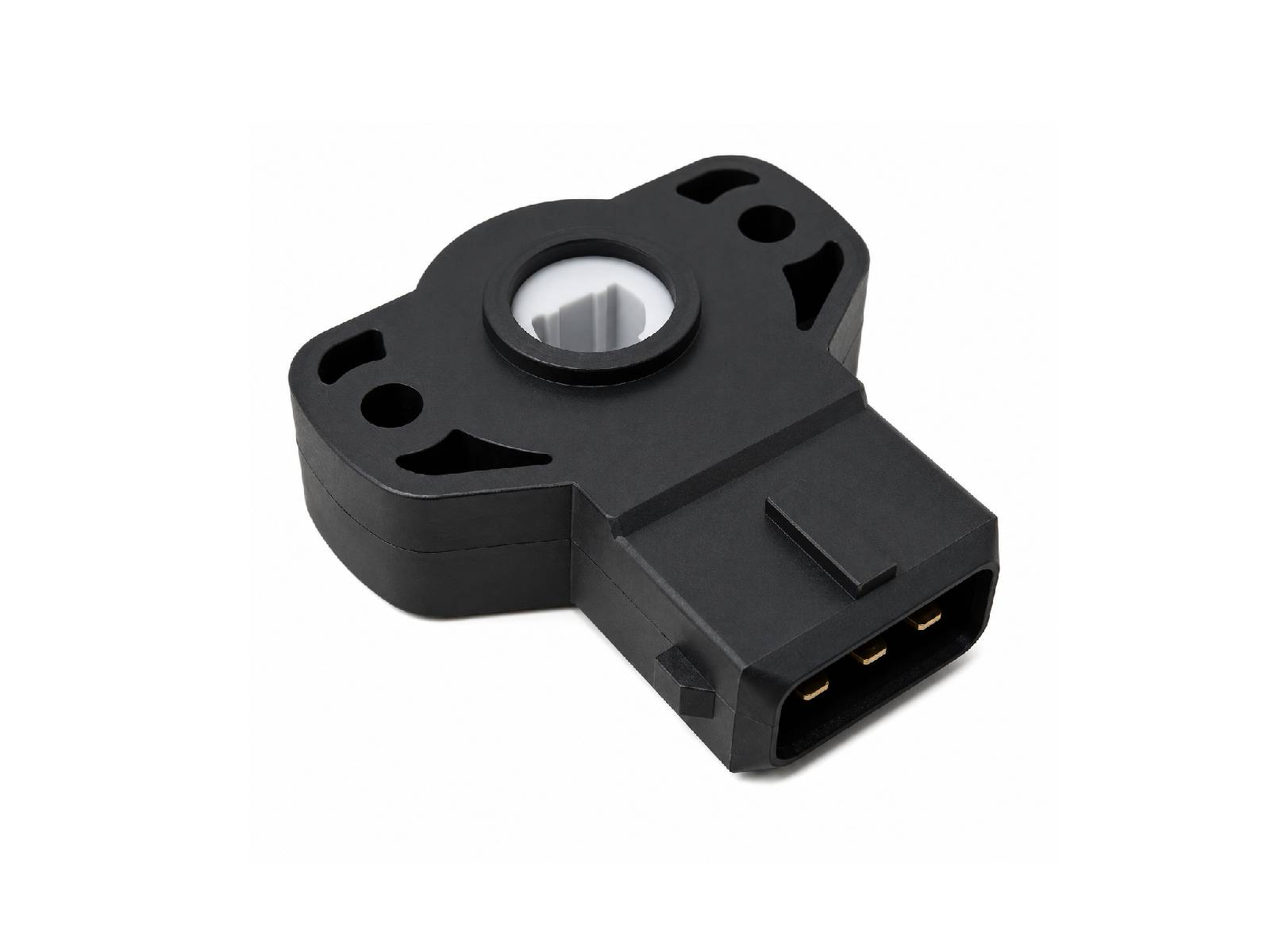
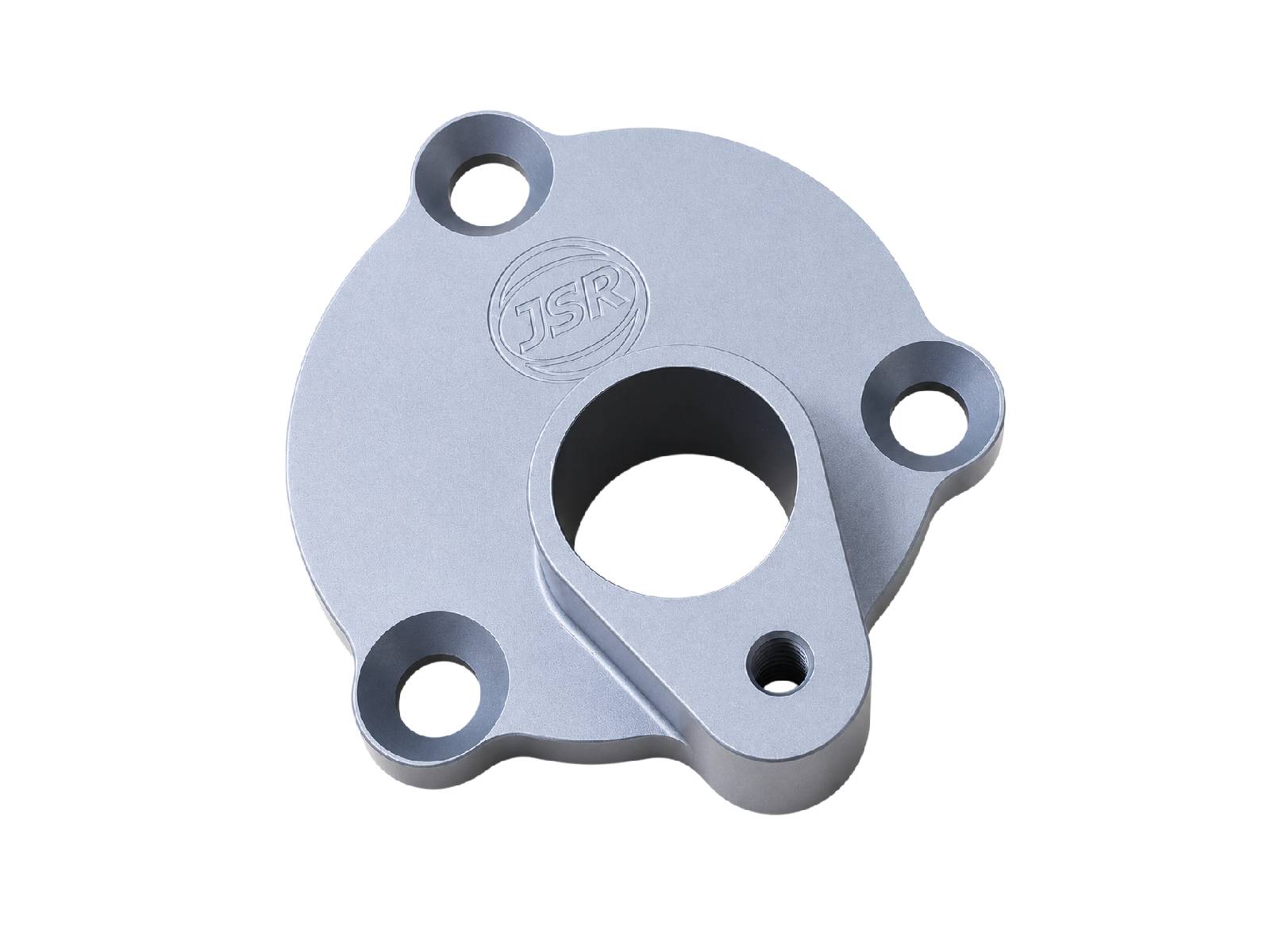
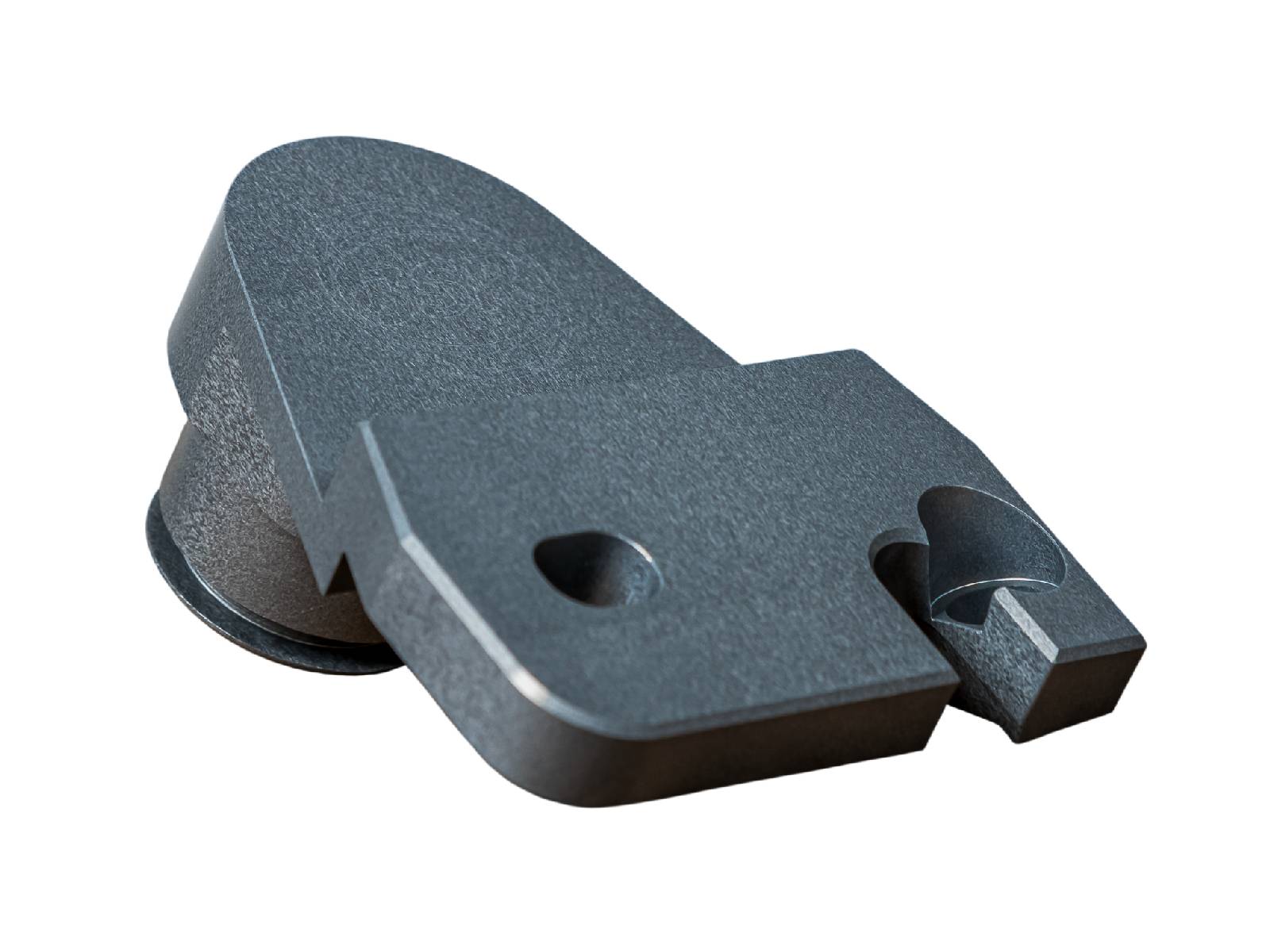
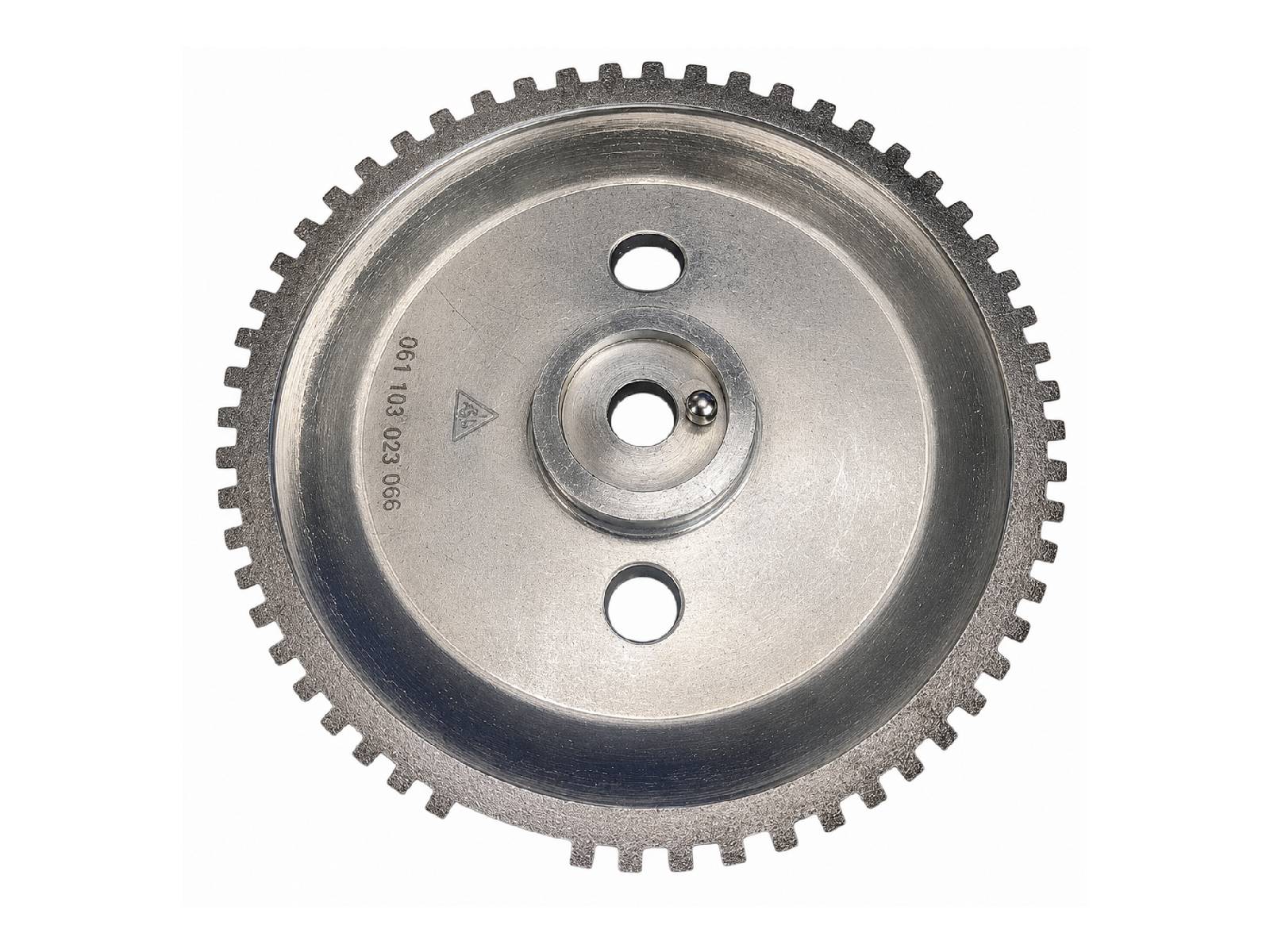
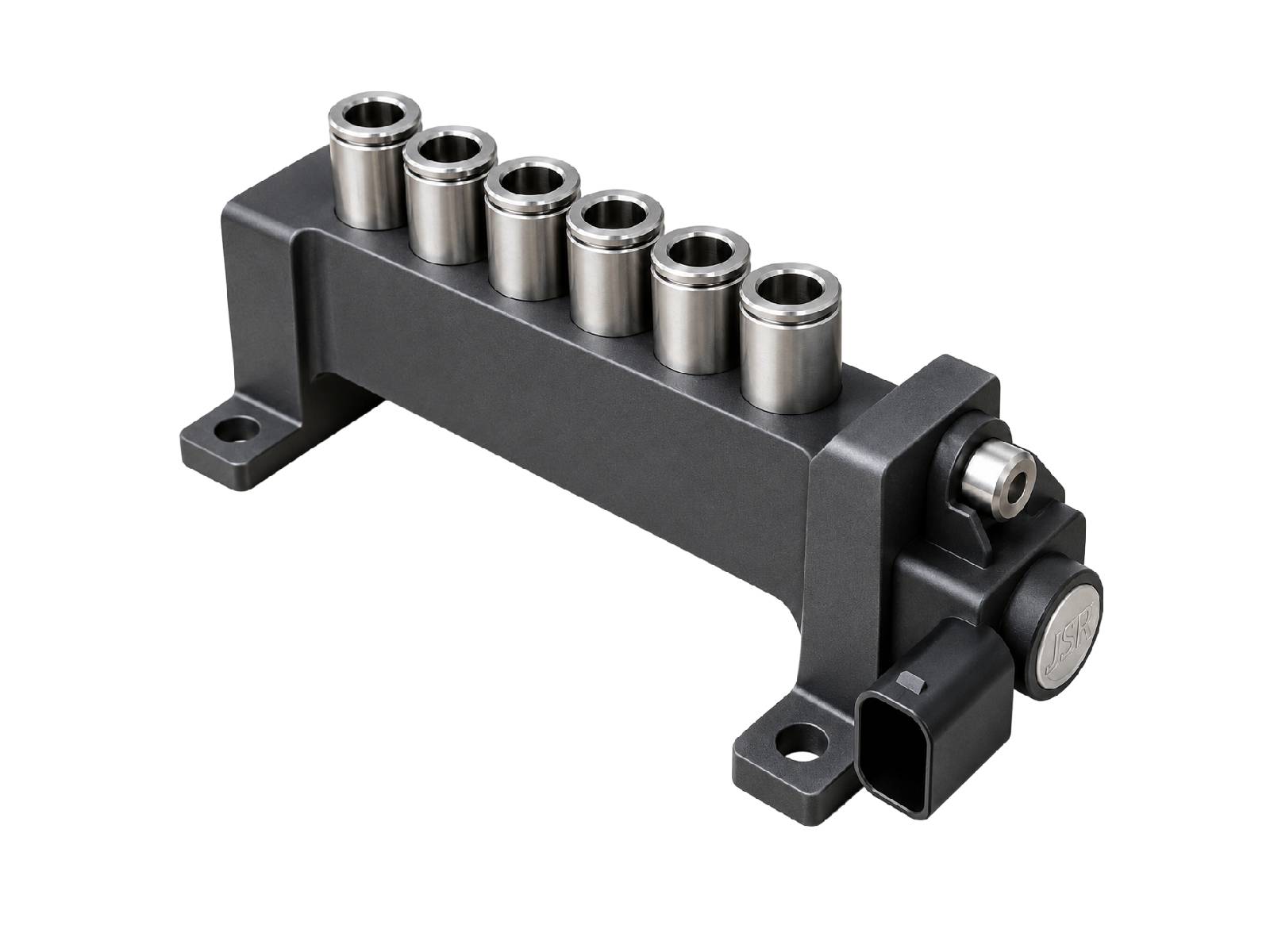
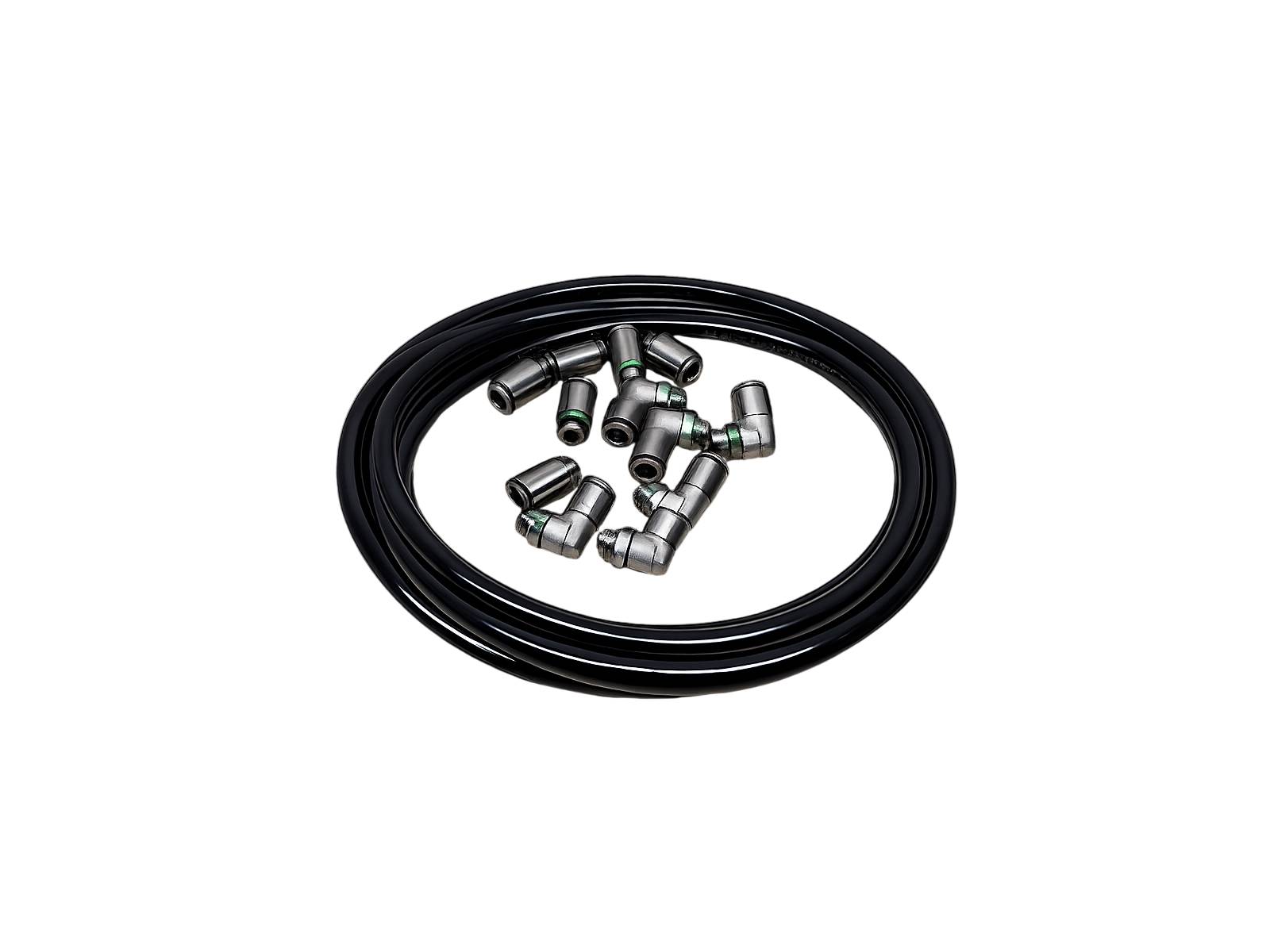
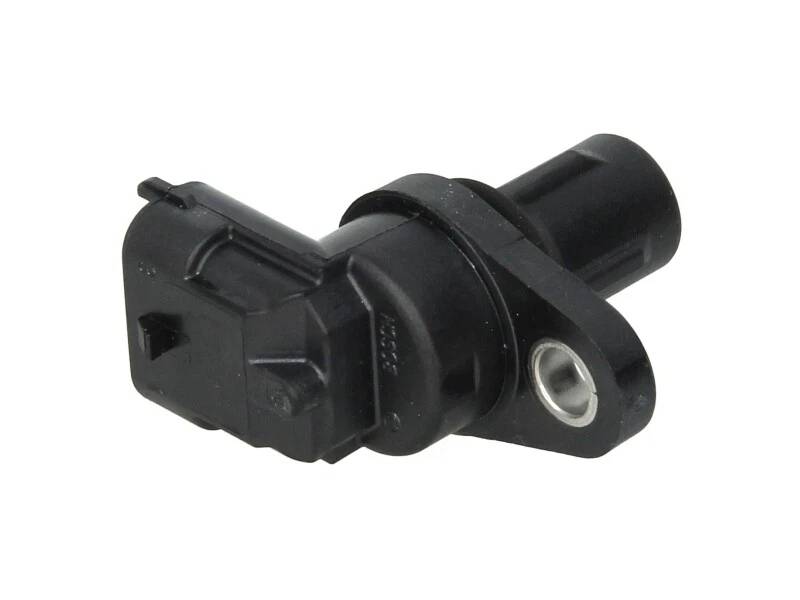
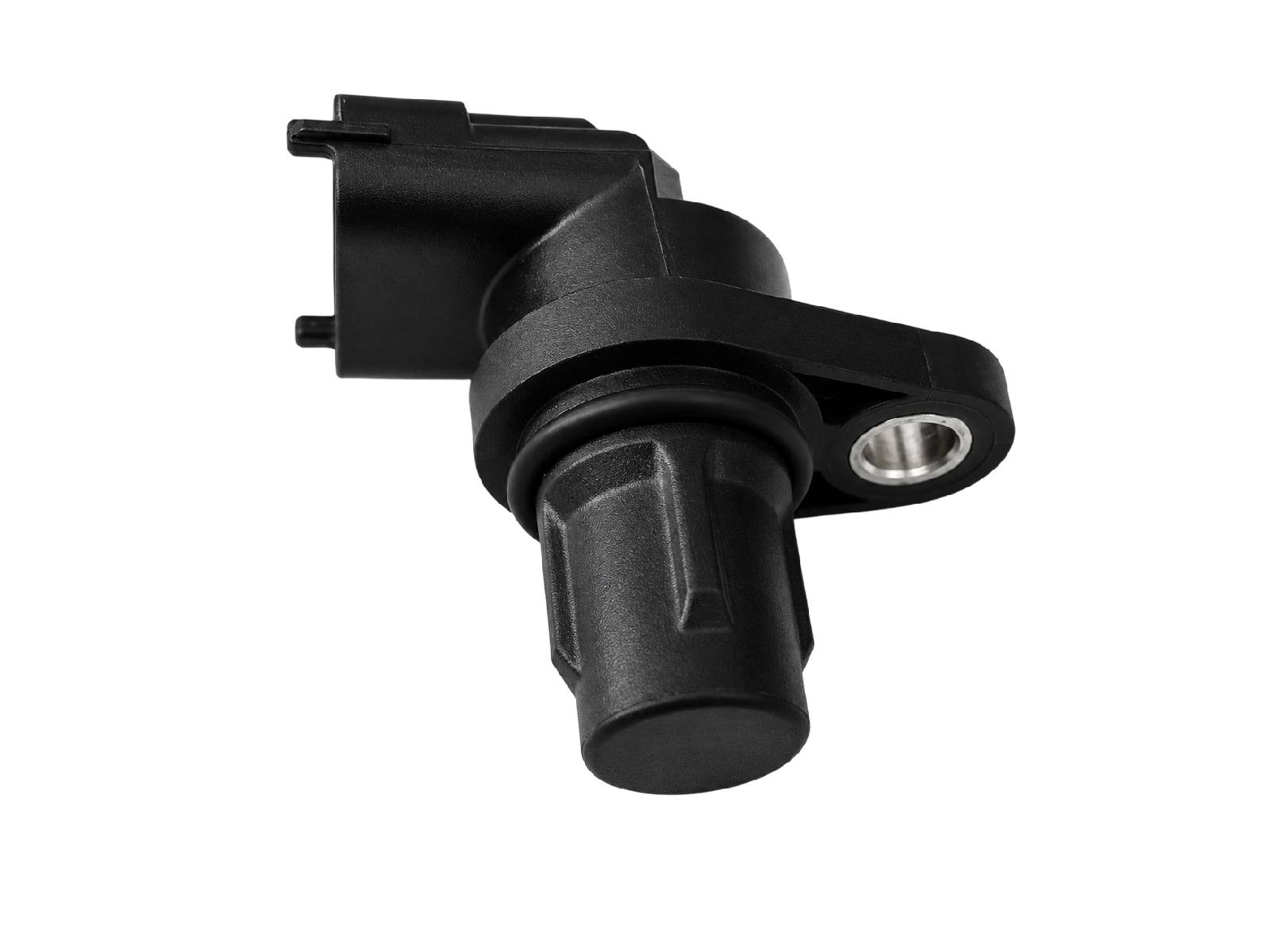
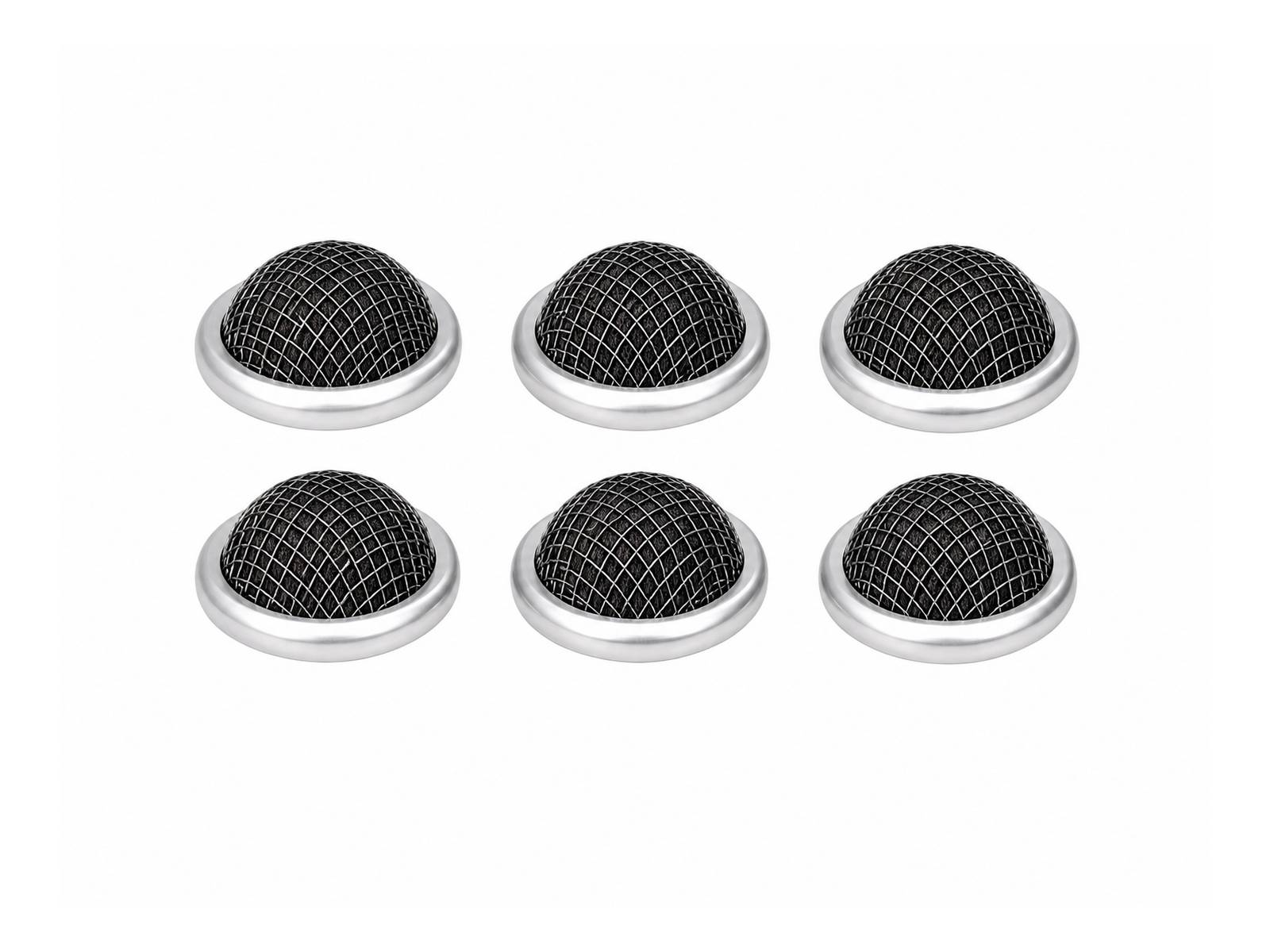
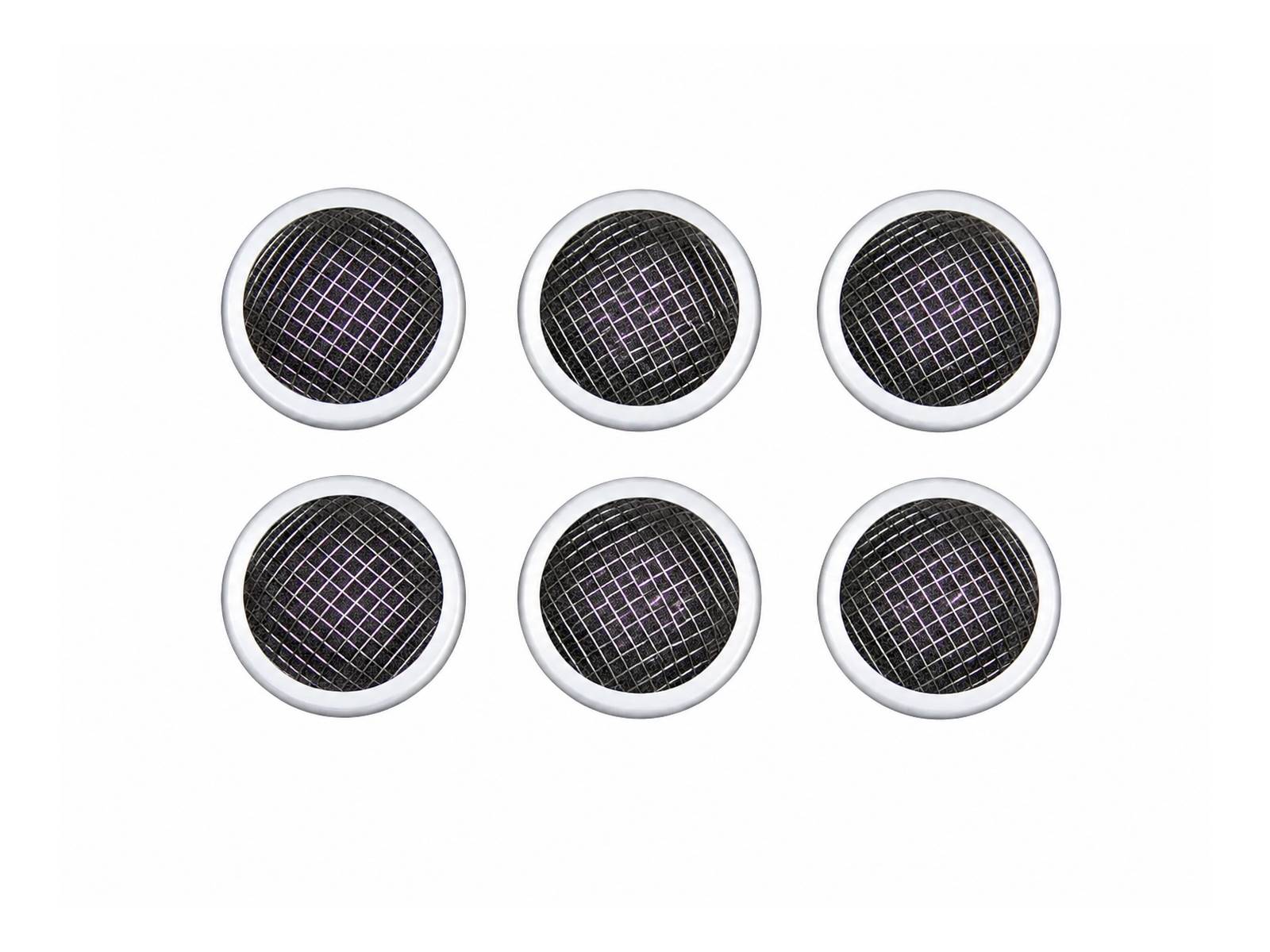
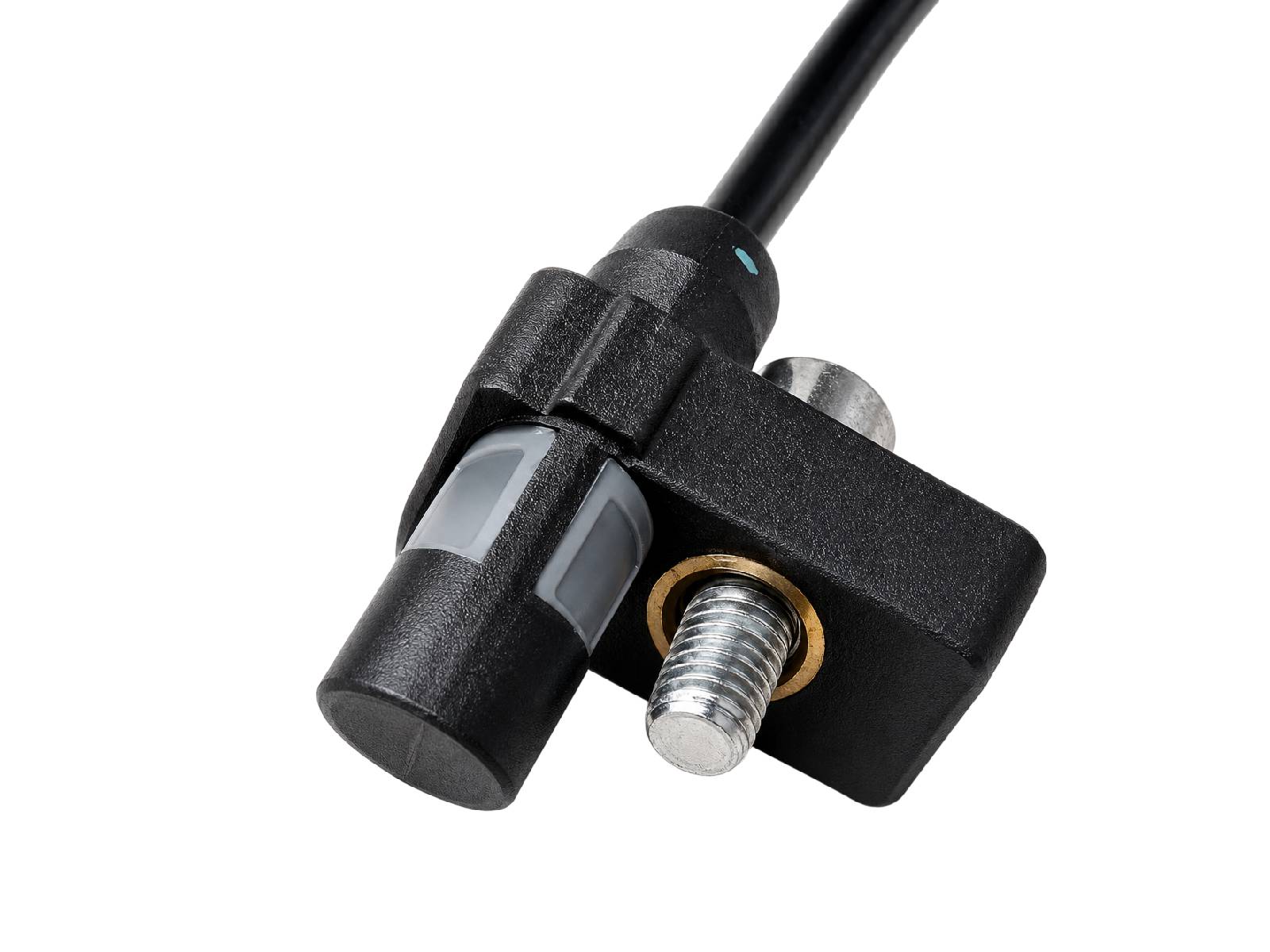
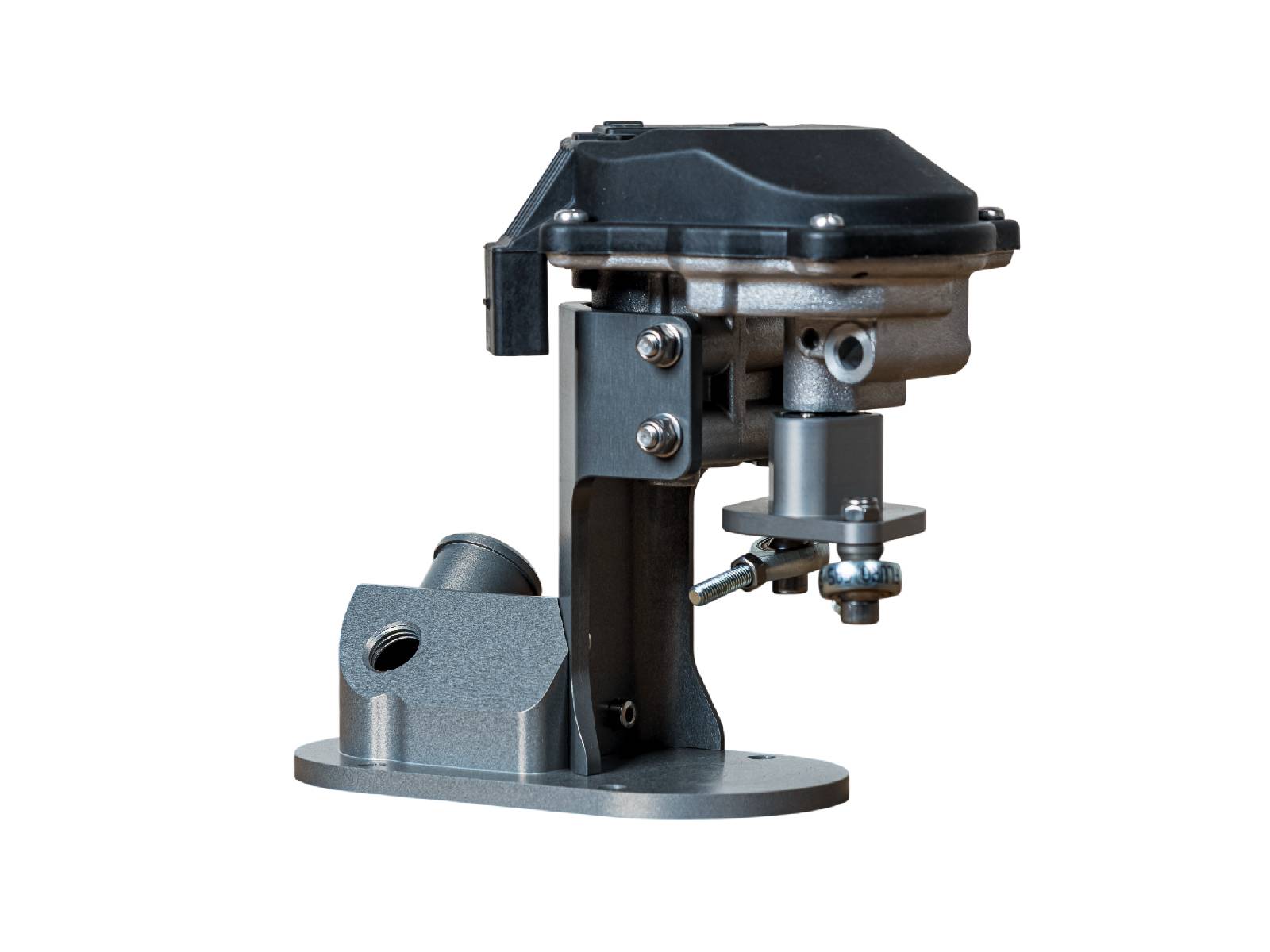
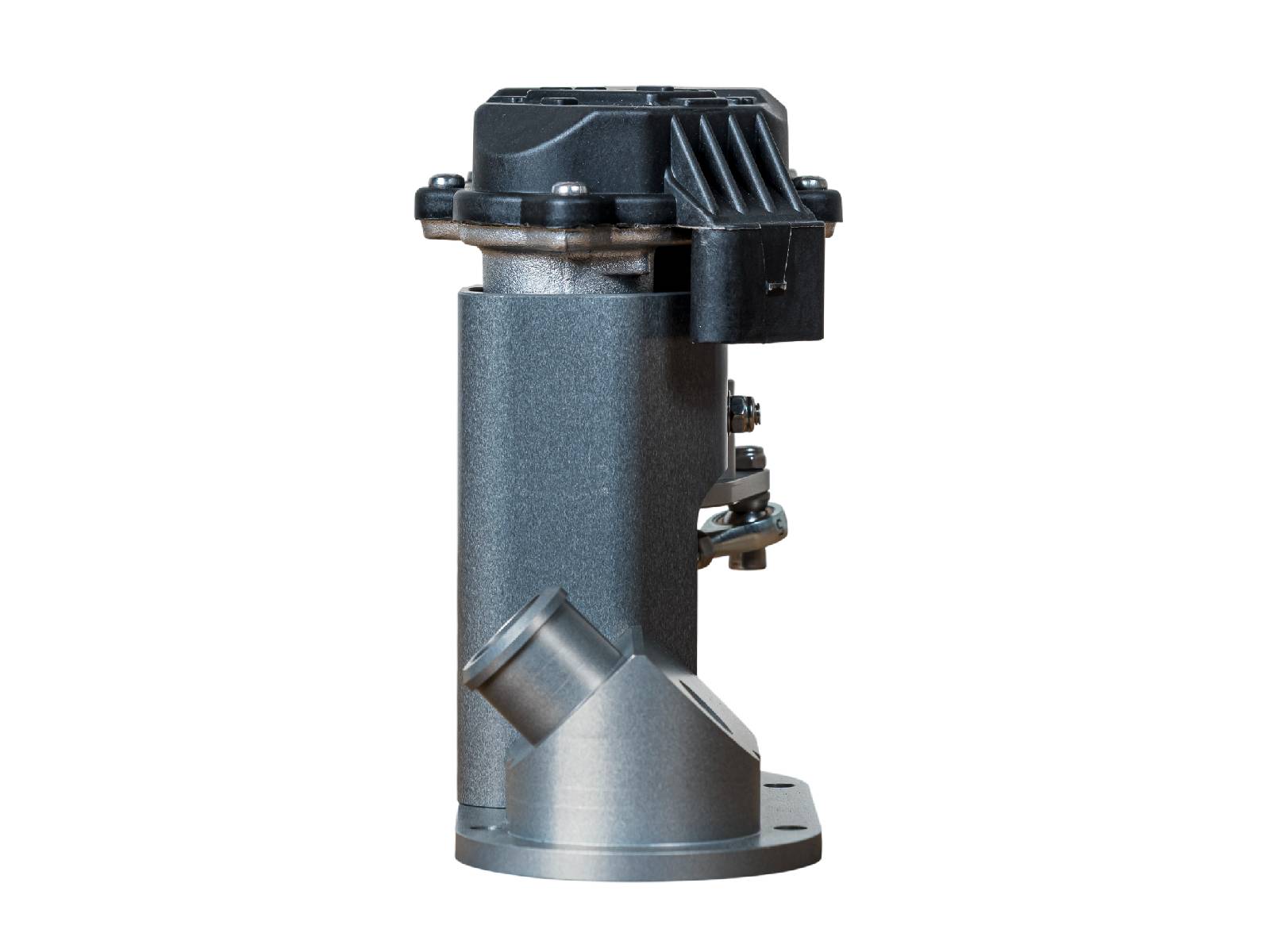
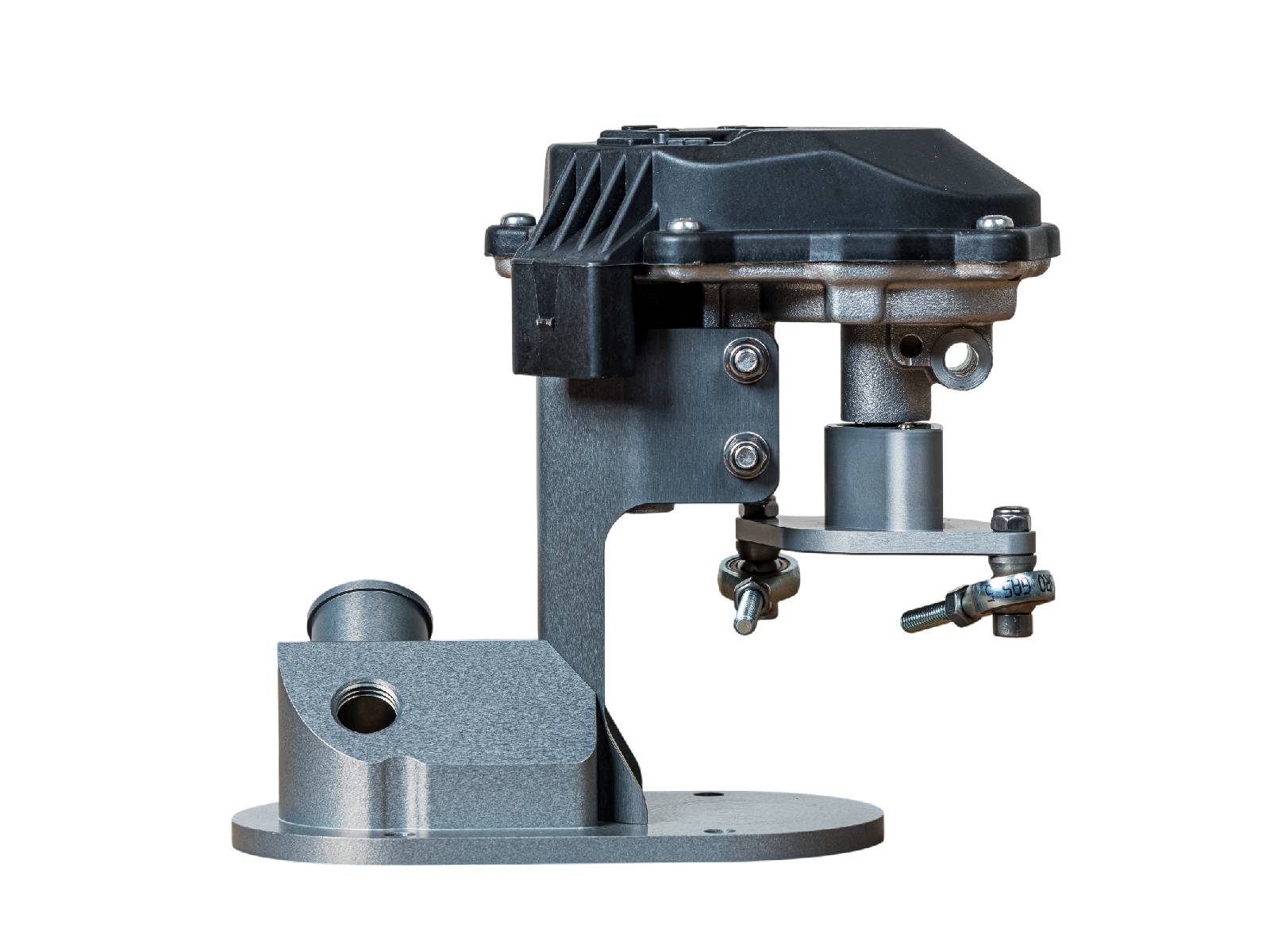
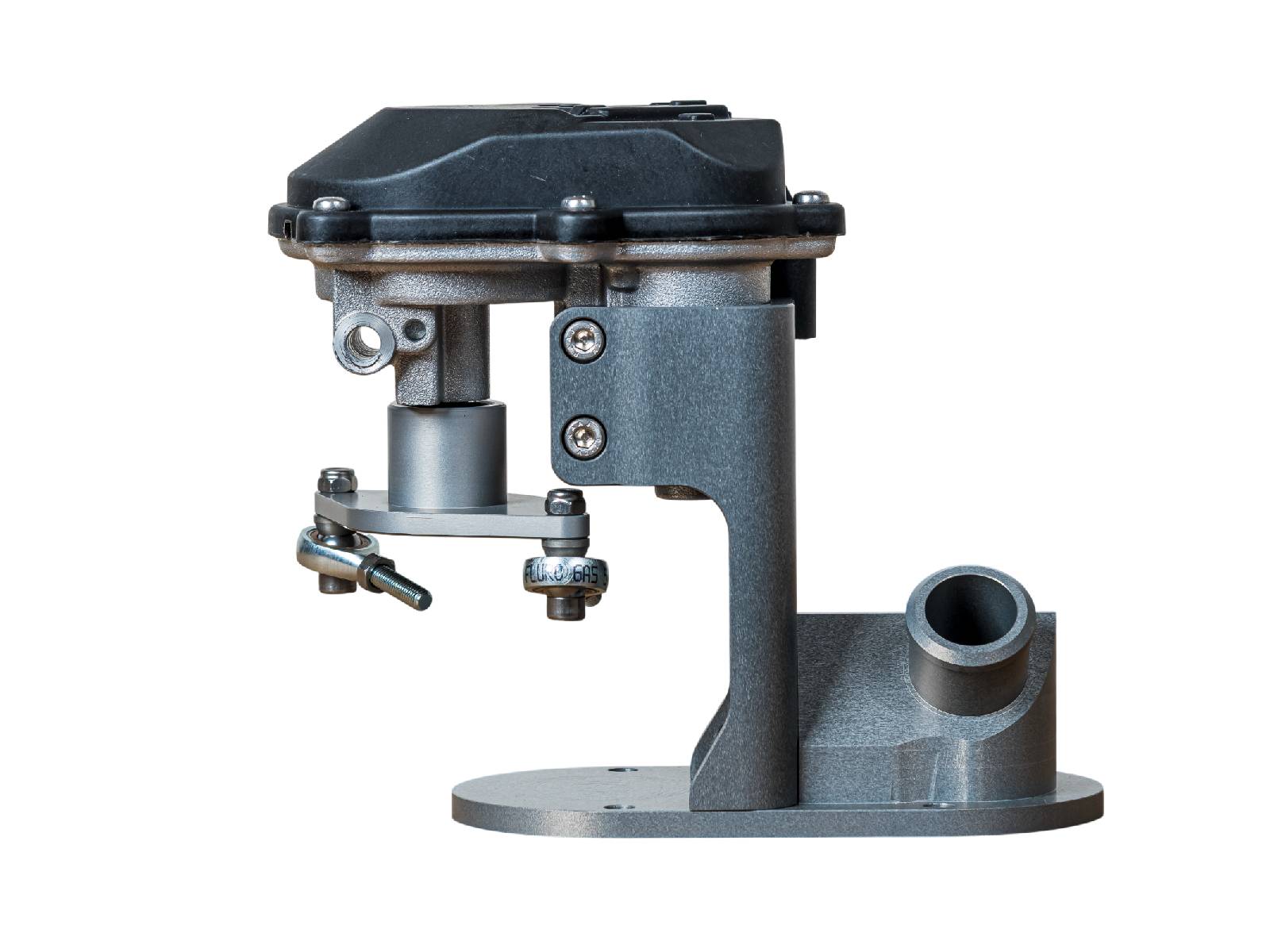
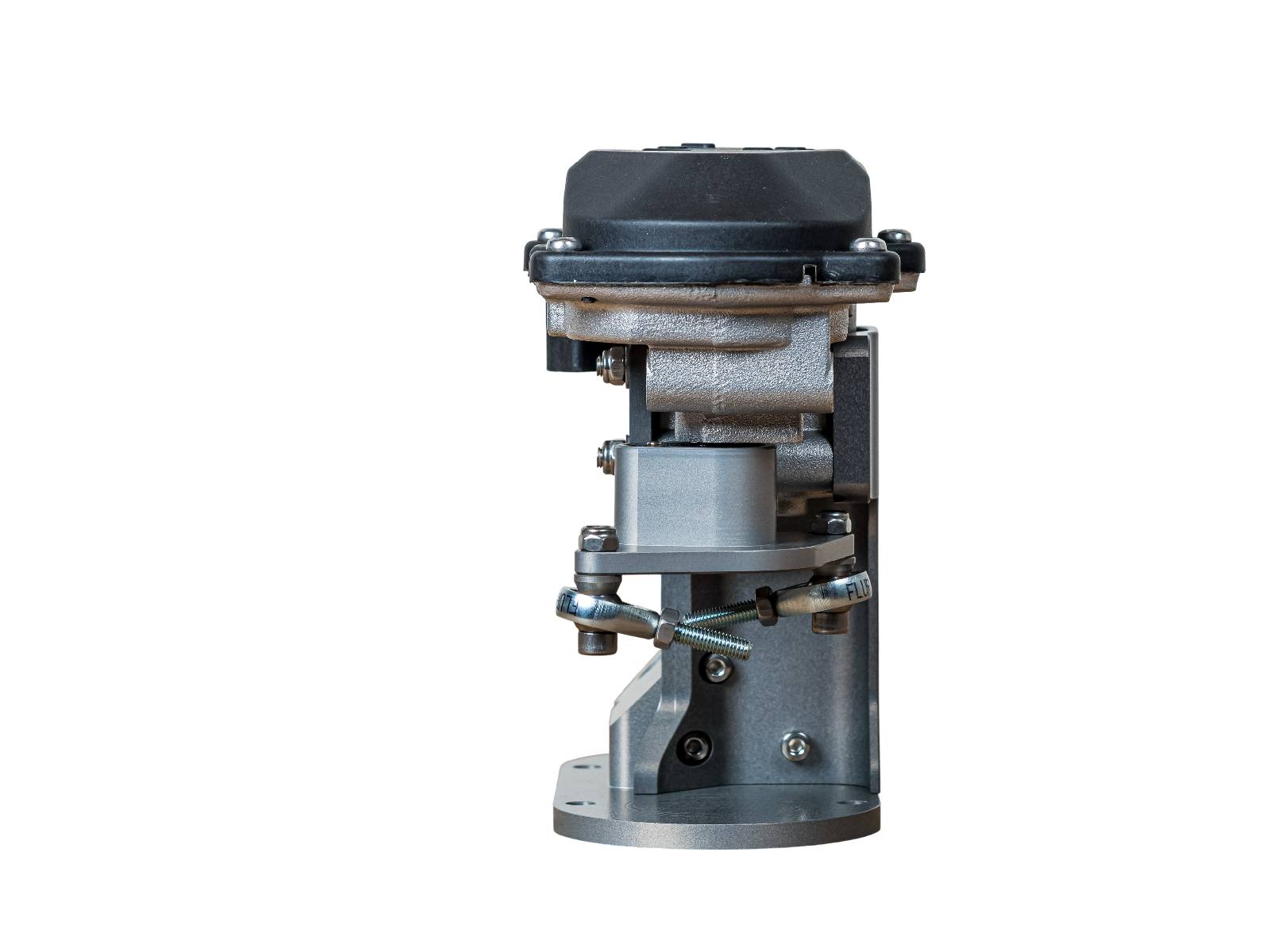
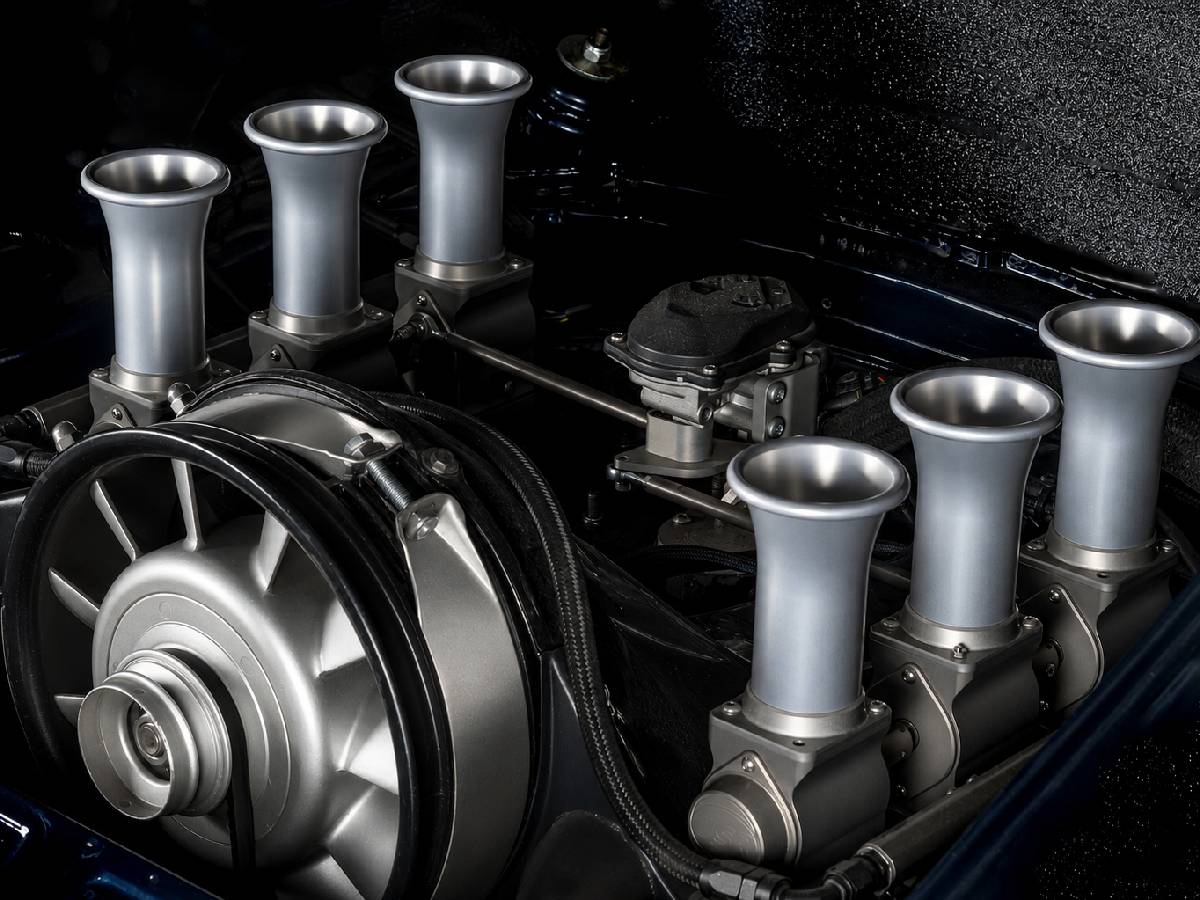
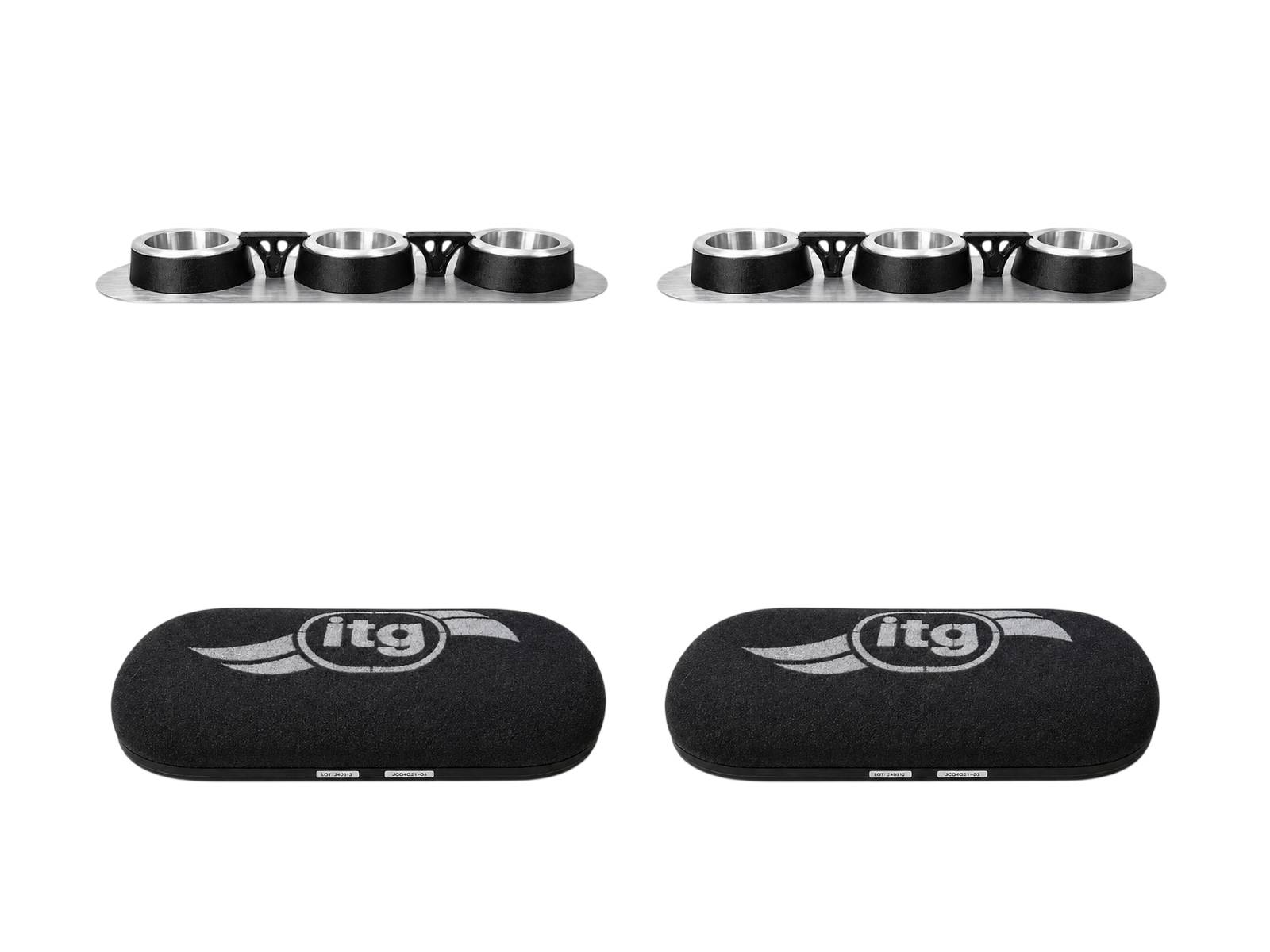

.jpg)
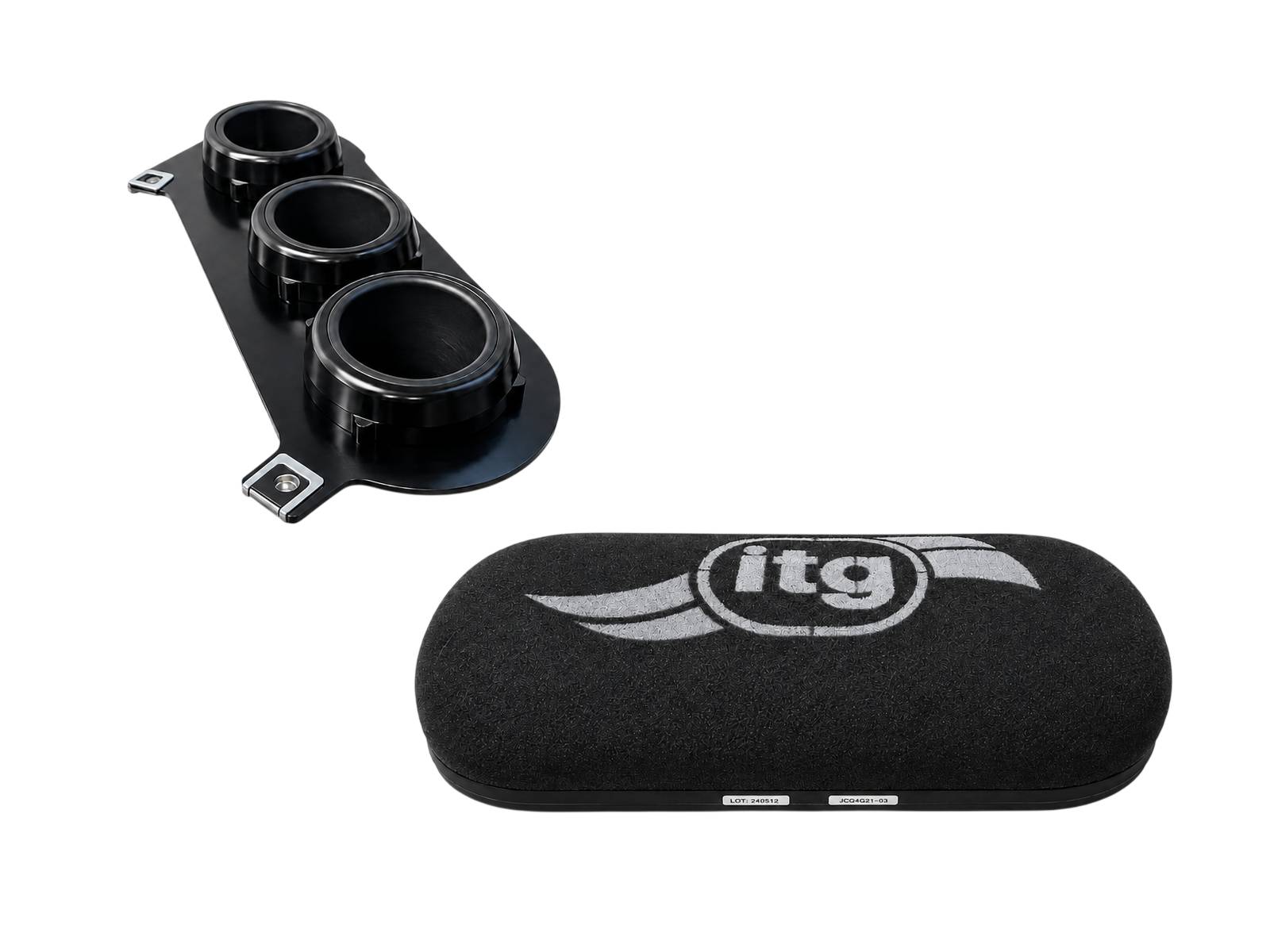
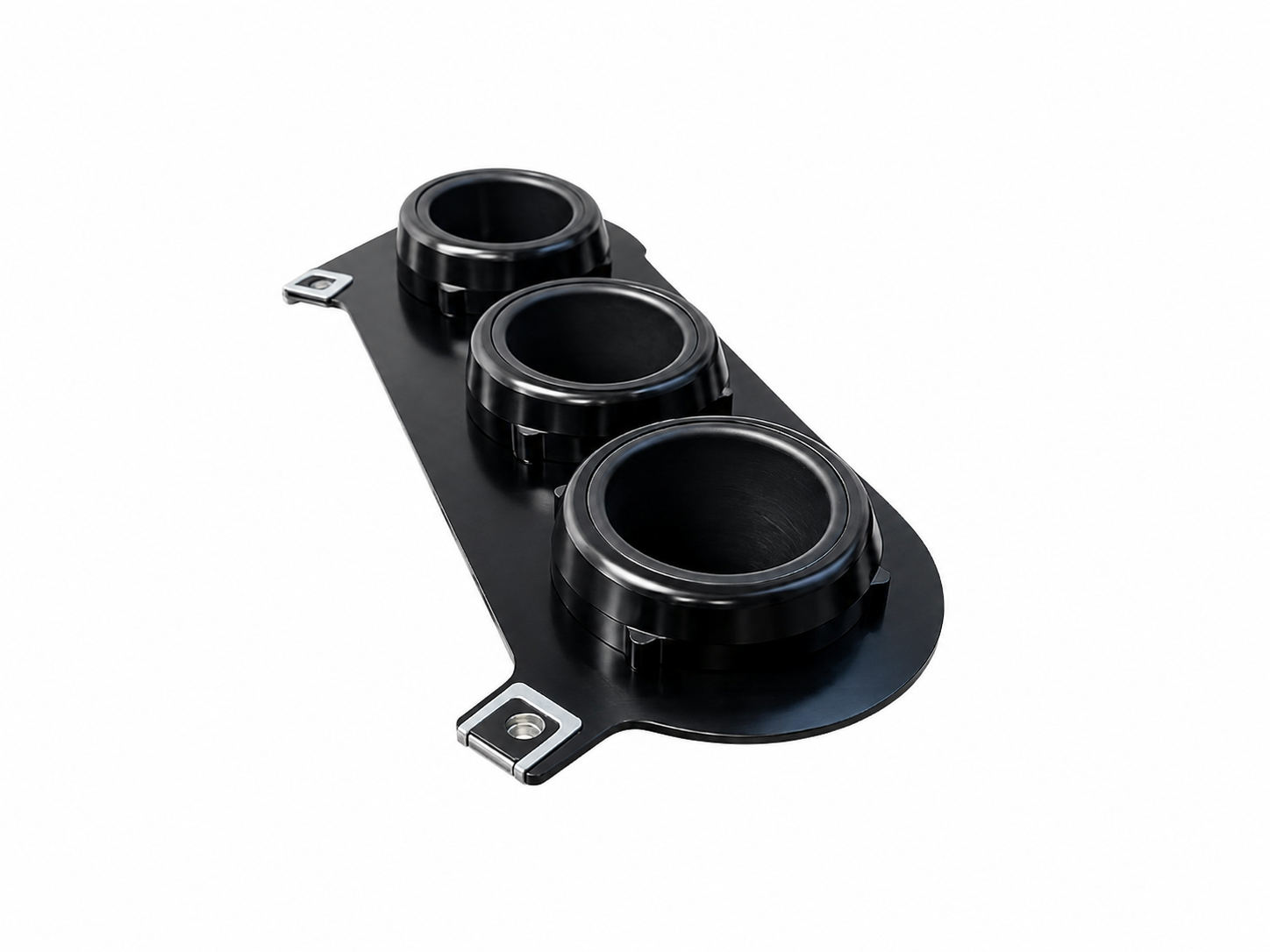
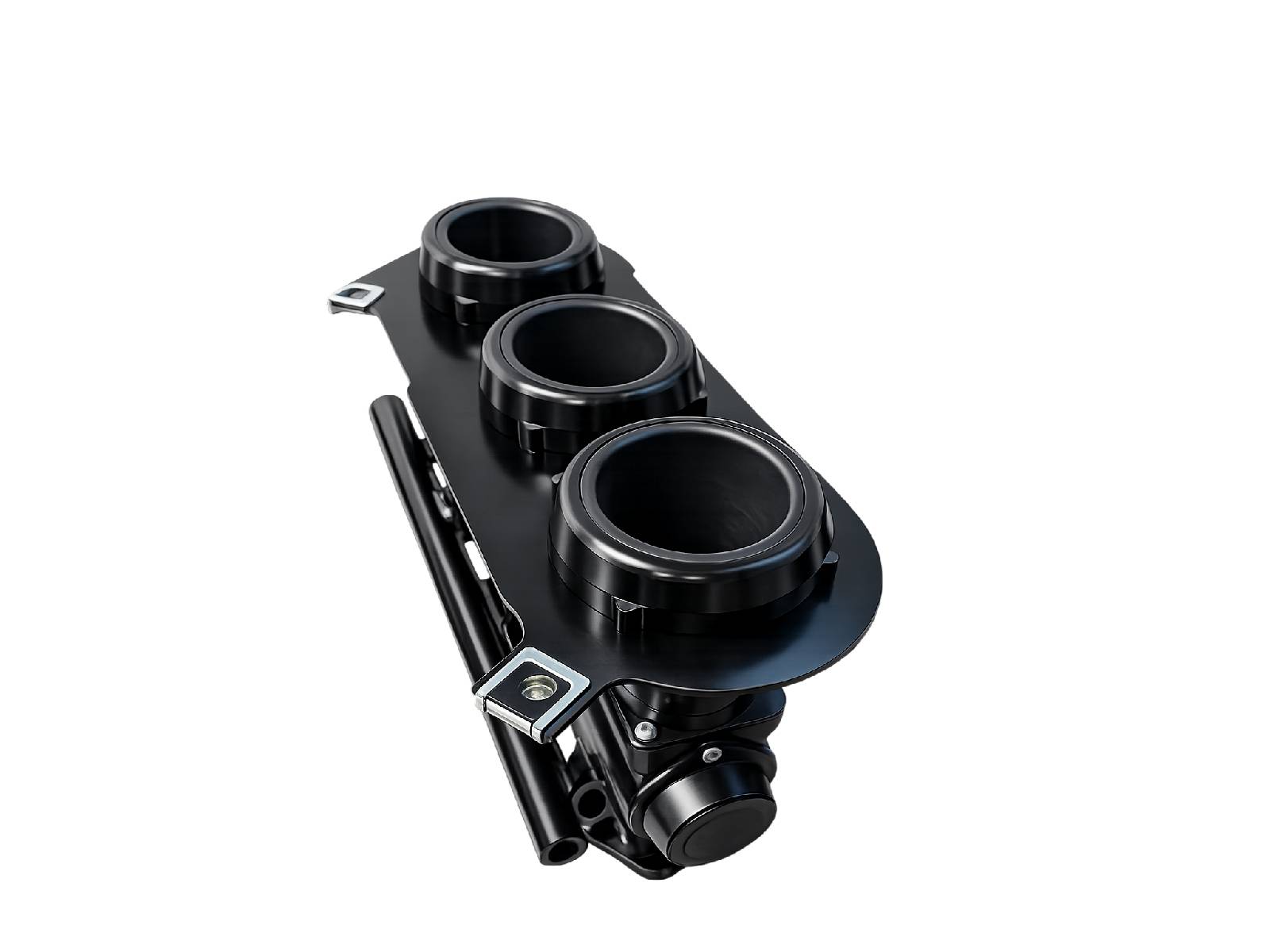
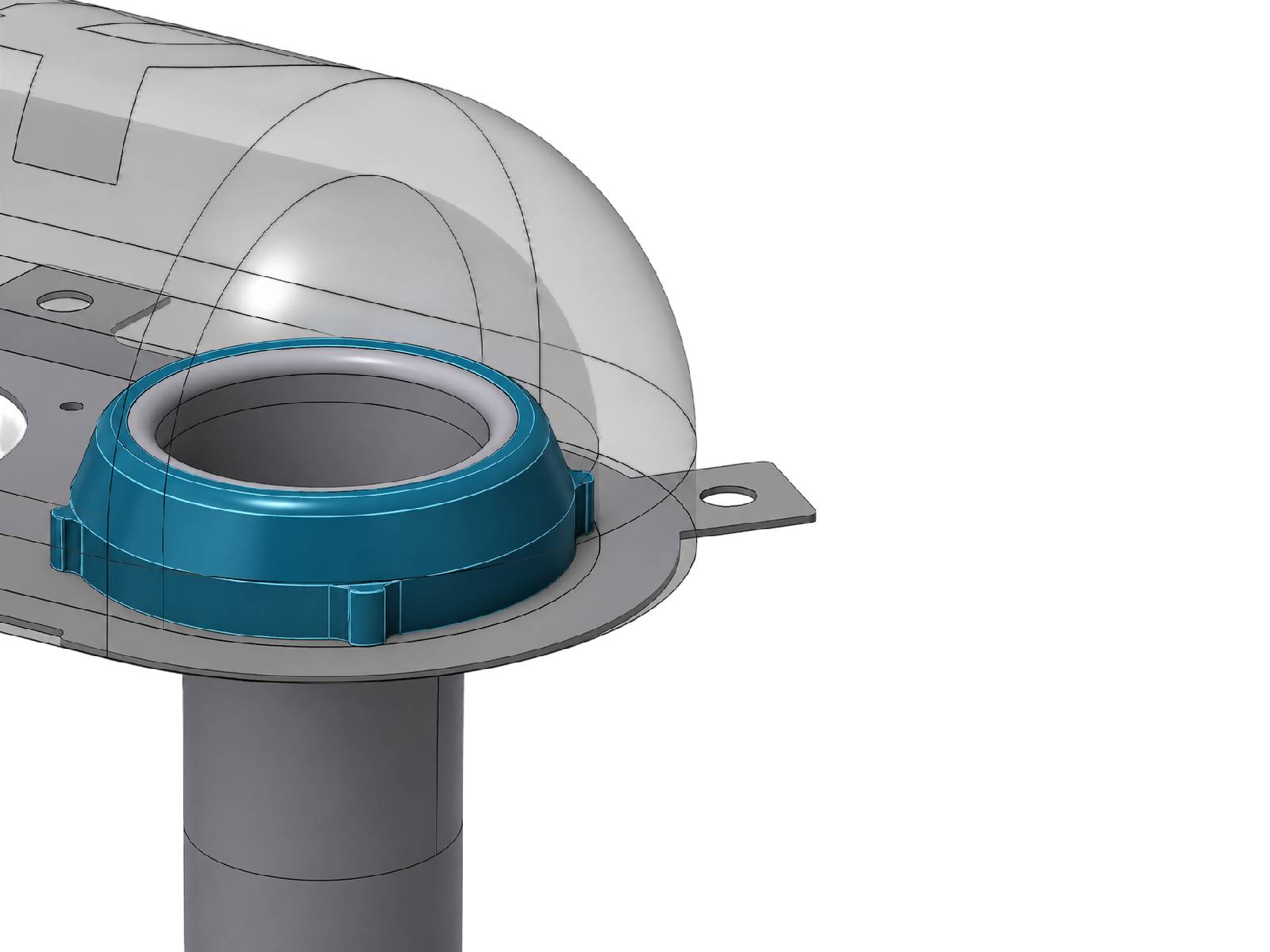
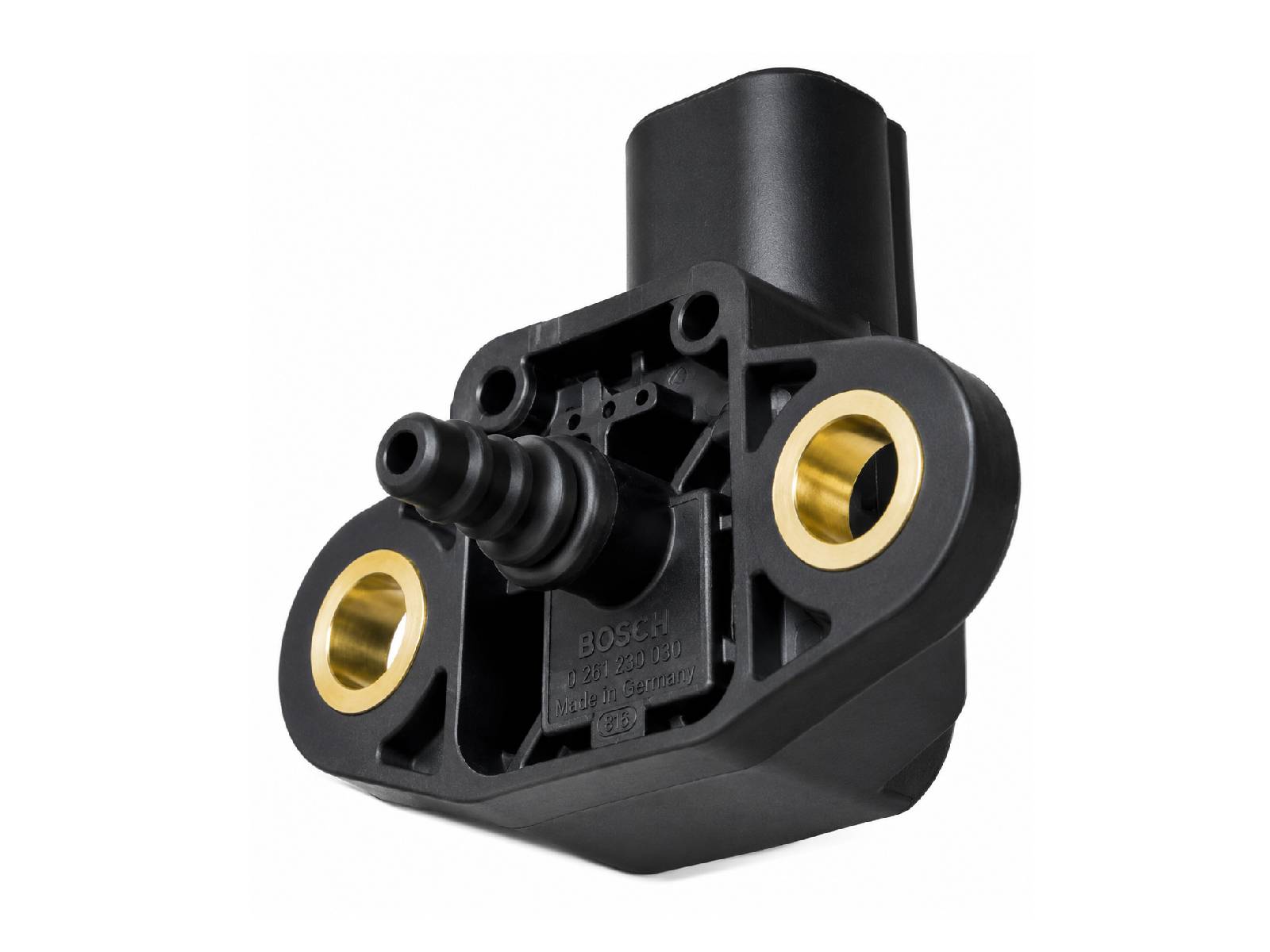
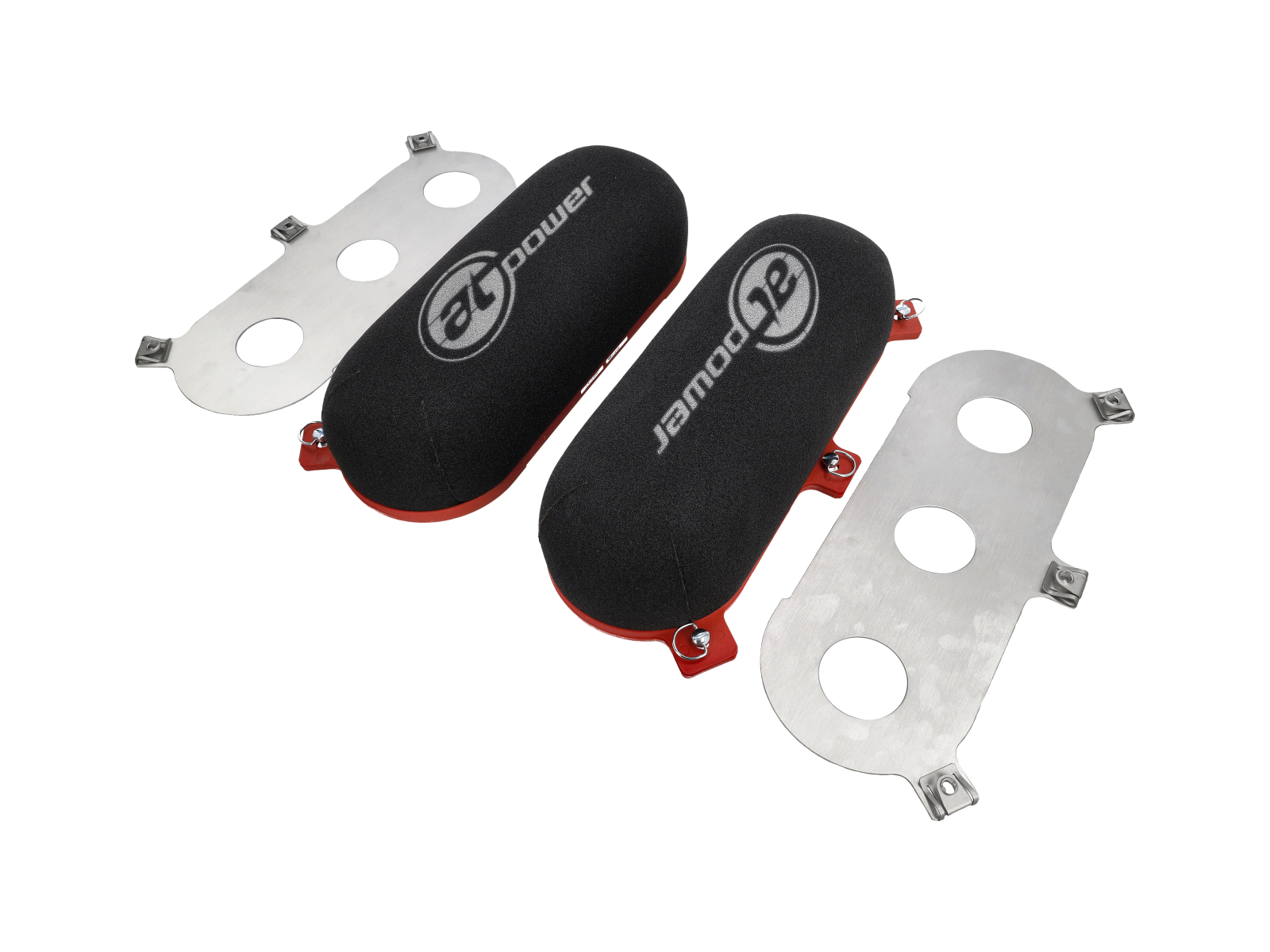
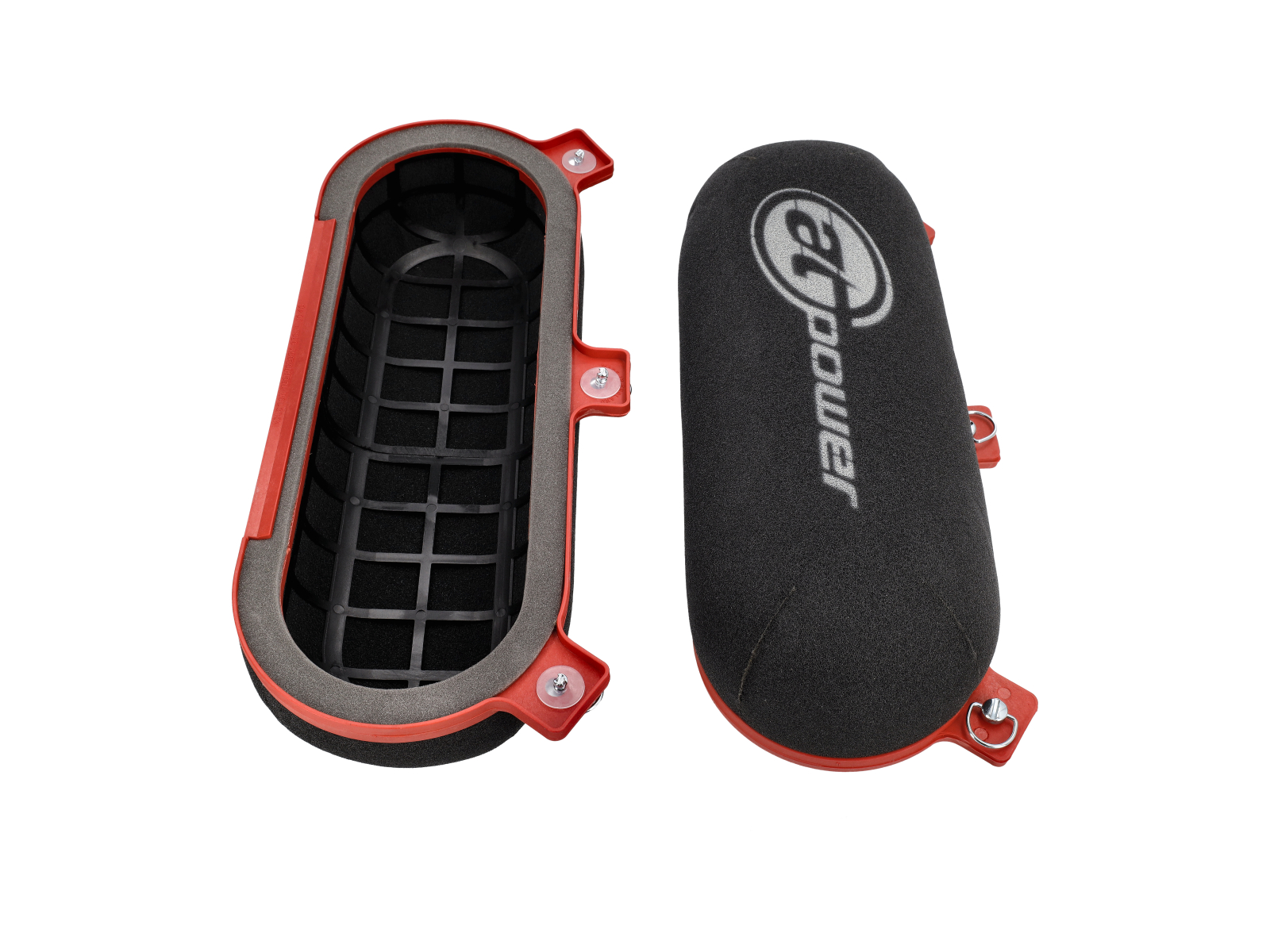
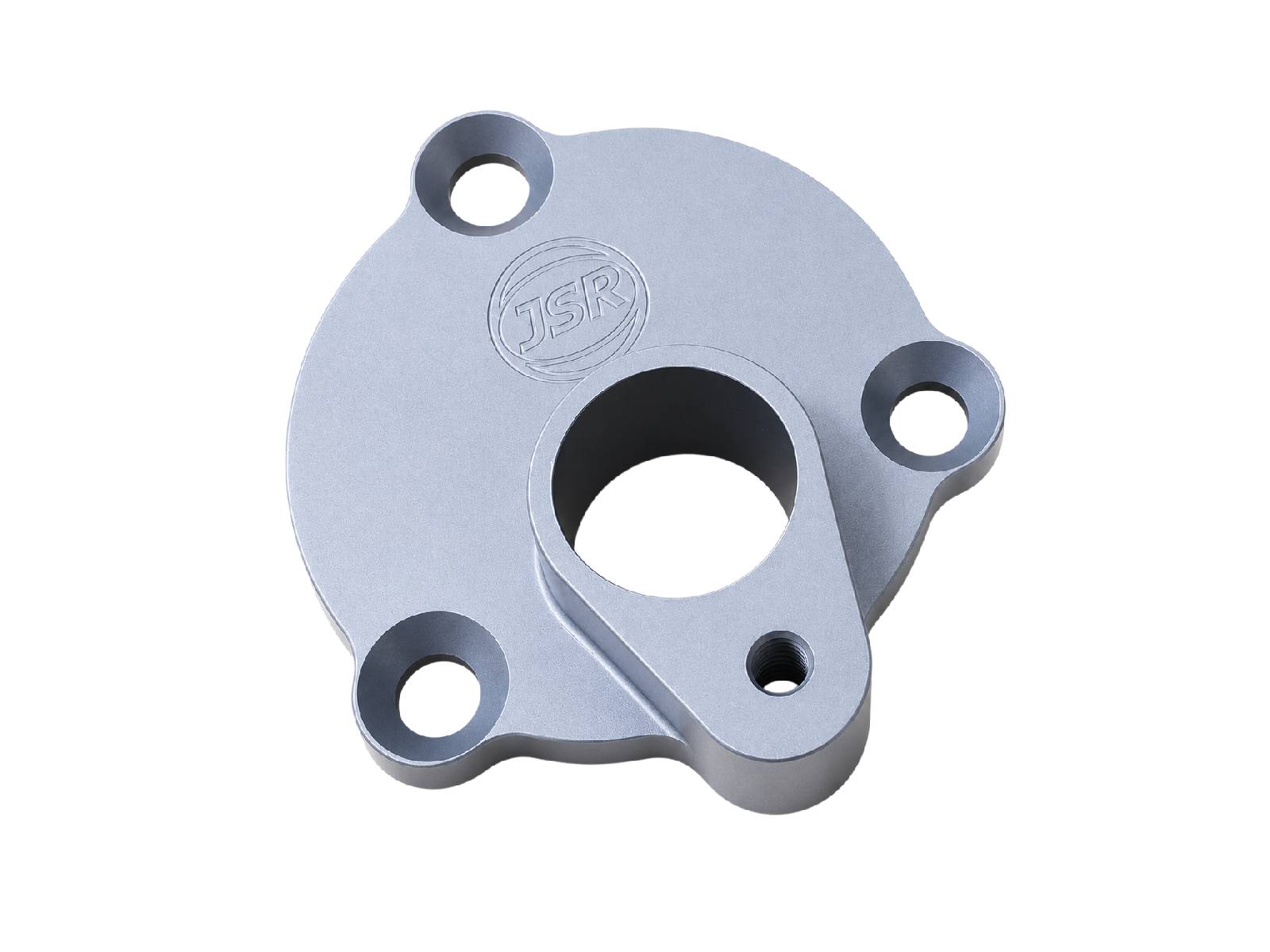
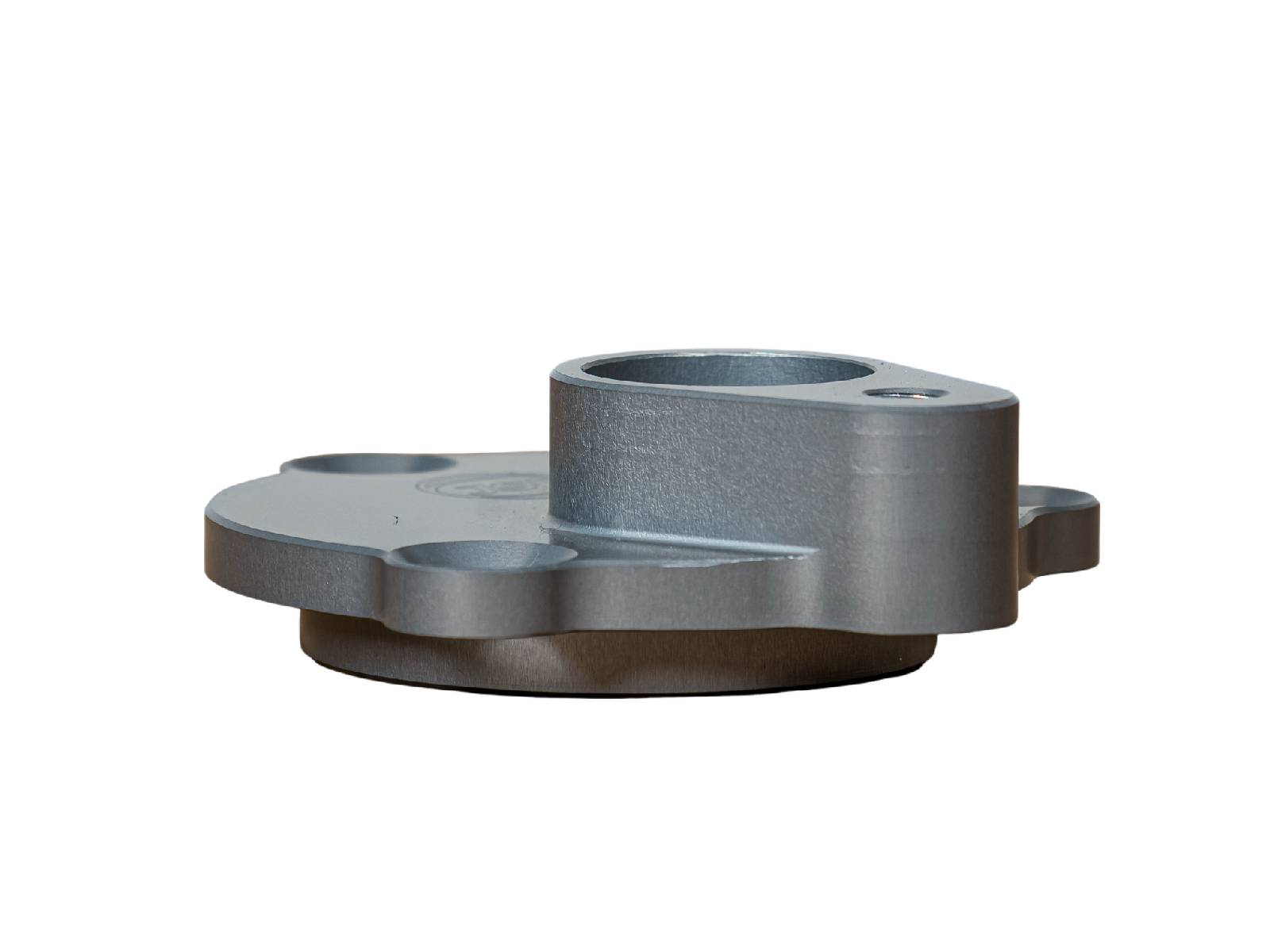
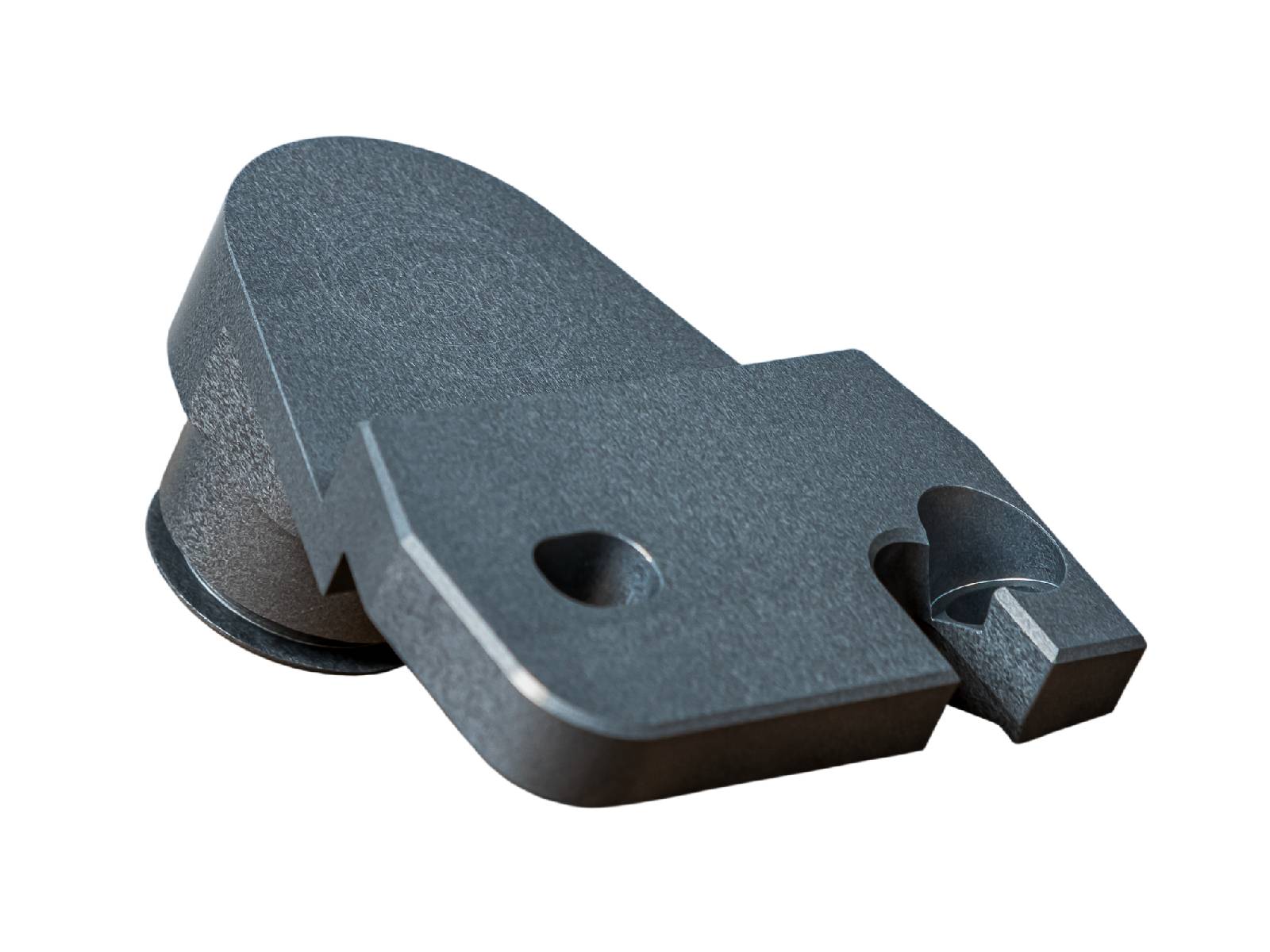
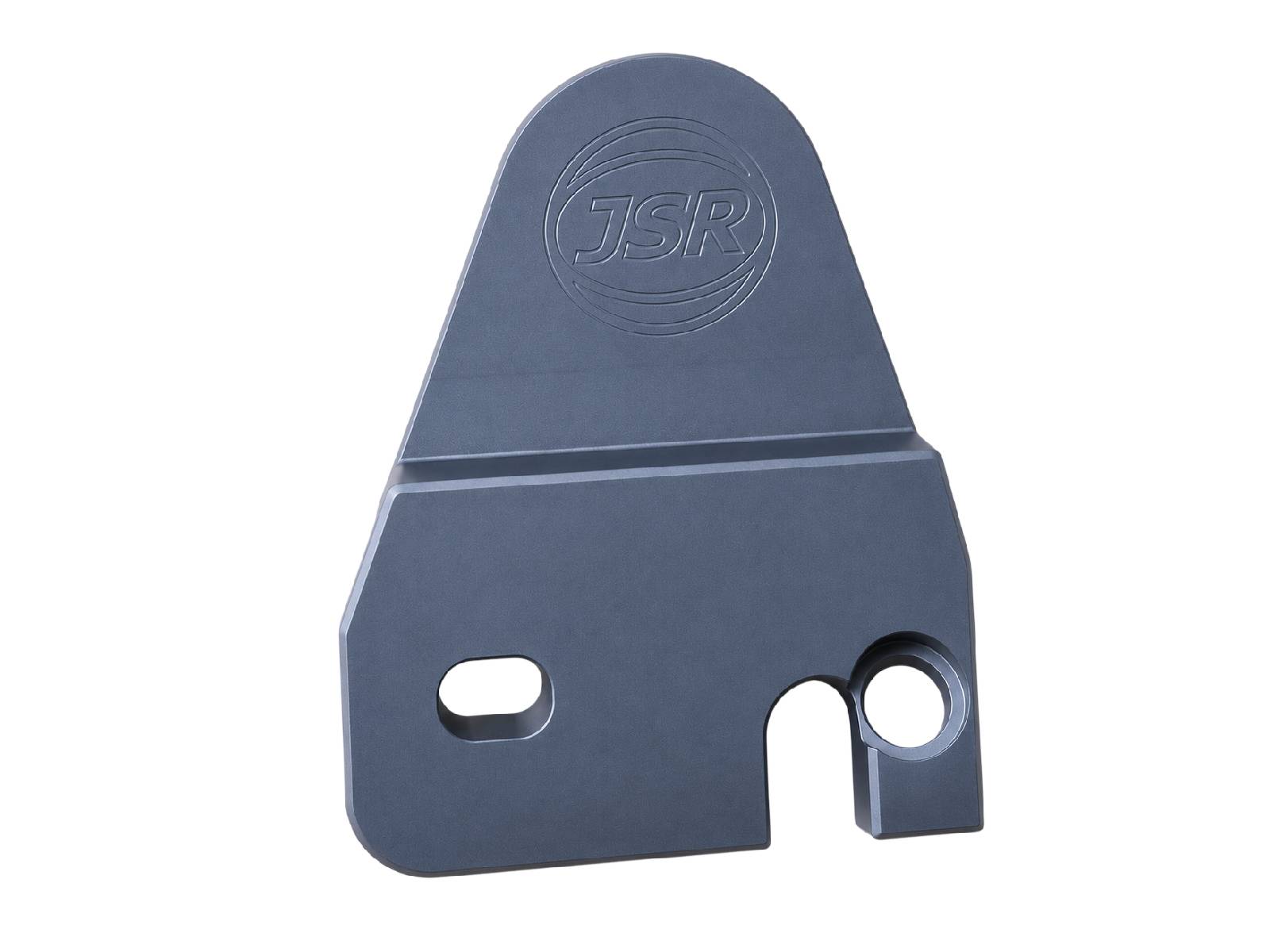
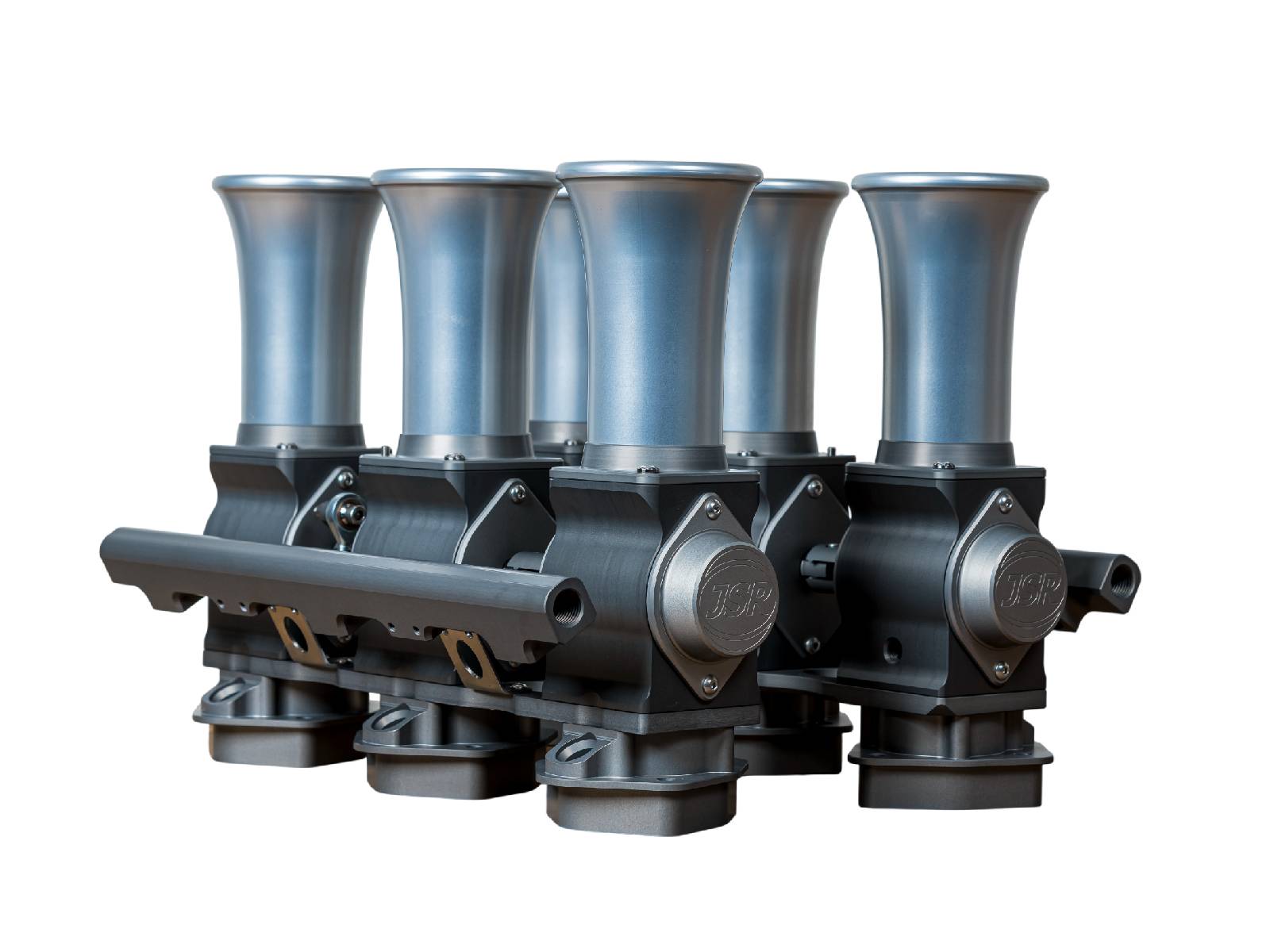
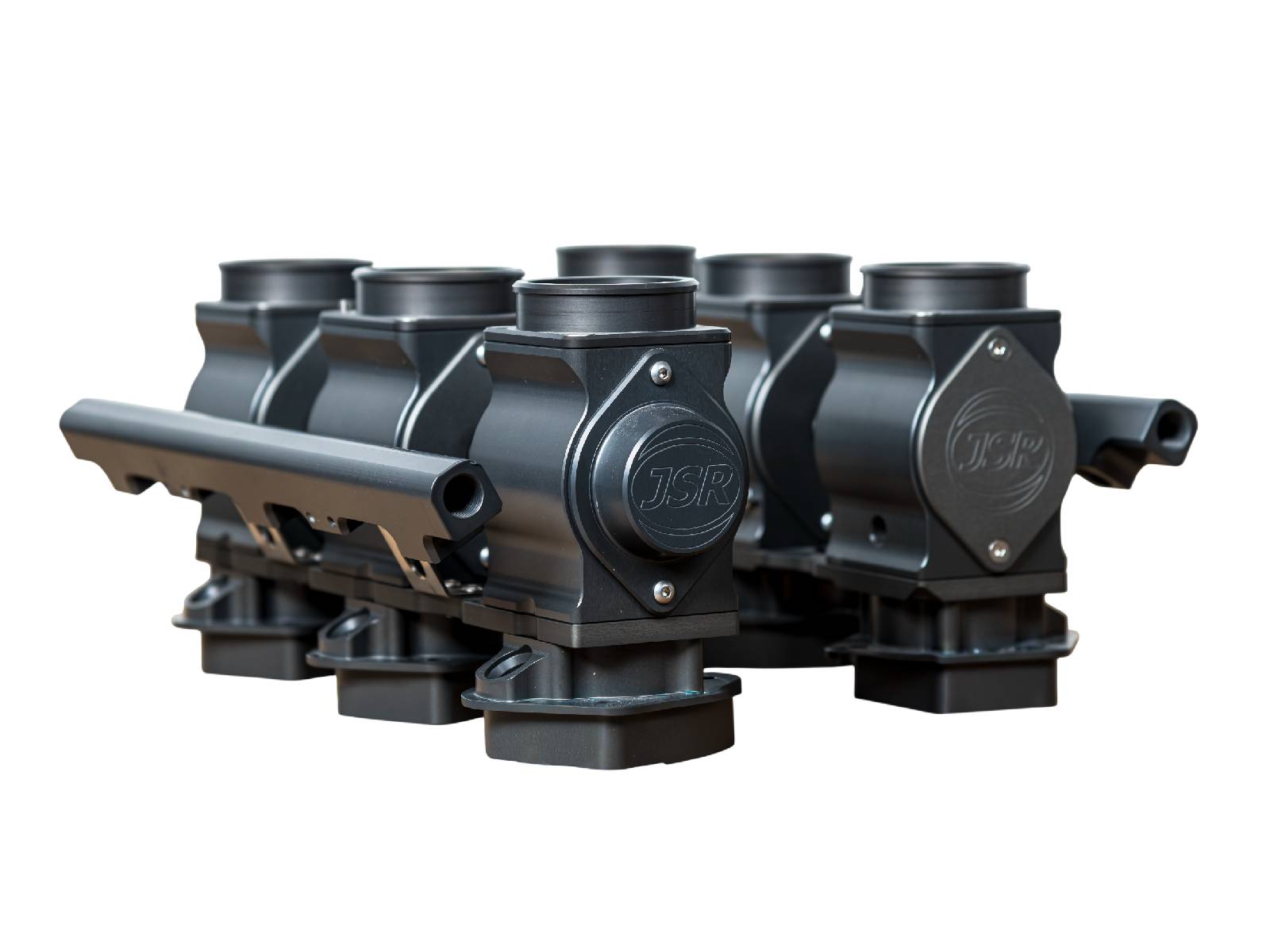
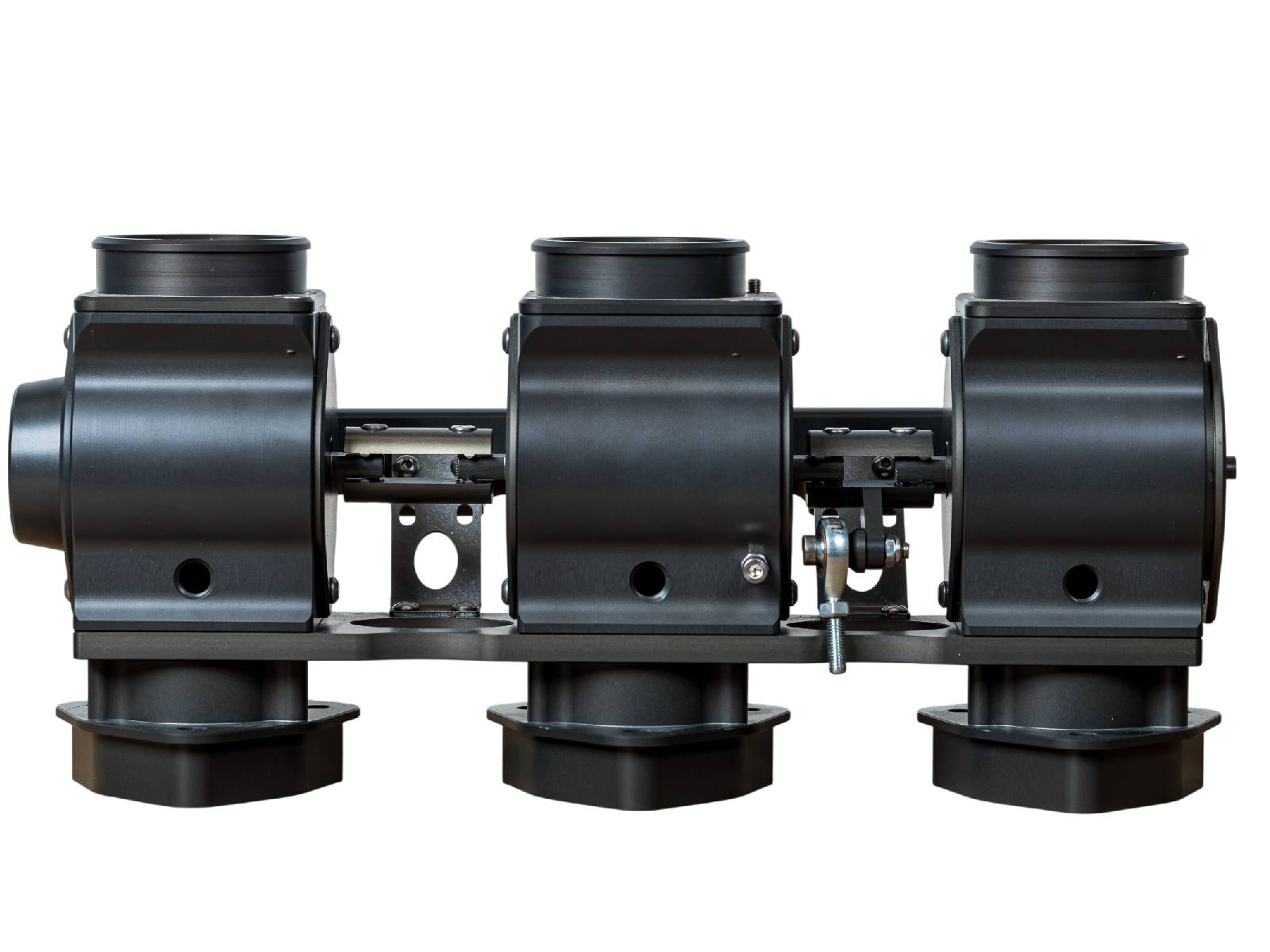
.jpg)
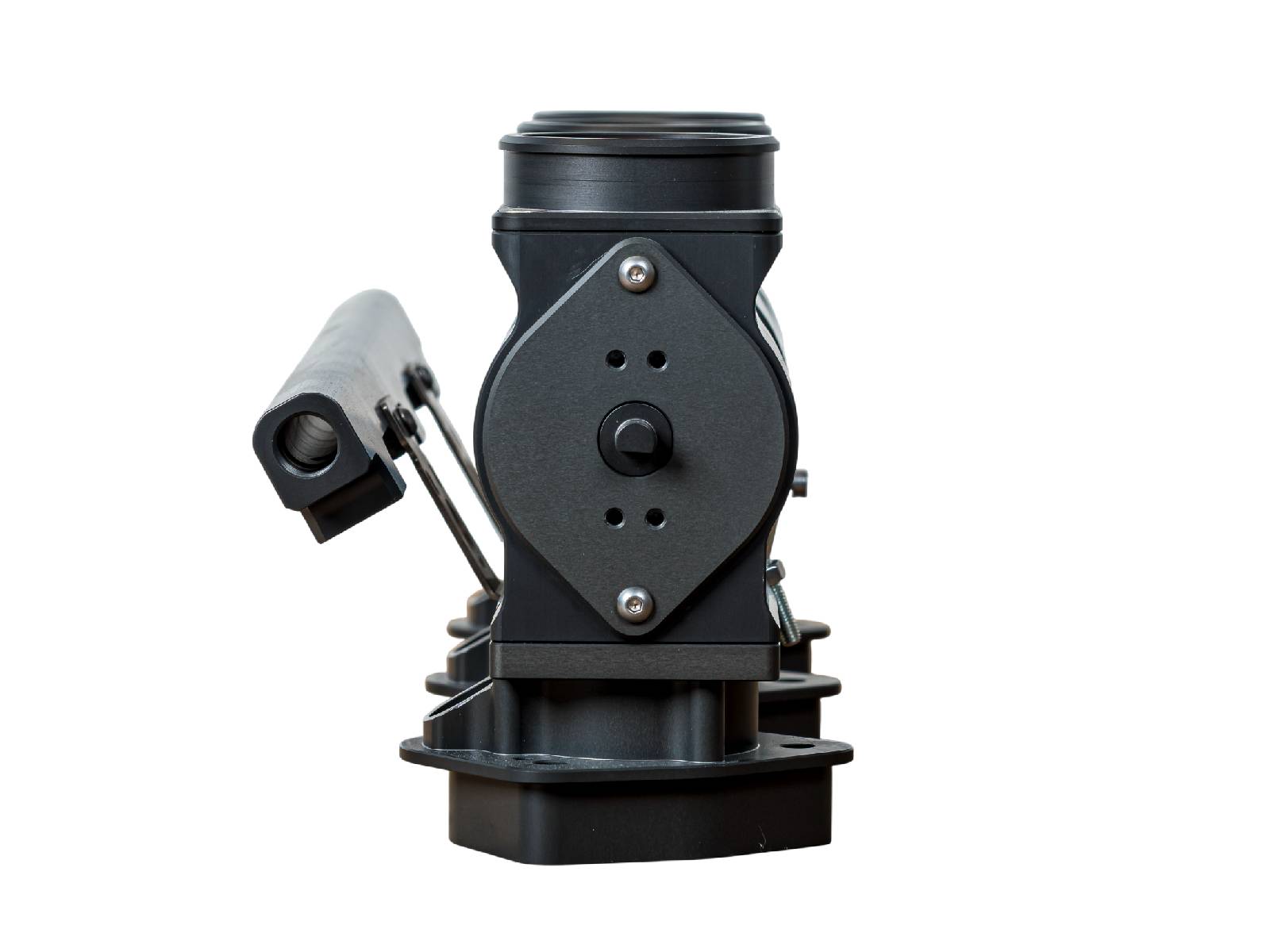
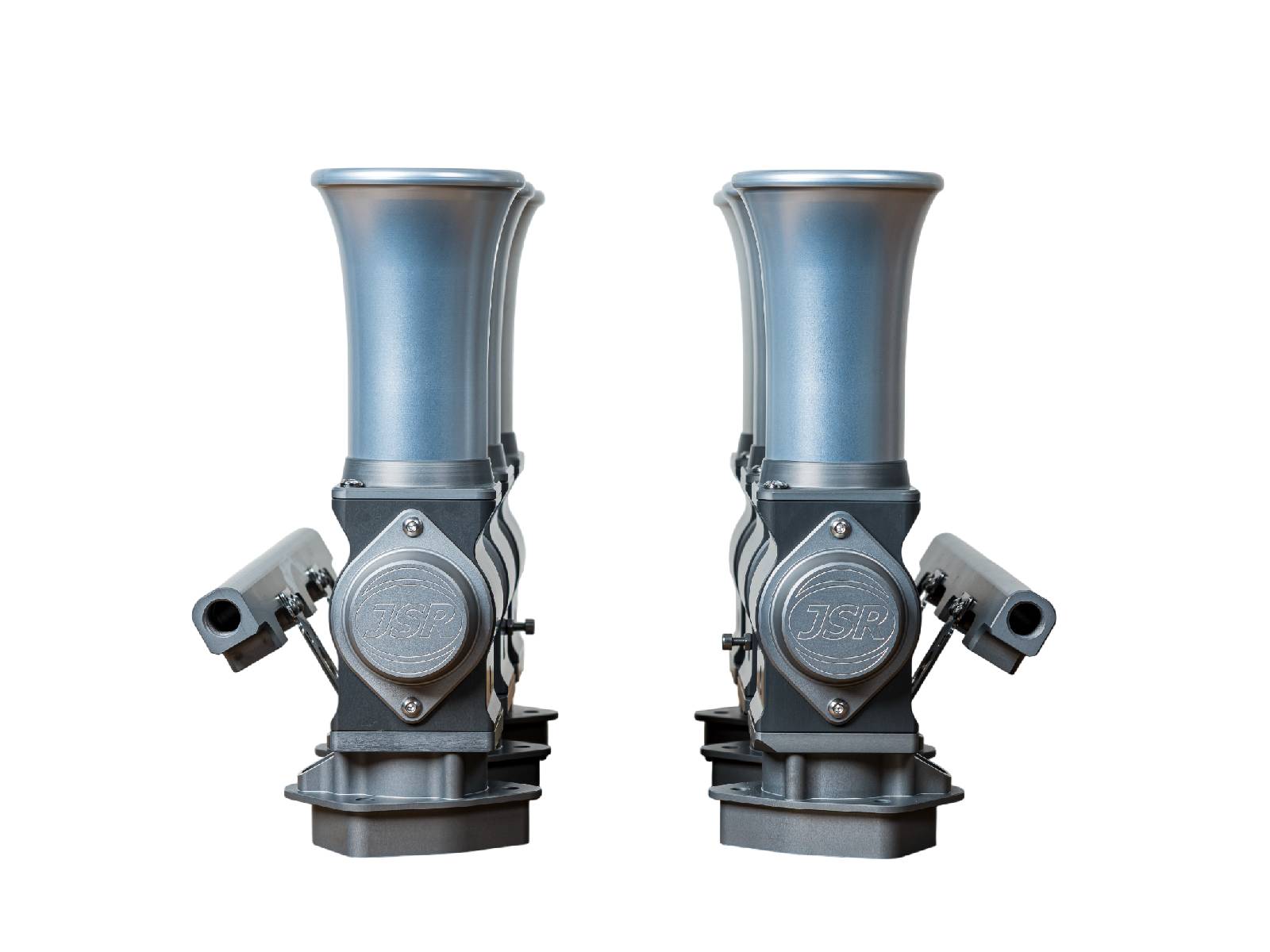
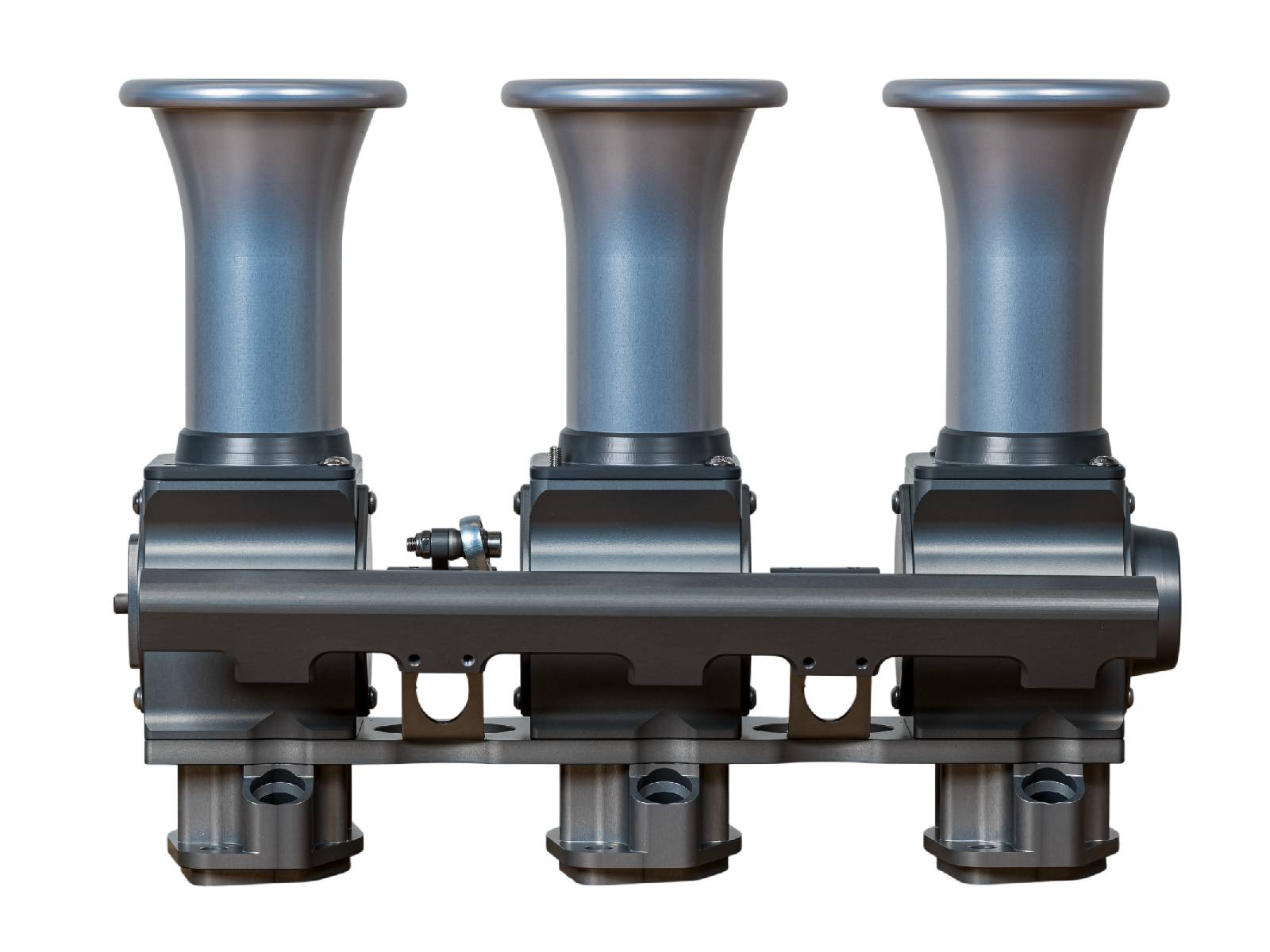
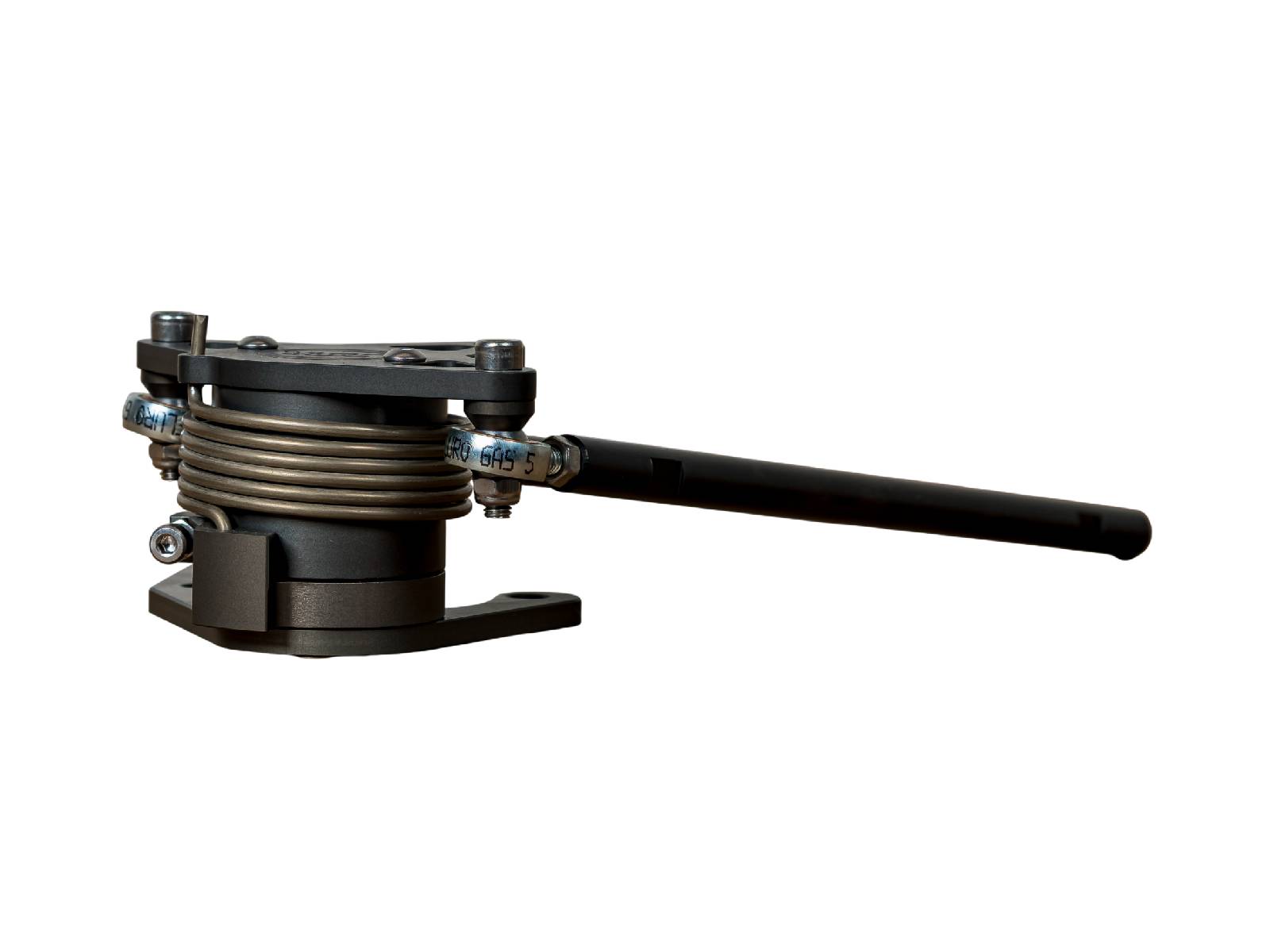
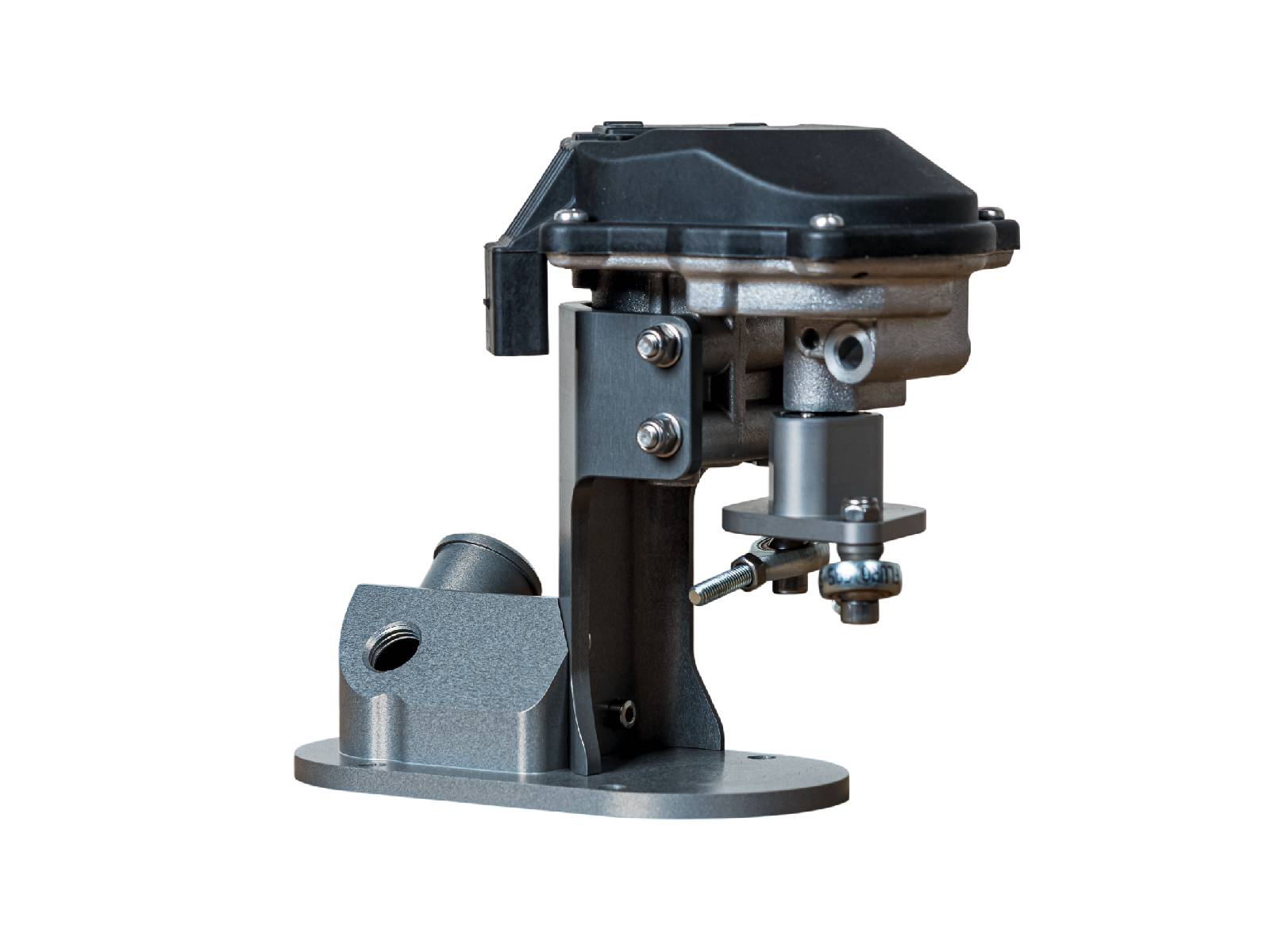
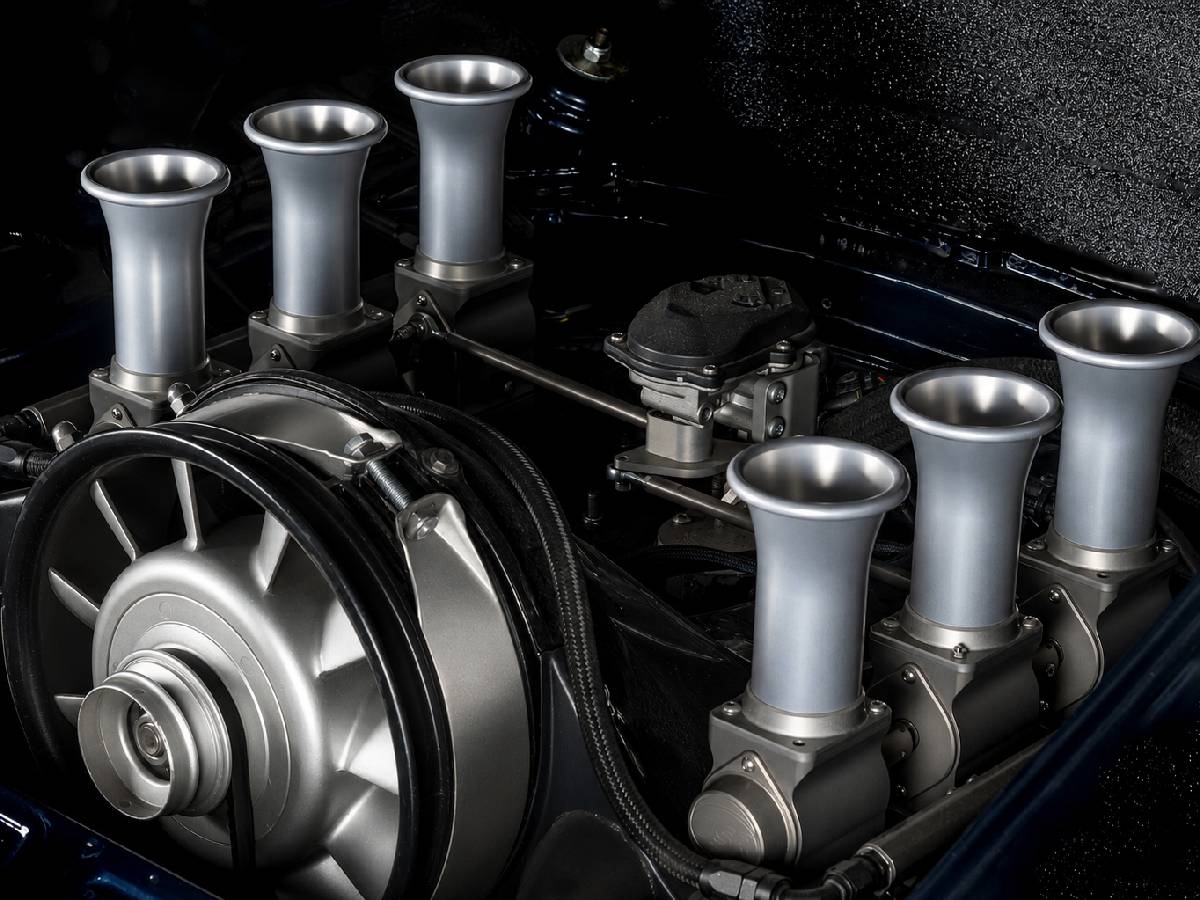
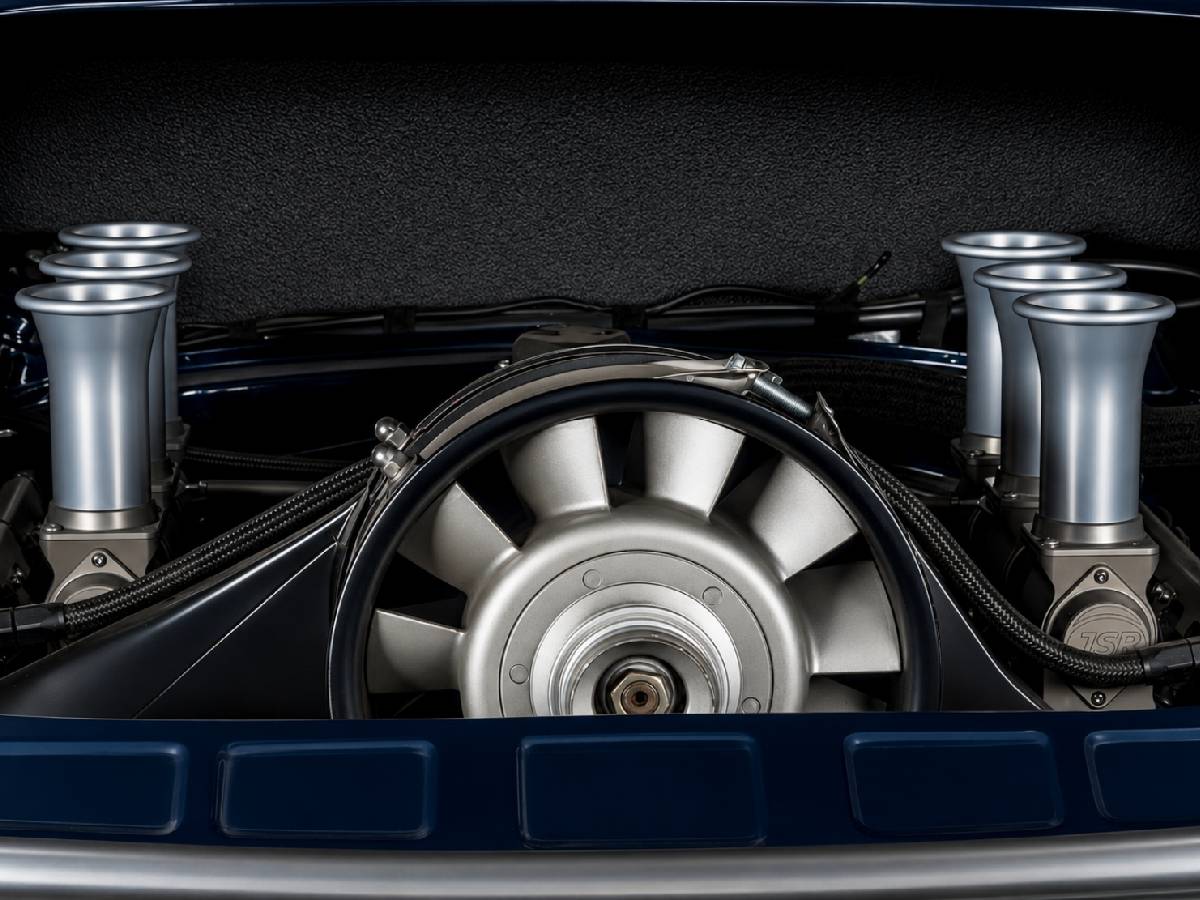
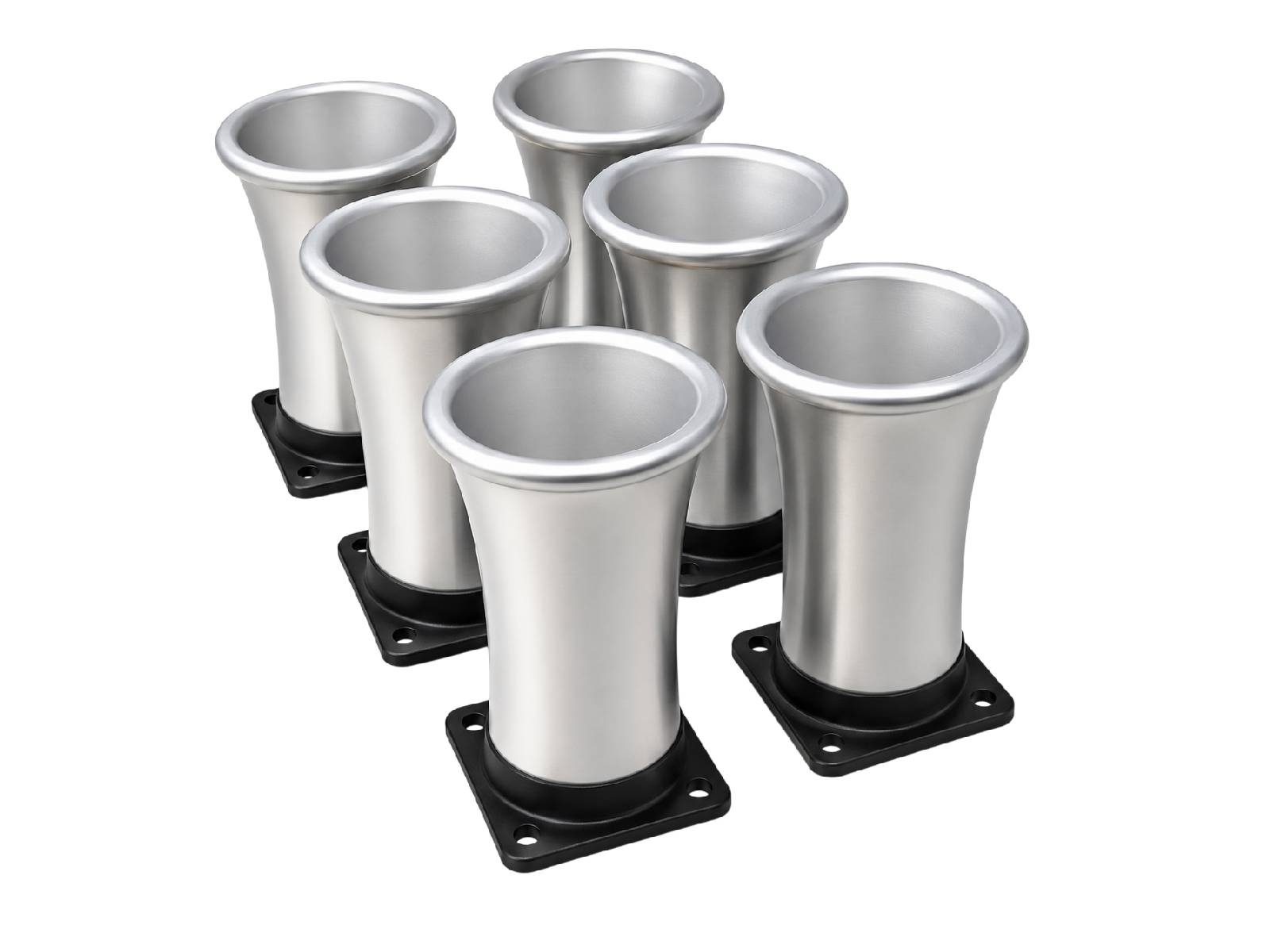
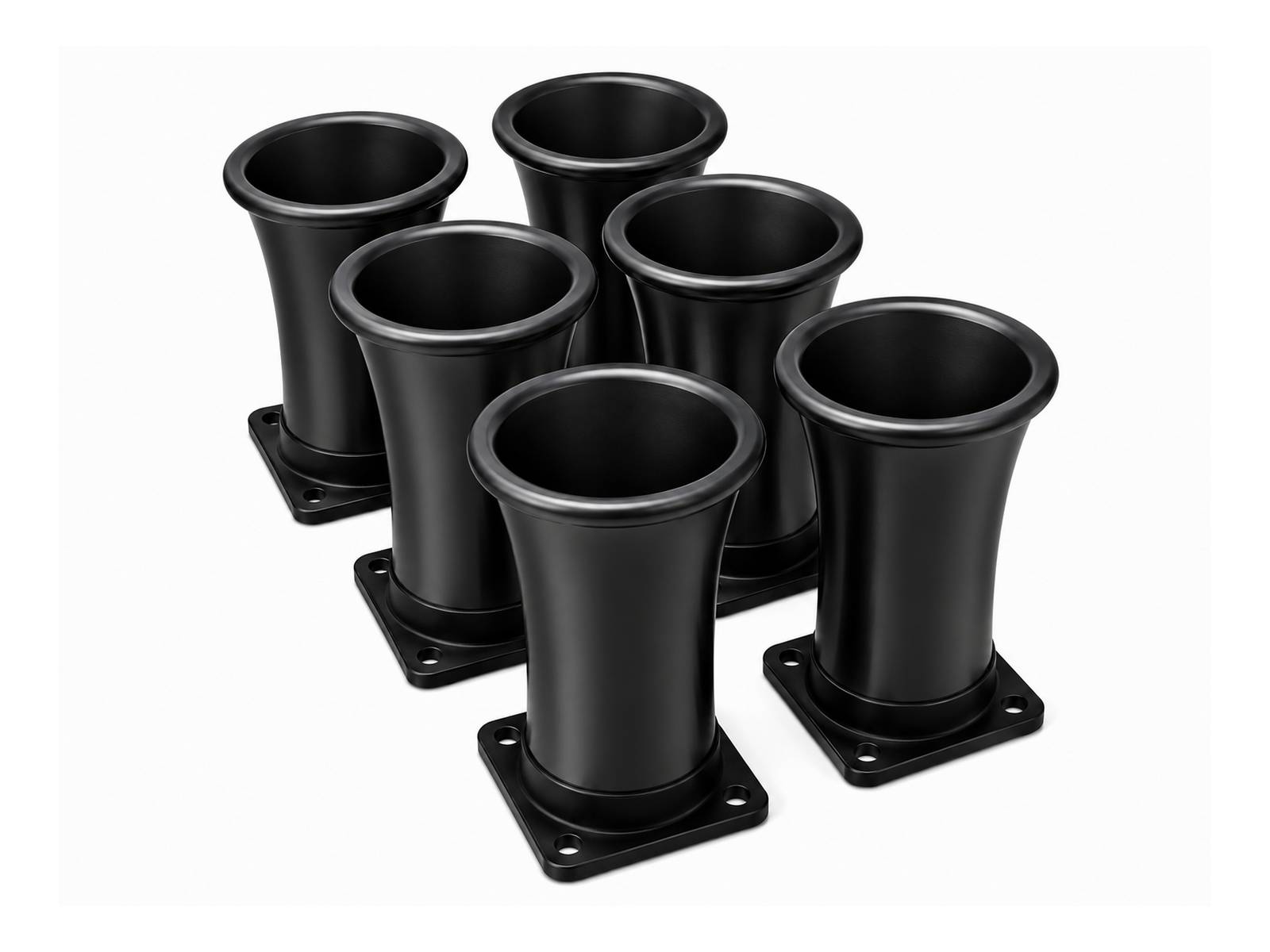
.jpg)
.jpg)
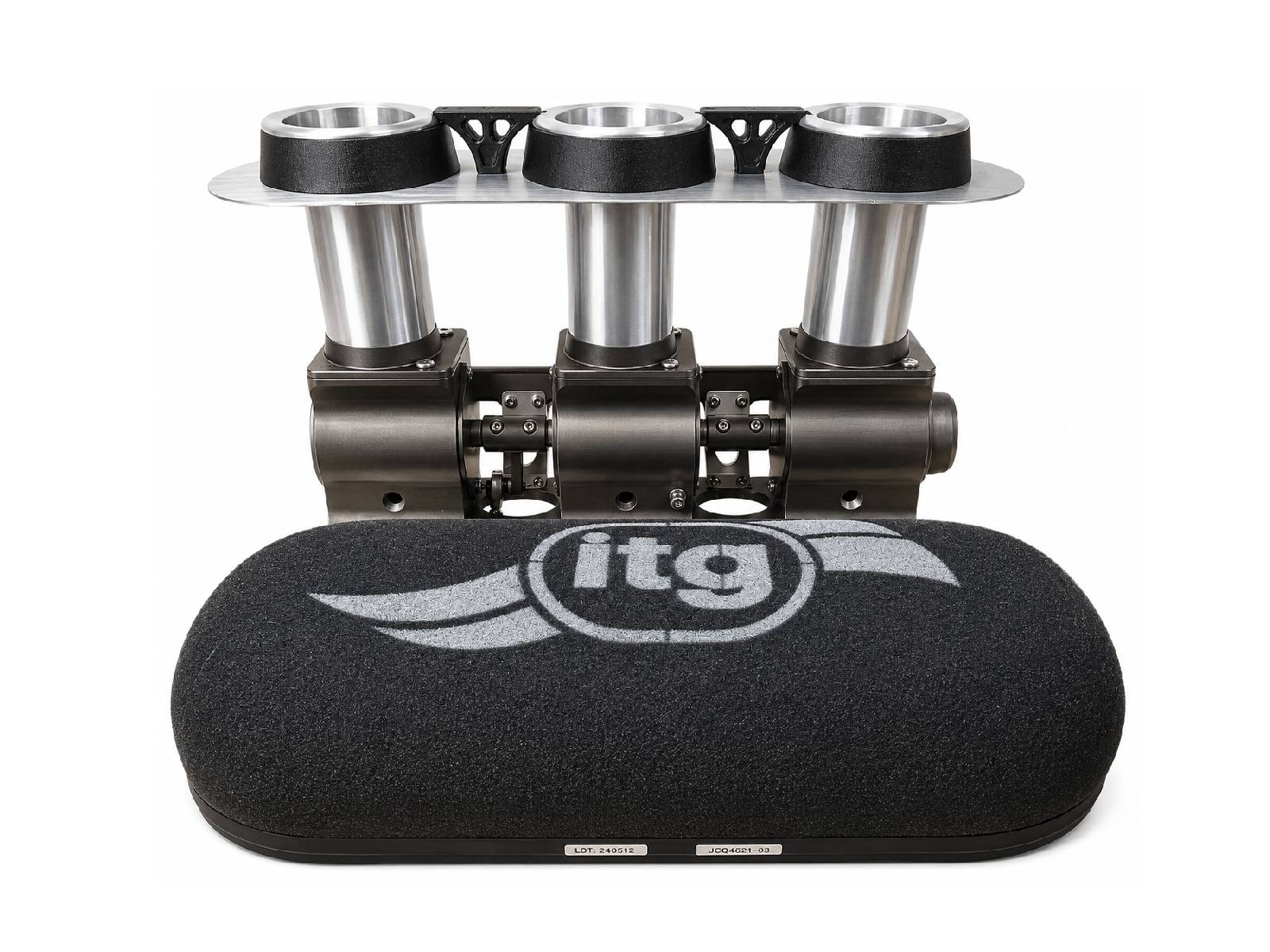
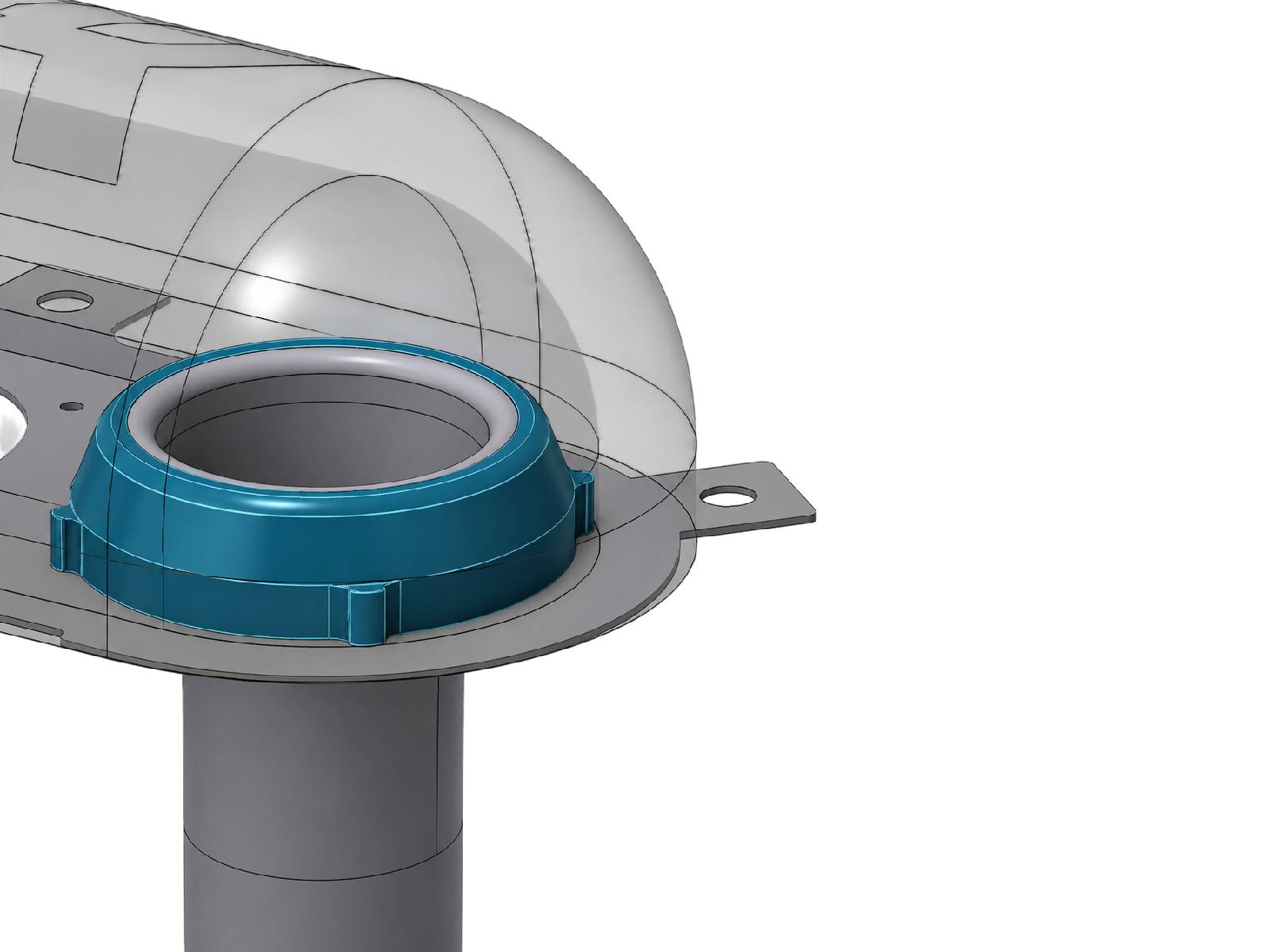
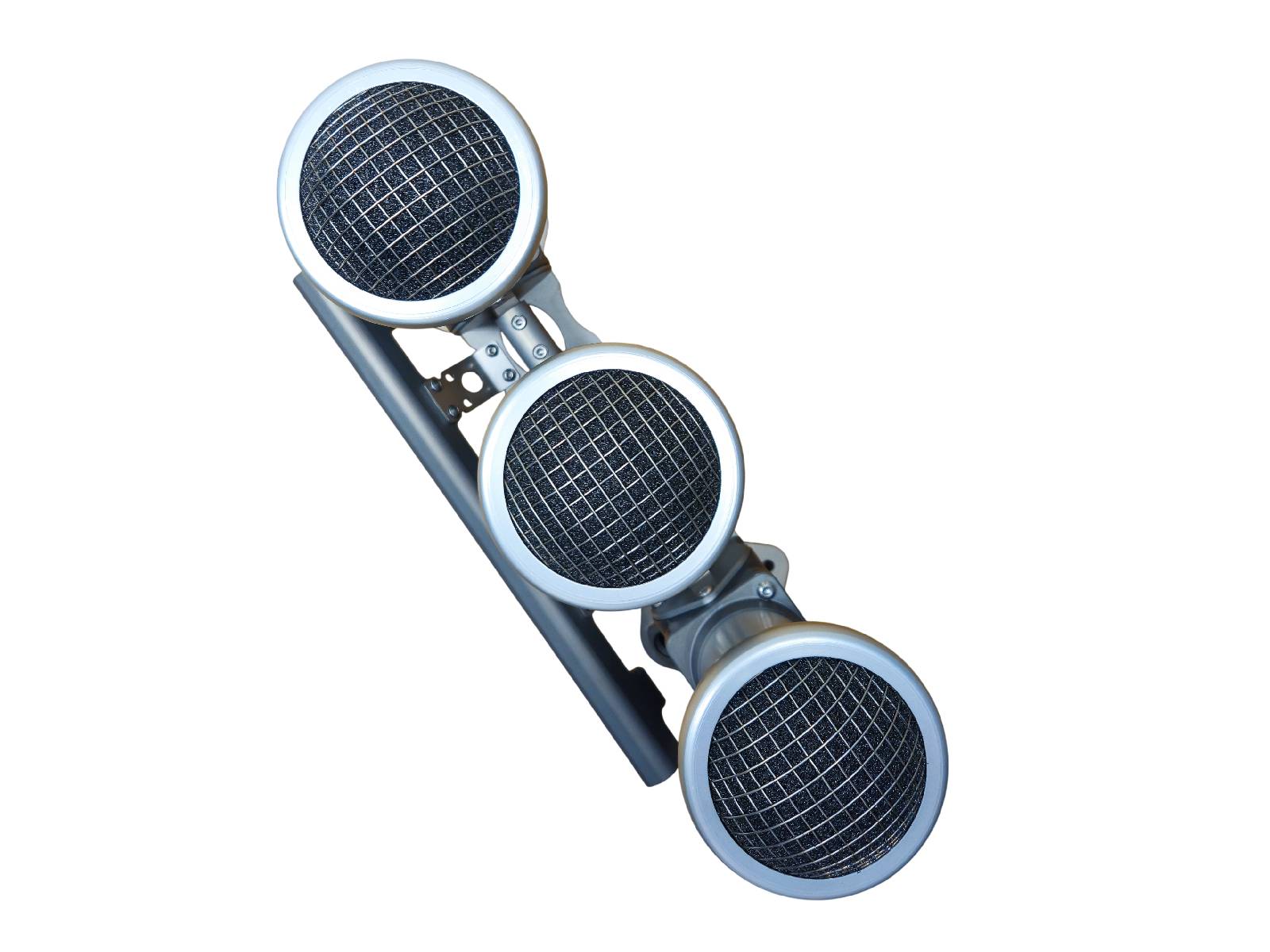
.jpg)
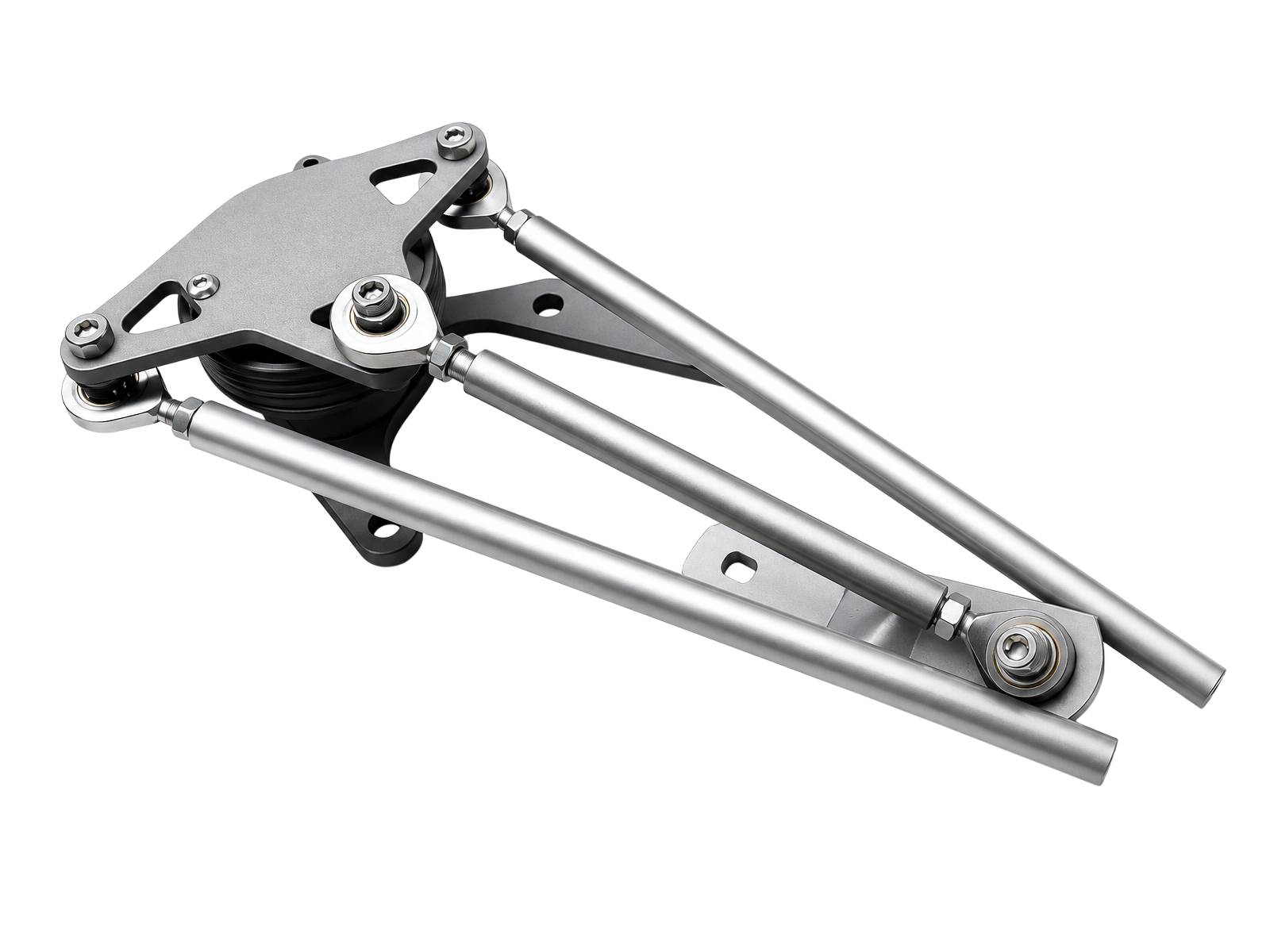
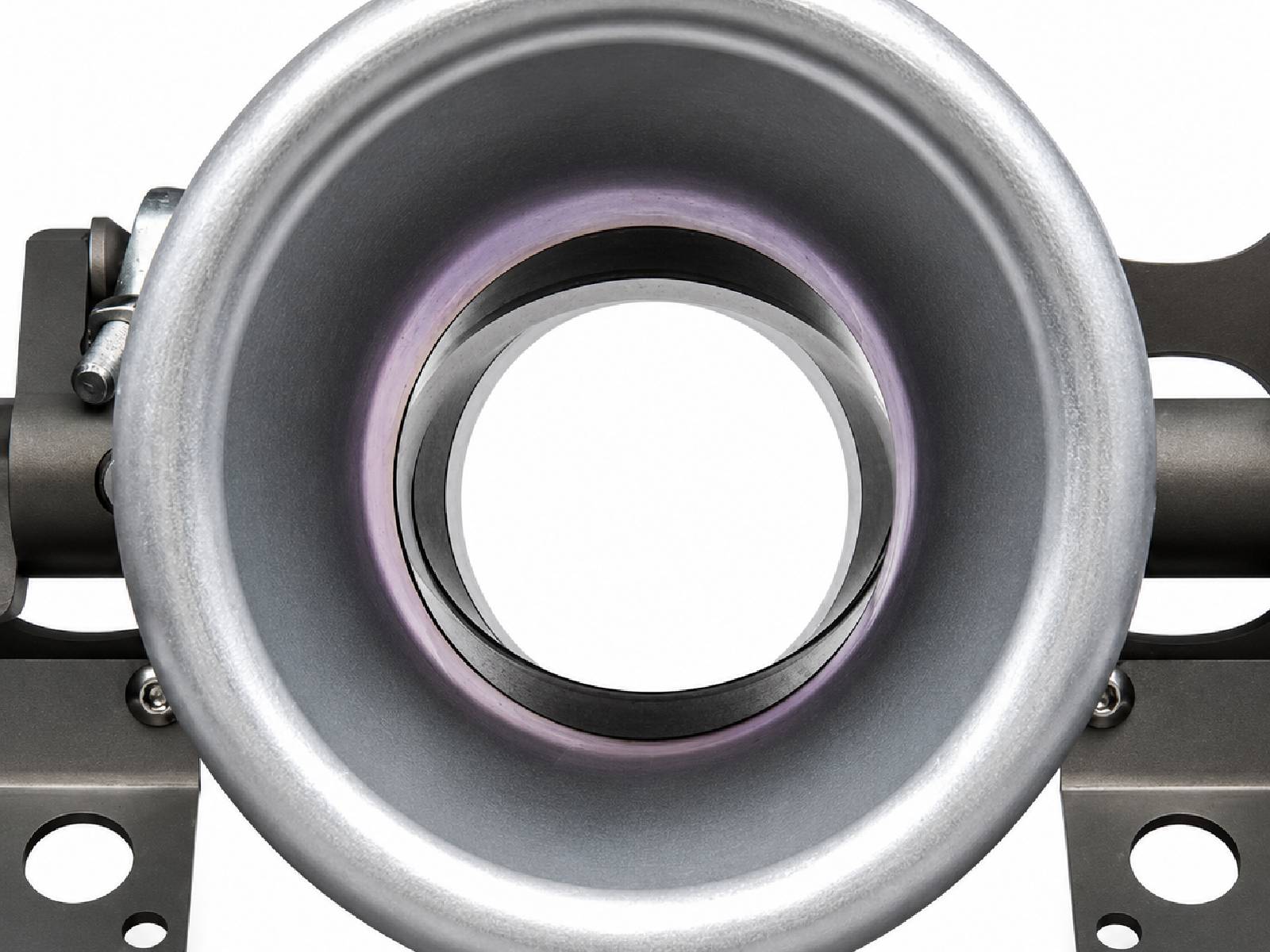
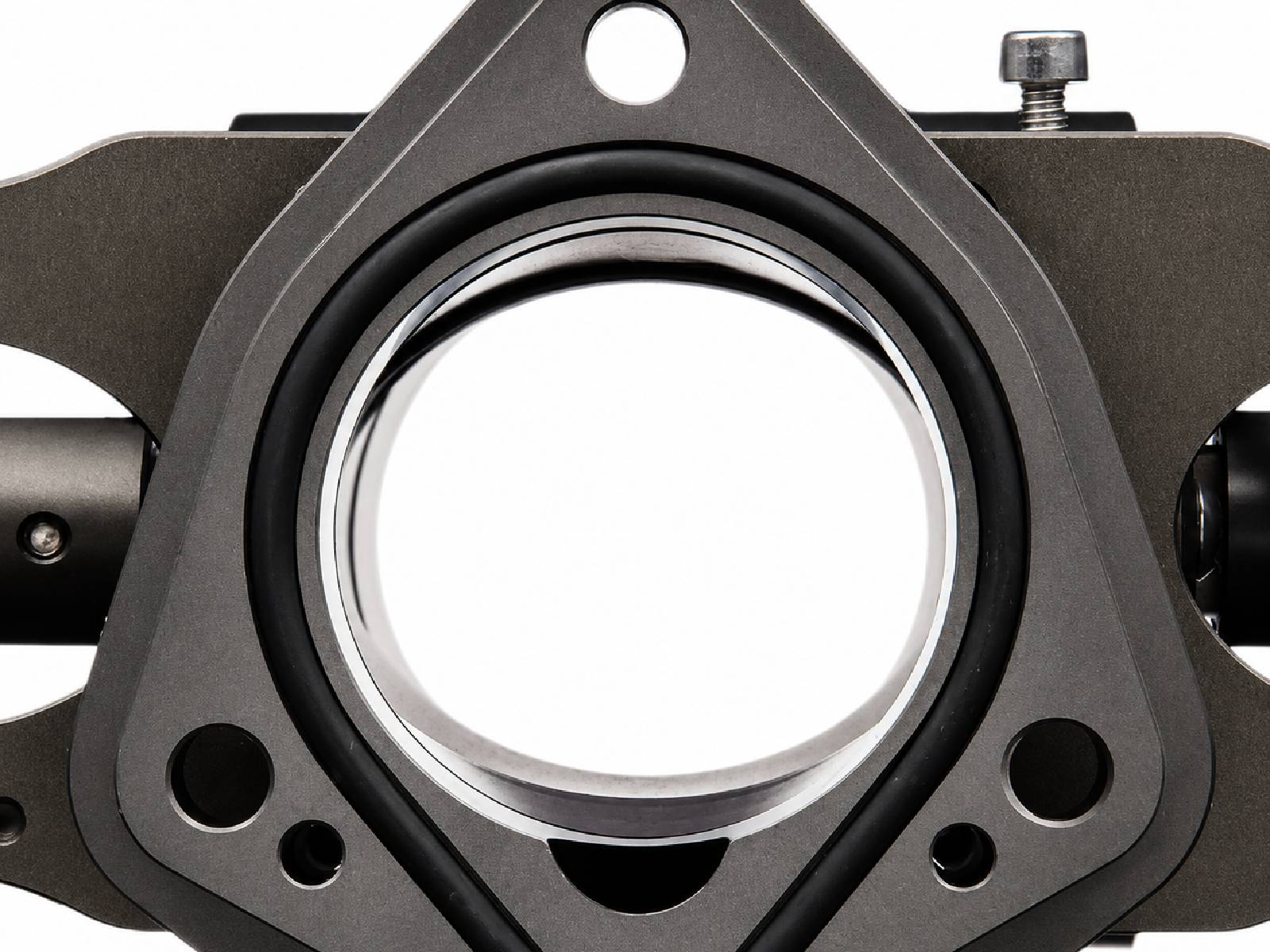
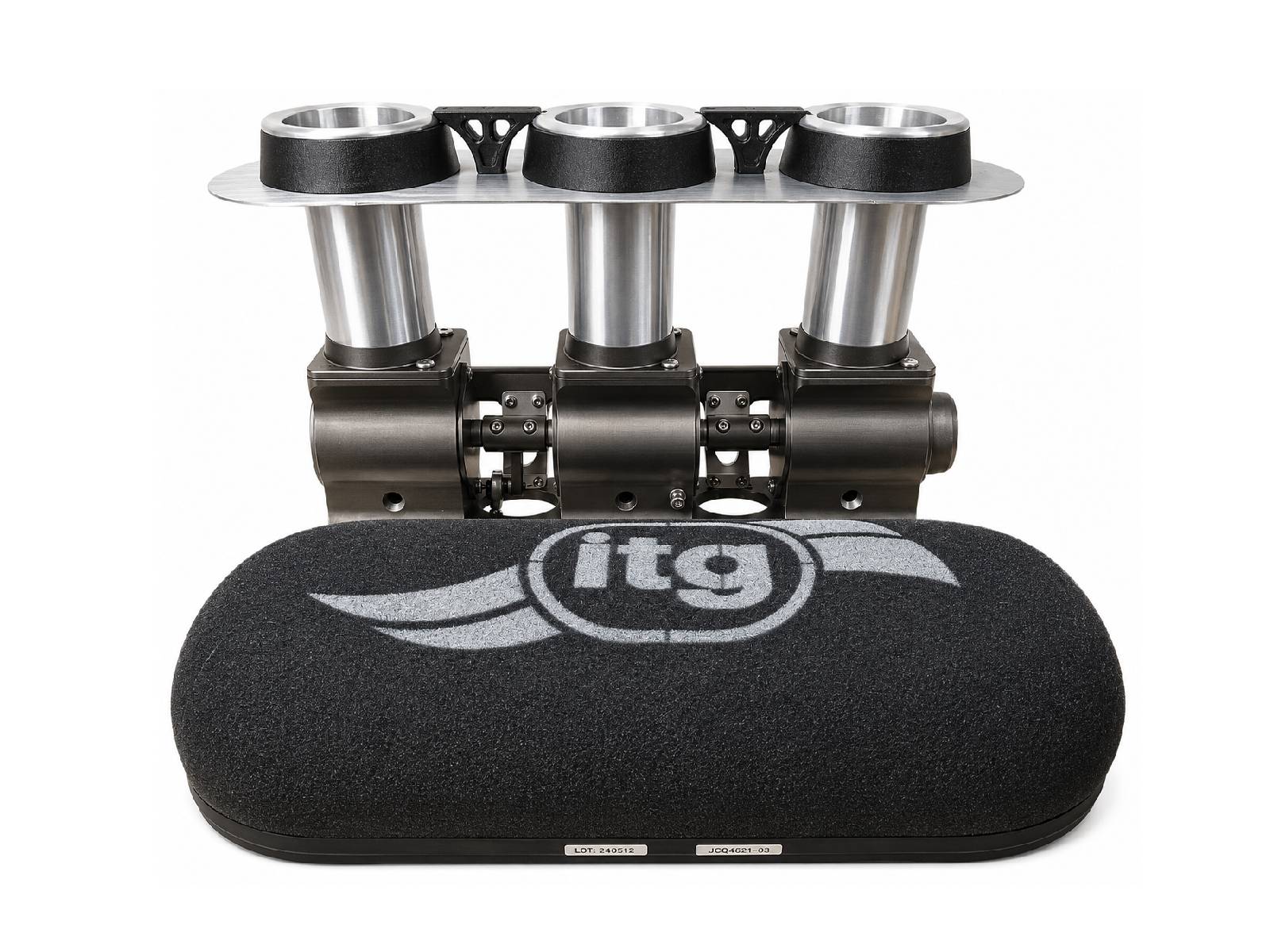
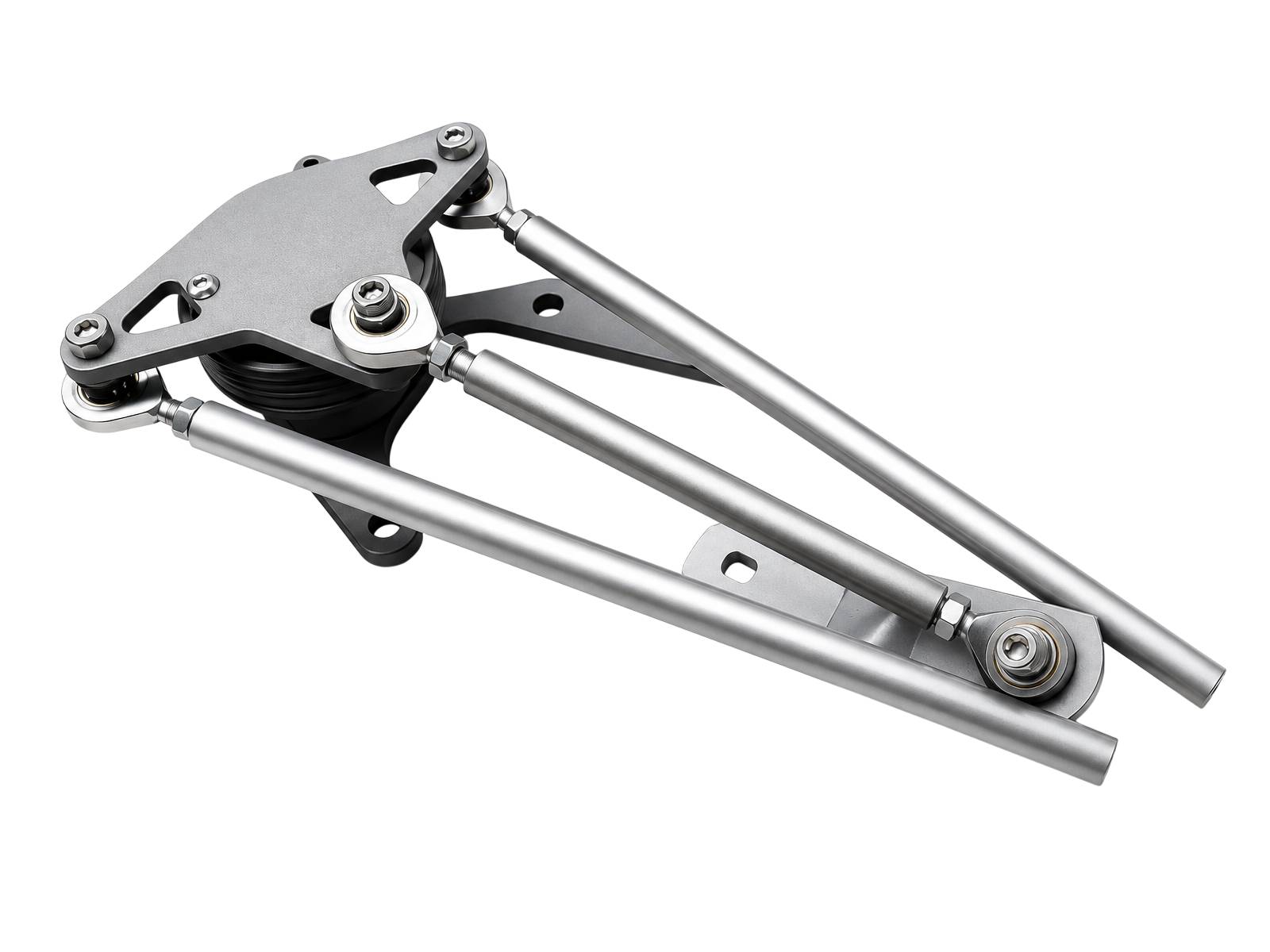
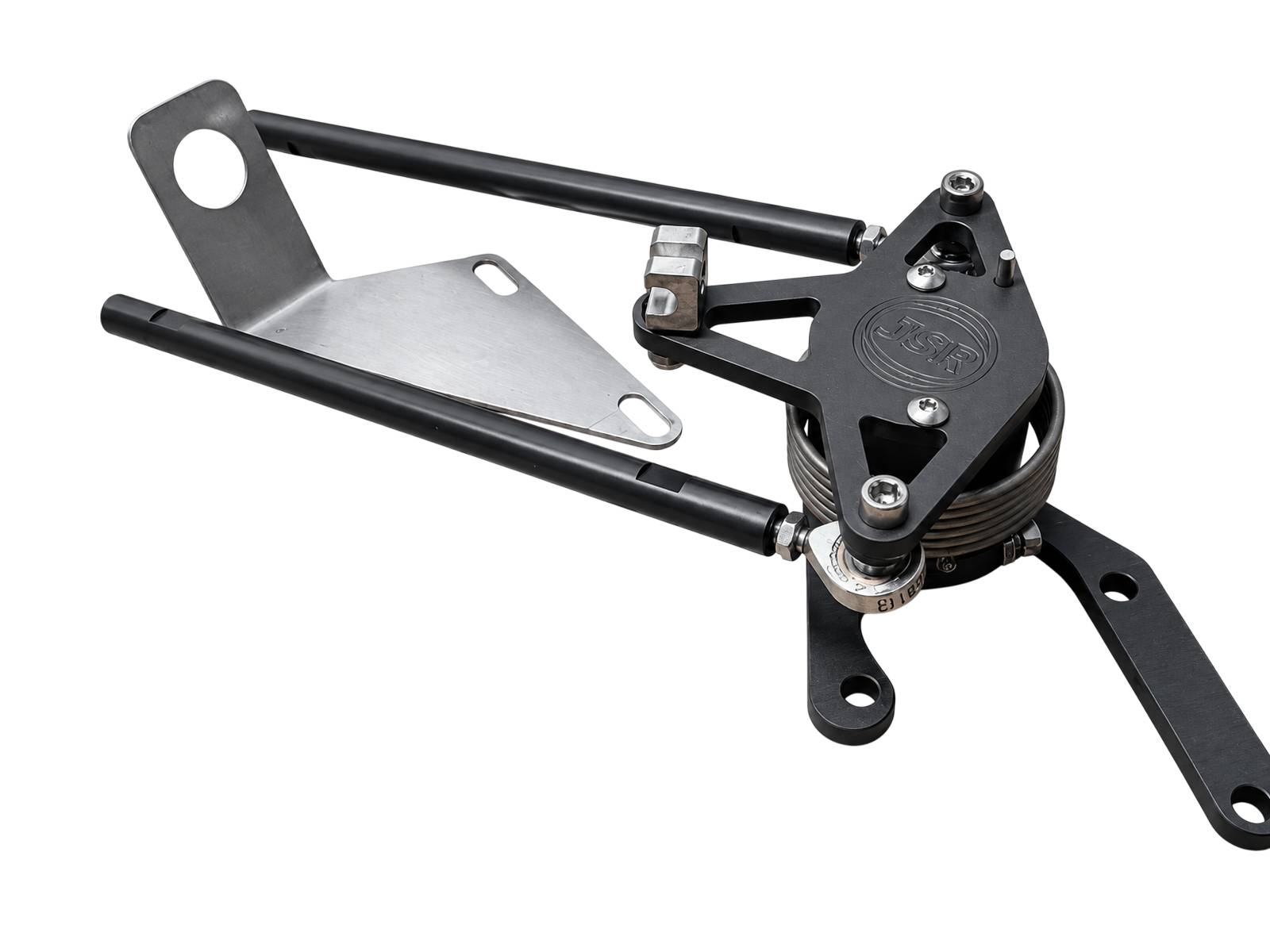
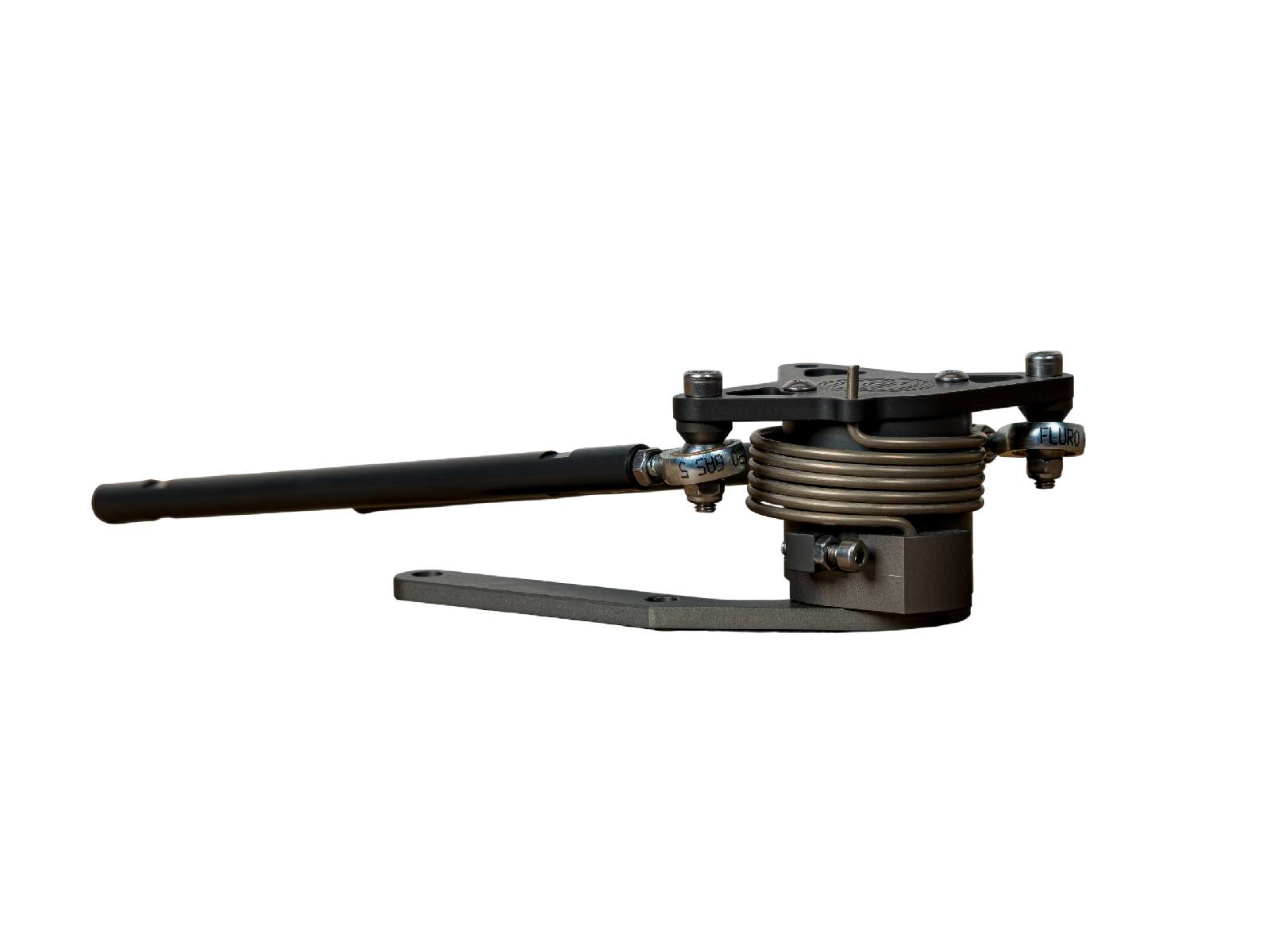
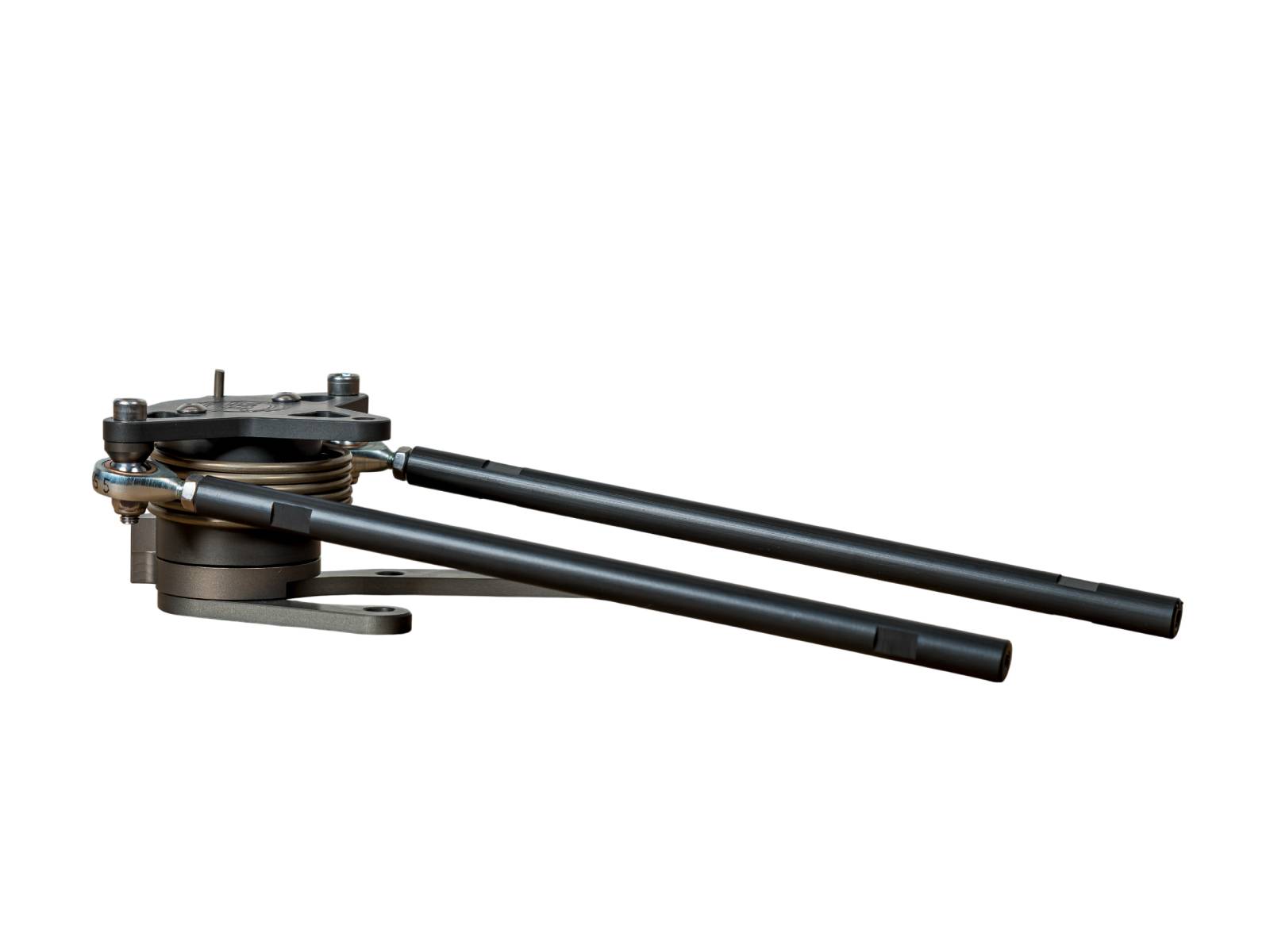


Monday-Friday: 8.30am - 5.30pm (GMT)
Saturday: Closed
Sunday: Closed