





Enter your VAT number here and click Verify:
Your details have been verified. VAT number registered to:
,
.
Your order will now be zero rated for VAT purposes. We reserve the right to verify these details after your order request has been made and reinstate VAT if required.
Your VAT details were not recognised or were invalid. Your VAT number must be matched to your Billing Country as specified above. This is currently specified as . You do not need to enter the country code part of your VAT number as this has already been selected in your billing address details above.
The VAT number checking service is currently offline. Please supply your VAT details within the comments or special instructions field below and we will apply a VAT discount after placing your order request.

- Accessories
- Brakes
- Chassis / Bodywork
- Clothing & Gifts
- Electrical & Relays
- Engine Cooling
- Engine Electrical
- Engine Rebuild Parts
- Engine Tuning
- Exhausts
- Exterior Styling / Spoilers
- Gearbox / Transmission
- Heating / Air Conditioning
- Hydraulics
- Incar / Multimedia
- Interior & Accessories
- Lighting
- Mats & Carpets
- Motorsport and Off-Road
- Parts for Other Cars
- Pedal Cluster
- Rubber Seals
- Seats & Seat Belts
- Service Parts
- Special Offer Parts
- Steering Parts
- Suspension & Axle
- Suspension Upgrades
- Tyres
- Wheel Accessories
- Wheels
Brake Pad Wear Sensors


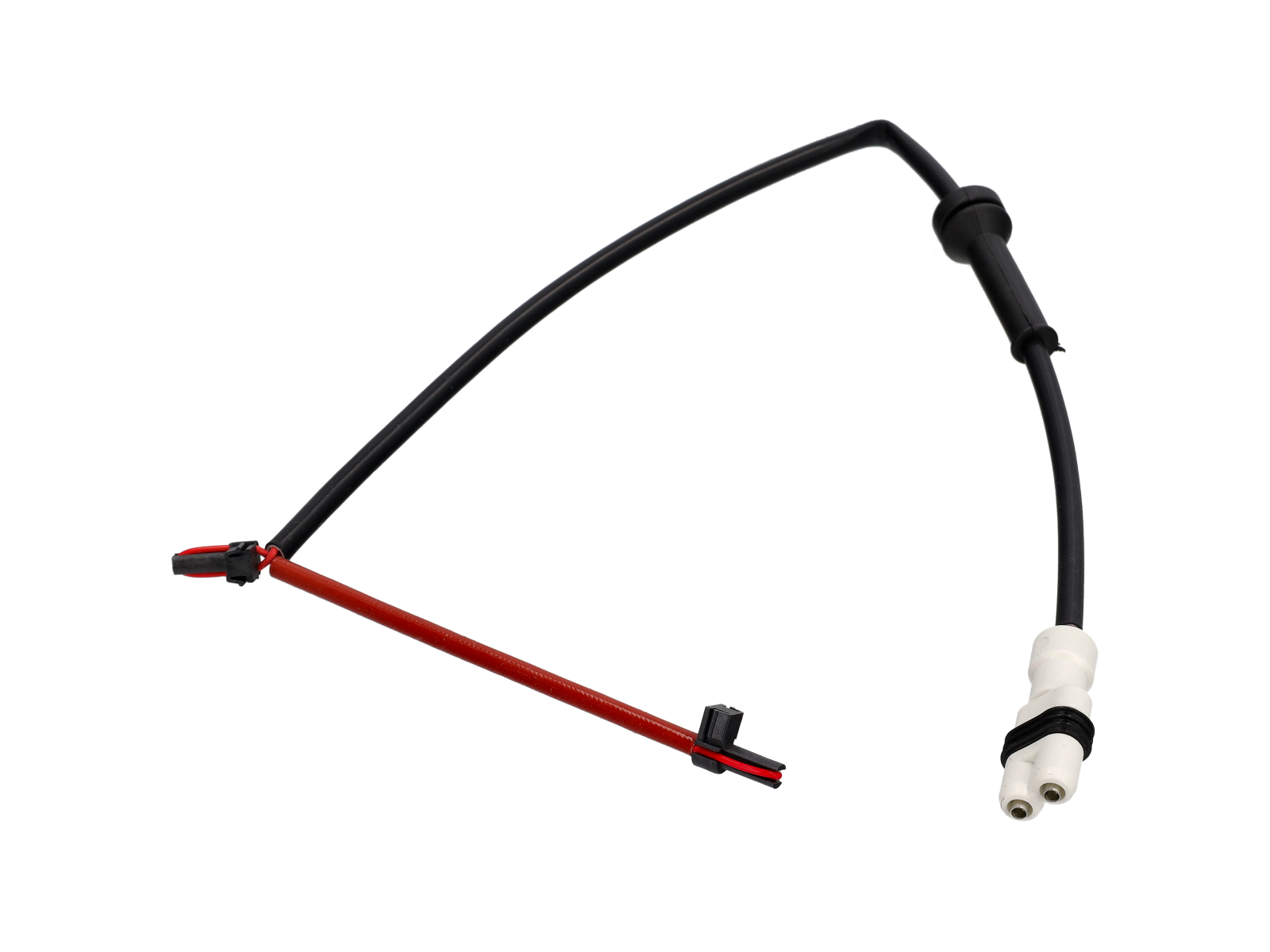
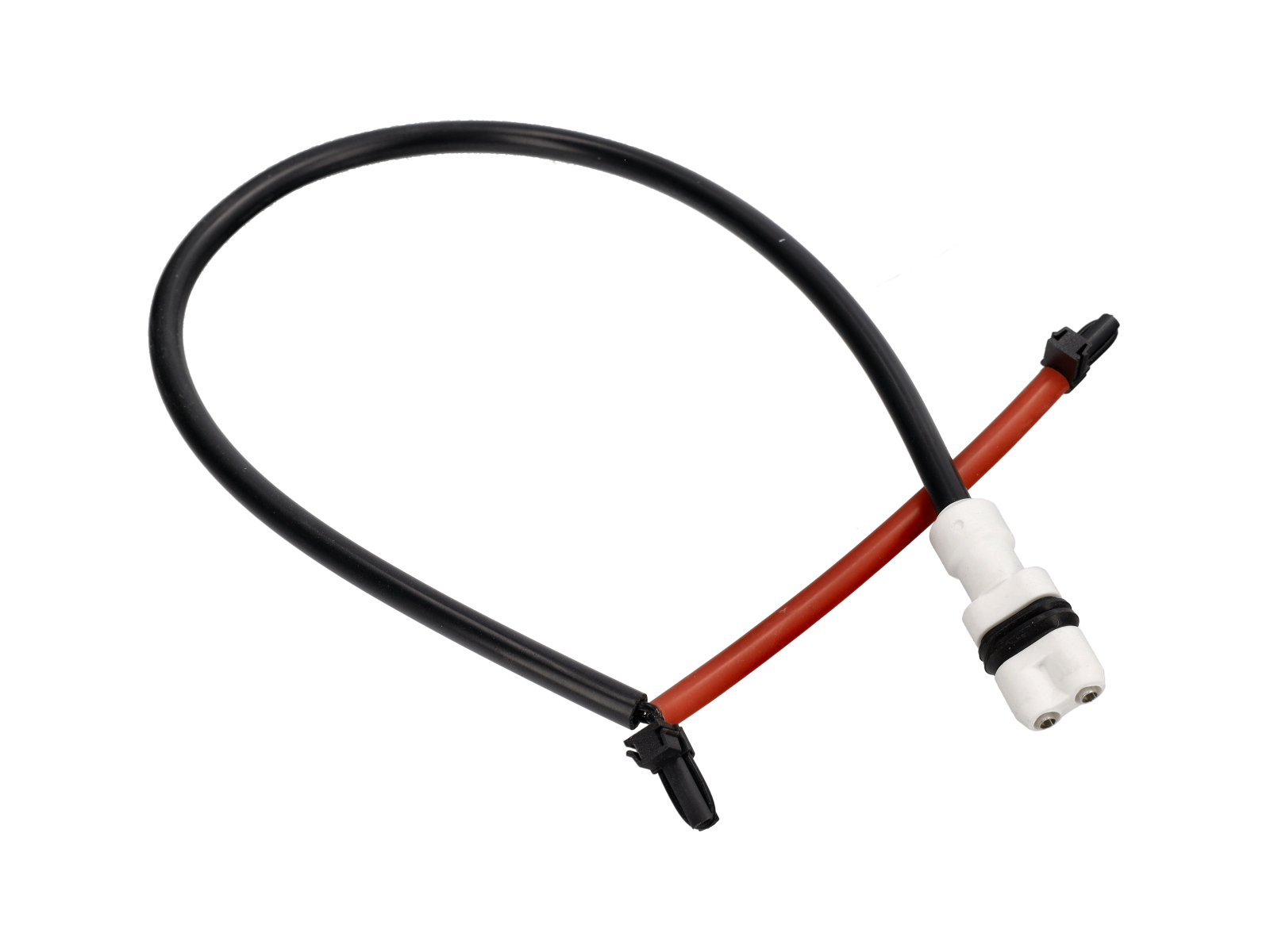
Rear Brake Pad Wear Sensor
Sold each
Maintain the safety and reliability of your Porsche braking
system with this OE Match Rear Brake Pad Wear Sensor. Designed for
Porsche 986 Boxster, Porsche 987.1 Boxster and Porsche 987.1 Cayman models,
this sensor forms an integral part of the factory brake wear monitoring system,
providing an early warning when rear brake pads have reached their service
limit.

Fits:
- Porsche Boxster 986 2.5L 1997-99
- Porsche Boxster 986 2.7L 1999-02
- Porsche Boxster S 986 3.2L 1999-02
- Porsche Boxster 986 2.7L 2003-04
- Porsche Boxster S 986 3.2L 2003-04
- Porsche Boxster 987 S 3.2/3.4L 2005-08/08
- Porsche Boxster S 987 MKII 3.4L 2009-12
- Porsche Cayman S 3.4L 987C 2005-08
- Porsche Cayman S / R 3.4L 987C MKII 2009-12
Installed directly into the rear brake pad assembly, the sensor continuously monitors brake pad thickness. As the friction material wears down, the sensor activates the dashboard brake warning system, alerting the driver that replacement is required. This helps prevent excessive brake wear, protects brake discs and ensures the braking system continues to perform safely and efficiently.
For Porsche sports cars, maintaining the brake wear monitoring system is an important part of preventative maintenance and long-term braking performance.
What Does a Brake Pad Wear Sensor Do?
The brake pad wear sensor is designed to monitor the remaining thickness of the brake pad friction material.
As the brake pad wears, the sensor eventually contacts the brake disc and completes an electrical circuit, triggering the brake wear warning light on the dashboard.
A correctly functioning sensor helps:
- Monitor brake pad condition
- Provide early brake wear warnings
- Prevent excessive brake pad wear
- Protect brake discs from damage
- Improve service planning
- Support safe braking performance
- Maintain factory brake monitoring functionality
The sensor acts as an important safeguard, ensuring brake maintenance can be carried out before braking performance is affected.
Why Do Brake Pad Wear Sensors Fail?
Brake wear sensors operate in a challenging environment exposed to heat, vibration, moisture and brake dust.
Common causes of failure include:
- Normal brake pad wear
- Sensor activation after reaching its wear limit
- Damaged wiring
- Corrosion within electrical connections
- Heat-related deterioration
- Physical damage during brake servicing
- Water ingress
- Age-related component fatigue
Because the sensor is designed to function alongside the brake pad, replacement is generally recommended whenever new brake pads are installed.
When Should a Brake Pad Wear Sensor Be Replaced?
The sensor should be replaced whenever it has been activated, damaged or when brake pads are renewed.
Common symptoms include:
- Brake wear warning light illuminated
- Intermittent brake warning messages
- Damaged sensor wiring
- False brake wear alerts
- Corroded electrical connections
- Sensor damage during servicing
- Rear brake pad replacement due to wear
Replacing the sensor during brake maintenance ensures the warning system continues to operate correctly.
Why Replacement Matters
A functioning brake wear sensor helps maintain braking safety while reducing the risk of costly brake repairs.
Benefits include:
- Accurate brake pad monitoring
- Reliable warning light operation
- Improved braking safety
- Protection of brake discs
- Better maintenance scheduling
- Reduced repair costs
- Improved braking system reliability
- Long-term component protection
For Porsche Boxster and Cayman owners, maintaining the brake wear monitoring system helps preserve the safety and performance expected from the Porsche brand.
Related reference numbers
Related, superseded, cross reference or alternative numbers for comparison.
98661236501
The product you are viewing cross references to these numbers
- Porsche Boxster 986 2.5L 1997-99
- Porsche Boxster 986 2.7L 1999-02
- Porsche Boxster S 986 3.2L 1999-02
- Porsche Boxster 986 2.7L 2003-04
- Porsche Boxster S 986 3.2L 2003-04
- Porsche Boxster 987 S 3.2/3.4L 2005-08/08
- Porsche Boxster S 987 MKII 3.4L 2009-12
- Porsche Cayman S 3.4L 987C 2005-08
- Porsche Cayman S / R 3.4L 987C MKII 2009-12
 Shop Securely
 12 Month Warranty
 Worldwide Delivery




Porsche 996 C2 / C4 / C4S Front & Rear Caliper
Porsche 996 Turbo Front & Rear Caliper
Porsche 986 Boxster 1997-2004 Front Caliper

Porsche 997 C2 / C4 MKI Rear Caliper
Price shown is for each wire sensor.
Related reference numbers
Related, superseded, cross reference or alternative numbers for comparison.
99661236501
The product you are viewing cross references to these numbers
- Porsche Boxster 986 2.5L 1997-99
- Porsche Boxster 986 2.7L 1999-02
- Porsche Boxster S 986 3.2L 1999-02
- Porsche Boxster 986 2.7L 2003-04
- Porsche Boxster S 986 3.2L 2003-04
- Porsche 996 C2 3.4L 1997-08/01
- Porsche 996 C4 3.4L 1997-08/01
- Porsche 996 C2 3.6L 09/01-2005
- Porsche 996 C4 3.6L 09/01-2005
- Porsche 996 C4S 3.6L 09/01-2005
- Porsche 996 TURBO 2000-05
- Porsche 997 MK1 Carrera 2 3.6L 2005-08
- Porsche 997 MK1 Carrera 4 3.6L 2005-08
Shop Securely
12 Month Warranty
Worldwide Delivery

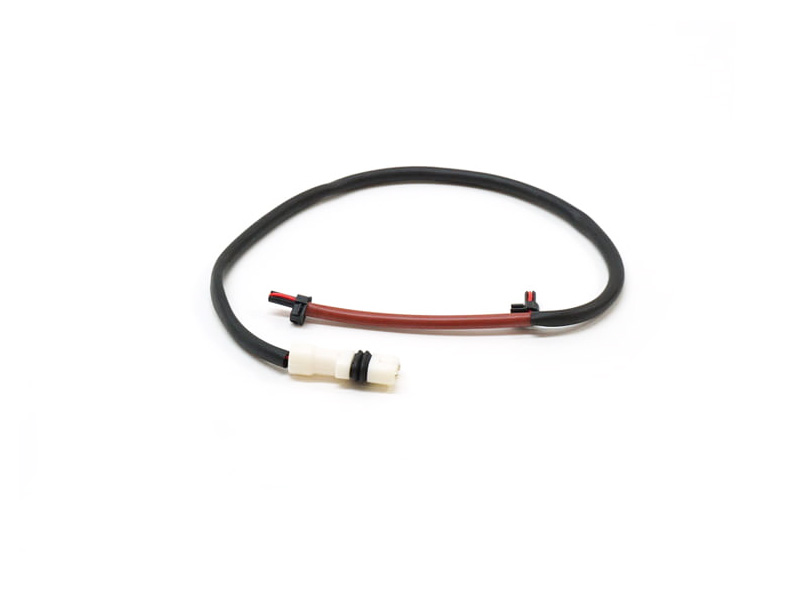
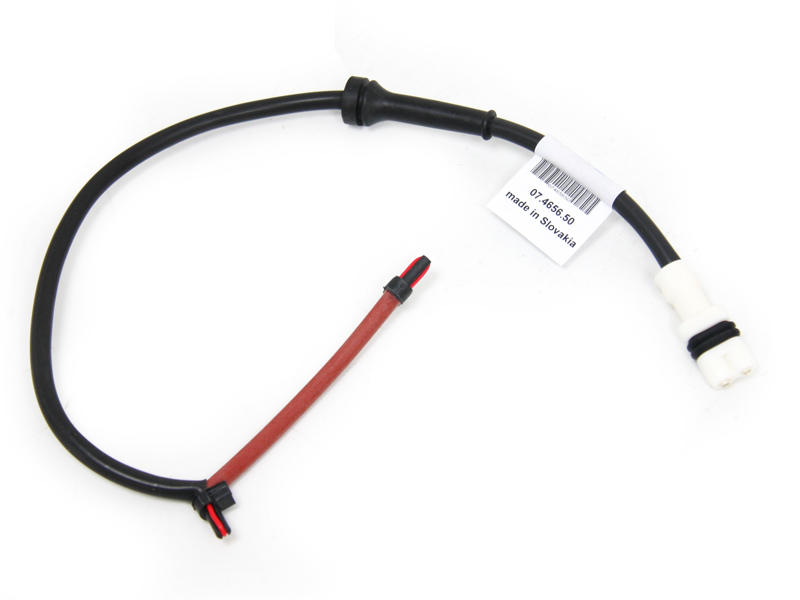
Front & Rear Brake Pad Wear Sensor
Sold each
Maintain the safety and performance of your Porsche braking
system with this OE Match Brake Pad Wear Sensor. Suitable for front
and rear brake applications on selected Porsche 986 Boxster, Porsche 996,
Porsche 996 turbo and Porsche 997 models, this sensor forms a vital part of the
factory brake wear monitoring system.
- Porsche 996 C2 3.4L 1997-08/01
- Porsche 996 C4 3.4L 1997-08/01
- Porsche 996 C2 3.6L 09/01-2005
- Porsche 996 C4 3.6L 09/01-2005
- Porsche 996 C4S 3.6L 09/01-2005
- Porsche 996 TURBO 2000-05
- Porsche Boxster 986 2.5L 1997-99
- Porsche Boxster 986 2.7L 1999-02
- Porsche Boxster S 986 3.2L 1999-02
- Porsche Boxster 986 2.7L 2003-04
- Porsche Boxster S 986 3.2L 2003-04
- Porsche 997 MK1 Carrera 2 3.6L 2005-08
- Porsche 997 MK1 Carrera 4 3.6L 2005-08
The brake pad wear sensor continuously monitors brake pad thickness and alerts the driver when replacement is required. By providing an early warning before the friction material becomes excessively worn, the sensor helps protect brake discs, maintain braking performance and prevent costly repairs.
For high-performance Porsche sports cars, maintaining the brake wear monitoring system is essential to ensure optimum braking efficiency and vehicle safety.
What Does a Brake Pad Wear Sensor Do?
The brake pad wear sensor is fitted directly into the brake pad and monitors the remaining friction material.
As the brake pad wears down, the sensor eventually contacts the brake disc and completes an electrical circuit that activates the brake wear warning light on the dashboard.
A properly functioning sensor helps:
- Monitor brake pad condition
- Provide early brake wear warnings
- Prevent excessive brake pad wear
- Protect brake discs from damage
- Improve maintenance planning
- Support safe braking performance
- Maintain factory brake monitoring functionality
The sensor serves as an important preventative maintenance tool, helping owners replace brake pads before braking performance is affected.
Why Do Brake Pad Wear Sensors Fail?
Brake wear sensors operate in a demanding environment exposed to heat, vibration, moisture and road contamination.
Common causes of failure include:
- Normal brake pad wear
- Sensor activation after pad wear reaches its limit
- Damaged wiring
- Corrosion in electrical connections
- Heat-related deterioration
- Physical damage during brake servicing
- Water ingress
- Age-related material degradation
Because the sensor is designed to operate alongside the brake pads, it is often recommended to replace the sensor whenever new brake pads are installed.
When Should a Brake Pad Wear Sensor Be Replaced?
Brake wear sensors should be replaced whenever they have been activated, damaged or when brake pads are renewed.
Common signs include:
- Brake wear warning light illuminated
- Intermittent brake warning messages
- Broken or damaged sensor wiring
- False brake wear warnings
- Corroded sensor connectors
- Sensor damage during brake servicing
- Brake pad replacement due to wear
Replacing the sensor during brake maintenance helps ensure the brake monitoring system continues to function correctly.
Why Replacement Matters
A functioning brake wear sensor helps protect your braking system while maintaining safety and reliability.
Benefits include:
- Accurate brake pad monitoring
- Reliable warning light operation
- Improved vehicle safety
- Protection of brake discs
- Reduced maintenance costs
- Better service planning
- Improved braking system reliability
- Long-term braking system protection
For Porsche owners, maintaining the brake wear monitoring system helps preserve the performance, safety and confidence expected from the marque.
Related reference numbers
Related, superseded, cross reference or alternative numbers for comparison.
99661236501
The product you are viewing cross references to these numbers
- Porsche Boxster 986 2.5L 1997-99
- Porsche Boxster 986 2.7L 1999-02
- Porsche Boxster S 986 3.2L 1999-02
- Porsche Boxster 986 2.7L 2003-04
- Porsche Boxster S 986 3.2L 2003-04
- Porsche 996 C2 3.4L 1997-08/01
- Porsche 996 C4 3.4L 1997-08/01
- Porsche 996 C2 3.6L 09/01-2005
- Porsche 996 C4 3.6L 09/01-2005
- Porsche 996 C4S 3.6L 09/01-2005
- Porsche 996 TURBO 2000-05
- Porsche 997 MK1 Carrera 2 3.6L 2005-08
- Porsche 997 MK1 Carrera 4 3.6L 2005-08
Shop Securely
12 Month Warranty
Worldwide Delivery

Porsche 986 Boxster 1997-2004 Rear Caliper
Porsche 987 MKI Boxster S 3.2L 2005-08 Rear Caliper
Porsche 987 MKII Boxster S 3.4L 2009>> Rear Caliper
Porsche 987C MKI Cayman S 3.4L 2005-08 Rear Caliper
Porsche 987C MKII Cayman S 3.4L 2010>> Rear Caliper
Price shown is for each wire sensor.
Related reference numbers
Related, superseded, cross reference or alternative numbers for comparison.
98661236501
The product you are viewing cross references to these numbers
- Porsche Boxster 986 2.5L 1997-99
- Porsche Boxster 986 2.7L 1999-02
- Porsche Boxster S 986 3.2L 1999-02
- Porsche Boxster 986 2.7L 2003-04
- Porsche Boxster S 986 3.2L 2003-04
- Porsche Boxster 987 S 3.2/3.4L 2005-08/08
- Porsche Boxster S 987 MKII 3.4L 2009-12
- Porsche Cayman S 3.4L 987C 2005-08
- Porsche Cayman S / R 3.4L 987C MKII 2009-12
Shop Securely
12 Month Warranty
Worldwide Delivery
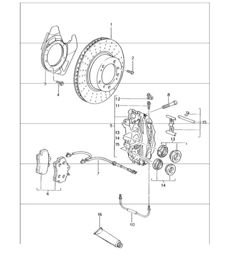
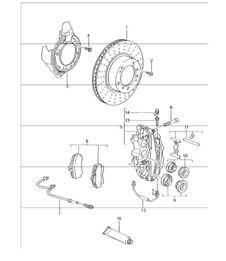
Porsche Brake Pad Anti-Wear Sensors | Design911 Precision Components for Safety, Monitoring & Maintenance
Brake pad anti-wear sensors play a vital role in your Porsche’s braking system by monitoring pad thickness and alerting you when replacement is needed. By providing real-time data, these sensors help prevent excessive wear, protect brake discs, and maintain braking safety. Replacing worn or damaged sensors ensures your Porsche’s onboard systems can accurately detect pad wear — preserving both performance and peace of mind.
At Design911, we supply a comprehensive range of brake pad anti-wear sensors designed for precise fitment and dependable performance. Manufactured using high-grade materials and advanced sensor technology, our components ensure accurate readings under all driving conditions. Ideal for routine maintenance, restoration, or brake system upgrades, these sensors help your Porsche maintain its legendary braking precision.
What Do Brake Pad Anti-Wear Sensors Do?
Brake pad wear sensors are an essential electronic component that monitor the condition of your brake pads and alert the driver when they need replacement.
Core Functions:
• Continuously monitor brake pad thickness.
• Trigger dashboard warning lights when pads reach the wear limit.
• Protect brake discs from damage caused by worn pads.
• Support preventative maintenance and consistent braking performance.
• Ensure optimal braking efficiency and driver safety.
Accurate brake pad sensors allow you to maintain Porsche’s high standards of safety, performance, and responsiveness.
Why Do Brake Pad Anti-Wear Sensors Fail or Degrade?
Because they operate in extreme environments near the wheels and brakes, wear sensors are exposed to heat, friction, and contamination, which can cause malfunction or damage over time.
Common Causes of Failure Include:
• Melting or cracking due to high brake temperatures.
• Corrosion or electrical failure from water and road salt.
• Cable wear or fraying caused by vibration or debris.
• Poor connections or sensor dislodgement during servicing.
• Age-related degradation of wiring or insulation.
When a sensor fails, the system may provide false warnings or fail to detect worn pads, increasing the risk of brake system damage or reduced safety.
Why Replace or Upgrade Your Porsche Brake Pad Anti-Wear Sensors?
Replacing faulty or aged sensors ensures your Porsche’s braking system continues to deliver accurate monitoring and performance reliability. Design911’s precision-engineered sensors are crafted for long-term durability and compatibility across Porsche models.
Key Benefits:
• Restores accurate brake pad wear monitoring.
• Prevents unnecessary pad or disc wear.
• Heat- and moisture-resistant design for long-lasting reliability.
• Plug-and-play fitment for easy installation.
• Engineered for exact Porsche compatibility.
• Ideal for maintenance, upgrades, or complete brake servicing.
Design911’s Porsche brake pad anti-wear sensors ensure consistent safety alerts and reliable performance — maintaining the precision and quality expected of every Porsche braking system.
Highlights
• Premium Porsche brake pad wear sensors for accurate
monitoring.
• Designed to withstand extreme heat and vibration.
• Ensures timely replacement of brake pads for safety.
• Protects discs and braking components from excessive wear.
• Compatible with classic and modern Porsche models.
• Perfect for servicing, restoration, or performance upgrades.
-
 Brake Pads & Disc Package
-
Brake Pads Packages
-
Brake Disc Standard
-
Brake Pads Standard
-
SPORTS Brake Disc
-
Brembo Standard brakes
-
Brembo Racing brakes
-
TEXTAR Brakes
-
PAGID Racing Brakes
-
Zimmermann Brakes
-
Performance Friction Brakes
-
Giro Slotted Brake Disc
-
SHW Performance Brakes
-
EBC Brakes
-
Black Diamond Performance Brakes
-
Rotinger Graphite Line
-
Brake Pad Anti-vibration shims
-
Caliper Bolts / Disc Screws
-
Pin Kit and Guide Plates
-
Performance Brake Hoses
-
Standard Brake Hoses
-
Caliper and Brake Lines
-
Brake Calipers
-
Brake Caliper Upgrades
-
Handbrake Shoes
-
Handbrake Cables
-
Brake Disc Cover Plates
-
ABS | Speed Sensors
-
Caliper Seals |Pistons
-
Brake Servo | Booster
-
Brake Master Cylinder
-
Brake Fluid Reservoir
-
Brake Fluid
-
Centre Locking Hubs
-
Titanium Brake Pad Shields
-
Duct Spoiler / Air Scoop
-
DesignTek Brake Kits
-
Build Your Own Brake Kit




Monday-Friday: 8.30am - 5.30pm (GMT)
Saturday: Closed
Sunday: Closed