





Enter your VAT number here and click Verify:
Your details have been verified. VAT number registered to:
,
.
Your order will now be zero rated for VAT purposes. We reserve the right to verify these details after your order request has been made and reinstate VAT if required.
Your VAT details were not recognised or were invalid. Your VAT number must be matched to your Billing Country as specified above. This is currently specified as . You do not need to enter the country code part of your VAT number as this has already been selected in your billing address details above.
The VAT number checking service is currently offline. Please supply your VAT details within the comments or special instructions field below and we will apply a VAT discount after placing your order request.
Victor Reinz

Victor Reinz for Porsche
As an original-equipment manufacturer and replacement part supplier, Dana delivers innovative sealing technologies of the highest quality under the brand name Victor Reinz®. All spare parts in the comprehensive product range meet the high standards of OEM Porsche quality. Nearly all the familiar brands and models of automobile manufacturers worldwide are equipped with the professional sealing solutions from Dana in the areas of motors and exhaust
Choosing the Right Fit for Your Porsche
Where Victor Reinz is listed for Porsche, use the supplied model coverage and OE references to confirm suitability. Check details that commonly affect fitment such as model year, side/position, and connector type where relevant.
- Typical reasons to choose these parts include fixing oil or coolant leaks properly, completing top-end or full engine rebuilds, and using trusted sealing components during Porsche maintenance where correct sealing is critical.
- Common real-world symptoms that lead to gasket and seal replacement include oil seepage, coolant leaks, misfires from vacuum leaks around intake gaskets, and recurring leaks where surfaces haven’t been cleaned or torqued correctly.
- Practical workshop tips include only using additional sealant where Porsche specifies, considering new stretch bolts where applicable, and spending time on cleaning, surface inspection, and correct torque stages for reliable long-term sealing.
Browse by Category
If you already know the area you are working on, start with the category and then filter by Porsche model. Where real-world symptoms and typical reasons to replace are provided, use them to keep the wording grounded.
Engine Rebuild Parts — Engine rebuild components are typically replaced during planned rebuilds or when internal wear is suspected, such as loss of compression, heavy oil consumption, persistent leaks, abnormal noises, or contamination found in the oil. On Porsche engines, many specialists renew chains, guides, bearings, gaskets, seals and hardware together while the engine is apart to avoid repeat strip-downs and to restore reliability.
- Before committing to a rebuild, checks such as compression and leak-down testing, bore inspection with a scope, and careful oil/filter inspection help confirm whether internal parts really need replacing.
- When the engine is already out, it is common to replace hard-to-access wear items "while you’re in there" to reduce future labour, including chains, guides, tensioners, major seals, gaskets and critical fasteners.
Gaskets & Sets — Gaskets and gasket sets are changed whenever joints are opened and whenever leaks appear from ageing, heat cycling or previous poor installation. For Porsche work, full sets are often chosen during rebuilds so that all common leak paths are addressed together, helping to prevent repeat strip-downs and reducing the risk of MOT issues from oil contamination on underbodies and components.
- Most engine gaskets are designed as single-use items, so reusing old seals is usually avoided; using a complete set for major work also reduces the chance of missing a critical gasket or O-ring.
- Intermittent gasket leaks can open and close with heat cycles, so pairing new gaskets with fresh sealing washers, O-rings and any disturbed breather or vacuum hoses is a common best practice.
Radial Seal / RMS / Camshaft / Balance shaft — Radial shaft seals, including rear main seals and cam or balance shaft seals, are replaced to stop oil leaks at rotating shafts and to prevent oil reaching clutches, belts or surrounding components. On Porsche engines they are often tackled during clutch or gearbox removal, engine-out work or rebuilds, as access is labour-intensive and proactive replacement can avoid future strip-downs.
- Not every oil trace at the bellhousing is a rear main seal leak, so diagnosis of other potential leak paths is important before parts are ordered.
- Where access overlaps, many workshops replace related front or rear shaft seals together, especially if crankcase pressure issues or age-related hardening have been noted.
Timing covers and gaskets — Timing covers and their gaskets are renewed to stop oil leaks at the front of the engine and to reseal the timing area after service on chains, tensioners or guides. Warped covers, hardened gaskets or failed sealant can all cause leaks; resealing during timing work or rebuilds helps prevent oil reaching belts, ancillaries and undertrays.
- Oil leaks around the front cover are more than cosmetic, as escaping oil can contaminate belts and ancillaries and may worsen over time if not addressed.
- For durable results, correct surface preparation, flatness checks, suitable sealant choice and allowing proper cure time, along with checking crankcase ventilation, are all important.
Cylinder Head / Camshaft Carrier — Cylinder heads and camshaft carriers are addressed when there are sealing problems, valve guide wear, cracks or warping from overheating, or oil leaks around cam carrier joints. On Porsche engines this work is often carried out to cure smoking, restore compression, deal with top-end noise, or as part of a full rebuild so that labour is not duplicated later.
- Head-related issues can contribute to oil consumption, especially where valve guide and seal wear allows oil to enter the combustion chambers on overrun.
- Typical top-end work includes pressure testing, machining and valve seat work as required, then reassembly with new gaskets, seals and associated timing components where the design requires removal.
Explore Victor Reinz at Design911
View the current Victor Reinz range for Porsche at Design911, then filter by model and category to narrow down to the right parts.

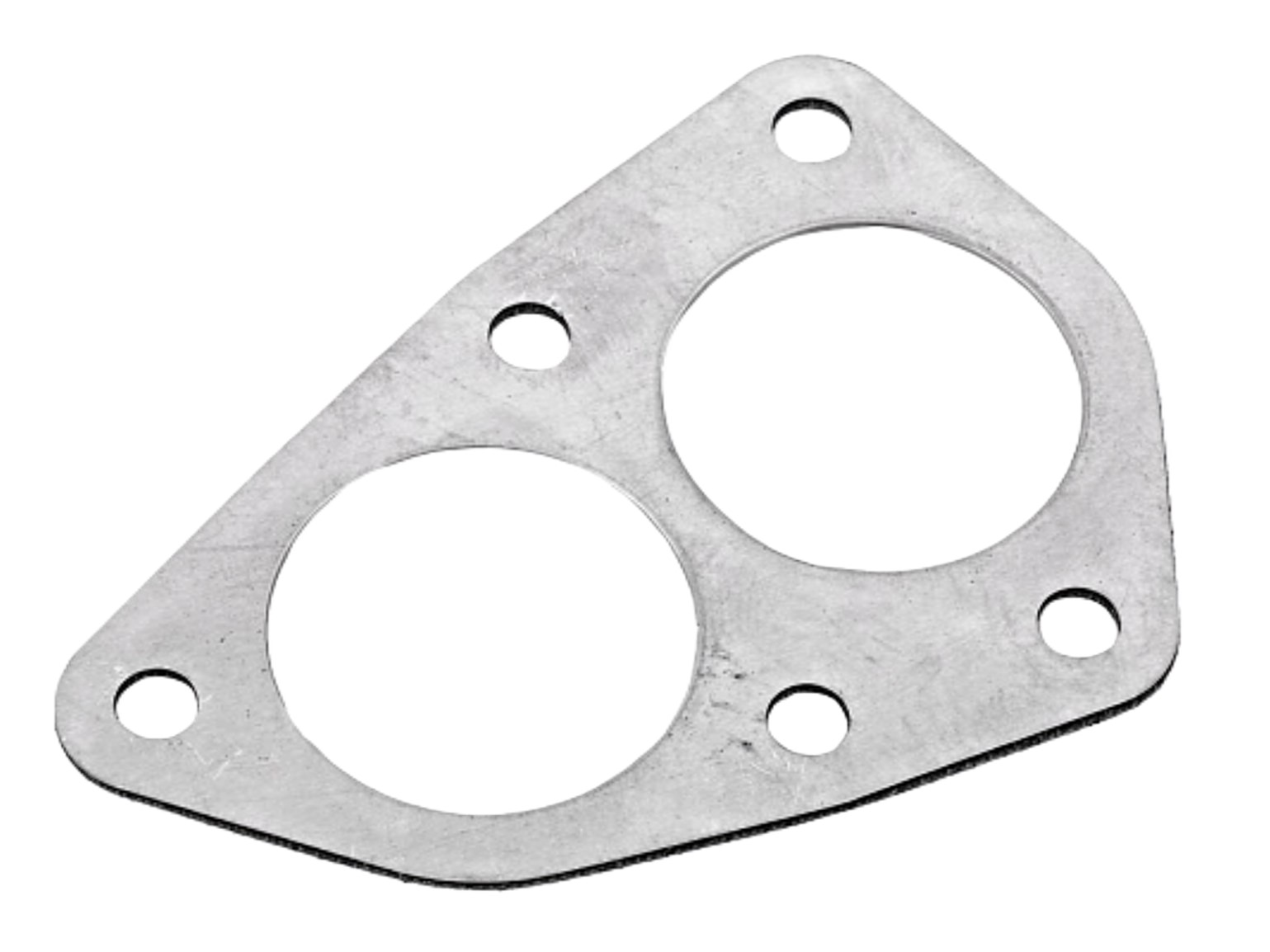
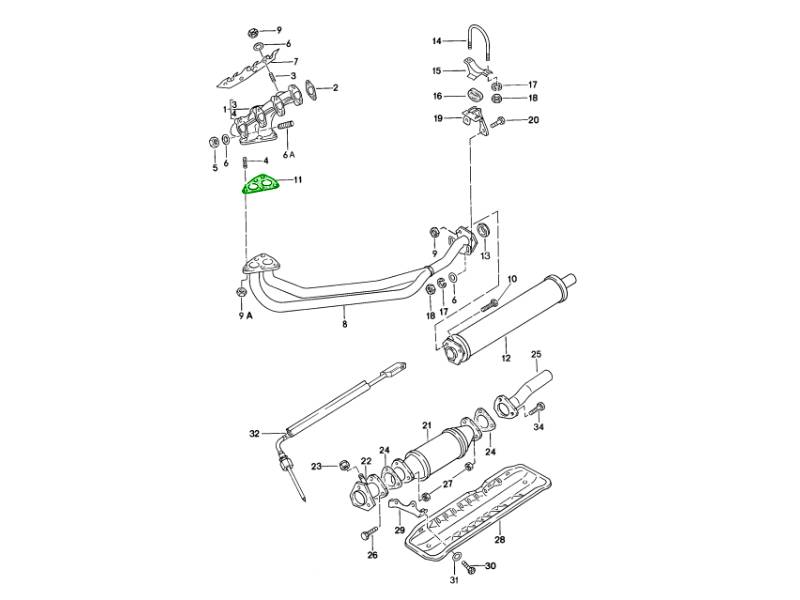
The Victor Reinz Exhaust Gasket is a replacement sealing component designed for the connection between the exhaust manifold and downpipe on compatible left-hand-drive (LHD) Porsche applications.
Fits:
- Porsche 924 2.0L 1976-79
- Porsche 924 2.0L 1980-85
Diagram Ref No 11
This gasket creates a gas-tight seal at an important exhaust-system joint, preventing hot exhaust gases from escaping before they continue through the downpipe and the rest of the exhaust system.
Constant exposure to extreme temperatures, exhaust gases and repeated heating and cooling cycles can cause an old gasket to deteriorate, compress or burn through. Replacing a failed gasket helps restore a properly sealed exhaust connection, reduce unwanted exhaust noise and prevent hot gases leaking around the manifold-to-downpipe joint.
What This Product Does:
The exhaust gasket sits between the mating surfaces of the exhaust manifold and downpipe, creating a seal when the components are secured together.
Exhaust gases leave the engine at high temperature and pressure. These gases must remain contained within the exhaust system as they travel away from the engine.
The gasket helps:
- Create a gas-tight manifold-to-downpipe connection
- Prevent exhaust gases escaping through the joint
- Reduce unwanted exhaust noise
- Maintain proper exhaust-system integrity
- Protect surrounding components from escaping hot gases
- Prevent exhaust fumes leaking from the connection
- Maintain a secure seal despite repeated thermal expansion and contraction
Although relatively small, the gasket plays an important role in keeping the exhaust system correctly sealed.
Symptoms Of Wear Or Failure:
A deteriorated manifold-to-downpipe gasket can allow exhaust gases to escape through the connection.
Common symptoms may include:
- Ticking, tapping or blowing noise from the exhaust joint
- Increased exhaust noise
- Hissing or puffing sounds during acceleration
- Exhaust fumes or odour around the engine or underside of the vehicle
- Black soot deposits around the manifold-to-downpipe connection
- Visible signs of exhaust gas leakage
- Reduced exhaust-system sealing
- Noise that becomes more noticeable under load
- Heat damage or discolouration around the leaking joint
- Engine or emissions-related faults where applicable
A small leak may initially only be noticeable when the engine is cold or under acceleration.
Why Replacement Matters:
A leaking exhaust gasket should not be ignored.
Replacing a worn or damaged manifold-to-downpipe gasket helps:
- Restore a properly sealed exhaust connection
- Prevent hot exhaust gases escaping from the joint
- Reduce blowing, ticking and hissing noises
- Prevent soot accumulation around the connection
- Protect nearby components from concentrated exhaust heat
- Reduce the possibility of exhaust fumes entering areas where they should not
- Maintain correct exhaust-system operationRestore a cleaner and quieter exhaust system
A deteriorated gasket can progressively worsen as hot gases erode the sealing area.
Related reference numbers
Related, superseded, cross reference or alternative numbers for comparison.
477253115E
The product you are viewing cross references to these numbers
- Porsche 924 2.0L 1976-79
- Porsche 924 2.0L 1980-85
 Shop Securely
 12 Month Warranty
 Worldwide Delivery

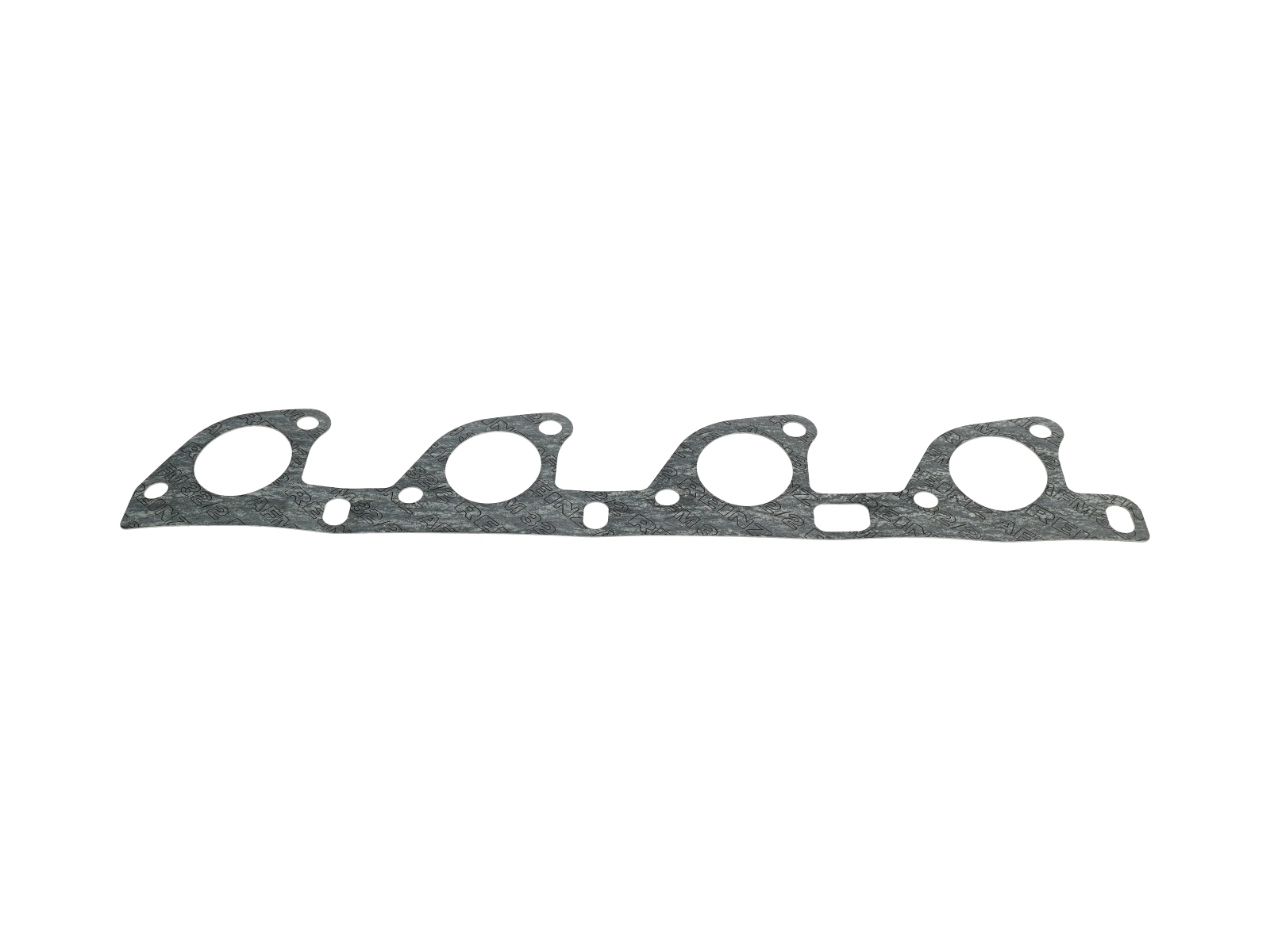
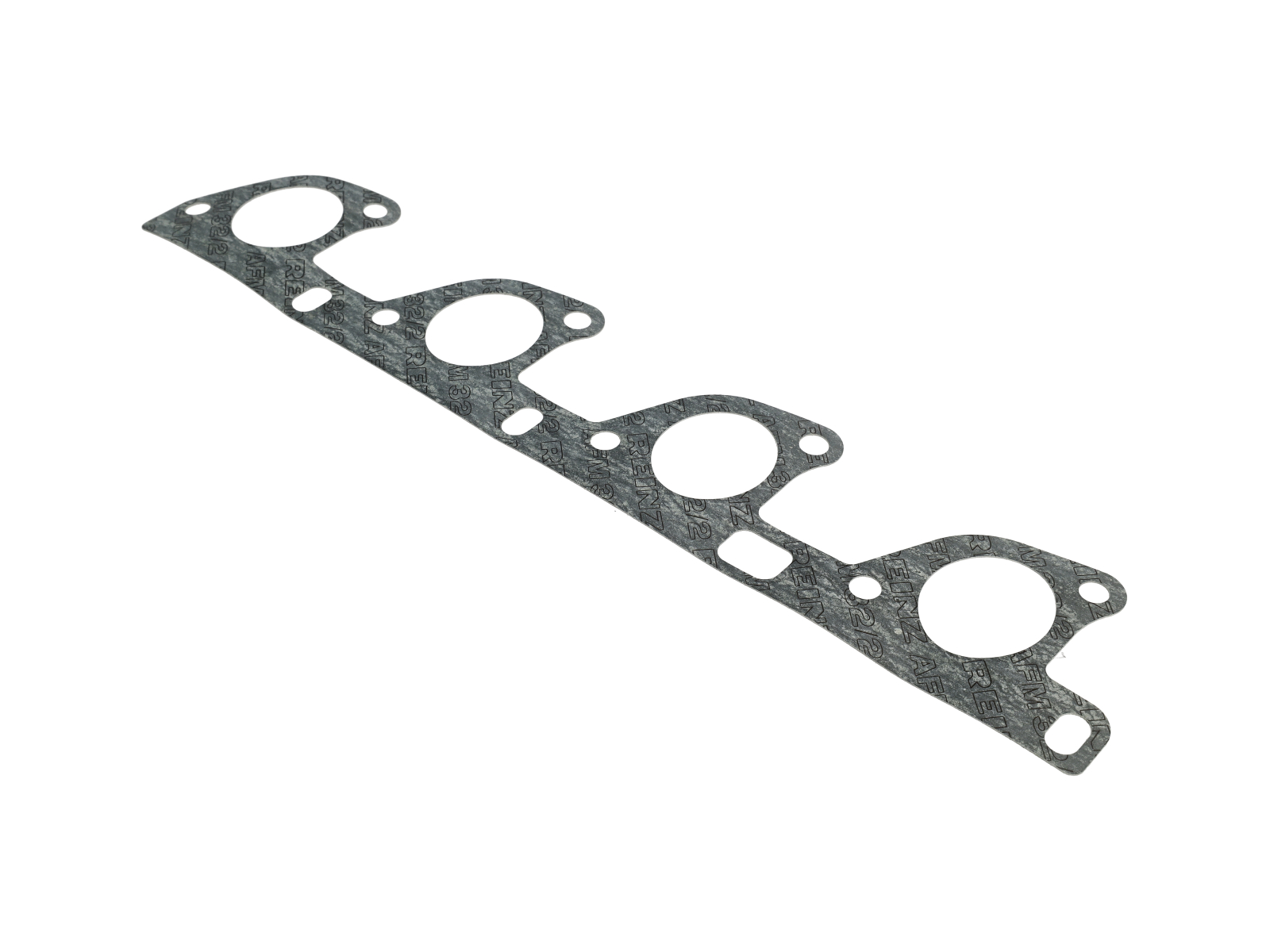
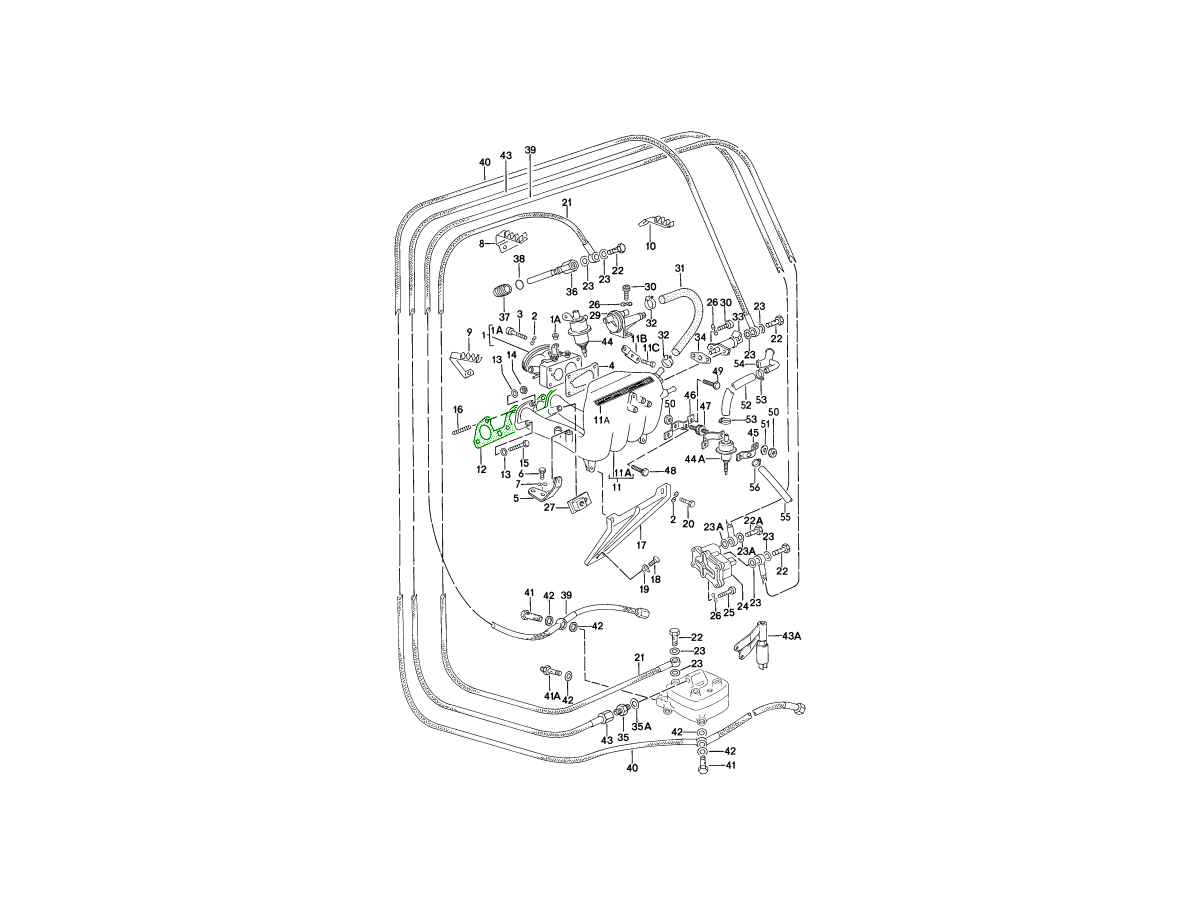
The Victor Reinz Intake Manifold Gasket is a replacement engine sealing component designed to create a secure, airtight seal between the intake manifold and its mating surface on compatible Porsche applications.
Fits:
- Porsche 924 2.0L 1976-79
- Porsche 924 2.0L 1980-85
Diagram Ref No 12
The intake manifold is responsible for distributing incoming air to the engine. Its connections must remain correctly sealed to prevent unwanted air from entering the intake system. A worn, hardened or damaged gasket can create an intake or vacuum leak, potentially causing poor idle quality, hesitation and inconsistent engine performance.
Replacing a deteriorated intake manifold gasket helps restore intake-system integrity and ensures that incoming air follows the intended path into the engine.
What This Product Does:
The intake manifold gasket seals the joint between the intake manifold and the corresponding engine mating surface.
During operation, the engine creates vacuum as it draws air into the cylinders. Any leak at the manifold joint can allow additional air to enter through an unintended path.
A correctly sealing intake manifold gasket helps:
- Maintain an airtight intake system
- Prevent vacuum and intake air leaks
- Prevent unwanted air entering at the manifold joint
- Support stable engine idle
- Maintain consistent throttle response
- Support correct air/fuel mixture
- Maintain efficient engine operation
- Ensure reliable intake air distribution
Although relatively simple, the gasket is essential to maintaining the integrity of the engine's intake system.
Symptoms Of Wear Or Failure:
A leaking intake manifold gasket can produce several drivability symptoms.
Possible signs include:
- Rough or unstable idle
- Fluctuating or hunting idle
- Higher than normal idle speed
- Engine hesitation
- Poor throttle response
- Reduced or inconsistent engine performance
- Difficult starting
- Engine misfires
- Lean-running symptoms
- Increased fuel consumption
- Hissing or sucking noise around the intake manifold
- Engine warning light on vehicles with applicable diagnostics
- Air/fuel mixture or lean-condition fault codes where applicable
Symptoms can vary depending on the size and location of the leak.
Why Replacement Matters:
A failed intake manifold gasket can compromise the sealed intake path required for correct engine operation.
Replacing a leaking or deteriorated gasket helps:
- Restore an airtight intake manifold connection
- Prevent unwanted intake air and vacuum leakage
- Improve idle stability
- Support smooth engine operation
- Maintain consistent throttle response
- Support correct air/fuel mixture control
- Reduce lean-running problems caused by intake leaks
- Restore intake-system integrity
- Reduce the risk of recurring drivability problems
Ignoring an intake leak may result in progressively poorer engine operation and can make diagnosis or tuning more difficult.
Related reference numbers
Related, superseded, cross reference or alternative numbers for comparison.
477133227
The product you are viewing cross references to these numbers
- Porsche 924 2.0L 1976-79
- Porsche 924 2.0L 1980-85
Shop Securely
12 Month Warranty
Worldwide Delivery

The Victor Reinz Air Intake Manifold Connector Seal is a replacement sealing component designed to provide an airtight connection within the intake manifold system on compatible Porsche applications.
Fits:
- Porsche 993 (911) C2 1994-97
- Porsche 993 (911) C4 1994-97
Diagram Ref No 24
The engine's intake system relies on properly sealed connections to ensure that the correct amount of air reaches the engine. This seal is fitted at the relevant intake manifold connector, helping prevent unwanted air from entering through the joint.
Over time, exposure to engine heat, vibration and repeated temperature cycles can cause the original seal to harden, shrink, crack or lose elasticity. A deteriorated intake seal can create an air or vacuum leak, potentially affecting idle quality, engine performance and air/fuel mixture control.
What This Product Does:
The intake manifold connector seal creates an airtight joint between the relevant components of the engine intake system.
During operation, the engine draws air through the intake system and into the cylinders. Connections downstream in the intake tract must remain properly sealed so that unwanted air cannot enter through gaps between components.
A correctly functioning connector seal helps:
- Maintain an airtight intake connection
- Prevent vacuum and intake air leaks
- Reduce unwanted or unmetered air entering the engine
- Support stable engine idle
- Maintain consistent engine performance
- Support correct air/fuel mixture control
- Maintain intake-system integrity
Even a relatively small leak can affect engine operation, particularly at idle when intake vacuum can be significant.
Symptoms Of Wear Or Failure:
A deteriorated intake seal can allow air to enter through the manifold connection rather than through the intended intake path.
Possible symptoms include:
- Rough or unstable idle
- Higher than normal idle speed
- Fluctuating or hunting idle
- Engine hesitation
- Reduced throttle response
- Poor or inconsistent engine performance
- Lean-running symptoms
- Difficult starting
- Engine misfires
- Increased fuel consumption
- Engine warning light on vehicles with applicable diagnostics
- Air/fuel mixture or lean-condition fault codes where applicable
- Hissing or whistling noise from the intake area
Symptoms may vary according to the size and location of the leak.
Why Replacement Matters:
An intake air leak can affect the engine's ability to maintain the intended air/fuel mixture and stable operating conditions.
Replacing a deteriorated intake manifold connector seal helps:
- Restore an airtight intake connection
- Prevent unwanted air or vacuum leakage
- Improve idle stability
- Support consistent throttle response
- Maintain correct intake-system operation
- Support accurate air/fuel mixture control
- Reduce lean-running problems caused by intake leaks
- Restore reliable engine performance
Ignoring an intake leak can result in persistent drivability problems and make accurate engine tuning or diagnosis more difficult.
Related reference numbers
Related, superseded, cross reference or alternative numbers for comparison.
99311072340
The product you are viewing cross references to these numbers
- Porsche 993 (911) C2 1994-97
- Porsche 993 (911) C4 1994-97
Shop Securely
12 Month Warranty
Worldwide Delivery

(For Reconditioned/Machined Cylinder Heads. Approx. Compressed Thickness: 1.4 mm)
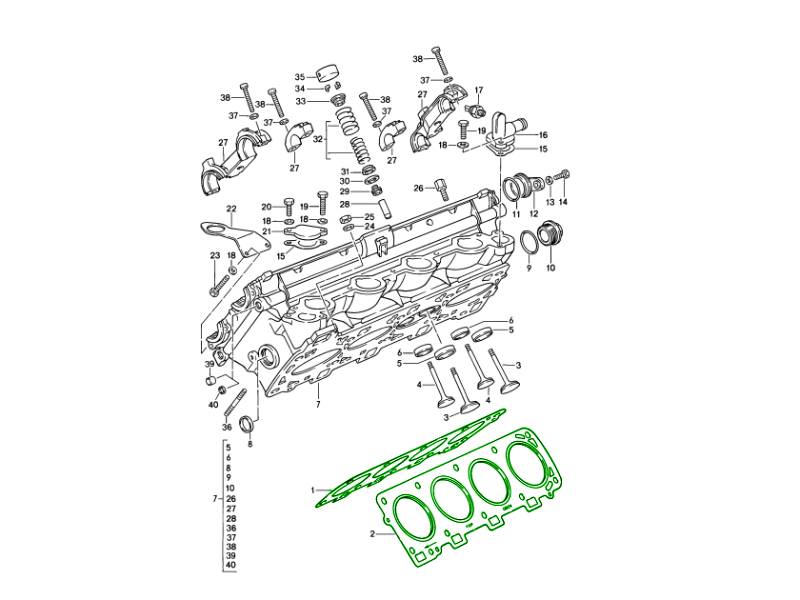
The Victor Reinz Cylinder Head Gasket, 1.4mm is a replacement engine sealing component designed for compatible Porsche applications. With a specified 1.4mm thickness, these gaskets form the critical sealing interface between the cylinder heads and their mating engine surfaces.
- Porsche 928S 4.7L 1981-83
- Porsche 928S2 4.7L 1984-86
- Porsche 928S4 5.0L 1987-92
- Porsche 928GTS 5.4L 1992-95
Diagram Ref No 1 And 2
The cylinder head gasket must withstand high combustion pressures, elevated operating temperatures and constant heating and cooling cycles. Its primary role is to maintain compression and combustion sealing while keeping oil, coolant and combustion areas correctly separated where applicable to the engine design.
A damaged or incorrectly sealing head gasket can cause compression loss, overheating, fluid leakage and poor engine performance. If left unresolved, cylinder head gasket failure can potentially result in extensive internal engine damage.
What This Product Does:
The cylinder head gasket creates a high-pressure seal between the cylinder head and engine assembly.
During combustion, considerable pressure is generated inside the cylinders. The gasket must contain this pressure while maintaining separation between the combustion chambers and the engine's oil and coolant passages where applicable.
A correctly functioning cylinder head gasket helps:
- Maintain cylinder compression
- Contain combustion pressure
- Prevent combustion gases escaping through the cylinder head joint
- Keep engine oil and coolant within their intended passages
- Prevent unwanted mixing of engine fluids
- Support consistent combustion and engine performance
- Help maintain correct operating temperatures
- Maintain the integrity of the cylinder head assembly
The gasket must continue performing these functions despite repeated expansion and contraction of the surrounding engine components.
Symptoms Of Wear Or Failure:
Cylinder head gasket failure can produce different symptoms depending on where the sealing interface has been compromised.
Possible warning signs include:
- Engine overheating
- Loss of cylinder compression
- Reduced engine power
- Rough or uneven running
- Engine misfires
- Difficult starting
- Unexplained coolant loss
- Oil leakage around the cylinder head joint
- Abnormal exhaust smoke or vapour
- Increased cooling-system pressure
- Combustion gases entering the cooling system
- Oil contamination of coolant
- Coolant contamination of engine oil
- Increased oil consumption
A failing head gasket does not necessarily produce an obvious external leak. Internal leakage between combustion chambers or fluid passages may require diagnostic testing to identify.
Why Replacement Matters:
A failed cylinder head gasket can affect several critical engine functions simultaneously.
Loss of combustion sealing can reduce compression and performance, while leakage between oil or coolant passages can cause fluid contamination and temperature-control problems.
Replacing a failed gasket helps:
- Restore cylinder compression
- Restore combustion sealing
- Prevent combustion gas leakage
- Prevent unwanted oil or coolant leakage where applicable
- Maintain separation between engine fluid circuits
- Support stable engine operating temperatures
- Restore consistent engine performance
- Reduce the risk of progressive internal engine damage
Continuing to operate an engine with a failed head gasket can potentially lead to overheating, lubrication problems, cylinder head damage and substantially more extensive repairs.
Related reference numbers
Related, superseded, cross reference or alternative numbers for comparison.
92810436
The product you are viewing cross references to these numbers
- Porsche 928S 4.7L 1981-83
- Porsche 928S2 4.7L 1984-86
- Porsche 928S4 5.0L 1987-92
- Porsche 928GTS 5.4L 1992-95
Shop Securely
12 Month Warranty
Worldwide Delivery
.jpg?width=200&height=150&format=webp&quality=65&iv=rendition-2 "Cylinder Head Gasket. Porsche 928 4.5L 1978-82 - 92810437212, 92810437112, 92810437201, 92810437208, 92810437209, 92810437210, 92810437211, 92810437101, 92810437108, 92810437109, 92810437110, 92810437111 - 61-24180-40, 61-24175-40")
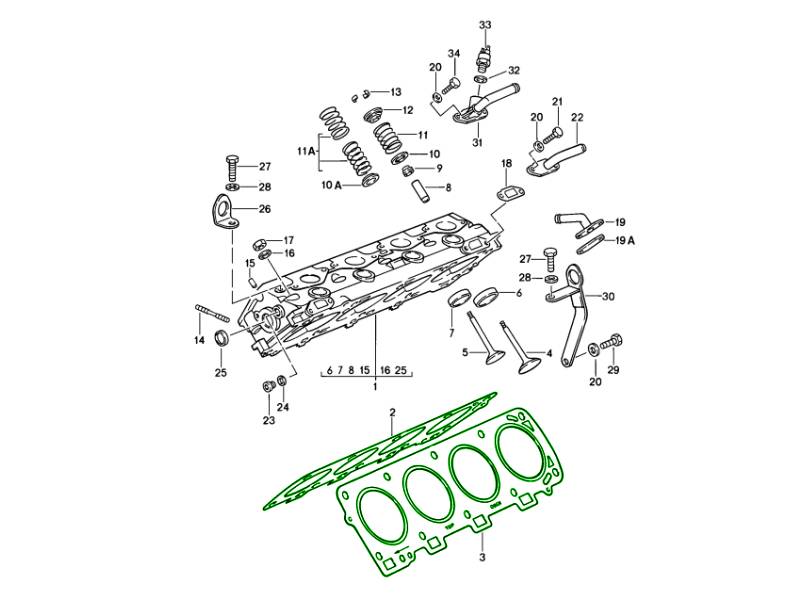
The Victor Reinz Cylinder Head Gasket is a replacement engine sealing component designed for compatible Porsche applications. Installed at the interface between the cylinder head and engine assembly, the gasket provides a critical seal capable of withstanding the high temperatures and combustion pressures generated during normal engine operation.
Fits:
- Porsche 928 4.5L 1978-82
Diagram Ref No 2 And 3
A cylinder head gasket is one of the engine's most important sealing components. It helps maintain cylinder compression and combustion sealing while keeping engine fluids within their intended passages where applicable.
Over time, repeated heat cycles, overheating, component distortion or incorrect installation can compromise the gasket. A failed cylinder head gasket can lead to compression loss, fluid leakage, overheating and potentially significant engine damage if the problem is ignored.
What This Product Does:
The cylinder head gasket creates a high-integrity seal between the cylinder head and its mating engine surface.
During combustion, extremely high pressure is generated inside each cylinder. The gasket must contain this pressure while also maintaining separation between adjacent engine passages where required.
A correctly functioning cylinder head gasket helps:
- Maintain cylinder compression
- Seal combustion pressure
- Prevent combustion gases escaping from the cylinder
- Keep oil and coolant within their intended passages where applicable
- Prevent unwanted mixing of engine fluids
- Maintain consistent engine performance
- Support correct engine operating temperature
- Maintain overall cylinder head sealing integrity
The gasket must continue performing these functions while repeatedly expanding and contracting as the engine heats up and cools down.
Symptoms Of Wear Or Failure:
Cylinder head gasket failure can produce a wide range of symptoms depending on where and how the sealing surface has failed.
Possible symptoms include:
- Engine overheating
- Loss of compression
- Reduced engine performance
- Rough running or misfiring
- Difficult starting
- Uneven cylinder performance
- Unexplained coolant loss where applicable
- Engine oil leakage around the cylinder head joint
- Abnormal exhaust smoke
- Increased pressure within the cooling system
- Oil or coolant contamination
- Combustion gases entering the cooling system
- Bubbles or abnormal pressure in the coolant expansion system
- Increased oil consumption
A failing gasket does not always produce an obvious external leak. Internal leakage can occur between combustion chambers or fluid passages.
Why Replacement Matters:
A failed cylinder head gasket should not be treated as a minor engine leak.
Once sealing integrity has been compromised, combustion pressure or engine fluids may begin travelling into areas where they should not be present.
Replacing a failed gasket helps:
- Restore cylinder compression
- Restore combustion sealing
- Prevent combustion gas leakage
- Prevent unwanted oil or coolant leakage where applicable
- Maintain separation between engine fluid circuits
- Support stable engine temperatures
- Restore consistent engine performance
- Reduce the risk of progressive engine damage
Continuing to operate an engine with a failed cylinder head gasket can potentially cause overheating, cylinder head damage, contaminated lubrication and more extensive internal engine problems.
Related reference numbers
Related, superseded, cross reference or alternative numbers for comparison.
92810437
The product you are viewing cross references to these numbers
- Porsche 928 4.5L 1978-82
Shop Securely
12 Month Warranty
Worldwide Delivery

The Victor Reinz Cylinder Head Gasket is a replacement engine sealing component designed for compatible Porsche applications. Positioned at the cylinder head sealing interface, it plays a critical role in maintaining a secure seal under the high temperatures and pressures generated during engine operation.
Fits:
- Porsche 911 1984-1986 3.2L
- Porsche 911 1987-1989 3.2L G50
- Porsche 911 1978-1989 3.3L Turbo (930)
- Porsche 964 (911) C2 1989-93
- Porsche 964 (911) C4 1989-93
Diagram Ref No 8
Cylinder head sealing is essential for correct engine performance. The gasket helps maintain the required seal between mating engine components, preventing combustion pressure and engine fluids from escaping into areas where they do not belong.
Because this gasket operates in an extremely demanding environment, deterioration, overheating, incorrect installation or engine component distortion can eventually compromise its sealing ability. A failed cylinder head gasket should be addressed promptly to prevent further engine damage.
What This Product Does:
The cylinder head gasket creates a high-integrity seal at the cylinder head interface.
Depending on the engine design, this sealing interface must withstand combustion pressure, high operating temperatures and the circulation of engine fluids through adjacent passages.
A correctly functioning cylinder head gasket helps:
- Maintain cylinder and combustion sealing
- Prevent combustion gases escaping from the sealing interface
- Keep engine fluids within their intended passages
- Maintain correct engine compression
- Support consistent engine performance
- Protect adjoining engine components from leakage
- Maintain the integrity of the cylinder head assembly
Unlike a simple external seal, a cylinder head gasket must continue sealing while exposed to substantial pressure and repeated thermal expansion and contraction.
Symptoms Of Wear Or Failure:
Cylinder head gasket failure can present in different ways depending on where the gasket has lost its seal.
Possible symptoms include:
- Loss of engine compression
- Reduced engine performance
- Rough running or misfiring
- Difficult starting
- Abnormal combustion leakage
- Oil leakage around the cylinder head sealing area
- Unusual engine temperatures or overheating
- Increased oil consumption
- Abnormal exhaust smoke
- Unexplained fluid loss where applicable
- Contamination between fluid passages where applicable
- Unusual pressure within associated engine systems
External signs may include visible staining, seepage or deposits around the cylinder head joint.
Some cylinder head gasket problems may not produce an obvious external leak, making correct diagnosis important before dismantling the engine.
Why Replacement Matters:
A compromised cylinder head gasket can affect compression, engine performance and sealing integrity.
Continuing to operate an engine with a failed gasket may allow a relatively localised sealing problem to develop into more extensive engine damage.
Replacing a failed cylinder head gasket helps:
- Restore the cylinder head sealing interface
- Maintain correct compression
- Prevent combustion gas leakage
- Reduce engine fluid leakage where applicable
- Restore consistent engine operation
- Protect surrounding engine components
- Reduce the risk of further engine damage
Cylinder head gasket problems should therefore be investigated promptly rather than treated as a minor leak.
Related reference numbers
Related, superseded, cross reference or alternative numbers for comparison.
93010438101
The product you are viewing cross references to these numbers
- Porsche 911 1984-1986 3.2L
- Porsche 911 1987-1989 3.2L G50
- Porsche 911 1978-1989 3.3L Turbo (930)
- Porsche 964 (911) C2 1989-93
- Porsche 964 (911) C4 1989-93
Shop Securely
12 Month Warranty
Worldwide Delivery

The Victor Reinz Oil Cooler Seal is a replacement sealing component designed to provide an oil-tight connection at the engine oil cooler on compatible Porsche applications.
Fits:
- Porsche 356 1950-55
- Porsche 356A 1955-59
Diagram Ref No 2
The oil cooler forms an important part of the engine lubrication and temperature-control system. Its job is to transfer excess heat away from the engine oil, while the associated seals ensure that oil remains securely contained as it passes through the cooler assembly.
Although the seal itself is a relatively small component, deterioration can result in engine oil leakage around the oil cooler. Replacing an ageing, hardened or damaged seal helps restore sealing integrity and protect the engine from progressive oil loss.
What This Product Does:
The oil cooler seal creates a secure barrier between the oil cooler and its mating engine component, preventing engine oil from escaping at the connection.
During engine operation, oil circulates through the lubrication system and oil cooler. The seal must remain effective while exposed to engine oil, elevated temperatures and repeated pressure and temperature changes.
A correctly functioning oil cooler seal helps:
- Prevent engine oil leakage
- Maintain an oil-tight oil cooler connection
- Keep oil contained within the lubrication system
- Support reliable oil circulation
- Prevent contamination of surrounding engine components
- Maintain the integrity of the engine oil cooling system
Without an effective seal, oil can escape from the cooler connection rather than remaining contained within the lubrication circuit.
Symptoms Of Wear Or Failure:
Oil cooler seals can deteriorate gradually with age, making minor seepage one of the first signs of a problem.
Common symptoms can include:
- Engine oil leaking around the oil cooler
- Oil seepage at the cooler connection
- Wet or oily residue around the oil cooler
- Oil staining on surrounding engine components
- Oil spots underneath the vehicle
- Gradual reduction in engine oil level
- Increased need to top up engine oil
- Burning-oil smell if leaked oil reaches hot surfaces
- Smoke if oil contacts sufficiently hot exhaust or engine components
During inspection, an old seal may also show:
- Hardening
- Brittleness
- Cracking or splitting
- Flattening from prolonged compression
- Cuts or surface damage
- Loss of elasticity
- Permanent deformation
These conditions indicate that the seal may no longer provide a reliable oil-tight connection.
Why Replacement Matters:
The engine depends on an adequate supply of oil for lubrication, cooling and protection of internal components.
A leaking oil cooler seal may begin with relatively minor seepage, but continued deterioration can allow increasing amounts of oil to escape.
Replacing a failed seal helps:
- Prevent engine oil loss
- Restore a secure oil cooler connection
- Maintain lubrication-system integrity
- Keep the engine and surrounding components cleaner
- Reduce the risk of oil reaching hot components
- Prevent minor seepage developing into a larger leak
- Support reliable engine operation
Ignoring an oil leak can eventually result in the engine operating with an insufficient oil level. If oil loss becomes significant, lubrication of critical internal components can be compromised.
Related reference numbers
Related, superseded, cross reference or alternative numbers for comparison.
61610112300
The product you are viewing cross references to these numbers
- Porsche 356 1950-55
- Porsche 356A 1955-59
Shop Securely
12 Month Warranty
Worldwide Delivery

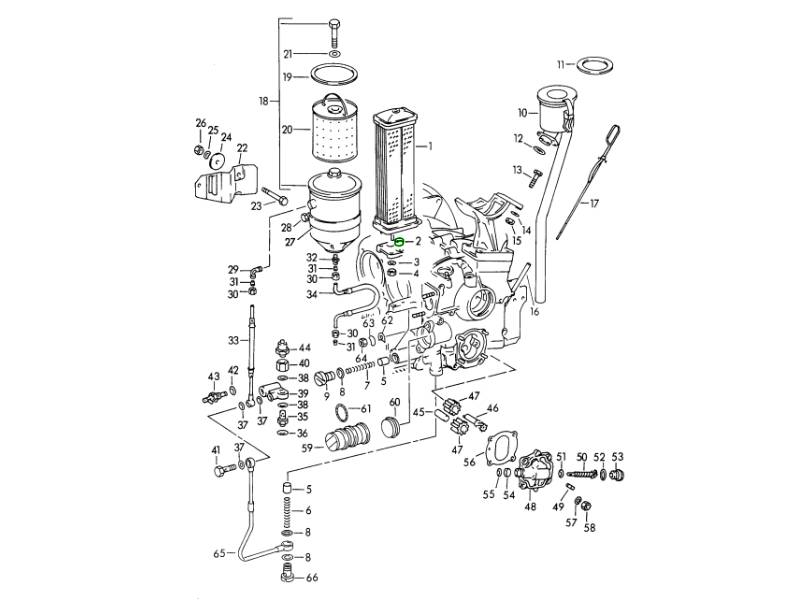
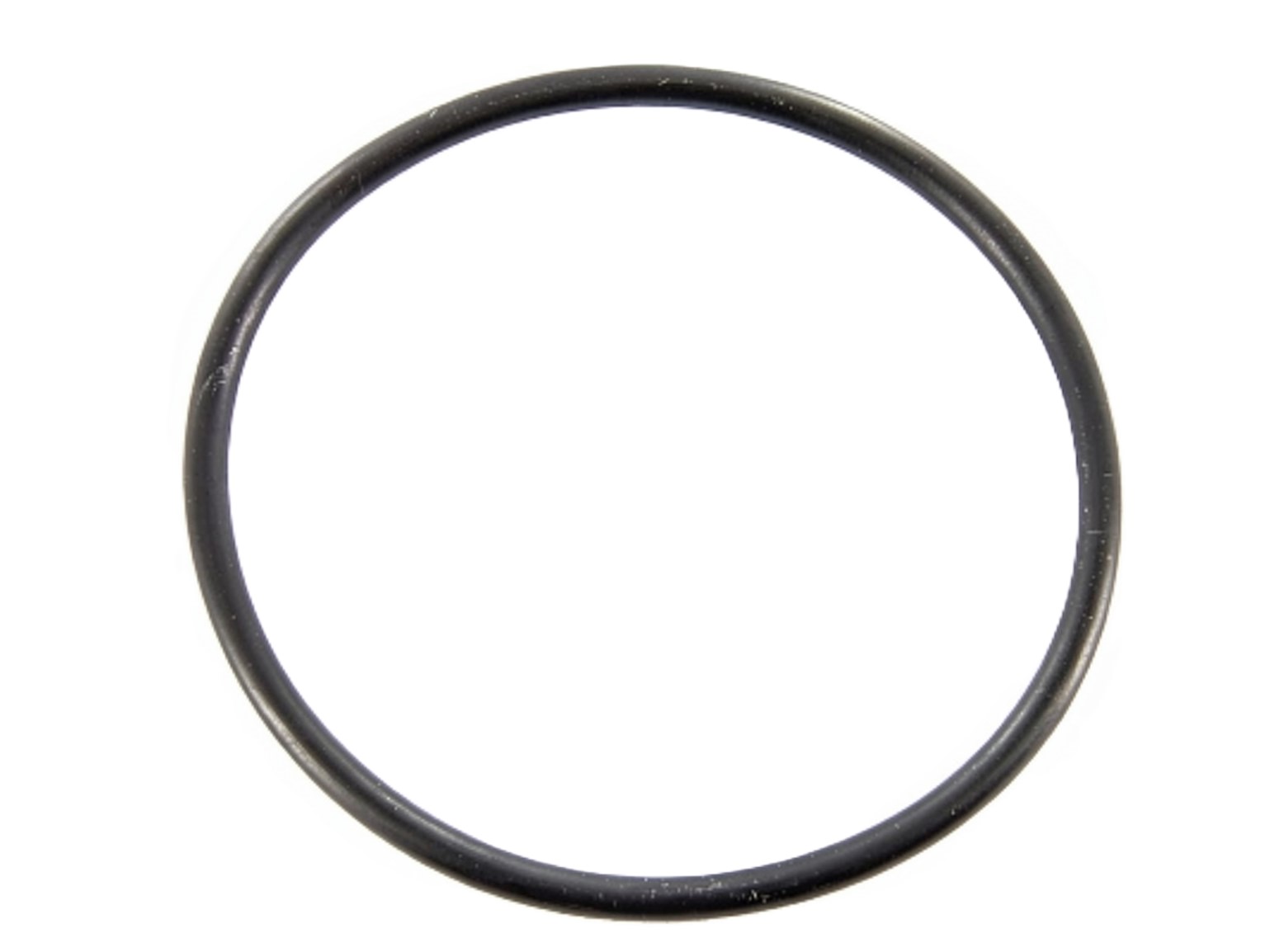
The Victor Reinz Oil Filter Housing O-Ring is a replacement sealing ring designed to provide a secure, oil-tight seal at the oil filter housing on compatible Porsche applications.
Fits:
- Porsche 911 1965-1968 2.0L
- Porsche 911 1970-1973 2.2L / 2.4L / 2.7L RS LWB (F)
- Porsche 914 (1970-1976)
Diagram Ref No 9
Although it is a small component, the O-ring plays an important role in the engine lubrication system. It prevents engine oil from escaping at the sealed connection and helps the lubrication system maintain its integrity during operation.
Repeated exposure to hot engine oil, pressure and temperature cycles can eventually cause the O-ring to harden, flatten, crack or lose elasticity. Once this happens, oil can begin to seep or leak from the oil filter housing area.
What This Product Does:
The O-ring creates a seal between mating surfaces within the oil filter housing assembly.
When installed correctly, the O-ring is compressed to close the small clearance between components through which pressurised engine oil could otherwise escape.
A correctly functioning oil filter housing O-ring helps:
- Prevent engine oil leakage
- Maintain a secure oil filter housing seal
- Keep oil contained within the lubrication system
- Prevent oil contamination of surrounding engine components
- Support correct lubrication-system operation
- Maintain a clean and dry oil filter housing area
Symptoms Of Wear Or Failure:
O-rings gradually deteriorate through age, heat and repeated compression.
Common symptoms of a worn oil filter housing O-ring include:
- Engine oil leaking around the oil filter housing
- Oil seepage around the sealed joint
- Damp or oily residue on surrounding components
- Oil collecting beneath the engine
- Gradual reduction in engine oil level
- Burning-oil smell if leaked oil reaches hot components
- O-ring becoming hard or brittle
- Cracking or splitting
- Flattened sealing surface
- Cuts, nicks or deformation
- Leakage appearing after oil filter servicing
A minor seep can gradually develop into a more significant leak as the seal continues to deteriorate.
Why Replacement Matters:
Engine oil is essential for lubricating and protecting internal engine components.
A leaking oil filter housing seal can result in gradual oil loss and contamination of surrounding components. If a significant leak is ignored and the engine oil level becomes too low, lubrication can be compromised.
Replacing a worn O-ring helps restore:
- A secure oil-tight connection
- Proper oil filter housing sealing
- Engine oil retention
- A cleaner engine compartment
- Correct lubrication-system integrity
- Protection against progressive oil loss
Addressing an oil leak promptly can also make it easier to identify any additional leaks elsewhere on the engine.
Related reference numbers
Related, superseded, cross reference or alternative numbers for comparison.
99970110050
The product you are viewing cross references to these numbers
- Porsche 911 1965-1968 2.0L / 912 SWB (F)
- Porsche 911 1968-1973 2.2L / 2.4L / 2.7L RS LWB (F)
- Porsche 914 (1970-1976)
Shop Securely
12 Month Warranty
Worldwide Delivery

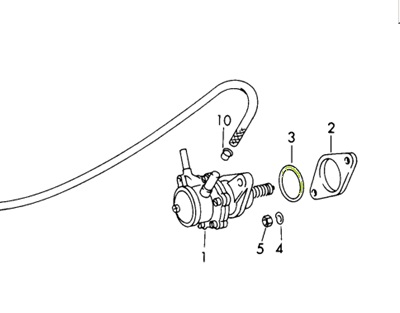
The Victor Reinz Fuel Pump Sealing Ring is a replacement seal designed to provide a secure, leak-resistant connection at the fuel pump assembly on compatible Porsche applications.
Fits:
- Porsche 912 SWB (F) 1966-1968
- Porsche 356B 1959-63
- Porsche 356C 1963-65
Diagram Ref No 3
Although relatively small, the sealing ring performs an important role within the fuel system. It creates a tight seal between mating components, helping prevent fuel vapour or liquid fuel leakage from the fuel pump installation.
Over time, the original sealing ring can harden, flatten, crack or become damaged, particularly after the fuel pump has been removed. Replacing the seal whenever the relevant connection is disturbed helps maintain fuel-system integrity and reduces the risk of leaks.
What This Product Does:
The sealing ring sits between the relevant fuel pump and mating component, where it is compressed during assembly to create a secure seal.
Its purpose is to prevent fuel and fuel vapour from escaping through the joint.
A correctly functioning fuel pump sealing ring helps:
- Prevent liquid fuel leakage
- Reduce the escape of fuel vapours
- Maintain a secure fuel pump connection
- Protect the surrounding area from fuel contamination
- Maintain fuel-system integrity
- Support safe and reliable fuel-system operation
Correct sealing is particularly important because fuel systems may operate under pressure and even a relatively small leak requires immediate attention.
Symptoms Of Wear Or Failure:
Sealing rings deteriorate through age, exposure to fuel and repeated temperature cycles. They can also be damaged during removal or installation.
Common signs of a deteriorated fuel pump sealing ring include:
- Fuel smell around the vehicle
- Fuel odour near the fuel pump area
- Visible fuel seepage
- Dampness around the fuel pump connection
- Fuel staining or residue
- Persistent fuel vapour smell
- Seal appearing cracked or split
- Hardened or brittle sealing material
- Flattened or permanently compressed seal
- Swollen or distorted sealing ring
- Cuts or damage following removal
Any suspected fuel leak should be investigated immediately.
Why Replacement Matters:
A fuel-system seal is a safety-critical component.
A failed sealing ring can allow fuel or vapour to escape from the fuel pump assembly. Apart from fuel loss and unpleasant odours, leaking fuel creates a potential fire hazard.
Replacing a worn or damaged fuel pump sealing ring helps restore:
- A secure fuel-tight connection
- Proper sealing around the fuel pump
- Protection against fuel leakage
- Reduced fuel vapour escape
- Fuel-system integrity
- Safe and reliable operation
Fuel leakage should never be ignored, even if the amount appears small.
Related reference numbers
Related, superseded, cross reference or alternative numbers for comparison.
99970104350
The product you are viewing cross references to these numbers
- Porsche 911 1965-1968 2.0L / 912 SWB (F)
- Porsche 356B 1959-63
- Porsche 356C 1963-65
Shop Securely
12 Month Warranty
Worldwide Delivery
.jpg?width=200&height=150&format=webp&quality=65&iv=rendition-2 "Valve Stem Seal Kit, Set Of 8. Porsche 944 TURBO / TURBO S - 95110419501, 70-27411-00, 702741100 - 12-27411-01")
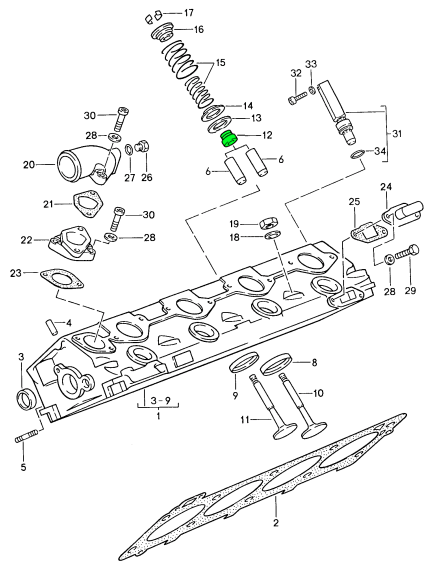
The Victor Reinz Valve Stem Seal Kit is a set of 8 replacement valve stem seals designed to control the amount of engine oil reaching the valve stems and valve guides within the cylinder head.
Fits:
- Porsche 944 Turbo 2.5L 8V 1985-88
- Porsche 944 Turbo 2.5L 8V 1989-91
- Porsche 944 Turbo S 2.5L 8V 1988
Diagram Ref No 12
Valve stem seals are small but important engine components. They allow the valve stems to receive the lubrication they require while preventing excessive engine oil from entering the combustion chambers.
As valve stem seals age, they can harden, crack or lose their ability to seal effectively. Excessive oil can then pass down the valve guides and enter the combustion chamber, potentially causing blue exhaust smoke, increased oil consumption, spark plug fouling and carbon deposits.
What This Product Does:
Each engine valve moves repeatedly through a valve guide as the engine operates. These moving surfaces require lubrication, but too much oil entering the valve guide area can allow engine oil to reach the combustion chamber.
The valve stem seal provides controlled sealing around the valve stem.
It allows sufficient lubrication for the valve and guide while restricting excessive oil from travelling down the valve stem.
Correctly functioning valve stem seals help:
- Control oil around the valve stems and guides
- Prevent excessive oil entering the combustion chambers
- Reduce unnecessary engine oil consumption
- Minimise oil-related exhaust smoke
- Reduce carbon deposits
- Help prevent spark plug contamination
- Support clean and efficient combustion
Symptoms Of Wear Or Failure:
Valve stem seals are continuously exposed to engine oil, high cylinder-head temperatures and rapid valve movement. Over time, the sealing material can become hard, brittle or worn.
Common symptoms of deteriorated valve stem seals include:
- Blue or blue-grey exhaust smoke
- Smoke immediately after engine start-up
- Exhaust smoke after the vehicle has been idling
- Smoke after prolonged engine braking or deceleration
- Increased engine oil consumption
- Oil-fouled spark plugs
- Carbon deposits in the combustion chambers
- Increased exhaust emissions
- Oil deposits within the exhaust system
- Gradual deterioration in engine performance
One particularly common indication is a brief cloud of blue smoke when starting the engine after it has been parked. Oil can seep past worn seals while the engine is stationary and then burn when the engine is started.
Why Replacement Matters:
Worn valve stem seals can result in much more than visible exhaust smoke.
Continued oil entering the combustion chamber can contribute to:
- Excessive engine oil consumption
- Spark plug fouling
- Carbon accumulation
- Increased exhaust emissions
- Contamination of exhaust components
- Reduced combustion efficiency
- Potential catalytic converter contamination over time
Replacing worn seals restores more effective control over the amount of oil reaching the valve stems and combustion chambers.
This can help reduce oil consumption and smoke where deteriorated valve stem seals are confirmed as the cause.
Related reference numbers
Related, superseded, cross reference or alternative numbers for comparison.
95110419501
The product you are viewing cross references to these numbers
- Porsche 944 Turbo 2.5L 8V 1985-88
- Porsche 944 Turbo 2.5L 8V 1989-91
- Porsche 944 Turbo S 2.5L 8V 1988

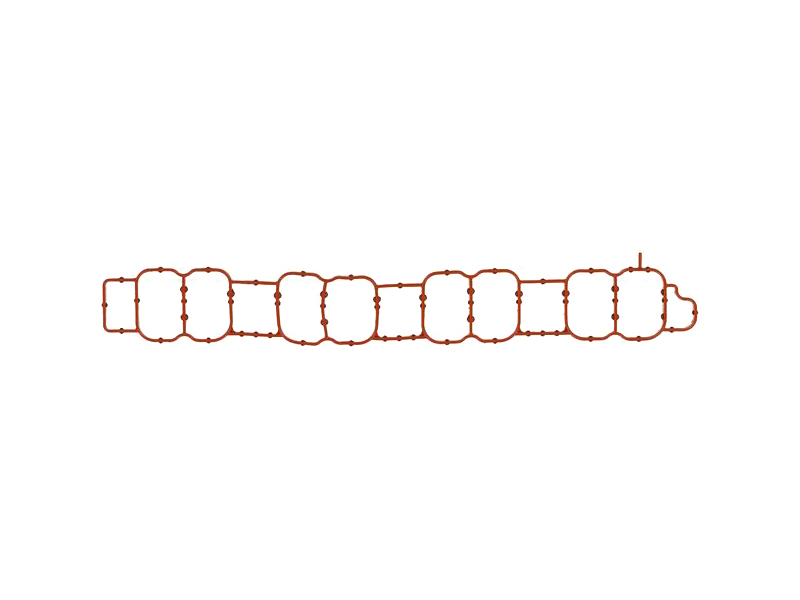
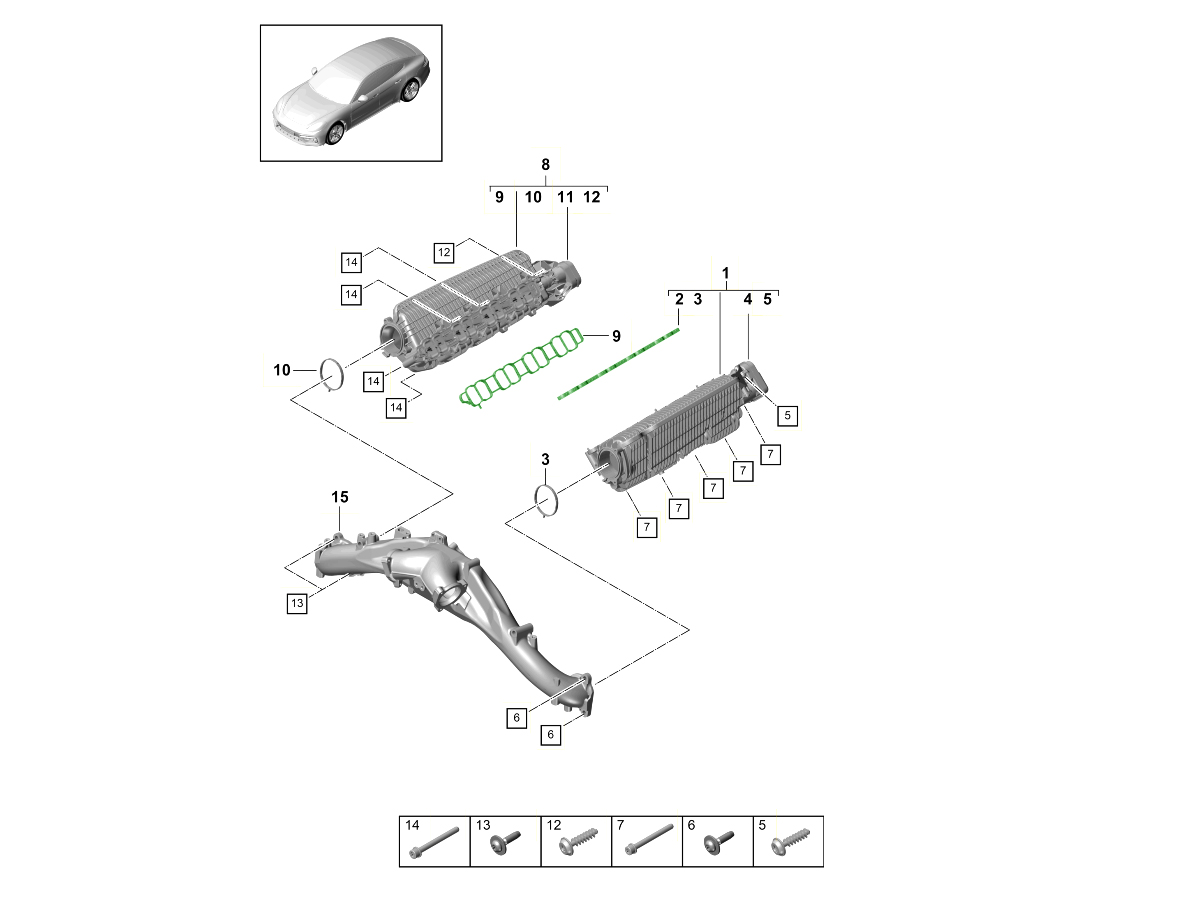
This intake manifold gasket is used on the 4.0 L diesel version of the Porsche Panamera (971 generation). It sits between the intake manifold and the cylinder head, providing a durable seal that prevents air and charge-pressure leaks in the induction system.
Sold each.
Fits:
Porsche 971.1 Panamera 4.0L Diesel 05/2016 - 12/2020 TDI CR
Diagram ref no 2 and 9
• Position on Vehicle: Between the intake manifold and the cylinder head (intake side) on the engine block.
• Applications: Ideal for replacement when the intake manifold is removed or during maintenance/intervention where the original gasket may have been disturbed, degraded, or if the engine exhibits induction leak symptoms (like rough idle, turbo boost drop or check engine lamp).
A properly functioning intake-manifold gasket is key to maintaining correct air intake, charge-pressure retention and combustion efficiency. A leaking gasket can lead to poor engine running, reduced boost, increased emissions or even turbocharger strain. Replacing ensures factory-correct sealing, protects your engine’s performance potential and helps preserve value.
When to replace:
• Intake manifold removed for service or repair.
• Signs of induction leakage: unstable idle, boost pressure dropped, check engine faults.
• Age-related wear, material fatigue or previously reuse of the old gasket.
• Planning long-term reliability or restoring to original specification.
Related reference numbers
Related, superseded, cross reference or alternative numbers for comparison.
9A712970700
The product you are viewing cross references to these numbers
- Porsche 971.1 Panamera 4S Diesel V8 4.0L 4WD (422 Hp) 2017-18
- Porsche 971.1 Panamera 4S Diesel 4.0L Twin-Turbo V8 Sport Turismo 2017-18
Shop Securely
12 Month Warranty
Worldwide Delivery

Fits:
Porsche 356 - 1950 to 1955
Porsche 356A - 1955 to 1959
Porsche 356B - 1959 to 1963
Porsche 912
Related reference numbers
Related, superseded, cross reference or alternative numbers for comparison.
61610190101
The product you are viewing cross references to these numbers
- Porsche 911 1965-1968 2.0L / 912 SWB (F)
- Porsche 356 1950-55
- Porsche 356A 1955-59
- Porsche 356B 1959-63
- Porsche 356C 1963-65
Shop Securely
12 Month Warranty
Worldwide Delivery

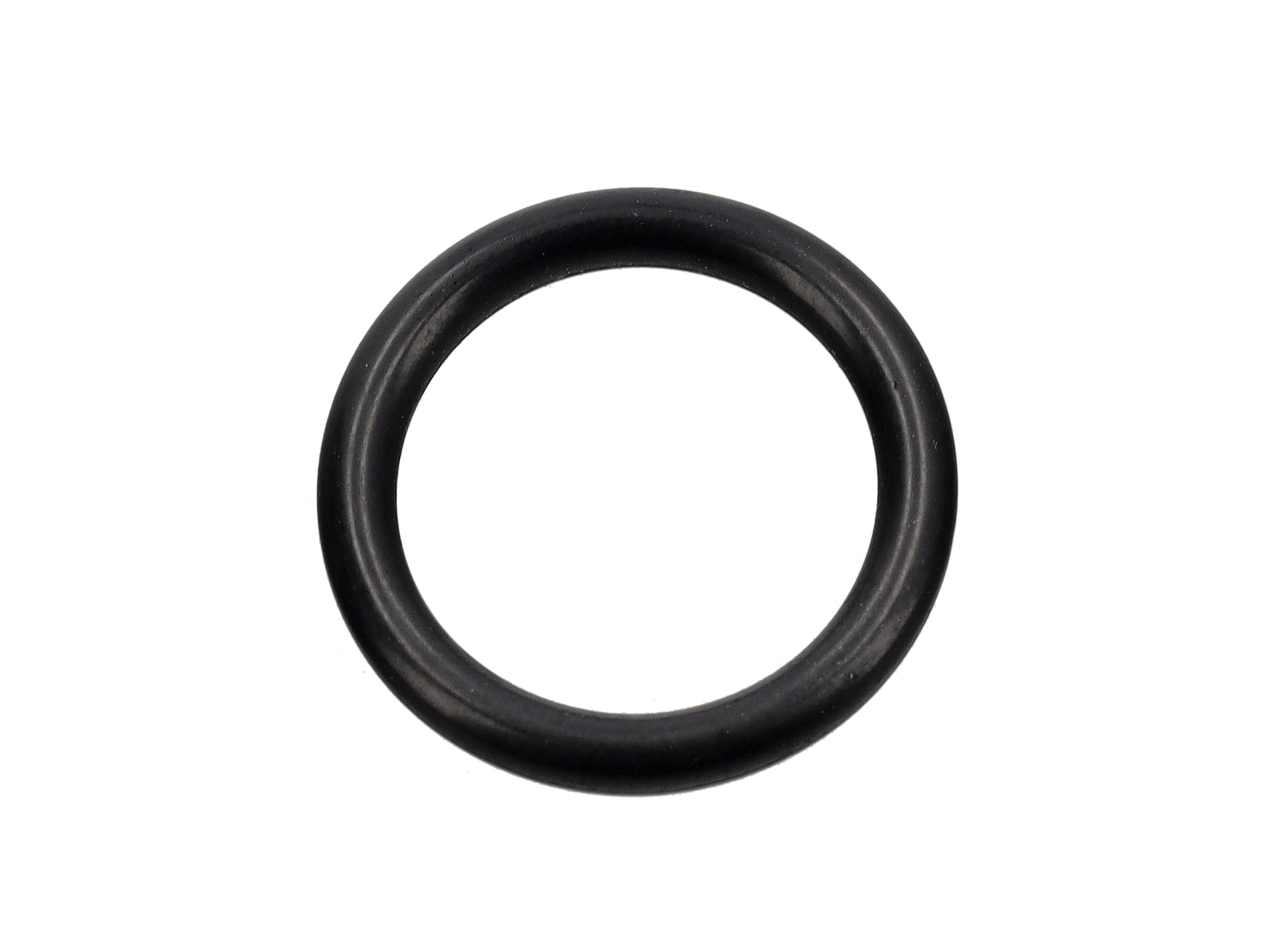
Sold each
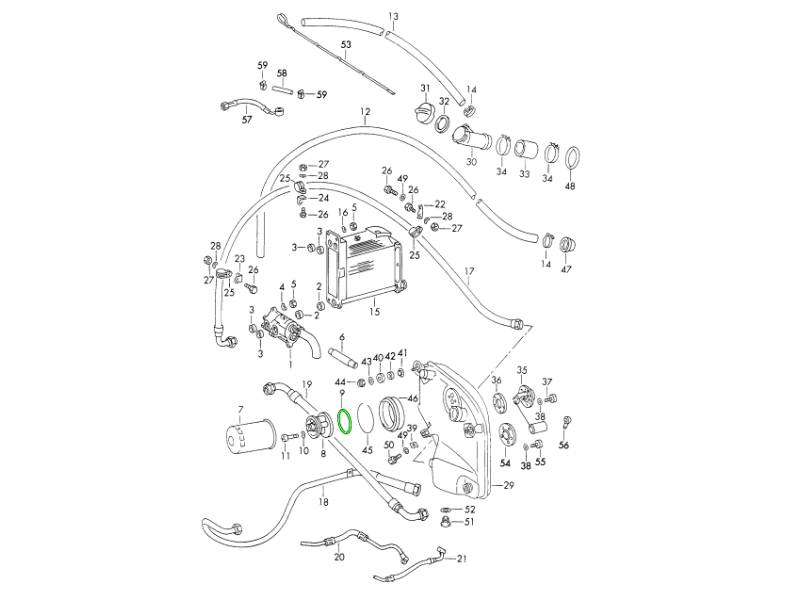
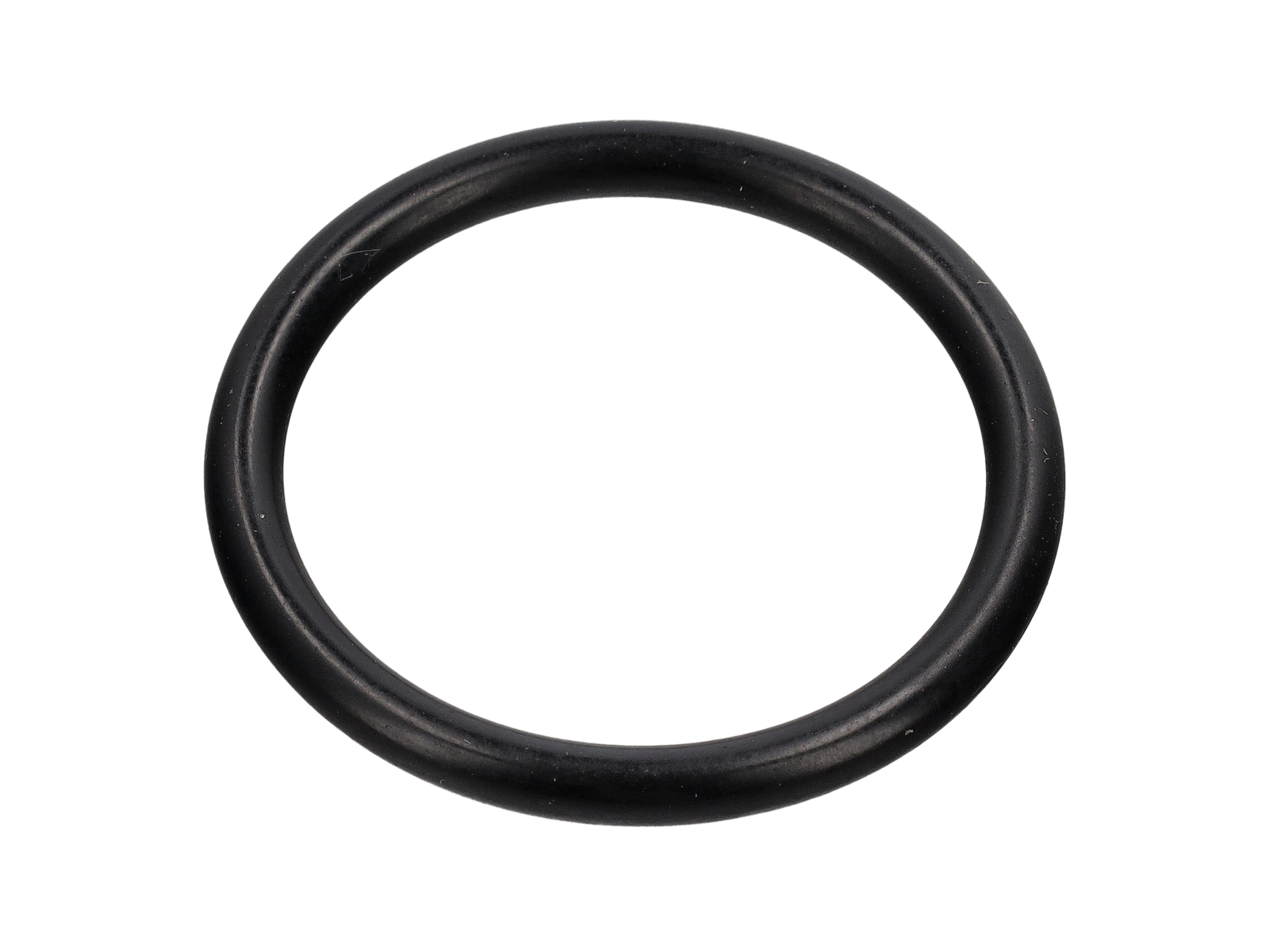
Fits:
Porsche 914 - 1970 to 1976
Porsche 911 - 1965 to 1989
Porsche 993 - 1994 to 1998
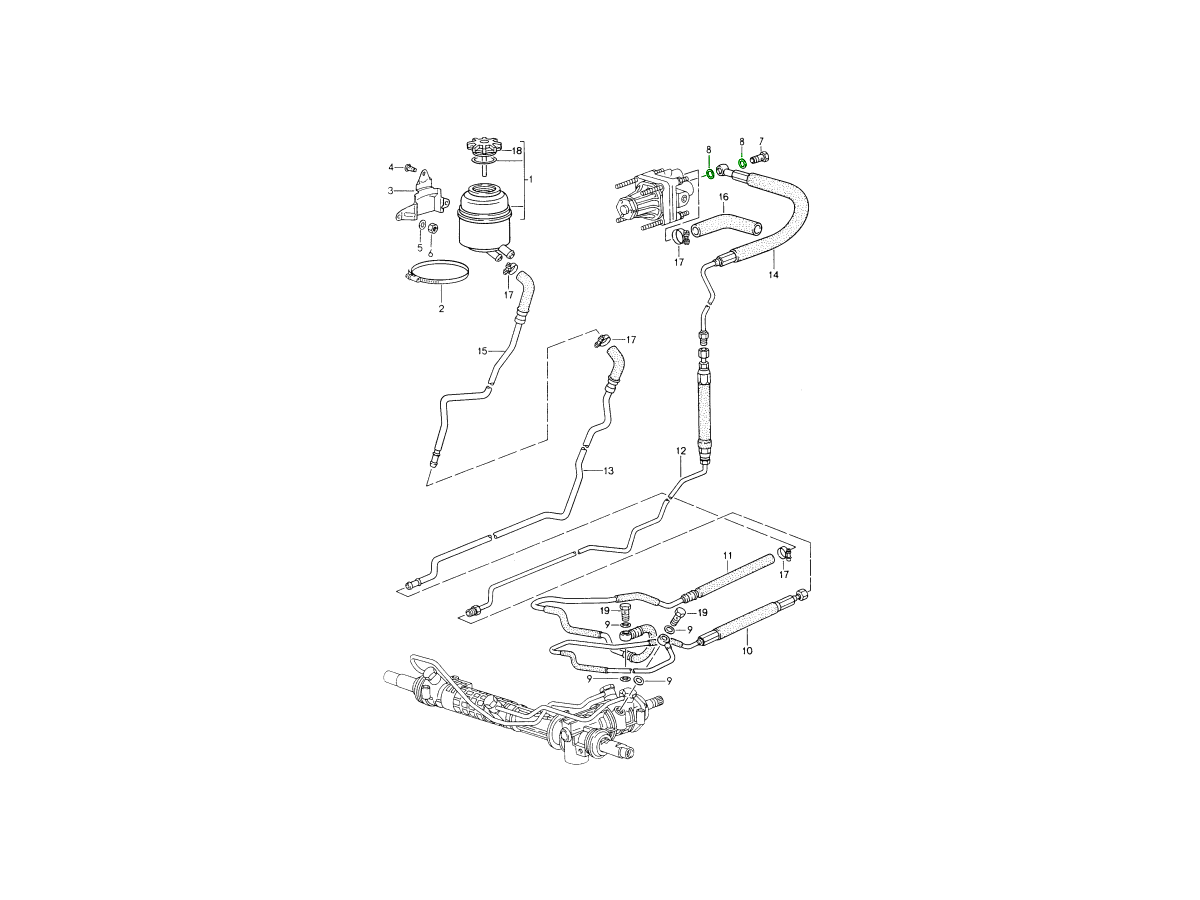
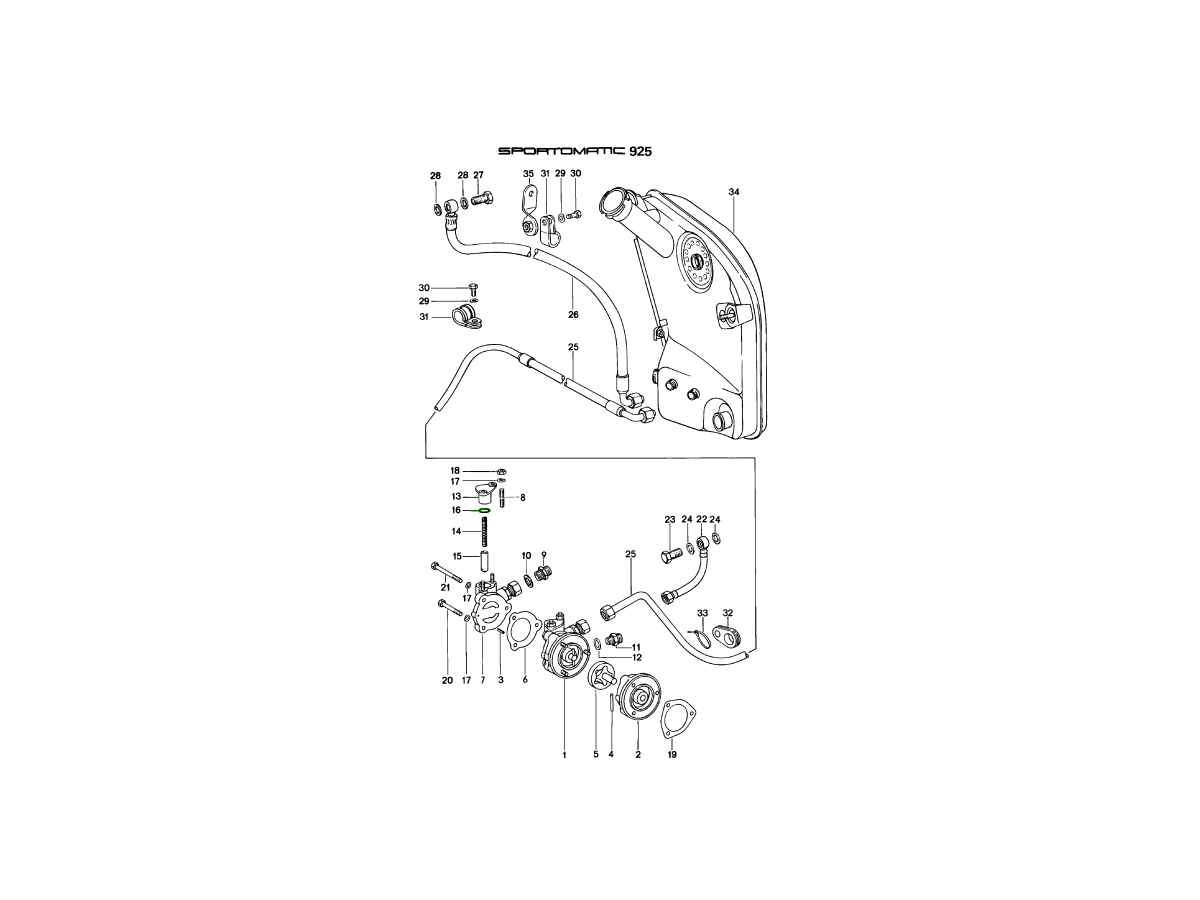
Used on Sportomatic oil pump for 911 and 914
Used on Power Steering pump for 993
Diagram ref no 8 and 16
Related reference numbers
Related, superseded, cross reference or alternative numbers for comparison.
99970113550
The product you are viewing cross references to these numbers
- Porsche 911 1965-1968 2.0L / 912 SWB (F)
- Porsche 911 1968-1973 2.2L / 2.4L / 2.7L RS LWB (F)
- Porsche 911 1974-1977 2.7L / 1976-77 3.0 Carrera
- Porsche 911 1978-1983 3.0L / SC
- Porsche 911 1984-1986 3.2L
- Porsche 911 1987-1989 3.2L G50
- Porsche 911 1975-1977 3.0L Turbo (930)
- Porsche 911 1978-1989 3.3L Turbo (930)
- Porsche 993 (911) C2 1994-97
- Porsche 993 (911) C4 1994-97
- Porsche 993 (911) RS 1994-97
- Porsche 993 (911) C2S 1994-97
- Porsche 993 (911) C4S 1994-97
- Porsche 993 (911) TURBO 1994-96
- Porsche 993 (911) GT2 1994-97
- Porsche 993 (911) TURBO S 1994-97
- Porsche 914 (1970-1976)
Shop Securely
12 Month Warranty
Worldwide Delivery

Sold each - 6 required per car
Fits:
Porsche 911 - 1965 to 1973
Porsche 914-6
Diagram ref no 27
Related reference numbers
Related, superseded, cross reference or alternative numbers for comparison.
90110439104
The product you are viewing cross references to these numbers
- Porsche 911 1965-1968 2.0L / 912 SWB (F)
- Porsche 911 1968-1973 2.2L / 2.4L / 2.7L RS LWB (F)
- Porsche 914 (1970-1976)
Shop Securely
12 Month Warranty
Worldwide Delivery

Sold each - 4 required per car
Fits:
Porsche 924S - 1986 to 1988
Porsche 944 2.5ltr - 1982 to 1987
Porsche 944 turbo - 1985 to 1991
Related reference numbers
Related, superseded, cross reference or alternative numbers for comparison.
94411016305
The product you are viewing cross references to these numbers
- Porsche 924S 2.5L 1986-87
- Porsche 924S 2.5L 1988
- Porsche 944 2.5L 8V 1982-87
- Porsche 944 Turbo 2.5L 8V 1985-88
- Porsche 944 Turbo 2.5L 8V 1989-91
- Porsche 944 Turbo S 2.5L 8V 1988
Shop Securely
12 Month Warranty
Worldwide Delivery

.jpg)
.jpg)
.jpg)
.jpg)
.jpg)
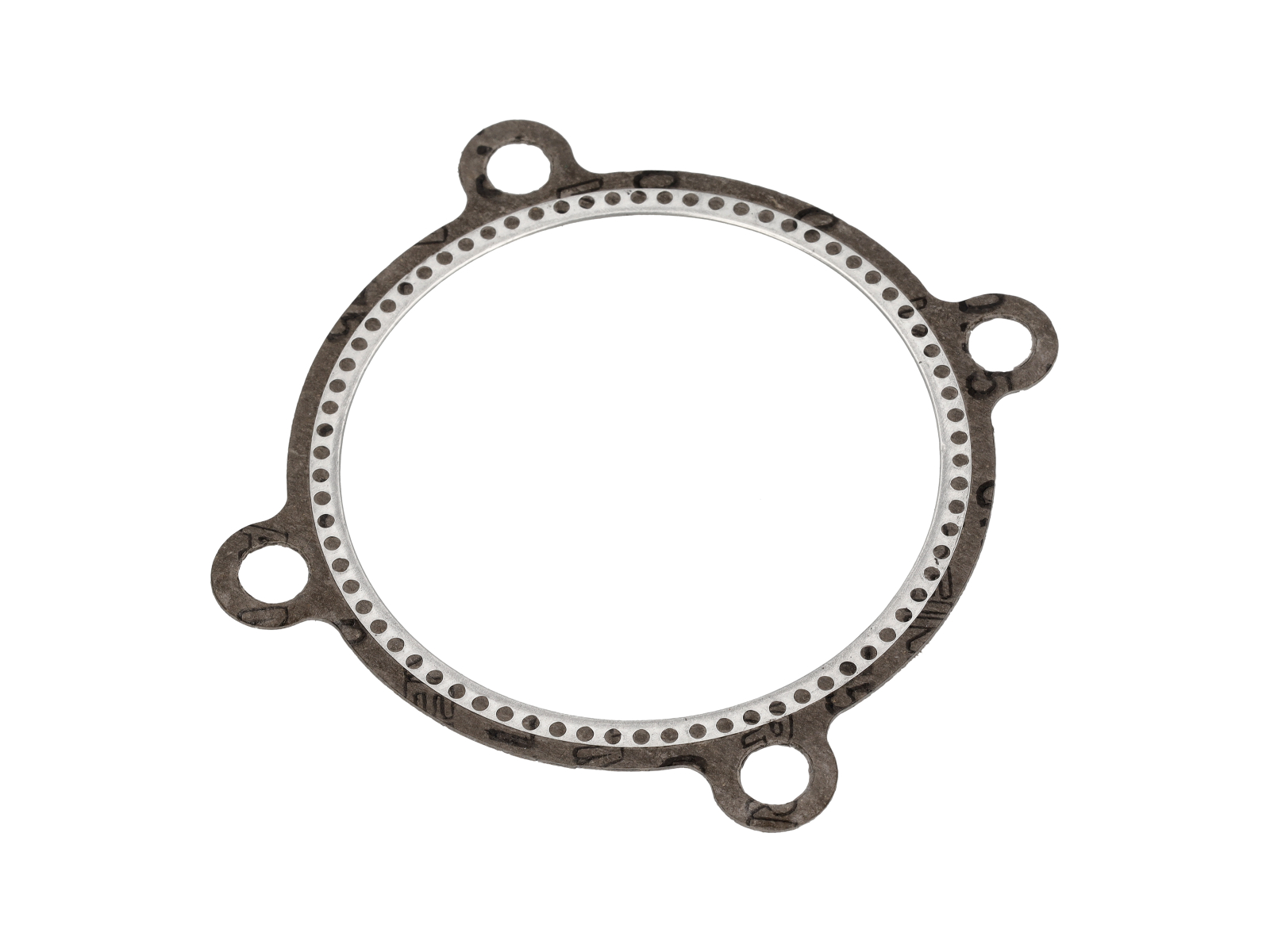
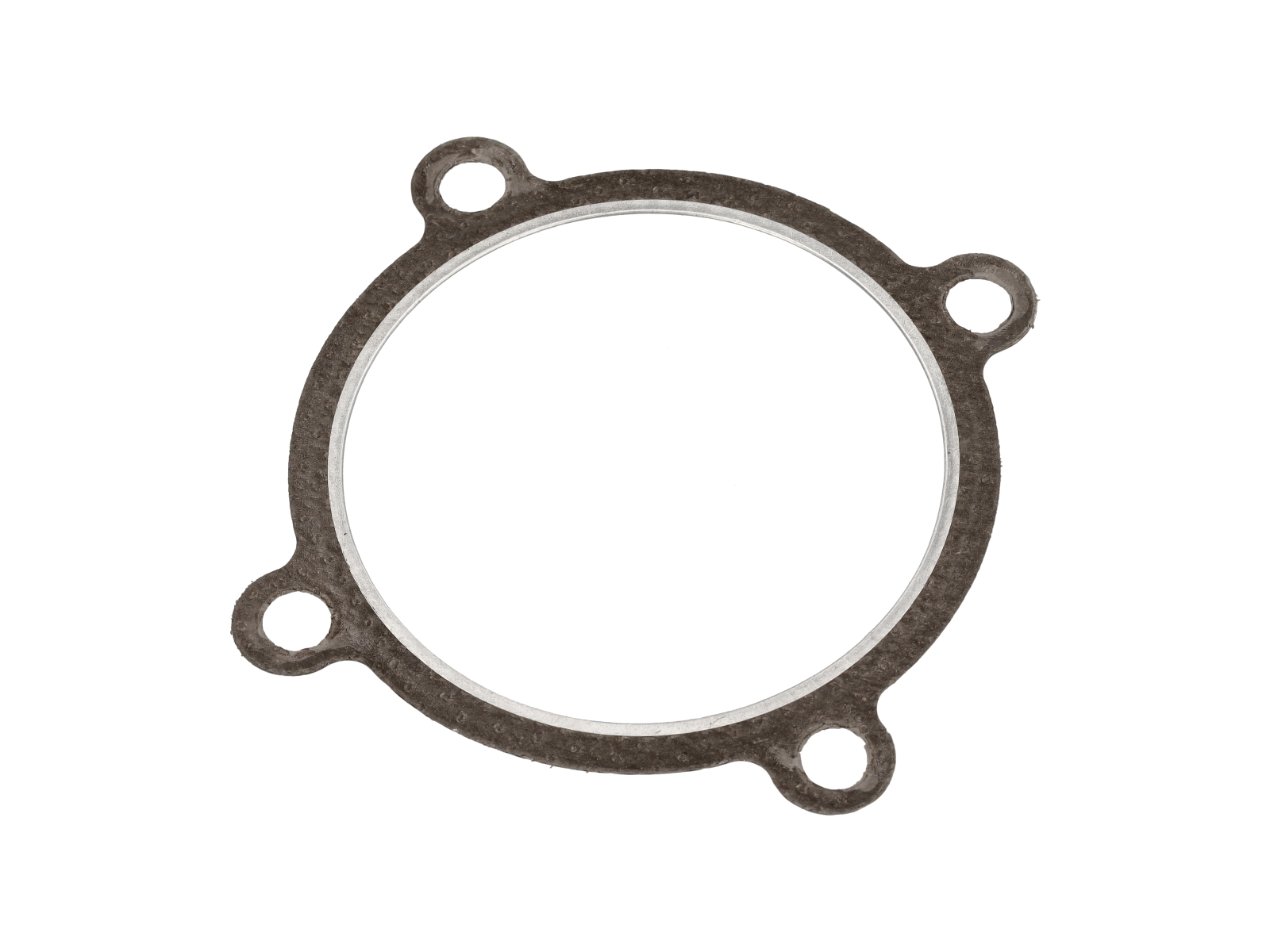
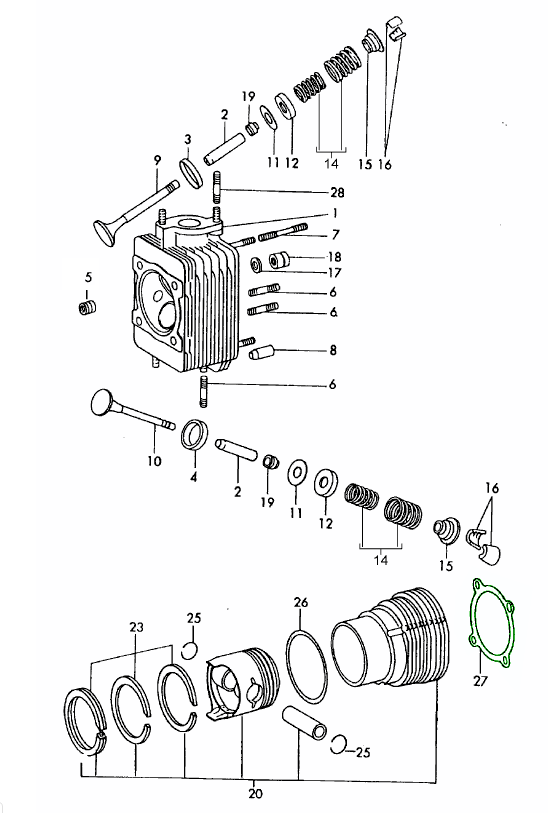
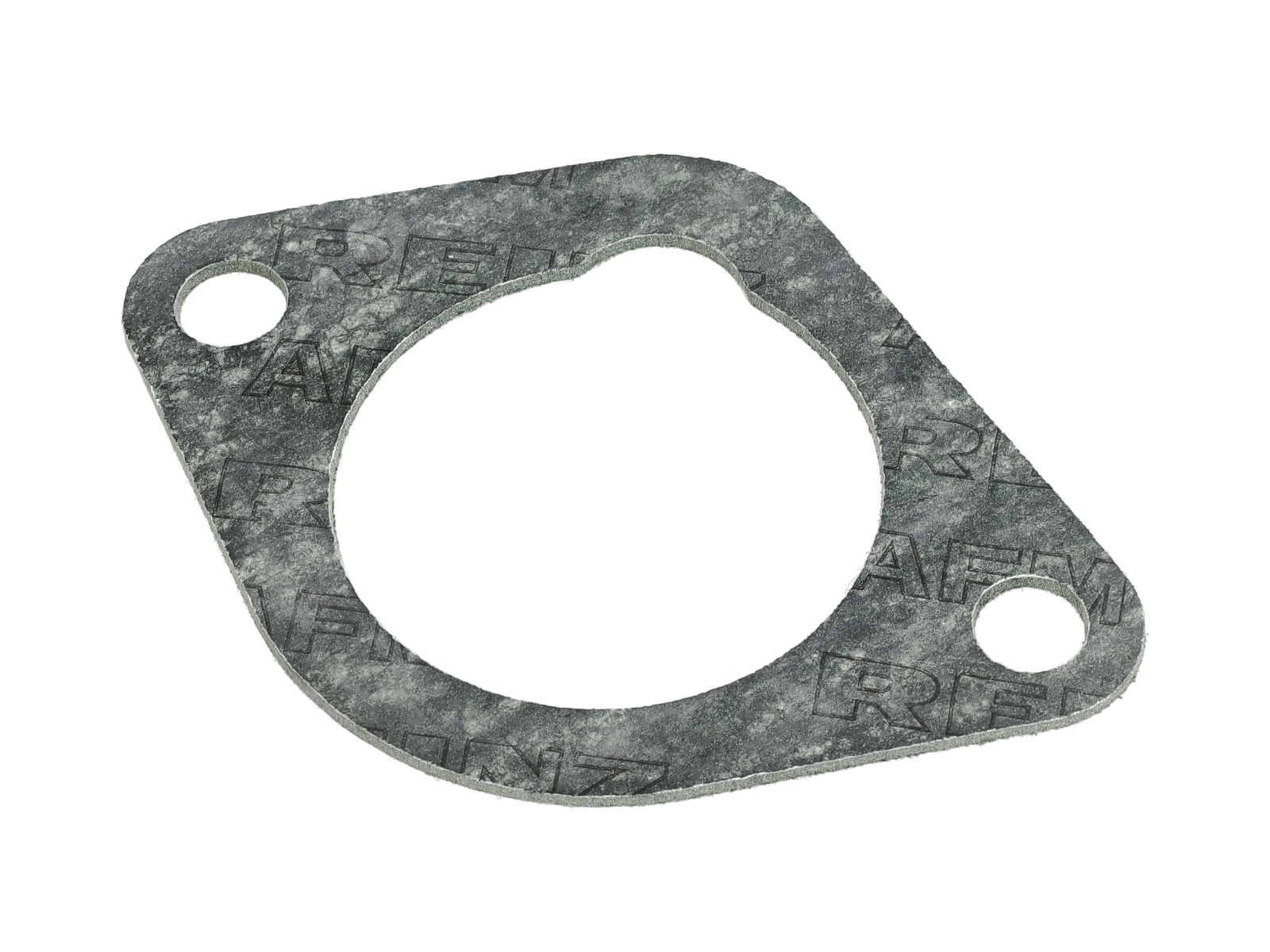
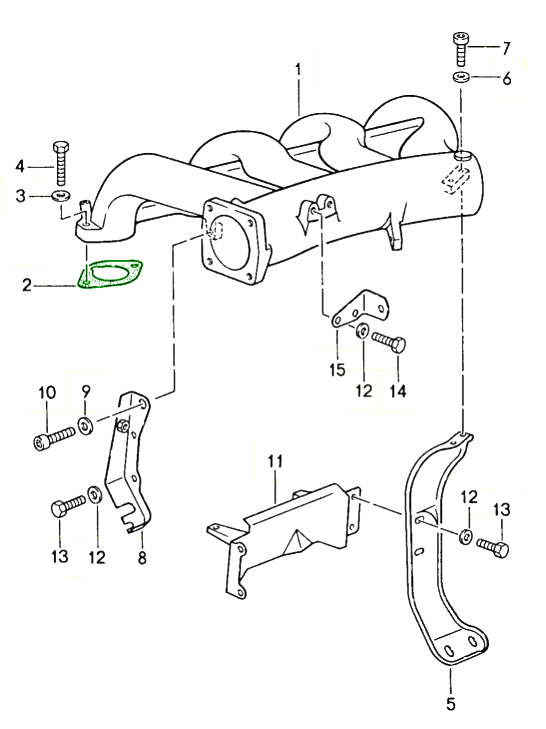
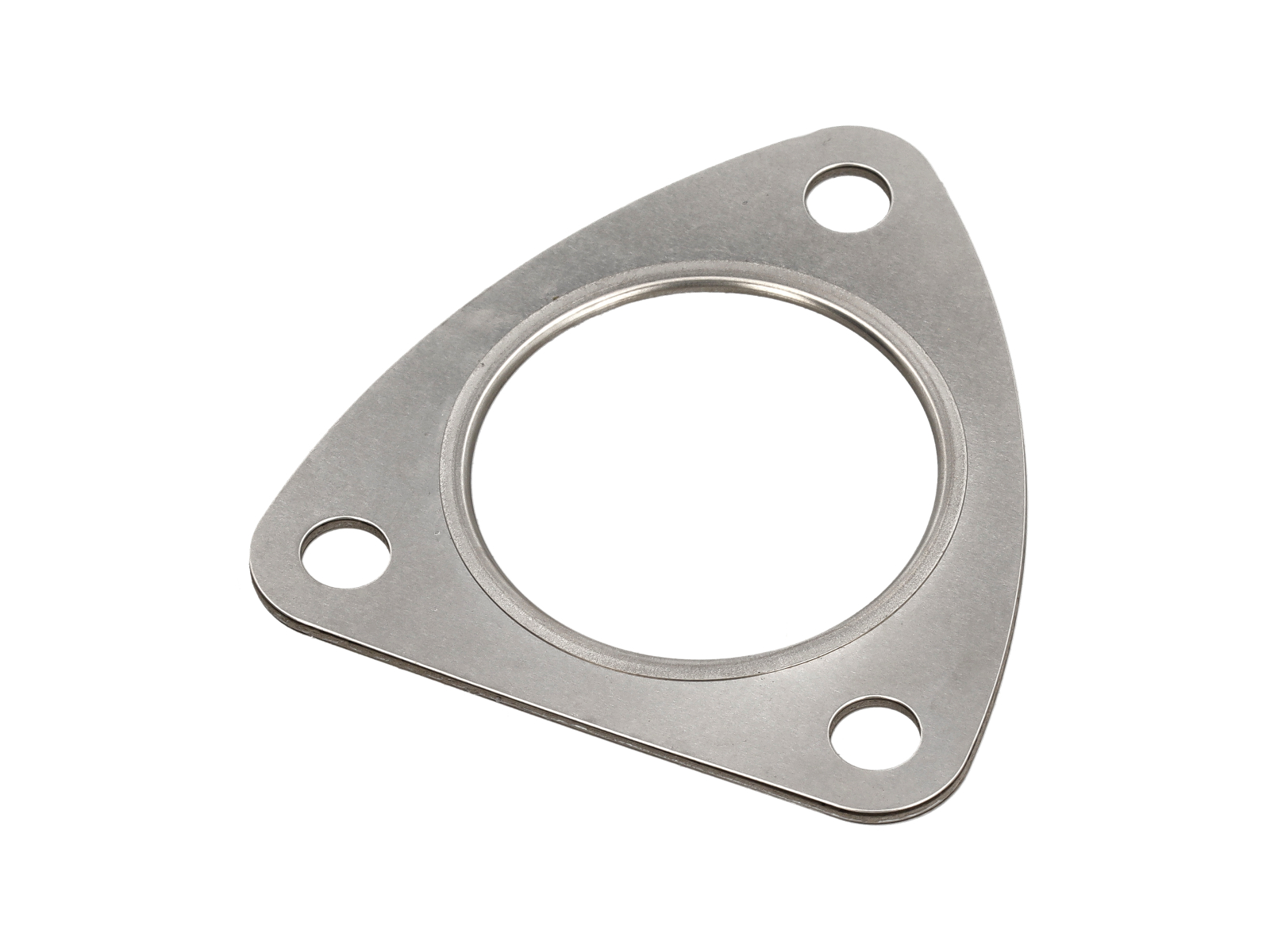
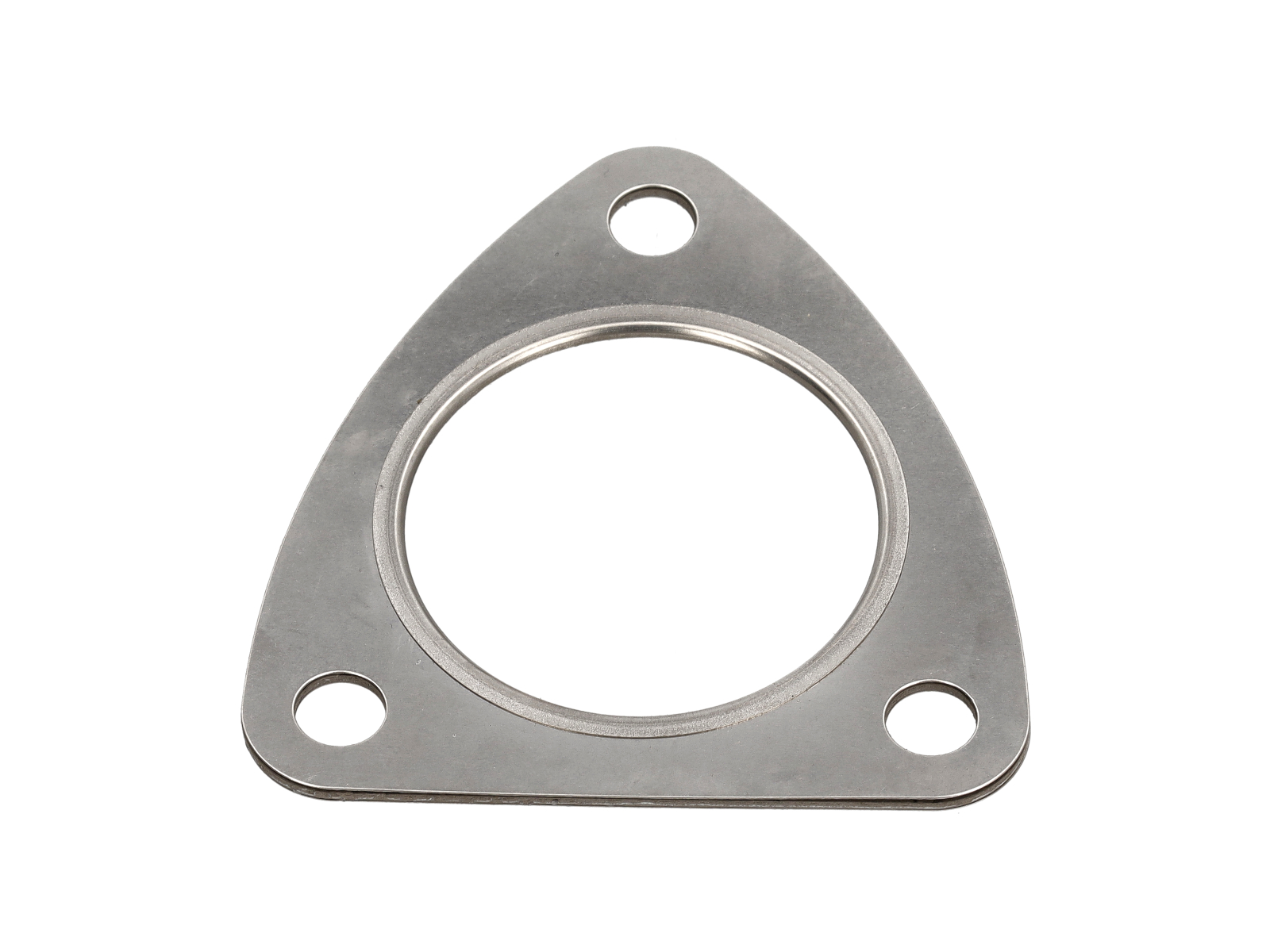
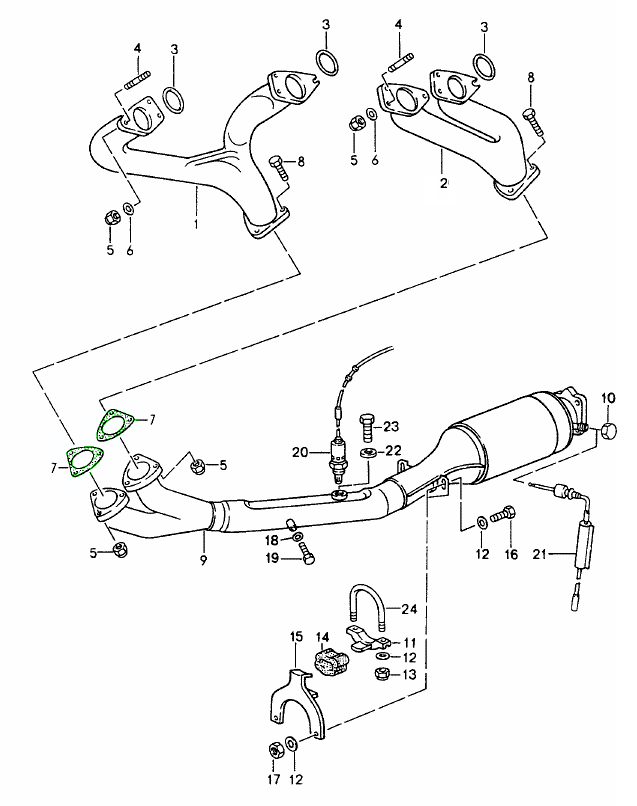
Sold each - 2 required per car
Fits:
Porsche 924S - 1986 to 1988
Porsche 944 / S / S2 - 1982 to 1991
Porsche 968 - 1992 to 1995
Diagram ref no 7
Related reference numbers
Related, superseded, cross reference or alternative numbers for comparison.
94411113501
The product you are viewing cross references to these numbers
- Porsche 924S 2.5L 1986-87
- Porsche 924S 2.5L 1988
- Porsche 944 2.5L 8V 1982-87
- Porsche 944 2.7L 8V 1988-89
- Porsche 944S 2.5L 16V 1987-88
- Porsche 944S2 3.0L 16V 1989-91
- Porsche 968 3.0L 1992-94
- Porsche 968 Sport 3.0L 1994-95
- Porsche 968 CS 3.0L 1993-95
Shop Securely
12 Month Warranty
Worldwide Delivery


Monday-Friday: 8.30am - 5.30pm (GMT)
Saturday: Closed
Sunday: Closed