





Enter your VAT number here and click Verify:
Your details have been verified. VAT number registered to:
,
.
Your order will now be zero rated for VAT purposes. We reserve the right to verify these details after your order request has been made and reinstate VAT if required.
Your VAT details were not recognised or were invalid. Your VAT number must be matched to your Billing Country as specified above. This is currently specified as . You do not need to enter the country code part of your VAT number as this has already been selected in your billing address details above.
The VAT number checking service is currently offline. Please supply your VAT details within the comments or special instructions field below and we will apply a VAT discount after placing your order request.
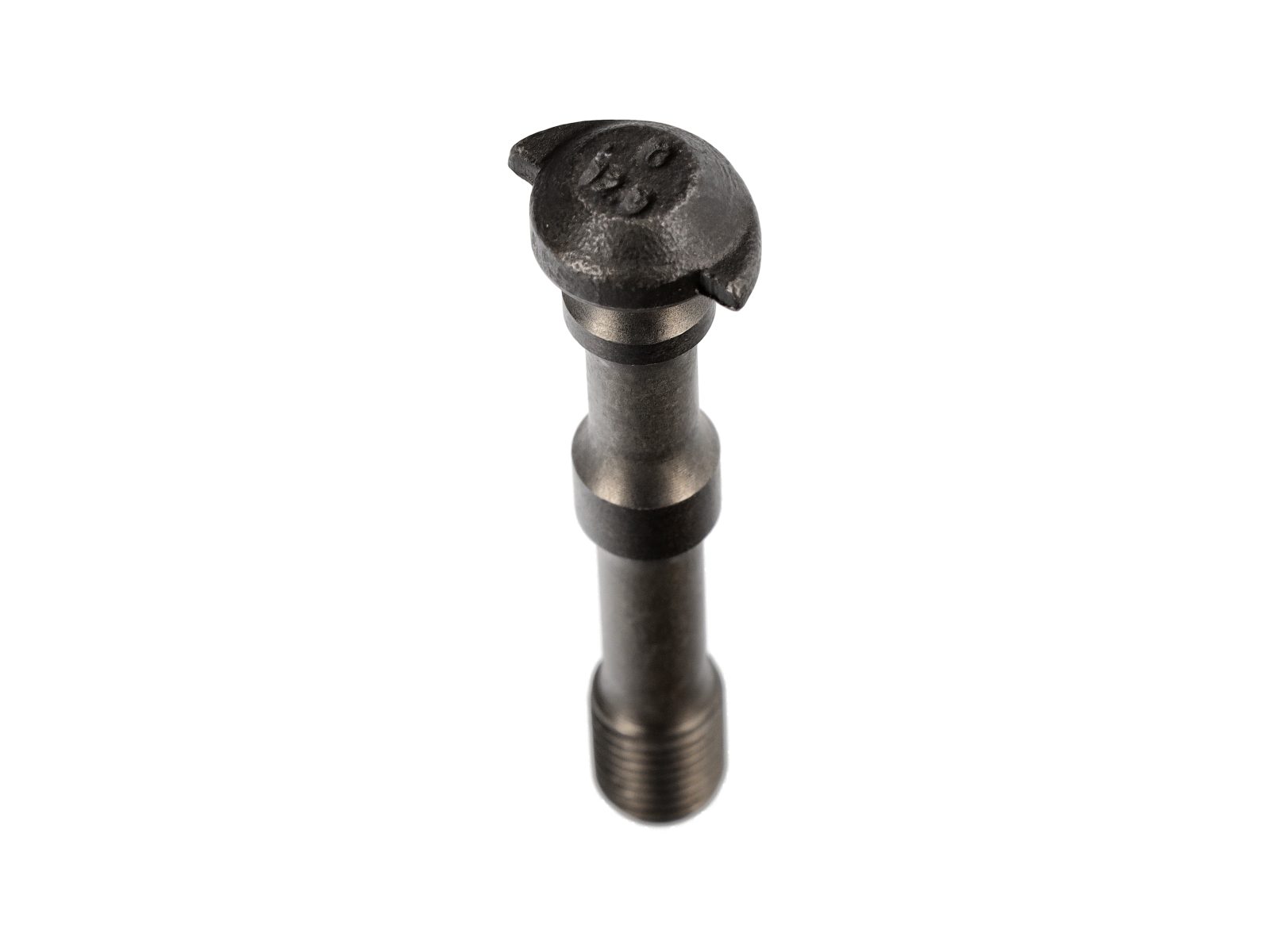
 OE Match
Sold each - 12 required per car
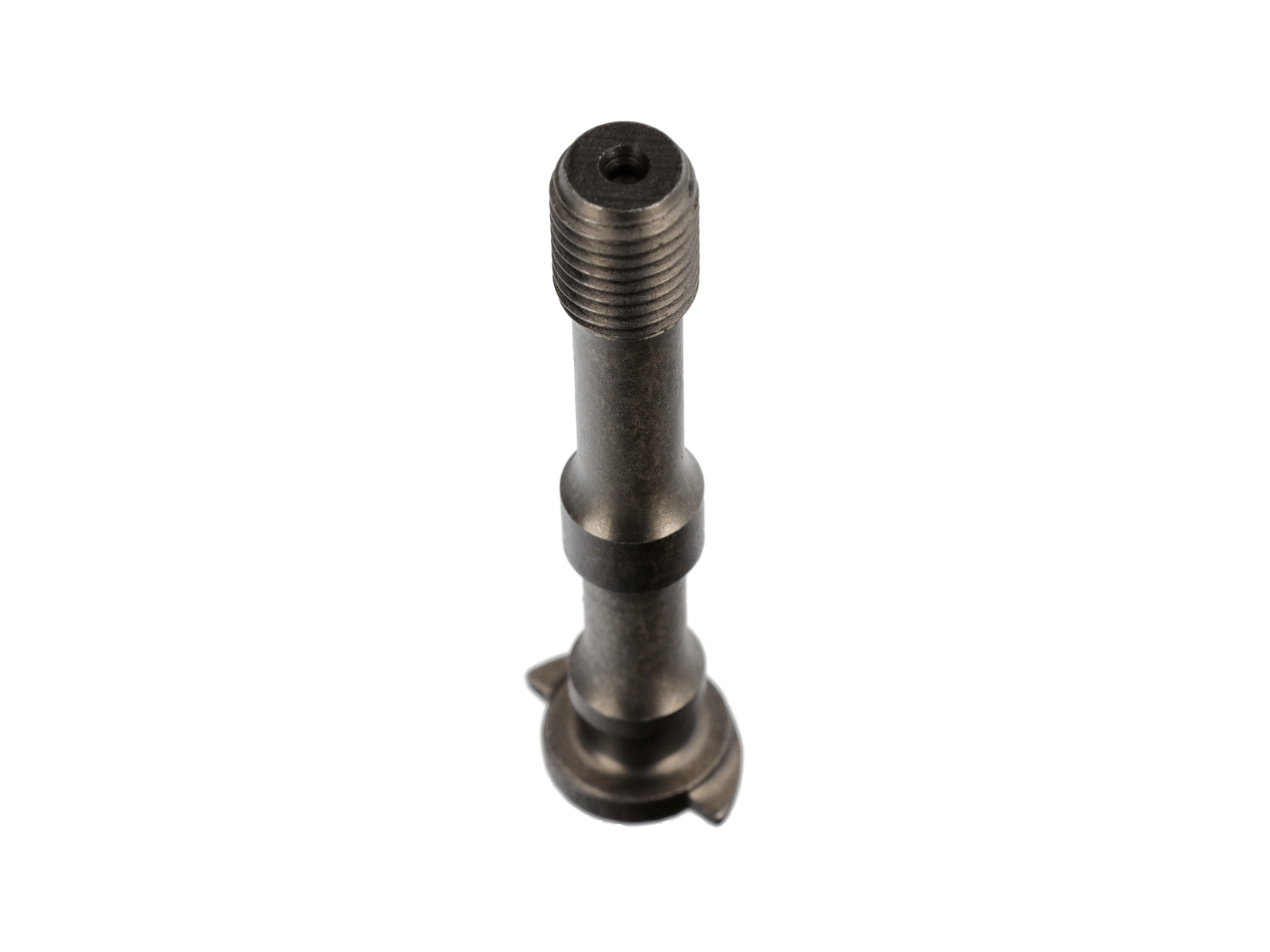
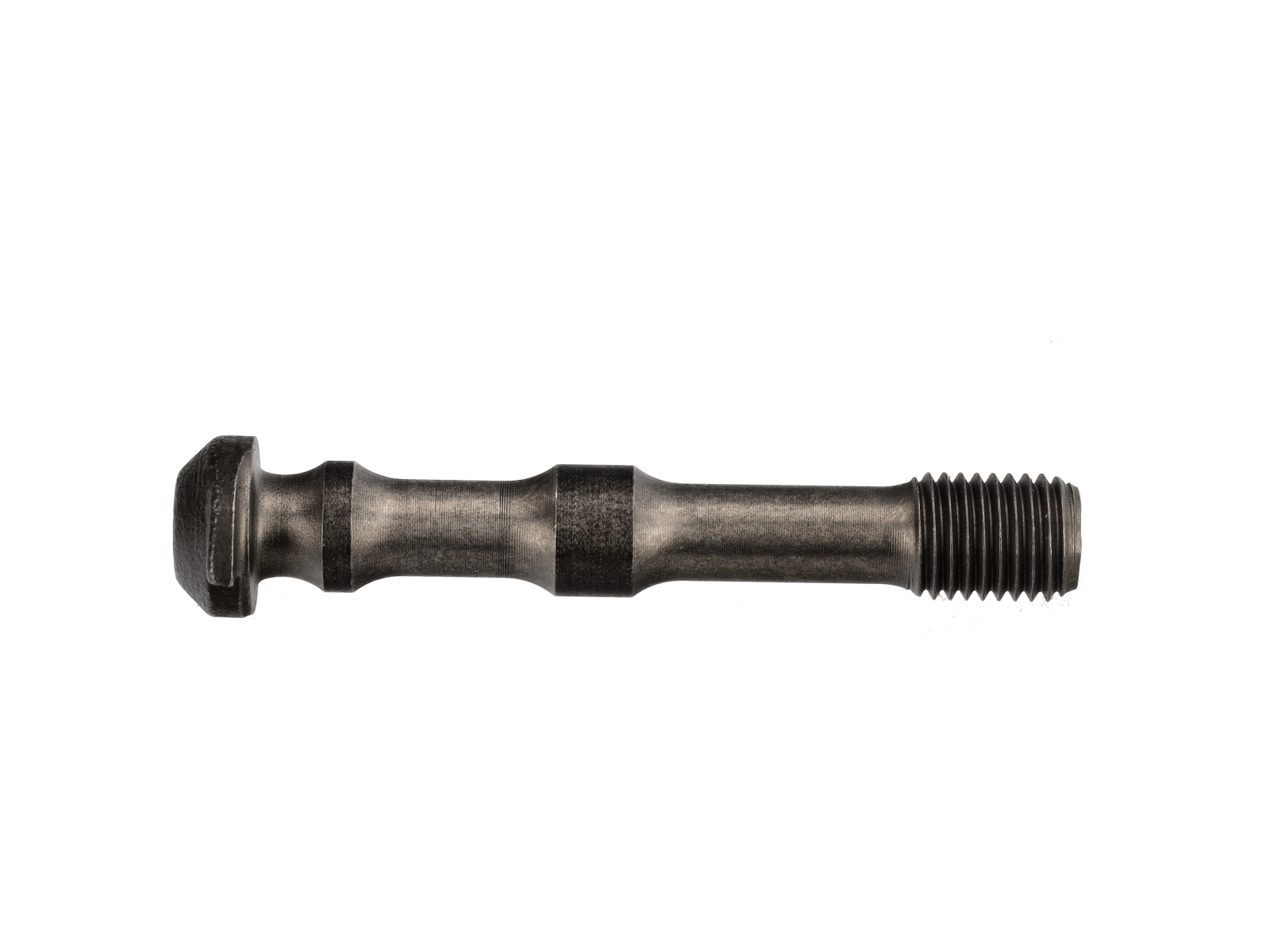
Maintain engine reliability during rebuild work with this OE
Connecting Rod Bolt 91410317101. The connecting rod bolt is a critical internal
engine fastener used to secure the connecting rod cap to the connecting rod
body around the crankshaft journal.
- Porsche 911TE (1972 - 1973)
- Porsche 911TV (1972 - 1973)
- Porsche 911TK (1973 - 1973)
- Porsche 911S (1970 - 1973)
- Porsche RS (1973 - 1973)
- Porsche RSR 2.8L (1973 - 1973)
- Porsche 911 2.7L (1974 - 1977)
- Porsche 911 3.0L Carrera (1976 - 1977)
- Porsche 911 SC 3.0L (1978 - 1983)
- Porsche 911 Turbo 3.0L (1975 - 1977)
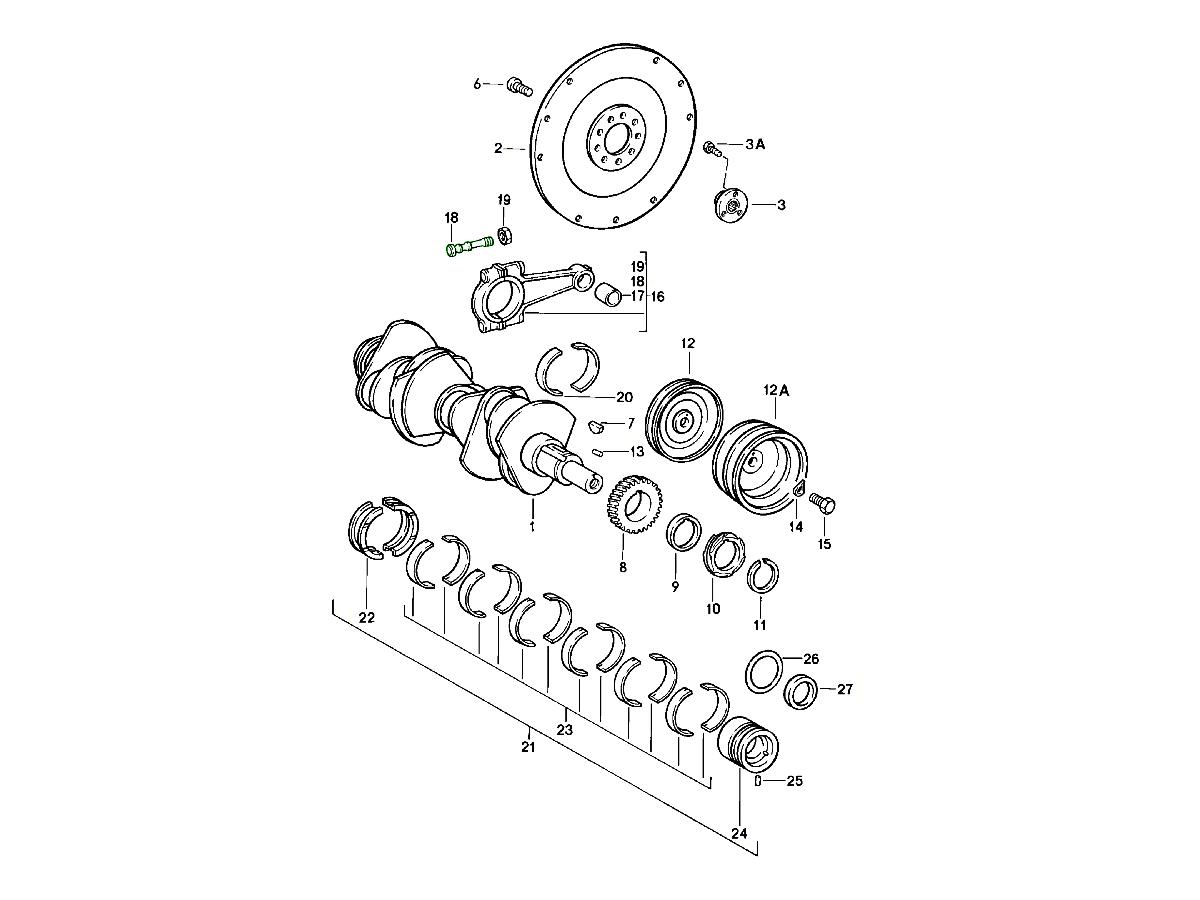
Diagram ref no 18
Although small, this component is subjected to extreme loads every time the engine runs. It must maintain precise clamping force under high RPM, combustion pressure, heat and vibration. For this reason, connecting rod bolts should be treated as essential engine rebuild hardware and replaced whenever the connecting rods are removed or serviced.
What Does a Connecting Rod Bolt Do?
The connecting rod bolt clamps the rod cap securely to the connecting rod.
Its main functions include:
- Securing the connecting rod cap
- Maintaining bearing alignment
- Supporting correct crankshaft rotation
- Preserving bearing crush
- Withstanding high engine loads
- Helping prevent internal engine failure
Correct clamping force is vital for engine durability and safe operation.
Why Do Connecting Rod Bolts Fail?
Connecting rod bolts operate under severe stress and can weaken over time.
Common causes of failure include:
- Metal fatigue
- Overstretching during previous installation
- Incorrect torque procedures
- High RPM engine use
- Heat cycling
- Thread damage
- Reuse during engine rebuilds
- General age and wear
Many connecting rod bolts are considered single-use components and should not be reused once removed.
When Should They Be Replaced?
Replacement is strongly recommended when:
- Rebuilding the engine
- Removing connecting rods
- Replacing big end bearings
- Servicing the crankshaft
- Building a performance engine
- Inspecting high-mileage engines
- Previous torque history is unknown
Replacing rod bolts during rebuild work is inexpensive protection against serious engine damage.
Why Replacement Matters
A failed connecting rod bolt can cause catastrophic engine failure.
Benefits of replacement include:
- Correct clamping force
- Improved engine reliability
- Protection of crankshaft and bearings
- Reduced risk of rod cap movement
- Professional rebuild standards
- Long-term engine durability
- Greater peace of mind
Related reference numbers
Related, superseded, cross reference or alternative numbers for comparison.
91410317101
The product you are viewing cross references to these numbers
- Porsche 911 1968-1973 2.2L / 2.4L / 2.7L RS LWB (F)
- Porsche 911 1974-1977 2.7L / 1976-77 3.0 Carrera
- Porsche 911 1978-1983 3.0L / SC
- Porsche 911 1975-1977 3.0L Turbo (930)
 Shop Securely
 12 Month Warranty
 Worldwide Delivery

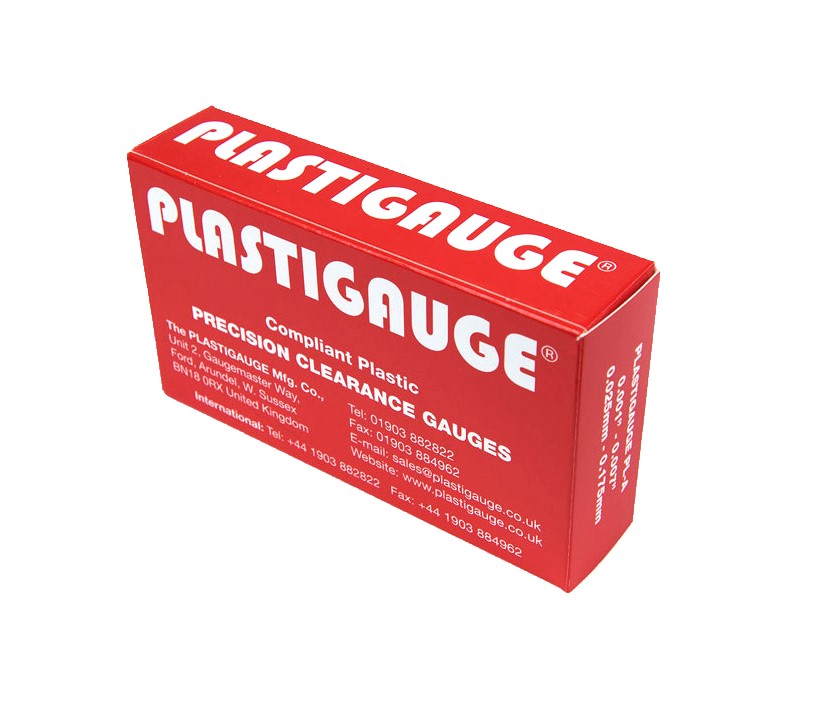
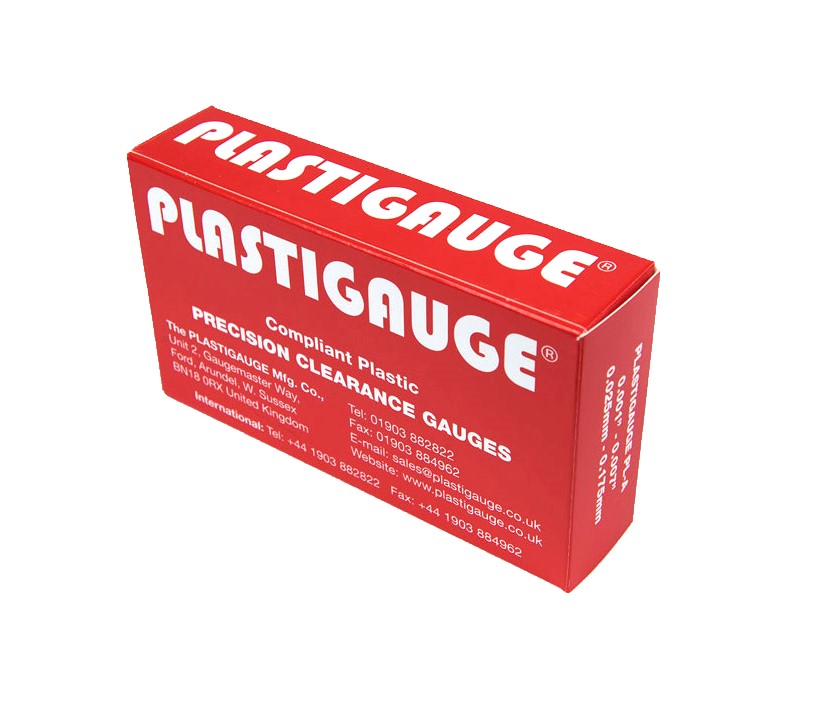
100 Plasigauge strips per box
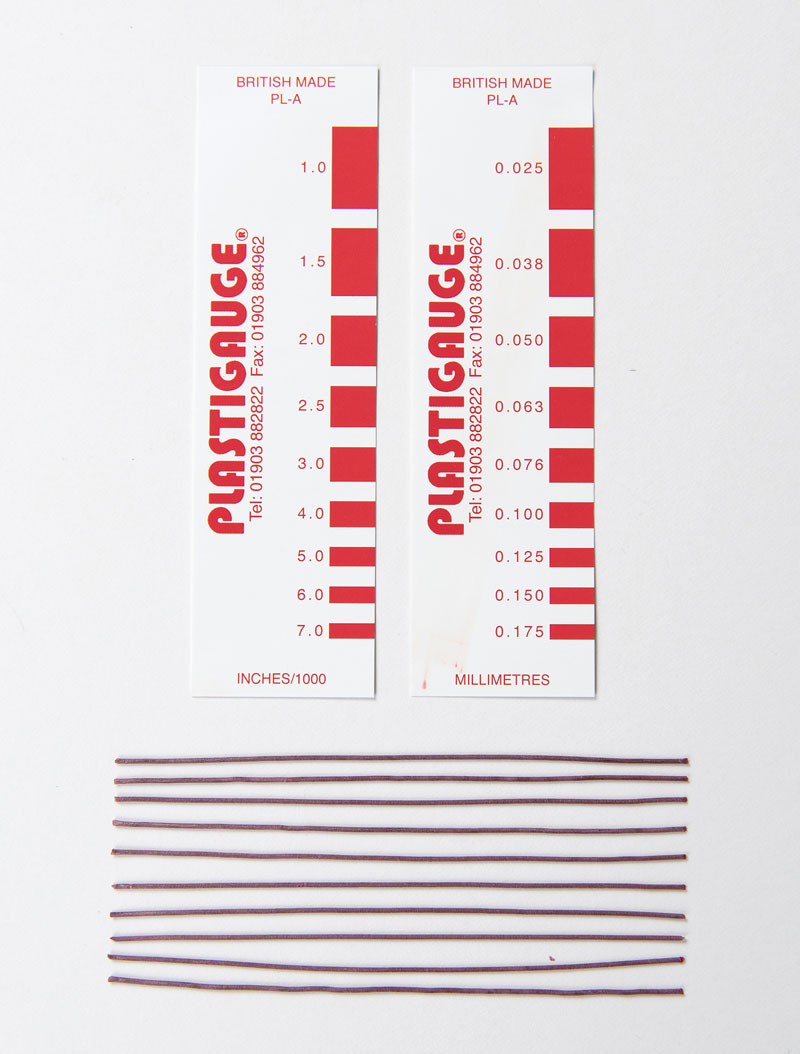
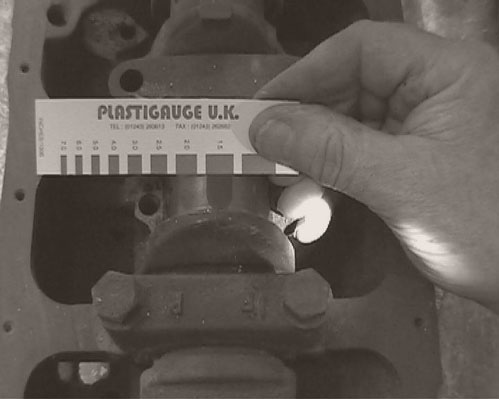
PLASTIGAUGE PL-A is widely used in the measurement of clearance in plain automotive bearings. Measurement of clearance in big-end bearings can be achieved without dismantling the crankshaft.
For measurements of: 0.001″ to 0.007″ (0.025mm – 0.175mm)
Suitable for use at temperatures between 0°C and 35°C
Contents:
Related reference numbers
Related, superseded, cross reference or alternative numbers for comparison.
PLA007
The product you are viewing cross references to these numbers
Shop Securely
12 Month Warranty
Worldwide Delivery

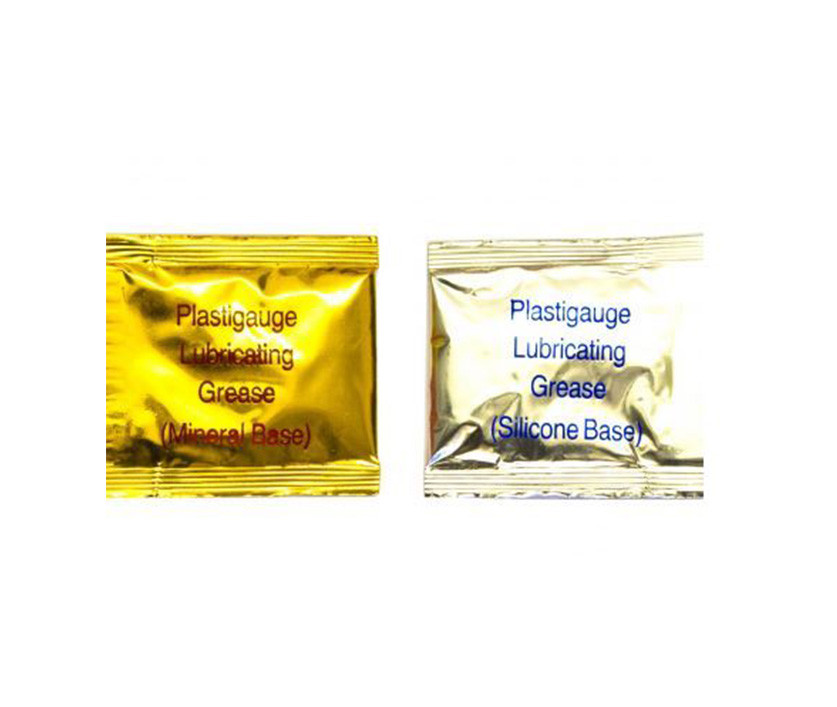
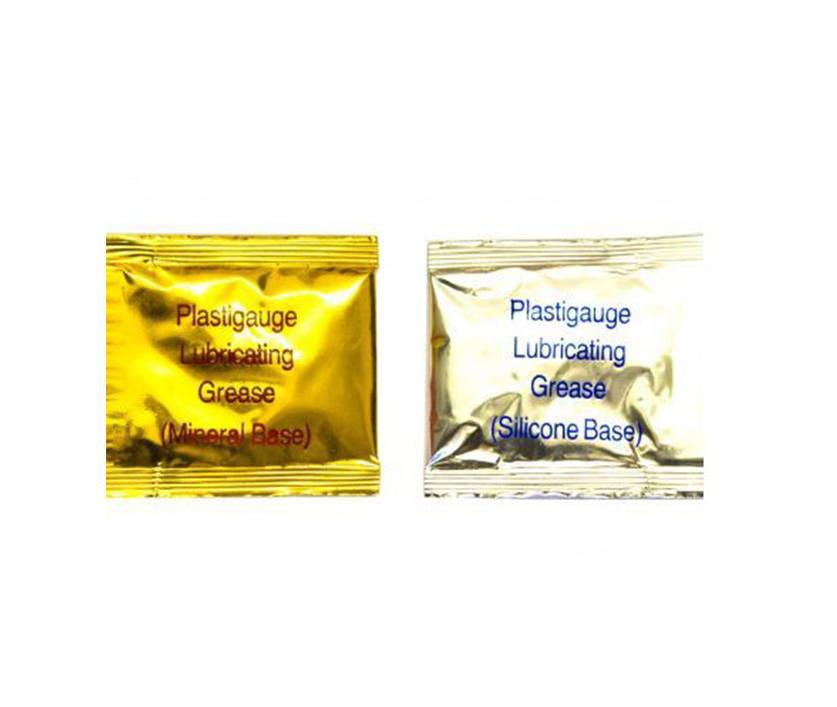
3G Mineral Grease: To coat journal prior to use of Plastigauge
3G Silicone Grease: To apply to surface of shell
Lubricants to assist with the measurement of clearance in automotive bearings.
Plastigauge Precision Clearance Gauges
Shop Securely
12 Month Warranty
Worldwide Delivery

Kit includes:
1 x Plastigauge PL-A box
1 x Plastiguage Mineral grease
1 x Plastiguage Silicone grease
PLASTIGAUGE PL-A is widely used in the measurement of clearance in plain automotive bearings. Measurement of clearance in big-end bearings can be achieved without dismantling the crankshaft.
3G Minerak Grease: To coat journal prior to use of Plastigauge
3G Silicone Grease: To apply to surface of shell
Related reference numbers
Related, superseded, cross reference or alternative numbers for comparison.
PLASKIT
The product you are viewing cross references to these numbers



Monday-Friday: 8.30am - 5.30pm (GMT)
Saturday: Closed
Sunday: Closed