





Enter your VAT number here and click Verify:
Your details have been verified. VAT number registered to:
,
.
Your order will now be zero rated for VAT purposes. We reserve the right to verify these details after your order request has been made and reinstate VAT if required.
Your VAT details were not recognised or were invalid. Your VAT number must be matched to your Billing Country as specified above. This is currently specified as . You do not need to enter the country code part of your VAT number as this has already been selected in your billing address details above.
The VAT number checking service is currently offline. Please supply your VAT details within the comments or special instructions field below and we will apply a VAT discount after placing your order request.
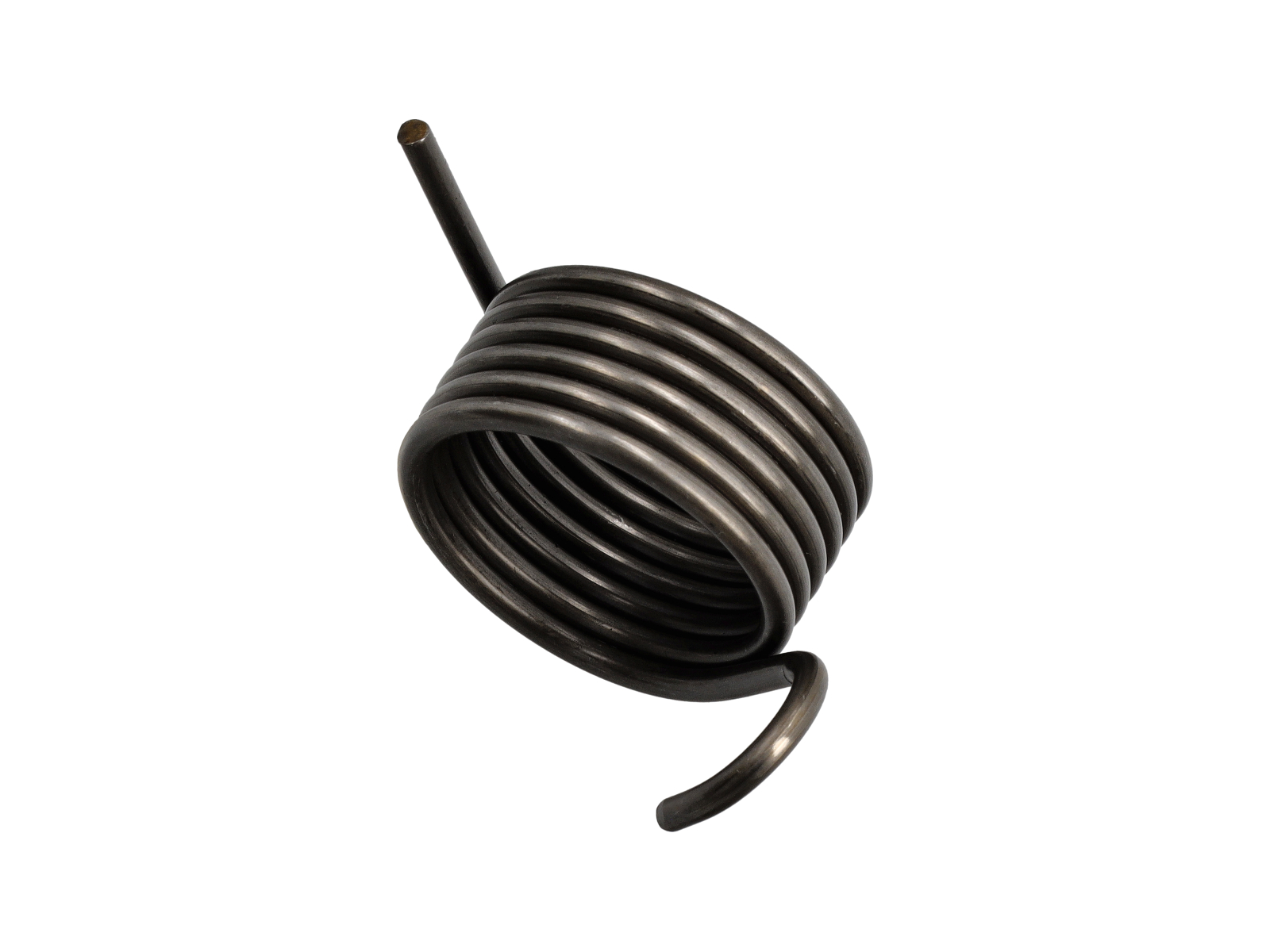
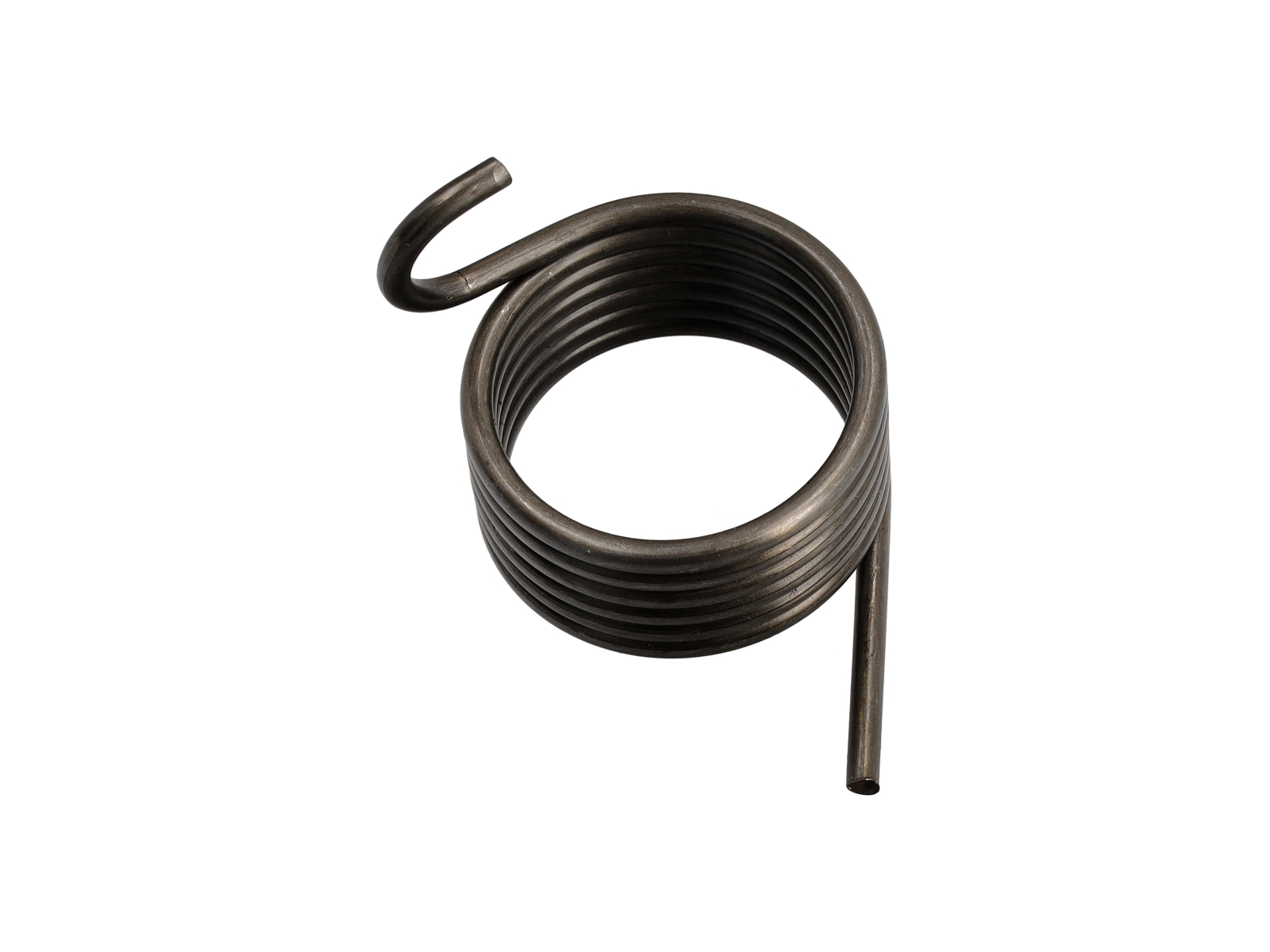
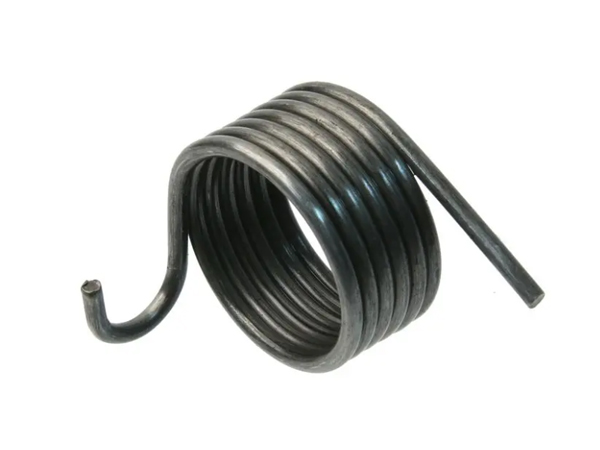
Return spring Genuine Porsche part 91142353103
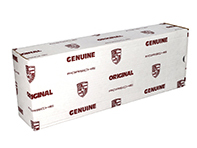
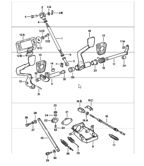
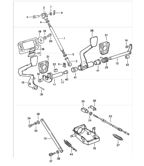
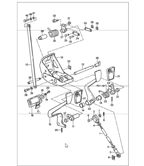
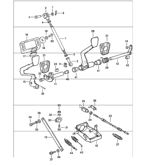
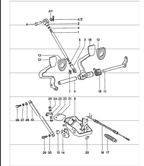
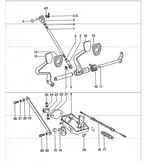
• This part is brand new and unused.
• Please verify that it is 100% suitable for your specific vehicle before purchase to ensure compatibility.
Before purchasing thoroughly check part to confirm compatibility.
- We are unable to provide fitting details for this product at this time. Please contact us for further information.


Note: RHD cars also need Accelerator bell crank bushing 91442321101 which is not in the kit.
Not for Sportomatic SPM cars
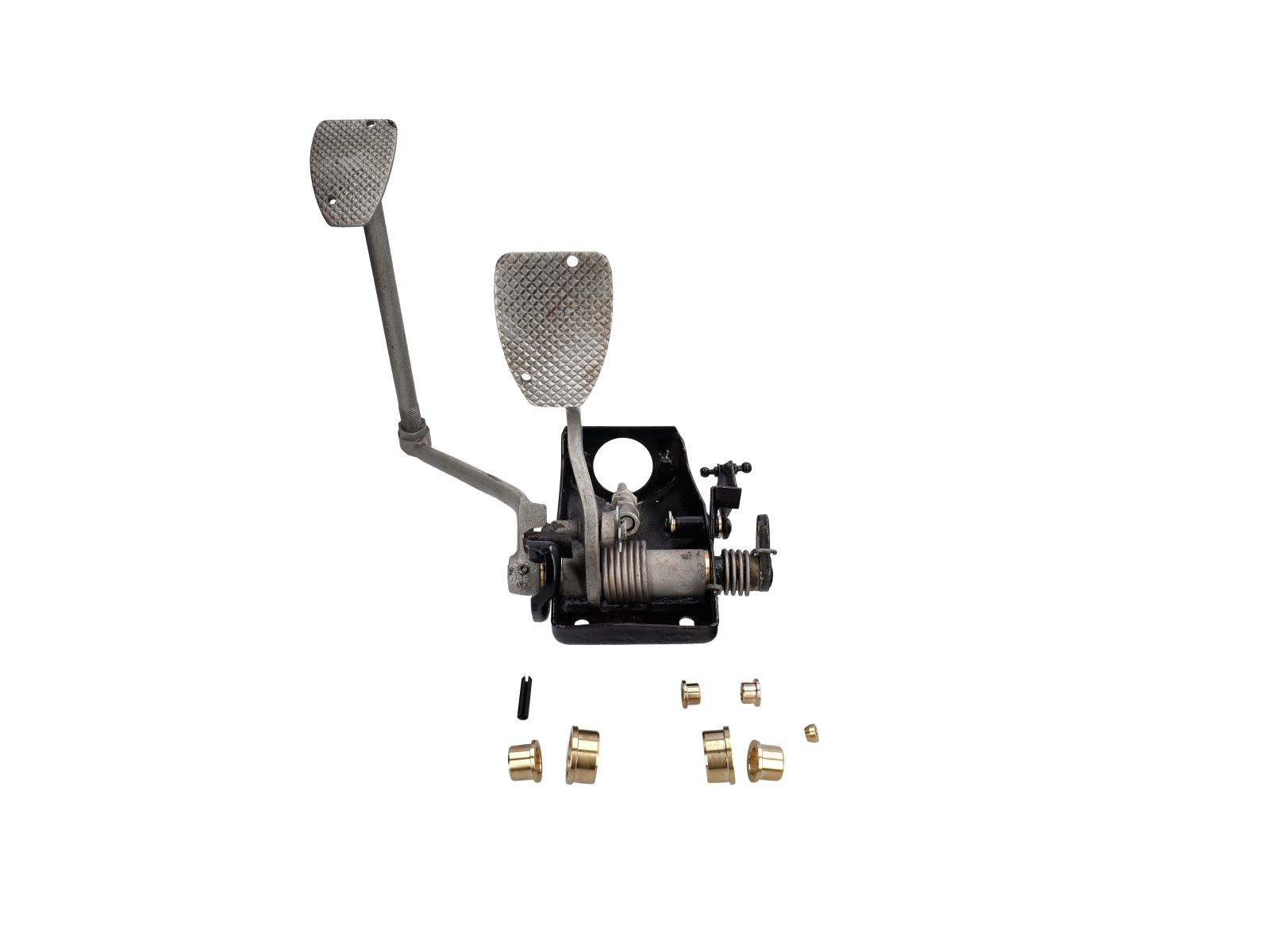
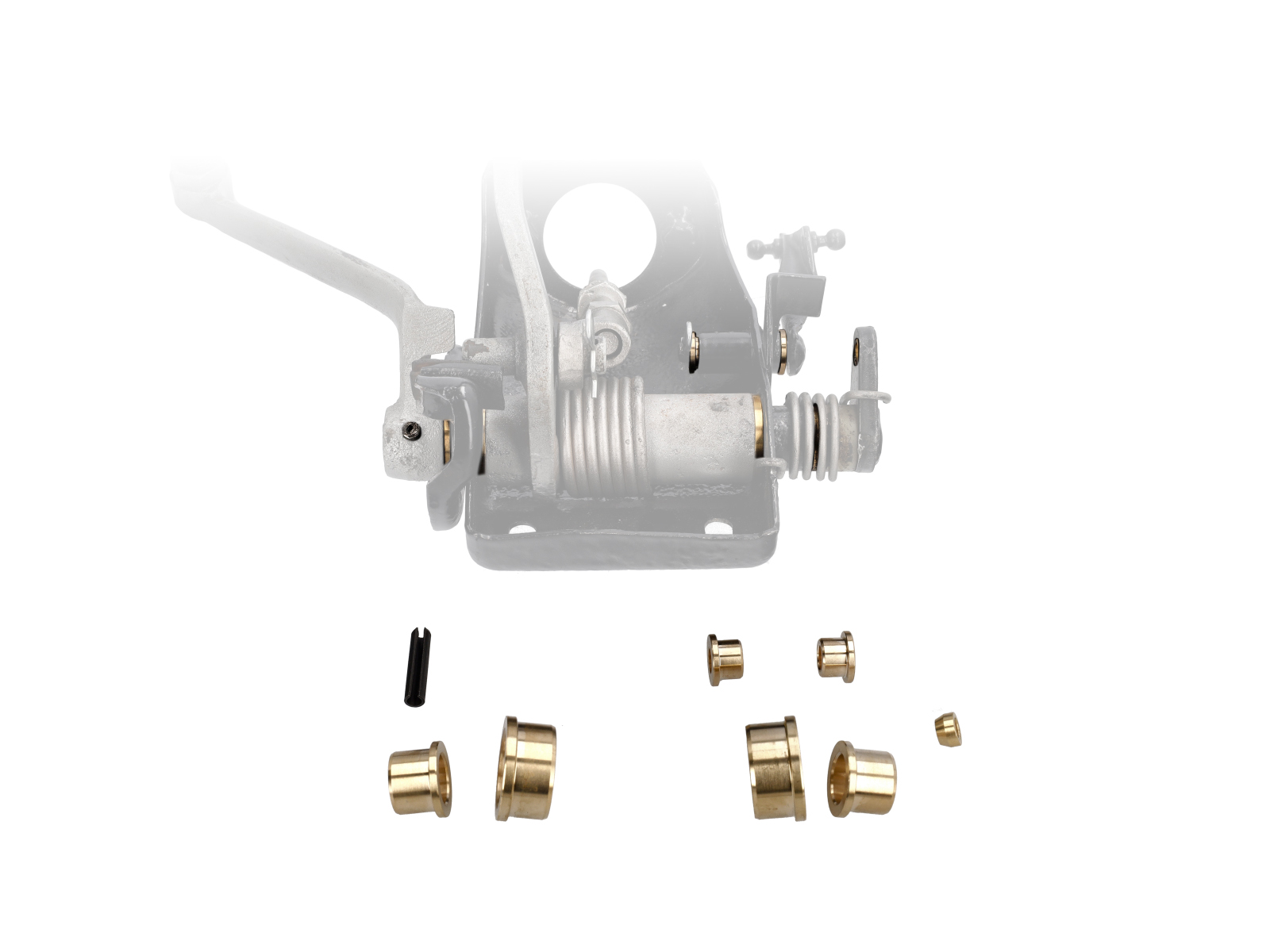
Heavy duty brass pedal bushing kit contains:
(x2) Brake Pedal Bushings - 91142354201
(x2) Clutch Pedal Bushings - 91142334102
(x2) Accelerator pedal Bell Crank Bushings - 90142325300
(x1) Clutch Clevis Pin Bushing - 90142343400
(x1) Clutch Pedal Roll/Spring pin - 90030900200
Fits:
Porsche 911 1965-89
Porsche 912
Porsche 930 1976-88
excluding Sportomatic
Worn plastic brake pedal bushings or sticking accelerator bushing cause serious accidents. The ultimate solution is a set of Design 911 precision heavy duty brass pedal bushings. This is a comprehensive pedal box rebuild kit, with seven heavy duty bushings for the clutch cable arm, brake, clutch, and throttle pedals, and a new spring/roll clutch pedal retaining pin.
Sold as a set
Related reference numbers
Related, superseded, cross reference or alternative numbers for comparison.
93042340190
The product you are viewing cross references to these numbers
- Porsche 911 1965-1968 2.0L / 912 SWB (F)
- Porsche 911 1968-1973 2.2L / 2.4L / 2.7L RS LWB (F)
- Porsche 911 1974-1977 2.7L / 1976-77 3.0 Carrera
- Porsche 911 1978-1983 3.0L / SC
- Porsche 911 1984-1986 3.2L
- Porsche 911 1987-1989 3.2L G50
- Porsche 911 1975-1977 3.0L Turbo (930)
- Porsche 911 1978-1989 3.3L Turbo (930)
 Shop Securely
 12 Month Warranty
 Worldwide Delivery

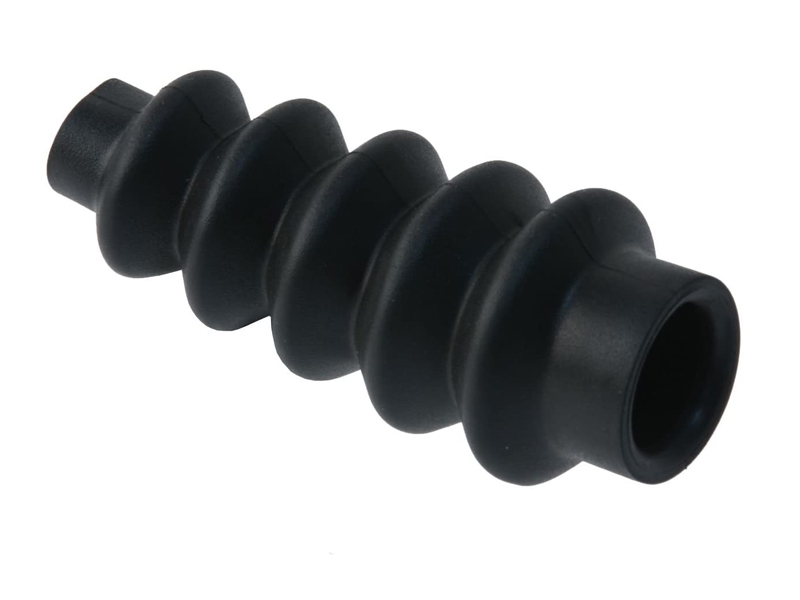
Accelerator Rod Boot
Protect your Porsche throttle linkage system and maintain
smooth accelerator operation with this OE Match Accelerator Rod Boot for Porsche 911 models from 1969 to 1989. Manufactured to OE
specifications, this flexible rubber boot protects the accelerator rod and
linkage components from dirt, moisture and road contamination while helping to
ensure long-term reliability of the throttle system.
Fits:
- Porsche 911 1965-1968 2.0L / 912 SWB (F)
- Porsche 911 1968-1973 2.2L / 2.4L / 2.7L RS LWB (F)
- Porsche 911 1974-1977 2.7L / 1976-77 3.0 Carrera
- Porsche 911 1978-1983 3.0L / SC
- Porsche 911 1984-1986 3.2L
- Porsche 911 1987-1989 3.2L G50
- Porsche 911 1975-1977 3.0L Turbo (930)
- Porsche 911 1978-1989 3.3L Turbo (930)
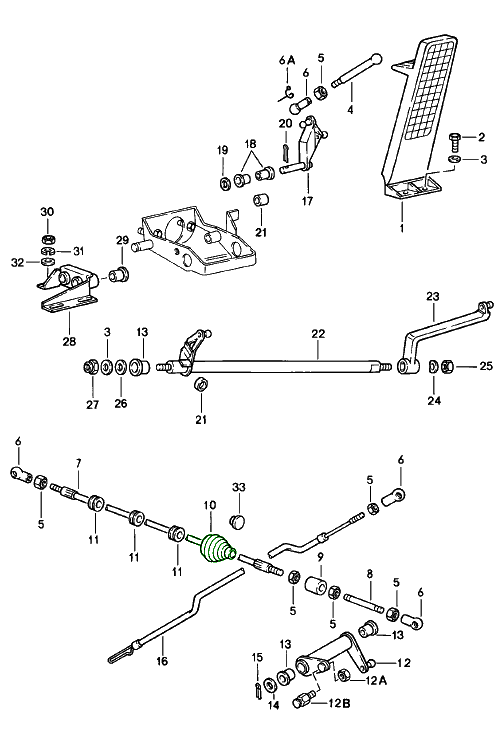
Diagram ref no 10
Measuring 91mm in length with 17mm and 22mm end diameters, this direct replacement boot is an important but often overlooked component within the mechanical throttle linkage assembly used on classic air-cooled Porsche 911 models.
As rubber components age, they can crack, split and lose flexibility, allowing contaminants to enter the linkage system and accelerate wear. Replacing worn boots helps preserve the smooth and precise throttle response that Porsche intended.
What Does the Accelerator Rod Boot Do?
The accelerator rod boot acts as a protective seal around the throttle linkage assembly.
Its primary functions include:
- Protecting the accelerator rod from contamination
- Preventing dirt and debris ingress
- Keeping moisture away from linkage components
- Helping preserve smooth throttle operation
- Protecting linkage bushes and joints
- Reducing wear within the throttle mechanism
- Extending component lifespan
Although small, the boot helps safeguard critical throttle linkage components from premature wear.
Why Do Accelerator Rod Boots Fail?
The boot is constantly exposed to harsh operating conditions beneath the vehicle and within the engine compartment.
Common causes of deterioration include:
- Age-related rubber hardening
- Heat exposure
- Oil contamination
- Road debris
- Moisture exposure
- UV ageing
- Ozone damage
- General wear and tear
Over time, the rubber loses flexibility and can develop cracks or splits.
Symptoms of a Worn Accelerator Rod Boot
Common signs of deterioration include:
- Cracked rubber
- Split boot material
- Missing sections of rubber
- Visible dirt around linkage components
- Increased linkage wear
- Stiff accelerator operation
- Excessive play within the throttle linkage
- Deteriorated engine bay appearance
Many damaged boots are discovered during routine servicing or restoration work.
When Should the Accelerator Rod Boot Be Replaced?
Replacement is recommended when:
- Cracks or splits are visible
- The boot has hardened or perished
- Throttle linkage components are being serviced
- Carrying out a restoration project
- Replacing throttle linkage parts
- Engine-out maintenance is being performed
- Preventative maintenance is being undertaken
Because of its low cost and important protective role, replacement is often recommended whenever the linkage system is disassembled.
Why Replacement Matters
Replacing a deteriorated accelerator rod boot helps protect the entire throttle linkage assembly.
Benefits include:
- Improved linkage protection
- Reduced dirt and moisture ingress
- Longer component lifespan
- Smoother throttle operation
- Improved reliability
- Reduced maintenance costs
- Better engine bay presentation
- Factory-correct restoration appearance
For classic Porsche 911 owners, maintaining the throttle linkage system is essential for preserving driving enjoyment and reliability.
Related reference numbers
Related, superseded, cross reference or alternative numbers for comparison.
91142359301
The product you are viewing cross references to these numbers
- Porsche 911 1965-1968 2.0L / 912 SWB (F)
- Porsche 911 1968-1973 2.2L / 2.4L / 2.7L RS LWB (F)
- Porsche 911 1974-1977 2.7L / 1976-77 3.0 Carrera
- Porsche 911 1978-1983 3.0L / SC
- Porsche 911 1984-1986 3.2L
- Porsche 911 1987-1989 3.2L G50
- Porsche 911 1975-1977 3.0L Turbo (930)
- Porsche 911 1978-1989 3.3L Turbo (930)
Shop Securely
12 Month Warranty
Worldwide Delivery



Fits:
Porsche 911 1978-89 RHD Cars
Porsche 930 Turbo 1978-89 RHD Cars
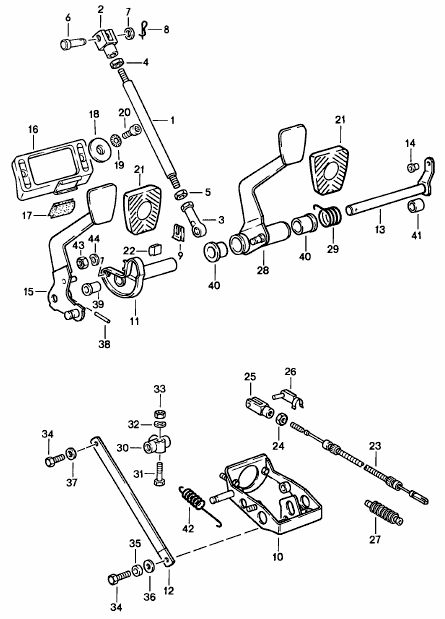
Click 'Zoom in' for large parts diagram.
Diagram ref no 29.
Related reference numbers
Related, superseded, cross reference or alternative numbers for comparison.
91142353202
The product you are viewing cross references to these numbers
- Porsche 911 1974-1977 2.7L / 1976-77 3.0 Carrera
- Porsche 911 1978-1983 3.0L / SC
- Porsche 911 1984-1986 3.2L
- Porsche 911 1987-1989 3.2L G50
- Porsche 911 1978-1989 3.3L Turbo (930)
Shop Securely
12 Month Warranty
Worldwide Delivery

Related reference numbers
Related, superseded, cross reference or alternative numbers for comparison.
91142354201
The product you are viewing cross references to these numbers
Shop Securely
12 Month Warranty
Worldwide Delivery

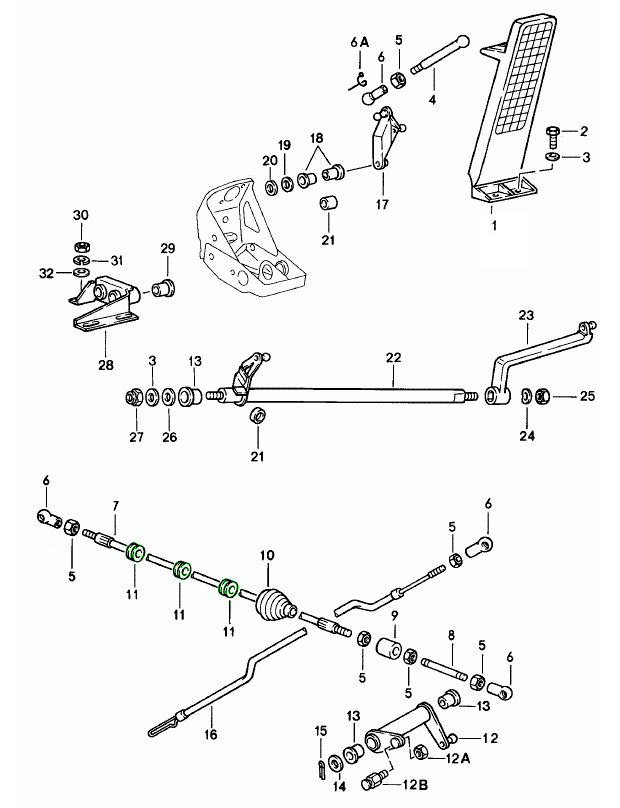
A genuine Porsche original equipment (OE) accelerator linkage bushing, manufactured to Porsche factory specifications for classic models. It is the same specification bushing originally installed by Porsche to support the throttle linkage system.
Sold each, 3 required per vehicle.
Fits:
Porsche 911/912/930 1965-89 all models
Diagram ref no 11
Related reference numbers
Related, superseded, cross reference or alternative numbers for comparison.
90142322700
The product you are viewing cross references to these numbers
- Porsche 911 1965-1968 2.0L / 912 SWB (F)
- Porsche 911 1968-1973 2.2L / 2.4L / 2.7L RS LWB (F)
- Porsche 911 1974-1977 2.7L / 1976-77 3.0 Carrera
- Porsche 911 1978-1983 3.0L / SC
- Porsche 911 1984-1986 3.2L
- Porsche 911 1987-1989 3.2L G50
- Porsche 911 1975-1977 3.0L Turbo (930)
- Porsche 911 1978-1989 3.3L Turbo (930)
Shop Securely
12 Month Warranty
Worldwide Delivery

Fits:
Porsche 911 1974 - 1989
Porsche 911 (930) Turbo 1975 - 1989
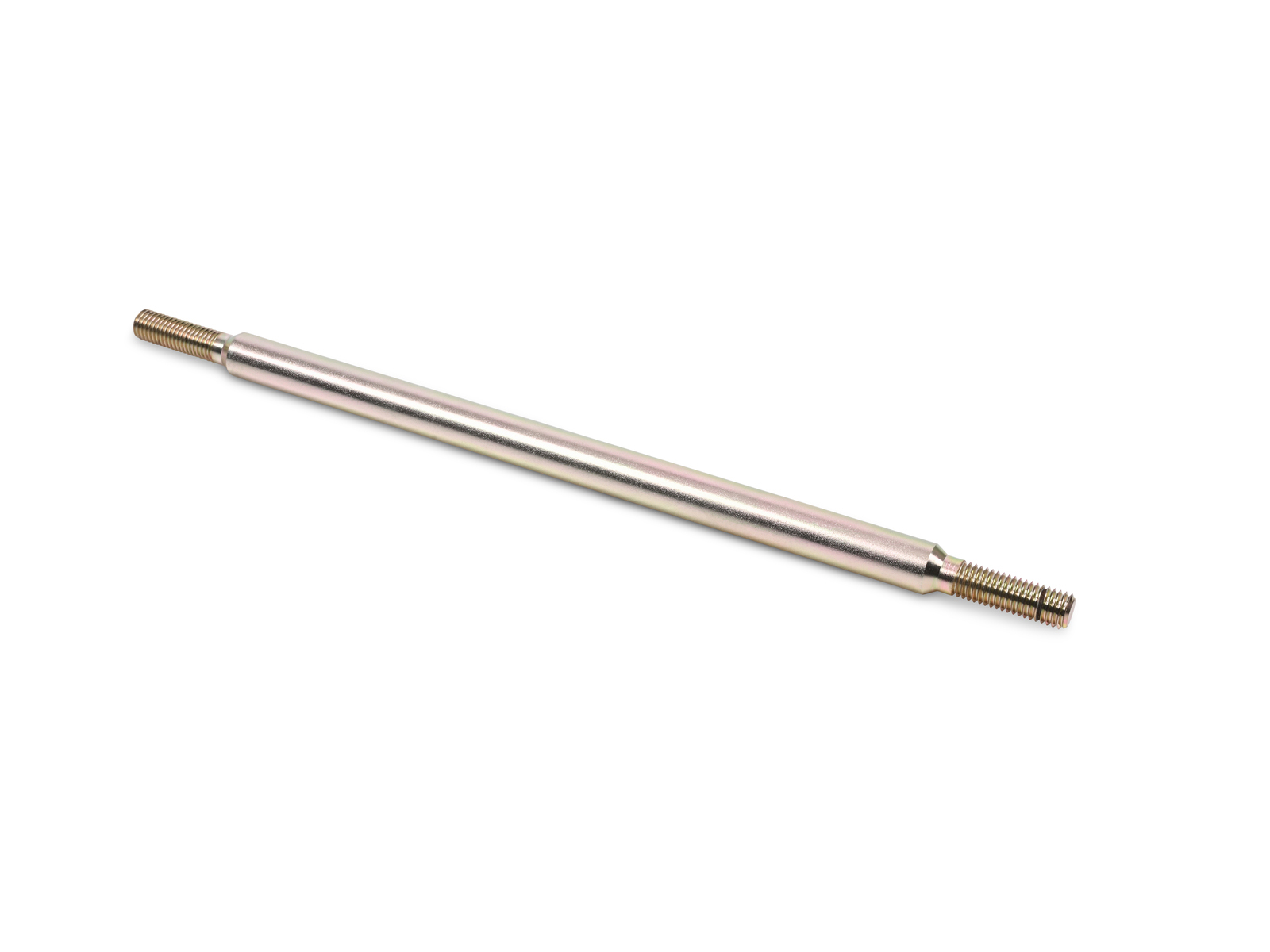
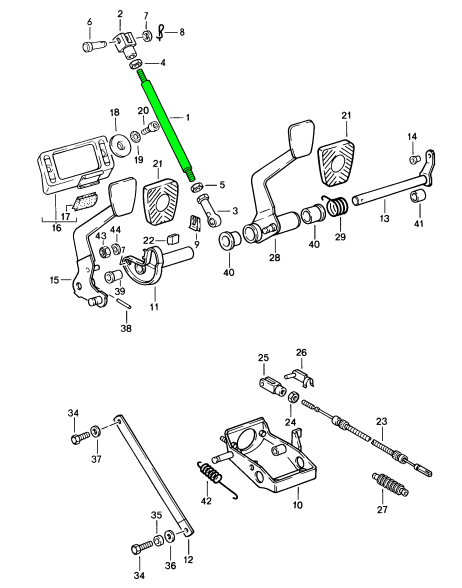
Diagram ref no 1
Related reference numbers
Related, superseded, cross reference or alternative numbers for comparison.
91142352304
The product you are viewing cross references to these numbers
- Porsche 911 1974-1977 2.7L / 1976-77 3.0 Carrera
- Porsche 911 1978-1983 3.0L / SC
- Porsche 911 1984-1986 3.2L
- Porsche 911 1987-1989 3.2L G50
- Porsche 911 1975-1977 3.0L Turbo (930)
- Porsche 911 1978-1989 3.3L Turbo (930)
- Porsche 914 (1970-1976)
Shop Securely
12 Month Warranty
Worldwide Delivery

Pedal Return Spring
The OE Brake Pedal Return Spring is a replacement component
for left-hand-drive Porsche 911 models manufactured between 1974 and 1989,
designed to help return the brake pedal to its normal resting position after
braking.
Fits:
- Porsche 911 1974-1977 2.7L / 1976-77 3.0 Carrera
- Porsche 911 1978-1983 3.0L / SC
- Porsche 911 1984-1986 3.2L
- Porsche 911 1987-1989 3.2L G50
- Porsche 911 1975-1977 3.0L Turbo (930)
- Porsche 911 1978-1989 3.3L Turbo (930)
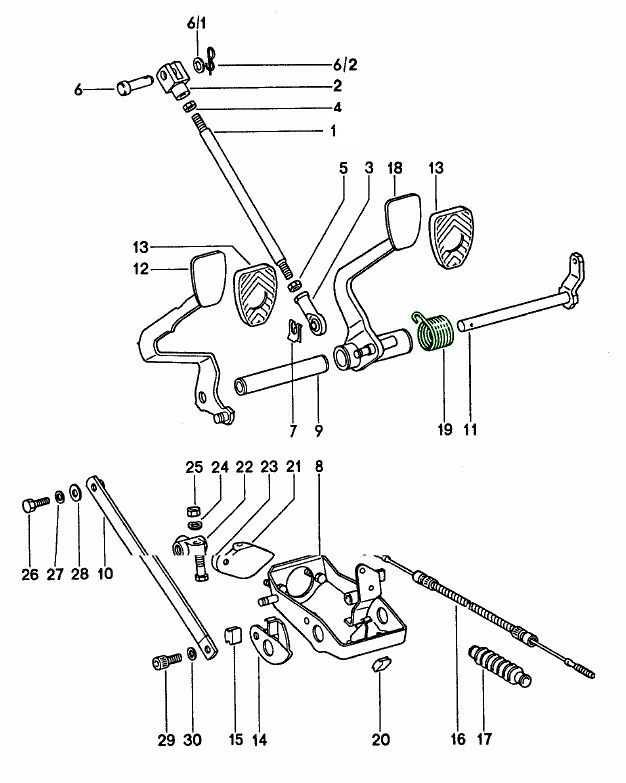
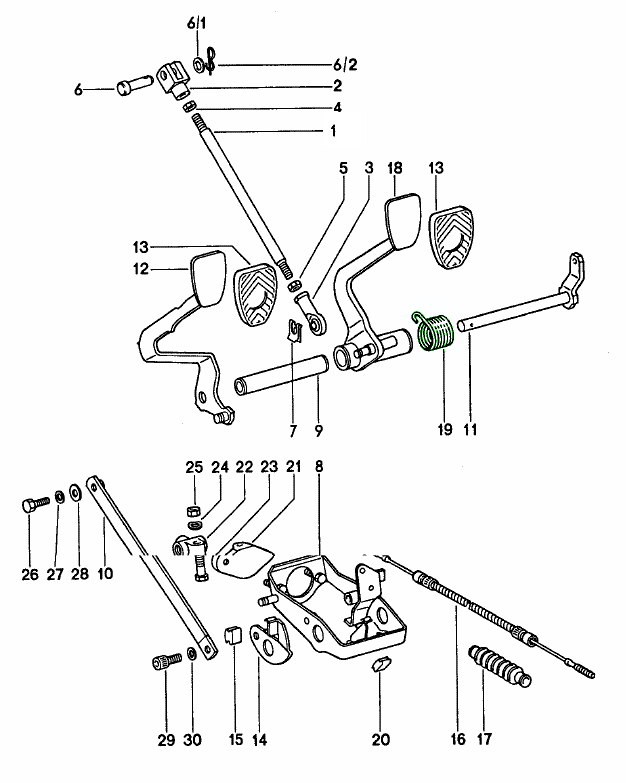
Diagram ref no 19
The brake pedal return spring is an important part of the pedal assembly, helping maintain smooth, consistent pedal movement and ensuring the brake pedal returns correctly when released.
Over time, the original spring can weaken, corrode, stretch or break, potentially resulting in sluggish pedal return, excessive pedal movement or an incorrectly positioned brake pedal.
Replacing a worn or damaged spring helps restore the intended operation of the brake pedal assembly and contributes to the safe and reliable functioning of the braking system.
What Does the Brake Pedal Return Spring Do?
The brake pedal return spring assists the brake pedal in returning to its normal resting position when the driver releases pressure from the pedal.
Working alongside the pedal linkage and brake master cylinder mechanism, the spring helps maintain consistent pedal movement and return action.
Its main functions include:
- Assisting the brake pedal's return to its resting position
- Maintaining the correct pedal return action
- Helping prevent excessive pedal movement
- Supporting smooth operation of the pedal assembly
- Contributing to consistent brake pedal feel
- Helping maintain the correct relationship between the brake pedal and its associated controls
Although relatively small, the return spring is an important mechanical component within the brake pedal assembly.
Why Does the Brake Pedal Return Spring Fail?
Brake pedal return springs are subjected to repeated tension and movement every time the brakes are applied.
After many years of use, the spring may lose its original tension or suffer mechanical damage.
Common causes of failure include:
- Metal fatigue from repeated pedal operation
- Corrosion caused by moisture and age
- Loss of spring tension over time
- Stretching or deformation
- Breakage caused by excessive loading
- Incorrect installation during pedal assembly repairs
- Damage to the spring's mounting or attachment points
A weakened or broken spring may no longer provide sufficient assistance to return the brake pedal correctly.
When Should It Be Replaced?
Replacement is recommended whenever the brake pedal return spring becomes weakened, stretched, corroded, damaged or broken.
Common symptoms include:
- Brake pedal slow to return after being released
- Brake pedal failing to return fully to its resting position
- Excessive free movement in the pedal assembly
- Unusual pedal movement or inconsistent return action
- Visible corrosion or deformation of the spring
- Broken or missing spring Incorrect pedal positioning following previous repairs
The return spring should also be inspected during pedal cluster refurbishment, brake master cylinder replacement or a complete classic Porsche restoration.
A brake pedal that does not return correctly may also indicate a fault elsewhere in the braking system and should be investigated before the vehicle is driven.
Checks & Diagnosis
Before replacing the spring, inspect the complete brake pedal assembly to determine the cause of the problem.
Check for:
- Weak, stretched or broken return spring
- Corrosion around the pedal pivot points
- Worn pedal bushes or bearings
- Stiff or seized pedal movement
- Damaged spring attachment points
- Incorrect pedal linkage adjustment
- Brake master cylinder or pushrod problems
- Obstruction preventing full pedal return
A sticking brake pedal is not always caused by the return spring. Binding pedal pivots, incorrect linkage adjustment or hydraulic faults can produce similar symptoms.
If the pedal does not return fully or the brakes remain partially applied, the underlying fault must be identified and repaired.
Installation Notes
The brake pedal return spring is fitted within the brake pedal assembly and should be installed in accordance with the Porsche workshop instructions.
Before installation, inspect the pedal pivots, bushes, spring mounting points and associated linkage for wear or damage.
Ensure the replacement spring is correctly positioned and securely attached.
Take care when fitting or removing the spring, as it may be under tension.
After installation, check that the brake pedal moves freely and returns fully to its correct resting position.
Verify the brake pedal free play, brake light switch operation and correct brake release before returning the vehicle to service.
Professional installation is recommended because the component forms part of the braking system.
Related reference numbers
Related, superseded, cross reference or alternative numbers for comparison.
91142353103
The product you are viewing cross references to these numbers
- Porsche 911 1974-1977 2.7L / 1976-77 3.0 Carrera
- Porsche 911 1978-1983 3.0L / SC
- Porsche 911 1984-1986 3.2L
- Porsche 911 1987-1989 3.2L G50
- Porsche 911 1975-1977 3.0L Turbo (930)
- Porsche 911 1978-1989 3.3L Turbo (930)
Shop Securely
12 Month Warranty
Worldwide Delivery

Fits:
Foe LHD cars
Porsche 911 1974-89
Porsche 930 Turbo 1975-89
Click 'Zoom in' for large parts diagram.
Diagram ref no 19
Related reference numbers
Related, superseded, cross reference or alternative numbers for comparison.
91142353103
The product you are viewing cross references to these numbers
- Porsche 911 1974-1977 2.7L / 1976-77 3.0 Carrera
- Porsche 911 1978-1983 3.0L / SC
- Porsche 911 1984-1986 3.2L
- Porsche 911 1987-1989 3.2L G50
- Porsche 911 1975-1977 3.0L Turbo (930)
- Porsche 911 1978-1989 3.3L Turbo (930)
Shop Securely
12 Month Warranty
Worldwide Delivery

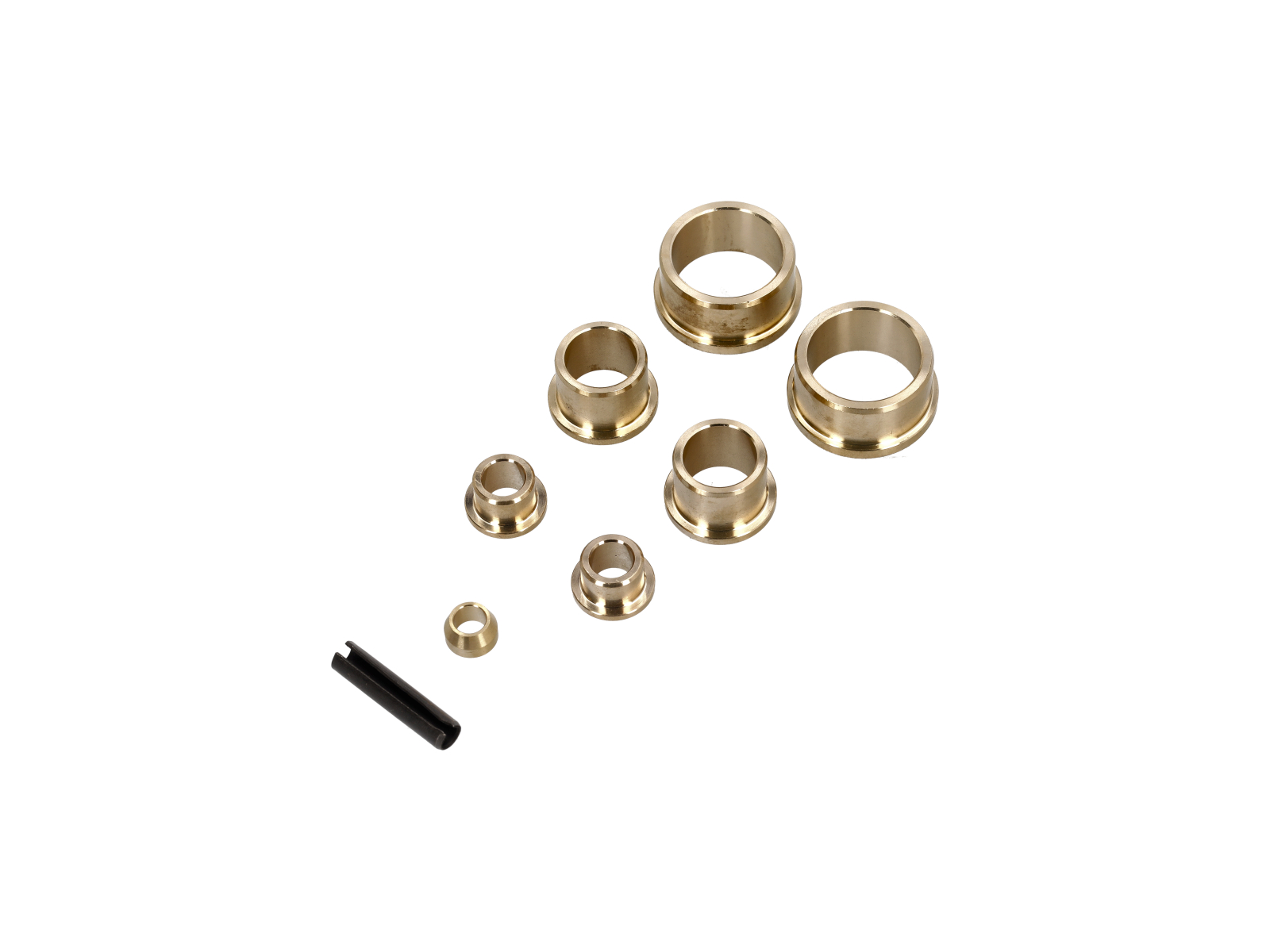
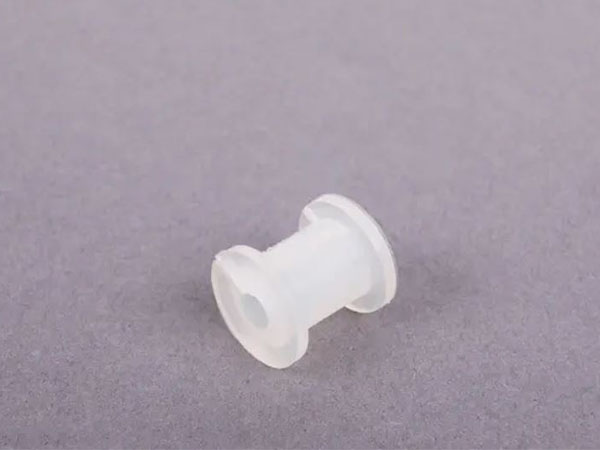
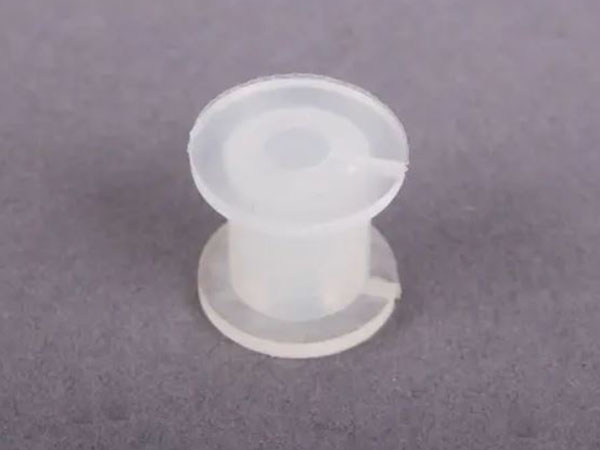
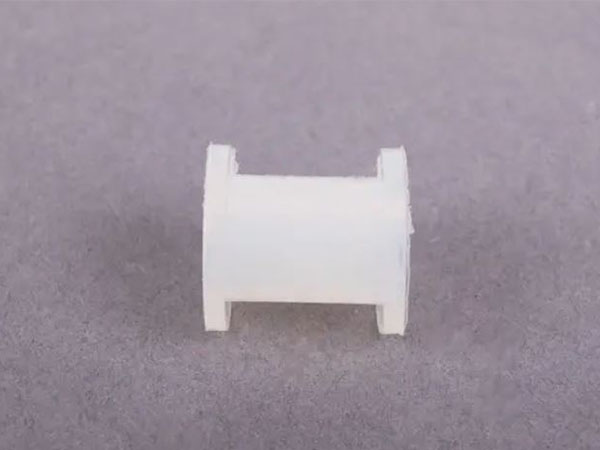
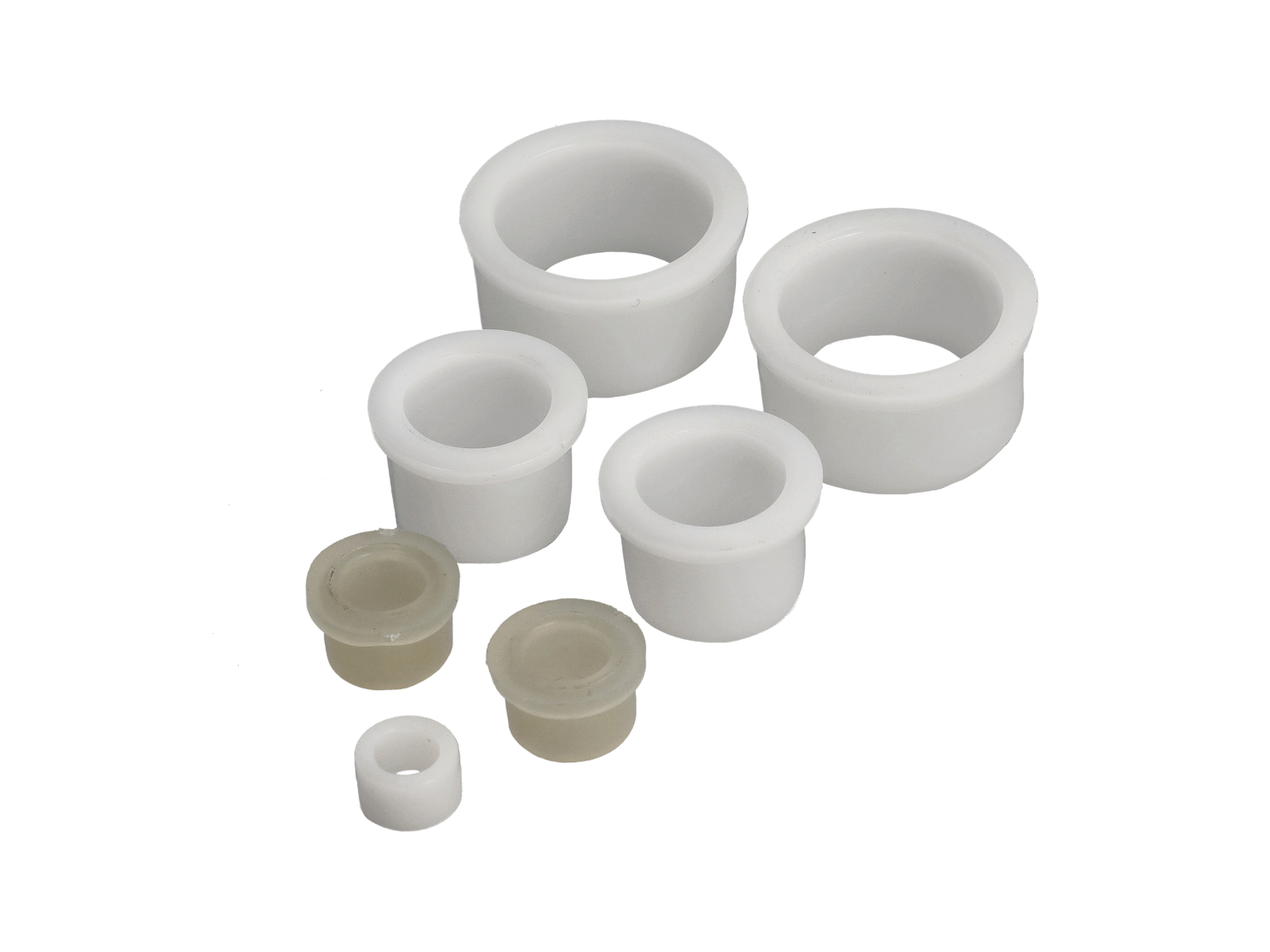
The OE MATCH Pedal Bushing Kit is a comprehensive replacement kit designed to restore smooth, precise and reliable pedal operation on classic Porsche 911, 912, 914 and selected 930 Turbo models.
Plastic Pedal Bushing Kit Contains:(x2) Brake Pedal Bushings - 91142354201
(x2) Clutch Pedal Bushings - 91142334102
(x2) Accelerator Bell Crank Bushings - 90142325300
(x1) Clutch Clevis Pin Bushing - 90142343400
Fits:
- Porsche 911 1965-76 without power brakes
- Porsche 912 1965-69 without power brakes
- Porsche 912 1976
- Porsche 930 1978-79 without power brakes
- Porsche 914 1970-76
Manufactured to match the original equipment dimensions and fitment, this kit contains seven plastic bushings for the brake pedal, clutch pedal, accelerator bell crank and clutch clevis pin assemblies.
The pedal box is an essential part of the vehicle's control system, allowing the driver to operate the brakes, clutch and accelerator. Each pedal relies on correctly fitted bushes to maintain smooth pivoting movement, proper alignment and consistent mechanical operation.
The pedal bushings provide low-friction bearing surfaces between moving components, helping reduce metal-to-metal contact, minimise unwanted movement and maintain the correct positioning of the pedal shafts and linkages.
Over time, original plastic bushings can deteriorate due to ageing, repeated pedal operation, friction, moisture and general wear. Worn or cracked bushes may develop excessive clearance, resulting in loose pedals, squeaking noises, inconsistent pedal movement or difficulty returning to the normal resting position.
A seized or deteriorated accelerator linkage bush may also cause throttle movement to become stiff or inconsistent, while worn brake and clutch pedal bushes can contribute to unwanted pedal movement and reduced precision.
Replacing the original worn bushes with the OE MATCH Pedal Bushing Kit helps restore the factory-style pedal mechanism, improve pedal alignment and support consistent brake, clutch and accelerator operation.
Ideal for classic Porsche maintenance, pedal box refurbishment, clutch pedal repairs, brake pedal servicing and complete vehicle restoration projects.
What This Product Does:
The OE MATCH Pedal Bushing Kit replaces the original plastic bearing bushes located at important pivot and linkage points within the pedal assembly.
Its primary functions include:
- Supports Smooth Brake Pedal Movement: Provides the intended bearing surfaces for the brake pedal to pivot correctly during operation.
- Maintains Clutch Pedal Alignment: Helps keep the clutch pedal correctly positioned within the pedal box assembly.
- Supports Accelerator Linkage Operation: Provides the appropriate bushings for the accelerator bell crank, helping maintain smooth throttle linkage movement.
- Reduces Friction: Creates low-friction contact surfaces between moving pedal components.
- Prevents Metal-to-Metal Contact: Helps reduce unnecessary mechanical wear between pedal shafts, pivots and surrounding mounting components.
- Reduces Excessive Pedal Play: Replaces worn bushes that allow unwanted lateral or radial movement.
- Supports Consistent Pedal Return: Helps the pedal mechanisms move freely back towards their resting positions when the associated springs and linkages operate correctly.
- Maintains Correct Pedal Geometry: Helps preserve the intended alignment of the brake, clutch and accelerator mechanisms.
- Reduces Pedal Noise: Helps minimise squeaking, rattling and vibration caused by worn or loose pedal bushes.
- Protects Associated Components: Reduces unnecessary movement and wear around pedal shafts, clevis pins and linkage connections.
- Maintains Original Equipment Functionality: Restores the factory-style bushing arrangement without modifying the original pedal assembly.
Symptoms Of Wear Or Failure:
Pedal bushes experience repeated movement and mechanical loading throughout their service life.
Over time, the original plastic material can wear, crack, deform or become contaminated with dirt and old lubricant.
Common symptoms of worn or failing pedal bushes include:
- Excessive Pedal Play: The brake, clutch or accelerator pedal may move sideways or feel unusually loose.
- Squeaking or Creaking Noises: Worn or dry bushings may produce noises when pressing or releasing the pedals.
- Stiff Pedal Operation: Increased friction or seized bushes may make pedal movement harder than normal.
- Slow Pedal Return: The clutch or accelerator pedal may return sluggishly due to binding at a worn or damaged pivot.
- Inconsistent Pedal Feel: The pedal may feel rough, loose or less precise during operation.
- Cracked or Broken Bushings: Ageing plastic bushes may split or break apart, reducing their ability to support the pivoting components.
- Excessive Sideways Movement: Worn bearing surfaces may allow the pedal to shift out of its correct alignment.
- Accelerator Pedal Sticking: Deteriorated bell crank bushes may contribute to throttle linkage binding or incomplete return.
- Clutch Pedal Binding: Worn clutch pedal or clevis pin bushes may interfere with smooth clutch pedal movement.
- Brake Pedal Movement or Instability: Excessive wear in the brake pedal pivot bushes may contribute to unwanted play within the pedal assembly.
- Rattling Around the Pedal Box: Loose or damaged bushes may allow vibration-related noises.
- Uneven Mechanical Wear: Increased clearance can cause unnecessary wear on pedal shafts, linkage pins and adjacent components.
- Missing or Disintegrated Bushes: Inspection may reveal cracked plastic fragments or bushes that have deteriorated completely.
- Difficulty Achieving Correct Adjustment: Excessive pedal linkage wear may affect consistent clutch or accelerator adjustment.
Why Replacement Matters:
Replacing worn or deteriorated pedal bushes is important for maintaining smooth, predictable and reliable operation of the vehicle's primary driving controls.
Key Benefits of Replacement:
- Restores Smooth Pedal Operation: Provides fresh bearing surfaces for the brake, clutch and accelerator pedal mechanisms.
- Reduces Excessive Pedal Play: Helps eliminate unwanted movement caused by worn original bushes.
- Improves Pedal Precision: Supports more consistent and controlled pedal movement.
- Maintains Correct Pedal Alignment: Helps keep moving components properly positioned within the pedal box.
- Reduces Friction and Binding: Replaces damaged bushes that may restrict normal pedal movement.
- Supports Reliable Accelerator Return: Helps reduce the risk of throttle linkage sticking where worn bell crank bushes are the cause.
- Supports Brake Pedal Movement: Maintains correct pivot support within the brake pedal assembly.
- Improves Clutch Pedal Operation: Helps restore smooth clutch pedal movement and linkage engagement.
- Reduces Squeaking and Rattling: Helps eliminate unwanted noises caused by worn bearing surfaces.
- Protects Pedal Shafts and Linkages: Reduces unnecessary mechanical wear on associated components.
- Original Equipment-Style Fitment: Designed to match the dimensions and arrangement of the factory pedal bushes.
- Ideal for Pedal Box Refurbishment: Provides the main replacement bushes required when servicing the pedal assembly.
- Supports Long-Term Reliability: Helps maintain dependable operation of the vehicle's mechanical controls.
- Cost-Effective Preventative Maintenance: Replacing inexpensive bushes may help avoid further wear on more expensive pedal components.
- Suitable for Classic Porsche Restoration: Preserves the original operation and configuration of classic Porsche pedal assemblies.
Although pedal bushes are relatively small components, they perform an important function within the brake, clutch and accelerator mechanisms.
Worn bushes can gradually introduce excess movement, friction and misalignment, affecting pedal feel and potentially causing mechanical binding.
A sticking accelerator linkage or improperly returning brake pedal can create a serious safety risk. Maintaining the condition of the pedal box bushes is therefore an important part of routine classic Porsche maintenance.
Replacing the original bushes with the OE MATCH Pedal Bushing Kit helps restore smooth, controlled pedal operation while supporting the reliability of the complete pedal assembly.
Related reference numbers
Related, superseded, cross reference or alternative numbers for comparison.
911423300KIT
The product you are viewing cross references to these numbers
- Porsche 911 1965-1968 2.0L / 912 SWB (F)
- Porsche 911 1968-1973 2.2L / 2.4L / 2.7L RS LWB (F)
- Porsche 911 1974-1977 2.7L / 1976-77 3.0 Carrera
- Porsche 911 1978-1983 3.0L / SC
- Porsche 911 1978-1989 3.3L Turbo (930)
- Porsche 914 (1970-1976)
- Porsche 912E 4CYL 1976
Shop Securely
12 Month Warranty
Worldwide Delivery


Monday-Friday: 8.30am - 5.30pm (GMT)
Saturday: Closed
Sunday: Closed