





Enter your VAT number here and click Verify:
Your details have been verified. VAT number registered to:
,
.
Your order will now be zero rated for VAT purposes. We reserve the right to verify these details after your order request has been made and reinstate VAT if required.
Your VAT details were not recognised or were invalid. Your VAT number must be matched to your Billing Country as specified above. This is currently specified as . You do not need to enter the country code part of your VAT number as this has already been selected in your billing address details above.
The VAT number checking service is currently offline. Please supply your VAT details within the comments or special instructions field below and we will apply a VAT discount after placing your order request.

- Accessories
- Brakes
- Chassis / Bodywork
- Clothing & Gifts
- Electrical & Relays
- Engine Cooling
- Engine Electrical
- Engine Rebuild Parts
- Engine Tuning
- Exhausts
- Exterior Styling / Spoilers
- Gearbox / Transmission
- Heating / Air Conditioning
- Hydraulics
- Incar / Multimedia
- Interior & Accessories
- Lighting
- Mats & Carpets
- Motorsport and Off-Road
- Parts for Other Cars
- Pedal Cluster
- Rubber Seals
- Seats & Seat Belts
- Service Parts
- Special Offer Parts
- Steering Parts
- Suspension & Axle
- Suspension Upgrades
- Tyres
- Wheel Accessories
- Wheels
Torsion Bar
- Porsche 911 1965-1968 2.0L / 912 SWB (F)
- Porsche 911 1968-1973 2.2L / 2.4L / 2.7L RS LWB (F)
- Porsche 911 1974-1977 2.7L / 1976-77 3.0 Carrera
- Porsche 911 1978-1983 3.0L / SC
- Porsche 911 1984-1986 3.2L
- Porsche 911 1987-1989 3.2L G50
- Porsche 911 1975-1977 3.0L Turbo (930)
- Porsche 911 1978-1989 3.3L Turbo (930)


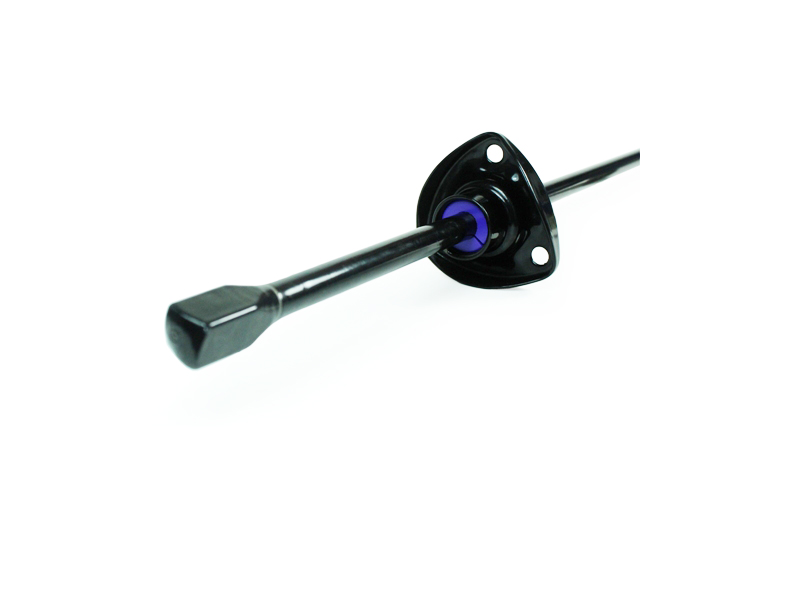
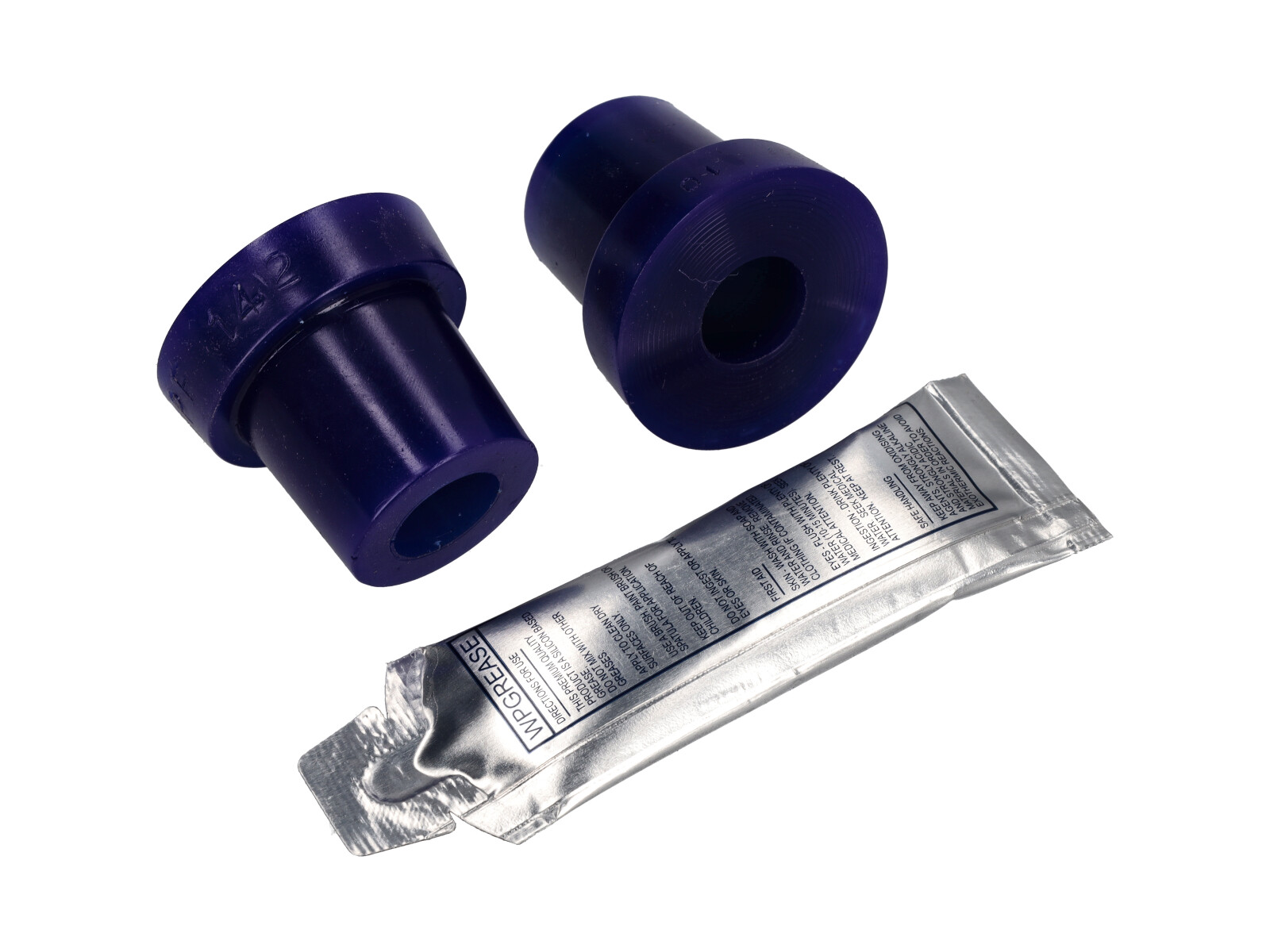
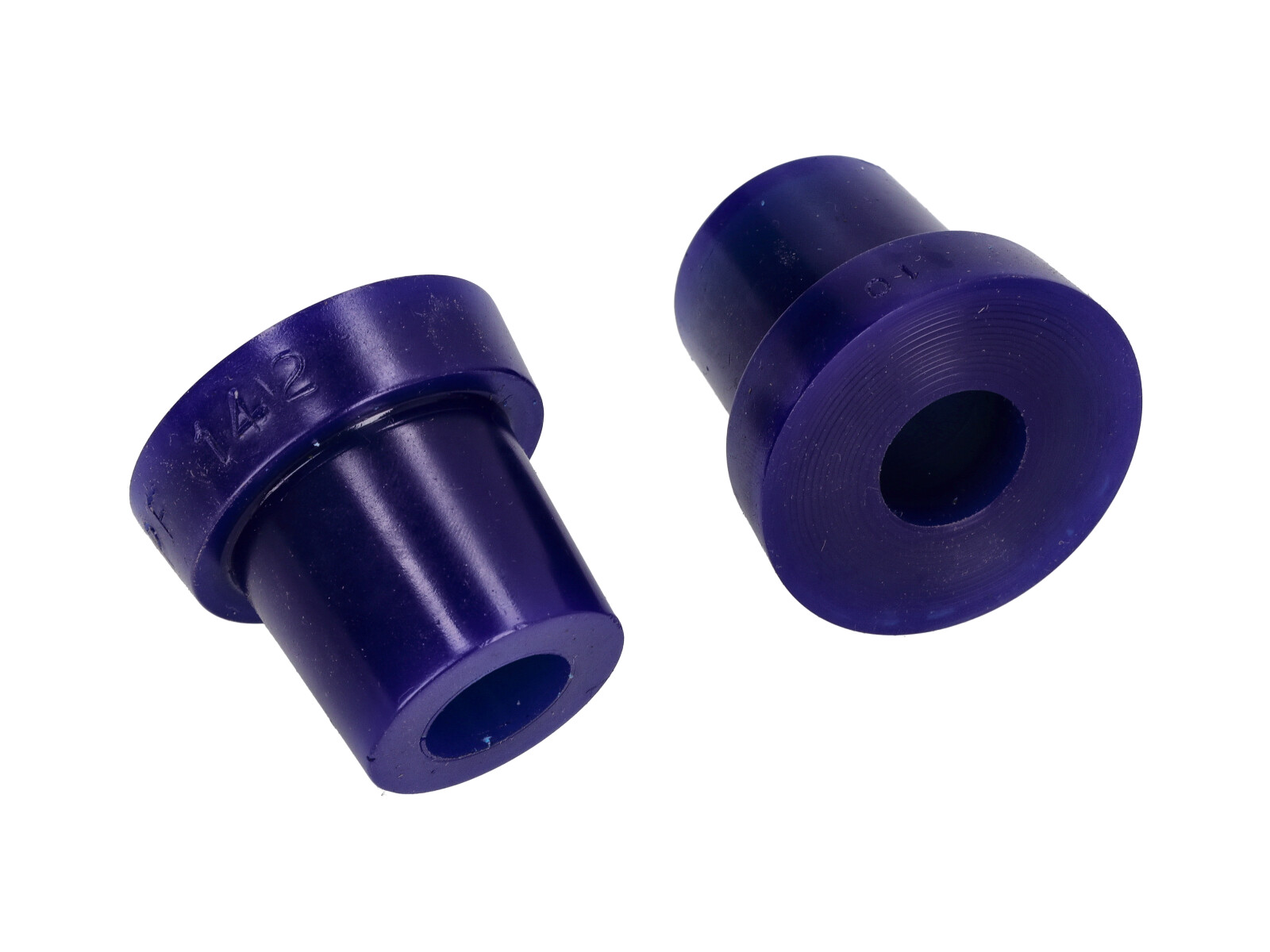
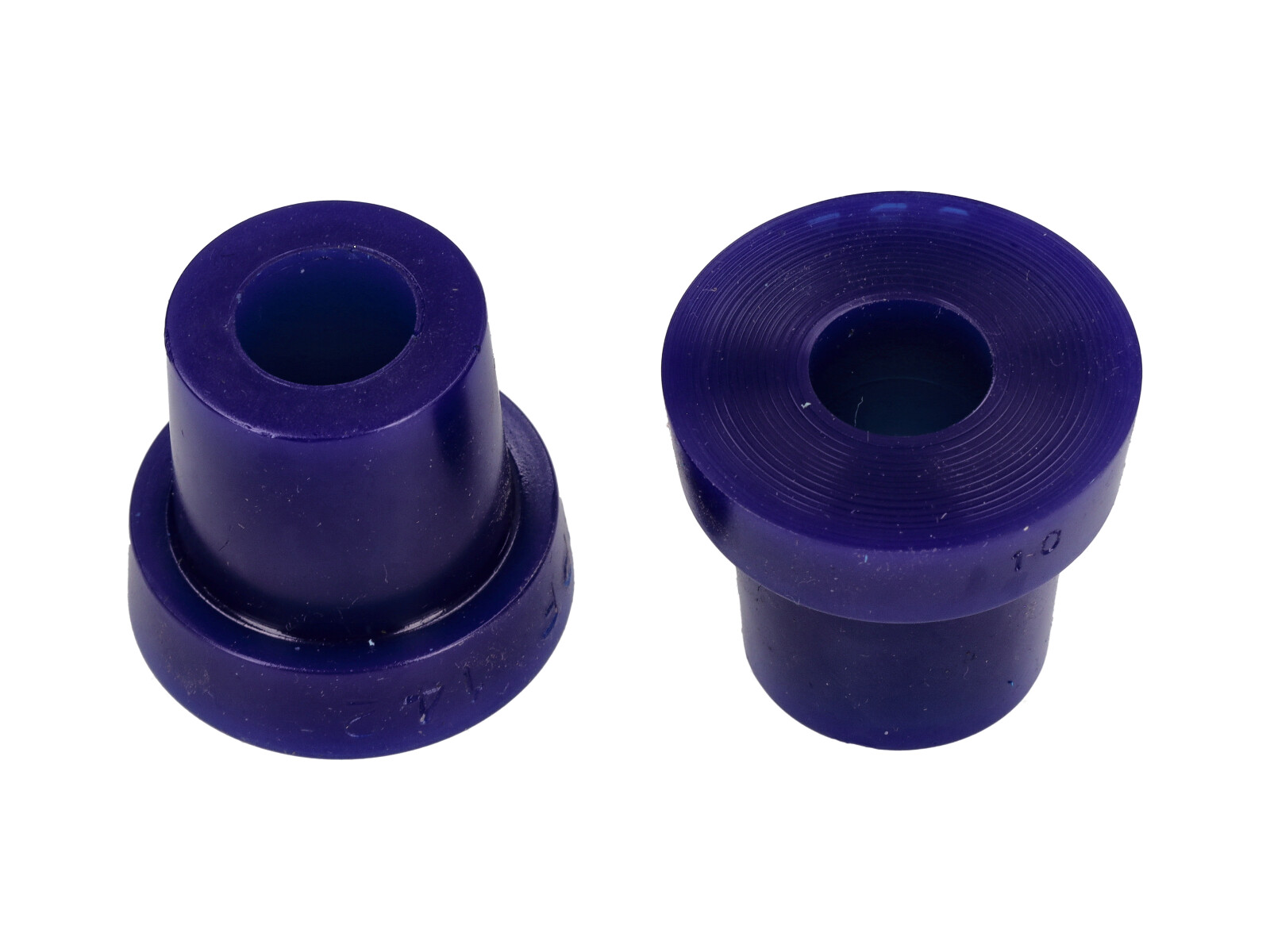
SET OF 2
Fits:
Porsche 911/912 1965-73
Porsche 914
Replacing your car rubber suspension bushes with Polyurethane Suspension Bushes will give you:
- Better road holding
- Constant steering geometry
- Increased tyre life
- More responsive steering
- Longer service life of suspension components
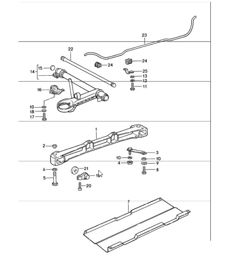
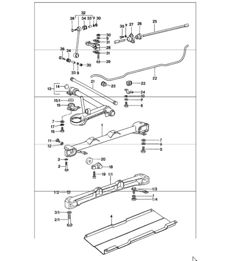
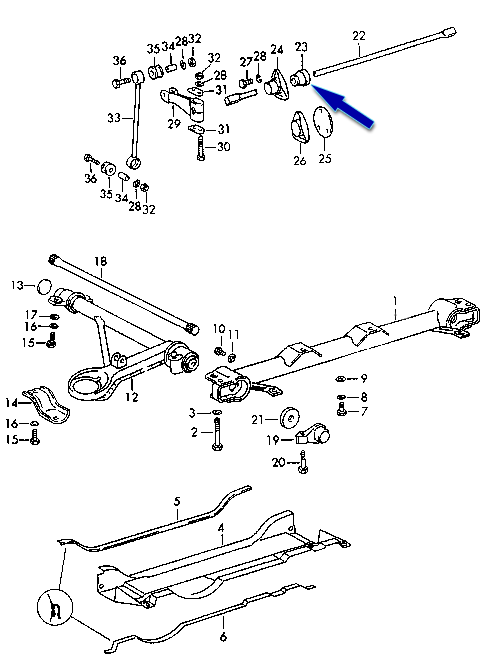
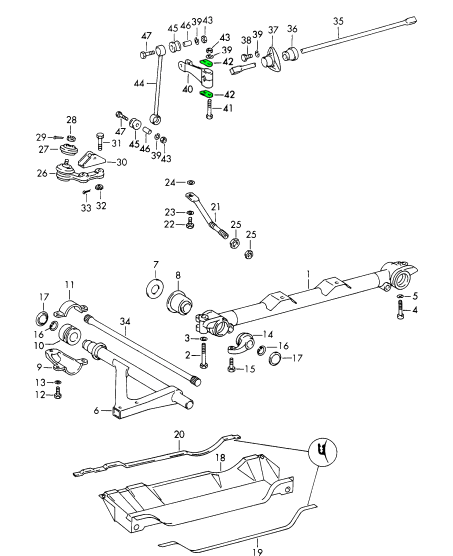
Click 'Zoom in' for large parts diagram.
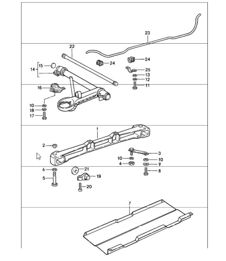
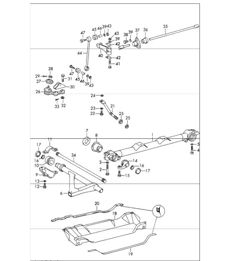
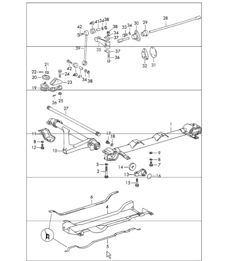
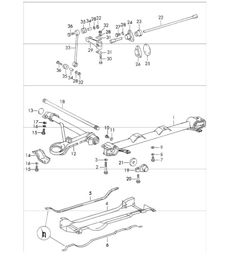
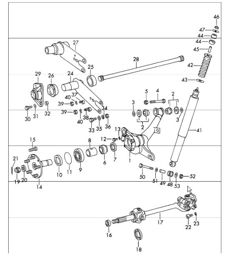
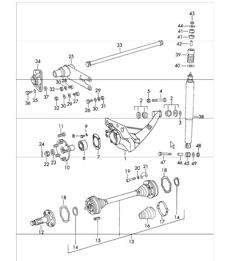
Diagram Ref No. 23
Related reference numbers
Related, superseded, cross reference or alternative numbers for comparison.
SPF0142-
The product you are viewing cross references to these numbers

- Porsche 911 1965-1968 2.0L / 912 SWB (F)
- Porsche 911 1968-1973 2.2L / 2.4L / 2.7L RS LWB (F)
- Porsche 356B 1959-63
- Porsche 914 (1970-1976)
 Shop Securely
 12 Month Warranty
 Worldwide Delivery



Sold each - 4 required per car
Fits:
Porsche 911/911 S 1965-67
Porsche 911 S/TU/L 1968
Porsche 911 T/E/S 1969
Porsche 912 1965-69
Porsche 911 S / Carrera 2.7 / 911 T/E 1970-73
Porsche 914 1970-76
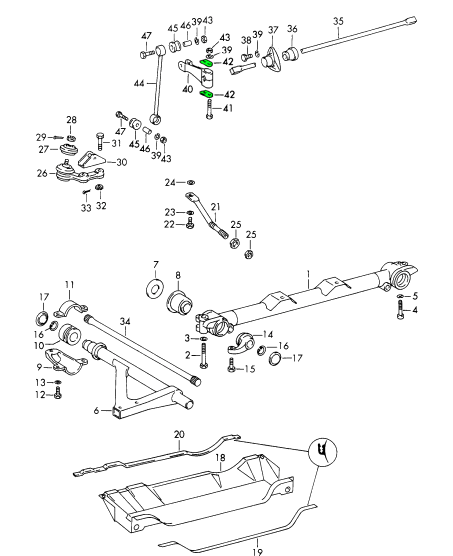
Diagram ref no 42
Related reference numbers
Related, superseded, cross reference or alternative numbers for comparison.
90134376300
The product you are viewing cross references to these numbers
- Porsche 911 1965-1968 2.0L / 912 SWB (F)
- Porsche 911 1968-1973 2.2L / 2.4L / 2.7L RS LWB (F)
- Porsche 914 (1970-1976)
Shop Securely
12 Month Warranty
Worldwide Delivery


Sold each - 4 required per car
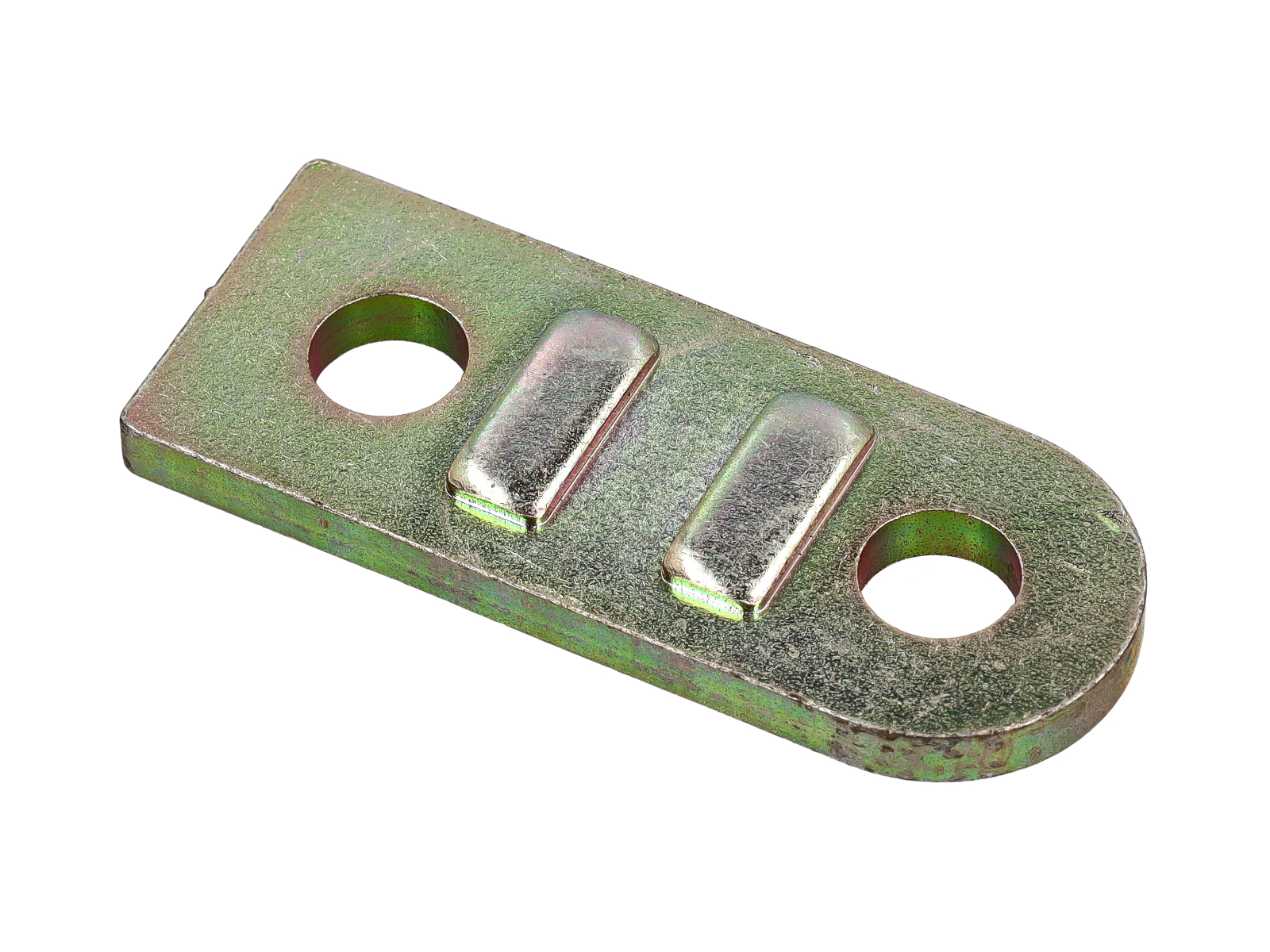
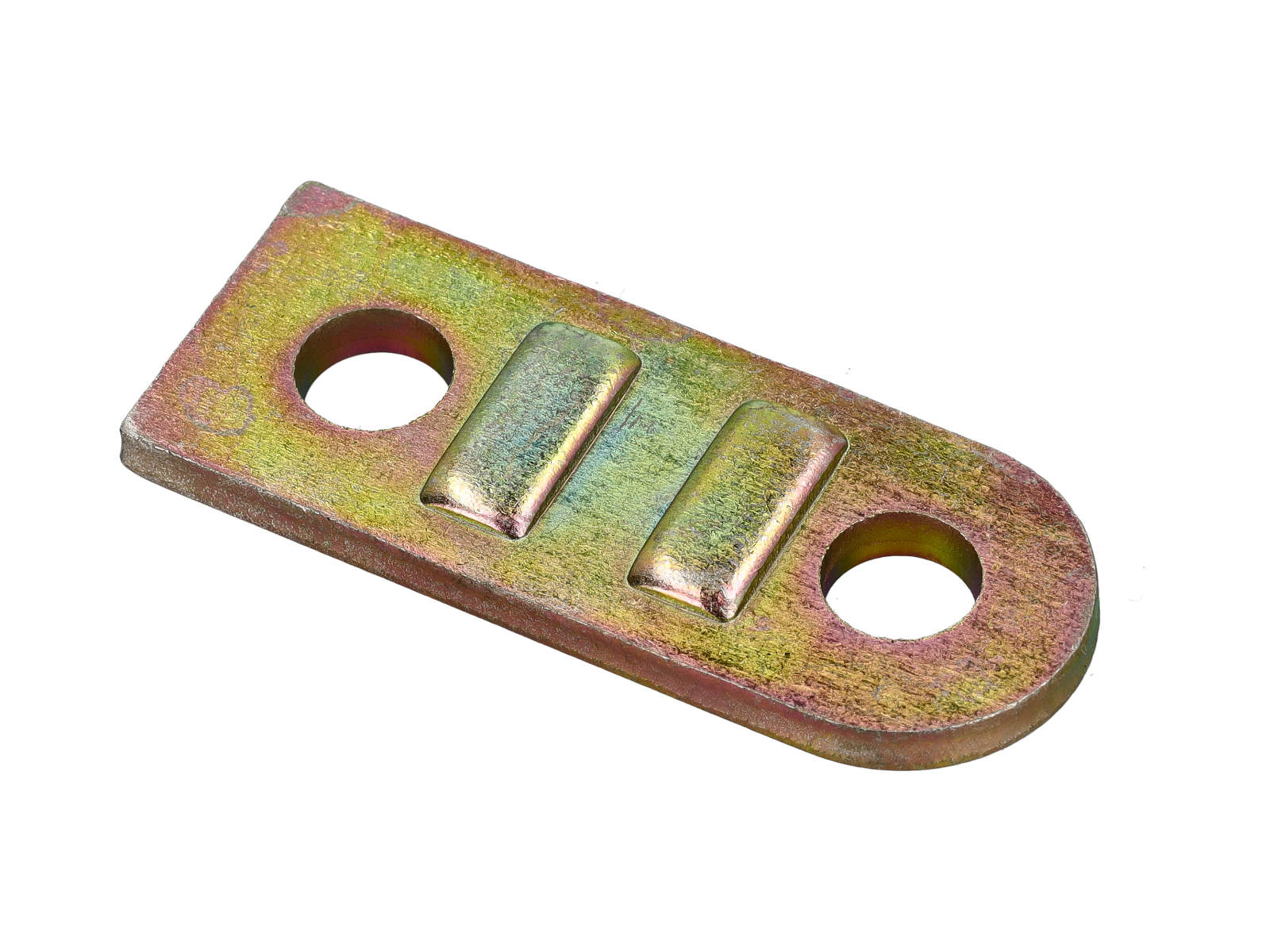
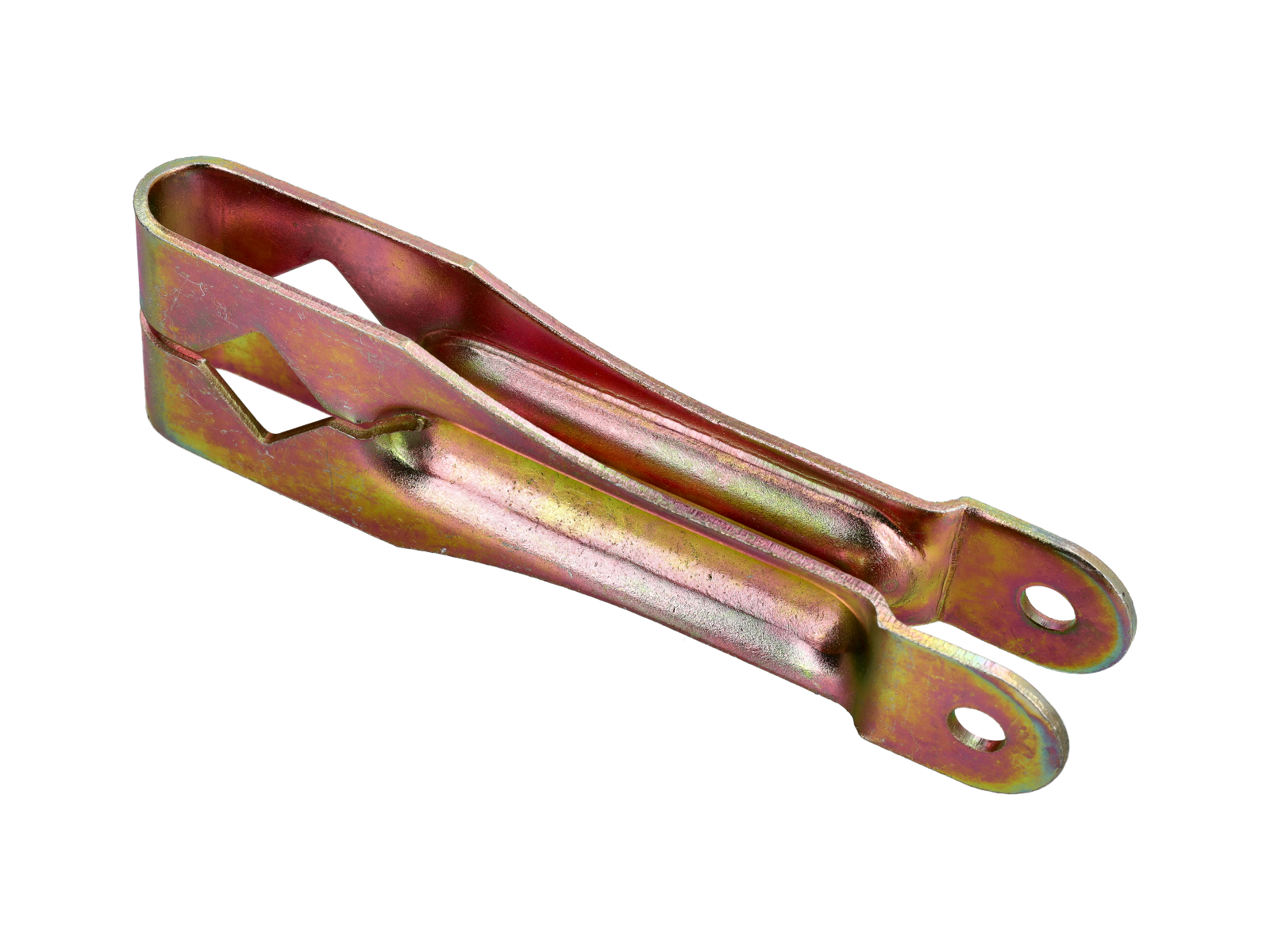
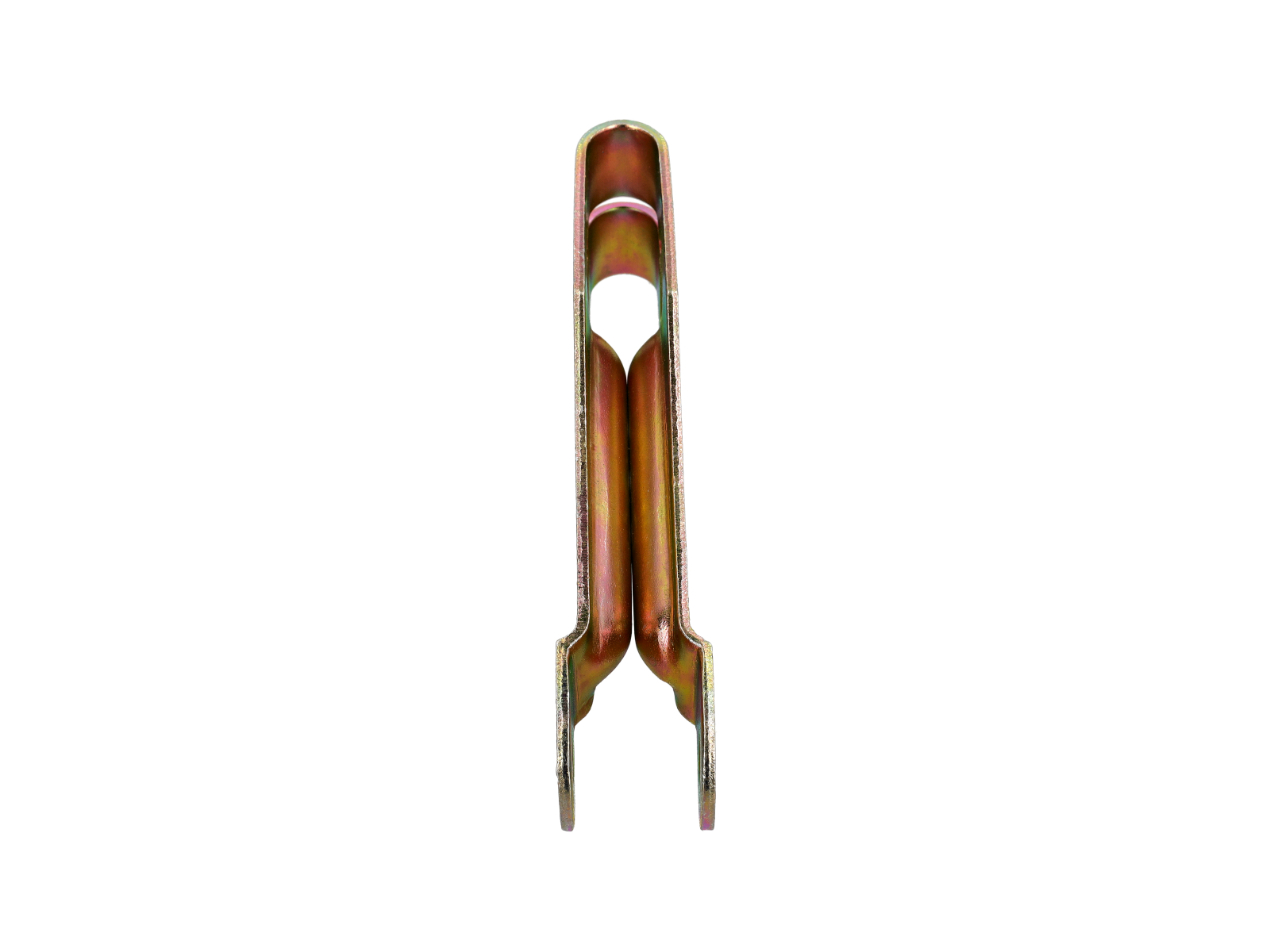
Restore the integrity of your Porsche suspension system with
this Anti Roll Bar Lever Guide Plate.
Manufactured to OE specifications, this precision-engineered guide plate
ensures the correct positioning and support of the front anti-roll bar lever
assembly, helping maintain accurate suspension geometry, smooth suspension
movement and predictable handling characteristics.
Fits:
- Porsche 911 1965-1968 2.0L / 912 SWB (F)
- Porsche 911 1968-1973 2.2L / 2.4L / 2.7L RS LWB (F)
- Porsche 914 (1970-1976)
Diagram ref no 42
Although compact in size, the guide plate performs an important role within the front suspension assembly. It supports the anti-roll bar lever mechanism, helping to keep associated components correctly aligned while allowing the anti-roll bar to function efficiently as suspension loads change during cornering, braking and uneven road conditions.
Whether you're undertaking a complete suspension rebuild, replacing worn hardware or carrying out a concours-quality restoration, this OE Match guide plate provides factory-quality fitment, durability and dependable long-term performance.
What Does the Front Anti Roll Bar Lever Guide Plate Do?
The front anti-roll bar lever guide plate helps maintain the correct positioning and operation of the anti-roll bar lever assembly.
Its primary functions include:
- Supporting the anti-roll bar lever mechanism.
- Maintaining correct component alignment.
- Assisting smooth suspension articulation.
- Helping distribute suspension loads.
- Supporting consistent anti-roll bar operation.
- Contributing to stable cornering performance.
- Maintaining suspension geometry.
A properly fitted guide plate helps ensure the anti-roll bar system operates as intended, improving vehicle stability and steering response.
Why Replace the Anti Roll Bar Lever Guide Plate?
Over time, suspension hardware can deteriorate due to continual mechanical loading and environmental exposure.
Common reasons for replacement include:
- Corrosion.
- Accident or impact damage.
- Bent or distorted components.
- Fatigue caused by years of use.
- Suspension restoration projects.
- Worn mounting points.
- Preventative maintenance during suspension rebuilds.
- Replacing missing original hardware.
Renewing suspension hardware helps maintain proper alignment and reliable operation throughout the suspension system.
Symptoms of a Worn or Damaged Guide Plate
Common signs include:
- Suspension clunks or rattles.
- Excessive movement within the anti-roll bar assembly.
- Poor suspension alignment.
- Reduced handling precision.
- Uneven suspension loading.
- Visible corrosion or distortion.
- Difficulty assembling suspension components.
- Excessive wear around mounting points.
Replacing worn guide plates restores the integrity of the anti-roll bar mounting system and helps maintain consistent suspension performance.
Benefits
- Restores correct suspension component alignment.
- Supports consistent anti-roll bar operation.
- Improves suspension stability.
- Helps reduce unwanted movement.
- Durable corrosion-resistant construction.
- Factory-quality fitment.
- Straightforward installation.
- Excellent value OE Match suspension component.
Installation Recommendations
For optimum suspension performance, inspect associated
components during installation, including:
- Front anti-roll bar.
- Anti-roll bar bushes.
- Lever arms.
- Mounting brackets.
- Drop links where applicable.
- Suspension bushes.
- Wishbones.
- Fasteners and mounting hardware.
Following installation, inspect the complete front suspension assembly to ensure correct alignment, free movement and secure fastening of all anti-roll bar components.
Related reference numbers
Related, superseded, cross reference or alternative numbers for comparison.
90134376300
The product you are viewing cross references to these numbers
- Porsche 911 1965-1968 2.0L / 912 SWB (F)
- Porsche 911 1968-1973 2.2L / 2.4L / 2.7L RS LWB (F)
- Porsche 914 (1970-1976)
Shop Securely
12 Month Warranty
Worldwide Delivery

Fits:
Porsche 911/911 S 1965-67
Porsche 911 S/TU/L 1968
Porsche 911 T/E/S 1969
Porsche 912 1965-69
Porsche 911 S / Carrera 2.7 / 911 T/E 1970-73
Porsche 914 1970-76
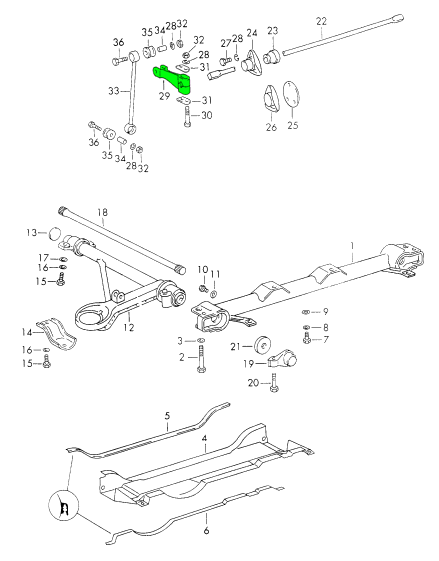
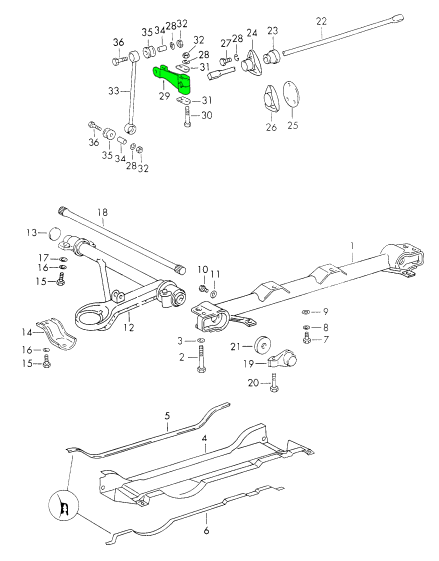
Diagram ref no 29
Related reference numbers
Related, superseded, cross reference or alternative numbers for comparison.
90134371301
The product you are viewing cross references to these numbers
- Porsche 911 1965-1968 2.0L / 912 SWB (F)
- Porsche 911 1968-1973 2.2L / 2.4L / 2.7L RS LWB (F)
- Porsche 914 (1970-1976)
Shop Securely
12 Month Warranty
Worldwide Delivery

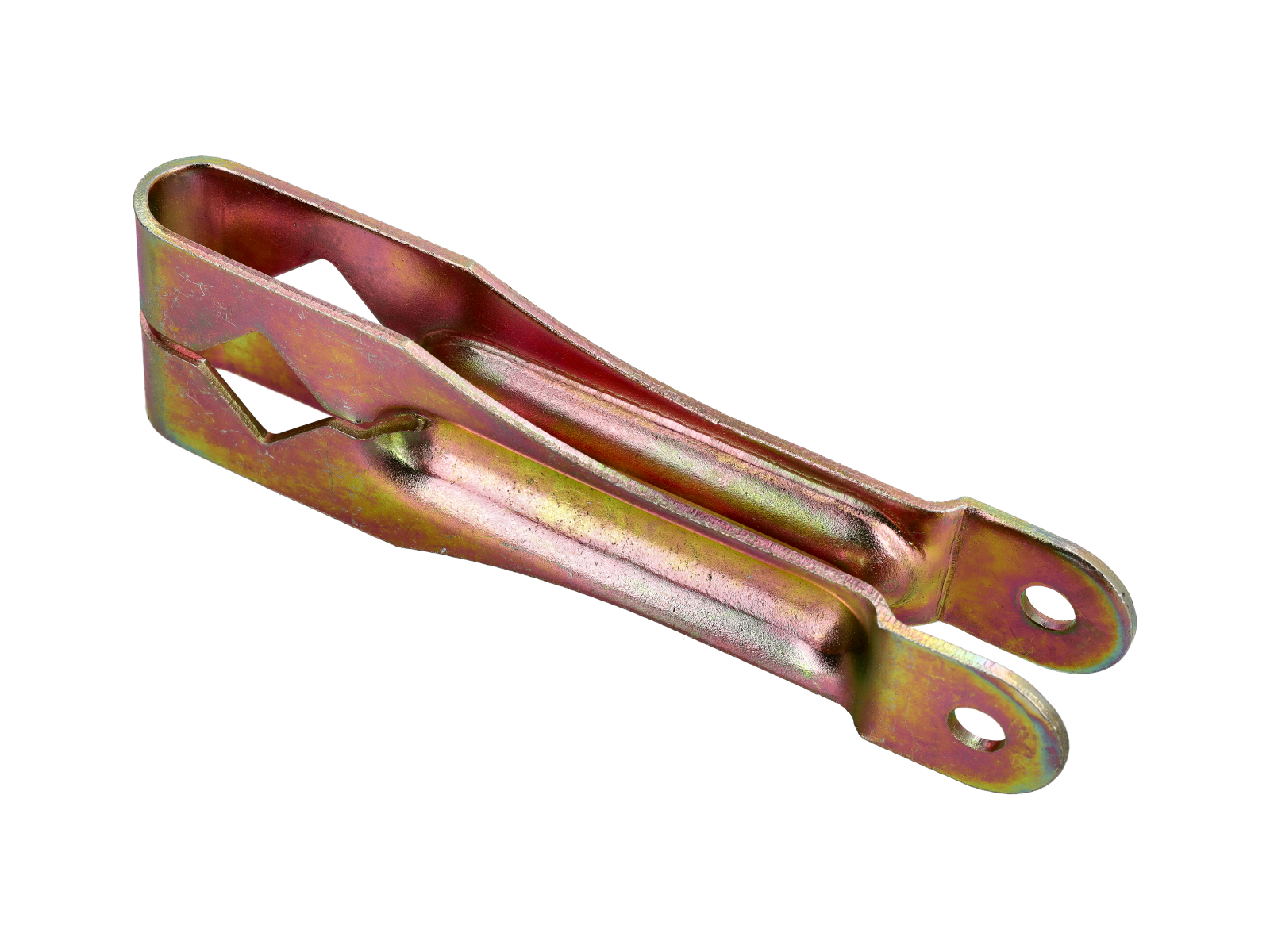
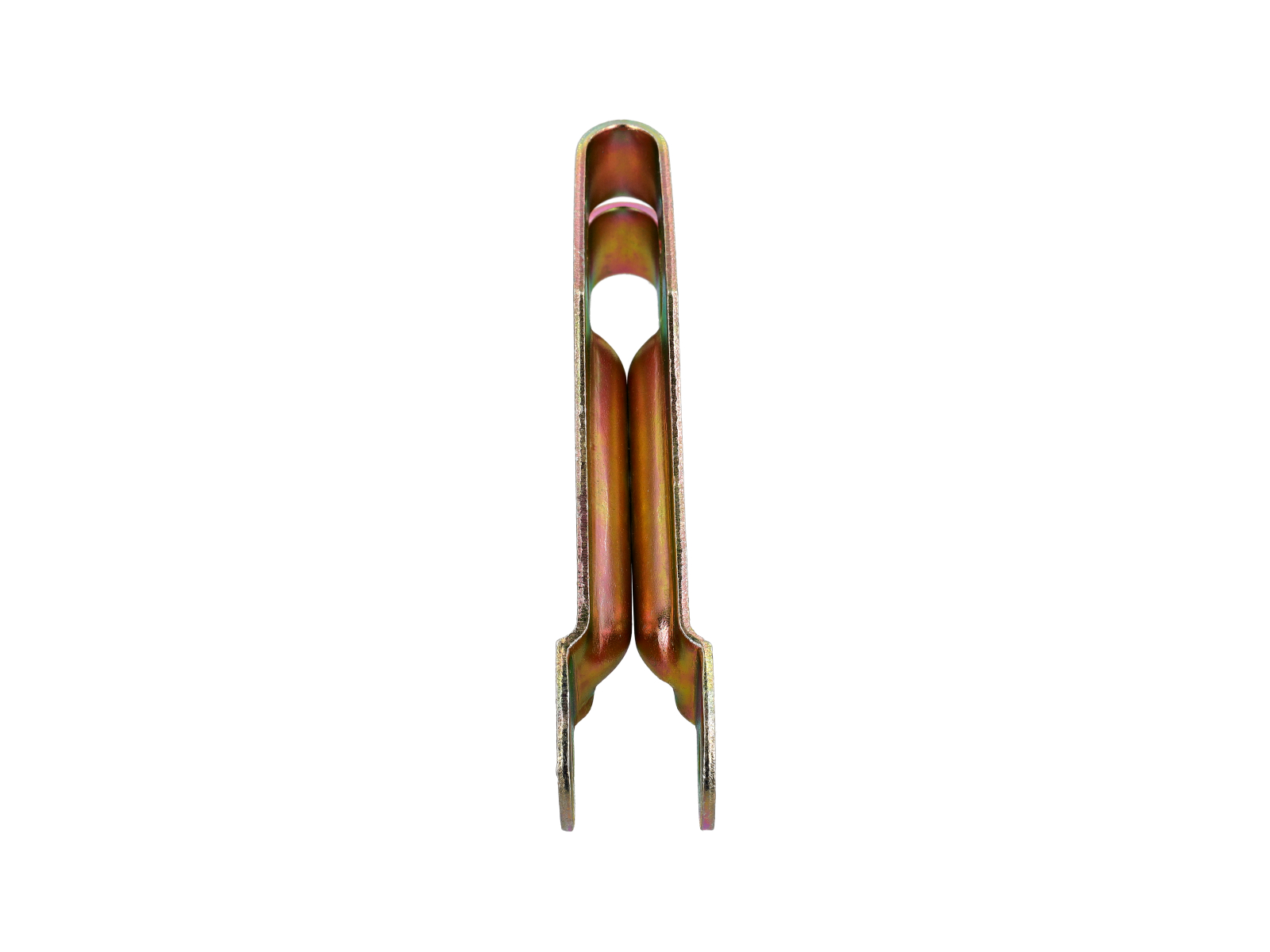
Front Axle Anti Roll Bar Lever
Sold each - 2 required per car
Restore the handling and suspension performance of your
classic Porsche with this OE Match Front Axle Anti Roll Bar Lever. This precision-manufactured suspension component
delivers the correct fit, strength and geometry required for reliable anti-roll
bar operation.
Fits:
- Porsche 911 1965-1968 2.0L / 912 SWB (F)
- Porsche 911 1968-1973 2.2L / 2.4L / 2.7L RS LWB (F)
- Porsche 914 (1970-1976)
Diagram ref no 29
The anti roll bar lever forms a vital part of the front suspension system, transferring movement between the suspension and anti-roll bar to help minimise body roll during cornering. Replacing worn or damaged levers helps restore predictable handling, steering precision and suspension performance.
Ideal for suspension rebuilds, chassis restoration or routine maintenance, this OE Match component provides dependable quality and long service life.
What Does the Front Axle Anti Roll Bar Lever Do?
The anti roll bar lever connects the front suspension to the anti-roll bar system.
Its primary functions include:
- Transferring suspension movement to the anti-roll bar.
- Reducing body roll during cornering.
- Improving vehicle stability.
- Helping maintain balanced handling characteristics.
- Supporting more consistent tyre contact with the road surface.
- Working with the anti-roll bar to improve steering response.
A correctly functioning anti roll bar lever contributes to the precise handling characteristics for which classic Porsche models are renowned.
Why Does the Anti Roll Bar Lever Wear Out?
Over many years of use, suspension components are subjected to continual stress, vibration and environmental exposure.
Common causes of wear include:
- Corrosion from water and road salt.
- Fatigue caused by repeated suspension movement.
- Impact damage from road debris.
- Wear around mounting points.
- Distortion following suspension damage.
- General ageing after decades of service.
A worn or damaged lever can affect suspension geometry, reduce handling precision and place additional stress on surrounding suspension components.
When Should It Be Replaced?
Replacement is recommended when:
- The suspension is being rebuilt.
- The lever is bent, cracked or corroded.
- Excessive wear is visible around mounting points.
- The anti-roll bar system has excessive movement.
- Restoring the vehicle to factory specification.
- Replacing anti-roll bar bushes or related suspension components.
- Completing a concours-quality restoration.
Replacing suspension components together helps maintain correct suspension geometry and restores the handling performance of your Porsche.
Related reference numbers
Related, superseded, cross reference or alternative numbers for comparison.
90134371301
The product you are viewing cross references to these numbers
- Porsche 911 1965-1968 2.0L / 912 SWB (F)
- Porsche 911 1968-1973 2.2L / 2.4L / 2.7L RS LWB (F)
- Porsche 914 (1970-1976)
Shop Securely
12 Month Warranty
Worldwide Delivery


SET OF 2, One pair is required per vehicle.
Fits:
Porsche 911: 1965 through 1989
Porsche 912: 1965 through 1969
Porsche 930 (Turbo): 1975 through 1989
Choose from the following torsion-bar rates: 19 mm, 20 mm, 21 mm, 22 mm, 23 mm or 24 mm.
The different rates allow the front suspension setup to be tailored to suit anything from a standard-style road car through to fast-road, autocross and competition applications.
Product Information
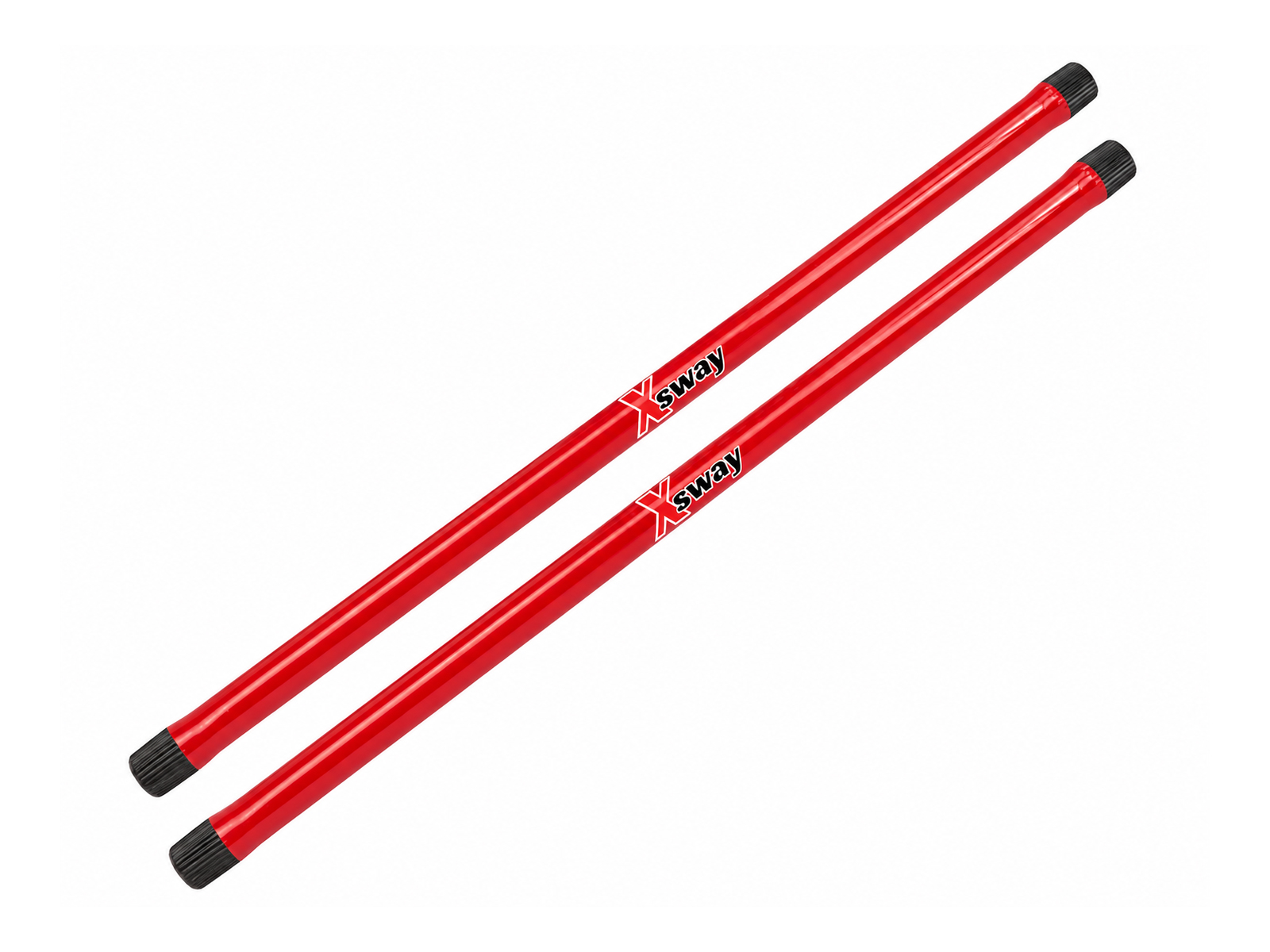
High-performance Sway-A-Way tubular front torsion bar set for classic Porsche 911 models. Designed as a direct replacement and performance upgrade for the factory front torsion bars, these bars allow you to select the spring rate that best matches the vehicle's intended use, suspension specification and handling requirements.
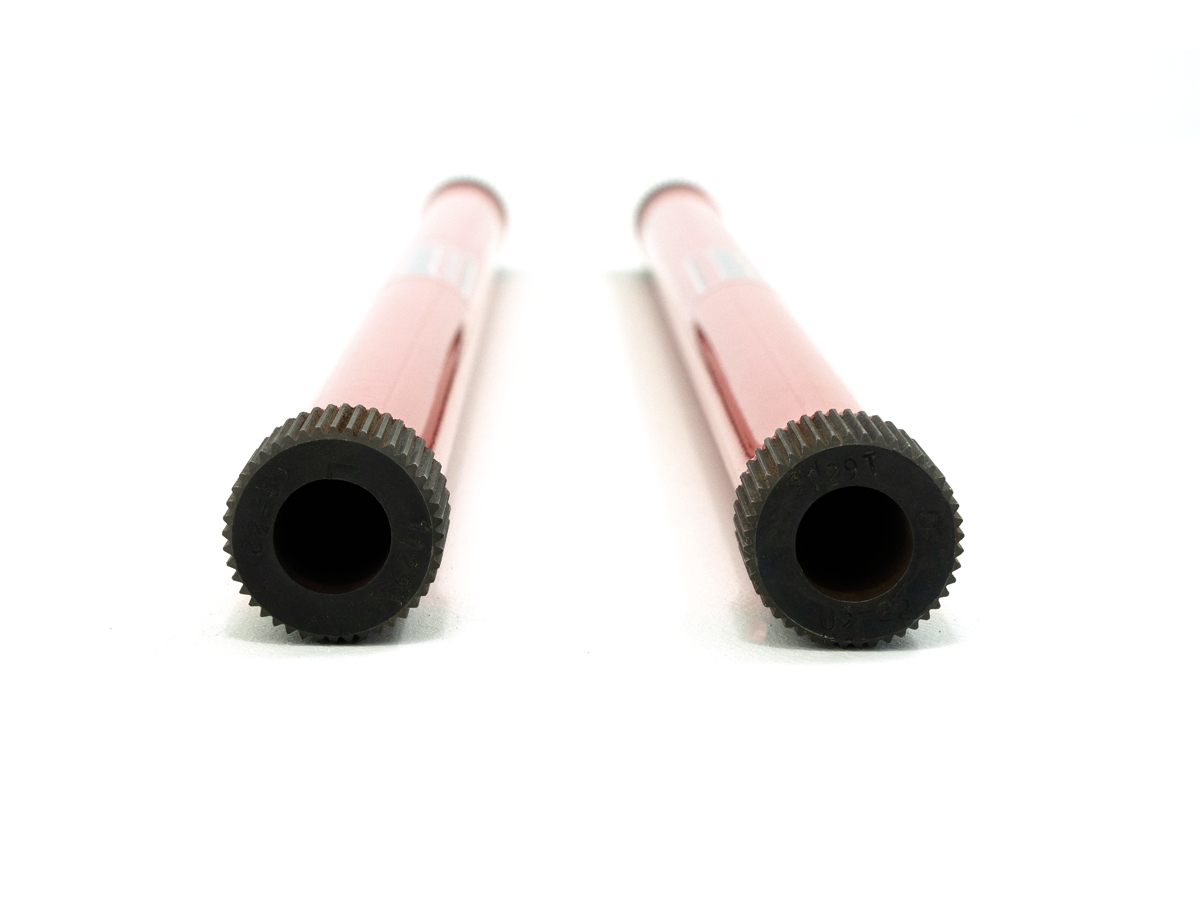
Unlike conventional solid torsion bars, the tubular / hollow construction is designed to achieve the required torsional spring rate while reducing unnecessary component weight. This provides an excellent strength-to-weight solution for performance-focused Porsche suspension systems.
Sway-A-Way torsion bars are manufactured from high-strength 4340 alloy steel, a material widely used where excellent fatigue resistance and strength under repeated torsional loading are required.
The bars are precision manufactured, heat treated and finished for durability, helping provide a consistent spring characteristic during demanding road and track use. Sway-A-Way product information specifies centreless-ground alloy-steel construction, heat treatment and protective coating on its Porsche torsion bars.
Choosing the Correct Torsion Bar Rate
The torsion bar acts as the spring in the classic Porsche 911 suspension system.
Increasing the torsion-bar rate increases suspension stiffness.
This can provide:
• Reduced body roll
• Sharper steering response
• Improved control during aggressive cornering
• Reduced suspension movement under load
• Better support for performance tyres
• Improved chassis response on track.
However, increasing torsion-bar stiffness also changes ride quality and the overall balance of the chassis.
19 mm
A softer option suited to cars where road comfort and near-standard suspension behaviour are priorities.
Ideal for:
• Standard or lightly modified cars
• Road use Restoration projects
• Drivers wanting compliant suspension behaviour
20 mm
A mild performance increase that offers a useful step toward sharper handling without moving too far away from road-oriented suspension characteristics.
Ideal for:
• Fast-road cars
• Uprated road suspension
• Weekend sports cars
• Mild performance builds
Installation & Performance Notes:
• Balanced Handling: When upgrading the front bars to 20mm, it is highly recommended to also upgrade the rear torsion bars to maintain the 911’s neutral handling balance. Pairing 20mm front bars with 26mm or 27mm rear bars is a common "sport" configuration.
• Indexing: These bars utilize the factory splined ends. Correct indexing (clocking) during installation is critical to achieving the proper stance. Document your original bar's orientation before removal to simplify the setup of your new ride height.
• Maintenance: Thoroughly clean the female splines in the A-arms and adjustment caps. Apply a high-quality waterproof grease to the splines during assembly to prevent future seizing and "creaking" during cornering.
21 mm
A more noticeable performance upgrade providing increased front-end support and reduced body movement.
Ideal for:
• Fast-road driving
• Autocross
• Dual road/track use
• Performance suspension builds
A 21 mm effective rate represents a substantial increase in stiffness compared with a standard 19 mm front torsion-bar rate.
Performance & Installation Notes:
• System Balance: To prevent excessive understeer, 21mm front bars should generally be paired with upgraded rear torsion bars (typically 27mm or 28mm) to keep the 911’s handling neutral.
• Damping Requirements: Because the spring rate is significantly higher than stock, standard comfort-valved shocks may be overwhelmed. Performance-valved dampers (such as Bilstein B8 or similar) are highly recommended.
• Spline Care: Always clean the female splines in the A-arms and adjustment caps before installation. Use high-quality waterproof grease on the splines to prevent future seizing and ensure quiet operation.
22 mm
A performance-focused option suitable for cars using uprated dampers, tyres and complementary rear suspension upgrades.
Ideal for:
• Aggressive fast-road use
• Track days
• Lightweight builds
Installation & Setup Notes
• Weight Benefit: The tubular design reduces unsprung mass at the front of the vehicle, allowing the suspension to react more quickly to road imperfections compared to a solid bar of the same rate.
• Spline Care: These bars feature factory-style splined ends. Ensure the female splines in the A-arms are clean and lubricated with a high-pressure waterproof grease during assembly to prevent "creaking."
• Indexing: Due to the 22mm diameter, indexing is sensitive. Document your original bar position to ensure you can accurately set your desired ride height (factory or "Euro" spec).
23 mm
A significantly stiffer option intended primarily for serious performance and competition applications.
Ideal for:
• Track cars
• Autocross
• Competition builds
• RSR-style projects
• Cars using competition-spec dampers and rear torsion bars
The 23 mm tubular version is described by X-Sway as a competition-oriented front torsion bar with substantially increased rate over a stock 19 mm setup.
Performance & Installation Notes:
• Balanced Setup: At a 23mm front rate, you must upgrade your rear torsion bars (typically to 30mm or 31mm) to maintain the 911’s handling balance. Using these with stock rear bars will result in severe understeer.
• Damping Requirements: This spring rate requires aggressive damping. We recommend competition-valved struts (such as Bilstein RSR-spec or custom-valved dampers) to prevent the front end from feeling "bouncy."
• Spline Maintenance: Clean and inspect the female splines in your A-arms and adjustment caps. Apply a high-quality waterproof grease to the splines during installation to ensure quiet operation and prevent seizing.
• Indexing: Because these bars are so stiff, indexing is extremely sensitive. A single spline adjustment will move the ride height significantly; document your starting position carefully.
24 mm
The stiffest option in this range, intended for highly developed suspension setups where maximum front spring control is required.
Ideal for:
• Dedicated track cars
• Motorsport applications
• Lightweight competition builds
• Cars with suitably matched rear spring rates and dampers
Related reference numbers
Related, superseded, cross reference or alternative numbers for comparison.
FT18
The product you are viewing cross references to these numbers
- Porsche 911 1965-1968 2.0L / 912 SWB (F)
- Porsche 911 1968-1973 2.2L / 2.4L / 2.7L RS LWB (F)
- Porsche 911 1974-1977 2.7L / 1976-77 3.0 Carrera
- Porsche 911 1978-1983 3.0L / SC
- Porsche 911 1984-1986 3.2L
- Porsche 911 1987-1989 3.2L G50
- Porsche 911 1975-1977 3.0L Turbo (930)
- Porsche 911 1978-1989 3.3L Turbo (930)
Shop Securely
12 Month Warranty
Worldwide Delivery

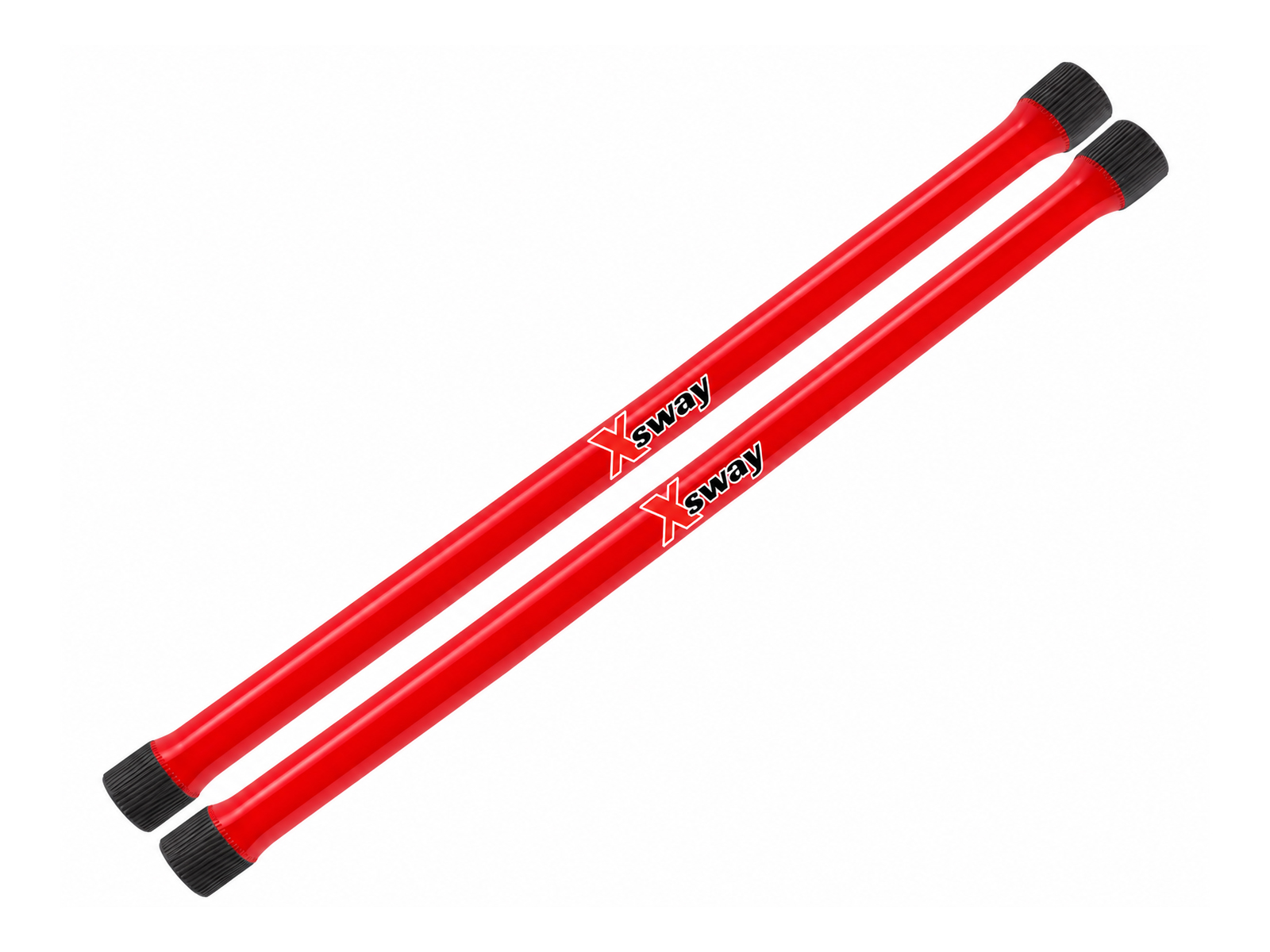
SET OF 2, One pair is required per vehicle
Fits:
Porsche 911 1987-1989 3.2L G50
Porsche 911 1978-1989 3.3L Turbo (930)
Always confirm that your vehicle uses the G50 transmission and corresponding rear suspension configuration before ordering.
The tubular construction is engineered so that the hollow bar provides the same effective spring rate as the equivalent solid-diameter torsion bar, while reducing the amount of material and therefore overall component weight.
Sway-A-Way torsion bars are manufactured from high-strength, heat-treated alloy steel. The bars are precision centreless ground for consistent dimensions and spring characteristics, then finished with a protective powder coating to help resist corrosion.
Available Torsion Bar Rates
27 mm - Fast-road and occasional track use
The 27 mm tubular rear torsion bar provides a useful performance increase while remaining a sensible option for cars that see regular road use. Sway-A-Way identifies the tubular 27 mm bar as having the stiffness of an equivalent solid 27 mm torsion bar while providing a useful weight reduction.
Recommended for:
• Fast-road Porsche 911s
• Uprated road suspension
• Occasional track-day us
• Cars using uprated dampers and front torsion bars
The 27 mm option provides greater rear suspension support without immediately moving to one of the highest rates in the range.
Technical Setup & Performance Notes:
• Unsprung Weight Benefits: Because the tubular bar is lighter, the suspension has less inertia. This allows your dampers to work more efficiently, resulting in better mechanical grip on rougher track surfaces or uneven canyon roads.
• Matched Balancing: A 27mm rear rate is a significant jump. To maintain the 911’s famous handling balance, it is highly recommended to pair these with 21mm or 22mm front torsion bars.
• Damping Requirements: Standard shocks may struggle with the increased "snap" of a 27mm rate. Custom-valved Bilstein or Koni dampers are recommended to properly control the rebound.
• Spline Care: During installation, apply a generous amount of waterproof anti-seize grease to the splines. Because tubular bars are more resonant than solid ones, proper lubrication is essential to prevent "creaking" or "clunking" sounds.
28 mm - Fast-road / track-day performance (not recommended for off-road use)
The 28 mm tubular rear torsion bar provides a further increase in spring rate, offering stronger control of rear suspension movement during hard acceleration and cornering.
Recommended for:
• Aggressive fast-road use
• Road and track-day cars
• Autocross
• Performance builds using modern high-grip tyres
• Cars with matched performance dampers.
This is a strong middle option for drivers wanting a more focused chassis while retaining some flexibility for road use.
29 mm Track-focused and competition-oriented applications (not recommended for off-road use)
The 29 mm tubular rear torsion bar is the firmest of these three G50 options and is aimed at more serious performance-oriented suspension setups.
Recommended for:
• Track-focused Porsche 911s
• Competition-inspired builds
• Autocross
• Lightweight cars
• High-grip tyre setups
• Cars with appropriately matched front torsion bars and performance dampers
The increased rear spring rate provides greater resistance to squat and roll but should be combined with a balanced overall suspension package.
Why Upgrade the Rear Torsion Bars?
The classic Porsche 911 suspension uses torsion bars as its primary springs. As suspension load increases, the torsion bar twists along its length. The resistance to this twisting action determines the effective spring rate.
Increasing the torsion-bar rate can provide:
• Reduced body roll
• Reduced rear-end squat during acceleration
• Improved suspension control
• More immediate chassis response
• Greater stability during fast cornering
• Better support for high-grip modern tyres
• Improved control during track use
• Improved balance when combined with complementary front suspension upgrades.
The larger the effective torsion-bar diameter, the greater the spring rate.
Tubular / Hollow Construction
Sway-A-Way tubular torsion bars are designed to reduce weight without sacrificing the desired spring rate.
The internal diameter of the hollow bar is engineered so that its torsional stiffness corresponds to the stated solid-bar rate.
This means a 27 mm tubular-rate bar is designed to provide the spring characteristics associated with a 27 mm solid torsion bar, rather than simply being a hollow 27 mm tube with a significantly softer rate.
This construction provides an attractive combination of:
• High torsional strength
• Reduced component weight
• Consistent spring rate
• Durable performance
• Motorsport-oriented engineering.
For Porsche owners looking to reduce unnecessary weight while upgrading suspension performance, the tubular design provides a useful advantage over conventional solid bars.
Related reference numbers
Related, superseded, cross reference or alternative numbers for comparison.
RT21
The product you are viewing cross references to these numbers
- Porsche 911 1987-1989 3.2L G50
- Porsche 911 1978-1989 3.3L Turbo (930)
Shop Securely
12 Month Warranty
Worldwide Delivery

SET OF 2, One pair is required per vehicle.
Fits:
Porsche 911 / 912: 1965 through 1986
* Rear axle application using the 24 11/16-inch short torsion-bar configuration
* These bars Does not fit 1987–1989 Porsche 911 models. The G50-equipped cars require longer torsion bars and have a different spline configuration.
The tubular construction provides the spring characteristics of the corresponding solid torsion-bar size while reducing unnecessary weight. Sway-A-Way specifically engineers the hollow section so the tubular version maintains the intended spring rate rather than simply producing a softer hollow bar.
Compared with an equivalent solid set, Sway-A-Way states that the tubular construction saves approximately 5 lb per pair, making these bars particularly attractive for performance-focused Porsche builds where suspension weight reduction is desirable.
Available Torsion Bar Sizes
25 mm (Performance/Weight Reduction Upgrade)
The 25 mm tubular bar is the mildest option in this range and is well suited to performance road cars where increased rear support is desired without moving immediately to a very aggressive track-oriented spring rate.
Suitable for:
• Road-focused Porsche 911s
• Mild suspension upgrades
• Touring and fast-road use
• Cars retaining relatively compliant front suspension settings
Critical Fitment Exceptions:
Solid vs. Tubular Tuning: While a 25mm tubular bar is designed to mimic the rate of a 25mm solid bar, the reduced mass alters the suspension's harmonic frequency. It is highly recommended to pair these with high-quality, adjustable dampers to take full advantage of the weight savings.
26 mm (Competition/Weight Reduction Upgrade)
The 26 mm tubular bar provides a noticeable increase in rear suspension stiffness and is a popular step for performance-oriented road cars.
Suitable for:
• Fast-road builds
• Uprated dampers
• Modern performance tyres
• Occasional track use Higher-powered road cars
Critical Fitment Exceptions:
Unsprung Mass Advantage: While the spring rate is identical to a solid 26mm bar, the reduced mass of the tubular design improves tire contact over ripples and bumps. To maximize this benefit, use high-quality adjustable shocks with appropriate rebound damping.
27 mm (Extreme Performance / Weight Reduction)
The 27 mm tubular bar moves further toward a dedicated performance suspension setup. It provides increased resistance to rear suspension compression, helping control squat during acceleration and body movement during hard cornering.
Suitable for:
• Fast-road / track-day cars
• Autocross
• Lightweight performance builds
• Cars using uprated front torsion bars and dampers
Critical Fitment Exceptions:
Competition Stiffness Warning: A 27mm spring rate is roughly 125% stiffer than a factory 22mm bar. While the tubular design reduces weight, the ride will be extremely rigid. This setup is highly recommended for track-dedicated vehicles or high-horsepower competition builds only
28 mm (Extreme Competition / Weight Reduction)
The 28 mm tubular bar offers a substantial increase in rear spring rate and is aimed at cars with a more developed performance suspension setup.
Suitable for:
• Track-day Porsche 911s
• Competition-inspired builds
• High-grip tyres
• Uprated dampers
• Higher-powered engines
Critical Fitment Exceptions:
Extreme Stiffness Warning: A 28mm spring rate is over 160% stiffer than a factory 22mm bar. Even with the weight savings of a tubular design, the ride will be incredibly rigid. This setup is strictly recommended for track-dedicated vehicles, high-horsepower competition builds, or professional autocross setups.
29 mm (Extreme Competition / Weight Reduction)
The 29 mm tubular bar is a serious performance option designed for cars where chassis response and rear roll control take priority over road comfort.
Suitable for:
• Track-focused builds
• Autocross
• Motorsport applications
• Lightweight competition cars
• Cars running suitably matched front torsion bars and dampers
Critical Fitment Exceptions
Race-Only Stiffness Warning: A 29mm spring rate is over 200% stiffer than a factory 22mm bar. Even with the weight savings of a tubular design, the ride will be incredibly rigid. This setup is strictly recommended for track-dedicated vehicles, high-horsepower competition builds, or professional autocross setups.
30 mm (Extreme-Duty / Race Only)
The 30 mm tubular rear torsion bar is a high-rate competition-focused option offering substantial resistance to rear body movement and acceleration squat.
Suitable for:
• Dedicated track cars
• High-horsepower applications
• Motorsport builds
• Aggressive suspension setups
• Cars with competition dampers and complementary front spring rates
Critical Fitment Exceptions:
Maximum Stiffness Warning: A 30mm spring rate is over 250% stiffer than a factory 22mm bar. This results in an incredibly rigid ride that is not suitable for daily street use.
Chassis Reinforcement Required: Due to the massive torque these bars exert, we highly recommend using reinforced spring plates and checking your torsion housing for structural integrity.
31 mm (Professional Race / Weight Reduction)
The 31 mm tubular bar is the stiffest option in this range and is intended primarily for highly developed competition suspension systems.
Suitable for:
• Dedicated race cars
• Motorsport applications
• High-downforce or high-grip builds
• Lightweight competition
• Porsche 911s Suspension packages using appropriately matched front spring rates and dampers
Critical Fitment Exceptions:
Maximum Rigidity Warning: A 31mm spring rate is over 290% stiffer than a factory 22mm bar. This setup is strictly for dedicated track vehicles, heavy V8-conversion sand rails, or professional-grade drag racing.
Advanced Damping Required: You must use high-end, race-valved adjustable shocks to control the energy of a 31mm bar; standard street shocks will fail to manage the rebound speed, resulting in dangerous handling.
Related reference numbers
Related, superseded, cross reference or alternative numbers for comparison.
RT11
The product you are viewing cross references to these numbers
- Porsche 911 1965-1968 2.0L / 912 SWB (F)
- Porsche 911 1968-1973 2.2L / 2.4L / 2.7L RS LWB (F)
- Porsche 911 1974-1977 2.7L / 1976-77 3.0 Carrera
- Porsche 911 1978-1983 3.0L / SC
- Porsche 911 1984-1986 3.2L
Shop Securely
12 Month Warranty
Worldwide Delivery

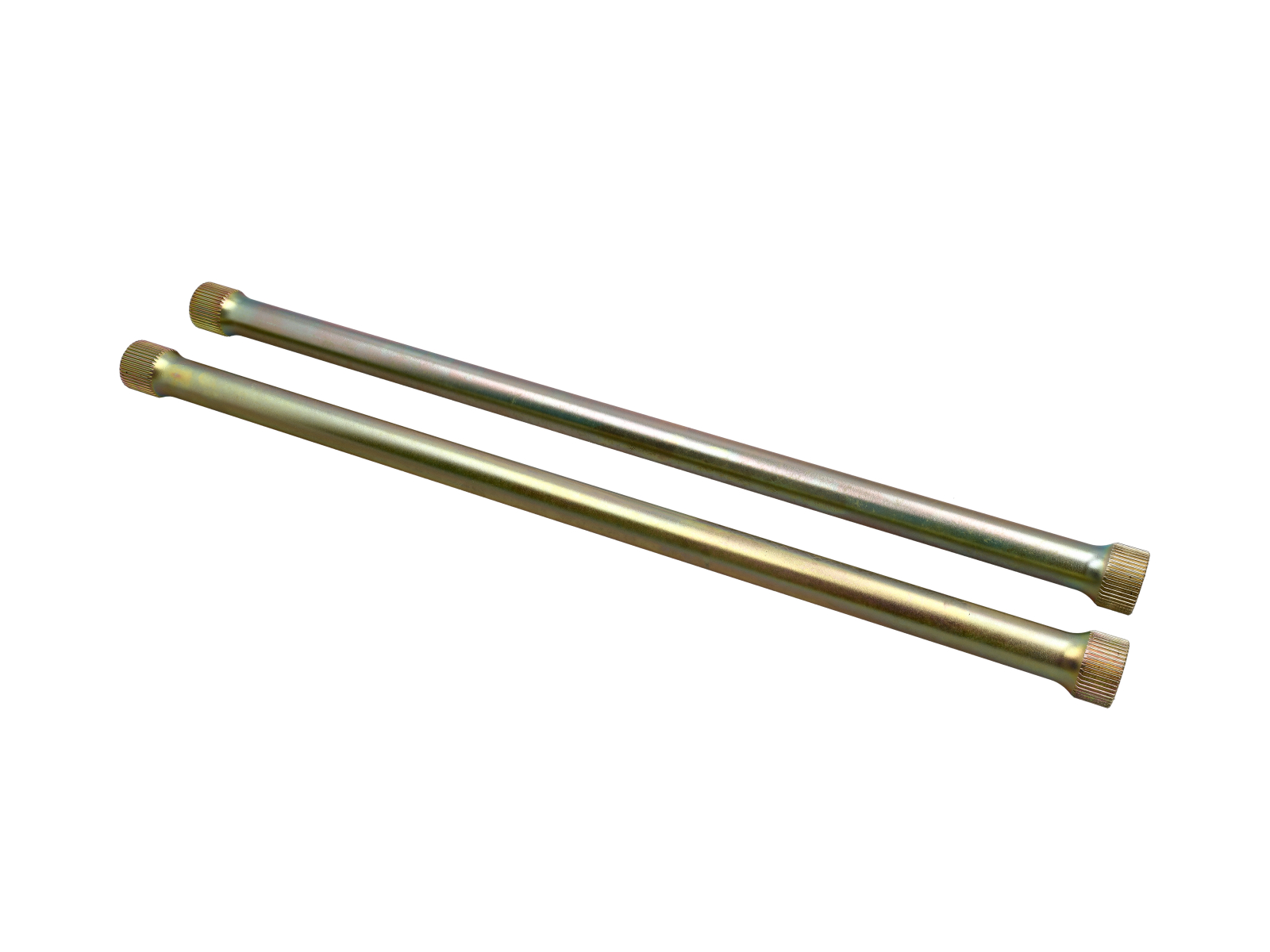
Sold per kit, 1 kit req'd per car.
Fits:
Porsche 911/912/930 1965-89
Porsche 914 1970-76
QuickChange Torsion Bars are Plated & Plugged and include a female threaded end that you can engage with a bolt to use as a handle for easier extraction / insertion.
Use the rears bars in combination with our QuickChange™ Spring Plate products for fast torsion bar swapping and re-indexing. QuickChange™ Torsion Bars can be extracted through the QuickChange™ Spring Plate without removing any bolts. Alignment settings are maintained. You don't even need to remove the wheel from the car. Changing torsion bars is a 5 minute per side operation!
A QuickChange™ Insert is available separately for converting your existing hollow torsion bars.
QuickChange™ Torsion Bars make it easy to dislodge a stuck bar, and thereby offer benefits even when used on the front and with factory spring plates (factory spring do not allow the bars to be extracted without removing the plates).
Related reference numbers
Related, superseded, cross reference or alternative numbers for comparison.
209202
The product you are viewing cross references to these numbers
- Porsche 911 1965-1968 2.0L / 912 SWB (F)
- Porsche 911 1968-1973 2.2L / 2.4L / 2.7L RS LWB (F)
- Porsche 911 1974-1977 2.7L / 1976-77 3.0 Carrera
- Porsche 911 1978-1983 3.0L / SC
- Porsche 911 1984-1986 3.2L
- Porsche 911 1987-1989 3.2L G50
- Porsche 911 1975-1977 3.0L Turbo (930)
- Porsche 911 1978-1989 3.3L Turbo (930)
- Porsche 914 (1970-1976)
Shop Securely
12 Month Warranty
Worldwide Delivery

Sold per kit, 1 kit req'd per car.
Fits:
for G50 Transmission
Porsche 911 / 930 1987-89
QuickChange Torsion Bars are Plated & Plugged and include a female threaded end that you can engage with a bolt to use as a handle for easier extraction / insertion.
Use the rears bars in combination with our QuickChange™ Spring Plate products for fast torsion bar swapping and re-indexing. QuickChange™ Torsion Bars can be extracted through the QuickChange™ Spring Plate without removing any bolts. Alignment settings are maintained. You don't even need to remove the wheel from the car. Changing torsion bars is a 5 minute per side operation!
A QuickChange™ Insert is available separately for converting your existing hollow torsion bars.
QuickChange™ Torsion Bars make it easy to dislodge a stuck bar, and thereby offer benefits even when used on the front and with factory spring plates (factory spring do not allow the bars to be extracted without removing the plates).
Related reference numbers
Related, superseded, cross reference or alternative numbers for comparison.
21021
The product you are viewing cross references to these numbers
- Porsche 911 1987-1989 3.2L G50
- Porsche 911 1978-1989 3.3L Turbo (930)
- Porsche 914 (1970-1976)
Shop Securely
12 Month Warranty
Worldwide Delivery

Sold per kit, 1 kit req'd per car.
Fits:
Porsche 911/912/930/914 '65-'86
Porsche 356 A/B '48-'65 (Pre-A, C and CS Read Notes),
Porsche 944/968/924 '76-'95 w/ QuickChange Spring Plates
PLEASE NOTE: sizes 34mm and 36mm are not applicable for 944, 968 and 924 models)
QuickChange Torsion Bars are Plated & Plugged and include a female threaded end that you can engage with a bolt to use as a handle for easier extraction / insertion.
Use the rears bars in combination with our QuickChange™ Spring Plate products for fast torsion bar swapping and re-indexing. QuickChange™ Torsion Bars can be extracted through the QuickChange™ Spring Plate without removing any bolts. Alignment settings are maintained. You don't even need to remove the wheel from the car. Changing torsion bars is a 5 minute per side operation!
A QuickChange™ Insert is available separately for converting your existing hollow torsion bars.
QuickChange™ Torsion Bars make it easy to dislodge a stuck bar, and thereby offer benefits even when used on the front and with factory spring plates (factory spring do not allow the bars to be extracted without removing the plates).
Related reference numbers
Related, superseded, cross reference or alternative numbers for comparison.
21020
The product you are viewing cross references to these numbers
- Porsche 911 1965-1968 2.0L / 912 SWB (F)
- Porsche 911 1968-1973 2.2L / 2.4L / 2.7L RS LWB (F)
- Porsche 911 1974-1977 2.7L / 1976-77 3.0 Carrera
- Porsche 911 1978-1983 3.0L / SC
- Porsche 911 1984-1986 3.2L
- Porsche 911 1975-1977 3.0L Turbo (930)
- Porsche 911 1978-1989 3.3L Turbo (930)
- Porsche 924 2.0L 1976-79
- Porsche 924 2.0L 1980-85
- Porsche 924 Turbo 2.0L 1979-81
- Porsche 924 Turbo 2.0L 1982-84
- Porsche 924 Carrera GT 2.0L 1981
- Porsche 924 Carrera GTS 2.0L 1982
- Porsche 924S 2.5L 1986-87
- Porsche 924S 2.5L 1988
- Porsche 944 2.5L 8V 1982-87
- Porsche 944 2.7L 8V 1988-89
- Porsche 944S 2.5L 16V 1987-88
- Porsche 944S2 3.0L 16V 1989-91
- Porsche 944 Turbo 2.5L 8V 1985-88
- Porsche 944 Turbo 2.5L 8V 1989-91
- Porsche 944 Turbo S 2.5L 8V 1988
- Porsche 968 3.0L 1992-94
- Porsche 968 Sport 3.0L 1994-95
- Porsche 968 CS 3.0L 1993-95
- Porsche 968 Turbo S 3.0L 1993-94
- Porsche 914 (1970-1976)
- Porsche 912E 4CYL 1976
Shop Securely
12 Month Warranty
Worldwide Delivery

Fits:
Porsche 911 Carrera 72-86
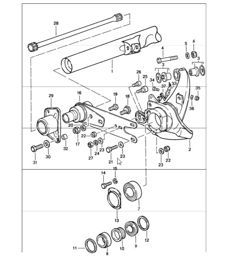
Click 'Zoom in' for large parts diagram.
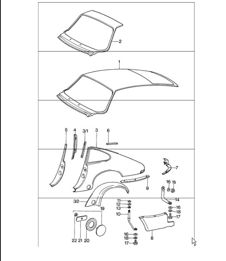
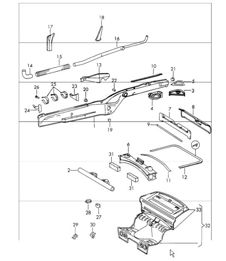
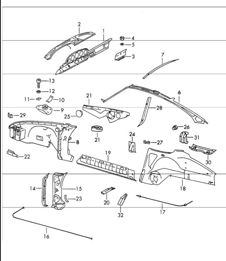
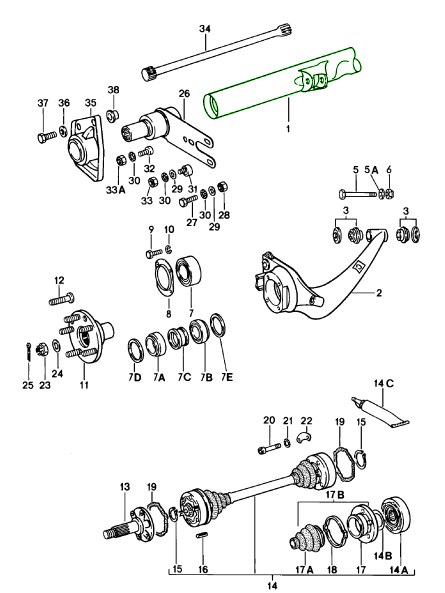
Diagram ref no 1
Related reference numbers
Related, superseded, cross reference or alternative numbers for comparison.
91133101002GRV
The product you are viewing cross references to these numbers
- Porsche 911 1968-1973 2.2L / 2.4L / 2.7L RS LWB (F)
- Porsche 911 1974-1977 2.7L / 1976-77 3.0 Carrera
- Porsche 911 1978-1983 3.0L / SC
- Porsche 911 1984-1986 3.2L
Shop Securely
12 Month Warranty
Worldwide Delivery

Fits:
Porsche 911 Turbo 1978 - 1989
Diagram ref no 1
Related reference numbers
Related, superseded, cross reference or alternative numbers for comparison.
93033101002GRV
The product you are viewing cross references to these numbers
- Porsche 911 1978-1989 3.3L Turbo (930)

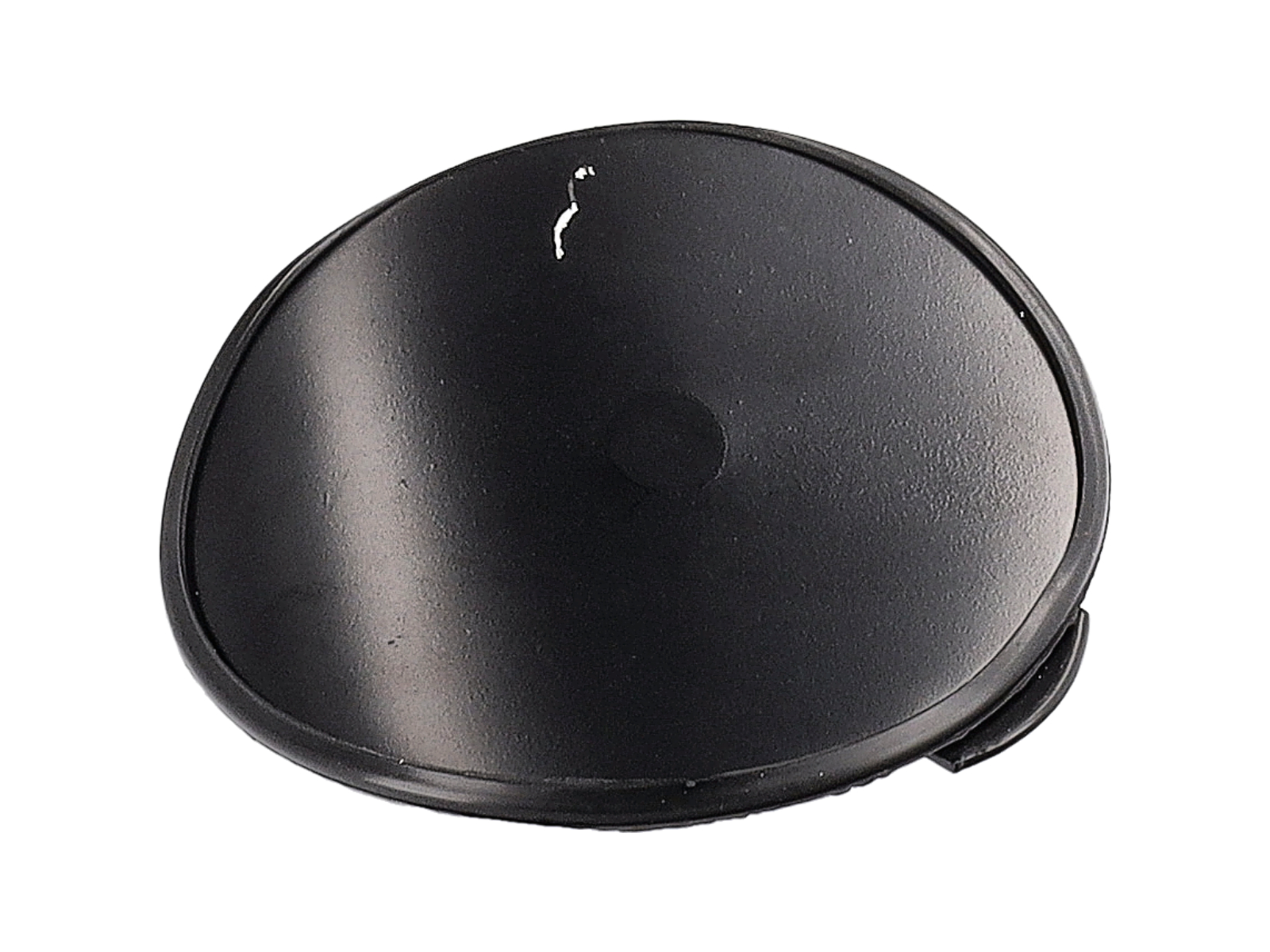
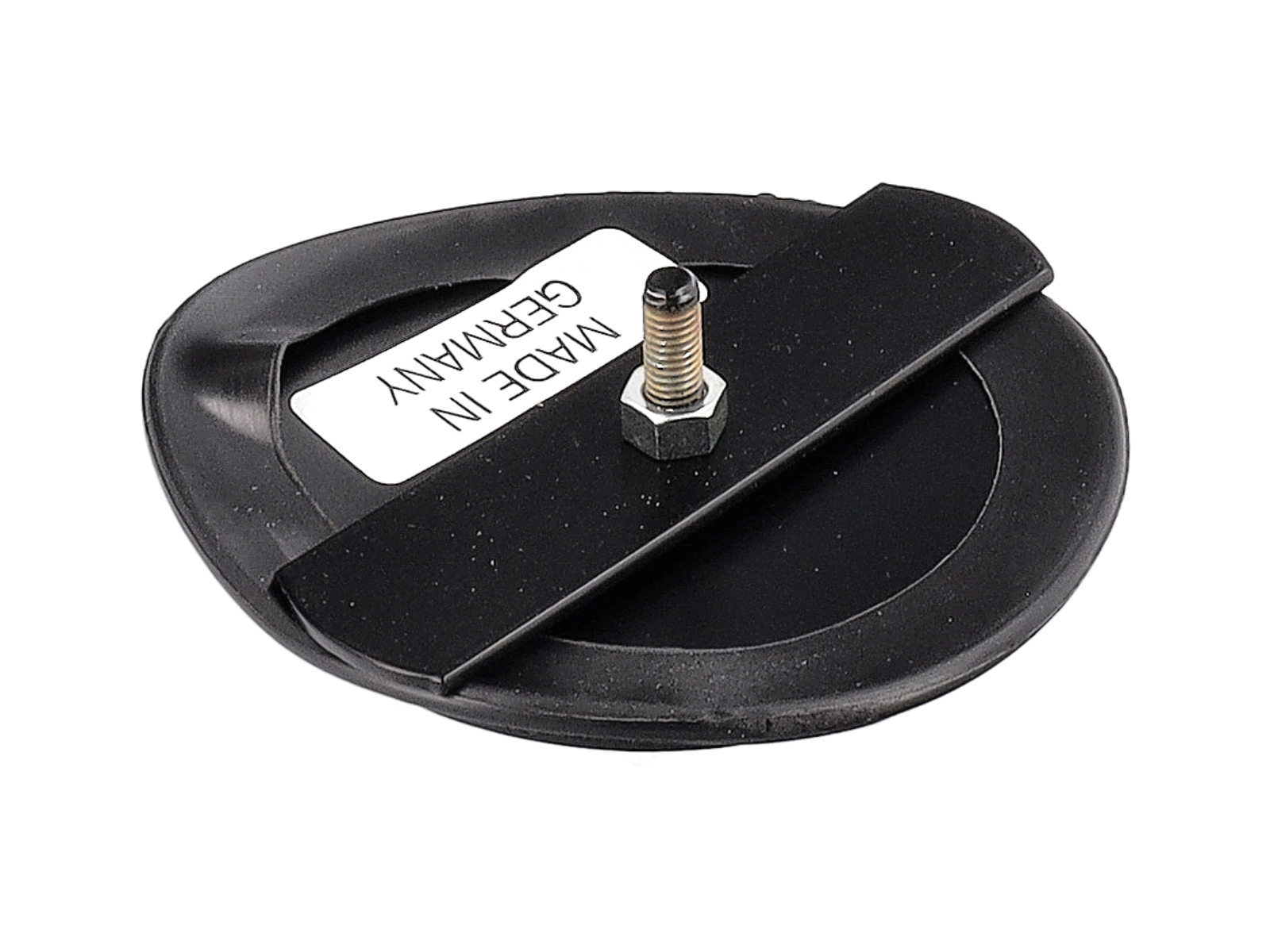
Sold individually; x2 required per vehicle.
Fits:
Porsche 911 1965-86
Porsche 911 (930) Turbo 1975-86
Porsche 912 1966-69
Porsche 912E 1976
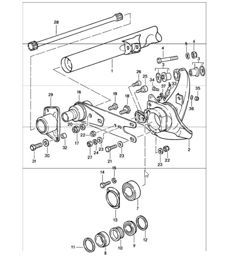
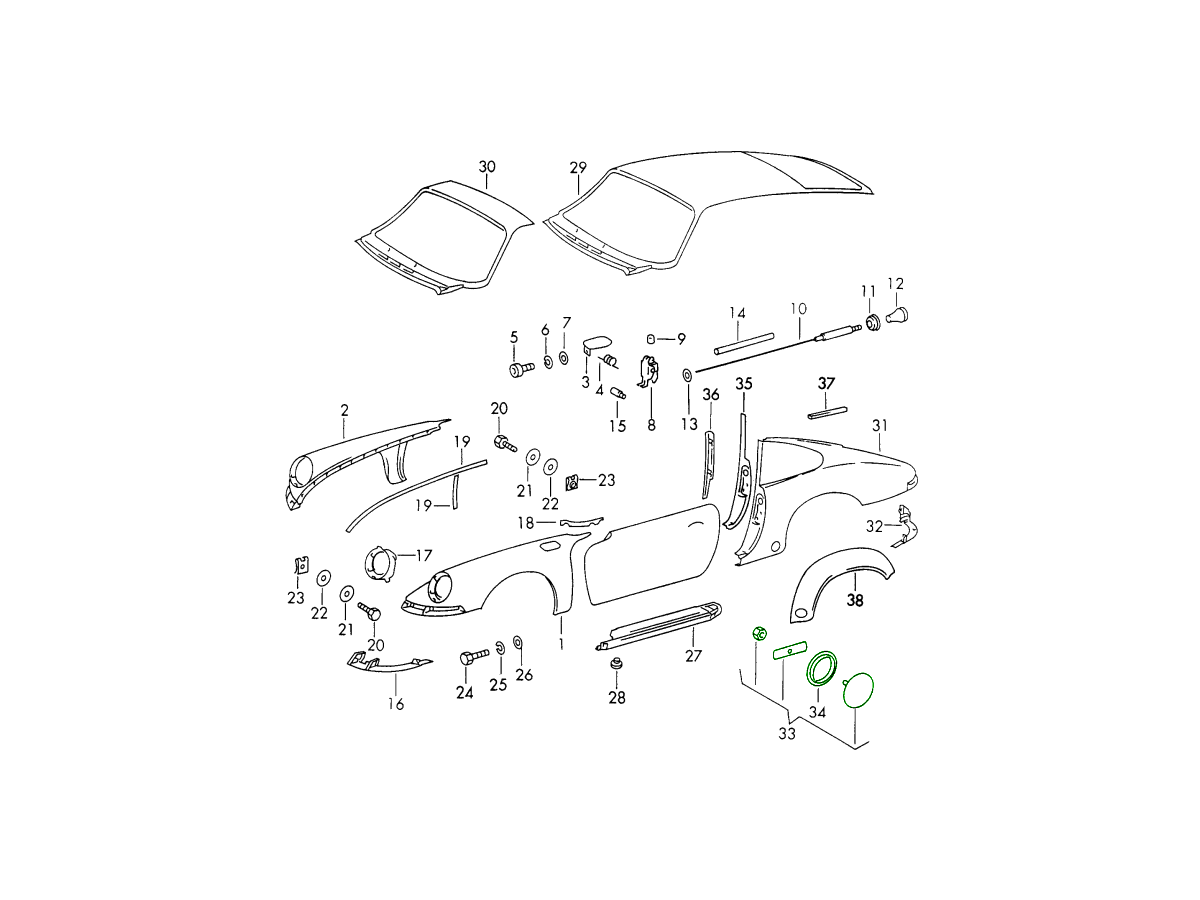
Diagram ref. 33.
Related reference numbers
Related, superseded, cross reference or alternative numbers for comparison.
90150407900
The product you are viewing cross references to these numbers
- Porsche 911 1965-1968 2.0L / 912 SWB (F)
- Porsche 911 1968-1973 2.2L / 2.4L / 2.7L RS LWB (F)
- Porsche 911 1974-1977 2.7L / 1976-77 3.0 Carrera
- Porsche 911 1978-1983 3.0L / SC
- Porsche 911 1984-1986 3.2L
- Porsche 911 1975-1977 3.0L Turbo (930)
- Porsche 911 1978-1989 3.3L Turbo (930)
Shop Securely
12 Month Warranty
Worldwide Delivery


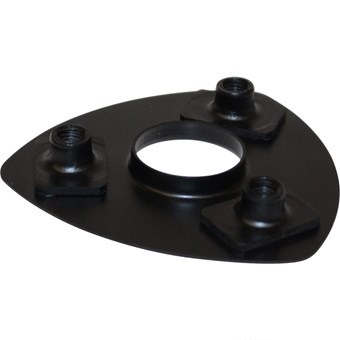
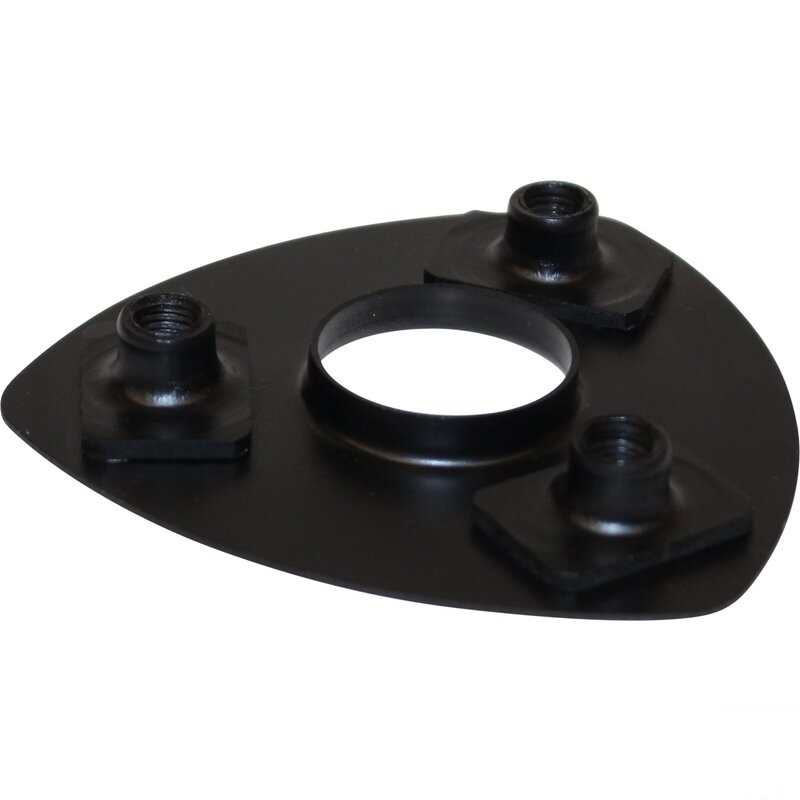
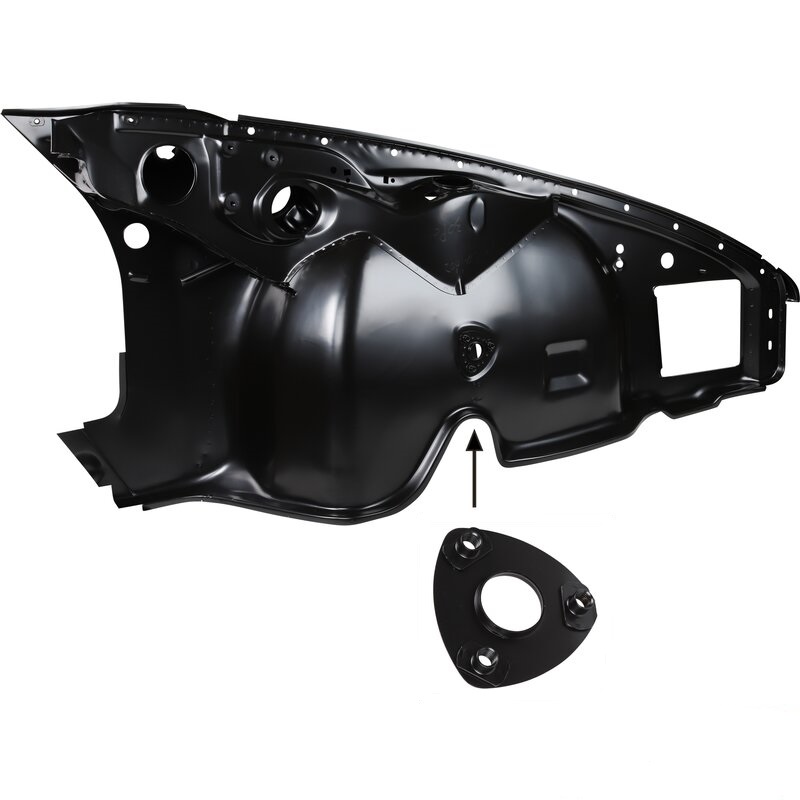
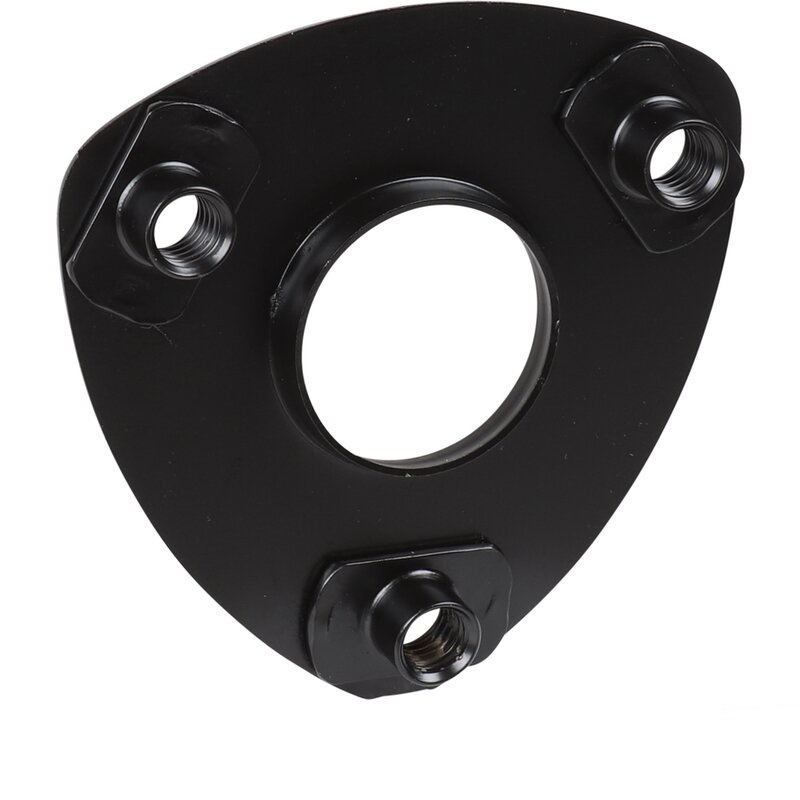
Fits:
Porsche 911 (mod. 901) 2.0L-2.4L 08/1968-07/1973
Fitting Position: Left Front
Fitting Position: Right Front
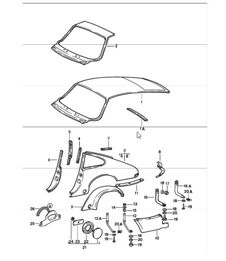
Panel Type: Inner-wing Panel
Related reference numbers
Related, superseded, cross reference or alternative numbers for comparison.
1682351000
The product you are viewing cross references to these numbers
- Porsche 911 1965-1968 2.0L / 912 SWB (F)
- Porsche 911 1968-1973 2.2L / 2.4L / 2.7L RS LWB (F)
Shop Securely
12 Month Warranty
Worldwide Delivery
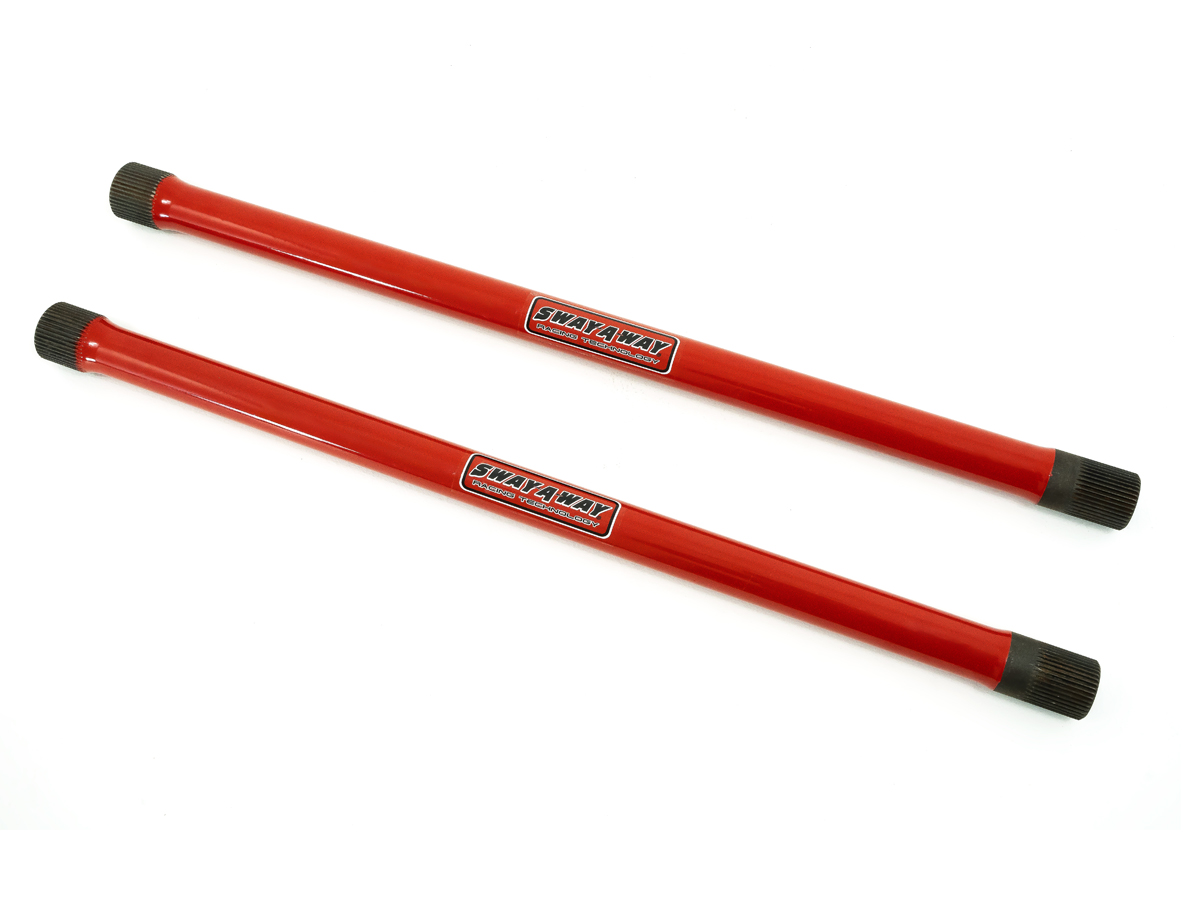
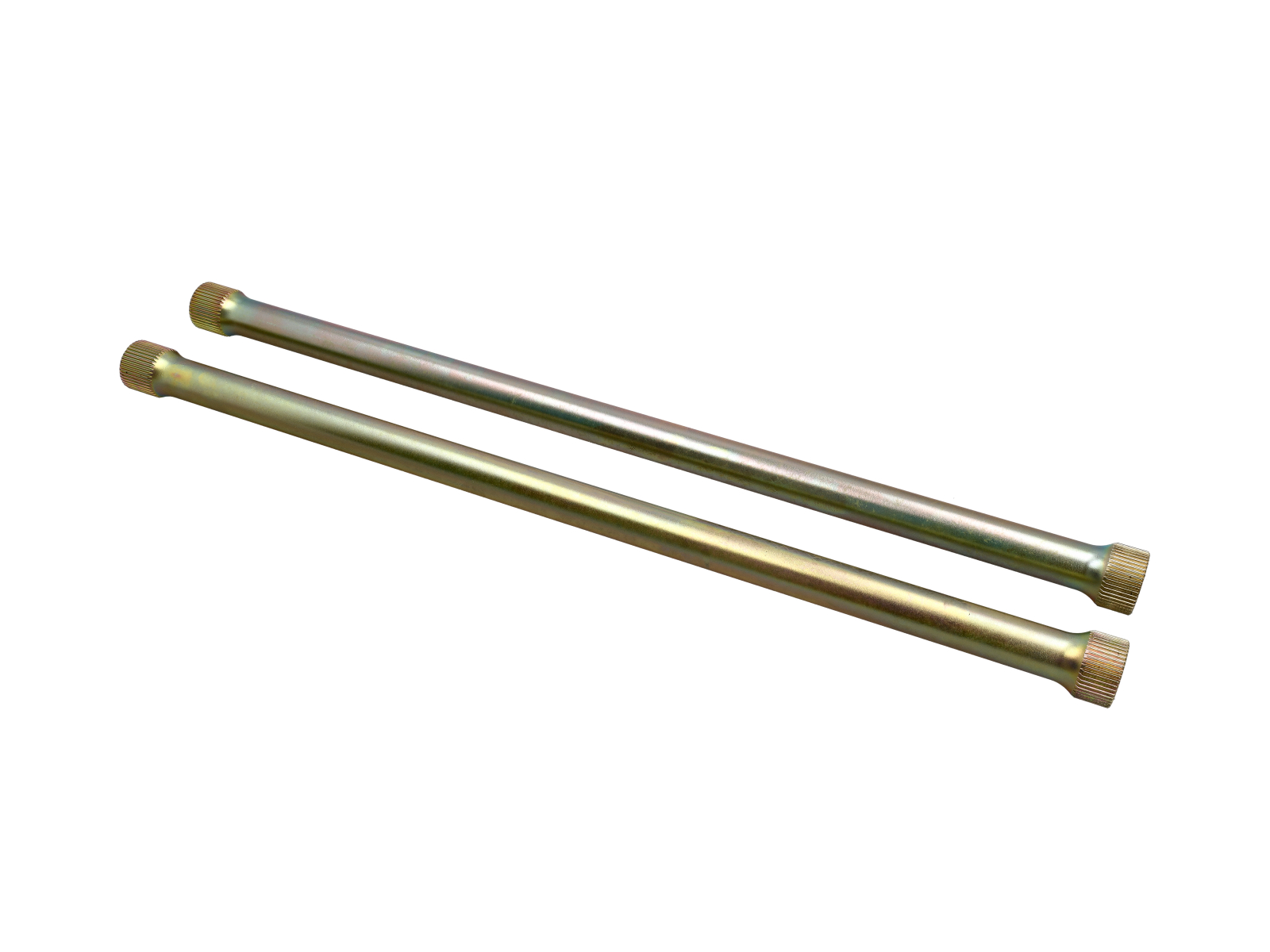
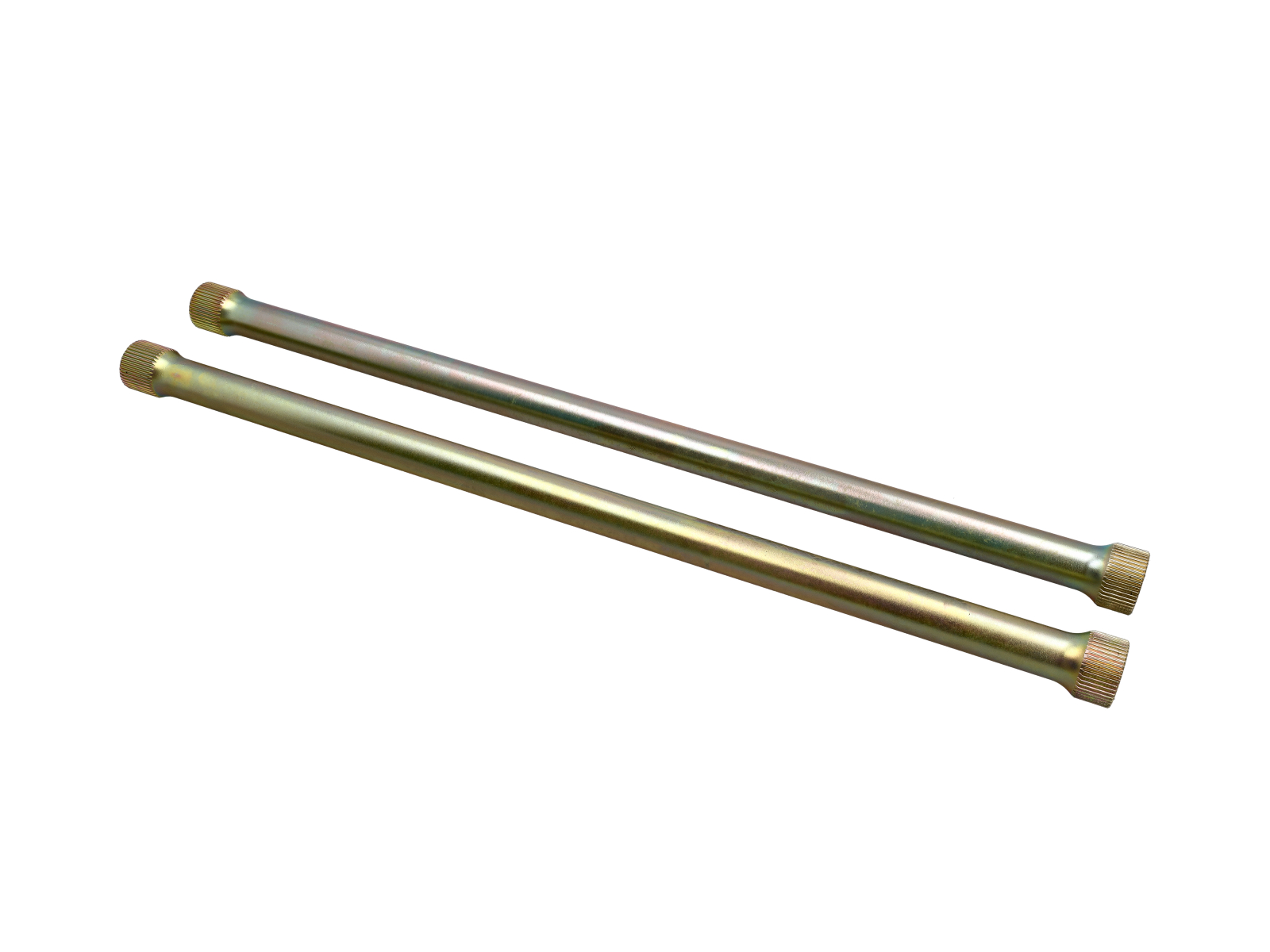
SET OF 2, One pair is required per vehicle.
Fits:
Porsche 911: 1965 through 1989
Porsche 912: 1965 through 1969
Porsche 930 (Turbo): 1975 through 1989 (Verify diameter requirement; some Turbos utilized larger bars for track use)
Always confirm the required torsion-bar diameter and vehicle suspension specification before ordering.
Choose from the following torsion-bar rates: 18 mm, 19 mm, 20 mm, 21 mm, 22 mm, 23 mm 24 mm, 25 mm or 26 mm.
With sizes ranging from the factory-style 19 mm rate through to the competition-focused 26 mm option, this Sway-A-Way range allows the front suspension to be tailored for standard road use, fast-road driving, track days or dedicated motorsport applications.
Product Information
The classic Porsche 911 uses torsion bars as its suspension springs. As the front suspension moves, the torsion bar twists along its axis and provides the resistance necessary to support and control the vehicle.
Increasing the torsion-bar diameter increases the spring rate, providing greater resistance to suspension movement. This can help reduce front-end dive under braking, limit body roll during cornering and provide a more immediate chassis response.
Manufactured using solid high-strength 4340 alloy steel, Sway-A-Way torsion bars are designed to withstand repeated torsional loading while providing consistent spring characteristics.
Choosing the Correct Torsion Bar Rate
19 mm Solid (OEM Standard Diameter)
The 19 mm torsion bar is the factory-style option within the range and is ideal for owners looking to replace tired original torsion bars while maintaining near-standard suspension characteristics. Note: Engineered as a direct-fit replacement for the front independent suspension.
Recommended for:
• Standard road cars
• Original-specification restorations
• Touring use
• Cars where ride comfort is important
• Owners seeking factory-style front suspension behaviour
This is the natural choice where maintaining the classic Porsche road feel is the priority.
Installation & Setup Notes:
• Indexing & Ride Height: These bars utilize the factory splined ends. Correct indexing (clocking) during installation is critical to achieving the proper stance. Small adjustments at the splines result in significant changes at the wheel.
• Grease: Always apply a high-quality Moly-based or waterproof grease to the splines before sliding the bars into the A-arms and adjustment caps to prevent future seizing and "creaking" during cornering.
• Upgrade Path: If you are preparing your 911 for competitive autocross or track days, consider stepping up to a 21mm or 22mm bar. This 19mm bar is specifically optimized for street comfort and original factory handling dynamics.
20 mm Solid (Performance Upgrade)
The 20 mm torsion bar provides a mild increase in front spring rate compared with the standard 19 mm setup. It offers sharper suspension response and reduced front-end movement without moving too far away from road-oriented ride characteristics.
Spring Rate: Higher than OEM (Approximately 23% stiffer than 19mm bars)
Note: A popular choice for Carrera models looking to sharpen front-end response or for early "long-hood" cars being prepared for rally or fast road use.
Recommended for:
• Fast-road cars
• Mild performance upgrades
• Weekend sports cars
• Uprated road suspension
• Cars using performance dampers and tyres
A good choice for owners wanting a noticeable but relatively restrained suspension upgrade.
Installation & Performance Notes:
• Balanced Handling: When increasing the front bar diameter to 20mm, it is highly recommended to also upgrade the rear torsion bars (typically to 26mm or 27mm) to maintain the 911’s neutral handling balance and prevent induced understeer.
• Spline Maintenance: Thoroughly clean the female splines in the A-arms and adjustment caps. Use a high-pressure waterproof grease on the splines during assembly to prevent "popping" noises and ensure easy adjustment in the future.
• Indexing: Because these bars use the factory spline count, small changes in indexing result in significant ride height shifts. We recommend documenting your original bar's orientation before removal.
21 mm Solid (Performance Upgrade)
The 21 mm torsion bar provides a more significant increase in front spring rate and is well suited to performance-oriented road and occasional track cars. Spring Rate: Stiffer than OEM (Approximately 45–50% stiffer than 19mm bars).
Note: This is a common performance upgrade for Carrera 3.2 and SC models to improve front-end bite and overall chassis responsiveness.
Recommended for:
• Fast-road Porsche 911s
• Road and track-day cars
• Autocross Carrera and SC performance builds
• Cars using uprated dampers
• Modern high-grip tyre packages
The increased rate provides stronger resistance to front suspension compression during braking and cornering.
Installation & Performance Notes:
• Chassis Balance: Upgrading to 21mm front bars typically requires a corresponding upgrade to the rear torsion bars (often to 27mm or 28mm) to maintain the 911's intended handling characteristics and prevent excessive understeer.
• Shock Matching: Due to the significantly increased spring rate, factory comfort shocks will likely be under-damped. For best results, pair these with performance-valved shocks (such as Bilstein Clubman or Koni Sport).
• Indexing: Document your factory bar indexing before removal. Because of the high spring rate, even a one-spline difference in "clocking" will result in a dramatic change in ride height.
22 mm Solid
The 22 mm solid torsion bar moves further toward a track-focused suspension setup. It provides increased front-end support and reduced body movement, making it suitable for cars where handling response is prioritised over standard road comfort. Spring Rate: Stock Equivalent. Note: While 22mm is typically a performance diameter, this SKU is specifically manufactured to provide a factory-style ride quality.
Recommended for:
• Aggressive fast-road use
• Frequent track days
• Autocross
• Lightweight performance cars
• Uprated dampers
• Complementary rear torsion-bar upgrades
Installation & Setup Notes:
• Spline Fitment: These bars utilize the factory-style splined ends. Ensure the female splines in your A-arms and adjustment caps are thoroughly cleaned and free of debris before installation.
• Lubrication: Use a high-quality, high-pressure waterproof grease on the splines during assembly to prevent "popping" or "creaking" and to ensure easy removal in the future.
• Indexing: Because small changes in spline "clocking" result in significant ride height shifts, document your original bar's orientation before removal to simplify the setup of your new stance.
23 mm Solid (Competition Grade)
The 23 mm solid torsion bar is a substantial performance upgrade designed for aggressive road, track and competition applications. It provides considerably greater resistance to front-end dive and body roll than the factory-style 19 mm configuration. Spring Rate: Significantly higher than OEM (Approx. 110–120% stiffer than 19mm bars). Note: Ideal for 911s used in competitive track environments, autocross, or for owners who prefer a very firm, communicative chassis.
Recommended for:
• Track-focused Porsche 911s
• Motorsport-inspired build
• Autocross
• Competition applications
• Cars using performance or competition dampers
• High-grip tyre setup
At this level, the complete front-to-rear suspension balance becomes particularly important.
Installation & Performance Notes:
• Chassis Reinforcement: Because 23mm bars exert significantly more force on the chassis than factory bars, it is highly recommended to inspect—and potentially reinforce—the torsion bar mounting points and A-arm brackets.
• System Balance: To maintain neutral handling, 23mm front bars must be paired with much stiffer rear bars (typically 30mm or 31mm). Failure to balance the rear will result in severe understeer.
• Shock Damping: Standard or even "Sport" street shocks will be insufficient for this spring rate. Competition-valved dampers (such as Bilstein RSR or Custom Valved Koni) are necessary to control the oscillation of a 23mm bar.
• Spline Care: Apply high-pressure waterproof grease to the splines during assembly to prevent "popping" noises and to ensure the bars do not seize in the A-arms.
24 mm Solid
The 24 mm solid front torsion bar provides a high spring rate intended primarily for developed performance and competition suspension packages.
Recommended for:
• Dedicated track cars
• Competition Porsche 911s
• Lightweight race builds
• High-grip tyre applications
• Cars with substantially uprated rear torsion bars
• Competition-valved dampers
This size is most appropriate where chassis control takes priority over road comfort.
25 mm Solid
The 25 mm solid torsion bar is a very high-rate front suspension option aimed at serious motorsport applications.
Recommended for:
• Race-prepared Porsche 911s
• Motorsport builds
• High-downforce or high-grip cars
• Competition suspension systems
• Vehicles with appropriately matched rear spring rates
Professional suspension setup is strongly recommended at this level of spring stiffness.
26 mm Solid
The 26 mm solid torsion bar represents the most aggressive option in this range. Designed for highly developed competition vehicles, it provides extremely high resistance to front suspension movement and should only be used as part of a properly engineered suspension package.
Recommended for:
• Dedicated race cars
• Motorsport applications
• Highly developed track builds
• Very high-grip suspension setups
• Cars using competition-spec dampers
• Vehicles with suitably matched rear torsion-bar rates
For typical road use, one of the smaller sizes will generally provide a more appropriate balance of suspension performance and compliance.
Why Upgrade Front Torsion Bars?
On a classic Porsche 911, the torsion bar performs the same fundamental function as a conventional coil spring. When the suspension moves, the bar twists. The resistance of the bar to this twisting movement determines the effective spring rate.
Increasing the torsion-bar diameter can provide:
• Reduced front-end dive under braking
• Reduced body roll Improved steering response
• Greater suspension control
• More immediate turn-in
• Better support for performance tyres
• Improved chassis response during track driving
• Increased resistance to suspension compression
The larger the solid torsion-bar diameter, the greater the spring rate.
Solid Construction
These torsion bars use a traditional solid construction. Solid torsion bars are an excellent choice for owners who prioritise performance, durability and value over the weight saving provided by tubular alternatives.
Advantages include:
• Proven construction
• High torsional strength
• Consistent spring behaviour
• Excellent durability
• Wide choice of spring rates
• Competitive cost compared with hollow alternatives
• Suitable for road and competition use
For customers primarily focused on achieving a specific spring rate rather than reducing suspension component weight, the solid Sway-A-Way range provides an excellent solution.
4340 Alloy Steel
Sway-A-Way uses high-strength 4340 alloy steel for its Porsche torsion bars. This material is particularly suitable for components subjected to repeated twisting loads because of its combination of strength and fatigue resistance.
The manufacturing process includes:
• High-strength alloy-steel construction
• Precision centreless grinding
• Heat treatment
• Shot peening
• Controlled dimensions
• Protective powder coating
These processes help provide predictable spring characteristics and long-term durability.
Related reference numbers
Related, superseded, cross reference or alternative numbers for comparison.
FS18
The product you are viewing cross references to these numbers
- Porsche 911 1965-1968 2.0L / 912 SWB (F)
- Porsche 911 1968-1973 2.2L / 2.4L / 2.7L RS LWB (F)
- Porsche 911 1974-1977 2.7L / 1976-77 3.0 Carrera
- Porsche 911 1978-1983 3.0L / SC
- Porsche 911 1984-1986 3.2L
- Porsche 911 1987-1989 3.2L G50
- Porsche 911 1975-1977 3.0L Turbo (930)
- Porsche 911 1978-1989 3.3L Turbo (930)
Shop Securely
12 Month Warranty
Worldwide Delivery
-

front axle stabiliser 911 1978-83 401-00
-
rear axle 911 1978-83 501-00
-
exterior panelling rear it is necessary to rework 911 1978-83 801-35
-
front axle stabiliser 911 1987-89 401-00
-
rear axle 911 1987-89 501-00
-
Frame centre rear 911 1970-73 801-15
-
Interior panelling 911 1970-73 COUPE 801-20
-
front axle stabiliser 911 1984-86 401-00
-
rear axle 911 1984-86 501-00
-
exterior panelling rear (it is necessary to rework) 911 COUPE 1984-86 801-35
-
Front axle, stabiliser, steel auxiliary support 911 1974-77 401-00
-
Rear axle 911 1974-77 501-00
-
front axle stabiliser 911 1970-73 401-00
-
rear axle 911 1970-73 501-00
-
exterior panelling 911 1970-73 COUPE 801-30
-
Exterior panelling rear (it is necessary to rework) 911 1974-77 801-35
-
front axle stabiliser 911/911 S and 912 UPTO 1967 401-00
-
front axle stabiliser for 911 S/TU/L, 911 /L (USA) and 912. 1968 401-05
-
front axle stabiliser for 911 T/E/S and 912 / USA. 1969 401-10
-
rear axle 911 UPTO 1968 501-00
-
rear axle 911 1969 501-05
-
frame centre rear 911 1965-69 801-15
-
interior panelling 911 COUPE 1965-69 801-20
-
exterior panelling 911 COUPE 1965-69 801-30
-
front axle, stabiliser, auxiliary support, light alloy 911 TURBO 1975-77 401-00
-
rear axle 911 TURBO 1975-77 501-00
-
exterior panelling rear 911 TURBO 1975-77 801-35
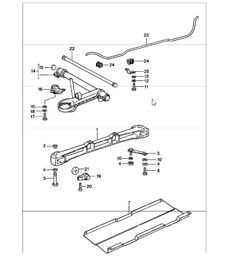
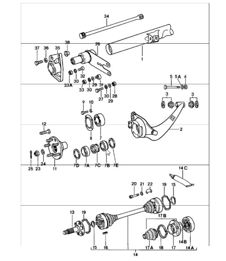
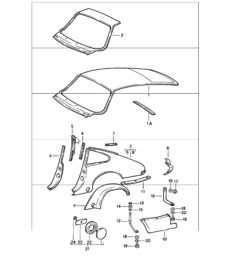
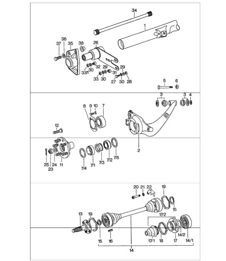
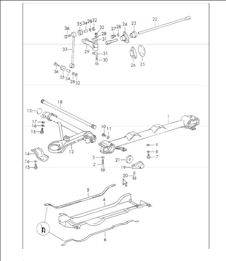
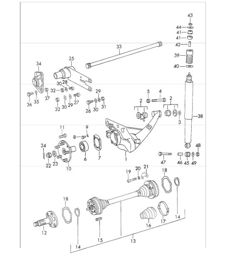
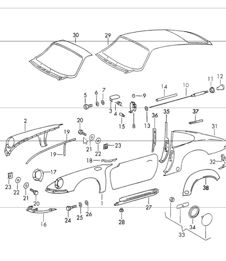
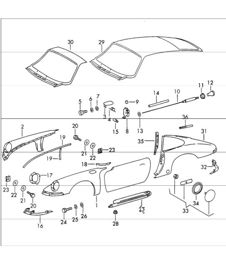
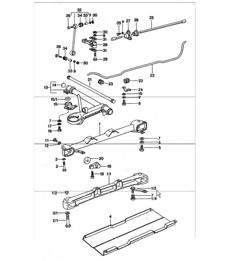
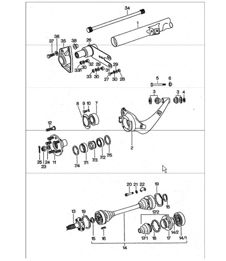
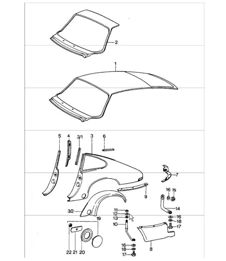
Porsche Torsion Bars | Design911 Suspension Components for Ride Height, Balance & Handling Precision
Torsion bars are an integral part of Porsche’s classic suspension design, providing spring resistance that supports the vehicle’s weight and absorbs road irregularities. Acting as the main spring element, they twist under load to control suspension movement and maintain ride height. Properly functioning torsion bars ensure balanced handling, consistent alignment, and the smooth, composed driving feel that defines Porsche engineering.
At Design911, we offer a wide range of torsion bars for both front and rear suspension setups. Each component is precision-engineered from high-tensile spring steel or performance-grade materials to provide durability, accuracy, and consistent performance. Whether for restoration, suspension servicing, or performance tuning, our torsion bars help restore and enhance your Porsche’s suspension dynamics.
What Do Torsion Bars Do?
Torsion bars act as load-bearing springs within the suspension system. When the wheels move up and down, the bars twist along their axis to absorb impact and maintain control.
Core Functions:
• Provide spring resistance to support vehicle weight.
• Maintain correct ride height and chassis balance.
• Control suspension compression and rebound during driving.
• Distribute load evenly for predictable handling.
• Enable fine-tuning of suspension stiffness and ride comfort.
With well-calibrated torsion bars, your Porsche delivers improved grip, stability, and cornering precision — both on the road and track.
Why Do Torsion Bars Fail or Degrade?
Over time, torsion bars endure extreme twisting forces, environmental exposure, and wear, which can reduce their effectiveness and strength.
Common Causes of Failure Include:
• Metal fatigue from repeated flexing and torsional stress.
• Corrosion or pitting weakening the bar’s surface.
• Cracks developing from overloading or impact.
• Incorrect ride height adjustments causing uneven stress.
• Aging bushings and mounts reducing alignment accuracy.
When torsion bars wear or crack, symptoms include uneven ride height, unstable handling, and unpredictable suspension response — all clear signs replacement is required.
Why Replace or Upgrade Your Porsche Torsion Bars?
Replacing tired or damaged torsion bars restores suspension strength, ride height accuracy, and overall handling precision. Performance torsion bars can also improve chassis stiffness for track use or spirited driving.
Key Benefits:
• Restores proper suspension balance and ride height.
• Improves cornering stability and handling predictability.
• Reduces body roll and uneven weight distribution.
• Available in standard and performance-rated diameters.
• Fits Porsche 911, 912, 914, 924, 944, and classic models.
• Perfect for restorations, tuning, or performance upgrades.
Design911’s Porsche torsion bars combine superior material quality with exact fitment — ensuring your suspension remains stable, balanced, and ready for precision driving.
Highlights
• Premium Porsche torsion bars and suspension components.
• Precision-machined from high-tensile spring steel.
• Restores suspension stiffness, balance, and ride height.
• Available in road, sport, or track specifications.
• Compatible with classic and performance Porsche models.
• Ideal for restoration, maintenance, or suspension tuning.
-
 Anti Roll Bar
-
Anti Roll Bar Bushes
-
Anti Roll Bar Bracket
-
Ball Joints
-
Drop Links & Bushes FRONT
-
Drop Links & Bushes REAR
-
Shock Absorbers FRONT
-
Shock Absorber Parts FRONT
-
Shock Absorbers REAR
-
Shock Absorber Parts REAR
-
Track Control Arms FRONT
-
Track Control Arm REAR
-
Wheel Bearings & Kits
-
Hub Nut
-
Wishbones & bushes
-
Spring Plate
-
Rear Trailing Arm
-
Cross Member & Parts
-
Wheel Hub / Carrier
-
SuperPro Polyurethane Bushes
-
Powerflex Heritage Collection
-
Powerflex Black Series Bushes
-
Powerflex Polyurethane Bushes






Monday-Friday: 8.30am - 5.30pm (GMT)
Saturday: Closed
Sunday: Closed