





Enter your VAT number here and click Verify:
Your details have been verified. VAT number registered to:
,
.
Your order will now be zero rated for VAT purposes. We reserve the right to verify these details after your order request has been made and reinstate VAT if required.
Your VAT details were not recognised or were invalid. Your VAT number must be matched to your Billing Country as specified above. This is currently specified as . You do not need to enter the country code part of your VAT number as this has already been selected in your billing address details above.
The VAT number checking service is currently offline. Please supply your VAT details within the comments or special instructions field below and we will apply a VAT discount after placing your order request.

- Accessories
- Brakes
- Chassis / Bodywork
- Clothing & Gifts
- Electrical & Relays
- Engine Cooling
- Engine Electrical
- Engine Rebuild Parts
- Engine Tuning
- Exhausts
- Exterior Styling / Spoilers
- Gearbox / Transmission
- Heating / Air Conditioning
- Hydraulics
- Incar / Multimedia
- Interior & Accessories
- Lighting
- Mats & Carpets
- Motorsport and Off-Road
- Parts for Other Cars
- Pedal Cluster
- Rubber Seals
- Seats & Seat Belts
- Service Parts
- Special Offer Parts
- Steering Parts
- Suspension & Axle
- Suspension Upgrades
- Tyres
- Wheel Accessories
- Wheels
Turbo Chargers / Intercoolers & Parts
- Porsche 992.1 Carrera 2 3.0L 2019-24
- Porsche 992.1 Carrera 4 3.0L 2019-24
- Porsche 992.1 Carrera 2 Cabriolet 3.0L 2019-24
- Porsche 992.1 Carrera 4 Cabriolet 3.0L 2019-24
- Porsche 992.1 Carrera 2S / GTS 3.0L 2019-24
- Porsche 992.1 Carrera 4S / GTS 3.0L 2019-24
- Porsche 992.1 Carrera 2S / GTS Cabriolet 3.0L 2019-24
- Porsche 992.1 Carrera 4S / GTS Cabriolet 3.0L 2019-24
- Porsche 992.1 Targa 4 3.0L 2020-24
- Porsche 992.1 Targa 4S / GTS 3.0L 2020-24
- Porsche 992.1 Speedster 4.0L 2019-24
- Porsche 992.1 Turbo 3.8L 2020-24
- Porsche 992.1 Turbo S 3.8L 2020-24
- Porsche 992.1 Turbo Cabriolet 3.8L 2020-24
- Porsche 992.1 Turbo S Cabriolet 3.8L 2020-24
- Porsche 992.1 (911) Sport Classic 3.8L 2023
- Porsche 992.1 (911) Dakar 3.0L 2023-24



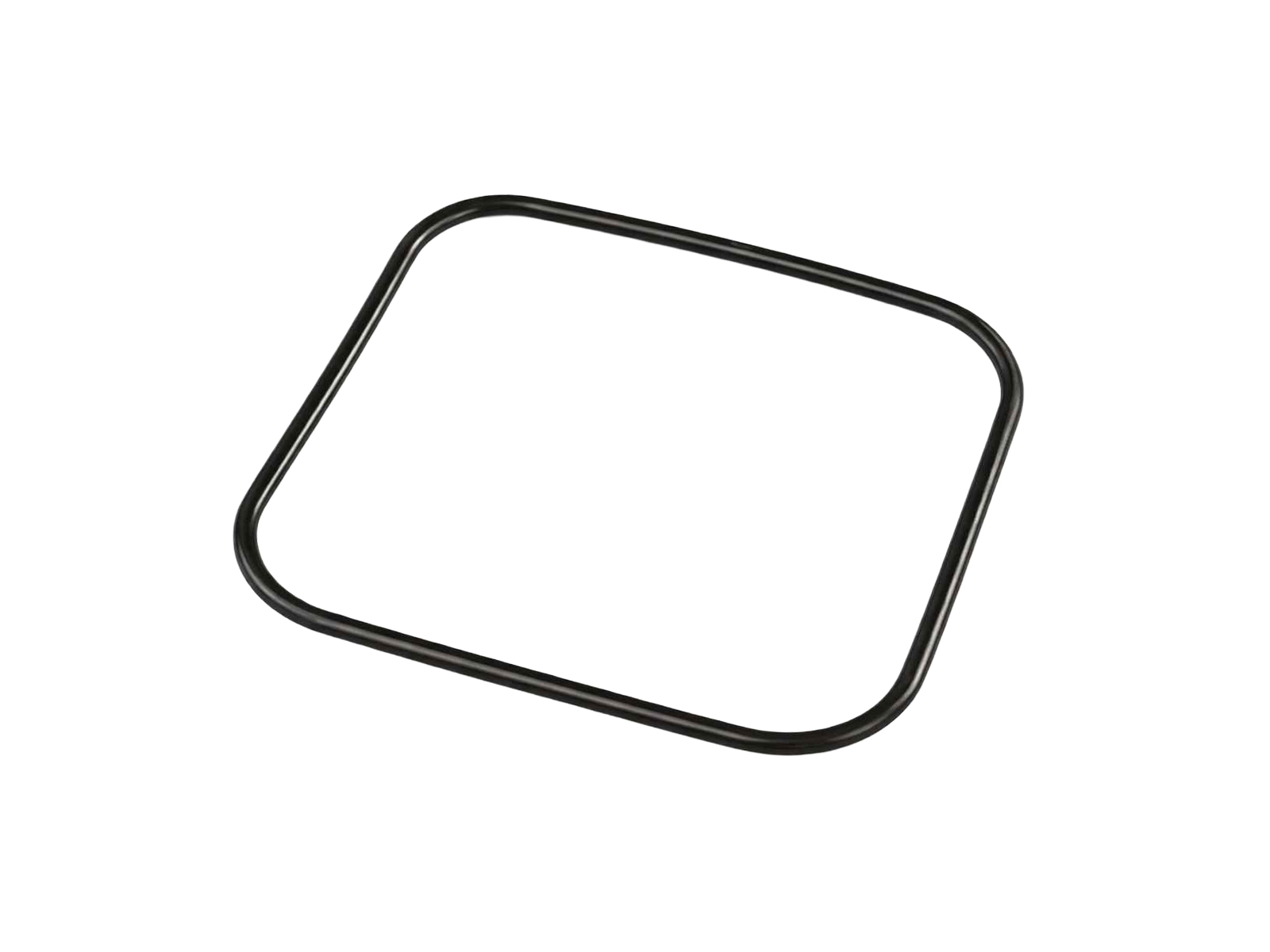
Porsche Throttle Body to Intercooler Seal
This throttle body to intercooler seal is a
critical component within the turbocharged intake system, providing an airtight
seal between the intercooler outlet and the throttle body. It ensures that
compressed air delivered from the intercooler enters the engine without
pressure loss.
Fits:
- Porsche 992.1 Carrera 2 3.0L 2019-24
- Porsche 992.1 Carrera 4 3.0L 2019-24
- Porsche 992.1 Carrera 2 Cabriolet 3.0L 2019-24
- Porsche 992.1 Carrera 4 Cabriolet 3.0L 2019-24
- Porsche 992.1 Carrera 2S / GTS 3.0L 2019-24
- Porsche 992.1 Carrera 4S / GTS 3.0L 2019-24
- Porsche 992.1 Carrera 2S / GTS Cabriolet 3.0L 2019-24
- Porsche 992.1 Carrera 4S / GTS Cabriolet 3.0L 2019-24
- Porsche 992.1 Targa 4 3.0L 2020-24
- Porsche 992.1 Targa 4S / GTS 3.0L 2020-24
- Porsche 992.1 Turbo 3.8L 2020-24
- Porsche 992.1 Turbo S 3.8L 2020-24
- Porsche 992.1 Turbo Cabriolet 3.8L 2020-24
- Porsche 992.1 Turbo S Cabriolet 3.8L 2020-24
- Porsche 992.2 Carrera 2 3.0L 2024>>
- Porsche 992.2 Carrera 2 3.0L Cabriolet 2024>>
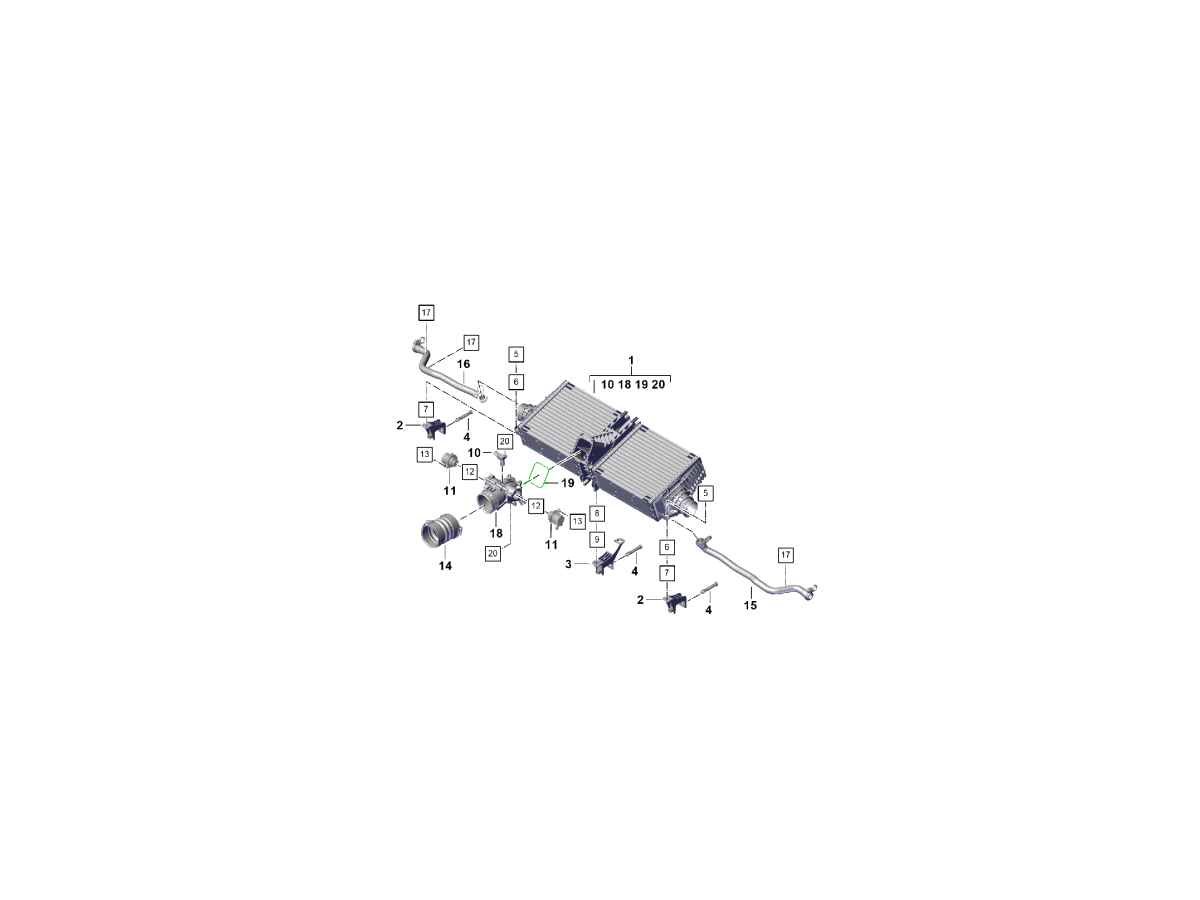
Diagram ref no 19
In turbocharged Porsche engines, maintaining a fully sealed charge air system is essential for performance, efficiency and reliability. Even a small failure in a sealing component can result in boost leaks, reduced power and engine management issues.
What This Seal Does
The seal sits between the intercooler and the throttle body, creating a secure and airtight connection.
It helps:
• Maintain correct turbo boost pressure
• Prevent air leaks within the intake system
• Ensure efficient airflow into the engine
• Support proper combustion and engine performance
• Maintain consistent throttle response
A properly functioning seal is essential for the correct operation of the turbo system.
Why Throttle Body Seals Fail
Sealing components are exposed to heat, pressure and constant airflow, which can lead to degradation over time.
Common causes of failure include:
- Heat exposure - High temperatures from compressed air can harden or deform the seal.
- Pressure stress - Continuous boost pressure can wear sealing surfaces.
- Material ageing - Over time, rubber or sealing materials lose elasticity.
- Removal and refitting - Seals can become damaged or deformed during servicing.
Symptoms of a Failing Seal
• Loss of turbo boost pressure
• Reduced engine performance
• Hissing noise from intake area
• Engine warning lights related to boost or airflow
• Poor throttle response
• Increased fuel consumption
Replacing a worn seal restores system integrity and prevents further performance issues.
Why You May Need to Replace This Seal
- Prevent Boost Leaks - A new seal ensures airtight connections within the intake system.
- Restore Engine Performance - Maintains proper airflow and boost pressure for optimal power delivery.
- Essential During Intercooler or Throttle Body Service - Recommended to replace whenever components are removed.
- Low-Cost Preventative Maintenance - A small component that plays a big role in turbo system efficiency.
Related reference numbers
Related, superseded, cross reference or alternative numbers for comparison.
992145865
The product you are viewing cross references to these numbers
- Porsche 992.1 Carrera 2 3.0L 2019-24
- Porsche 992.1 Carrera 4 3.0L 2019-24
- Porsche 992.1 Carrera 2 Cabriolet 3.0L 2019-24
- Porsche 992.1 Carrera 4 Cabriolet 3.0L 2019-24
- Porsche 992.1 Carrera 2S / GTS 3.0L 2019-24
- Porsche 992.1 Carrera 4S / GTS 3.0L 2019-24
- Porsche 992.1 Carrera 2S / GTS Cabriolet 3.0L 2019-24
- Porsche 992.1 Carrera 4S / GTS Cabriolet 3.0L 2019-24
- Porsche 992.1 Targa 4 3.0L 2020-24
- Porsche 992.1 Targa 4S / GTS 3.0L 2020-24
- Porsche 992.1 Turbo 3.8L 2020-24
- Porsche 992.1 Turbo S 3.8L 2020-24
- Porsche 992.1 Turbo Cabriolet 3.8L 2020-24
- Porsche 992.1 Turbo S Cabriolet 3.8L 2020-24
- Porsche 992.2 Carrera 2 3.0L 2024>>
- Porsche 992.2 Carrera 2S 3.0L 2024>>
- Porsche 992.2 Carrera T 3.0L 2024>>
- Porsche 992.2 Carrera 4S 3.0L 2024>>
- Porsche 992.2 Carrera 2 3.0L Cabriolet 2024>>
 Shop Securely
 12 Month Warranty
 Worldwide Delivery

Fits:
Porsche 996 Turbo 2001-05
Porsche 997 Turbo 2007-09
Porsche 997 Turbo / GT2 RS 2010-13
Porsche 991 Turbo 2014-20
Porsche 992.1 Carrera 2019-24
Porsche 992.1 Turbo 2020>>
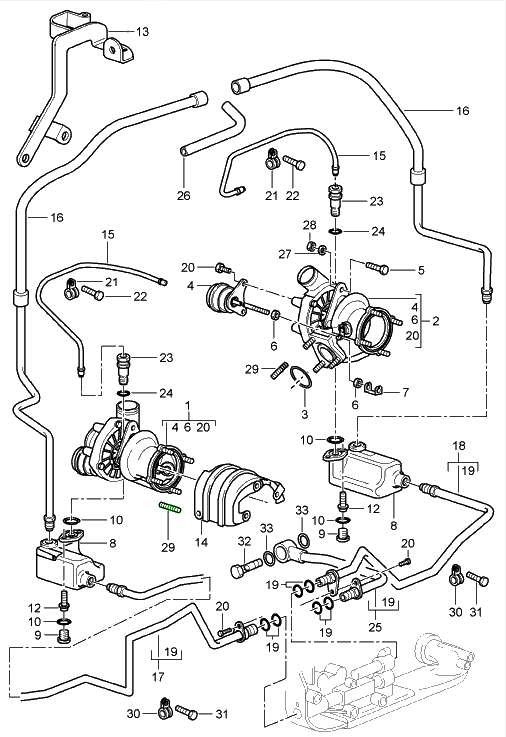
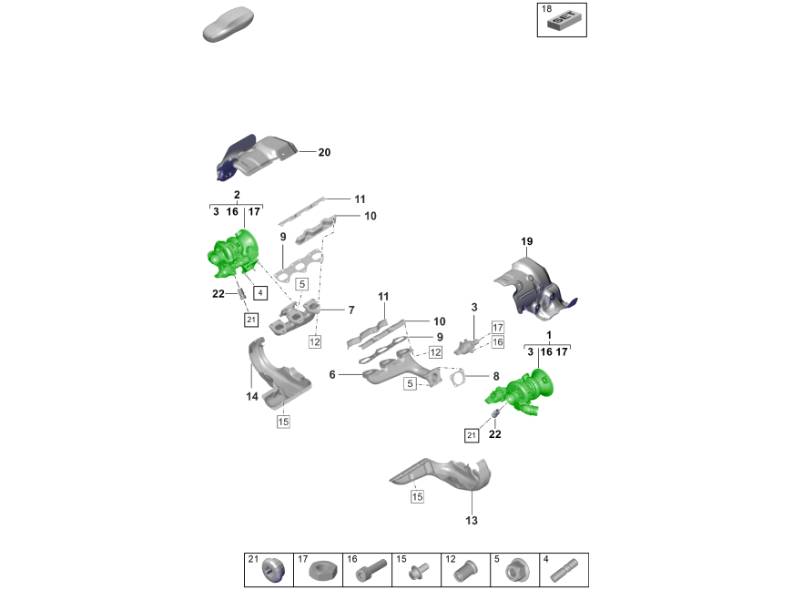
Click 'Zoom in' for large parts diagram.
Diagram ref no 29
Related reference numbers
Related, superseded, cross reference or alternative numbers for comparison.
PAF008300
The product you are viewing cross references to these numbers
- Porsche 996 TURBO 2000-05
- Porsche 997 MK1 TURBO 2007-09
- Porsche 997 MKII Turbo 2010-13
- Porsche 997 MKII GT2 RS 2011-13
- Porsche 991.1 Turbo 3.8L (520 Bhp) 2014-16
- Porsche 991.1 Turbo S 3.8L (560 Bhp) 2014-16
- Porsche 991.2 Turbo Coupe 3.8L (540 Bhp) 2016-19
- Porsche 991.2 Turbo S Coupe 3.8L (580 Bhp) 2016-19
- Porsche 991.2 Turbo Cabriolet 3.8L (540 Bhp) 2016-19
- Porsche 991.2 Turbo S Cabriolet 3.8L (580 Bhp) 2016-19
- Porsche 992.1 Carrera 2 3.0L 2019-24
- Porsche 992.1 Carrera 4 3.0L 2019-24
- Porsche 992.1 Carrera 2 Cabriolet 3.0L 2019-24
- Porsche 992.1 Carrera 4 Cabriolet 3.0L 2019-24
- Porsche 992.1 Carrera 2S / GTS 3.0L 2019-24
- Porsche 992.1 Carrera 4S / GTS 3.0L 2019-24
- Porsche 992.1 Carrera 2S / GTS Cabriolet 3.0L 2019-24
- Porsche 992.1 Carrera 4S / GTS Cabriolet 3.0L 2019-24
- Porsche 992.1 Targa 4 3.0L 2020-24
- Porsche 992.1 Targa 4S / GTS 3.0L 2020-24
- Porsche 992.1 Speedster 4.0L 2019-24
- Porsche 992.1 Turbo 3.8L 2020-24
- Porsche 992.1 Turbo S 3.8L 2020-24
- Porsche 992.1 Turbo Cabriolet 3.8L 2020-24
- Porsche 992.1 Turbo S Cabriolet 3.8L 2020-24
Shop Securely
12 Month Warranty
Worldwide Delivery

Fits:
Porsche 992 Carrera 2019>>
Porsche 992 Turbo 2020>>
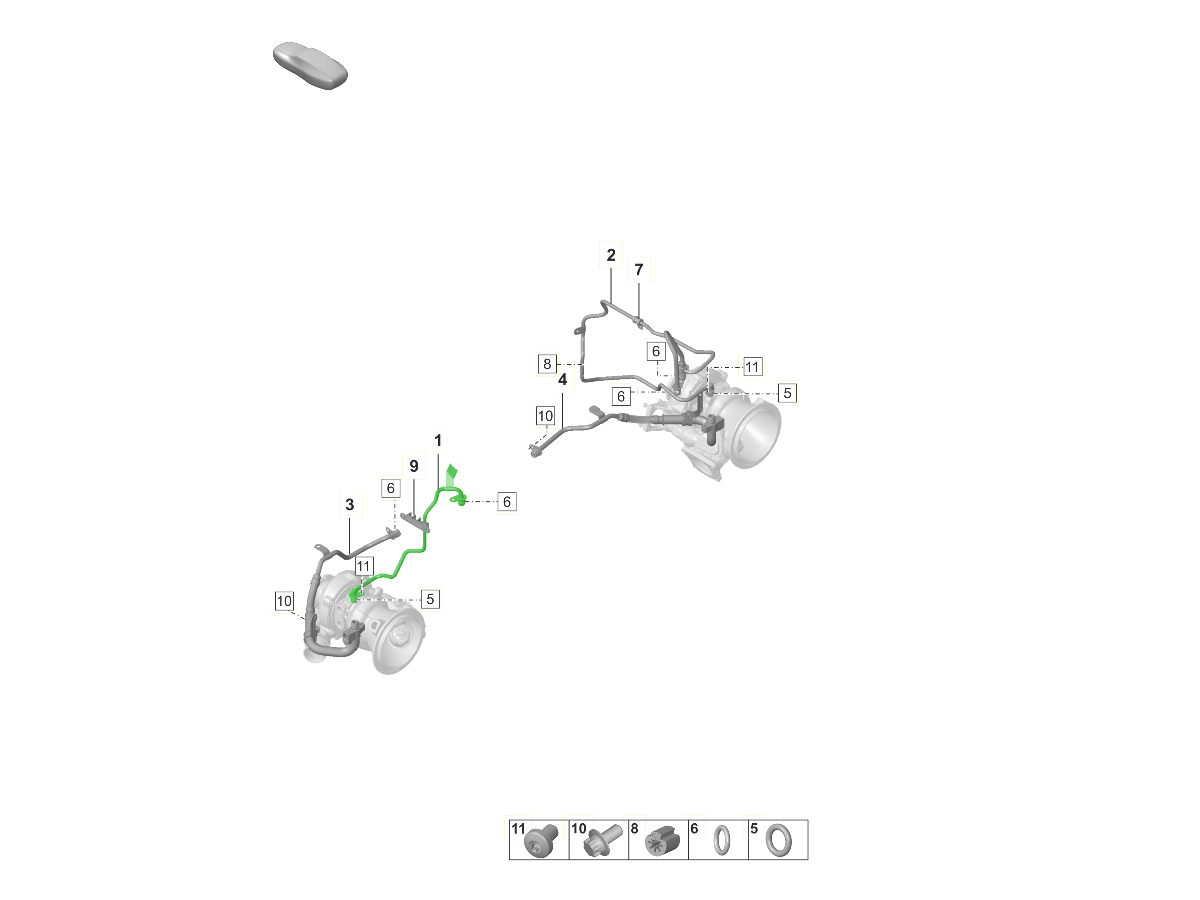
Click 'Zoom in' for large parts diagram.
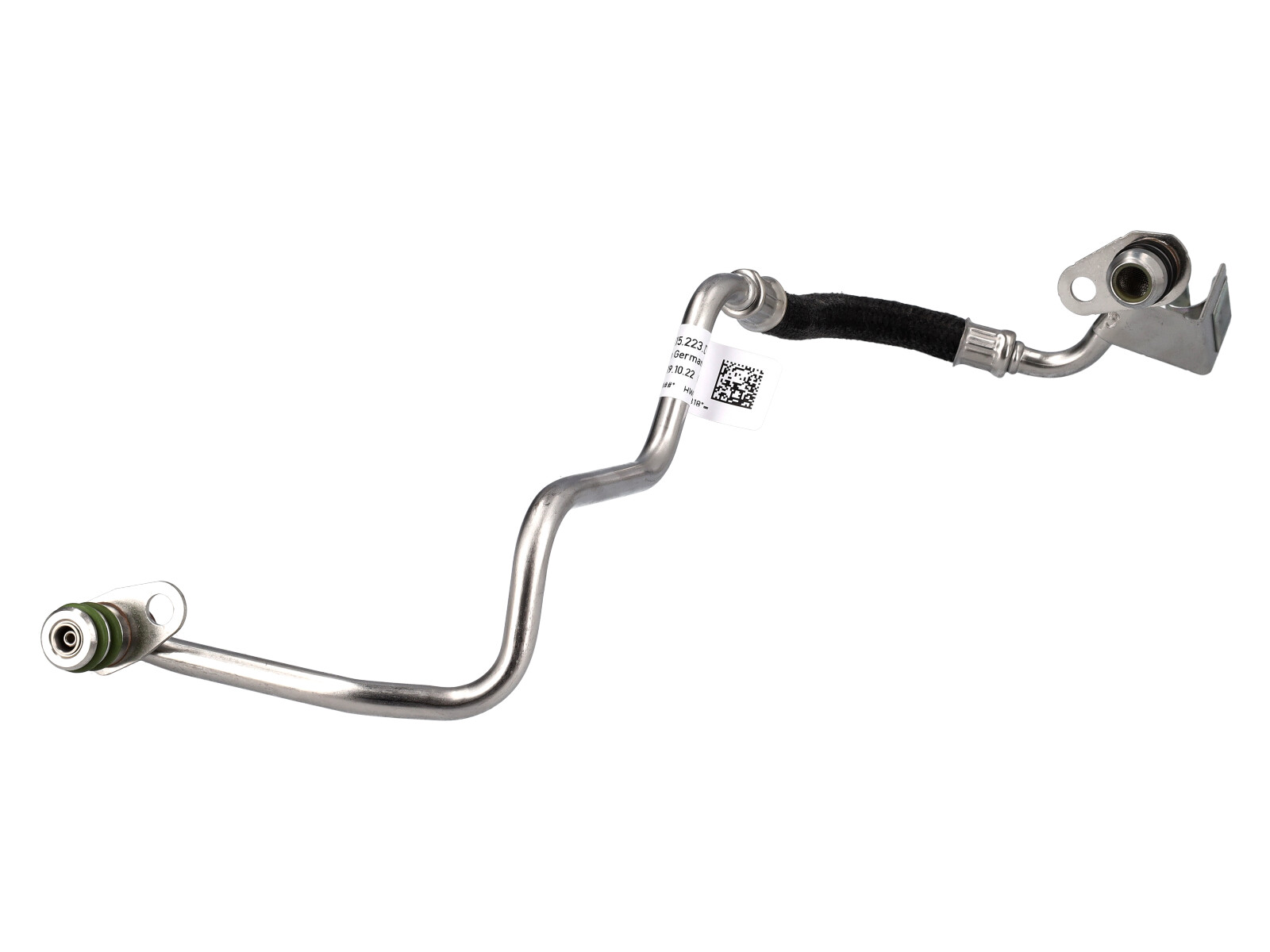
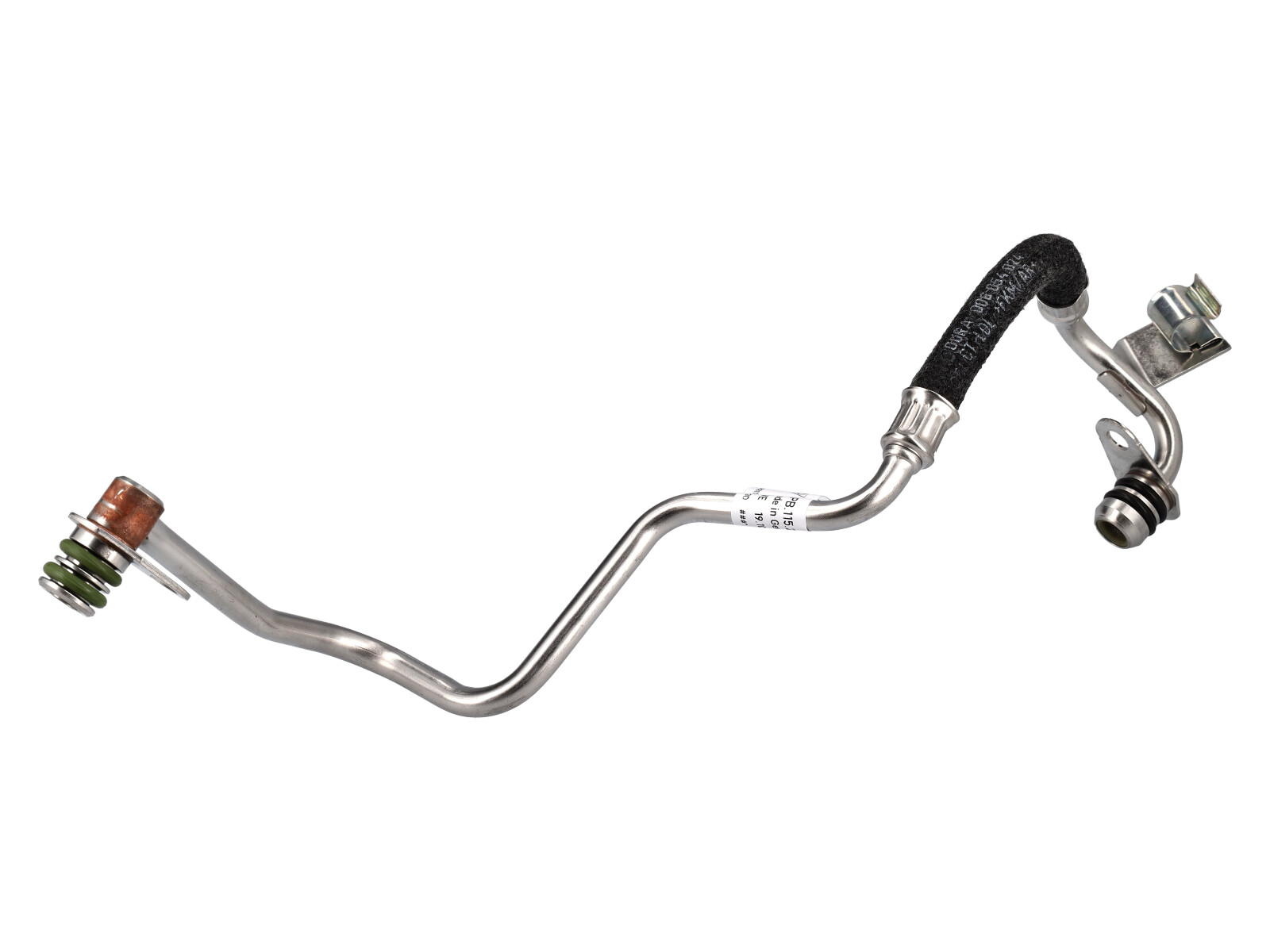
Diagram ref no 1
Related reference numbers
Related, superseded, cross reference or alternative numbers for comparison.
0PB115223D
The product you are viewing cross references to these numbers
- Porsche 992.1 Carrera 2 3.0L 2019-24
- Porsche 992.1 Carrera 4 3.0L 2019-24
- Porsche 992.1 Carrera 2 Cabriolet 3.0L 2019-24
- Porsche 992.1 Carrera 4 Cabriolet 3.0L 2019-24
- Porsche 992.1 Carrera 2S / GTS 3.0L 2019-24
- Porsche 992.1 Carrera 4S / GTS 3.0L 2019-24
- Porsche 992.1 Carrera 2S / GTS Cabriolet 3.0L 2019-24
- Porsche 992.1 Carrera 4S / GTS Cabriolet 3.0L 2019-24
- Porsche 992.1 Targa 4 3.0L 2020-24
- Porsche 992.1 Targa 4S / GTS 3.0L 2020-24
- Porsche 992.1 Speedster 4.0L 2019-24
- Porsche 992.1 Turbo 3.8L 2020-24
- Porsche 992.1 Turbo S 3.8L 2020-24
- Porsche 992.1 Turbo Cabriolet 3.8L 2020-24
- Porsche 992.1 Turbo S Cabriolet 3.8L 2020-24
Shop Securely
12 Month Warranty
Worldwide Delivery

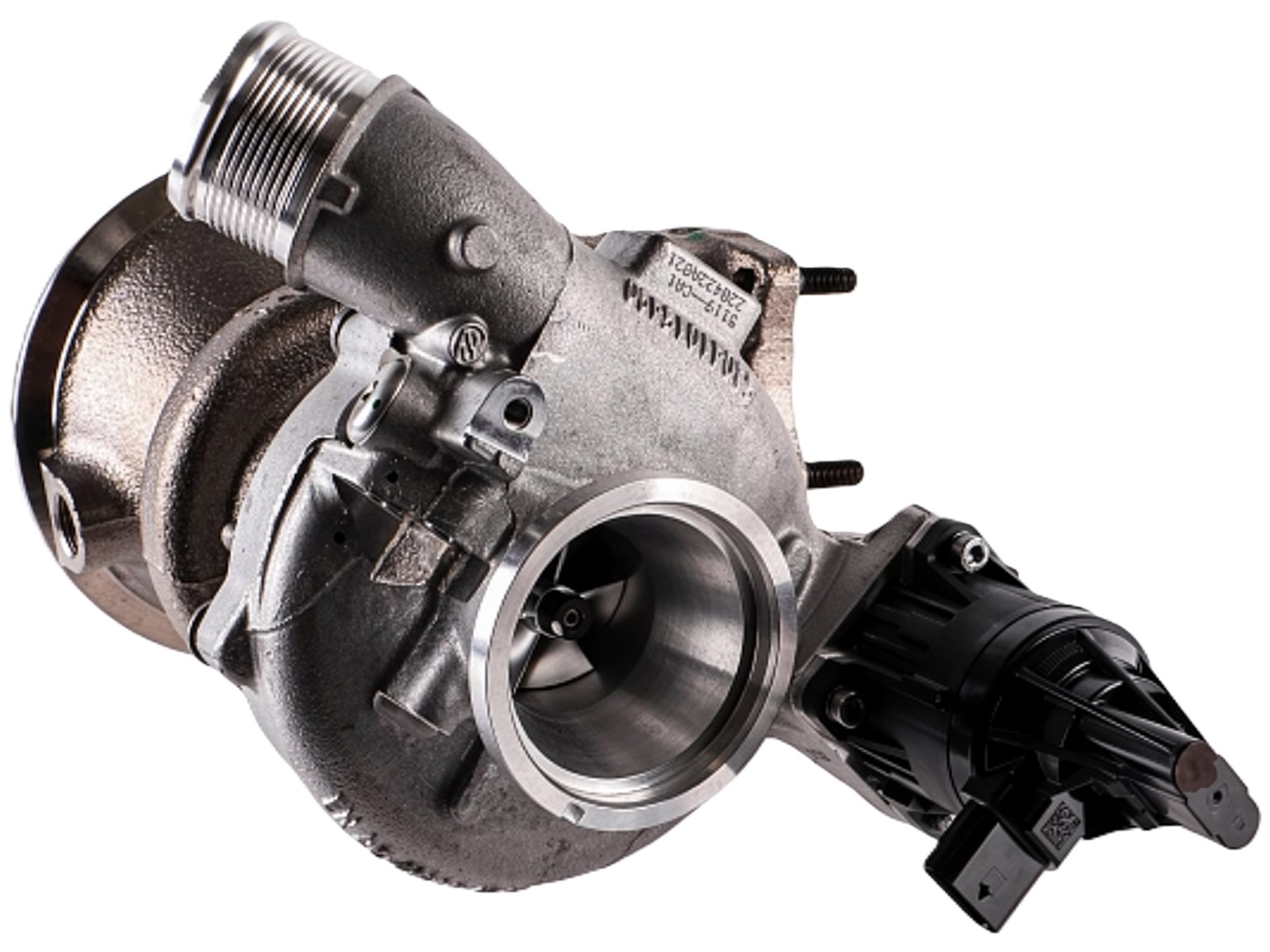
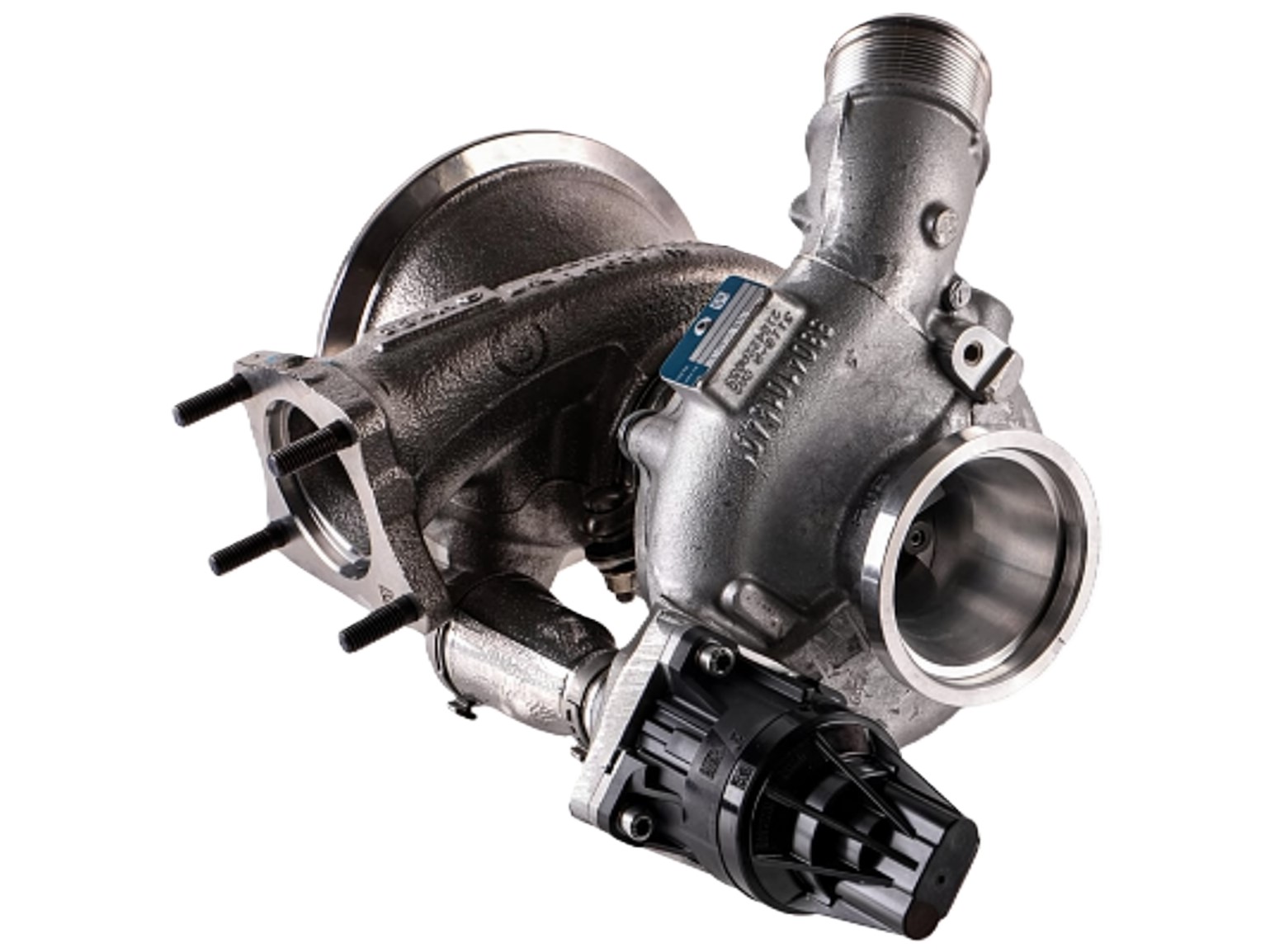
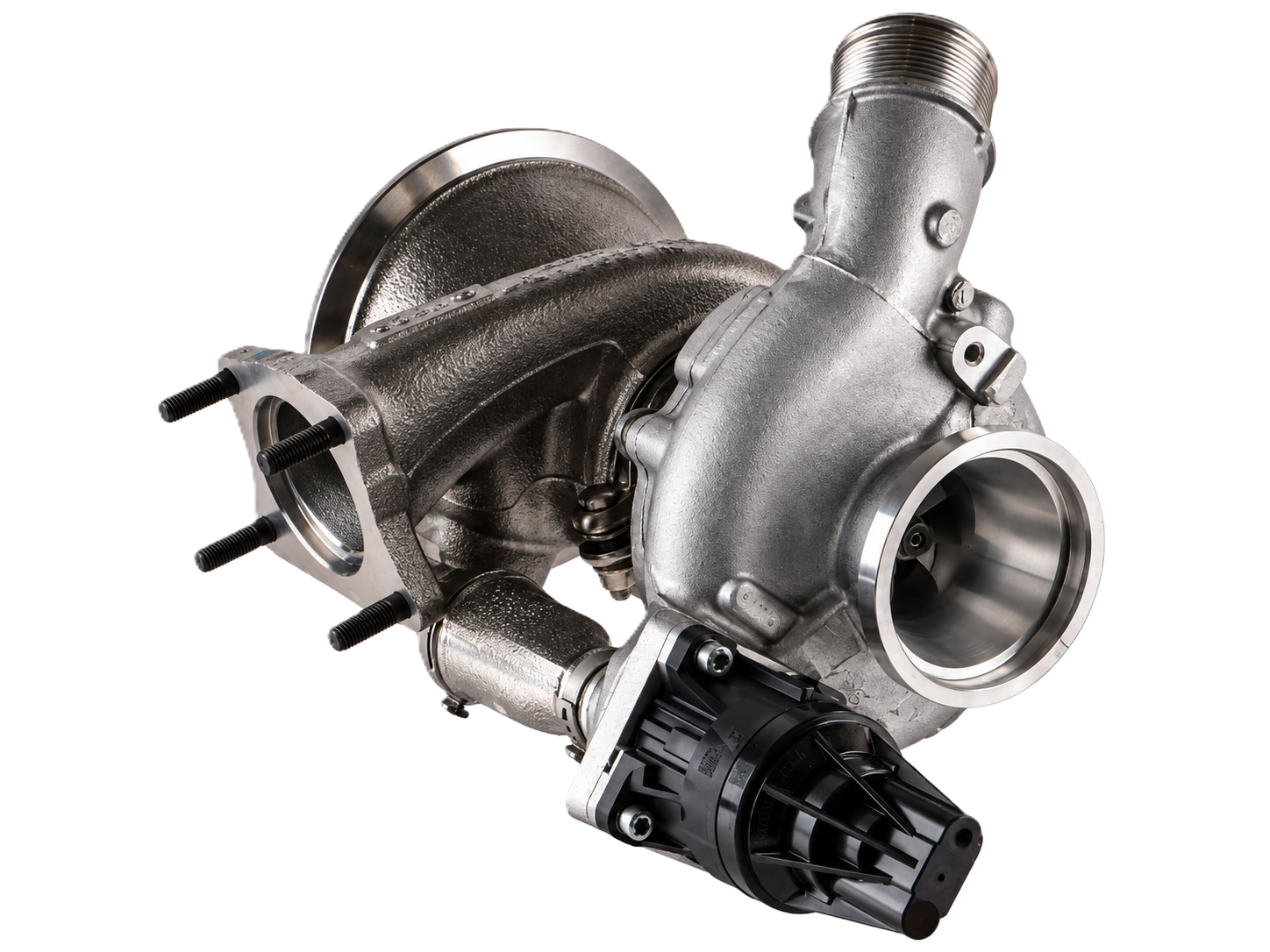
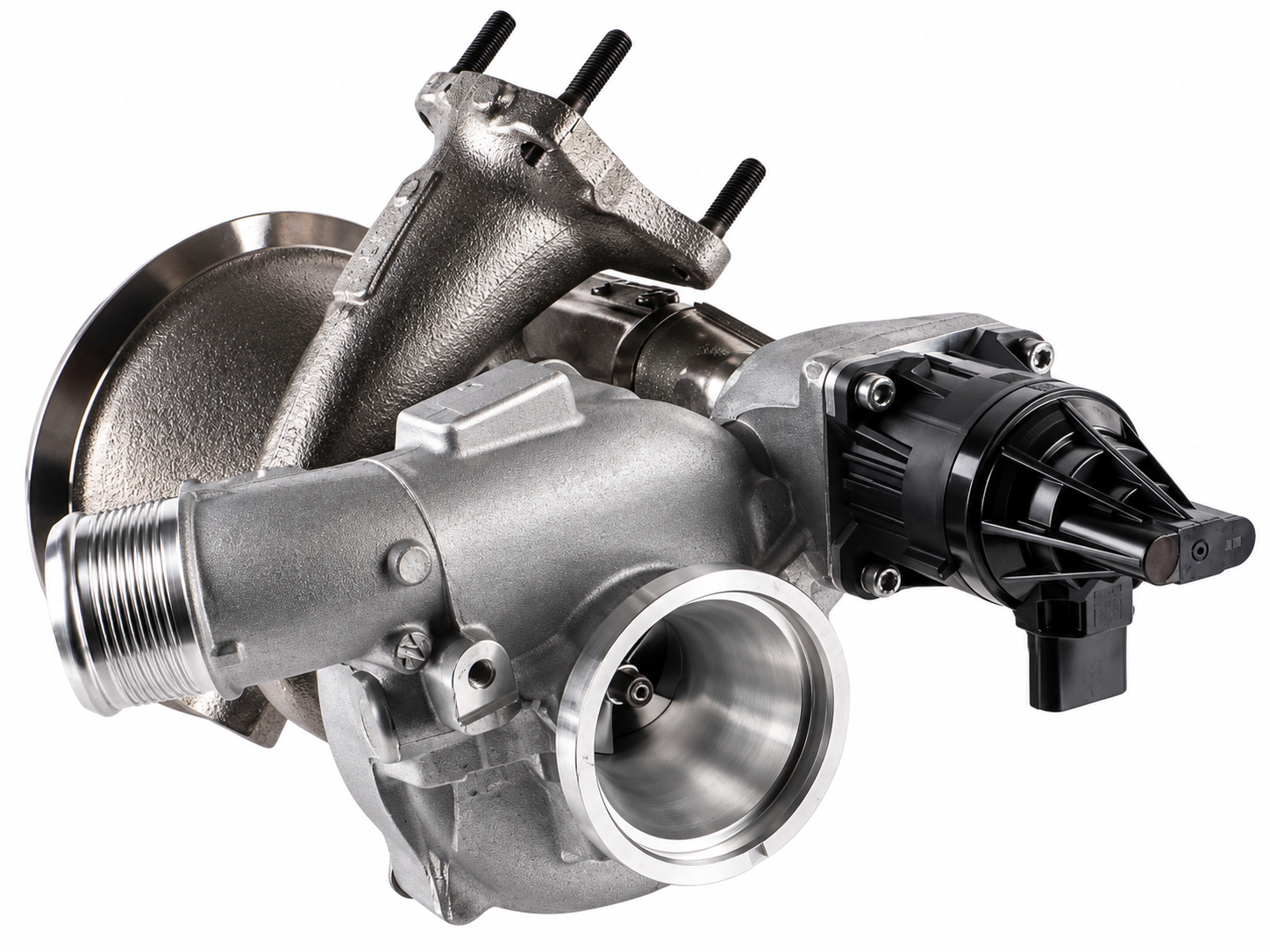
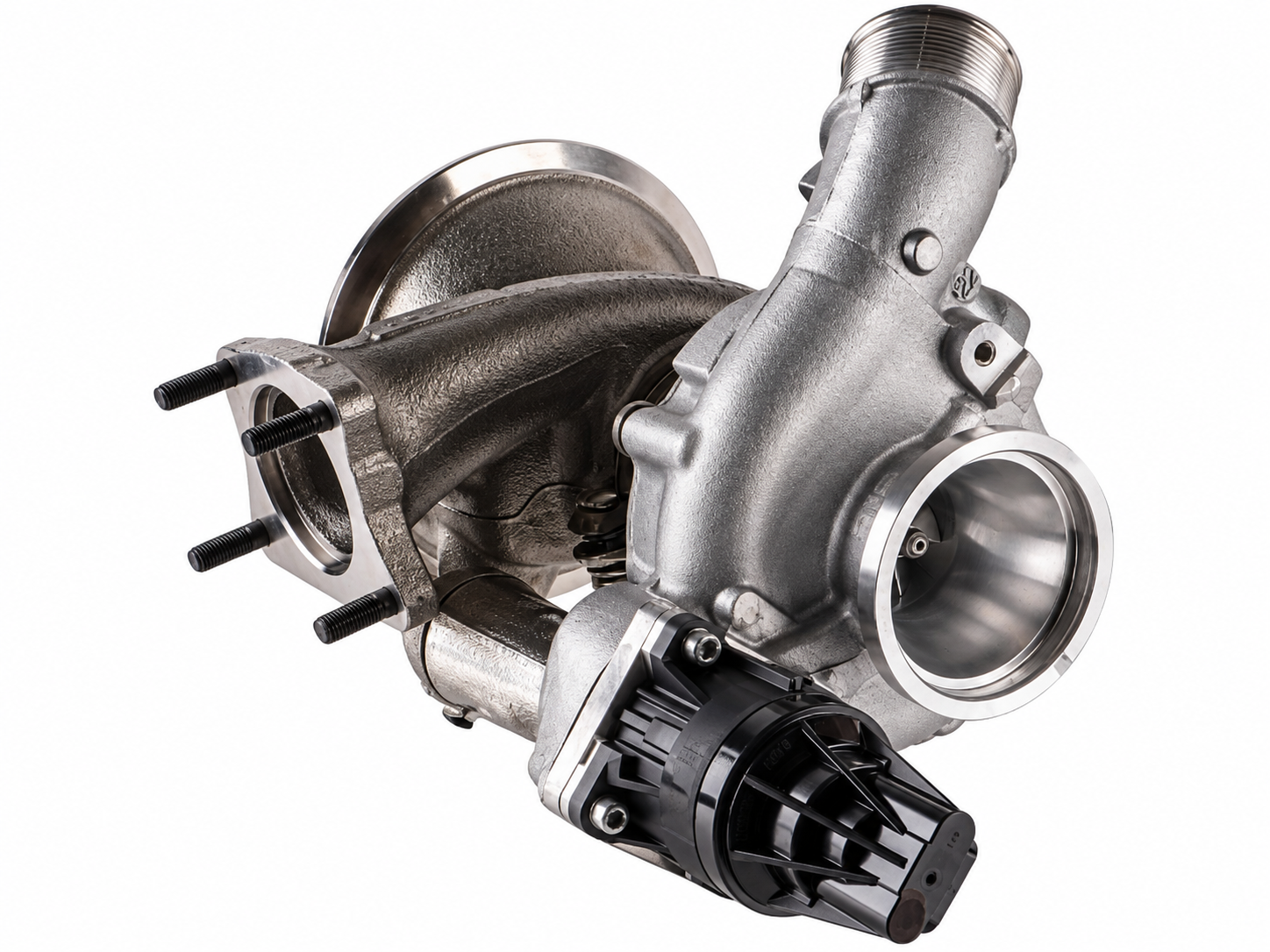
The Genuine Porsche Turbocharger 0PB145701R / 0PB145702R is a replacement forced-induction component designed for compatible Porsche applications.
Fits:
- Porsche 992.1 Carrera 2 3.0L 2019-24
- Porsche 992.1 Carrera 4 3.0L 2019-24
- Porsche 992.1 Carrera 2 Cabriolet 3.0L 2019-24
- Porsche 992.1 Carrera 4 Cabriolet 3.0L 2019-24
- Porsche 992.1 Targa 4 3.0L 2020-24
- Porsche 992.2 Carrera 2 3.0L 2024>>
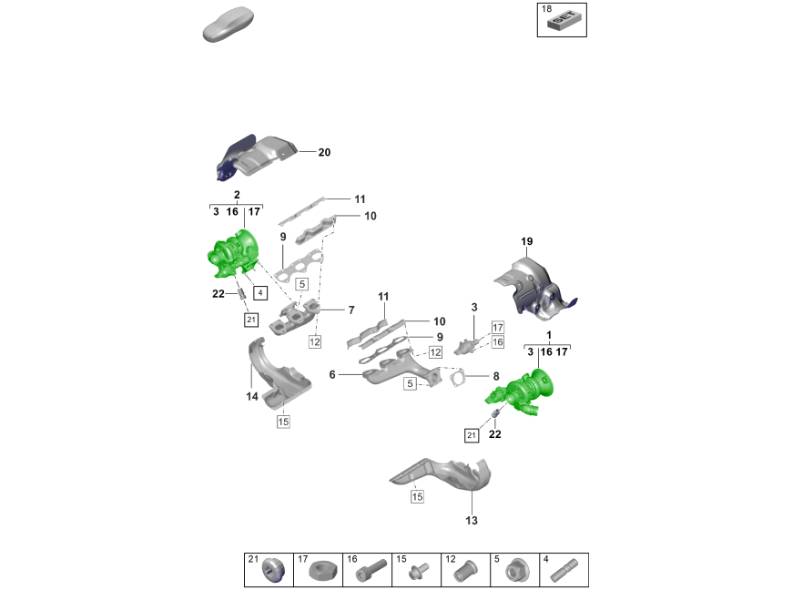
Diagram Ref No 1 And 2
A turbocharger uses energy from the engine's exhaust gases to drive a turbine connected to a compressor wheel. The compressor increases the pressure and quantity of air supplied to the engine, allowing the engine-management system to deliver the intended levels of power, torque and response.
Turbochargers operate at extremely high rotational speeds and temperatures and depend on clean lubrication, correct cooling, unrestricted intake and exhaust flow, and properly functioning boost-control systems. Bearing wear, oil-supply problems, foreign-object damage, excessive temperatures or control faults can eventually cause turbocharger deterioration or complete failure.
Replacing a confirmed faulty turbocharger helps restore correct boost pressure and engine performance while reducing the risk of further damage to associated intake, exhaust and engine components.
What This Product Does:
The turbocharger increases the amount of air supplied to the engine by using energy that would otherwise leave through the exhaust.
Exhaust gases spin the turbine wheel. A shaft connects this turbine to a compressor wheel on the intake side.
As the compressor rotates, it compresses incoming air and supplies it to the engine under pressure.
This helps:
- Generate the required boost pressure
- Increase available intake airflow
- Increase engine power and torque
- Improve acceleration and engine response
- Maintain the intended factory performance
- Make effective use of exhaust-gas energy
The turbocharger works together with the intake, intercooling, exhaust, lubrication, cooling and electronic engine-management systems.
Symptoms Of Wear Or Failure:
Common symptoms associated with turbocharger deterioration can include:
- Loss of engine power
- Reduced boost pressure
- Slow boost response
- Poor acceleration
- Inconsistent power delivery
- Engine-management warning light
- Underboost or overboost fault codes
- Limp or reduced-power mode
- Increased engine oil consumption
- Blue or grey exhaust smoke
- Excessive oil in intake pipework
- Whining or siren-like noises
- Grinding or scraping noises
- Excessive turbocharger shaft play
- Damaged compressor or turbine blades
- Abnormal boost fluctuations
These symptoms can also be caused by faults elsewhere in the engine or boost system. Proper diagnosis should therefore be carried out before replacing the turbocharger.
Why Replacement Matters:
Replacing a confirmed worn or damaged turbocharger helps restore the intended operation of the forced-induction system.
A correctly functioning replacement can help:
- Restore boost pressure
- Restore engine power
- Restore torque
- Improve acceleration
- Restore throttle response
- Correct turbocharger-related mechanical noise
- Address oil leakage caused by internal turbo wear
- Restore reliable forced-induction operation
- Support correct engine-management operation
- Reduce the risk of secondary component damage
A severely damaged turbocharger should not remain in service.
Related reference numbers
Related, superseded, cross reference or alternative numbers for comparison.
0PB14570
The product you are viewing cross references to these numbers
- Porsche 992.1 Carrera 2 3.0L 2019-24
- Porsche 992.1 Carrera 4 3.0L 2019-24
- Porsche 992.1 Carrera 2 Cabriolet 3.0L 2019-24
- Porsche 992.1 Carrera 4 Cabriolet 3.0L 2019-24
- Porsche 992.1 Targa 4 3.0L 2020-24
- Porsche 992.2 Carrera 2 3.0L 2024>>
- Porsche 992.2 Carrera 2S 3.0L 2024>>
- Porsche 992.2 Carrera T 3.0L 2024>>
- Porsche 992.2 Carrera 4S 3.0L 2024>>
Shop Securely
12 Month Warranty
Worldwide Delivery


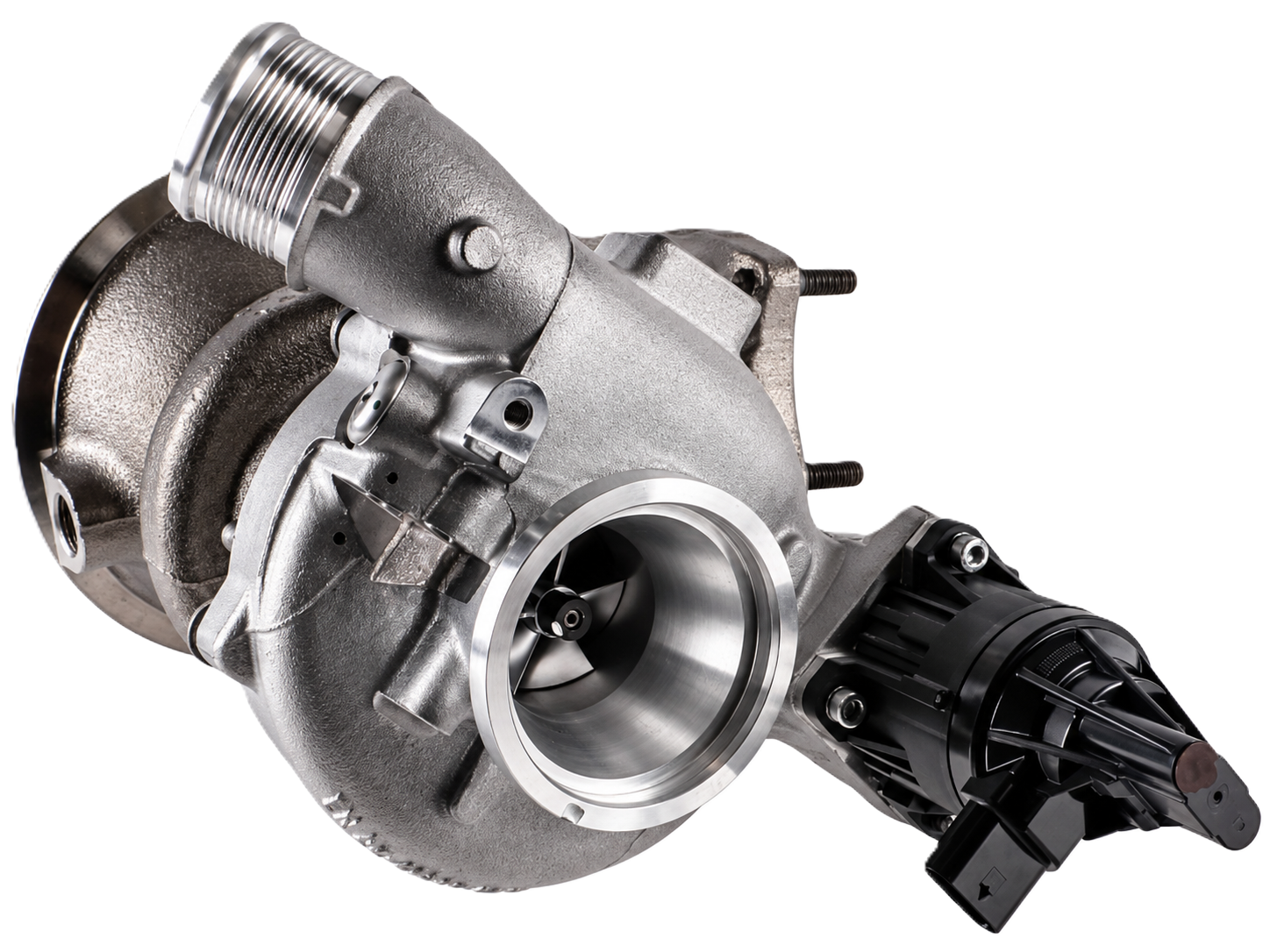
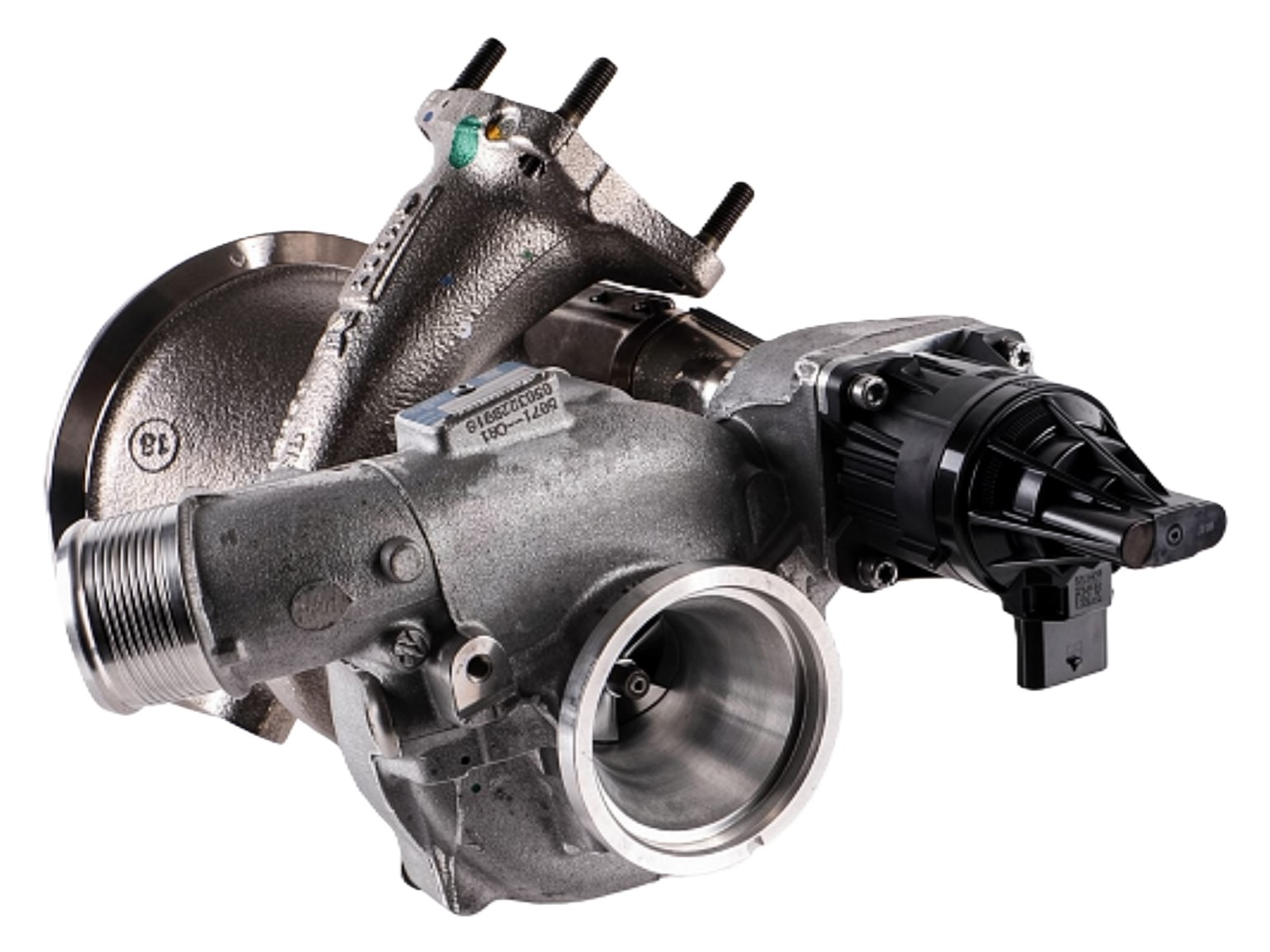
The BorgWarner Turbocharger is a replacement forced-induction component for compatible Porsche applications, designed to restore correct boost pressure, airflow and engine performance when the existing turbocharger has become worn or damaged.
Fits:
- Porsche 992.1 Carrera 2 3.0L 2019-24
- Porsche 992.1 Carrera 4 3.0L 2019-24
- Porsche 992.1 Carrera 2 Cabriolet 3.0L 2019-24
- Porsche 992.1 Carrera 4 Cabriolet 3.0L 2019-24
- Porsche 992.1 Targa 4 3.0L 2020-24
- Porsche 992.2 Carrera 2 3.0L 2024>>
Diagram Ref No 1 And 2
A turbocharger uses energy from the engine's exhaust gases to drive a turbine connected to a compressor wheel. The compressor increases the pressure and quantity of air supplied to the engine, allowing the engine-management system to deliver the intended levels of power, torque and response.
Turbochargers operate at extremely high rotational speeds and temperatures and depend on clean lubrication, correct cooling, unrestricted intake and exhaust flow, and properly functioning boost-control systems. Bearing wear, oil-supply problems, foreign-object damage, excessive temperatures or control faults can eventually cause turbocharger deterioration or complete failure.
Replacing a confirmed faulty turbocharger helps restore correct boost pressure and engine performance while reducing the risk of further damage to associated intake, exhaust and engine components.
What This Product Does:
The turbocharger increases the amount of air supplied to the engine by using energy that would otherwise leave through the exhaust.
Exhaust gases spin the turbine wheel. A shaft connects this turbine to a compressor wheel on the intake side.
As the compressor rotates, it compresses incoming air and supplies it to the engine under pressure.
This helps:
- Generate the required boost pressure
- Increase available intake airflow
- Increase engine power and torque
- Improve acceleration and engine response
- Make effective use of exhaust-gas energy
The turbocharger works together with the intake, intercooling, exhaust, lubrication, cooling and electronic engine-management systems.
Symptoms Of Wear Or Failure:
Common symptoms associated with turbocharger deterioration can include:
- Loss of engine power
- Reduced boost pressure
- Slow boost response
- Poor acceleration
- Inconsistent power delivery
- Engine-management warning light
- Underboost or overboost fault codes
- Limp or reduced-power mode
- Increased engine oil consumption
- Blue or grey exhaust smoke
- Excessive oil in intake pipework
- Whining or siren-like noises
- Grinding or scraping noises
- Excessive turbocharger shaft play
- Damaged compressor or turbine blades
- Abnormal boost fluctuations
These symptoms can also be caused by faults elsewhere in the engine or boost system. Proper diagnosis should therefore be carried out before replacing the turbocharger.
Why Replacement Matters:
Replacing a confirmed worn or damaged turbocharger helps restore the intended operation of the forced-induction system.
A correctly functioning replacement can help:
- Restore boost pressure
- Restore engine power
- Restore torque
- Improve acceleration
- Restore throttle response
- Correct turbocharger-related mechanical noise
- Address oil leakage caused by internal turbo wear
- Restore reliable forced-induction operation
- Support correct engine-management operation
- Reduce the risk of secondary component damage
A severely damaged turbocharger should not remain in service.
Related reference numbers
Related, superseded, cross reference or alternative numbers for comparison.
0PB14570
The product you are viewing cross references to these numbers
- Porsche 992.1 Carrera 2 3.0L 2019-24
- Porsche 992.1 Carrera 4 3.0L 2019-24
- Porsche 992.1 Carrera 2 Cabriolet 3.0L 2019-24
- Porsche 992.1 Carrera 4 Cabriolet 3.0L 2019-24
- Porsche 992.1 Targa 4 3.0L 2020-24
- Porsche 992.2 Carrera 2 3.0L 2024>>
- Porsche 992.2 Carrera 2S 3.0L 2024>>
- Porsche 992.2 Carrera T 3.0L 2024>>
- Porsche 992.2 Carrera 4S 3.0L 2024>>
Shop Securely
12 Month Warranty
Worldwide Delivery

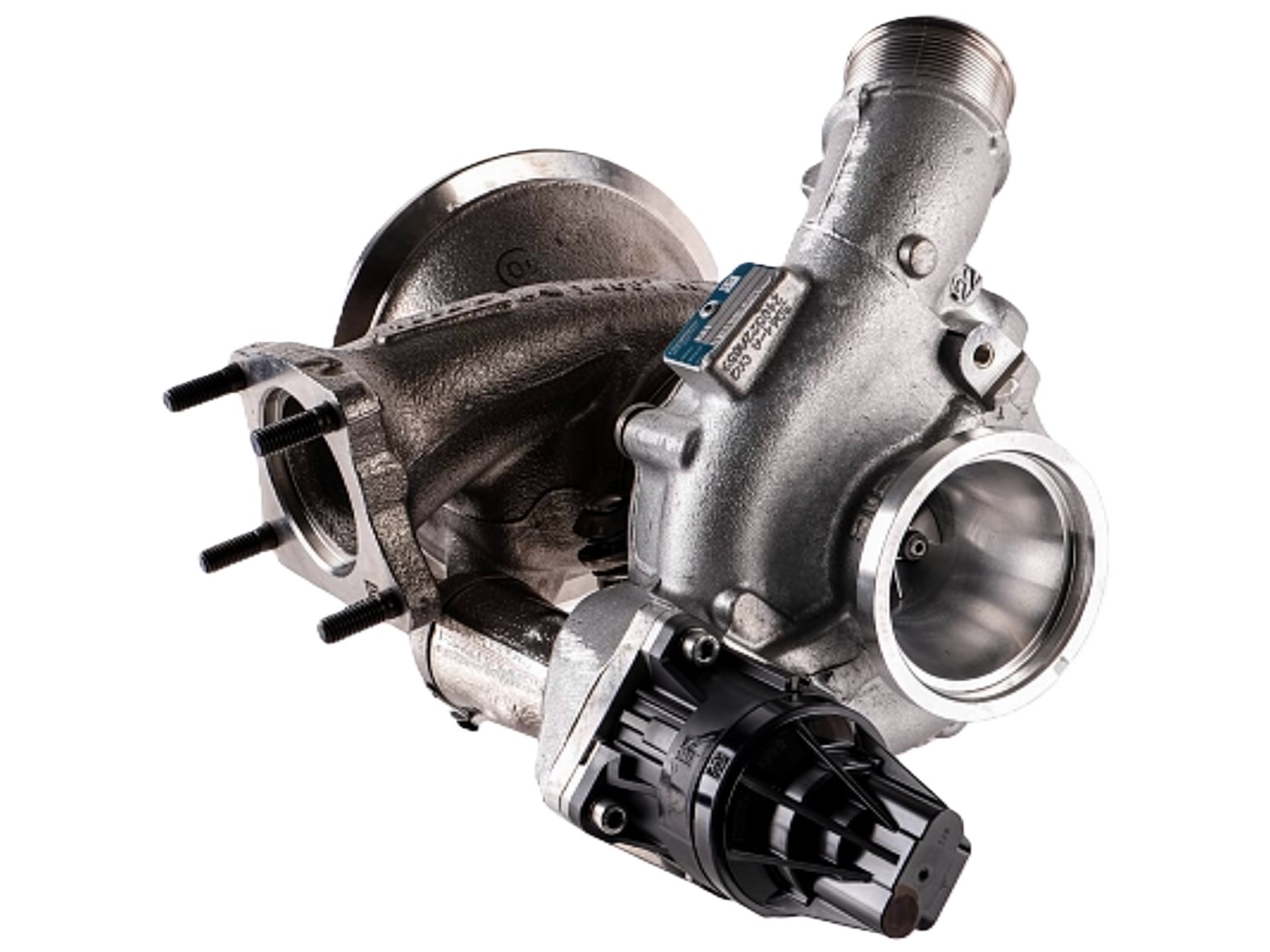
The Genuine Porsche Turbocharger 0PB145701S / 0PB145702S is a replacement forced-induction component designed for compatible Porsche applications. It plays a critical role in producing the boost pressure and airflow required for the engine to deliver its intended power, torque and response.
Fits:
- Porsche 992.1 Carrera 2 3.0L 2019-24
- Porsche 992.1 Carrera 4 3.0L 2019-24
- Porsche 992.1 Carrera 2 Cabriolet 3.0L 2019-24
- Porsche 992.1 Carrera 4 Cabriolet 3.0L 2019-24
- Porsche 992.1 Targa 4 3.0L 2020-24
Diagram Ref No 1 And 2
A turbocharger operates by using energy from the engine's exhaust gases to spin a turbine. This turbine is connected by a shaft to a compressor wheel, which compresses the incoming air before it enters the engine.
Because turbochargers operate at extremely high rotational speeds and temperatures, correct lubrication, cooling, intake airflow, exhaust flow and boost control are essential for reliable operation.
What This Product Does:
The turbocharger increases the quantity and pressure of air supplied to the engine.
Exhaust gases leaving the engine drive the turbocharger's turbine wheel. The turbine is connected to a compressor wheel on the intake side.
As the compressor rotates, it draws in and compresses fresh air before supplying it to the engine.
This helps the engine to:
- Generate the required boost pressure
- Receive increased intake airflow
- Produce the intended power and torque
- Deliver strong acceleration
- Maintain correct throttle response
- Provide consistent forced-induction performance
The turbocharger works together with the engine-management, intake, intercooling, exhaust, lubrication, cooling and boost-control systems.
Symptoms Of Wear Or Failure:
A worn or damaged turbocharger can cause a range of performance, mechanical and engine-management symptoms.
Common warning signs include:
- Loss of engine power
- Reduced boost pressure
- Slow boost response
- Poor acceleration
- Inconsistent power delivery
- Engine-management warning light
- Underboost or overboost fault codes
- Reduced-power or limp mode
- Increased engine oil consumption
- Blue or grey exhaust smoke
- Excessive oil in intake or boost pipework
- Unusual whining or siren-like noises
- Grinding or scraping noises
- Excessive turbocharger shaft play
- Damaged compressor or turbine blades
- Abnormal boost fluctuations
These symptoms do not automatically confirm turbocharger failure. Intake leaks, boost-control faults, sensor problems and other engine issues can produce similar symptoms, so correct diagnosis is essential.
Why Replacement Matters:
A correctly functioning turbocharger is essential to the performance of a turbocharged Porsche engine.
Replacing a confirmed worn or damaged turbocharger helps:
- Restore correct boost pressure
- Restore engine power
- Restore torque
- Improve acceleration
- Restore throttle response
- Correct turbocharger-related mechanical noise
- Address oil leakage caused by internal turbo wear
- Restore reliable forced-induction operation
- Support correct engine-management operation
- Reduce the risk of secondary component damage
A turbocharger showing severe mechanical damage should not remain in service.
Related reference numbers
Related, superseded, cross reference or alternative numbers for comparison.
0PB14570
The product you are viewing cross references to these numbers
- Porsche 992.1 Carrera 2 3.0L 2019-24
- Porsche 992.1 Carrera 4 3.0L 2019-24
- Porsche 992.1 Carrera 2 Cabriolet 3.0L 2019-24
- Porsche 992.1 Carrera 4 Cabriolet 3.0L 2019-24
- Porsche 992.1 Targa 4 3.0L 2020-24
Shop Securely
12 Month Warranty
Worldwide Delivery

The BorgWarner Turbocharger is a replacement forced-induction component for compatible Porsche applications. It is designed to restore the boost pressure and airflow required for the engine to produce its intended power, torque and response when the existing turbocharger has become worn, damaged or faulty.
Fits:
- Porsche 992.1 Carrera 2 3.0L 2019-24
- Porsche 992.1 Carrera 4 3.0L 2019-24
- Porsche 992.1 Carrera 2 Cabriolet 3.0L 2019-24
- Porsche 992.1 Carrera 4 Cabriolet 3.0L 2019-24
- Porsche 992.1 Targa 4 3.0L 2020-24
Diagram Ref No 1 And 2
A turbocharger operates by using energy from the engine's exhaust gases to spin a turbine. This turbine is connected by a shaft to a compressor wheel, which compresses the incoming air before it enters the engine.
Because turbochargers operate at extremely high rotational speeds and temperatures, correct lubrication, cooling, intake airflow, exhaust flow and boost control are essential for reliable operation.
What This Product Does:
The turbocharger increases the quantity and pressure of air supplied to the engine.
Exhaust gases leaving the engine drive the turbocharger's turbine wheel. The turbine is connected to a compressor wheel on the intake side.
As the compressor rotates, it draws in and compresses fresh air before supplying it to the engine.
This helps the engine to:
- Generate the required boost pressure
- Receive increased intake airflow
- Produce the intended power and torque
- Deliver strong acceleration
- Maintain correct throttle response
- Provide consistent forced-induction performance
The turbocharger works together with the engine-management, intake, intercooling, exhaust, lubrication, cooling and boost-control systems.
Symptoms Of Wear Or Failure:
A worn or damaged turbocharger can cause a range of performance, mechanical and engine-management symptoms.
Common warning signs include:
- Loss of engine power
- Reduced boost pressure
- Slow boost response
- Poor acceleration
- Inconsistent power delivery
- Engine-management warning light
- Underboost or overboost fault codes
- Reduced-power or limp mode
- Increased engine oil consumption
- Blue or grey exhaust smoke
- Excessive oil in intake or boost pipework
- Unusual whining or siren-like noises
- Grinding or scraping noises
- Excessive turbocharger shaft play
- Damaged compressor or turbine blades
- Abnormal boost fluctuations
These symptoms do not automatically confirm turbocharger failure. Intake leaks, boost-control faults, sensor problems and other engine issues can produce similar symptoms, so correct diagnosis is essential.
Why Replacement Matters:
A correctly functioning turbocharger is essential to the performance of a turbocharged Porsche engine.
Replacing a confirmed worn or damaged turbocharger helps:
- Restore correct boost pressure
- Restore engine power
- Restore torque
- Improve acceleration
- Restore throttle response
- Correct turbocharger-related mechanical noise
- Address oil leakage caused by internal turbo wear
- Restore reliable forced-induction operation
- Support correct engine-management operation
- Reduce the risk of secondary component damage
A turbocharger showing severe mechanical damage should not remain in service.
Related reference numbers
Related, superseded, cross reference or alternative numbers for comparison.
0PB14570
The product you are viewing cross references to these numbers
- Porsche 992.1 Carrera 2 3.0L 2019-24
- Porsche 992.1 Carrera 4 3.0L 2019-24
- Porsche 992.1 Carrera 2 Cabriolet 3.0L 2019-24
- Porsche 992.1 Carrera 4 Cabriolet 3.0L 2019-24
- Porsche 992.1 Targa 4 3.0L 2020-24
Shop Securely
12 Month Warranty
Worldwide Delivery

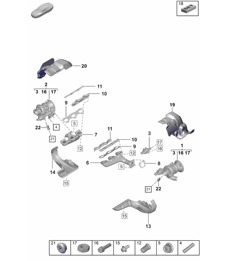

Turbochargers, Intercoolers & Parts – Precision-Engineered Performance for Porsche Engines
A turbocharger increases your Porsche’s power and efficiency by forcing more air into the engine’s combustion chamber, while the intercooler cools that compressed air to improve performance and reliability. Together, these components deliver the exhilarating acceleration and responsiveness that define Porsche engineering.
At Design911, we offer a comprehensive selection of turbochargers, intercoolers, and related components for Porsche models old and new. Manufactured using high-grade materials and advanced balancing technology, our range ensures consistent boost pressure, superior cooling efficiency, and long-term durability under extreme conditions.
Whether you’re restoring a classic 911 Turbo, upgrading a Cayman for track use, or replacing worn components on a modern model, our high-quality turbo and intercooler parts guarantee unmatched performance and reliability.
What Do Turbochargers & Intercoolers Do?
Turbochargers and intercoolers work together to enhance engine power, efficiency, and response.
Core Functions:
- Turbocharger:
Compresses intake air to increase the engine’s air/fuel ratio, producing
greater power.
- Intercooler:
Reduces the temperature of compressed air before it enters the engine,
improving combustion and preventing knock.
- Associated Parts: Turbo hoses, valves, clamps, and cooling lines maintain consistent boost pressure and reliable airflow.
Together, these systems optimise power delivery, throttle response, and engine longevity — key to achieving Porsche’s hallmark driving experience.
Why Do Turbochargers & Intercoolers Fail?
Turbo and intercooler systems operate under extreme temperatures and pressure. Over time, wear and heat cycling can cause performance degradation or failure.
Common Causes of Failure Include:
- Oil
contamination or starvation damaging the turbo bearings.
- Boost
leaks from worn seals, cracked hoses, or gaskets.
- Intercooler
clogging due to debris or oil residue.
- Excessive
exhaust temperatures leading to turbine damage.
- Corrosion or heat fatigue from prolonged high-speed driving.
Symptoms of failure include whining noises, loss of power, blue or black exhaust smoke, poor boost response, or oil leaks around the turbo system. Addressing these early can prevent costly repairs and maintain performance.
Why Replace Components?
Replacing a worn turbocharger or intercooler with a precision-engineered, high-performance alternative restores full boost pressure, temperature control, and efficiency — ensuring your Porsche performs as intended.
Key Benefits:
- Restores boost pressure and throttle response.
- Improves air cooling and power delivery.
- Prevents oil and boost leaks.
- Constructed from lightweight, heat-resistant materials.
- Direct-fit
compatibility for Porsche 911, Cayman, Boxster, Macan, Panamera and more.
- Ideal for performance upgrades, maintenance, or rebuilds.
High-quality turbo and intercooler components are essential for reliable, sustained performance in both road and track environments.
Highlights:
- Turbochargers, intercoolers & related parts for Porsche models.
- Precision-engineered to enhance airflow, boost, and cooling.
- Heat-resistant construction ensures durability and performance.
- Perfect for maintenance, upgrades, or complete rebuilds.
- Supports Porsche 911, Cayman, Boxster, Panamera and more.
- Optimised for performance and reliability under extreme load.
-
 Oil System Parts
-
Fuel System Parts
-
Gaskets & Sets
-
Radial Seal / RMS / Camshaft / Balance shaft
-
Belts / Tensioners / Rollers
-
Chains & Tensioners
-
Engine Bearings / Shells
-
Engine Valves / Guides / Springs
-
Rocker Arms & Tappets
-
Engine Bolts / Studs
-
Engine Mounts
-
Engine Cylinders / Liners / Pistons
-
Connecting Rod
-
Cylinder Head / Camshaft Carrier
-
Camshaft covers / Gaskets
-
Camshaft gears / sprockets and fixings
-
Crankcase Parts
-
Crankshaft & Parts
-
Air Intake & Injection
-
Specialist Tools




Monday-Friday: 8.30am - 5.30pm (GMT)
Saturday: Closed
Sunday: Closed