





Enter your VAT number here and click Verify:
Your details have been verified. VAT number registered to:
,
.
Your order will now be zero rated for VAT purposes. We reserve the right to verify these details after your order request has been made and reinstate VAT if required.
Your VAT details were not recognised or were invalid. Your VAT number must be matched to your Billing Country as specified above. This is currently specified as . You do not need to enter the country code part of your VAT number as this has already been selected in your billing address details above.
The VAT number checking service is currently offline. Please supply your VAT details within the comments or special instructions field below and we will apply a VAT discount after placing your order request.

Your Porsche
Porsche

Porsche for Porsche
Porsche genuine parts and lifestyle products for Porsche models from Design911
A Quick Look at Porsche
Porsche information on this page is based on details supplied by the manufacturer or distributor, plus any OE references provided with the parts.
Choosing the Right Fit for Your Porsche
Where Porsche is listed for Porsche, use the supplied model coverage and OE references to confirm suitability. Check details that commonly affect fitment such as model year, side/position, and connector type where relevant.
- Typical reasons people replace these parts include maintaining originality, keeping factory specification, and choosing the latest genuine revisions for peace of mind.
- Common real-world issues behind many Porsche repairs are age and mileage: oil leaks, cooling system fatigue, brake and suspension wear, corrosion and electrical faults from moisture or heat cycling.
- Before ordering, confirm part numbers against VIN or option/PR codes, especially for safety‑critical or complex components.
- When upgrading, decide whether you want pure originality or performance changes, as some aftermarket options may suit specific goals better than genuine.
- For bigger jobs, replace related seals, hardware and consumables at the same time to avoid repeat labour and compatibility issues.
- Where available, follow the manufacturer’s fitting and bedding‑in guidance to get the best performance and longevity.
Browse by Category
If you already know the area you are working on, start with the category and then filter by Porsche model. Where real-world symptoms and typical reasons to replace are provided, use them to keep the wording grounded.
Brakes — Brake components are renewed to restore stopping performance, address wear or upgrade a Porsche for fast road or track use. Common symptoms include: Common symptoms include vibration under braking, increased stopping distances, squealing, pulling to one side, warning lights and visible wear to discs and pads.
- Check whether the parts are OE-equivalent replacements or performance upgrades and match this to how the Porsche is used.
- Follow any recommended bedding-in procedure and consider replacing discs, pads, sensors and fitting hardware together where advised.
Clothing & Gifts — Porsche-themed clothing and gifts let owners and enthusiasts show their passion off the road, or make ideal presents for fans of the marque. Common symptoms include: Items may become worn, faded, damaged or go out of style, prompting replacement with newer designs.
- Review available size, colour and material details to help choose the right item and ensure it matches how it will be used.
- Check any care or washing guidance so garments and accessories keep their appearance for longer.
Lifestyle — To explore different Porsche-inspired lifestyle products or gift ideas. Common symptoms include: General wear from handling or display.
- Confirm whether items are official Porsche lifestyle products or from trusted partner brands where stated.
- Consider who the item is for and how it will be used day to day to select the most suitable style or product type.
Keyring — To choose a different design, material or model theme. Common symptoms include: Scratches, worn finishes or loose fittings.
- Keyrings make simple, practical Porsche-themed gifts and can be matched to specific models or heritage designs where available.
- If a keyring shows damage or looseness, replace it to avoid losing keys or further wear to finishes.
Size chart — The size chart acts as a practical reference tool for all apparel purchases. Common symptoms include:
Explore Porsche at Design911
View the current Porsche range for Porsche at Design911, then filter by model and category to narrow down to the right parts.


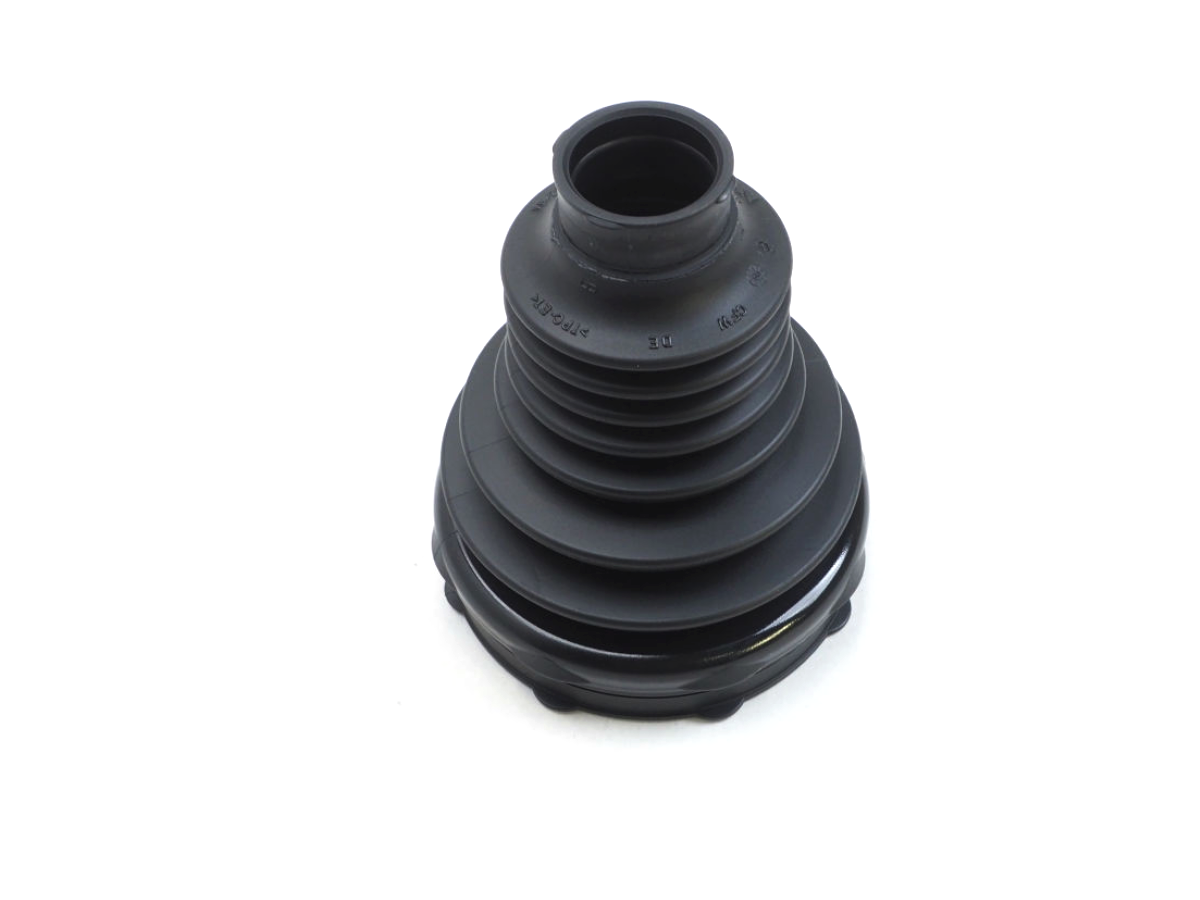
This original Porsche rubber CV boot protects the inner constant velocity joint on the front drive shaft, helping retain grease, prevent contamination and support smooth drivetrain operation.
Fits:
Porsche 971.1 Panamera 2017 - 2021
Porsche 971.2 Panamera 2022 - 2023
* option code: 1X1 - All-wheel drive
* option code: 0J5 - Load group 2 FA/2 RA
* option code: 0J8 - Load group 2 FA/1 RA
Porsche 976 Panamera 2024 >>
Porsche 91J.1 Taycan Turbo S 2020 - 2023
Porsche 91J.2 Taycan Turbo S 2024>>
Diagram ref no 2
This boot is used on the front axle inner CV joint on selected Porsche Panamera and Taycan front drive shaft applications.
What This Part Does / Functions
• Protects the inner CV joint from dirt, water and road debris
• Retains the special CV joint grease inside the joint
• Helps prevent premature CV joint wear
• Allows normal drive shaft movement during suspension travel
• Supports smooth front axle drivetrain operation
• Replaces a split, cracked, leaking or perished original CV boot
• Provides correct Genuine Porsche rubber fitment and profile
• Helps avoid complete drive shaft replacement if the CV joint is still serviceable.
Why Replace This Part?
The CV boot is a protective sealing component. It is exposed to steering movement, suspension travel, road debris, heat, water, salt and age-related rubber deterioration. Over time, the boot can crack, split or lose its seal, allowing grease to escape and contamination to enter the CV joint. Replacing a damaged boot with a Genuine Porsche OE front inner CV joint boot helps protect the CV joint and maintain reliable drive shaft operation.
Common Symptoms of a Failed CV Boot
• Grease sprayed around the inner front axle area
• Split, cracked or perished rubber boot
• Visible grease loss from the CV joint
• Clicking, knocking or vibration if the joint has become worn
• Dirt or water contamination inside the CV joint
• MOT / roadworthiness failure due to damaged CV boot
• Boot damage found during suspension or drivetrain inspection
• Front drive shaft wear caused by loss of lubrication.
When to Replace This Part
• If the CV boot is split, cracked or leaking grease
• If the boot clamp has failed or the boot no longer seals correctly
• During front drive shaft repair
• If the CV joint is being cleaned, inspected or repacked with grease
• During front axle suspension or drivetrain overhaul
• After road debris, impact or service damage to the boot
• Before CV joint wear develops from contamination
• When restoring the drivetrain with Genuine Porsche parts.
Where It Fits on the Car
This boot fits on the front axle inner CV joint, at the inner end of the front drive shaft where it connects towards the front differential / drive unit side.
Correct installation requires suitable CV boot clamps, correct grease and proper seating of the boot on the joint and shaft. If the CV joint has already been run without grease or has contamination damage, the joint or complete drive shaft should also be inspected.
Related reference numbers
Related, superseded, cross reference or alternative numbers for comparison.
971407283A
The product you are viewing cross references to these numbers
- Porsche 971.1 Panamera V6 3.0L 2WD (330 Hp) 2017-20
- Porsche 971.1 Panamera 4 V6 3.0L 4WD (330 Hp) 2017-20
- Porsche 971.1 Panamera 4 V6 3.0L 4WD Executive 2017-20
- Porsche 971.1 Panamera 4 3.0L Turbocharged V6 Sport Turismo 2017-20
- Porsche 971.1 Panamera 4S V6 3.0L 4WD (440 Hp) 2017-20
- Porsche 971.1 Panamera 4S V6 3.0L 4WD Executive 2017-20
- Porsche 971.1 Panamera 4S 2.9L Twin-Turbo V6 Sport Turismo 2017-20
- Porsche 971.1 Panamera 4S Diesel V8 4.0L 4WD (422 Hp) 2017-18
- Porsche 971.1 Panamera 4S Diesel 4.0L Twin-Turbo V8 Sport Turismo 2017-18
- Porsche 971.1 Panamera 4 E-Hybrid V6 2.9L 4WD 2017-20
- Porsche 971.1 Panamera 4 E-Hybrid V6 2.9L 4WD Executive 2017-20
- Porsche 971.1 Panamera 4 E-Hybrid 2.9L Twin-Turbo V6 Sport Turismo 2017-20
- Porsche 971.1 Panamera Turbo V8 4.0L 4WD (550 Hp) 2017-20
- Porsche 971.1 Panamera Turbo V8 4.0L 4WD Executive 2017-20
- Porsche 971.1 Panamera Turbo 4.0L Twin-Turbo V8 Sport Turismo 2017-20
- Porsche 971.1 Panamera Turbo S E-Hybrid V8 4.0L 4WD 2017-20
- Porsche 971.1 Panamera Turbo S E-Hybrid V8 4.0L 4WD Executive 2017-20
- Porsche 971.2 Panamera 2.9L V6 2021-23
- Porsche 971.2 Panamera 4 2.9L V6 2021-23
- Porsche 971.2 Panamera 4 Sport Turismo 2.9L V6 2021-23
- Porsche 971.2 Panamera 4S 2.9L V6 2021-23
- Porsche 971.2 Panamera 4S Sport Turismo 2.9L V6 2021-23
- Porsche 971.2 Panamera 4 E-Hybrid 2.9L V6 2021-23
- Porsche 971.2 Panamera 4 E-Hybrid Sport Turismo 2.9L V6 2021-23
- Porsche 971.2 Panamera 4S E-Hybrid 2.9L V6 2021-23
- Porsche 971.2 Panamera 4S E-Hybrid Sport Turismo 2.9L V6 2021-23
- Porsche 971.2 Panamera GTS 4.0L V8 2021-23
- Porsche 971.2 Panamera GTS Sport Turismo 4.0L V8 2021-23
- Porsche 971.2 Panamera Turbo S 4.0L V8 2021-23
- Porsche 971.2 Panamera Turbo S Sport Turismo 4.0L V8 2021-23
- Porsche 971.2 Panamera Turbo S E-Hybrid 4.0L V8 2021-23
- Porsche 971.2 Panamera Turbo S E-Hybrid Sport Turismo 4.0L V8 2021-23
- Porsche 976 Panamera V6 2.9L 2023>>
- Porsche 976 Panamera 4 V6 2.9L 2023>>
- Porsche 976 Panamera 4 E-Hybrid V6 2.9L 2023>>
- Porsche 976 Panamera 4S E-Hybrid V6 2.9L 2023>>
- Porsche 976 Panamera GTS V8 4.0L 2023>>
- Porsche 976 Panamera Turbo E-Hybrid V8 4.0L 2023>>
- Porsche 976 Panamera Turbo S E-Hybrid V8 4.0L 2023>>
- Porsche 9J1.1 Taycan Turbo 2020-24
- Porsche 9J1.1 Taycan Turbo Cross Turismo 2020-24
- Porsche 9J1.1 Taycan Turbo Sport Turismo 2020-24
- Porsche 9J1.1 Taycan Turbo S 2020-24
- Porsche 9J1.1 Taycan Turbo S Cross Turismo 2020-24
- Porsche 9J1.1 Taycan Turbo S Sport Turismo 2020-24
- Porsche 9J1.2 Taycan Turbo GT Sport Saloon 2024>>
- Porsche 9J1.2 Taycan Turbo GT with Weissach Package Sport Saloon 2024>>
- Porsche 9J1.2 Taycan Turbo Sport Saloon 2024>>
- Porsche 9J1.2 Taycan Turbo Sport Turismo 2024>>
- Porsche 9J1.2 Taycan Turbo Cross Turismo 2024>>
- Porsche 9J1.2 Taycan Turbo S Sport Saloon 2024>>
- Porsche 9J1.2 Taycan Turbo S Sport Turismo 2024>>
- Porsche 9J1.2 Taycan Turbo S Cross Turismo 2024>>
 Shop Securely
 12 Month Warranty
 Worldwide Delivery

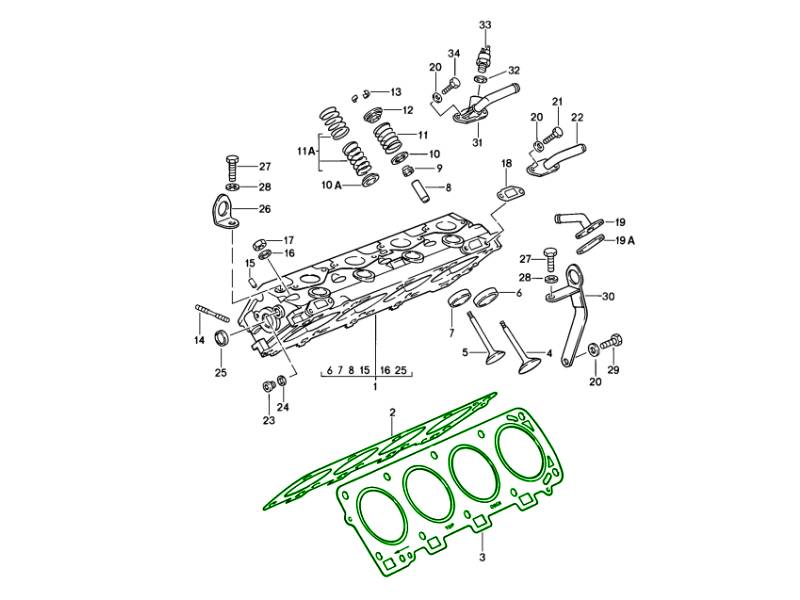
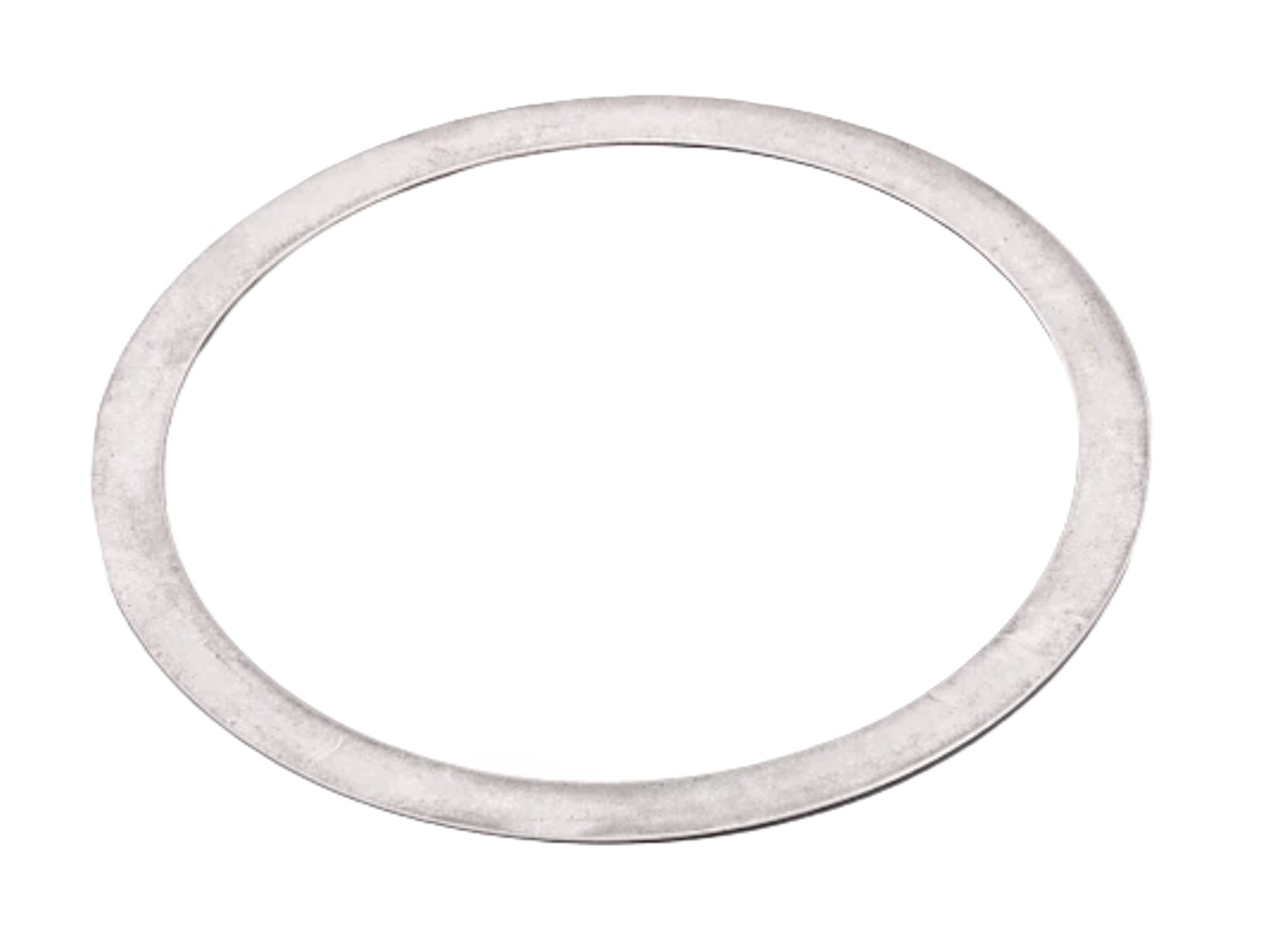
(For Reconditioned/Machined Cylinder Heads. Approx. Compressed Thickness: 1.4 mm)
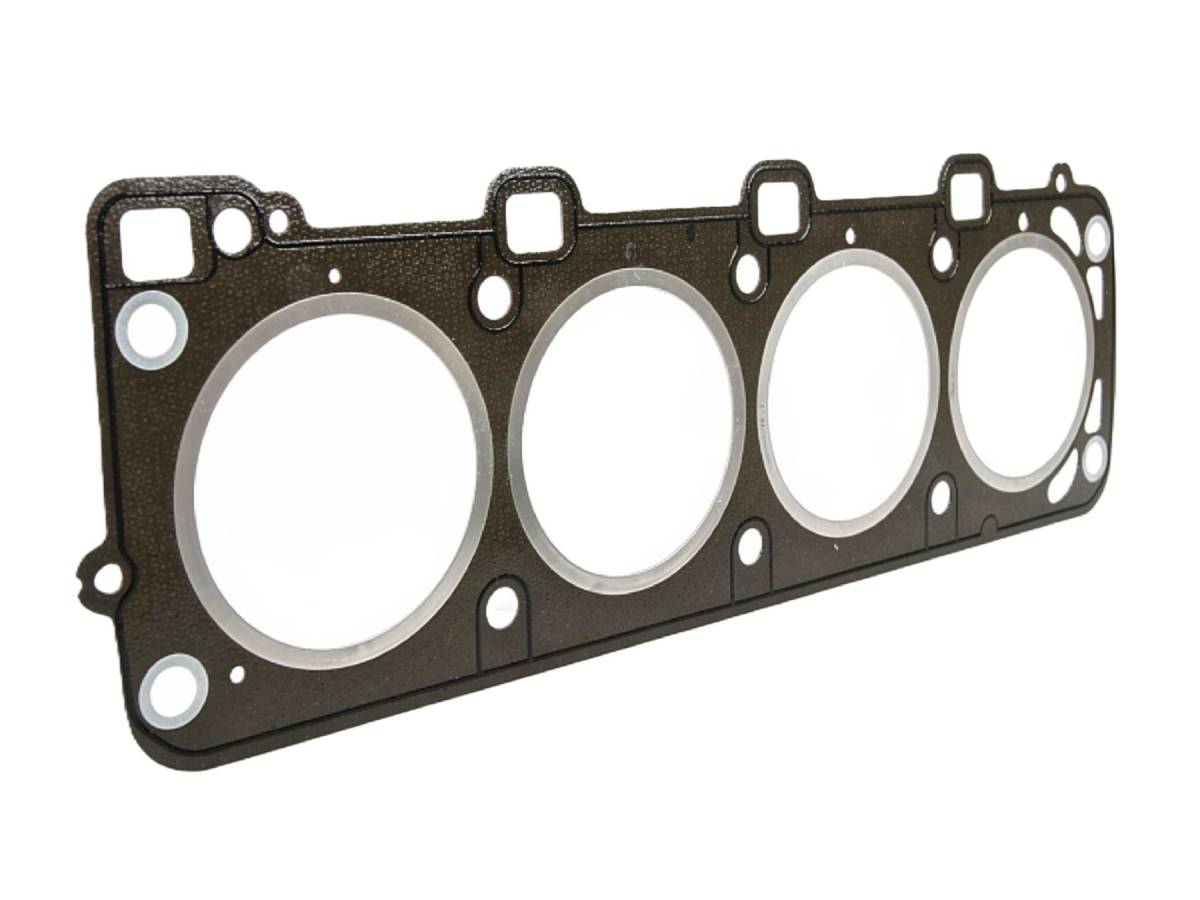
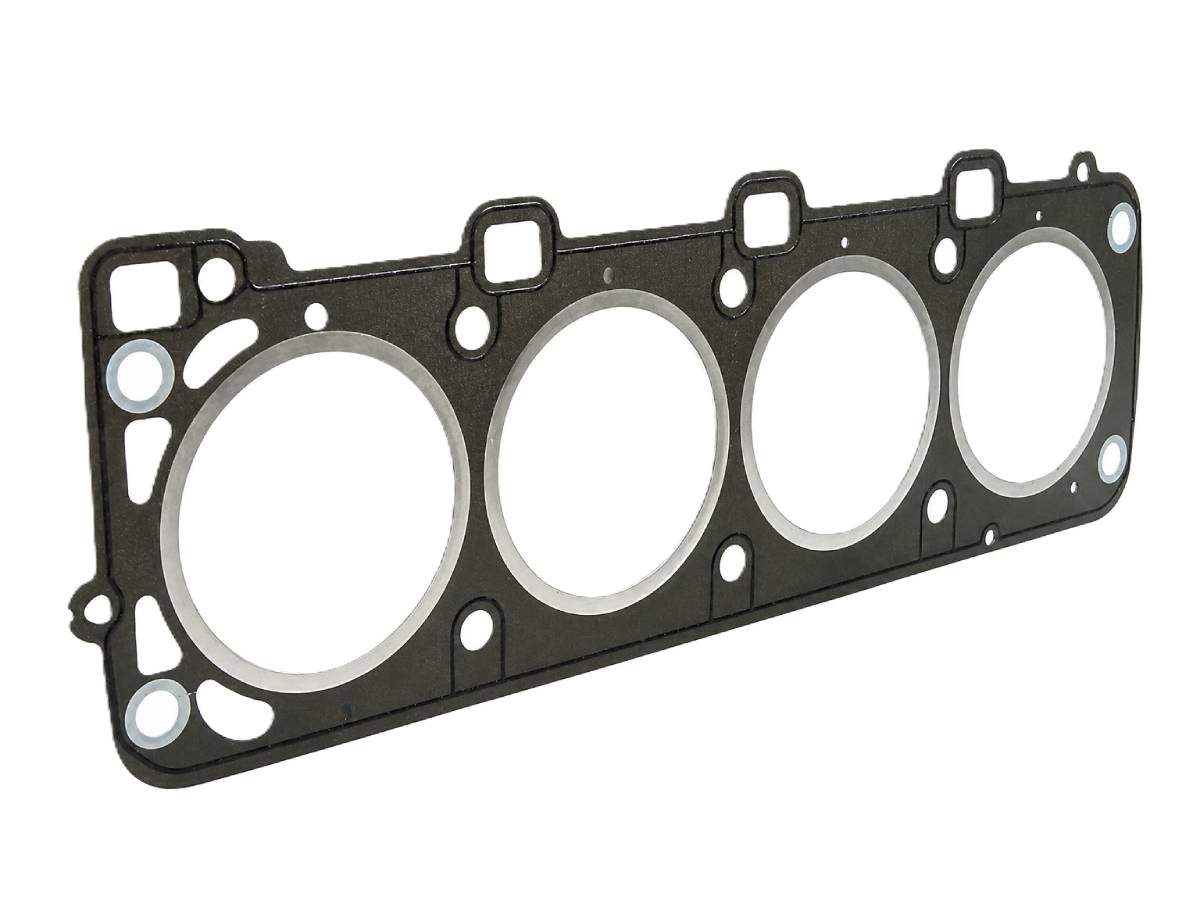
The Genuine Porsche Cylinder Head Gasket, 1.4mm – 92810436711 / 92810436811 is a replacement engine sealing component designed for compatible Porsche applications. With a specified 1.4mm thickness, these gaskets form the critical sealing interface between the cylinder heads and their mating engine surfaces.
Fits:
- Porsche 928S 4.7L 1981-83
- Porsche 928S2 4.7L 1984-86
- Porsche 928S4 5.0L 1987-92
- Porsche 928GTS 5.4L 1992-95
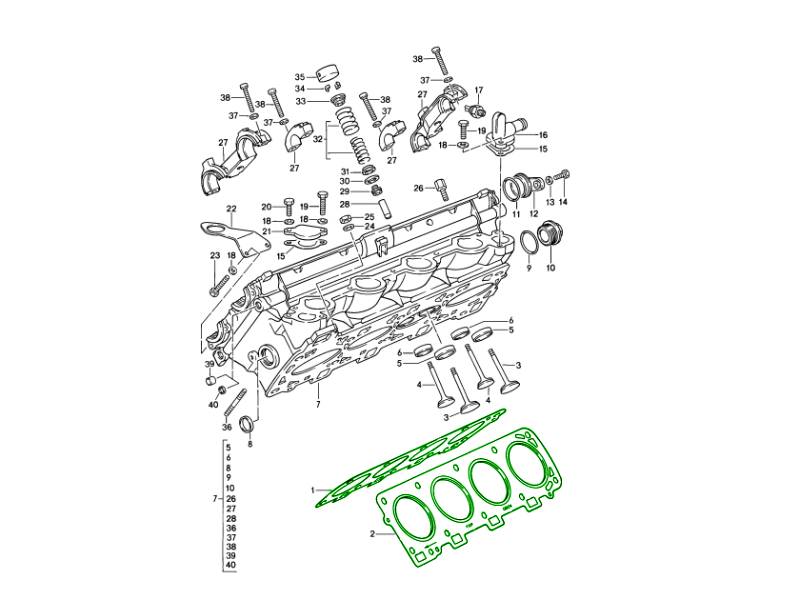
Diagram Ref No 1 And 2
The cylinder head gasket must withstand high combustion pressures, elevated operating temperatures and constant heating and cooling cycles. Its primary role is to maintain compression and combustion sealing while keeping oil, coolant and combustion areas correctly separated where applicable to the engine design.
A damaged or incorrectly sealing head gasket can cause compression loss, overheating, fluid leakage and poor engine performance. If left unresolved, cylinder head gasket failure can potentially result in extensive internal engine damage.
What This Product Does:
The cylinder head gasket creates a high-pressure seal between the cylinder head and engine assembly.
During combustion, considerable pressure is generated inside the cylinders. The gasket must contain this pressure while maintaining separation between the combustion chambers and the engine's oil and coolant passages where applicable.
A correctly functioning cylinder head gasket helps:
- Maintain cylinder compression
- Contain combustion pressure
- Prevent combustion gases escaping through the cylinder head joint
- Keep engine oil and coolant within their intended passages
- Prevent unwanted mixing of engine fluids
- Support consistent combustion and engine performance
- Help maintain correct operating temperatures
- Maintain the integrity of the cylinder head assembly
The gasket must continue performing these functions despite repeated expansion and contraction of the surrounding engine components.
Symptoms Of Wear Or Failure:
Cylinder head gasket failure can produce different symptoms depending on where the sealing interface has been compromised.
Possible warning signs include:
- Engine overheating
- Loss of cylinder compression
- Reduced engine power
- Rough or uneven running
- Engine misfires
- Difficult starting
- Unexplained coolant loss
- Oil leakage around the cylinder head joint
- Abnormal exhaust smoke or vapour
- Increased cooling-system pressure
- Combustion gases entering the cooling system
- Oil contamination of coolant
- Coolant contamination of engine oil
- Increased oil consumption
A failing head gasket does not necessarily produce an obvious external leak. Internal leakage between combustion chambers or fluid passages may require diagnostic testing to identify.
Why Replacement Matters:
A failed cylinder head gasket can affect several critical engine functions simultaneously.
Loss of combustion sealing can reduce compression and performance, while leakage between oil or coolant passages can cause fluid contamination and temperature-control problems.
Replacing a failed gasket helps:
- Restore cylinder compression
- Restore combustion sealing
- Prevent combustion gas leakage
- Prevent unwanted oil or coolant leakage where applicable
- Maintain separation between engine fluid circuits
- Support stable engine operating temperatures
- Restore consistent engine performance
- Reduce the risk of progressive internal engine damage
Continuing to operate an engine with a failed head gasket can potentially lead to overheating, lubrication problems, cylinder head damage and substantially more extensive repairs.
Related reference numbers
Related, superseded, cross reference or alternative numbers for comparison.
92810436
The product you are viewing cross references to these numbers
- Porsche 928S 4.7L 1981-83
- Porsche 928S2 4.7L 1984-86
- Porsche 928S4 5.0L 1987-92
- Porsche 928GTS 5.4L 1992-95
Shop Securely
12 Month Warranty
Worldwide Delivery

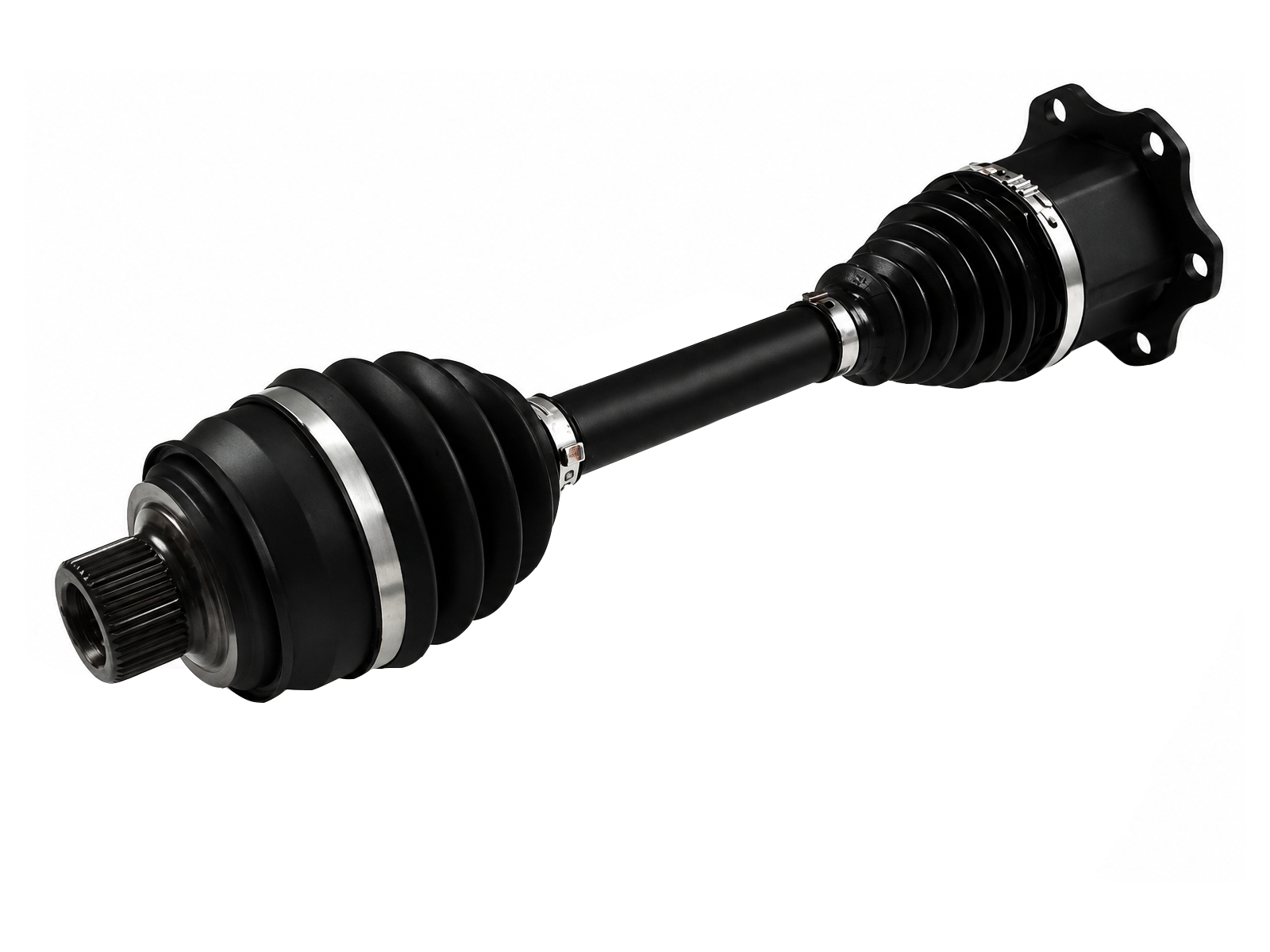
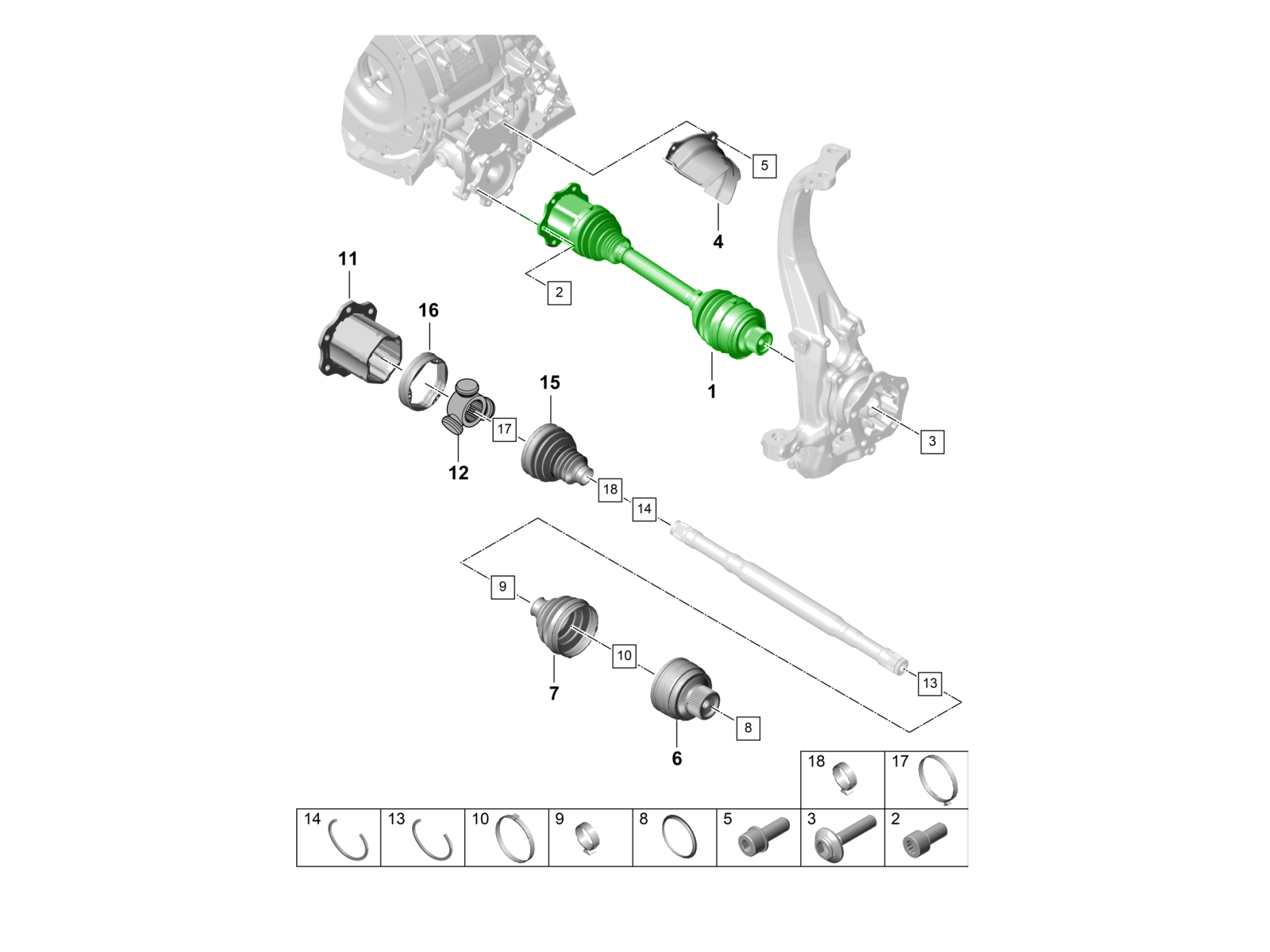
This original Porsche front axle drive shaft, also known as a CV axle assembly or front half shaft, transfers drive from the front differential / front axle drive unit to the front wheel hub, supporting smooth all-wheel-drive operation.
Sold individually, 1 required per side where fitted, 2 required per vehicle if replacing both rear drive shafts.
Fits:
Porsche 9YA.1 Cayenne 4.0L V8 Turbo E-Hybrid 2018 - 2024
Porsche 9YA.2 Cayenne 4.0L V8 Turbo E-Hybrid 2023 >>
Diagram ref no 1
This part is listed for Porsche Cayenne 9YA Turbo E-Hybrid front axle applications and fits left or right where specified.
What This Part Does / Functions
• Transfers drive torque to the front wheel hub.
• Supports Porsche all-wheel-drive / PTM front axle operation
• Allows suspension and steering movement while transmitting drive
• Uses CV joints to provide smooth torque transfer through wheel angle and suspension travel
• Helps maintain correct front axle drivetrain performance
• Replaces a worn, noisy, damaged or failed original drive shaft
• Provides correct Genuine Porsche fitment, strength and joint specification
• Supports smooth, quiet and reliable drivetrain operation.
Why Replace This Part?
The front drive shaft is exposed to high torque loads, steering angle movement, suspension travel, road debris, weather and vibration. Over time, the CV joints, boots or shaft assembly can wear or become damaged. A split CV boot can allow grease loss and contamination, leading to premature CV joint wear. Replacing it with a Genuine Porsche OE front drive shaft helps restore proper front axle drive operation and factory drivetrain reliability.
Common Symptoms of a Faulty Front Drive Shaft
• Clicking or knocking noise when turning.
• Vibration under acceleration.
• Drivetrain shudder or harshness.
• Grease leaking from a split CV boot.
• Clunking from the front axle area.
• Worn or loose CV joint movement.
• Damage after impact, kerb strike or suspension failure.
• Fault confirmed during front axle inspection.
When to Replace This Part
• If the CV joint is worn, noisy or damaged.
• If the drive shaft is bent or damaged.
• If a CV boot has split and the joint has become contaminated.
• During front axle drivetrain repair.
• If vibration, clicking or knocking is traced to the front drive shaft.
• After accident, kerb or pothole impact damage.
• When replacing related front hub, differential or suspension components.
• When restoring the drivetrain with Genuine Porsche parts.
Where It Fits on the Car
This drive shaft fits on the front axle drivetrain assembly. It connects between the front differential / front axle drive output and the front wheel hub. This application is listed as L=R, meaning the same drive shaft can be used on the left or right front side where specified.
Related reference numbers
Related, superseded, cross reference or alternative numbers for comparison.
PAB407271F
The product you are viewing cross references to these numbers
- Porsche 9YA Cayenne Turbo S E-Hybrid V8 4.0L (550Hp) 2019-23
- Porsche 9YA Cayenne Coupe Turbo S E-Hybrid V8 4.0L (550Hp) 2020-23
- Porsche 9YA.2 Cayenne Turbo E-Hybrid V8 4.0L (739Hp) 2023>>
- Porsche 9YA.2 Cayenne Turbo E-Hybrid Coupe V8 4.0L (739Hp) 2023>>
- Porsche 9YA.2 Cayenne Turbo E-Hybrid Coupe with GT Package V8 4.0 (739Hp) 2023>>
Shop Securely
12 Month Warranty
Worldwide Delivery

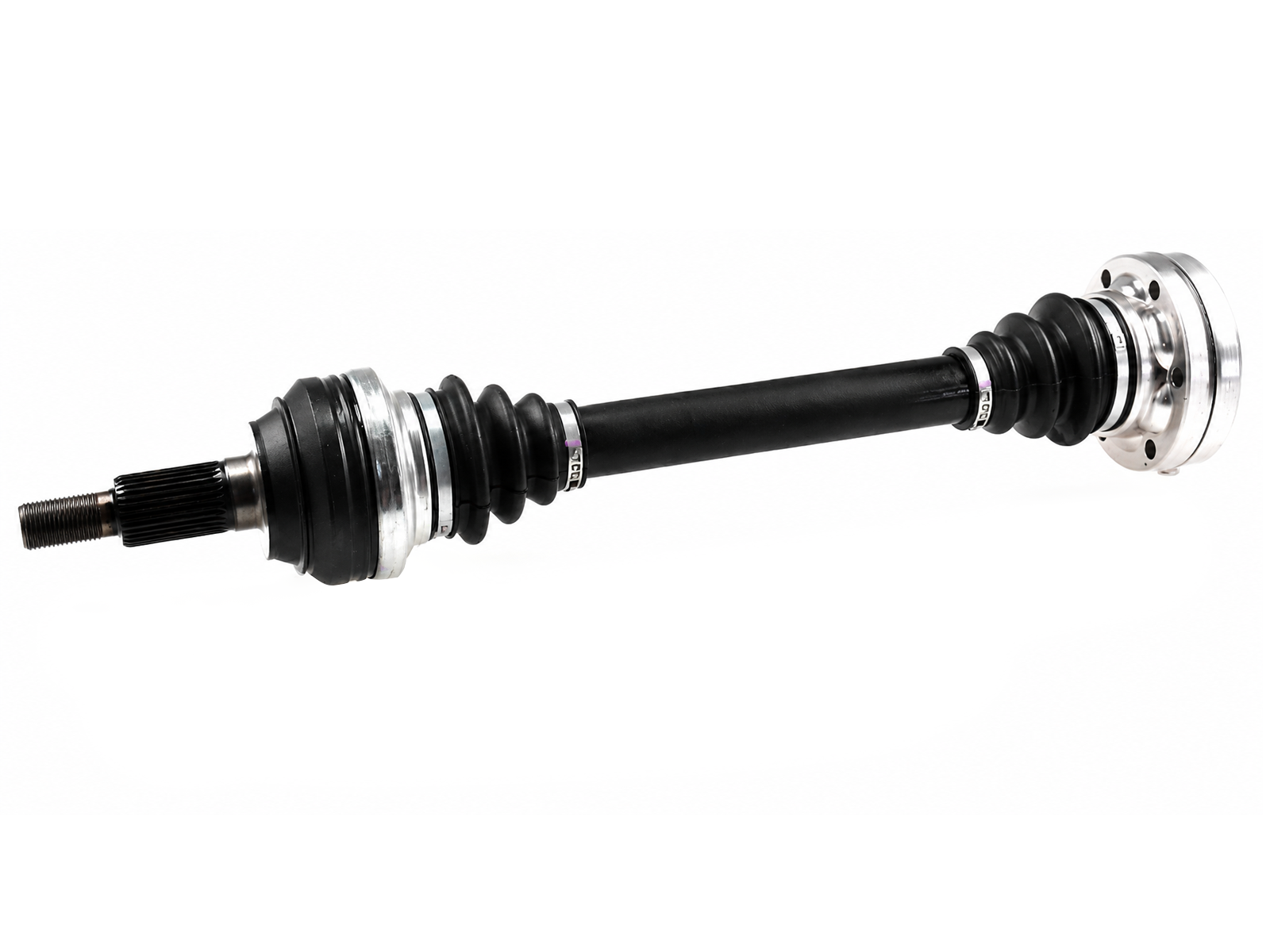
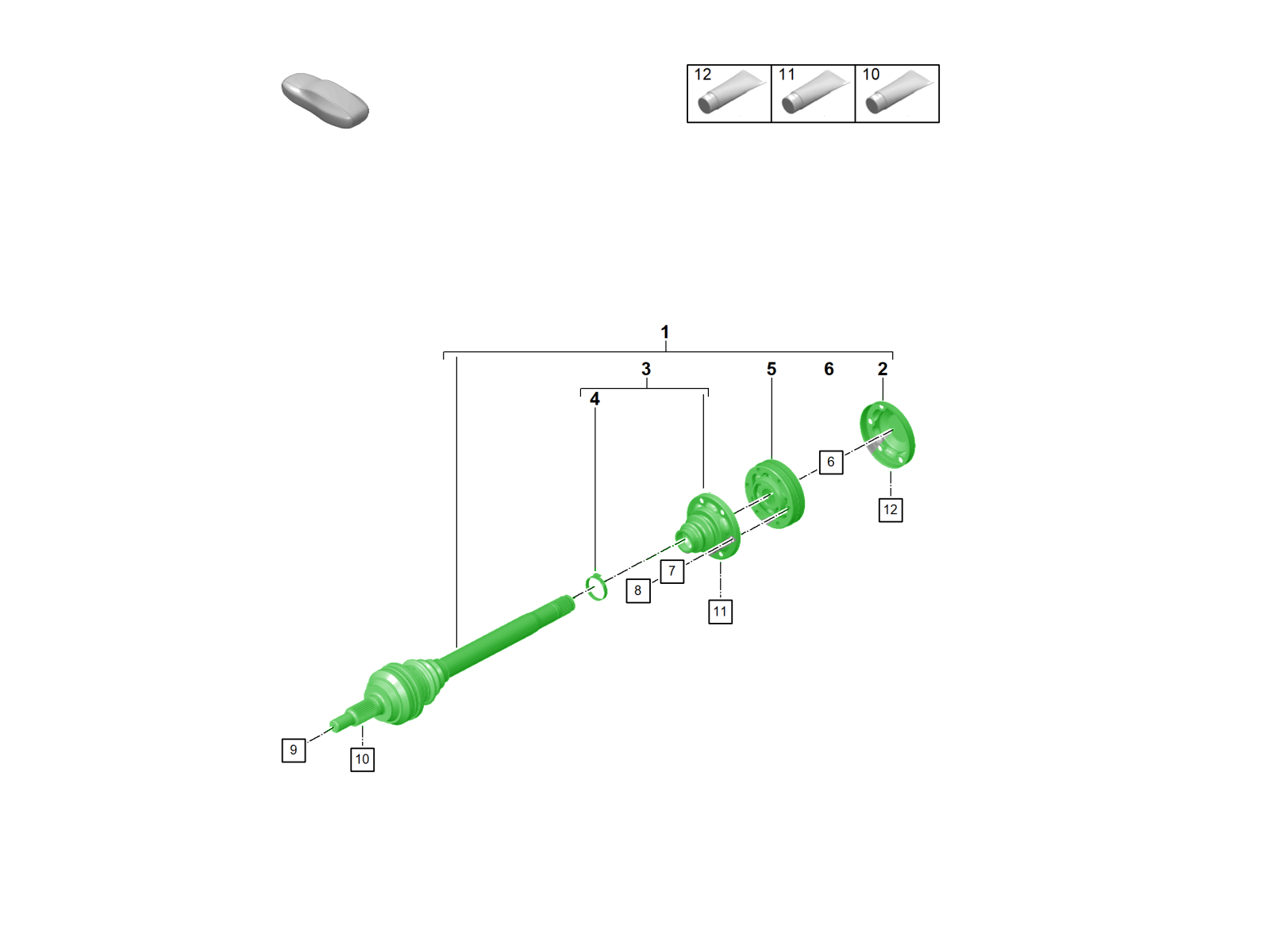
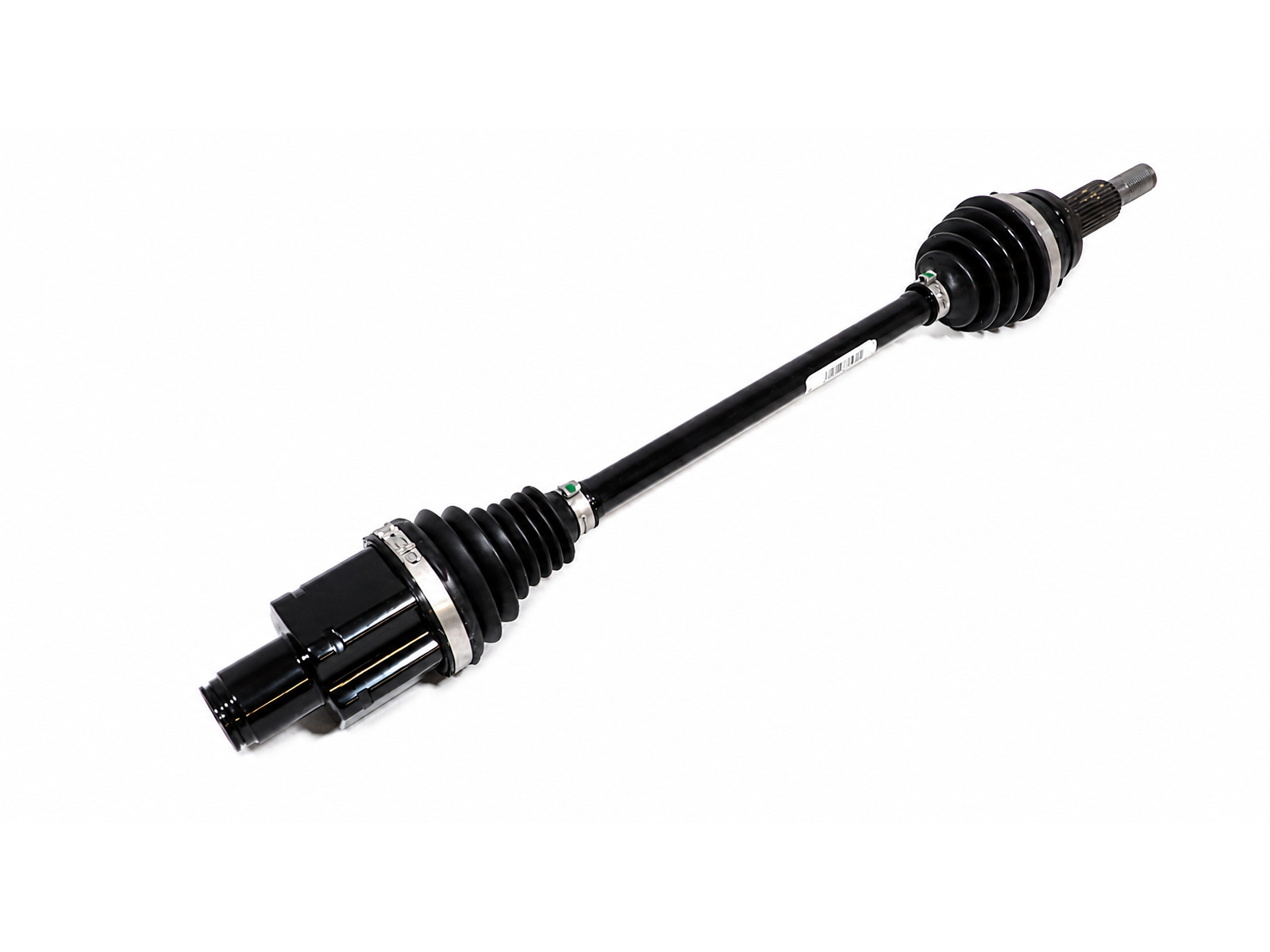
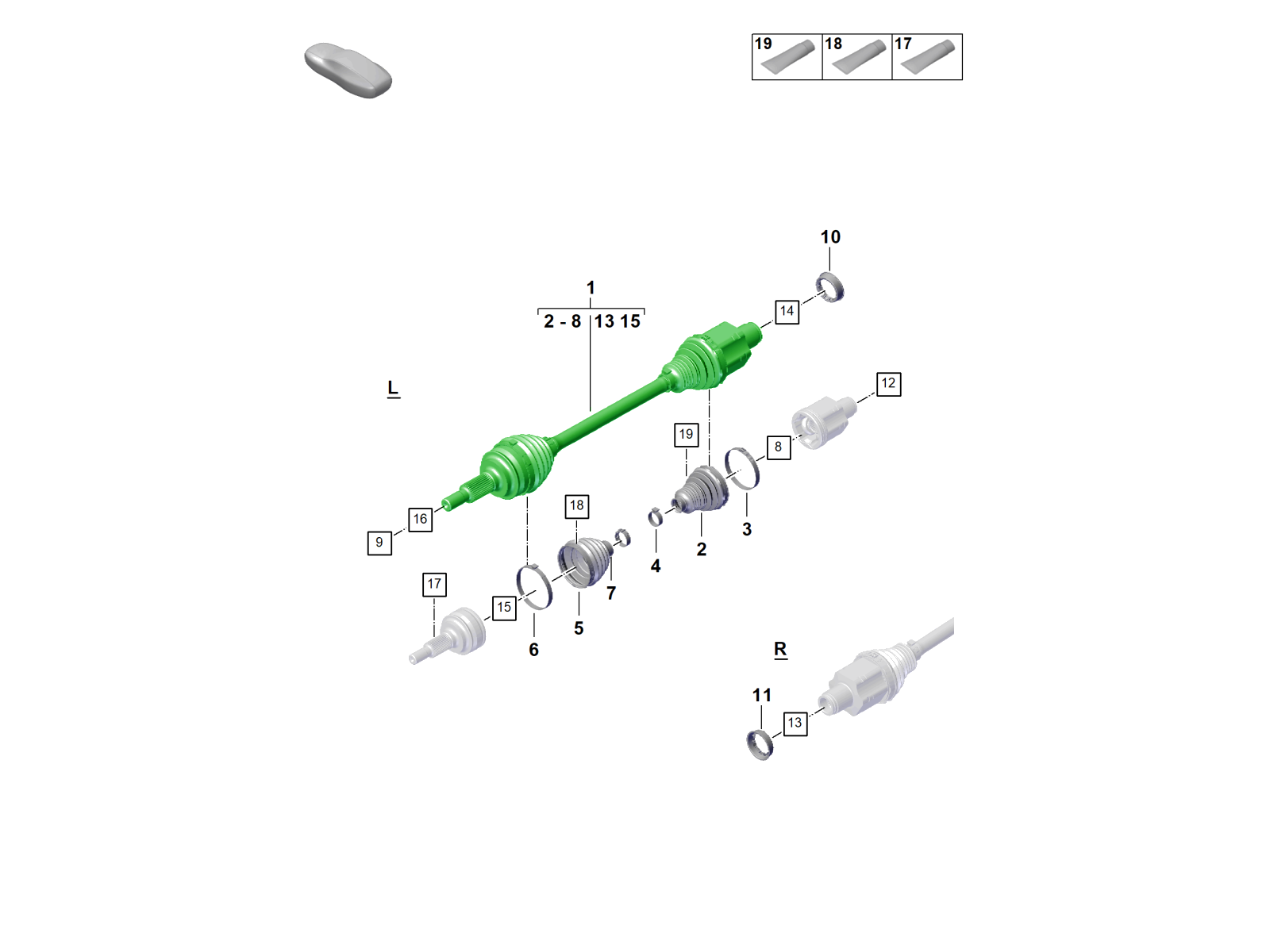
This original Porsche drive shaft, also known as a rear axle shaft or CV axle assembly, transfers drive from the transmission / differential output to the rear wheel hub, supporting smooth and reliable power delivery.
Sold individually, 1 required per side where fitted, 2 required per vehicle if replacing both rear drive shafts.
Fits:
Porsche 992 "911 Sport Classic" 3.8L 2020>>
Diagram ref no 1
This part is listed for the Porsche 992 911 Sport Classic rear axle drivetrain application.
What This Part Does / Functions
• Transfers engine torque to the rear wheel hub
• Supports rear-wheel-drive power delivery
• Allows suspension movement while transmitting drive
• Uses CV joints to provide smooth torque transfer through suspension travel
• Helps maintain correct rear axle drivetrain operation
• Replaces a worn, noisy, damaged or failed original drive shaft
• Provides Genuine Porsche OE fitment, length and joint specification
• Supports smooth, quiet and reliable drivetrain performance.
Why Replace This Part?
The rear axle drive shaft is exposed to high torque loads, suspension movement, heat, road debris, vibration and weather conditions. Over time, the CV joints, boots or shaft assembly can wear or become damaged. A split CV boot can allow grease loss and contamination, which may quickly lead to CV joint wear or failure. Replacing the assembly with a Genuine Porsche OE rear axle drive shaft helps restore correct rear drivetrain operation and factory Porsche driveline quality.
Common Symptoms of a Faulty Drive Shaft
• Clicking or knocking noise from the rear axle.
• Vibration under acceleration.
• Drivetrain shudder or harshness.
• Grease leaking from a split CV boot.
• Clunking during take-up of drive.
• Worn or loose CV joint movement.
• Damage after impact, kerb strike or suspension failure.
• Fault confirmed during rear axle inspection.
When to Replace This Part
• If the CV joint is worn, noisy or damaged.
• If the drive shaft is bent or damaged.
• If a CV boot has split and the joint has become contaminated.
• During rear axle drivetrain repair.
• If vibration, clicking or knocking is traced to the rear drive shaft.
• After accident, kerb or pothole impact damage.
• When replacing related rear hub, differential or suspension components.
• When restoring the drivetrain with Genuine Porsche parts.
Where It Fits on the Car
This drive shaft fits on the rear axle drivetrain assembly of the Porsche 992 911 Sport Classic. It connects between the transmission / differential output flange and the rear wheel hub assembly.
Correct installation, torque settings and replacement of any non-reusable hardware should always be carried out according to Porsche workshop procedures.
Related reference numbers
Related, superseded, cross reference or alternative numbers for comparison.
992501203G
The product you are viewing cross references to these numbers
- Porsche 992.1 (911) Sport Classic 3.8L 2023
Shop Securely
12 Month Warranty
Worldwide Delivery
.jpg?width=200&height=150&format=webp&quality=65&iv=rendition-2 "Cylinder Head Gasket. Porsche 928 4.5L 1978-82 - 92810437212, 92810437112, 92810437201, 92810437208, 92810437209, 92810437210, 92810437211, 92810437101, 92810437108, 92810437109, 92810437110, 92810437111")
The Genuine Porsche Cylinder Head Gasket 92810437112 / 92810437212 is a replacement engine sealing component designed for compatible Porsche applications. Installed at the interface between the cylinder head and engine assembly, the gasket provides a critical seal capable of withstanding the high temperatures and combustion pressures generated during normal engine operation.
Fits:
- Porsche 928 4.5L 1978-82
Diagram Ref No 2 And 3
A cylinder head gasket is one of the engine's most important sealing components. It helps maintain cylinder compression and combustion sealing while keeping engine fluids within their intended passages where applicable.
Over time, repeated heat cycles, overheating, component distortion or incorrect installation can compromise the gasket. A failed cylinder head gasket can lead to compression loss, fluid leakage, overheating and potentially significant engine damage if the problem is ignored.
What This Product Does:
The cylinder head gasket creates a high-integrity seal between the cylinder head and its mating engine surface.
During combustion, extremely high pressure is generated inside each cylinder. The gasket must contain this pressure while also maintaining separation between adjacent engine passages where required.
A correctly functioning cylinder head gasket helps:
- Maintain cylinder compression
- Seal combustion pressure
- Prevent combustion gases escaping from the cylinder
- Keep oil and coolant within their intended passages where applicable
- Prevent unwanted mixing of engine fluids
- Maintain consistent engine performance
- Support correct engine operating temperature
- Maintain overall cylinder head sealing integrity
The gasket must continue performing these functions while repeatedly expanding and contracting as the engine heats up and cools down.
Symptoms Of Wear Or Failure:
Cylinder head gasket failure can produce a wide range of symptoms depending on where and how the sealing surface has failed.
Possible symptoms include:
- Engine overheating
- Loss of compression
- Reduced engine performance
- Rough running or misfiring
- Difficult starting
- Uneven cylinder performance
- Unexplained coolant loss where applicable
- Engine oil leakage around the cylinder head joint
- Abnormal exhaust smoke
- Increased pressure within the cooling system
- Oil or coolant contamination
- Combustion gases entering the cooling system
- Bubbles or abnormal pressure in the coolant expansion system
- Increased oil consumption
A failing gasket does not always produce an obvious external leak. Internal leakage can occur between combustion chambers or fluid passages.
Why Replacement Matters:
A failed cylinder head gasket should not be treated as a minor engine leak.
Once sealing integrity has been compromised, combustion pressure or engine fluids may begin travelling into areas where they should not be present.
Replacing a failed gasket helps:
- Restore cylinder compression
- Restore combustion sealing
- Prevent combustion gas leakage
- Prevent unwanted oil or coolant leakage where applicable
- Maintain separation between engine fluid circuits
- Support stable engine temperatures
- Restore consistent engine performance
- Reduce the risk of progressive engine damage
Continuing to operate an engine with a failed cylinder head gasket can potentially cause overheating, cylinder head damage, contaminated lubrication and more extensive internal engine problems.
Related reference numbers
Related, superseded, cross reference or alternative numbers for comparison.
92810437
The product you are viewing cross references to these numbers
- Porsche 928 4.5L 1978-82
Shop Securely
12 Month Warranty
Worldwide Delivery

The Genuine Porsche Cylinder Head Gasket 93010438101 is a replacement engine sealing component designed for compatible Porsche applications. Positioned at the cylinder head sealing interface, it plays a critical role in maintaining a secure seal under the high temperatures and pressures generated during engine operation.
Fits:
- Porsche 911 1984-1986 3.2L
- Porsche 911 1987-1989 3.2L G50
- Porsche 911 1978-1989 3.3L Turbo (930)
- Porsche 964 (911) C2 1989-93
- Porsche 964 (911) C4 1989-93
Diagram Ref No 8
Cylinder head sealing is essential for correct engine performance. The gasket helps maintain the required seal between mating engine components, preventing combustion pressure and engine fluids from escaping into areas where they do not belong.
Because this gasket operates in an extremely demanding environment, deterioration, overheating, incorrect installation or engine component distortion can eventually compromise its sealing ability. A failed cylinder head gasket should be addressed promptly to prevent further engine damage.
What This Product Does:
The cylinder head gasket creates a high-integrity seal at the cylinder head interface.
Depending on the engine design, this sealing interface must withstand combustion pressure, high operating temperatures and the circulation of engine fluids through adjacent passages.
A correctly functioning cylinder head gasket helps:
- Maintain cylinder and combustion sealing
- Prevent combustion gases escaping from the sealing interface
- Keep engine fluids within their intended passages
- Maintain correct engine compression
- Support consistent engine performance
- Protect adjoining engine components from leakage
- Maintain the integrity of the cylinder head assembly
Unlike a simple external seal, a cylinder head gasket must continue sealing while exposed to substantial pressure and repeated thermal expansion and contraction.
Symptoms Of Wear Or Failure:
Cylinder head gasket failure can present in different ways depending on where the gasket has lost its seal.
Possible symptoms include:
- Loss of engine compression
- Reduced engine performance
- Rough running or misfiring
- Difficult starting
- Abnormal combustion leakage
- Oil leakage around the cylinder head sealing area
- Unusual engine temperatures or overheating
- Increased oil consumption
- Abnormal exhaust smoke
- Unexplained fluid loss where applicable
- Contamination between fluid passages where applicable
- Unusual pressure within associated engine systems
External signs may include visible staining, seepage or deposits around the cylinder head joint.
Some cylinder head gasket problems may not produce an obvious external leak, making correct diagnosis important before dismantling the engine.
Why Replacement Matters:
A compromised cylinder head gasket can affect compression, engine performance and sealing integrity.
Continuing to operate an engine with a failed gasket may allow a relatively localised sealing problem to develop into more extensive engine damage.
Replacing a failed cylinder head gasket helps:
- Restore the cylinder head sealing interface
- Maintain correct compression
- Prevent combustion gas leakage
- Reduce engine fluid leakage where applicable
- Restore consistent engine operation
- Protect surrounding engine components
- Reduce the risk of further engine damage
Cylinder head gasket problems should therefore be investigated promptly rather than treated as a minor leak.
Related reference numbers
Related, superseded, cross reference or alternative numbers for comparison.
93010438101
The product you are viewing cross references to these numbers
- Porsche 911 1984-1986 3.2L
- Porsche 911 1987-1989 3.2L G50
- Porsche 911 1978-1989 3.3L Turbo (930)
- Porsche 964 (911) C2 1989-93
- Porsche 964 (911) C4 1989-93
Shop Securely
12 Month Warranty
Worldwide Delivery

This original Porsche drive shaft, also known as a front axle shaft or CV axle assembly, transfers drive from the front electric drive unit / front differential assembly to the front wheel hub on all-wheel-drive Taycan models.
Fits:
Porsche 91J.1 Taycan 30.06.2020>> 2024
Porsche 91J.2 Taycan 2024 >>
* option code: E0A - No special edition
* option code: A8H - Top sport equipment
* option code: A8F - Sports equipment
Porsche 91J.1 Taycan 30.06.2020 >> 2024 Cross Turismo
* option code: K8X - Cross Turismo
* option code: A8C - Comfort equipment
Porsche 91J.2 Taycan 2024>>
* option code: K8X - Cross Turismo
* option code: K8S - Sports Sedan
* option code: A8C - Comfort equipment
Diagram ref no 1
The OE Genuine Porsche PAD407271AA / PAD407271BA front axle drive shaft is a factory drivetrain component for selected Porsche 9J1 Taycan models. It transfers drive to the front wheels, supports AWD operation and allows smooth torque delivery through steering and suspension movement. Ideal for replacing a worn, noisy, damaged or failed front drive shaft with Genuine Porsche drivetrain quality.
What This Part Does / Functions
• Transfers drive torque to the front wheel hub
• Supports the operation of the Taycan all-wheel-drive system
• Allows suspension and steering movement while transmitting drive
• Uses CV joints to maintain smooth power transfer through steering angle and suspension travel
• Helps maintain correct front axle drivetrain performance
• Replaces a worn, noisy, damaged or failed original drive shaft
• Provides correct OE Porsche fitment, length and joint specification
• Supports smooth, quiet and reliable drivetrain operation.
Why Replace This Part?
The front axle drive shaft is exposed to torque load, suspension movement, steering angle, road debris, vibration and weather conditions. Over time, the CV joints, boots or shaft assembly can wear or become damaged. A failed boot can allow grease loss and contamination, which can quickly lead to CV joint wear. Replacing the assembly with an OE Genuine Porsche front axle drive shaft helps restore correct front axle drive operation and factory drivetrain quality.
Common Symptoms of a Faulty Drive Shaft
• Clicking or knocking noise when turning
• Vibration under acceleration
• Drivetrain shudder or harshness
• Grease leaking from a split CV boot
• Clunking from the front axle area
• Worn or loose CV joint movement
• Damage after impact, kerb strike or suspension failure
• Fault confirmed during front axle inspection.
When to Replace This Part
• If the CV joint is worn, noisy or damaged
• If the drive shaft is bent or damaged
• If a CV boot has split and the joint has become contaminated
• During front axle drivetrain repair
• If vibration or clicking is traced to the front drive shaft
• After accident, kerb or pothole impact damage
• When replacing related front hub, differential or suspension components
• When restoring the drivetrain with OE Genuine Porsche parts.
Where It Fits on the Car
This drive shaft fits on the front axle drivetrain assembly of the Porsche 9J1 Taycan. It connects between the front drive unit / front differential output and the front wheel hub.
Related reference numbers
Related, superseded, cross reference or alternative numbers for comparison.
PAD407271
The product you are viewing cross references to these numbers
- Porsche 9J1.1 Taycan 2020-24
- Porsche 9J1.1 Taycan Sport Turismo 2020-24
- Porsche 9J1.1 Taycan 4 Cross Turismo 2020-24
- Porsche 9J1.1 Taycan 4S 2020-24
- Porsche 9J1.1 Taycan 4S Cross Turismo 2020-24
- Porsche 9J1.1 Taycan 4S Sport Turismo 2020-24
- Porsche 9J1.1 Taycan GTS 2020-24
- Porsche 9J1.1 Taycan GTS Sport Turismo 2020-24
- Porsche 9J1.1 Taycan Turbo 2020-24
- Porsche 9J1.1 Taycan Turbo Cross Turismo 2020-24
- Porsche 9J1.1 Taycan Turbo Sport Turismo 2020-24
- Porsche 9J1.2 Taycan Sport Saloon 2024>>
- Porsche 9J1.2 Taycan Sport Turismo 2024>>
- Porsche 9J1.2 Taycan 4 Cross Turismo 2024>>
- Porsche 9J1.2 Taycan 4S Sport Saloon 2024>>
- Porsche 9J1.2 Taycan 4S Sport Turismo 2024>>
- Porsche 9J1.2 Taycan 4S Cross Turismo 2024>>
- Porsche 9J1.2 Taycan Turbo Sport Saloon 2024>>
- Porsche 9J1.2 Taycan Turbo Sport Turismo 2024>>
- Porsche 9J1.2 Taycan Turbo Cross Turismo 2024>>
Shop Securely
12 Month Warranty
Worldwide Delivery

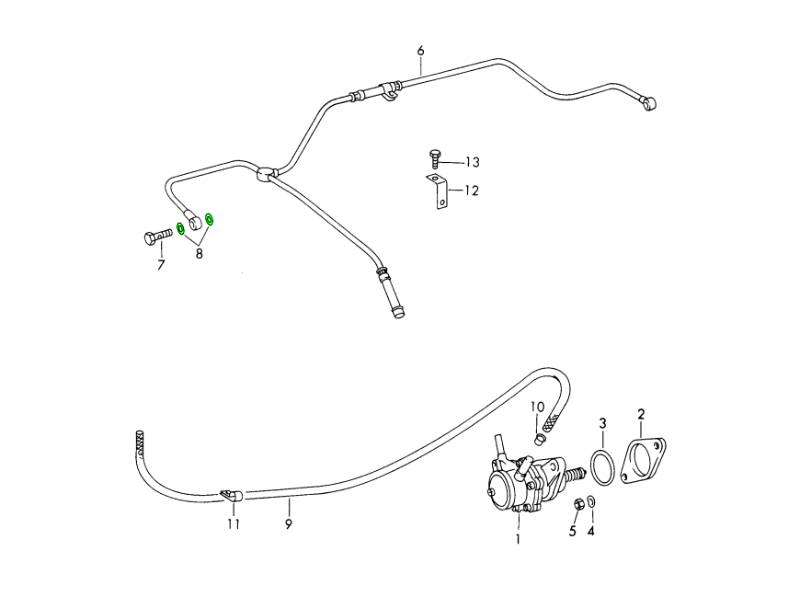
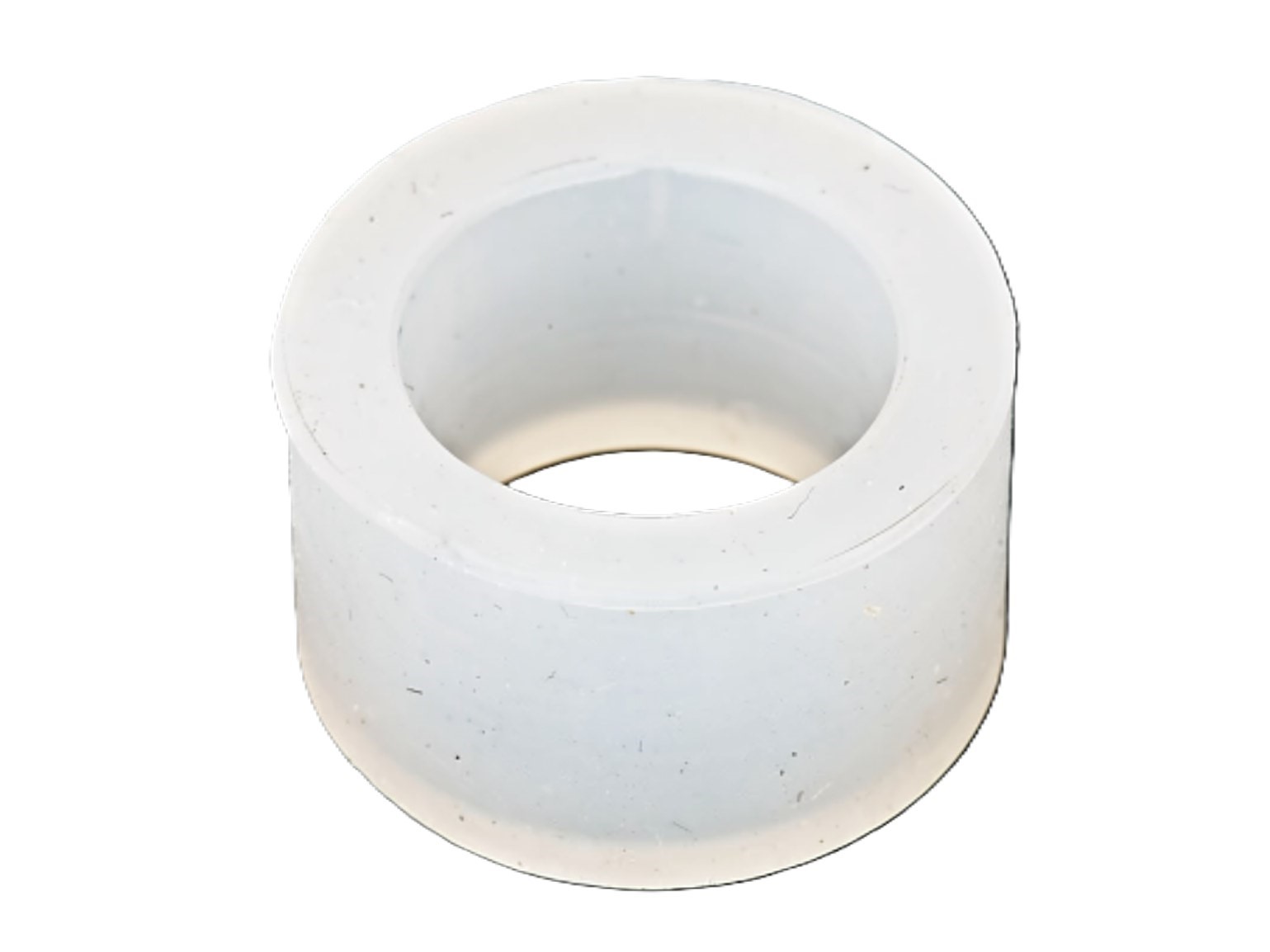
The Genuine Porsche Fuel System O-Ring 61610842300 is a replacement sealing component designed to provide a secure, leak-resistant seal within the fuel system on compatible Porsche applications.
Fits:
- Porsche 911 1965-1968 2.0L / 912 SWB (F)
- Porsche 356A 1955-59
- Porsche 356B 1959-63
- Porsche 356C 1963-65
Diagram Ref No 8
Although small, an O-ring performs an essential job. It seals the connection between mating fuel-system components, helping prevent liquid fuel and fuel vapour from escaping while maintaining the integrity of the fuel circuit.
Over time, continuous exposure to fuel, heat and repeated temperature cycles can cause the original O-ring to harden, flatten, crack or lose elasticity. It can also be damaged when components are removed or refitted. Replacing a deteriorated seal helps maintain a safe and reliable fuel-system connection.
What This Product Does:
The O-ring sits between mating components within the fuel system and is compressed during assembly to create a fuel-tight seal.
Its primary purpose is to prevent fuel or fuel vapour from escaping through the joint while allowing the fuel system to operate as intended.
A correctly functioning O-ring helps:
- Prevent liquid fuel leakage
- Reduce the escape of fuel vapour
- Maintain a secure fuel-system connection
- Maintain fuel-system integrity
- Protect surrounding components from fuel contamination
- Support safe and reliable vehicle operation
Because parts of the fuel system may operate under pressure, the condition and correct installation of sealing components are particularly important.
Symptoms Of Wear Or Failure:
A deteriorating O-ring may initially produce only a very small leak, but this should not be ignored.
Possible symptoms include:
- Noticeable fuel smell
- Fuel odour around the relevant connection
- Visible fuel seepage
- Dampness around the sealed joint
- Fuel staining or residue
- Persistent fuel vapour smell
- Leakage after fuel-system servicing
- Loss of sealing integrity around the connection
When removed and inspected, a failed O-ring may appear:
- Hard or brittle
- Cracked or split
- Flattened from prolonged compression
- Stretched
- Swollen
- Distorted
- Cut or nicked
- Permanently deformed
Any O-ring showing signs of deterioration or physical damage should be replaced.
Why Replacement Matters:
Fuel-system sealing components are safety-critical parts.
A failed O-ring can allow fuel or vapour to escape from the system. Besides causing fuel loss and unpleasant odours, leaking fuel can create a serious fire risk, particularly when it reaches hot surfaces or an ignition source.
Replacing a worn or damaged O-ring helps:
- Restore a secure fuel-tight connection
- Prevent fuel leakage
- Reduce fuel vapour escape
- Maintain fuel-system integrity
- Protect surrounding components from contamination
- Support safe and reliable vehicle operation
Any suspected fuel leak should be investigated and repaired promptly.
Related reference numbers
Related, superseded, cross reference or alternative numbers for comparison.
61610842300
The product you are viewing cross references to these numbers
- Porsche 911 1965-1968 2.0L / 912 SWB (F)
- Porsche 356A 1955-59
- Porsche 356B 1959-63
- Porsche 356C 1963-65
Shop Securely
12 Month Warranty
Worldwide Delivery

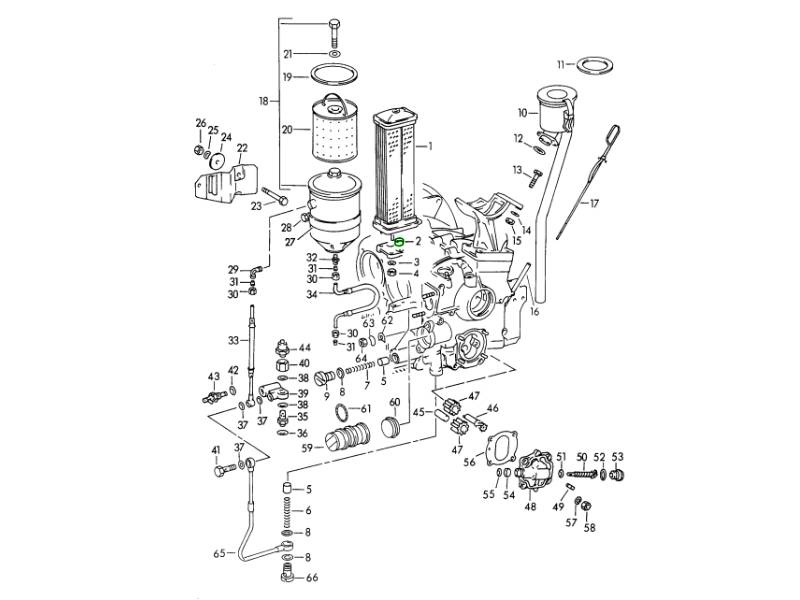
The Genuine Porsche Oil Cooler Seal 61610112300 is a replacement sealing component designed to provide an oil-tight connection at the engine oil cooler on compatible Porsche applications.
Fits:
- Porsche 356 1950-55
- Porsche 356A 1955-59
Diagram Ref No 2
The oil cooler forms an important part of the engine lubrication and temperature-control system. Its job is to transfer excess heat away from the engine oil, while the associated seals ensure that oil remains securely contained as it passes through the cooler assembly.
Although the seal itself is a relatively small component, deterioration can result in engine oil leakage around the oil cooler. Replacing an ageing, hardened or damaged seal helps restore sealing integrity and protect the engine from progressive oil loss.
What This Product Does:
The oil cooler seal creates a secure barrier between the oil cooler and its mating engine component, preventing engine oil from escaping at the connection.
During engine operation, oil circulates through the lubrication system and oil cooler. The seal must remain effective while exposed to engine oil, elevated temperatures and repeated pressure and temperature changes.
A correctly functioning oil cooler seal helps:
- Prevent engine oil leakage
- Maintain an oil-tight oil cooler connection
- Keep oil contained within the lubrication system
- Support reliable oil circulation
- Prevent contamination of surrounding engine components
- Maintain the integrity of the engine oil cooling system
Without an effective seal, oil can escape from the cooler connection rather than remaining contained within the lubrication circuit.
Symptoms Of Wear Or Failure:
Oil cooler seals can deteriorate gradually with age, making minor seepage one of the first signs of a problem.
Common symptoms can include:
- Engine oil leaking around the oil cooler
- Oil seepage at the cooler connection
- Wet or oily residue around the oil cooler
- Oil staining on surrounding engine components
- Oil spots underneath the vehicle
- Gradual reduction in engine oil level
- Increased need to top up engine oil
- Burning-oil smell if leaked oil reaches hot surfaces
- Smoke if oil contacts sufficiently hot exhaust or engine components
During inspection, an old seal may also show:
- Hardening
- Brittleness
- Cracking or splitting
- Flattening from prolonged compression
- Cuts or surface damage
- Loss of elasticity
- Permanent deformation
These conditions indicate that the seal may no longer provide a reliable oil-tight connection.
Why Replacement Matters:
The engine depends on an adequate supply of oil for lubrication, cooling and protection of internal components.
A leaking oil cooler seal may begin with relatively minor seepage, but continued deterioration can allow increasing amounts of oil to escape.
Replacing a failed seal helps:
- Prevent engine oil loss
- Restore a secure oil cooler connection
- Maintain lubrication-system integrity
- Keep the engine and surrounding components cleaner
- Reduce the risk of oil reaching hot components
- Prevent minor seepage developing into a larger leak
- Support reliable engine operation
Ignoring an oil leak can eventually result in the engine operating with an insufficient oil level. If oil loss becomes significant, lubrication of critical internal components can be compromised.
Related reference numbers
Related, superseded, cross reference or alternative numbers for comparison.
61610112300
The product you are viewing cross references to these numbers
- Porsche 356 1950-55
- Porsche 356A 1955-59
Shop Securely
12 Month Warranty
Worldwide Delivery

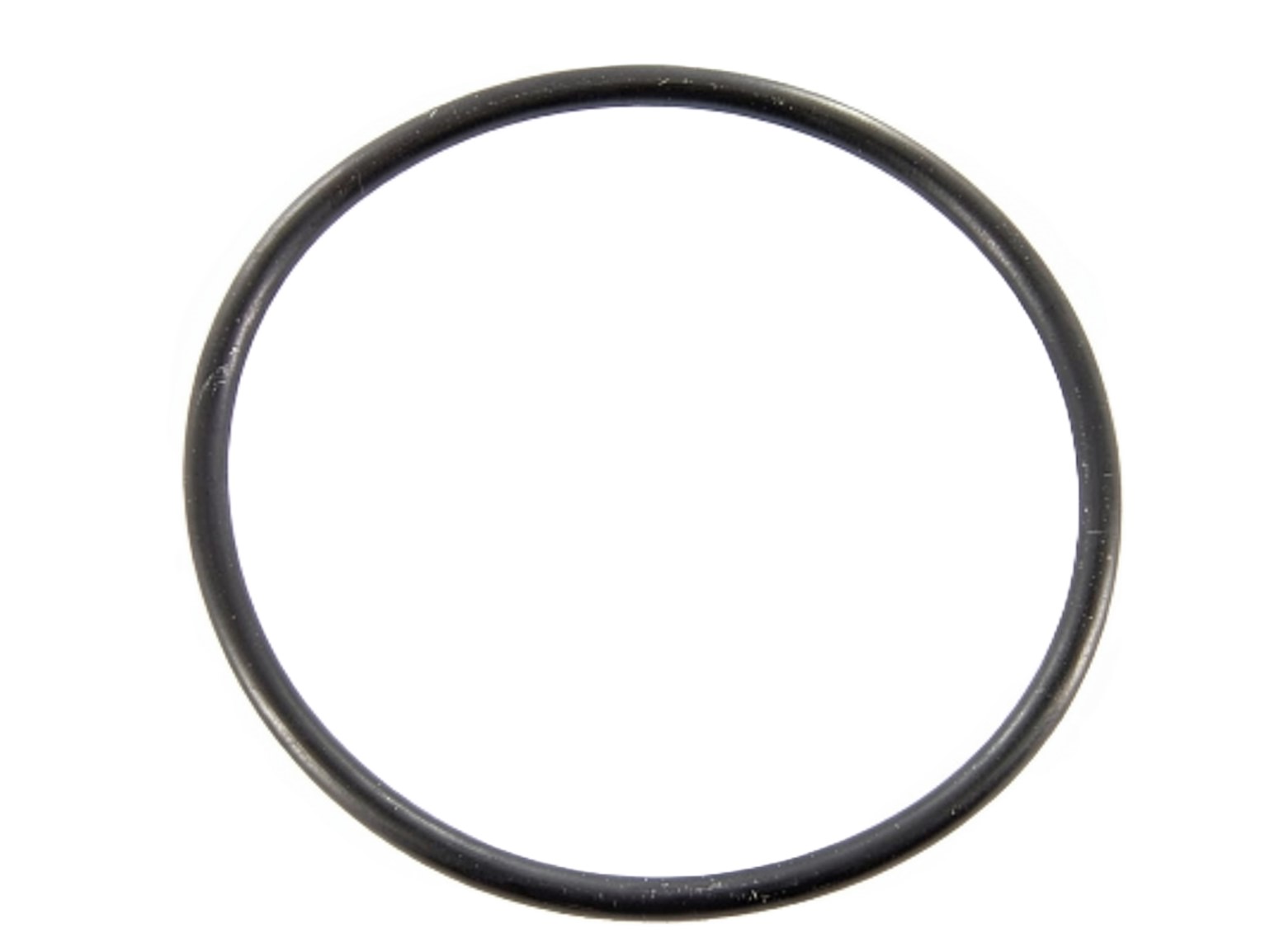
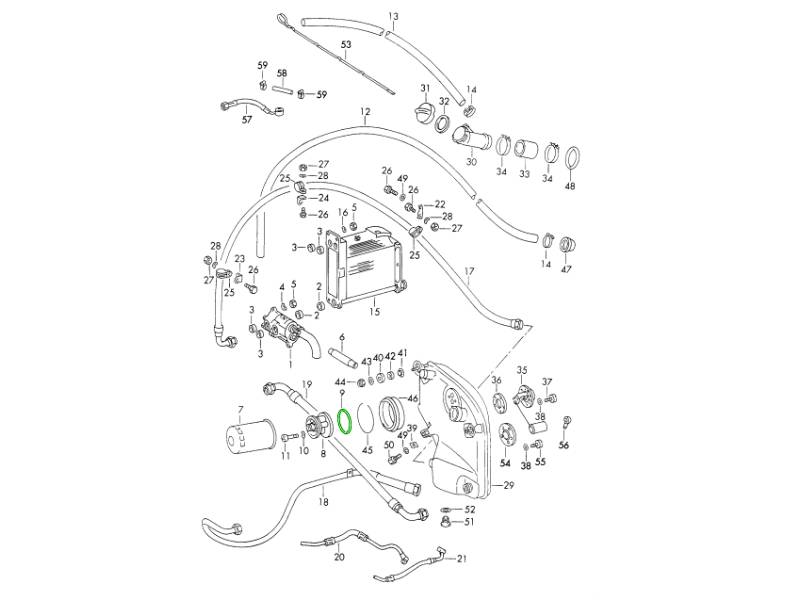
The Genuine Porsche Oil Filter Housing O-Ring 99970110050 is a replacement sealing ring designed to provide a secure, oil-tight seal at the oil filter housing on compatible Porsche applications.
Fits:
- Porsche 911 1965-1968 2.0L
- Porsche 911 1970-1973 2.2L / 2.4L / 2.7L RS LWB (F)
- Porsche 914 (1970-1976)
Diagram Ref No 9
Although it is a small component, the O-ring plays an important role in the engine lubrication system. It prevents engine oil from escaping at the sealed connection and helps the lubrication system maintain its integrity during operation.
Repeated exposure to hot engine oil, pressure and temperature cycles can eventually cause the original O-ring to harden, flatten, crack or lose elasticity. Once this happens, oil can begin to seep or leak from the oil filter housing area.
What This Product Does:
The O-ring creates a seal between mating surfaces within the oil filter housing assembly.
When installed correctly, the O-ring is compressed to close the small clearance between components through which pressurised engine oil could otherwise escape.
A correctly functioning oil filter housing O-ring helps:
- Prevent engine oil leakage
- Maintain a secure oil filter housing seal
- Keep oil contained within the lubrication system
- Prevent oil contamination of surrounding engine components
- Support correct lubrication-system operation
- Maintain a clean and dry oil filter housing area
The correct dimensions and sealing specification are important because an incorrectly sized O-ring may leak even if it appears similar to the original component.
Symptoms Of Wear Or Failure:
O-rings gradually deteriorate through age, heat and repeated compression.
Common symptoms of a worn oil filter housing O-ring include:
- Engine oil leaking around the oil filter housing
- Oil seepage around the sealed joint
- Damp or oily residue on surrounding components
- Oil collecting beneath the engine
- Gradual reduction in engine oil level
- Burning-oil smell if leaked oil reaches hot components
- O-ring becoming hard or brittle
- Cracking or splitting
- Flattened sealing surface
- Cuts, nicks or deformation
- Leakage appearing after oil filter servicing
A minor seep can gradually develop into a more significant leak as the seal continues to deteriorate.
Why Replacement Matters:
Engine oil is essential for lubricating and protecting internal engine components.
A leaking oil filter housing seal can result in gradual oil loss and contamination of surrounding components. If a significant leak is ignored and the engine oil level becomes too low, lubrication can be compromised.
Replacing a worn O-ring helps restore:
- A secure oil-tight connection
- Proper oil filter housing sealing
- Engine oil retention
- A cleaner engine compartment
- Correct lubrication-system integrity
- Protection against progressive oil loss
Addressing an oil leak promptly can also make it easier to identify any additional leaks elsewhere on the engine.
Related reference numbers
Related, superseded, cross reference or alternative numbers for comparison.
99970110050
The product you are viewing cross references to these numbers
- Porsche 911 1965-1968 2.0L / 912 SWB (F)
- Porsche 911 1968-1973 2.2L / 2.4L / 2.7L RS LWB (F)
- Porsche 914 (1970-1976)
Shop Securely
12 Month Warranty
Worldwide Delivery

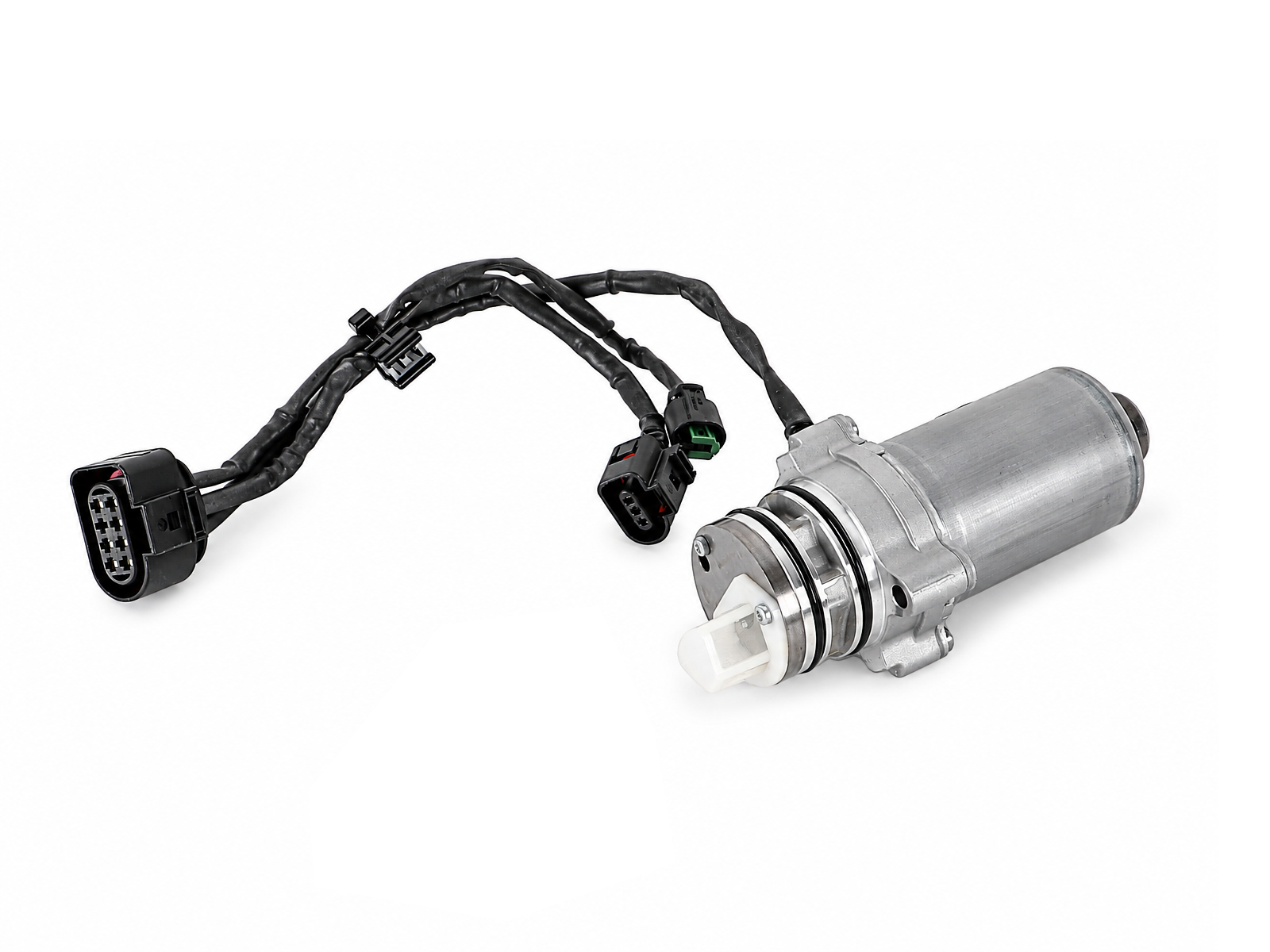
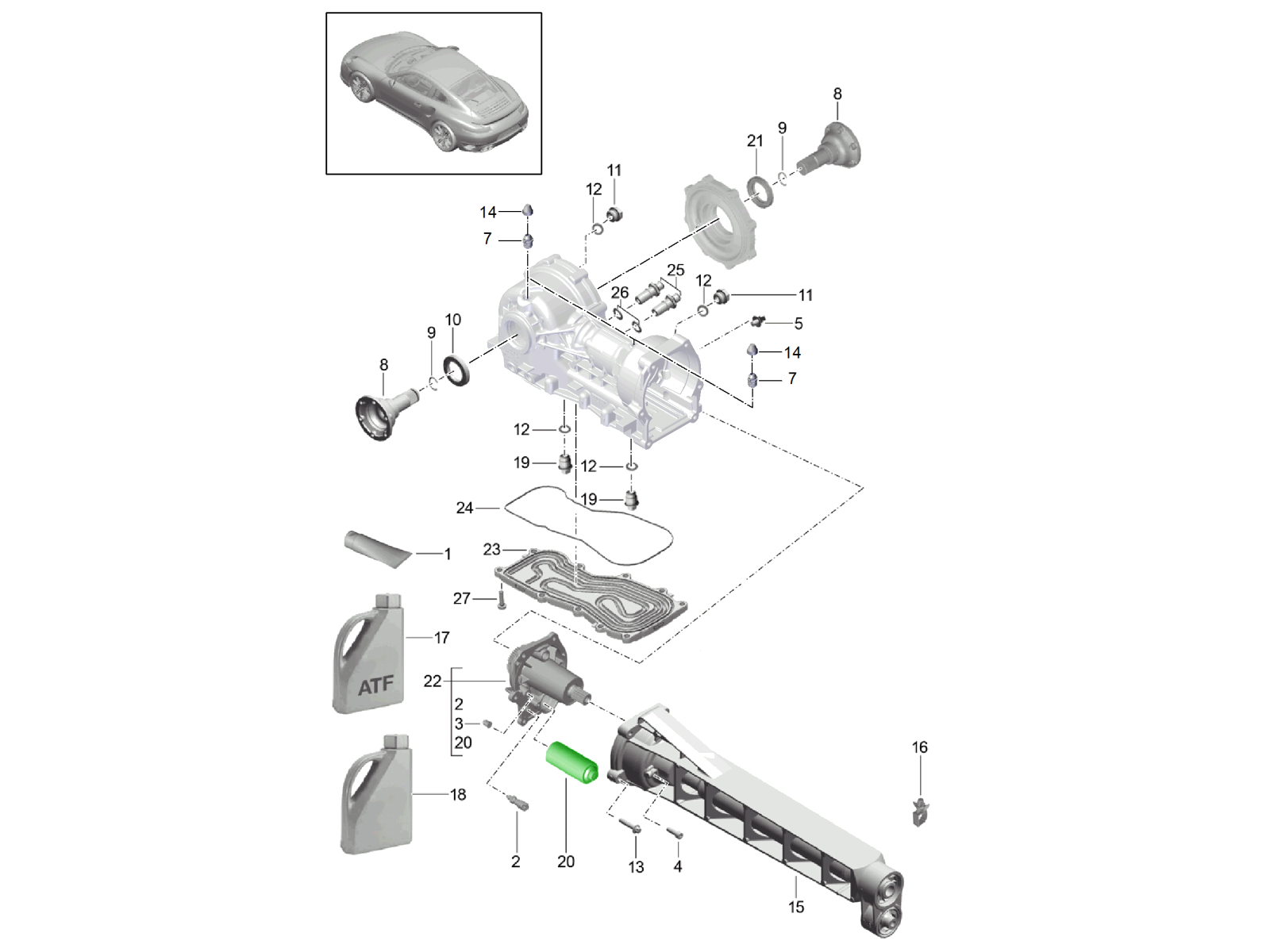
This original Porsche pump forms part of the all-wheel-drive front axle differential system, helping support correct hydraulic / oil pressure operation within the AWD drivetrain assembly.
Fits:
Porsche 991 Turbo / Turbo S 3.8L 2014–2020
Diagram ref no 20
This component is used in the front axle differential / AWD drive system on selected Porsche 991 Turbo models.
What This Part Does / Functions
• Supports the front axle differential / AWD system operation
• Helps maintain correct oil / hydraulic circulation within the differential system
• Assists controlled torque transfer through the front axle drive system
• Supports correct function of the all-wheel-drive drivetrain
• Helps maintain reliable front differential performance
• Replaces a faulty, weak, noisy or failed original pump
• Provides Genuine Porsche OE fitment and electrical / mechanical compatibility
• Supports factory drivetrain performance on 991 Turbo and Turbo S models.
Why Replace This Part?
The front axle differential AWD pump is an important component in the Porsche Turbo all-wheel-drive system. Over time, the pump can wear, fail electrically, become noisy, lose output or trigger drivetrain-related fault codes. A failing pump may affect AWD operation, front axle torque transfer or differential system performance. Replacing it with a Genuine Porsche OE pump helps restore the correct factory operation of the front axle differential system and maintains Porsche drivetrain reliability.
Common Symptoms of a Faulty AWD Pump
• AWD / four-wheel-drive warning message
• Drivetrain fault warning
• Fault codes relating to front axle differential pump operation
• Reduced or inconsistent front axle drive engagement
• Noise from the front differential pump area
• Poor traction or abnormal drivetrain behaviour
• Pump electrical fault or communication issue
• Failure confirmed during Porsche diagnostic testing.
When to Replace This Part
• If diagnostic testing confirms AWD pump failure
• If the pump is noisy, weak or not operating correctly.
• If drivetrain fault codes relate to the front axle differential pump
• During front axle differential repair
• If the pump has electrical failure or damaged wiring connection
• If the front differential system is not operating as intended
• During AWD system overhaul or drivetrain restoration
Where It Fits on the Car
This pump fits in the front axle differential / all-wheel-drive system. It is associated with the front differential assembly and supports the operation of the front axle drive system on Porsche 991 Turbo models.
Correct installation, fluid specification and diagnostic checks should always be carried out according to Porsche workshop procedures.
Related reference numbers
Related, superseded, cross reference or alternative numbers for comparison.
9P1906271B
The product you are viewing cross references to these numbers
- Porsche 991.1 Turbo 3.8L (520 Bhp) 2014-16
- Porsche 991.1 Turbo S 3.8L (560 Bhp) 2014-16
- Porsche 991.2 Turbo Coupe 3.8L (540 Bhp) 2016-19
- Porsche 991.2 Turbo S Coupe 3.8L (580 Bhp) 2016-19
- Porsche 991.2 Turbo Cabriolet 3.8L (540 Bhp) 2016-19
- Porsche 991.2 Turbo S Cabriolet 3.8L (580 Bhp) 2016-19
Shop Securely
12 Month Warranty
Worldwide Delivery

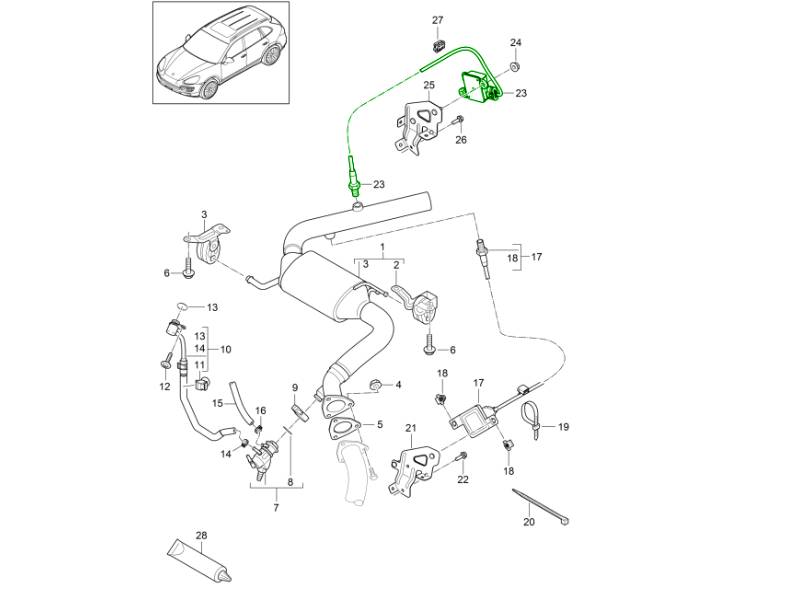
The Genuine Porsche Particulate Matter Sensor 958906261 is an exhaust emissions-monitoring sensor specified for compatible USA-market Porsche applications. It is designed to monitor particulate levels within the exhaust system and provide measurement data to the vehicle's engine and emissions-control electronics.
Fits:
- Porsche 958 Cayenne V6 3.0L Diesel (245Hp) 2010-17 (USA MARKET ONLY)
Diagram Ref No 23
Particulate matter sensors form part of the vehicle's sophisticated exhaust aftertreatment and onboard diagnostic system. Their readings allow the control system to monitor the effectiveness of the relevant particulate filtration and emissions equipment and identify conditions that may indicate an emissions-system fault.
What This Product Does:
The particulate matter sensor monitors particulate content in the exhaust gas and communicates relevant information to the vehicle's electronic control system.
Its role is primarily related to emissions monitoring and diagnostics. Depending on the specific vehicle and exhaust configuration, the sensor allows the control system to evaluate whether the associated exhaust aftertreatment and particulate filtration system is operating within its expected parameters.
A correctly functioning particulate matter sensor helps:
- Monitor particulate levels in the exhaust
- Support emissions-system diagnostics
- Monitor exhaust aftertreatment performance
- Help detect abnormal particulate emissions
- Provide accurate information to the vehicle's control electronics
- Support onboard diagnostic functions
- Help ensure correct operation of emissions-related systems
Symptoms Of Wear Or Failure:
A particulate matter sensor operates in a demanding environment with exposure to hot exhaust gases, soot, moisture and repeated temperature cycles.
Common signs of sensor failure can include:
- Check Engine Light / engine-management warning
- Emissions-system warning messages
- Stored particulate sensor fault codes
- Exhaust aftertreatment-related diagnostic codes
- Implausible or inconsistent sensor readings
- No sensor signal during diagnostic testing
- Failed sensor self-diagnostics
- Intermittent emissions warnings
- Failed emissions or inspection testing
- Damaged sensor wiring
- Heat-damaged electrical connections
- Corroded or damaged connectors
In some cases there may be little or no noticeable difference in normal driving behaviour, with the fault primarily appearing as a warning light or diagnostic code.
Why Replacement Matters:
A failed particulate matter sensor can prevent the vehicle's control system from accurately monitoring exhaust emissions and the operation of associated aftertreatment equipment.
Replacing a confirmed defective sensor helps restore:
- Accurate particulate monitoring
- Correct emissions-system feedback
- Reliable onboard diagnostics
- Proper exhaust aftertreatment monitoring
- Accurate identification of emissions faults
- Reduced likelihood of recurring sensor-related warning messages
- Correct communication between the exhaust sensor and vehicle electronics
Leaving a failed sensor in place may result in persistent warning lights and can make it more difficult to identify genuine faults elsewhere in the emissions system.
Related reference numbers
Related, superseded, cross reference or alternative numbers for comparison.
958906261
The product you are viewing cross references to these numbers
- Porsche 958 Cayenne V6 3.0L Diesel (245Hp) 2010-17
Shop Securely
12 Month Warranty
Worldwide Delivery
.jpg?width=200&height=150&format=webp&quality=65&iv=rendition-2 "Lambda Oxygen Sensor, BEFORE Catalytic Converter. Porsche 957 Cayenne 4.8L 2007-10 - 95560616802, 95560616801")
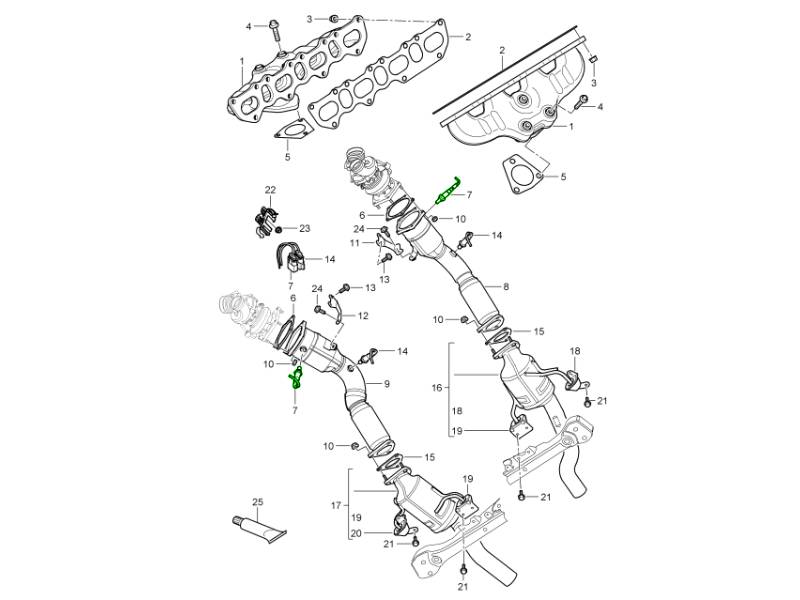
The Genuine Porsche Lambda Oxygen Sensor 95560616802 is an exhaust-gas sensor designed for installation before the catalytic converter, also known as the pre-cat or upstream position.
Fits:
- Porsche 957 Cayenne S / GTS 4.8L 2007-10
- Porsche 957 Cayenne Turbo / Turbo S 4.8L 2007-10
Diagram Ref No 7
The sensor measures the oxygen content of the exhaust gases leaving the engine and sends this information to the engine control unit (ECU). The ECU uses this feedback as part of its engine-management strategy to maintain the correct air/fuel mixture and efficient combustion.
What This Product Does:
The lambda sensor continuously measures the amount of oxygen remaining in the exhaust gases.
This information allows the ECU to determine whether the engine is operating with a mixture that is relatively rich or lean. The ECU can then make appropriate adjustments to fuel delivery to maintain efficient combustion under applicable operating conditions.
A correctly functioning pre-cat oxygen sensor helps:
- Monitor the engine's air/fuel mixture
- Provide exhaust oxygen information to the ECU
- Support accurate fuel-control adjustments
- Promote efficient combustion
- Maintain responsive engine operation
- Support good fuel economy
- Reduce unnecessary exhaust emissions
- Help protect catalytic converter performance
Symptoms Of Wear Or Failure:
Lambda sensors operate in an extremely demanding environment and are continually exposed to hot exhaust gases, combustion deposits and repeated temperature cycles.
As a sensor ages, its response can become slower or its readings can become inaccurate.
Common symptoms of a worn or failing pre-cat oxygen sensor can include:
- Check Engine Light / engine-management warning
- Lambda or oxygen-sensor fault codes
- Rich or lean mixture fault codes
- Increased fuel consumption
- Poor fuel economy
- Rough or inconsistent idle
- Hesitation during acceleration
- Reduced engine response
- Increased exhaust emissions
- Failed emissions test
- Irregular engine operation
- Incorrect or slow sensor readings during diagnostics
- Damaged wiring or electrical connectors
The exact symptoms depend on the nature of the failure and the vehicle's engine-management strategy.
Why Replacement Matters:
The ECU depends on accurate information from the pre-cat lambda sensor to help manage combustion effectively.
If the sensor becomes slow or inaccurate, the ECU may receive incorrect information about the oxygen content of the exhaust gases. This can affect fuel control and potentially lead to poor engine operation, increased fuel consumption and higher emissions.
Replacing a confirmed defective sensor can help restore:
- Accurate air/fuel mixture feedback
- Correct engine-management operation
- Efficient fuel delivery
- Smoother engine performance
- Improved fuel economy where the failed sensor was causing excessive consumption
- Correct emissions monitoring
- Reduced risk of recurring lambda-related fault codes
Related reference numbers
Related, superseded, cross reference or alternative numbers for comparison.
95560616802
The product you are viewing cross references to these numbers
- Porsche 957 Cayenne S / GTS 4.8L 2007-10
- Porsche 957 Cayenne Turbo / Turbo S 4.8L 2007-10
Shop Securely
12 Month Warranty
Worldwide Delivery

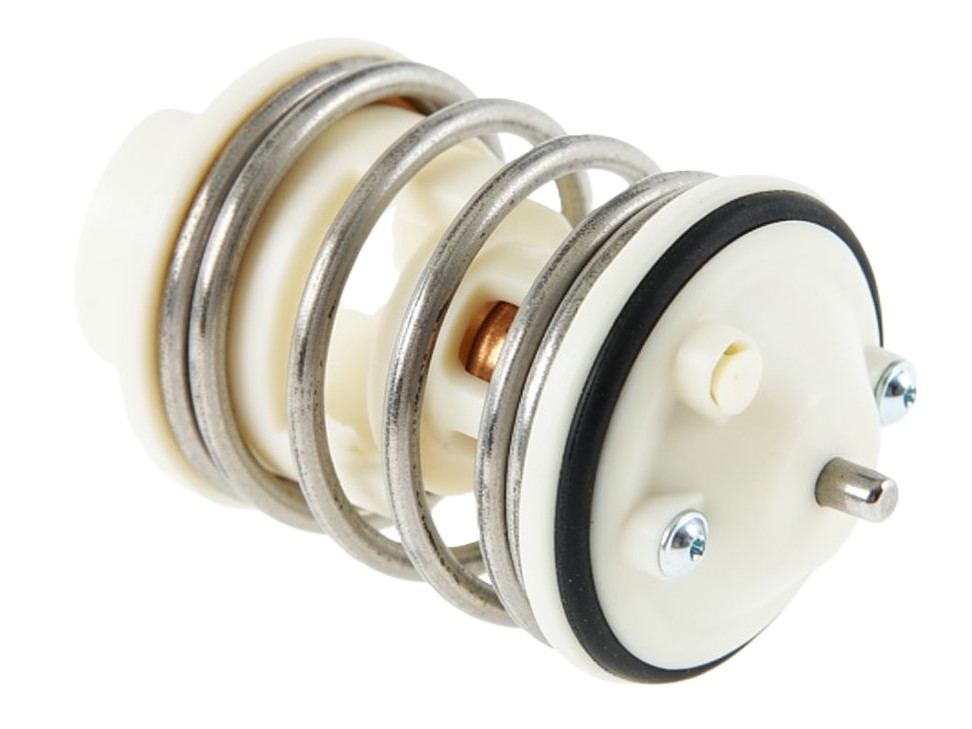
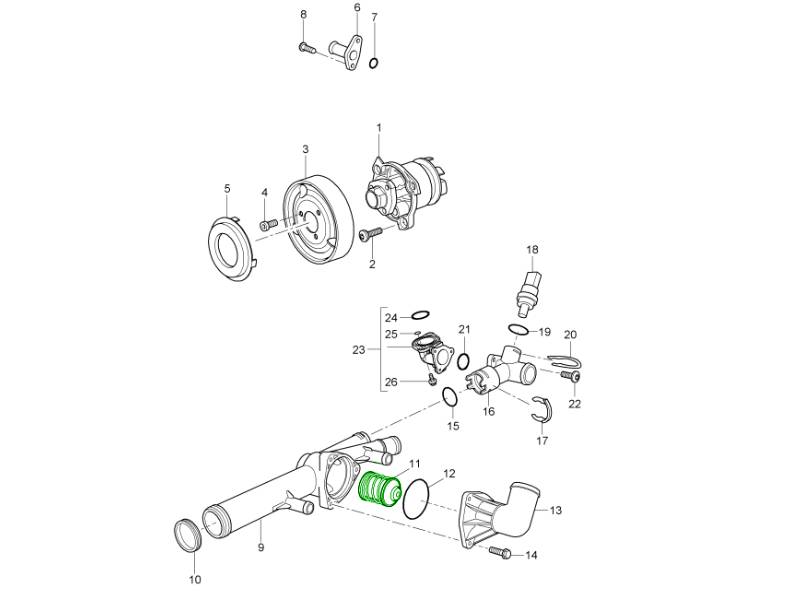
The Genuine Porsche Thermostat 95510612601 is an important engine cooling-system component designed to regulate coolant circulation according to engine temperature. By controlling when coolant is allowed to circulate through the radiator, the thermostat helps the engine reach and maintain its correct operating temperature.
Fits:
- Porsche 957 Cayenne 3.6L 2007-10
Diagram Ref No 11
A correctly functioning thermostat is essential for stable engine temperature, efficient warm-up and dependable cooling-system performance. A thermostat that sticks open or closed can cause poor temperature regulation and, in severe cases, overheating.
What This Product Does:
The thermostat acts as a temperature-controlled valve within the engine cooling system.
When the engine is cold, the thermostat restricts coolant flow through the radiator. This allows the engine to reach its normal operating temperature more quickly.
As coolant temperature increases, the thermostat opens and allows greater coolant circulation through the radiator, where excess heat can be removed.
This controlled operation helps:
- Maintain a stable engine operating temperature
- Promote efficient engine warm-up
- Prevent unnecessary overcooling
- Provide adequate cooling when engine temperature rises
- Support efficient combustion and fuel economy
- Maintain consistent heater performance
- Protect the engine against excessive operating temperatures
Symptoms Of Wear Or Failure:
Thermostats operate through thousands of heating and cooling cycles and can eventually become worn, seized or slow to respond.
Common symptoms of thermostat failure include:
- Engine overheating
- Engine running hotter than normal
- Engine taking unusually long to reach operating temperature
- Temperature gauge remaining unusually low
- Temperature gauge readings fluctuating
- Sudden increases in coolant temperature
- Poor or inconsistent cabin heater performance
- Cooling fans operating more frequently than expected
- Coolant warning messages
- Abnormal coolant circulation
- Reduced fuel efficiency in some circumstances
The exact symptoms depend heavily on whether the thermostat has failed open, closed or partially open.
Why Replacement Matters:
Correct engine temperature is critical to performance, efficiency and long-term reliability.
Replacing a defective thermostat restores proper control over coolant circulation, helping the engine warm up correctly while still providing sufficient cooling when operating temperatures increase.
A correctly operating thermostat helps maintain:
- Stable coolant temperatures
- Effective engine cooling
- Efficient warm-up
- Consistent cabin heating
- Correct engine-management operation
- Improved protection against overheating
- Reliable everyday engine performance
Ignoring thermostat problems can place additional stress on the entire cooling system and may ultimately result in significantly more expensive engine repairs.
Related reference numbers
Related, superseded, cross reference or alternative numbers for comparison.
95510612601
The product you are viewing cross references to these numbers
- Porsche 957 Cayenne 3.6L 2007-10
Shop Securely
12 Month Warranty
Worldwide Delivery


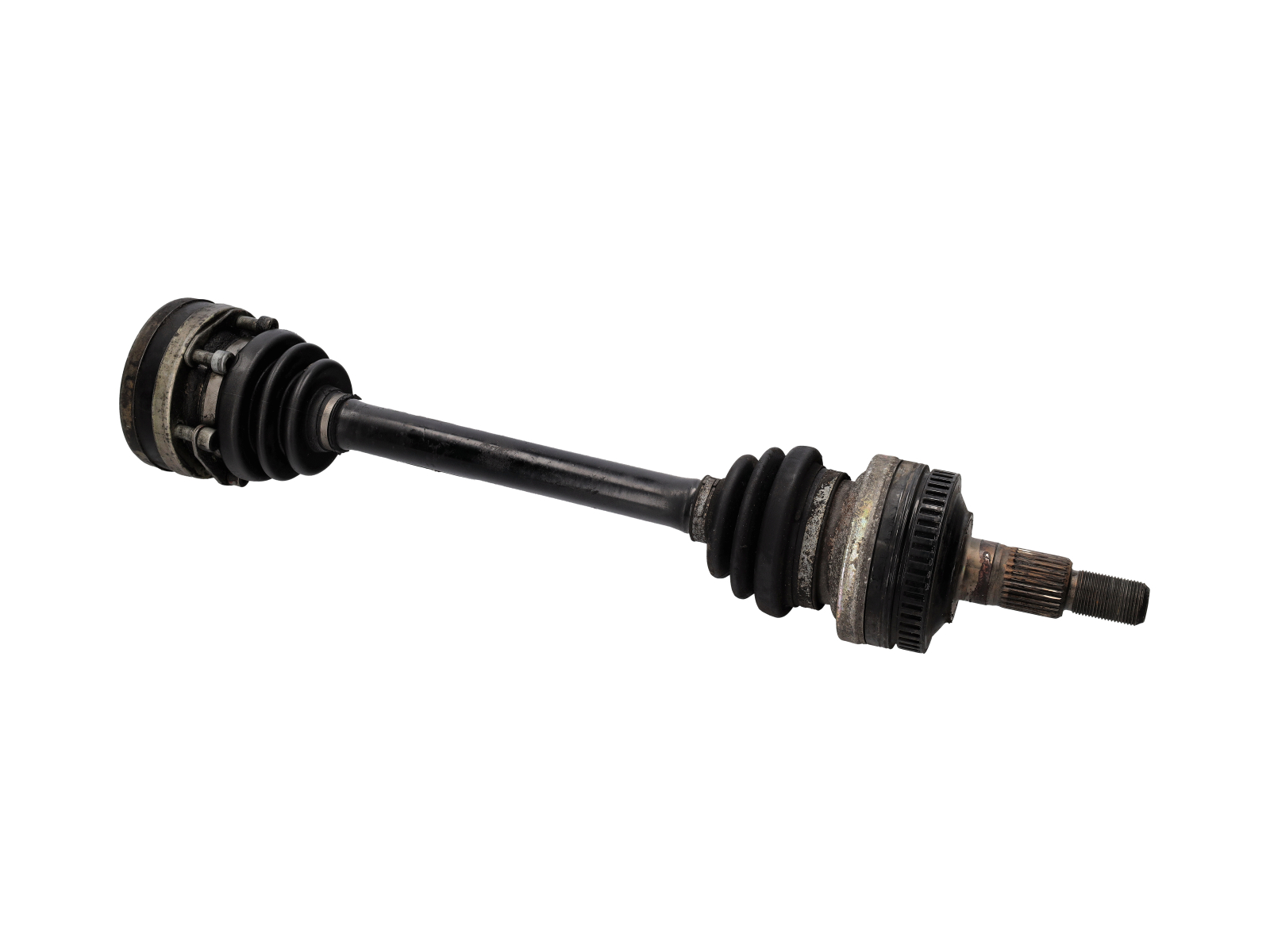
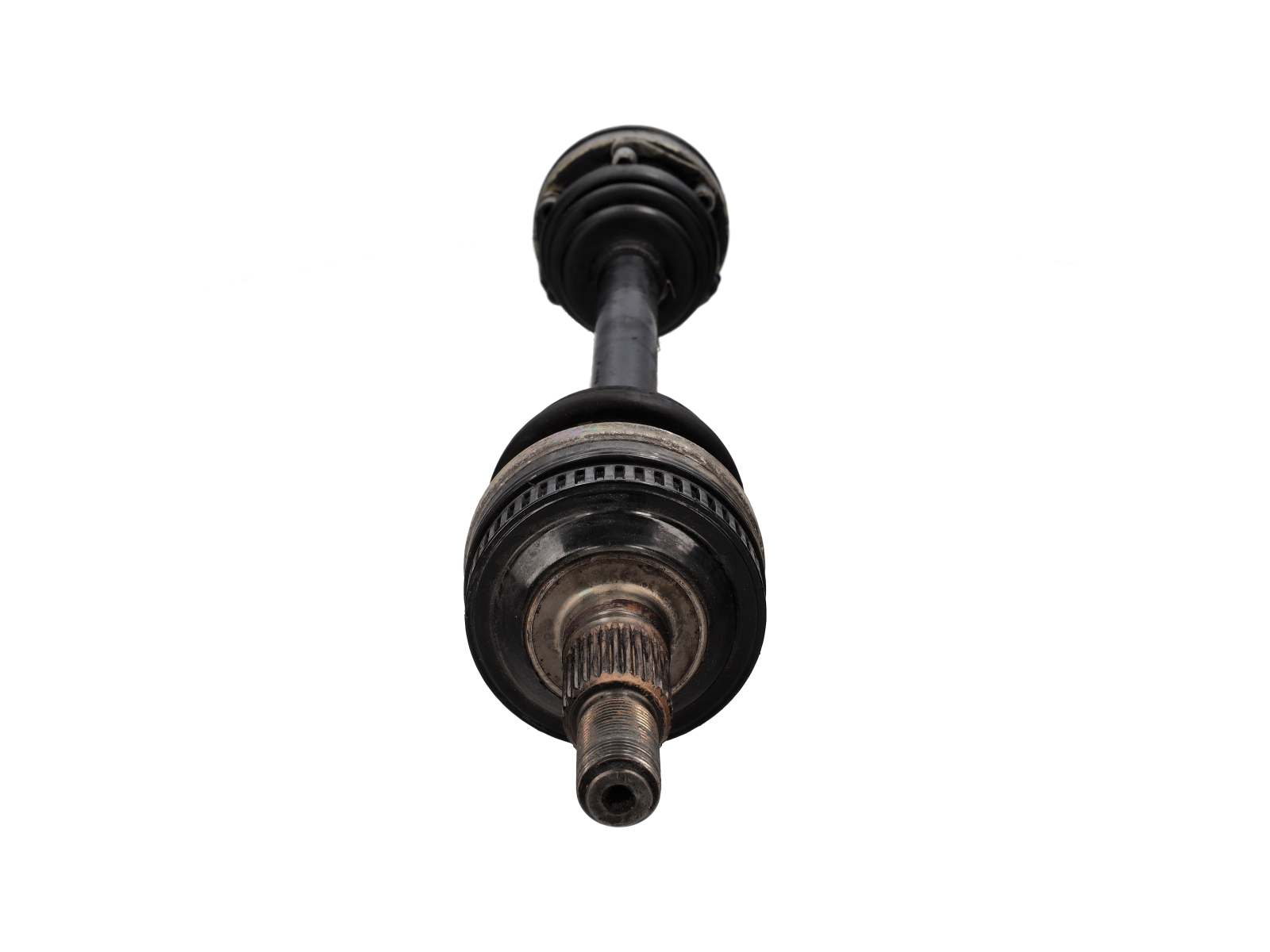
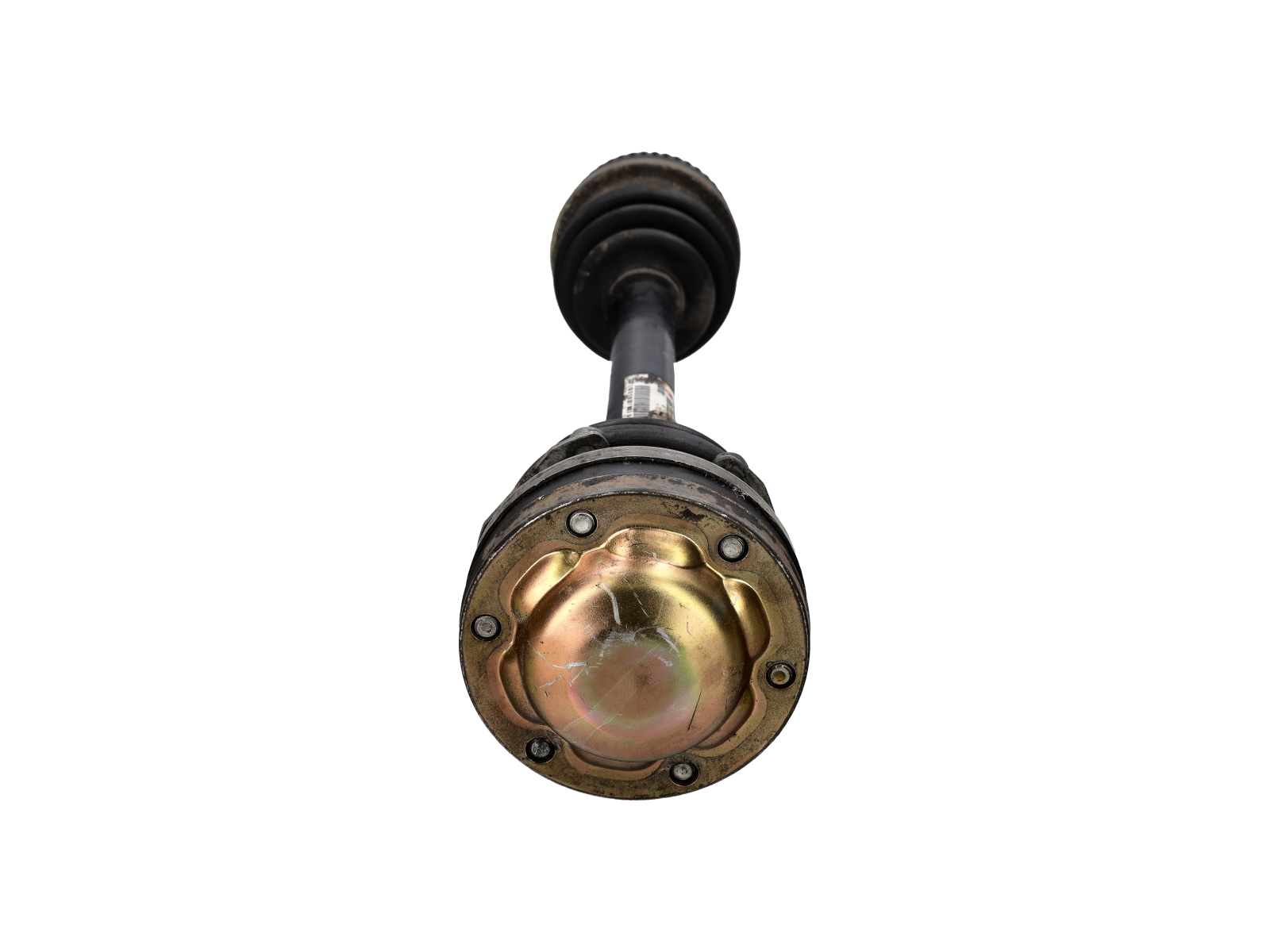
This is a used part which has been taken off the vehicle when it was in full working order. This part is in good working order. Ideal for restoration specialists, collectors, or workshops looking for components at reduced cost.
Condition:
This Driveshaft is a used part. It has some imperfections but in good / reusable working order.
Please see the gallery of images before purchasing.
Fits:
- Porsche Boxster 986 2.5L 1997-99 (TIPTRONIC CARS)
- Porsche Boxster 986 2.7L 1999-02 (TIPTRONIC CARS)
Related reference numbers
Related, superseded, cross reference or alternative numbers for comparison.
98633202458U
The product you are viewing cross references to these numbers
- Porsche Boxster 986 2.5L 1997-99
- Porsche Boxster 986 2.7L 1999-02
Shop Securely
12 Month Warranty
Worldwide Delivery

971_2021-23_No2.png)
.jpg)
.jpg)
.jpg)

.jpg)
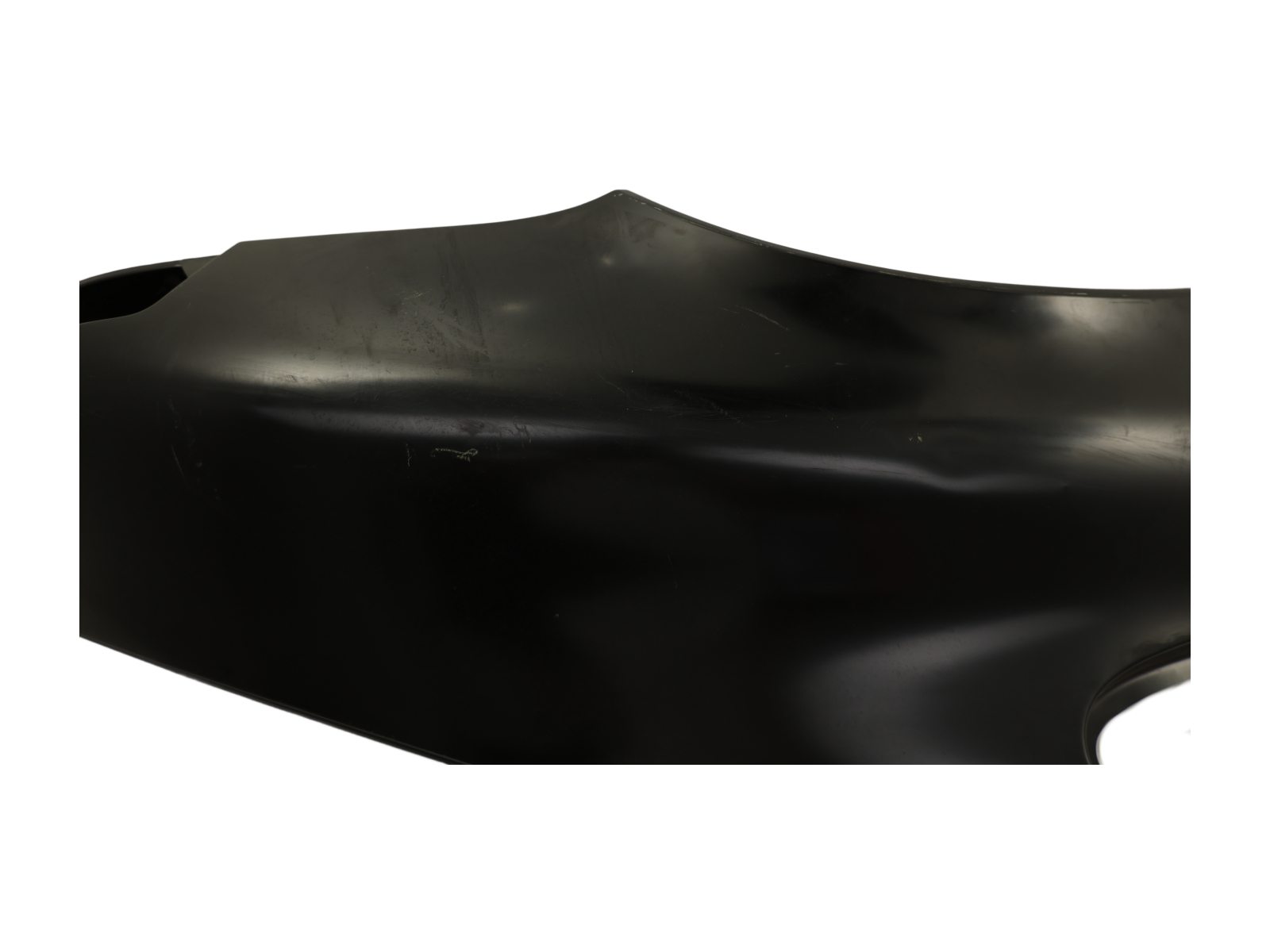
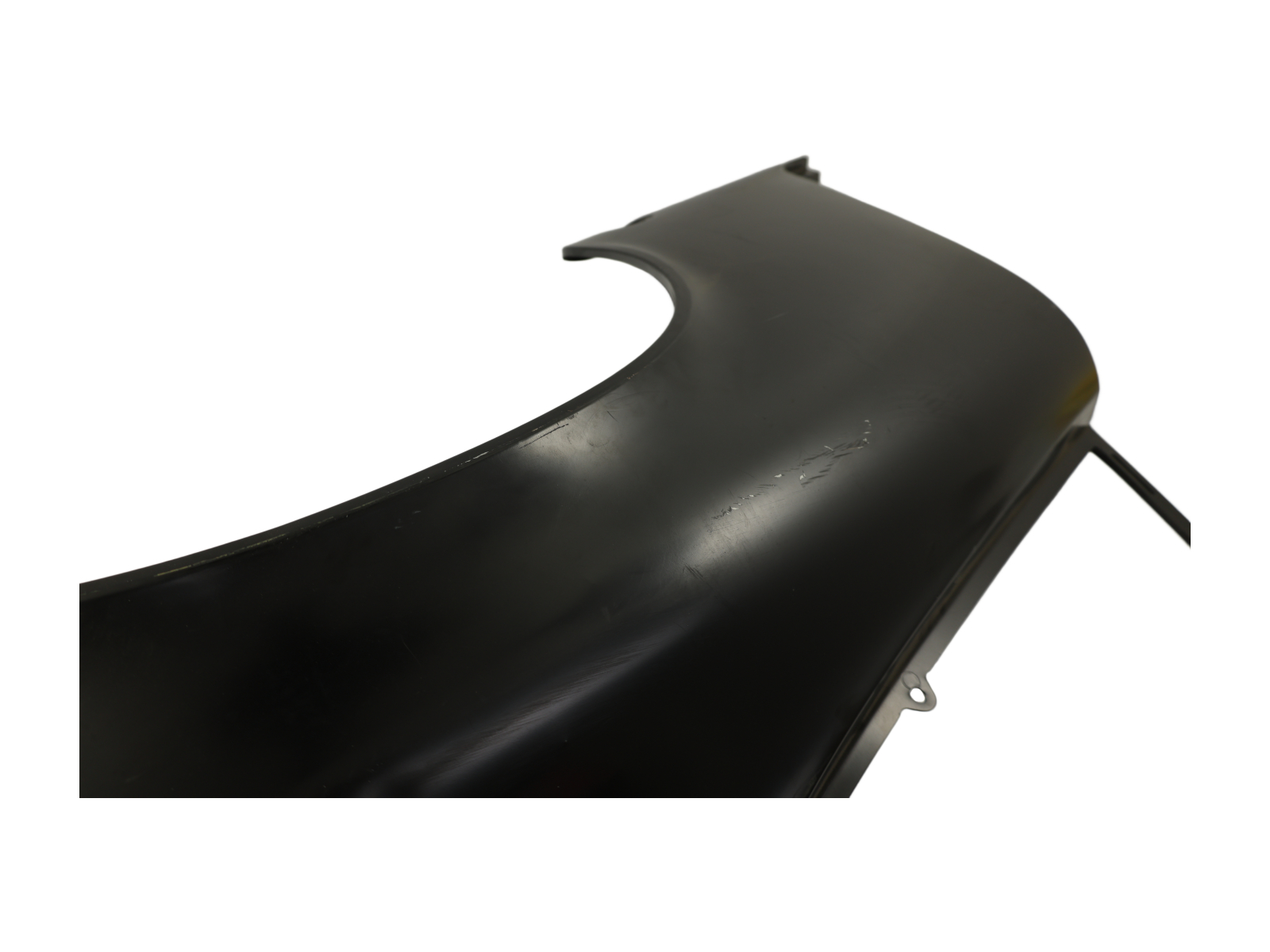
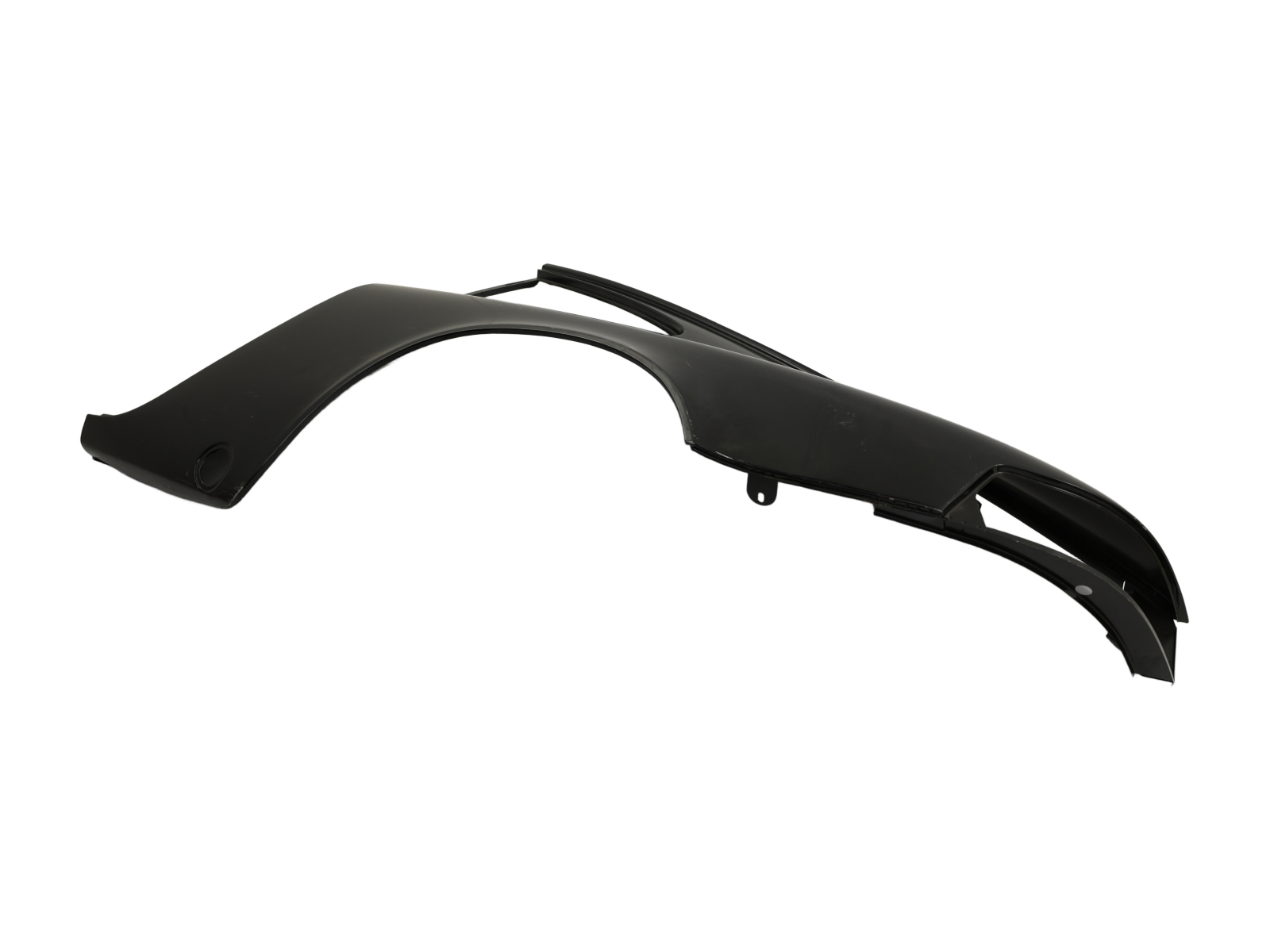
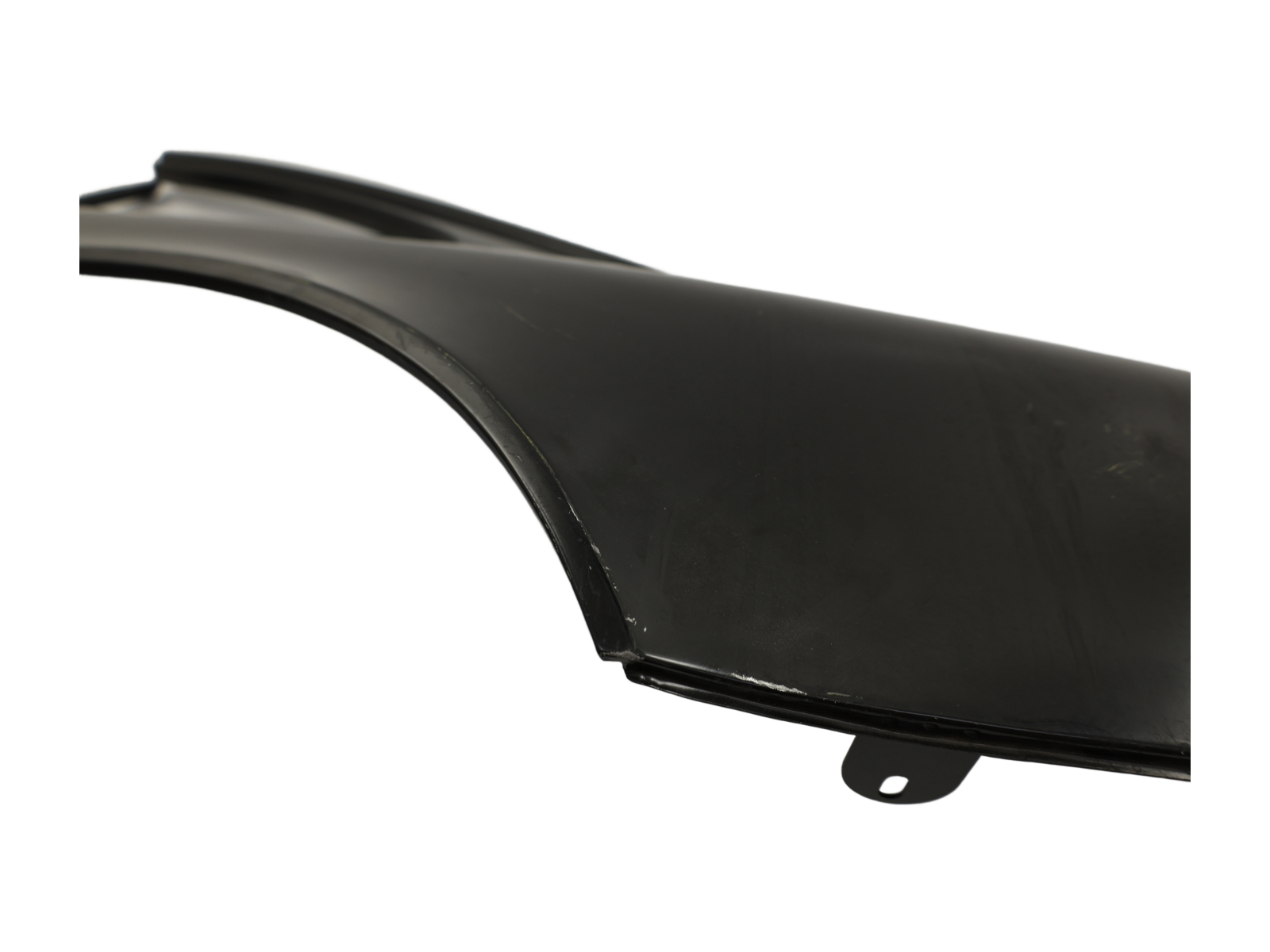
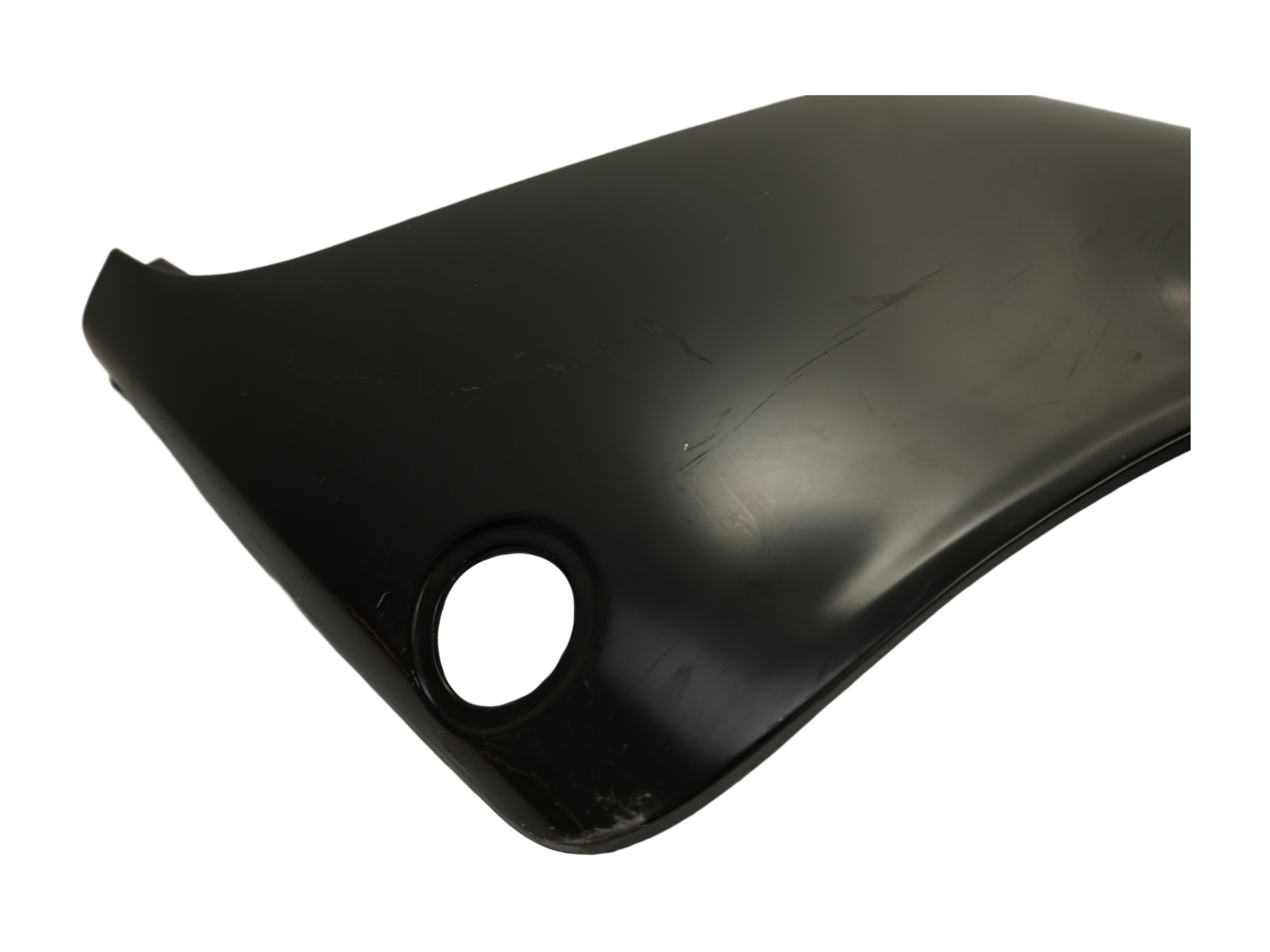
This is a damaged in transit part and has a visible dent and scratches on the surface, offered for parts or refurbishment purposes only. Ideal for restoration specialists, collectors, or workshops looking for components at reduced cost.
NOTE: For spares, repair, or core replacement only.
Condition:
This LEFT Rear 1/4 Panel Coupe is brand new and never been fitted. It has some transport damage which is repairable.
Please see the gallery of images before purchasing.
Fits:
- Porsche 911 1968-1973 2.2L / 2.4L / 2.7L RS LWB (F)
Related reference numbers
Related, superseded, cross reference or alternative numbers for comparison.
91150306100GRVU
The product you are viewing cross references to these numbers
- Porsche 911 1968-1973 2.2L / 2.4L / 2.7L RS LWB (F)
Shop Securely
12 Month Warranty
Worldwide Delivery


Monday-Friday: 8.30am - 5.30pm (GMT)
Saturday: Closed
Sunday: Closed